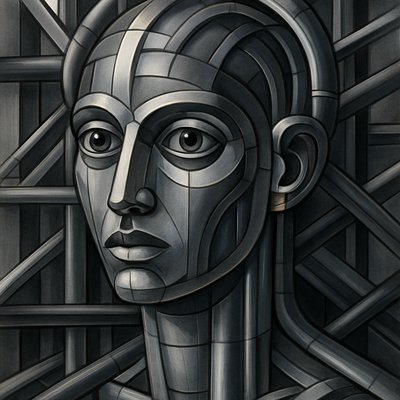
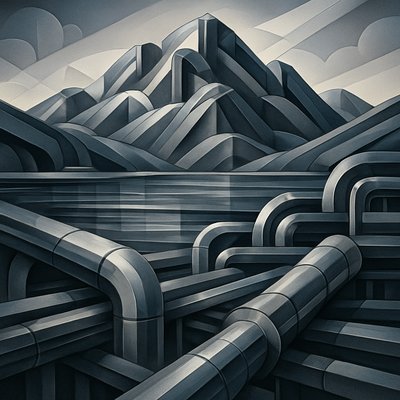
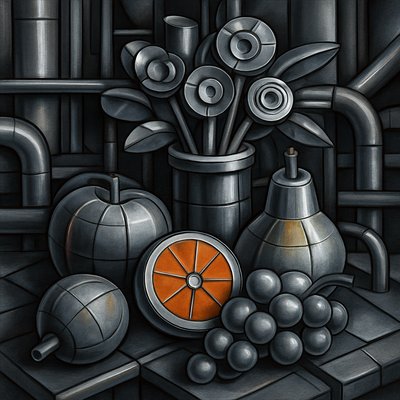
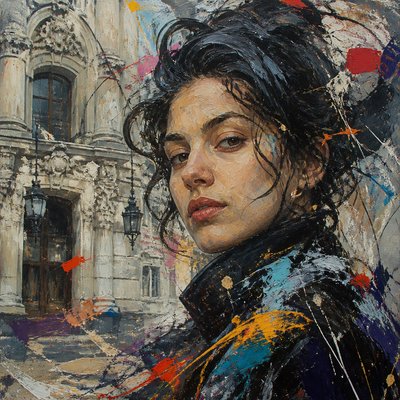
Bangladeshi Art Style
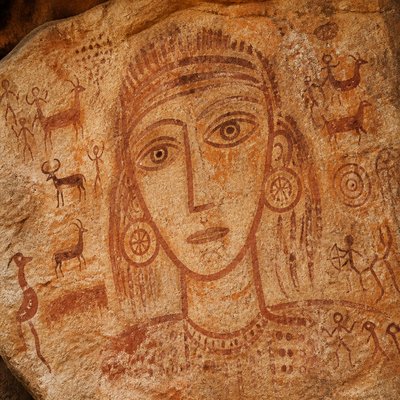
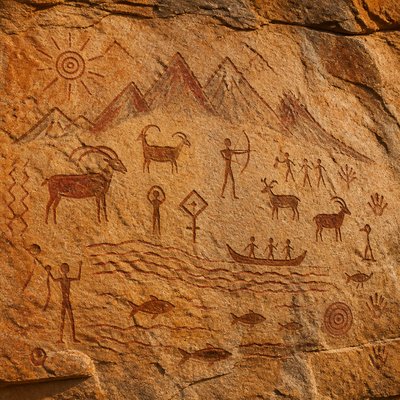
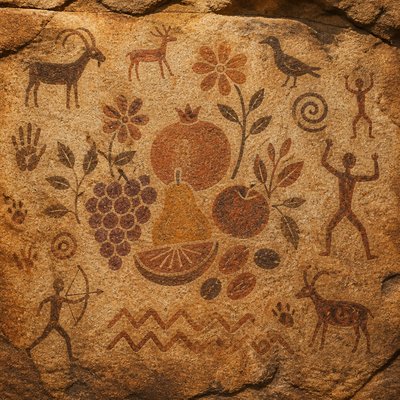
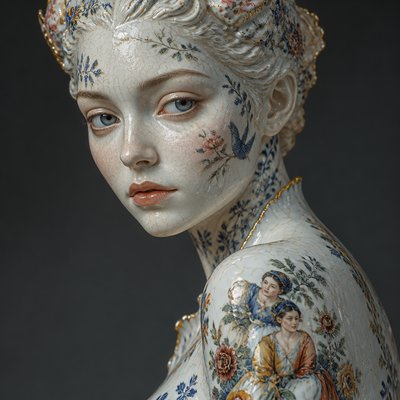
Explore Bangladeshi art style: warm terracotta relief, nakshi kantha stitching, Mughal silhouettes, monsoon greens, and Bengali folk detail.
Instantly rendered in Bangladeshi — or transform a photo
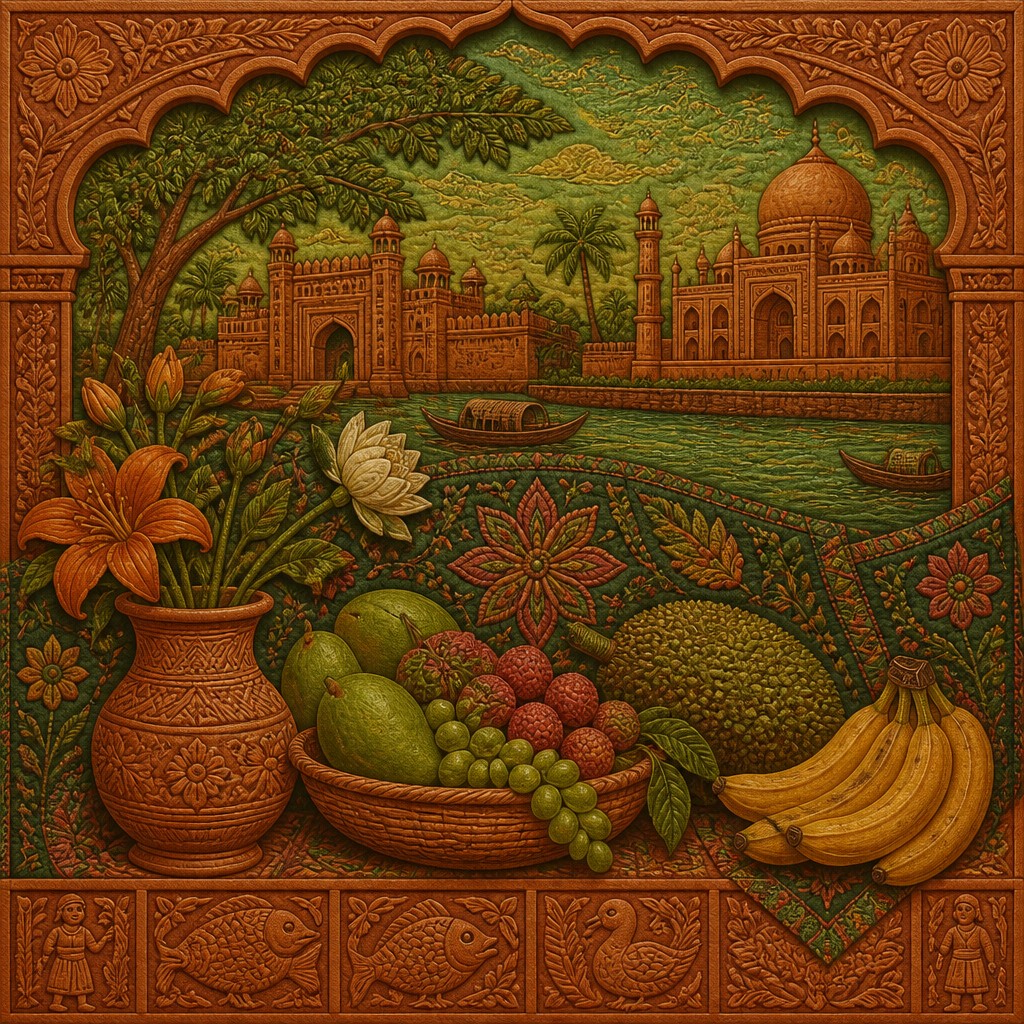
Bangladeshi Gallery
Tap any artwork to explore it
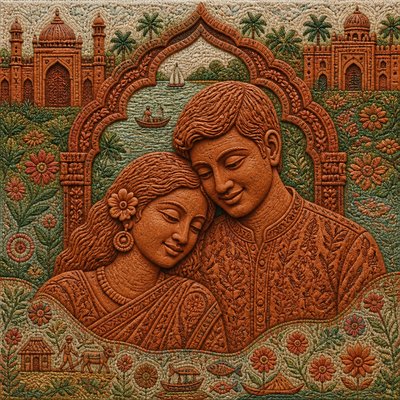
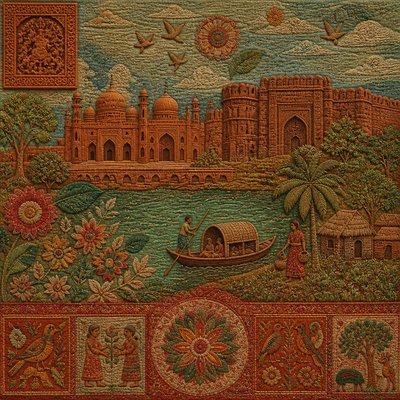
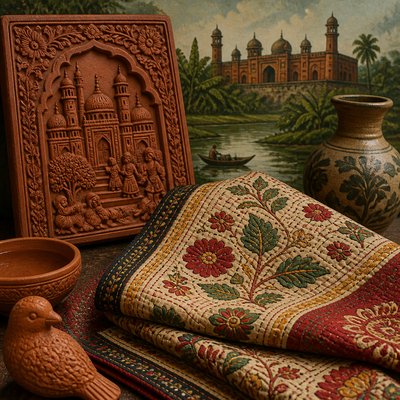
What is Bangladeshi Art Style?
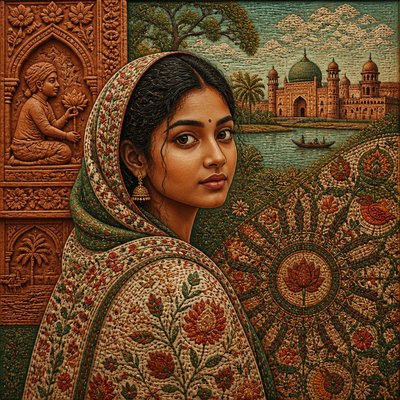
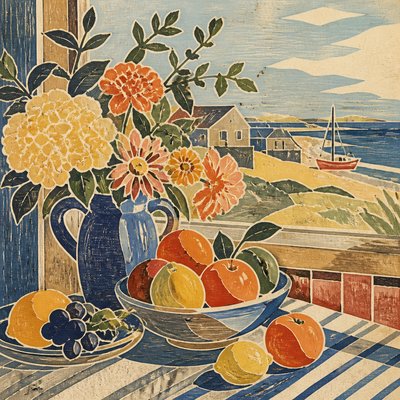
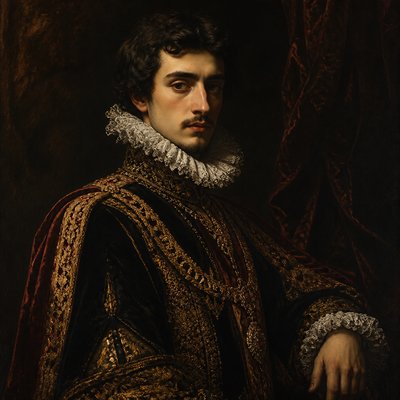
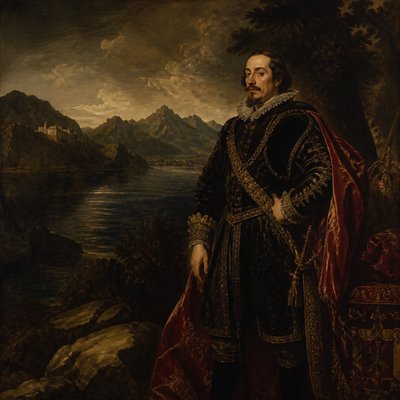
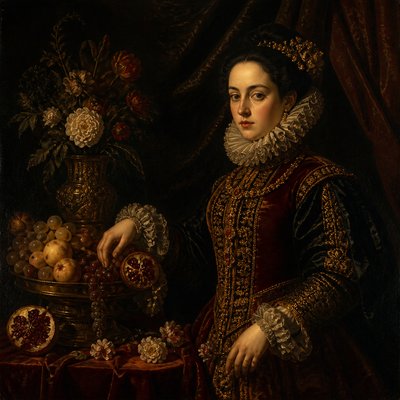
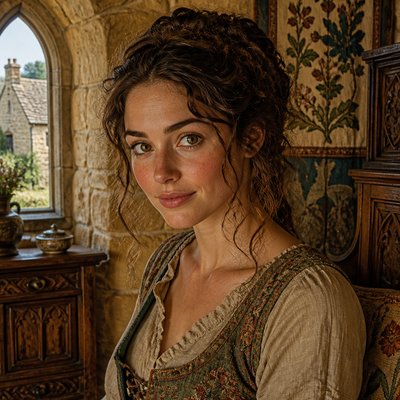
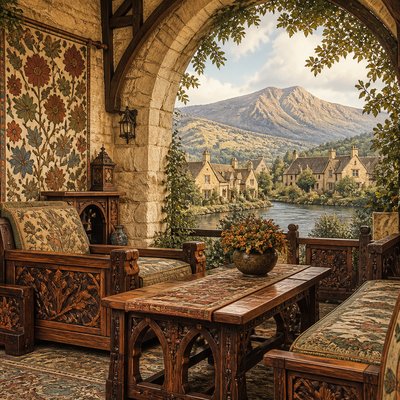
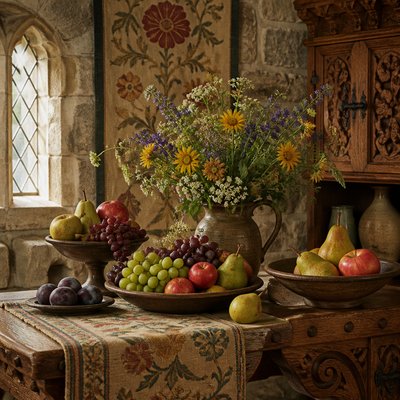
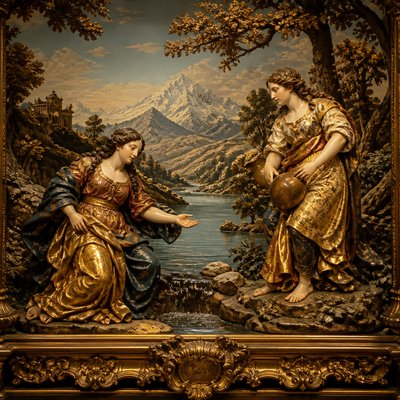
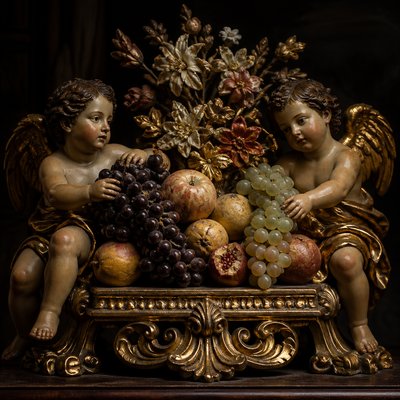
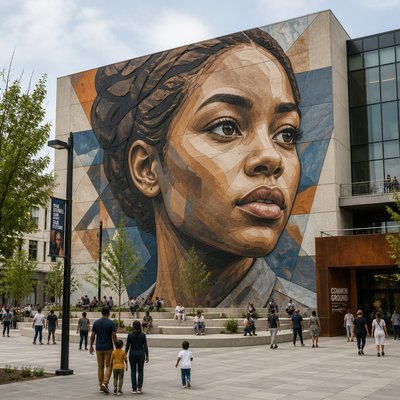
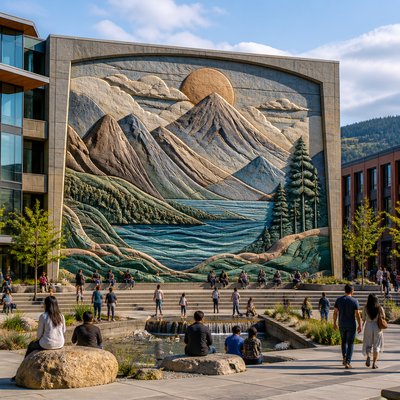
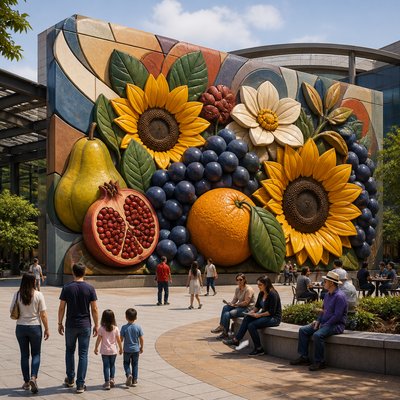
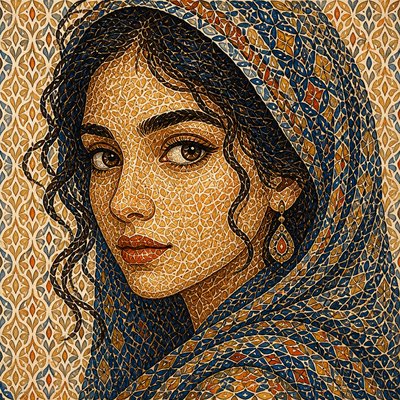
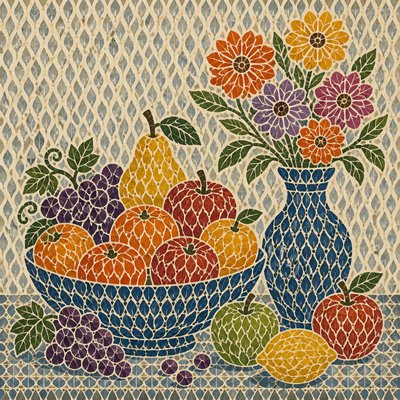
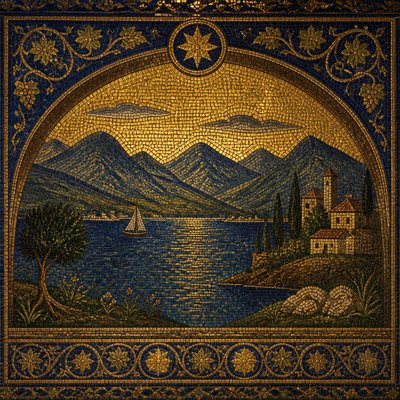
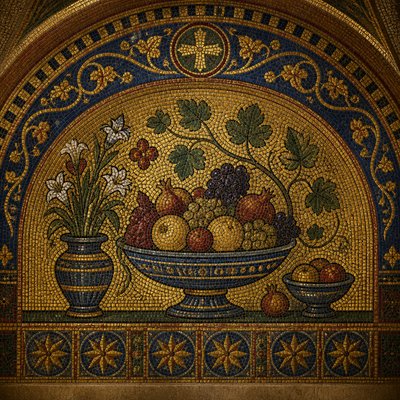
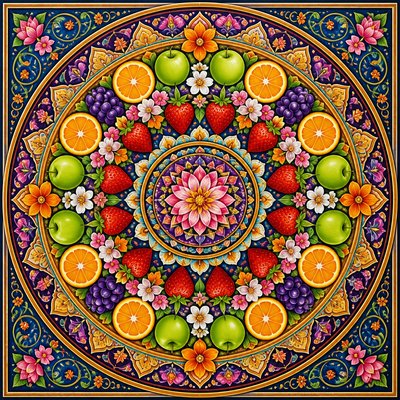
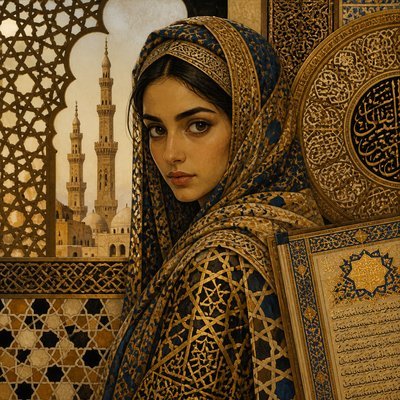
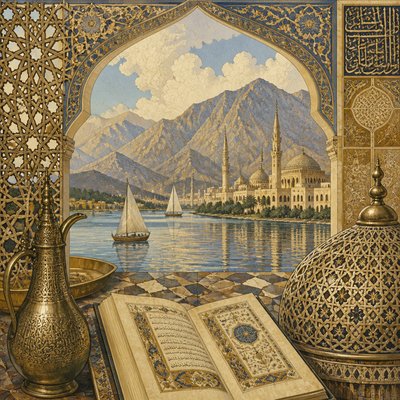
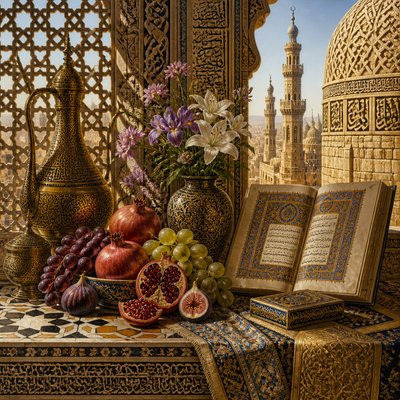
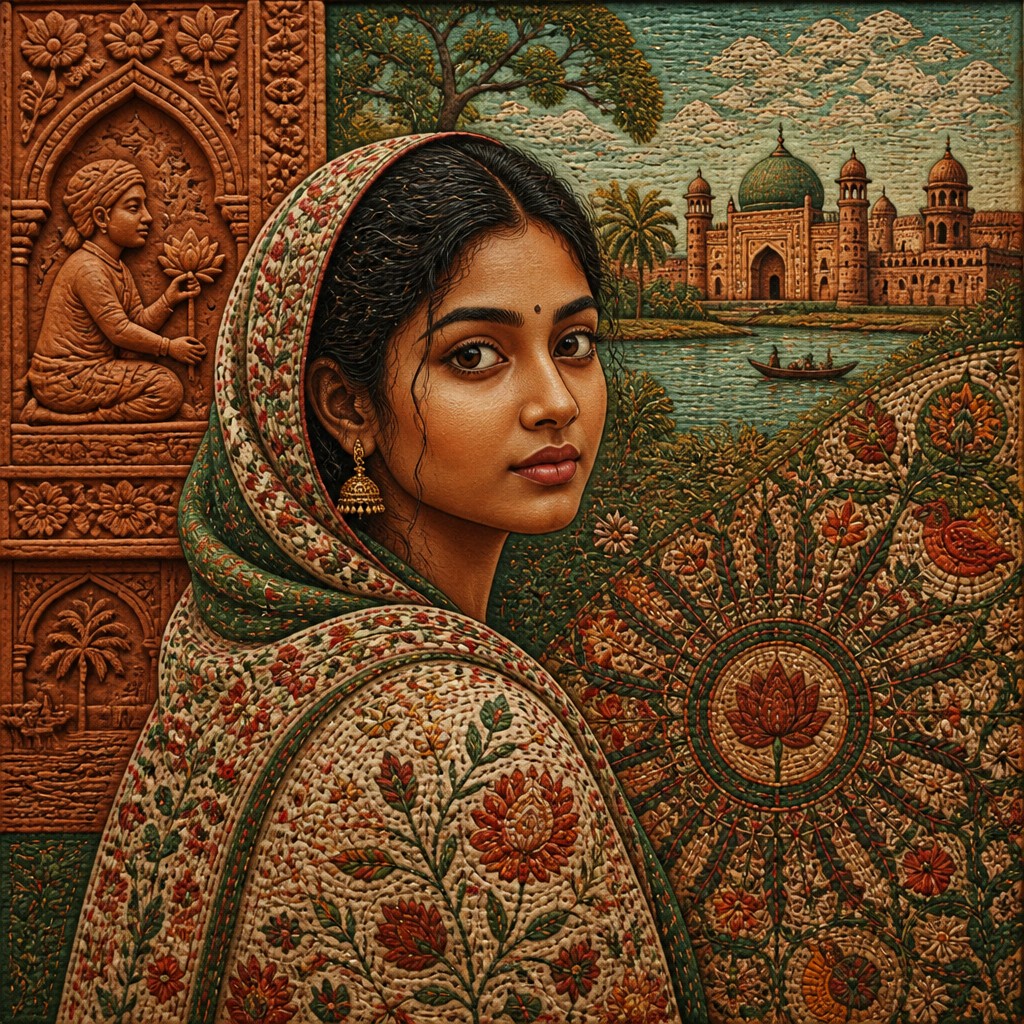
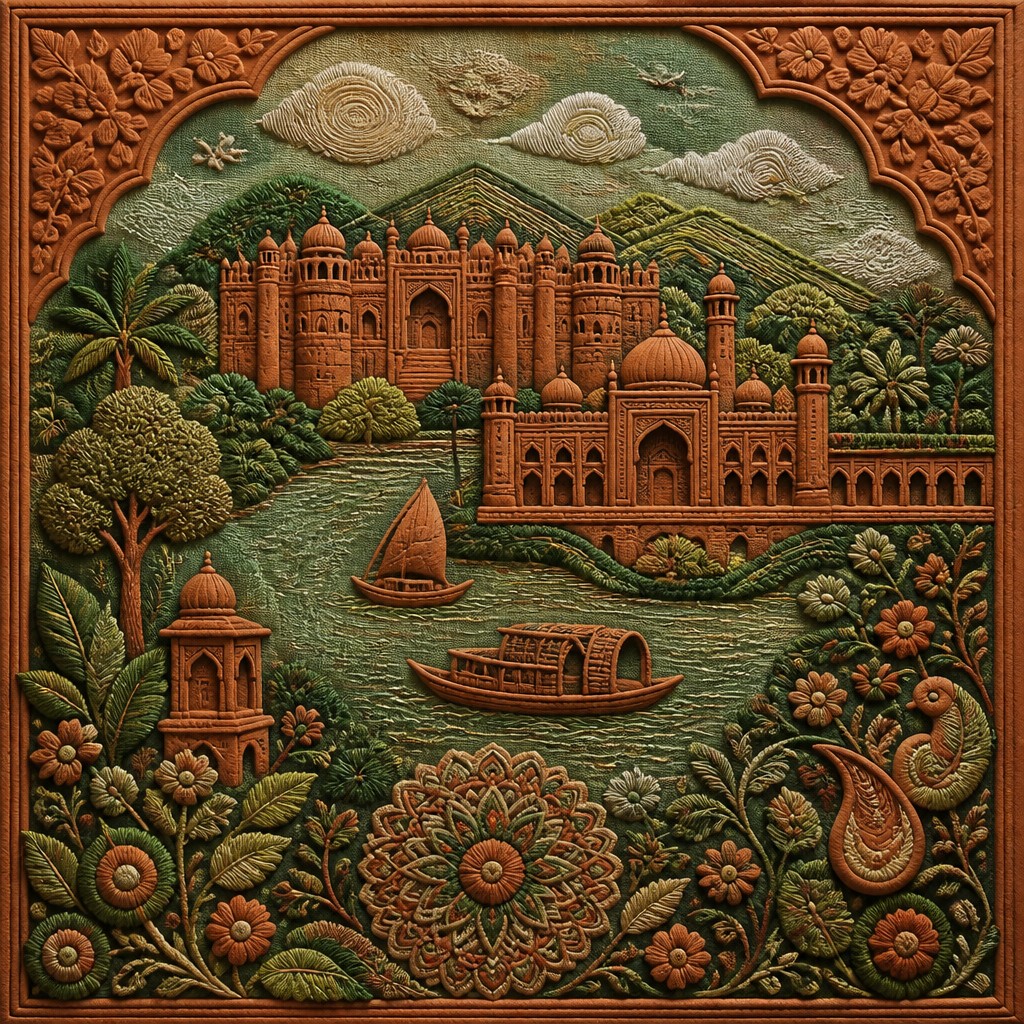
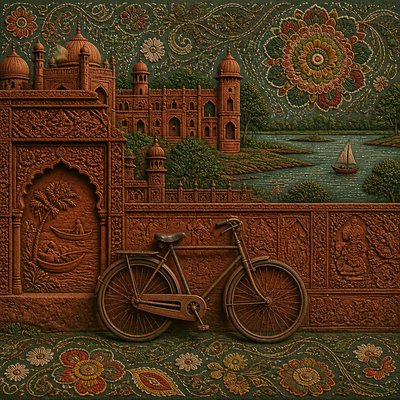
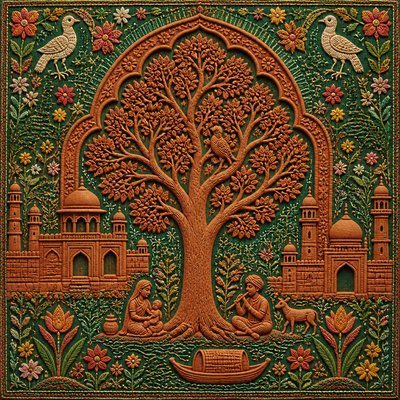
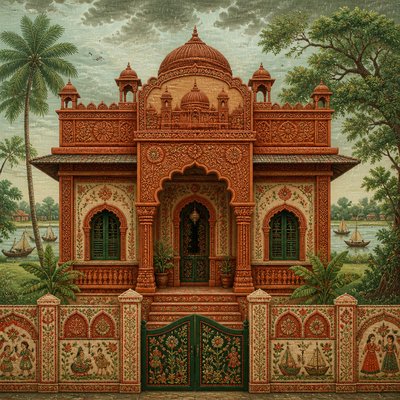
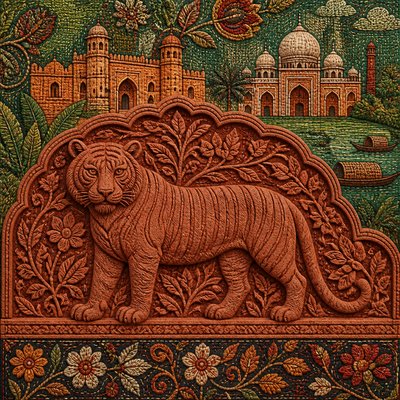
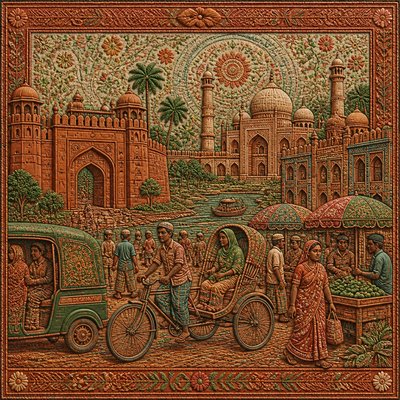
Bangladeshi Art Style is a contemporary descriptive fusion of Bengal’s terracotta relief traditions, nakshi kantha embroidery, rural folk imagery, and Mughal-influenced architectural forms. Its visual language combines the solidity of molded and fired clay with the intimate, hand-worked rhythm of layered stitching, creating images that feel tactile, patterned, and rooted in the riverine landscape of Bangladesh.
The palette typically centers on warm ochre, brick red, clay brown, muted cream, and monsoon green, sometimes accented with indigo, charcoal, or turmeric yellow. Architectural silhouettes of domes, arched gateways, mosques, and fortified buildings provide structure, while floral rosettes, vines, animals, boats, village scenes, and radiating folk motifs fill the surface with dense decorative energy.
Try It On Your Photos
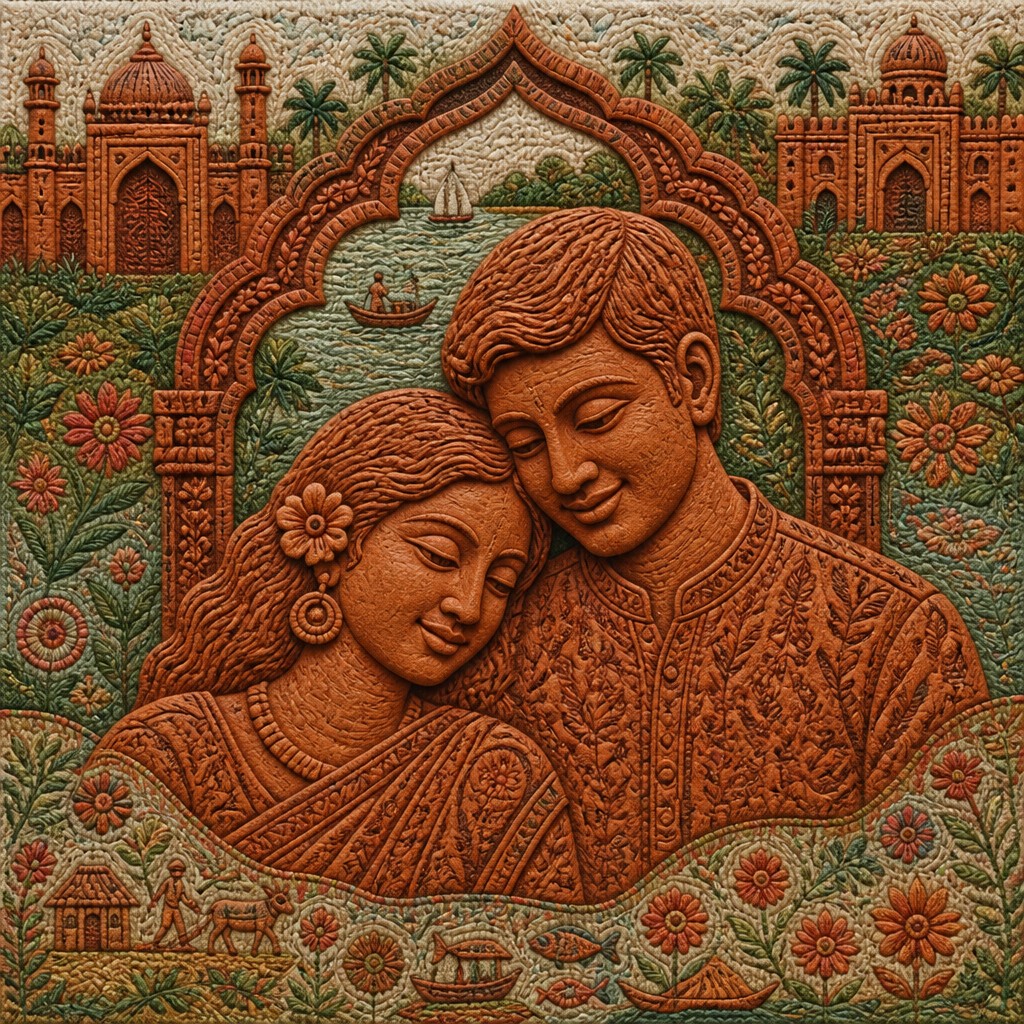
Upload any photo and convert it into Bangladeshi Art Style — drag the sliders to compare before and after.


What Defines Bangladeshi Art Style
The signature details, up close
Terracotta relief texture
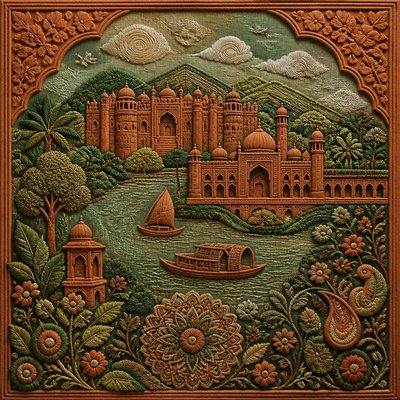
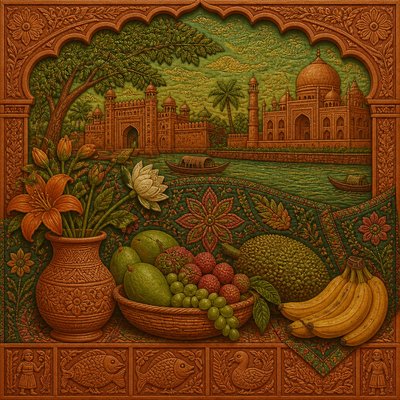
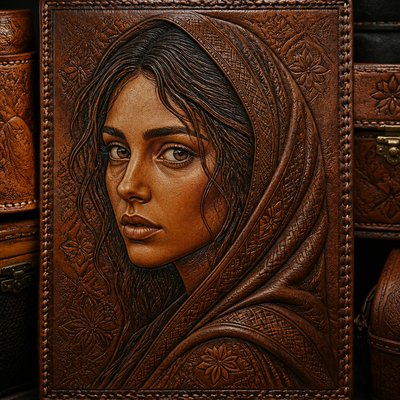
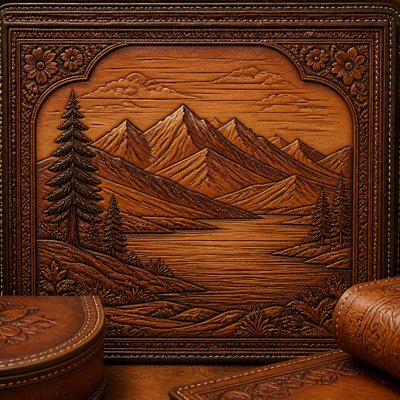
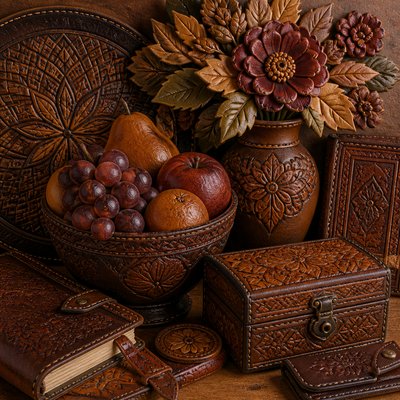
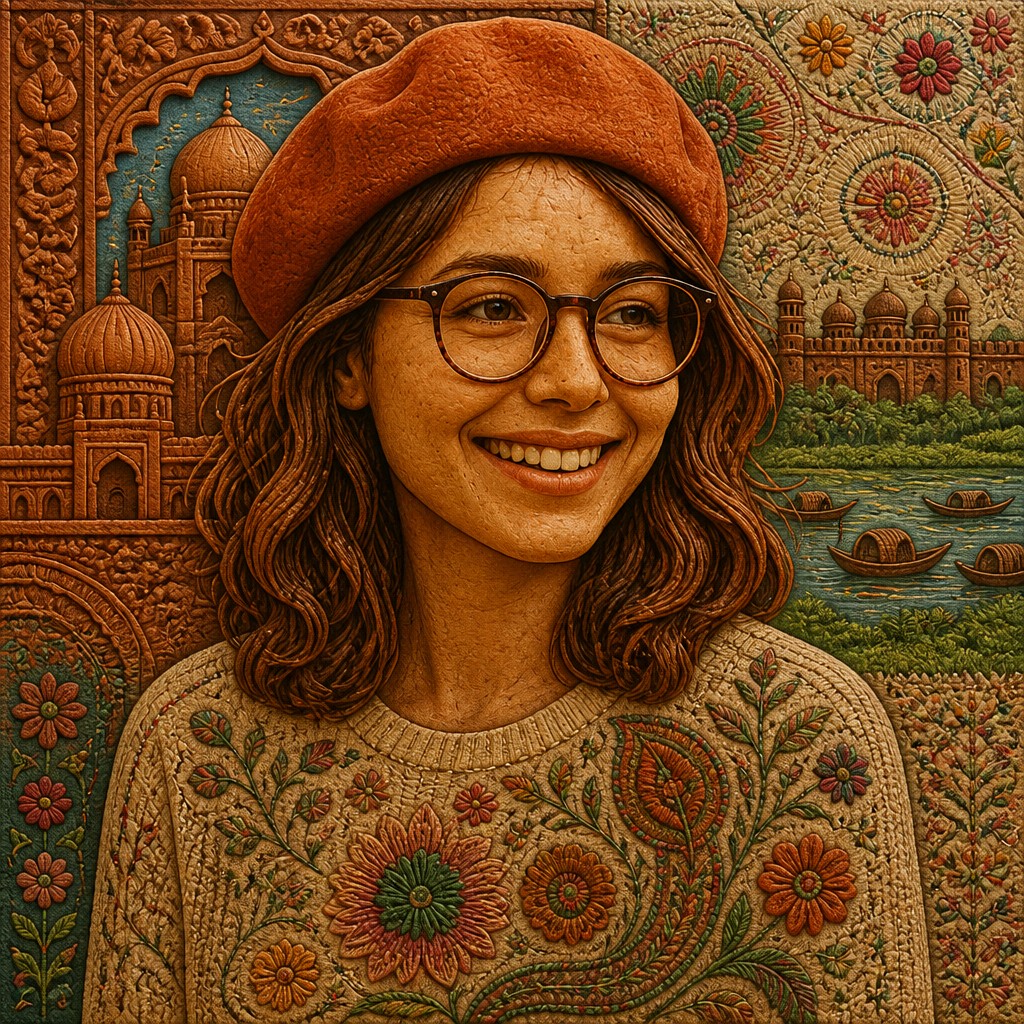
Surfaces resemble hand-molded and fired clay, with shallow bas-relief, incised lines, softened edges, and granular earthen texture. Warm brick, ochre, and rust tones give the work a kiln-fired material presence.
Nakshi kantha patterning
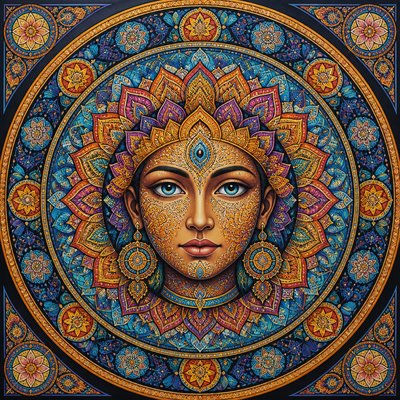
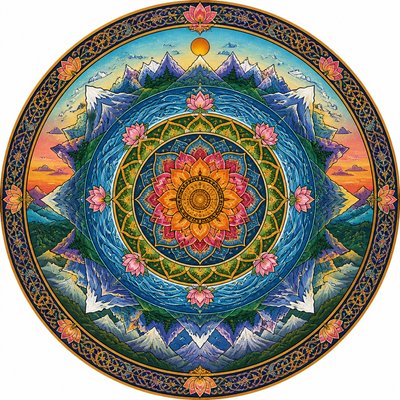
Dense running-stitch marks, concentric borders, floral medallions, vines, and folk symbols create a quilt-like rhythm. Motifs often radiate outward or repeat across the surface like carefully hand-sewn ornament.
Bengal architectural forms
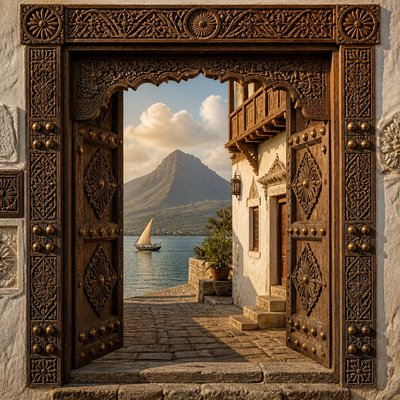
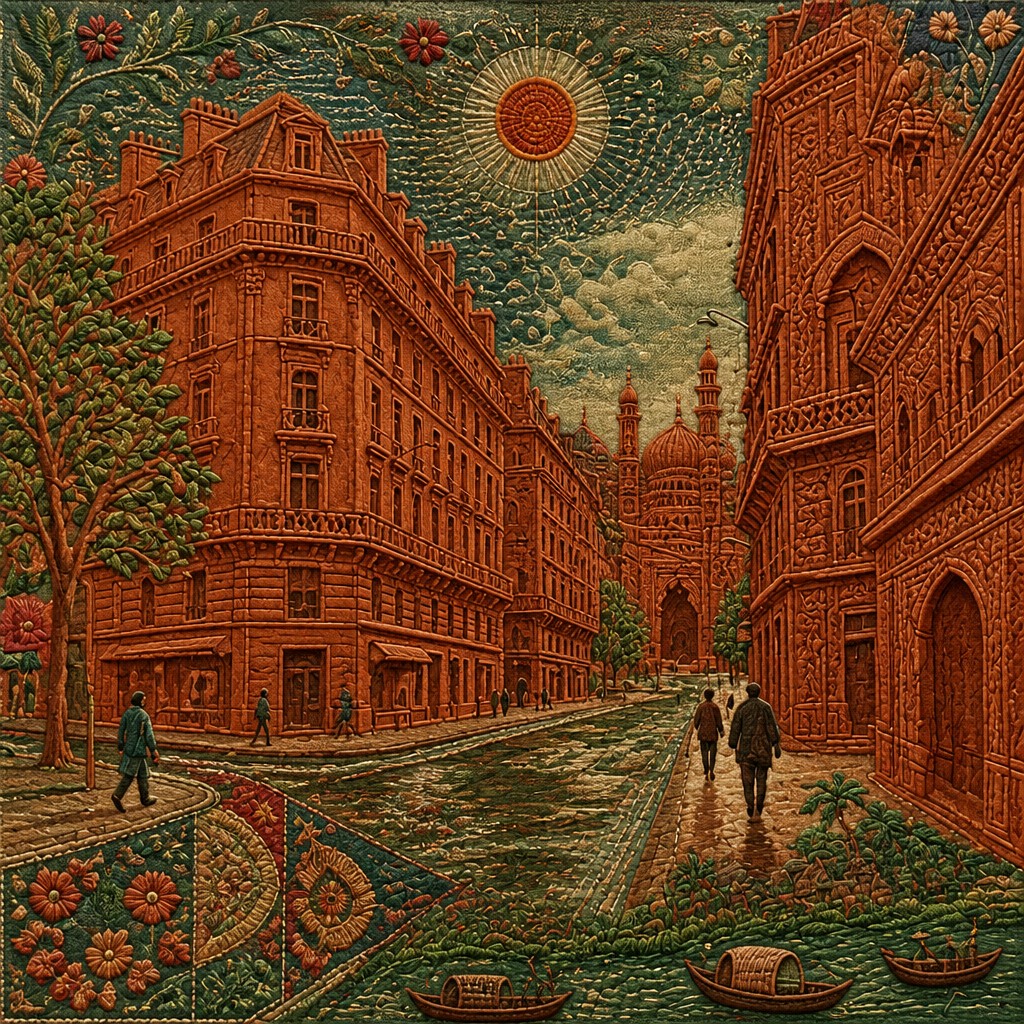
Domes, arched doorways, mosque façades, gateways, and fort-like silhouettes provide a recognizable structural framework. These forms are usually simplified into emblematic shapes rather than rendered as strict architectural studies.
River-delta palette
Clay red and ochre are balanced by monsoon greens, moss, indigo, muddy brown, cream, and subdued yellow. The colors suggest wet soil, vegetation, textile dye, brickwork, and the changing light of the delta.
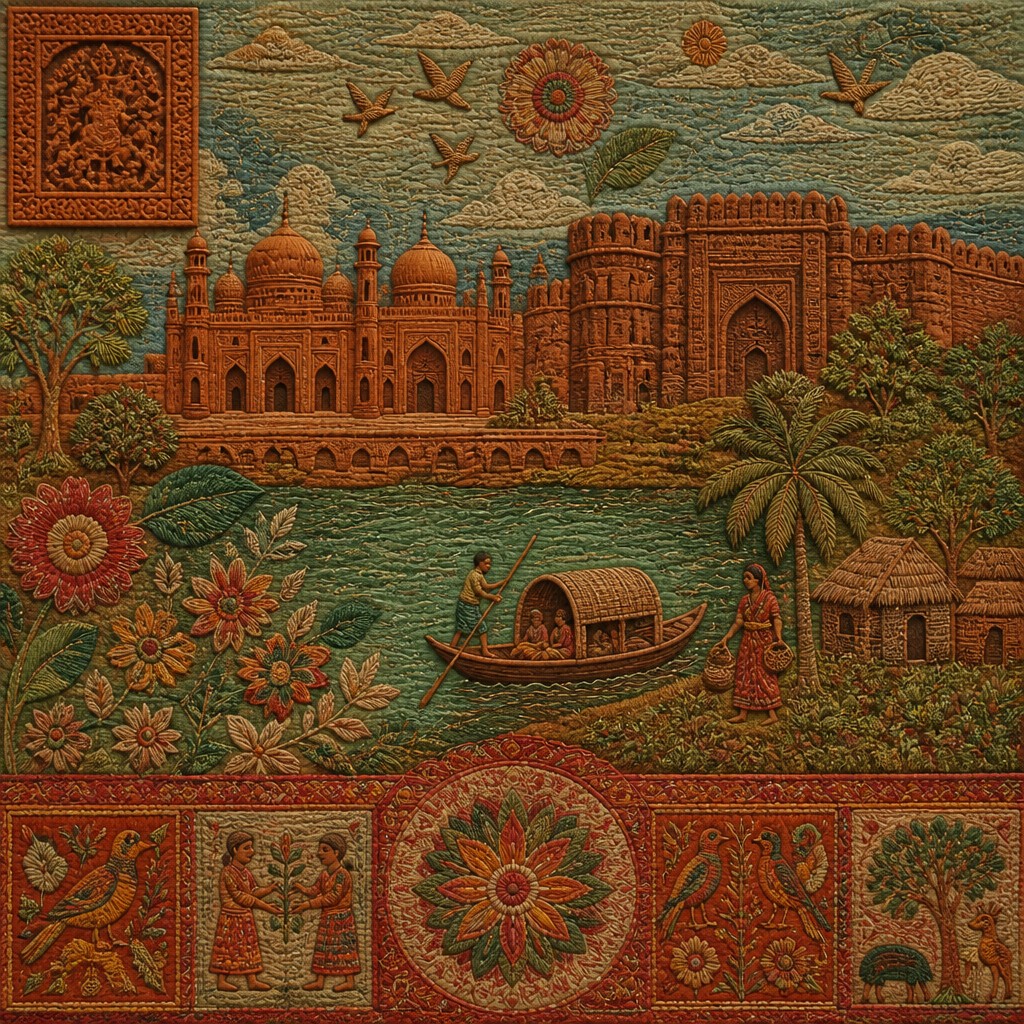
Folk narrative detail
Boats, birds, fish, trees, village dwellings, livestock, dancers, and ceremonial objects can appear among the ornament. Figures are often stylized, flattened, and integrated into the pattern rather than isolated through realistic perspective.
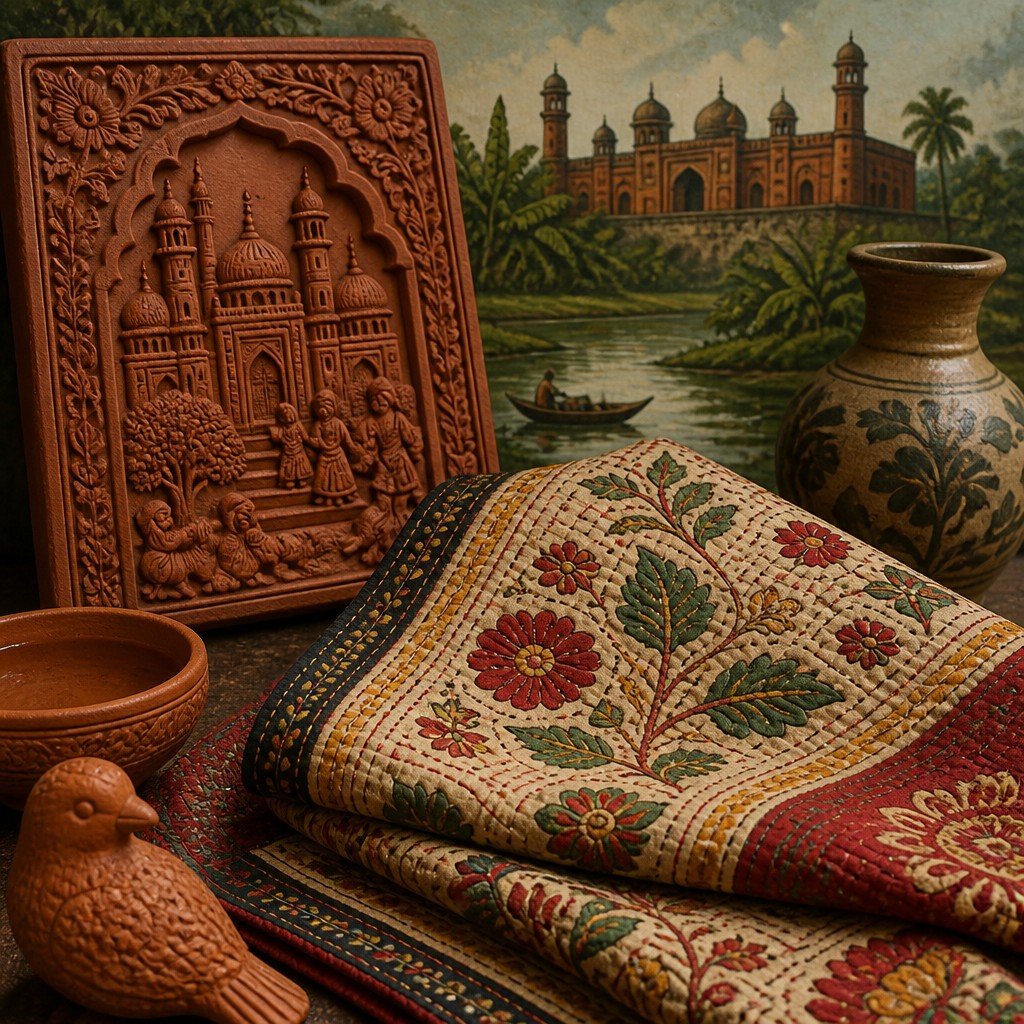
Flattened decorative composition
Depth is reduced in favor of frontal arrangement, borders, repeated motifs, and layered fields. The result resembles a plaque, embroidered panel, painted textile, or illustrated architectural surface.
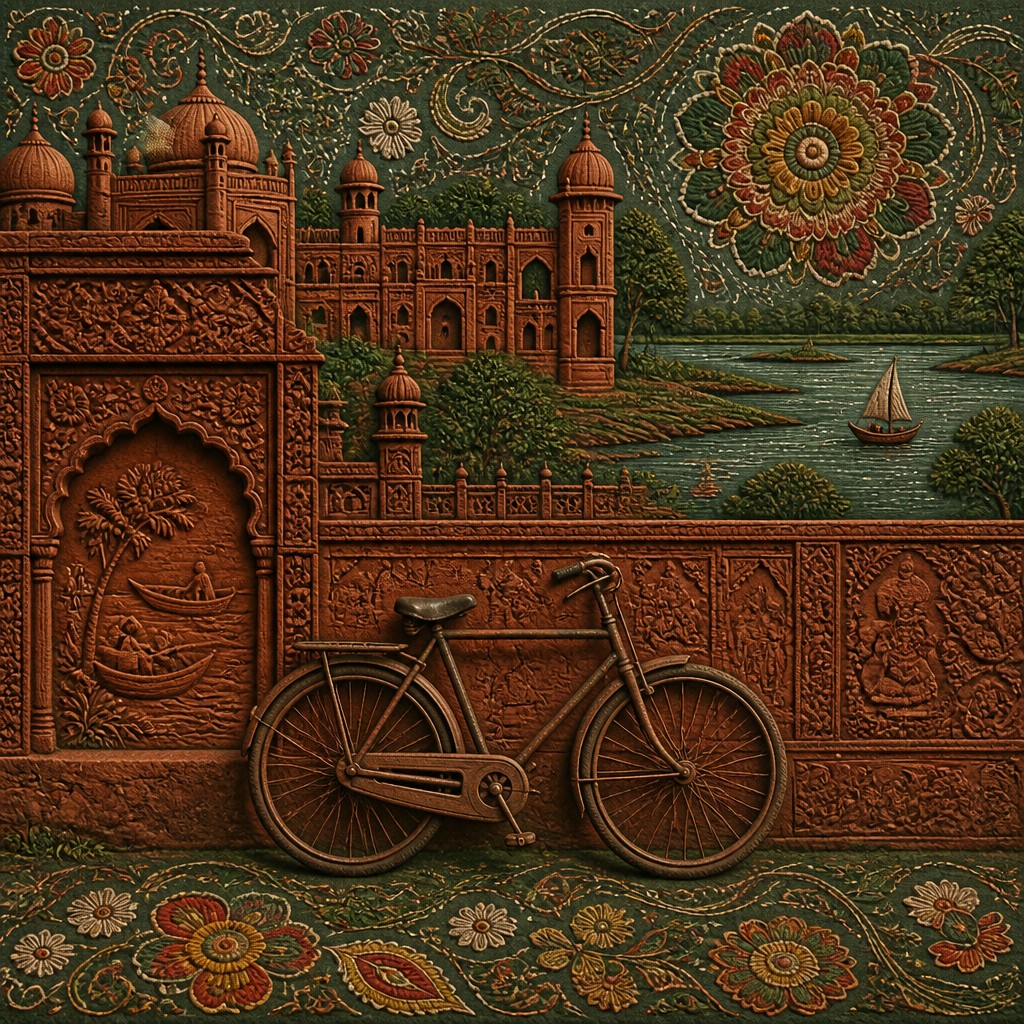
Quiet handmade warmth
Irregular stitch spacing, slight asymmetry, worn pigment, and imperfect relief edges preserve the sense of human craft. The style favors intimacy and accumulated texture over polished uniformity.
Bangladeshi Prompt Ideas
Start from an idea — each one opens the generator with the style ready to go. See all 40 Bangladeshi prompts →
How to Create Bangladeshi Art
Master the craft step by step — or skip straight to creating. Read the full guide →
- 1
Build the relief surface
For traditional work, model low relief in clay, carve or impress the motifs, allow it to dry slowly, and fire it before applying restrained mineral or acrylic color. Digitally, use displacement, bump, or sculpted height maps to make the plaque texture catch light convincingly.
- 2
Plan a stitched motif grid
Begin with a central flower, animal, boat, or architectural emblem, then surround it with radiating borders and repeated kantha-like marks. Keep the pattern dense but allow small variations in scale, spacing, and direction so it feels handmade.
- 3
Use a restrained material palette
Start with terracotta red, ochre, clay brown, cream, and monsoon green, adding indigo or charcoal sparingly. Texture should remain visible through the color rather than being concealed by glossy, highly saturated finishes.
- 4
Combine structure and ornament
Place a simplified domed or arched silhouette behind the main subject, then fill surrounding areas with vines, floral medallions, folk animals, or stitch-like lines. Avoid excessive atmospheric perspective, which can weaken the plaque and textile qualities.
- 5
Use layered digital construction
Create separate layers for clay grain, carved relief, thread marks, pigment variation, and aged edges, then blend them with soft shadows and selective highlights. Slight misregistration between pattern layers can simulate hand decoration.
- 6
Write focused generation prompts
Specify the subject, terracotta bas-relief, stitched kantha motifs, Bengal architectural details, earthy palette, flattened composition, and tactile handmade surface. For image-to-image work, preserve the source subject while asking for shallow relief, embroidered pattern integration, and restrained folk colors.
The Story
History & Origins of Bangladeshi
This is not a formally defined historical movement but a modern stylistic synthesis based on several established Bengali craft traditions. Its terracotta component draws on the fired-clay plaques and architectural ornament associated with temple building across Bengal, especially the richly narrated relief surfaces developed from the seventeenth through nineteenth centuries. Its architectural vocabulary also reflects the long presence of Islamic and Mughal-influenced forms in Bengal, including domed roofs, pointed or cusped arches, and monumental gateways.
Its stitched component comes from nakshi kantha, a Bengali textile practice in which layers of worn cloth are joined with running stitches and decorated with symbolic, floral, animal, and household imagery. The contemporary label brings these traditions together for illustration, decorative design, sculpture, and digital image-making rather than claiming a single historical school.
Influences: The style is related to Bengal terracotta temple architecture, nakshi kantha embroidery, Bengali rural folk art, Islamic and Mughal-influenced architecture in South Asia, and the broader craft traditions of the Bengal delta. It also shares compositional qualities with folk mural painting, decorative textile design, relief sculpture, and narrative architectural ornament, while its earthy palette connects it to fired clay, natural dyes, and monsoon landscapes.
Frequently Asked Questions
What defines the Bangladeshi Art Style?
It is defined by the combination of terracotta plaque relief, nakshi kantha stitch patterns, Bengali folk motifs, and domed or arched architectural forms. Warm clay colors, monsoon greens, flattened composition, and visible handmade texture are central to its appearance.
Is Bangladeshi Art Style a historical art movement?
No. The term is best understood as a contemporary synthesis rather than the name of a single historical school. It draws respectfully from established craft and architectural traditions of Bangladesh and the wider Bengal region.
How does it differ from Indian folk art styles?
Bangladesh shares many cultural traditions with neighboring parts of India, particularly Bengal, so the boundaries are not absolute. This style emphasizes a specifically Bangladeshi association of river-delta imagery, nakshi kantha, terracotta surfaces, and Islamic or Mughal-influenced architectural silhouettes.
What subjects work well in this style?
River boats, village life, birds, fish, elephants, flowers, mosques, gateways, markets, and ceremonial scenes are especially suitable. Subjects with clear silhouettes and repeated decorative areas allow both the relief and embroidery influences to remain legible.
How can I make a physical artwork in this style?
Use clay or air-dry modeling material for shallow relief, then incise borders and motifs with simple tools. Add running-stitch-inspired marks through carving, layered textile collage, or actual embroidery, and keep the finish matte and earthy.
Where is this style commonly used?
Its visual language is suitable for decorative plaques, murals, textile panels, book illustration, cultural posters, packaging, home décor, sculptural reliefs, and digitally generated artwork. It works best where tactile pattern, cultural atmosphere, and storytelling are more important than photorealistic depth.
Create your first Bangladeshi artwork
Describe anything — or upload a photo — and see it in Bangladeshi Art Style in seconds.
Related Styles
Discover similar art styles