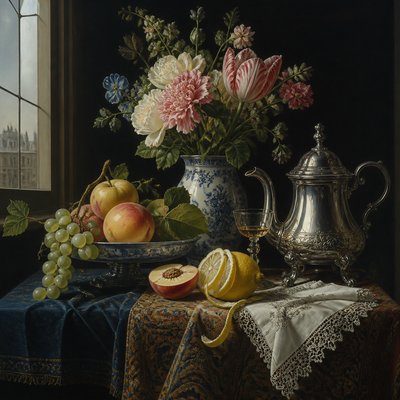
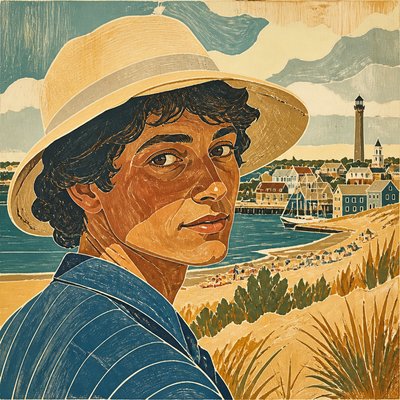
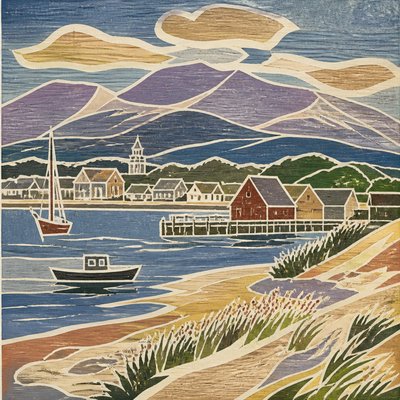
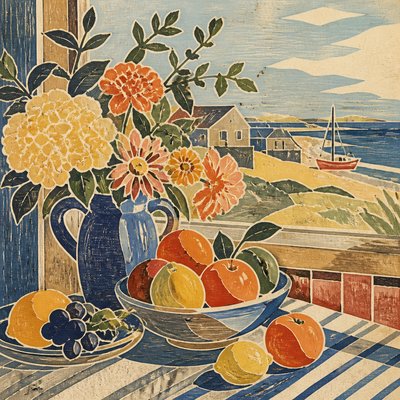
Maltese Art Style
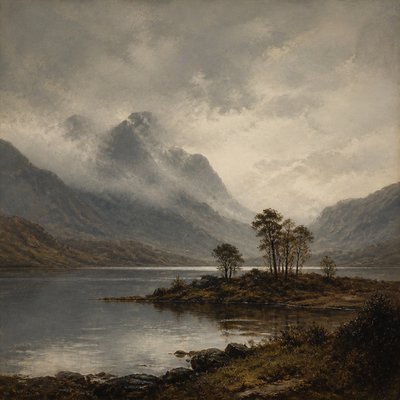
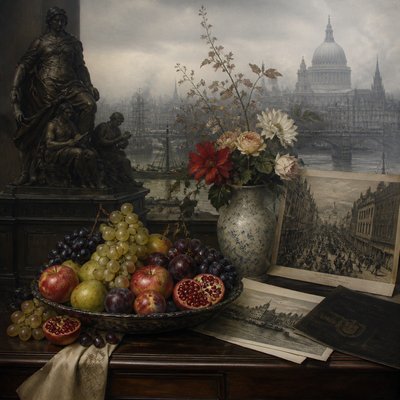
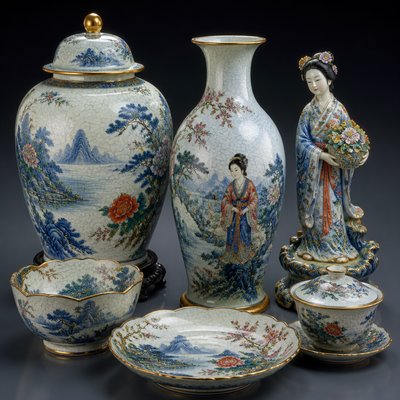
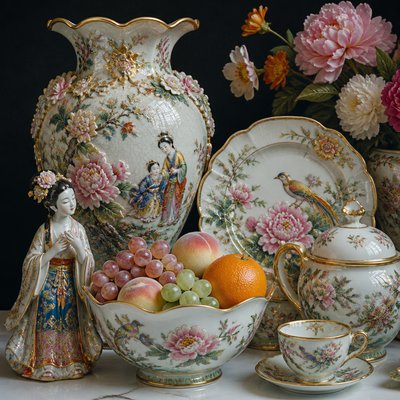
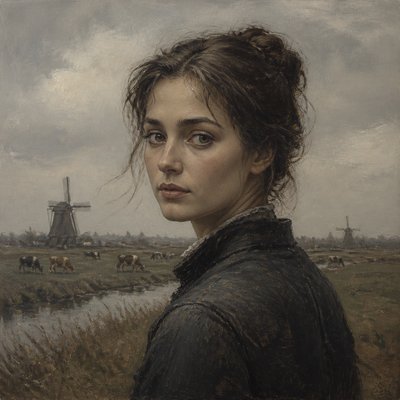
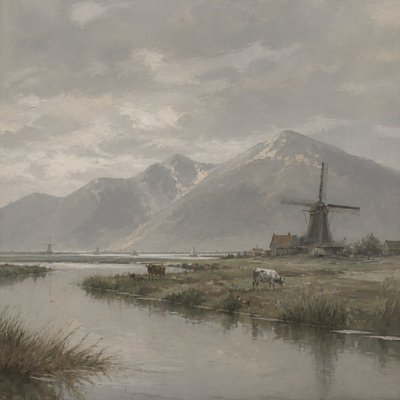
Explore Maltese Art Style: Baroque gilding, honey-gold limestone fortresses, prehistoric spirals, and brilliant Mediterranean light.
Instantly rendered in Maltese — or transform a photo
Maltese Gallery
Tap any artwork to explore it
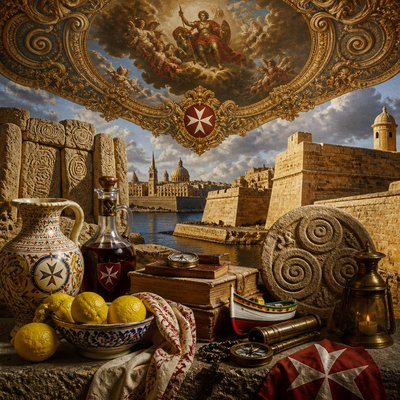
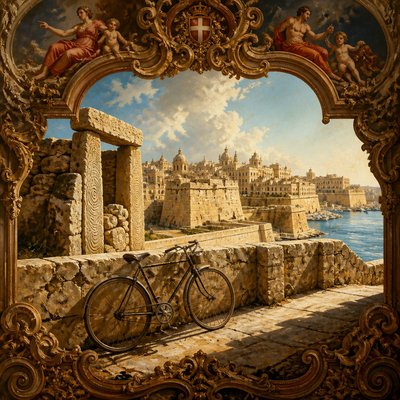
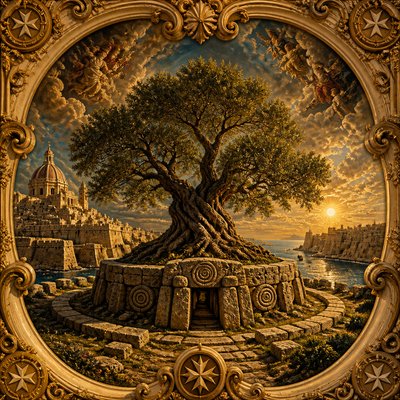
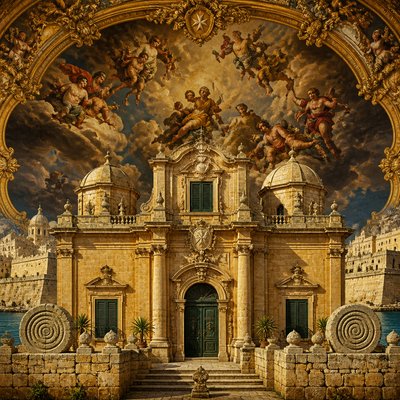
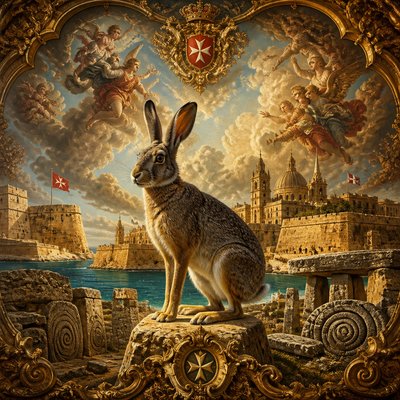
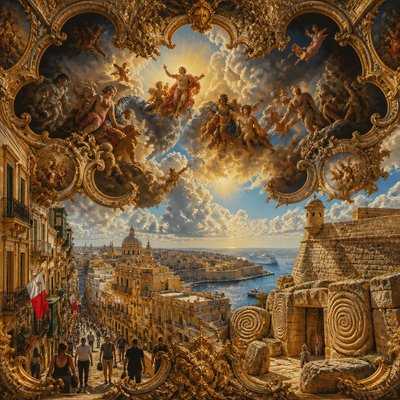
What is Maltese Art Style?
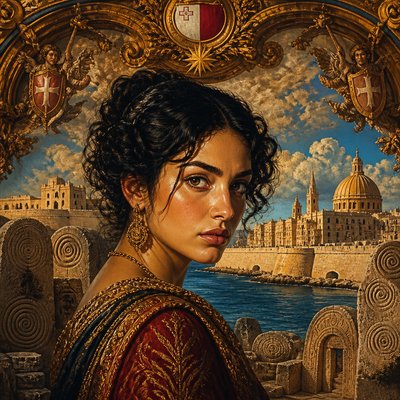
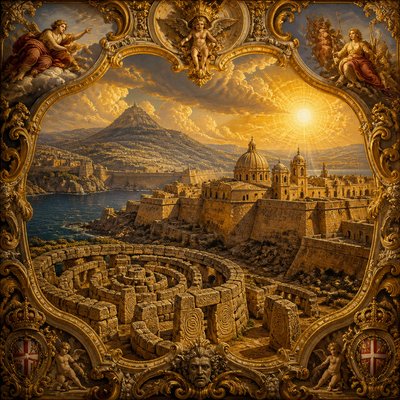
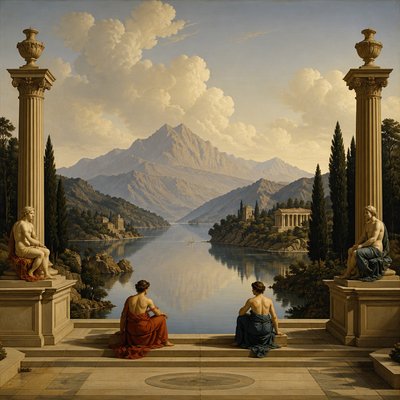
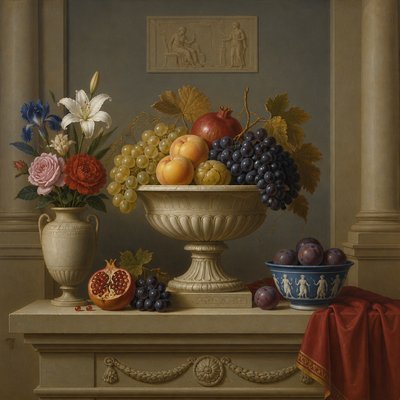
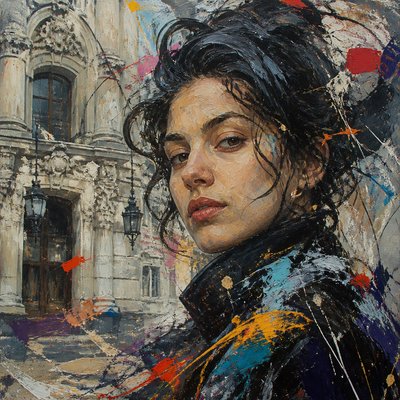
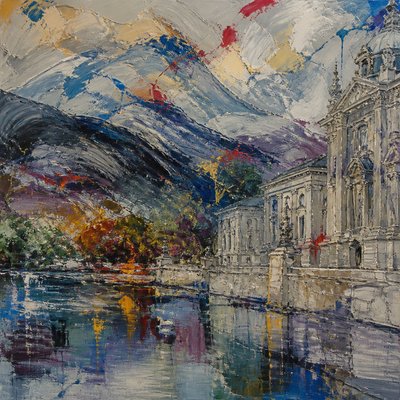
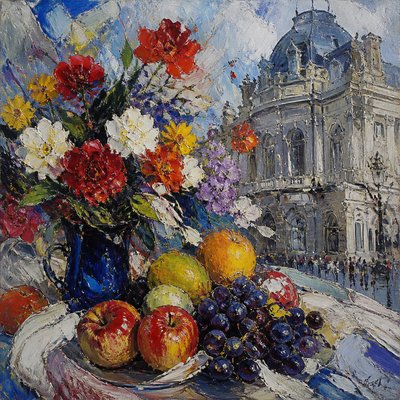
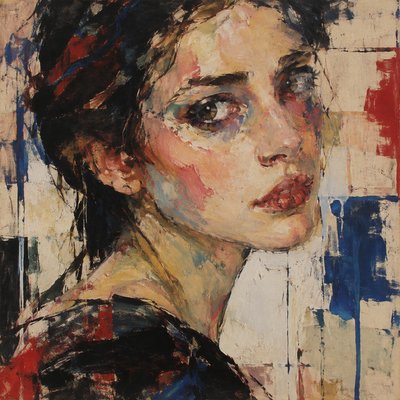
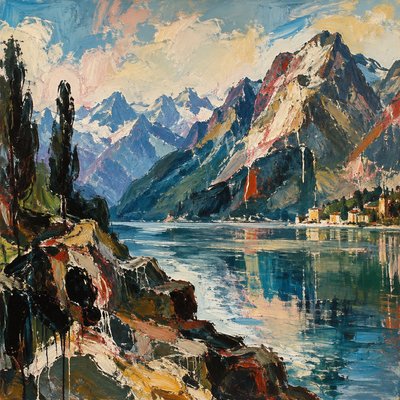
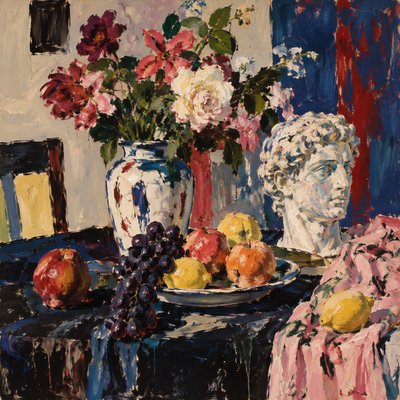
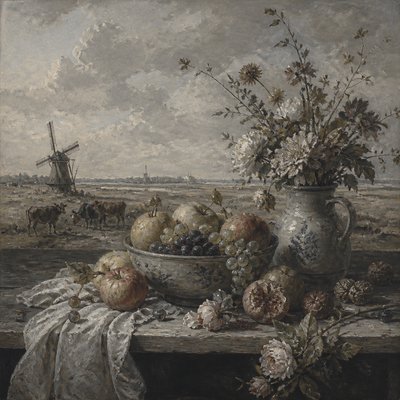
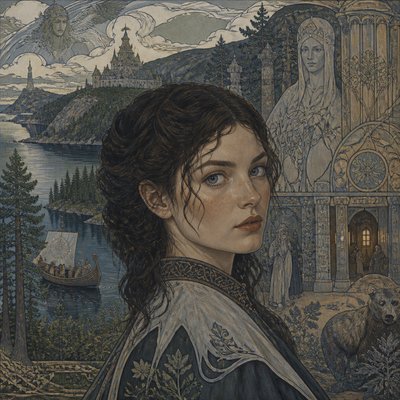
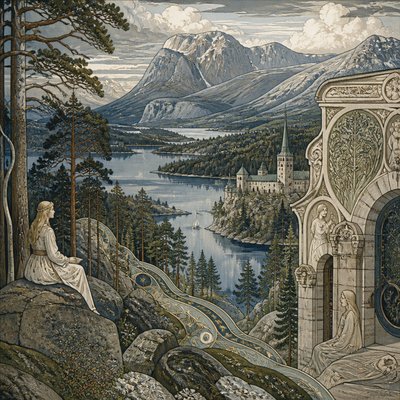
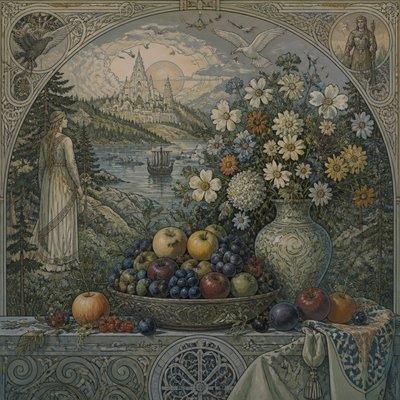
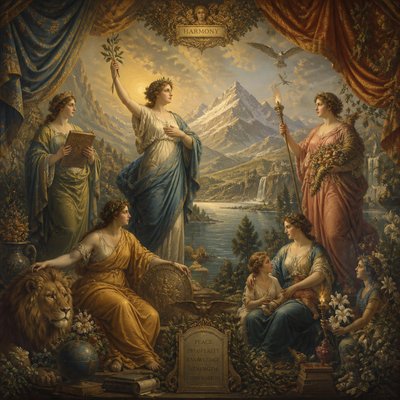
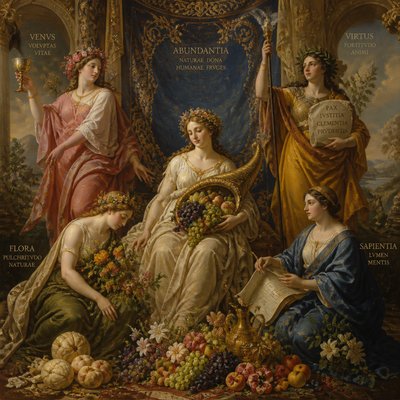
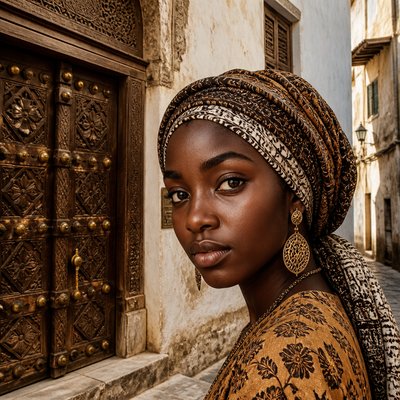
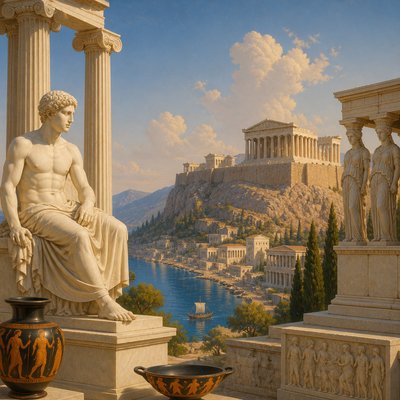
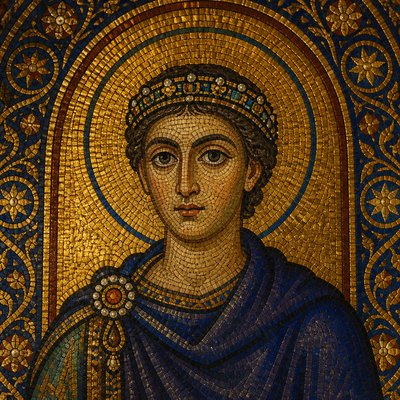
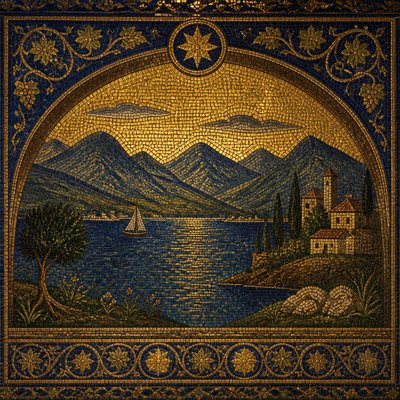
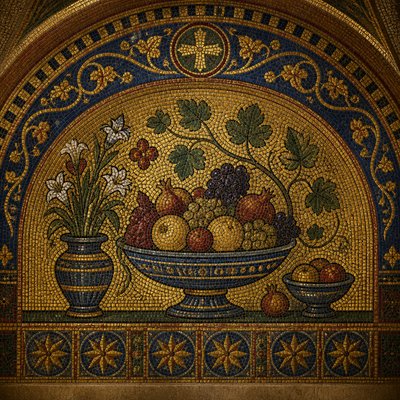
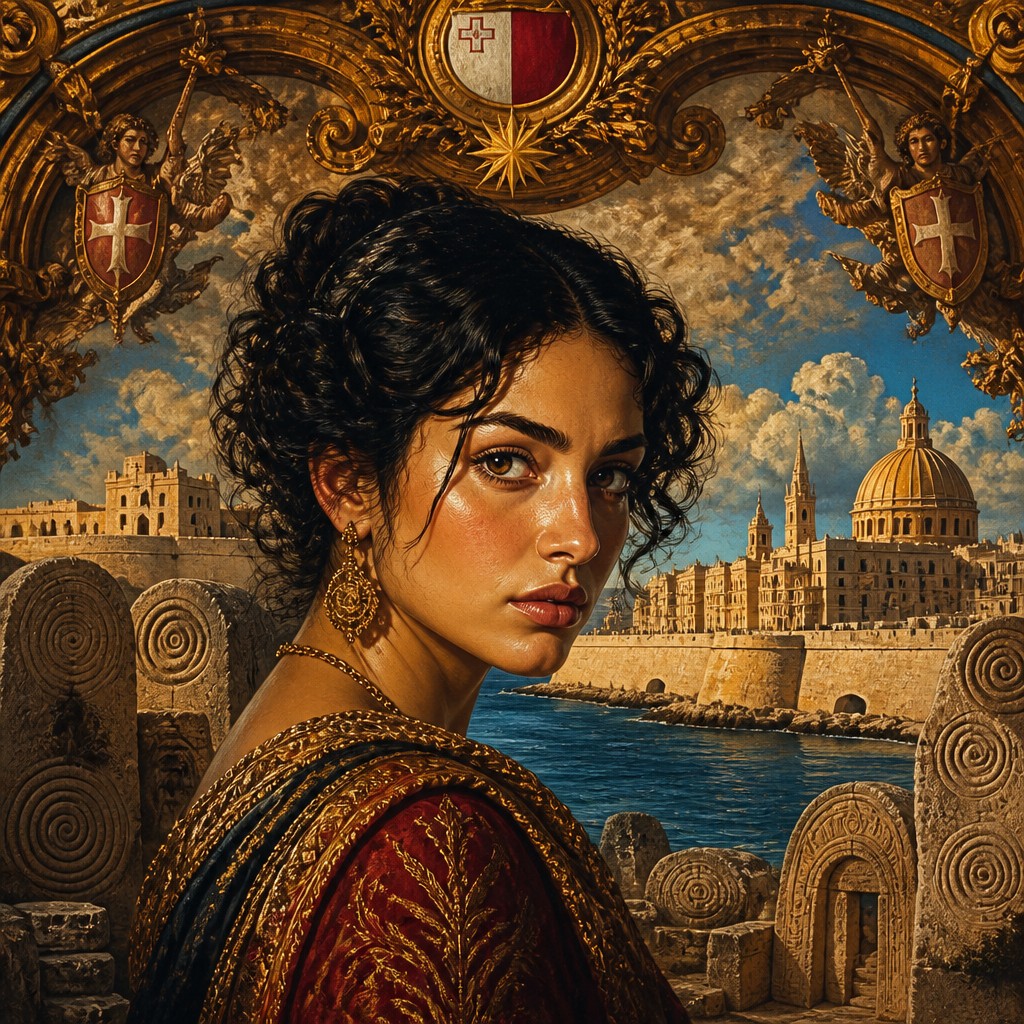
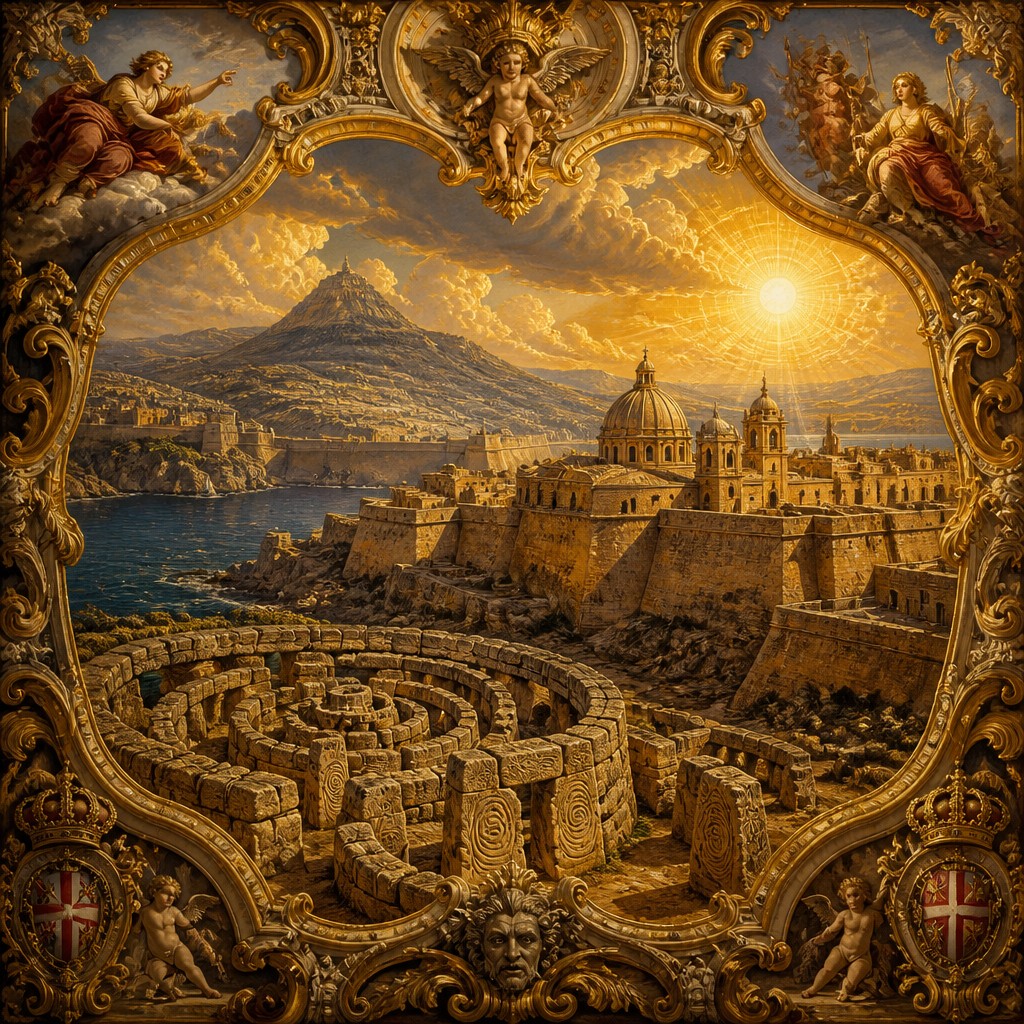
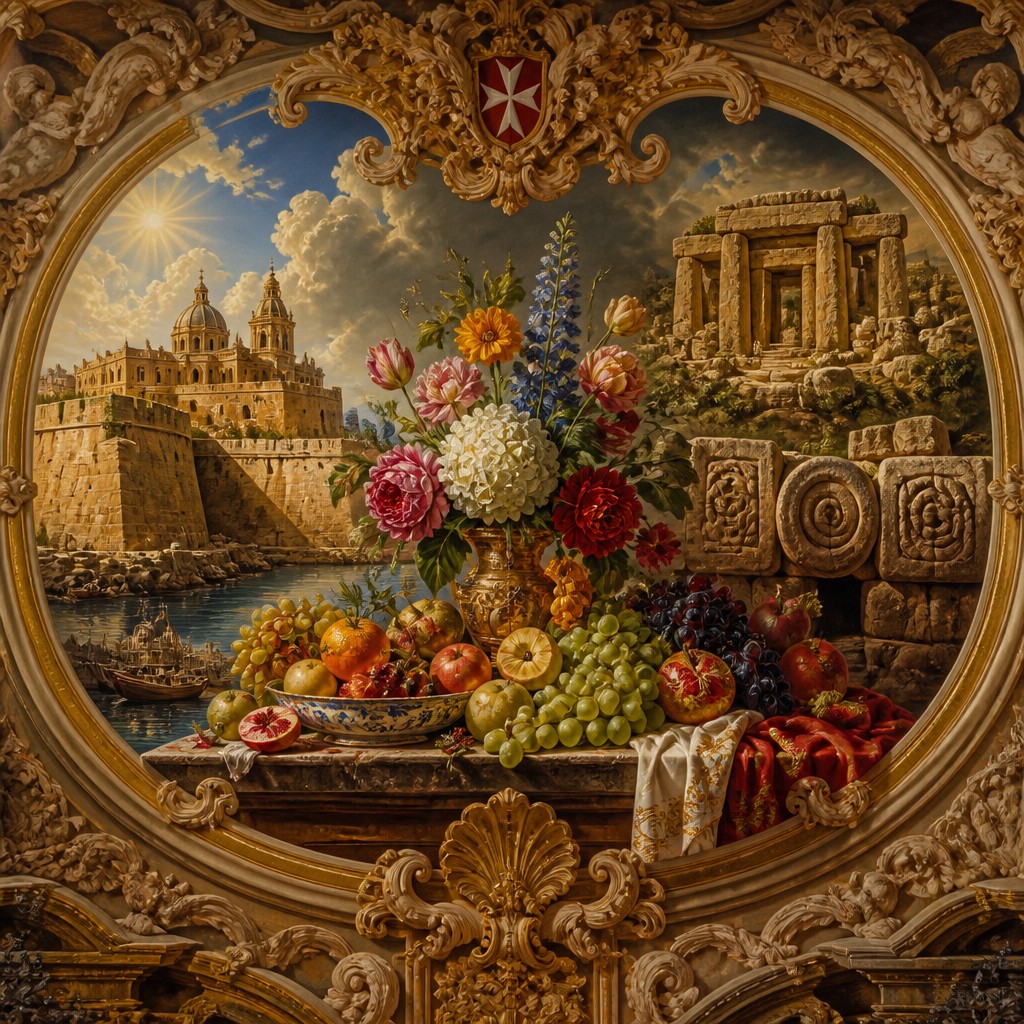
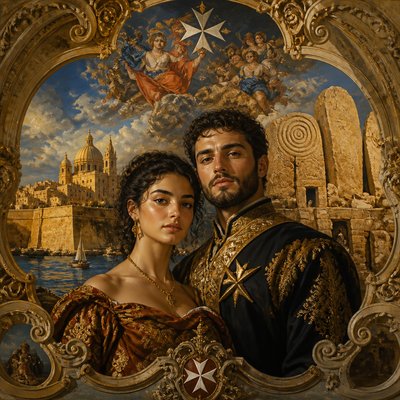
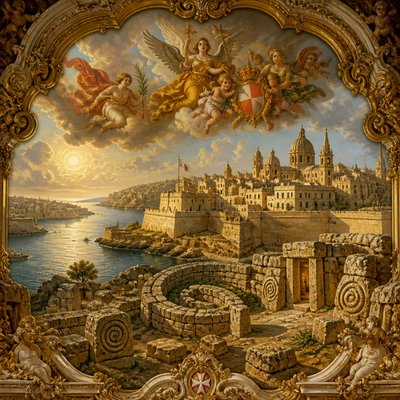
Maltese Art Style is an aesthetic synthesis of Malta’s monumental visual heritage rather than a single historical art movement. It combines the theatrical richness of Mediterranean Baroque with the warm, geological presence of Maltese limestone, the defensive geometry of harbor fortifications, and the enigmatic spiral ornament of prehistoric megalithic temples.
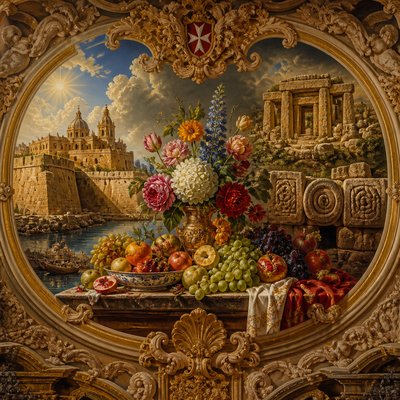
Its visual identity depends on contrast: dark, dramatic interiors against brilliant coastal sunlight; dense gilded ornament beside massive, weathered stone; and formal Catholic grandeur alongside the abstract, ancient language of carved spirals. Domes, bastions, arcades, altar-like compositions, and layered architectural frames give images a sense of ceremonial weight and island gravity.
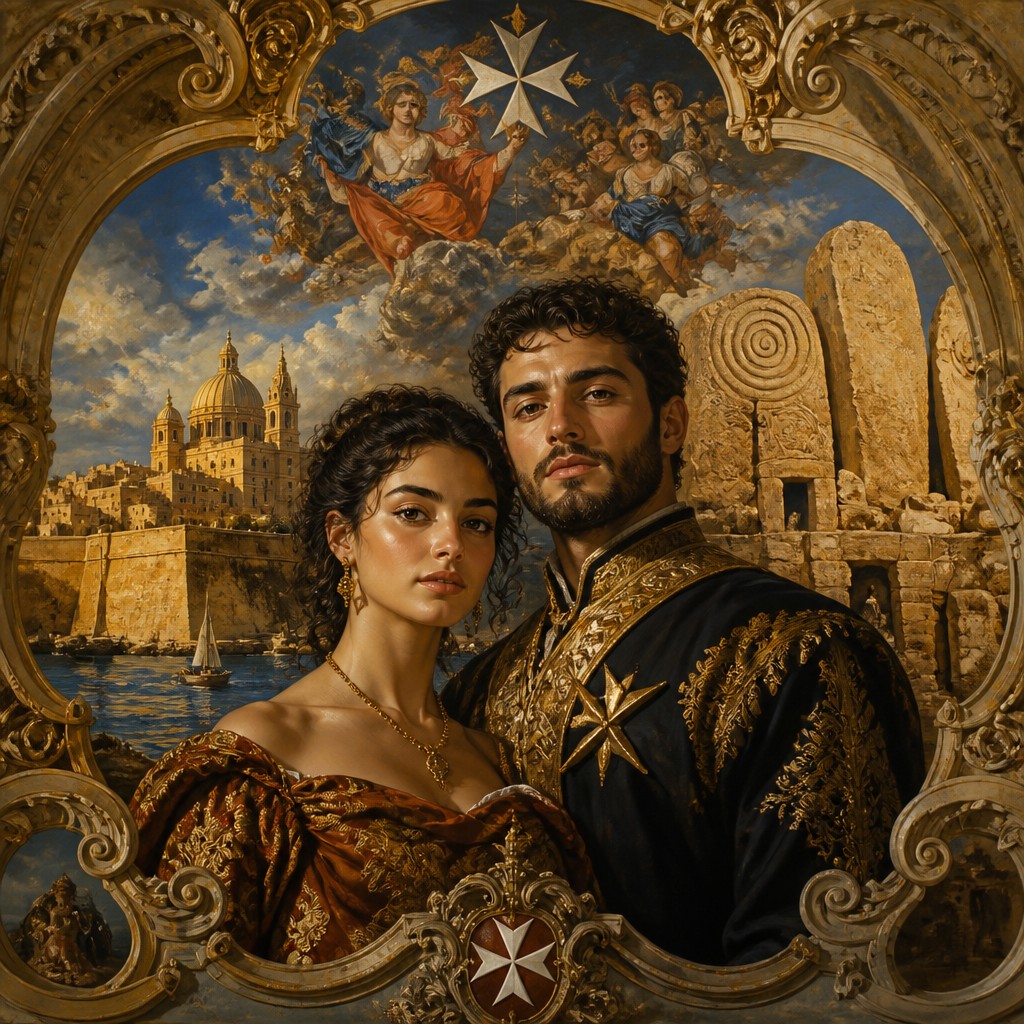
Try It On Your Photos
Upload any photo and convert it into Maltese Art Style — drag the sliders to compare before and after.
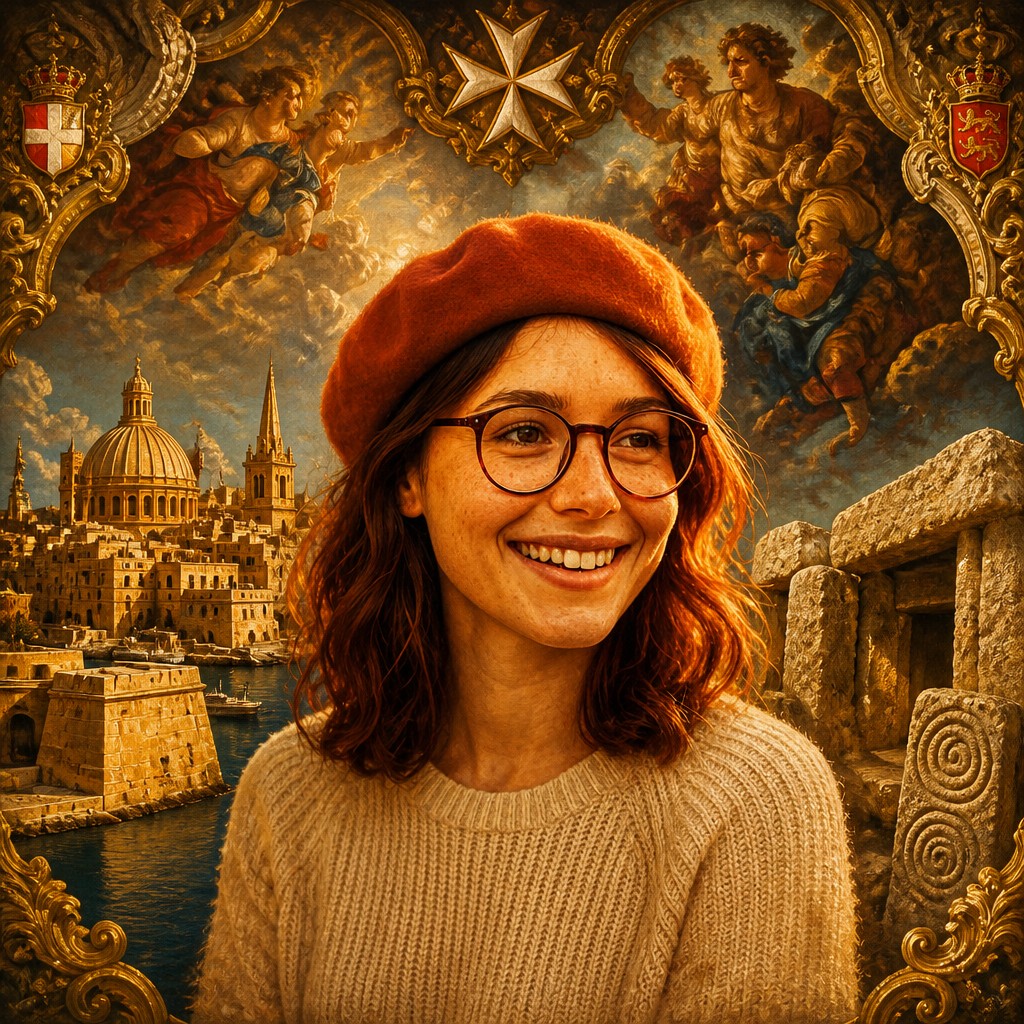


What Defines Maltese Art Style
The signature details, up close
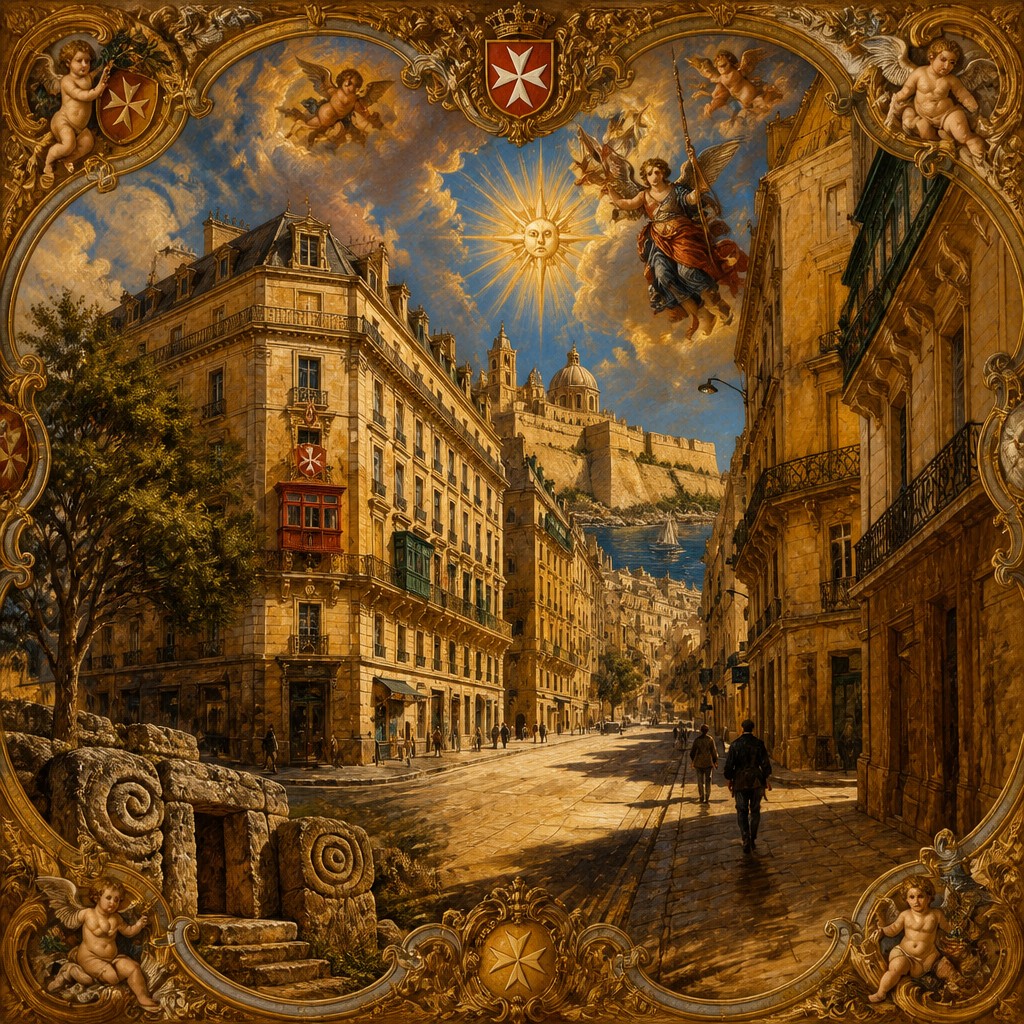
Honey-gold limestone
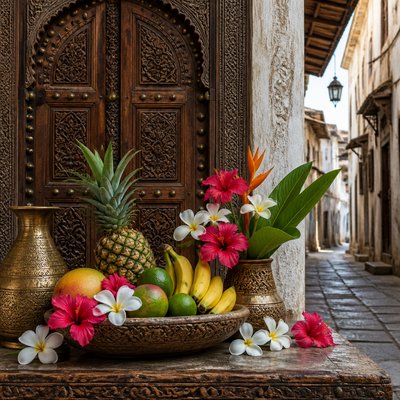
Warm ochre, sand, and golden-stone tones evoke Malta’s local globigerina limestone and its sunlit buildings. Rough, chipped, or salt-weathered surfaces add geological depth.
Baroque theatricality
Rich ornament, strong diagonals, deep shadow, and dramatic illumination create a ceremonial sense of movement. Ceiling fresco effects and staged architectural viewpoints make the image feel grand and immersive.
Gilded stucco and painted ceilings
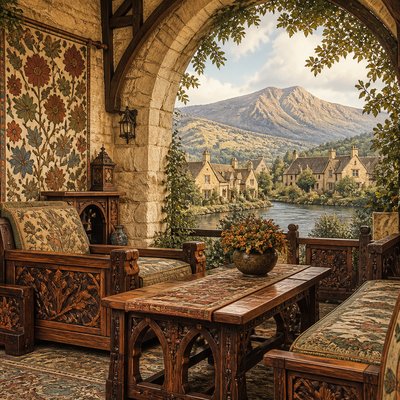
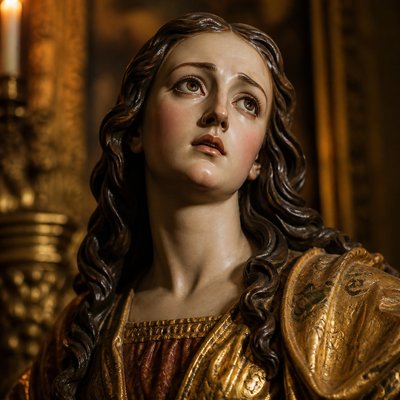
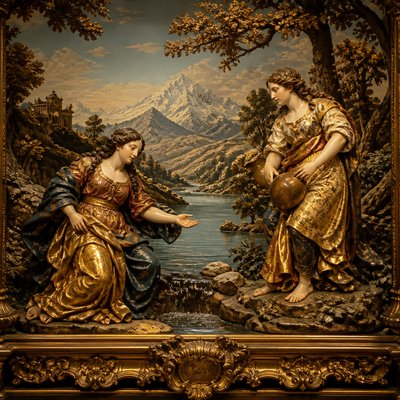
Gold leaf effects, sculpted frames, acanthus-like ornament, and illusionistic ceiling painting suggest the lavish interiors of Maltese churches and palaces.
Fortress architecture
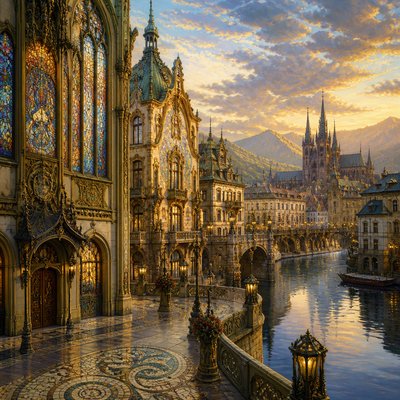
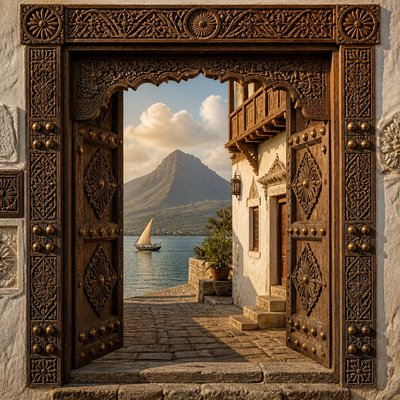
Bastions, curtain walls, watchtowers, domes, harbor gates, and geometric ramparts provide a strong structural framework. Their massive forms often appear layered against sea and sky.
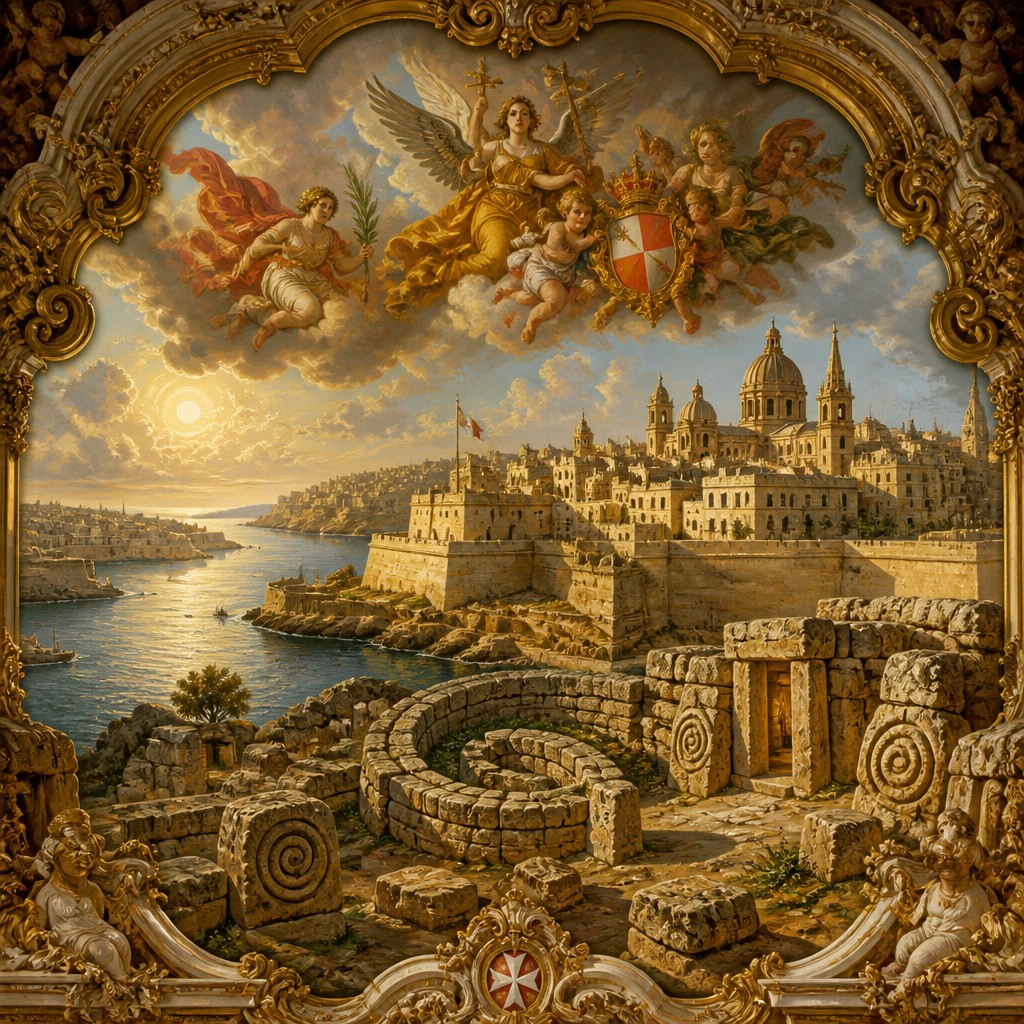
Megalithic spirals
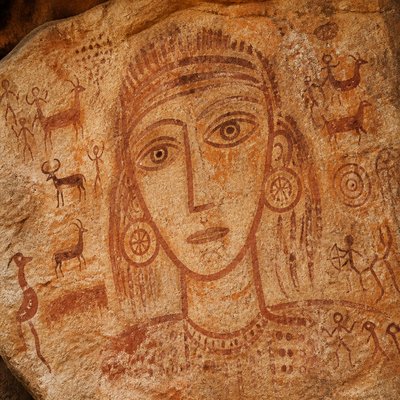
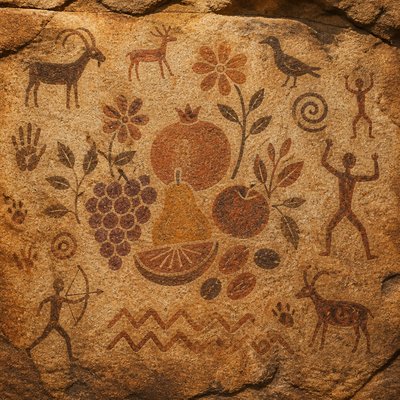
Weathered spiral carvings and concentric motifs introduce a prehistoric, symbolic counterpoint to Baroque decoration. They work best as reliefs, floor patterns, monumental stones, or subtly repeated details.
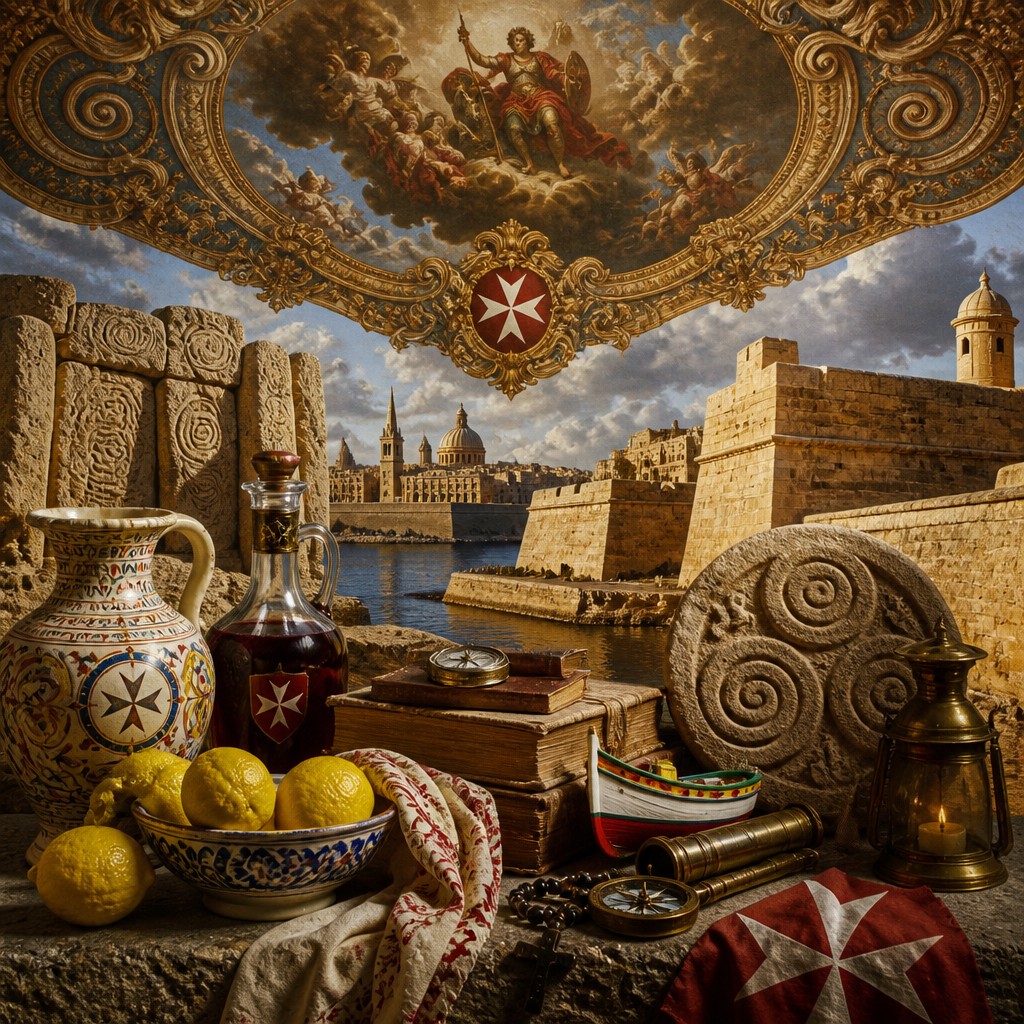
Mediterranean chiaroscuro
Brilliant white-gold sunlight meets cool architectural shadow, producing crisp edges and deep tonal recesses. The lighting should feel dry, coastal, and intensely reflective.
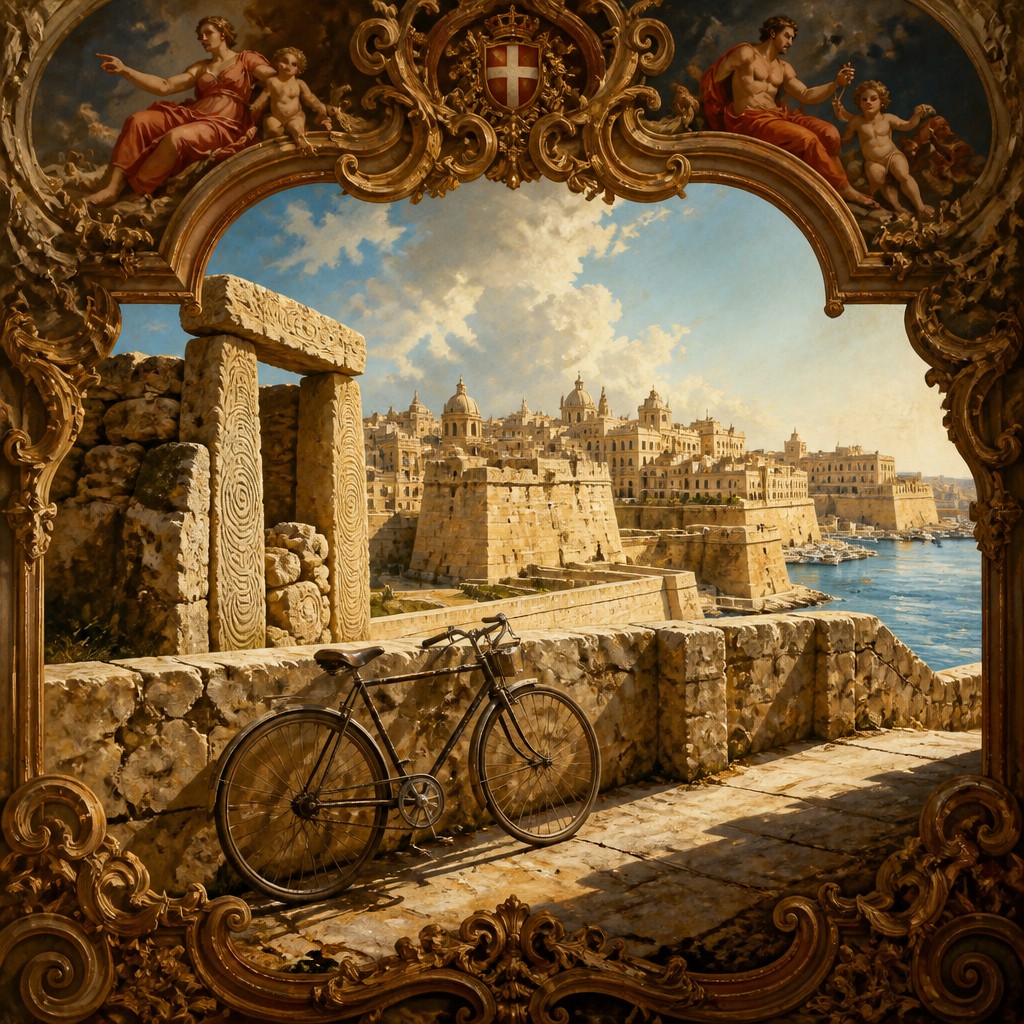
Opulent island gravity
Compositions favor monumental scale, compressed spatial depth, and a sense of enduring weight. Even intimate subjects can be framed by stone, ornament, or architectural mass.
Maltese Prompt Ideas
Start from an idea — each one opens the generator with the style ready to go. See all 40 Maltese prompts →
How to Create Maltese Art
Master the craft step by step — or skip straight to creating. Read the full guide →
- 1
Build a limestone palette
Begin with ochre, raw sienna, muted gold, chalk white, terracotta, and sea blue. For traditional painting, layer warm opaque passages with pale scumbles to imitate porous sunlit stone.
- 2
Stage the light theatrically
Use one strong Mediterranean light source from above or to the side, then reserve deep umber or blue-black shadow for recesses. In digital work, combine a hard directional key light with restrained reflected light.
- 3
Frame the subject architecturally
Place the main subject beneath a painted ceiling, within an arcade, or between fortress walls and bastions. Use converging masonry lines and a low viewpoint to increase monumental scale.
- 4
Combine ornament with restraint
Add gilded stucco, carved borders, fresco fragments, and spiral reliefs, but vary their density so the image retains a readable focal point. Gold should catch light selectively rather than flatten the entire surface.
- 5
Suggest aged material
Introduce mineral staining, chipped corners, hairline cracks, salt erosion, and uneven patina to distinguish ancient stone from polished architectural renderings. Keep weathering directional and believable.
- 6
Write layered generation prompts
Specify the subject first, then the architectural setting, materials, historical references, lighting, composition, and surface condition. For image-to-image work, preserve the original silhouette while adding limestone texture, Baroque framing, gilded accents, and spiral motifs.
The Story
History & Origins of Maltese
This style draws primarily on several periods of Maltese cultural history. The islands’ megalithic temples, built during the 4th and 3rd millennia BCE, are among the world’s oldest freestanding monumental structures and include recurring spiral and curvilinear motifs. Much later, especially from the 16th through the 18th centuries, Malta developed a powerful Baroque visual culture shaped by Catholic patronage, monumental churches, gilded interiors, painted ceilings, and fortified urban planning associated with the Order of St John.
The modern label “Maltese Art Style” is best understood as a contemporary synthesis of these sources, not as the name of a documented historical school. It brings prehistoric symbolism, Baroque theatricality, honey-colored local stone, and Mediterranean maritime light into one intentionally layered visual language.
Influences: The style draws from Maltese prehistoric megalithic architecture, Mediterranean Baroque painting and ecclesiastical decoration, Catholic devotional interiors, Renaissance and early modern fortress planning, vernacular limestone construction, and the high-contrast light of coastal landscape painting. It also shares qualities with archaeological romanticism, architectural visualization, historical fantasy, and material-focused digital art, while remaining distinct through its specific combination of ancient spirals, gilded Baroque ornament, and fortified island architecture.
Frequently Asked Questions
Is Maltese Art Style a recognized historical art movement?
No. The term is best used for a contemporary aesthetic synthesis rather than a formally documented school or period. It describes imagery that combines Malta’s prehistoric monuments, Baroque interiors, limestone architecture, fortifications, and Mediterranean light.
What defines the style most clearly?
Its defining features are honey-gold limestone, dramatic chiaroscuro, gilded Baroque ornament, fortress architecture, prehistoric spiral motifs, and bright coastal illumination. The strongest examples balance ancient material weight with theatrical decorative richness.
How is it different from ordinary Baroque art?
Baroque art supplies the movement’s theatrical lighting, ornament, and religious grandeur, but Maltese Art Style adds specifically Maltese references. Fortified harbors, local limestone, megalithic spirals, domes, and Mediterranean sunlight make the result more geographically focused.
Can this style be used for subjects other than buildings?
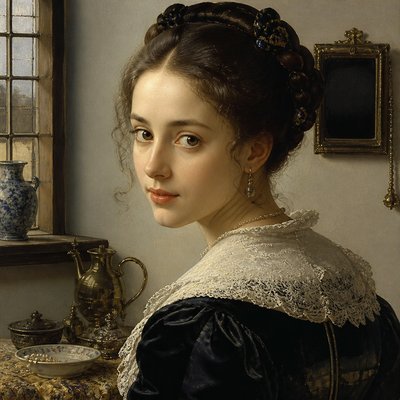
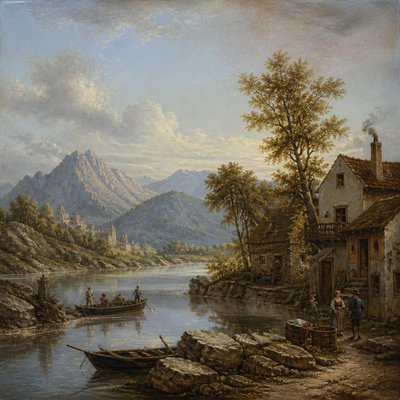
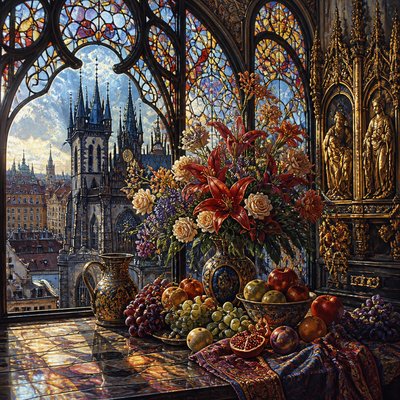
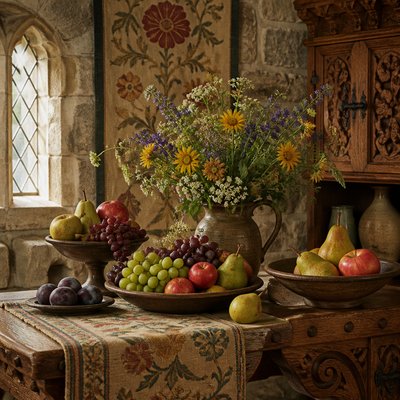
Yes. Portraits, still lifes, landscapes, fantasy scenes, and product compositions can all use the style’s palette and lighting. Architectural framing, carved-stone textures, selective gilding, and spiral details help connect a nonarchitectural subject to the visual language.
How can I create it with traditional materials?
Use a warm mineral palette, strong light-dark modeling, and layered surface work. Acrylic or oil can suggest gilding and fresco depth, while textured gesso, dry brushing, and restrained metallic pigment can imitate porous limestone and aged stucco.
Where is this style especially useful?
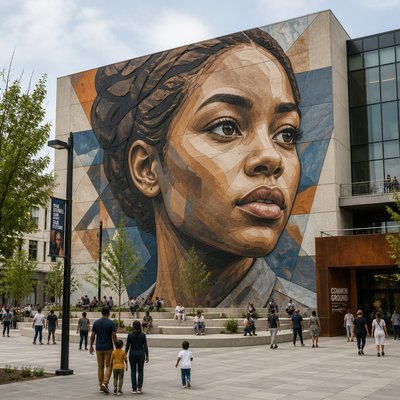
It suits historical scenes, heritage interpretation, architectural studies, fantasy environments, travel imagery, editorial illustration, murals, and atmospheric concept art. It is particularly effective when a subject needs a sense of permanence, ceremony, or maritime history.
Create your first Maltese artwork
Describe anything — or upload a photo — and see it in Maltese Art Style in seconds.
Related Styles
Discover similar art styles