Estonian Art Style
Explore Estonian art style: Tallinn Gothic spires, pale limestone walls, guild-hall silver, dark oak, and crisp Baltic medieval light.
Instantly rendered in Estonian — or transform a photo
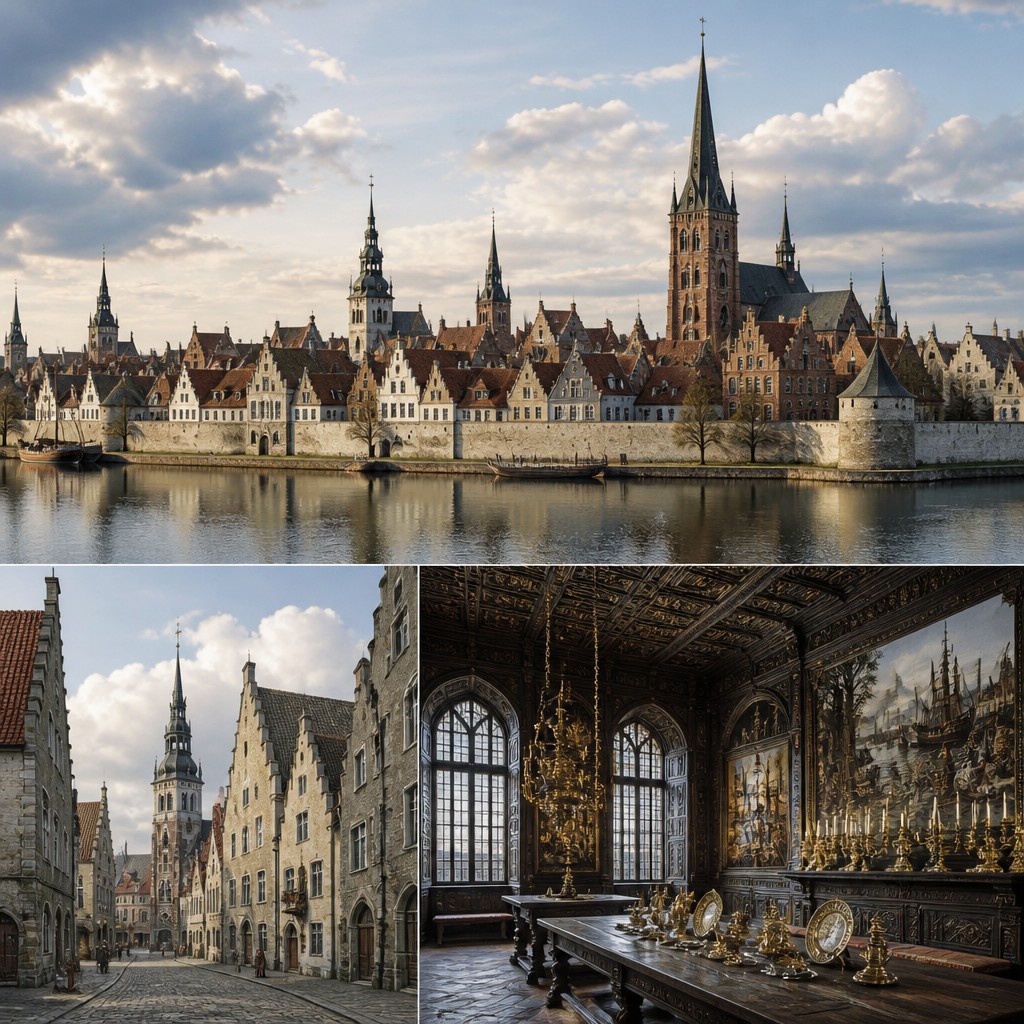
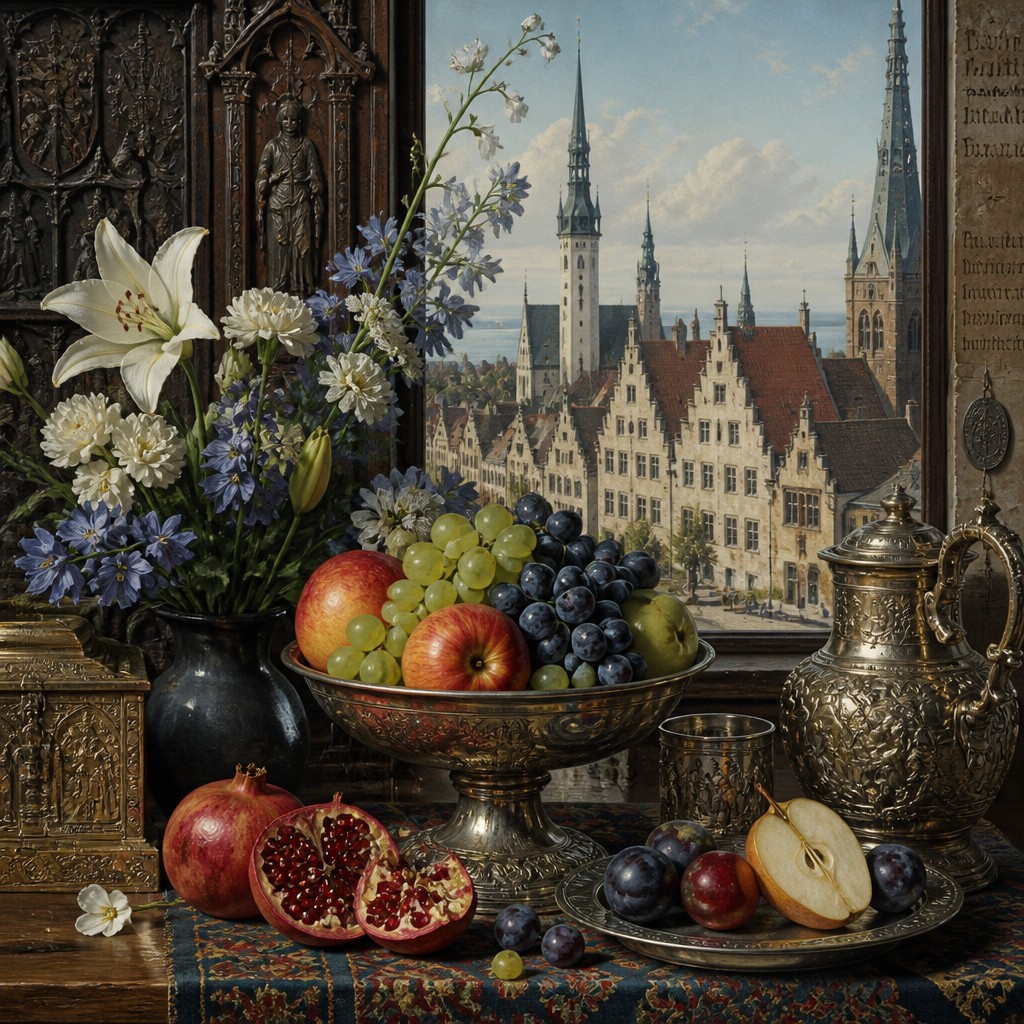
Estonian Gallery
Tap any artwork to explore it
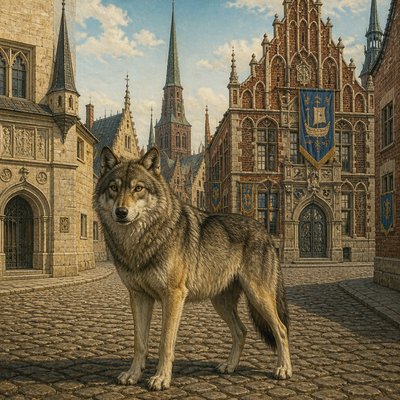
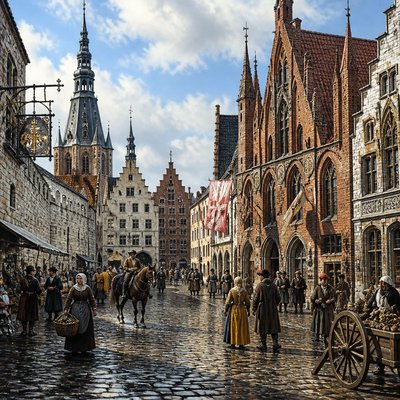
What is Estonian Art Style?
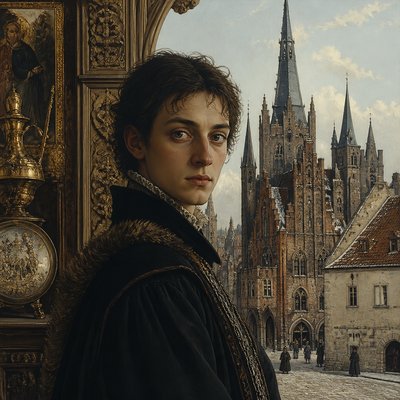
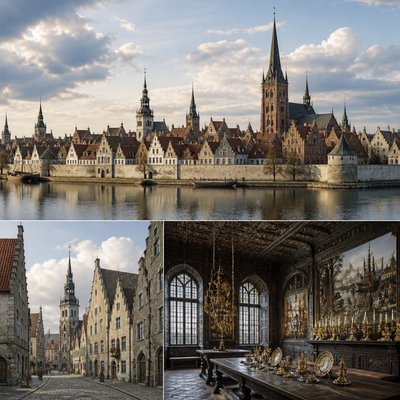
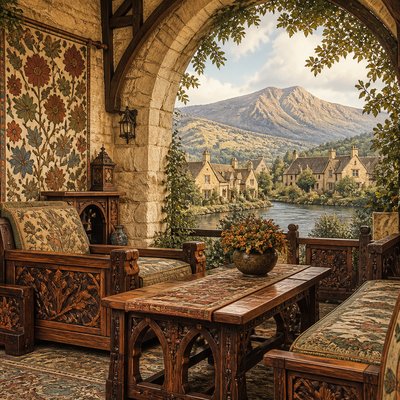
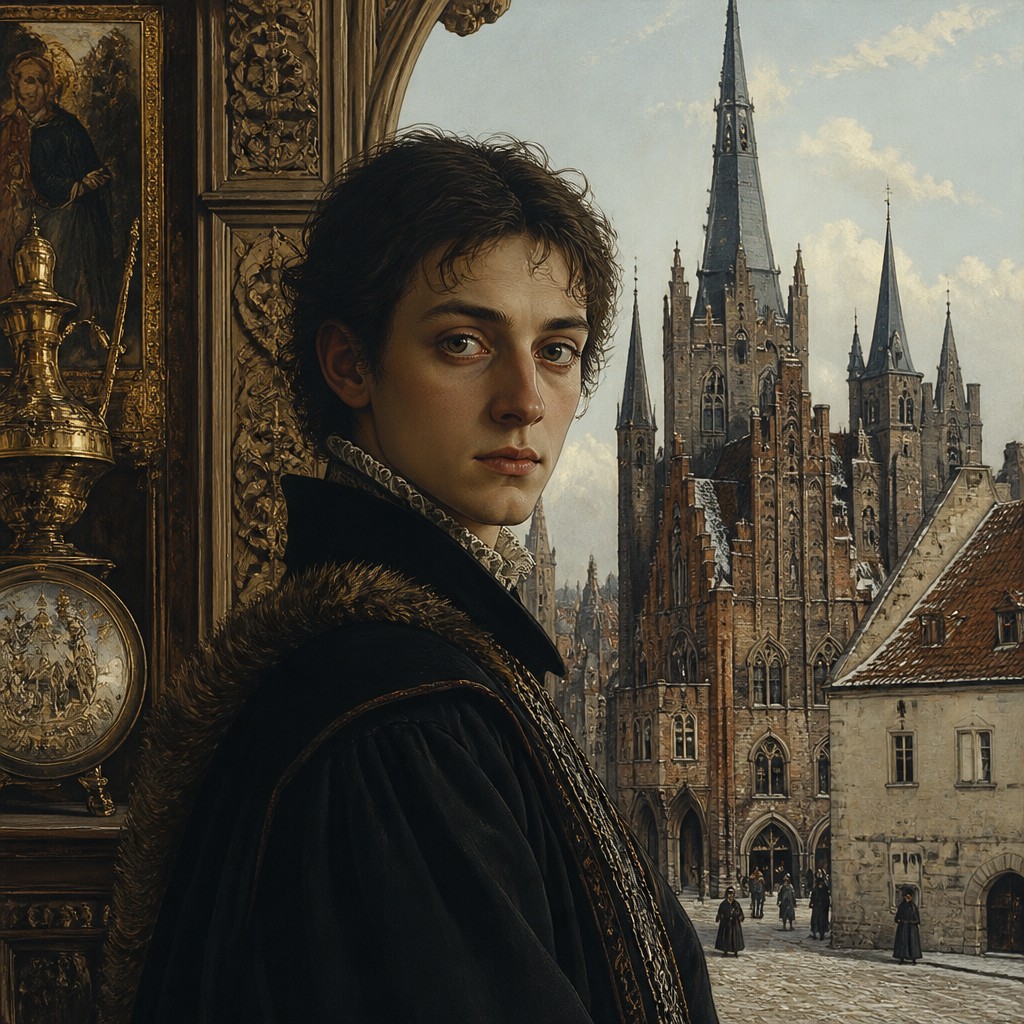
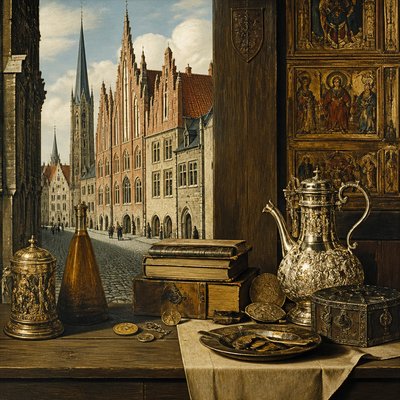
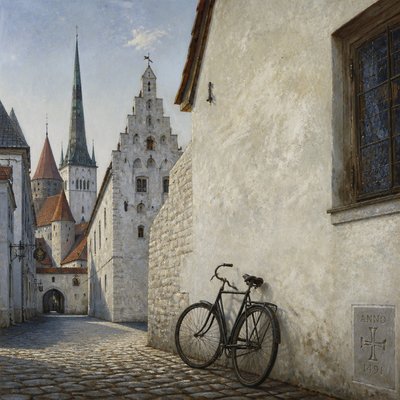
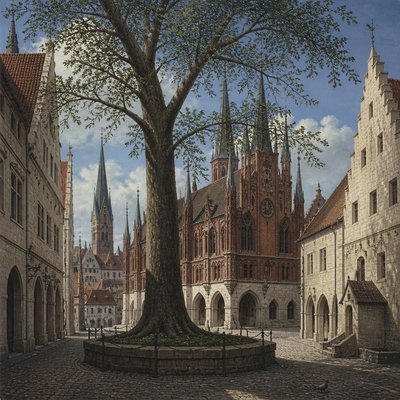
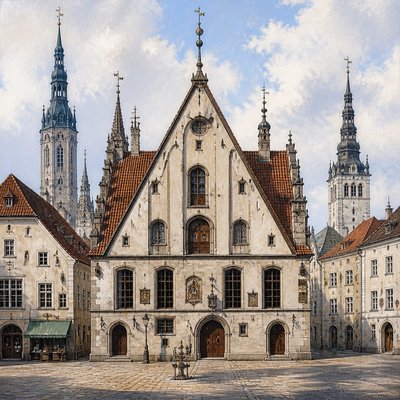
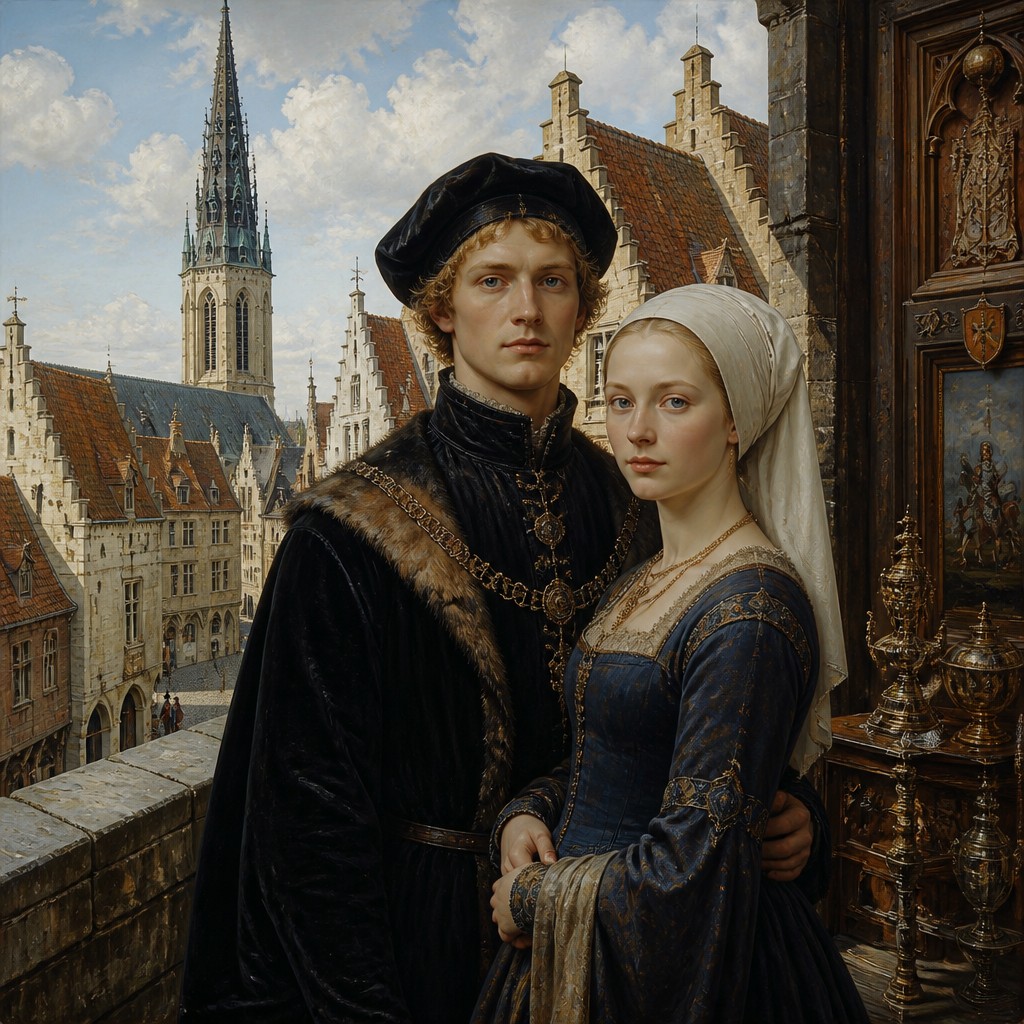
Estonian Art Style is a contemporary aesthetic synthesis built around the medieval visual character of Tallinn and northern Estonia. Its signature imagery combines steep-roofed Hanseatic Gothic buildings, soaring brick spires, stepped gables, pale limestone fortifications, cobbled lanes, and a restrained Baltic atmosphere. Interiors introduce richly carved guild-hall woodwork, dark oak paneling, heraldic detail, and gleaming silver objects that suggest civic ceremony, trade, and inherited wealth.
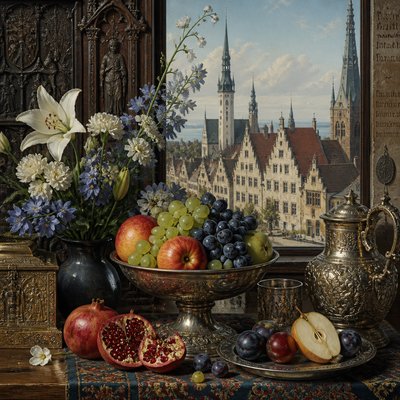
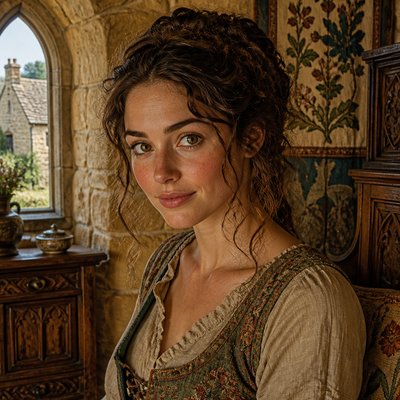
The style looks orderly rather than flamboyant. Crisp, cool illumination, disciplined architectural geometry, limited earthy color, and carefully placed metallic highlights create a sense of medieval poise. It can be applied to cityscapes, interiors, objects, portraits, fantasy settings, and still lifes when the composition needs northern historicism, material richness, and quiet grandeur.
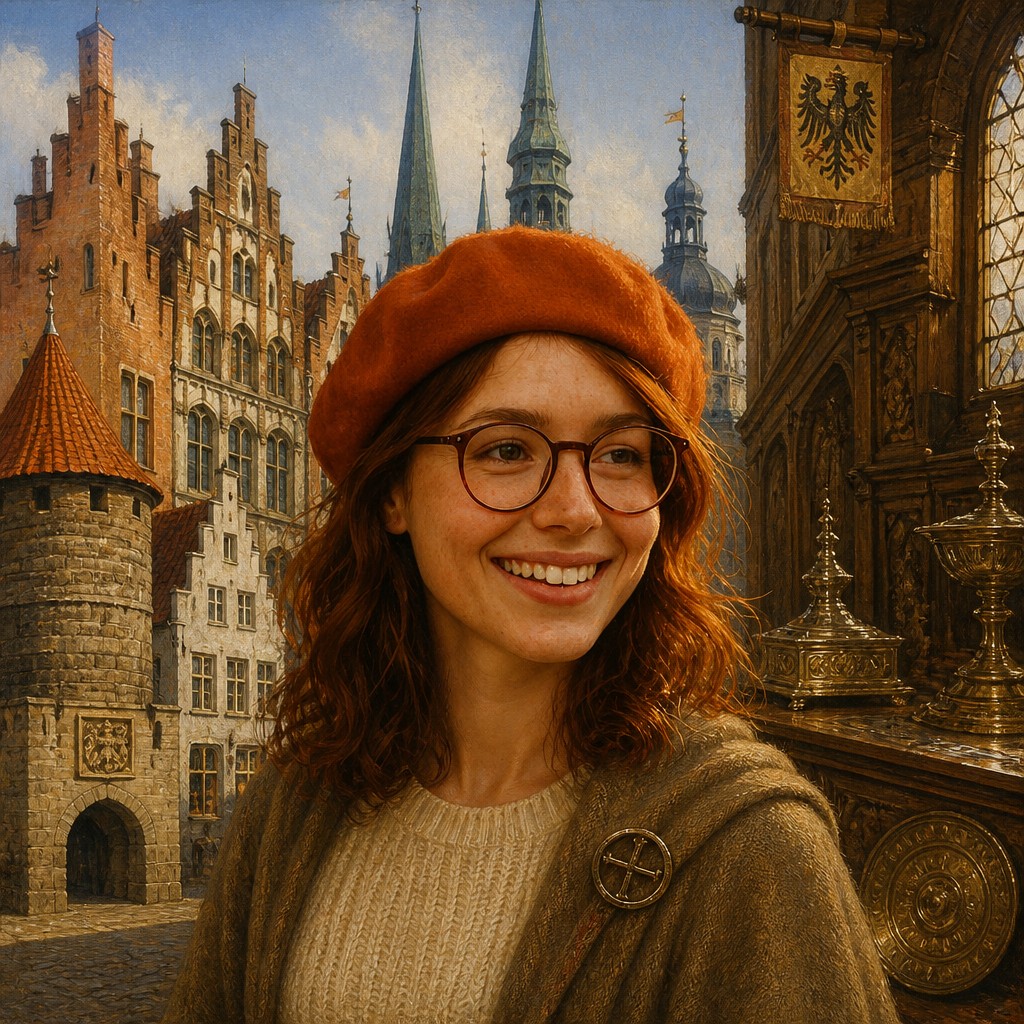
Try It On Your Photos
Upload any photo and convert it into Estonian Art Style — drag the sliders to compare before and after.

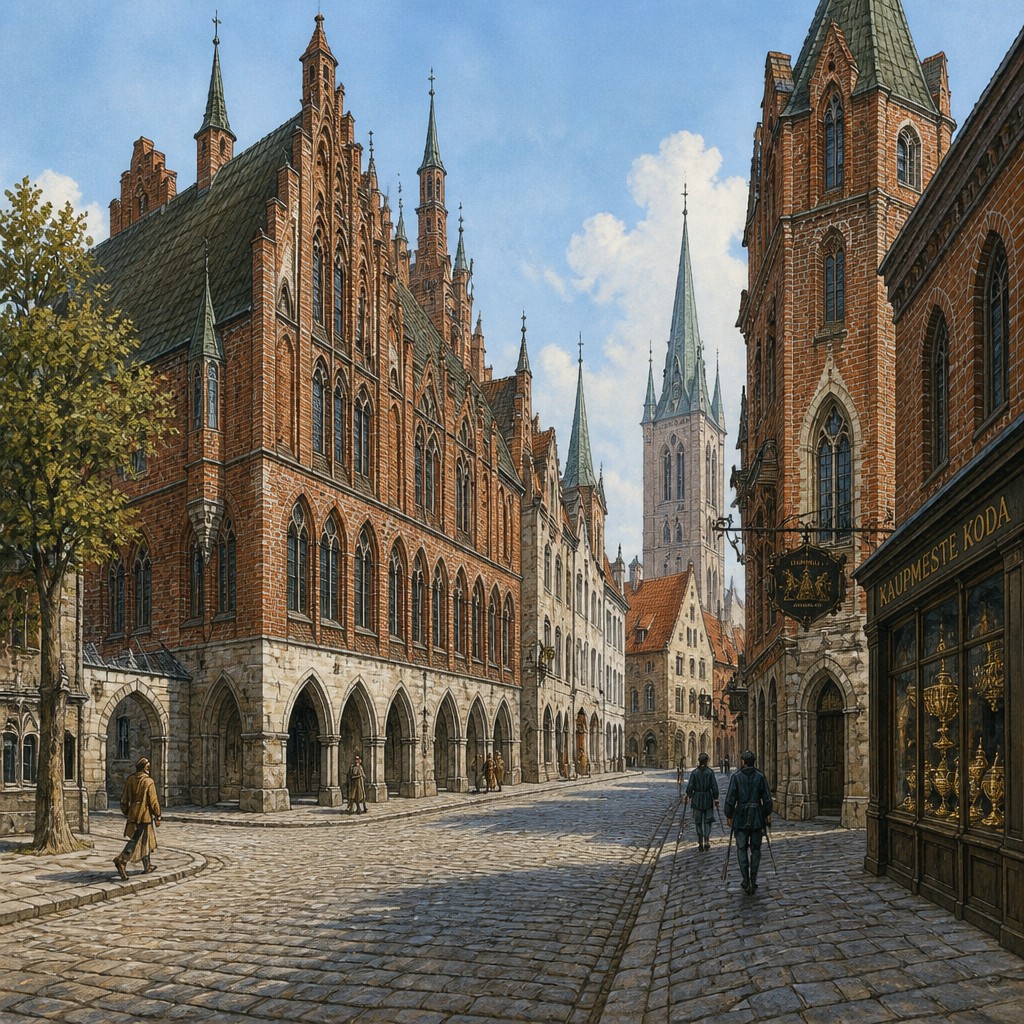

What Defines Estonian Art Style
The signature details, up close
Hanseatic Gothic silhouettes
Steep roofs, narrow vertical proportions, stepped gables, pointed arches, and tall brick or plaster façades establish the style’s recognizable skyline. Buildings are arranged with a formal, civic sense of order.
Pale limestone and red brick
Light limestone walls and paving contrast with warm red brick, dark timber, and weathered masonry. These materials create a restrained northern palette with strong tactile definition.
Guild-hall interiors
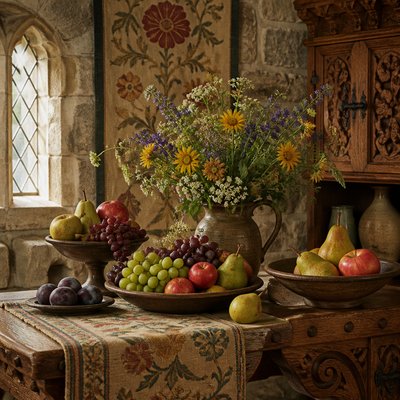
Dark oak paneling, carved beams, long tables, banners, chests, and ceremonial objects evoke medieval merchant and craft guild spaces. Interiors favor layered craftsmanship over open minimalism.
Silver as a focal accent
Gilded cups, platters, reliquaries, heraldic vessels, and small treasure displays provide controlled flashes of reflective light. Metallic highlights should feel ceremonial and precious rather than excessively ornate.
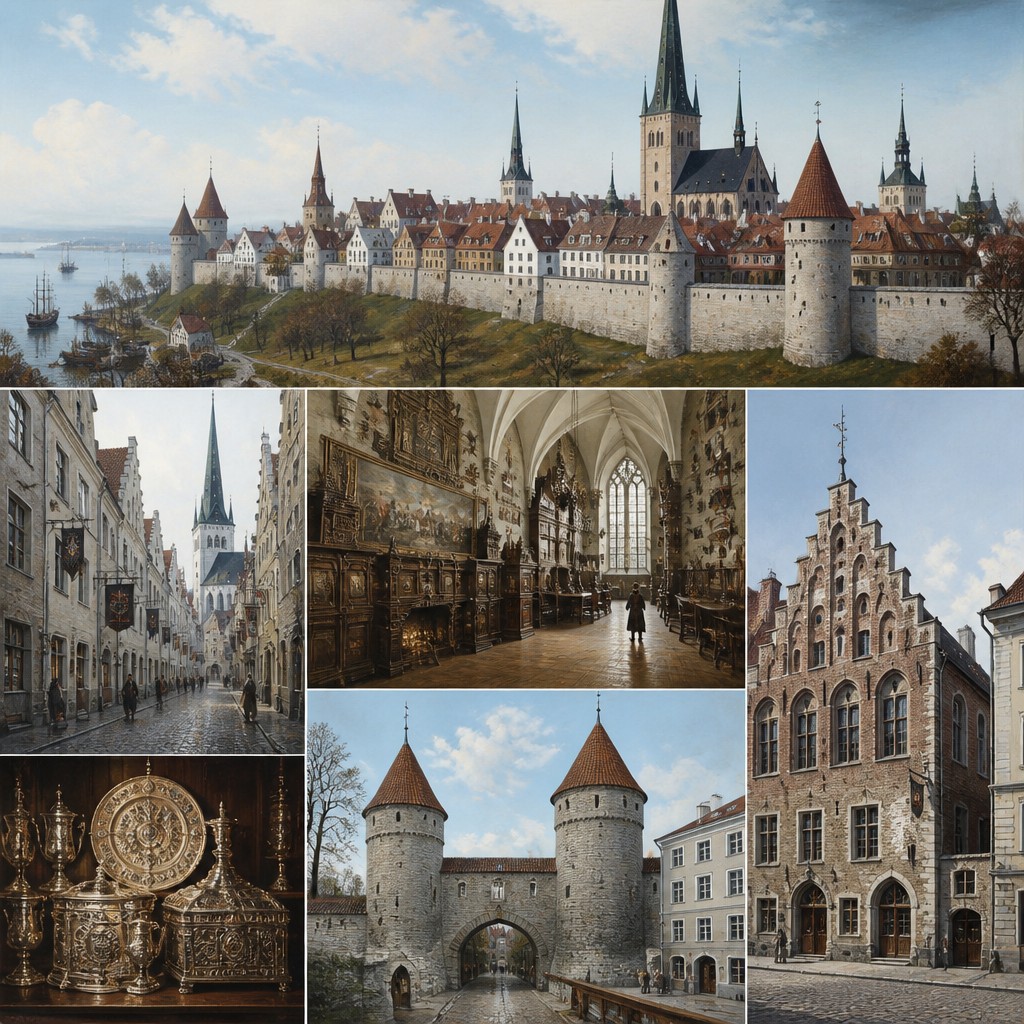
Crisp Baltic illumination
Cool daylight, low winter sun, pale overcast skies, and clean directional shadows give scenes an austere clarity. Warm candlelight may be used indoors to contrast with the blue-gray exterior atmosphere.
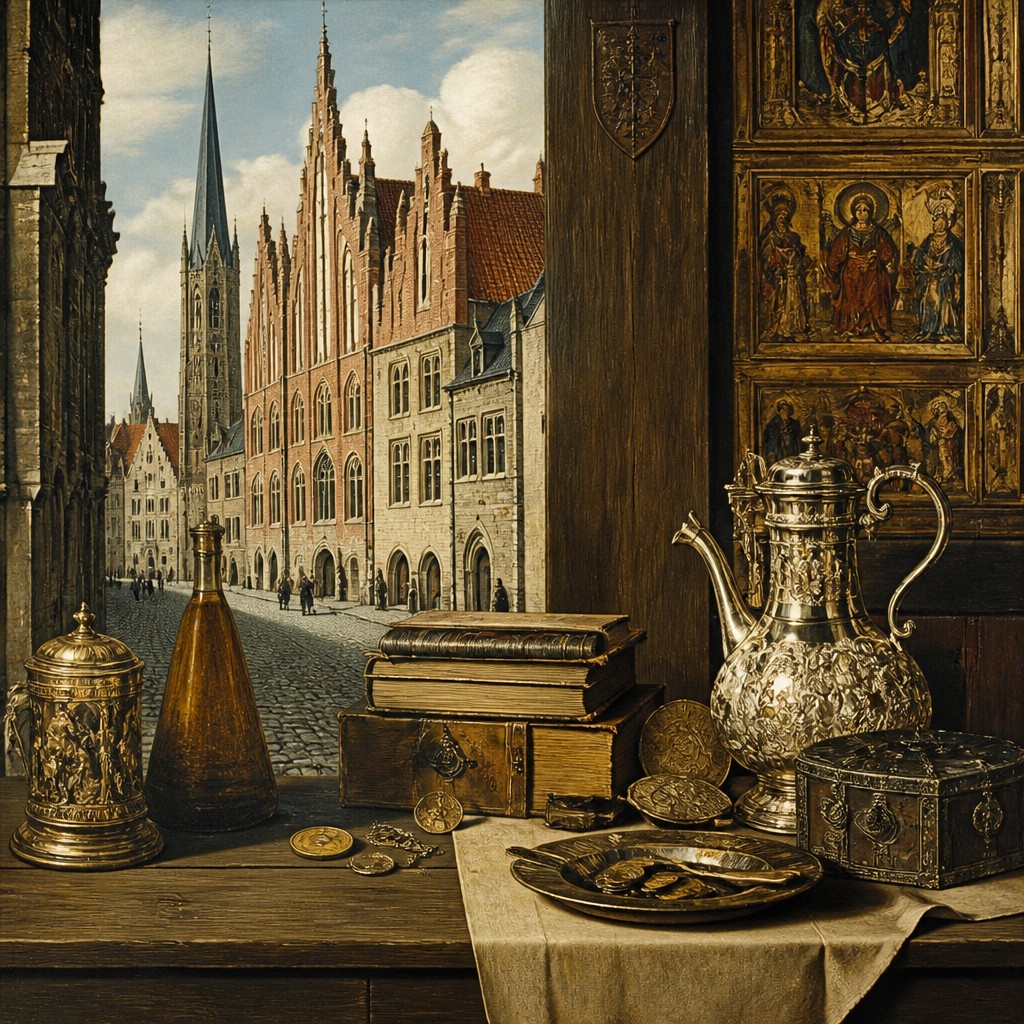
Medieval urban texture
Cobbled streets, fortified walls, narrow lanes, timber details, iron hardware, and uneven historic surfaces add age and physical credibility. The overall composition remains composed rather than chaotic.
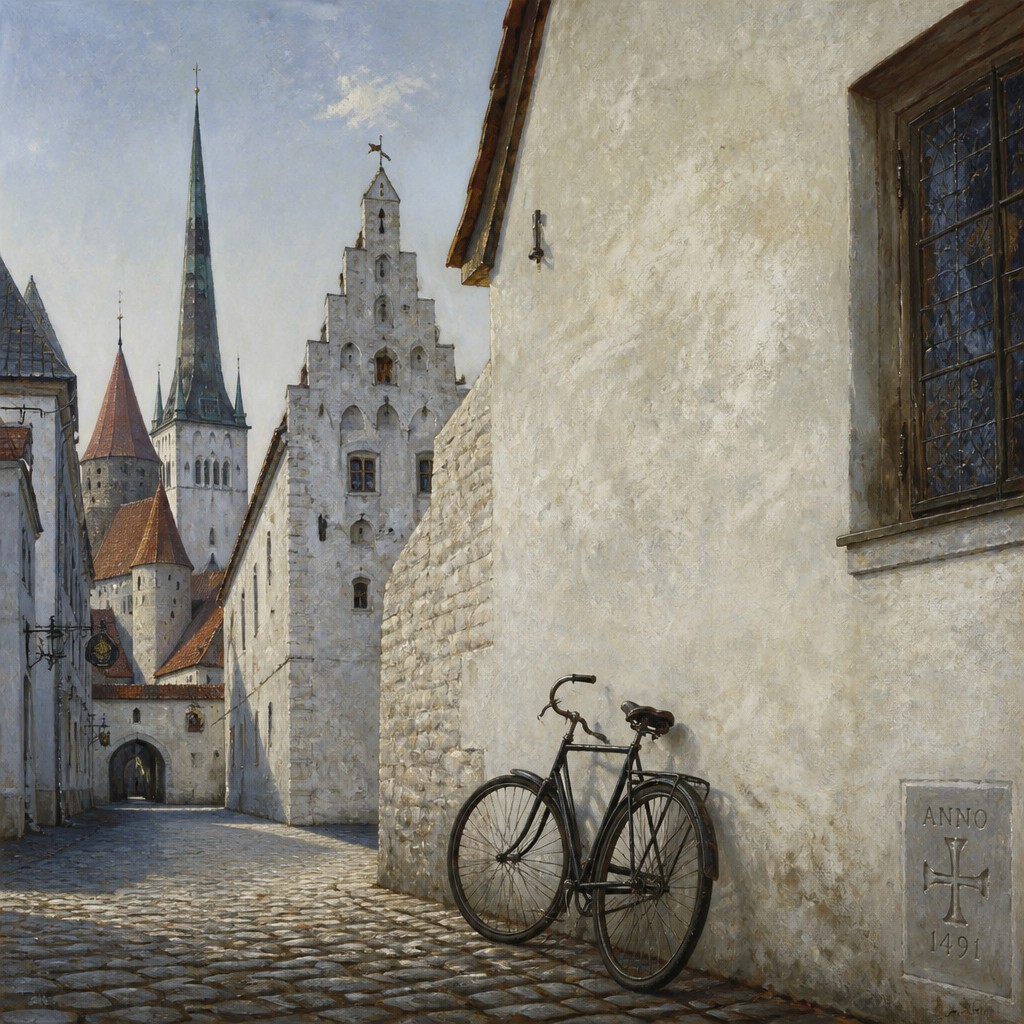
Northern restraint
Colors tend toward limestone white, muted ochre, brick red, charcoal, deep brown, slate blue, and tarnished silver. Ornament is concentrated around doorways, guild objects, heraldry, and architectural carving.
Estonian Prompt Ideas
Start from an idea — each one opens the generator with the style ready to go. See all 40 Estonian prompts →
How to Create Estonian Art
Master the craft step by step — or skip straight to creating. Read the full guide →
- 1
Build the architecture first
Begin with a strong silhouette of steep roofs, pointed openings, stepped gables, and fortified walls. Use vertical perspective and repeated façade rhythms to make the scene feel like a coherent medieval town.
- 2
Use a disciplined material palette
Pair pale limestone and red brick with dark oak, iron, and aged plaster. Reserve polished or gilded silver for a few focal objects so that it reads as ceremonial treasure rather than general decoration.
- 3
Control the light
For exteriors, use crisp Baltic daylight, cool shadows, and a pale sky; for interiors, combine warm candlelight with deep brown wood. Strong but moderate contrast helps reveal masonry, carving, and metal.
- 4
Add historically legible details
Include cobbles, leaded windows, timber beams, guild insignia, storage chests, carved panels, and period-appropriate metal fittings. Avoid modern signage, synthetic materials, and anachronistic decorative clutter.
- 5
Compose with formal balance
Use centered streets, axial interiors, symmetrical façades, or carefully framed towers to express civic order. A solitary figure or small group can provide scale without overwhelming the architecture.
- 6
Write precise digital prompts
Specify the subject, architectural period, materials, lighting, palette, and camera viewpoint separately. For image-to-image work, preserve the source composition while adding limestone, Gothic rooflines, dark oak, silver ornament, and cool northern light; use negative prompts to reduce modern objects and excessive fantasy embellishment.
The Story
History & Origins of Estonian
Estonian Art Style is not a formally recognized historical movement or a unified school of Estonian art. It is an invented or niche visual label that draws primarily on the medieval architecture and urban heritage of Tallinn, especially the Gothic and late-medieval traditions that developed within the wider Hanseatic world from roughly the thirteenth through sixteenth centuries.
Its aesthetic lineage also includes Northern European Gothic architecture, Baltic civic design, medieval guild culture, ecclesiastical and mercantile interiors, heraldic craft, and the modern preservation of historic walled towns. Contemporary interpretations often heighten these references by combining documentary architectural details with atmospheric lighting and symbolic silver ornament.
Influences: The style is related to Northern European Gothic and late-medieval civic architecture, Hanseatic urbanism, Baltic historic townscapes, medieval guild and ecclesiastical interiors, heraldic craft, and traditional metalwork. It also overlaps with dark historical interiors, architectural visualization, heritage photography, and restrained fantasy worldbuilding, while differing from generic medieval fantasy through its emphasis on plausible materials, civic order, and specifically northern light.
Frequently Asked Questions
Is Estonian Art Style a recognized historical art movement?
No. The term describes a contemporary or AI-native aesthetic rather than a formally documented movement with a fixed membership or period. It is based on real Estonian and Northern European architectural, material, and craft traditions, especially the medieval character of Tallinn.
What defines Estonian Art Style?
Its defining elements are steep-roofed Gothic architecture, brick spires, stepped gables, pale limestone walls, cobbled streets, dark oak interiors, and ceremonial silver. Cool Baltic light and restrained composition give these details a unified northern character.
How is it different from generic medieval fantasy art?
Estonian Art Style favors historically plausible urban forms and materials over invented castles, exaggerated ruins, or dramatic supernatural effects. Its mood is civic, mercantile, and architectural, with quiet grandeur rather than theatrical fantasy.
Can this style be used for interiors and still life images?
Yes. Guild halls, civic chambers, treasury rooms, carved furniture, silver vessels, documents, and iron fittings are especially suitable subjects. The combination of dark wood, selective metallic highlights, and warm candlelight works well in close compositions.
How can I make an image feel more authentically northern?
Use cool daylight, pale stone, muted red brick, slate or blue-gray shadows, and restrained ornament. Add practical historic details such as leaded windows, timber framing, cobbles, iron hardware, and compact medieval street proportions.
Is silver always required in this style?
No, but silver is a useful signature motif because it suggests guild ceremony, trade, and accumulated civic wealth. It can be omitted for a more architectural interpretation or used sparingly as a focal accent.
Create your first Estonian artwork
Describe anything — or upload a photo — and see it in Estonian Art Style in seconds.
Related Styles
Discover similar art styles