Sustainable Architecture vs Futuristic Architecture: What's the Difference?
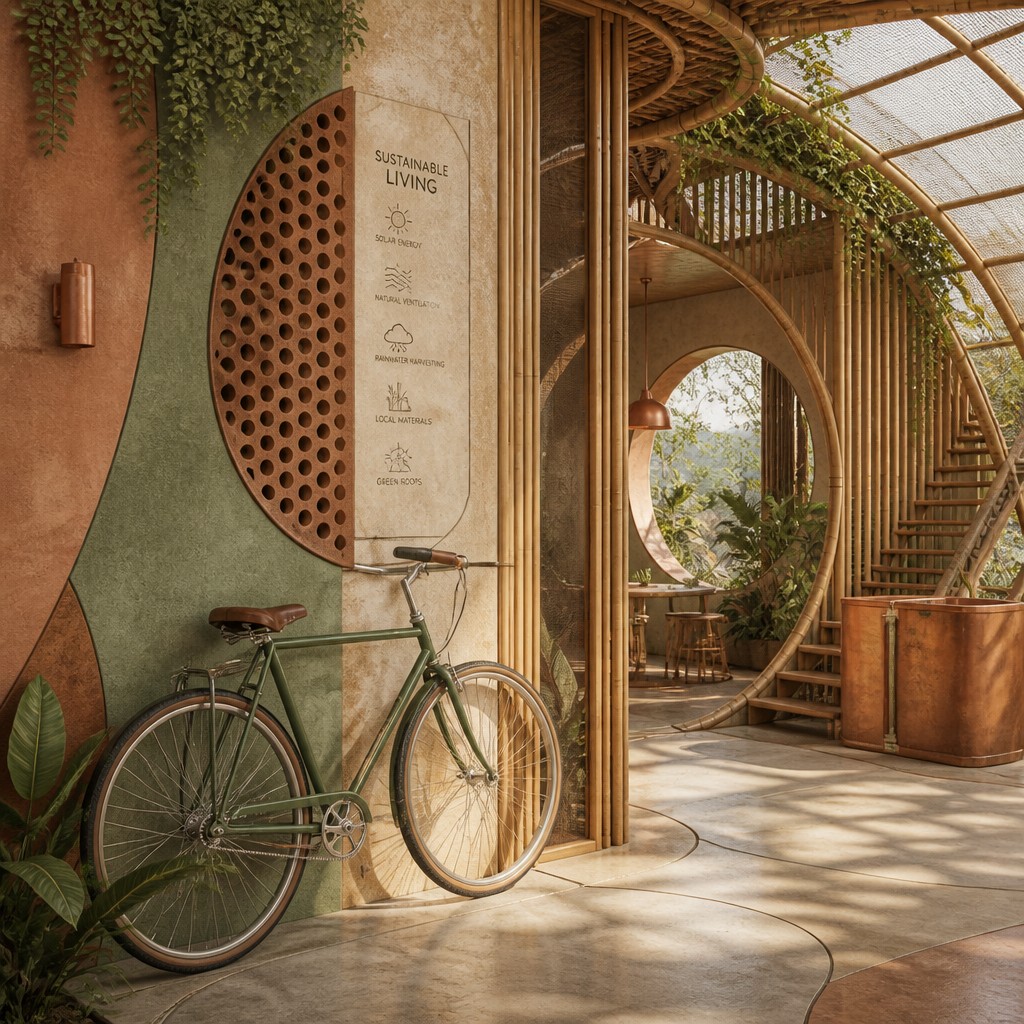
Sustainable Architecture Art focuses on buildings that look environmentally responsible and grounded in real-world design. It often features green roofs, daylighting, passive solar shapes, renewable materials, and strong connections between interior spaces and nature.
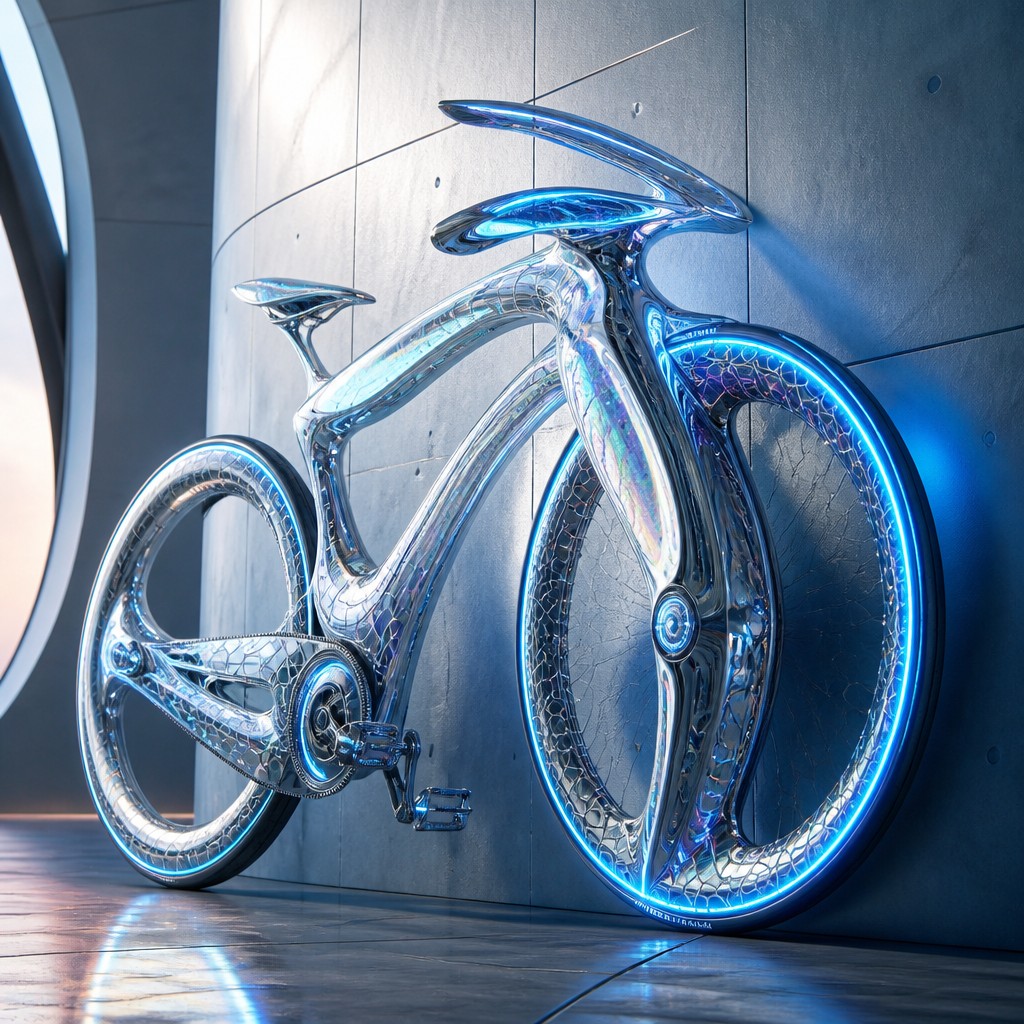
Futuristic Architecture Art imagines advanced buildings with sleek precision, dramatic curves, and a sci-fi sense of possibility. It may also include sustainable technologies, but the emphasis is usually on innovation, elegance, and forms that feel more visionary than practical. People compare the two because both often use clean lines, modern materials, and an optimistic view of the built environment.
Same Prompt, Both Styles
Each pair below was generated from the identical prompt — only the style changed.
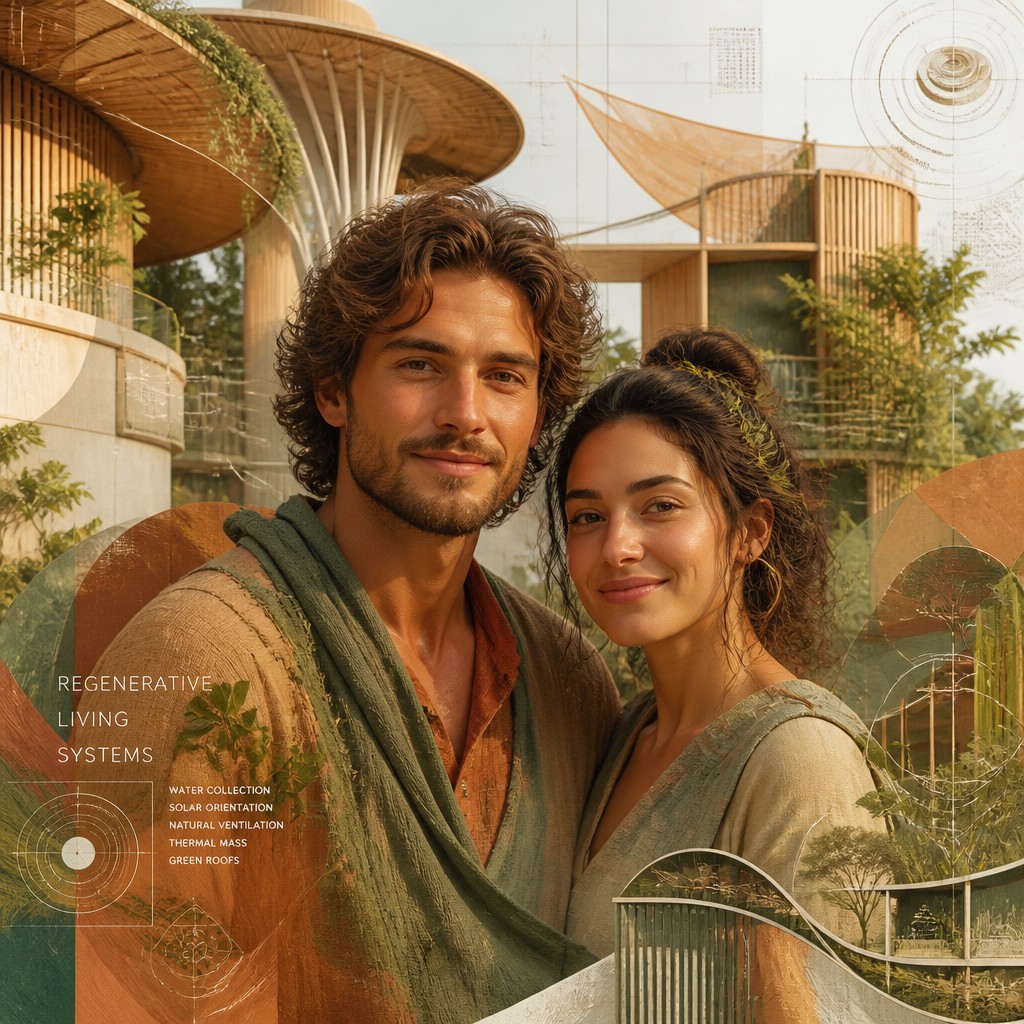
“portrait of two people together”

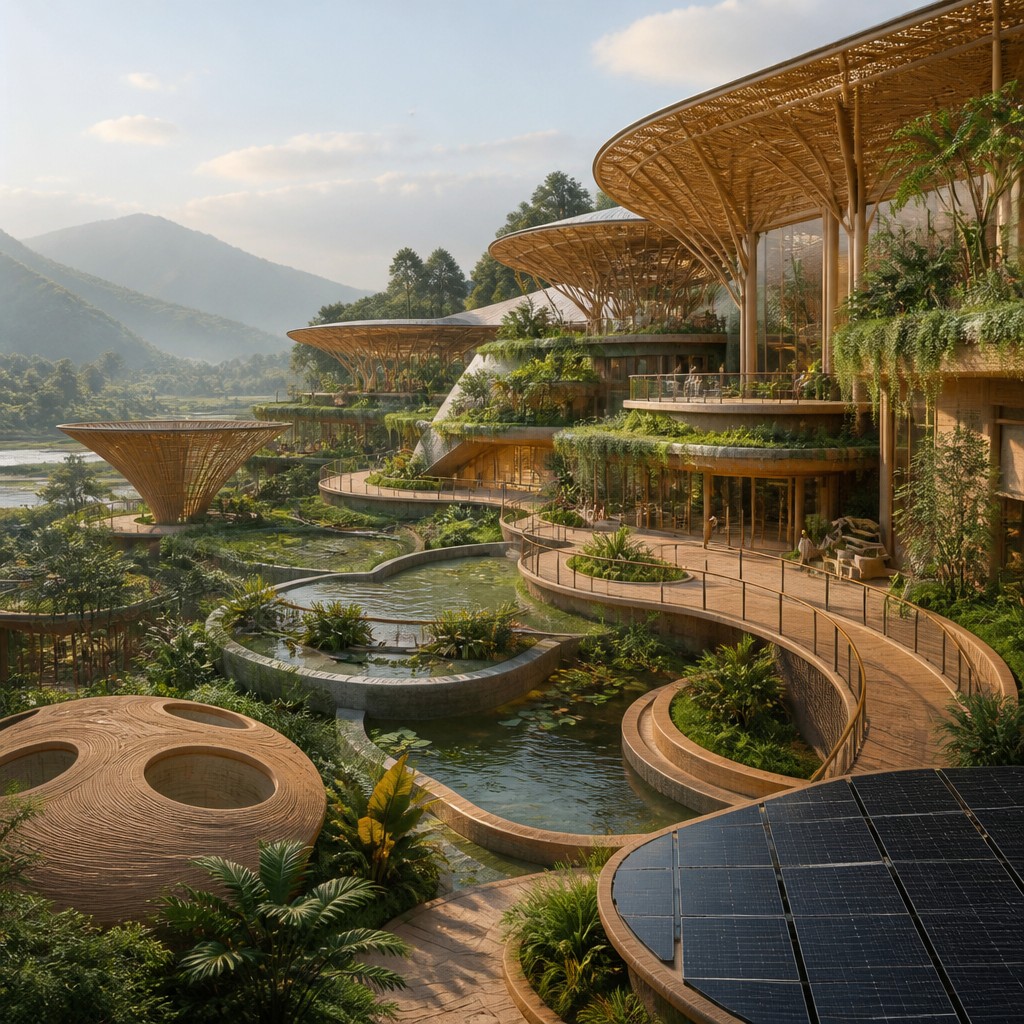
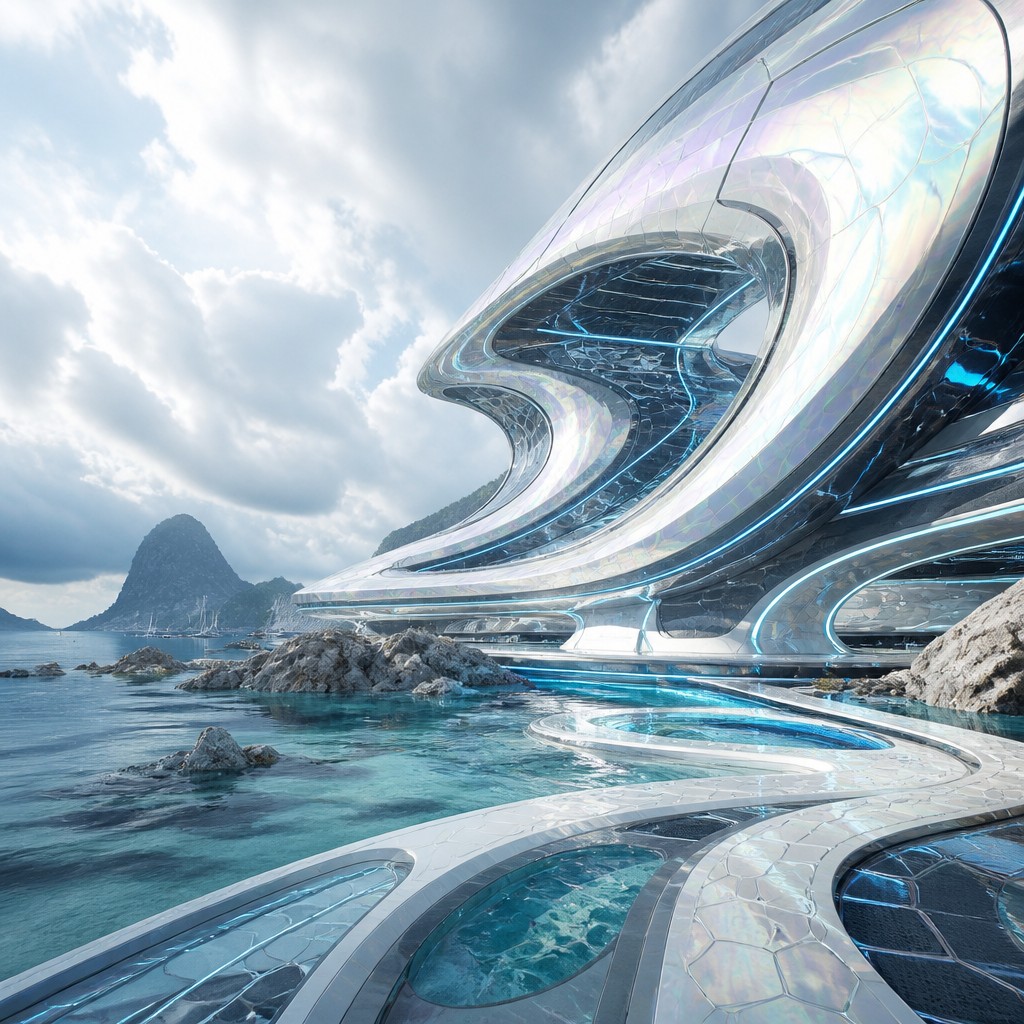
“wide landscape with natural scenery”
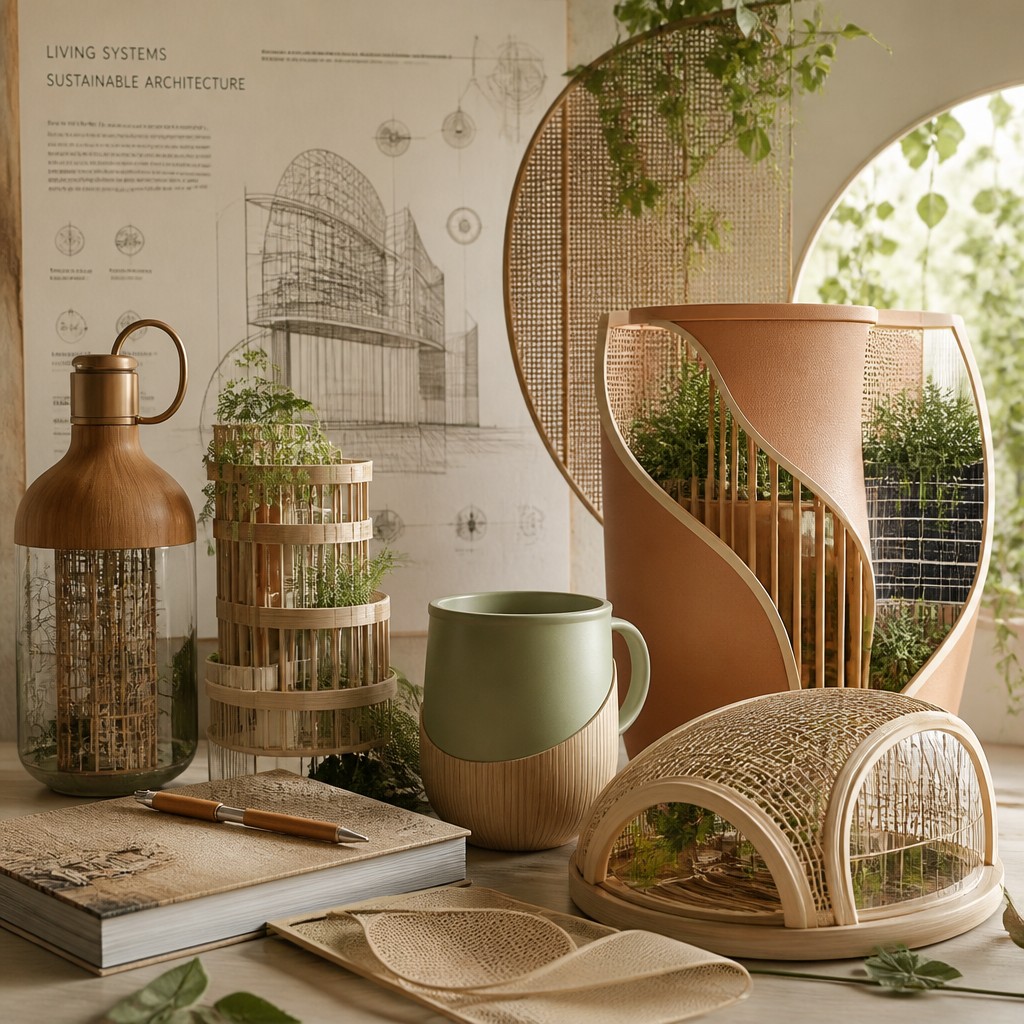
“still life with everyday objects”

“bicyle resting against a wall”
Key Differences
| Sustainable Architecture | Futuristic Architecture | |
|---|---|---|
| Primary goal | Show ecological responsibility and livable design. | Create a visionary, advanced architectural mood. |
| Form language | Uses grounded, efficient shapes shaped by climate and function. | Uses bold curves, sharp precision, and striking silhouettes. |
| Relationship to nature | Blends buildings with vegetation, daylight, and landscape. | Often frames nature as a contrast to sleek engineered forms. |
| Material feel | Suggests wood, recycled composites, earth tones, and low-impact surfaces. | Suggests glass, metal, composites, and polished high-tech finishes. |
| Visual mood | Calm, practical, hopeful, and environmentally grounded. | Dramatic, clean, futuristic, and sometimes slightly surreal. |
| Sustainability emphasis | Sustainability is central to the design language. | Sustainability may appear as a feature, but not always the main focus. |
| Mood | calm, hopeful, earthy, forward-looking | visionary, sleek, awe-inspiring, optimistic, expansive |
| Energy | calm | balanced |
| Detail level | detailed | detailed |
| Color | muted greens, warm neutrals, soft grays | cool metallics with luminous accents |
| Texture | natural, layered, matte, organic | smooth, reflective, seamless surfaces |
| Origin | late-20th-century global sustainability movement | late-20th-century futurism, digital-native aesthetic |
| Best for | architectural renderings, urban planning visuals, environmental posters, concept art, real estate brochures | concept art, movie posters, game environments, book covers, branding, architectural visualizations |
| Difficulty | advanced | advanced |
Which Should You Choose?
Choose Sustainable Architecture Art if you want imagery that feels believable, environmentally thoughtful, and connected to real design solutions. Choose Futuristic Architecture Art if you want a more imaginative, high-innovation look with bold forms and a sci-fi atmosphere. If your project needs trust, calm, and ecological clarity, pick A; if it needs ambition, spectacle, and forward-looking design, pick B.
Frequently Asked Questions
Can futuristic architecture also be sustainable?
Yes. Many futuristic designs include renewable energy, smart climate systems, and efficient building envelopes. The difference is that futuristic art usually highlights the advanced look first, while sustainable architecture puts environmental function at the center.
Which style is more realistic?
Sustainable Architecture Art is usually more grounded in current building methods and environmental strategies. Futuristic Architecture Art can be realistic, but it often pushes beyond what is commonly built today.
Which style feels warmer and more human-centered?
Sustainable Architecture Art often feels warmer because it integrates plants, natural light, and material textures. Futuristic Architecture Art can still feel welcoming, but it usually emphasizes sleekness and precision more than softness.
Can both styles use similar elements like solar panels or green roofs?
Yes, both can include those elements. In Sustainable Architecture Art, they are usually shown as practical ecological features. In Futuristic Architecture Art, they may be integrated into a more dramatic or speculative visual system.