Belarusian Art Style
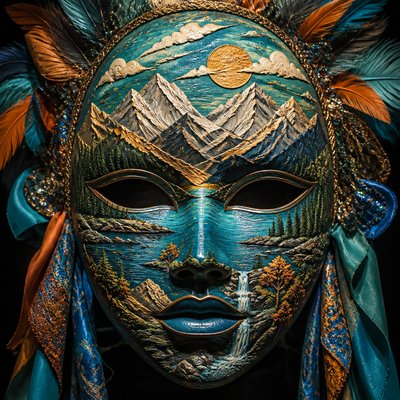
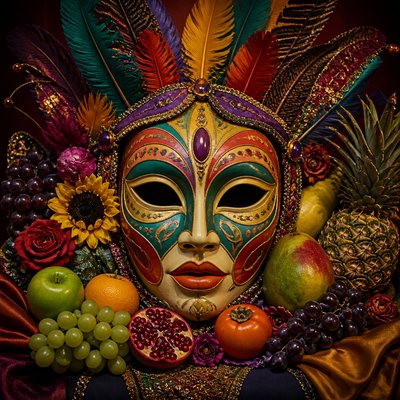
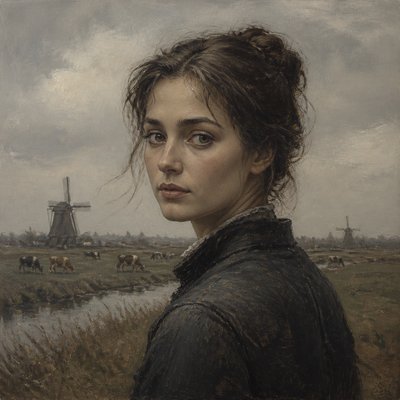
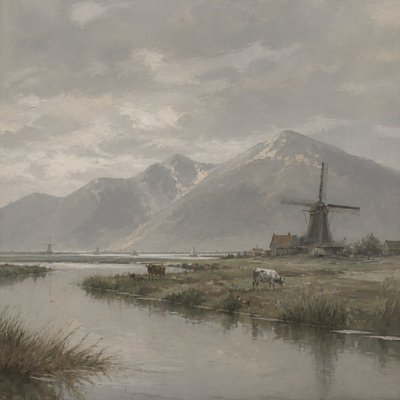
Explore Belarusian Art Style: Slutsk sash ornament, Baroque castles, carved church screens, gilt detail, and marsh-and-forest light.
Instantly rendered in Belarusian — or transform a photo
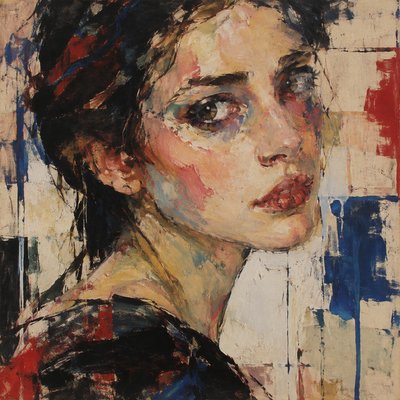
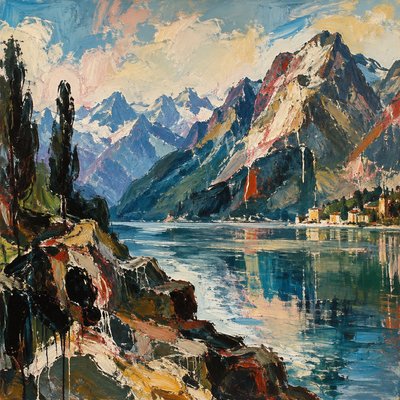
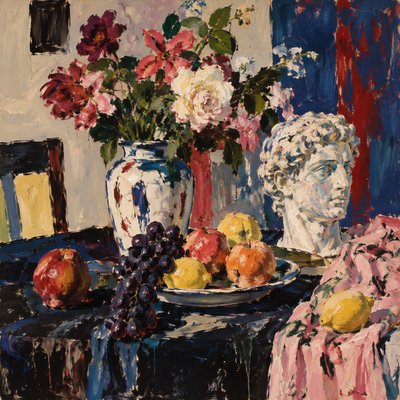
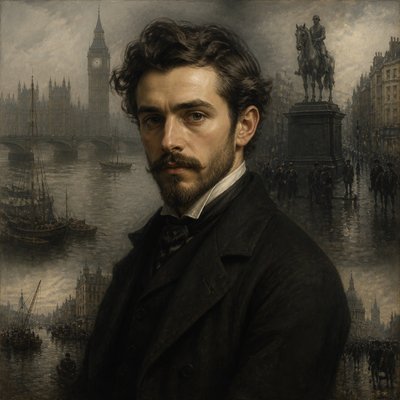
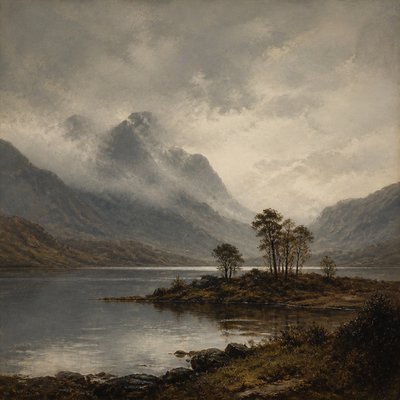
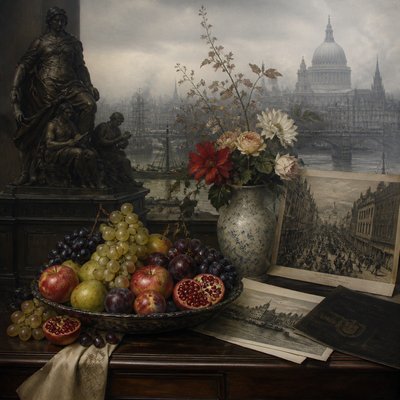
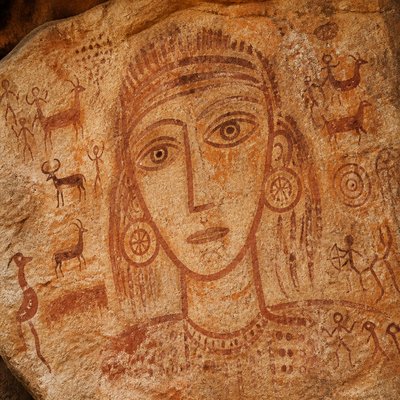
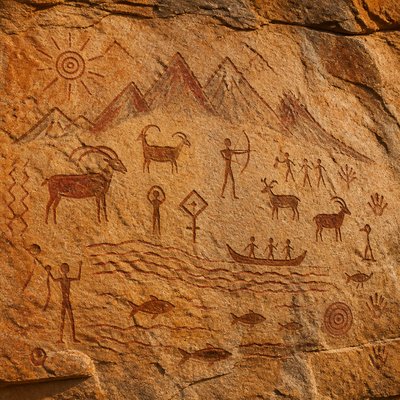
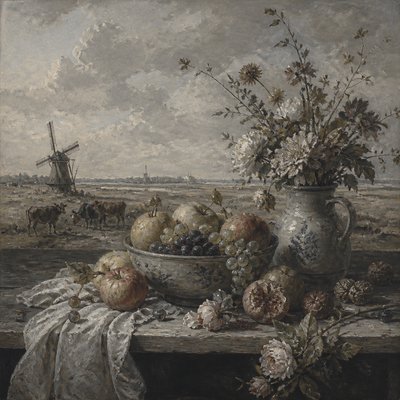
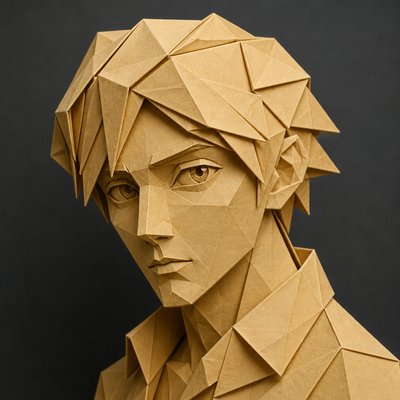
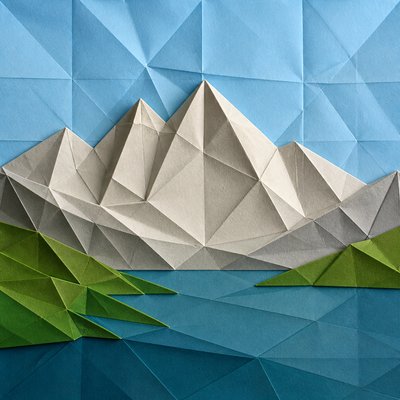
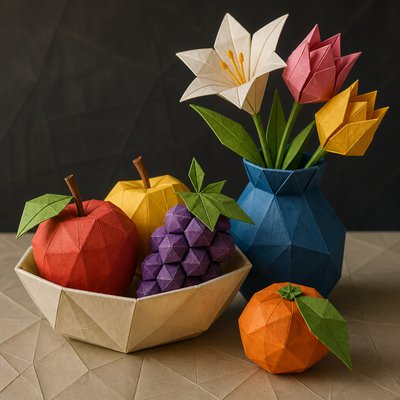
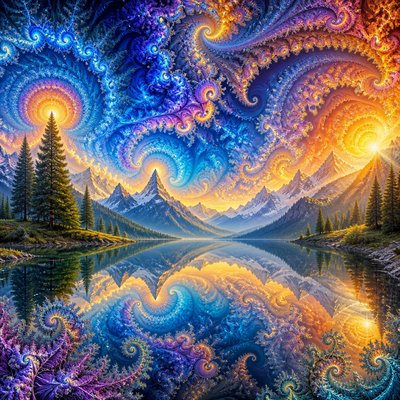
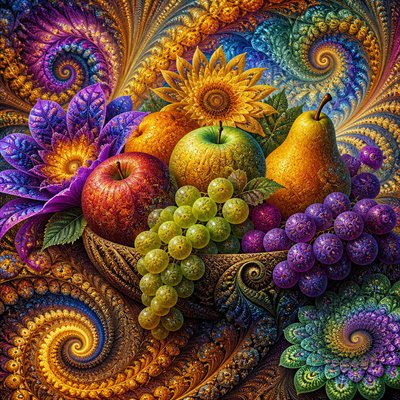
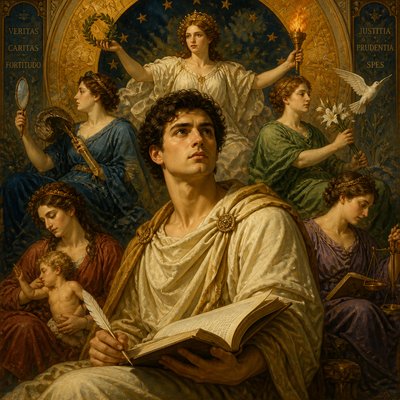
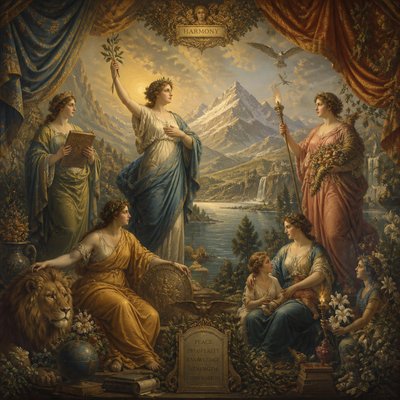
Belarusian Gallery
Tap any artwork to explore it
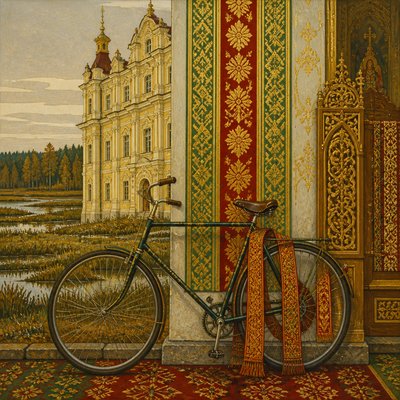
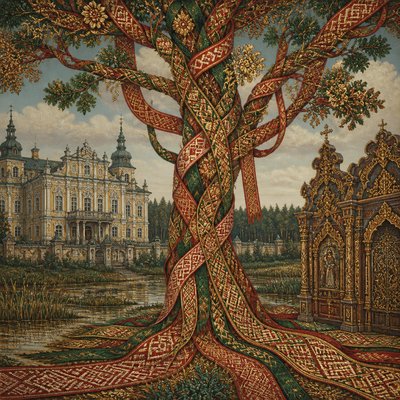
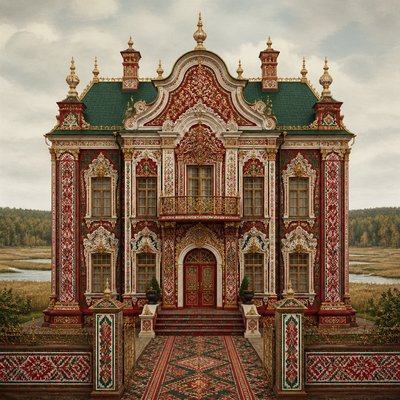
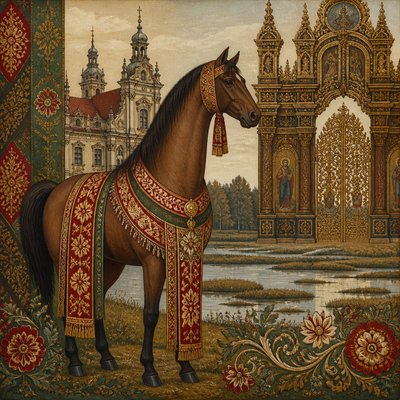
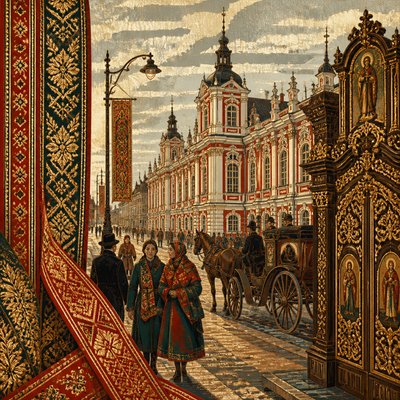
What is Belarusian Art Style?
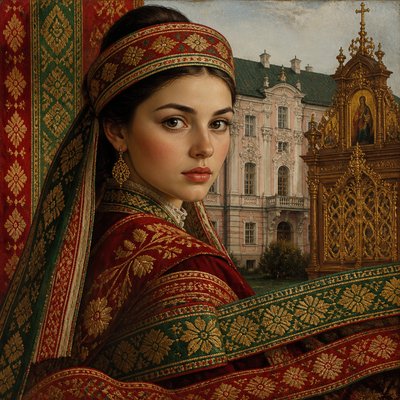
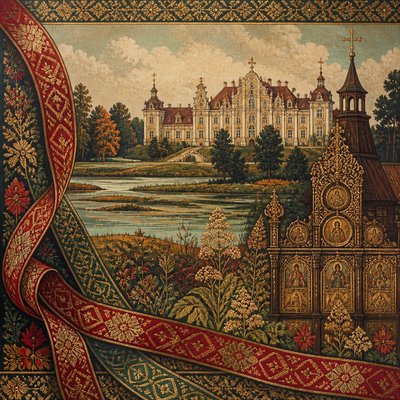
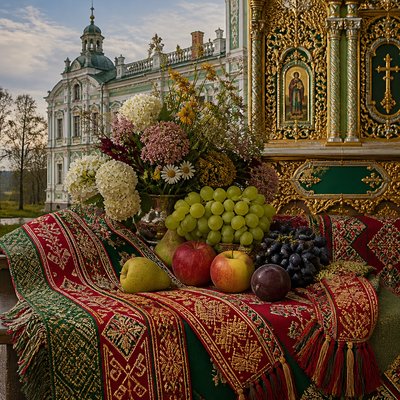
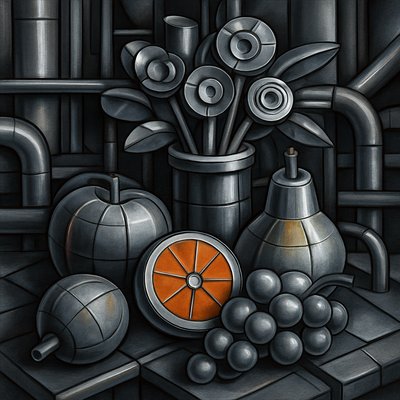
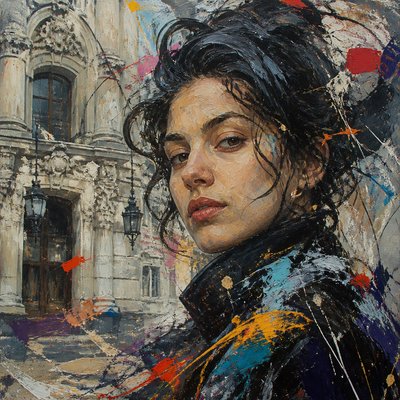
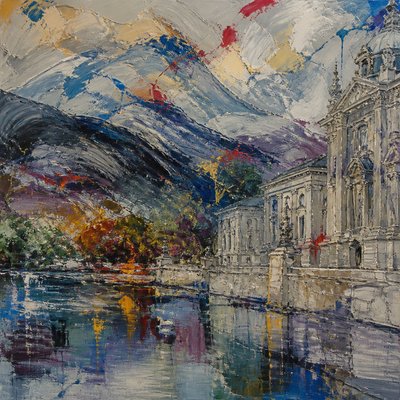
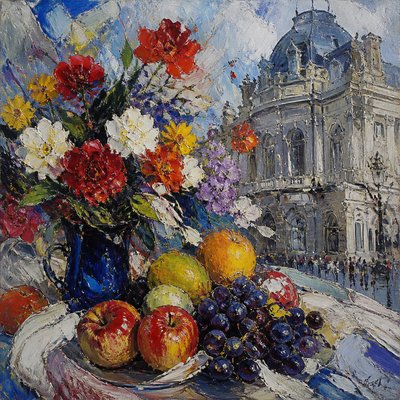
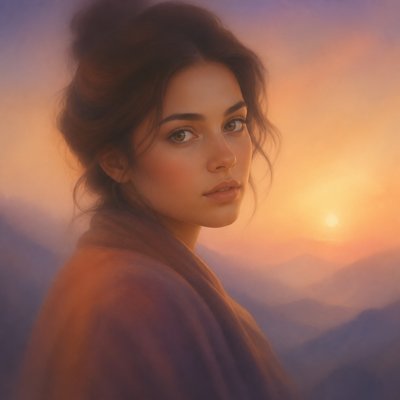
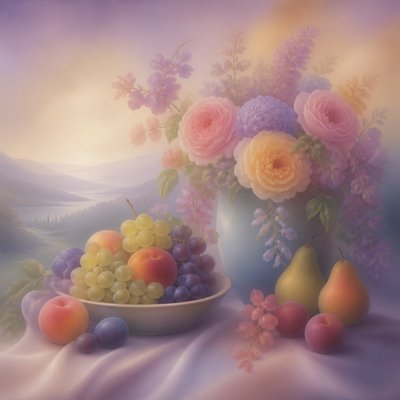
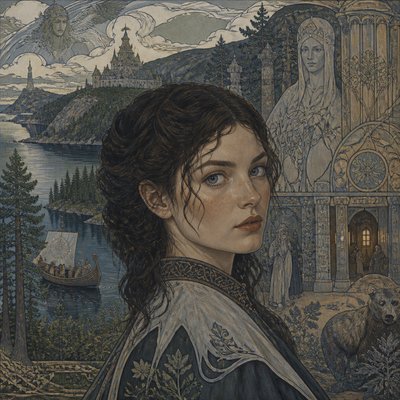
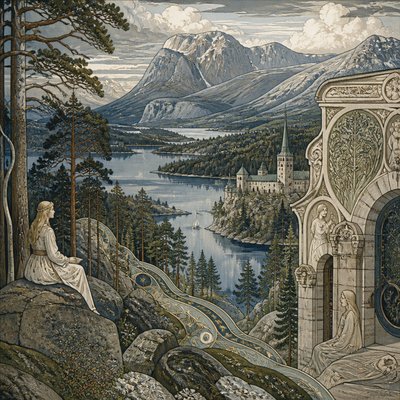
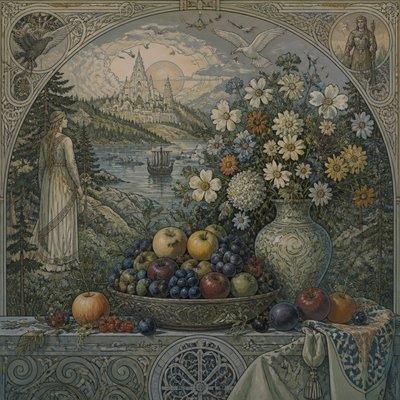
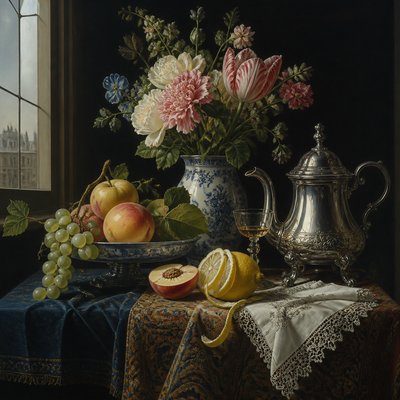
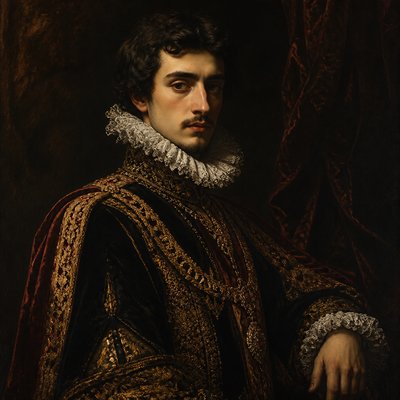
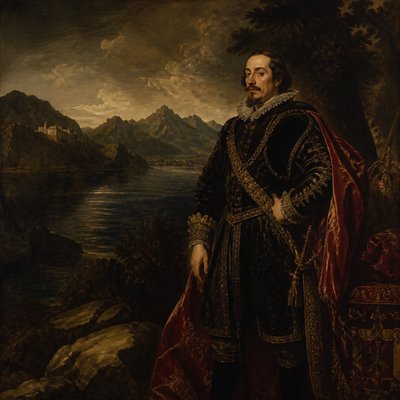
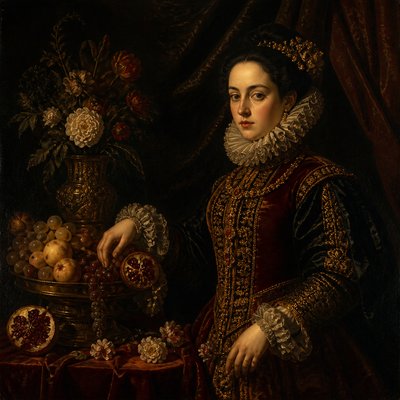
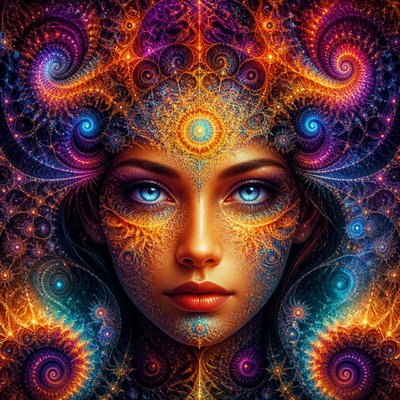
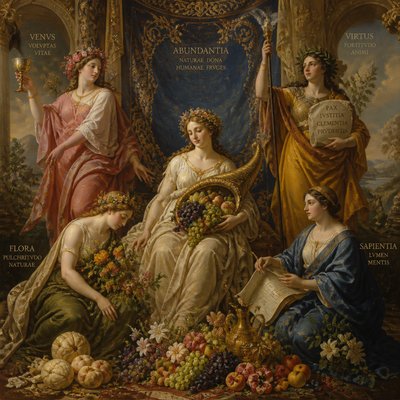
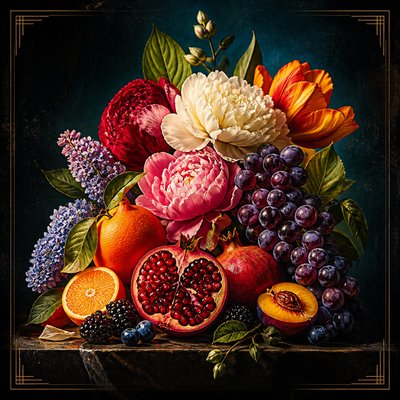
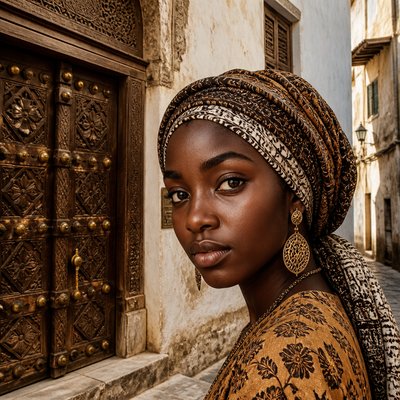
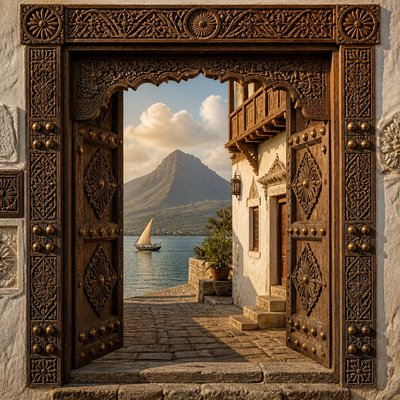
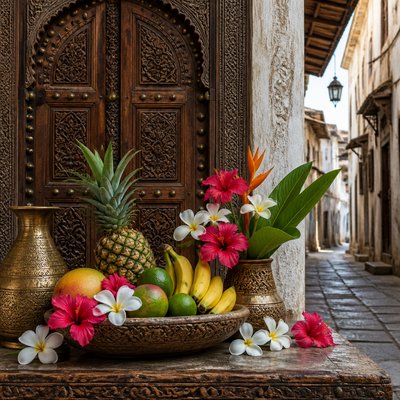
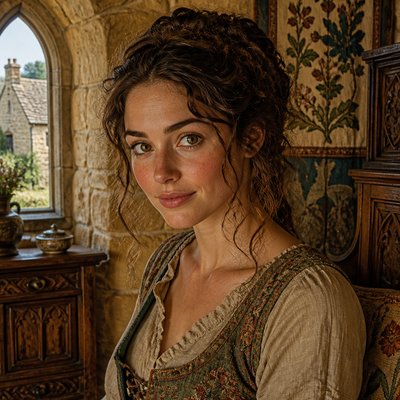
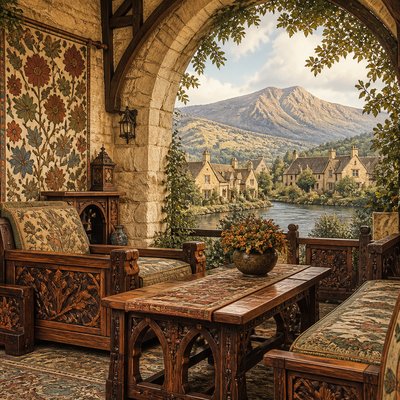
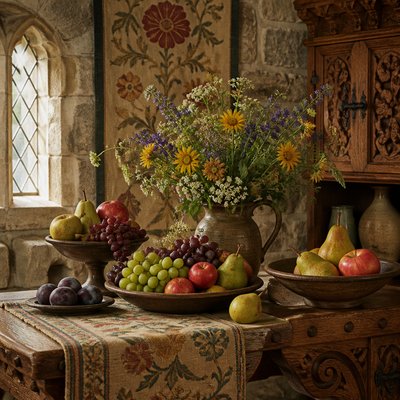
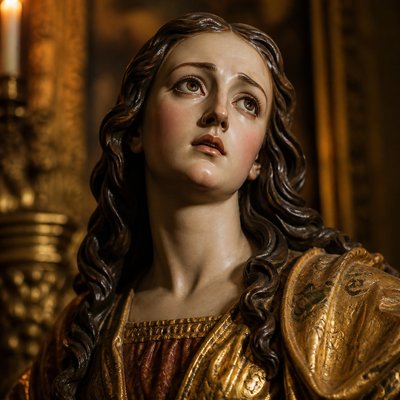
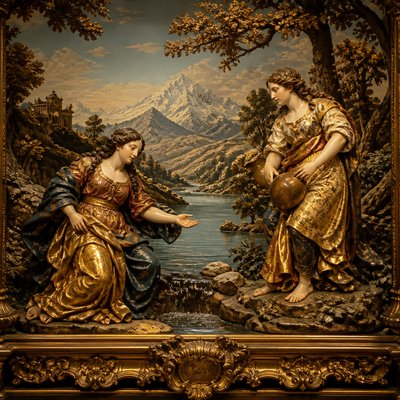
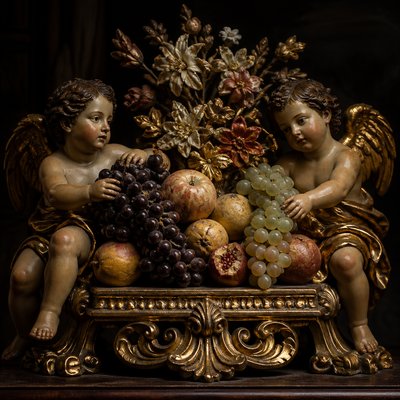
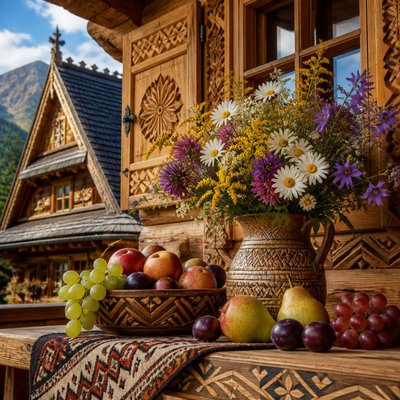
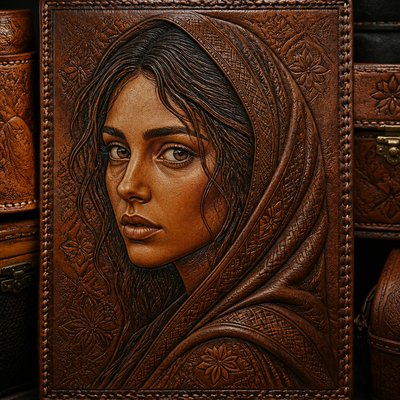
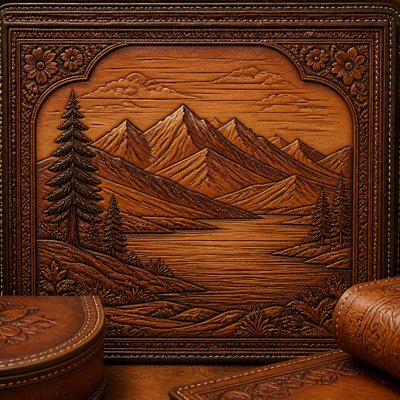
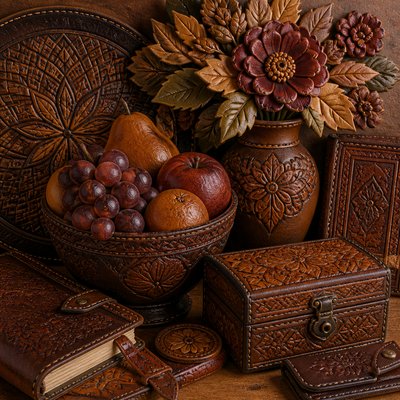
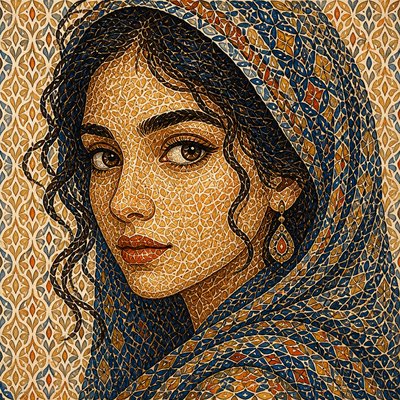
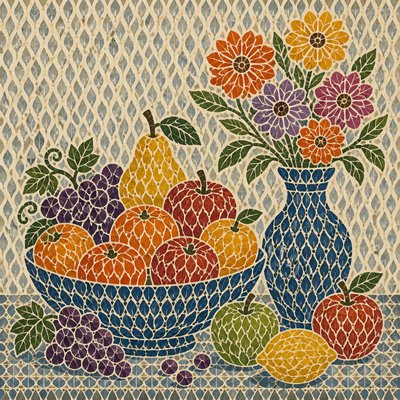
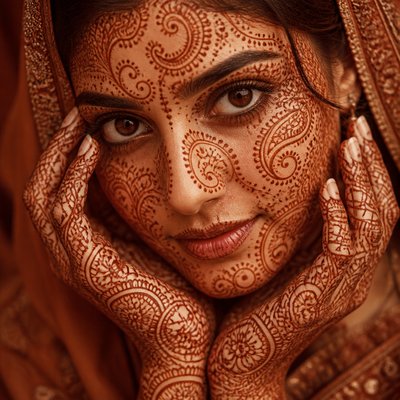
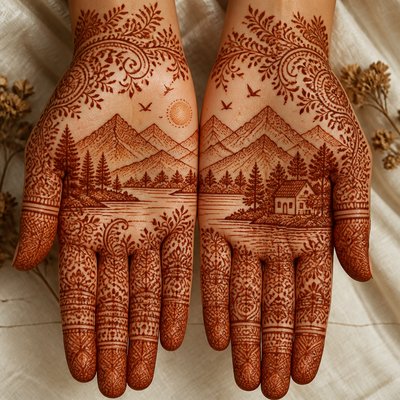
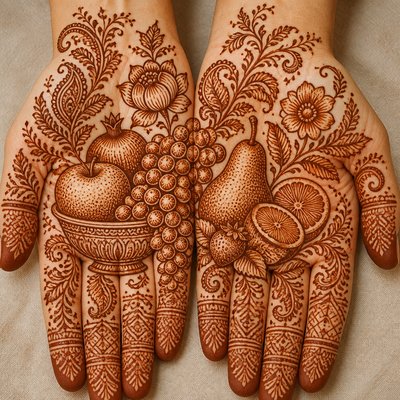
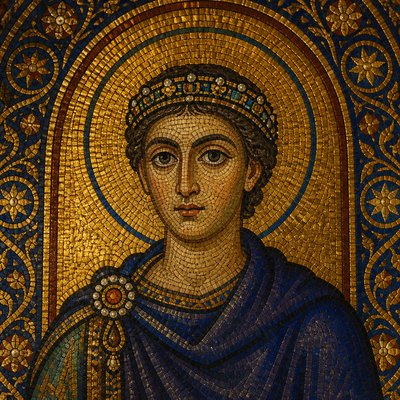
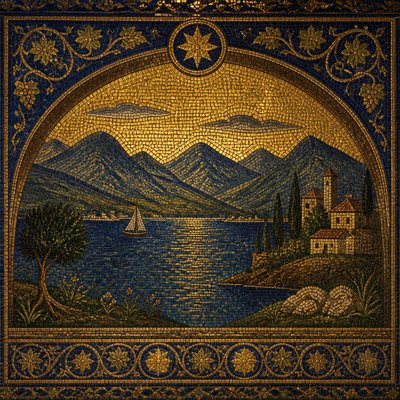
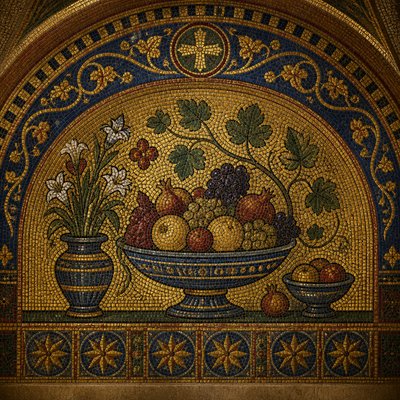
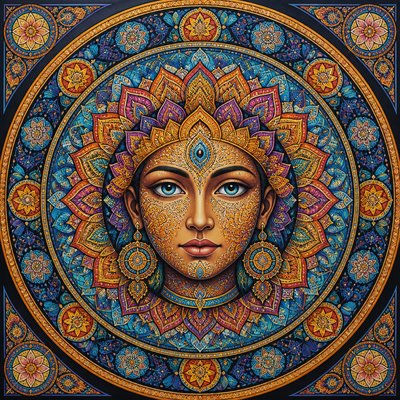
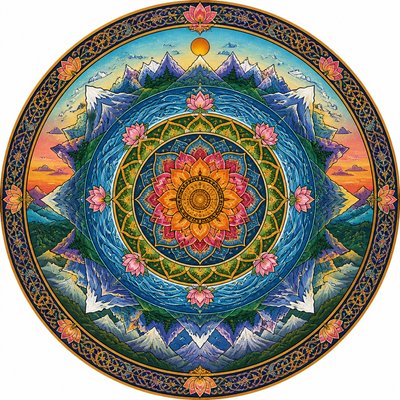
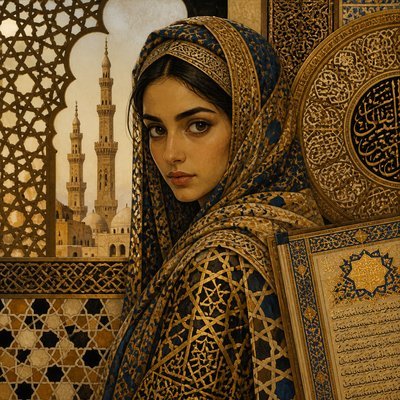
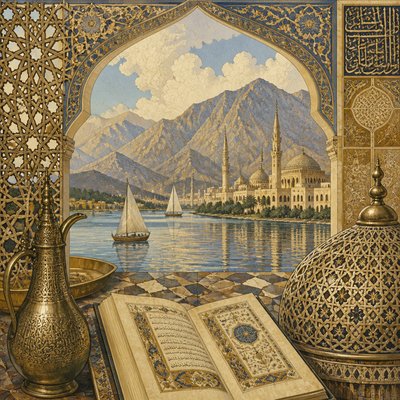
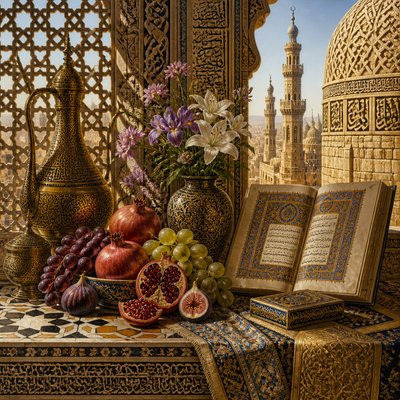
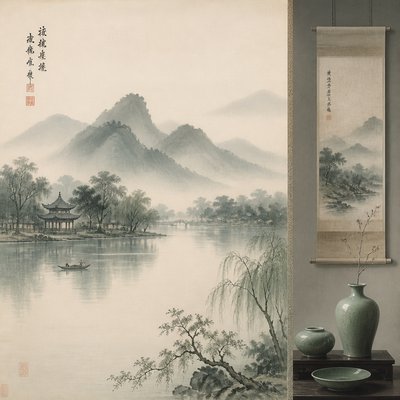
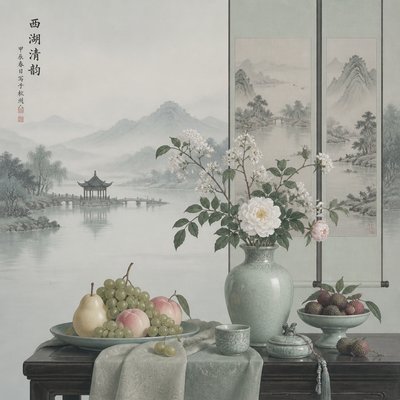
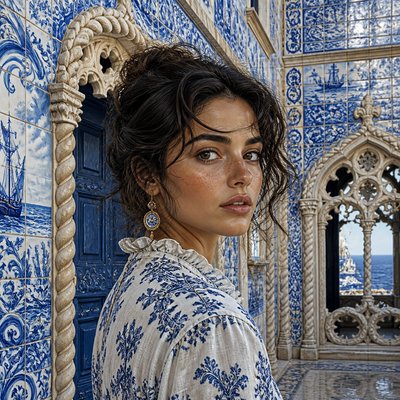
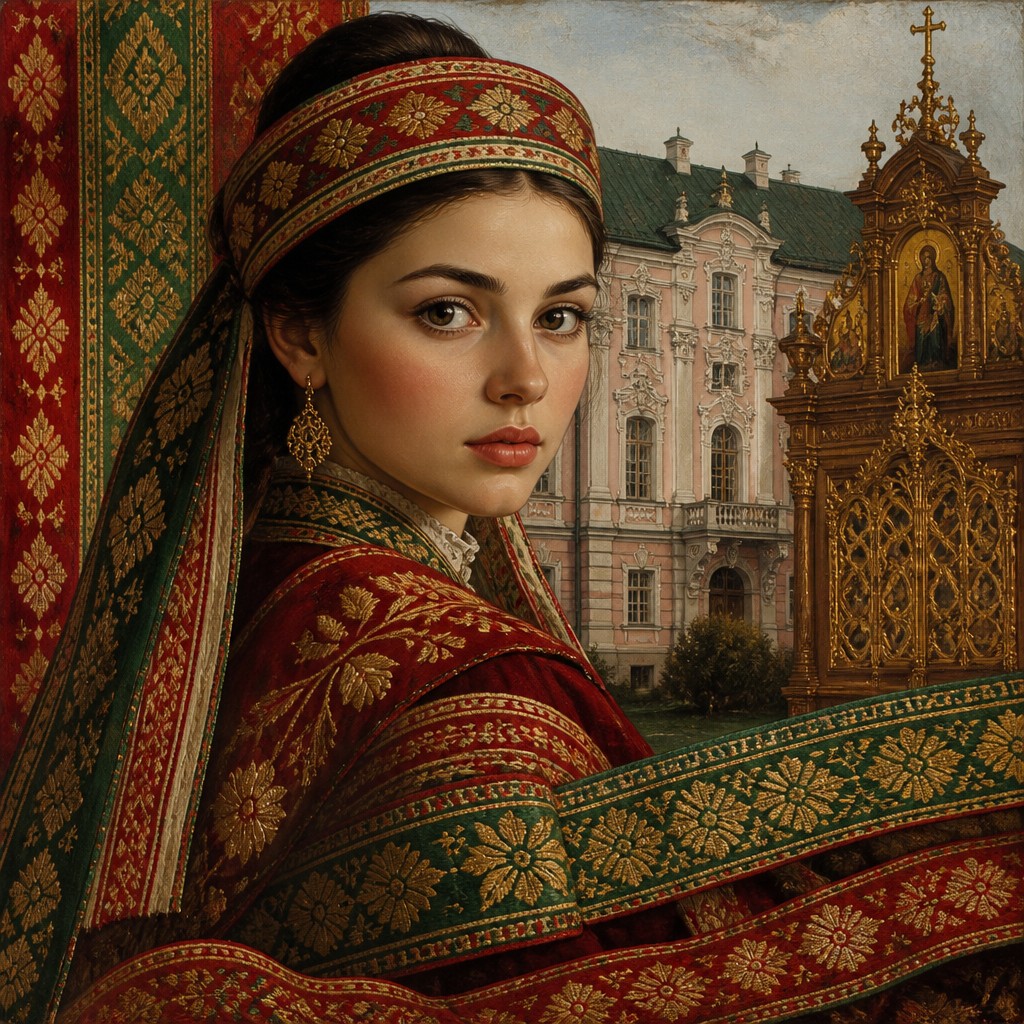
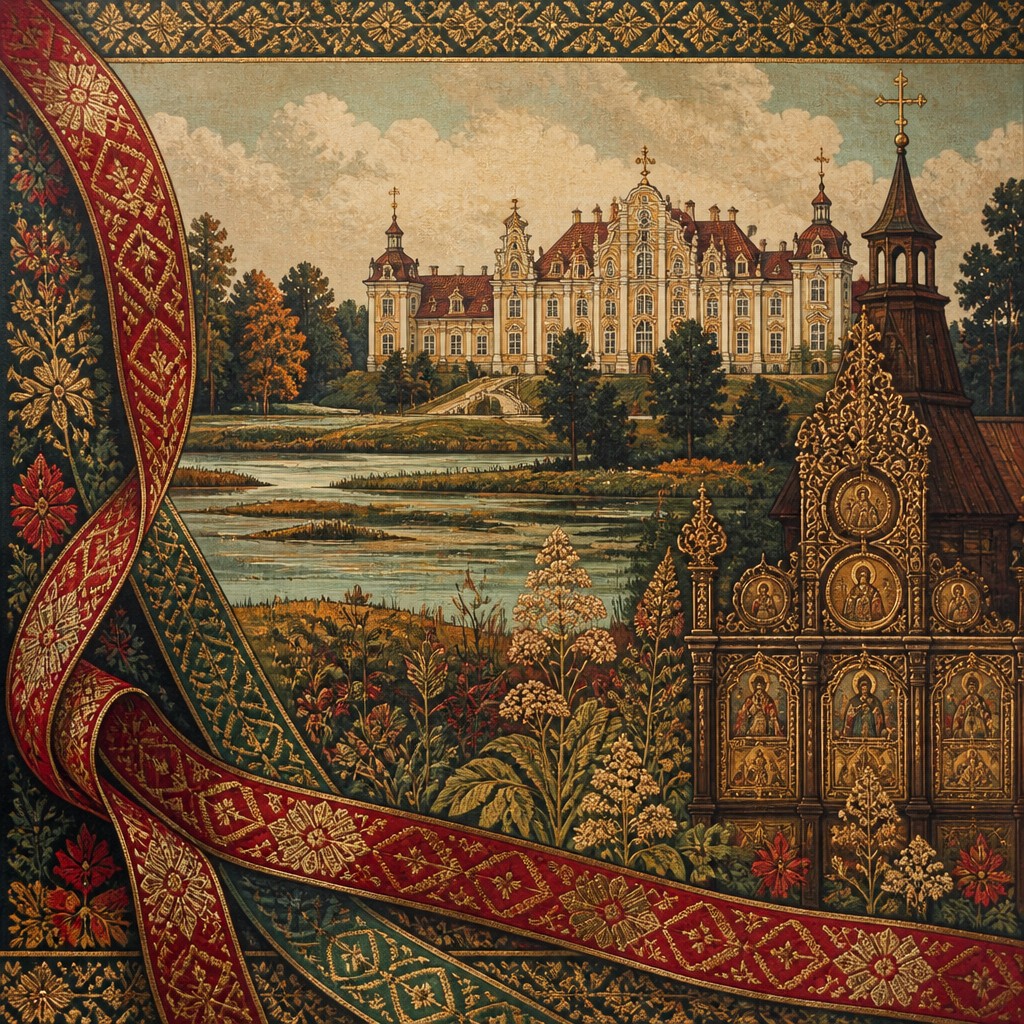
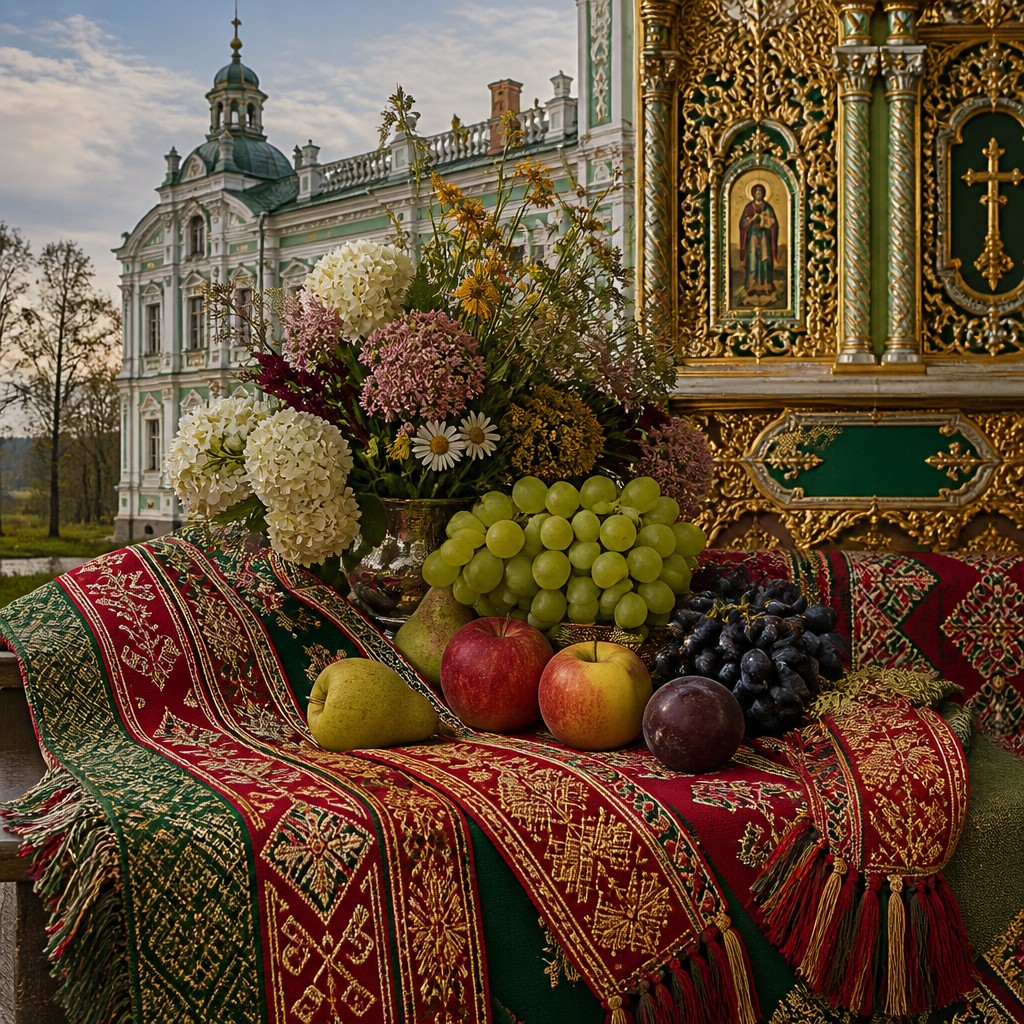
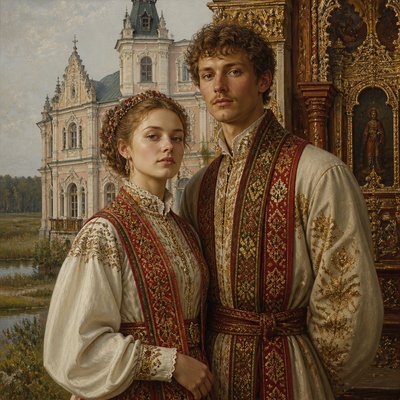
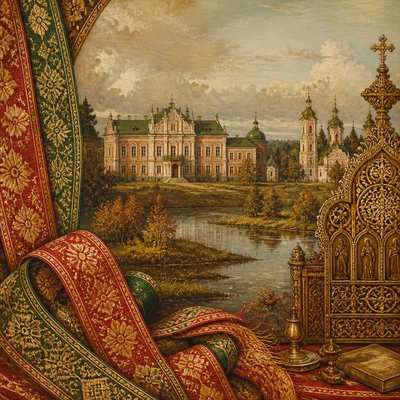
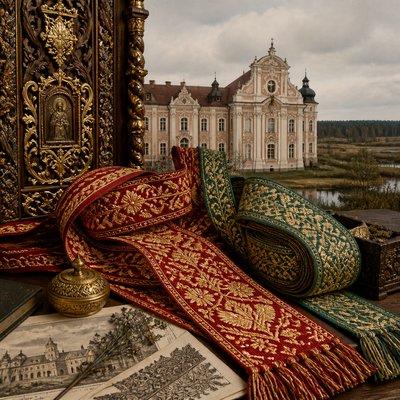
Belarusian Art Style is a contemporary visual synthesis rooted in Belarusian decorative and architectural heritage. Its signature imagery combines the opulent pattern language of Slutsk sashes, the monumental stonework of Belarusian Baroque castles and churches, and the intricate carved ornament of wooden ecclesiastical interiors.
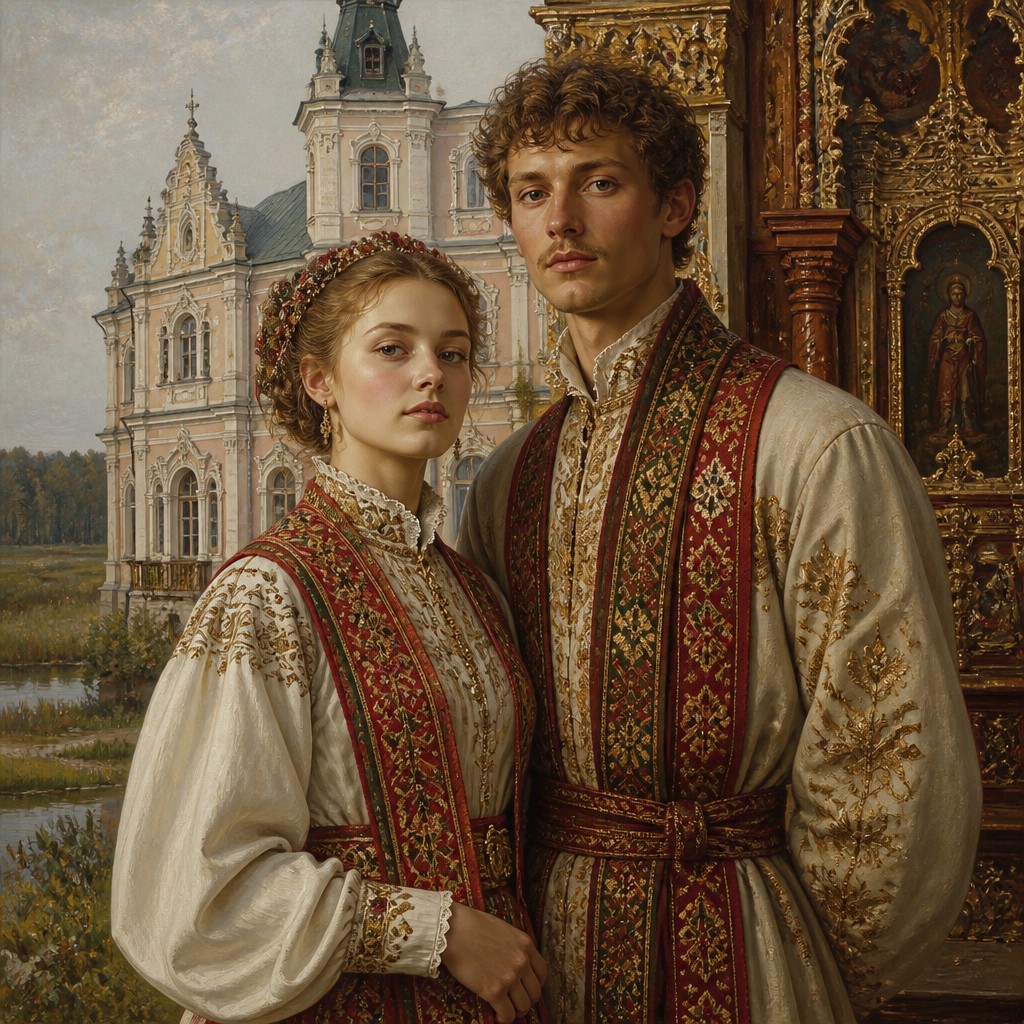
Try It On Your Photos
Upload any photo and convert it into Belarusian Art Style — drag the sliders to compare before and after.
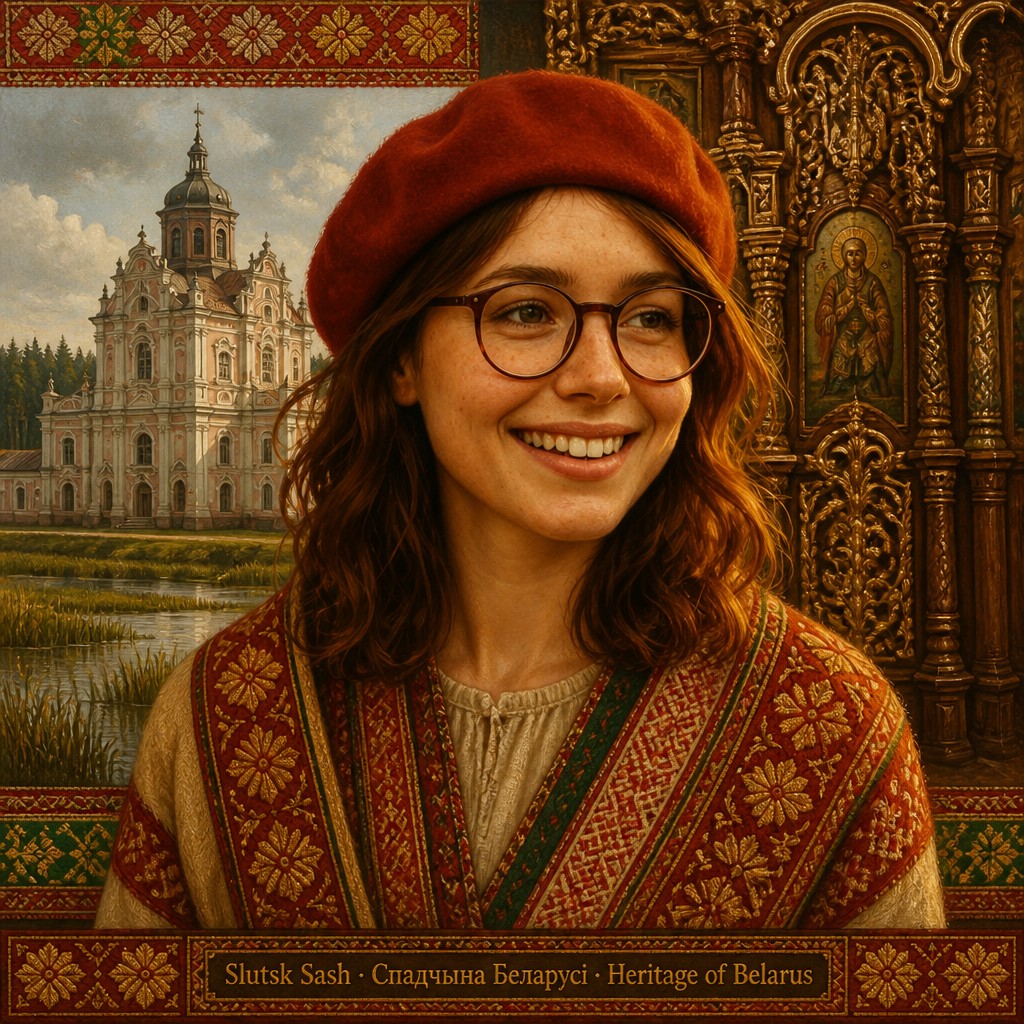

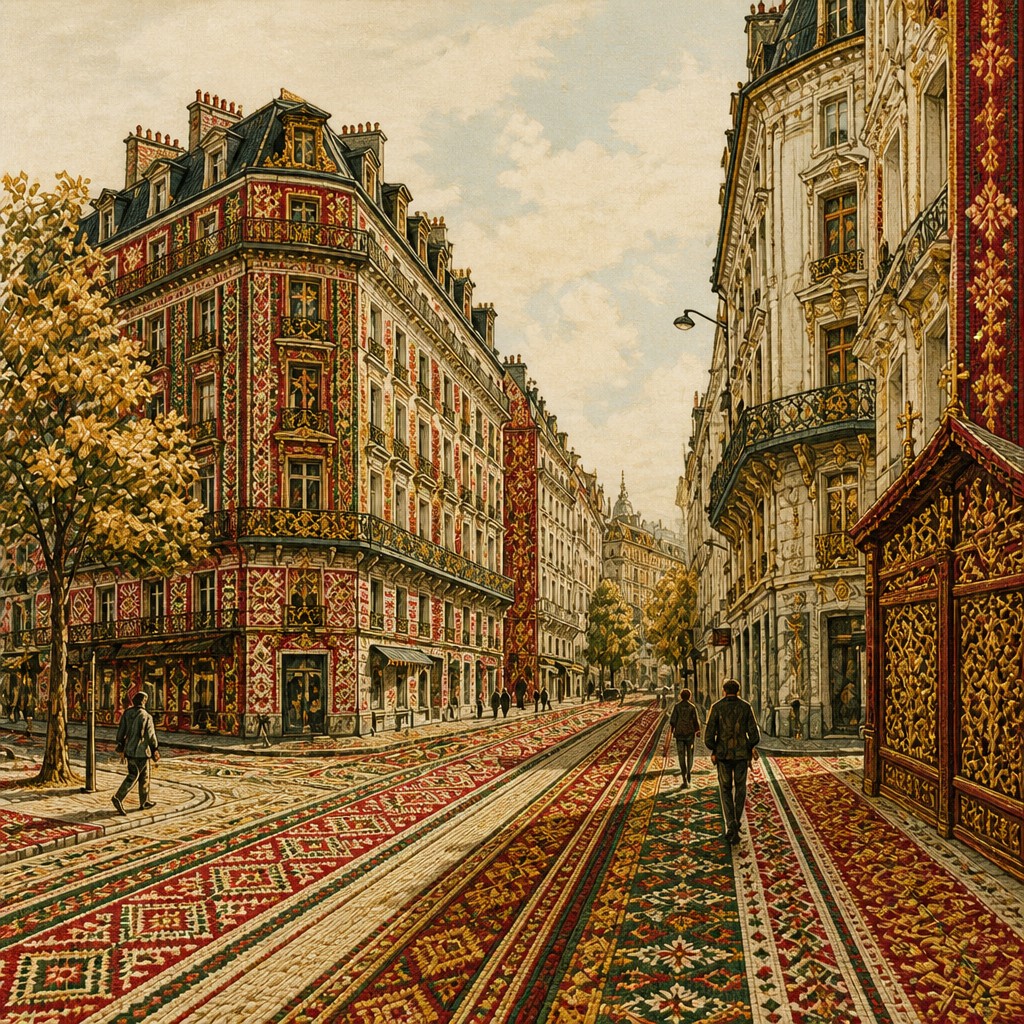

What Defines Belarusian Art Style
The signature details, up close
Slutsk sash ornament
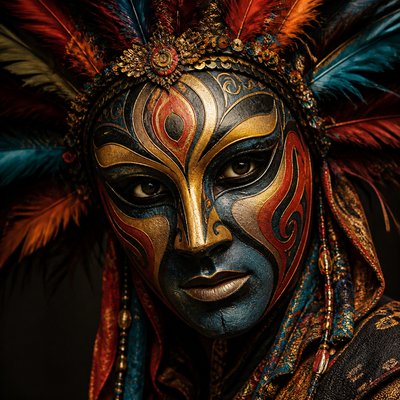
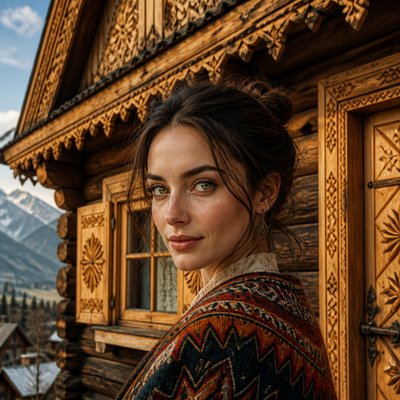
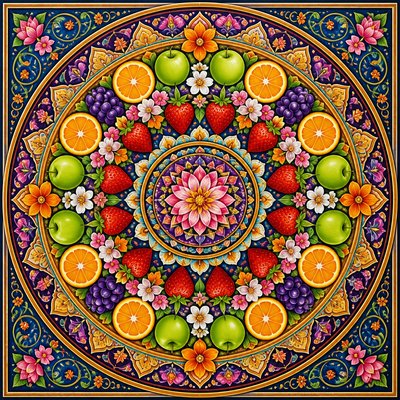
Broad bands of crimson, emerald, ivory, and deep blue are organized into repeating floral, medallion, and geometric motifs. Gold-thread effects suggest the woven metallic highlights associated with historic luxury sashes.
Baroque architectural massing
Castle walls, churches, towers, arched windows, elaborate pediments, and sculpted façades provide a sense of ceremonial grandeur. Buildings often appear symmetrical but are enriched with layered curves, pilasters, stucco, and relief.
Gilded carved ornament
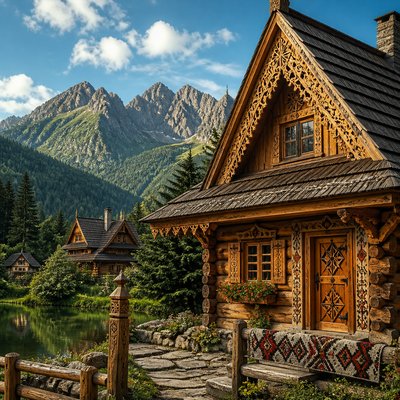
Filigree-like tracery, acanthus foliage, scrollwork, rosettes, and carved wooden screens create dense ornamental framing. Gilt accents are used selectively to catch edges and emphasize sacred or ceremonial details.
Woven surface logic
The style treats surfaces as if they were textiles: motifs repeat, borders contain the composition, and fine threads or interlaced marks create tactile richness. Even stone, sky, and clothing may receive patterned treatment.
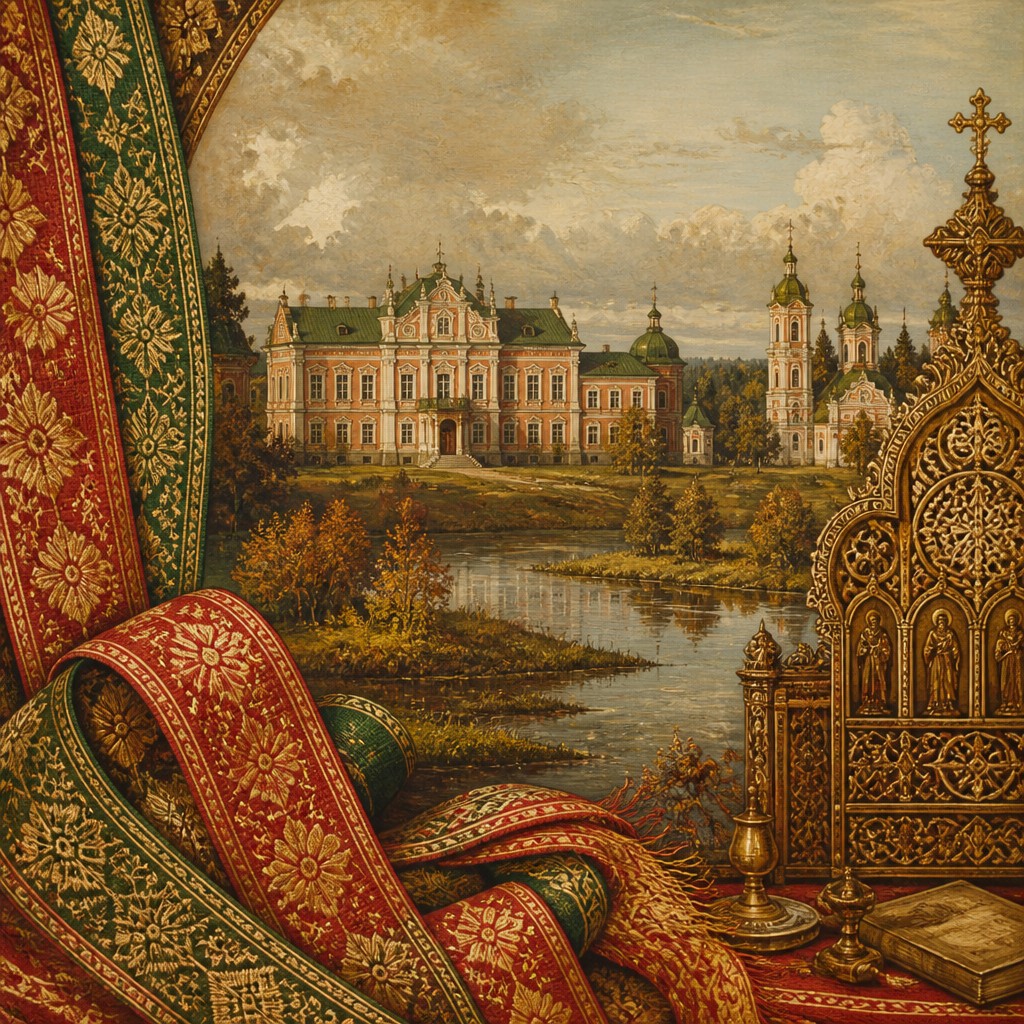
Crimson, emerald, and antique gold
A saturated jewel palette dominates, balanced by weathered stone, dark timber, muted cream, and marsh green. Gold should look integrated into the material rather than applied as a flat digital yellow.
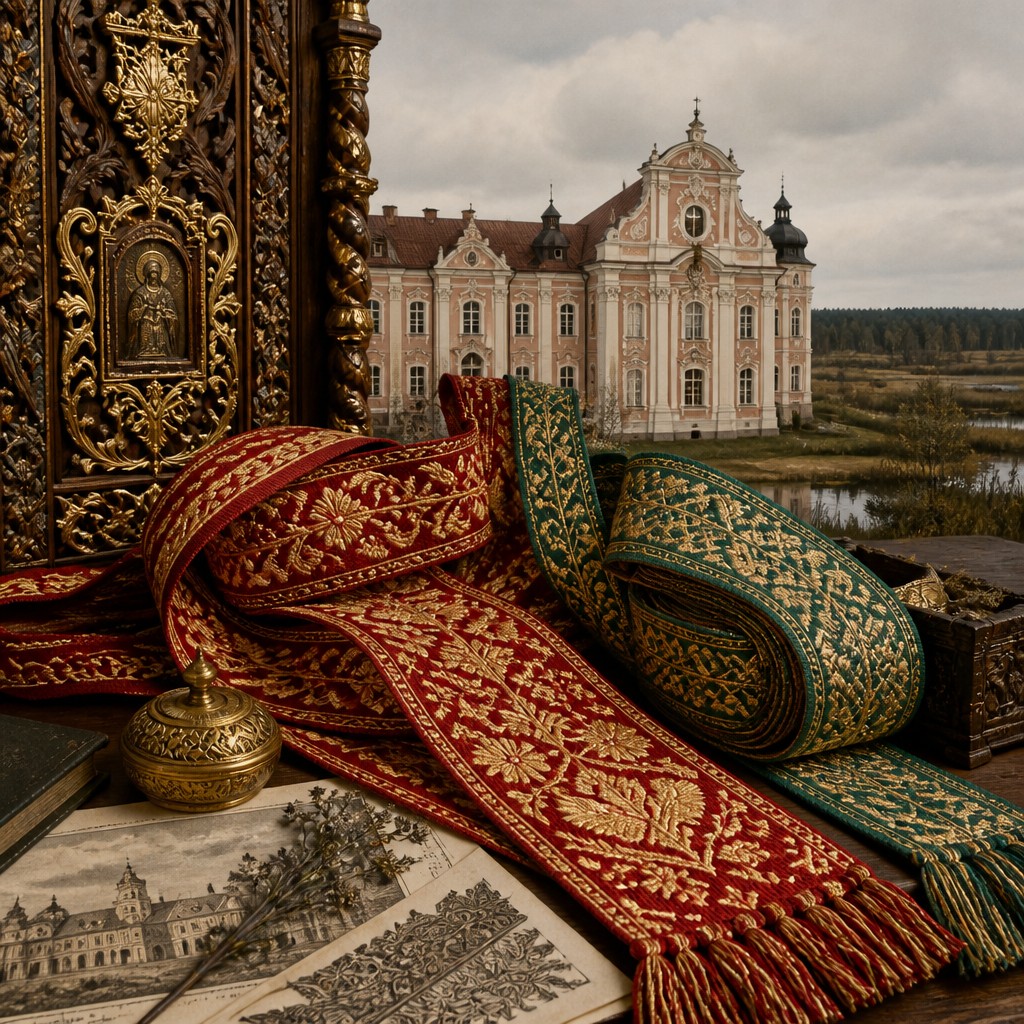
Flat northern light
Soft, diffuse illumination evokes Belarusian marshes, forests, and overcast continental skies. Low-contrast atmospheric light allows the ornament and architecture to carry visual emphasis.
Belarusian Prompt Ideas
Start from an idea — each one opens the generator with the style ready to go. See all 40 Belarusian prompts →
How to Create Belarusian Art
Master the craft step by step — or skip straight to creating. Read the full guide →
- 1
Build the composition from bands
Begin with a strong border, sash, frieze, or architectural cornice, then organize smaller motifs into repeating units. This gives the image the disciplined structure of woven ornament rather than random decoration.
- 2
Layer materials deliberately
Combine matte limestone or plaster, dark carved wood, polished silk, and metallic thread with clearly different textures. In digital work, use separate texture and relief layers so gold remains reflective while fabric remains fibrous.
- 3
Use a restrained regional palette
Anchor the image in crimson, emerald, antique gold, forest green, warm ivory, and weathered gray. Lower saturation in the background and reserve the brightest metallic highlights for borders, carvings, and focal motifs.
- 4
Frame the subject architecturally
Place portraits, objects, or landscapes beneath a pediment, within a carved screen, or between textile borders. Symmetry and frontal presentation help evoke ceremonial interiors and monumental façades.
- 5
Preserve diffuse atmosphere
Favor overcast illumination, soft shadows, and pale marsh or forest horizons instead of dramatic theatrical lighting. Subtle haze can separate distant architecture while keeping ornamental edges readable.
- 6
Write prompts by visual components
For prompt-based generation, specify the subject first, followed by woven sash borders, gold-thread floral geometry, Baroque stone architecture, carved gilt wood, and flat marsh-and-forest light. For photo transformations, describe the desired ornament and materials while asking to preserve the subject's pose and recognizable structure.
The Story
History & Origins of Belarusian
This is not a single historical movement with a fixed period, but an interpretive style built from several Belarusian traditions. Its textile reference comes especially from the luxury silk sashes produced in Slutsk during the eighteenth century, known for elaborate floral, geometric, and metallic-thread borders. Its architectural vocabulary draws on the Baroque transformation of religious and civic buildings across the former Grand Duchy of Lithuania during the seventeenth and eighteenth centuries, while its carved details recall the gilded screens, icon furnishings, and wooden ornament found in Eastern Christian sacred spaces.
Influences: The style relates to Belarusian folk textiles, Slutsk sash weaving, Eastern European Baroque architecture, Orthodox and Uniate ecclesiastical ornament, carved wooden church interiors, and regional embroidery. It also draws on broader European decorative arts, including heraldic borders, courtly silk design, gilded woodwork, and the ornamental density of Baroque interiors, while using a contemporary synthesis rather than reproducing one historical period exactly.
Frequently Asked Questions
What defines Belarusian Art Style?
It is defined by the combination of Slutsk-inspired woven borders, gold-thread floral and geometric ornament, Belarusian Baroque architecture, carved wooden ecclesiastical detail, and soft marsh-and-forest light. The style balances monumental structure with highly tactile decoration.
Is Belarusian Art Style a historical art movement?
No. The term describes a contemporary or AI-native synthesis rather than a formally recognized historical movement. It uses authentic Belarusian cultural references, especially eighteenth-century Slutsk sash traditions and regional Baroque architecture.
How is it different from general Baroque art?
General Baroque art emphasizes theatrical movement, dramatic light, illusionism, and grand ornament across many European regions. This style narrows that vocabulary through Belarusian textile patterns, timber carving, local castle forms, and flatter northern atmospheric light.
What colors work best for this style?
Crimson, emerald, antique gold, deep blue, forest green, warm ivory, and weathered stone gray form the core palette. Metallic gold is most effective when used as fine thread, edging, or gilded relief rather than as large unmodulated areas.
Can contemporary subjects be rendered in this style?
Yes. Modern clothing, urban scenes, animals, interiors, and portraits can be adapted through sash-like borders, carved framing, jewel-toned ornament, and regional atmospheric light. Keeping the subject's basic silhouette clear prevents the decoration from overwhelming it.
How can I create an image in this style?
Start with a specific subject and add material instructions such as woven silk, metallic thread, carved dark wood, gilded filigree, and weathered Baroque stone. Specify a restrained jewel palette, frontal or symmetrical composition, and diffuse marsh-and-forest lighting; for photo transformations, also request that the original pose and identity remain intact.
Create your first Belarusian artwork
Describe anything — or upload a photo — and see it in Belarusian Art Style in seconds.
Related Styles
Discover similar art styles