Krakow Art Style
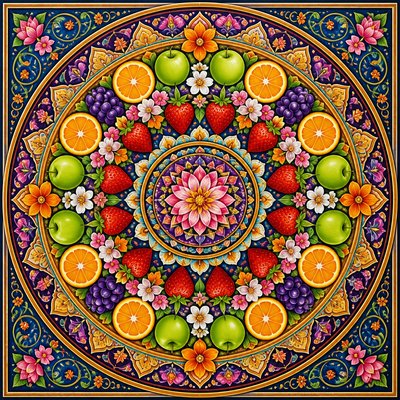
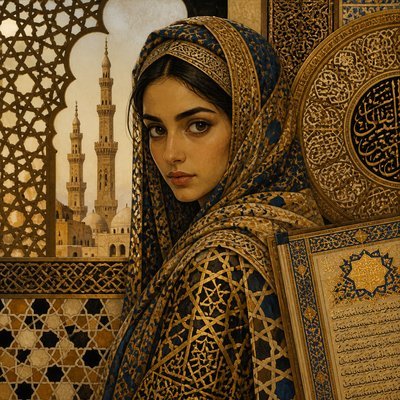
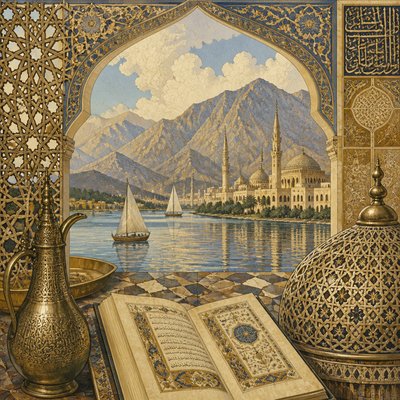
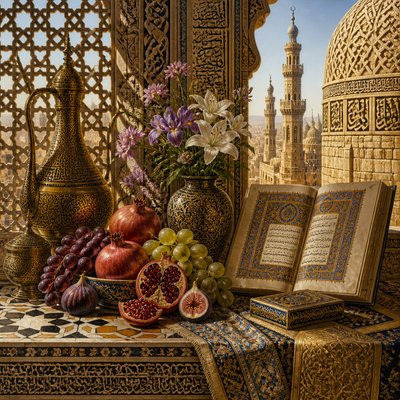
Explore Krakow Art Style: Gothic carving, Wawel tapestry color, brick architecture, gilded detail, and medieval Polish townscape richness.
Instantly rendered in Krakow — or transform a photo
Krakow Gallery
Tap any artwork to explore it
What is Krakow Art Style?
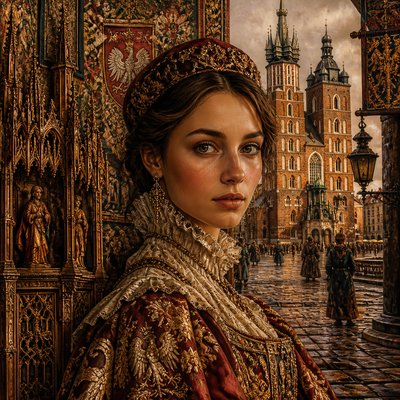
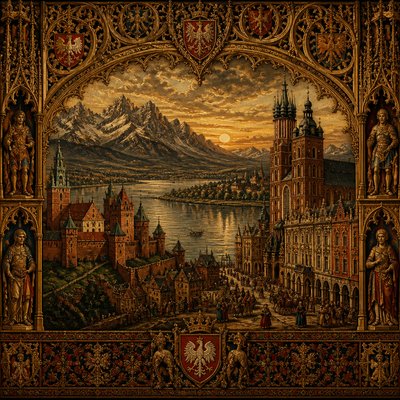
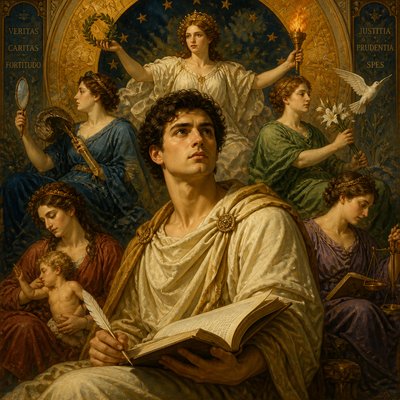
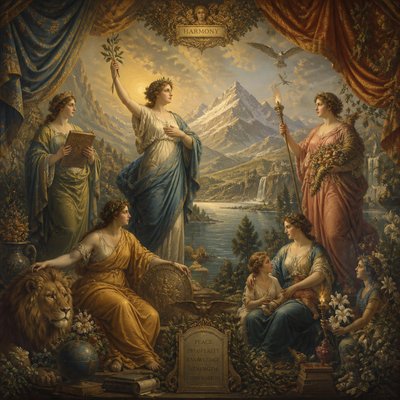
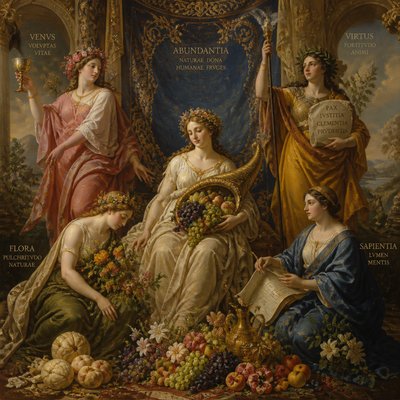
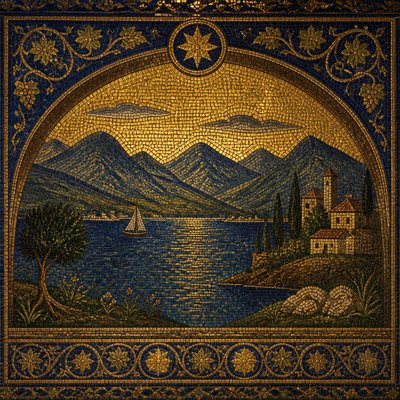
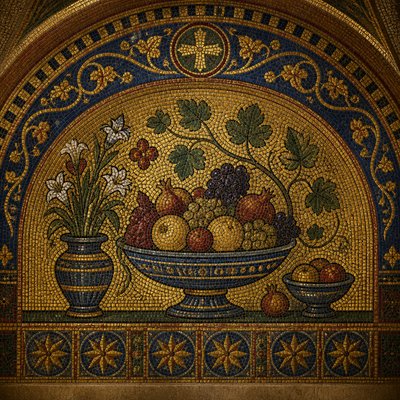
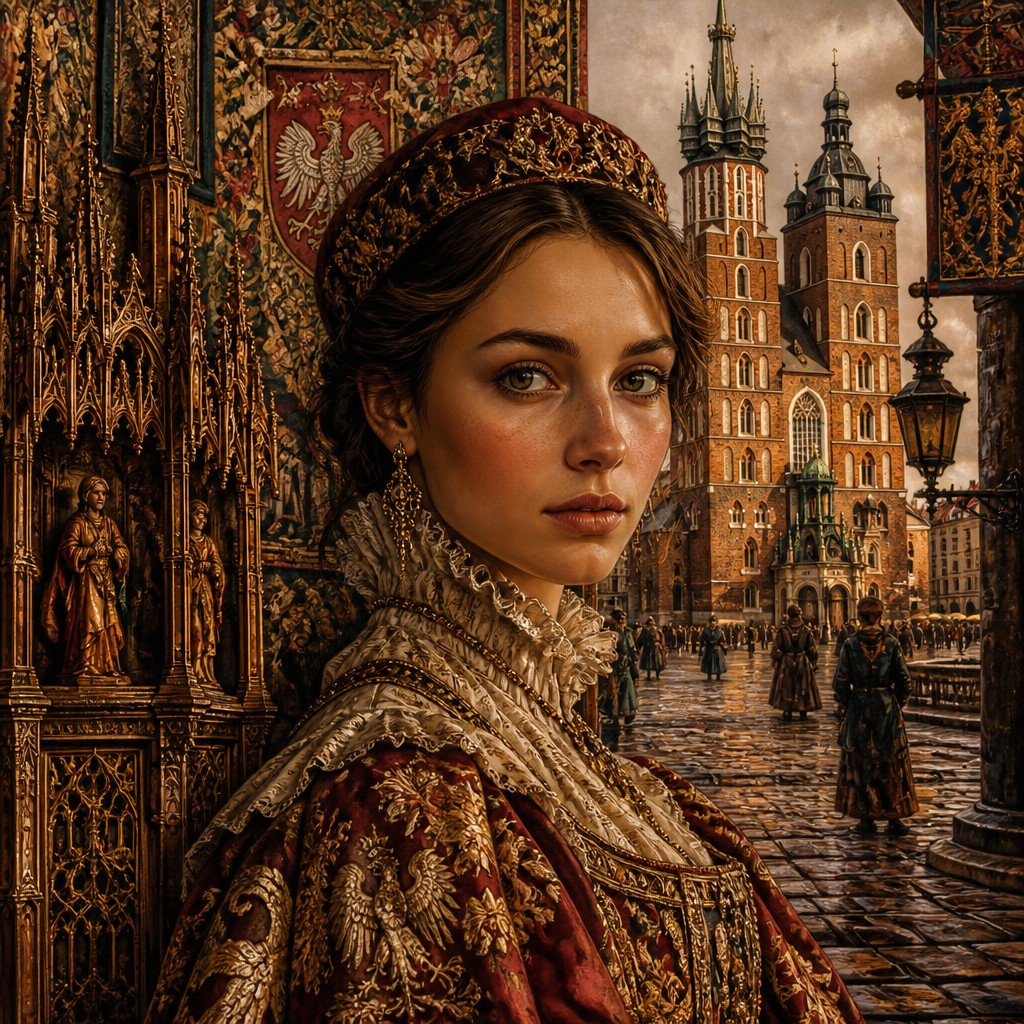
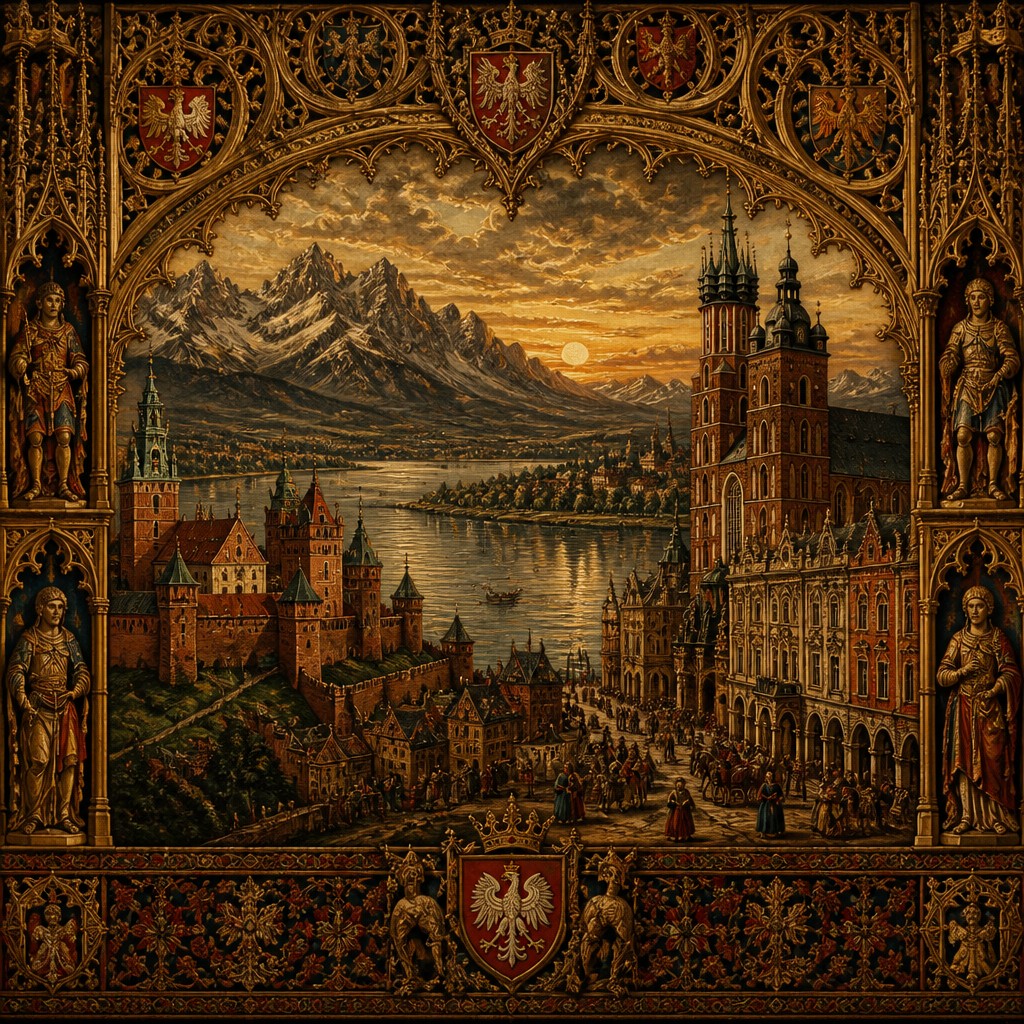
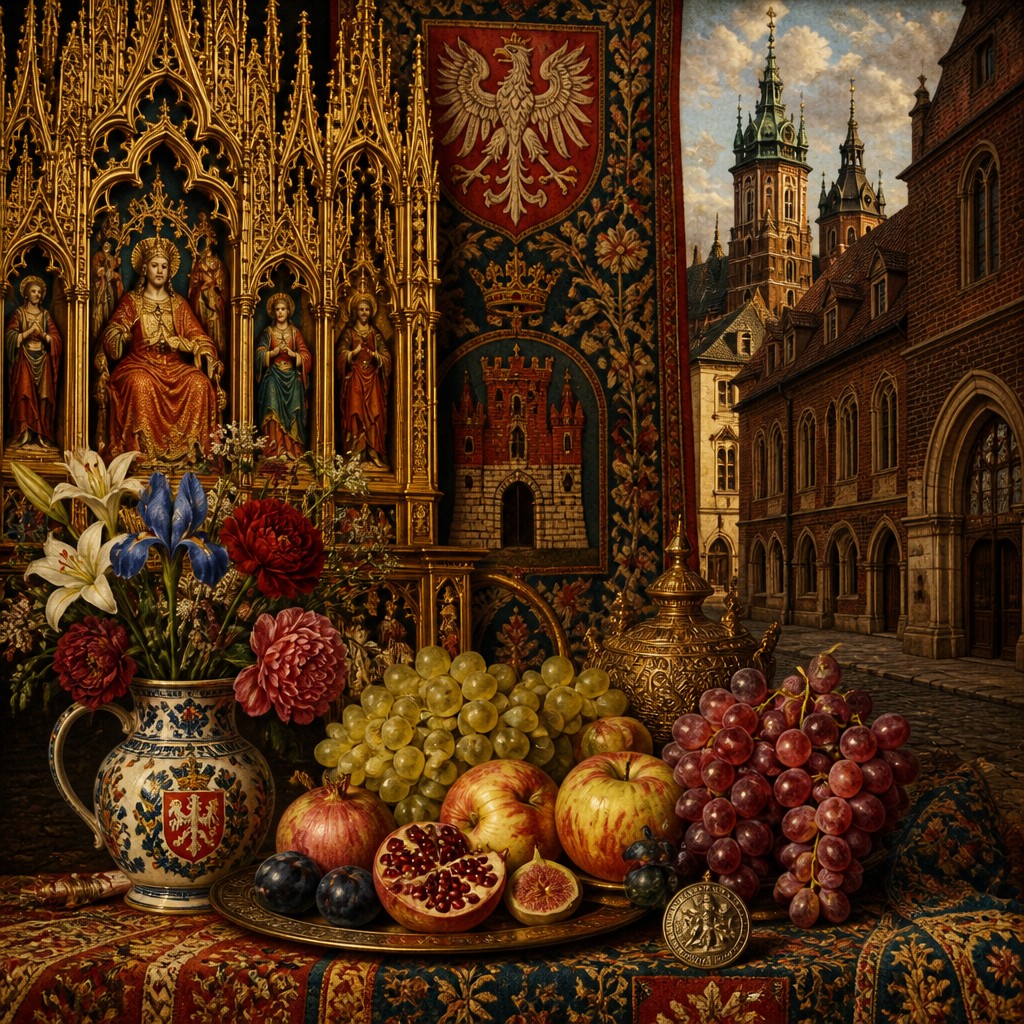
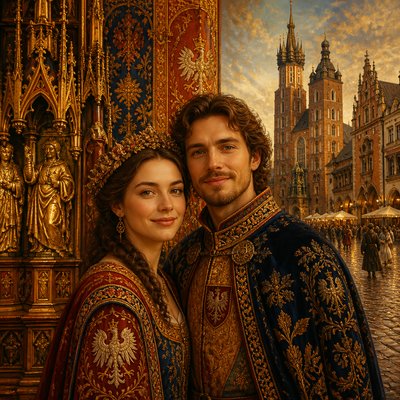
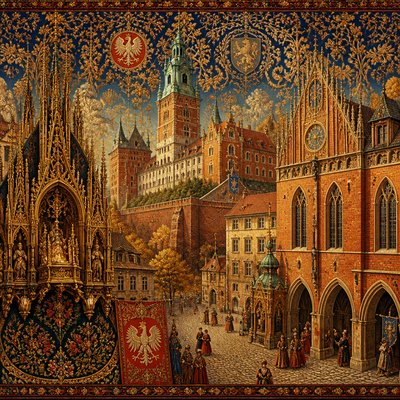
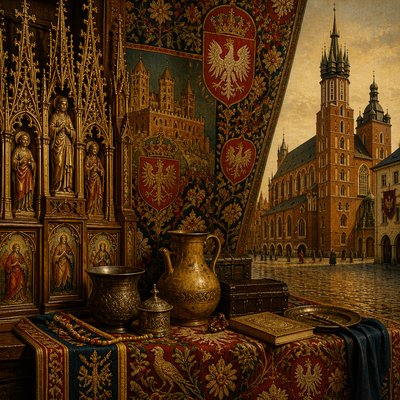
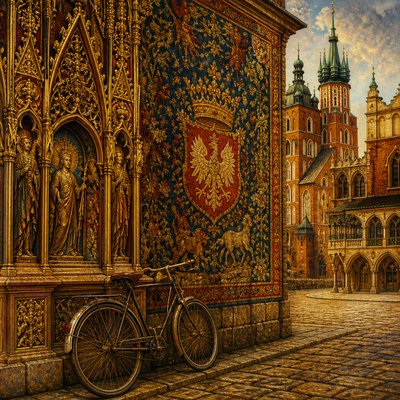
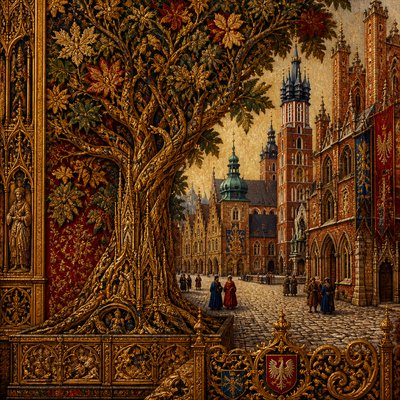
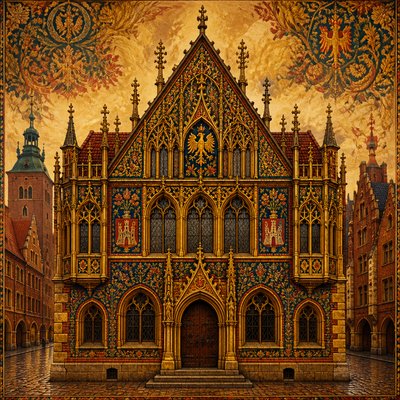
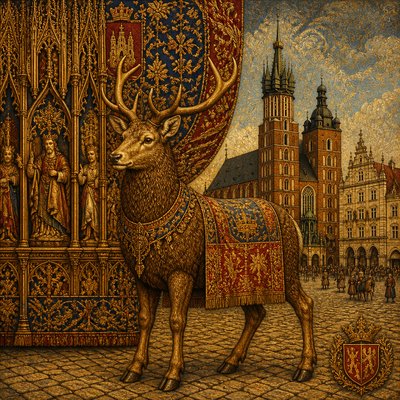
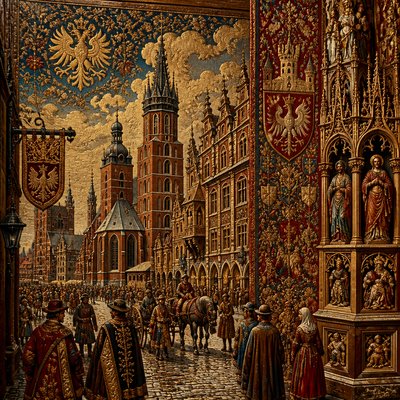
Krakow Art Style is an art-directed visual language inspired by the Gothic churches, carved altarpieces, brick civic buildings, medieval squares, and sumptuous textile traditions associated with Krakow and the Wawel complex. It combines architectural solidity with dense ornament, presenting historic scenes in a warm palette of burnished gold, russet, oxblood, deep blue, forest green, and aged ivory.
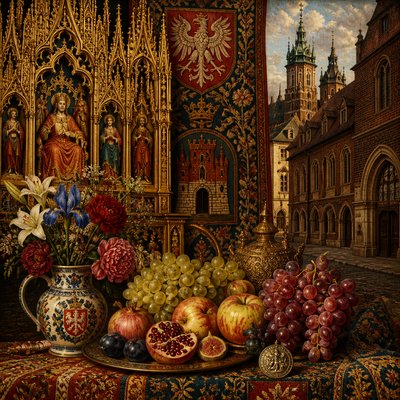
The style looks richly layered because it treats every surface as decorative: wood is cut into tracery and folds, walls are patterned by brick and shadow, and textiles carry repeating heraldic, botanical, or geometric motifs. Its ideal compositions feel like illuminated historical tableaux, balancing the vertical emphasis of Gothic architecture with the tactile richness of carved wood, woven tapestry, and gilded metal.
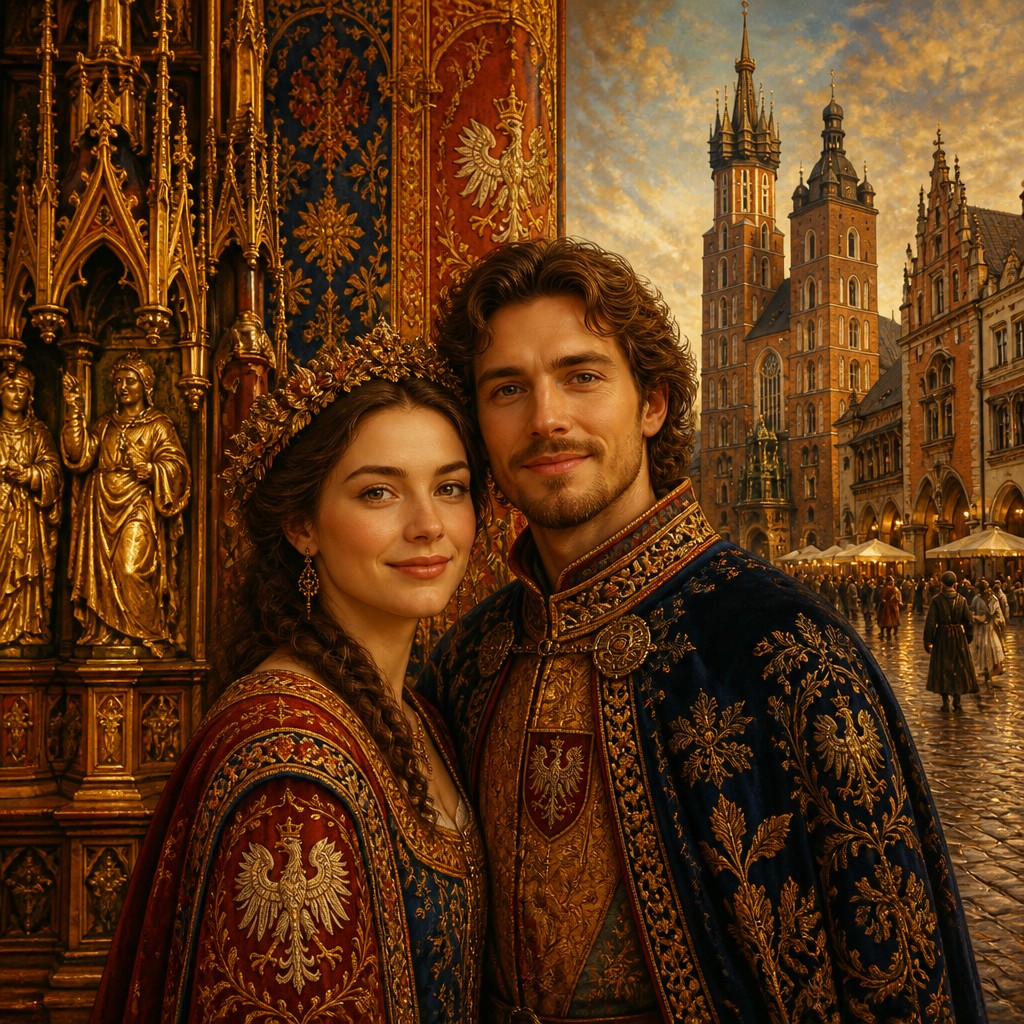
Try It On Your Photos
Upload any photo and convert it into Krakow Art Style — drag the sliders to compare before and after.
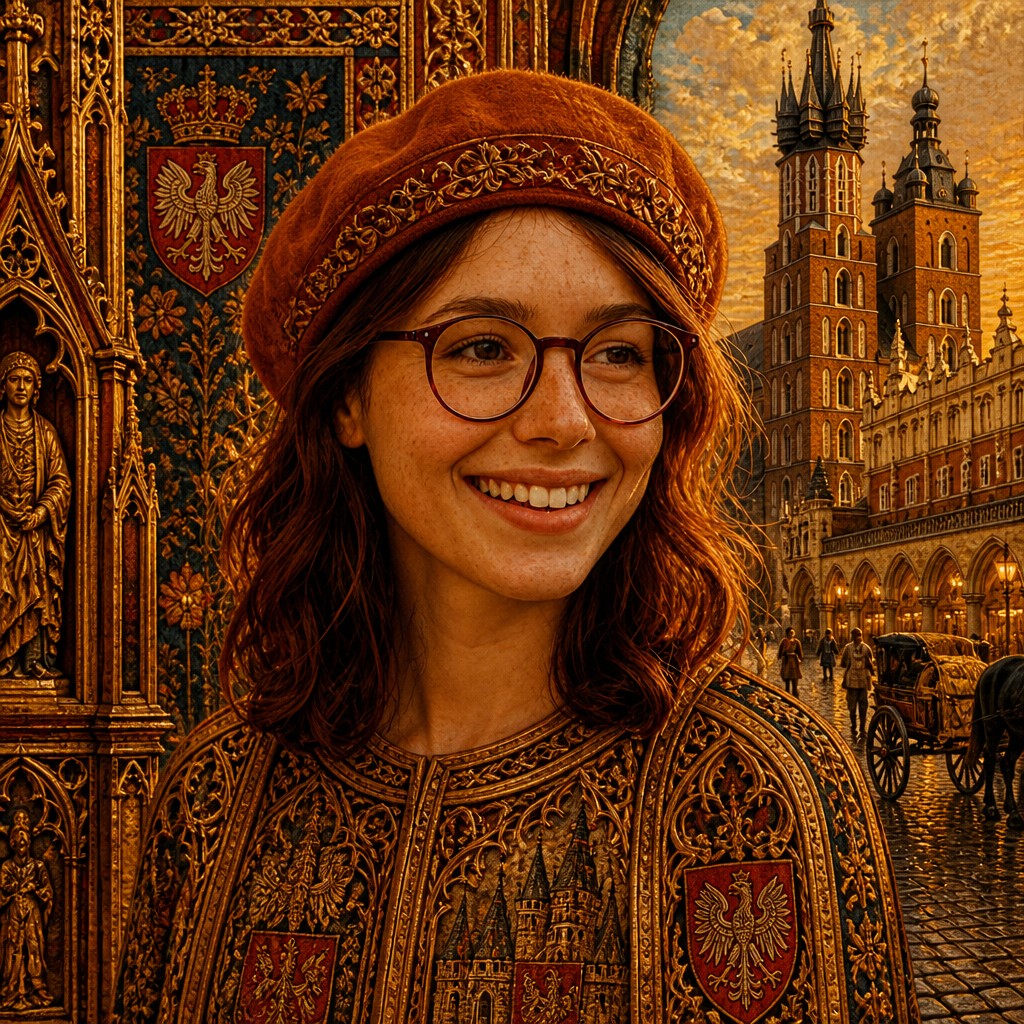

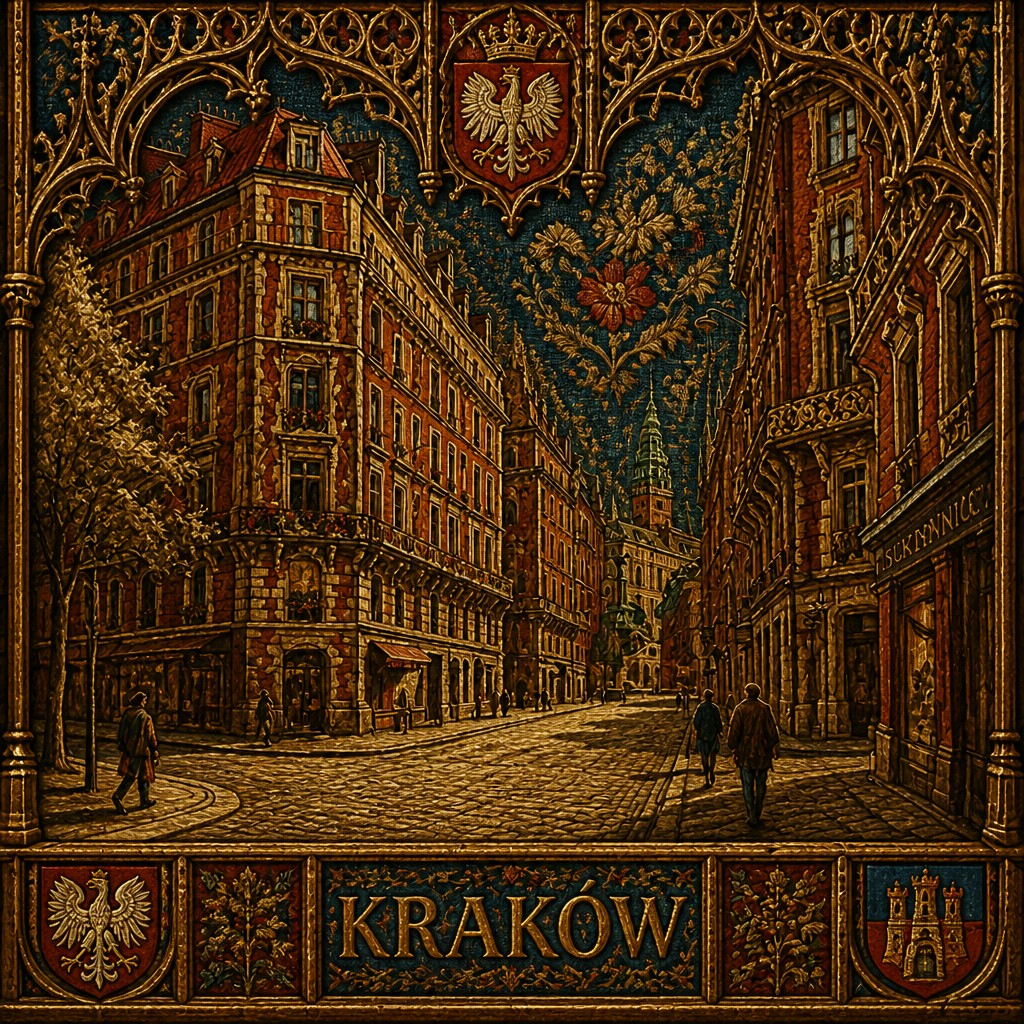

What Defines Krakow Art Style
The signature details, up close
Gilded Gothic carving
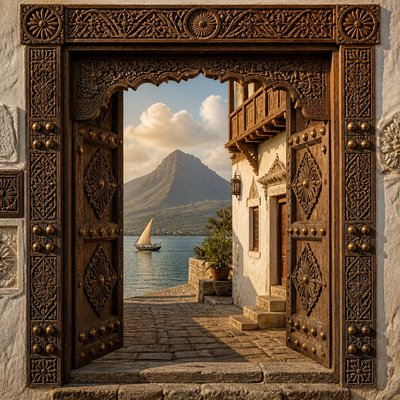
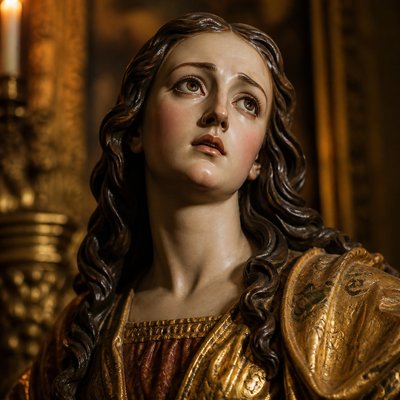
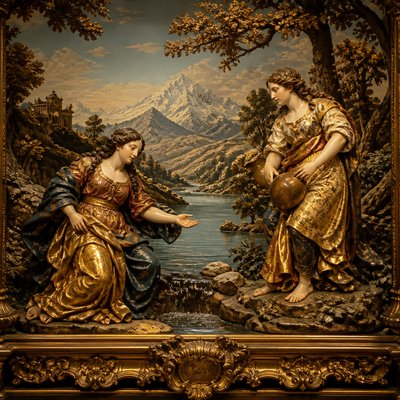
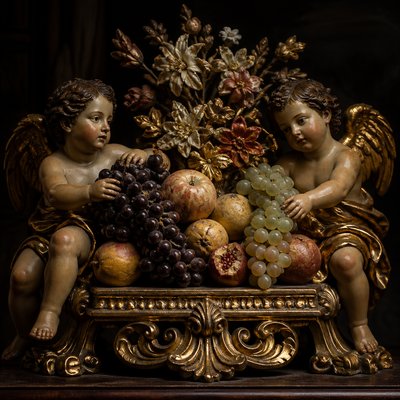
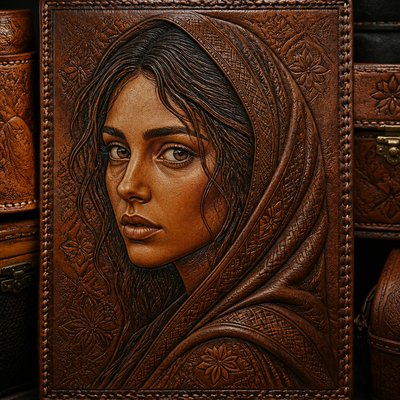
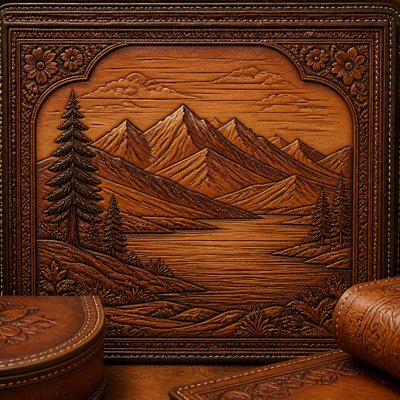
Figures, foliage, arches, and architectural frames appear as intricately cut wood with raised relief and burnished gold leaf. Strong highlights and darker recesses create the tactile depth of a devotional altarpiece.
Woven tapestry richness
Large areas of the image may carry dense textile patterns, including foliage, heraldic symbols, beasts, borders, and interlocking geometric motifs. The surfaces should feel woven rather than mechanically printed.
Brick Gothic architecture
Pointed portals, tall gables, traceried windows, buttresses, towers, and patterned brickwork establish a distinctly Central European medieval setting. Architecture often rises vertically around compact civic spaces.
Burnished medieval palette
Warm ochre, antique gold, copper, brick red, deep blue, green, brown, and muted cream dominate the color scheme. Saturation is rich but softened by the patina of age, candlelight, and varnished materials.
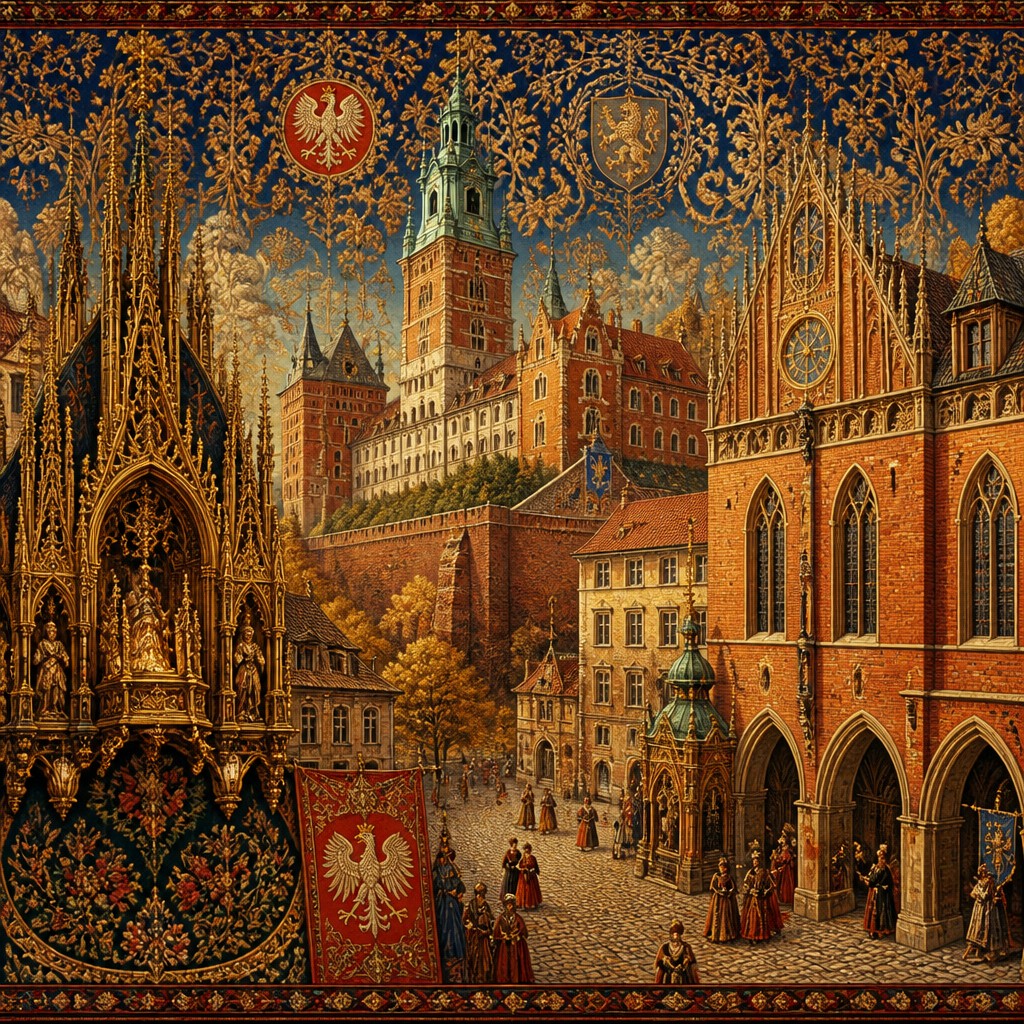
Dense ornamental surfaces
Carved borders, foliage, quatrefoils, textile bands, heraldic devices, and architectural tracery fill the image with purposeful detail. Empty space is limited and usually framed by decorative structures.
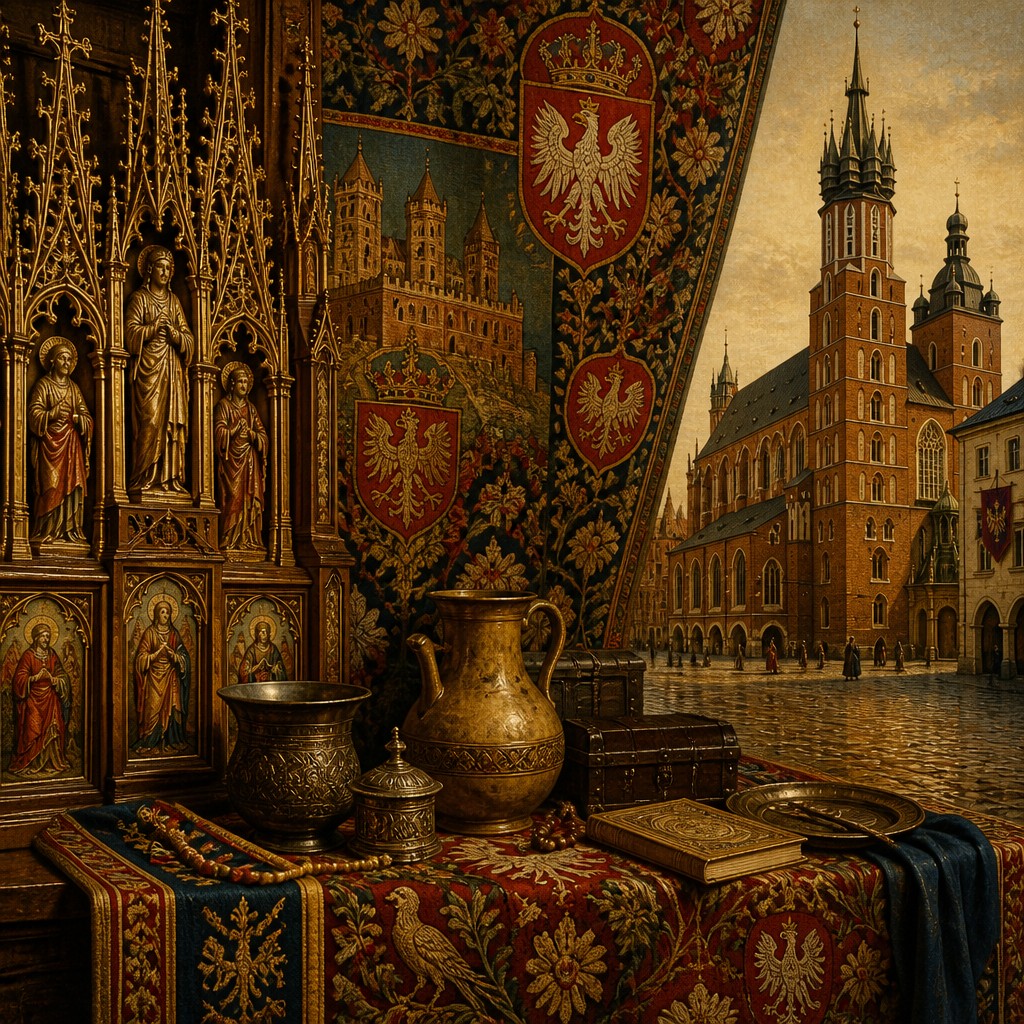
Cobbled historical townscape
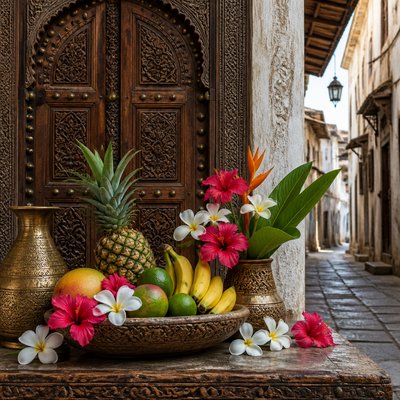
Market squares, narrow streets, arcaded buildings, church facades, and civic towers provide narrative settings. Uneven stone, weathered masonry, and warm window light reinforce the sense of an inhabited historic city.
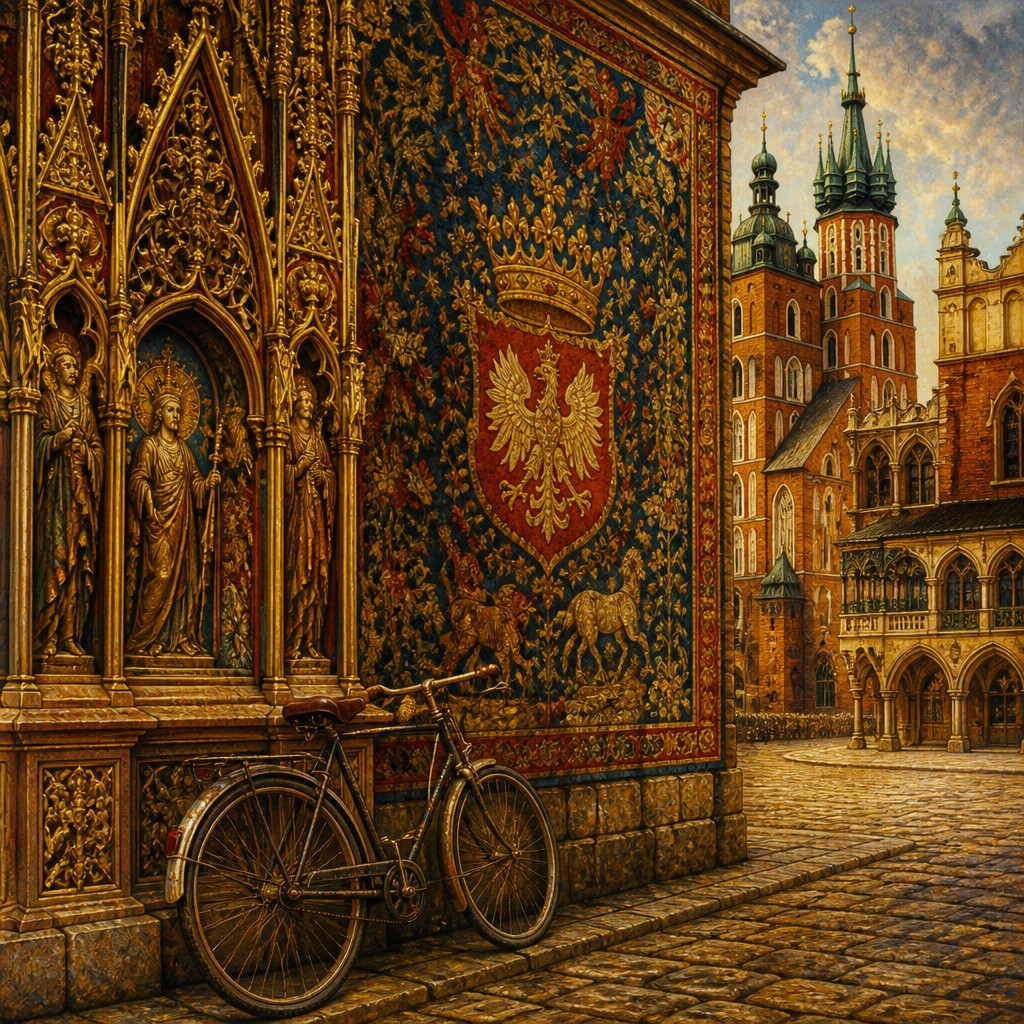
Tableau-like composition
Scenes are arranged with the frontal clarity of an altarpiece or a carefully staged historical panel. Symmetry, central emphasis, layered architectural framing, and solemn visual rhythm are common.
Krakow Prompt Ideas
Start from an idea — each one opens the generator with the style ready to go. See all 40 Krakow prompts →
How to Create Krakow Art
Master the craft step by step — or skip straight to creating. Read the full guide →
- 1
Build the structure first
Begin with a strong Gothic composition: a central subject, vertical framing, pointed arches, towers, or a square receding toward a focal building. Establish perspective and silhouette before adding ornamental detail.
- 2
Layer tactile materials
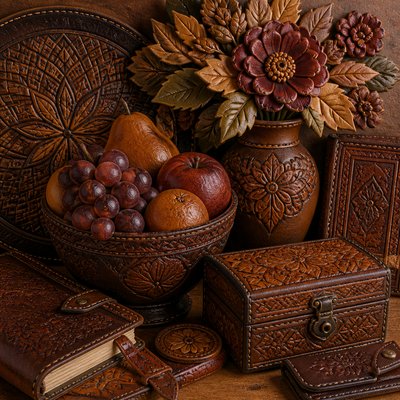
Combine carved wood relief, gold leaf, woven wool or silk, aged brick, stone, and oxidized metal. In traditional media, use relief modeling, glazing, dry brush, and metallic pigment to distinguish each surface.
- 3
Control the palette
Favor burnished gold, brick red, umber, deep blue, forest green, and warm ivory, with restrained cool shadows. Glazing or digital color grading can unify separate materials under a candlelit, historic atmosphere.
- 4
Use ornamental repetition
Add borders, tracery, heraldic motifs, foliage, quatrefoils, and tapestry-like patterns in deliberate layers. Keep motifs coherent across frames, walls, garments, and textiles rather than scattering unrelated decoration.
- 5
Create it digitally or with prompts
For digital work, use layered texture maps, engraved masks, relief brushes, and controlled sharpening to suggest carved and woven surfaces. In a text-to-image workflow, specify the subject, Gothic architecture, carved gilt wood, tapestry patterning, brick, palette, lighting, and degree of ornament.
The Story
History & Origins of Krakow
Krakow Art Style is best understood as a contemporary, descriptive style label rather than a documented historical movement. Its lineage draws on the medieval and early modern visual culture of Krakow, especially Central European brick Gothic architecture, late Gothic devotional carving, ecclesiastical furnishings, heraldic decoration, and the large-scale tapestry tradition associated with Wawel Castle.
The aesthetic also reflects later cultural preservation and historicist interpretations of Krakow's monuments. It selects recognizable regional ingredients—pointed arches, clustered pinnacles, carved figures, patterned textiles, cobbled urban spaces, and warm gilding—and synthesizes them into a unified decorative atmosphere rather than reproducing one specific period or monument.
Influences: The style draws from Central European brick Gothic, late Gothic ecclesiastical sculpture, medieval panel painting, heraldic and devotional art, textile design, historicist architecture, and the decorative arts of Polish royal and civic interiors. It also relates to Gothic Revival illustration, illuminated manuscript aesthetics, theatrical historical tableaux, and contemporary material-focused digital art that simulates wood grain, woven fibers, masonry, and metallic leaf.
Frequently Asked Questions
What defines the Krakow Art Style?
It is defined by the combination of Gothic architectural forms, intricately carved and gilded wood, richly patterned tapestry surfaces, and a warm medieval palette. The overall effect is ornate, tactile, and strongly connected to Krakow's historic urban and ecclesiastical environment.
Is Krakow Art Style a recognized historical art movement?
No. The term is best used as a contemporary style description rather than the name of a formally documented movement. It synthesizes several real Krakow and Central European traditions into a coherent visual language.
How is it different from generic medieval or Gothic art?
Generic Gothic art may refer broadly to European art from the medieval period, while this style places particular emphasis on Krakow-associated brick architecture, Wawel-inspired textile richness, carved altarpiece surfaces, and burnished Central European color. It is a regional synthesis rather than a chronological category.
Can this style be used for modern subjects?
Yes. A modern portrait, street scene, animal, or fantasy subject can be framed with Gothic arches, carved borders, tapestry motifs, and gilded materials. Keeping the palette, surface textures, and formal tableau composition consistent helps preserve the style.
How can I make an image look more tactile in this style?
Describe specific materials such as carved oak, gold leaf, woven wool, aged brick, patinated metal, and candlelit varnish. In digital work, use separate texture layers and directional highlights so relief, fibers, and masonry read differently rather than appearing as one flat pattern.
Where is Krakow Art Style most useful?
It suits historical illustrations, fantasy worldbuilding, ceremonial portraits, book covers, architectural visualizations, museum-inspired scenes, game environments, and richly framed editorial artwork. It works especially well when the image benefits from a strong sense of place and decorative density.
Create your first Krakow artwork
Describe anything — or upload a photo — and see it in Krakow Art Style in seconds.
Related Styles
Discover similar art styles