Crypto Art Style
Explore Crypto Art Style: neon chrome gradients, holographic grids, glitch details and collectible-inspired digital compositions.
Instantly rendered in Crypto — or transform a photo
Crypto Gallery
Tap any artwork to explore it
What is Crypto Art Style?
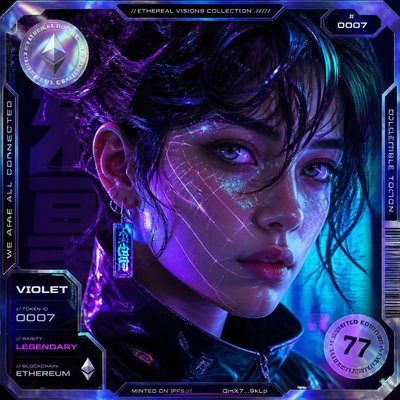
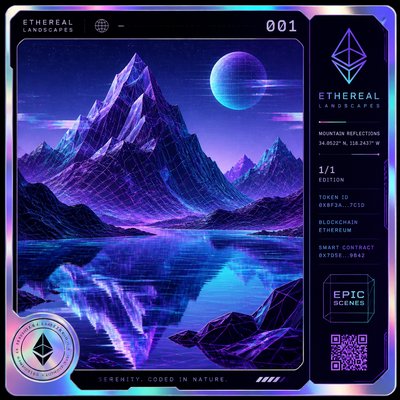
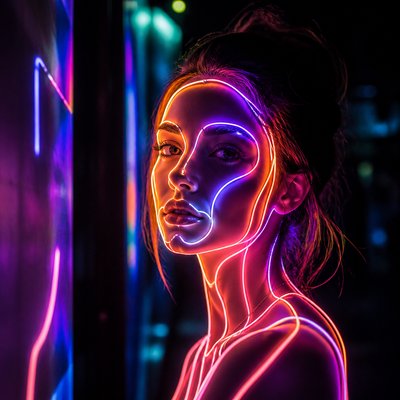
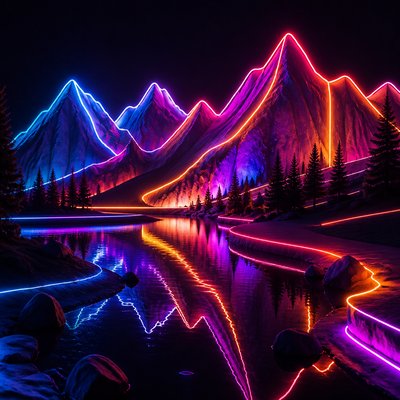
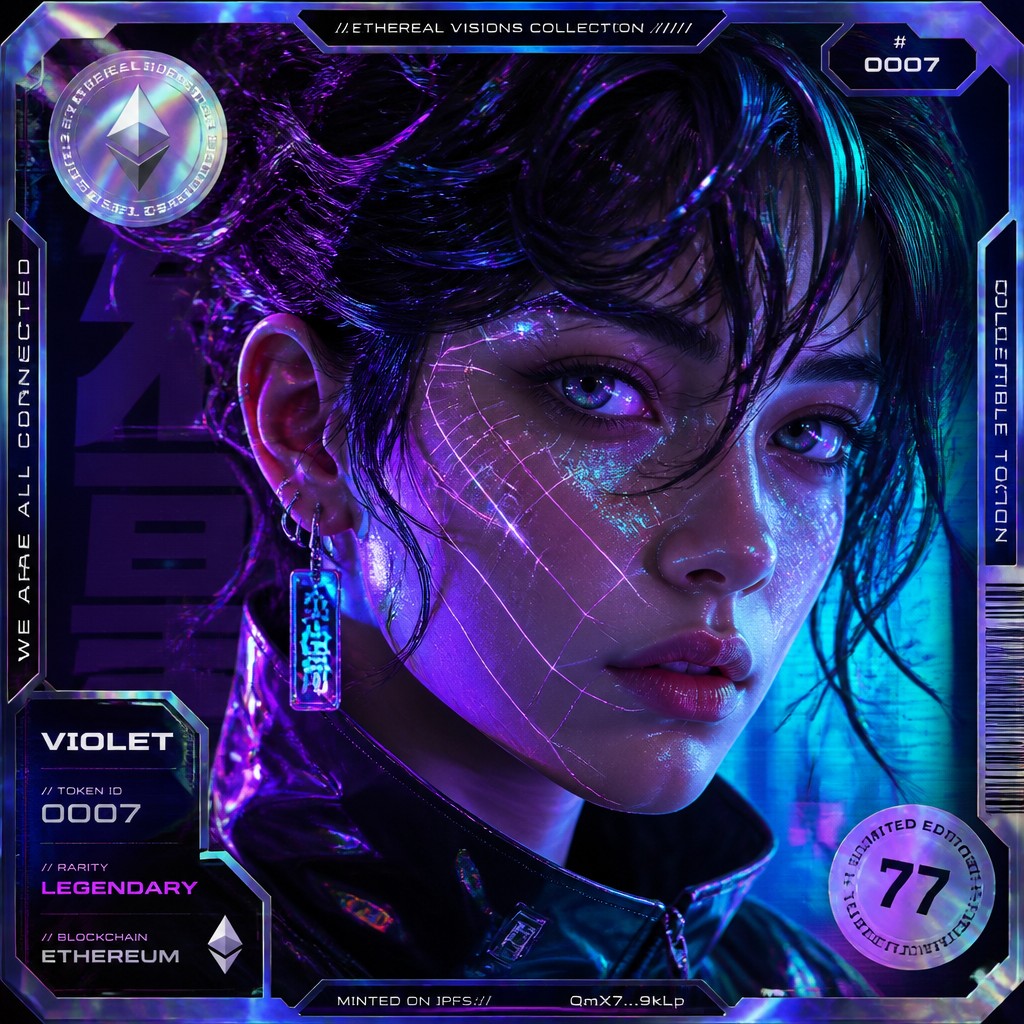
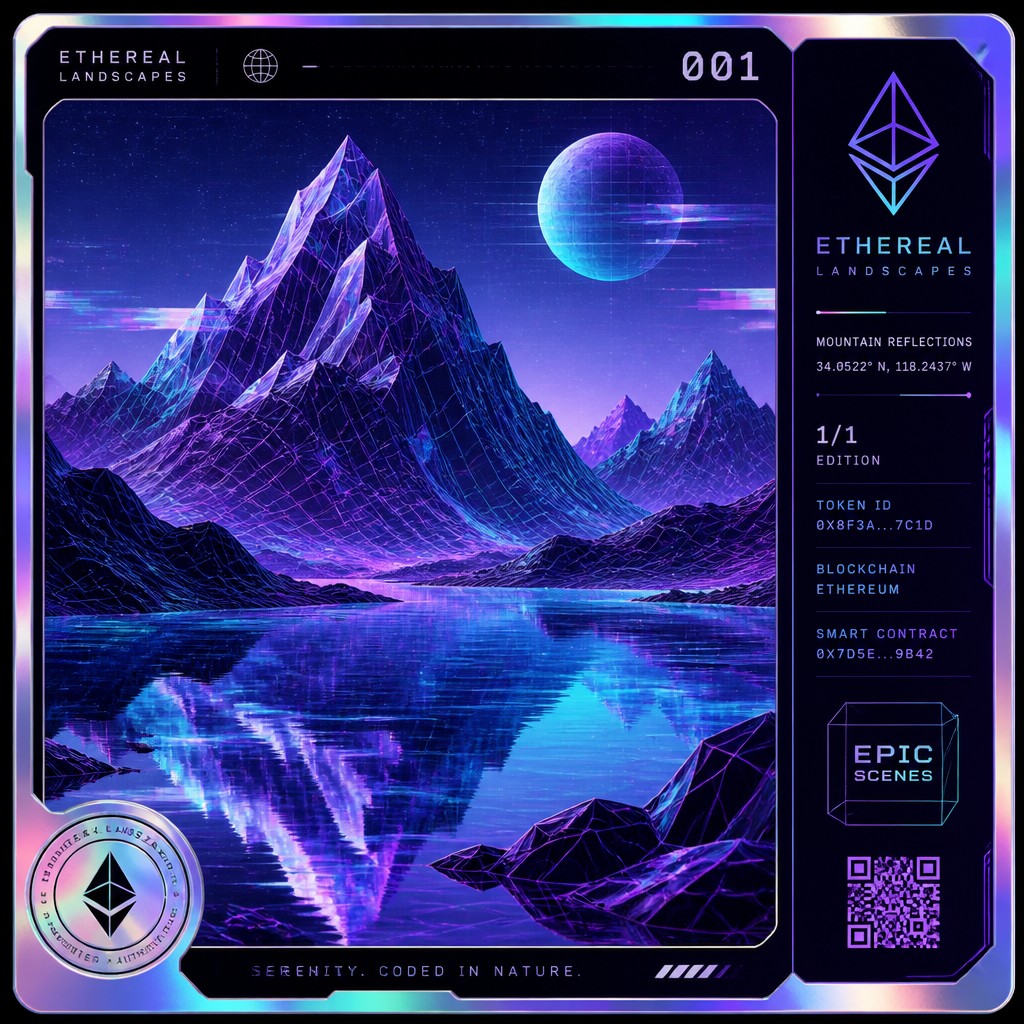
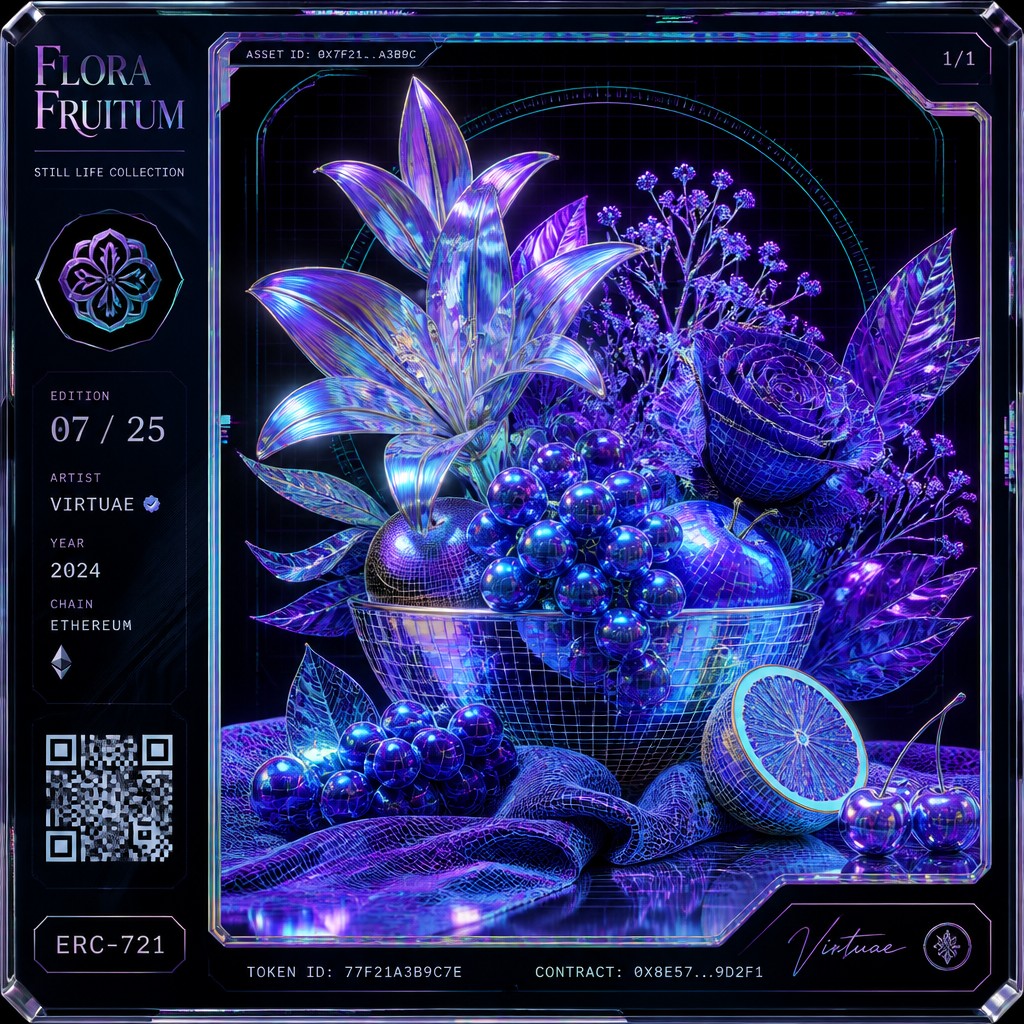
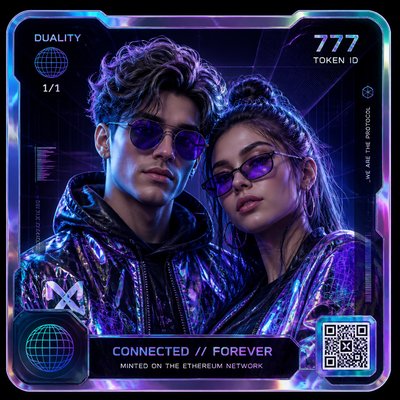
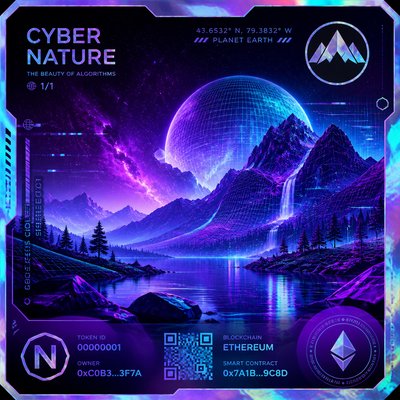
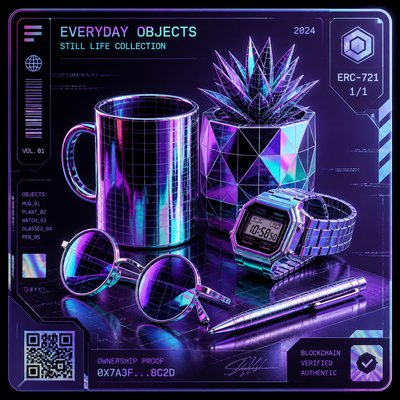
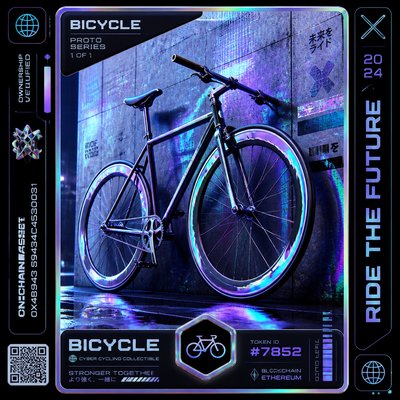
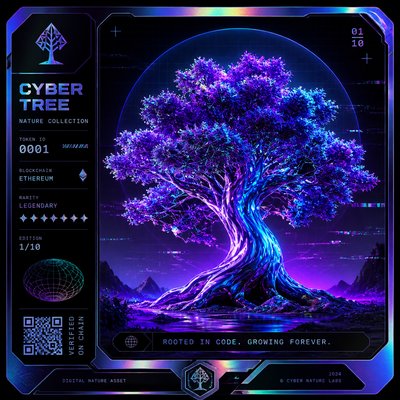
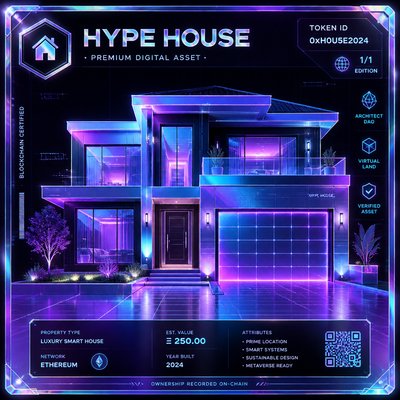
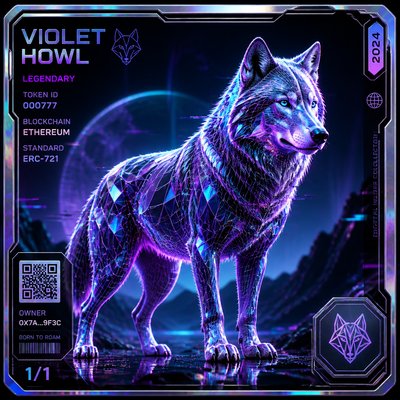
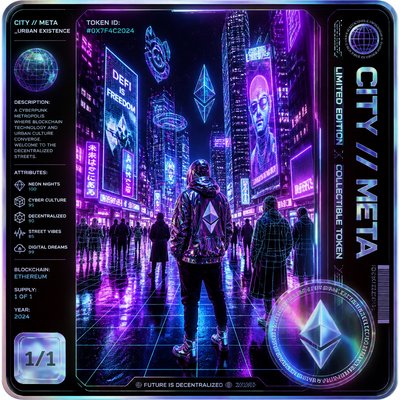
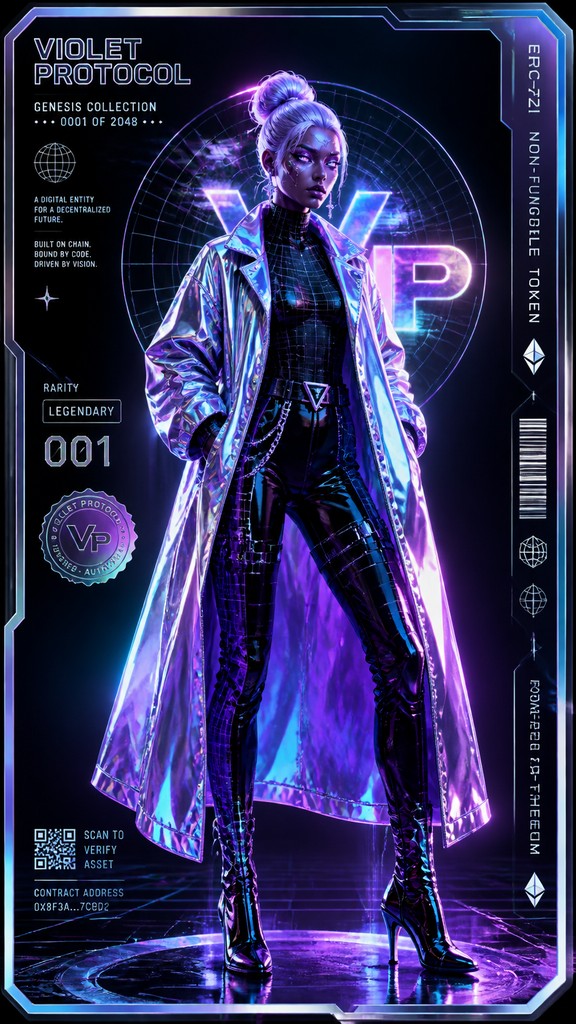
Crypto Art Style is a contemporary, AI-native visual language built around the appearance of digital scarcity, collectible objects and technologically enhanced value. Its signature imagery combines neon chrome gradients, holographic foil, wireframe grids, luminous edges, glitch fragments and glossy three-dimensional rendering, usually within a deep violet, electric cyan and magenta palette.
The style often presents its subject like a premium digital token, trading card or virtual artifact. Centered compositions, isolated objects, emblematic framing and polished surfaces create a sense of rarity and display. Its visual logic is less concerned with naturalistic atmosphere than with making an image feel encoded, upgraded and ready for circulation in a networked digital marketplace.
Try It On Your Photos
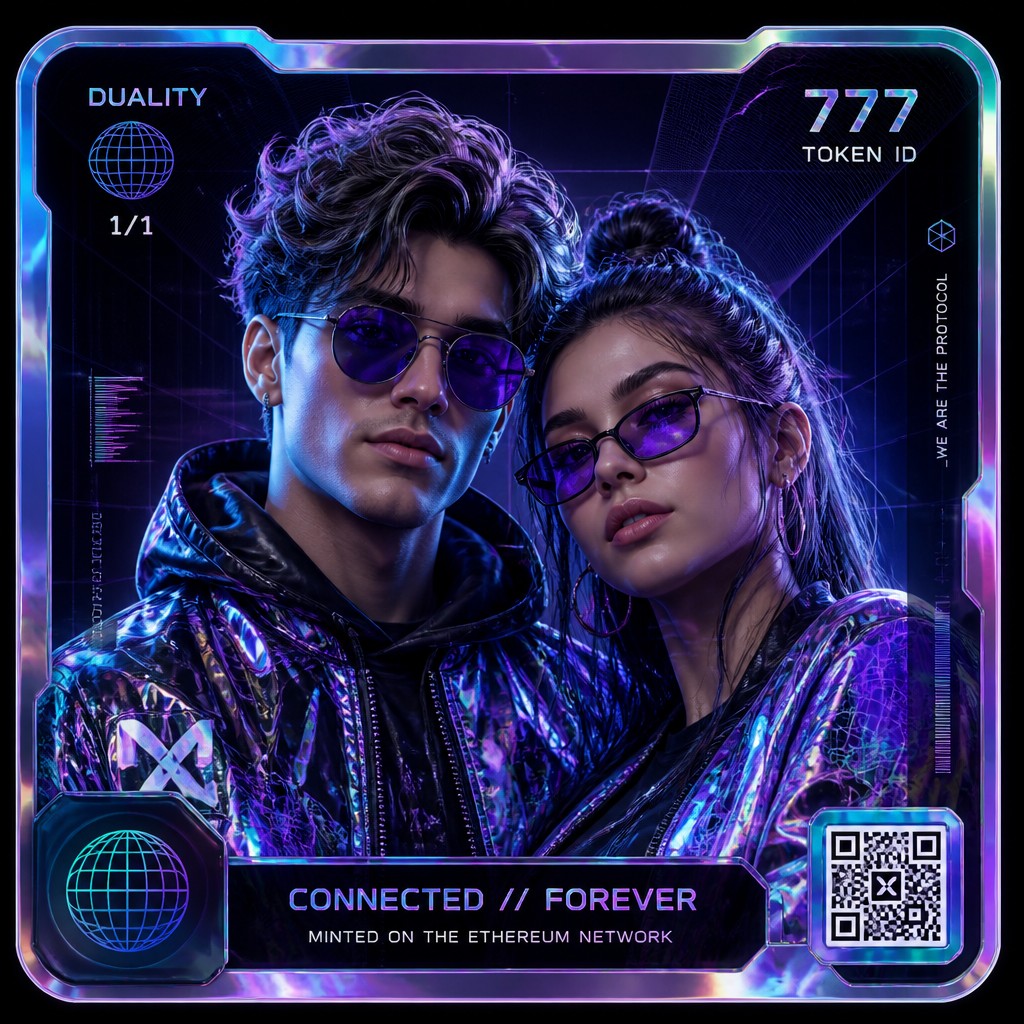
Upload any photo and convert it into Crypto Art Style — drag the sliders to compare before and after.

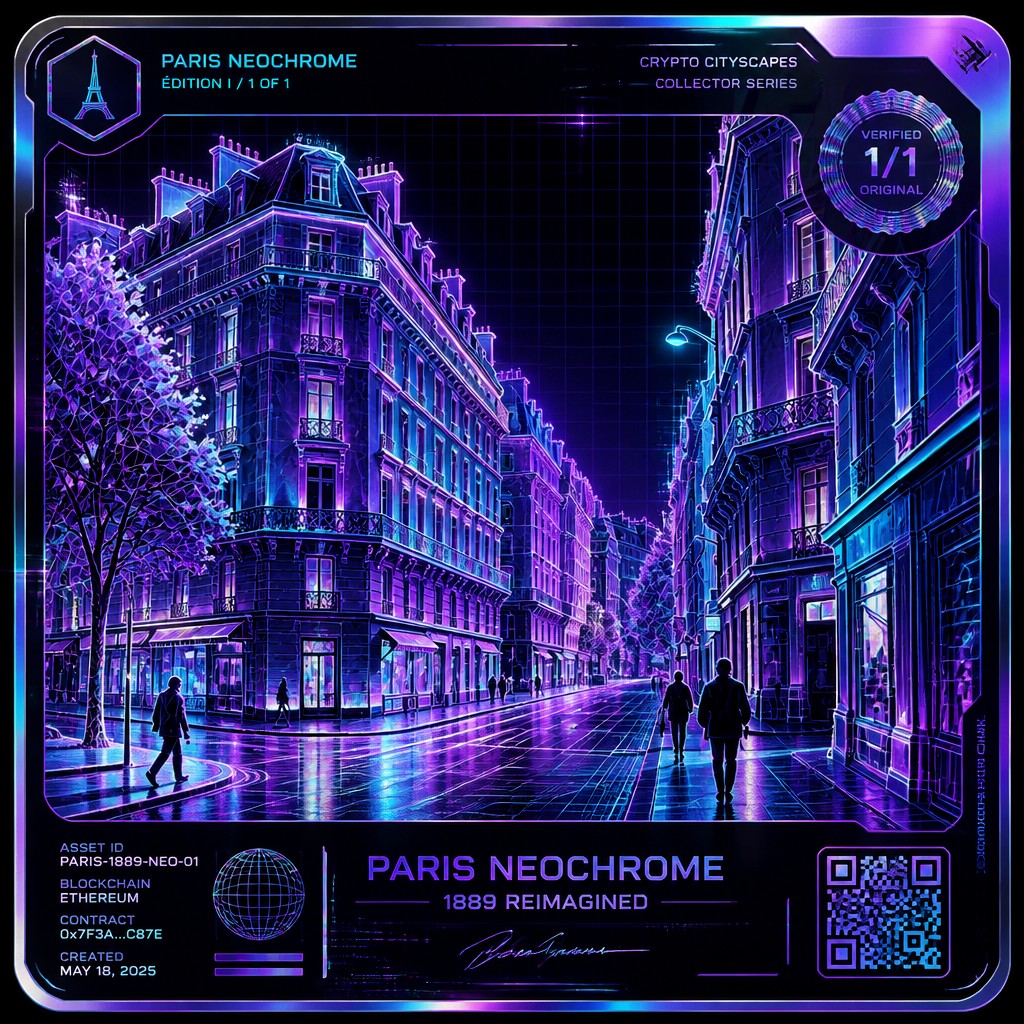

What Defines Crypto Art Style
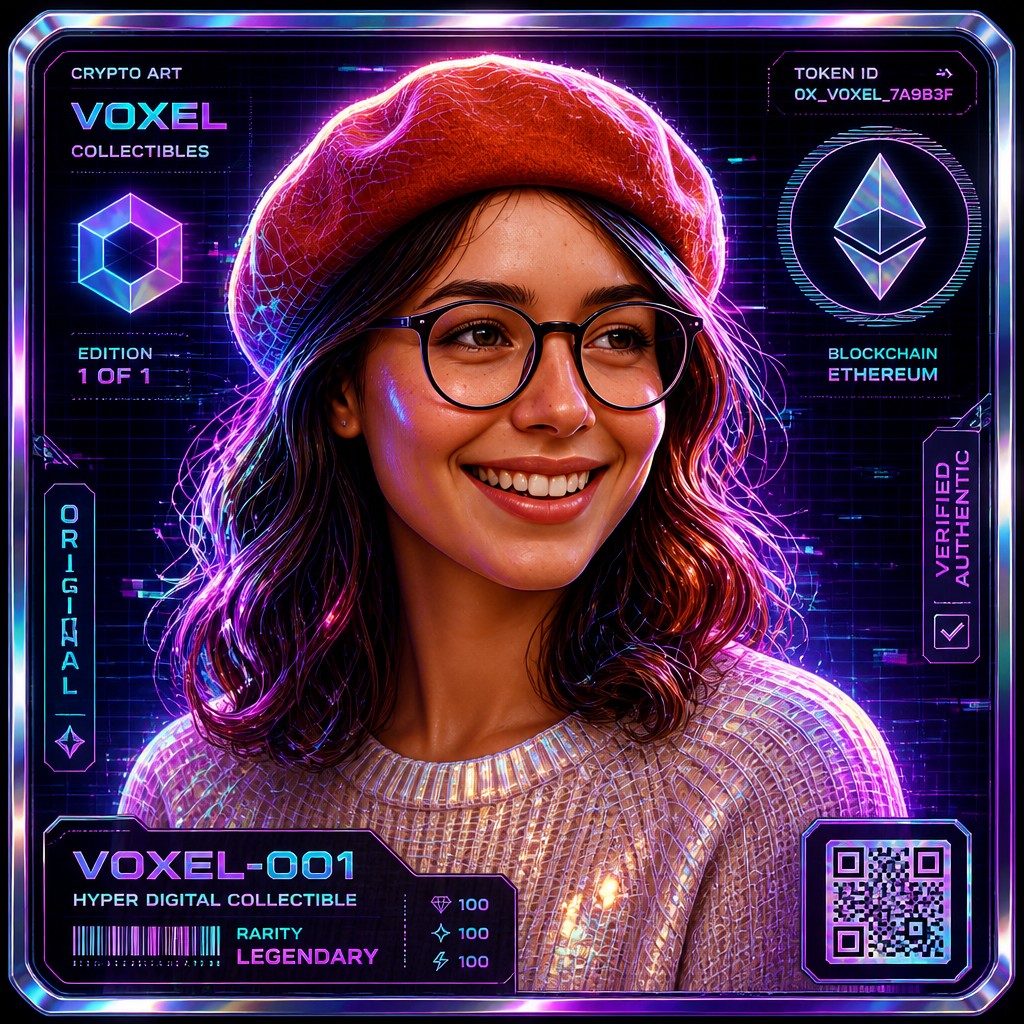
The signature details, up close
Neon chrome surfaces
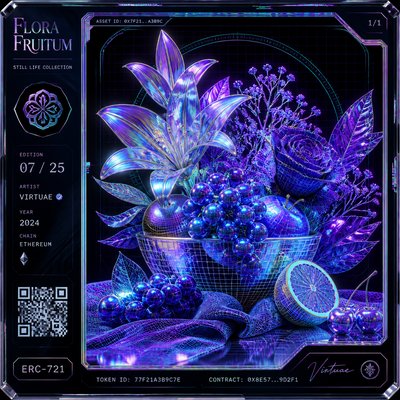
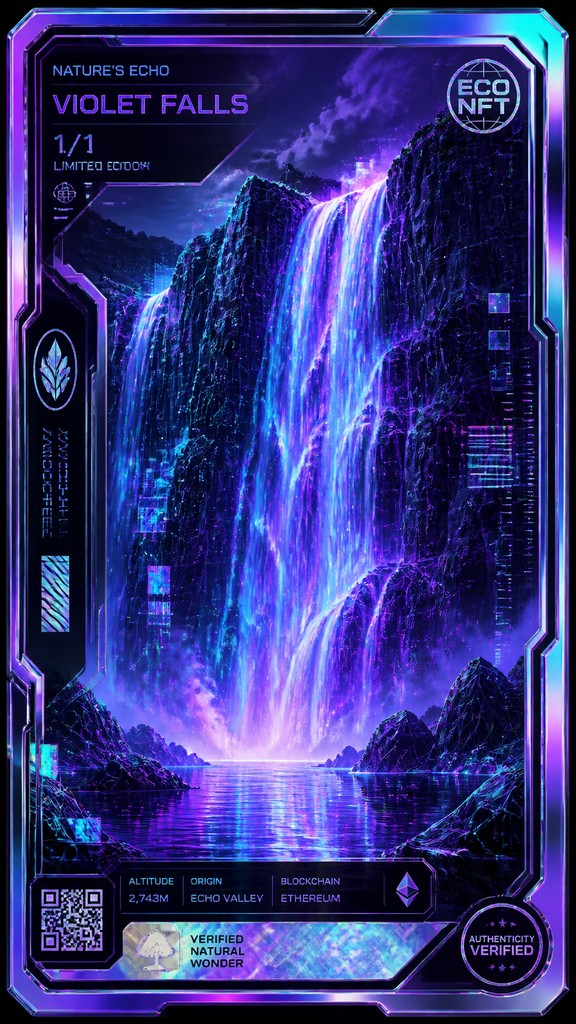
Objects are modeled with reflective metallic gradients that shift between cyan, violet, blue, silver and magenta. Sharp highlights and smooth specular reflections give forms a manufactured, premium finish.
Wireframe environments
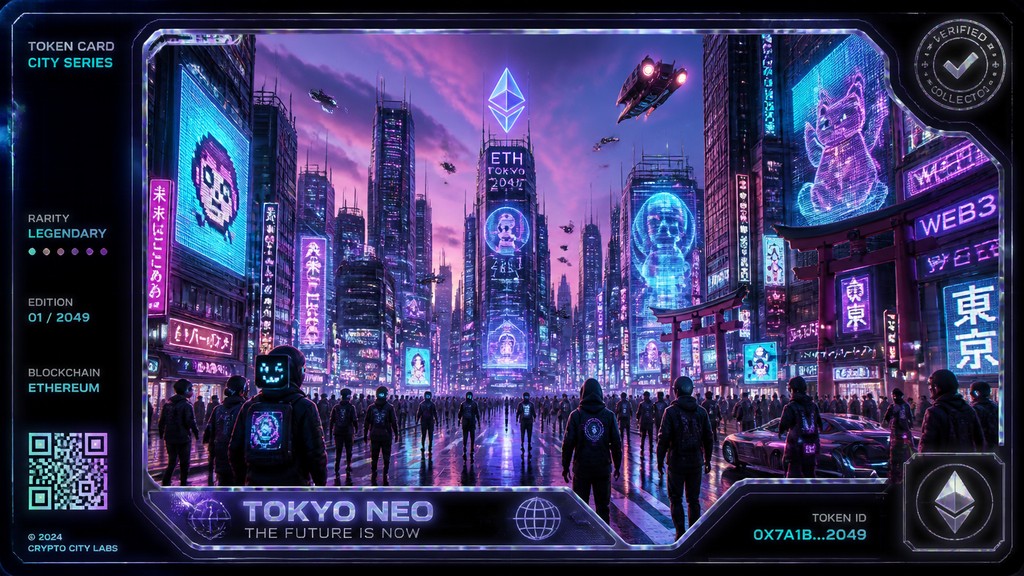
Perspective grids, digital floors, radial lines and geometric cages establish a virtual space around the subject. These structures suggest computation, simulation and navigable data environments.
Holographic foil effects
Iridescent color shifts, prismatic reflections and translucent overlays imitate holographic packaging and security foil. The surface may appear to change as the viewer moves across it.
Glitch and data artifacts
Pixel breaks, scan lines, chromatic offsets, compression marks and fragmented typography interrupt the otherwise polished image. Controlled distortion implies transmission, encryption or unstable digital information.
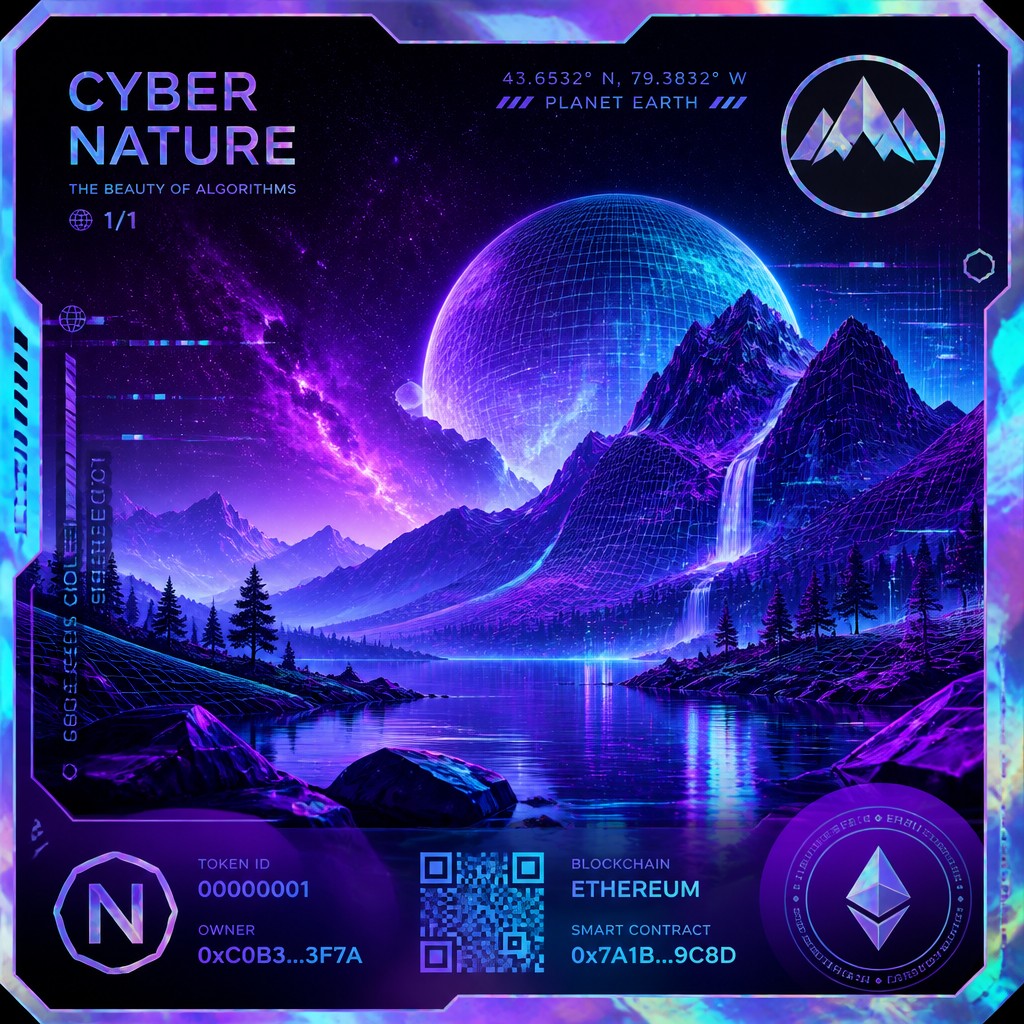
Collectible presentation
Subjects are commonly centered, isolated and framed as if they were rare digital objects, cards or virtual trophies. Symmetry, badges, borders and emblem-like layouts reinforce the sense of catalogued value.
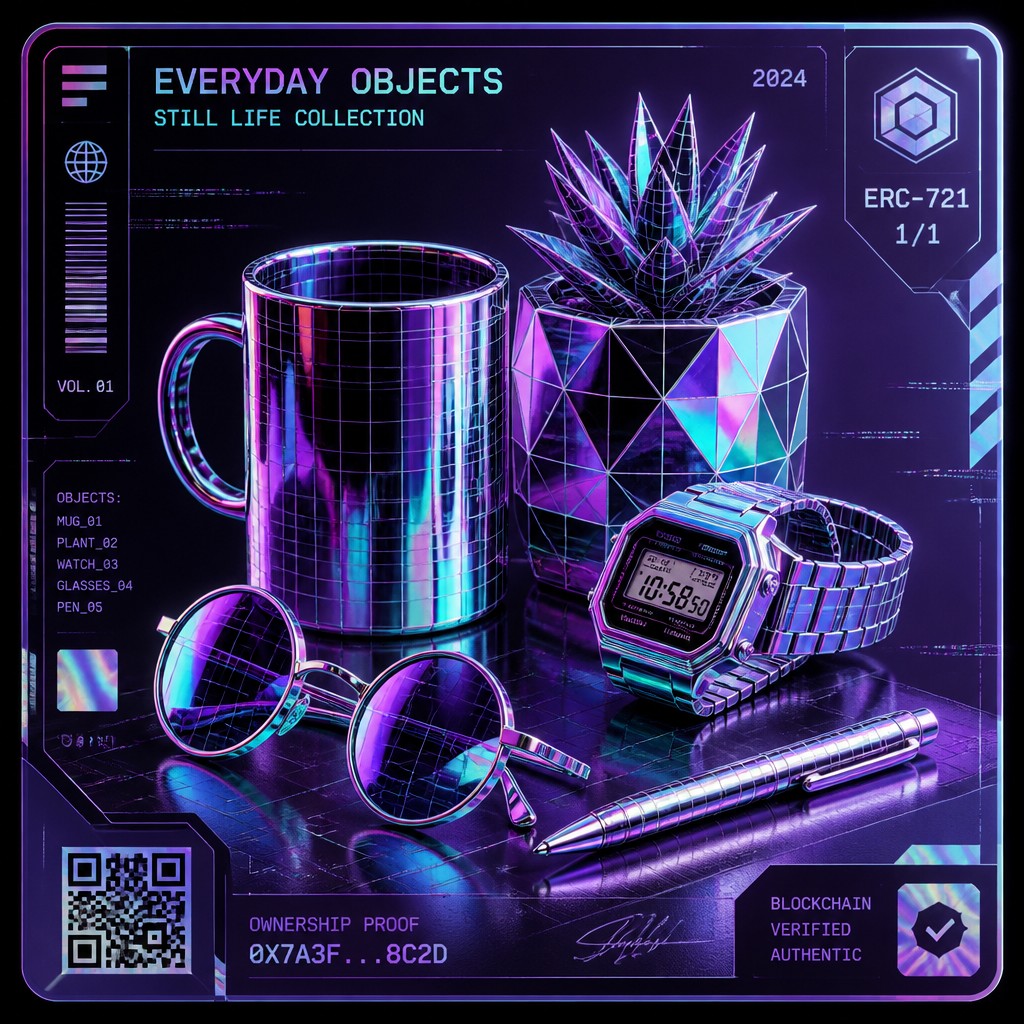
Glossy 3D rendering
Hard-surface modeling, smooth bevels, luminous rims and dramatic studio lighting create a toy-like or product-rendered appearance. Even organic subjects may be simplified into clean, sculptural volumes.
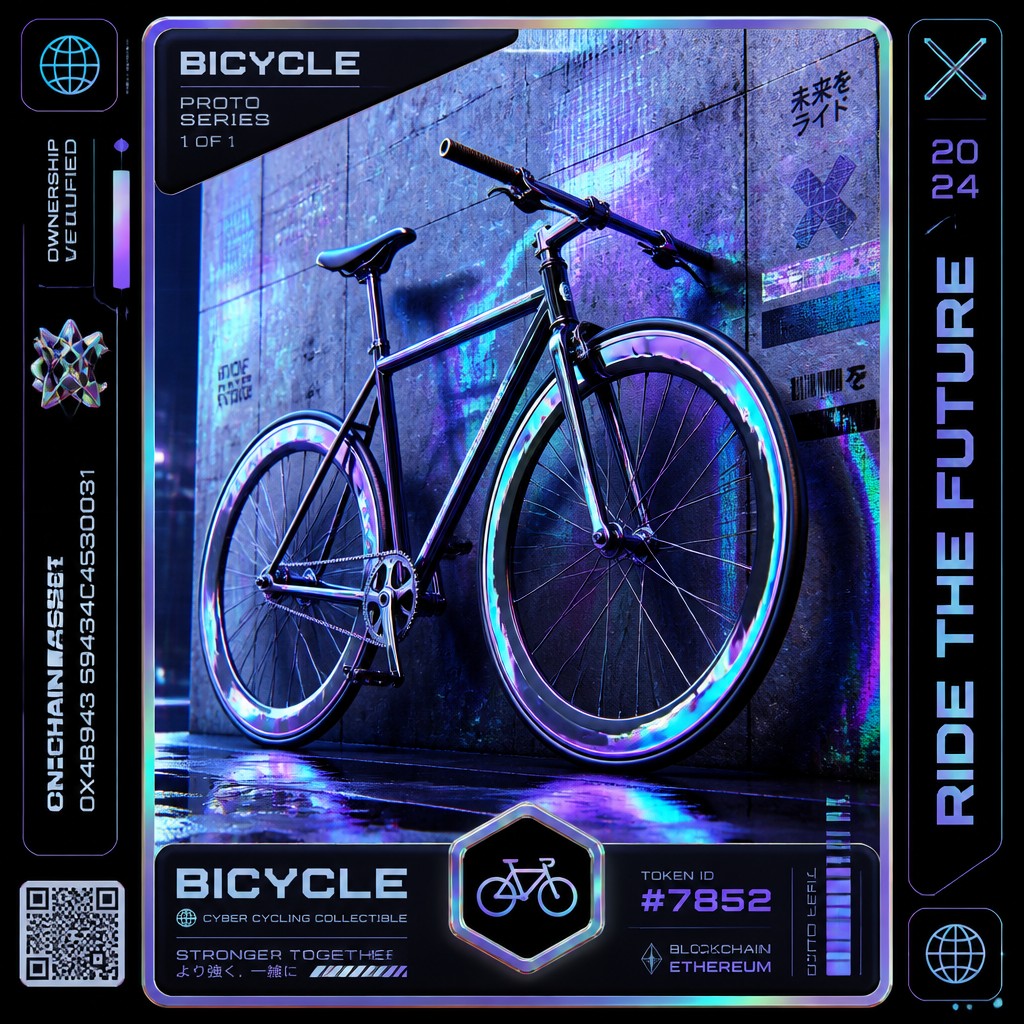
High-contrast digital palette
Deep violet, black and midnight blue provide a dark ground for electric cyan, ultraviolet, hot pink and metallic silver. Strong contrast helps the image read clearly on screens and in small collectible formats.
Try It
Create Videos in Crypto Art Style
Styles aren't just for stills — describe a scene or animate an image and get a short video rendered in Crypto. Press play to see this pond come to life.
Make a VideoCrypto Prompt Ideas
Start from an idea — each one opens the generator with the style ready to go. See all 40 Crypto prompts →
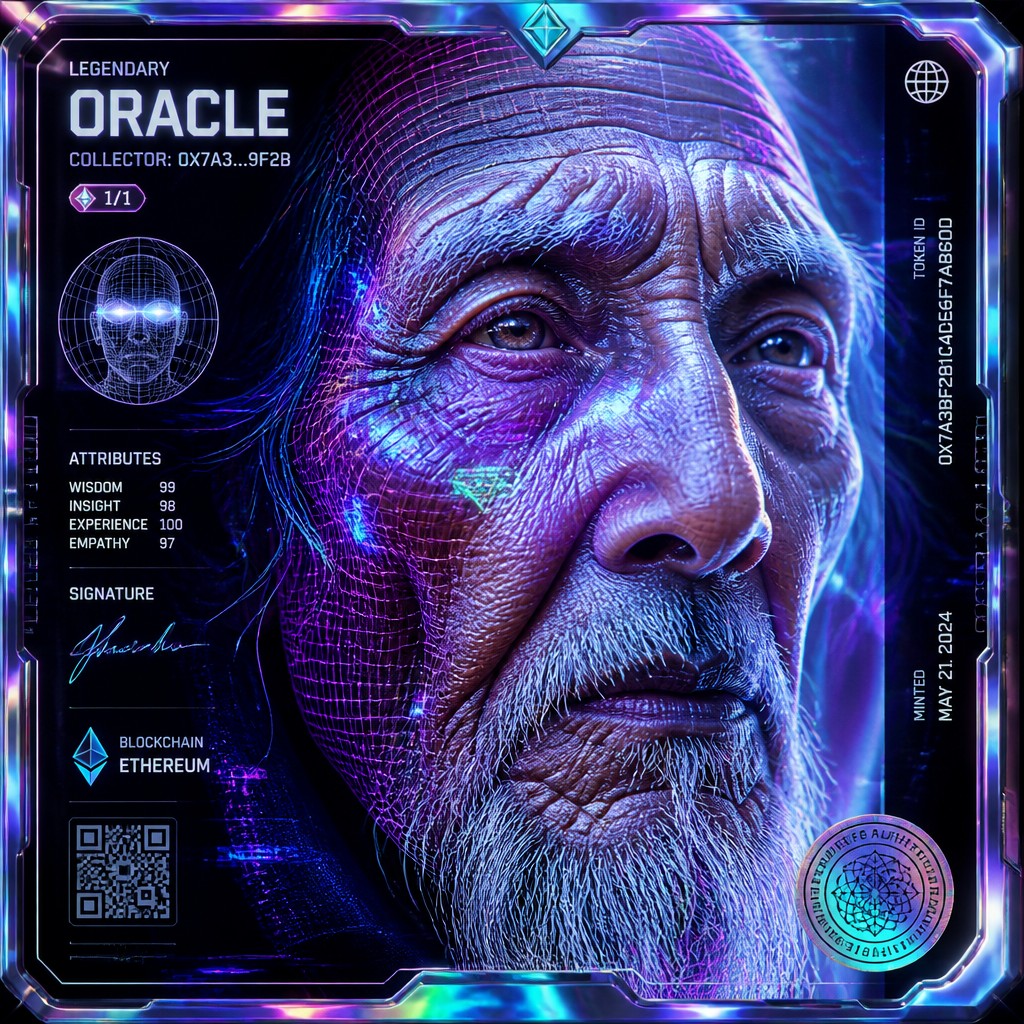
“close-up portrait of an elderly person with expressive weathered features”
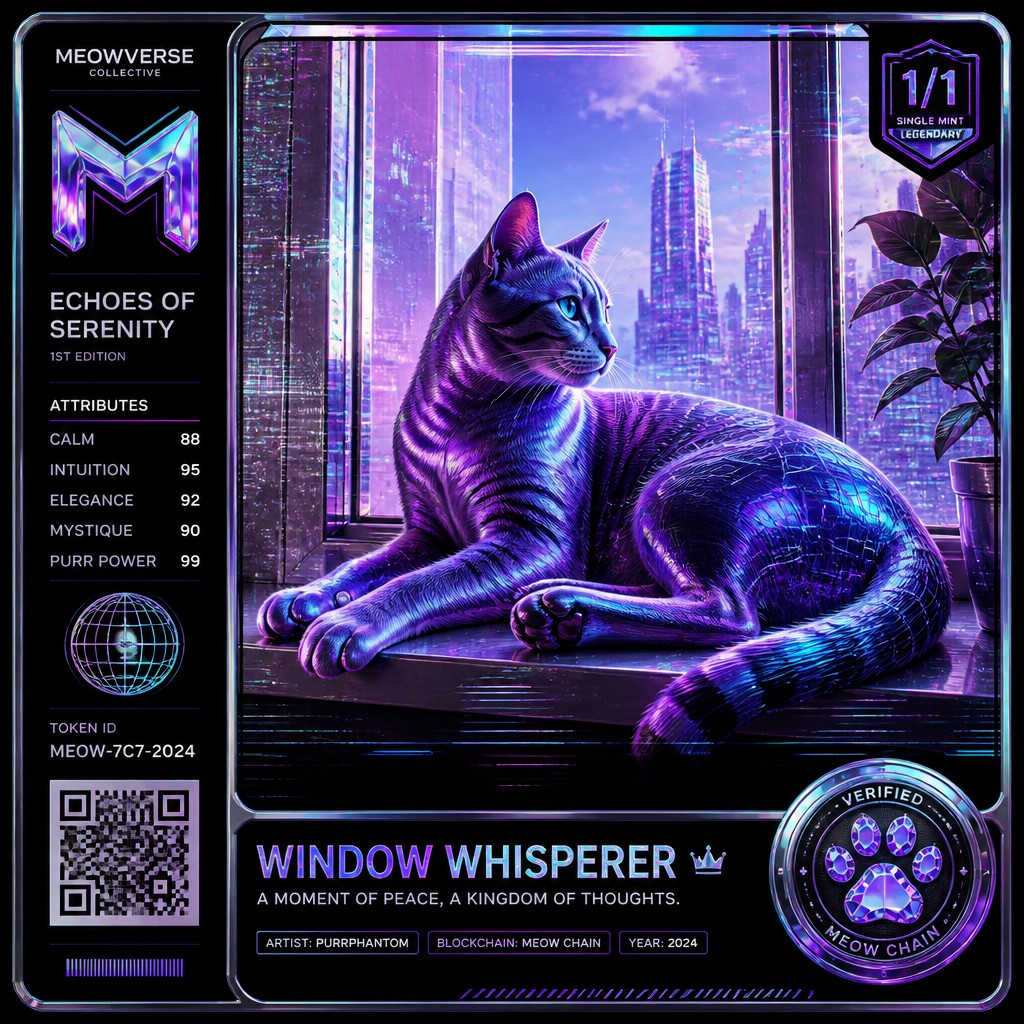
“a cat lounging in a sunlit window”
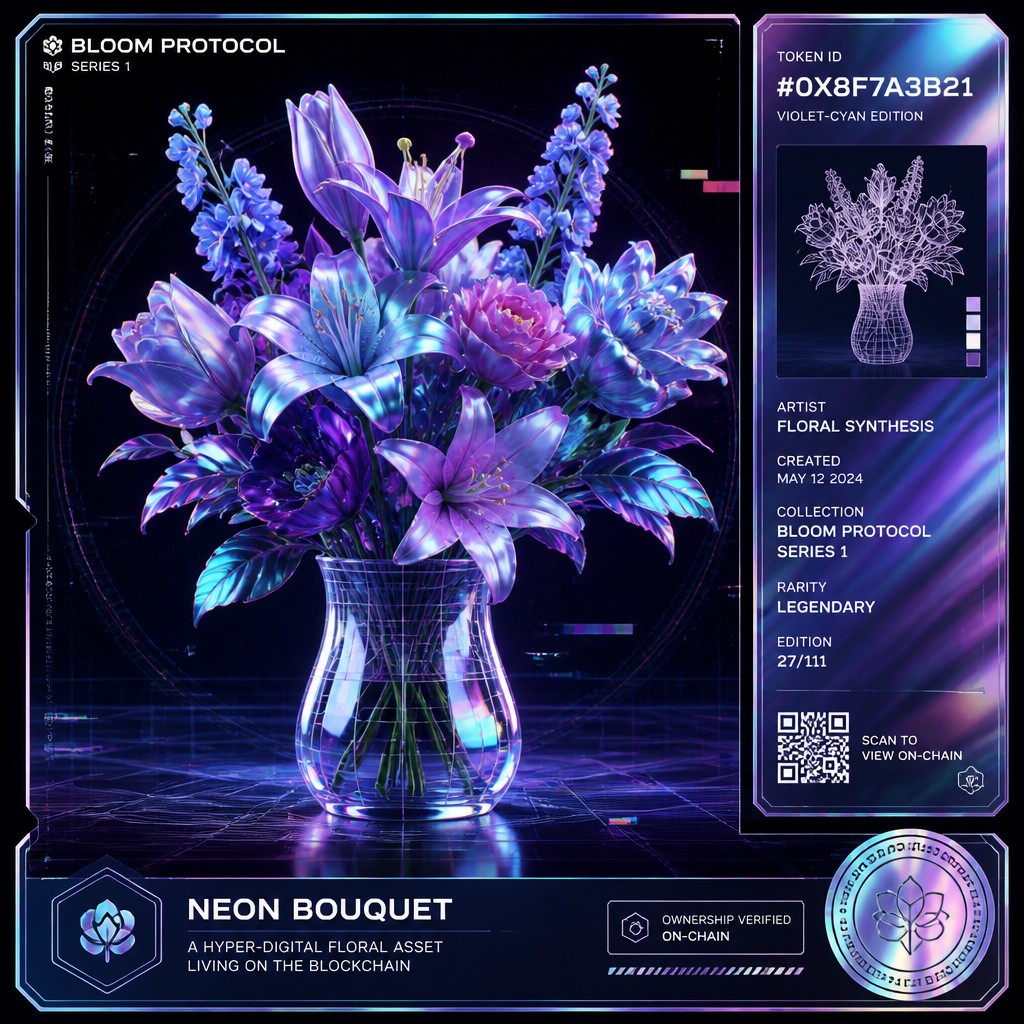
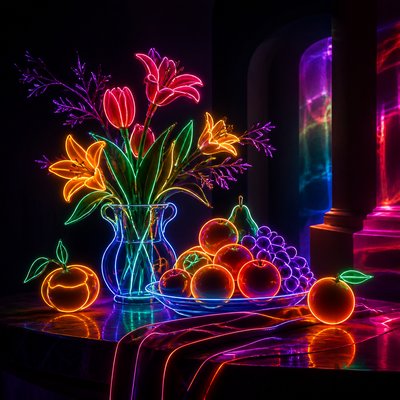
“bouquet of flowers in a glass vase”
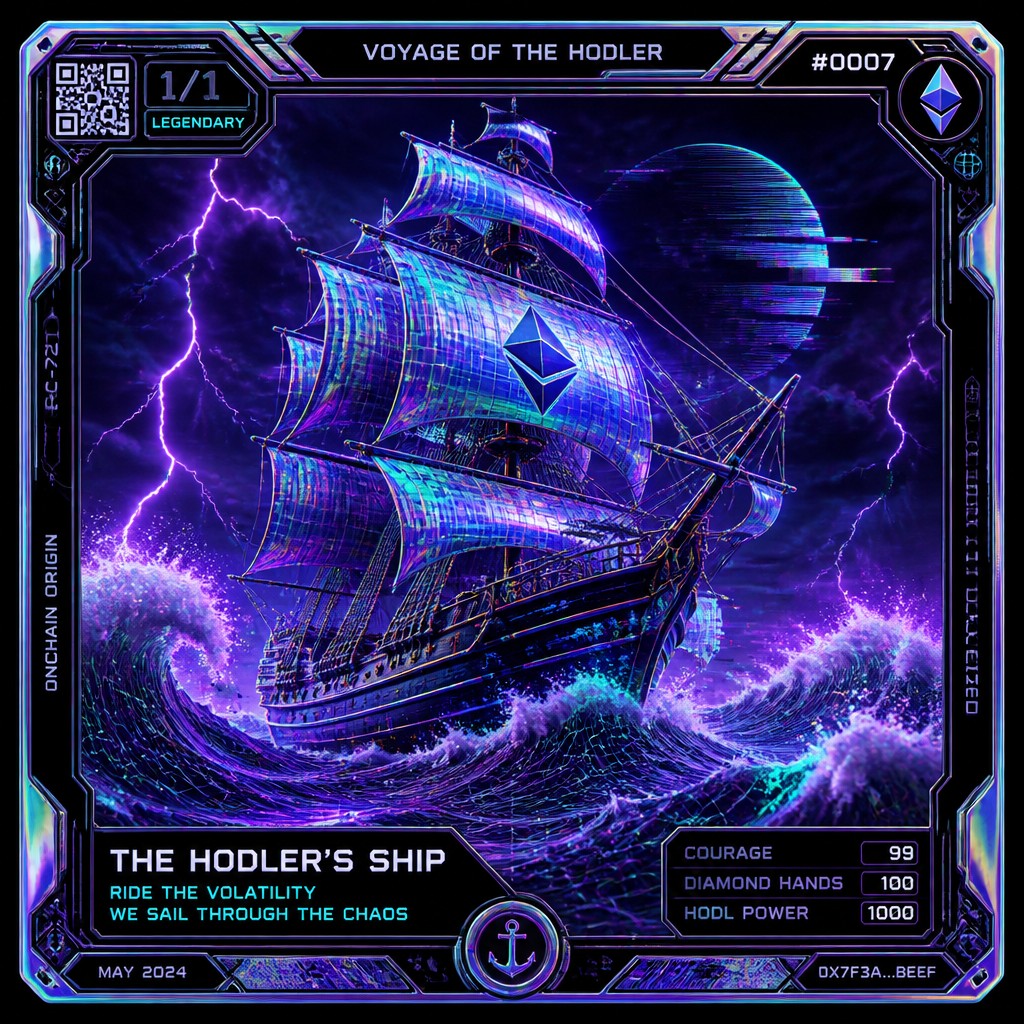
“sailing ship on a stormy sea”
How to Create Crypto Art
Master the craft step by step — or skip straight to creating. Read the full guide →
- 1
Build a strong central object
Choose one recognizable subject and simplify it into a bold silhouette with clear planes and reflective edges. Center it within a generous field so it reads like a collectible artifact rather than a busy illustration.
- 2
Use layered digital materials
In a 3D or image-editing workflow, combine metallic shaders, bloom, rim lighting, wireframe overlays, translucent gradients and chromatic aberration. Keep the base form legible beneath the effects.
- 3
Design the background as a system
Add a receding grid, modular geometry, faint interface marks or a dark radial field to establish virtual depth. Use perspective and scale consistently so the environment supports the subject.
- 4
Control the holographic finish
Apply a restrained iridescent gradient across highlights rather than covering every surface in rainbow color. Reserve the brightest foil effects for edges, emblems and focal details.
- 5
Write prompts with material and layout cues
Describe the subject first, then specify chrome reflections, holographic foil, violet-cyan lighting, a wireframe setting, controlled glitch details and a centered token-card composition. Add terms such as glossy 3D render or hard-surface design when a clean object is desired.
- 6
Refine for clarity after generation
Remove accidental text, excessive noise and unrelated interface symbols, then strengthen the silhouette and contrast. A limited palette and one dominant focal object usually produce a more convincing collectible presentation.
The Story
History & Origins of Crypto
Crypto Art Style is not a formal historical art movement with a fixed period or founding school. It emerged from the visual culture surrounding blockchain-based digital collectibles, online token economies and the broader expansion of digitally native art during the late 2010s and early 2020s. The style reflects a period when ownership, provenance and scarcity became recurring subjects in digital image-making.
Its aesthetic lineage draws from cyberpunk graphics, computer-generated 3D art, arcade and video-game interfaces, science-fiction illustration, holographic printing, electronic music visuals, sports-card design and contemporary motion graphics. The term can describe both a visual treatment and art associated with blockchain circulation, although an image does not need to use blockchain technology to employ the look.
Influences: The style draws on cyberpunk and science-fiction visual culture, computer graphics, hard-surface 3D modeling, arcade interfaces, video-game menus, holographic print processes, electronic music graphics, contemporary branding and collectible-card layouts. It also shares techniques with vaporwave and synthwave, but generally replaces their nostalgic atmosphere with a stronger emphasis on scarcity, polish, virtual ownership and premium object presentation.
Frequently Asked Questions
What defines Crypto Art Style?
It is defined by a collectible-oriented digital presentation: chrome or metallic surfaces, neon gradients, holographic reflections, wireframe grids, glitch details and glossy 3D rendering. Subjects are often isolated and framed like rare virtual objects.
Is Crypto Art Style the same as NFT art?
No. NFT or blockchain art refers primarily to how a work is recorded, distributed or owned, while Crypto Art Style refers to a visual aesthetic. A conventionally published illustration can use the style, and blockchain-associated work can use many other aesthetics.
How does it differ from cyberpunk or synthwave?
It borrows cyberpunk neon and synthwave color, but it is usually more polished, centered and product-like. Rather than focusing mainly on dystopian narrative or retro nostalgia, it emphasizes digital rarity, surface finish, virtual commodities and collectible display.
Can photographs be transformed into this style?
Yes. Portraits, vehicles, architecture and objects can be reinterpreted with chrome materials, holographic lighting, grid environments and controlled glitch effects. Preserve the original silhouette and key features so the transformation remains recognizable.
What subjects work best in this aesthetic?
Strong, emblematic subjects work particularly well, including animals, masks, robots, vehicles, relics, gemstones, characters and symbolic objects. Their clear contours provide a stable foundation for reflective materials and luminous effects.
How can I avoid making the image look visually chaotic?
Limit the palette, select one main subject and use glitch effects as accents rather than a texture over the entire image. Keep the grid and interface elements subordinate to the focal object, and check that the silhouette remains readable at thumbnail size.
Create your first Crypto artwork
Describe anything — or upload a photo — and see it in Crypto Art Style in seconds.
Related Styles
Discover similar art styles