Post-Apocalyptic Sci-Fi Art
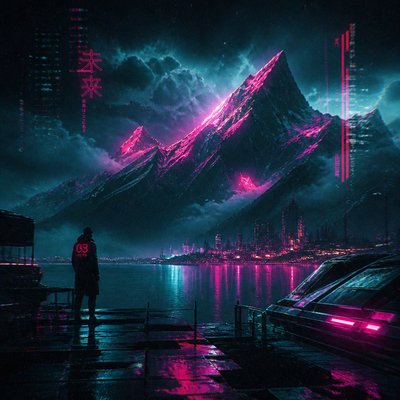
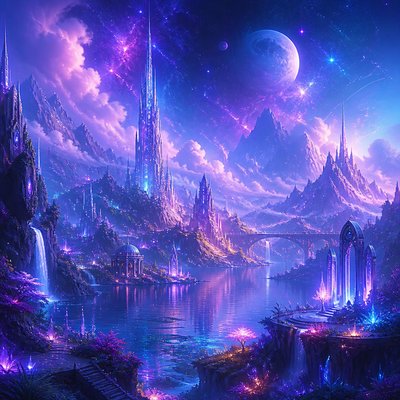
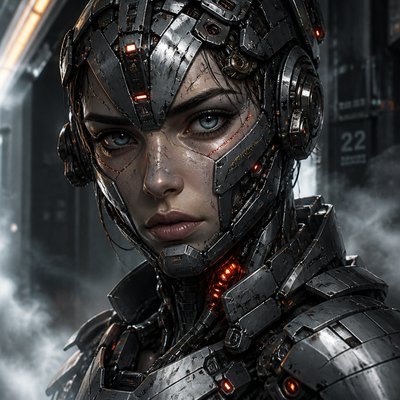
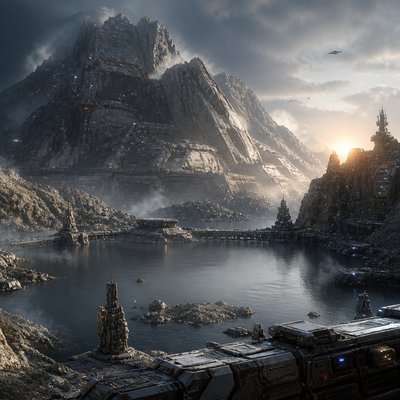
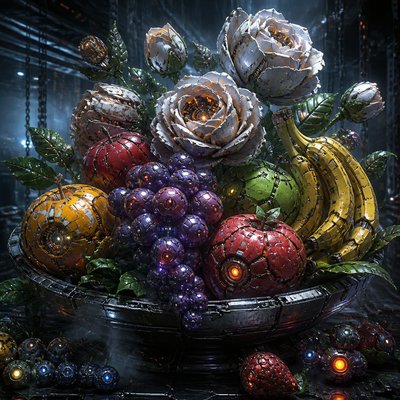
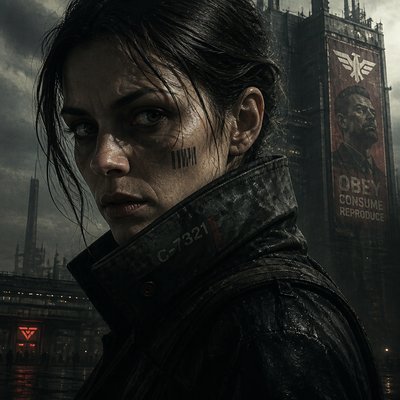
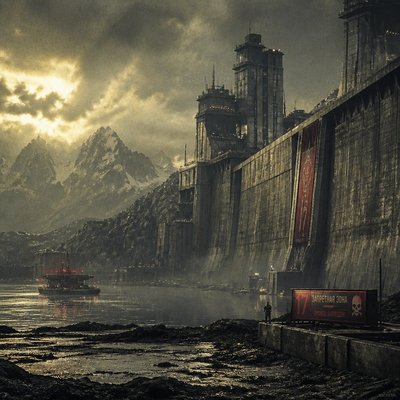
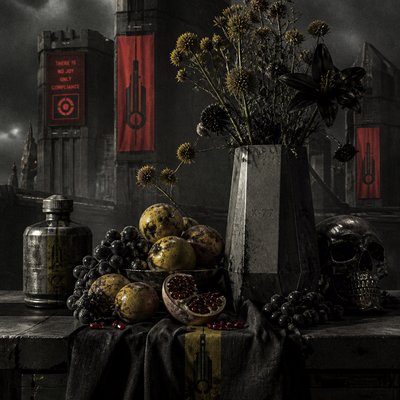
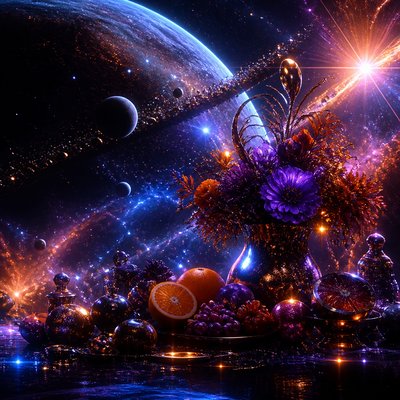
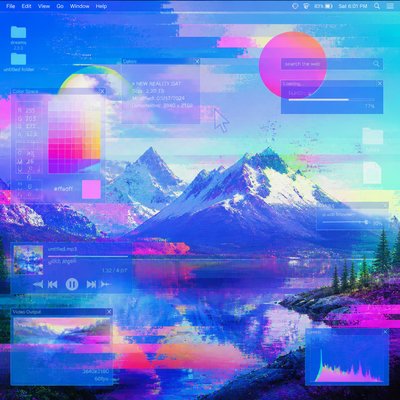
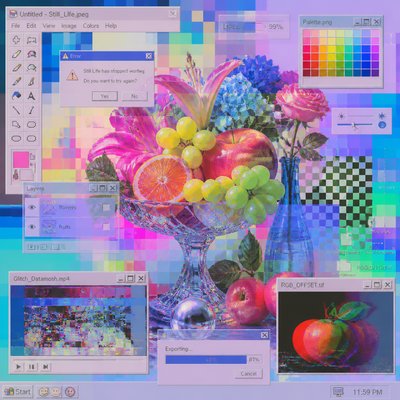
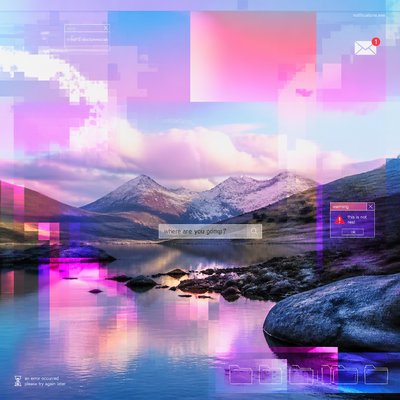
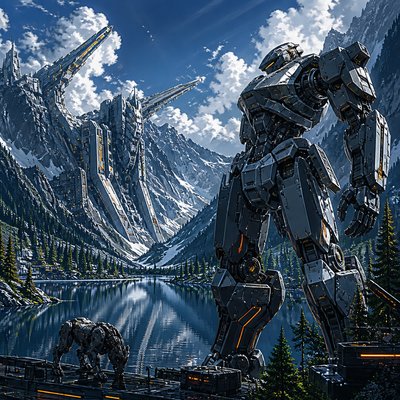
Gritty ruined futures, scavengers, rusted tech, and nature reclaiming civilization in a desaturated, cinematic sci-fi aesthetic.
Instantly rendered in Post-Apocalyptic Sci-Fi — or transform a photo
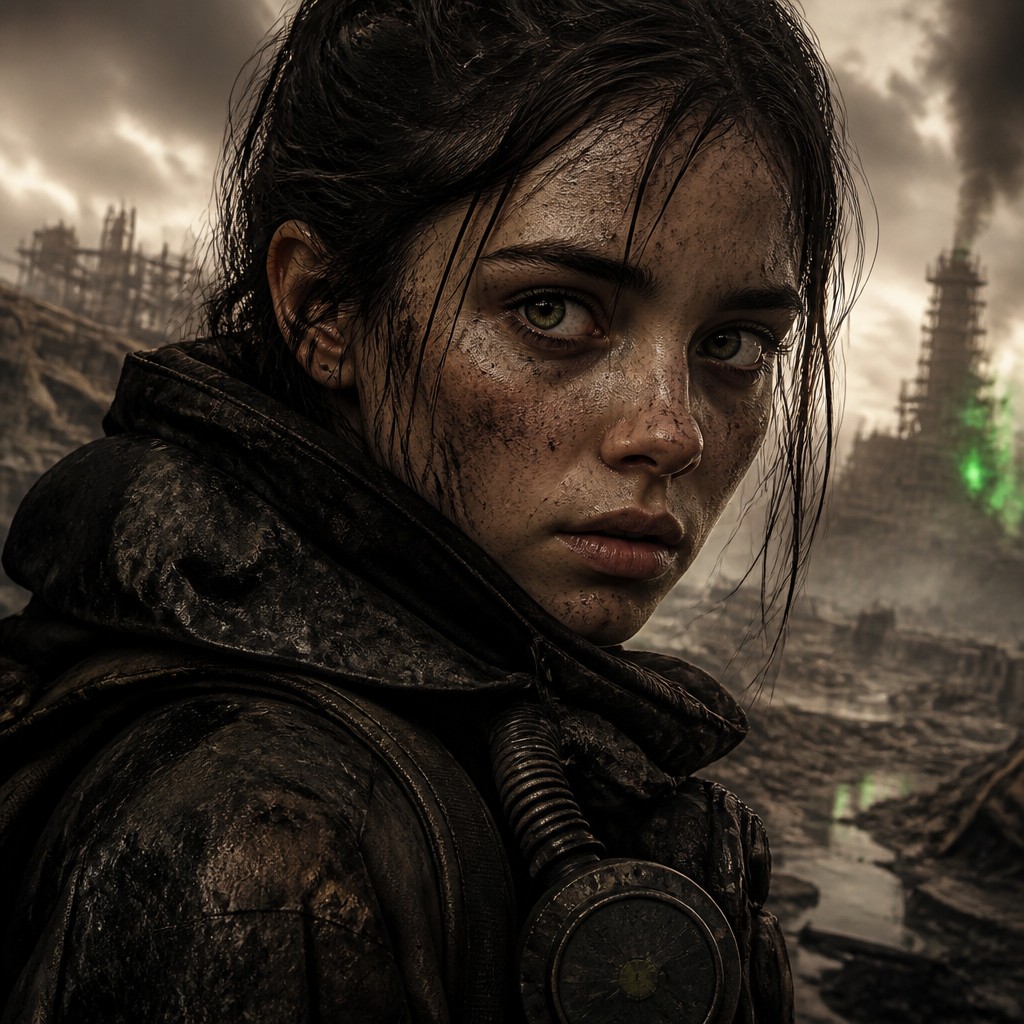
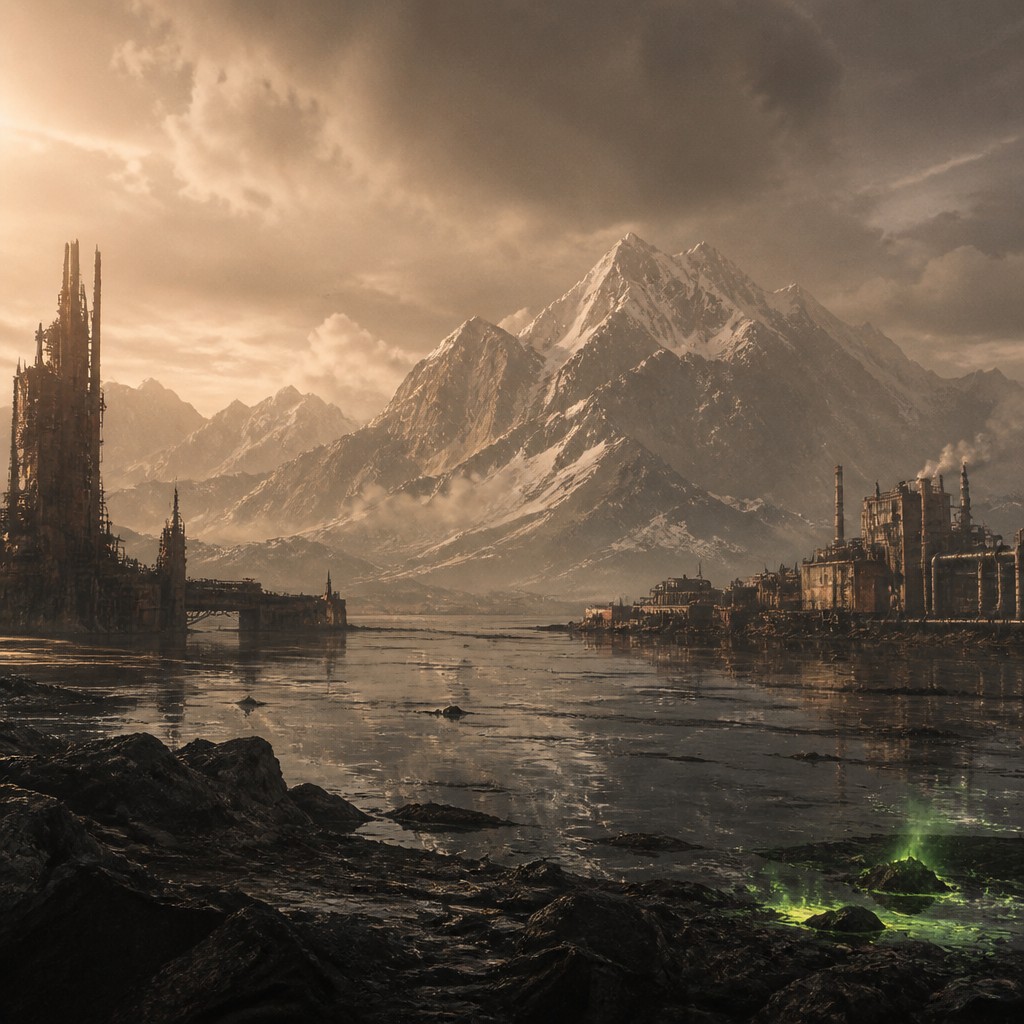
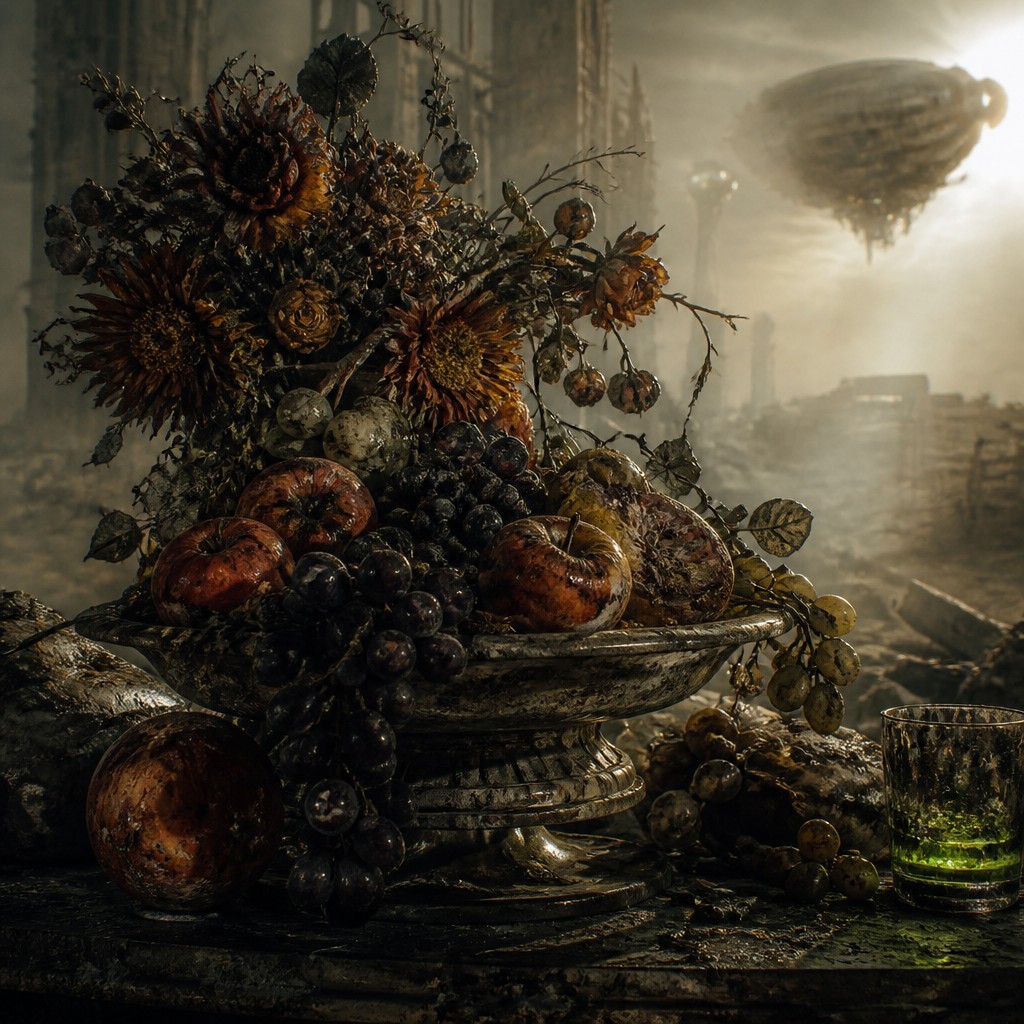
Post-Apocalyptic Sci-Fi Gallery
Tap any artwork to explore it
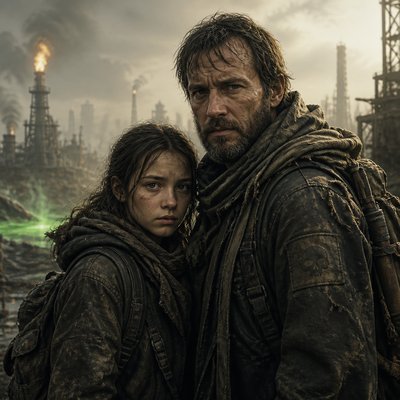
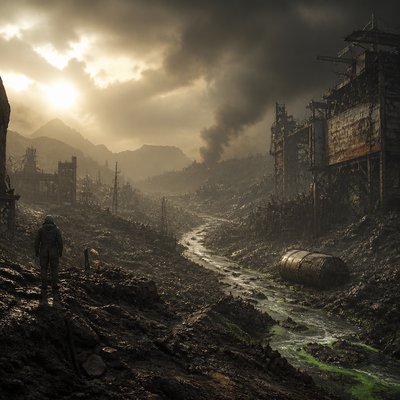
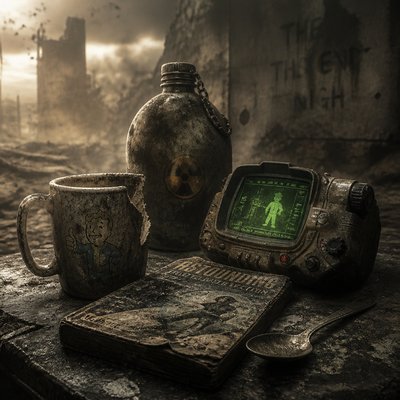
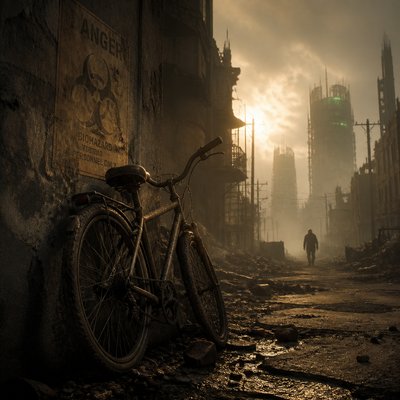
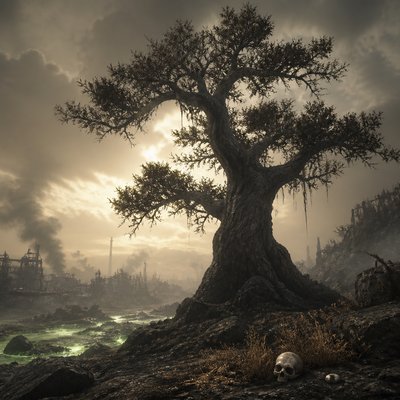
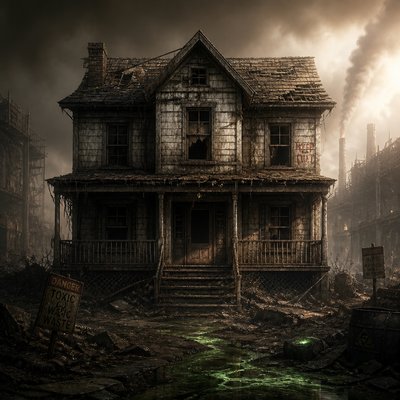
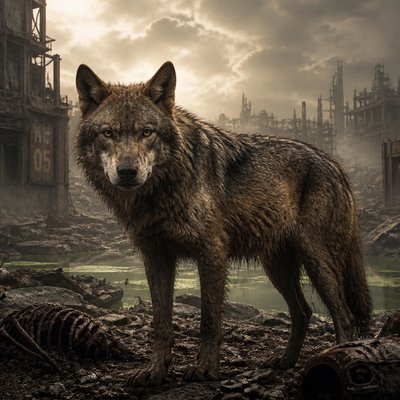
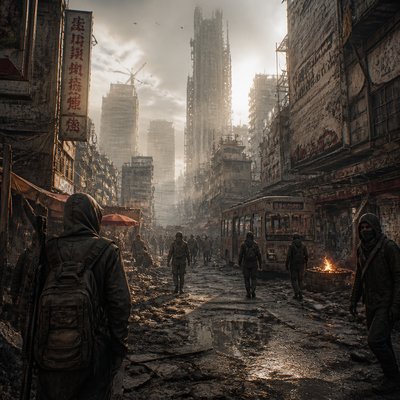
What is Post-Apocalyptic Sci-Fi Art?
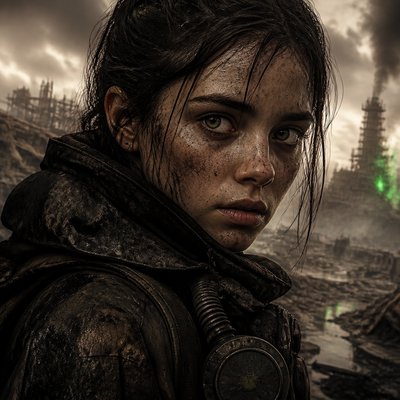
Post-apocalyptic sci-fi art depicts worlds after catastrophic collapse: cities in ruins, machines repurposed from scrap, and survivors moving through landscapes where civilization has broken down. Its visual identity combines speculative worldbuilding with tangible material decay, so that every object—vehicles, weapons, shelters, clothing, and infrastructure—appears salvaged, repaired, or half-buried by dust, ash, sand, or vegetation.
The style looks the way it does because it emphasizes environmental storytelling. Broken skylines, abandoned highways, irradiated skies, overgrown architecture, and improvised technology all communicate history without exposition. Artists typically favor harsh light, heavy atmosphere, and muted color to suggest danger, scarcity, contamination, and the long aftermath of disaster.
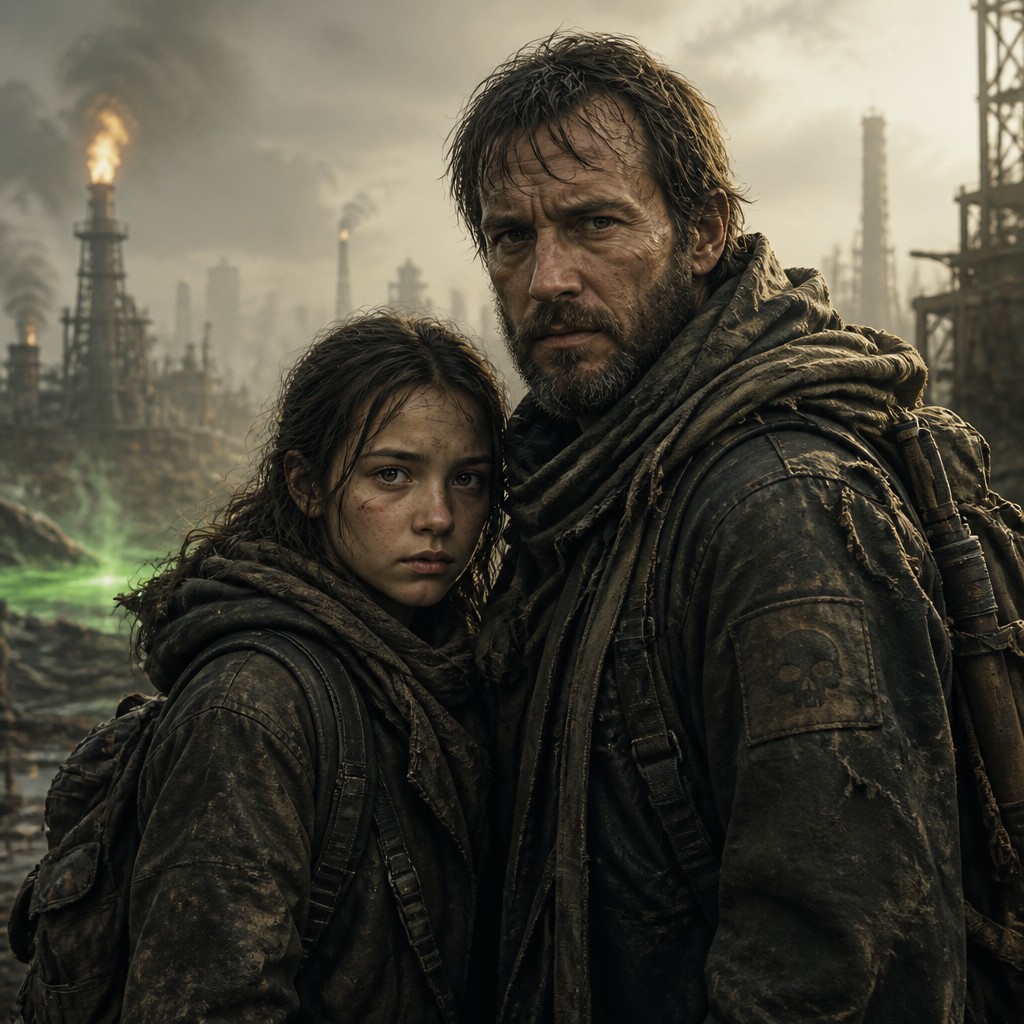
Try It On Your Photos
Upload any photo and convert it into Post-Apocalyptic Sci-Fi Art — drag the sliders to compare before and after.


What Defines Post-Apocalyptic Sci-Fi Art
The signature details, up close
Ruined infrastructure
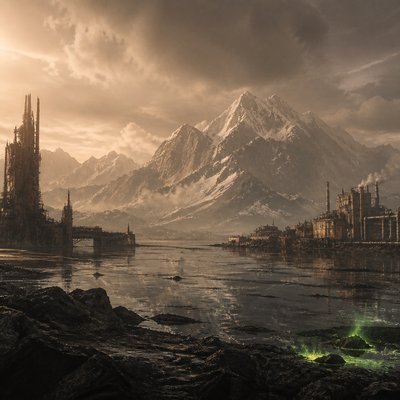
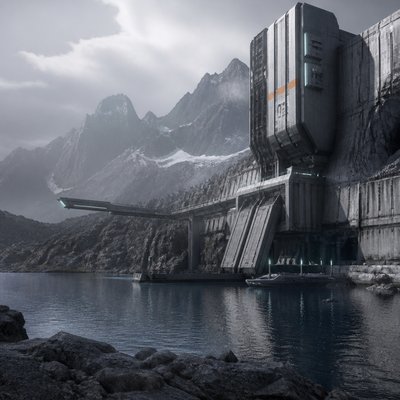
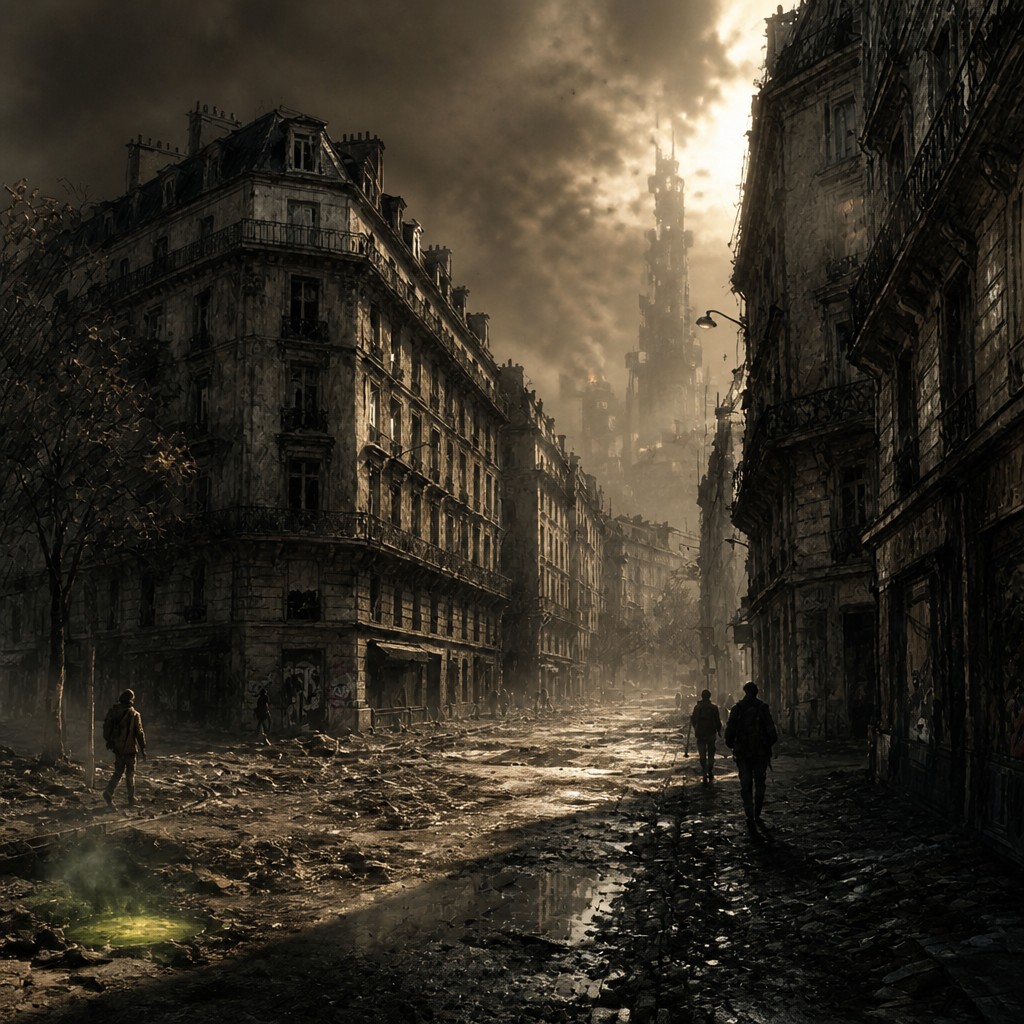
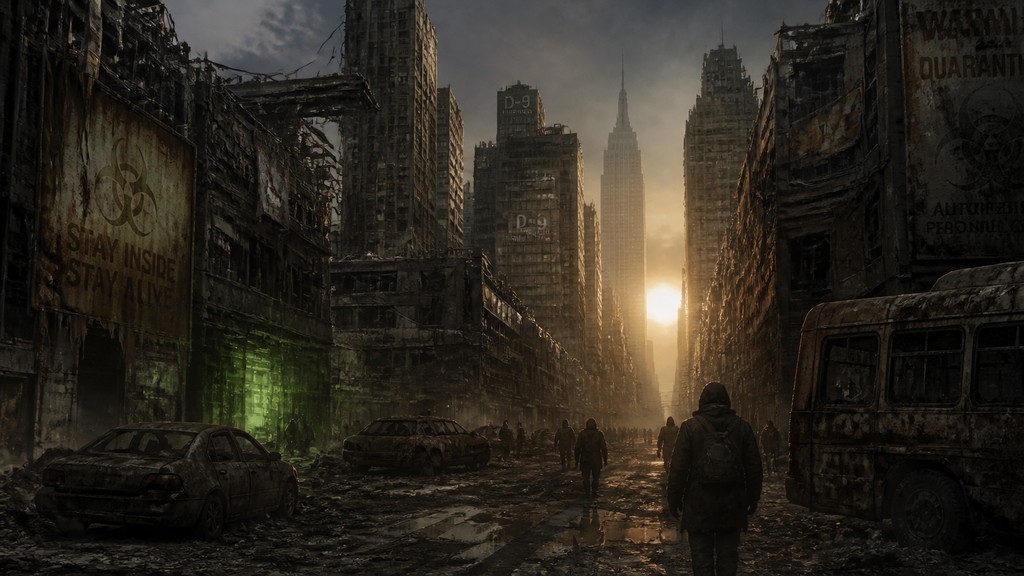
Collapsed buildings, cracked roads, broken bridges, and abandoned industrial structures are central motifs. These elements establish the post-disaster setting and provide a sense of scale and loss.
Scavenged technology
Vehicles, tools, weapons, and devices are often assembled from incompatible parts, with visible patchwork repairs and exposed mechanisms. The design language suggests necessity, reuse, and technological scarcity.
Desaturated, dust-laden palette
Colors are usually restricted to dusty browns, grays, muted oranges, and sickly greens. Saturation is lowered to reinforce depletion, contamination, and a sun-bleached or ash-covered world.
Heavy atmosphere
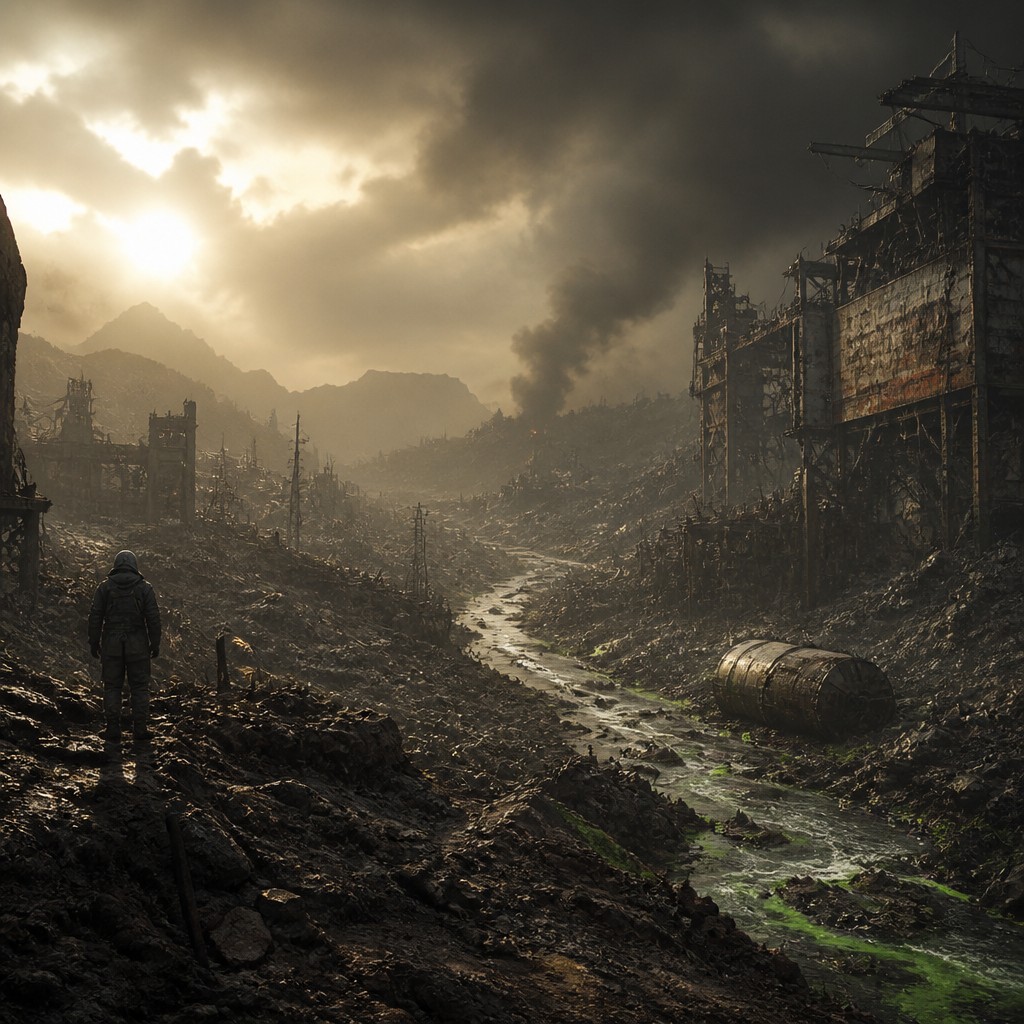
Smoke, haze, dust, fog, and particulate matter soften distant forms and create deep perspective. This atmospheric veil makes scenes feel vast, polluted, and physically difficult to inhabit.
Weathered surfaces
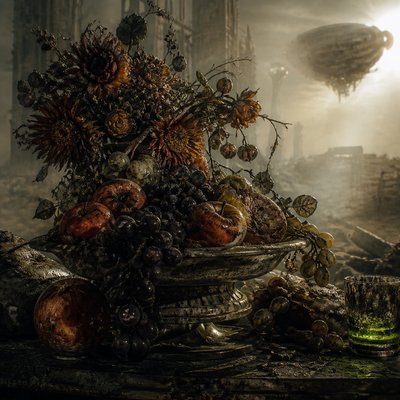
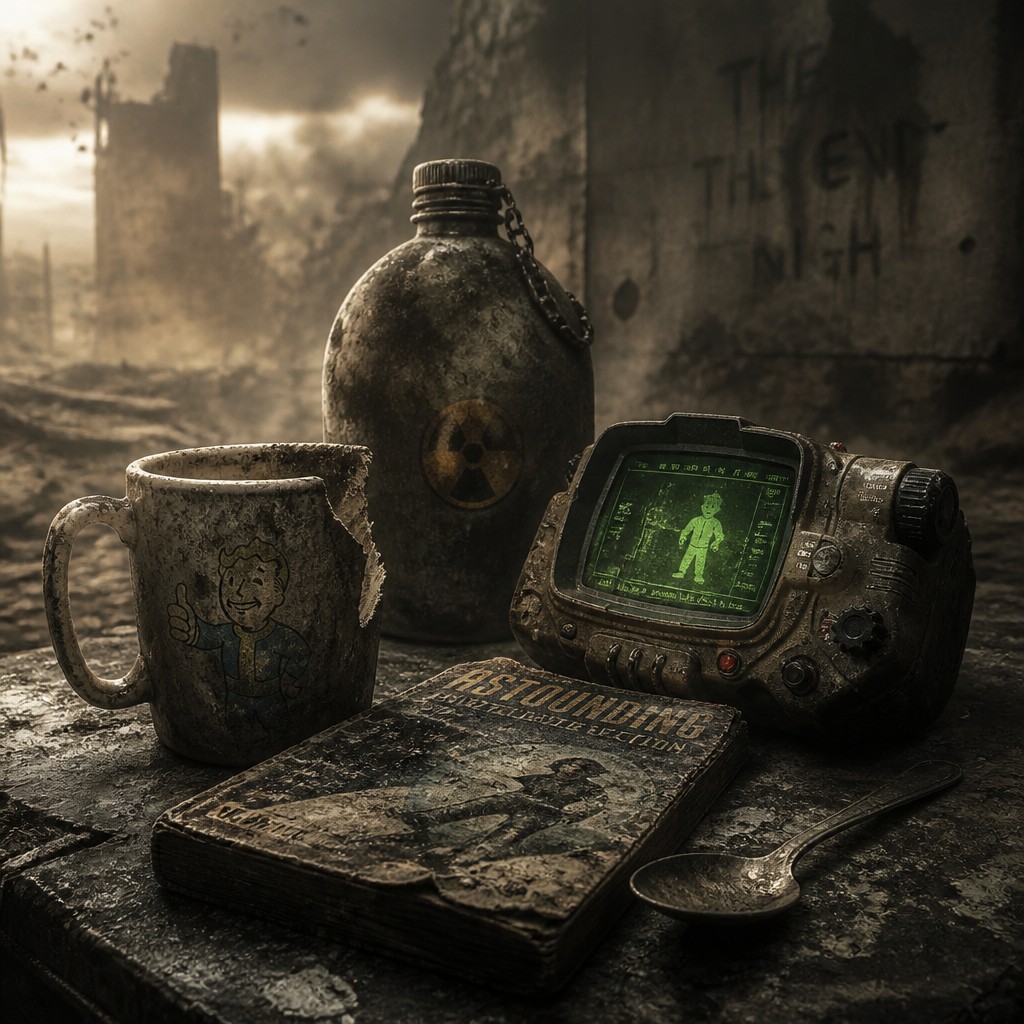
Metal is rusted, paint is peeling, fabric is frayed, and concrete is cracked or stained. Texture is crucial because it conveys age, abandonment, and prolonged exposure to the elements.
Survivor iconography
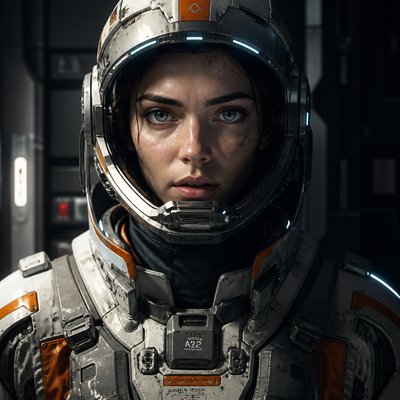
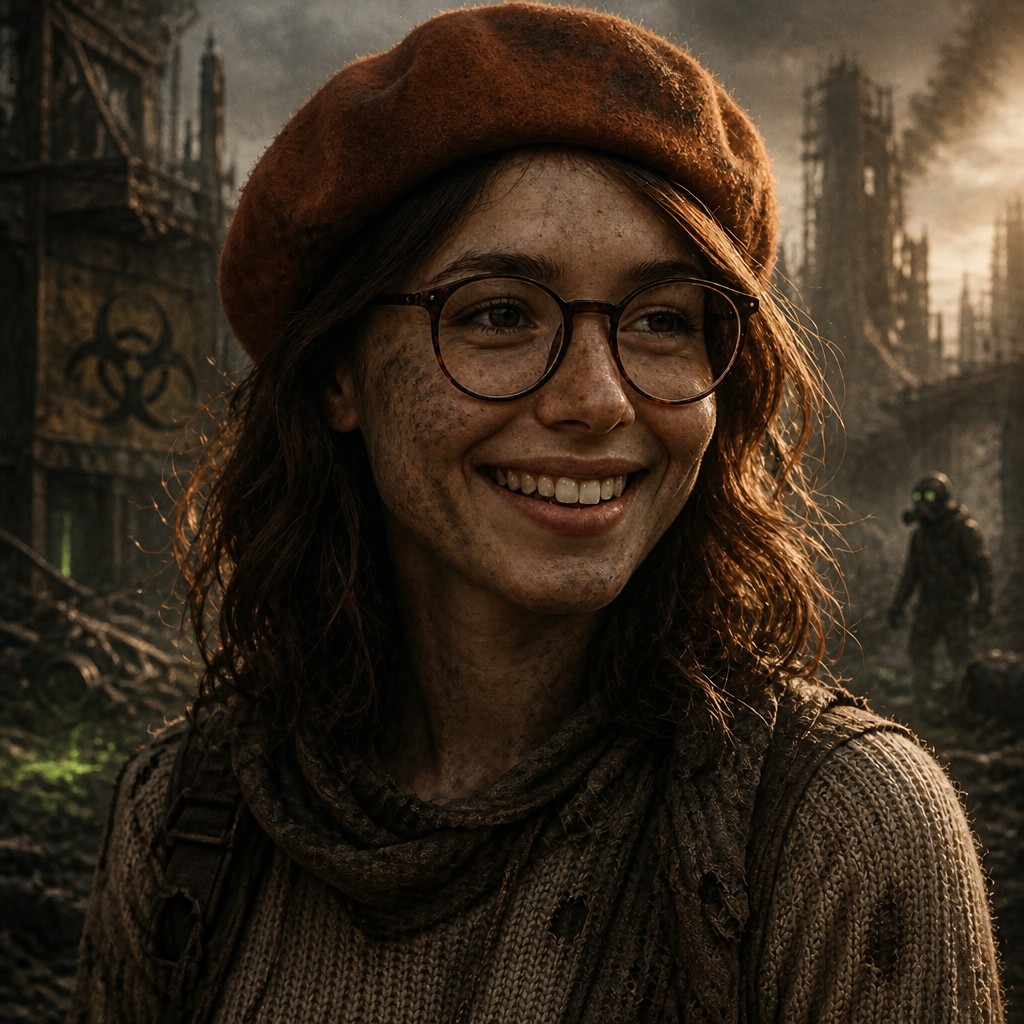
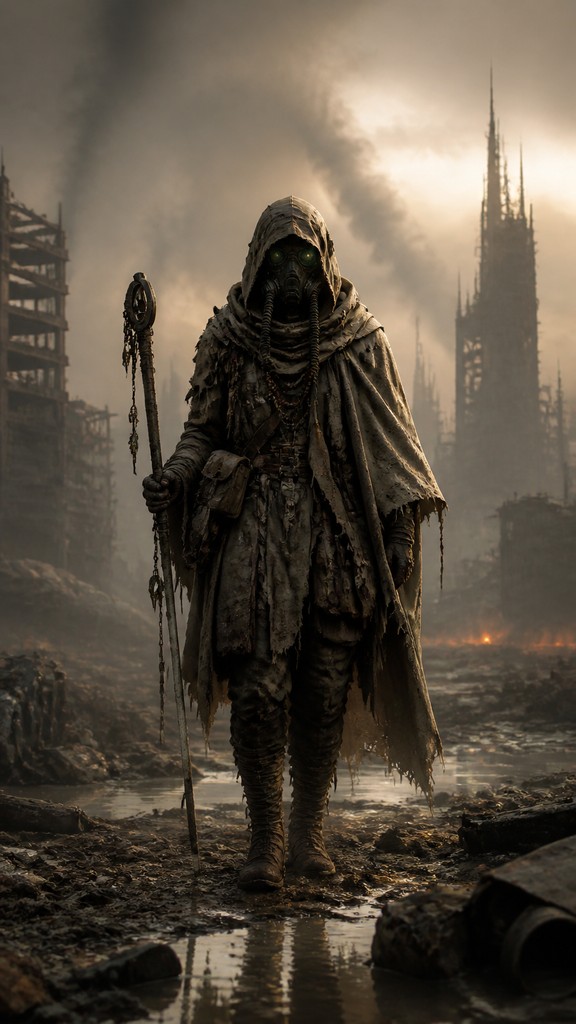
Figures often wear layered protective clothing, improvised armor, masks, or utility gear. Their appearance signals adaptation to scarcity, hostile weather, or contamination.
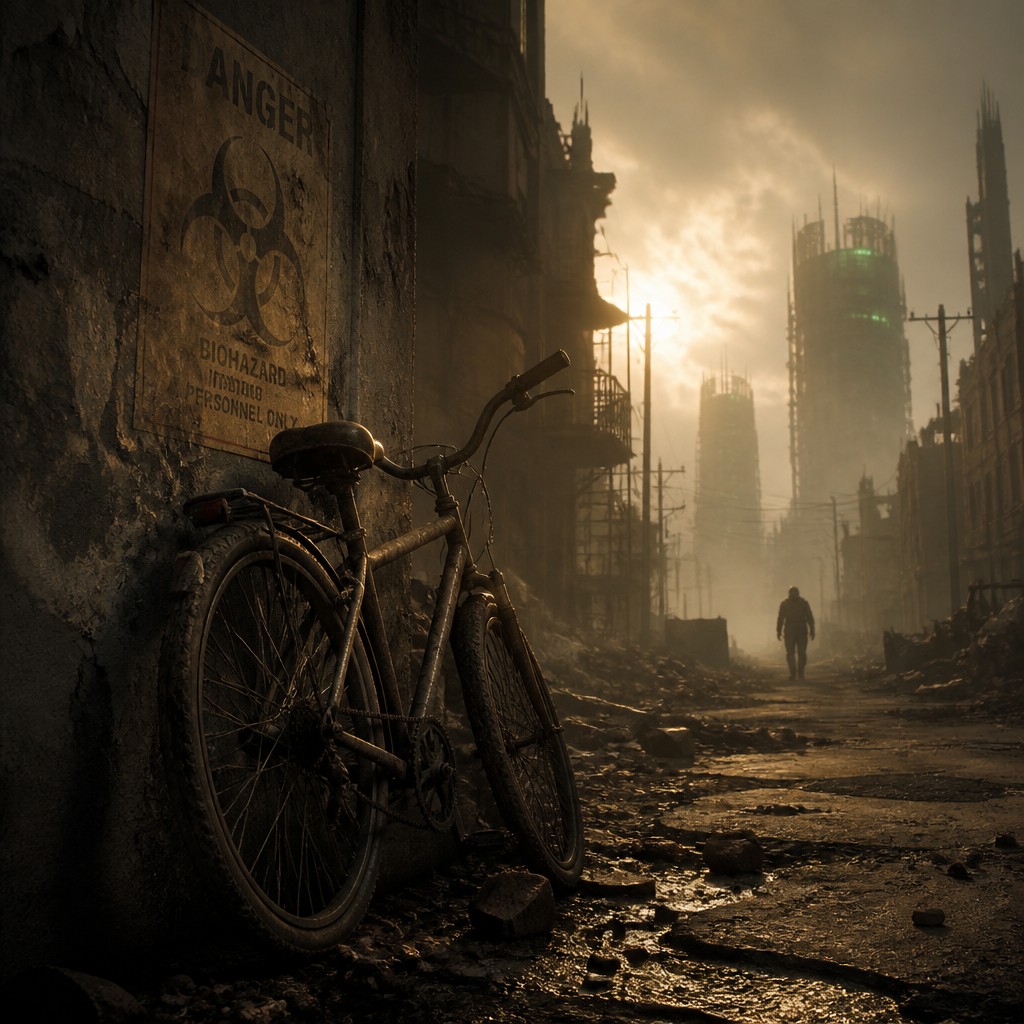
Nature reclaiming the built world
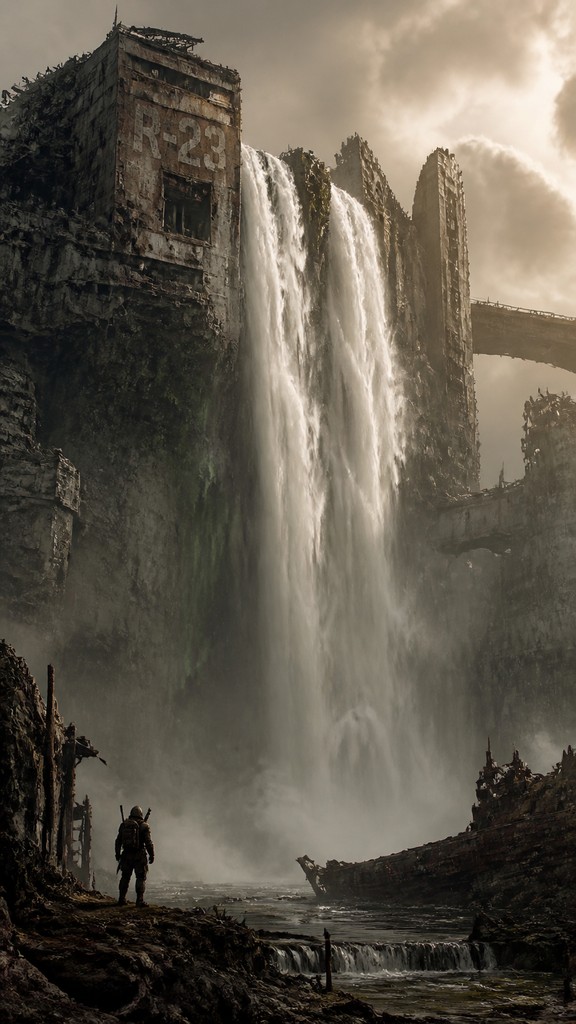
Vines, moss, roots, sand, or floodwater frequently encroach on human structures. This contrast between civilization and ecology is one of the style’s most recognizable visual themes.
Try It
Create Videos in Post-Apocalyptic Sci-Fi Art
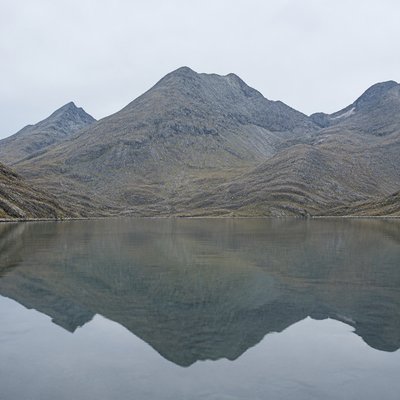
Styles aren't just for stills — describe a scene or animate an image and get a short video rendered in Post-Apocalyptic Sci-Fi. Press play to see this pond come to life.
Make a VideoPost-Apocalyptic Sci-Fi Prompt Ideas
Start from an idea — each one opens the generator with the style ready to go. See all 40 Post-Apocalyptic Sci-Fi prompts →
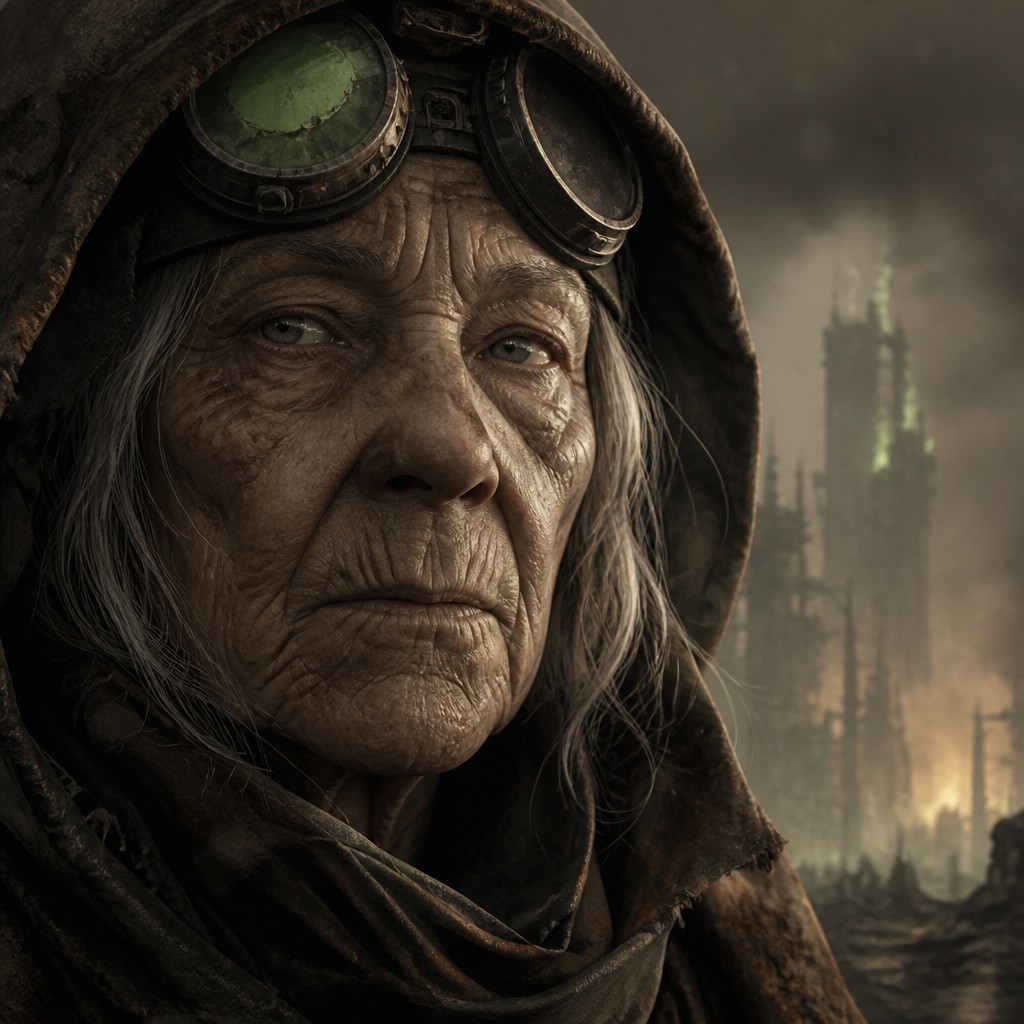
“close-up portrait of an elderly person with expressive weathered features”
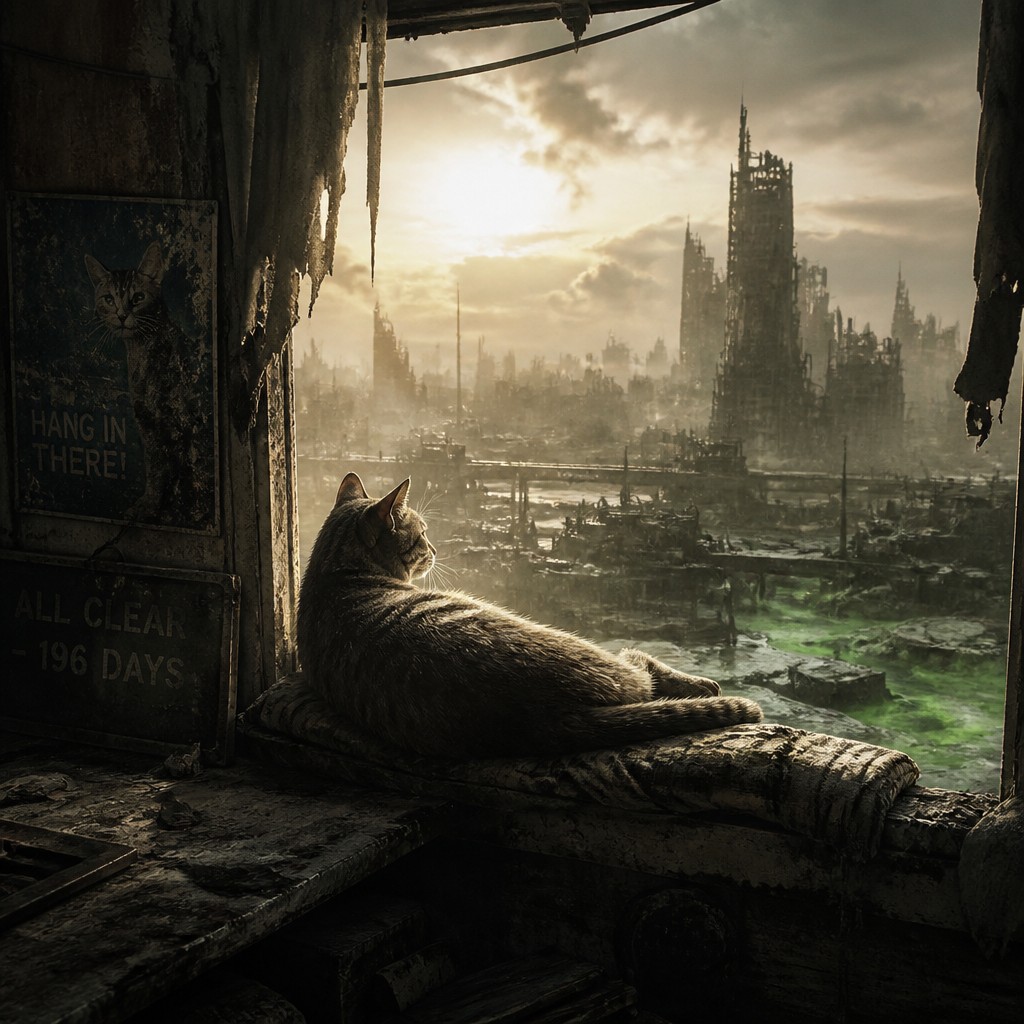
“a cat lounging in a sunlit window”
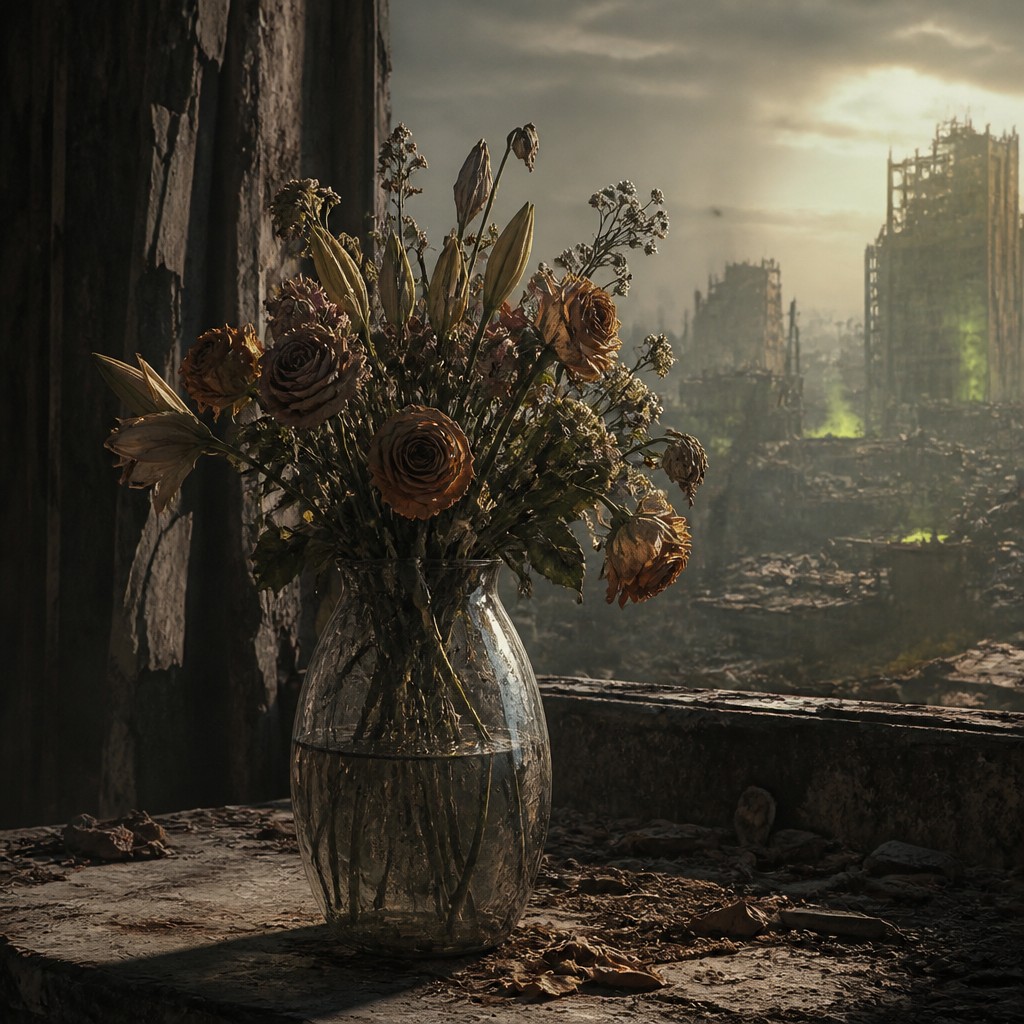
“bouquet of flowers in a glass vase”
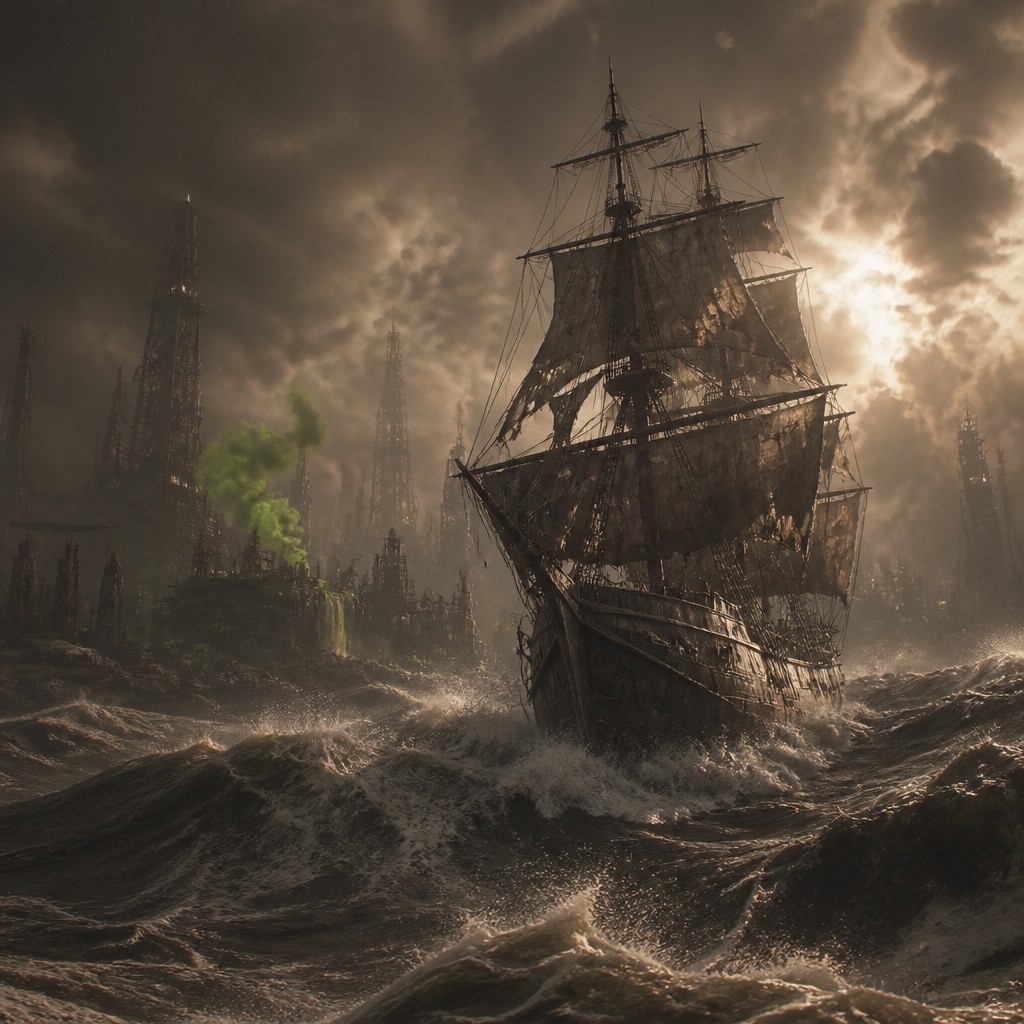
“sailing ship on a stormy sea”
How to Create Post-Apocalyptic Sci-Fi Art
Master the craft step by step — or skip straight to creating. Read the full guide →
- 1
Build the scene around evidence of collapse
Start with familiar architecture, vehicles, or infrastructure, then damage, bury, or overgrow them so the setting tells a story. In traditional media, use layered washes, scumbling, dry brushing, and texture paste; in digital work, combine debris textures, grunge overlays, and atmospheric depth.
- 2
Design materials as repaired and repurposed
Avoid pristine surfaces and symmetrical perfection. Add welded seams, exposed wires, patched fabric, mismatched parts, and hand-applied repairs so objects feel functional in scarcity rather than futuristic in a polished way.
- 3
Control the palette
Use a restrained range of dusty neutrals, then reserve stronger color for small focal accents such as warning lights, toxic residue, emergency beacons, or contaminated glow. This contrast helps the image feel bleak without becoming visually flat.
- 4
Light for drama and survival
Set up strong rim light, low sun angles, or harsh directional illumination to cut through haze and emphasize silhouettes. In prompts, specify cinematic realism, deep shadows, bleached highlights, and particulate atmosphere to achieve the same effect.
- 5
Use scale cues and environmental storytelling
Include human-sized objects, footprints, damage patterns, and improvised shelters to clarify scale and lived-in detail. Whether painting or prompting, describe the scene in terms of who has survived there, how they move through it, and what they have salvaged.
- 6
Keep the mood somber and grounded
Even when the concept is imaginative, the best results feel physically plausible and emotionally restrained. For image generation, use concrete nouns, specific environmental conditions, and material descriptors rather than vague dystopian language.
The Story
History & Origins of Post-Apocalyptic Sci-Fi
Post-apocalyptic sci-fi art is not a single historical movement but an imagery tradition that grew from twentieth-century science fiction illustration, disaster cinema, and speculative concept art. Its lineage includes the visual languages of pulp adventure illustration, industrial design, and matte-painting traditions used to depict ruined cities, alienated futures, and collapsed civilizations in film and publishing.
The modern form became especially visible through late twentieth-century and early twenty-first-century cinema, video games, comic art, and concept art, where artists developed a shared vocabulary for wastelands, scavengers, and makeshift technology. It also draws from documentary images of war damage, urban decay, and environmental ruin, which give the fiction a convincing sense of material truth.
Influences: This style draws from science fiction illustration, disaster imagery, industrial design, and environmental matte painting, as well as from documentary photography of ruin and neglect. Visually, it overlaps with the bleak futurism of visionary transportation and industrial designers in its concern for designed worlds, though post-apocalyptic art shifts the emphasis from sleek future infrastructure to decay, adaptation, and survival. It also shares thematic ground with survivalist illustration, war imagery, and ecological ruin narratives in film, comics, and games.
Frequently Asked Questions
What defines post-apocalyptic sci-fi art?
It is defined by depictions of worlds after catastrophic collapse, where civilization survives only in fragments. Common features include ruined buildings, scavenged machines, improvised shelters, dust, smoke, and nature reclaiming man-made spaces.
How is it different from cyberpunk?
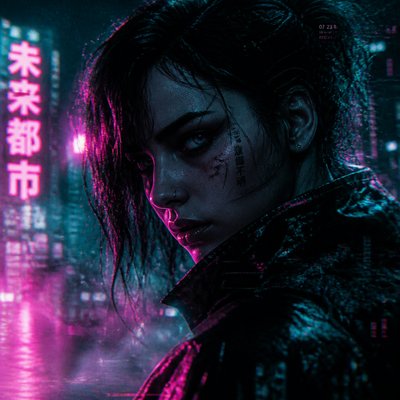
Cyberpunk usually shows advanced technology embedded in a functioning, if unequal, urban society, often with neon lighting and high-tech corporate control. Post-apocalyptic sci-fi art is more about breakdown, scarcity, and repair, with technology reduced to whatever can be salvaged or improvised.
How is it different from dystopian art?
Dystopian art can depict oppressive but intact societies, whereas post-apocalyptic art assumes that a major collapse has already happened. The key visual difference is the presence of ruin, abandonment, and environmental reclamation rather than merely authoritarian order.
What subjects work best in this style?
Scavengers, ruined cities, abandoned highways, survival camps, rusted machines, and overgrown infrastructure are especially effective. The style also works well for character portraits when the clothing, gear, and setting clearly show the pressures of survival.
How do I make my image feel convincing?
Focus on material detail and environmental logic: what has broken, what has been repaired, and what the weather has done over time. Realistic grime, wear, atmospheric haze, and functional improvised design go a long way toward making the scene believable.
Where is this style commonly used?
It appears often in film concept art, video games, book covers, comics, and speculative illustration. It is especially useful for projects about survival, environmental collapse, resource scarcity, and the long-term aftermath of disaster.
Create your first Post-Apocalyptic Sci-Fi artwork
Describe anything — or upload a photo — and see it in Post-Apocalyptic Sci-Fi Art in seconds.
Make Something with Post-Apocalyptic Sci-Fi
Compare Post-Apocalyptic Sci-Fi
Related Styles
Discover similar art styles