Post-Apocalyptic Sci-Fi vs Dystopian Sci-Fi: What's the Difference?
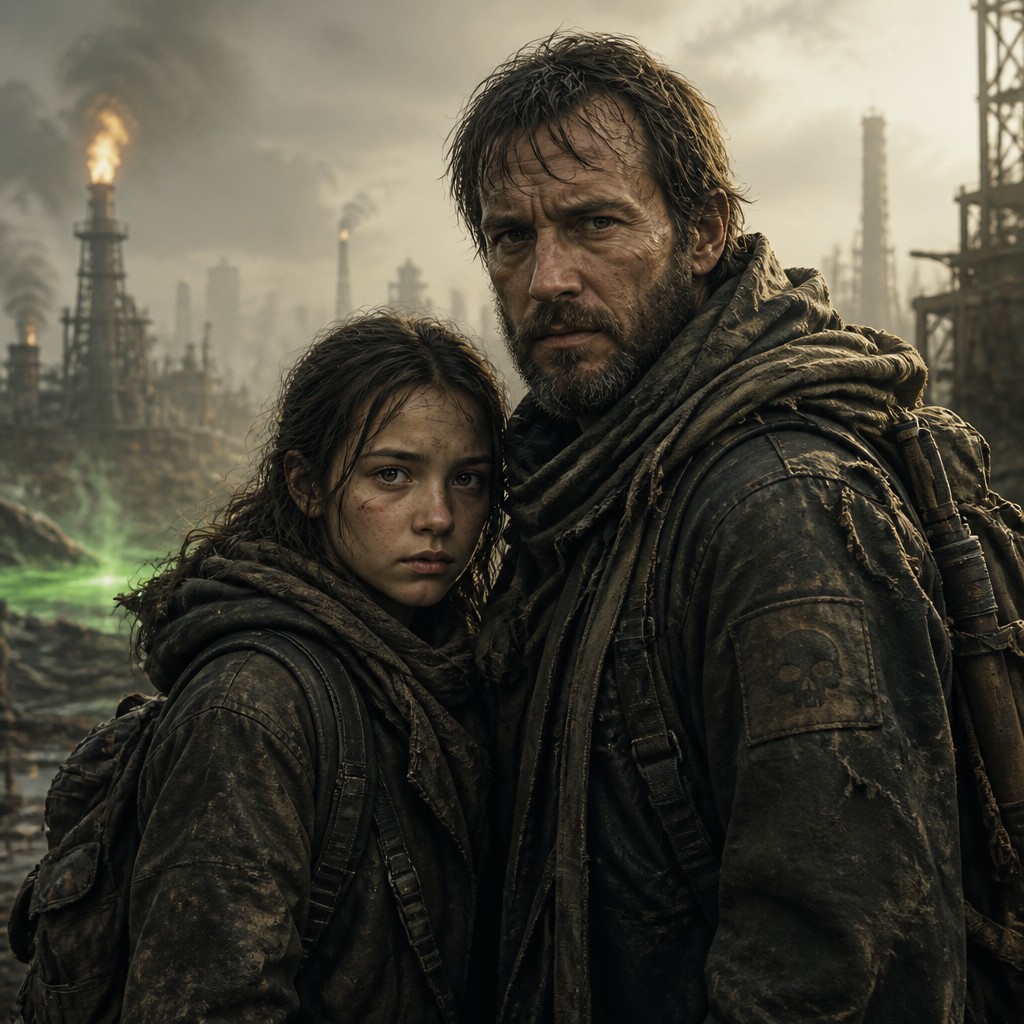
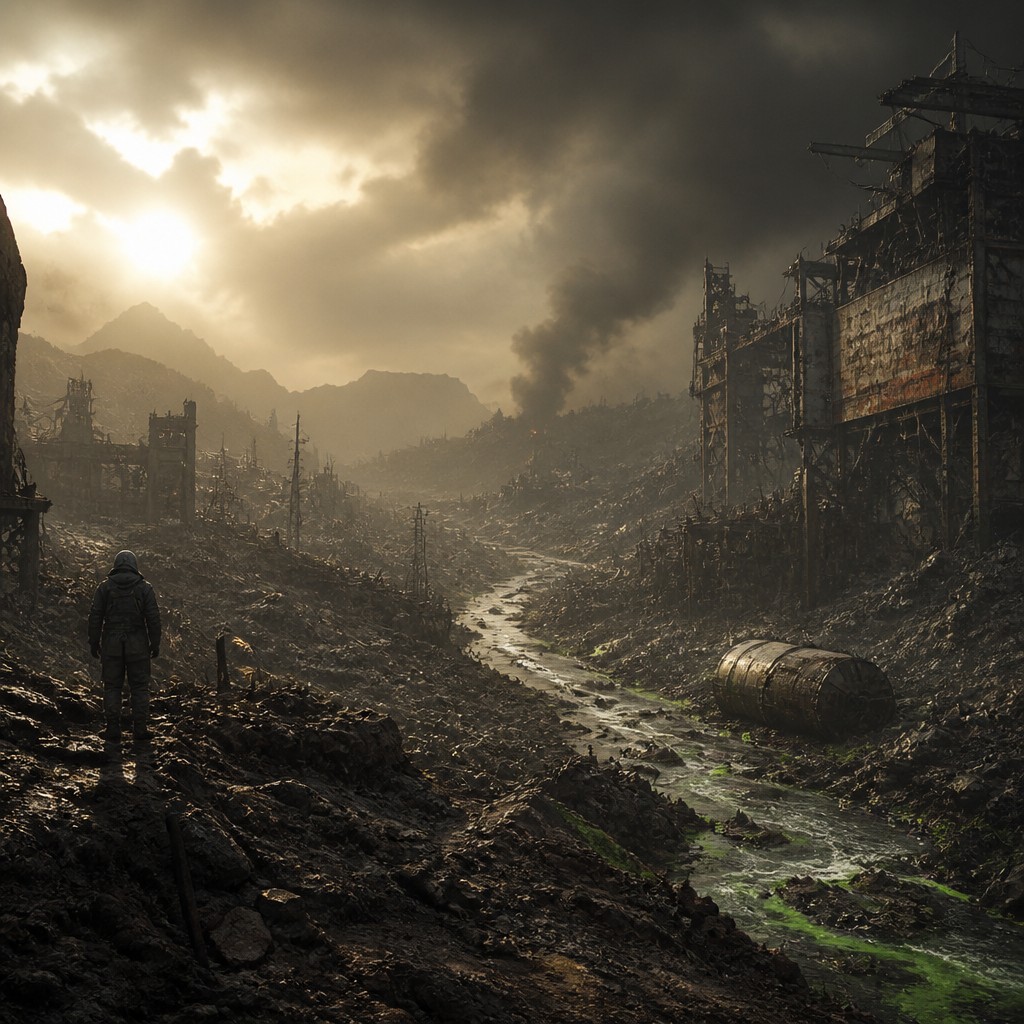
Post-Apocalyptic Sci-Fi Art depicts worlds after collapse, where scavengers, rusted machinery, broken infrastructure, and reclaimed ruins create a gritty sense of survival. Nature often pushes back into abandoned cities, and the mood feels weathered, improvised, and cinematic.
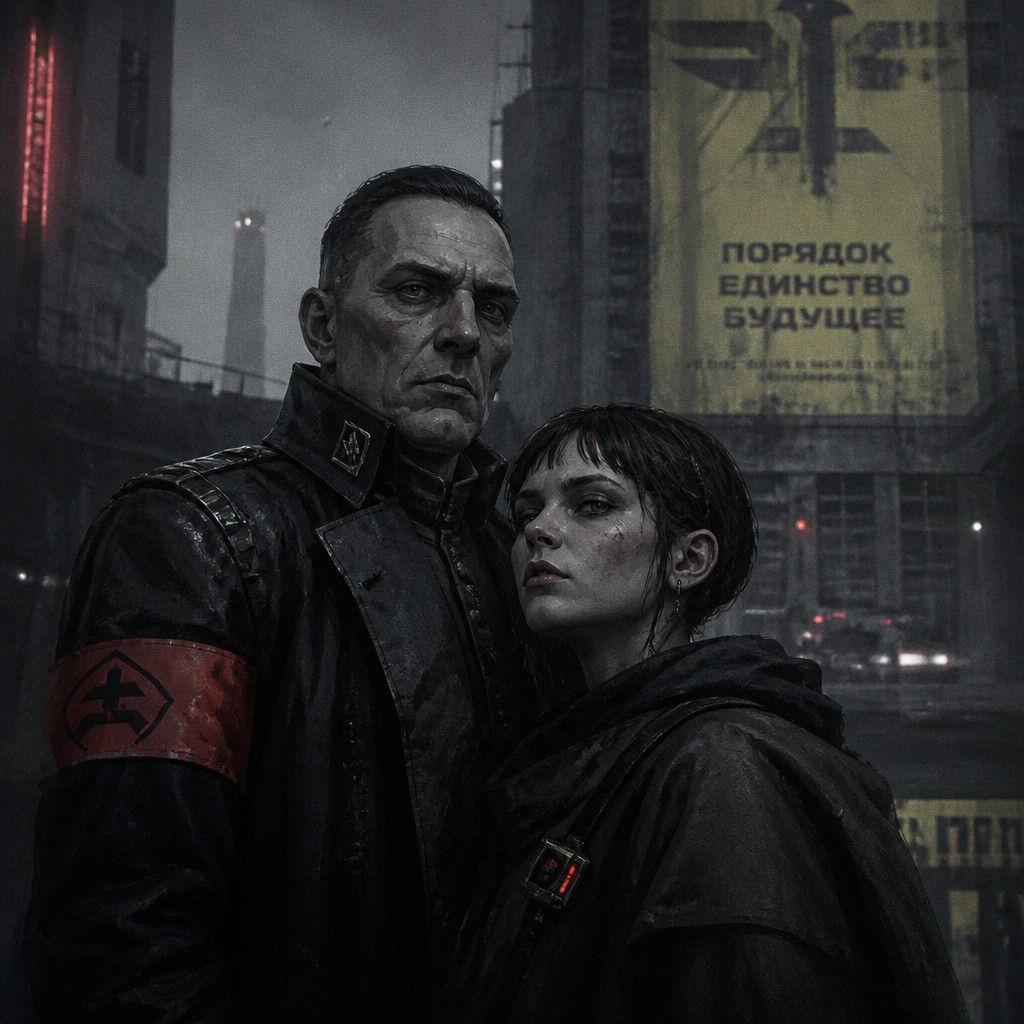
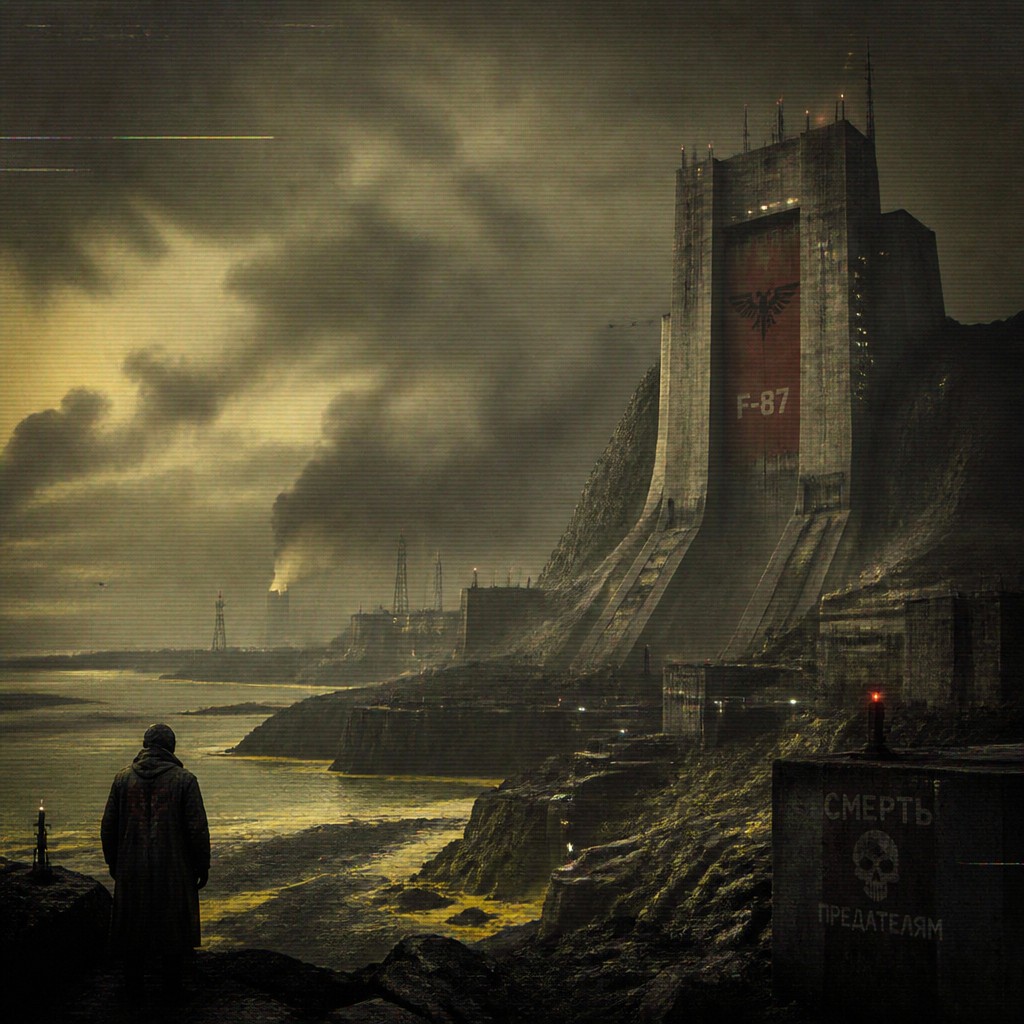
Dystopian Sci-Fi Art shows futures shaped by oppression, surveillance, and control, with bleak cities, rigid industrial design, and a heavy sense of social or political pressure. People compare the two because both use desaturated sci-fi imagery, ruined environments, and tense atmospheres, but one focuses on aftermath while the other focuses on systems of control.
Same Prompt, Both Styles
Each pair below was generated from the identical prompt — only the style changed.
“portrait of two people together”
“wide landscape with natural scenery”
“still life with everyday objects”
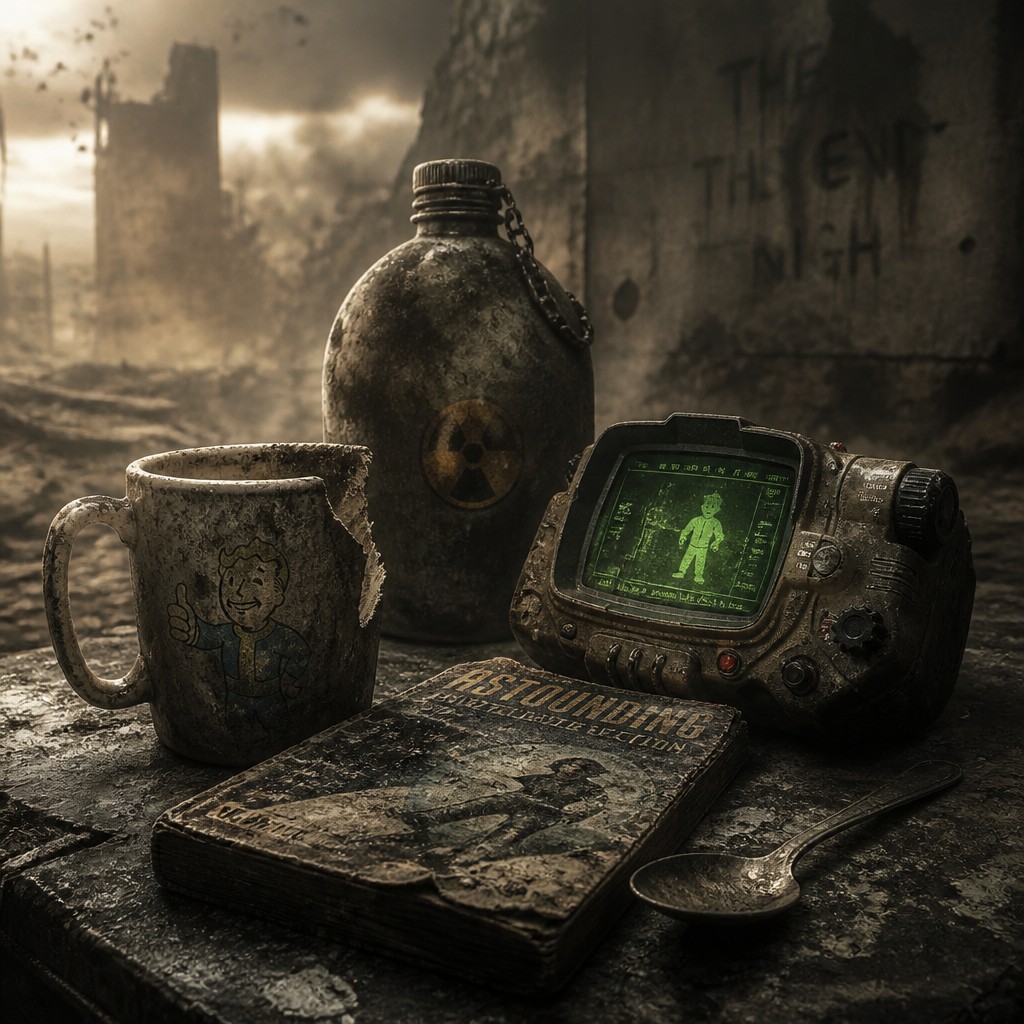
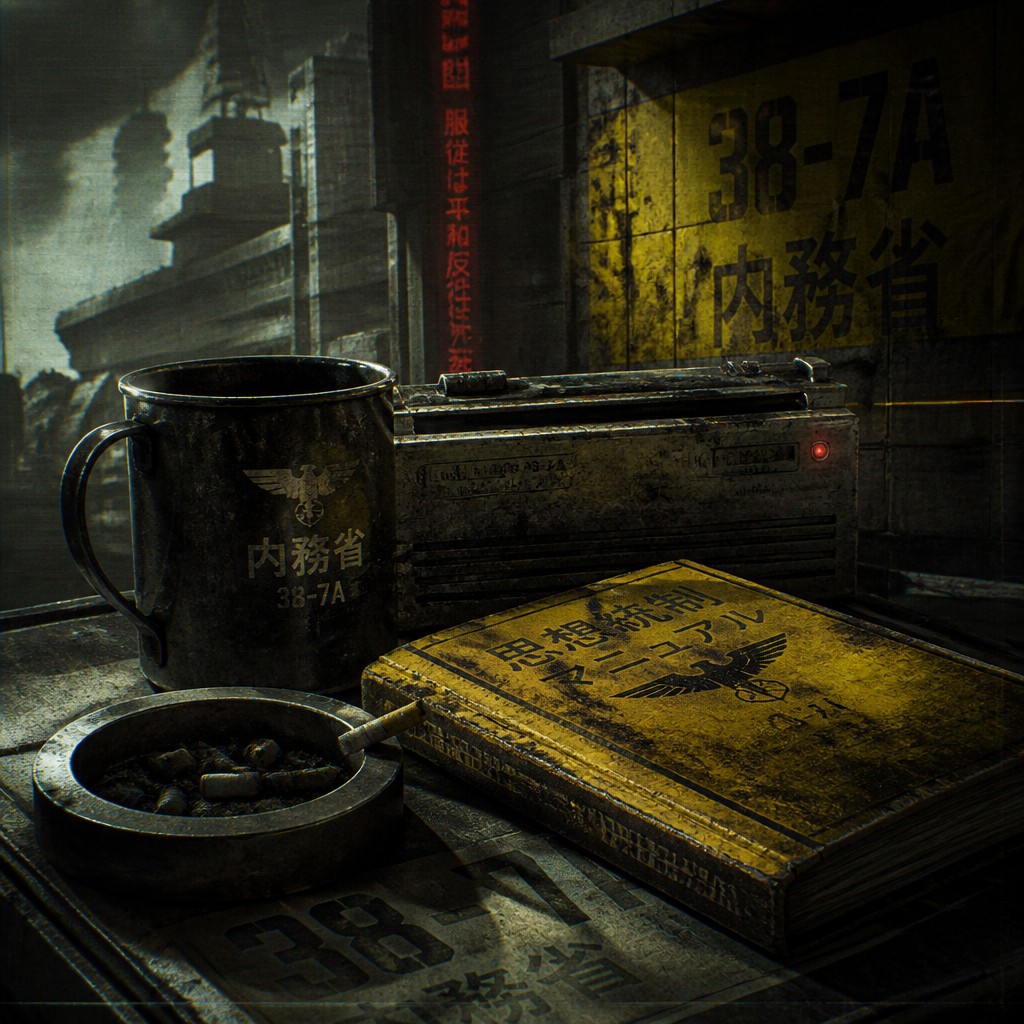
“bicyle resting against a wall”
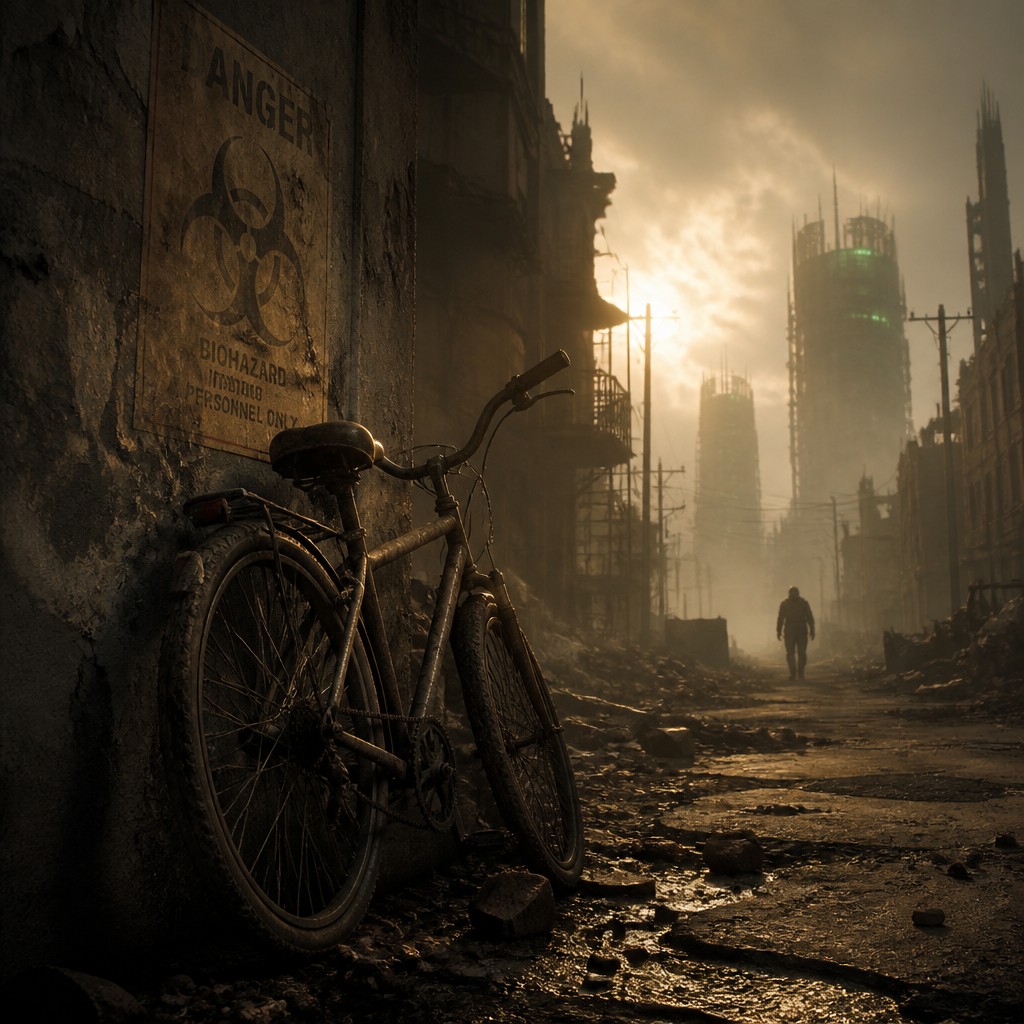
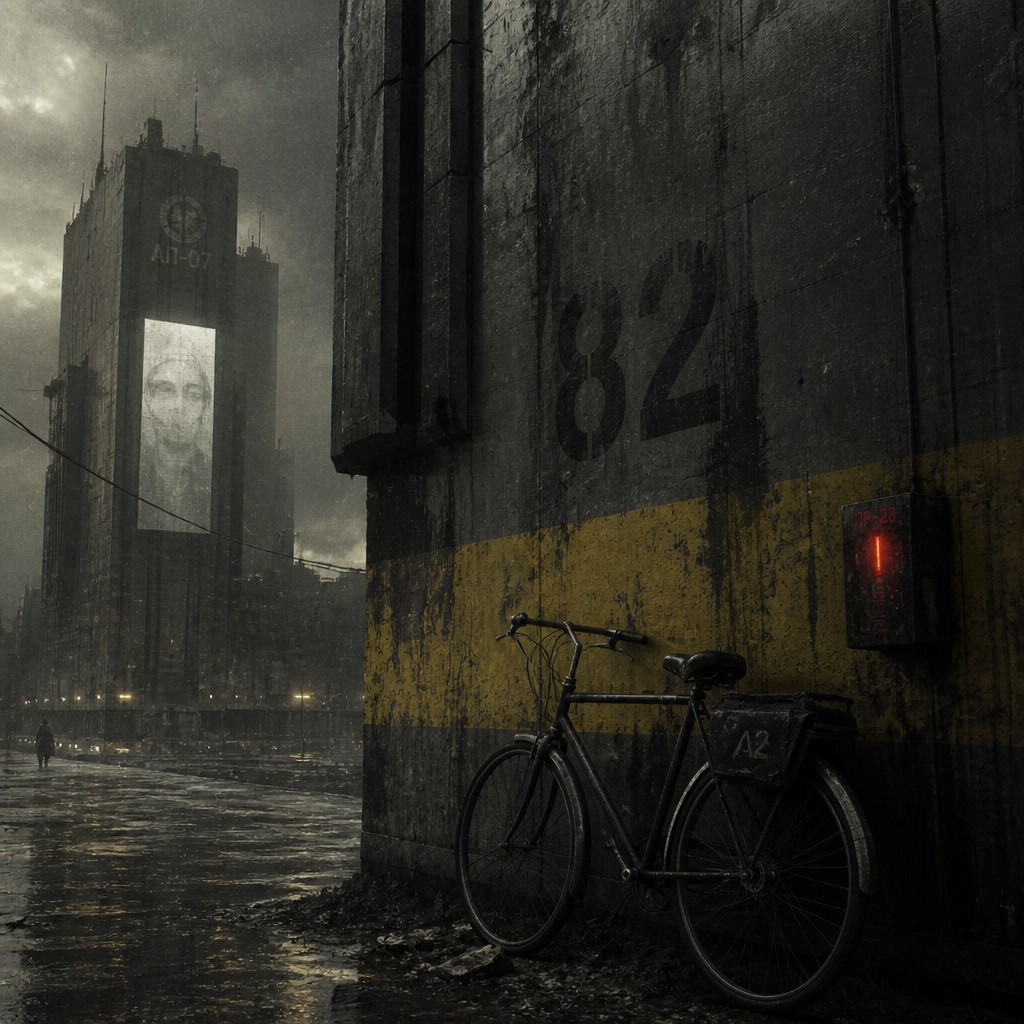
Key Differences
| Post-Apocalyptic Sci-Fi | Dystopian Sci-Fi | |
|---|---|---|
| Core theme | After survival, scavenging, and rebuilding in collapsed worlds. | Control, oppression, and life under a harsh system. |
| World state | Civilization is shattered or abandoned. | Civilization still exists, but it feels oppressive and degraded. |
| Visual mood | Rugged, improvised, and survival-driven. | Cold, rigid, and authoritarian. |
| Environment | Ruins overgrown by nature and decay. | Dense cities, industrial complexes, and controlled spaces. |
| Technology | Rusted, patched, repurposed, and scavenged. | Severe, standardized, and systemized. |
| Narrative focus | Small groups or lone figures enduring hardship. | Populations living under surveillance or regime power. |
| Color and lighting | Dusty, sun-bleached, and earthy with cinematic contrast. | Muted, gray, metallic, and starkly lit. |
| Mood | grim, tense, desolate, resilient | bleak, oppressive, anxious, gritty, alienated |
| Energy | intense | intense |
| Detail level | detailed | detailed |
| Color | dusty earth tones, rust, muted grays, faded accents | desaturated grays, rust, neon accents |
| Texture | weathered, corroded, gritty, patched | weathered metal, smoke, concrete, grime |
| Origin | late 20th-century speculative fiction imagery | late 20th-century speculative illustration |
| Best for | game concept art, book covers, movie posters, comic panels, tabletop RPG art | movie posters, game concept art, book covers, editorial spreads, worldbuilding references |
| Difficulty | advanced | advanced |
Which Should You Choose?
Choose Post-Apocalyptic Sci-Fi Art if you want the image to feel like a world after disaster, with scavenged objects, broken landscapes, and signs of nature reclaiming what was left behind. Choose Dystopian Sci-Fi Art if you want tension to come from social control, industrial severity, and the oppressive atmosphere of a functioning but unjust future society.
Frequently Asked Questions
Are post-apocalyptic and dystopian sci-fi the same thing?
No. Post-apocalyptic art is about the aftermath of collapse, while dystopian art is about a harmful system still running. They can overlap visually, but their story focus is different.
Why do both styles often look desaturated?
Muted color helps reinforce seriousness, hardship, and reduced comfort in the world. It also supports cinematic realism and makes rust, concrete, and debris feel more convincing.
Can a scene belong to both styles?
Yes. A ruined city under authoritarian rule could blend both, especially if it shows both collapse and control. In that case, the dominant theme determines which style is stronger.
Which style is better for action scenes?
Post-apocalyptic art often works well for chase, survival, or scavenging scenes because it has more environmental chaos. Dystopian art suits action that involves security forces, rebellion, or escaping a controlled system.