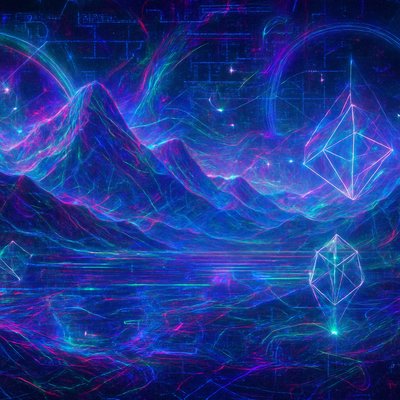
Magnetic Field Visualization
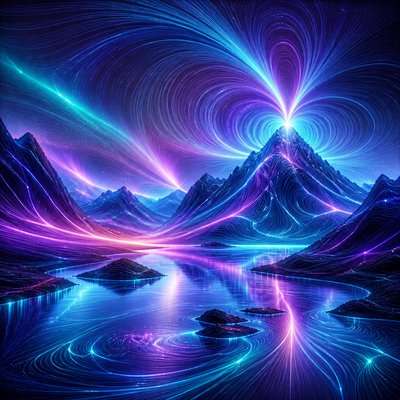
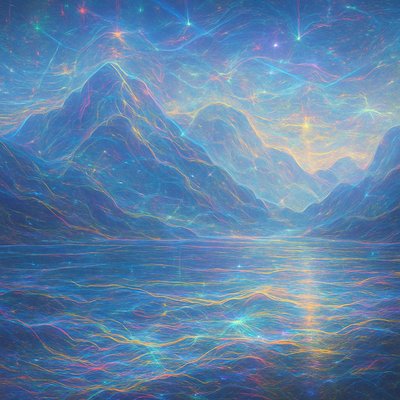
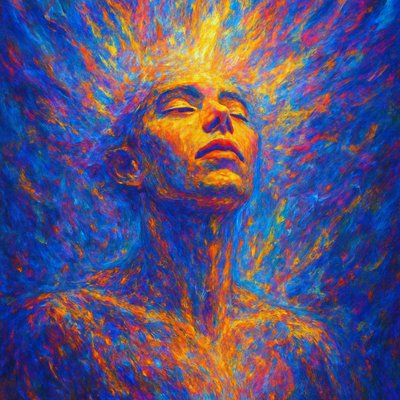
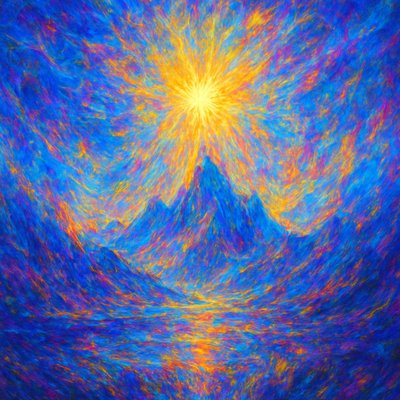
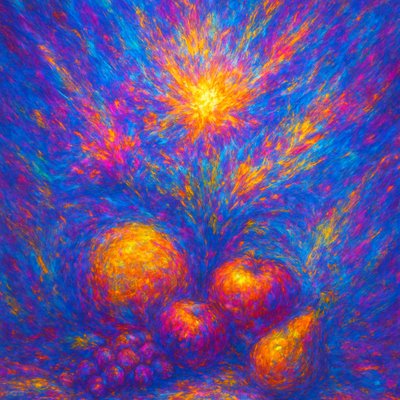
Luminous field lines, glowing ribbons, and electric color turn invisible magnetism into visible energy patterns.
Instantly rendered in Magnetic Field Visualization — or transform a photo
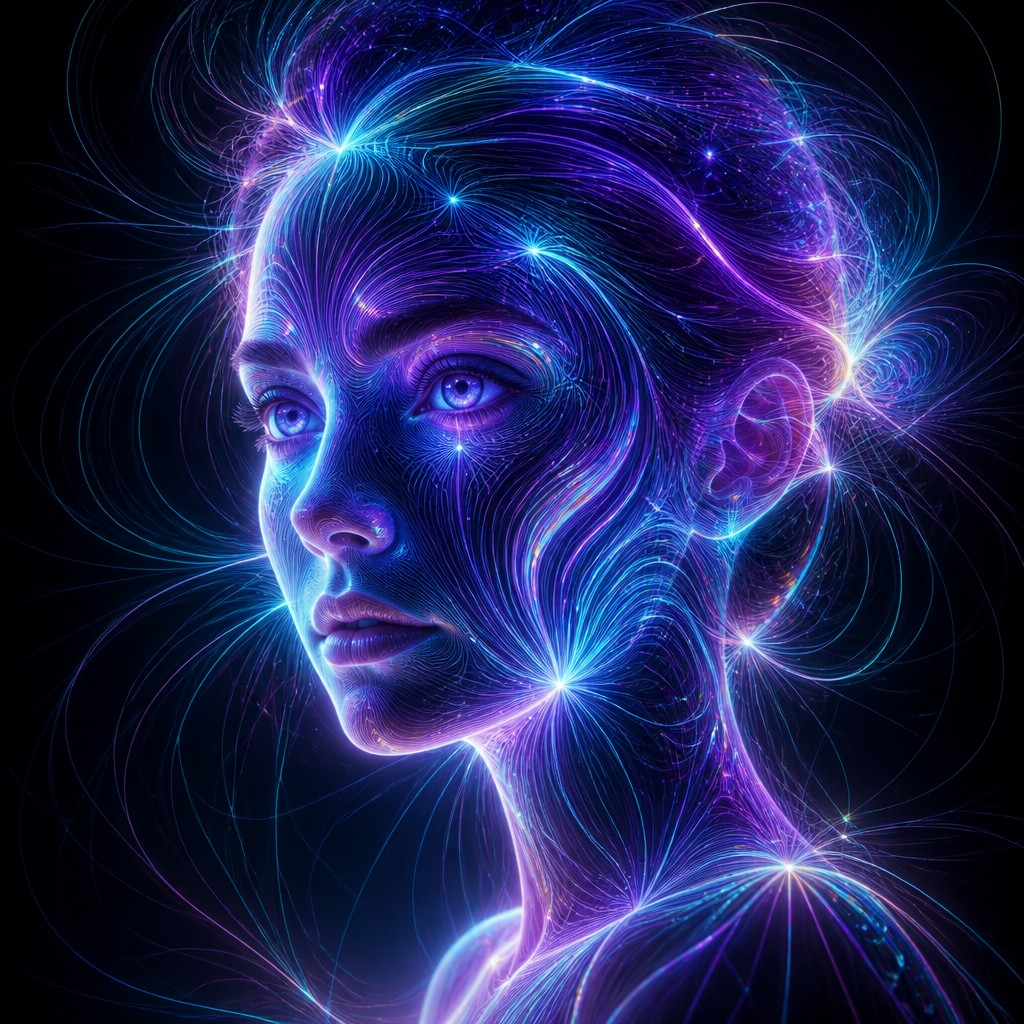
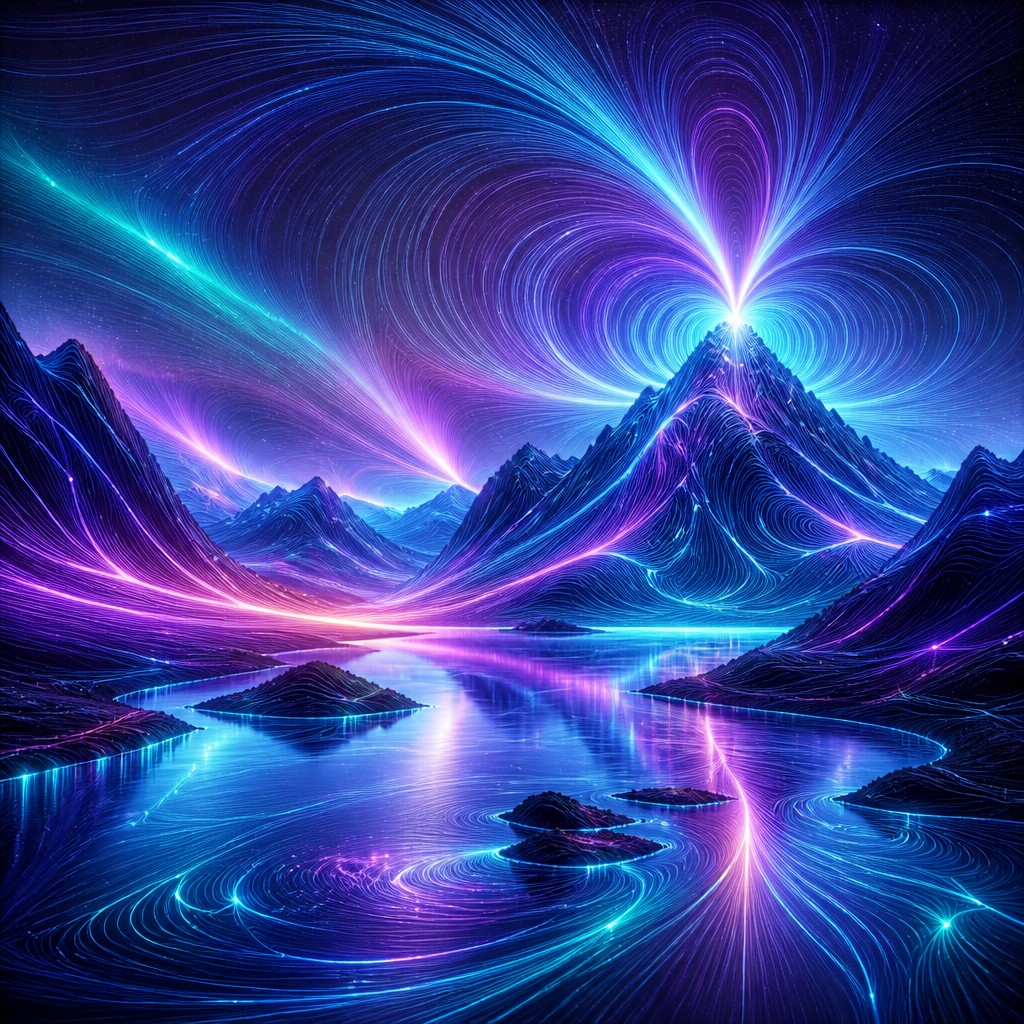

Magnetic Field Visualization Gallery
Tap any artwork to explore it





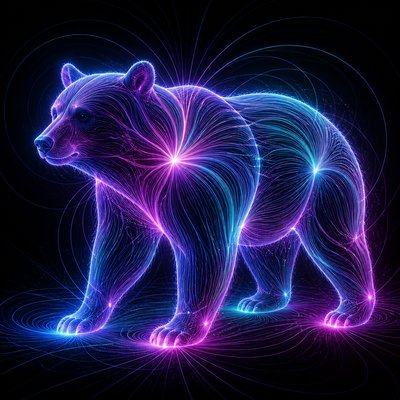
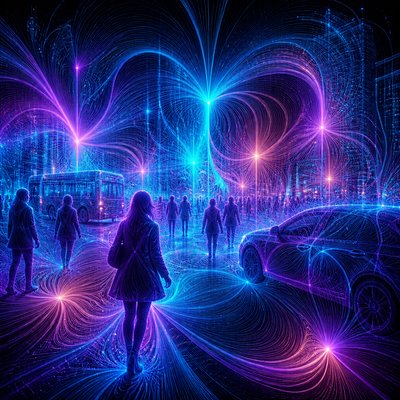
What is Magnetic Field Visualization?
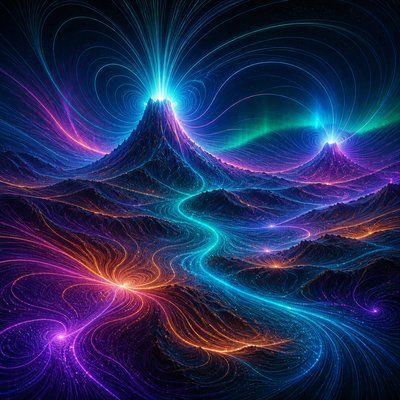
Magnetic Field Visualization is a contemporary, science-inspired visual style that makes invisible magnetic forces appear as luminous, flowing structures. It translates field lines, attraction, repulsion, and energy density into visible ribbons, arcs, loops, and particle trails, often arranged around a subject’s contours or across an empty dark space. The result is both analytical and atmospheric: a diagrammatic image that also reads as an elegant light-based composition.
Its visual identity depends on contrast between glowing structures and deep negative space. Cyan, magenta, violet, and other spectral hues are commonly used to suggest changing field strength and polarity, while soft bloom, hairline traces, and clustering of luminous strands create the impression of motion and force. The style looks the way it does because it borrows from real scientific field mapping, aurora imagery, long-exposure light effects, and digital illustration techniques that can render invisible phenomena as precise but expressive visuals.

Try It On Your Photos
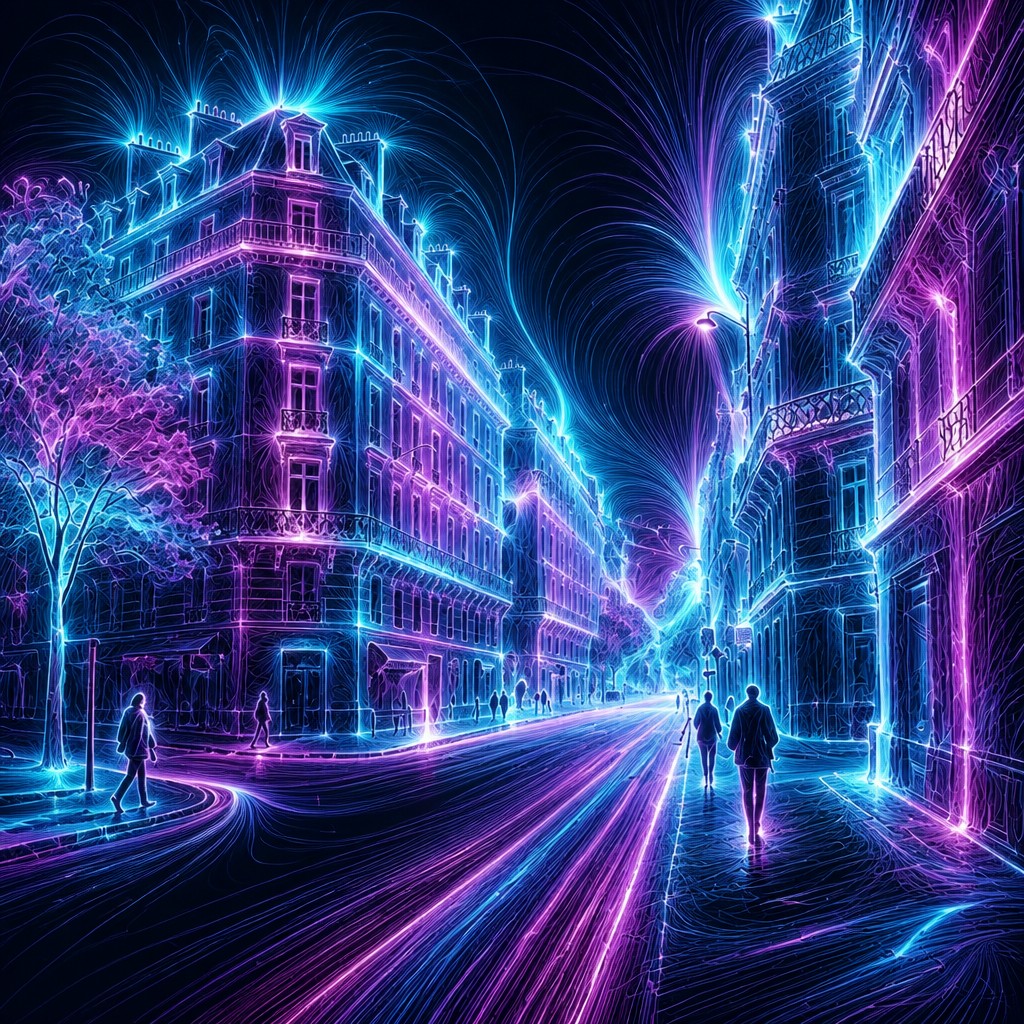
Upload any photo and convert it into Magnetic Field Visualization — drag the sliders to compare before and after.



What Defines Magnetic Field Visualization
The signature details, up close
Luminous field lines
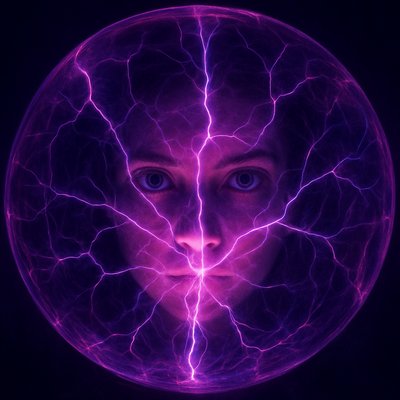
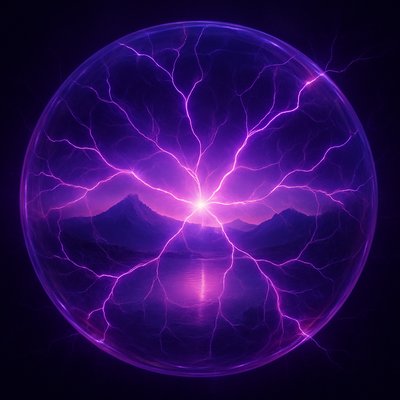
The defining motif is a network of glowing curves that suggest magnetic flux or force lines. They often wrap around a subject, orbit focal points, or sweep through space in graceful arcs.
Translucent energy ribbons
Instead of solid outlines, forms are built from semi-transparent streaks and layered filaments. This creates depth and the sense that the image is made from flowing energy rather than physical matter.
Polarity and convergence
The composition often shows areas of compression, bundling, and divergence, implying attraction and repulsion. Dense knots of light may indicate strong fields, while fanned-out strands suggest dispersion.
Electric spectral palette
Cyan, magenta, violet, and blue are common because they read as technologically charged and physically unreal. Subtle gradients and aurora-like shifts help the image feel active and dynamic.
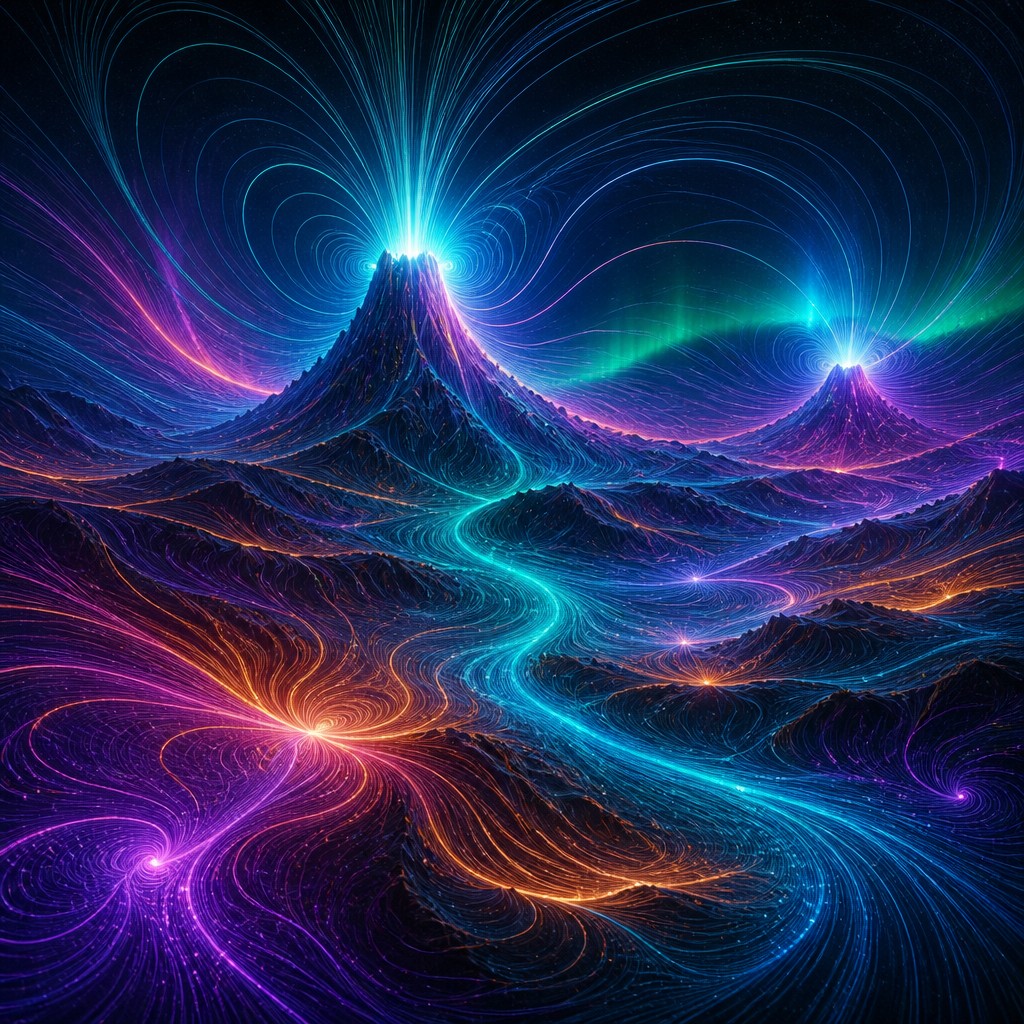
Dark negative space
Black or very deep backgrounds are used to make the luminous structures legible. The empty space is not incidental; it functions as the field environment against which the energy can be read.

Scientific-meets-organic flow
The imagery balances precision with softness, combining diagram-like structure with natural curves and fluid motion. This gives the style its distinctive blend of measurement and poetry.
Try It
Create Videos in Magnetic Field Visualization
Styles aren't just for stills — describe a scene or animate an image and get a short video rendered in Magnetic Field Visualization. Press play to see this pond come to life.
Make a VideoMagnetic Field Visualization Prompt Ideas
Start from an idea — each one opens the generator with the style ready to go. See all 40 Magnetic Field Visualization prompts →

“close-up portrait of an elderly person with expressive weathered features”

“a cat lounging in a sunlit window”

“bouquet of flowers in a glass vase”
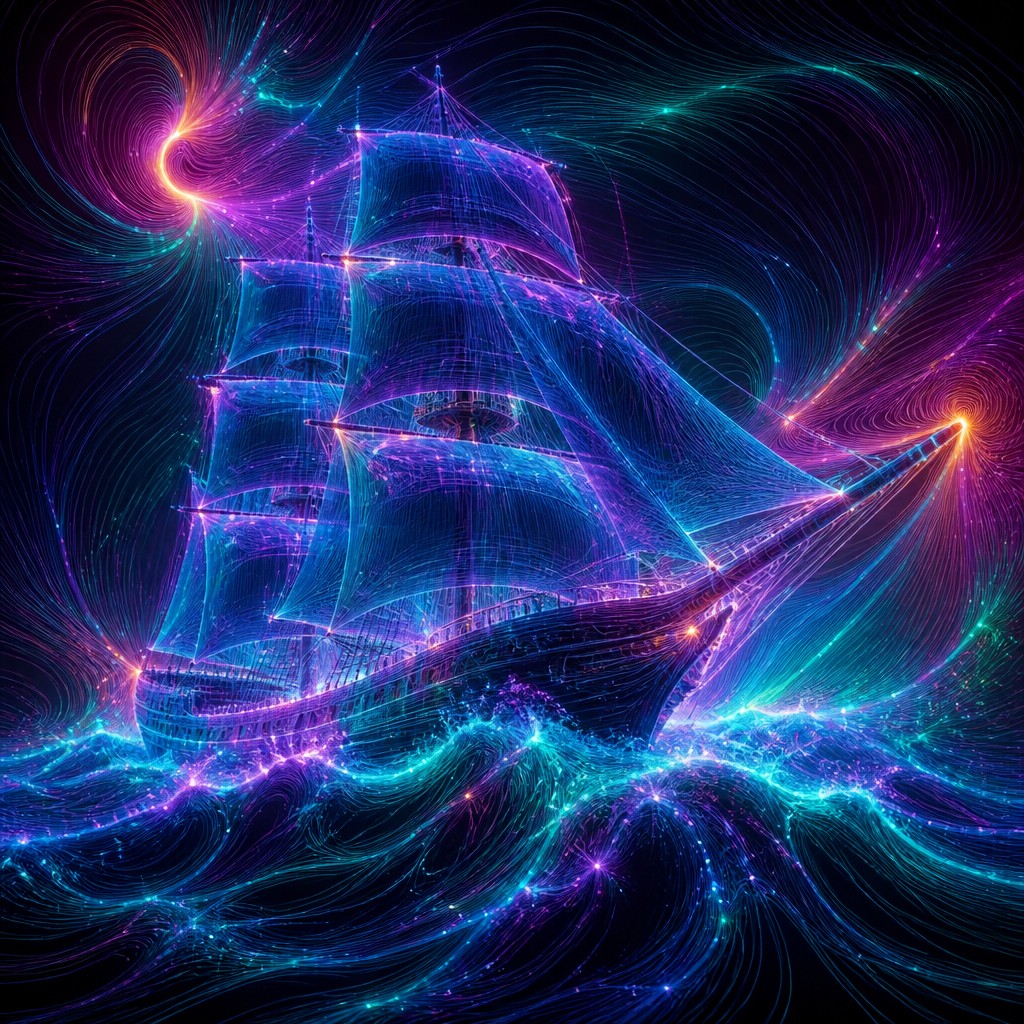
“sailing ship on a stormy sea”
How to Create Magnetic Field Visualization Art
Master the craft step by step — or skip straight to creating. Read the full guide →
- 1
Start with a clear subject silhouette
Whether drawing by hand or digitally, establish the main form first and then design the field lines to follow its contours or radiate from key points. The style reads best when the energy has a relationship to a recognizable underlying structure.
- 2
Layer thin lines over glowing cores
Use fine hairline strokes for the edges of the field and broader, softer glows at the centers of high-energy regions. In digital work, build this with additive blending, blur, and multiple line passes; in traditional media, use translucent inks, gel pens, or layered marker.
- 3
Control density to show force
Make the lines bundle tightly where the field is strongest and spread apart where it weakens. Varying line spacing, curvature, and brightness will make the image feel physically plausible even when it is highly stylized.
- 4
Use a restrained background
Keep the backdrop dark and uncluttered so the luminous forms remain the focus. A nearly black field, subtle vignette, or minimal atmospheric haze helps the energy structures stand out clearly.
- 5
Prompt for material and motion cues
When generating images, specify glowing translucent field lines, particle trails, aurora-like gradients, and dark negative space. Include the subject you want transformed, plus cues such as cyan-magenta-violet light, soft bloom, and scientific precision.

The Story
History & Origins of Magnetic Field Visualization
This is not a historic art movement with a single origin point, but an AI-native and digital style that grows out of several older visual traditions. Its most direct lineage comes from scientific visualization, especially diagrams of force fields, particle trajectories, and contour maps, combined with the aesthetics of light painting, neon illustration, and abstract digital effects. It also echoes the way physicists and designers visualize electromagnetic phenomena in textbooks, posters, and motion graphics.
The style developed in contemporary digital culture where artists and designers increasingly transform data, energy, and physics into immersive imagery. Its look is closely related to generative abstraction, procedural line work, and cinematic VFX representations of energy, but it is distinct in treating magnetic behavior as a central subject rather than a background effect. Because of that, it sits at the intersection of science illustration, abstract light art, and speculative sci-fi imagery.
Influences: Magnetic Field Visualization draws from scientific illustration, data visualization, and the visual language of electromagnetic diagrams, while its atmosphere owes much to light painting, neon abstraction, and digital VFX. It also overlaps with generative art and sci-fi concept design, where artists use glow, motion, and layered line systems to depict invisible forces. Unlike purely abstract light art, however, this style emphasizes a readable relationship between force patterns and subject form.
Frequently Asked Questions
What defines Magnetic Field Visualization?
It is defined by luminous, flowing field lines that make invisible magnetic or electromagnetic forces visible. The style usually combines glowing ribbons, particle trails, and dark negative space to suggest motion, polarity, and energy density. It is both scientific in structure and expressive in appearance.
Is this the same as neon art or abstract light painting?
Not exactly. Neon art and light painting may also rely on glow and luminous trails, but Magnetic Field Visualization specifically imitates the behavior of force fields and flux lines. The composition often feels diagrammatic, as if energy is being mapped rather than simply decorated.
What subjects work best in this style?
Subjects with clear outlines or symbolic power work especially well, such as portraits, animals, figures, machines, and celestial objects. The style can also be applied to landscapes or abstract forms when the field lines are used to structure space. The strongest results usually come from subjects with a strong central silhouette.
How do I make the image feel physically believable?
Use consistent line direction, clear areas of convergence and repulsion, and brightness changes that imply strength and distance. Real magnetic fields are invisible, so the image needs internal logic: lines should curve smoothly and cluster where the force is strongest. Even when stylized, the composition should feel as if it follows an underlying rule.
Where is this style commonly used?
It is common in sci-fi posters, album art, motion graphics, album covers, conceptual illustration, and technology branding. It also appears in editorial graphics and experimental digital art because it can communicate energy, transformation, and invisible systems quickly and clearly.
Can I use this style in traditional media?
Yes, though it is especially suited to digital tools. Traditional artists can approximate it with luminous inks, acrylic glazing, colored pencil over dark paper, metallic markers, or mixed media with layered transparent marks. The key is to preserve the contrast between bright field lines and deep surrounding space.
Create your first Magnetic Field Visualization artwork
Describe anything — or upload a photo — and see it in Magnetic Field Visualization in seconds.
Make Something with Magnetic Field Visualization
Related Styles
Discover similar art styles