Afrofuturism Art Style
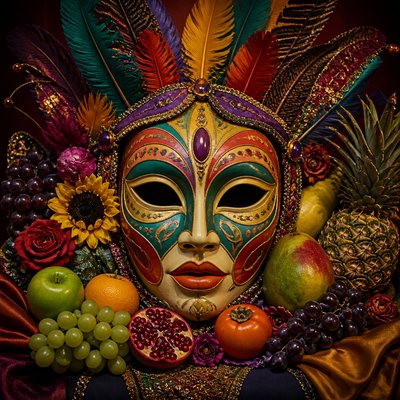
Afrofuturism blends African diaspora culture, science fiction, technology, and cosmic imagery to imagine Black futures.
Instantly rendered in Afrofuturism — or transform a photo
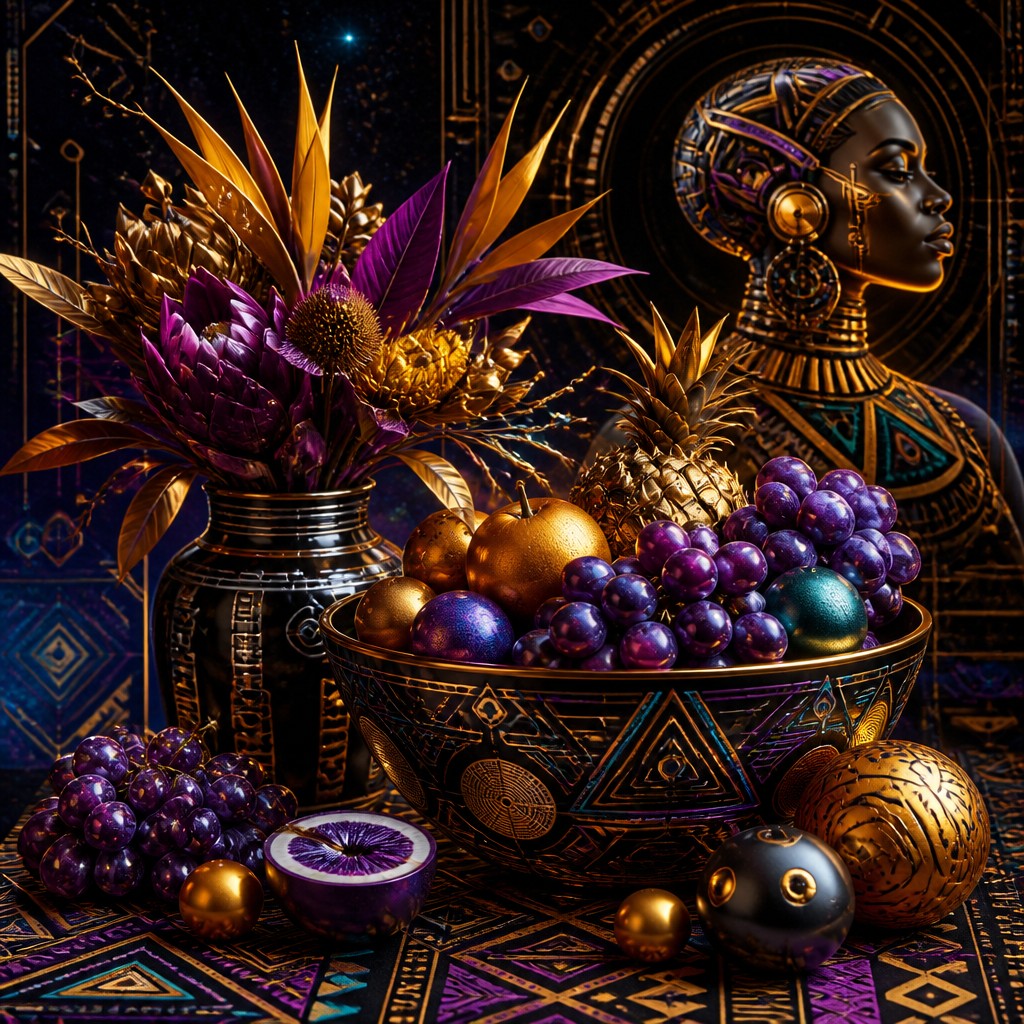
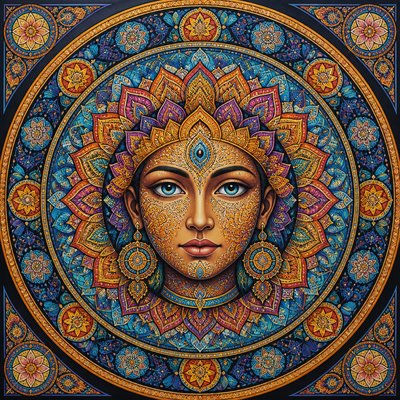
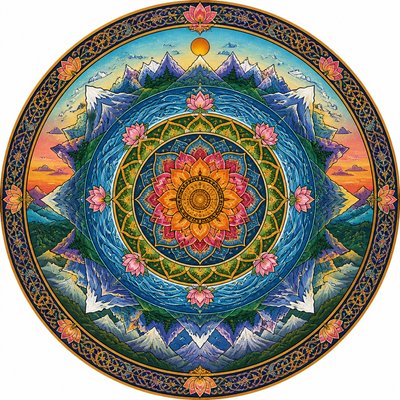
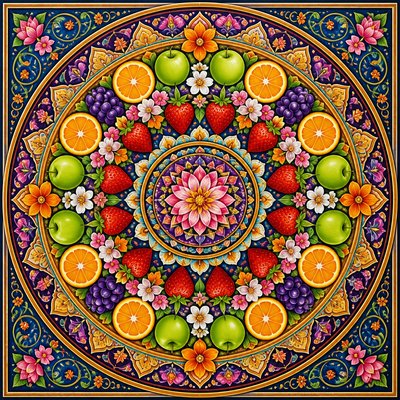
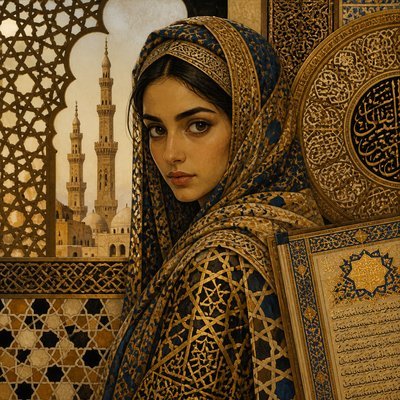
Afrofuturism Gallery
Tap any artwork to explore it
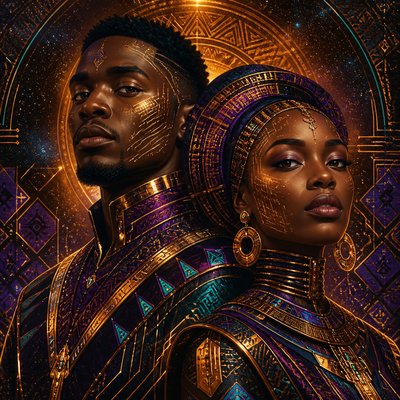
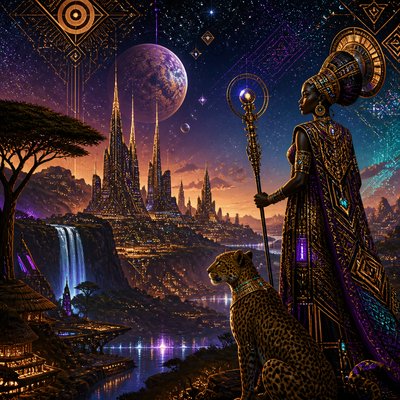
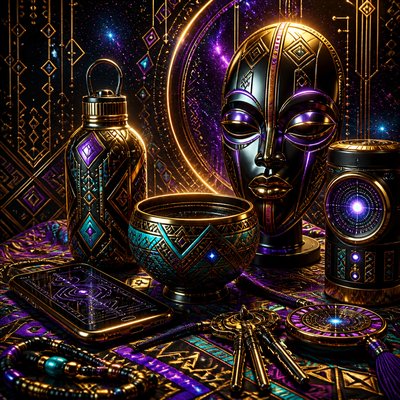
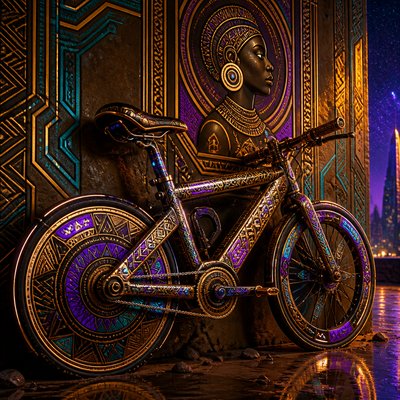
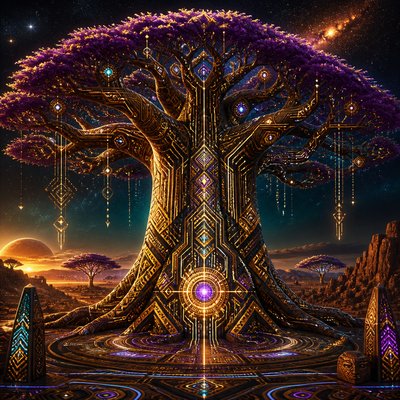
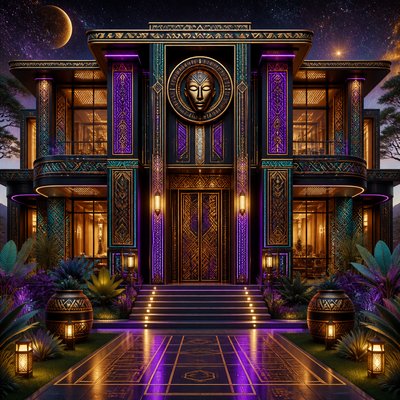
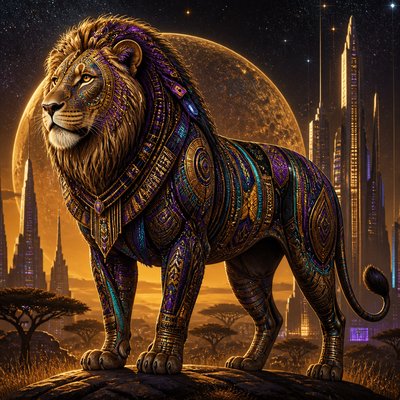
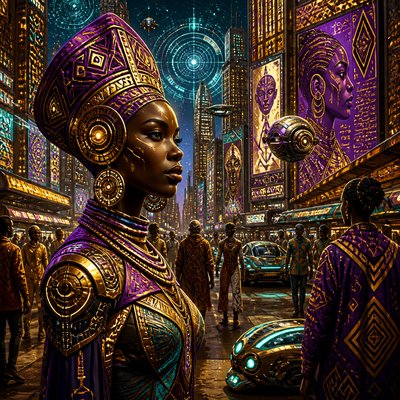
What is Afrofuturism Art Style?
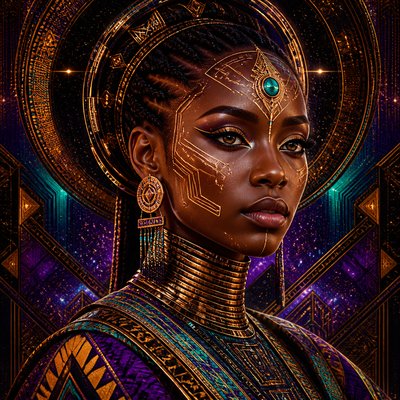
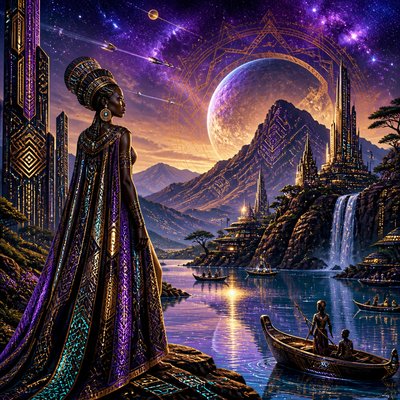
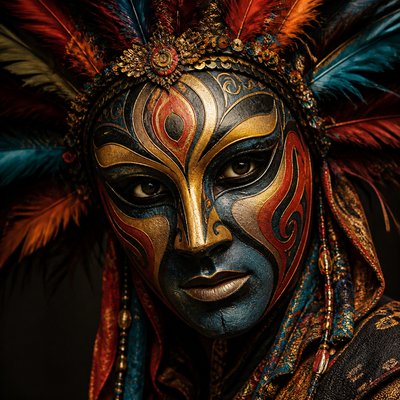
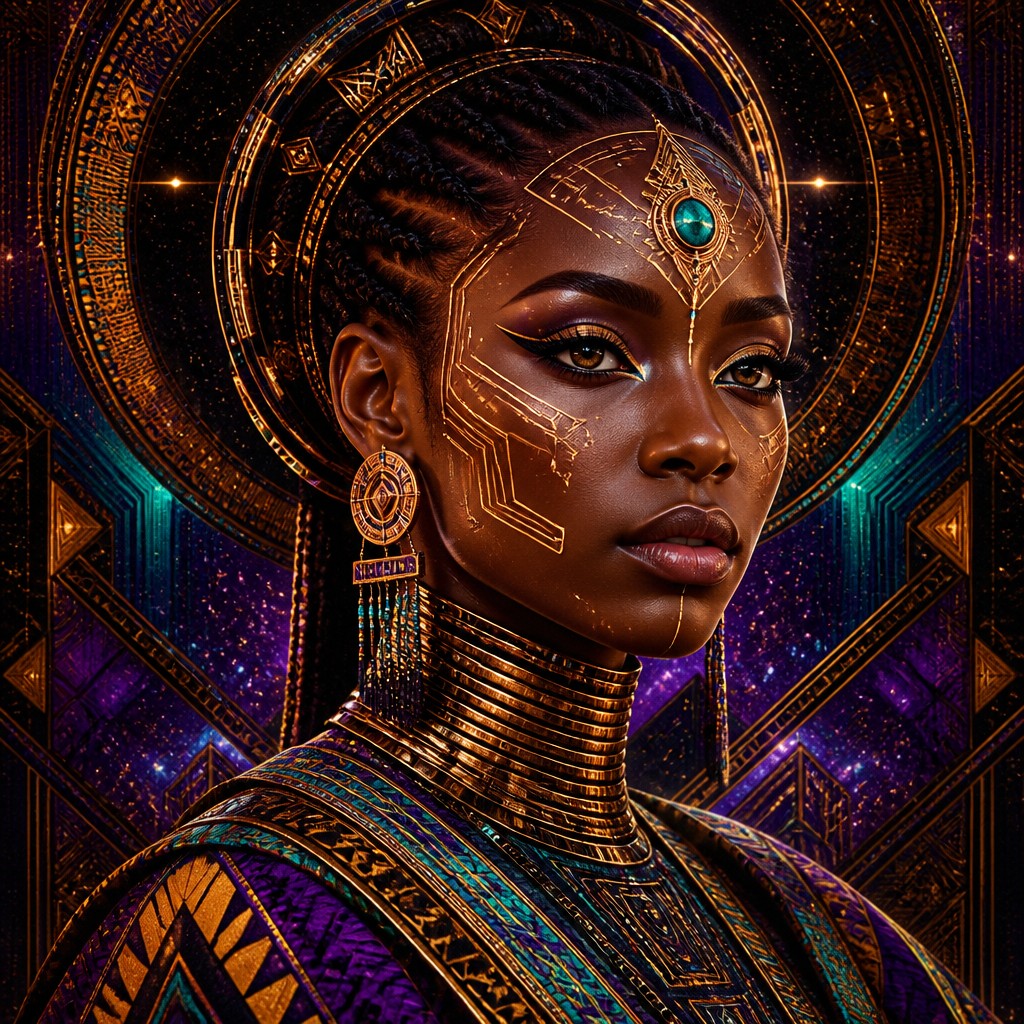
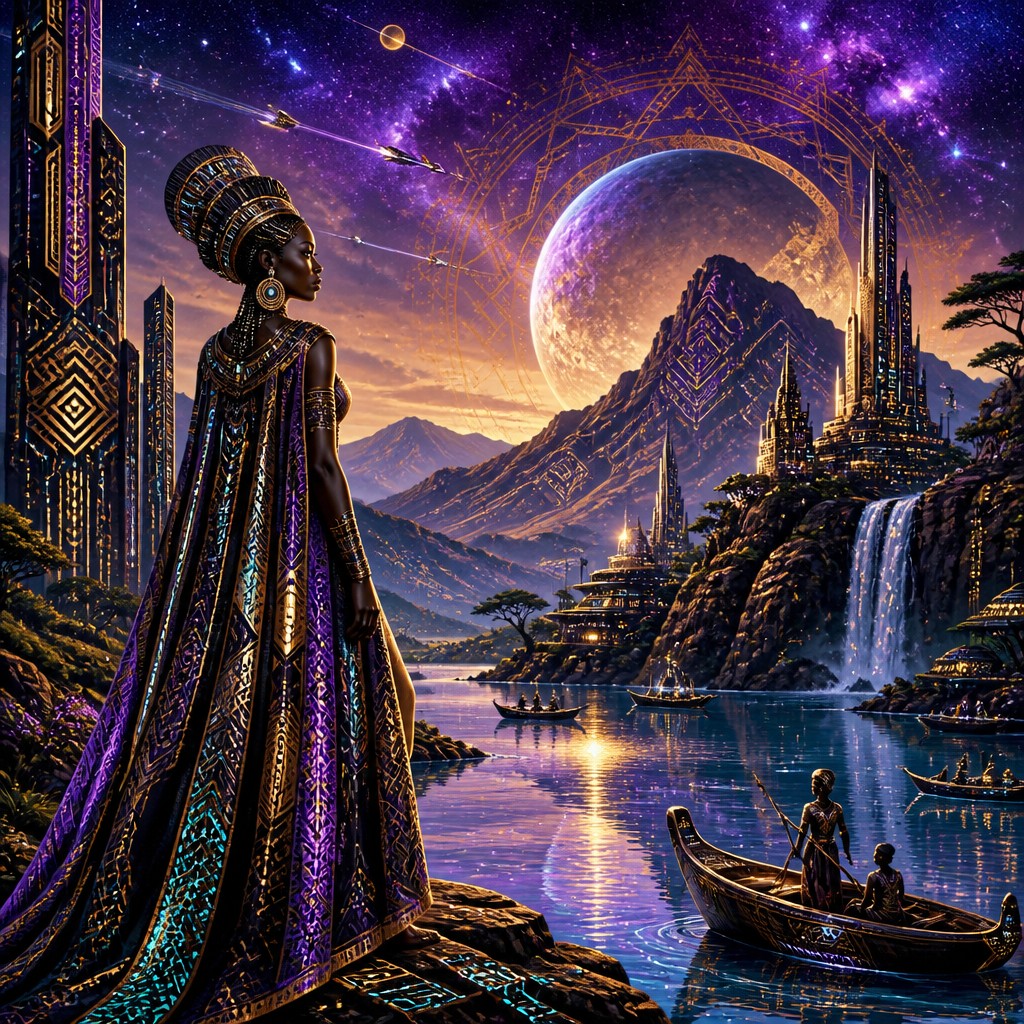
Afrofuturism is a visual and cultural aesthetic that combines African diaspora identities, historical memory, speculative science fiction, and advanced technology. In art, it often appears as a fusion of ceremonial regalia, symbolic patterning, futuristic architecture, space imagery, and luminous metals and neon-like color, all used to reframe Black presence in imagined futures rather than only in histories of oppression.
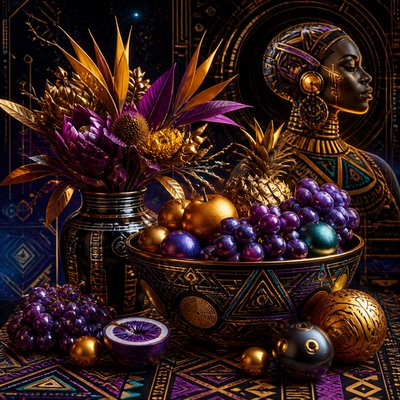
Its visual identity is typically bold and layered: jewel tones, deep contrast, geometric motifs, glowing lines, and references to textiles, adornment, and ritual objects. The style looks the way it does because it draws from both ancestral visual languages and speculative design, creating worlds where cultural inheritance and technological advancement coexist rather than oppose one another.
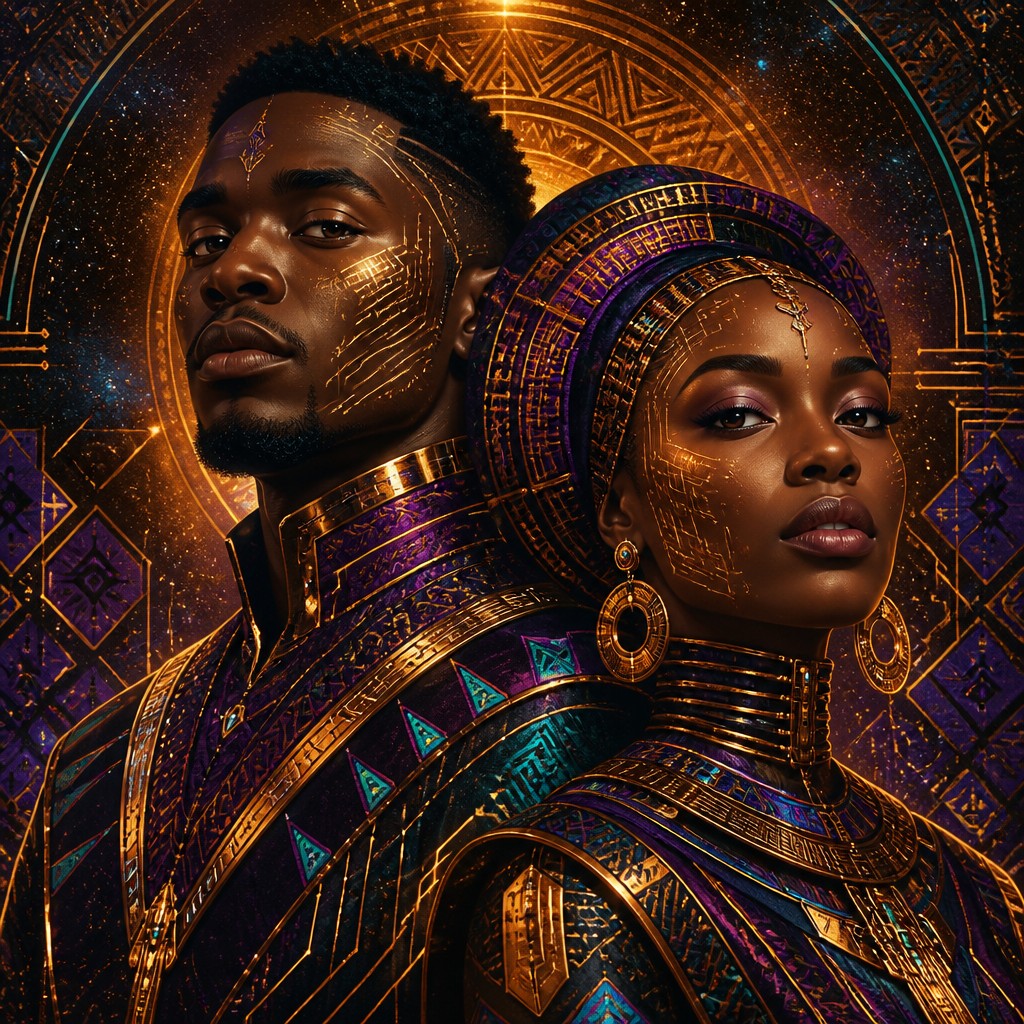
Try It On Your Photos
Upload any photo and convert it into Afrofuturism Art Style — drag the sliders to compare before and after.
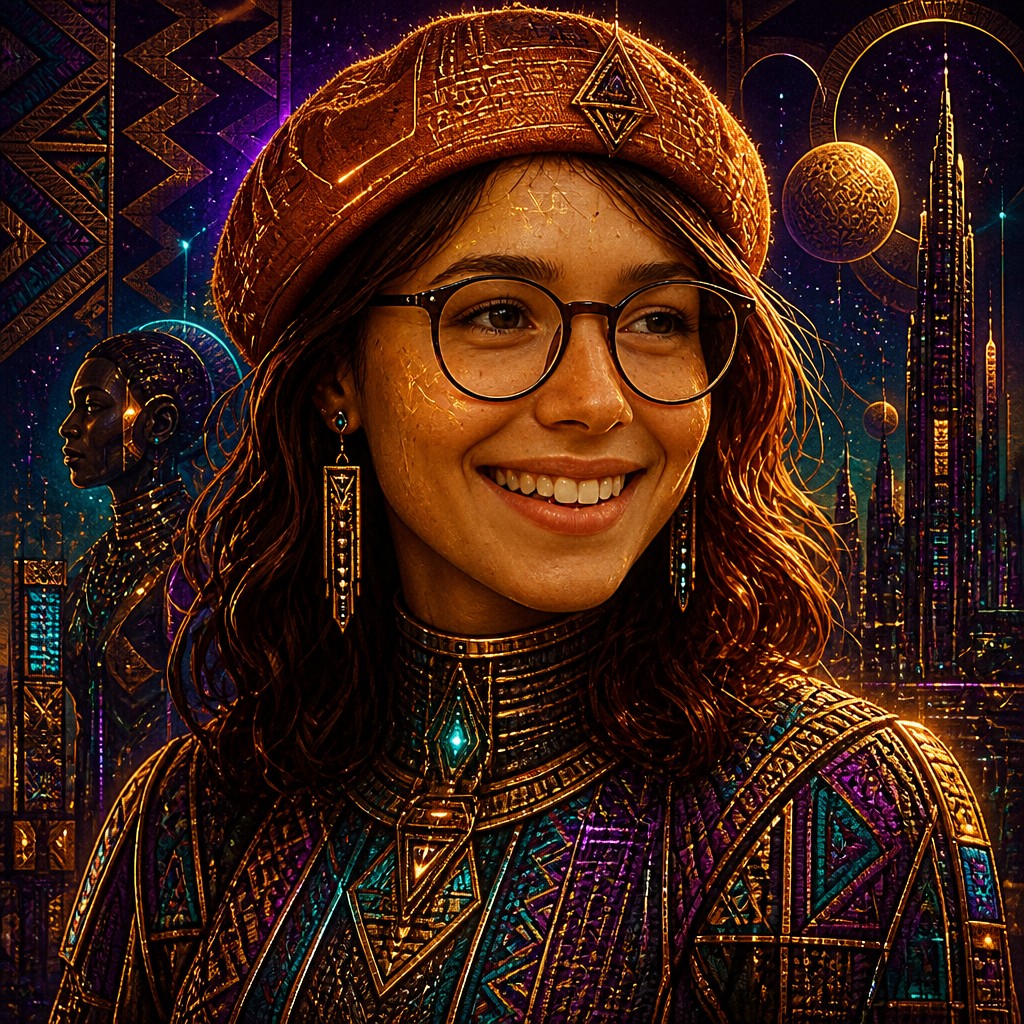

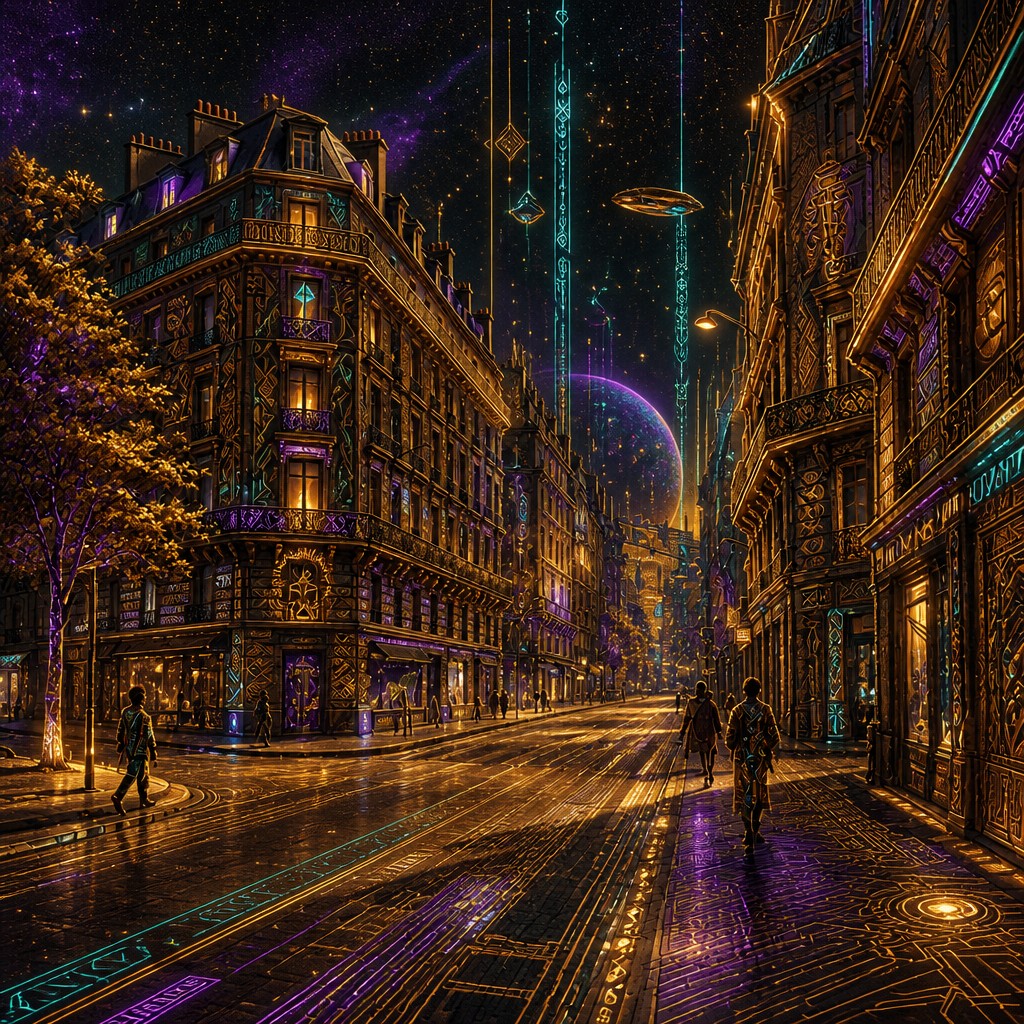

What Defines Afrofuturism Art Style
The signature details, up close
Ancestral pattern and symbolism
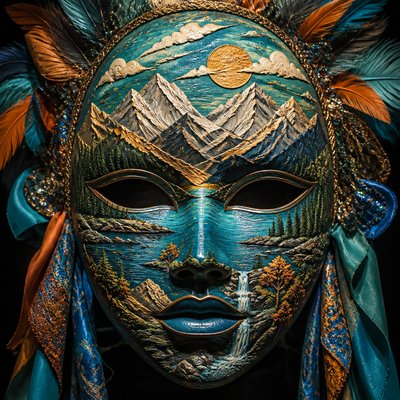
Textile-inspired geometry, mask-like forms, ritual motifs, and sacred emblems are often central. These elements connect futuristic imagery to cultural memory and inherited visual systems.
Futuristic technology motifs
Circuit traces, holographic effects, mechanical details, and sleek sci-fi architecture create a sense of advanced invention. Technology is often portrayed as culturally embedded rather than cold or detached.
Cosmic and celestial imagery
Starfields, nebulae, planets, and radiant halos are common, suggesting expansion, migration, and alternate futures. The cosmos often functions as a metaphor for freedom and possibility.
Rich jewel-tone palette
Electric purple, cosmic gold, turquoise, bronze, copper, and deep earth tones are widely used. High contrast and glowing highlights help unify ceremonial warmth with futuristic sheen.
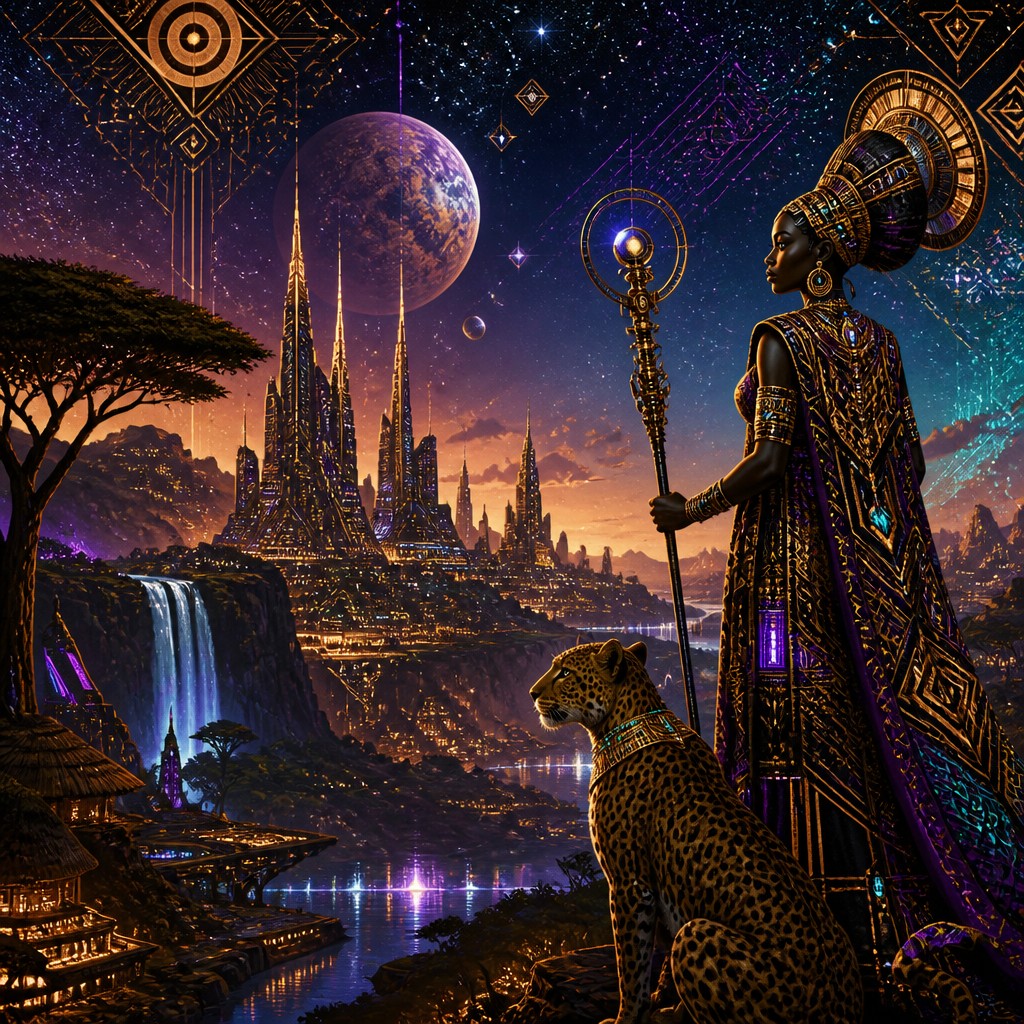
Regal and ceremonial presence
Figures are frequently posed with dignity, authority, or mythic calm. Crowns, armor, jewelry, and layered garments often elevate the subject into a visionary or imperial register.
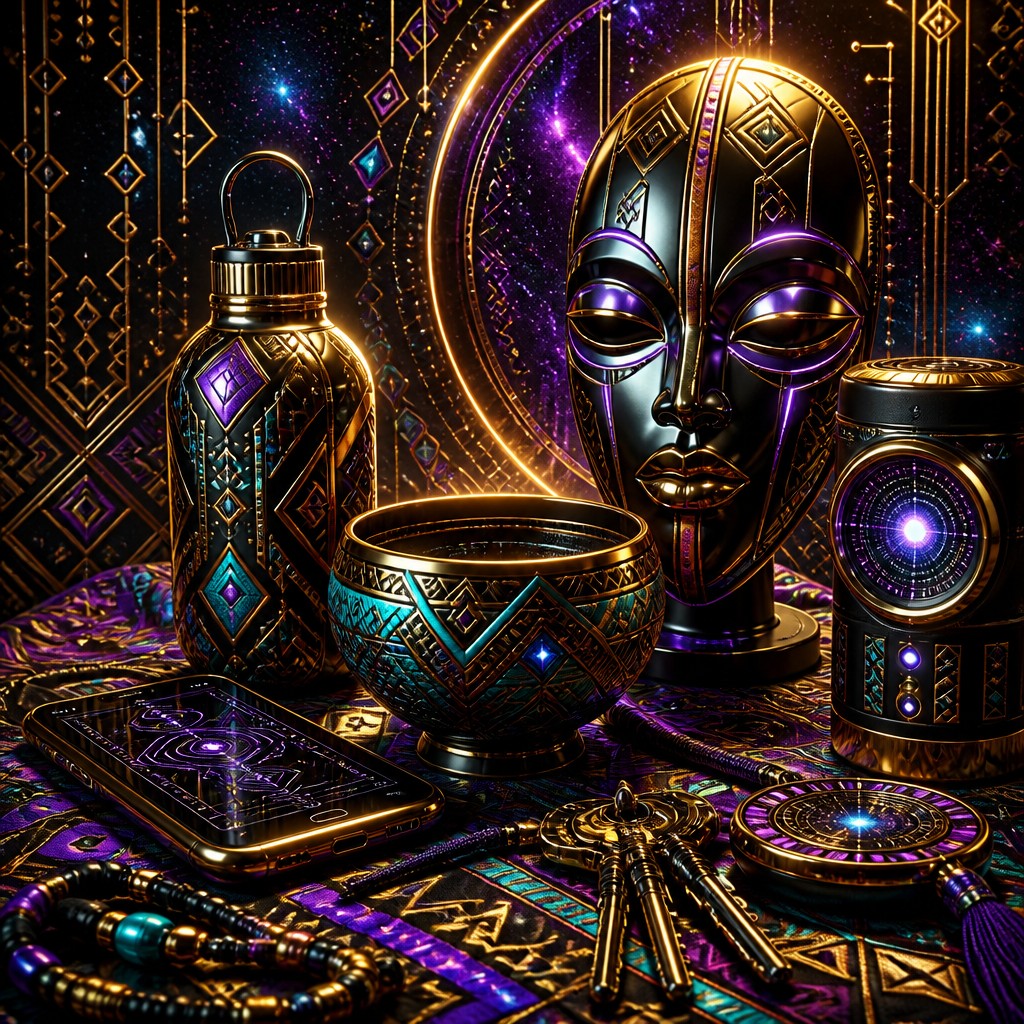
Hybrid materiality
The style often merges natural surfaces with metallic, luminous, or digital effects. Wood, cloth, skin, stone, glass, and chrome may coexist in the same image to emphasize continuity between past and future.
Try It
Create Videos in Afrofuturism Art Style
Styles aren't just for stills — describe a scene or animate an image and get a short video rendered in Afrofuturism. Press play to see this pond come to life.
Make a VideoAfrofuturism Prompt Ideas
Start from an idea — each one opens the generator with the style ready to go. See all 40 Afrofuturism prompts →
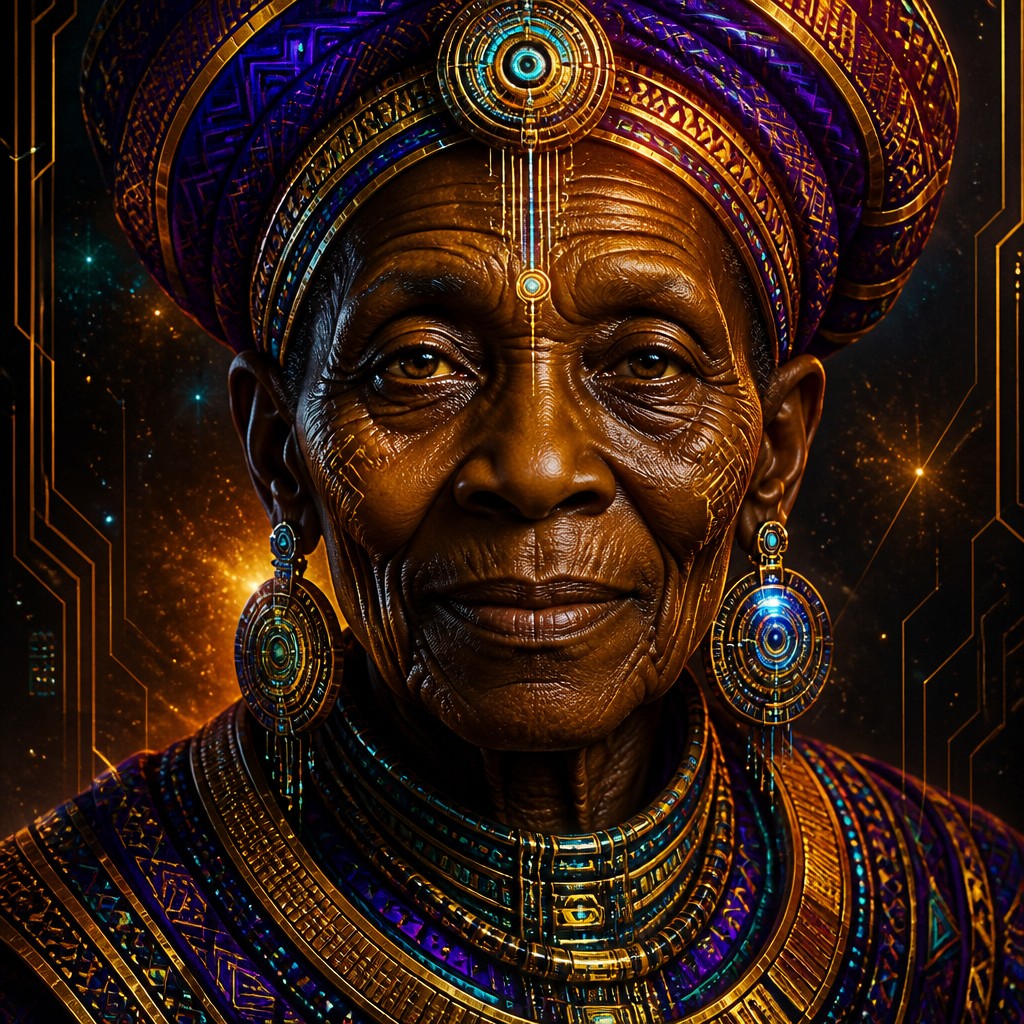
“close-up portrait of an elderly person with expressive weathered features”
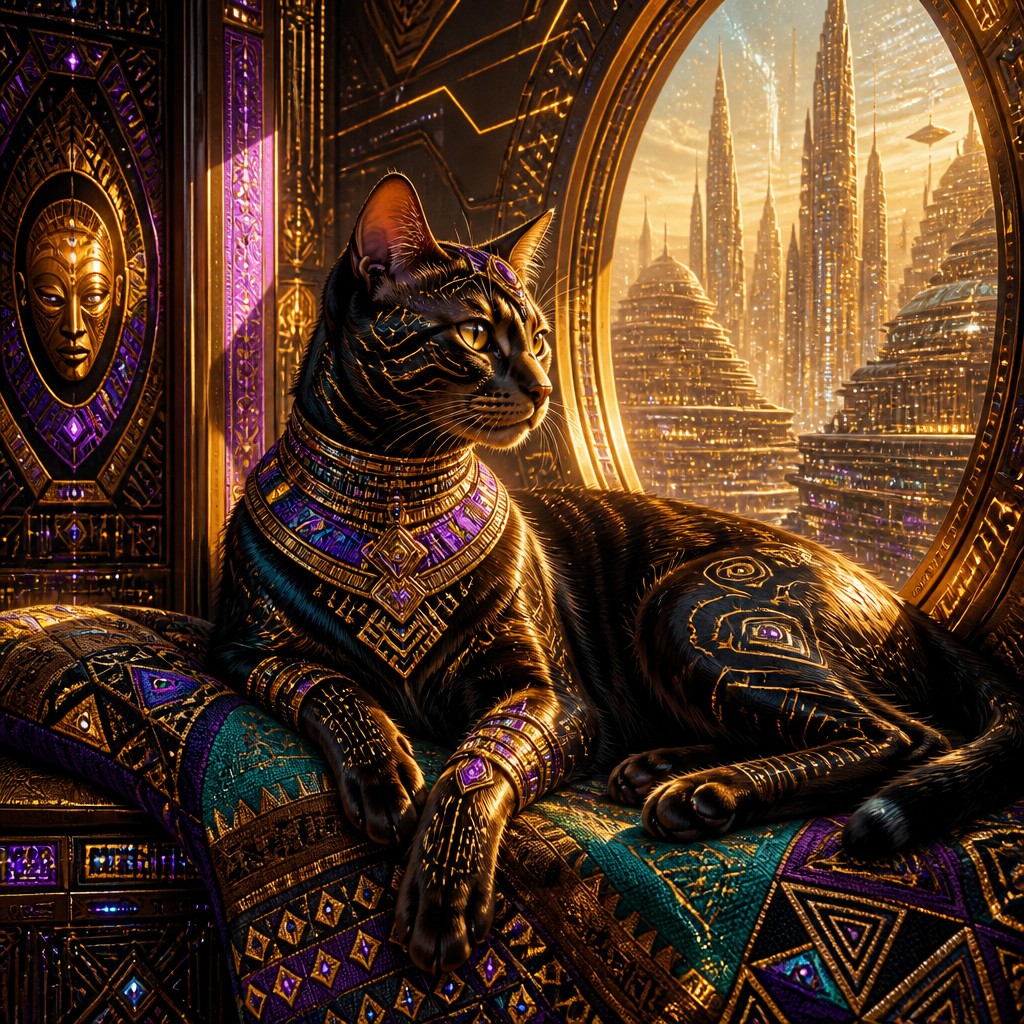
“a cat lounging in a sunlit window”
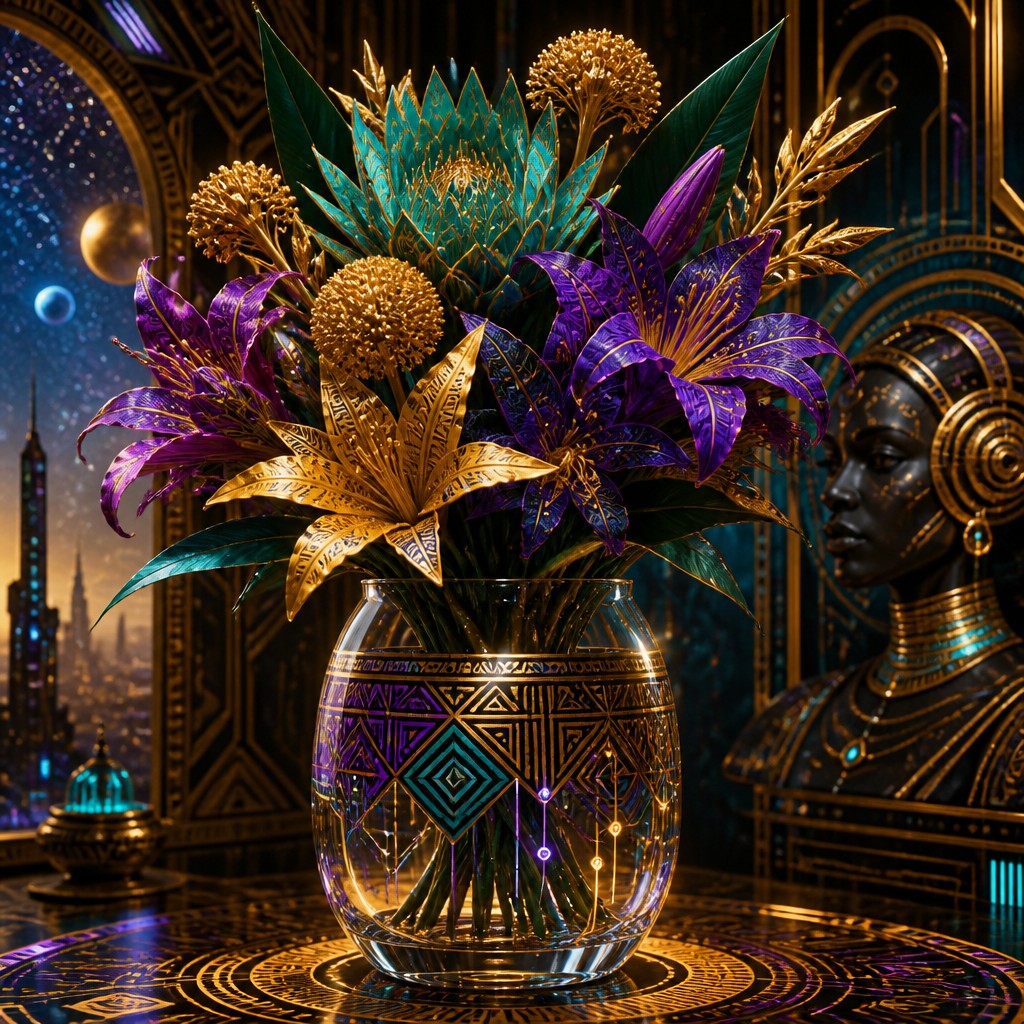
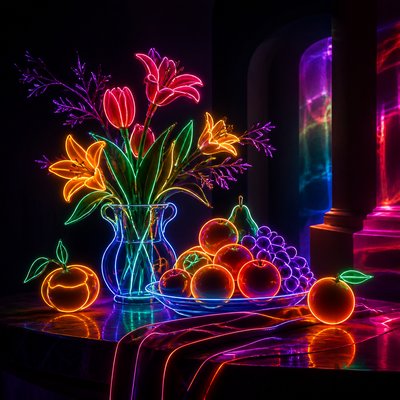
“bouquet of flowers in a glass vase”
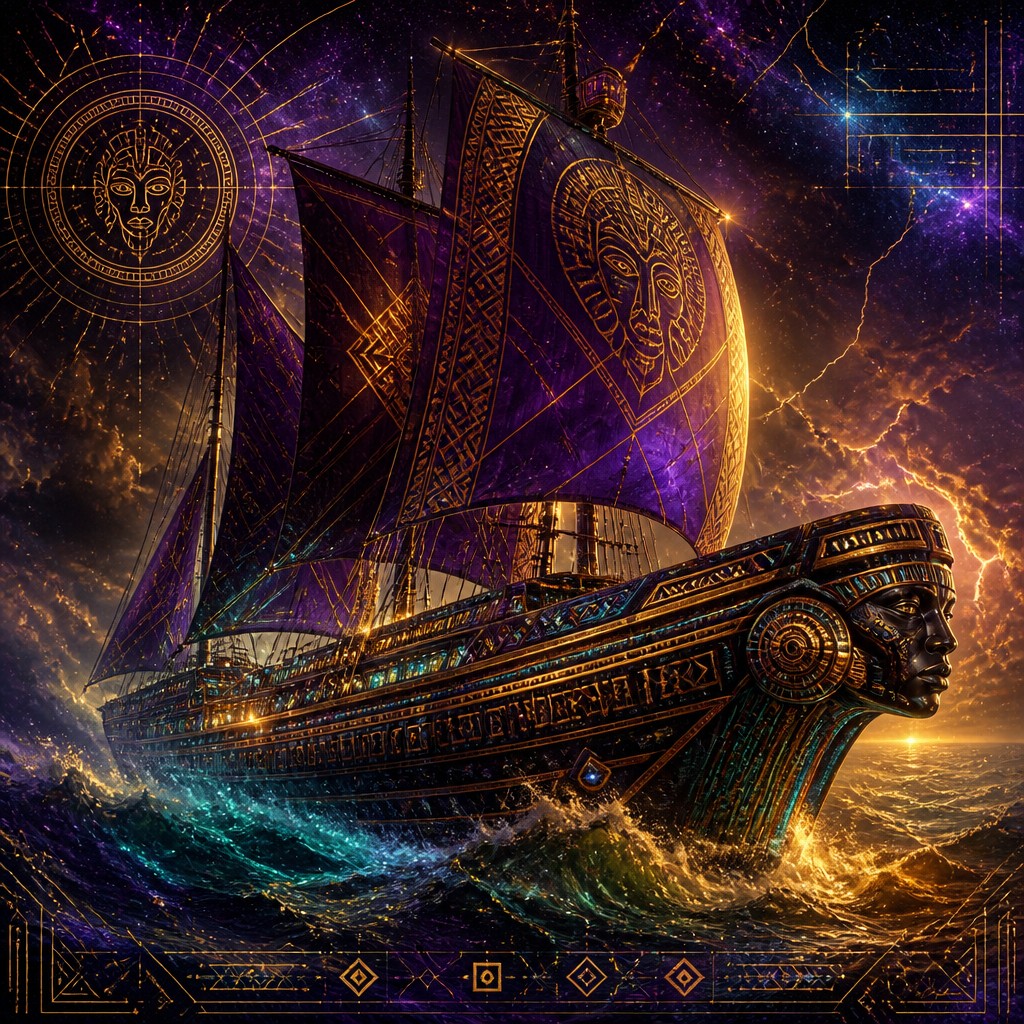
“sailing ship on a stormy sea”
How to Create Afrofuturism Art
Master the craft step by step — or skip straight to creating. Read the full guide →
- 1
Build from cultural reference rather than generic sci-fi
Start with African or African diaspora forms such as kente-like geometry, beadwork, Yoruba-inspired ornament, or Sahelian architecture. Then adapt them into speculative environments, keeping the cultural logic visible instead of treating decoration as surface-only.
- 2
Use contrast between earth and light
Combine warm browns, black, bronze, and copper with radiant purples, turquoise, and gold accents. Strong rim lighting, backlighting, and glow effects help separate the figure from the background and emphasize a cosmic mood.
- 3
Layer pattern with structure
Place geometric textile motifs, etched linework, or repeating symbols onto garments, vehicles, weapons, or buildings. In digital work, use masks, overlays, and luminous line layers; in traditional media, use fine brushwork, pen, or collage to create the same density.
- 4
Design ceremonial futurism
Make the advanced elements feel regal: helmets can resemble crowns, interfaces can echo jewelry, and vehicles can feel like processional objects. This keeps the image aligned with the style's emphasis on dignity and futurity, not just gadgetry.
- 5
Prompt with specific visual cues
When generating digitally, name materials, lighting, palette, and cultural motifs rather than only broad themes. Strong prompts often combine a subject, an African-inspired design vocabulary, cosmic atmosphere, metallic surfaces, and luminous circuit-like details.
- 6
Balance symbolism with readability
Avoid overcrowding every surface; let one or two motifs dominate while others support the composition. Clear silhouettes, intentional focal points, and disciplined color separation will keep the image legible while preserving richness.

The Story
History & Origins of Afrofuturism
Afrofuturism is not a single historical movement with one origin point; it is a cross-disciplinary cultural aesthetic that emerged from Black speculative thought in literature, music, visual art, and film. Its visual language grew from the late 20th century onward alongside Black science fiction, experimental album art, design practices, and cultural criticism that treated futurity as a site of agency, memory, and invention.
Its lineage draws on African and African diaspora visual traditions—textiles, masks, metalwork, architecture, body ornament, and pattern—while also borrowing from science-fiction illustration, cyberpunk, space-age design, surrealism, and contemporary digital art. In the visual arts, it has been shaped by artists and makers who use speculative worlds to explore identity, technology, liberation, ecology, and alternate histories.
Influences: Afrofuturism draws from African and African diaspora visual traditions such as textile design, sculpture, metalwork, body adornment, and sacred symbolism, while also engaging science-fiction illustration, cyberpunk, surrealism, and space-age modernism. In contemporary art it is frequently associated with Black speculative culture and the broader idea of designing futures through cultural memory, rather than with a single canonical school or a fixed roster of artists.
Frequently Asked Questions
What defines Afrofuturism as a visual style?
Afrofuturism combines African diaspora cultural references with speculative science-fiction imagery. Common markers include geometric patterning, metallic surfaces, cosmic settings, glowing technology, and a dignified or ceremonial treatment of Black subjects. The style is as much about worldview as it is about appearance: it imagines futures grounded in cultural continuity.
How is Afrofuturism different from cyberpunk or general sci-fi art?
Cyberpunk usually centers dystopian urban technology, neon darkness, and social alienation. Afrofuturism can use similar futurist tools, but it is rooted in Black history, diaspora memory, and cultural reclamation, often presenting technology as empowering, ancestral, or spiritually meaningful rather than purely alienating.
Is Afrofuturism only about outer space?
No. Space imagery is common, but the style also appears in cities, fashion, portraits, architecture, performance, and abstract design. The key idea is speculative reimagining: any setting can become Afrofuturist if it merges Black cultural reference with a visionary future orientation.
How do I make Afrofuturist art without using stereotypes?
Use specific cultural references thoughtfully and research the visual traditions you draw from. Focus on contemporary and ancestral forms—textiles, architecture, adornment, symbolism, and design principles—rather than reducing the style to vague tribal cues or generic African motifs.
What kinds of subjects work best in this style?
Portraits, queens and kings, warriors, inventors, musicians, cities, spacecraft, and ceremonial objects are especially effective. The style also works well for speculative landscapes and symbols because it thrives on worldbuilding and layered meaning.
Where is Afrofuturism commonly used?
It appears in illustration, album art, fashion, film, game design, editorial imagery, posters, and digital concept art. It is especially strong wherever a creator wants to combine identity, myth, technology, and future-oriented storytelling.

Create your first Afrofuturism artwork
Describe anything — or upload a photo — and see it in Afrofuturism Art Style in seconds.
Make Something with Afrofuturism
Related Styles
Discover similar art styles