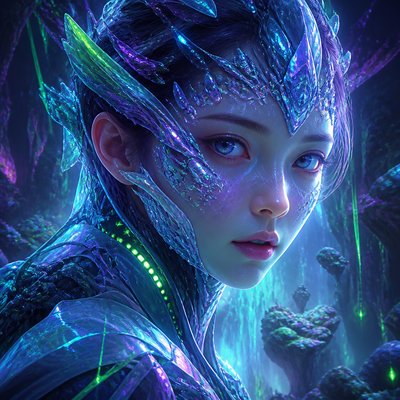
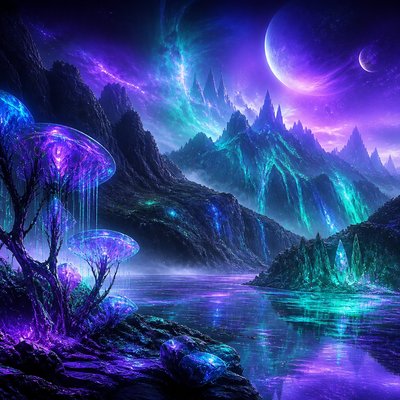
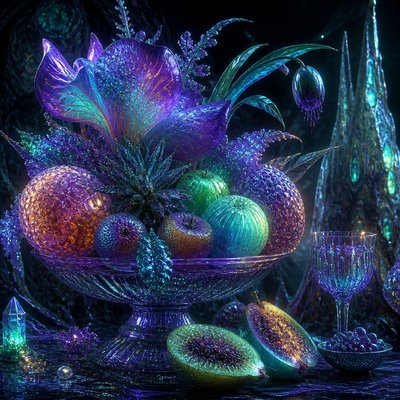
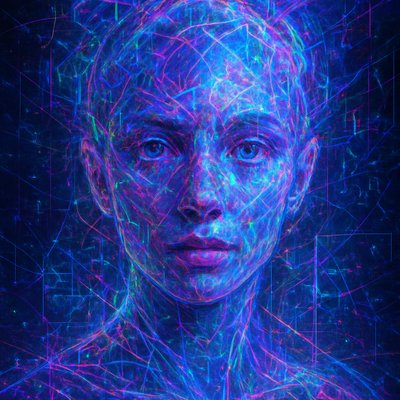
Hard Sci-Fi Art
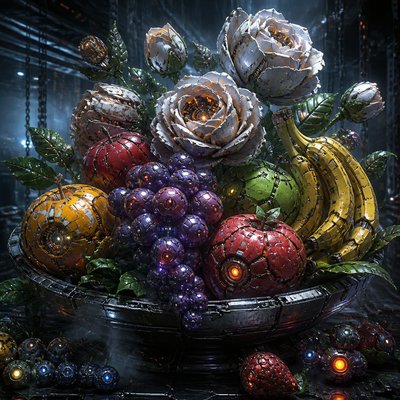
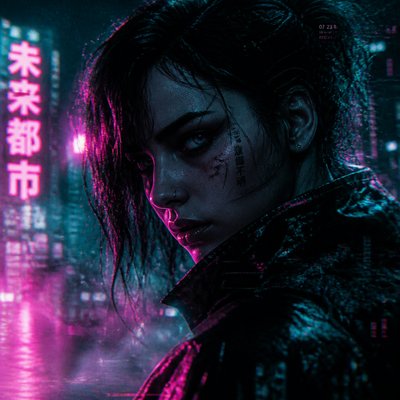
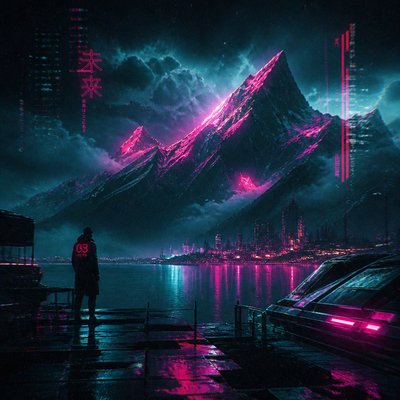
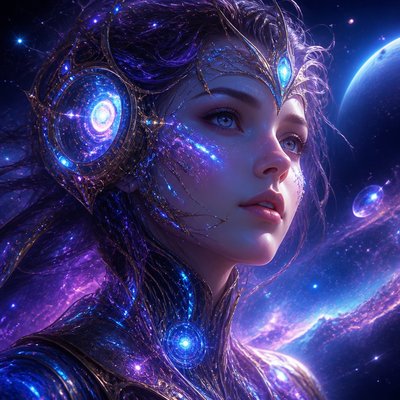
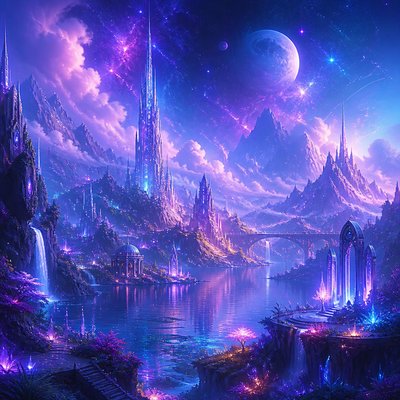
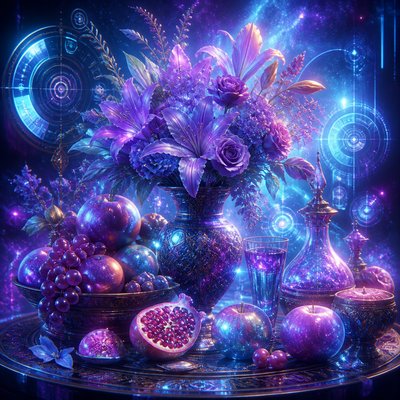
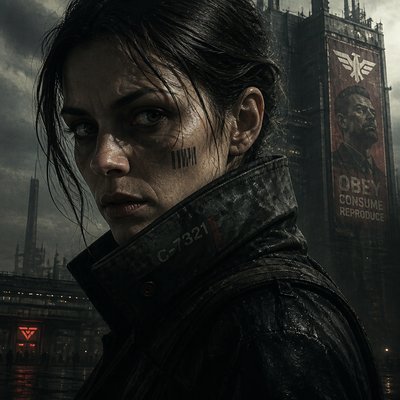
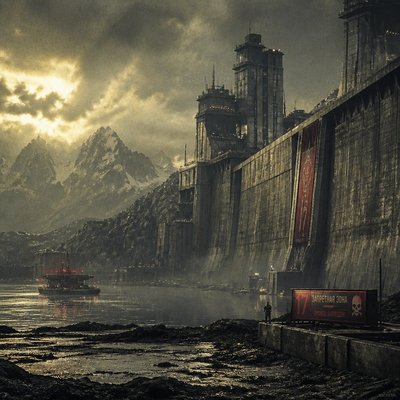
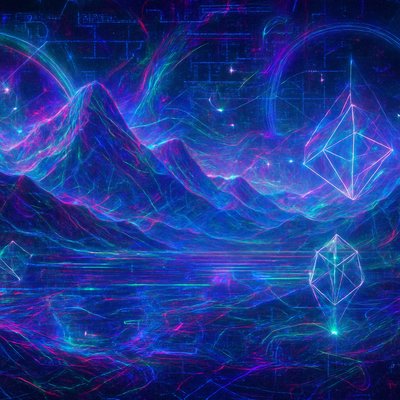
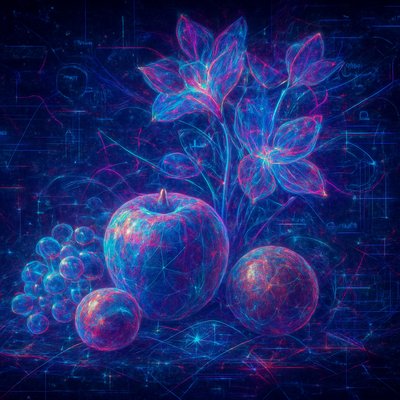
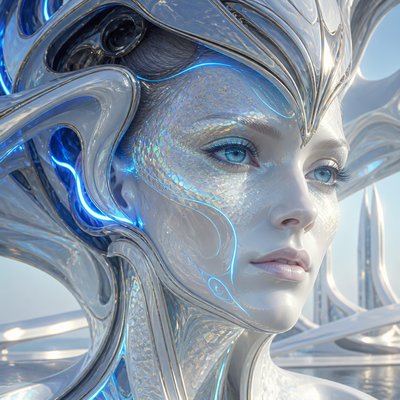
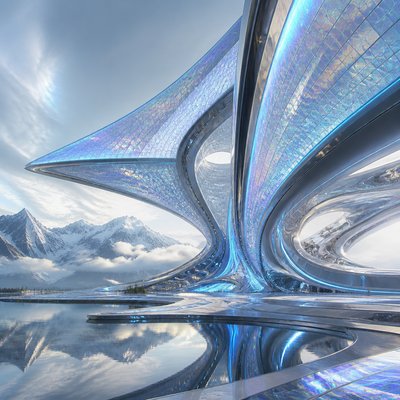
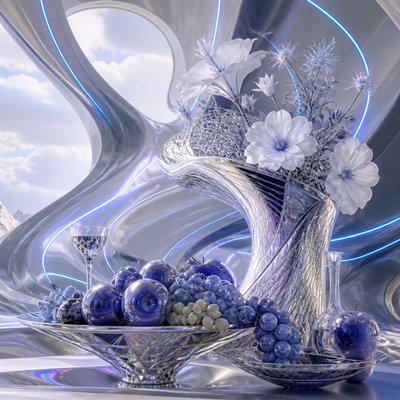
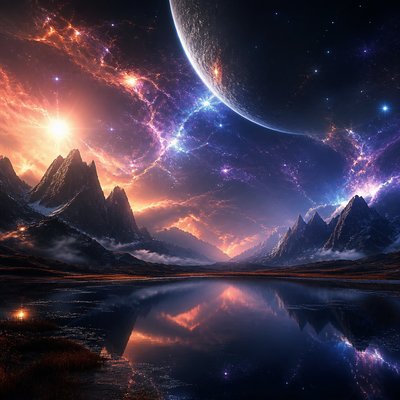
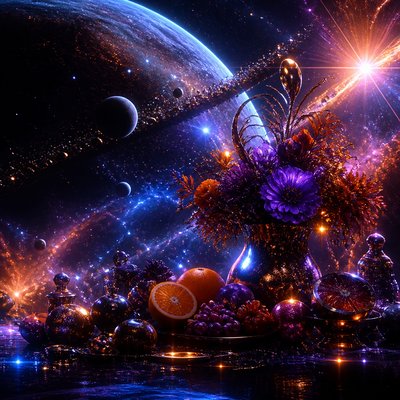
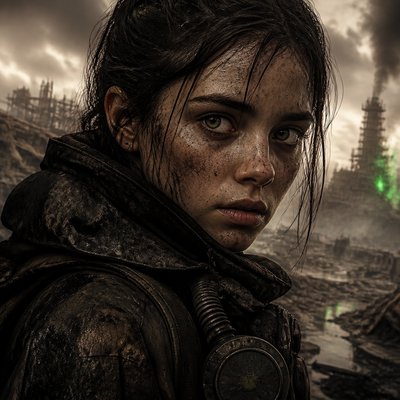
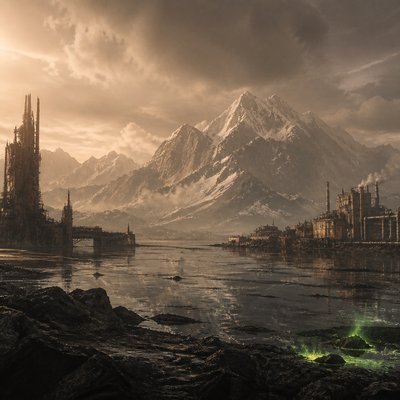
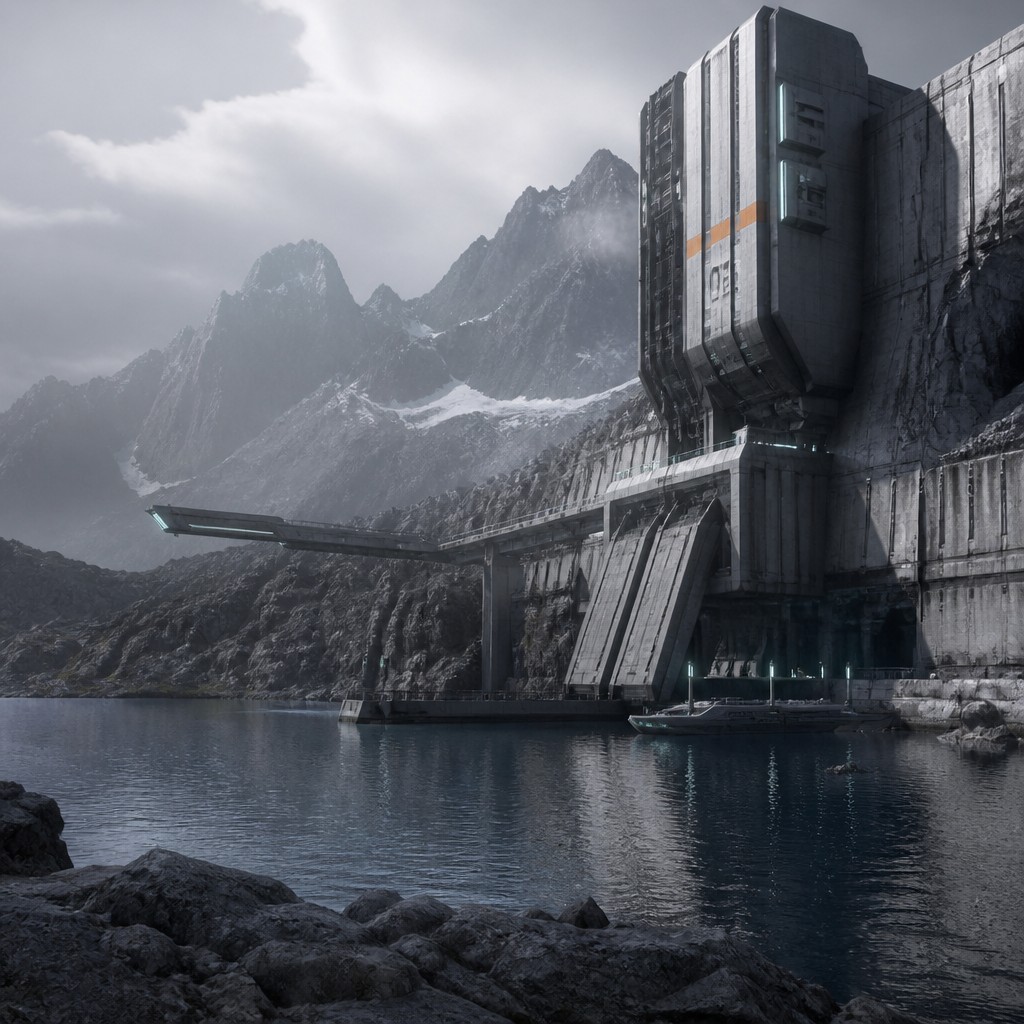
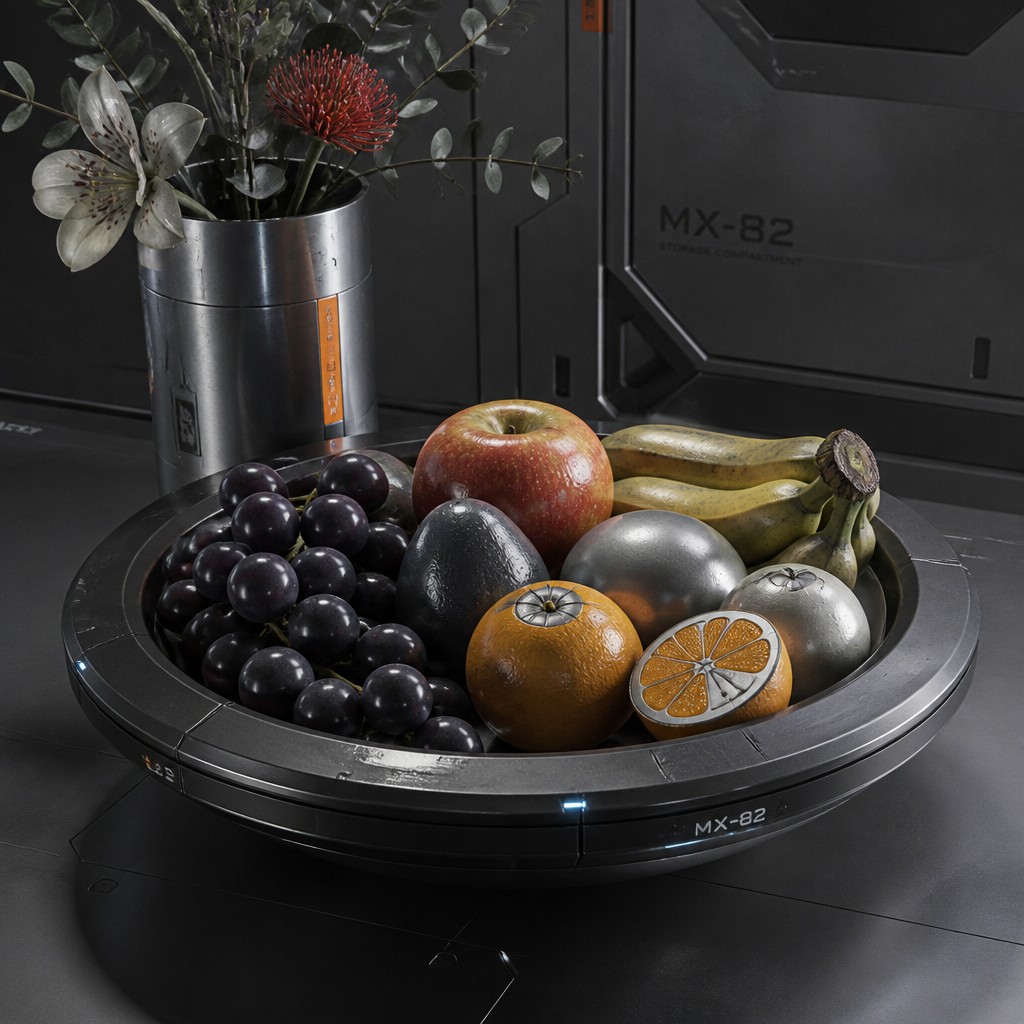
Scientifically grounded futuristic design with realistic spacecraft, plausible tech, and physics-based environments.
Instantly rendered in Hard Sci-Fi — or transform a photo
Hard Sci-Fi Gallery
Tap any artwork to explore it
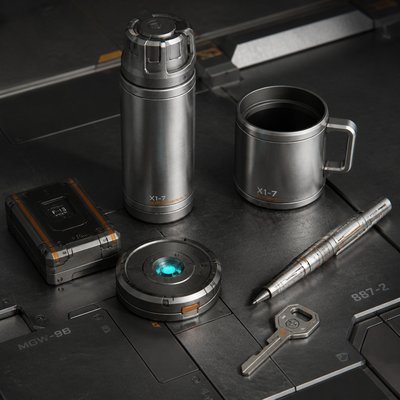
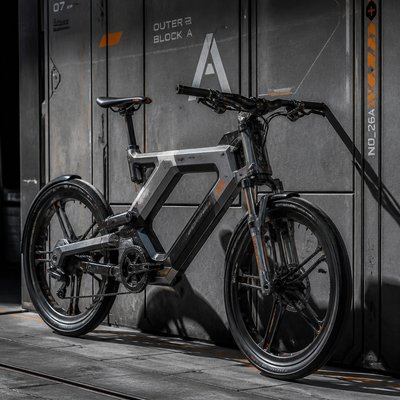
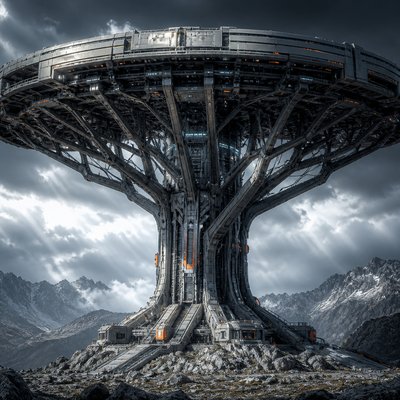
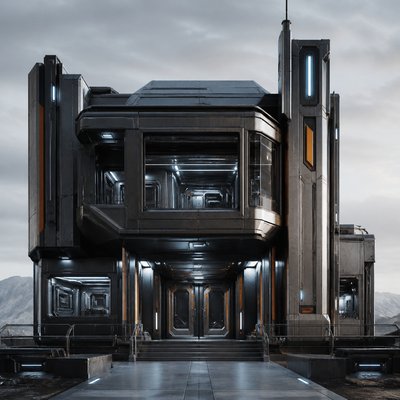
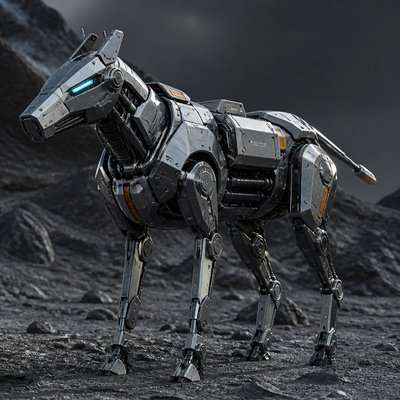
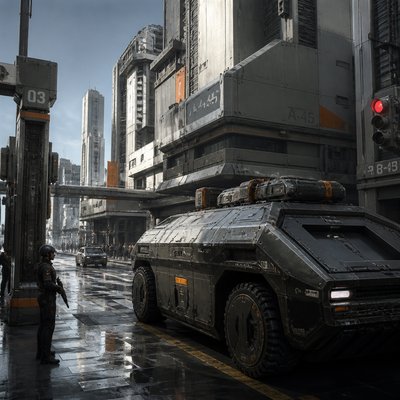
What is Hard Sci-Fi Art?
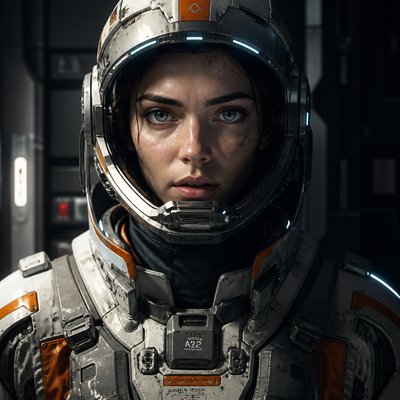
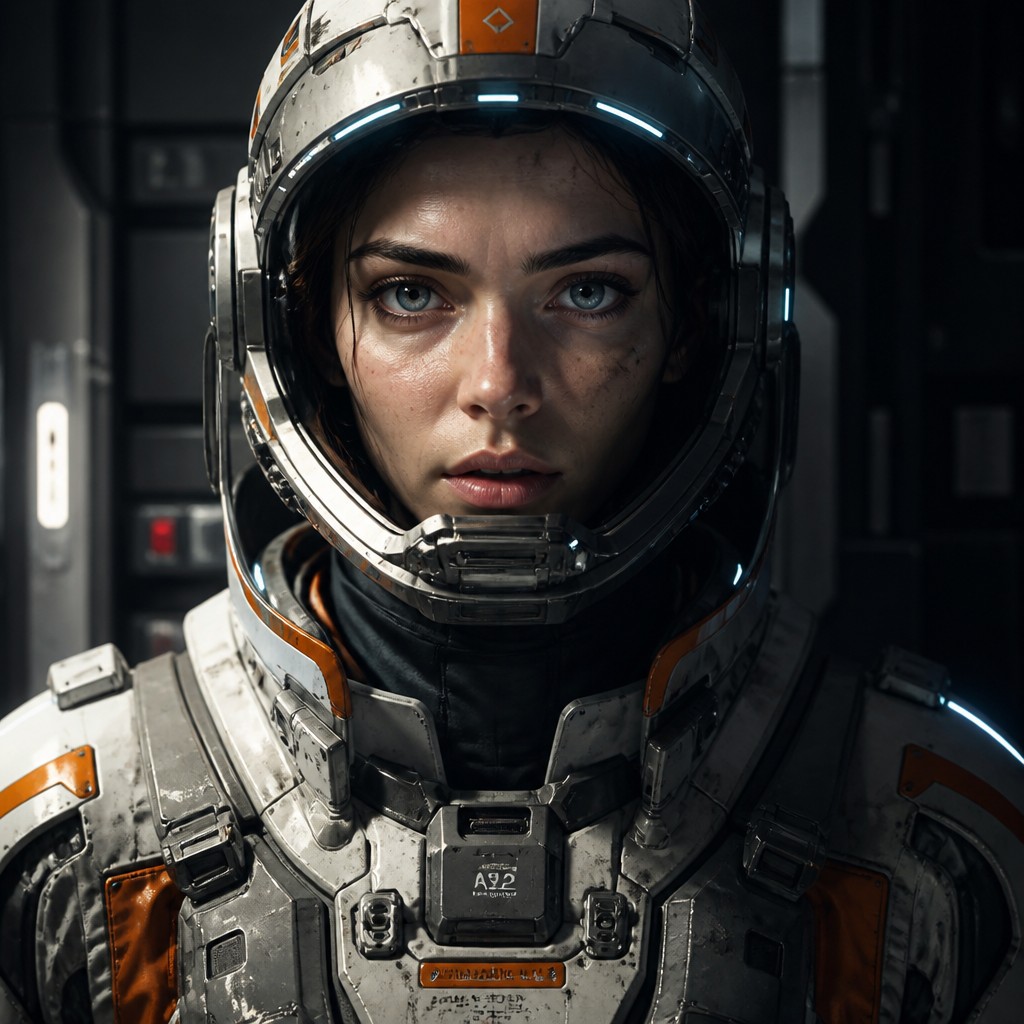
Hard sci-fi art depicts futures that feel engineered rather than imagined. Its visual identity comes from attention to physics, materials, and functional design: spacecraft with believable mass and propulsion, habitats shaped by radiation and pressure constraints, and machines that look built for maintenance rather than spectacle.
The style typically favors restrained palettes, legible industrial forms, and lighting that reveals structure instead of hiding it. Surfaces often show brushed metal, carbon fiber, composite panels, thermal shielding, vents, docking hardware, and other details that suggest practical use. The result is a futuristic image language grounded in real-world aerospace, industrial design, and scientific visualization.
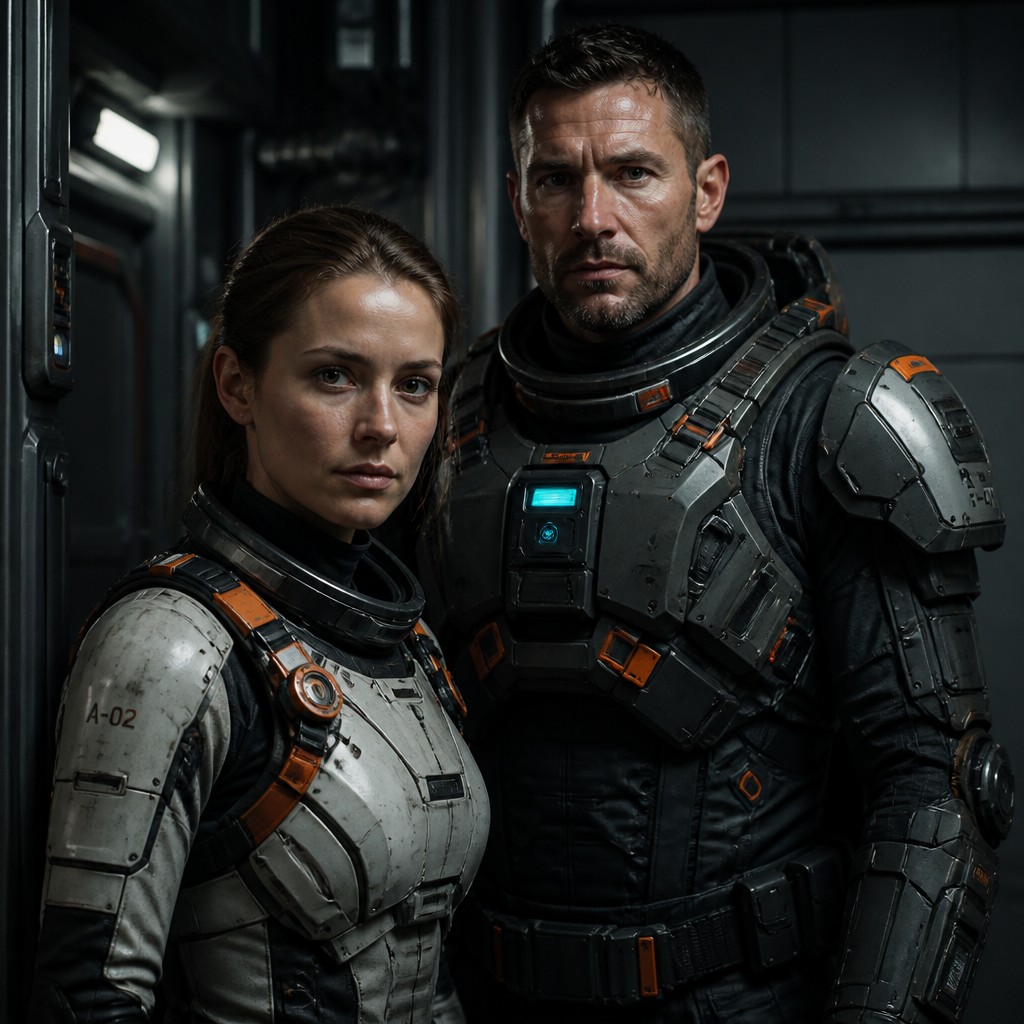
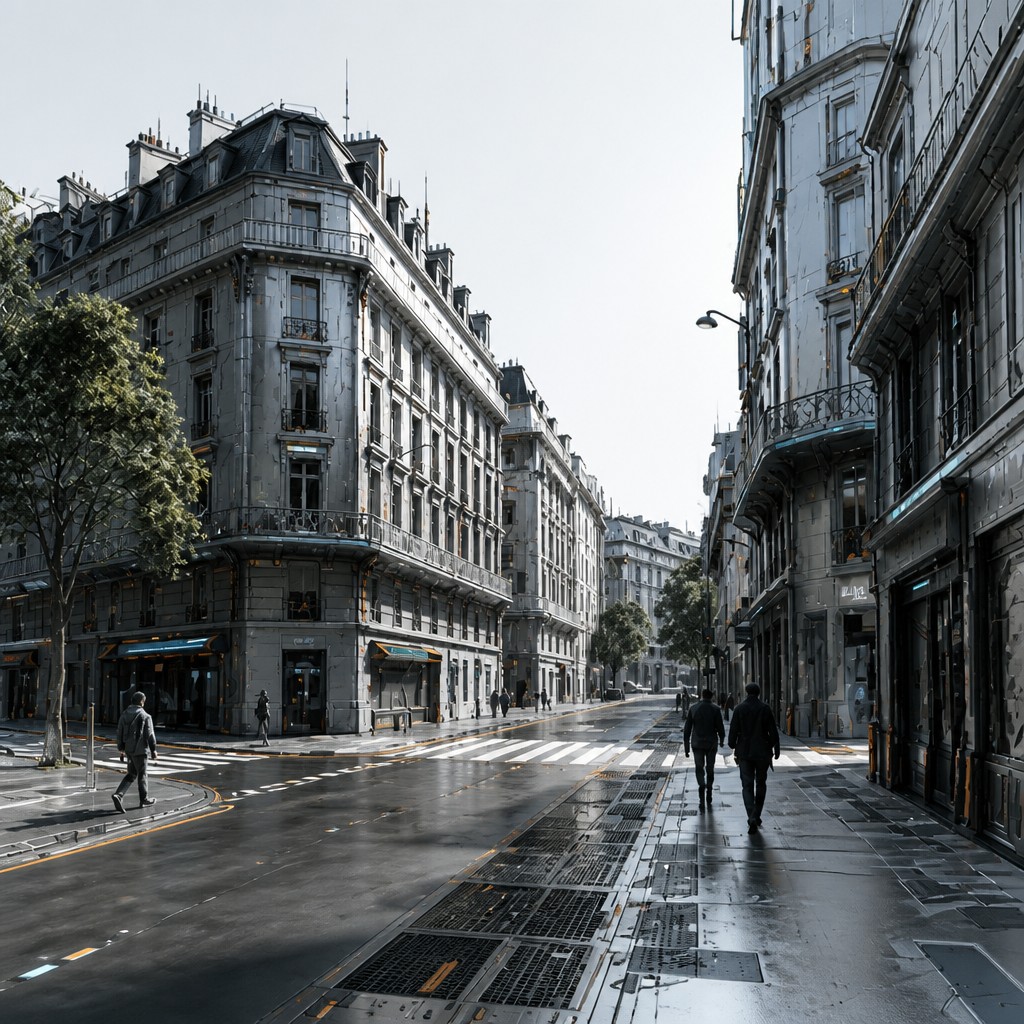
Try It On Your Photos
Upload any photo and convert it into Hard Sci-Fi Art — drag the sliders to compare before and after.



What Defines Hard Sci-Fi Art
The signature details, up close
Plausible engineering
Devices and vehicles are designed around real constraints such as propulsion, heat management, mass, docking, and maintenance access. Forms usually look buildable, serviceable, and internally consistent.
Industrial material language
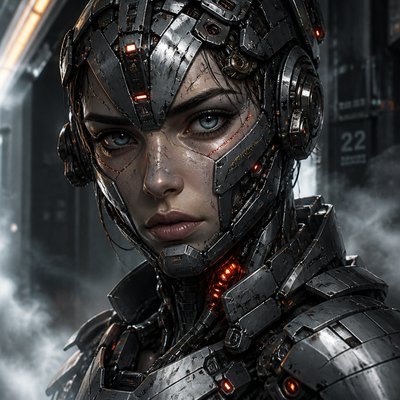
Common surfaces include brushed aluminum, titanium, carbon fiber, ceramics, composite panels, and matte coatings. Wear is subtle and functional, such as scuffs, seams, panel gaps, and access hatches.
Functional geometry
Shapes tend to be modular, symmetrical, or structurally legible, with clear subsystems and purposeful silhouettes. Decorative ornament is minimal or absent.
Physics-based environments
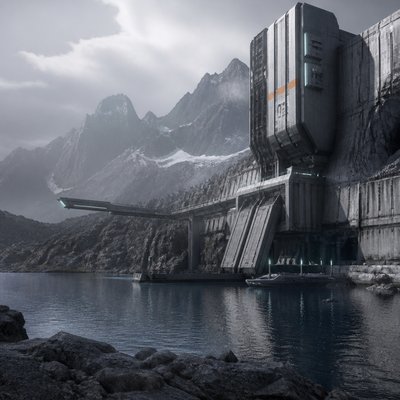
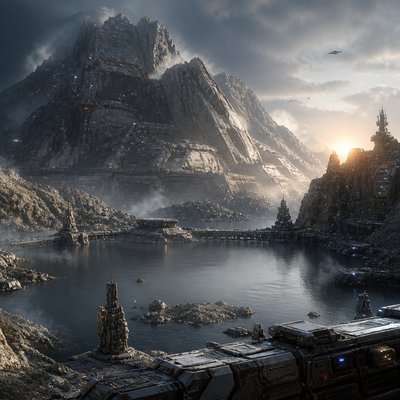
Spaceships, stations, and landscapes reflect gravity, vacuum, radiation, pressure, thermal extremes, and orbital mechanics. Even dramatic scenes usually preserve a sense of real physical behavior.
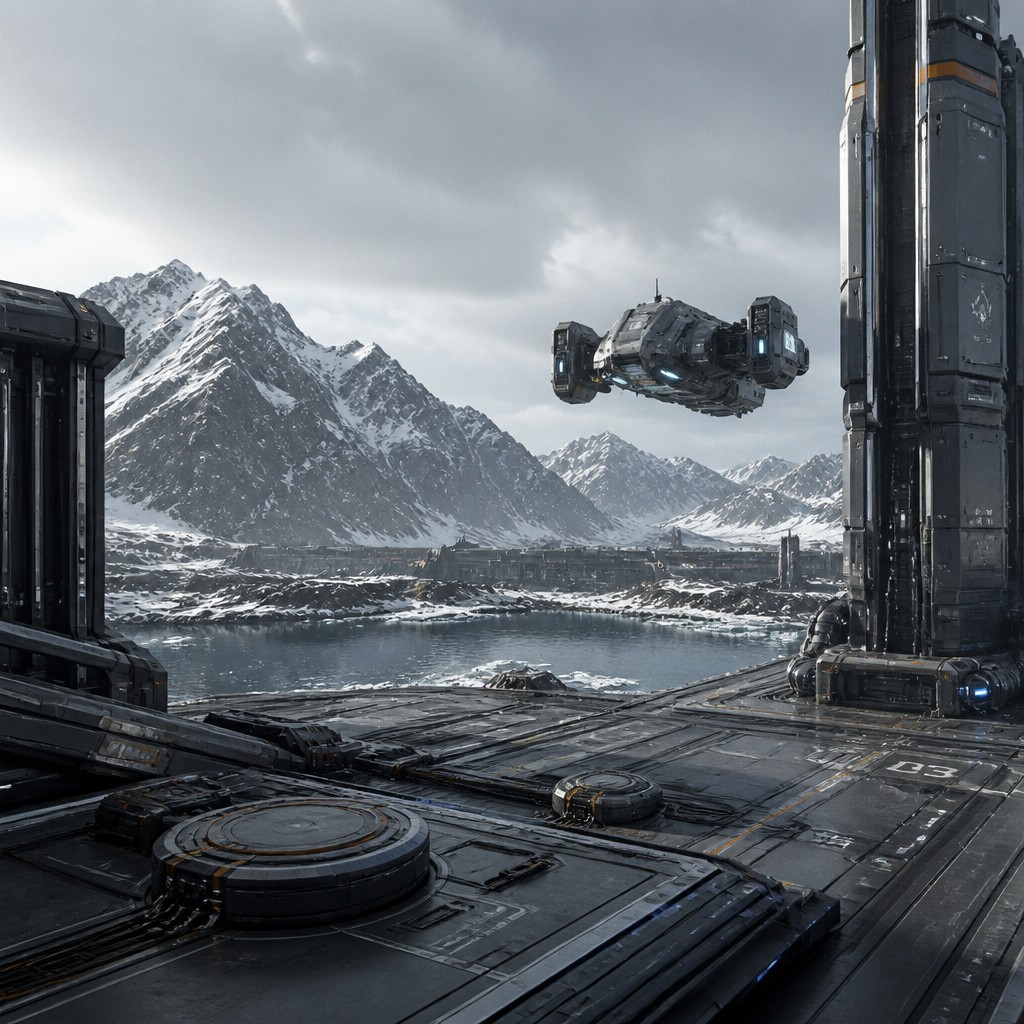
Controlled color palette
Gunmetal gray, titanium silver, black, off-white, safety orange, warning red, and cyan instrumentation glows are common. Color is often used to indicate function, hazard, or system status.
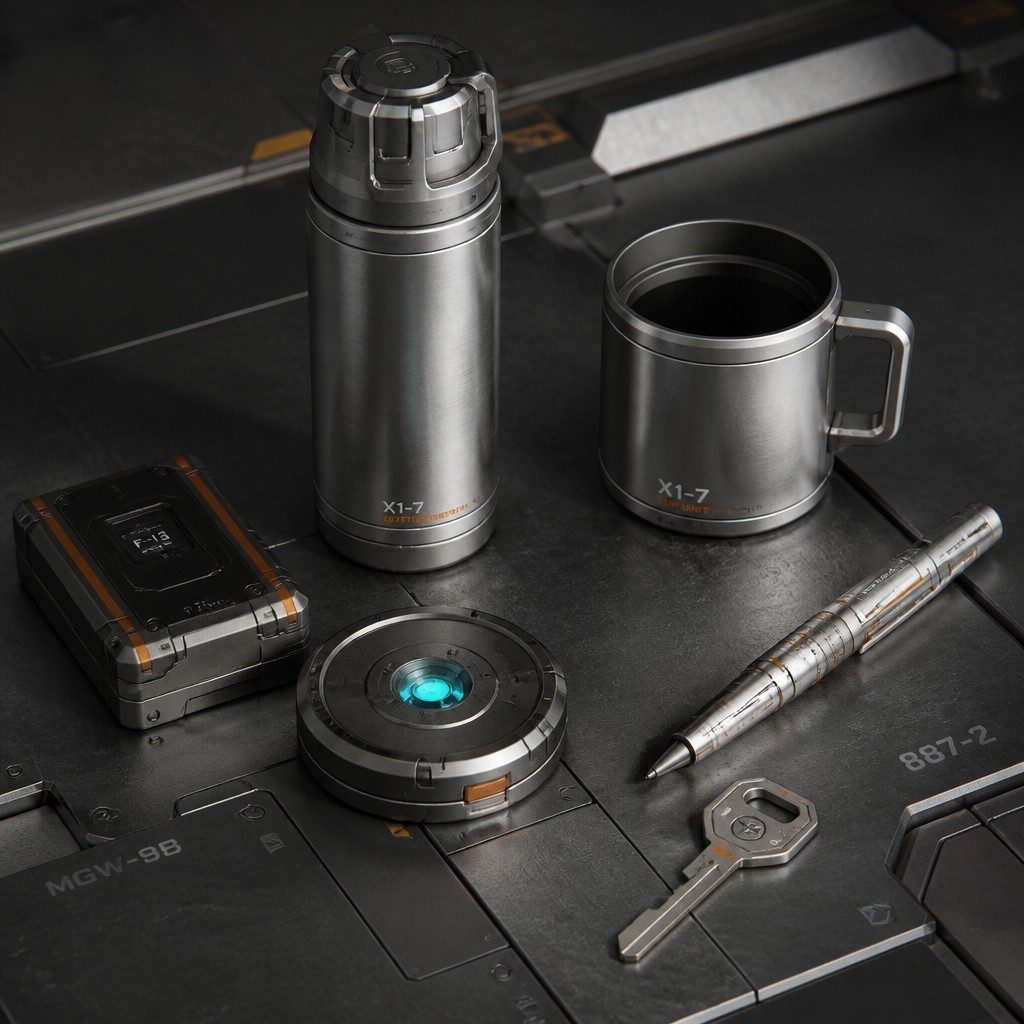
Clinical clarity
Lighting, perspective, and detail are rendered with high precision so that components remain readable. The image often feels more like a believable design visualization than a fantasy illustration.
Try It
Create Videos in Hard Sci-Fi Art
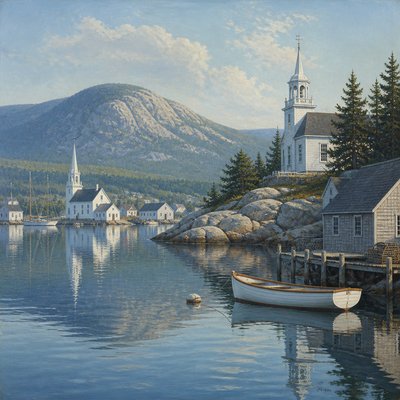
Styles aren't just for stills — describe a scene or animate an image and get a short video rendered in Hard Sci-Fi. Press play to see this pond come to life.
Make a VideoHard Sci-Fi Prompt Ideas
Start from an idea — each one opens the generator with the style ready to go. See all 40 Hard Sci-Fi prompts →
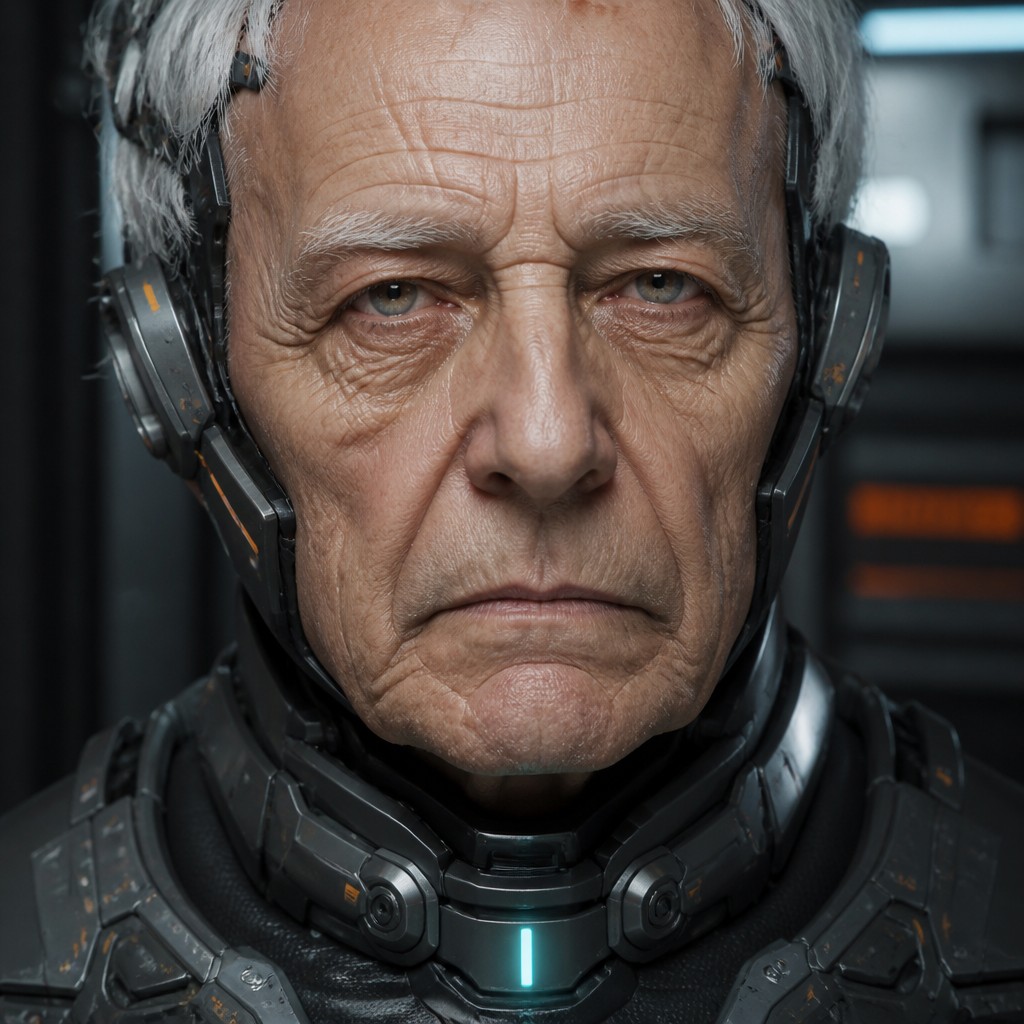
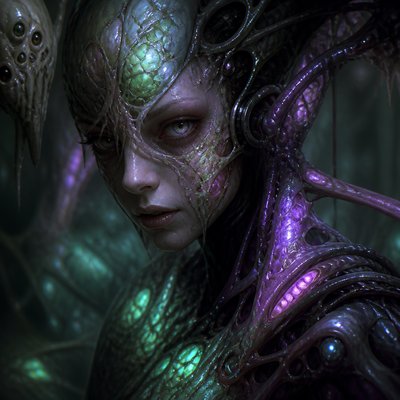
“close-up portrait of an elderly person with expressive weathered features”
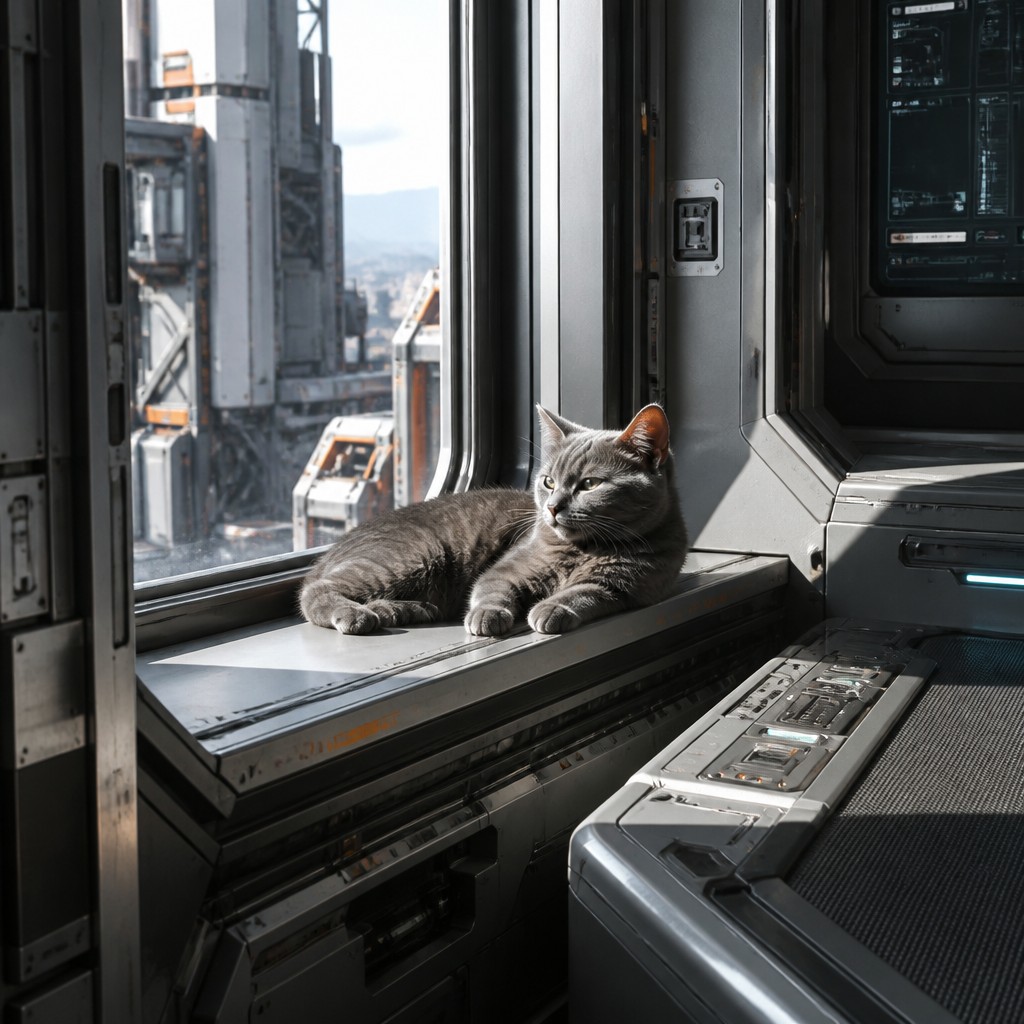
“a cat lounging in a sunlit window”
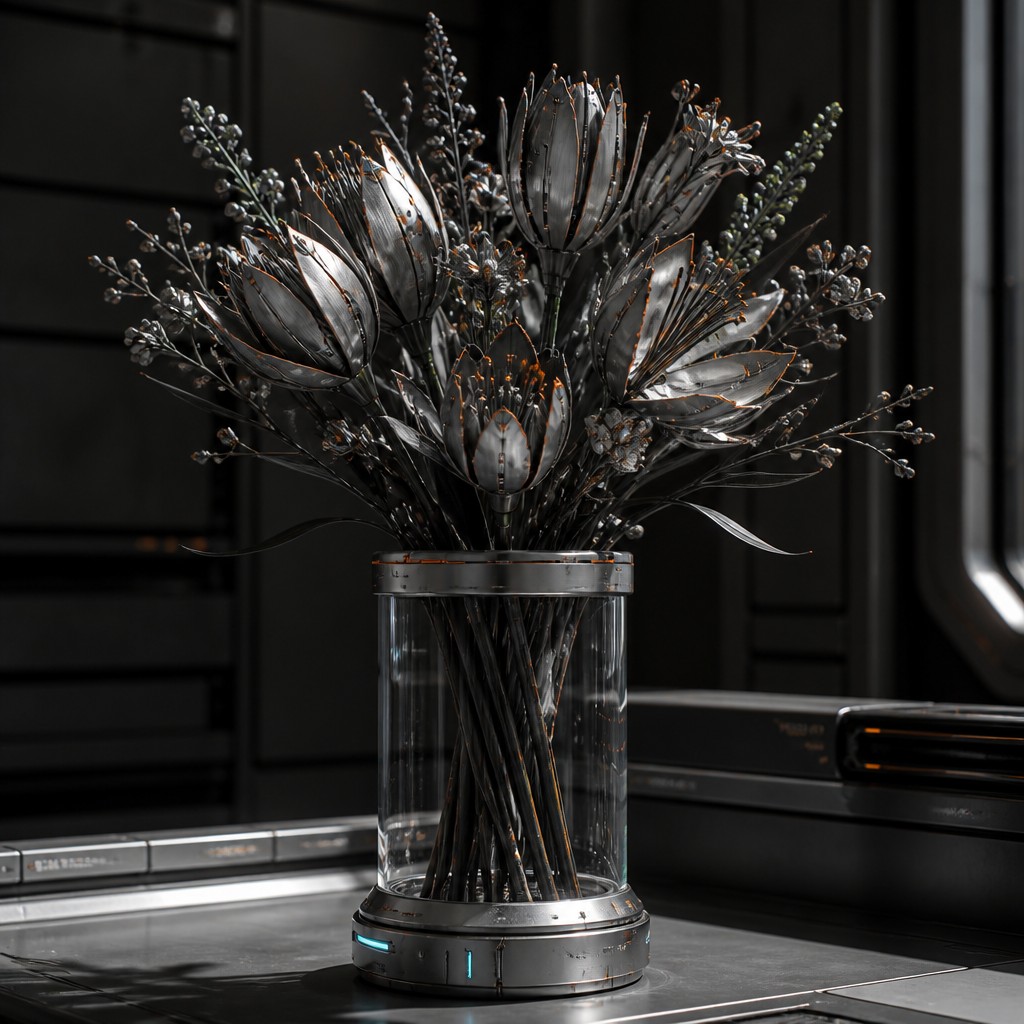
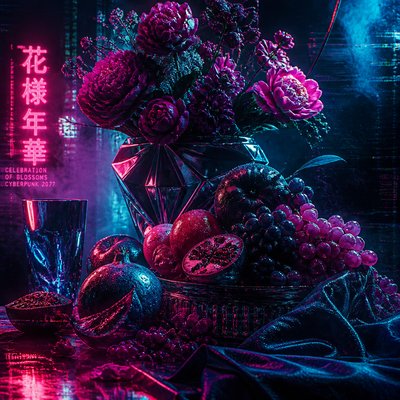
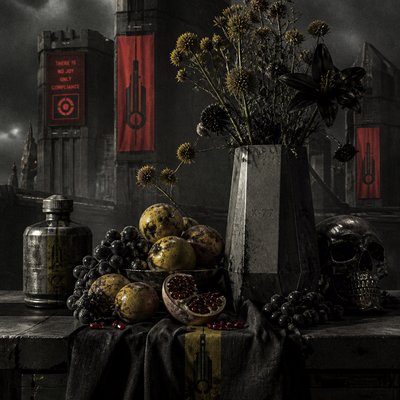
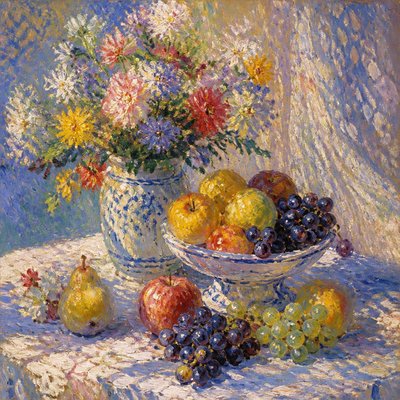
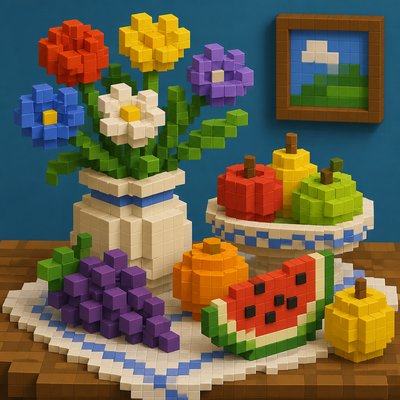
“bouquet of flowers in a glass vase”
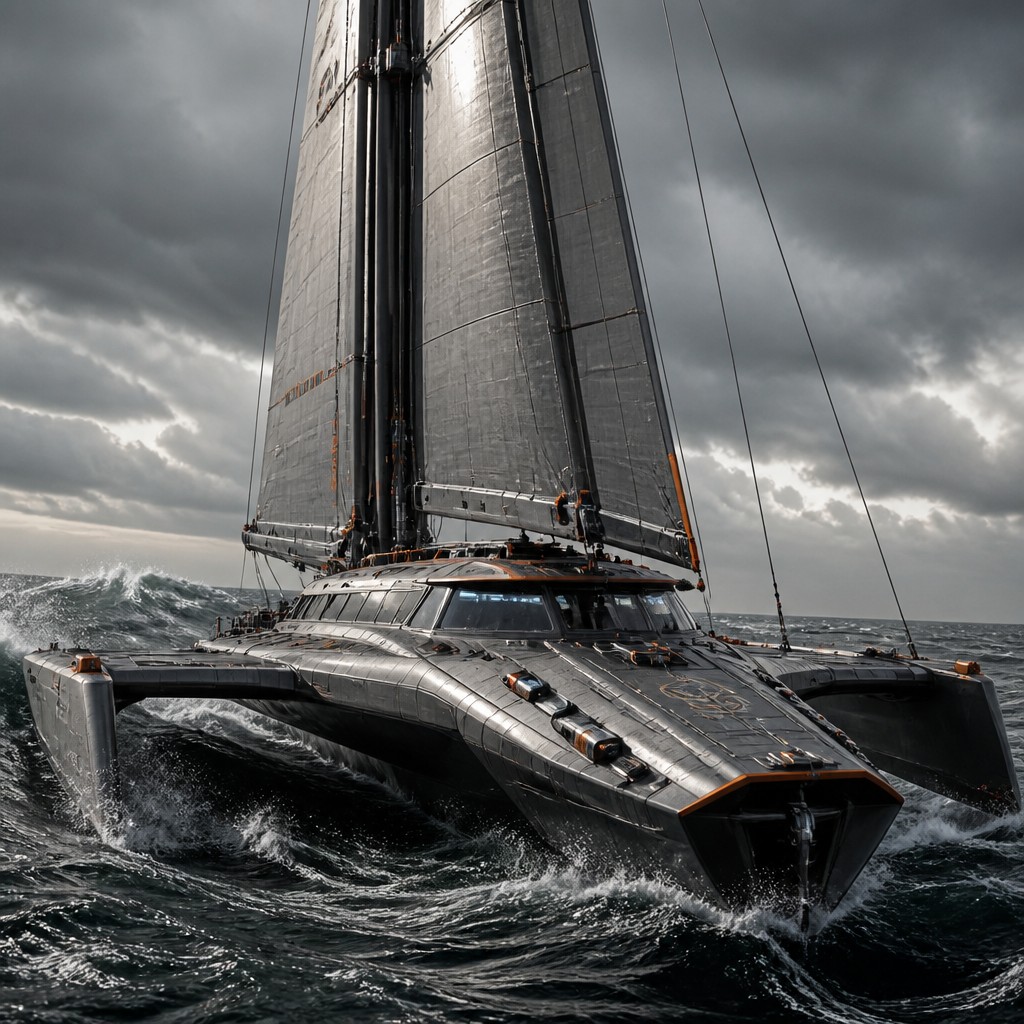
“sailing ship on a stormy sea”
How to Create Hard Sci-Fi Art
Master the craft step by step — or skip straight to creating. Read the full guide →
- 1
Design from constraints first
Start by deciding what the object must do, then let physics shape the form: propulsion, life support, heat rejection, structural support, or habitat shielding. In traditional work, sketch visible hatches, struts, radiators, tanks, and access points before adding finish.
- 2
Use industrial materials and readable construction
Build the image from surfaces that imply real fabrication methods: panels, seams, fasteners, composite skins, and modular assemblies. In digital painting or 3D, emphasize believable reflections, edge wear, and material separation rather than glossy fantasy polish.
- 3
Light for legibility
Choose directional lighting that reveals form and function, with sharp shadows and controlled highlights. Avoid atmospheric haze that obscures structure unless it serves a realistic environment such as dust, plasma, or a thin planetary atmosphere.
- 4
Keep ornament subordinate to function
Any visual accents should communicate purpose: hazard stripes, sensor lights, maintenance labels, coolant markings, or emergency coloring. If a design element does not explain itself operationally, simplify or remove it.
- 5
When generating with text prompts, specify scientific realism
Use phrases such as 'plausible spacecraft,' 'physics-based habitat,' 'engineering details,' 'industrial design,' and 'realistic materials.' The more clearly you define the subject and environment, the more the result will stay grounded.

The Story
History & Origins of Hard Sci-Fi
Hard sci-fi art is not a single historical movement with a formal manifesto; it is an aesthetic lineage that developed from mid-20th-century science fiction illustration, aerospace imagery, and technical concept art. As spaceflight became a real engineering discipline, artists and designers increasingly drew on actual spacecraft, satellites, laboratories, and military hardware to make speculative futures appear credible.
Its visual DNA also reflects industrial design renderings, technical illustration, and cinematic production design for science-fiction films that aimed for plausibility rather than fantasy. Later influences include computer-generated visualization, space agency imagery, and contemporary concept art that treats astrophysics, materials science, and systems engineering as core parts of worldbuilding.
Influences: Hard sci-fi art draws from aerospace engineering imagery, industrial design, technical illustration, and scientifically grounded science fiction illustration. It is often associated with the visual logic of artists and filmmakers who prioritized plausibility, including the conceptual rigor seen in the work of leading production designers and vehicle concept artists who emphasized engineering realism, as well as the realistic spacecraft and environments popularized by later cinema and game design. Its closest visual relatives are documentary photography, product design, and scientific visualization rather than romantic fantasy illustration.

Frequently Asked Questions
What defines hard sci-fi art?
Hard sci-fi art is defined by plausibility. It shows futures shaped by real physics, engineering constraints, and material logic, so ships, suits, stations, and landscapes look functional rather than purely decorative. The style usually emphasizes clean design, believable scale, and a restrained industrial aesthetic.
How is it different from general sci-fi art?
General sci-fi art may prioritize spectacle, alien ornament, or fantastical technology, while hard sci-fi tries to explain how things could actually work. You will usually see more exposed mechanisms, realistic propulsion or power systems, and environments shaped by vacuum, gravity, radiation, or atmosphere. The result feels more like a design study than a fantasy scene.
What colors are common in this style?
The palette often centers on gunmetal gray, titanium silver, black, white, and muted neutrals, with safety orange, red, or cyan as functional accents. Those accent colors usually indicate warnings, controls, illumination, or operational status. The overall impression is controlled and utilitarian.
What subjects work best in hard sci-fi art?
Spacecraft, space stations, lunar bases, Martian habitats, rovers, EVA suits, industrial colonies, and orbital infrastructure are especially suited to the style. It also works well for laboratories, military hardware, underwater analogues, and near-future vehicles. The key is that the subject should imply real engineering problems.
How do I make an image look more scientifically accurate?
Think about what the environment requires: radiation shielding, thermal control, airlocks, reaction mass, docking mechanisms, insulation, and access for repairs. Remove unnecessary curves or fantasy ornament if they do not serve a purpose. In prompts, ask for believable mechanics, realistic materials, and physics-based environments.
Where is hard sci-fi art used?
It is common in book covers, film and game concept art, editorial visualization, industrial mockups, and speculative design. It is especially useful when a project wants futuristic imagery that still feels credible to engineers or science-minded audiences. The style also appears in educational and museum contexts where realism matters.

Create your first Hard Sci-Fi artwork
Describe anything — or upload a photo — and see it in Hard Sci-Fi Art in seconds.
Make Something with Hard Sci-Fi
Compare Hard Sci-Fi
Related Styles
Discover similar art styles