Hard Sci-Fi vs Cyberpunk Sci-Fi: What's the Difference?
Hard Sci-Fi Art presents future worlds as extensions of real science and engineering. It favors believable spacecraft, practical machinery, accurate lighting, and environments shaped by gravity, vacuum, materials, and known physics.
Cyberpunk Sci-Fi Art also imagines the future, but through contrast: dense cities, neon signs, rain-slick streets, corporate power, and human-tech fusion. People compare them because both depict advanced futures, yet one prioritizes plausibility while the other prioritizes mood, social tension, and visual excess.
Same Prompt, Both Styles
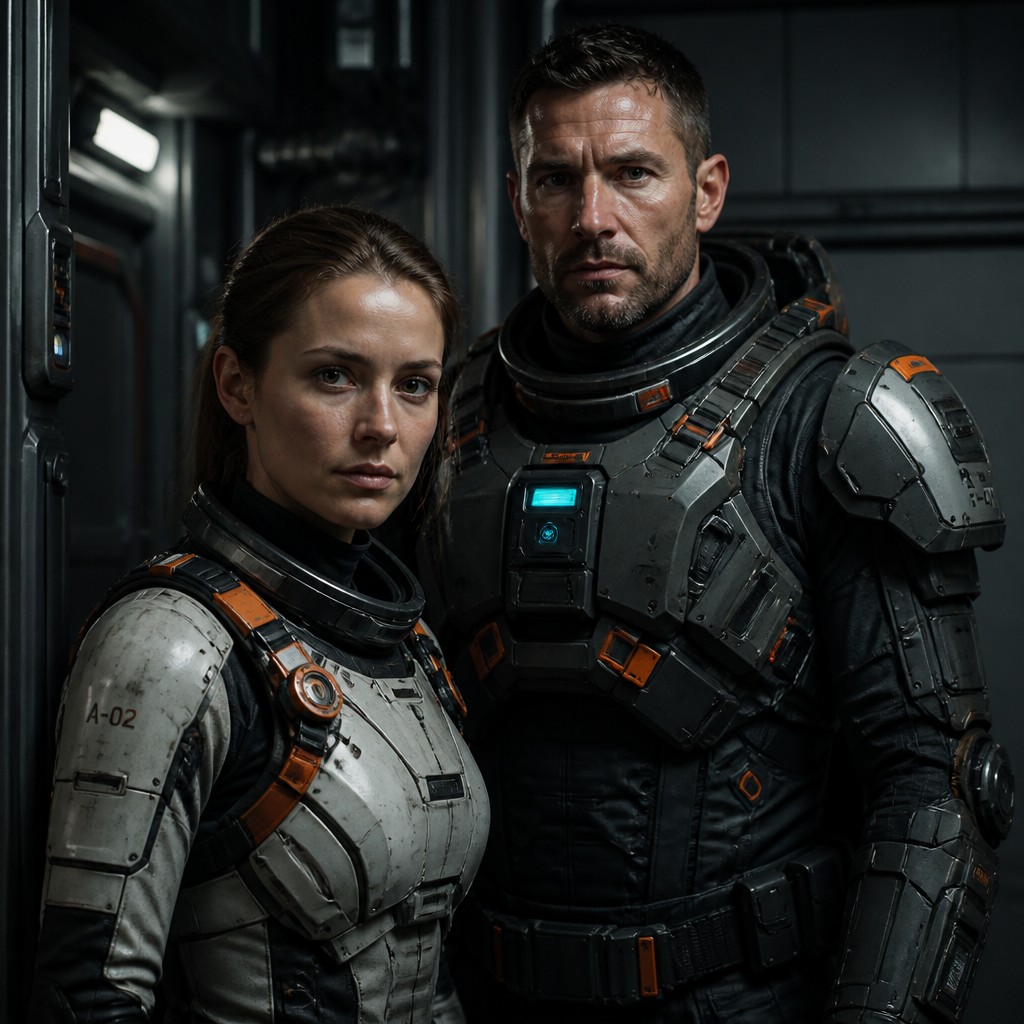
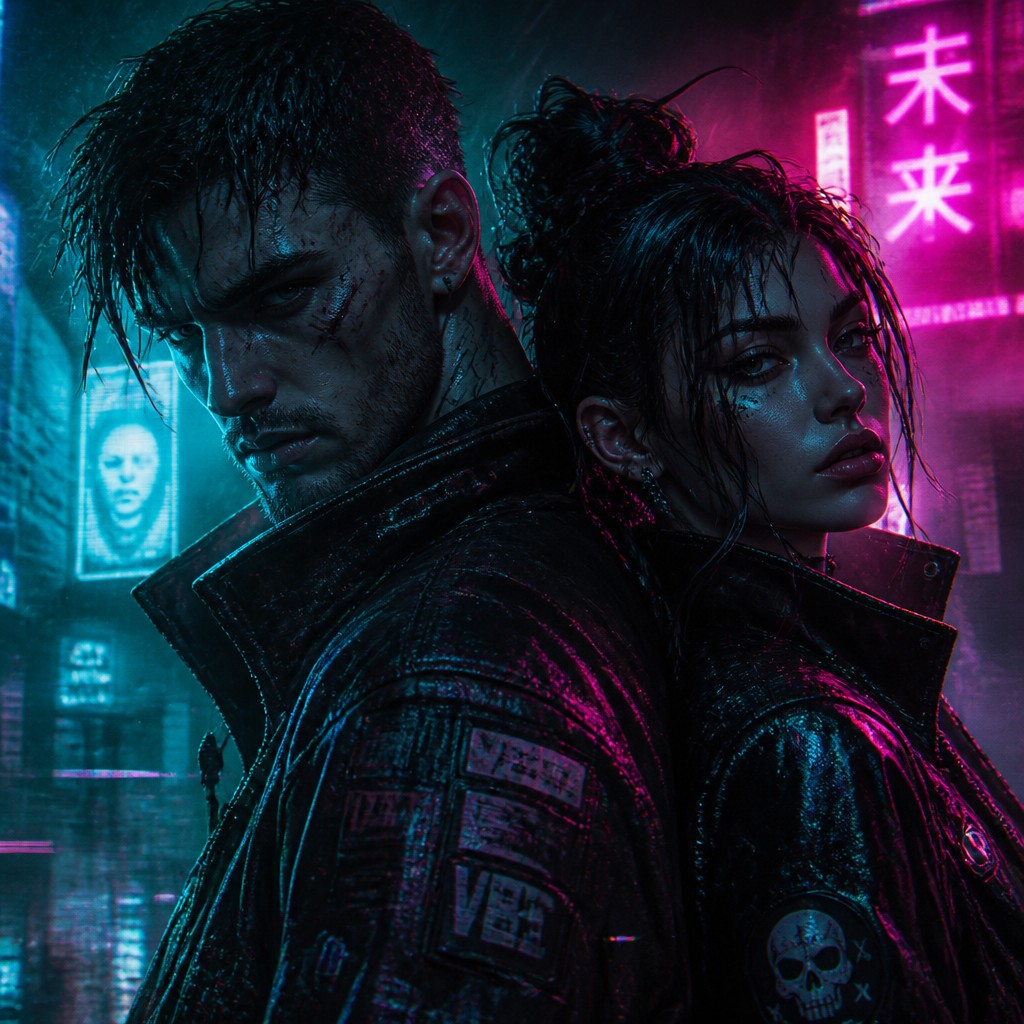
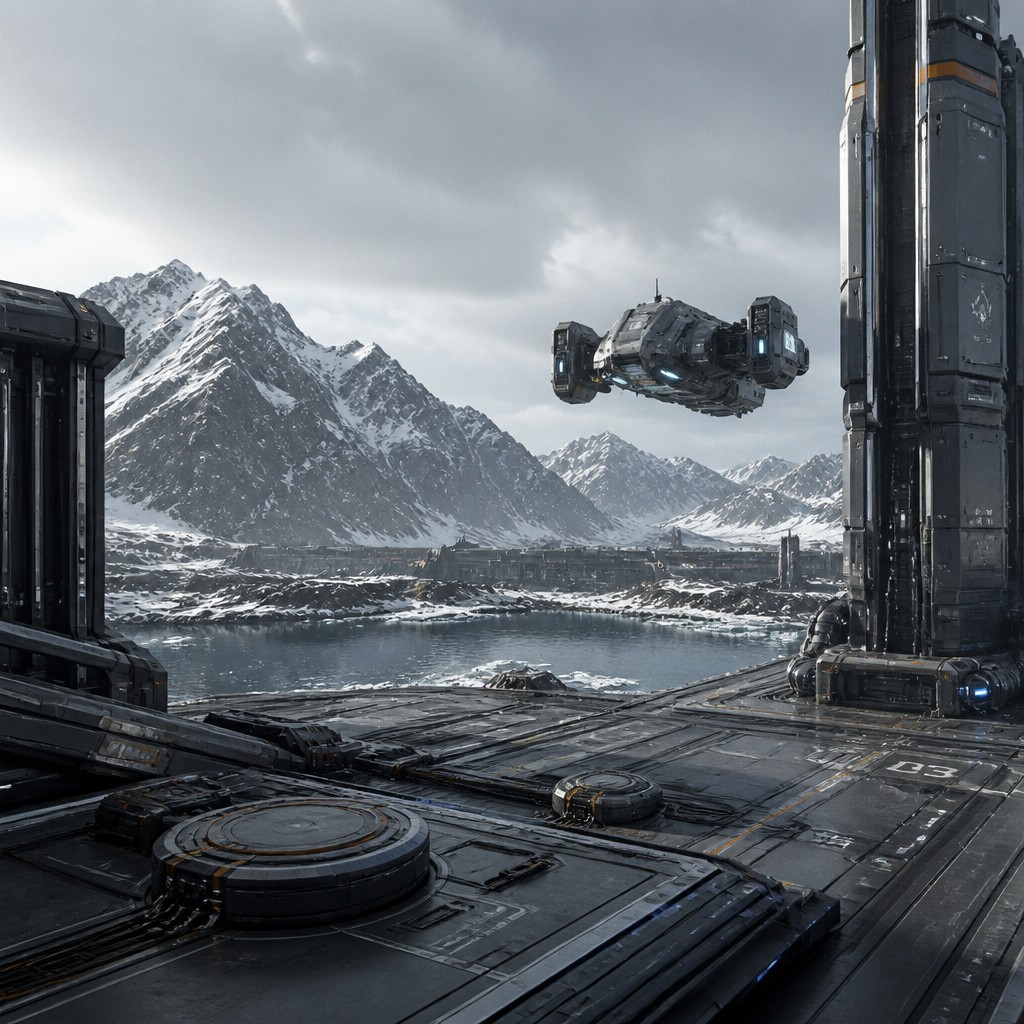
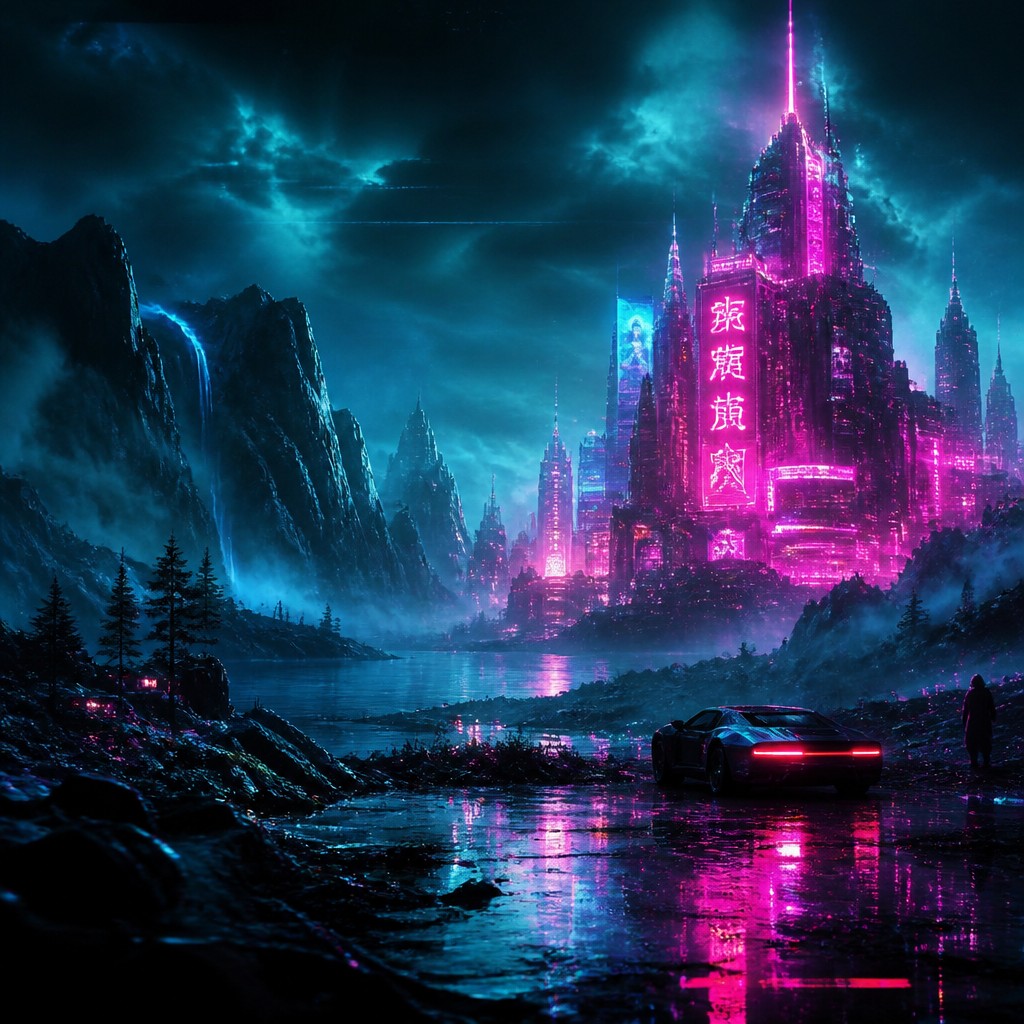
Each pair below was generated from the identical prompt — only the style changed.
“portrait of two people together”
“wide landscape with natural scenery”
“still life with everyday objects”
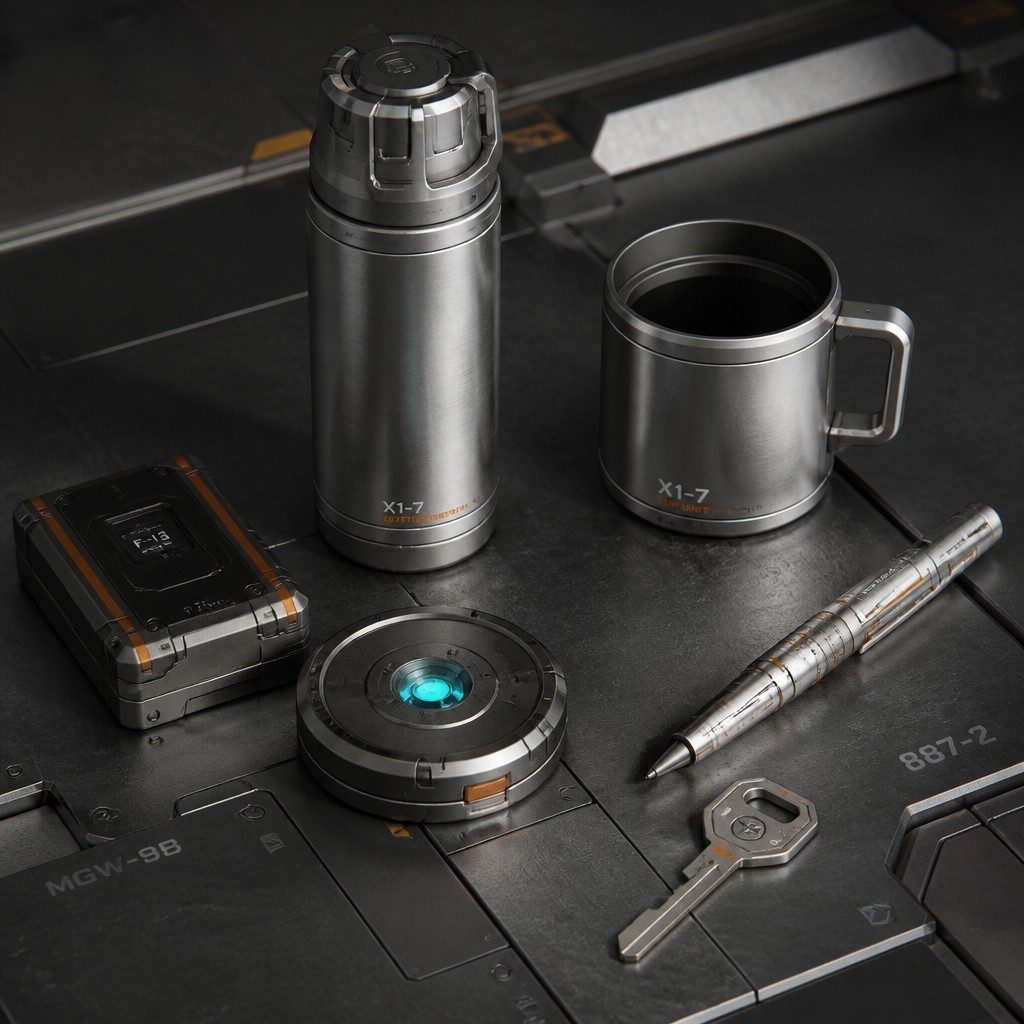
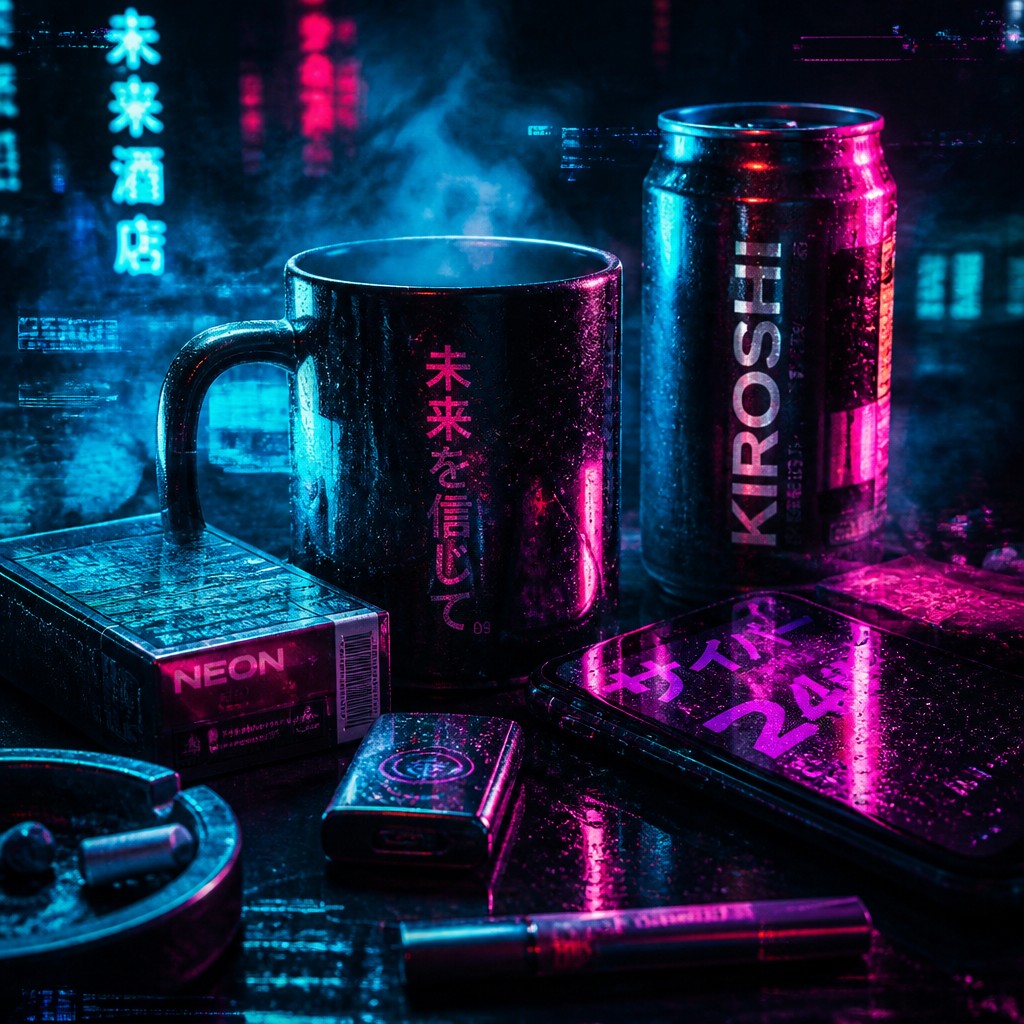
“bicyle resting against a wall”
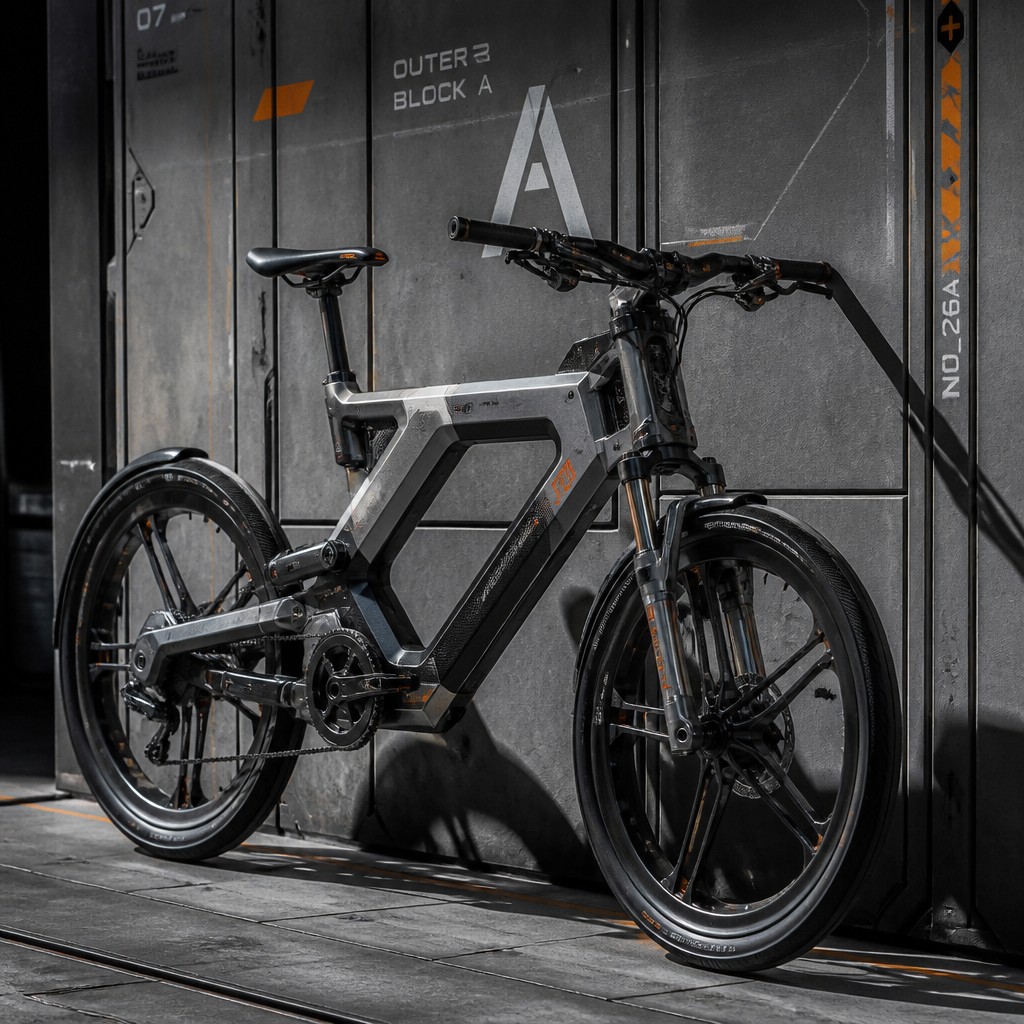
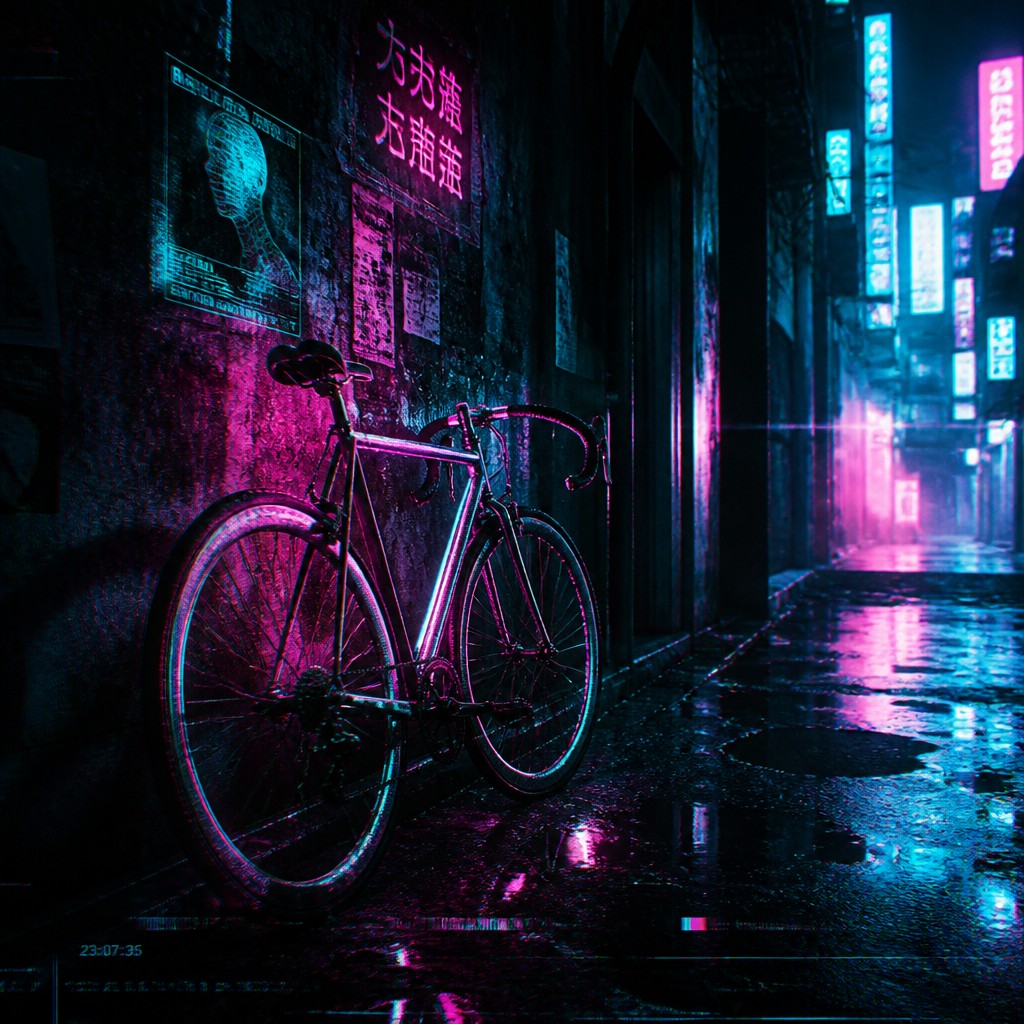
Key Differences
| Hard Sci-Fi | Cyberpunk Sci-Fi | |
|---|---|---|
| Worldbuilding focus | Built around engineering logic, orbital mechanics, and plausible technological progress. | Built around social decay, megacorporations, and a high-tech, low-life atmosphere. |
| Architecture & settings | Clean, functional structures designed for efficiency and real constraints. | Crowded vertical cities, layered signage, alleyways, and dense urban clutter. |
| Color palette | Often restrained, using natural materials, muted tones, and realistic lighting. | High-contrast neons, saturated accents, dark backgrounds, and reflective surfaces. |
| Technology design | Devices look mechanically coherent, maintainable, and physically believable. | Tech is sleek, stylized, and integrated with fashion, implants, and interfaces. |
| Mood | Awe, realism, problem-solving, and frontier exploration. | Tension, alienation, speed, danger, and urban unrest. |
| Human presence | People often appear as astronauts, engineers, explorers, or operators. | People often appear as hackers, street-level survivors, mercenaries, or workers. |
| Mood | technical, plausible, restrained, clinical | moody, tense, futuristic, ominous, cinematic |
| Energy | balanced | intense |
| Detail level | detailed | intricate |
| Color | muted neutrals with industrial accents | neon blues, magentas, violets, dark metallics |
| Texture | clean metal, composite, utilitarian wear | wet, glossy, gritty, reflective, layered |
| Origin | late 20th century aerospace design | late 20th-century digital-native aesthetic |
| Best for | concept art, book covers, technical illustrations, film preproduction, game environments, posters | movie posters, game key art, album covers, book covers, concept art, editorial illustrations |
| Difficulty | advanced | advanced |
Which Should You Choose?
Pick Hard Sci-Fi Art when you want credibility, educational value, or a future that feels physically possible. Pick Cyberpunk Sci-Fi Art when you want strong atmosphere, visual energy, and themes of surveillance, inequality, and technological overload. If your story depends on engineering realism, choose A; if it depends on urban grit and style, choose B.
Frequently Asked Questions
Is cyberpunk a type of hard sci-fi?
Not usually. Cyberpunk often includes advanced technology, but it is more interested in social consequences and aesthetics than strict scientific plausibility. Some cyberpunk works can be carefully researched, but the style itself does not require hard-science realism.
Can these styles overlap?
Yes. A project can combine realistic technology with neon urban design or dystopian themes. The overlap works best when you decide which side leads: physical realism or cyberpunk mood.
Which style is better for concept art?
It depends on the goal. Hard Sci-Fi Art is better for believable vehicles, habitats, and systems, while Cyberpunk Sci-Fi Art is better for eye-catching city scenes, character design, and dramatic lighting.
Which style is easier to make feel recognizable?
Cyberpunk is often more instantly recognizable because of neon, rain, and dense city imagery. Hard Sci-Fi is less stereotyped, so it may need clearer design cues to signal the genre, but it can feel more original and grounded.