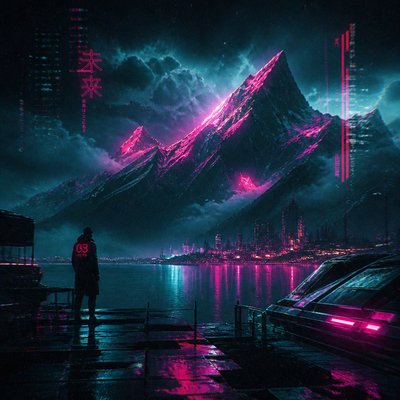
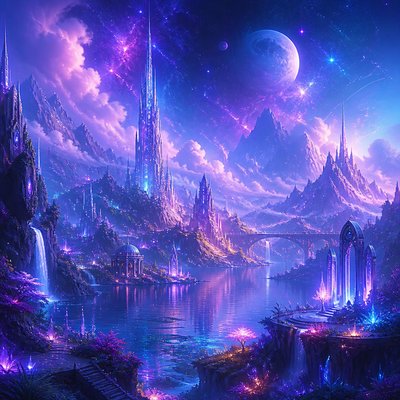
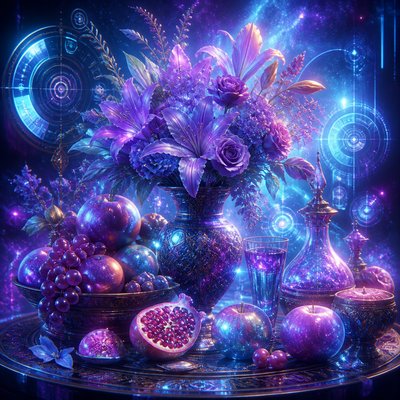
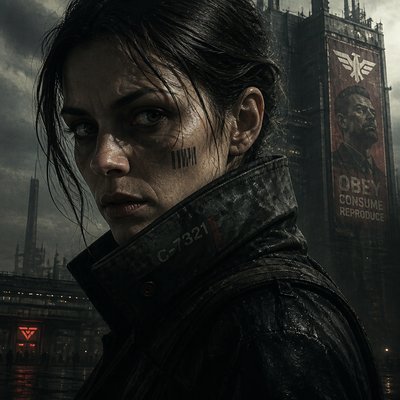
Mecha Sci-Fi Art
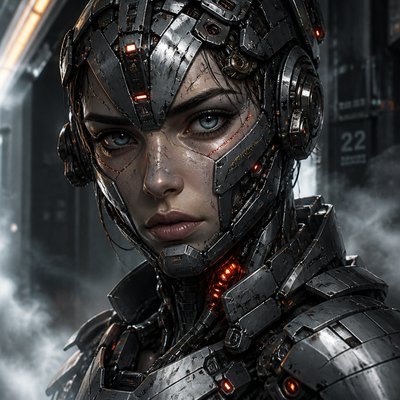
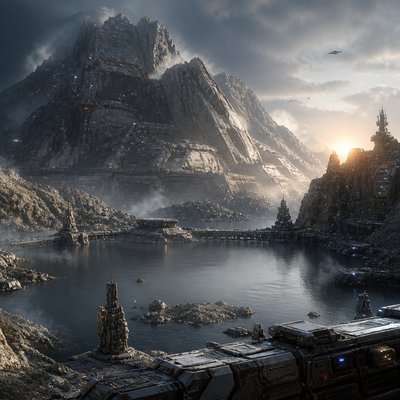
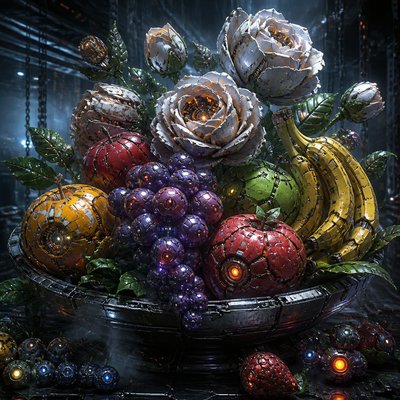
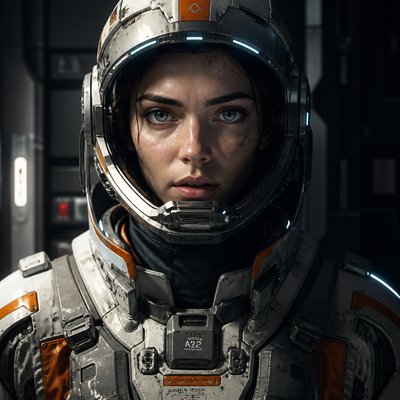
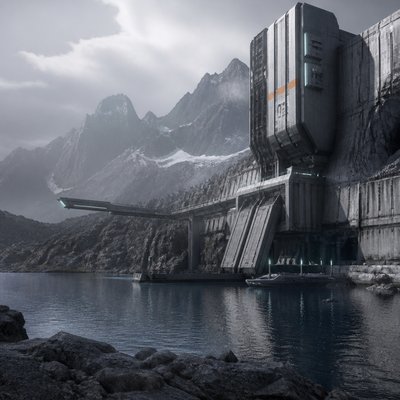
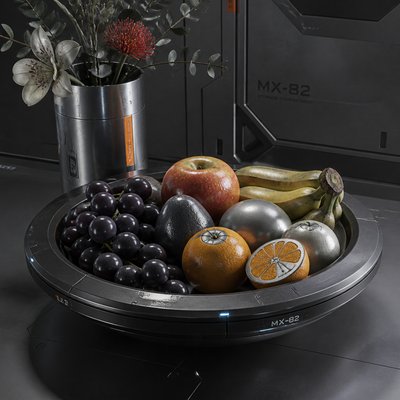
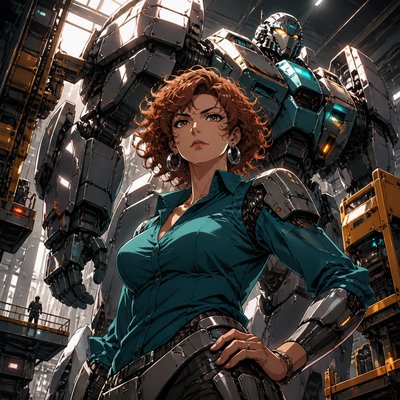
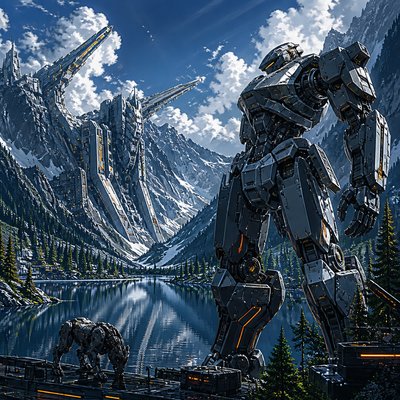
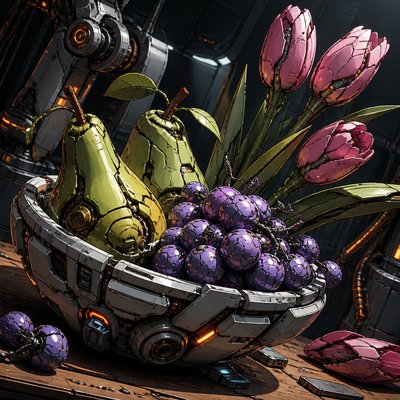
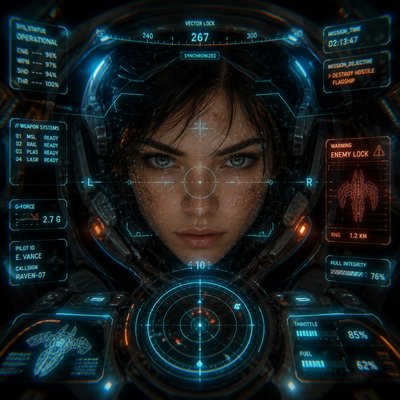
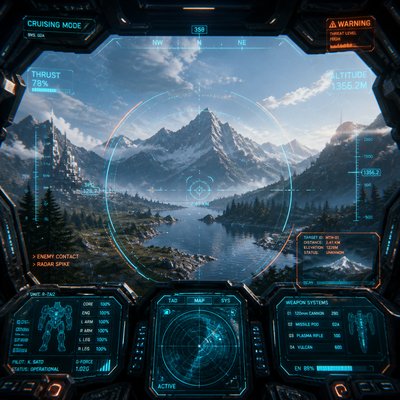
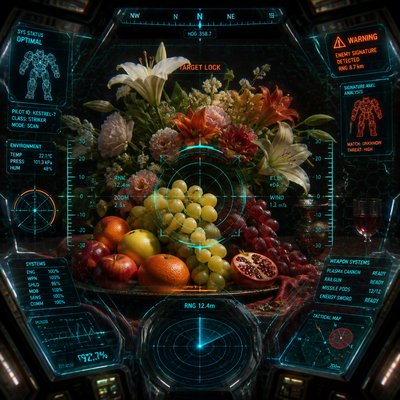
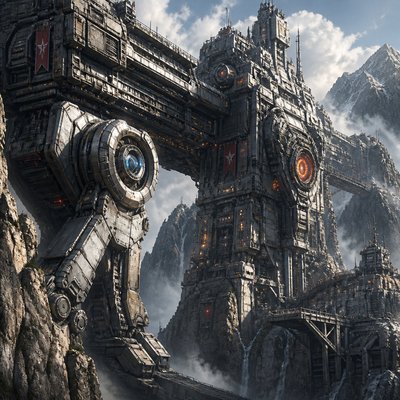
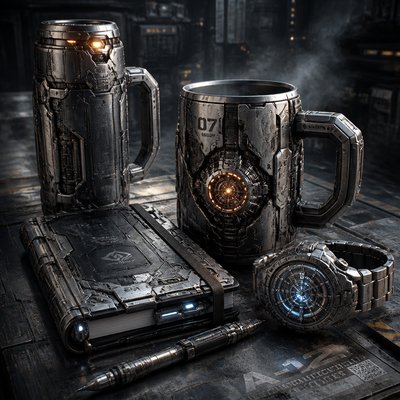
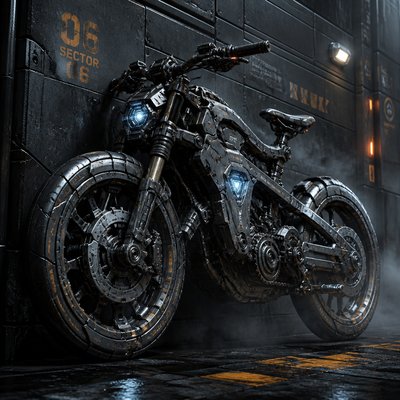
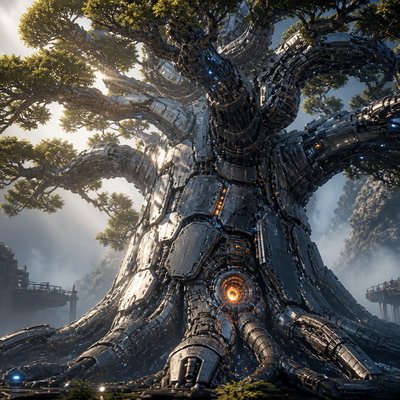
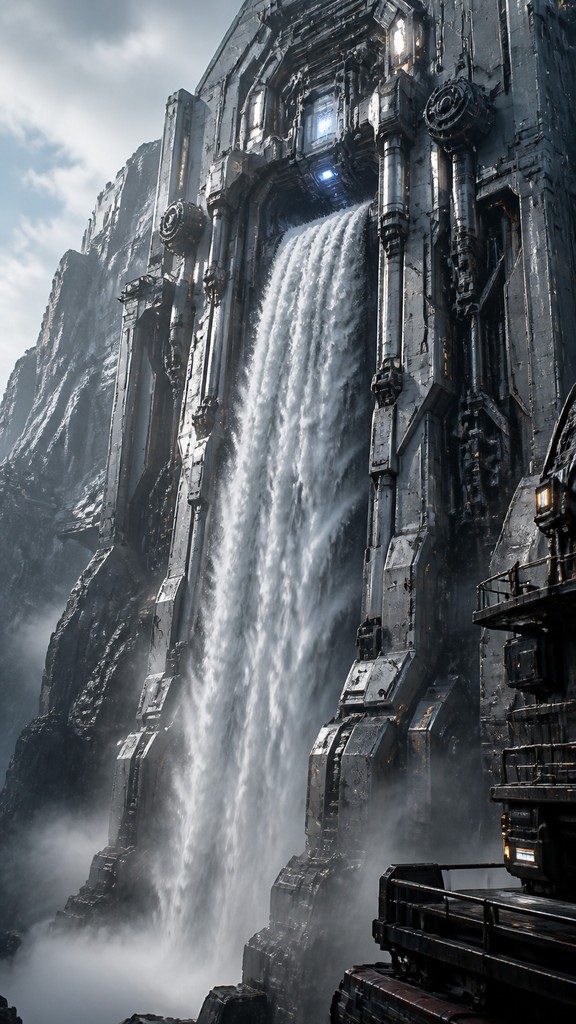
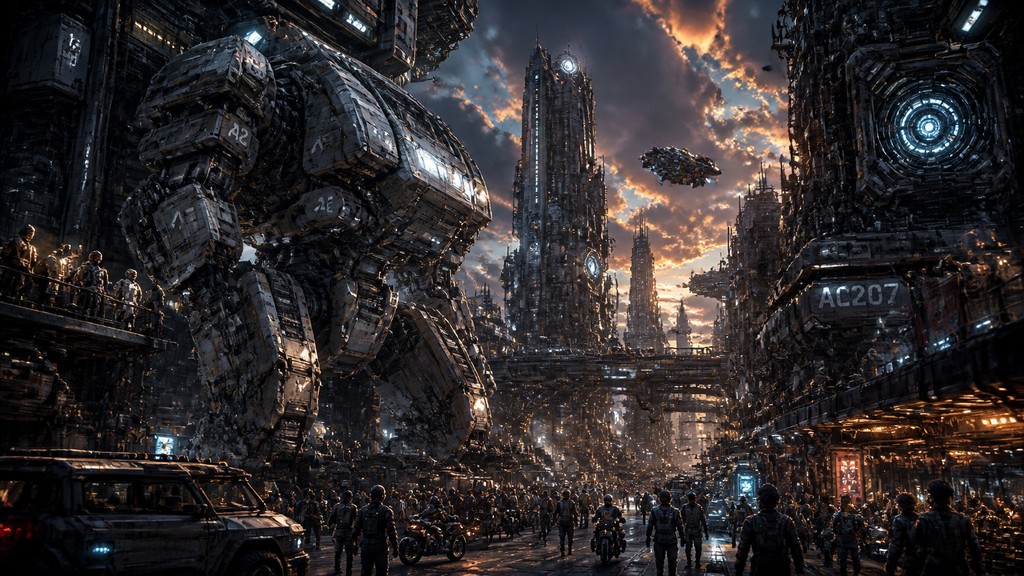
Hyper-detailed giant robots and powered armor with industrial precision, glowing cores, battle wear, and cinematic mechanical realism.
Instantly rendered in Mecha Sci-Fi — or transform a photo
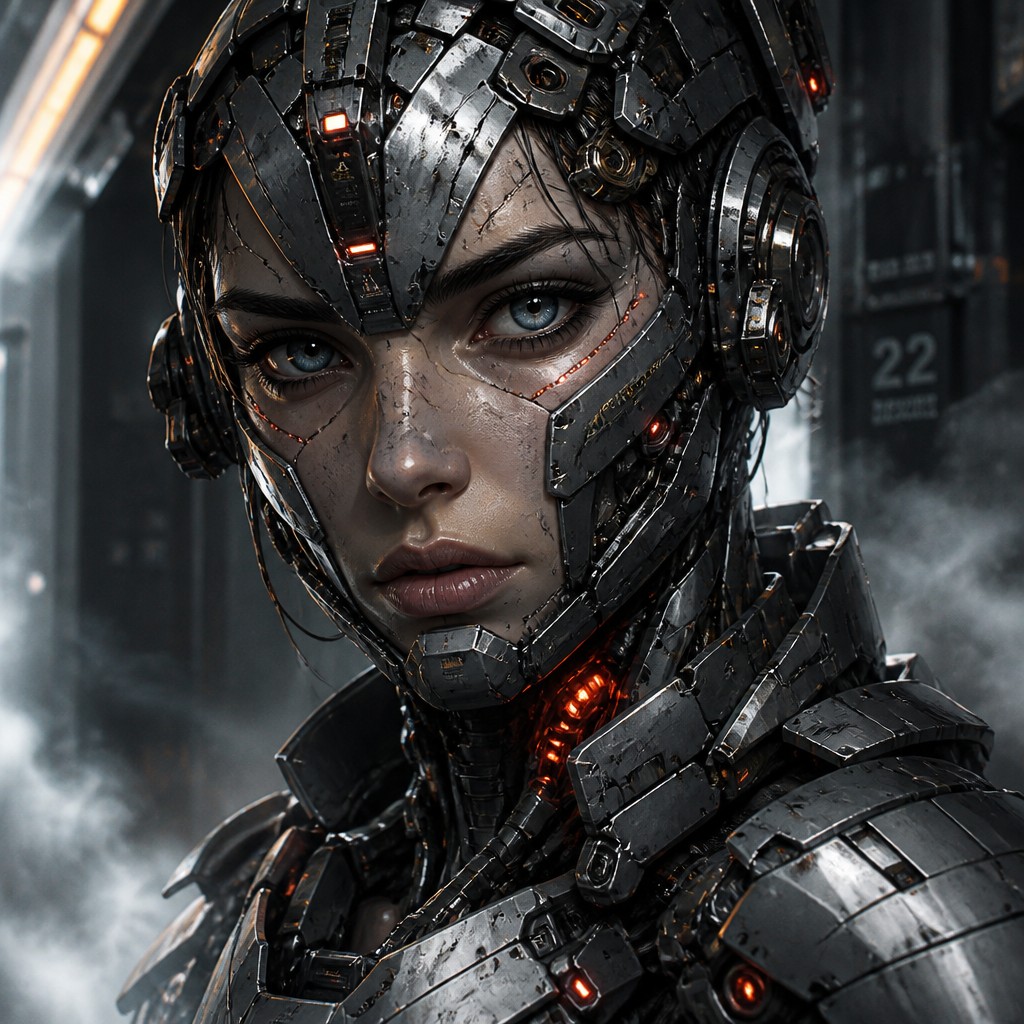
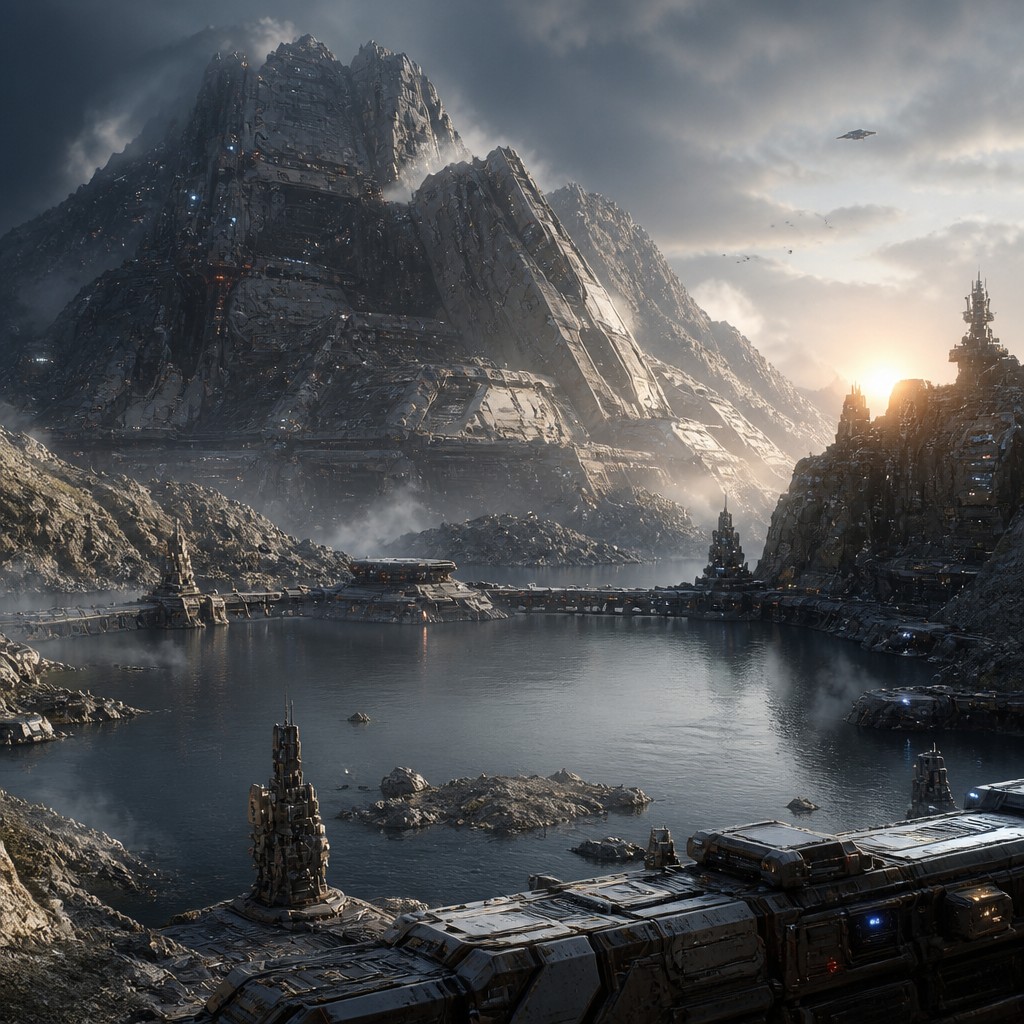
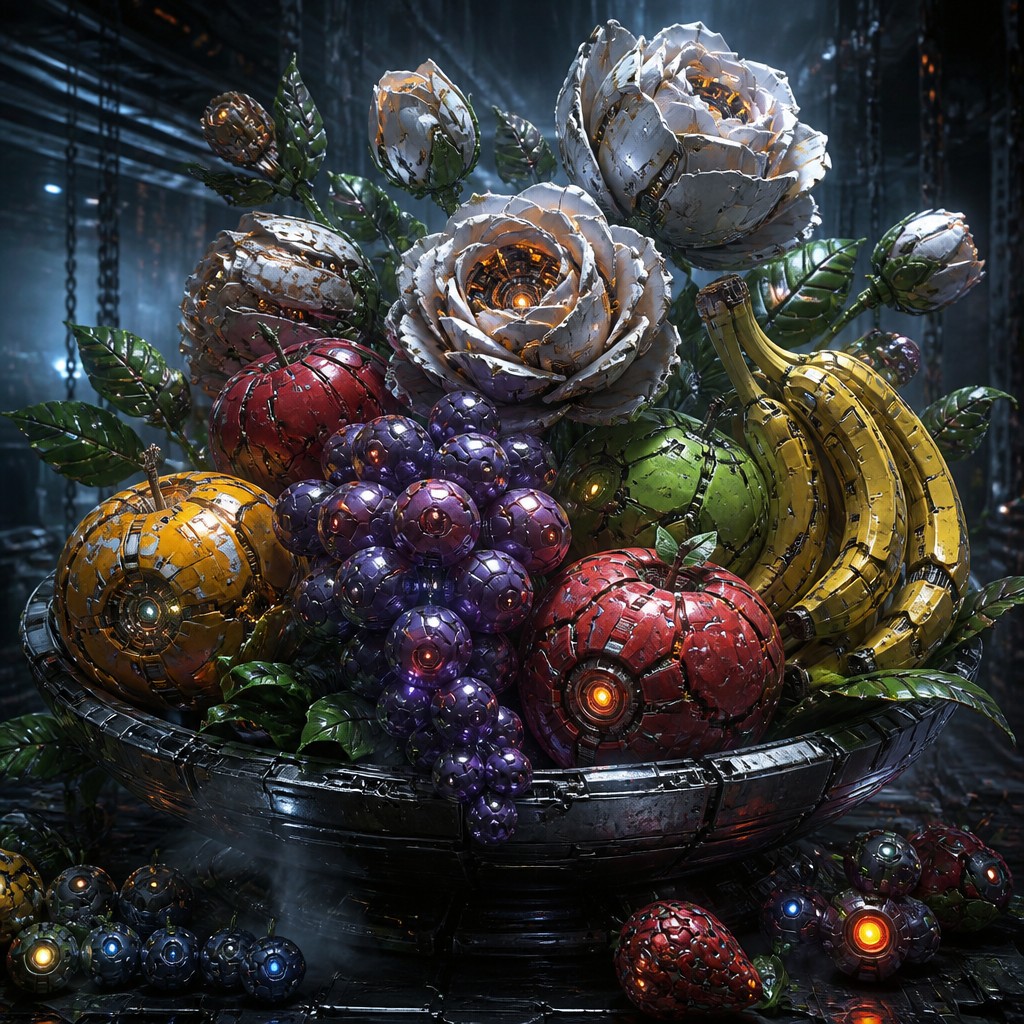
Mecha Sci-Fi Gallery
Tap any artwork to explore it
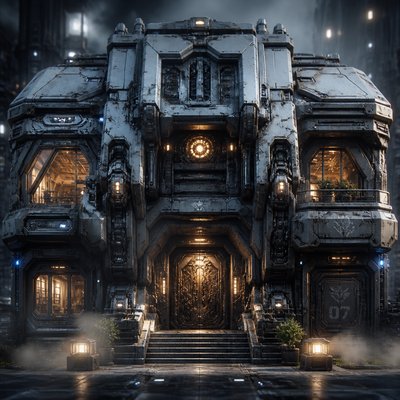
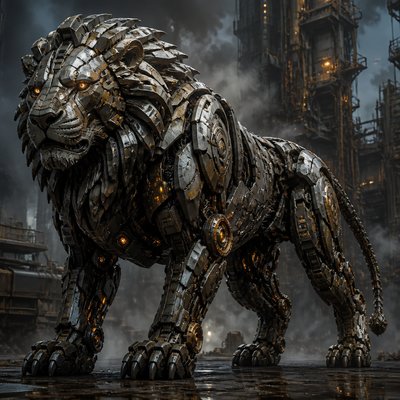
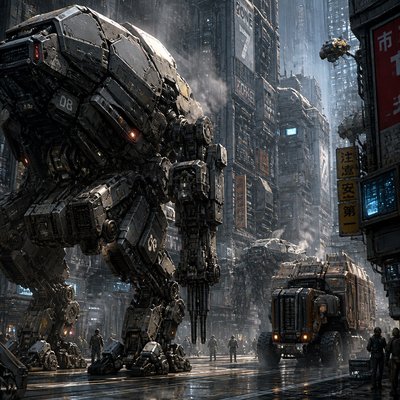
What is Mecha Sci-Fi Art?
Mecha Sci-Fi Art is a genre of speculative visual design centered on giant robots, powered exosuits, and heavily engineered machines. Its look is defined by layered armor plating, exposed joints, hydraulic systems, vents, sensor arrays, and weaponized appendages, all rendered with enough structural detail to feel mechanically plausible. Whether the subject is a towering combat robot, a mobile suit, or an industrial work machine, the style emphasizes mass, precision, and functional complexity.
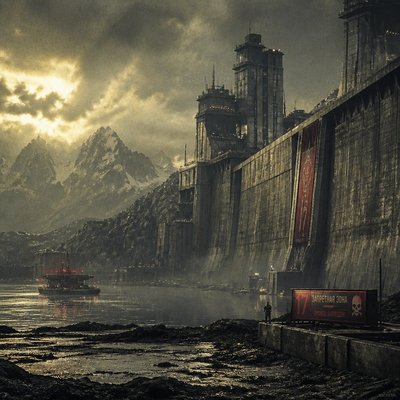
The visual identity of the style comes from the intersection of science fiction imagination and industrial design thinking. Surfaces are often treated like built objects rather than organic forms: panel lines, maintenance hatches, fasteners, thruster ports, and glowing internal systems create a sense of technology under stress. Dramatic lighting, haze, and weathering reinforce scale and realism, making these machines feel as though they occupy an inhabited world of factories, battlefields, and orbital installations.
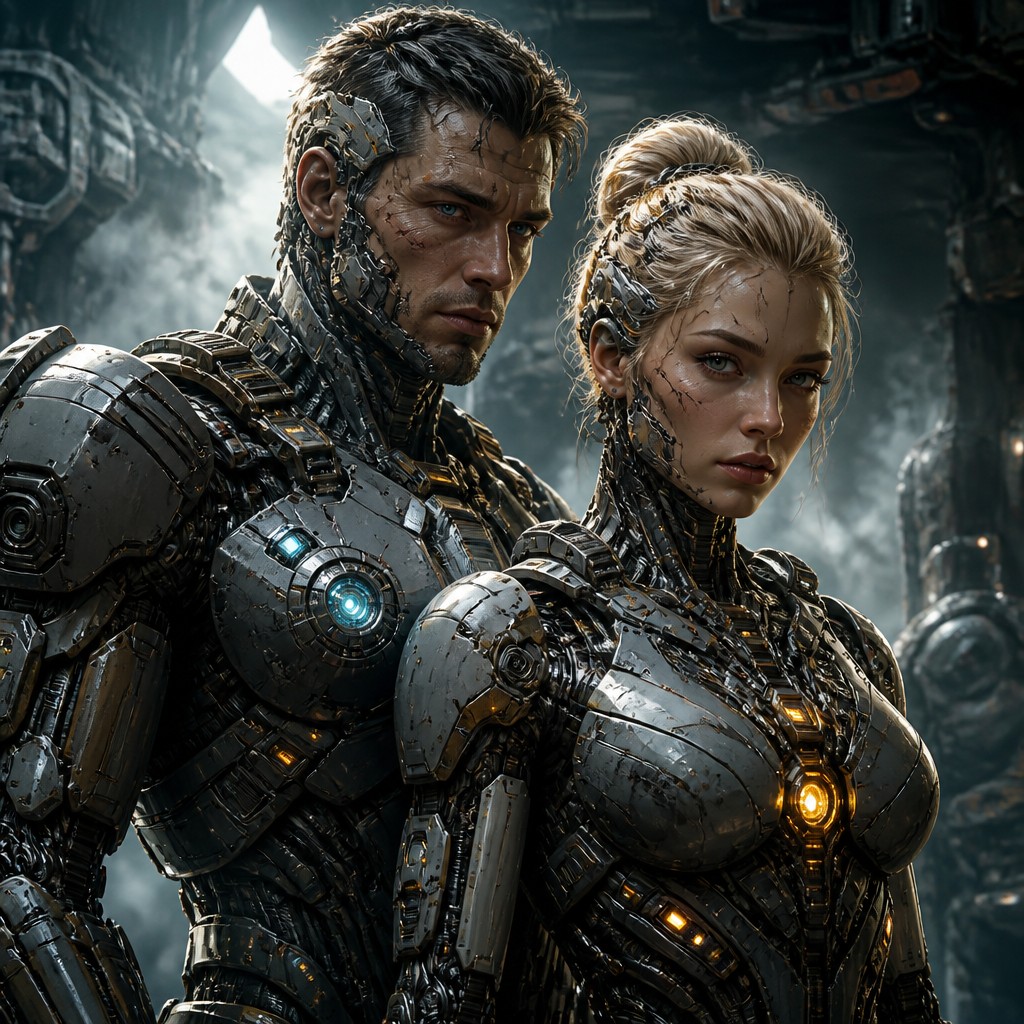
Try It On Your Photos
Upload any photo and convert it into Mecha Sci-Fi Art — drag the sliders to compare before and after.
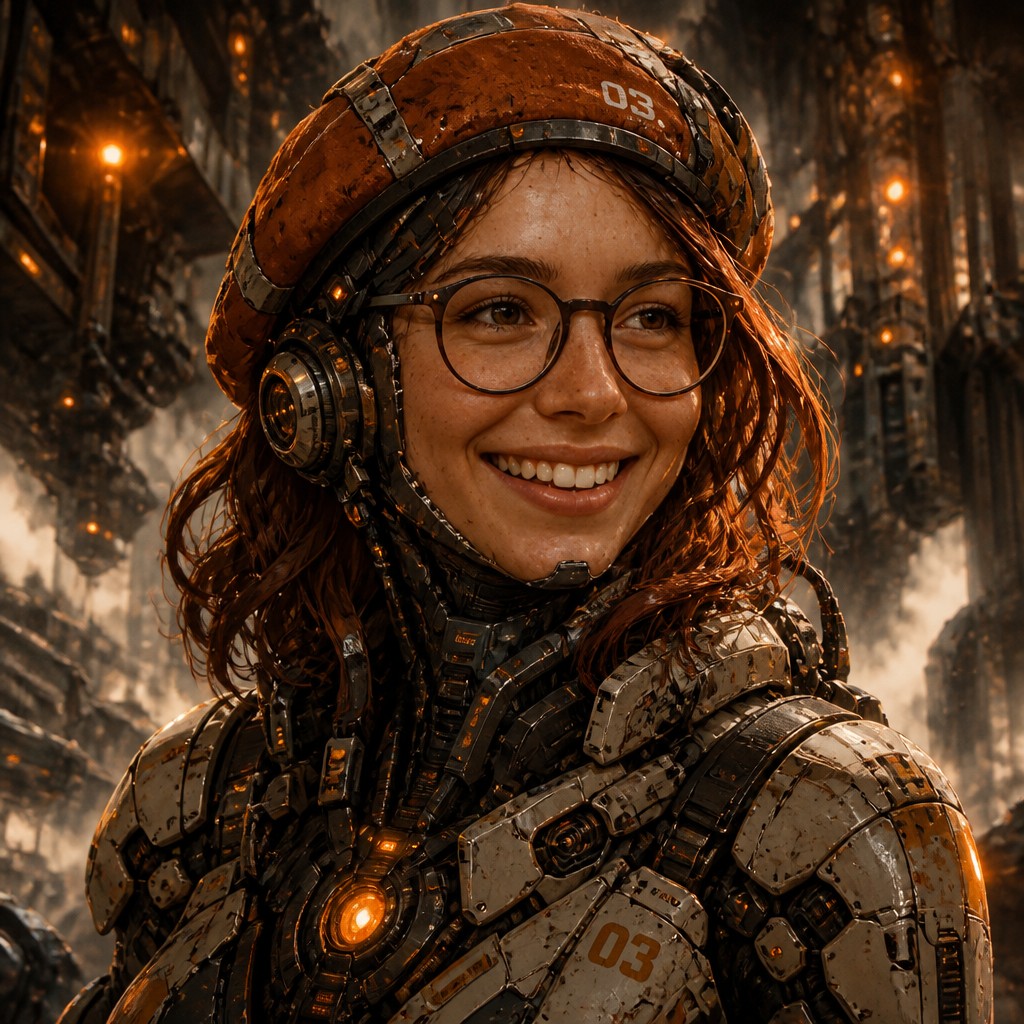

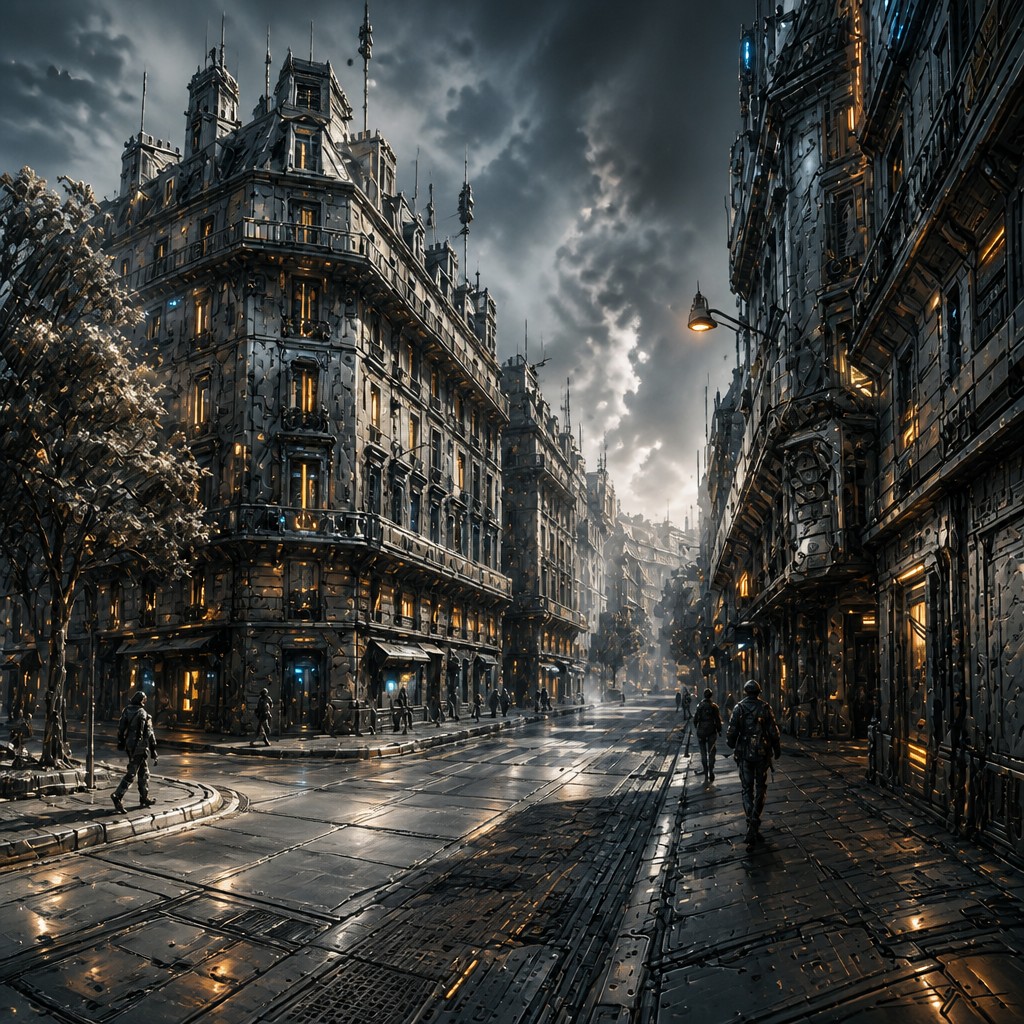

What Defines Mecha Sci-Fi Art
The signature details, up close
Hard-surface armor construction
The forms are built from interlocking plates, beveled edges, and layered mechanical shells. This gives the subject a manufactured, armored appearance rather than a smooth or organic one.
Visible mechanical articulation
Joints, pistons, cables, hinges, and servo mechanisms are often left visible. These details suggest motion, weight, and believable engineering.
Industrial material palette
Common finishes include brushed metal, gunmetal, titanium gray, matte black, hazard striping, and chipped paint. Subtle rust, soot, and abrasion add realism and a used-machine feel.
Energy and systems lighting
Glowing cores, cockpit lights, visor slits, thrusters, and indicator LEDs provide contrast against the metal surfaces. These lights help communicate power sources and internal function.
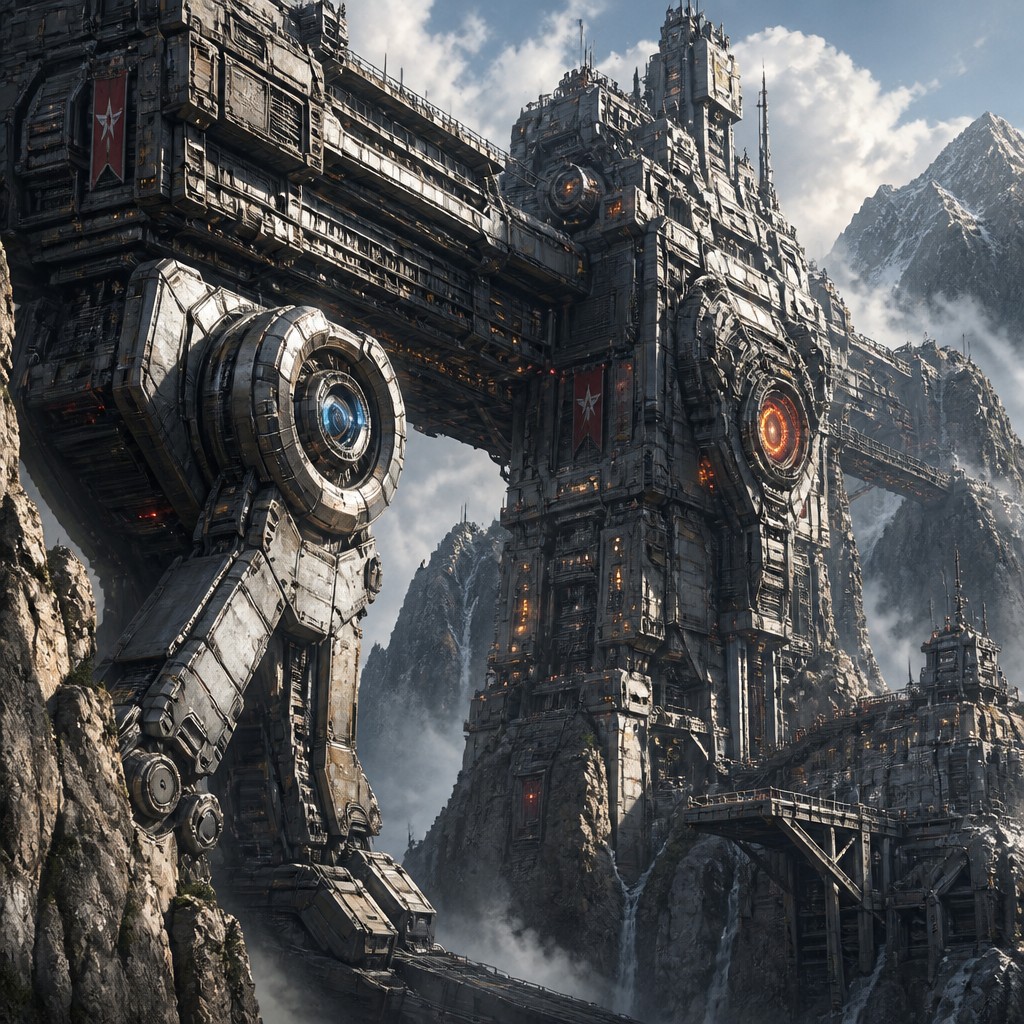
Scale through atmosphere
Haze, smoke, dust, vapor, sparks, and debris are often used to imply size and environmental impact. Even a static pose can feel immense when surrounded by industrial atmosphere.
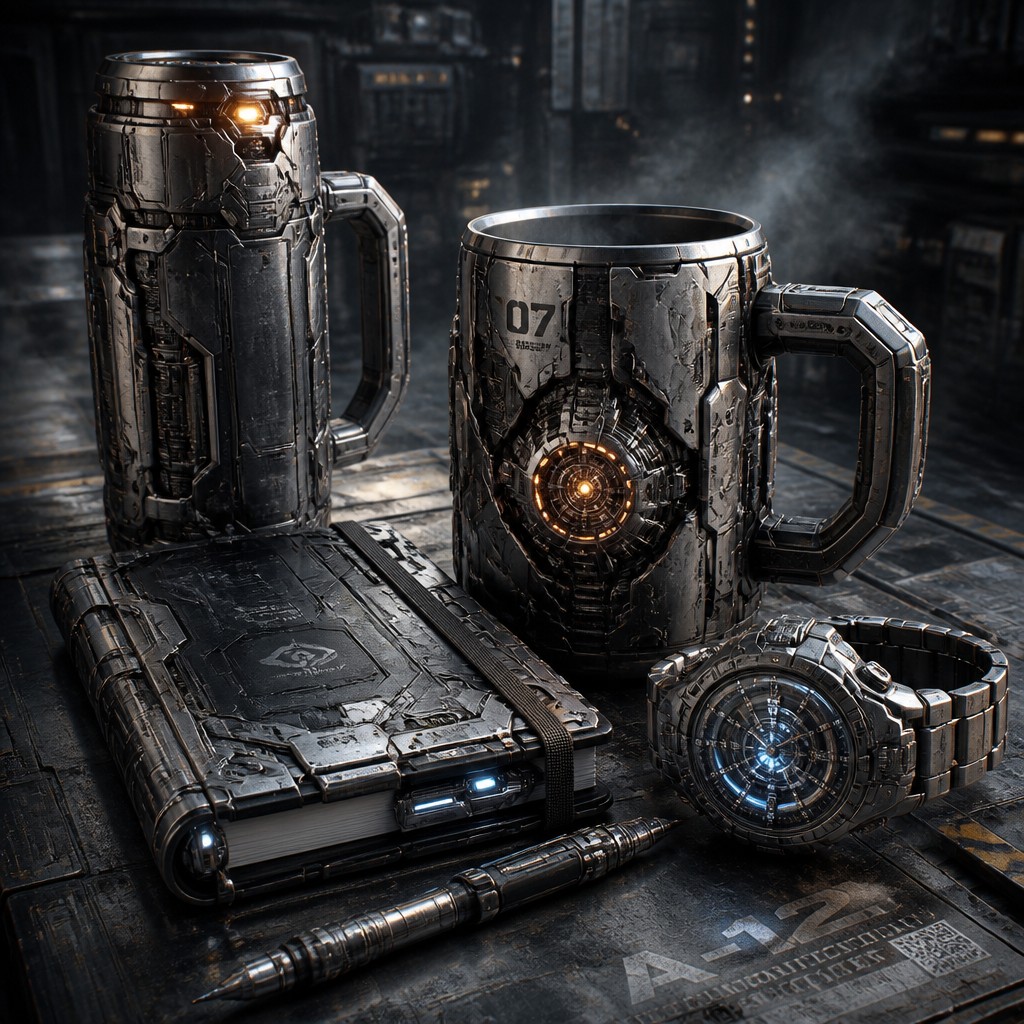
Functional insignia and markings
Numbers, warning labels, unit emblems, and maintenance text reinforce the sense that the machine belongs to a military or industrial setting. These markings also help break up large armor surfaces.
Try It
Create Videos in Mecha Sci-Fi Art
Styles aren't just for stills — describe a scene or animate an image and get a short video rendered in Mecha Sci-Fi. Press play to see this pond come to life.
Make a VideoMecha Sci-Fi Prompt Ideas
Start from an idea — each one opens the generator with the style ready to go. See all 40 Mecha Sci-Fi prompts →
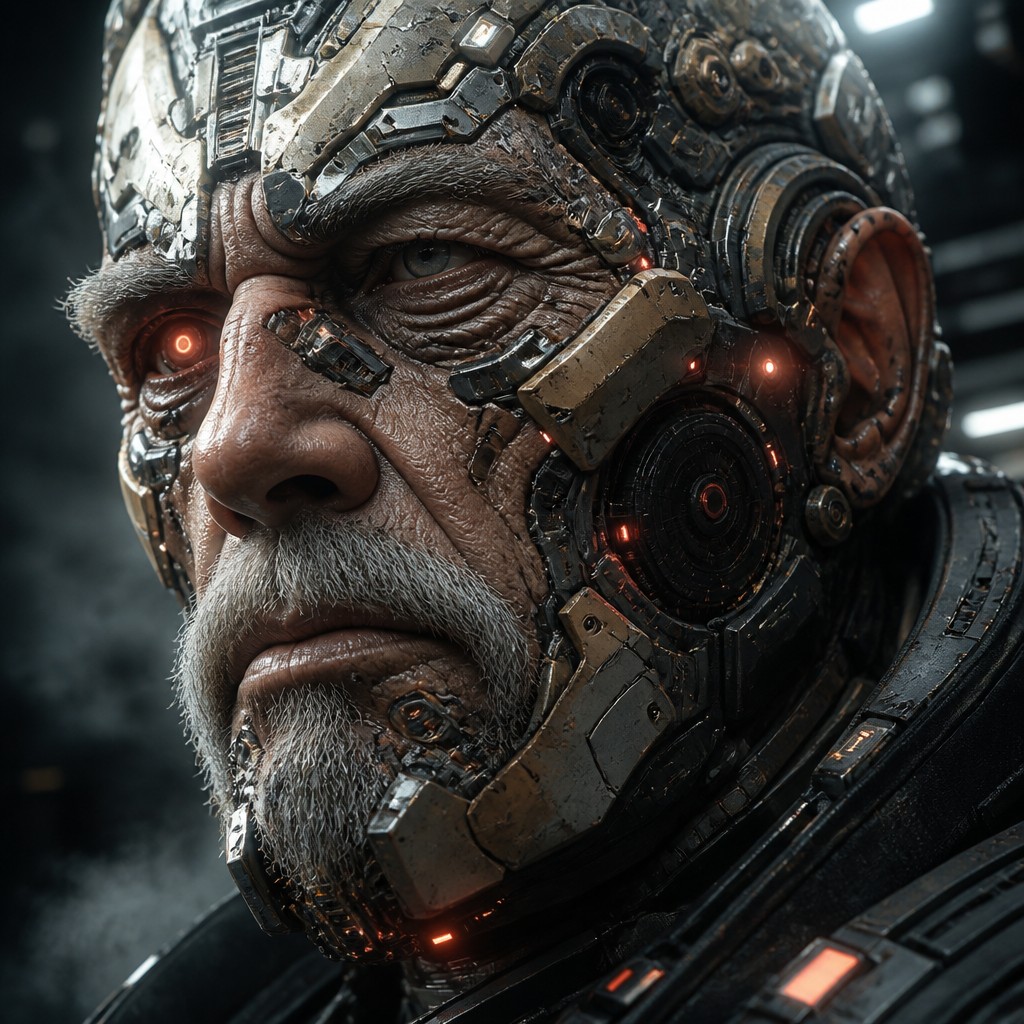
“close-up portrait of an elderly person with expressive weathered features”
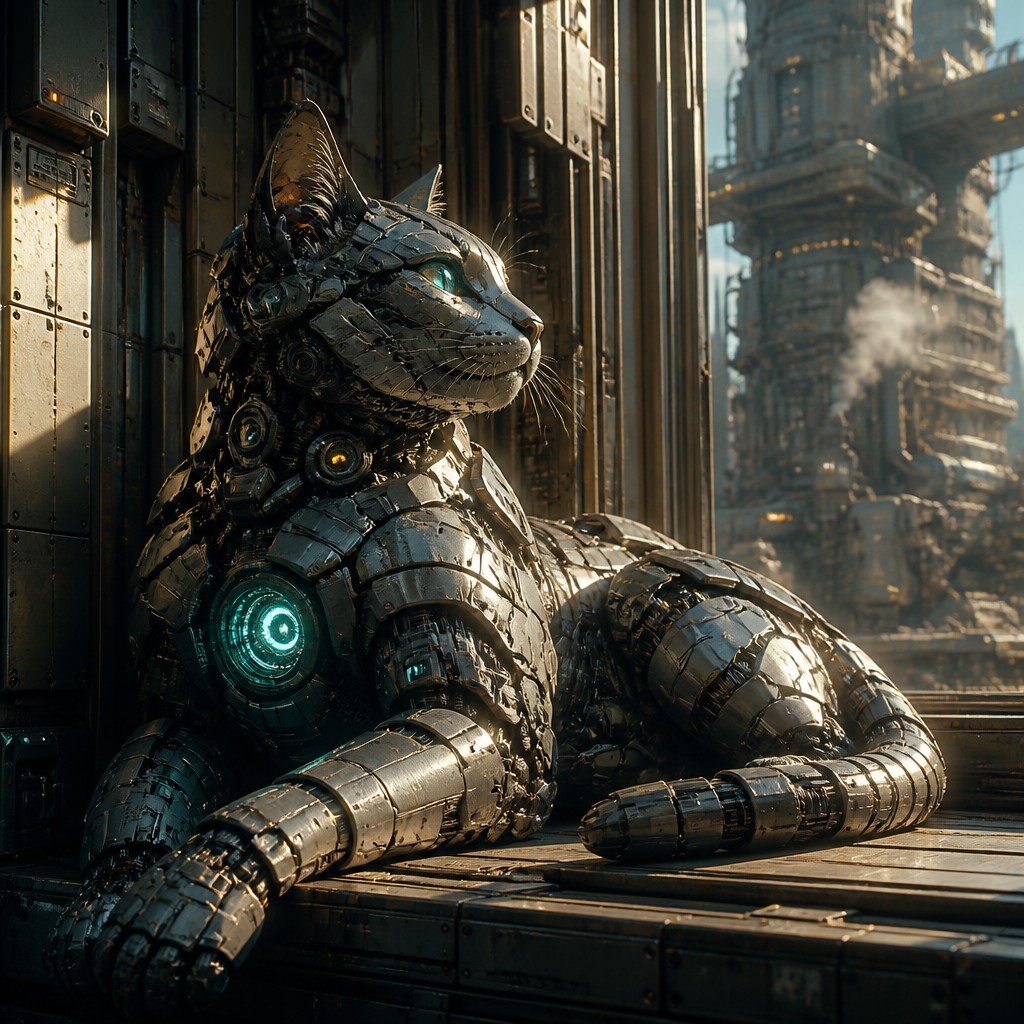
“a cat lounging in a sunlit window”
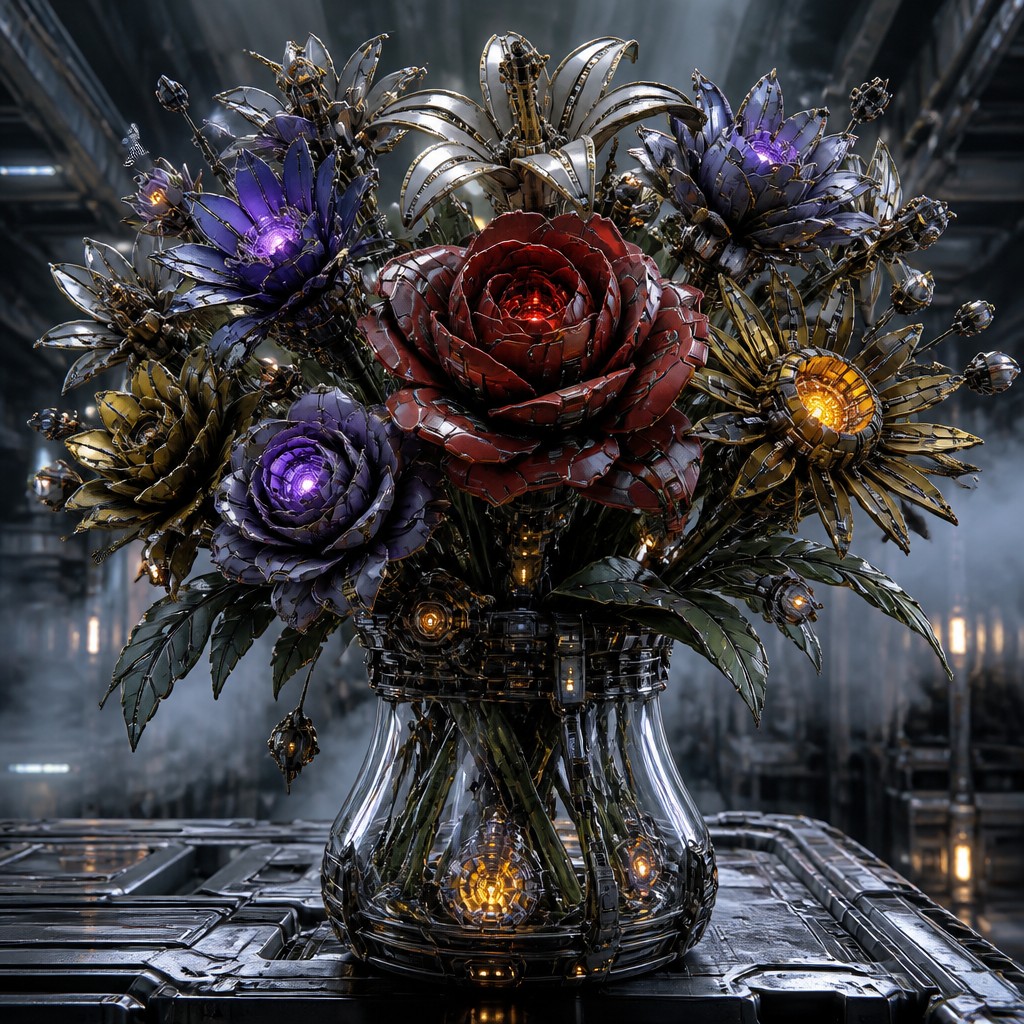
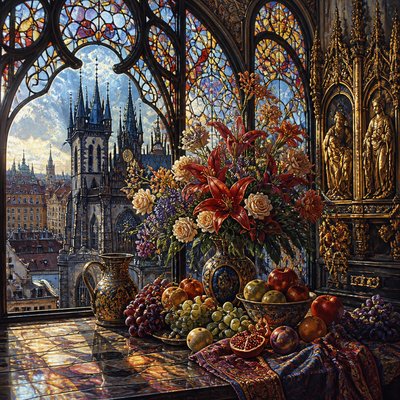
“bouquet of flowers in a glass vase”
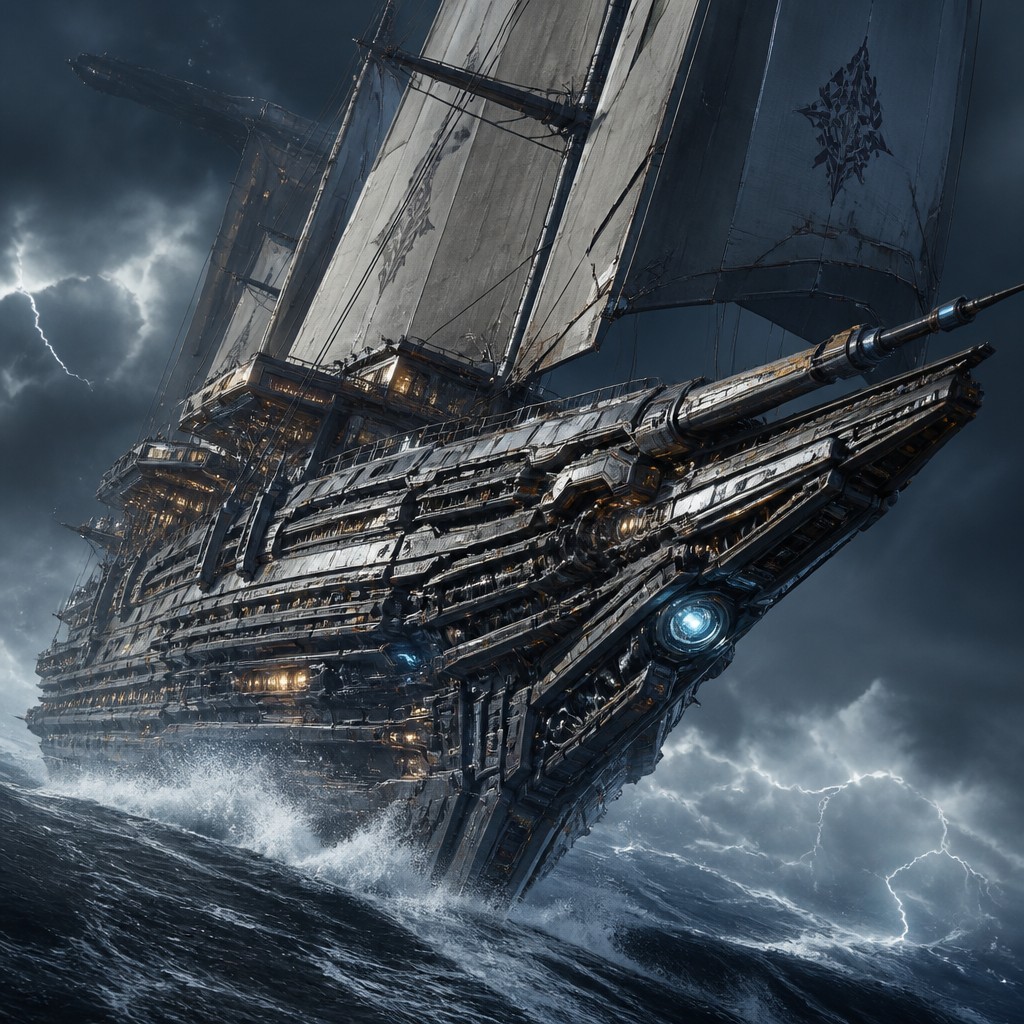
“sailing ship on a stormy sea”
How to Create Mecha Sci-Fi Art
Master the craft step by step — or skip straight to creating. Read the full guide →
- 1
Design from function first
Start by deciding what the machine does: combat, mining, construction, rescue, or transport. Build the silhouette and components around that role so the details feel necessary rather than ornamental.
- 2
Use layered structural forms
In drawing or painting, block in large armor volumes first, then add panel lines, vents, bolts, and joints. In digital work, separate the design into readable planes so the machine keeps its mass at different viewing distances.
- 3
Balance clean geometry with wear
Combine crisp edges and technical precision with weathering such as paint chips, scratches, heat staining, and oil marks. The contrast between pristine engineering and battlefield use is central to the style.
- 4
Light for scale and readability
Use rim lighting, underlighting, and strong value contrast to separate overlapping parts and reveal depth. Glows from sensors or reactors can help anchor attention inside a complex silhouette.
- 5
Reference real machines and materials
Study aircraft, tanks, excavators, spacecraft hardware, and robotics for believable joints and surface logic. When generating prompts, name specific material cues and structural elements to steer the image toward hard-surface detail.
- 6
Specify environment and action
Include operational contexts like hangars, battlefields, factory floors, orbital docks, or ruined megastructures. Phrases that imply movement, vapor, sparks, or combat make the result feel active and cinematic.

The Story
History & Origins of Mecha Sci-Fi
Mecha Sci-Fi Art does not descend from a single historical art movement so much as from several overlapping visual traditions. Its strongest roots are in mid-20th-century science fiction illustration, Japanese manga and anime, military hardware design, and industrial concept art. As the genre developed in the 1970s and 1980s through anime and model-kit culture, artists and designers increasingly treated robots and armor as engineered systems, not just fantasy machines, which helped establish the visual language of panel lines, vents, and articulated joints.
Its aesthetic lineage also includes real-world aerospace engineering, tank and aircraft design, and the cinematic language of action and war films. Unlike purely decorative sci-fi, mecha art evolved around the question of believable function: how a machine would move, be repaired, and survive combat or heavy labor. Contemporary digital painting, 3D modeling, and concept design have expanded the style while preserving its core emphasis on technical density, hard-surface structure, and monumental scale.
Influences: Mecha Sci-Fi Art draws from Japanese mecha design in manga and anime, from the technical imagination of science fiction illustration, and from the visual discipline of industrial and vehicle design. It also overlaps with hard-surface concept art, military aesthetics, and cinematic production design. Canonical figures associated with mecha and related design traditions include leading Japanese mecha designers and character-mechanical designers working in anime and model-based productions, while broader sci-fi visual culture has been shaped by illustrators and designers working in aerospace-minded and hardware-focused modes.
Frequently Asked Questions
What defines Mecha Sci-Fi Art?
It is defined by giant robots, powered armor, and other mechanical forms rendered with an emphasis on engineering detail. The style relies on panel lines, joints, vents, thrusters, and glowing systems to make the machines look functional and massive.
How is it different from general sci-fi art?
General sci-fi art can include spaceships, aliens, cities, and futuristic technology of many kinds. Mecha Sci-Fi Art specifically centers on humanoid or heavily articulated machines, often with a strong military or industrial design language.
Is this style only for robots in combat?
No. While combat is common, the style also works for construction mechs, industrial exosuits, rescue units, mining machines, and maintenance robots. The key is that the design feels engineered for a clear task.
What makes a mecha design look believable?
Believability comes from readable structure, consistent joints, visible access panels, and materials that behave like metal and composite armor. Designers often study real machinery so that the fictional machine appears buildable, even if it is exaggerated.
How do I make a prompt for this style?
Describe the subject, its function, the materials, and the environment. Adding words like layered armor, exposed servos, glowing reactor, weathered paint, industrial haze, and cinematic lighting will usually push the image toward this look.
Where is this style commonly used?
It appears in anime, manga, game key art, concept art, model-kit packaging, tabletop miniatures, and action-oriented science fiction illustration. It is especially common wherever designers want a machine to feel large, technical, and battle-ready.
Create your first Mecha Sci-Fi artwork
Describe anything — or upload a photo — and see it in Mecha Sci-Fi Art in seconds.
Make Something with Mecha Sci-Fi
Compare Mecha Sci-Fi
Related Styles
Discover similar art styles