Alien World Sci-Fi Art
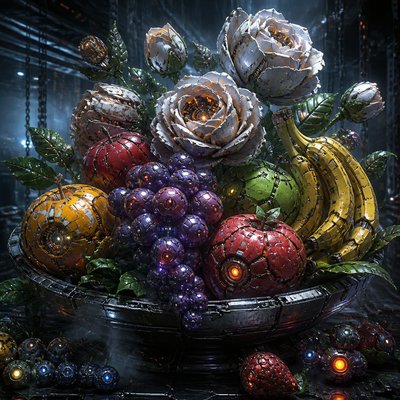
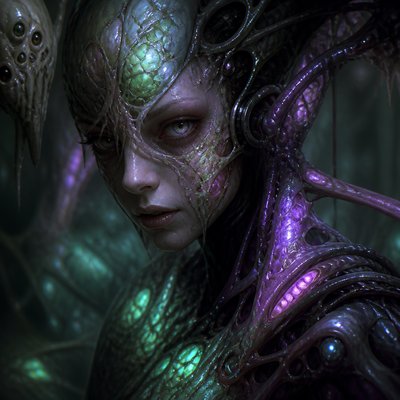
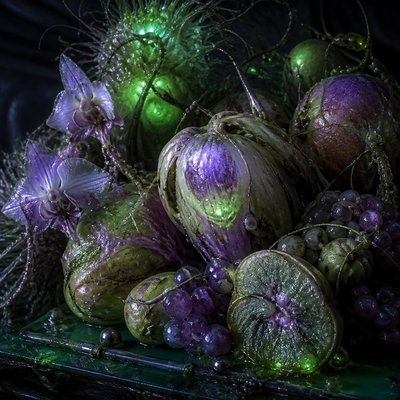
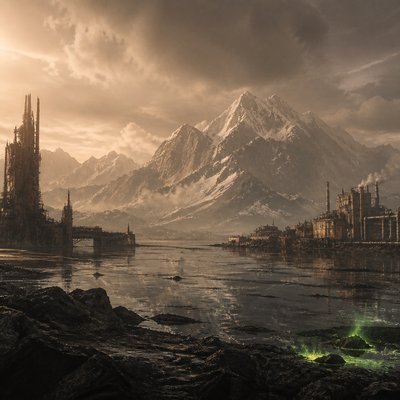
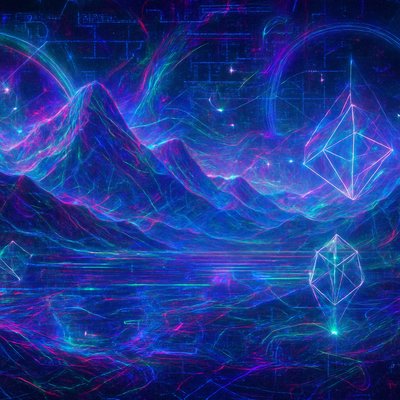
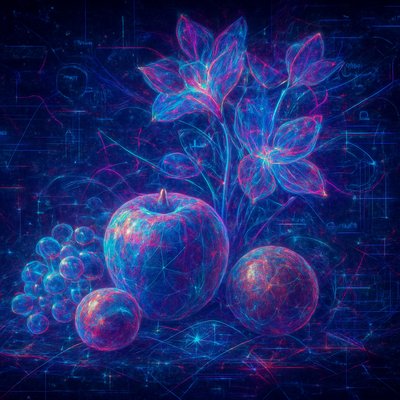
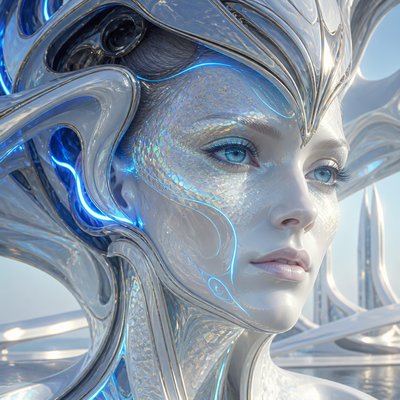
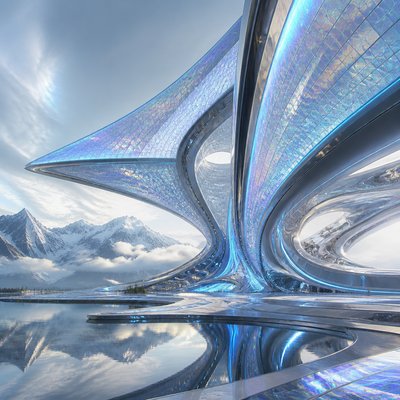
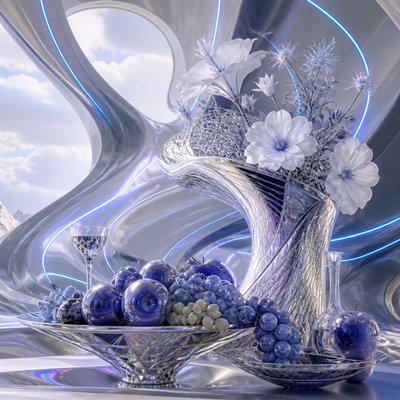
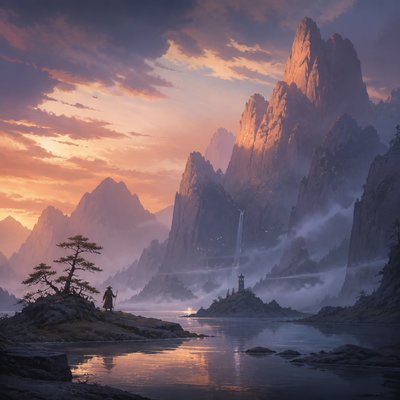
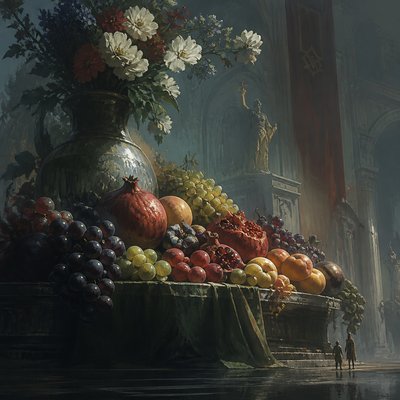
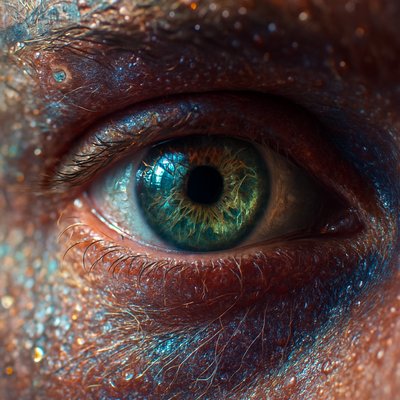
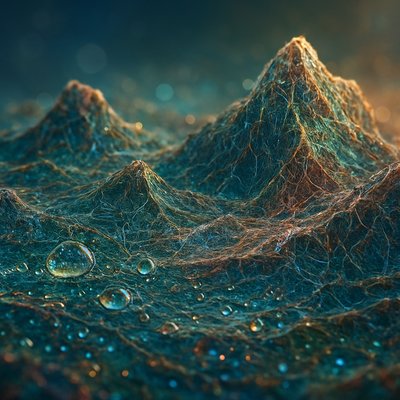
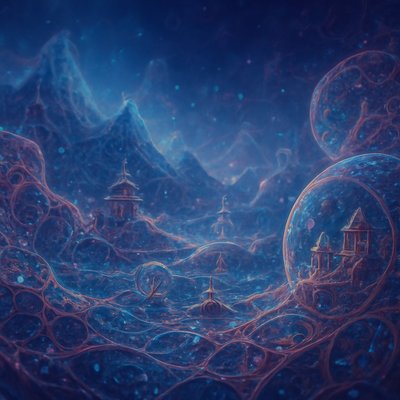
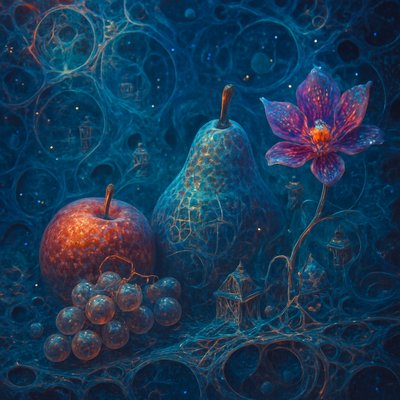
Exotic alien landscapes with bioluminescent flora, crystalline terrain, and eerie cosmic color in sci-fi worldbuilding art.
Instantly rendered in Alien World Sci-Fi — or transform a photo
Alien World Sci-Fi Gallery
Tap any artwork to explore it
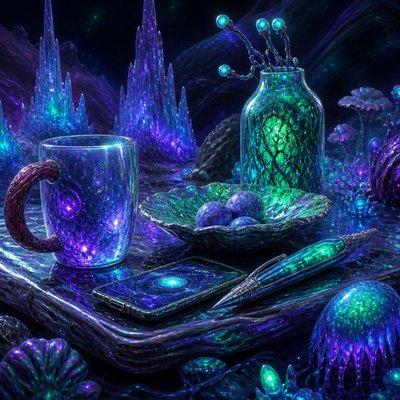
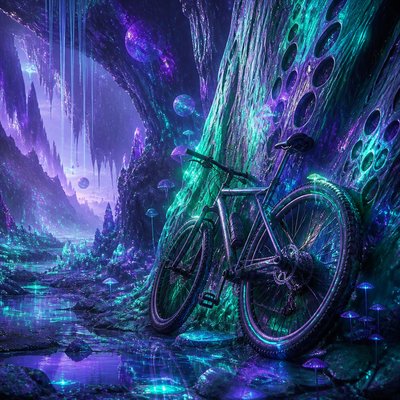
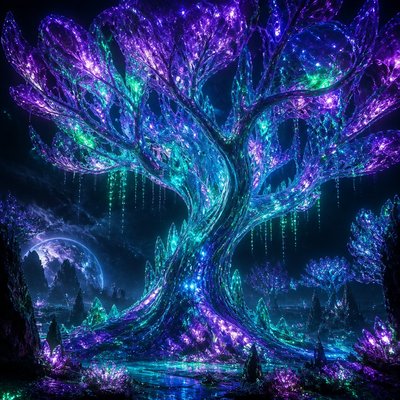
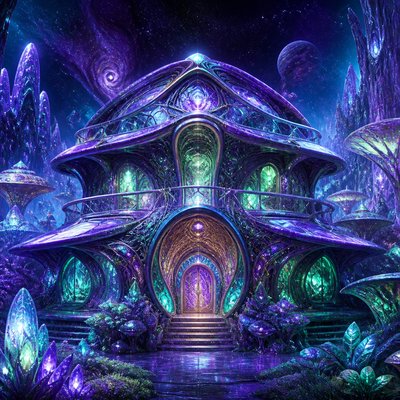
What is Alien World Sci-Fi Art?
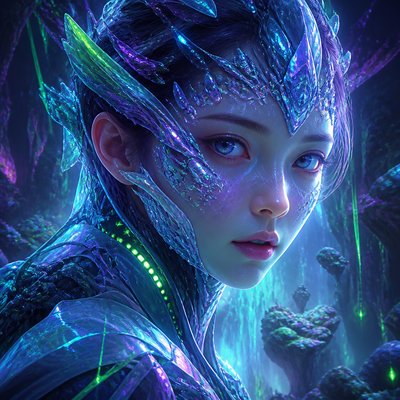
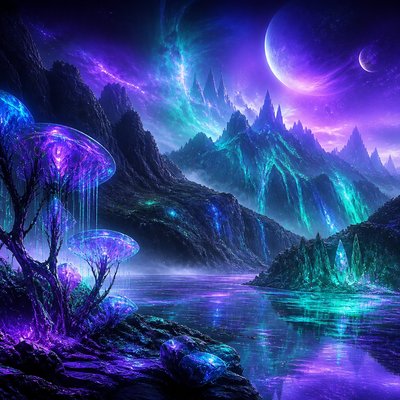
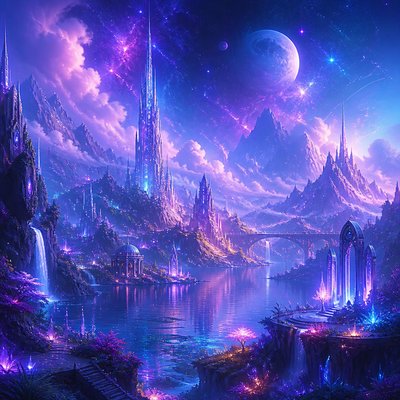
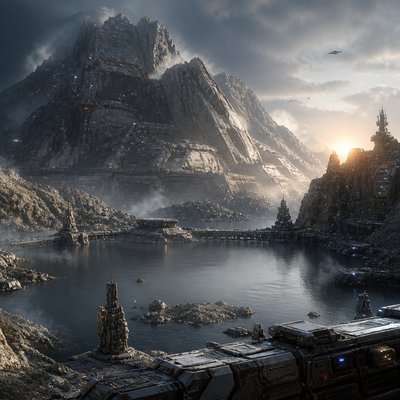
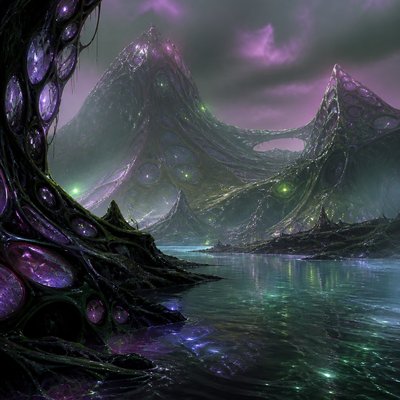
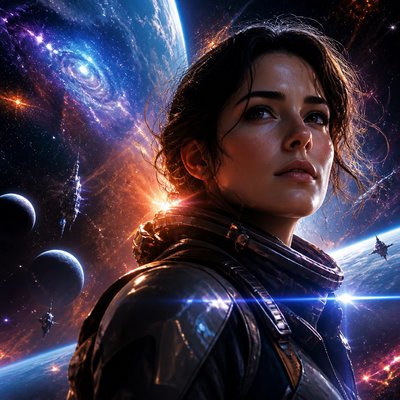
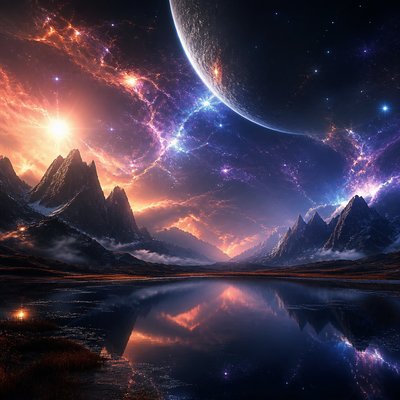
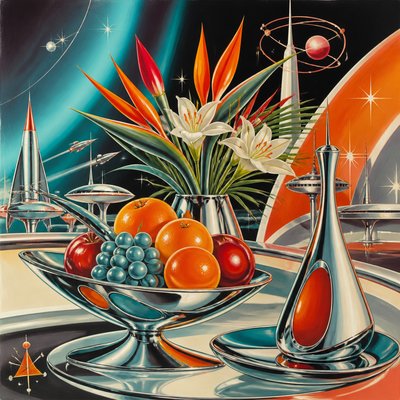
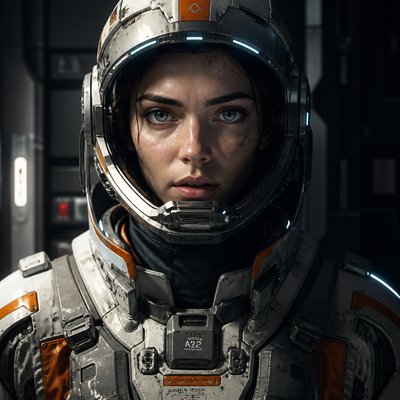
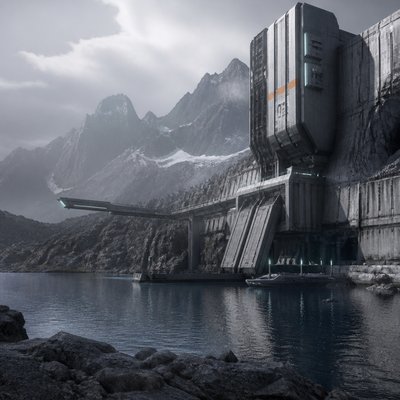
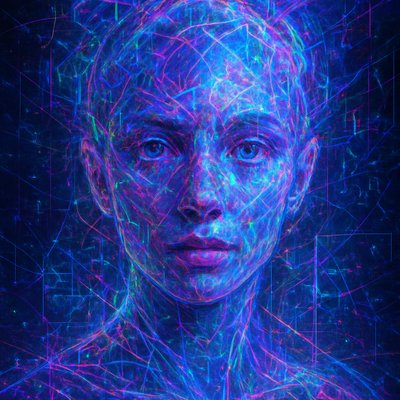
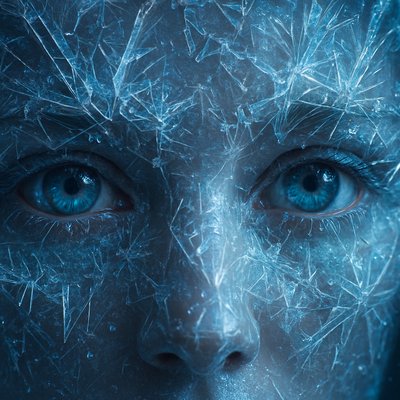
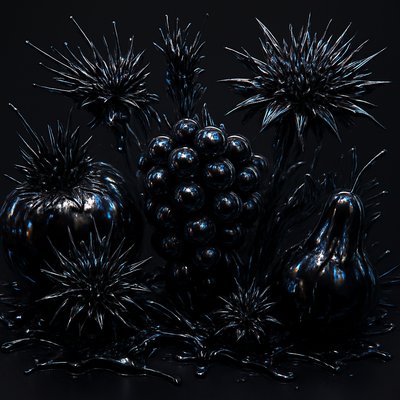
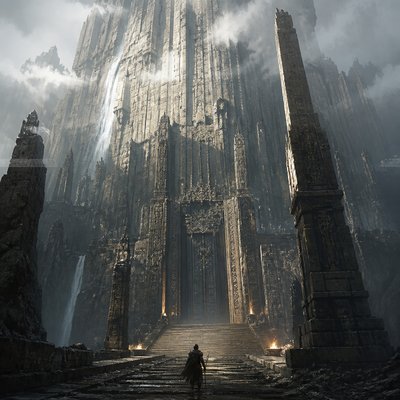
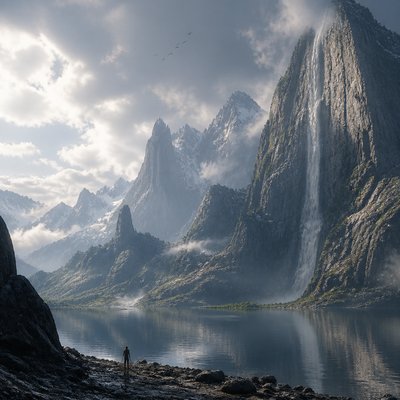
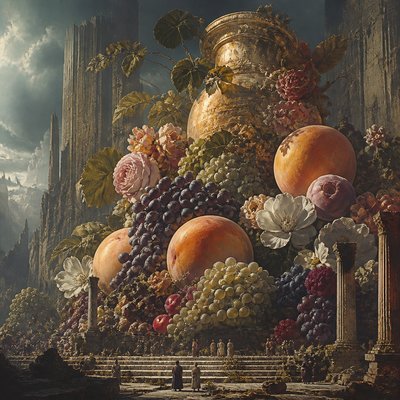
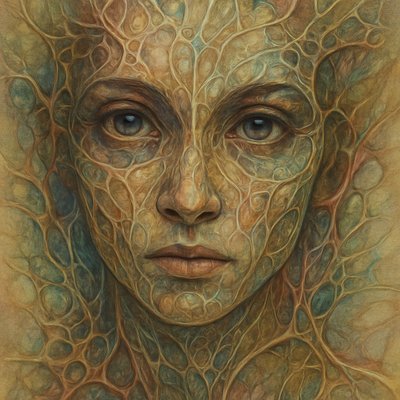
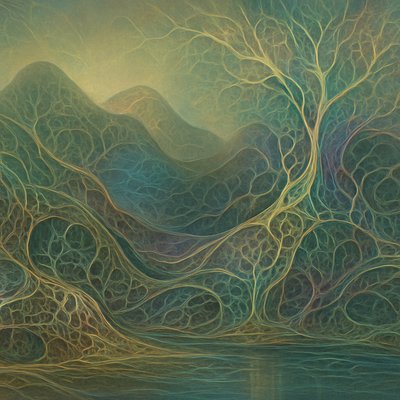
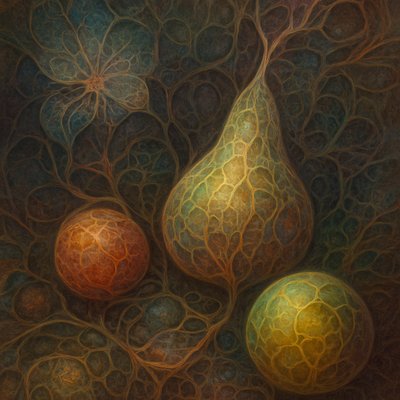
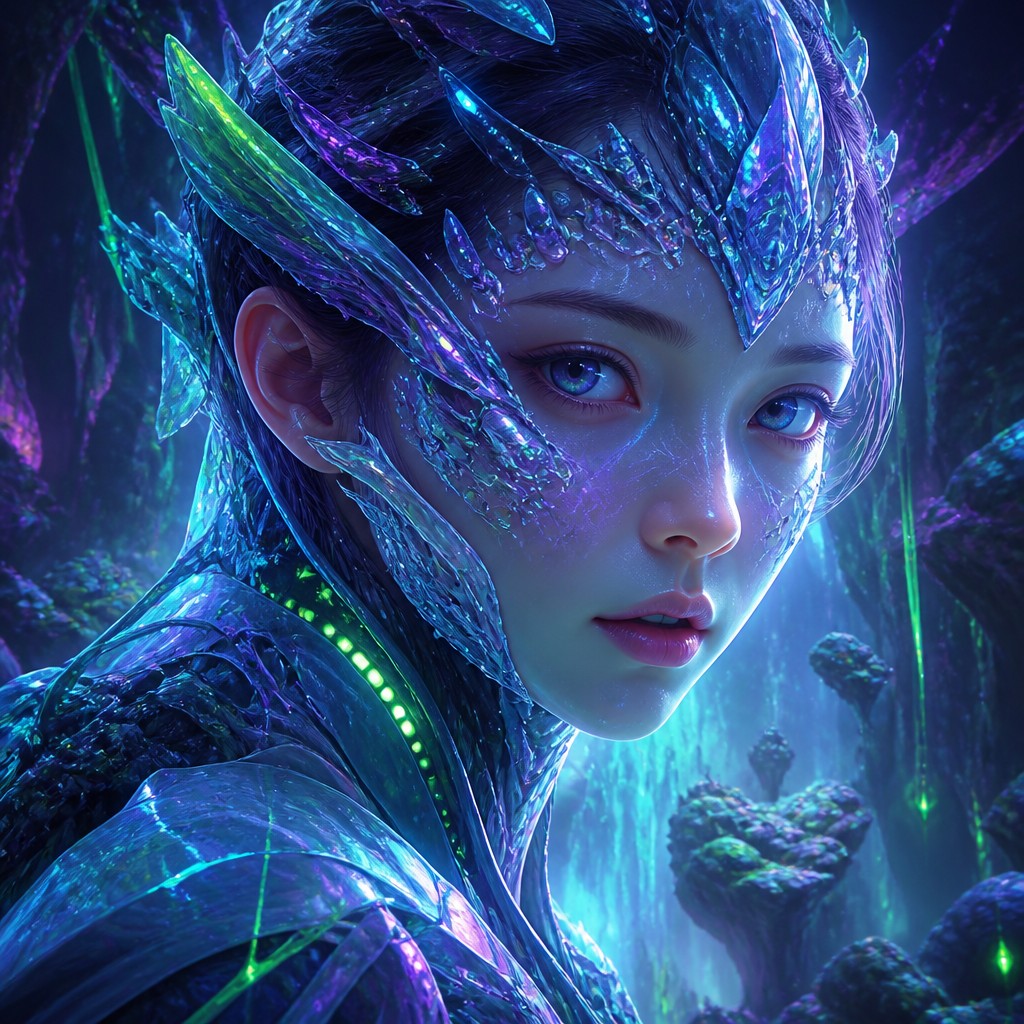
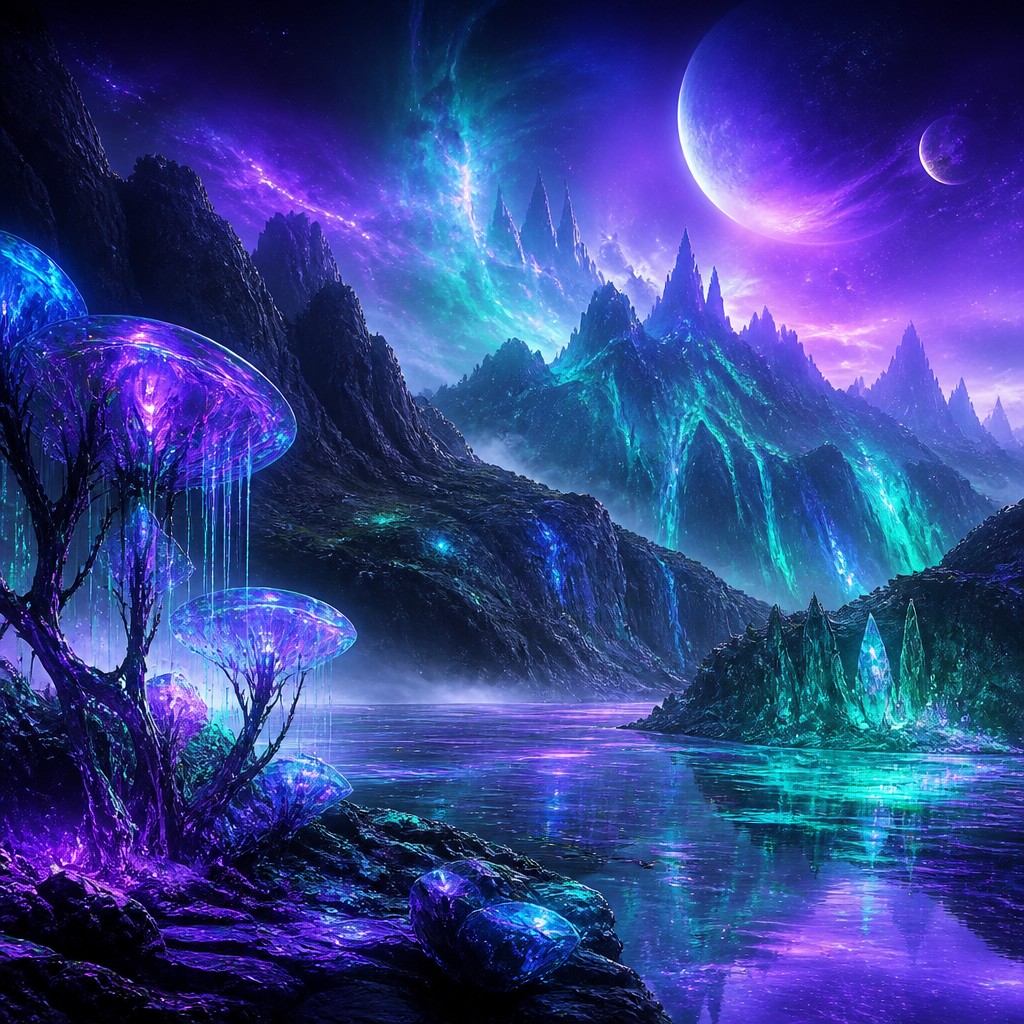
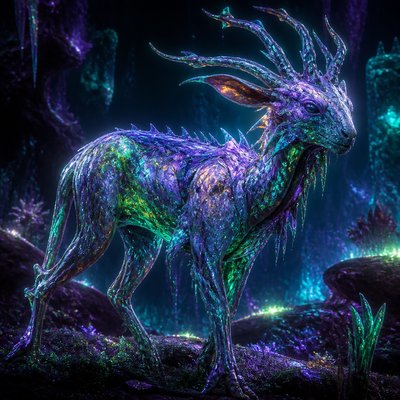
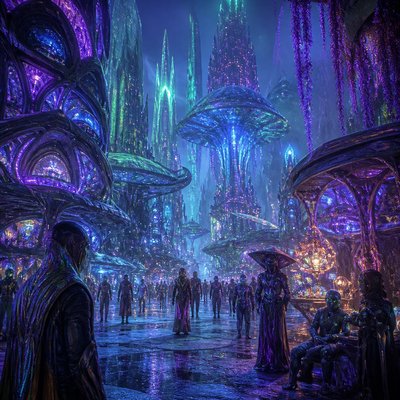
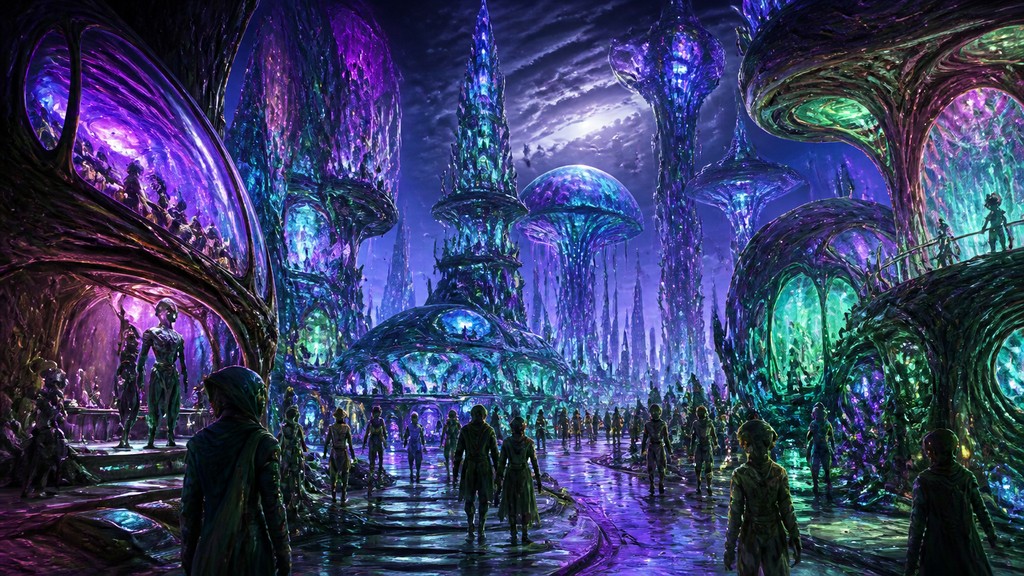
Alien World Sci-Fi Art depicts extraterrestrial environments that feel biologically and geologically plausible, yet unmistakably unfamiliar. Its signature is a landscape built from non-Earth logic: luminous fungi instead of forests, translucent mineral structures instead of rock, floating spores or organism-like formations instead of clouds, and ecosystems where every surface suggests an ecology adapted to strange light, gravity, atmosphere, or chemistry.
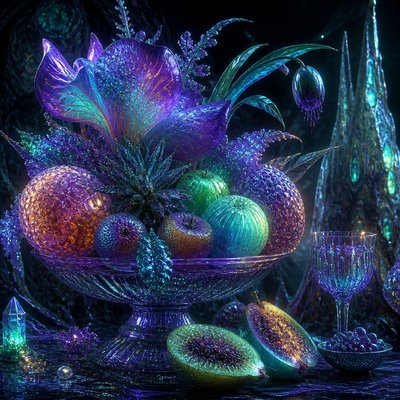
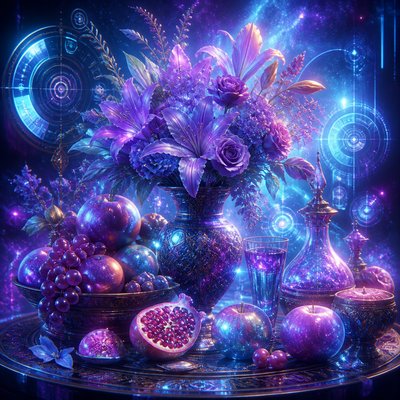
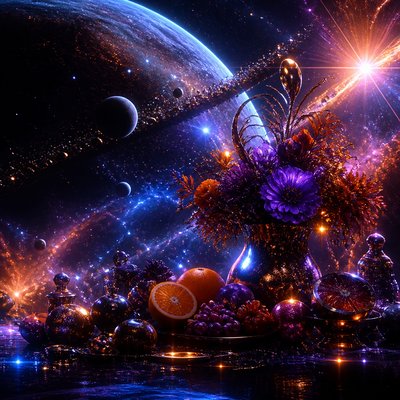
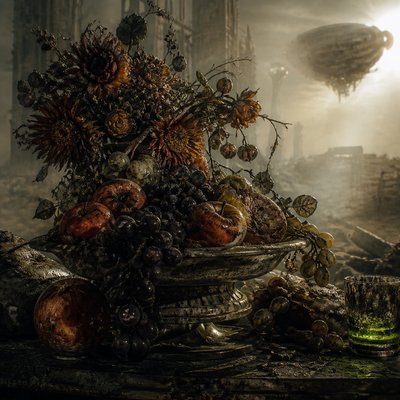
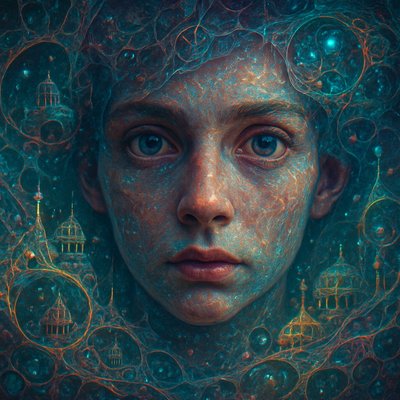
Visually, the style is defined by saturated iridescent color, glowing accents, and a strong contrast between luminous midtones and deep shadow. Artists often use ultraviolet purples, electric teals, phosphorescent greens, and prismatic highlights to create a sense of otherworldly bioluminescence. The look is usually highly detailed and textural, blending organic and mineral forms so that the world seems both wondrous and slightly unsettling, as if it could support life unlike anything on Earth.
Try It On Your Photos
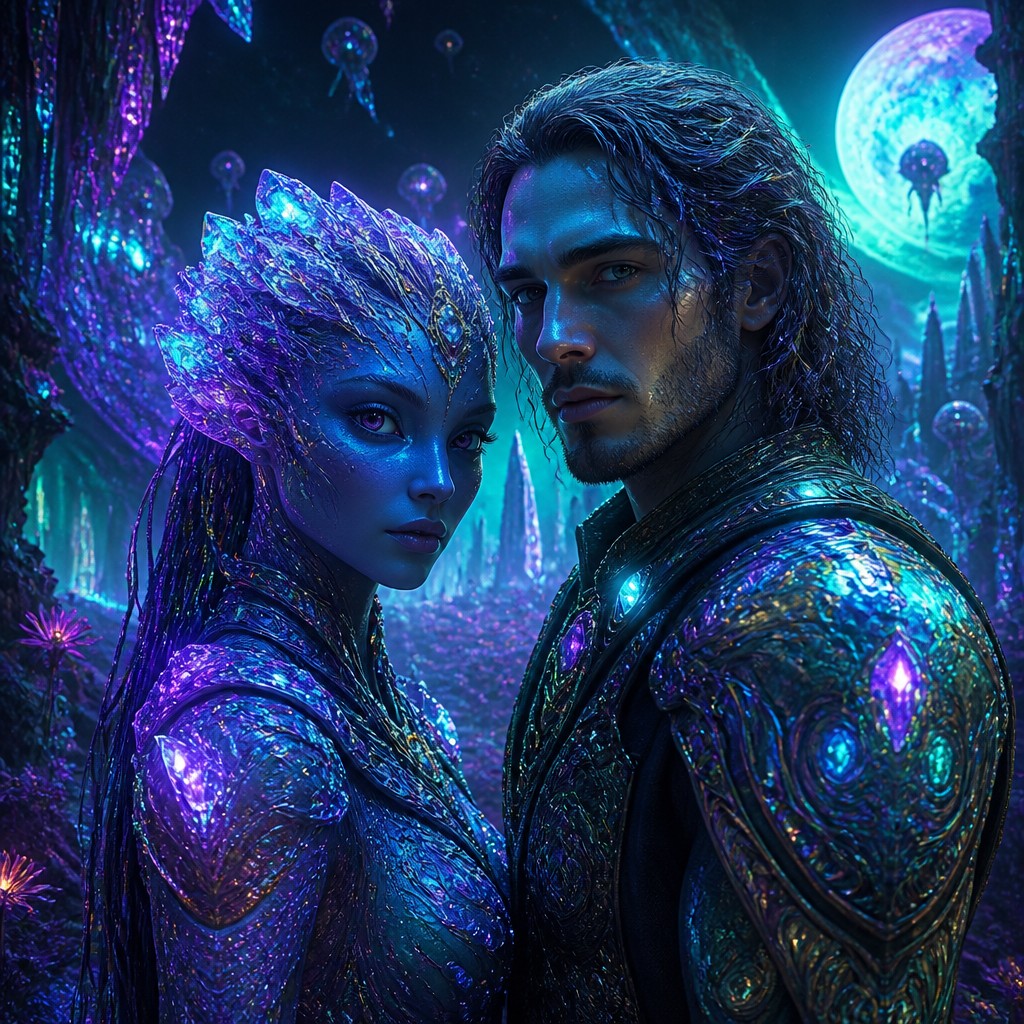
Upload any photo and convert it into Alien World Sci-Fi Art — drag the sliders to compare before and after.


What Defines Alien World Sci-Fi Art
The signature details, up close
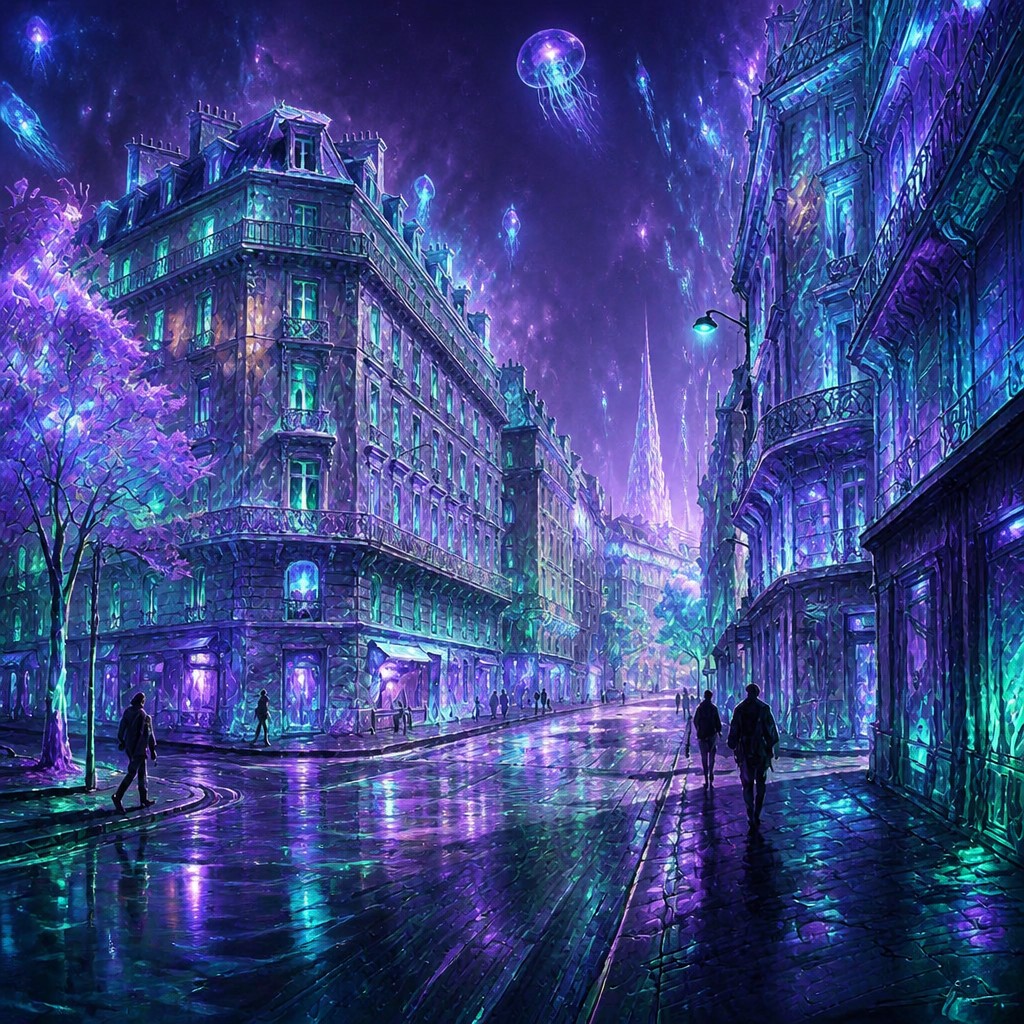
Bioluminescent palette
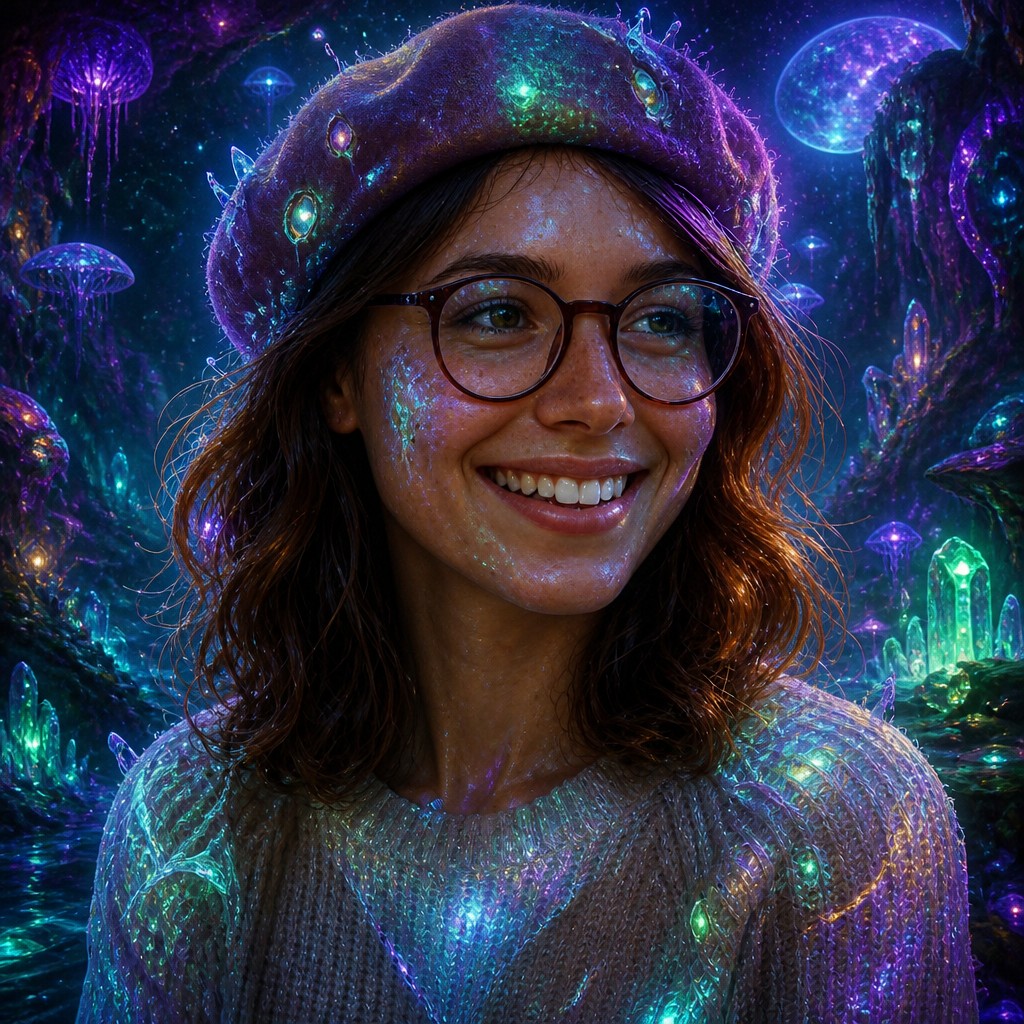
Color schemes favor neon teals, violets, magentas, acid greens, and spectral blues. Light often appears to emanate from organisms, mineral veins, or atmospheric particles rather than from a visible sun alone.
Crystalline and translucent surfaces
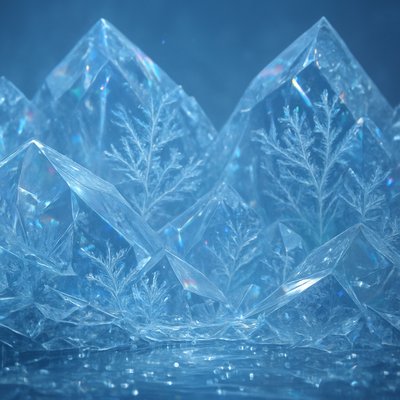
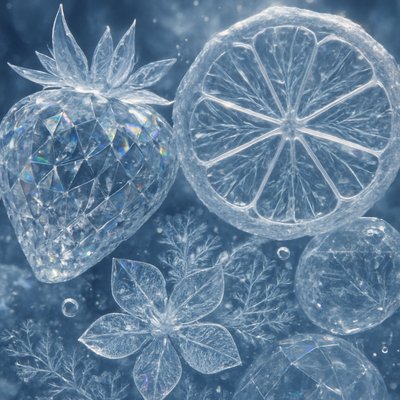
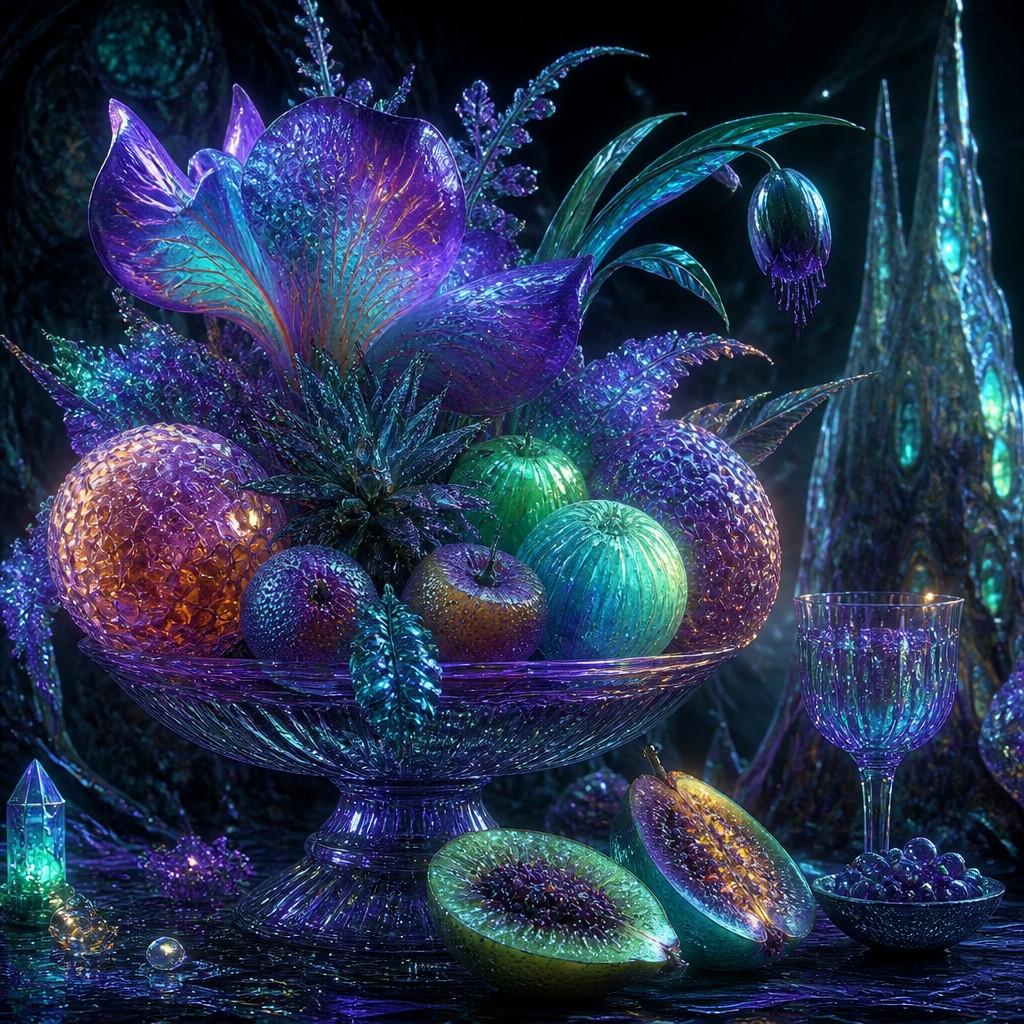
Rocks, plants, shells, and architectural forms often have glassy, prismatic, or semi-transparent qualities. These surfaces catch and refract light, giving the image a jewel-like, high-contrast appearance.
Exotic flora and fauna
Life forms are designed to feel evolutionarily strange: oversized fungal blooms, segmented tendrils, hovering spores, insectoid creatures, and anatomies that combine animal, plant, and mineral traits.
Atmospheric haze and glow
Soft fog, volumetric light, and luminous particles help establish scale and mystery. The haze also separates foreground from background, making the scene feel expansive and chemically unlike Earth.
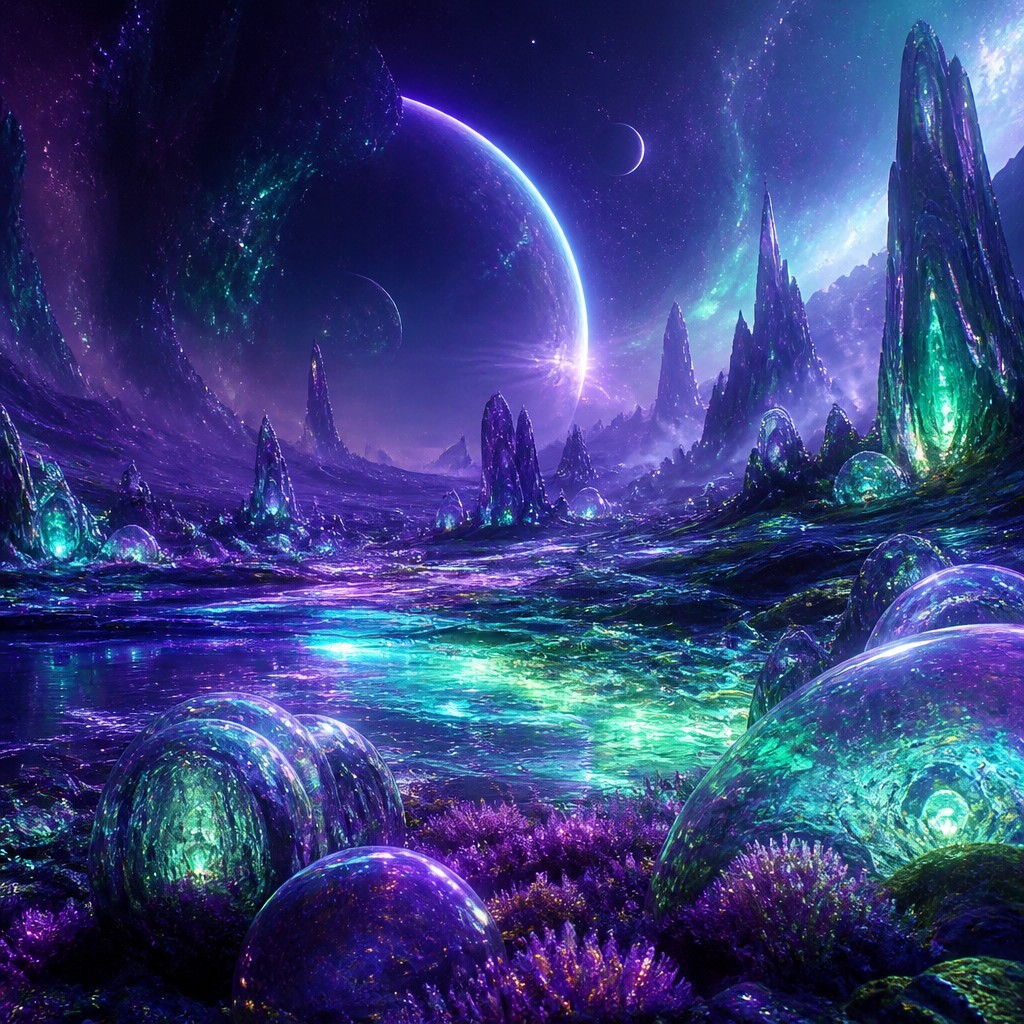
Organic-mineral fusion
A defining trait is the blending of living and geological forms. Cliffs may resemble coral, forests may look like mineral gardens, and terrain may suggest a living ecosystem rather than inert ground.
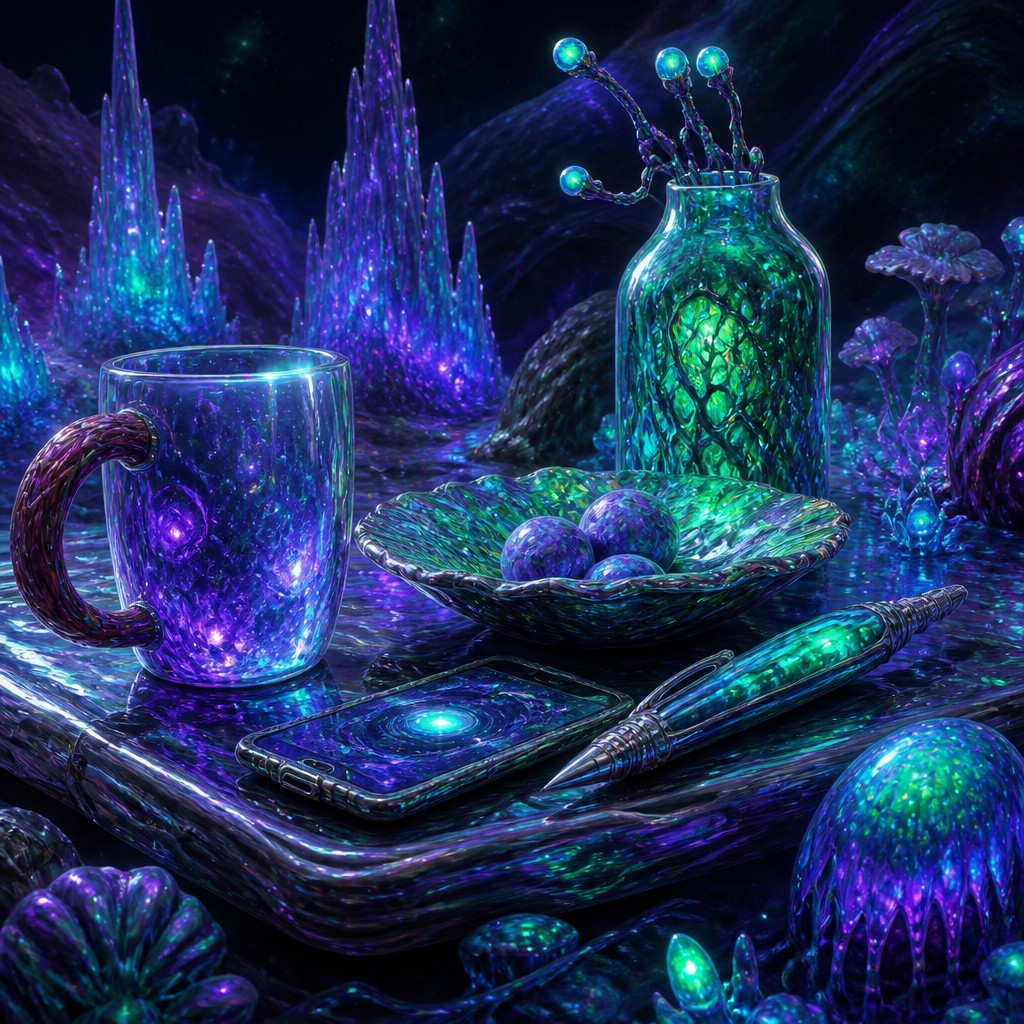
Eerie wonder mood
The style balances beauty with unease. It invites curiosity and awe while implying unfamiliar physics, ecological danger, or habitats that human bodies would not readily endure.
Try It
Create Videos in Alien World Sci-Fi Art
Styles aren't just for stills — describe a scene or animate an image and get a short video rendered in Alien World Sci-Fi. Press play to see this pond come to life.
Make a VideoAlien World Sci-Fi Prompt Ideas
Start from an idea — each one opens the generator with the style ready to go. See all 40 Alien World Sci-Fi prompts →
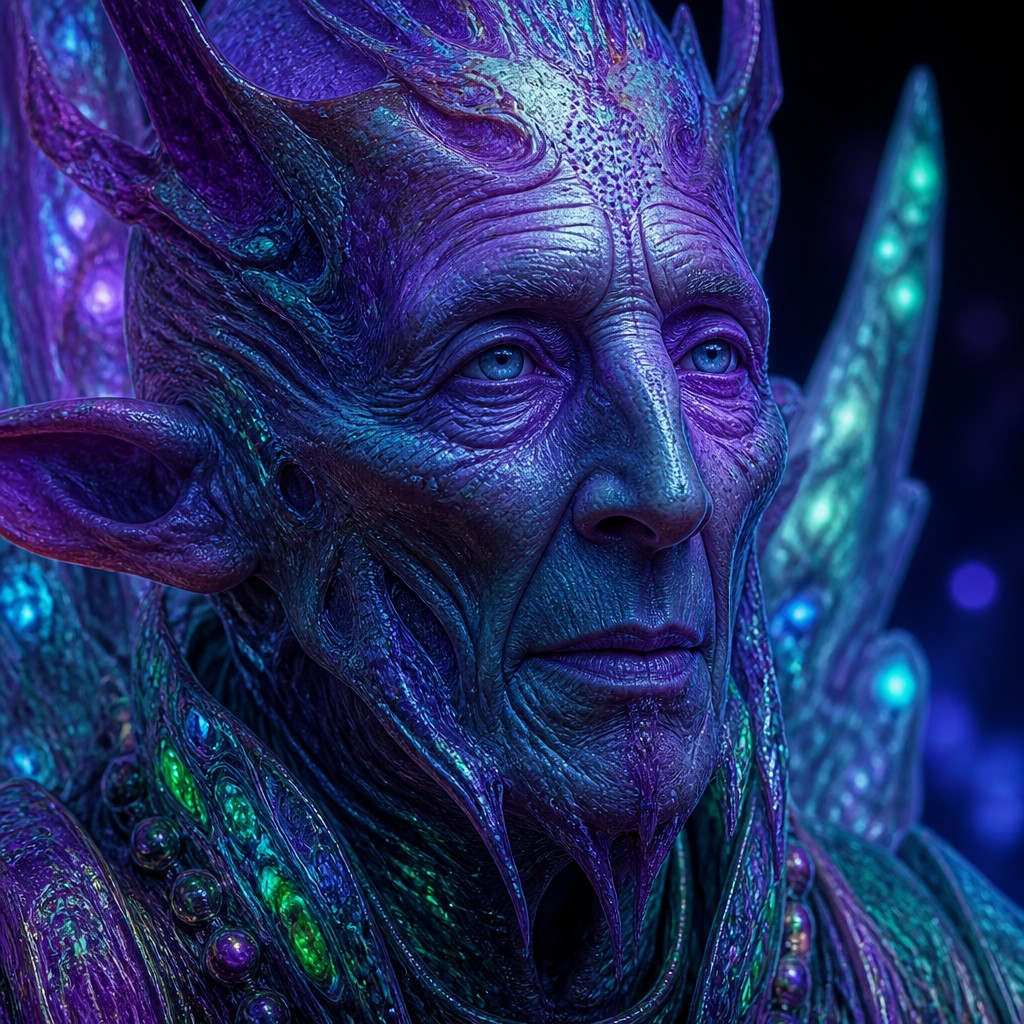
“close-up portrait of an elderly person with expressive weathered features”
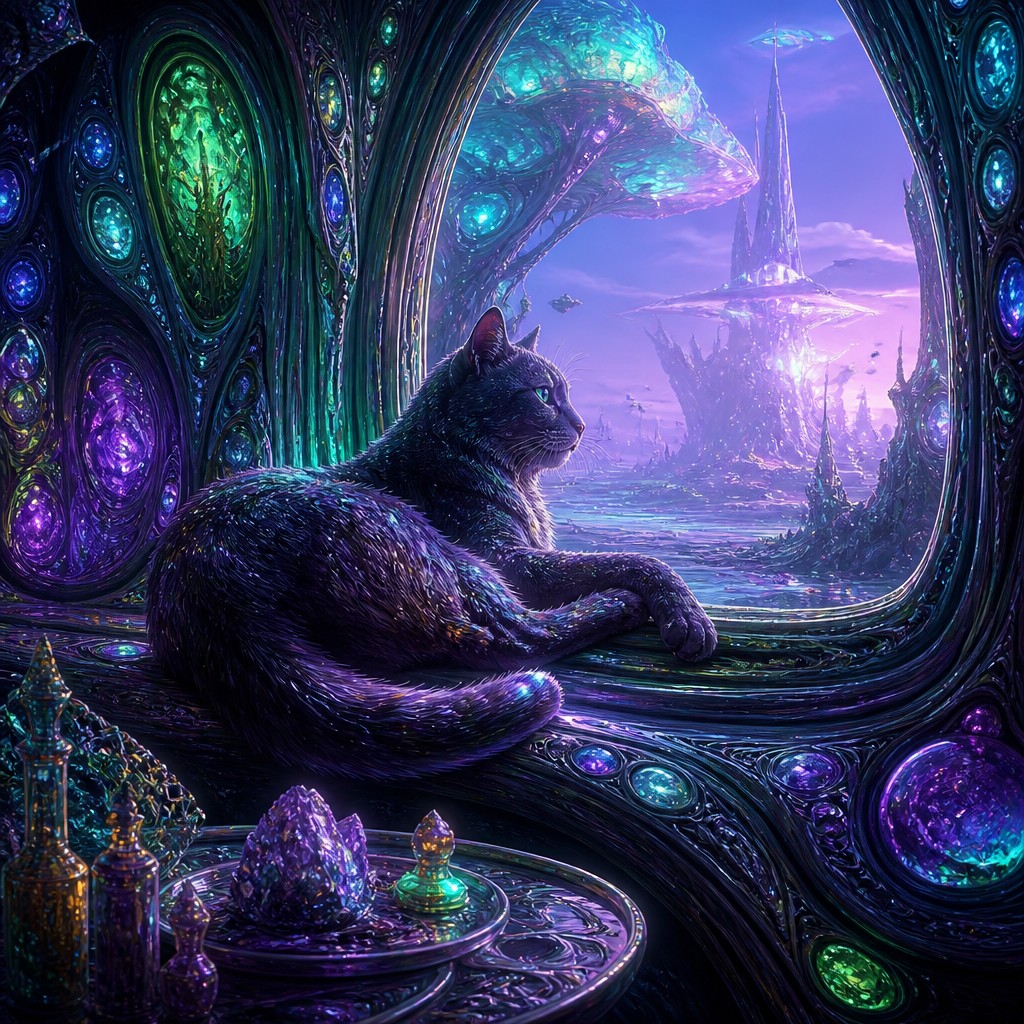
“a cat lounging in a sunlit window”
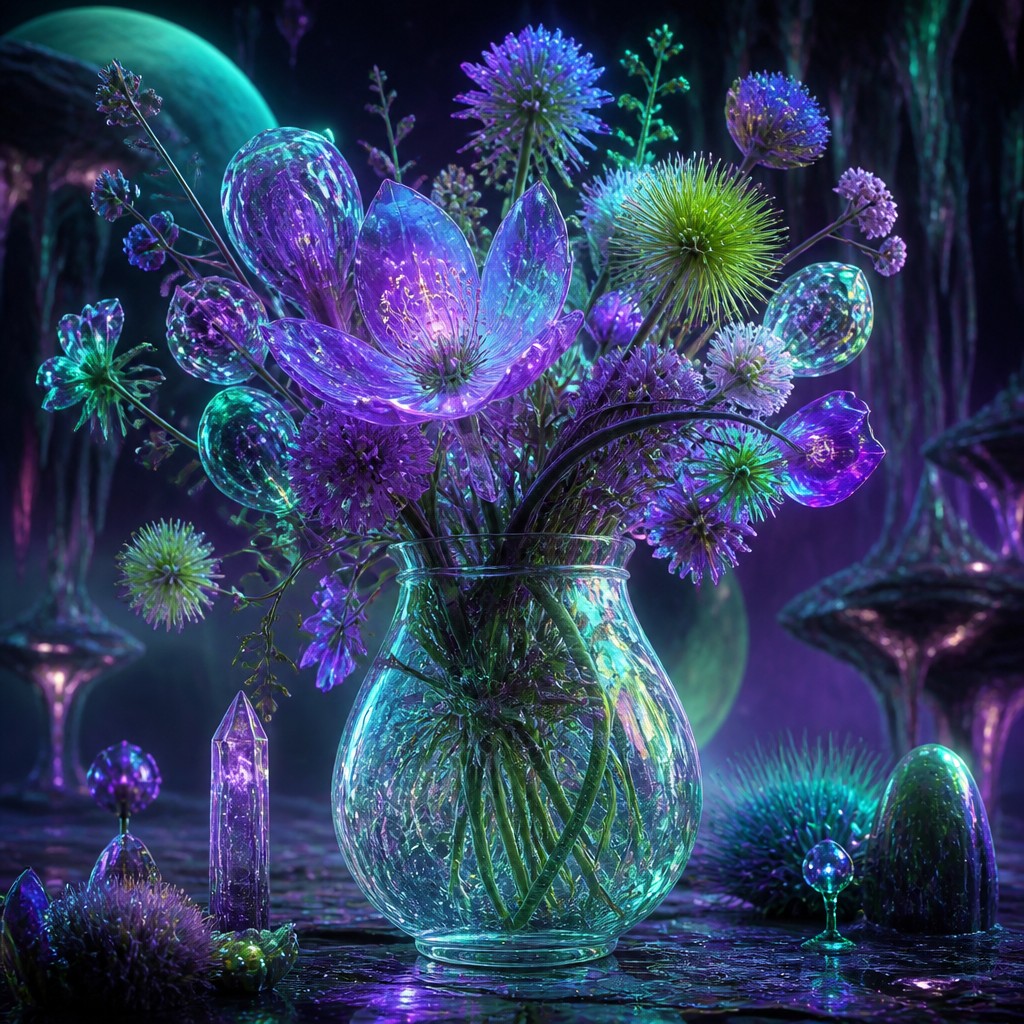
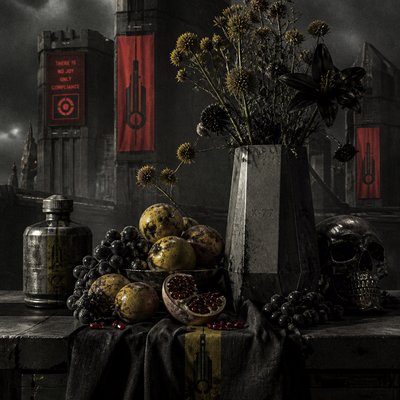
“bouquet of flowers in a glass vase”
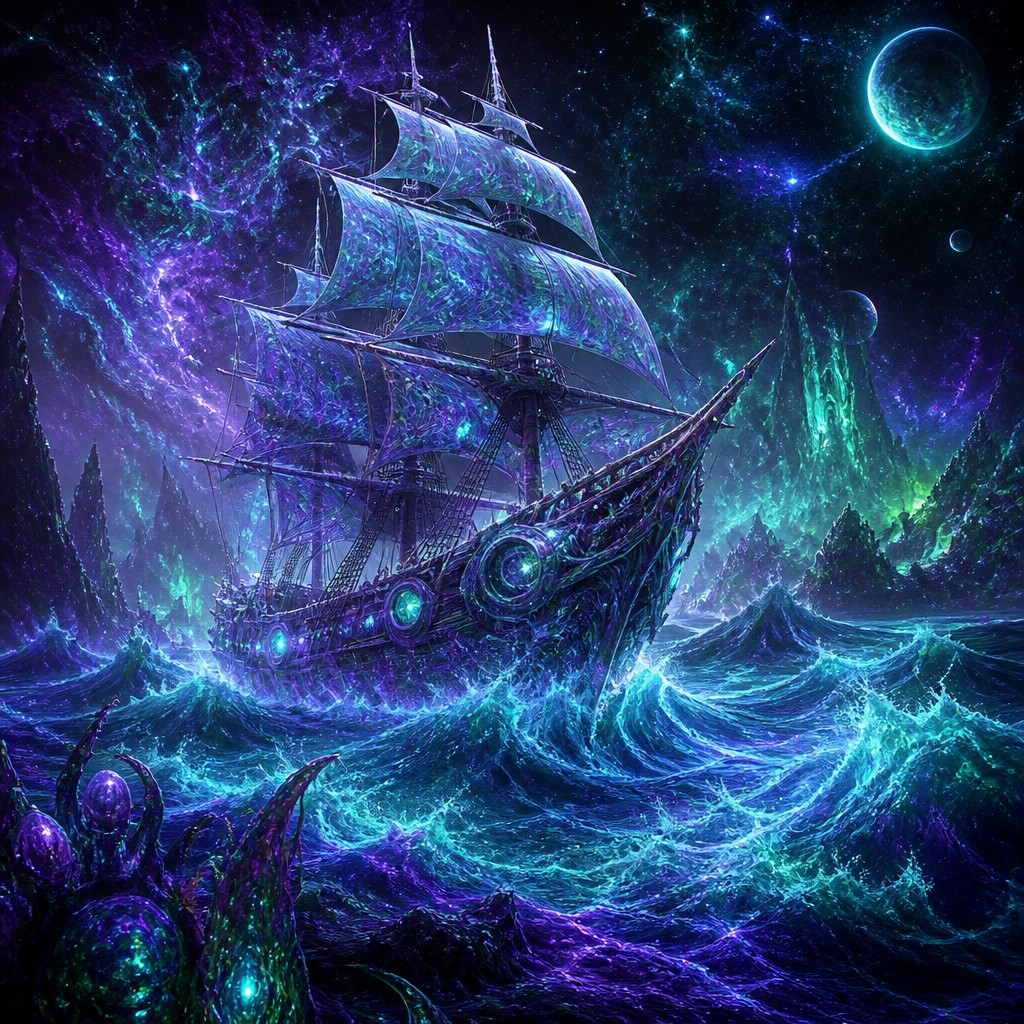
“sailing ship on a stormy sea”
How to Create Alien World Sci-Fi Art
Master the craft step by step — or skip straight to creating. Read the full guide →
- 1
Design a non-Earth ecology first
Start by deciding what makes the environment alien: unusual gravity, chemistry, temperature, or light. Build flora, fauna, and terrain from that logic so the final image feels invented rather than decorated with generic sci-fi props.
- 2
Push color beyond naturalism
Use a limited but intense palette built around complementary luminous colors, then reserve dark values for contrast. In painting or digital work, layer glows and color shifts so surfaces seem to emit light from within.
- 3
Mix biological and geological forms
Combine rock, coral, fungus, shell, and crystal shapes in a single composition. Small details such as veins, pores, growth rings, and translucent edges help make impossible materials feel physically convincing.
- 4
Use lighting to create mood and scale
Backlight silhouettes, add rim light to edges, and let haze soften distant forms. Strong value separation and atmospheric perspective are essential for making strange landscapes readable and cinematic.
- 5
Render textures with high specificity
Whether working traditionally or digitally, vary the finish between matte, glossy, translucent, and prismatic areas. Fine texture work is what turns a generic fantasy scene into a believable alien environment.
- 6
For prompt-based generation, specify ecology and materials
Include subject, terrain, lighting, and surface qualities in the prompt: for example, mention bioluminescent fungi, crystalline cliffs, glowing spores, ultraviolet haze, and deep shadow. Clear material cues produce more coherent alien world imagery than vague labels alone.

The Story
History & Origins of Alien World Sci-Fi
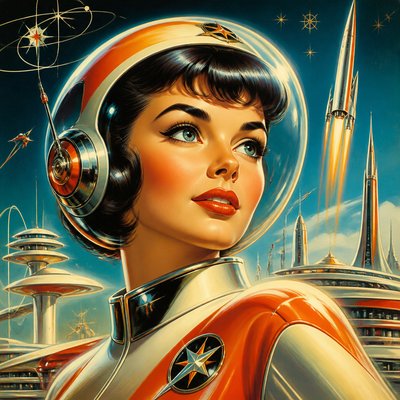
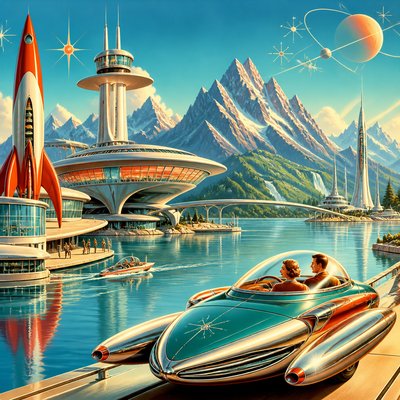
Alien World Sci-Fi Art is a modern science-fiction illustration style rather than a single historical movement. Its lineage comes from mid-20th-century pulp and paperback sci-fi covers, concept art for film and games, space opera illustration, and surrealist landscape painting. It also draws heavily from speculative biology, astronomical imagery, and fantasy art traditions that imagine environments governed by unfamiliar natural laws.
As digital painting and 3D-assisted concept art developed, artists gained more control over luminous atmospheres, crystalline surfaces, and intricate ecosystem design, which helped standardize the visual vocabulary now associated with alien worlds. The style is especially common in concept art for games, films, and tabletop settings because it communicates worldbuilding quickly: unusual terrain, exotic life forms, and a clear sense that the environment itself is a central character.
Influences: This style sits at the intersection of science-fiction illustration, concept art, speculative biology, and surreal landscape painting. Its visual language can be related to the imaginative environments of early pulp sci-fi covers, the cosmic surrealism of major surrealist painters in non-literal terms, and the detailed worldbuilding associated with modern fantasy and game art. It also borrows from microscopy, underwater ecology, and astronomical photography, which supply many of its glow, texture, and scale cues.
Frequently Asked Questions
What defines Alien World Sci-Fi Art?
It is defined by the depiction of extraterrestrial environments that feel ecologically and materially unfamiliar. The key markers are bioluminescent color, strange flora and fauna, crystalline or translucent surfaces, atmospheric haze, and a strong sense that the world obeys different natural laws than Earth.
How is it different from space art or general sci-fi art?
Space art often emphasizes stars, planets, spacecraft, or cosmic scale, while Alien World Sci-Fi Art focuses on the surface of the world itself. Compared with broader sci-fi, it is more ecological and environmental, concentrating on terrain, organisms, and habitat design rather than technology or human activity.
Is this style supposed to look realistic?
It is usually speculative rather than strictly realistic. The best examples feel plausible in an evolutionary or geological sense, but they deliberately exaggerate color, texture, and form to create wonder and estrangement.
What subjects work well in this style?
Landscapes, alien jungles, crystal caverns, fungal plains, swamp worlds, luminous reefs, and extraterrestrial creatures all work well. It also suits exploratory scenes, concept art, and wide establishing shots where environment is the main subject.
How can I make my image feel more alien instead of just fantasy-themed?
Avoid Earth-like trees, familiar animals, and ordinary soil or stone textures unless they are heavily transformed. Introduce unusual scale relationships, unnatural color behavior, nonstandard plant growth, and lighting that suggests exotic atmospheric conditions.
Where is this style commonly used?
It is common in game concept art, film preproduction, book covers, tabletop roleplaying settings, and speculative illustration. It is especially useful whenever the environment must communicate a whole invented world at a glance.
Create your first Alien World Sci-Fi artwork
Describe anything — or upload a photo — and see it in Alien World Sci-Fi Art in seconds.
Make Something with Alien World Sci-Fi
Related Styles
Discover similar art styles