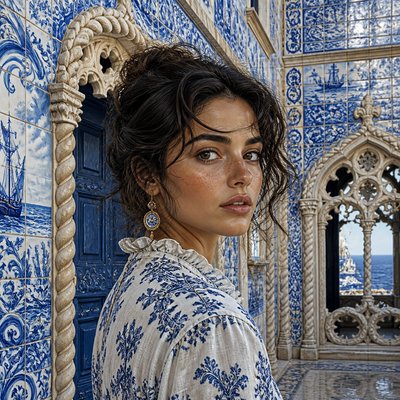
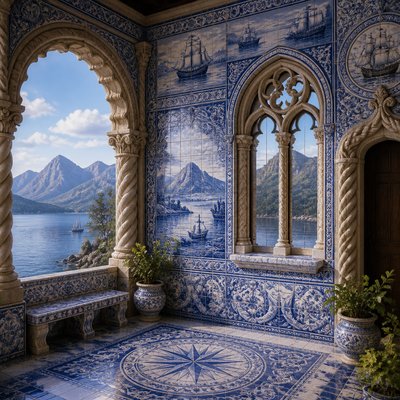
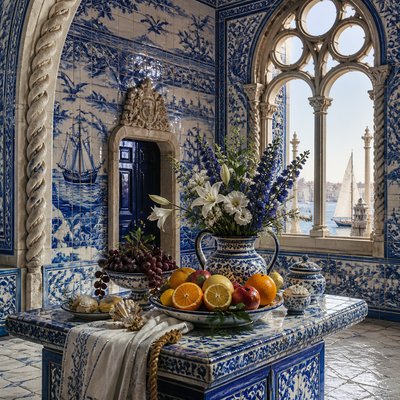
Persian Art Style
Explore Persian art style: jewel-toned miniature worlds, paradise gardens, intricate tiles, carpets, cypress trees, and elegant calligraphic detail.
Instantly rendered in Persian — or transform a photo
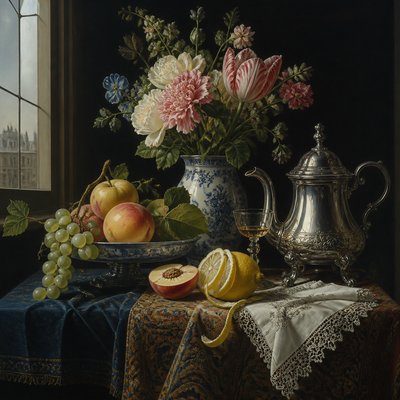
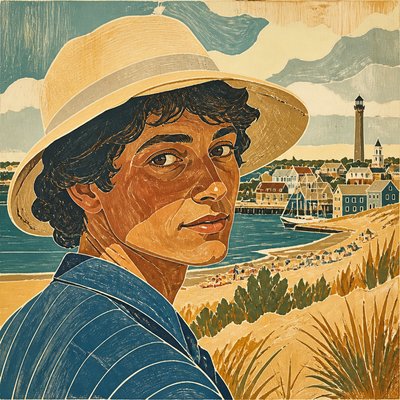
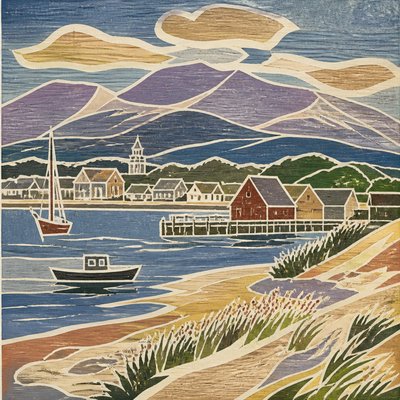
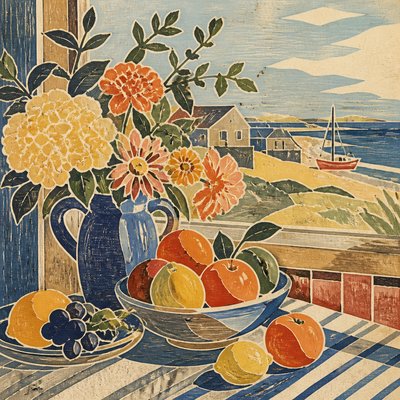
Persian Gallery
Tap any artwork to explore it
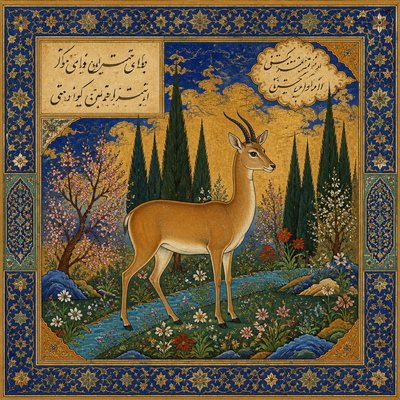
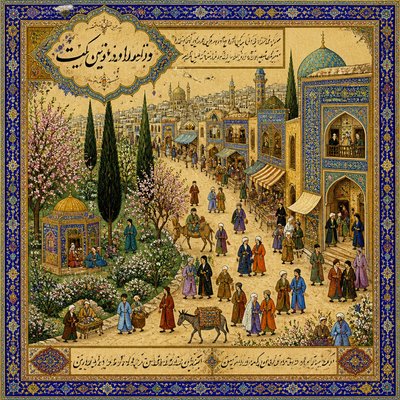
What is Persian Art Style?
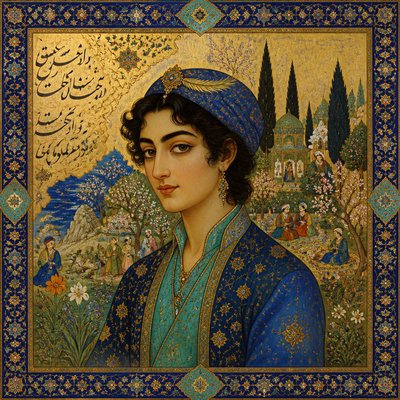
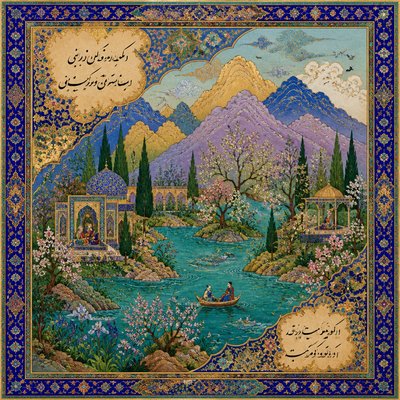
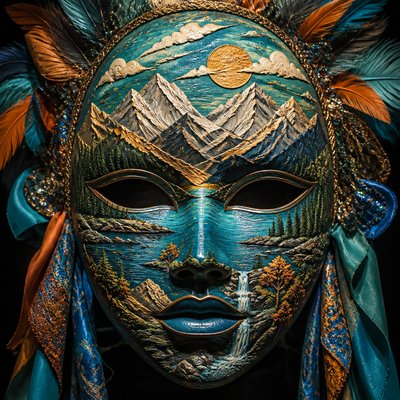
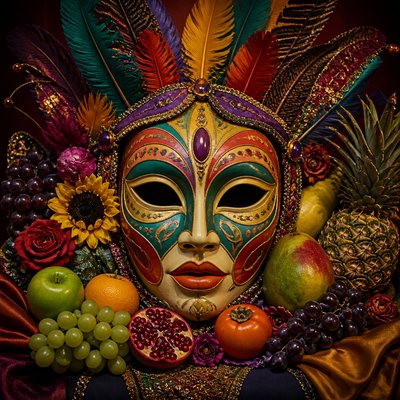
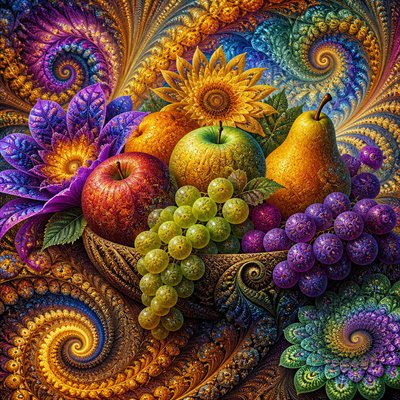
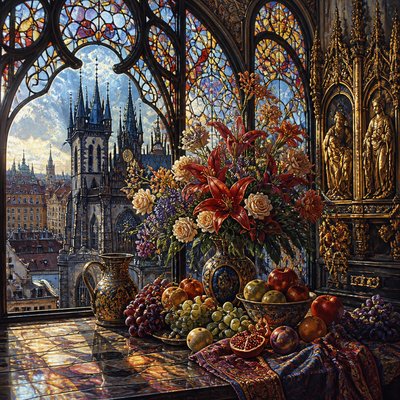
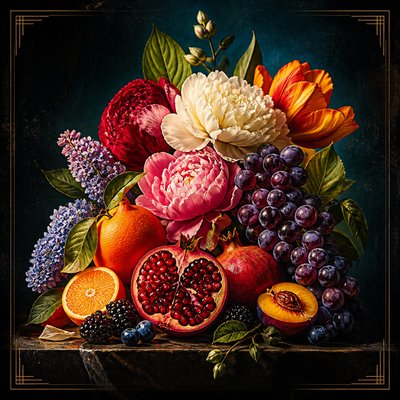
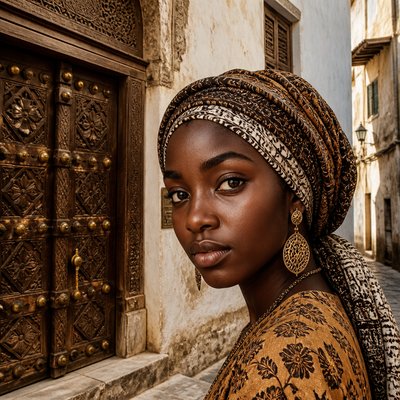
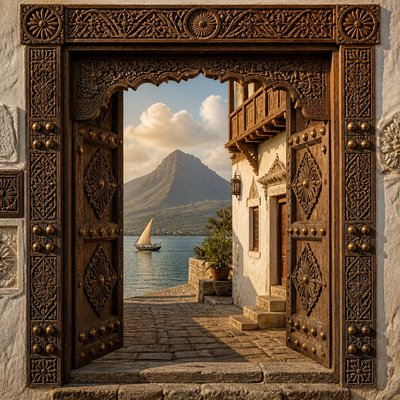
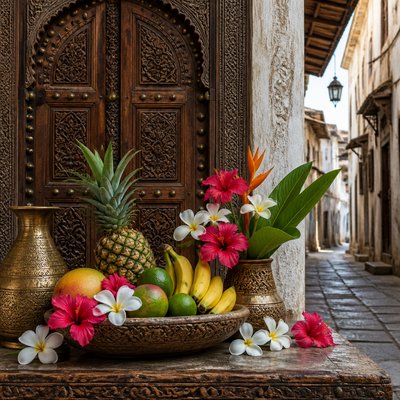
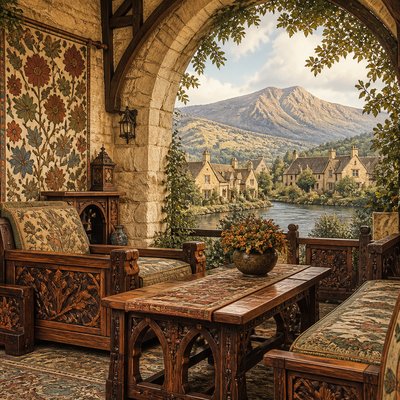
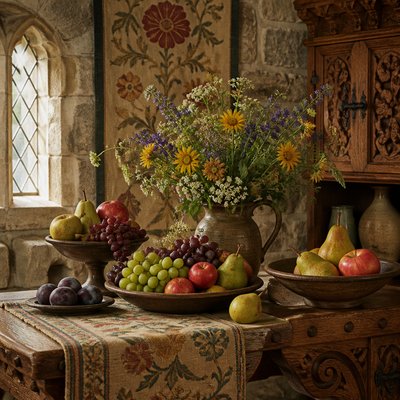
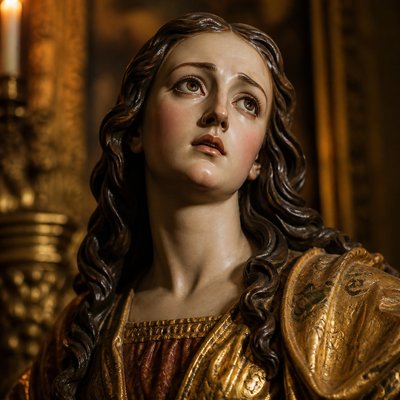
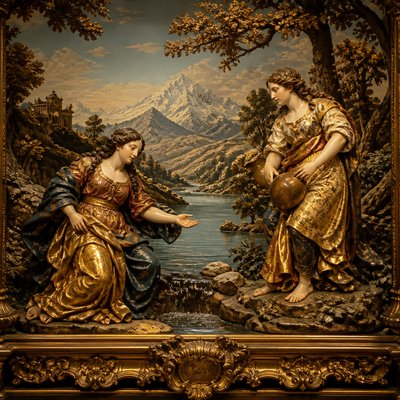
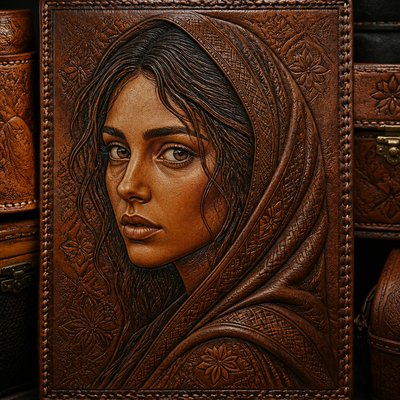
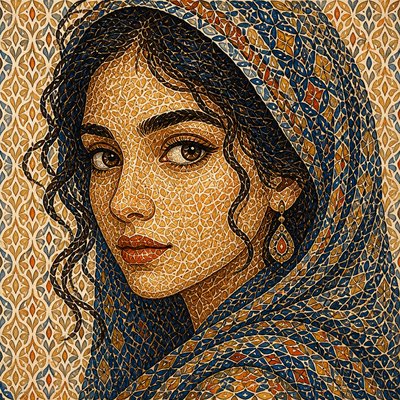
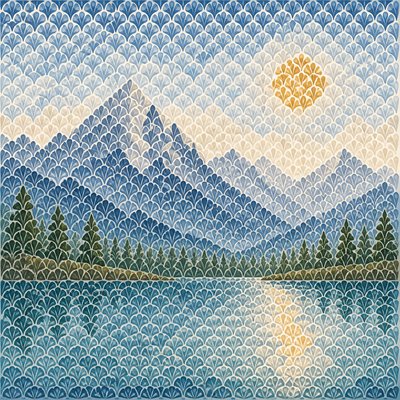
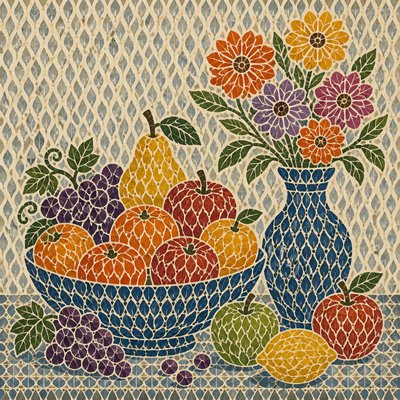
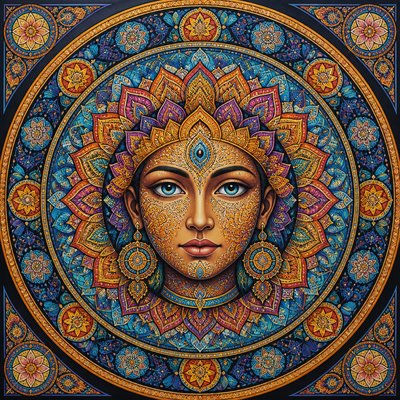
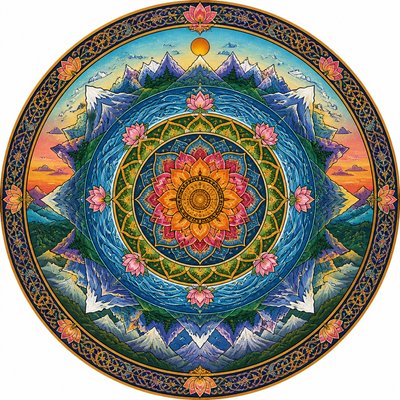
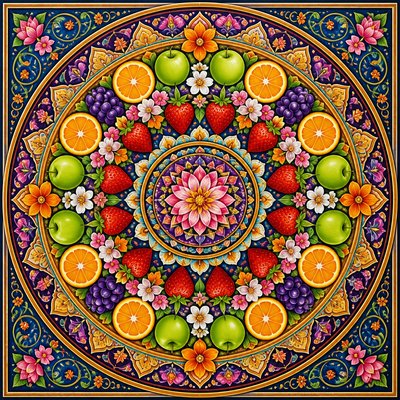
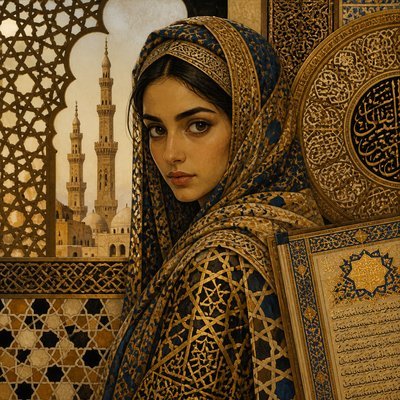
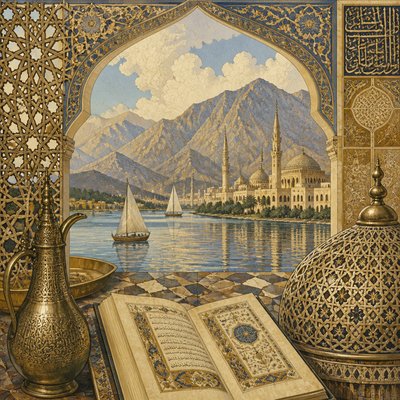
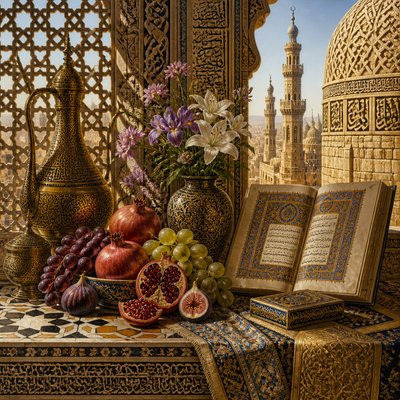
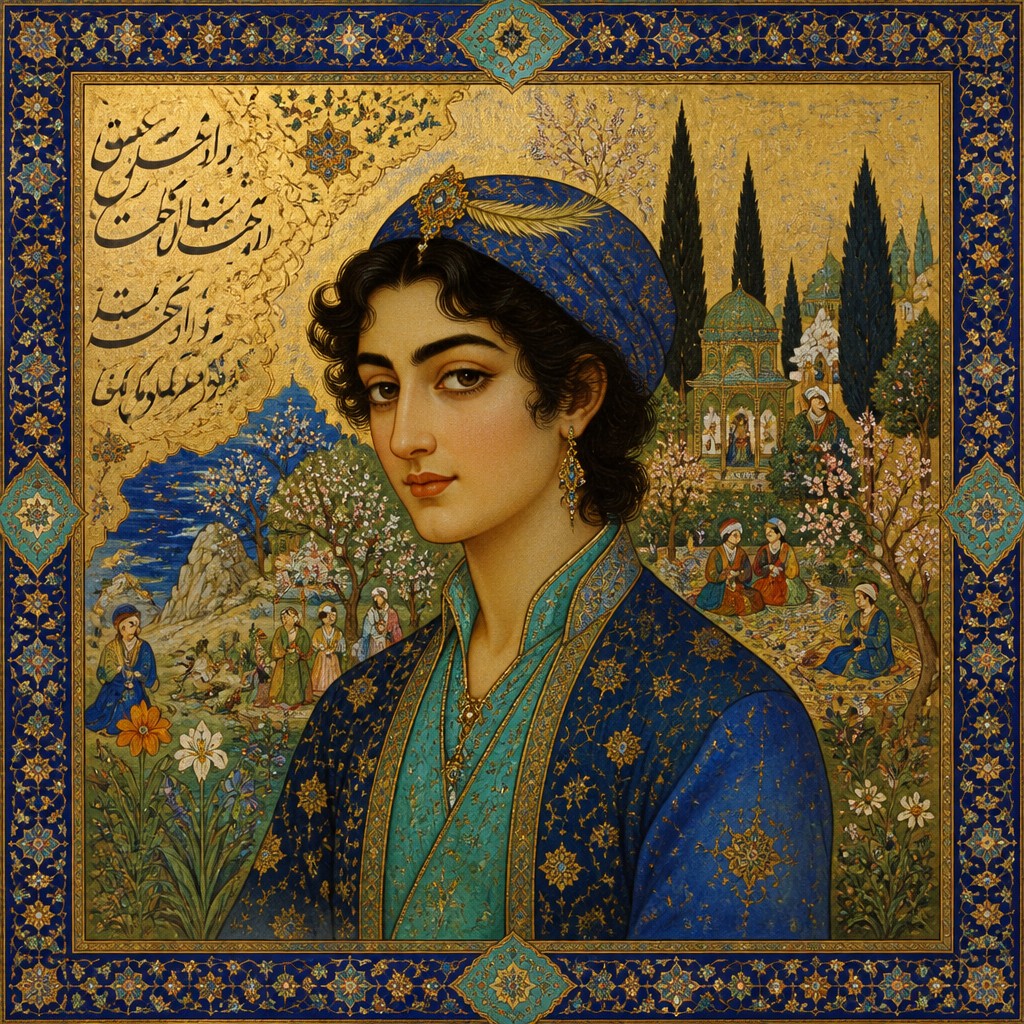
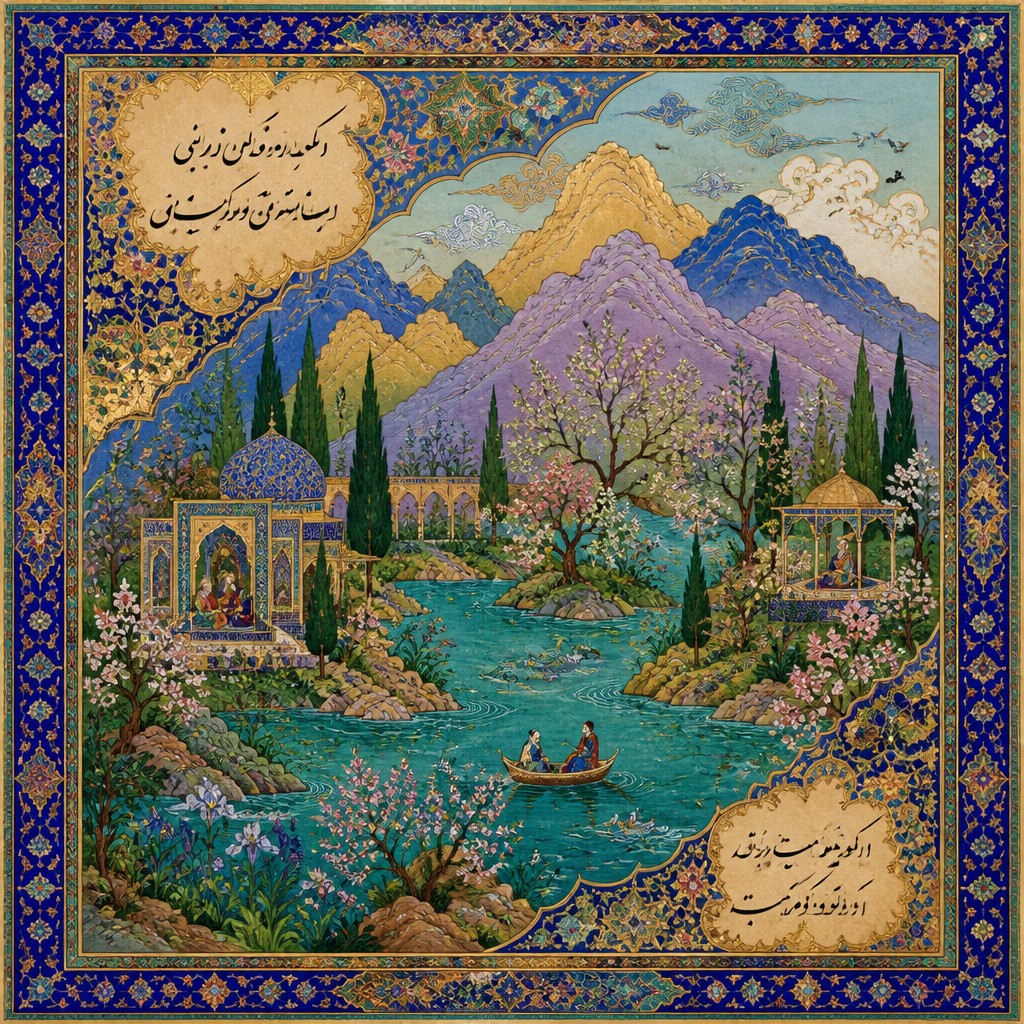
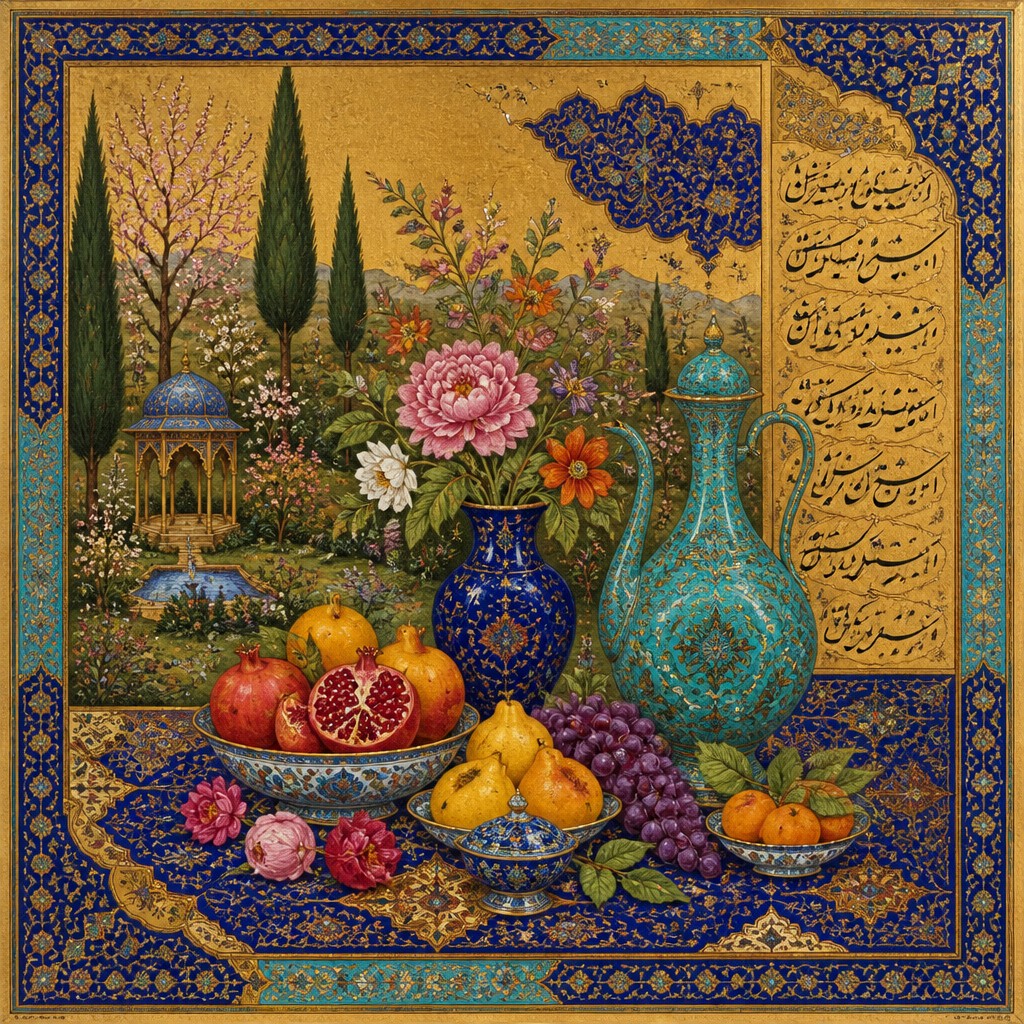
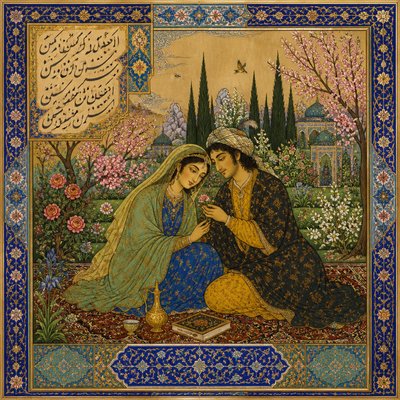
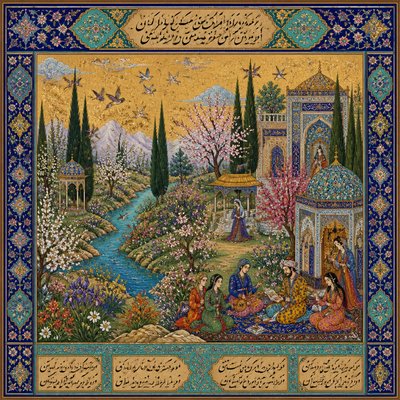
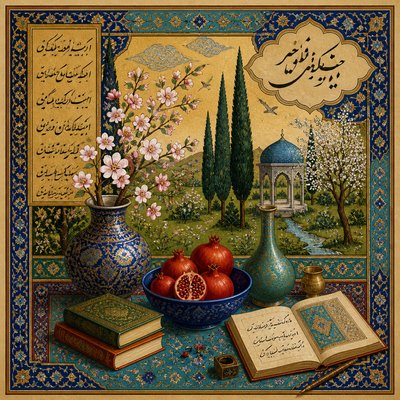
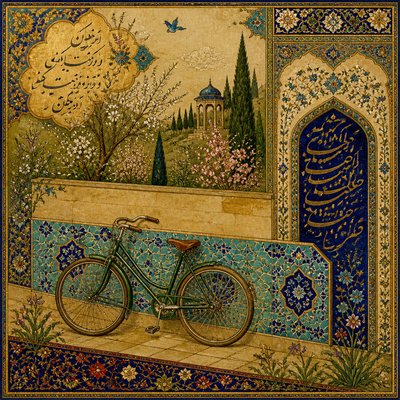
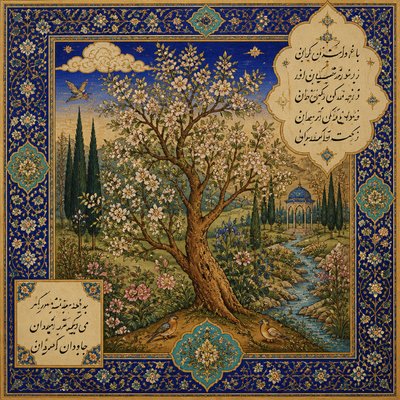
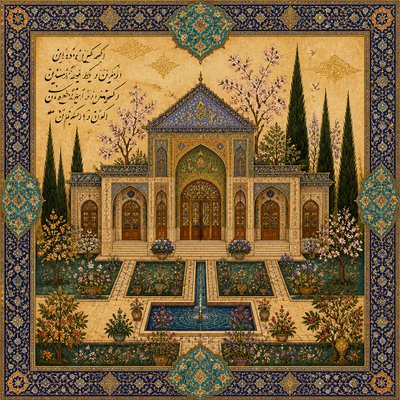
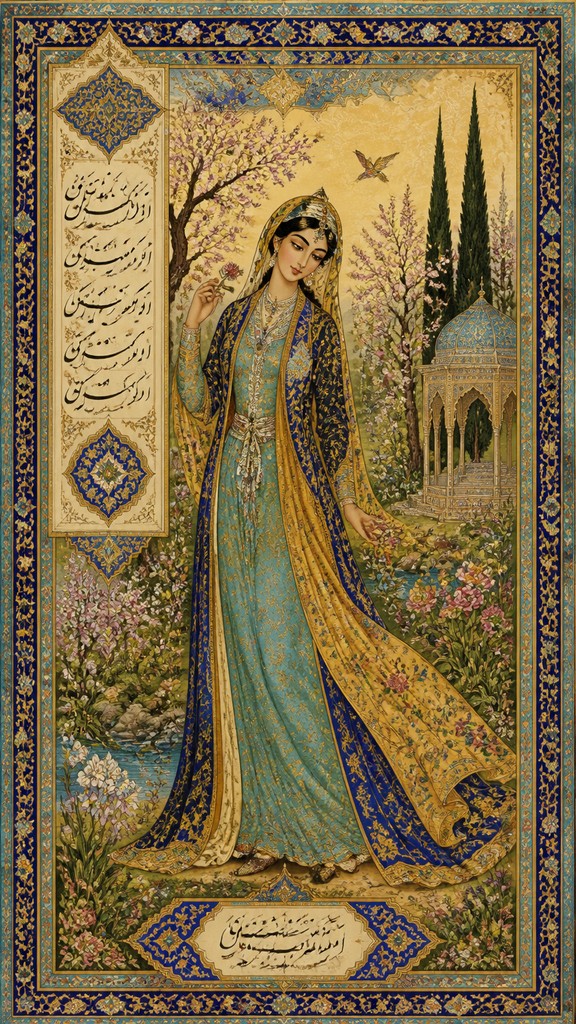
Persian art style is a decorative, miniature-oriented visual language associated with Persianate manuscript painting, garden imagery, architectural ornament, carpets, tilework, and calligraphy. It is recognized by jewel-like color, dense pattern, delicate linework, flattened or tilted space, and scenes that feel simultaneously intimate and boundless. Cypress trees, flowering shrubs, pavilions, birds, flowing water, and ornamental borders often suggest a cultivated paradise rather than a strictly observed landscape.
This style favors visual abundance over optical realism. Figures, buildings, plants, and objects may be arranged at different scales and elevations so that every important detail remains visible. Lapis blue, turquoise, emerald, coral, ivory, and gold create a precious-surface effect, while arabesques, carpet motifs, tile geometry, and calligraphic flourishes unify the composition. Contemporary uses may combine these historical references with fantasy settings, editorial illustration, poster design, or digitally generated imagery.
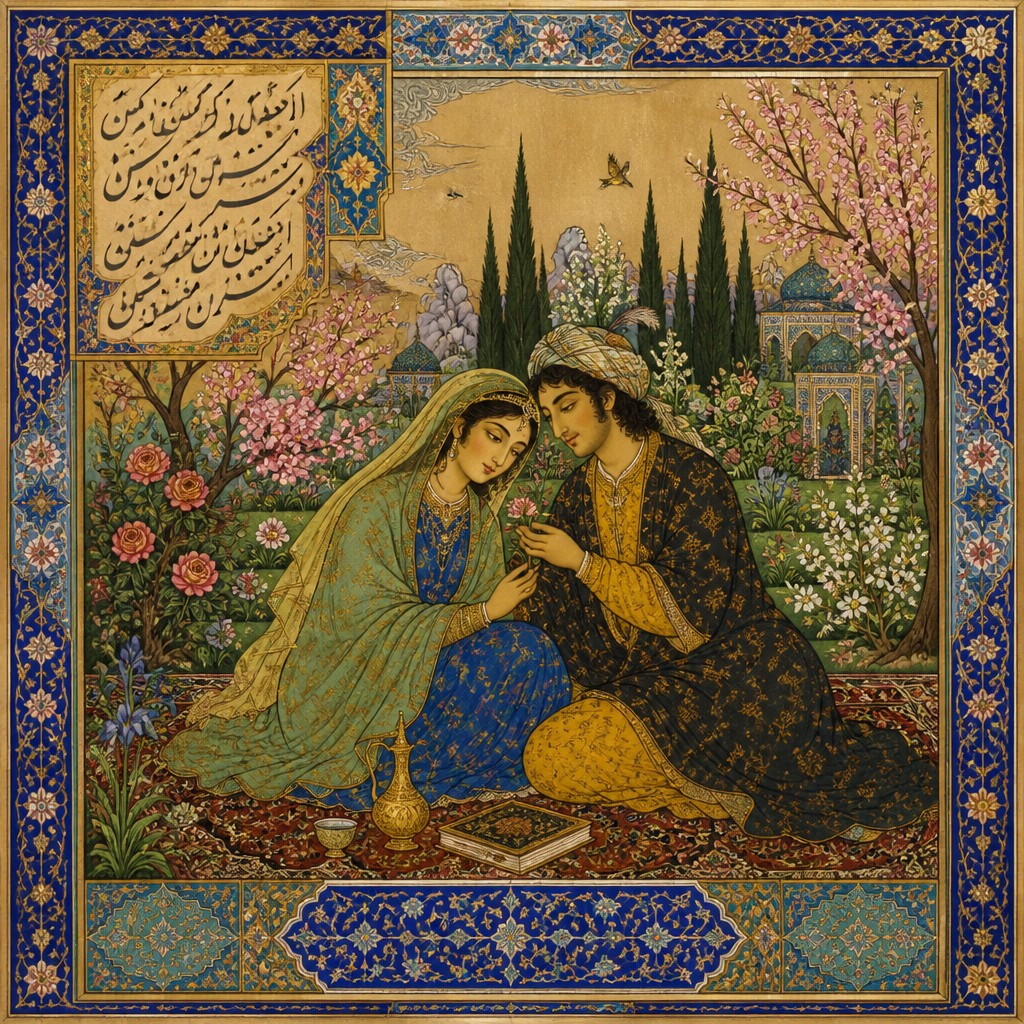
Try It On Your Photos
Upload any photo and convert it into Persian Art Style — drag the sliders to compare before and after.
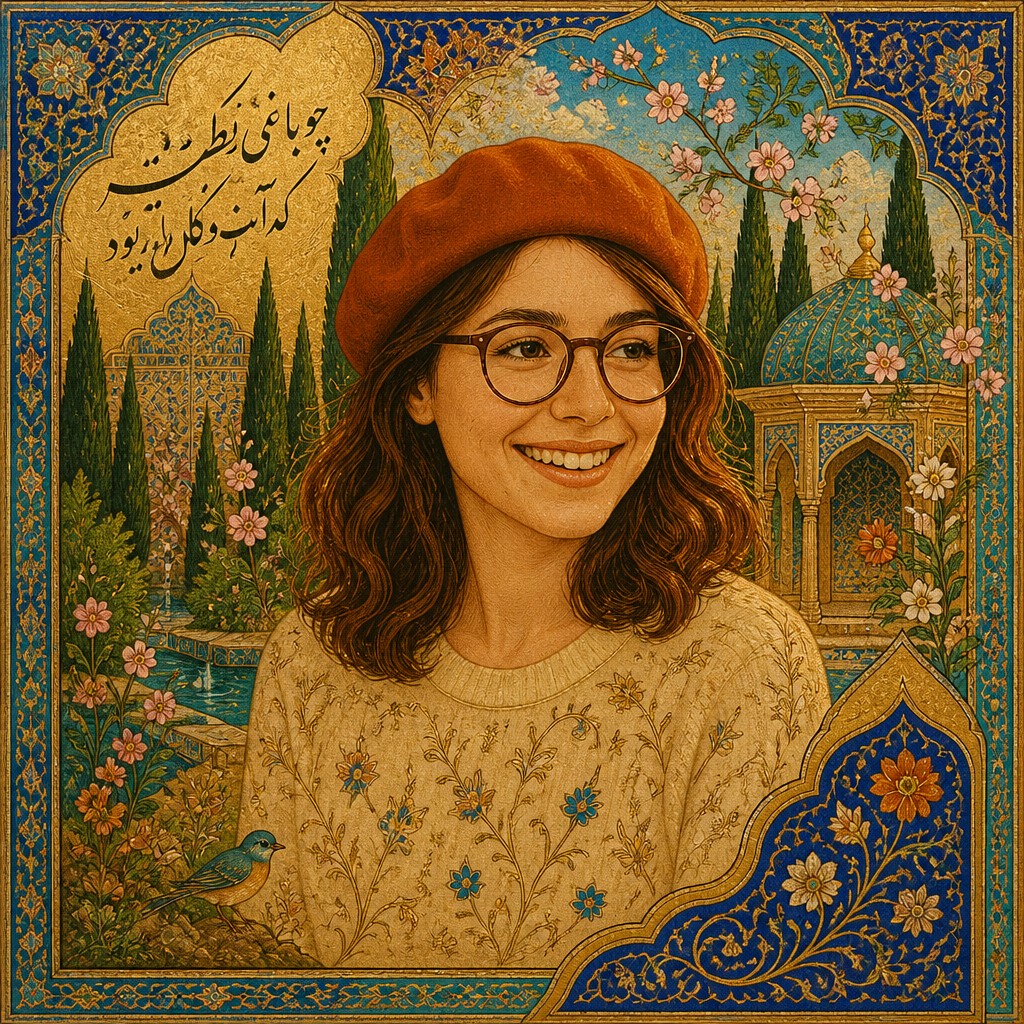

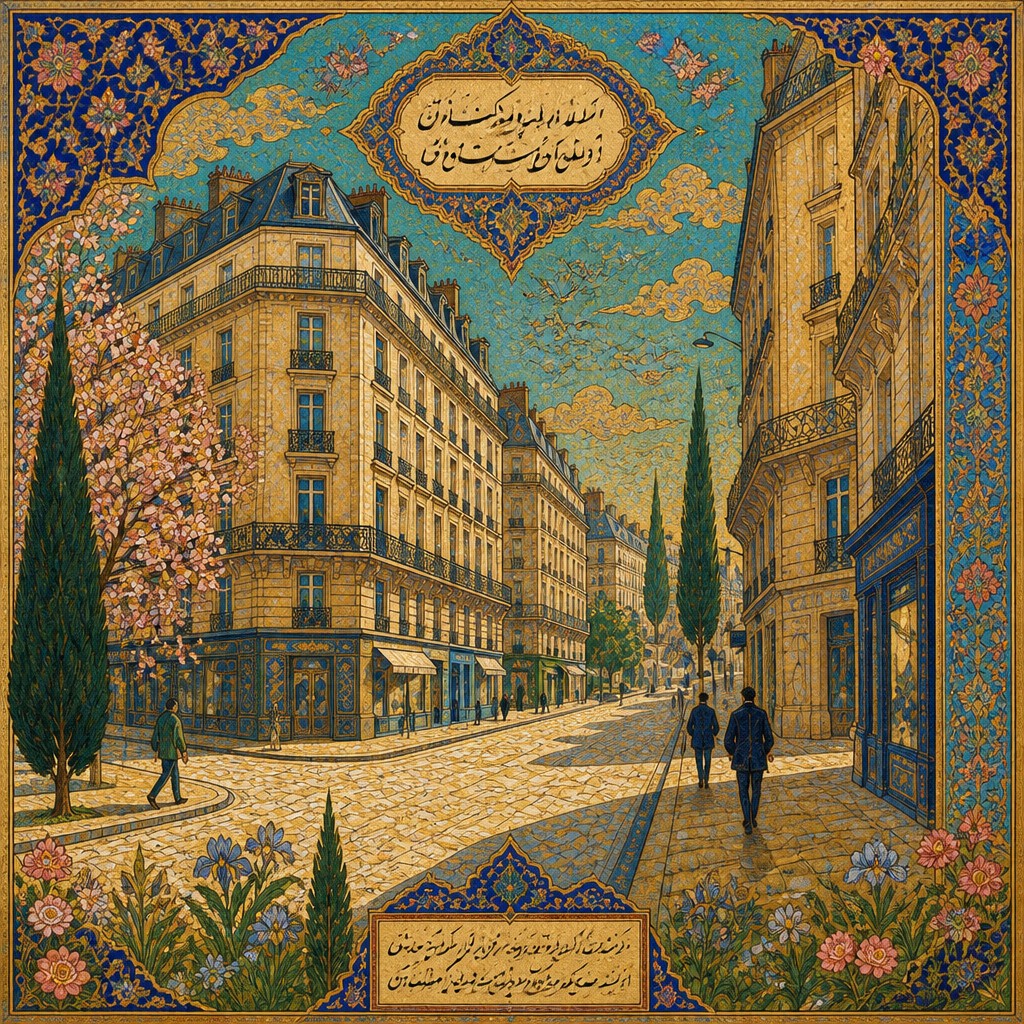

What Defines Persian Art Style
The signature details, up close
Jewel-toned palette
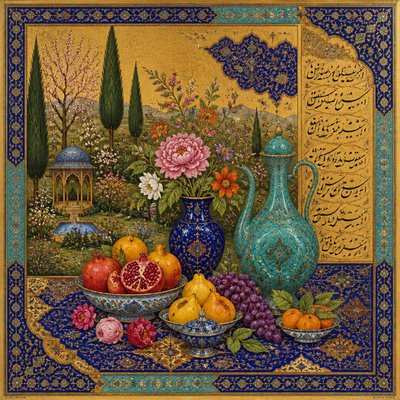
Lapis, turquoise, emerald, ruby, saffron, coral, ivory, and metallic gold create the effect of a precious illuminated surface. Strong color contrasts help separate overlapping details without relying on realistic shading.
Flattened and tilted space
Scenes often combine elevated viewpoints, stacked planes, and multiple scales instead of one-point perspective. This makes gardens, interiors, architecture, and figures legible as a complete visual field.
Miniature-world detail
Small figures, patterned garments, birds, flowers, vessels, and architectural features are rendered with controlled, delicate marks. The composition rewards close viewing and treats every area as potentially meaningful.
Paradise gardens
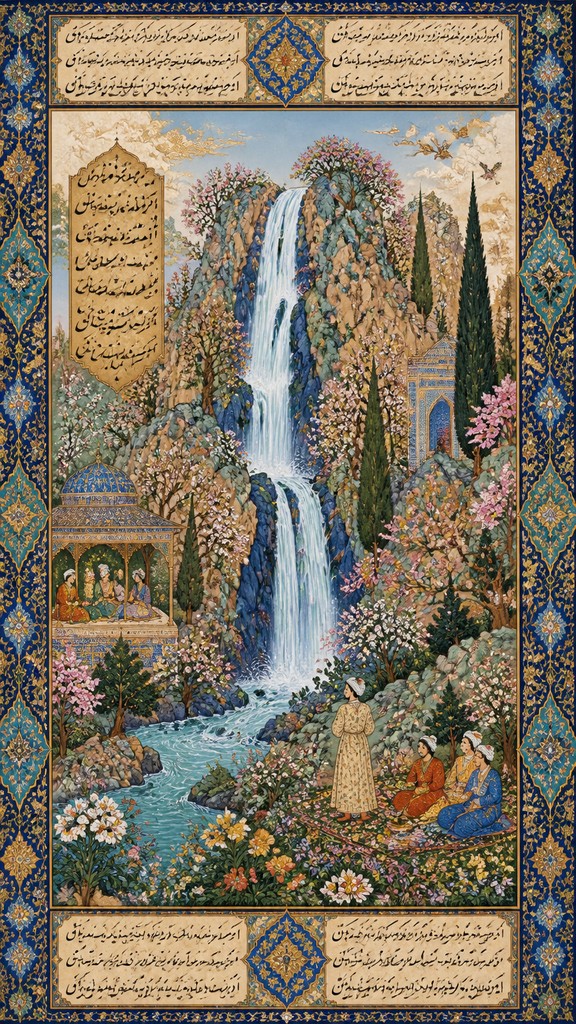
Cypress trees, blossoming branches, pavilions, channels of water, carpets of flowers, and enclosed courtyards evoke the ordered abundance of the ideal garden. Nature is stylized and cultivated rather than presented as untouched wilderness.
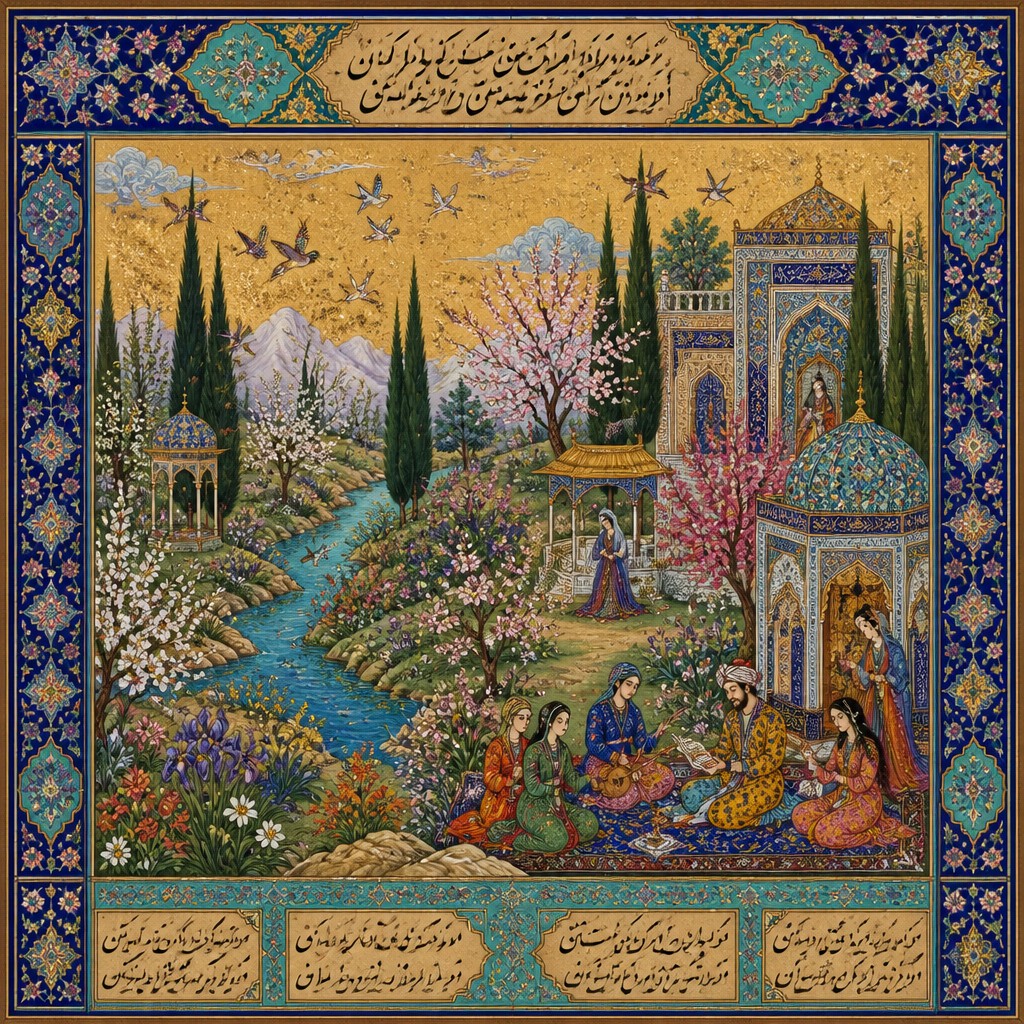
Architectural and textile ornament
Tile mosaics, geometric panels, arabesques, carpet borders, floral repeats, and patterned masonry frame or organize the image. Repeated motifs provide rhythm and connect background, clothing, and architecture.
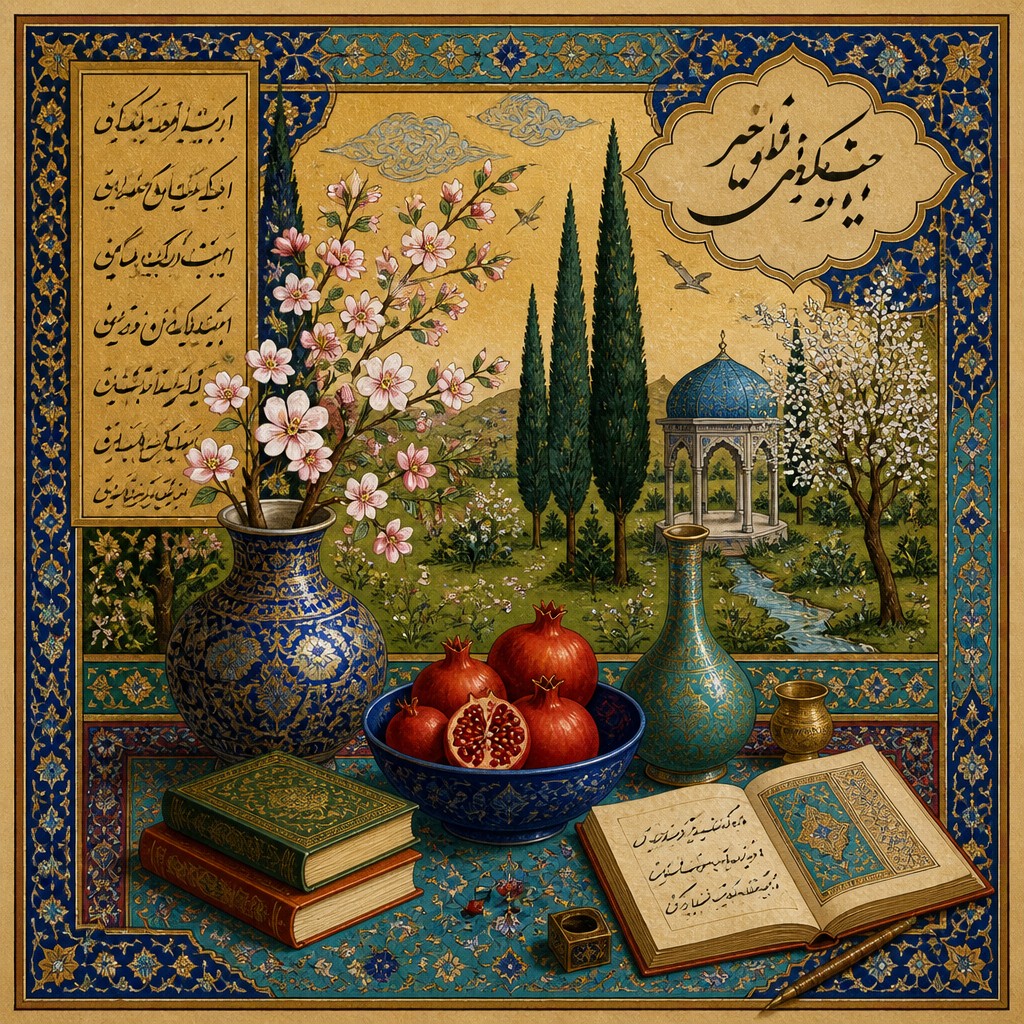
Calligraphic movement
Elegant script-like curves or ornamental flourishes may appear as inscriptions, borders, or purely decorative gestures. When legible text is used, its script, direction, and cultural context should be treated with care.
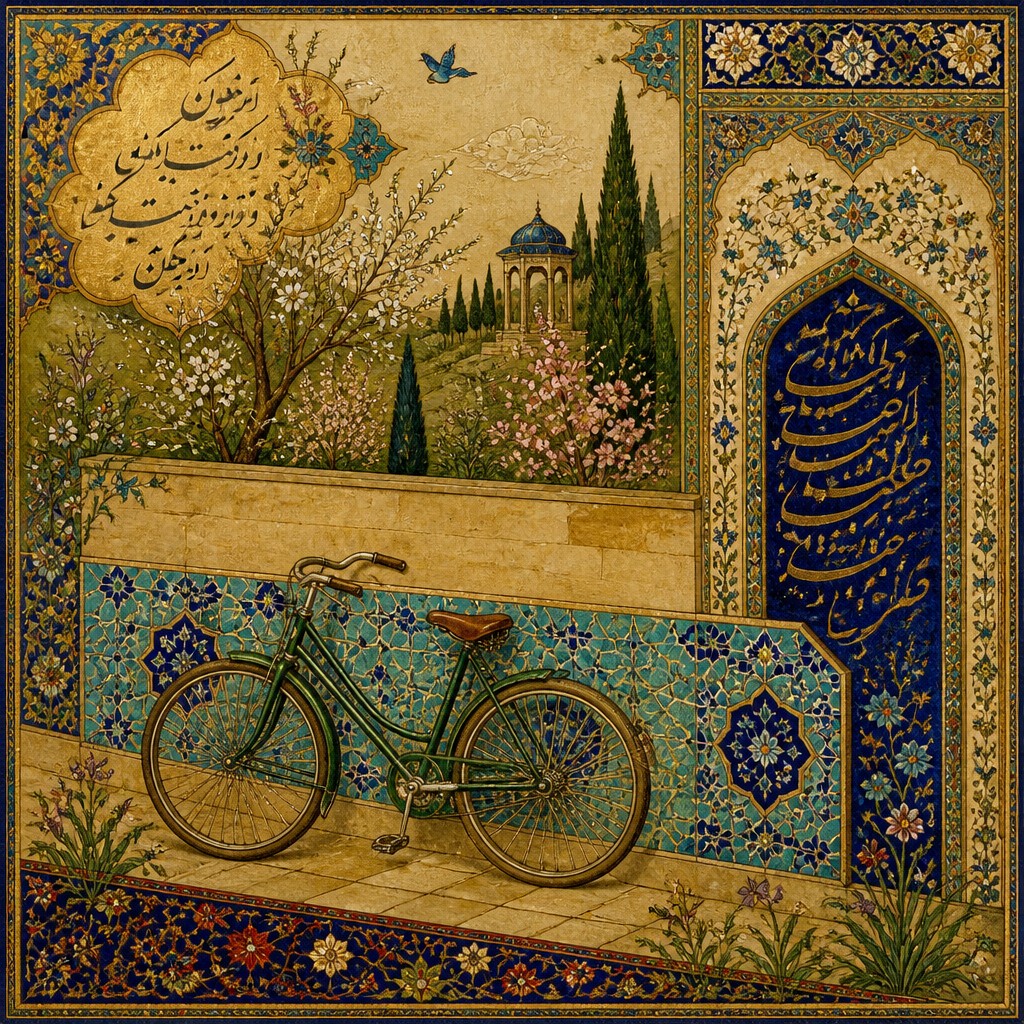
Contour-led figures and forms
Fine outlines, simplified modeling, graceful gestures, and carefully arranged profiles emphasize clarity and rhythm. Volume is suggested through color blocks, patterned surfaces, and selective highlights rather than heavy naturalistic shadow.
Try It
Create Videos in Persian Art Style
Styles aren't just for stills — describe a scene or animate an image and get a short video rendered in Persian. Press play to see this pond come to life.
Make a VideoPersian Prompt Ideas
Start from an idea — each one opens the generator with the style ready to go. See all 40 Persian prompts →
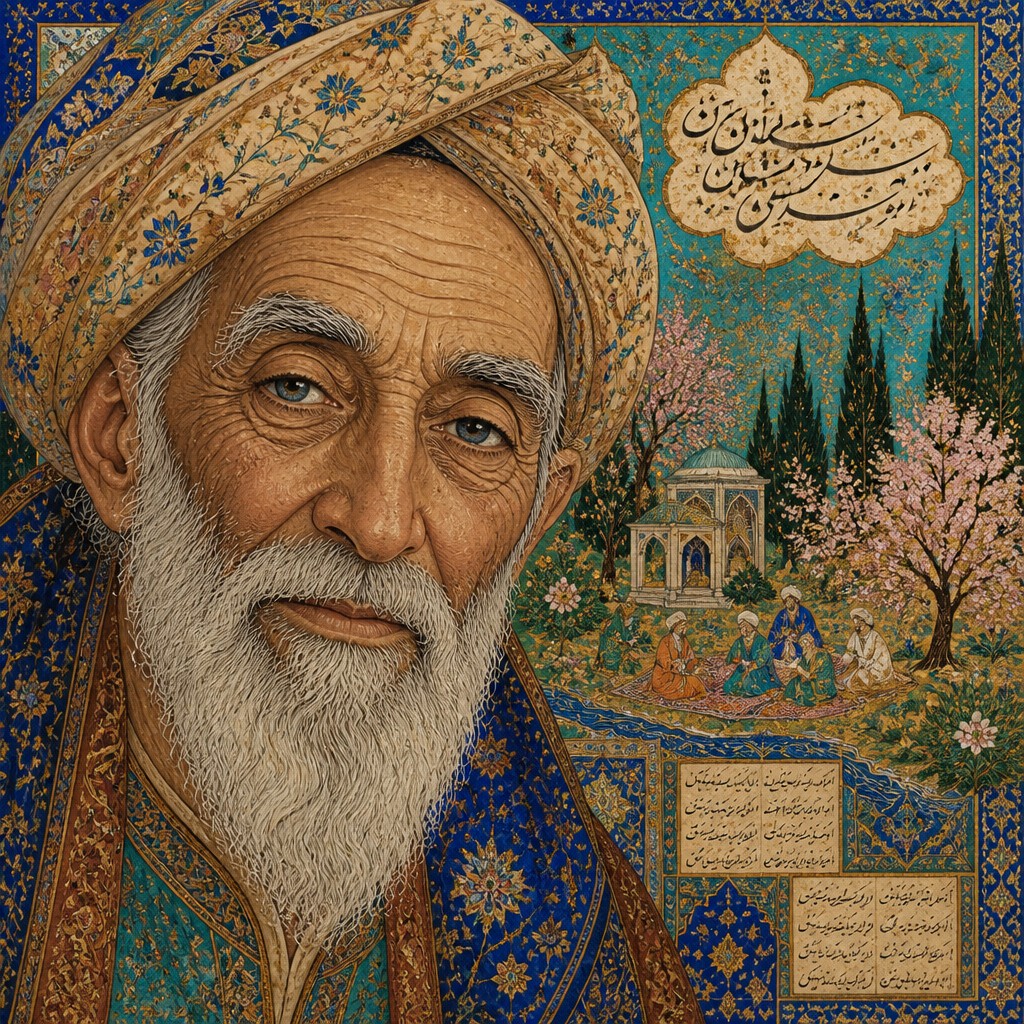
“close-up portrait of an elderly person with expressive weathered features”
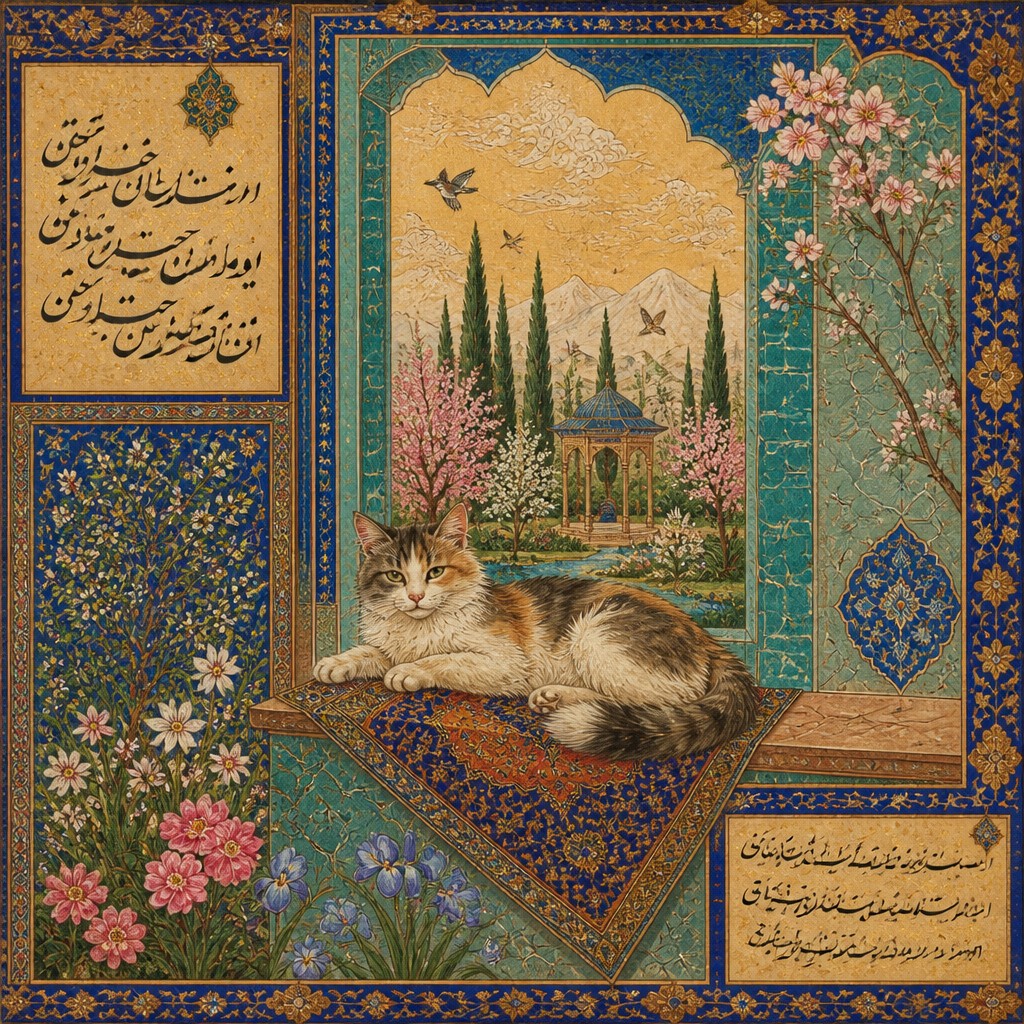
“a cat lounging in a sunlit window”
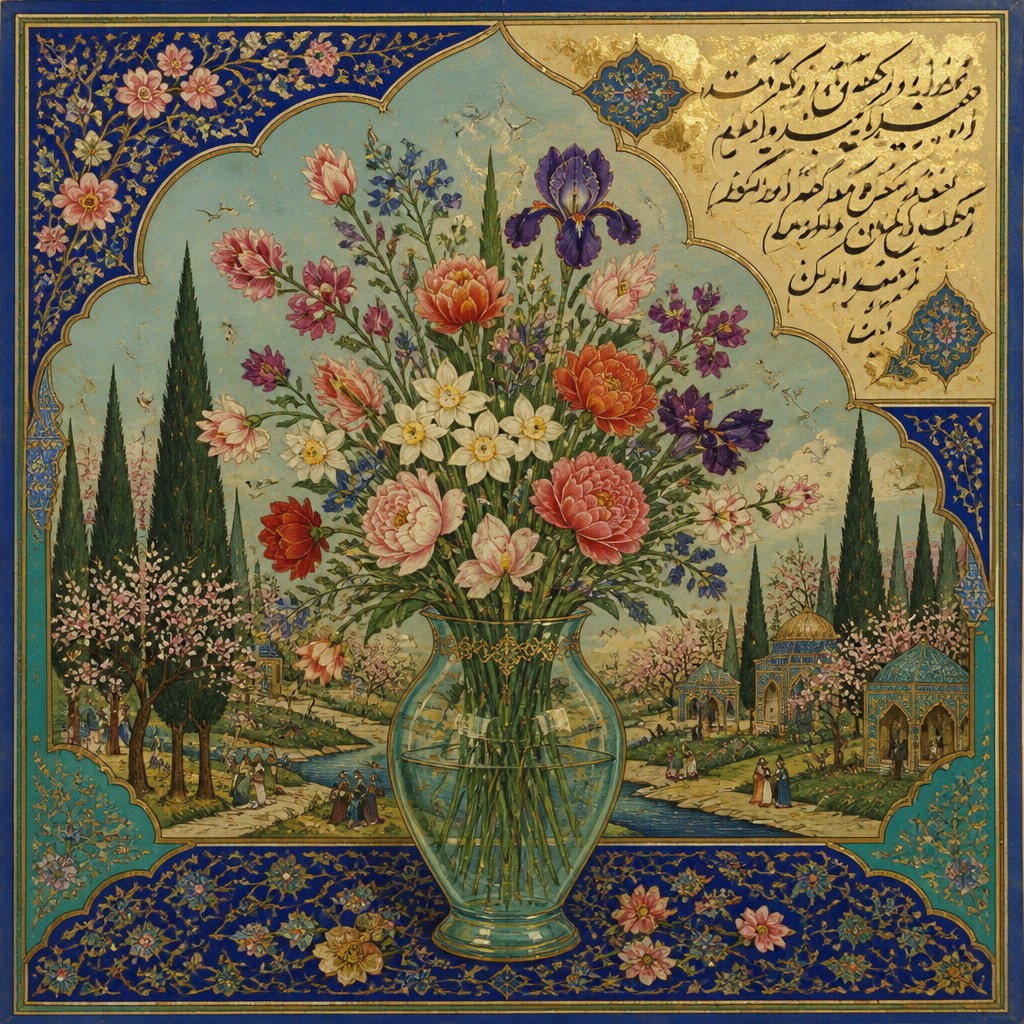
“bouquet of flowers in a glass vase”
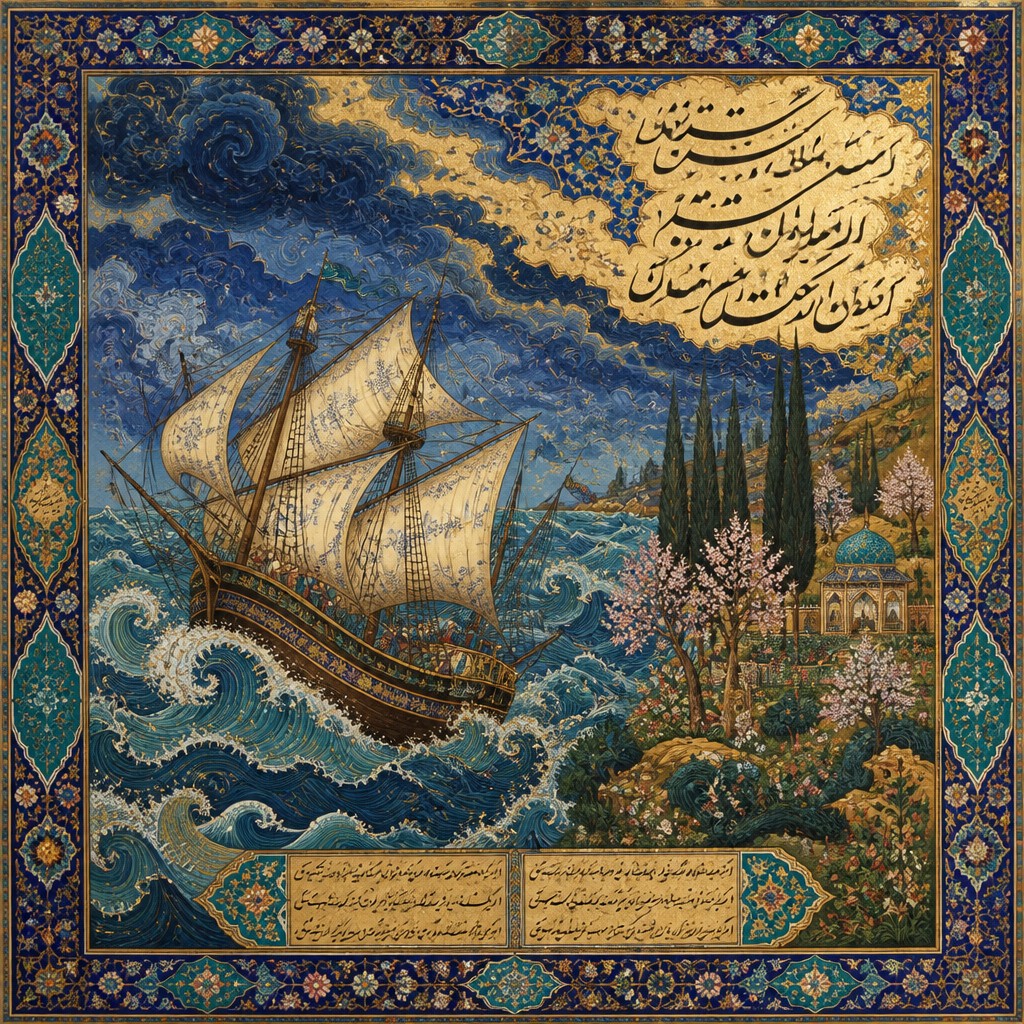
“sailing ship on a stormy sea”
How to Create Persian Art
Master the craft step by step — or skip straight to creating. Read the full guide →
- 1
Build a layered composition
Start with a framed field, then arrange foreground figures, middle-ground gardens, and elevated architecture in stacked or tilted planes. Avoid a single vanishing point if you want the compact, all-over readability of miniature painting.
- 2
Use opaque color and precise line
For traditional work, use gouache or opaque watercolor on smooth paper, adding fine brush lines and restrained metallic accents after the main color areas dry. Digitally, emulate this with crisp shape layers, textured brushes, and limited soft shading.
- 3
Design a border system
Create inner and outer frames using tile geometry, floral repeats, carpet bands, or arabesque forms. Keep border motifs related to the central scene so the ornament feels structurally integrated rather than pasted on.
- 4
Plan symbolic garden elements
Use cypress trees, flowering plants, water channels, birds, pavilions, and carpets as compositional anchors. Repeat selected motifs at different scales to suggest an ordered, lyrical environment.
- 5
Control the palette
Choose a small group of saturated colors, especially blue, turquoise, green, warm red, and gold, then reserve the brightest highlights for focal details. Excessive gradients or muted naturalism can weaken the decorative clarity.
- 6
Write a structured generation prompt
Specify the subject first, then request miniature scale, flattened tilted perspective, jewel tones, garden imagery, tile or carpet borders, fine contours, and a calligraphic flourish. Add exclusions such as photorealistic perspective, empty backgrounds, or generic fantasy armor when you want a more historically grounded result.
The Story
History & Origins of Persian
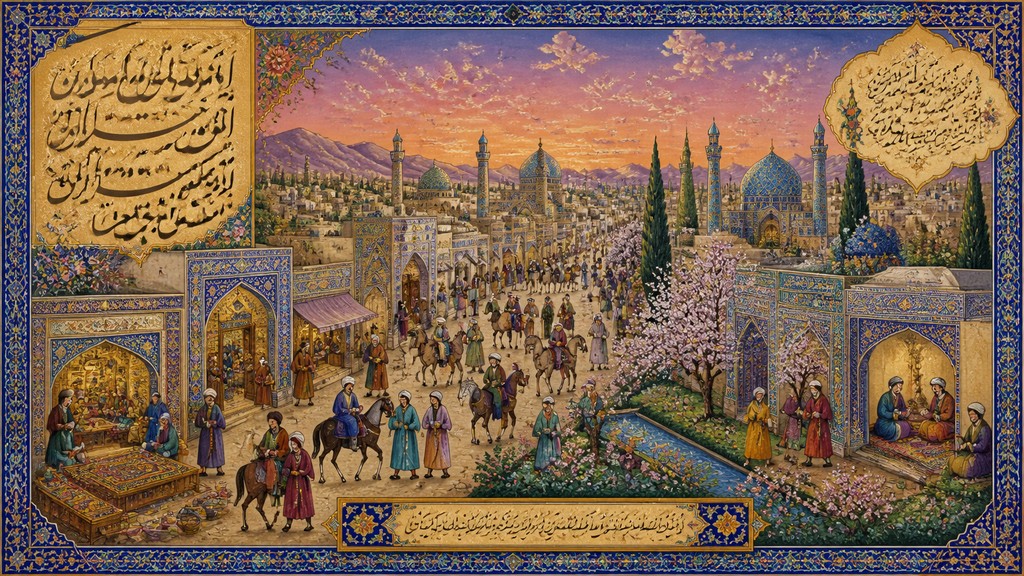
The style described here is a contemporary synthesis rather than a single historical movement. Its principal lineage runs through Persian and Persianate manuscript traditions that developed from the medieval period onward across Iran and neighboring regions, alongside architectural tilework, luxury textiles, carpets, metalwork, and gardens. Manuscript painting commonly used opaque pigments, fine brushes, burnished paper, gold, patterned margins, and carefully organized scenes rather than linear perspective based on a single viewpoint.
Over time, regional courtly workshops and wider cultural exchange produced varied approaches to color, figure modeling, landscape, ornament, and calligraphy. The modern label often compresses these diverse traditions into an evocative visual vocabulary: miniature scale, paradise-garden symbolism, intricate borders, and luminous blue-and-gold decoration. It should therefore be understood as an aesthetic lineage, not as a uniform period style or a claim that all Persian art looks the same.
Influences: The style draws on Persian and Persianate miniature painting, Islamic architectural ornament, geometric and vegetal tilework, carpet design, manuscript illumination, calligraphic traditions, and the symbolism of enclosed paradise gardens. It also relates to decorative arts such as metalwork and luxury textiles, as well as to later fantasy illustration and digitally constructed worldbuilding. Its flattened spatial logic can be compared with other manuscript traditions, but its palette, garden vocabulary, and ornamental systems should not be treated as interchangeable with Japanese ukiyo-e, European medieval illumination, or South Asian miniature painting.
Frequently Asked Questions
What defines Persian art style?
It is defined by jewel-toned color, intricate ornament, miniature-scale detail, flattened or tilted perspective, garden imagery, and a close relationship between image, border, textile pattern, and calligraphic movement. The style emphasizes a complete decorative world rather than a single realistic viewpoint.
Is Persian art style a single historical art movement?
No. The phrase can refer broadly to many centuries and regions of Persian and Persianate art, while the contemporary visual label usually combines selected features from manuscript painting, architecture, carpets, tilework, and calligraphy. Specific historical works should be identified by their period, medium, and region whenever precision matters.
How is it different from Islamic geometric art?
Geometric art focuses primarily on repeated mathematical pattern, symmetry, and abstract ornament. Persian art style may use those geometries, but it typically combines them with figures, gardens, architecture, narrative scenes, floral forms, and richly colored surfaces.
Can Persian art style include people and storytelling?
Yes. Manuscript traditions frequently depicted courtly life, literature, battles, journeys, ceremonies, and intimate garden scenes. Figures are generally arranged for clarity and rhythm, with expressive gesture, patterned clothing, and symbolic setting taking precedence over photographic anatomy.
What materials and techniques are associated with it?
Traditional examples may use opaque watercolor or gouache, fine brushes, smooth paper, gold, burnishing, ink, and carefully ruled borders. Contemporary artists can translate these qualities into digital painting through crisp contours, layered pattern brushes, textured paper effects, and controlled metallic highlights.
How can I prompt an image in this style without making it look generic?
Name a clear subject and specify the spatial structure, palette, border design, garden elements, materials, and level of miniature detail. Describing a particular regional or historical reference can improve specificity, while avoiding vague phrases such as simply 'exotic palace' helps reduce stereotypes and visual clichés.
Create your first Persian artwork
Describe anything — or upload a photo — and see it in Persian Art Style in seconds.
Related Styles
Discover similar art styles