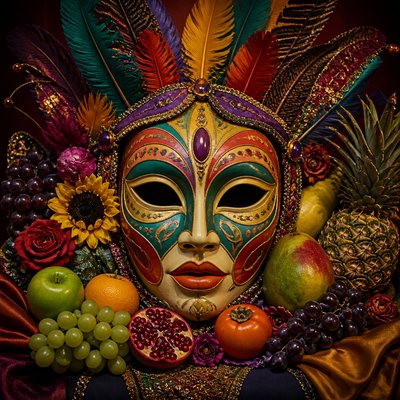
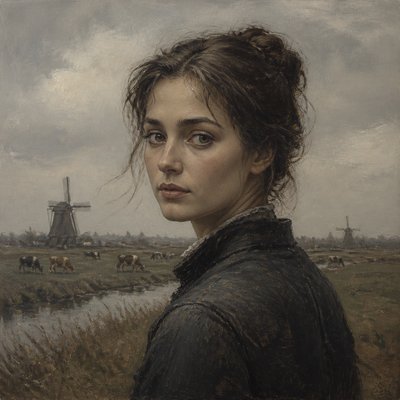
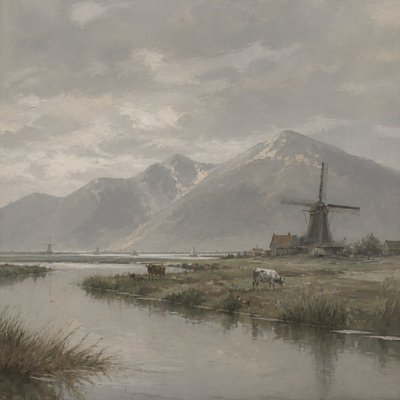
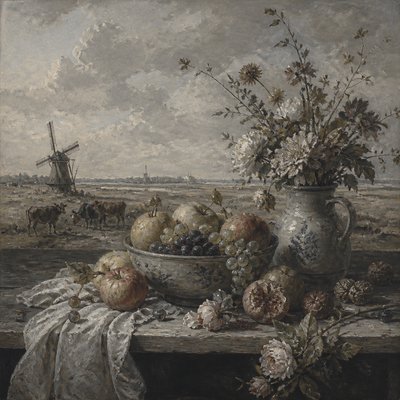
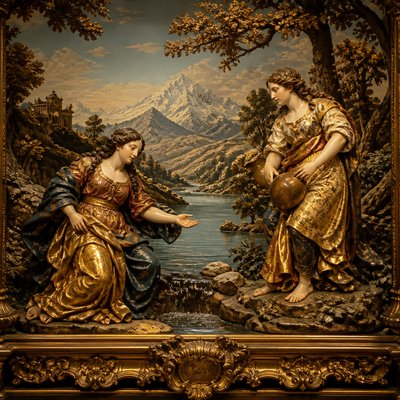
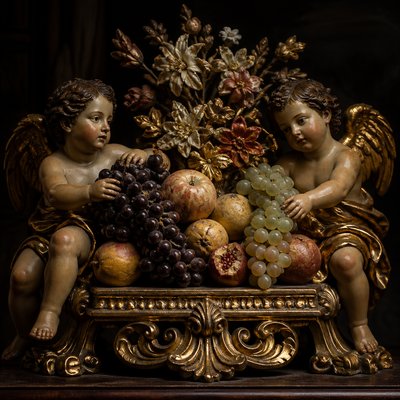
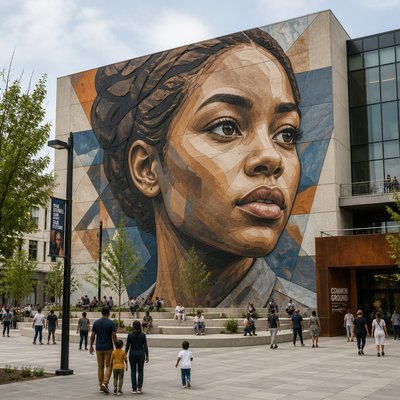
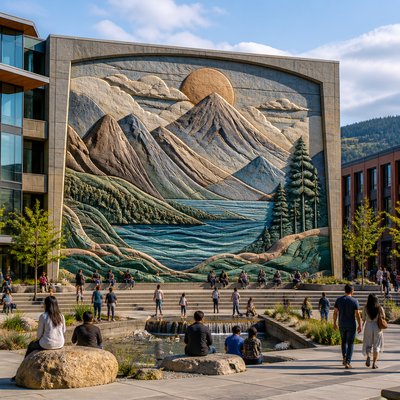
Concept Art Style
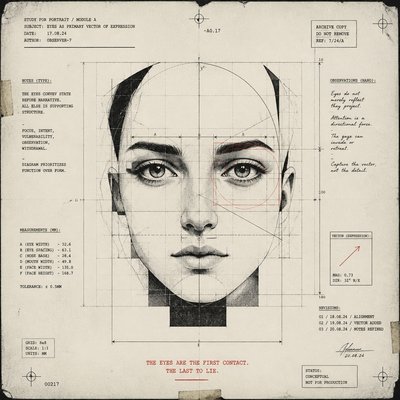
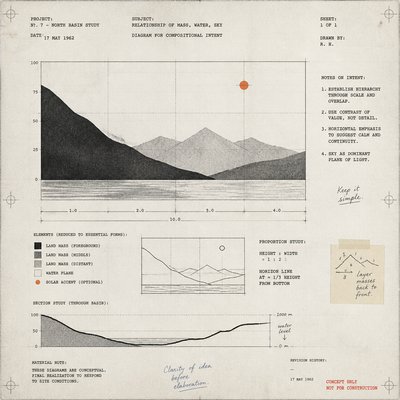
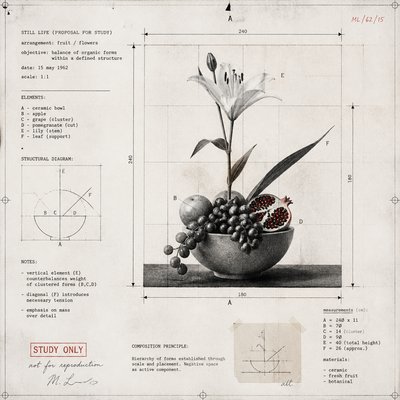
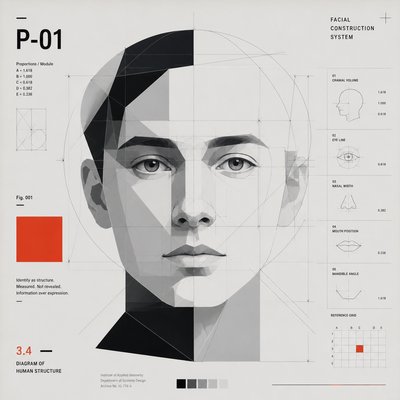
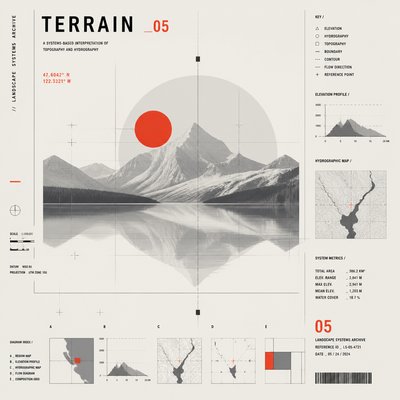
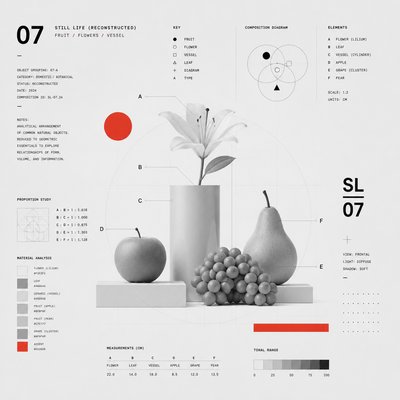
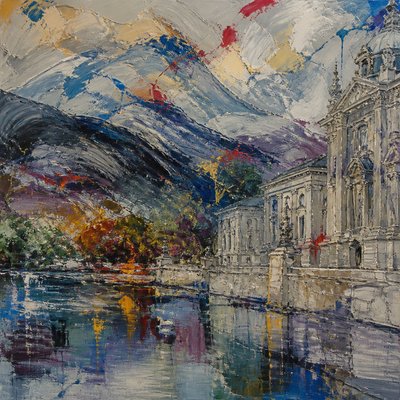
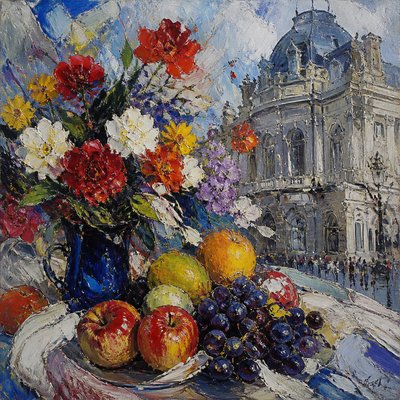
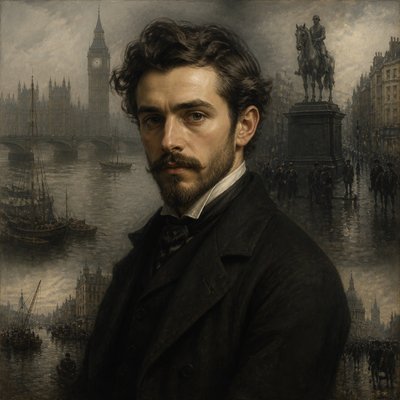
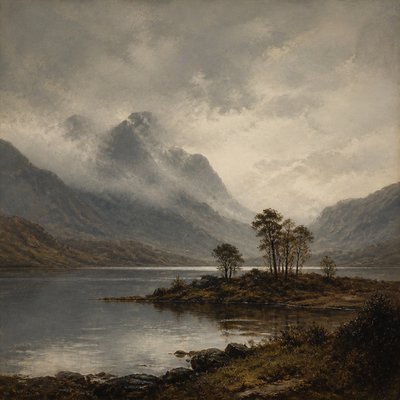
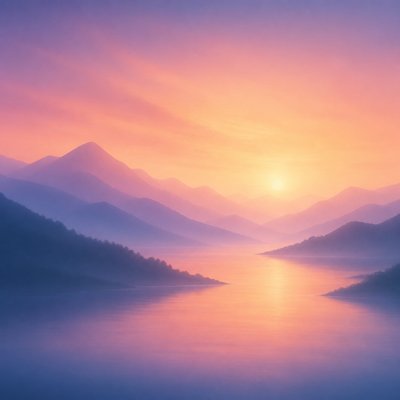
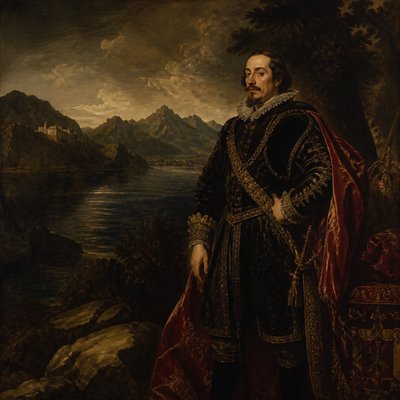
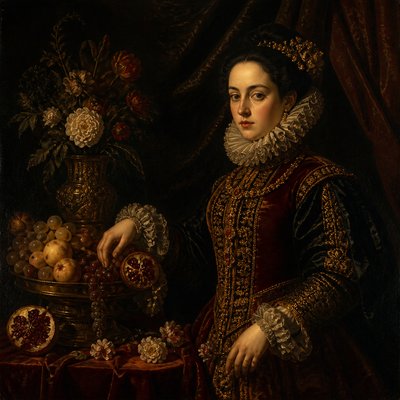
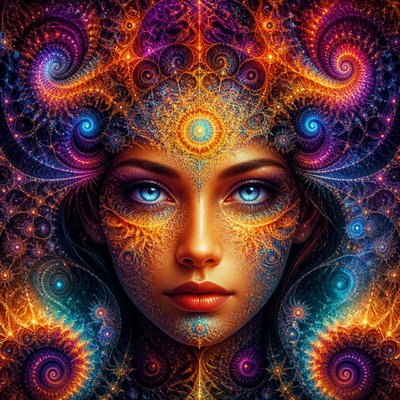
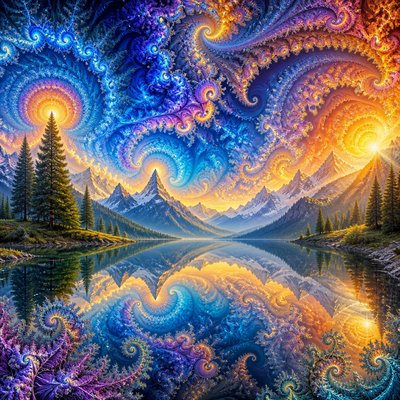
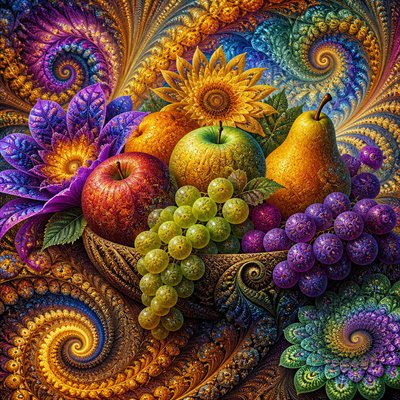
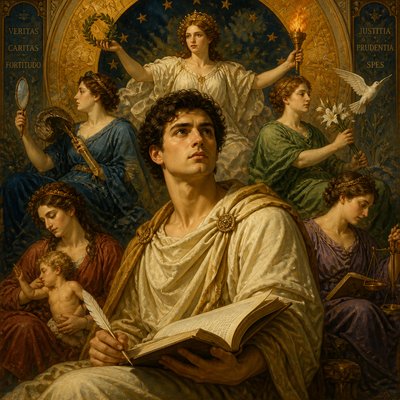
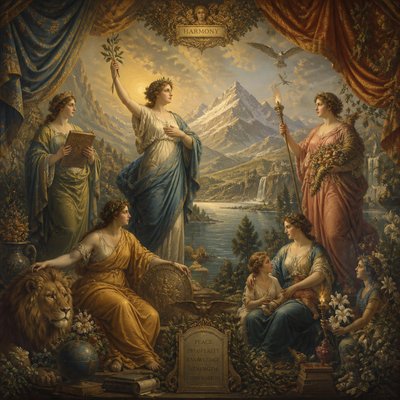
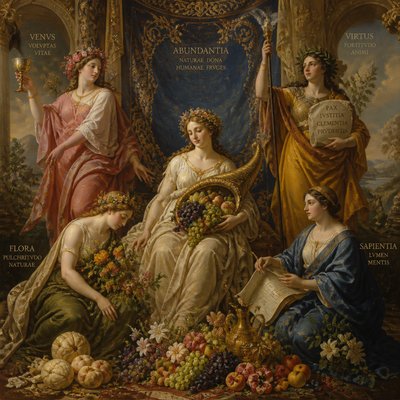
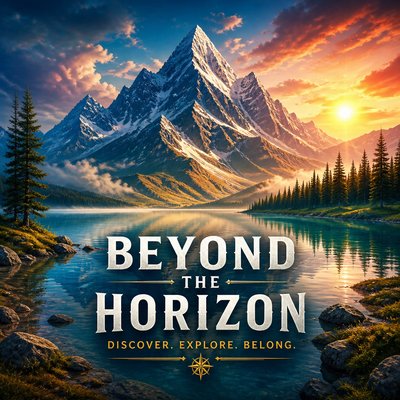
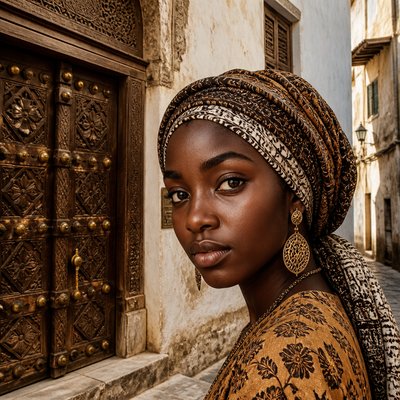
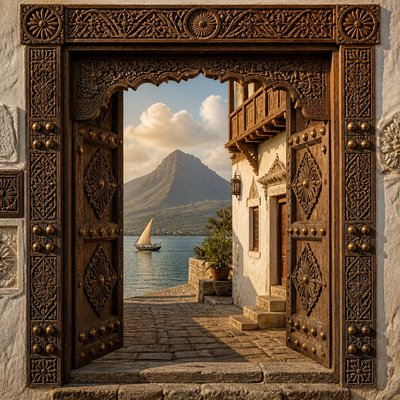
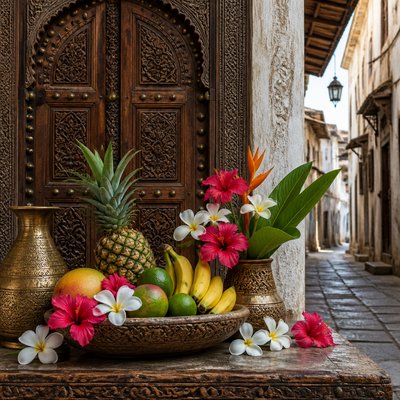
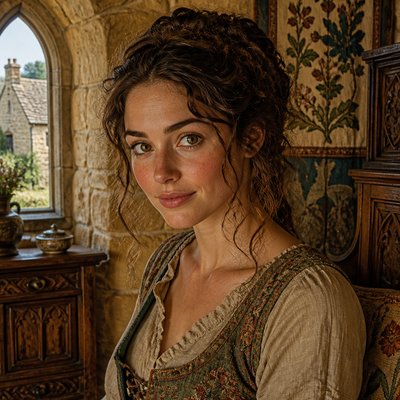
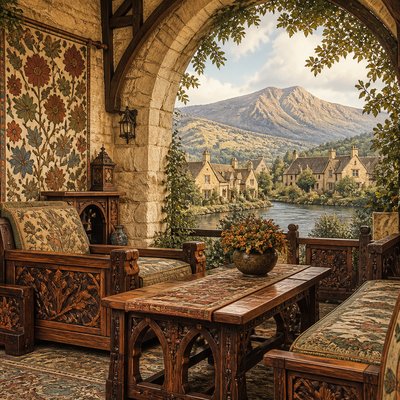
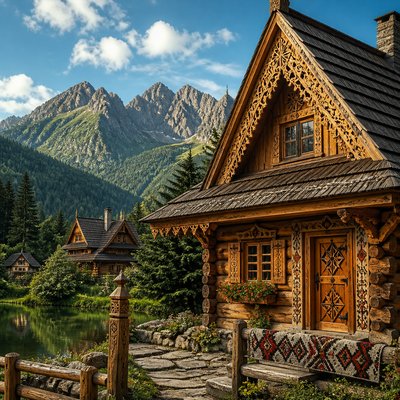
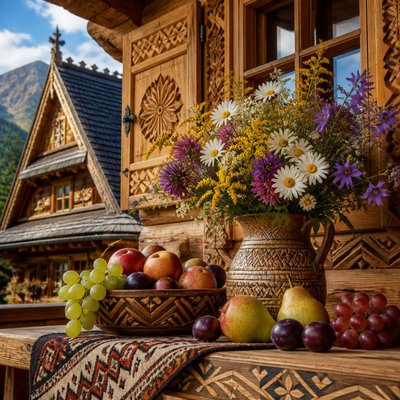
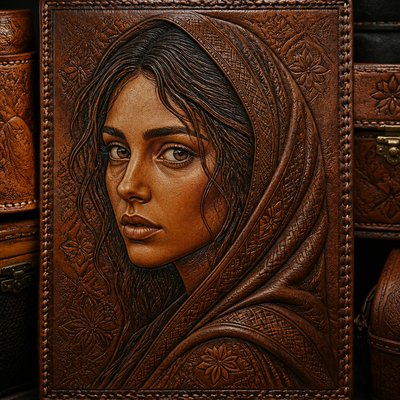
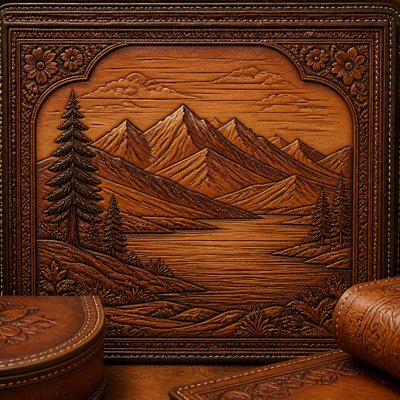
Explore concept art style: cinematic worlds, bold silhouettes, atmospheric depth, dramatic lighting, and polished environment design.
Instantly rendered in Concept — or transform a photo
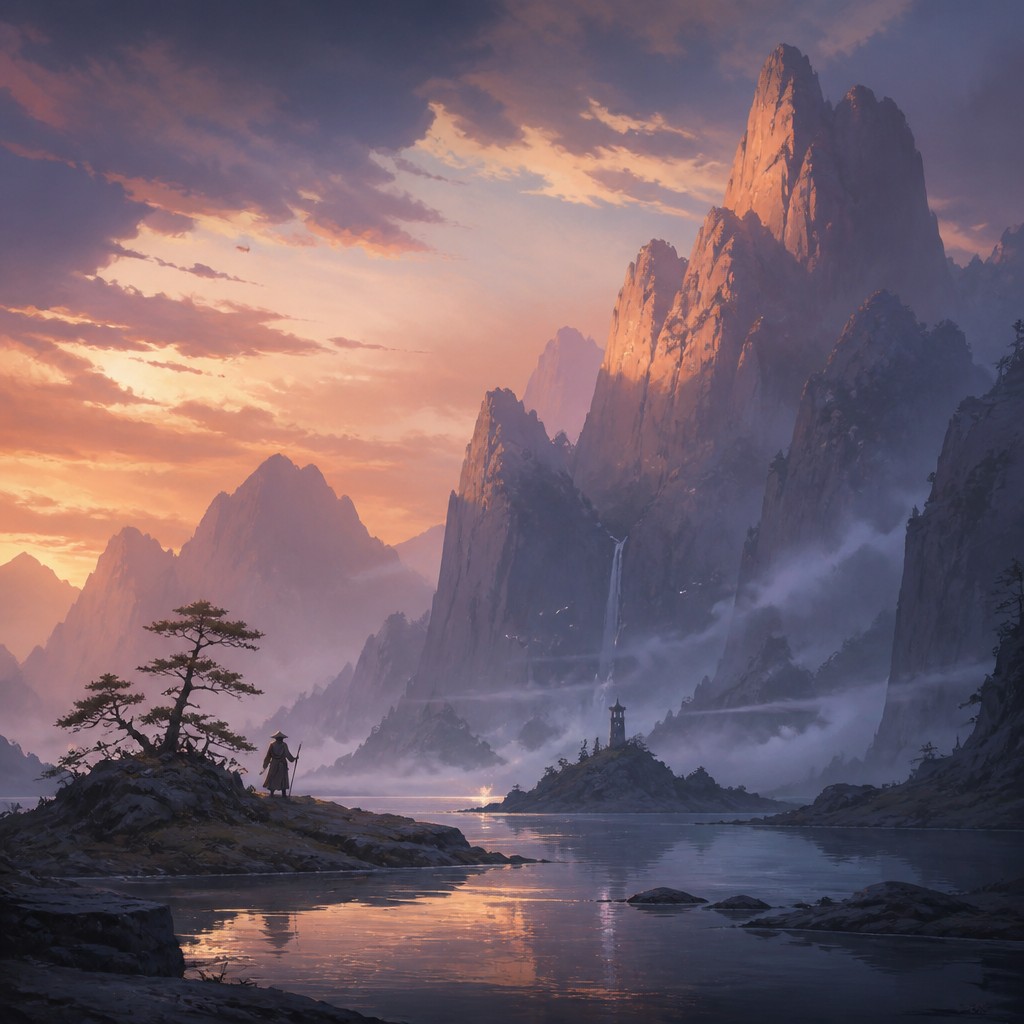
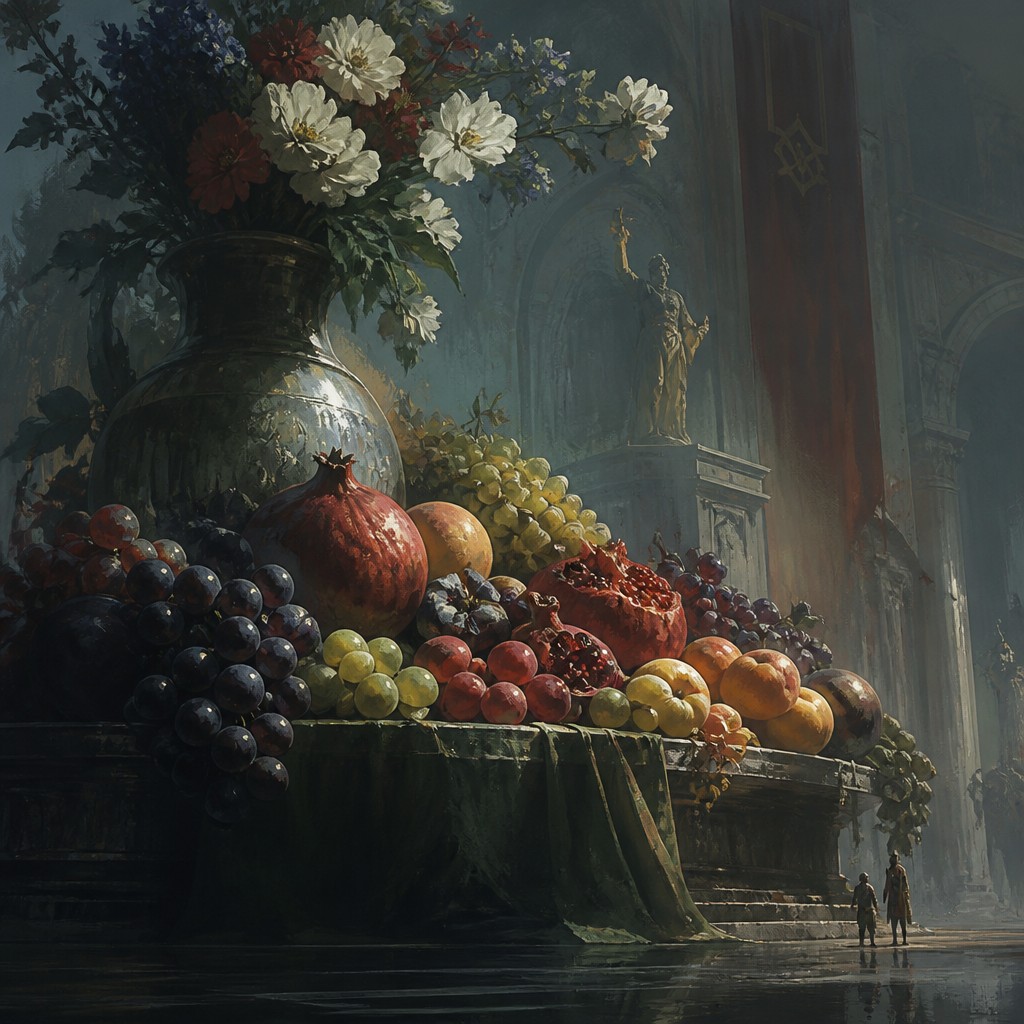
Concept Gallery
Tap any artwork to explore it
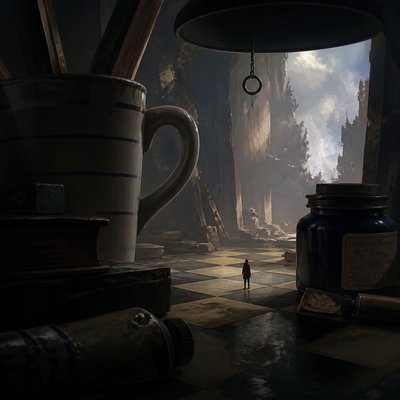
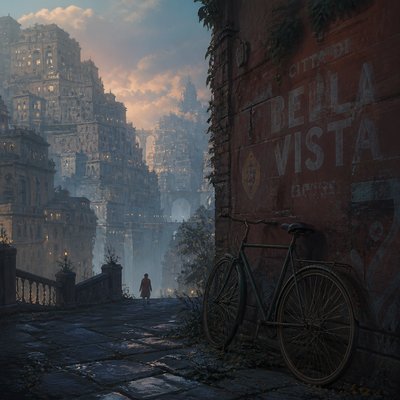
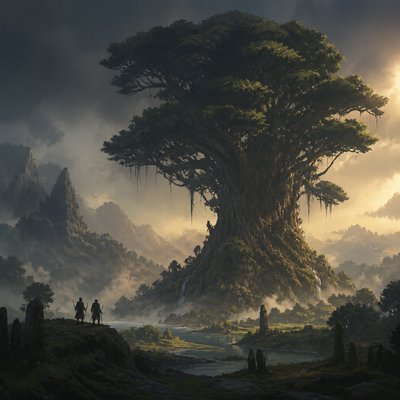
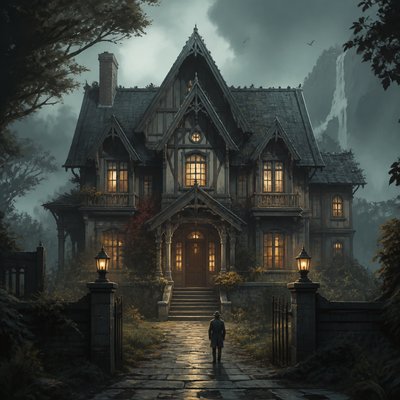
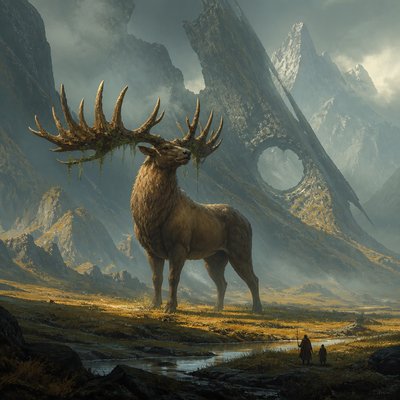
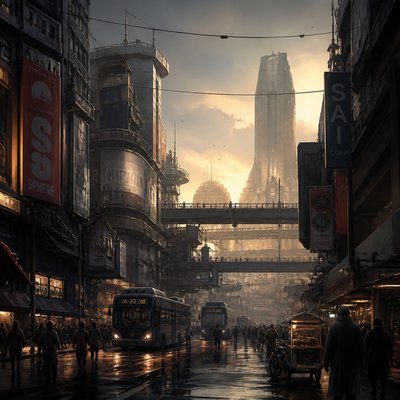
What is Concept Art Style?
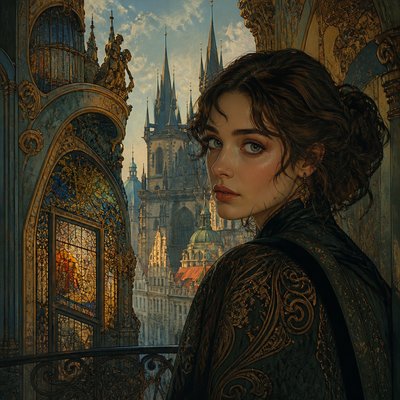
Concept art style is a form of visual development used to explore characters, environments, objects, and moods before a finished production is made. It turns an idea into a persuasive image, often prioritizing instant readability, emotional atmosphere, and design clarity over strict realism or narrative completeness.
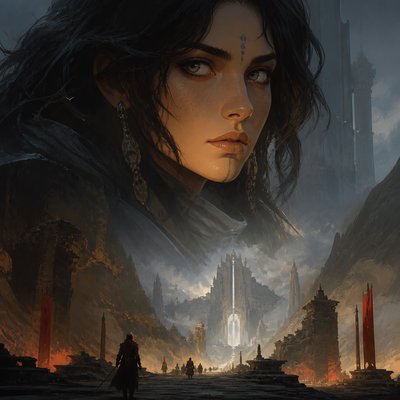
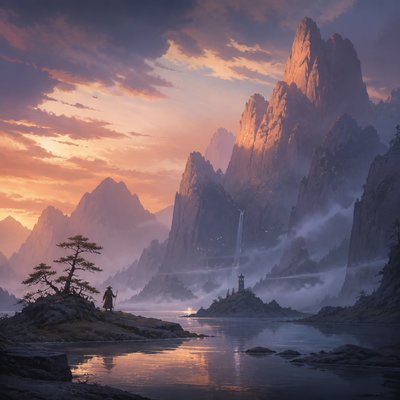
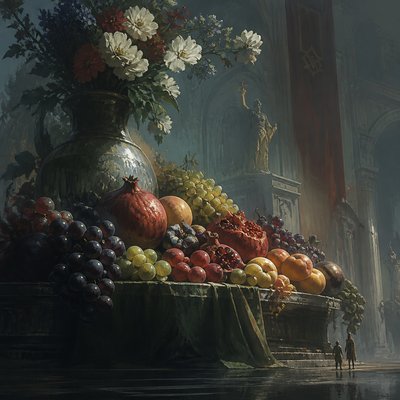
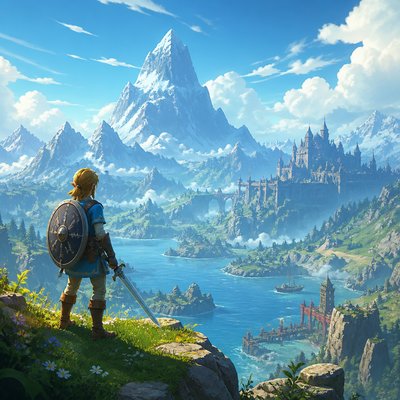
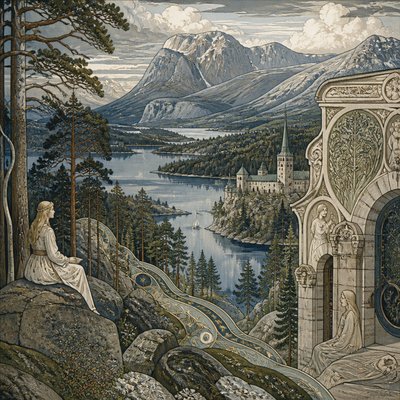
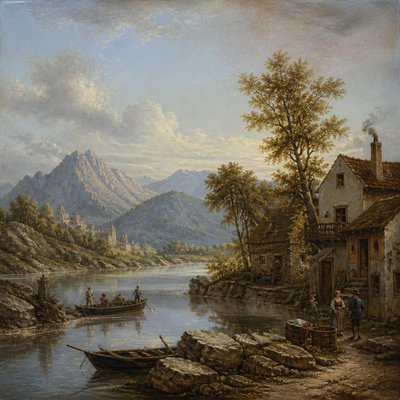
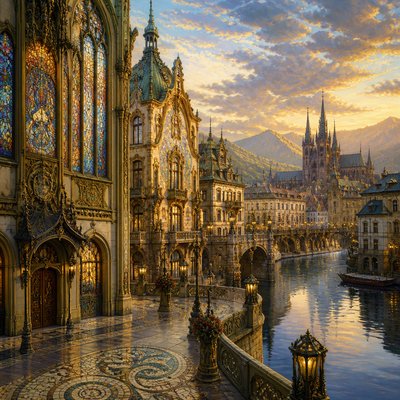
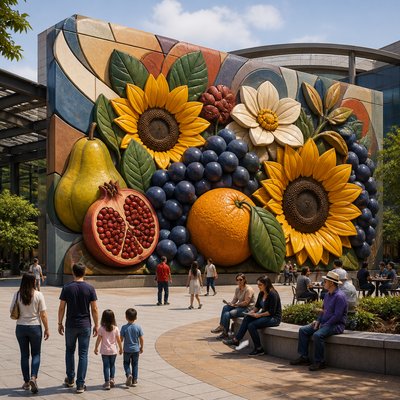
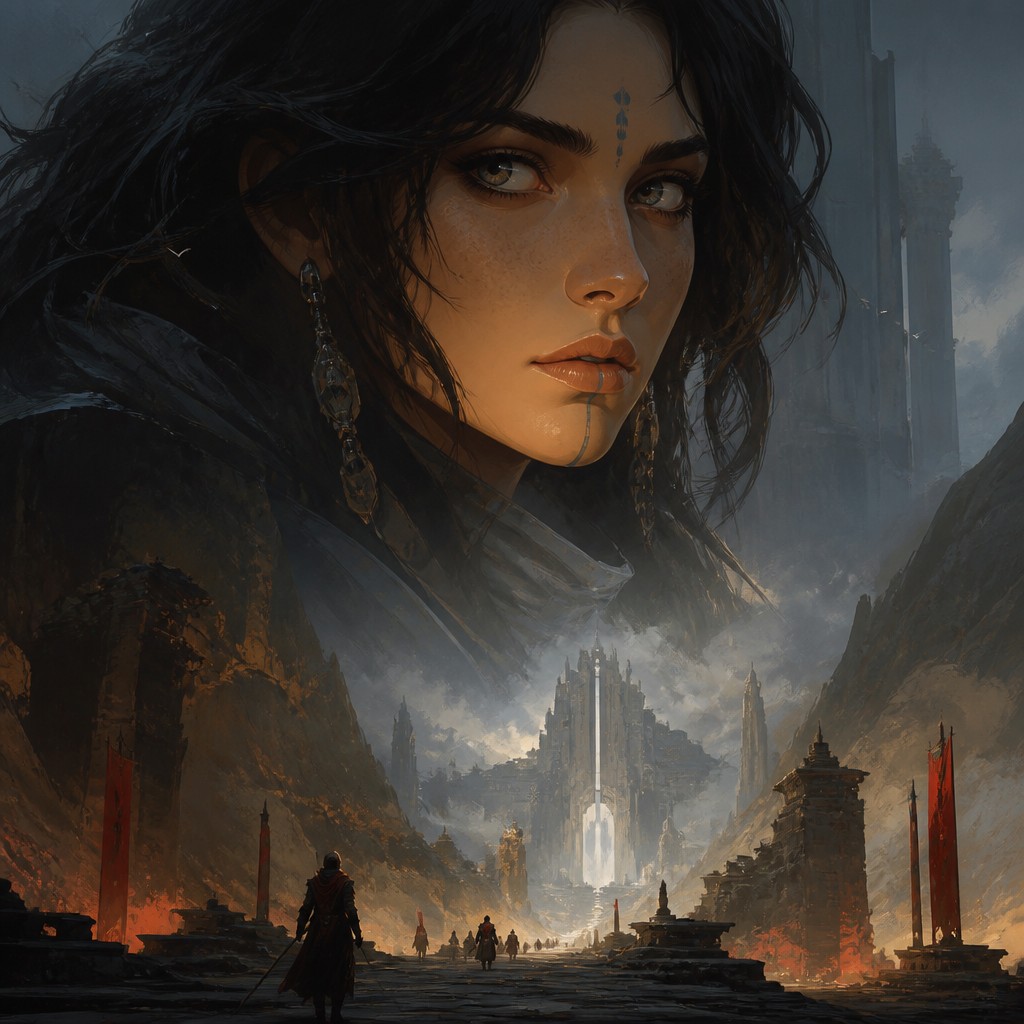
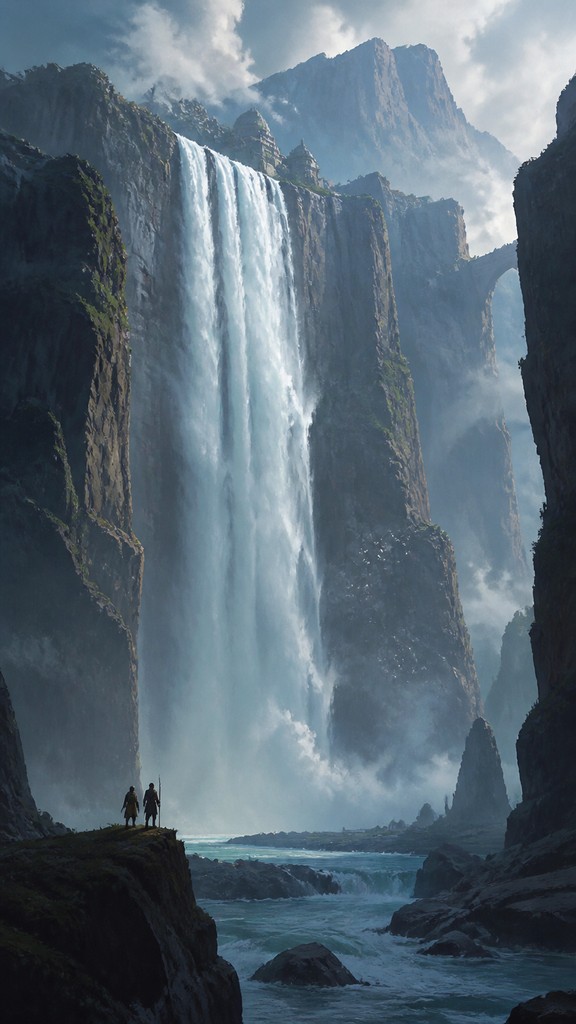
Its visual identity combines strong silhouette design, dramatic scale, atmospheric perspective, and controlled cinematic lighting. Broad digital brushwork may suggest architecture, terrain, weather, or material without rendering every surface equally. Small figures, vehicles, or familiar objects are frequently included as scale cues, making the imagined world feel expansive and inhabitable.
Try It On Your Photos
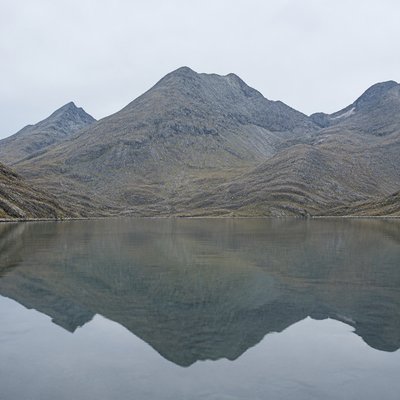
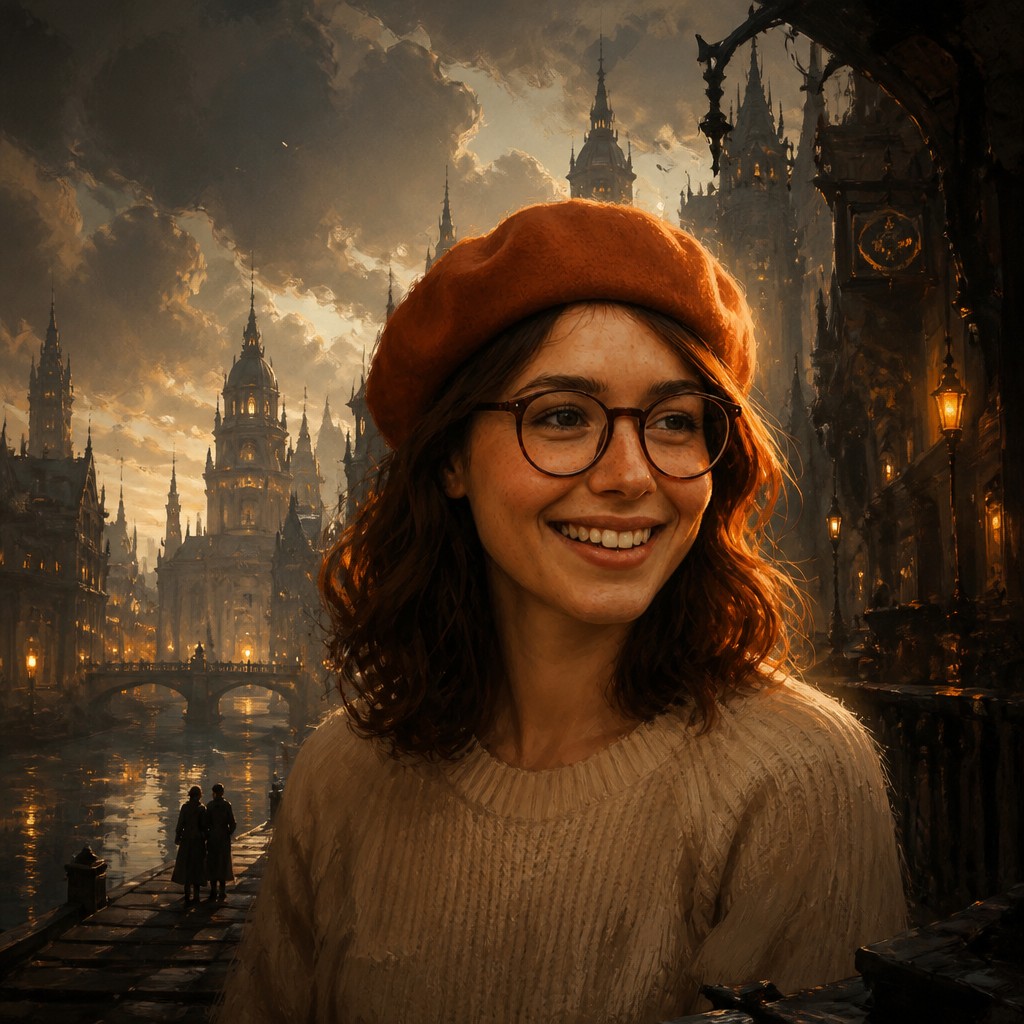
Upload any photo and convert it into Concept Art Style — drag the sliders to compare before and after.


What Defines Concept Art Style
The signature details, up close
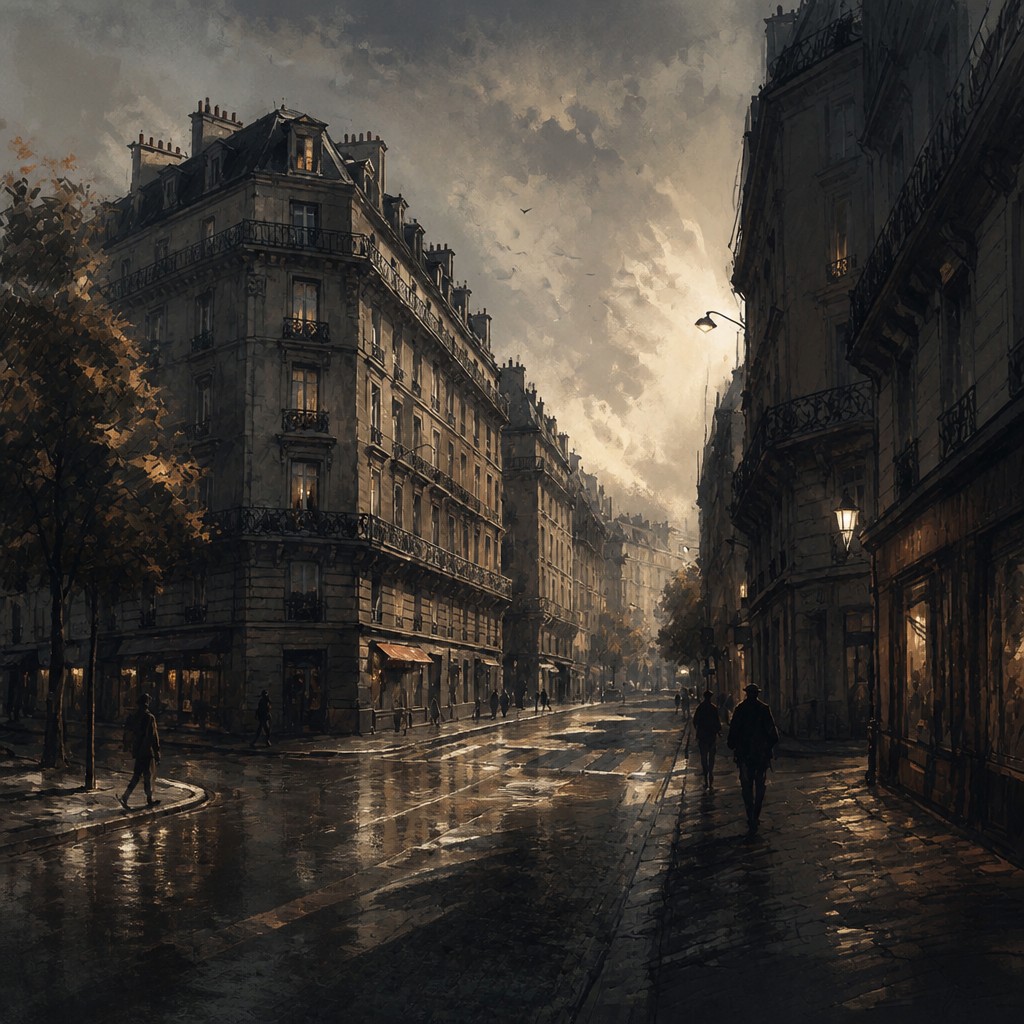
Strong silhouette structure
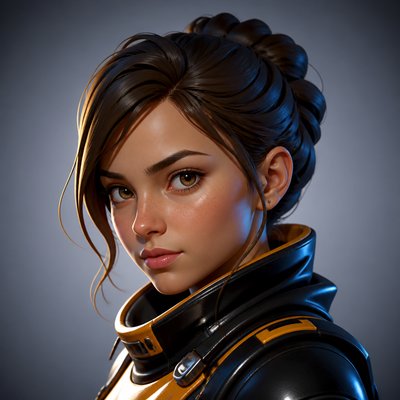
Large, readable shapes establish the identity of buildings, landscapes, machines, or creatures before surface detail is considered. Clear masses and varied contours help the image communicate quickly.
Cinematic scale
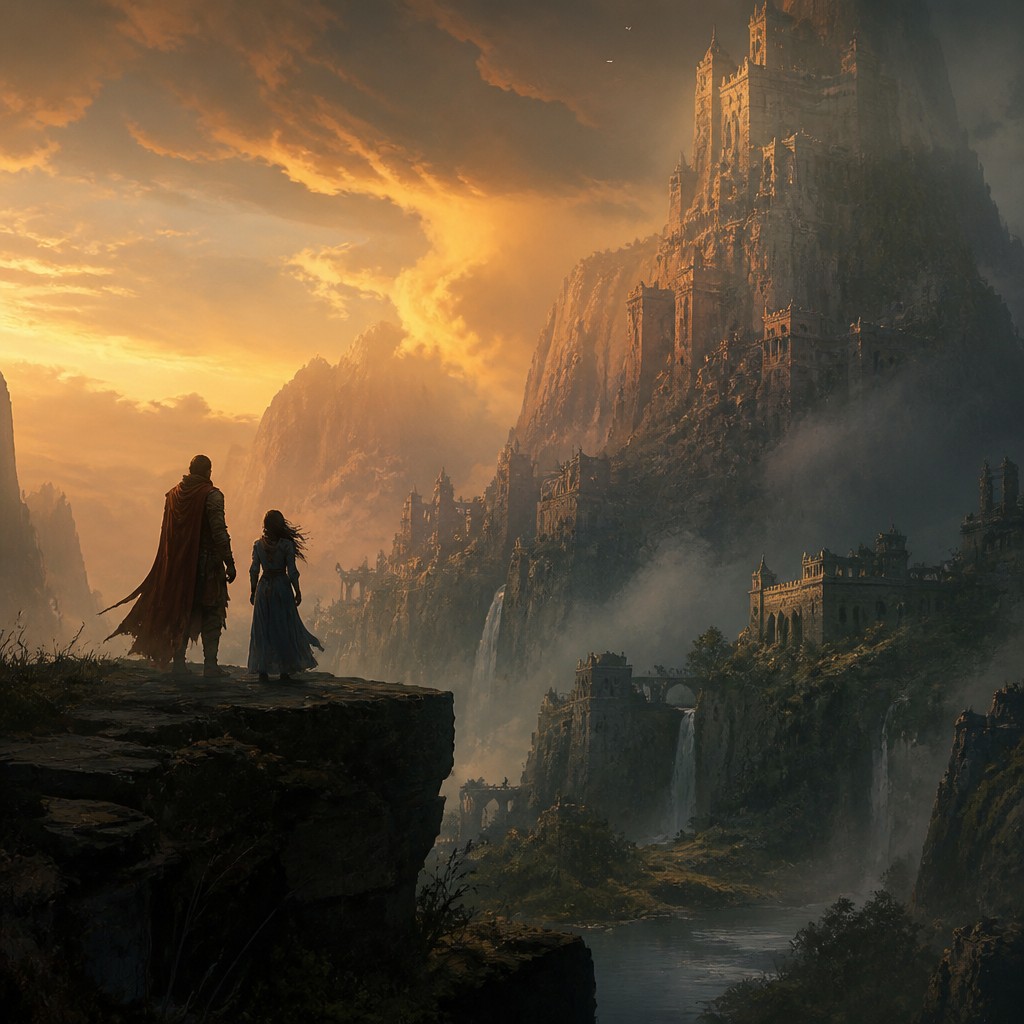
Extreme contrasts between small human figures and monumental structures, cliffs, spacecraft, or machines create a sense of grandeur. Framing often resembles a film still, with a deliberate foreground, middle ground, and background.
Atmospheric depth
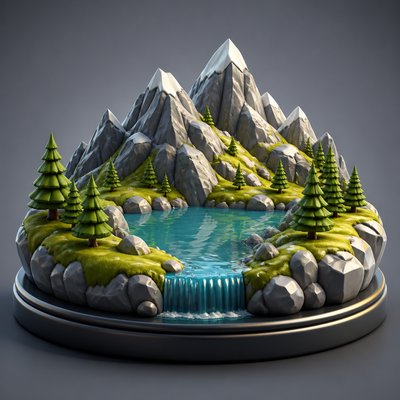
Overlapping forms, softened edges, haze, and shifts in value or saturation separate distant planes. These devices make imaginary spaces feel deep, navigable, and physically coherent.
Mood-driven lighting
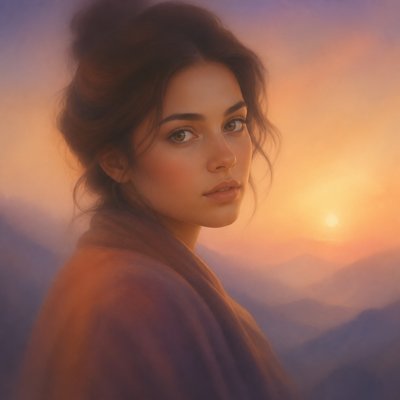
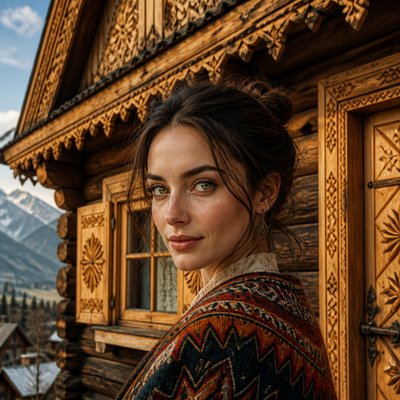
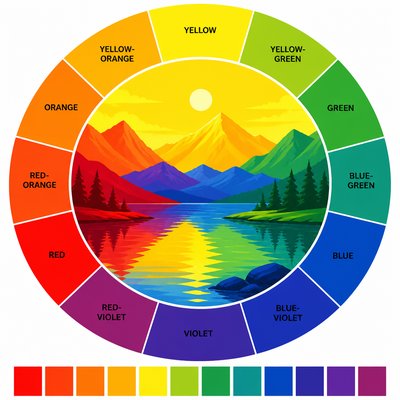
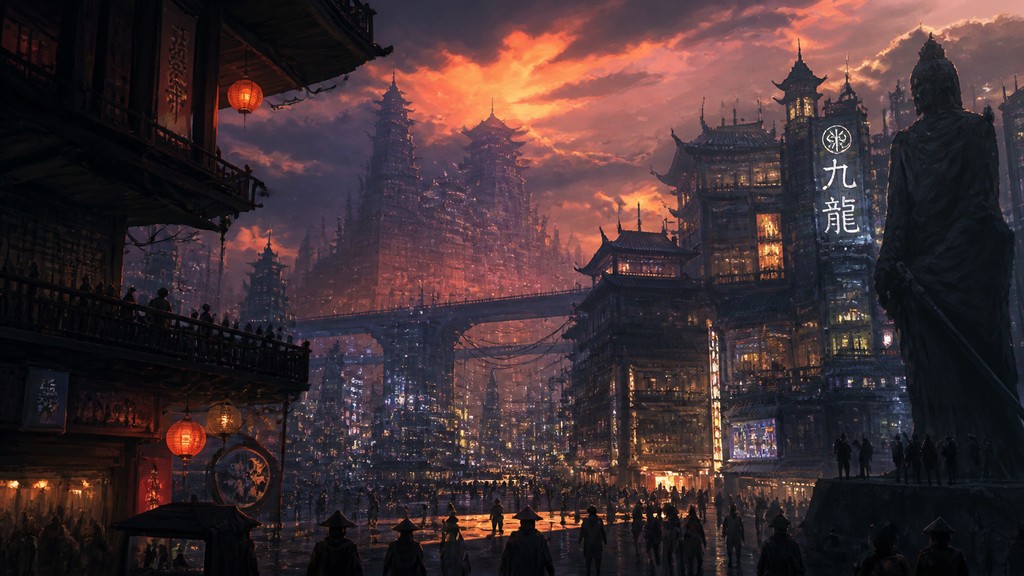
A focused color script establishes the emotional temperature of the scene through dawn light, storm shadows, colored fog, firelight, or artificial illumination. Lighting is designed as carefully as the architecture.
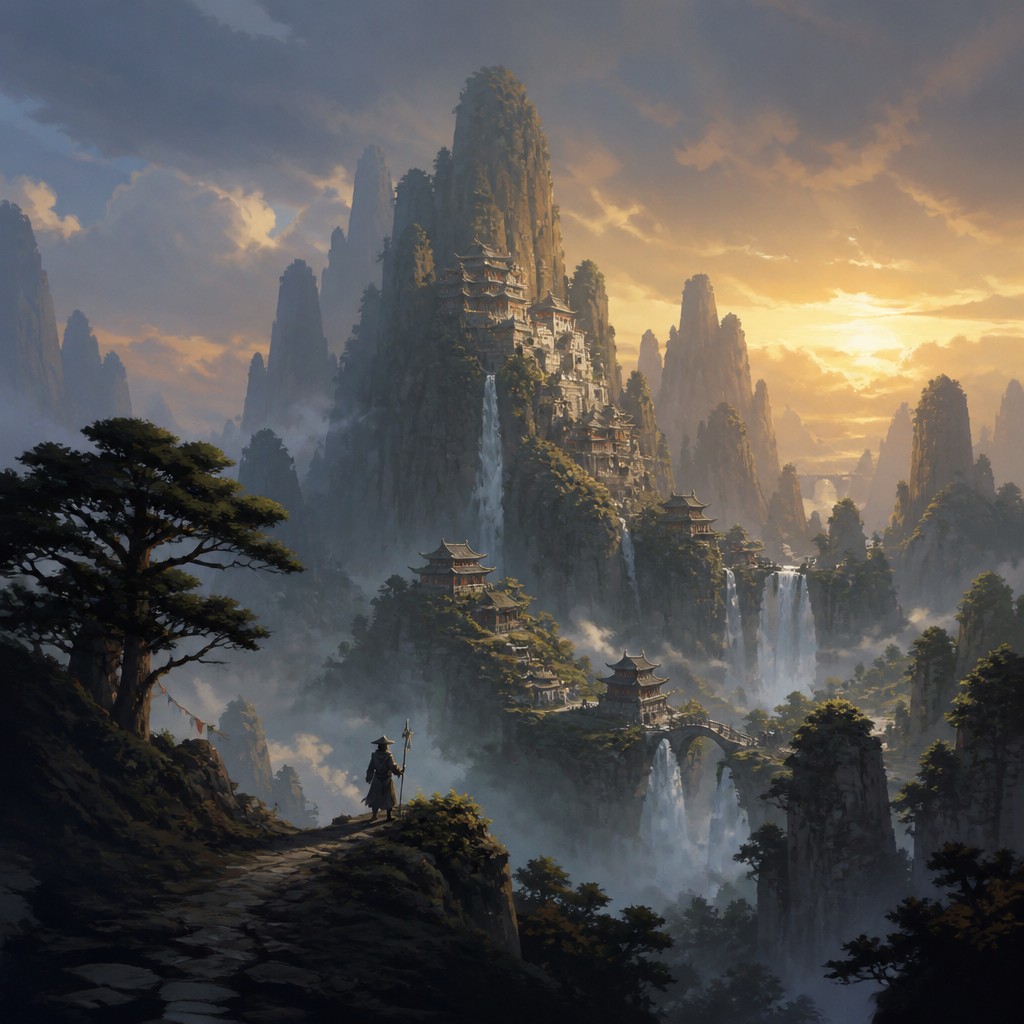
Confident digital brushwork
Broad, economical marks imply rock, metal, vegetation, clouds, and masonry without treating every area with equal detail. Brush texture remains visible where it adds energy, material distinction, or visual rhythm.
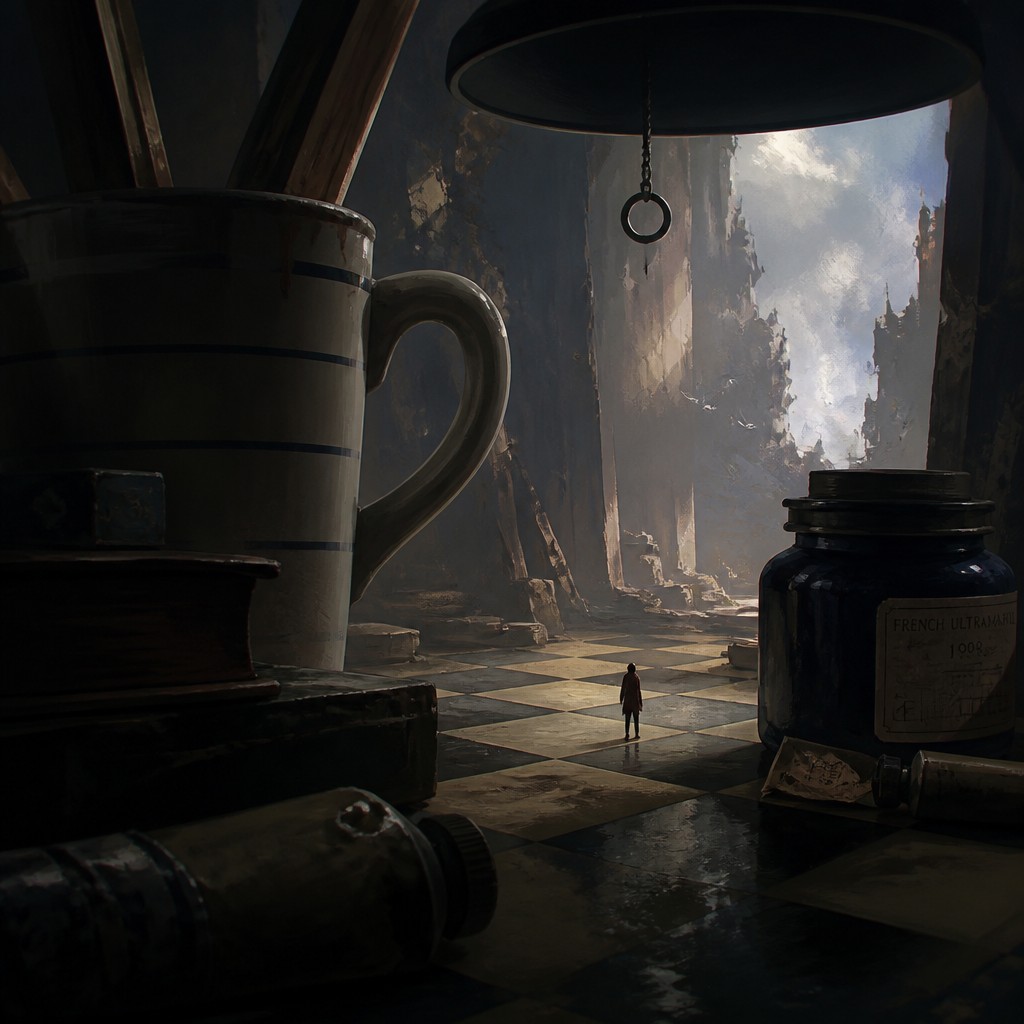
Production-oriented design
Props, structures, costumes, and terrain are arranged with practical logic and recognizable function. Even fantastical subjects often show attention to circulation, construction, scale, access, and environmental conditions.
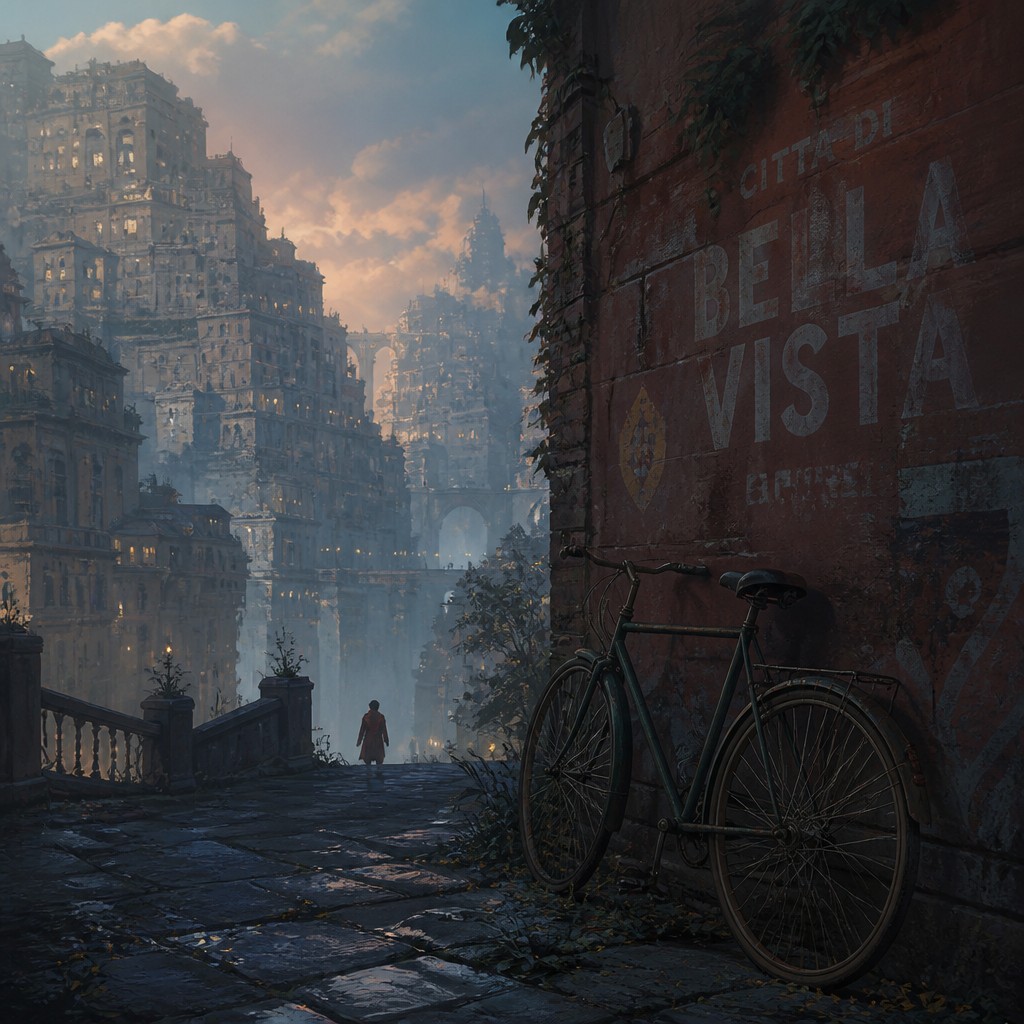
Selective detail and focal hierarchy
Detail is concentrated near the visual focus while peripheral areas remain simpler or more atmospheric. This hierarchy keeps complex scenes legible and directs the viewer toward the intended story beat.
Try It
Create Videos in Concept Art Style
Styles aren't just for stills — describe a scene or animate an image and get a short video rendered in Concept. Press play to see this pond come to life.
Make a VideoConcept Prompt Ideas
Start from an idea — each one opens the generator with the style ready to go. See all 40 Concept prompts →
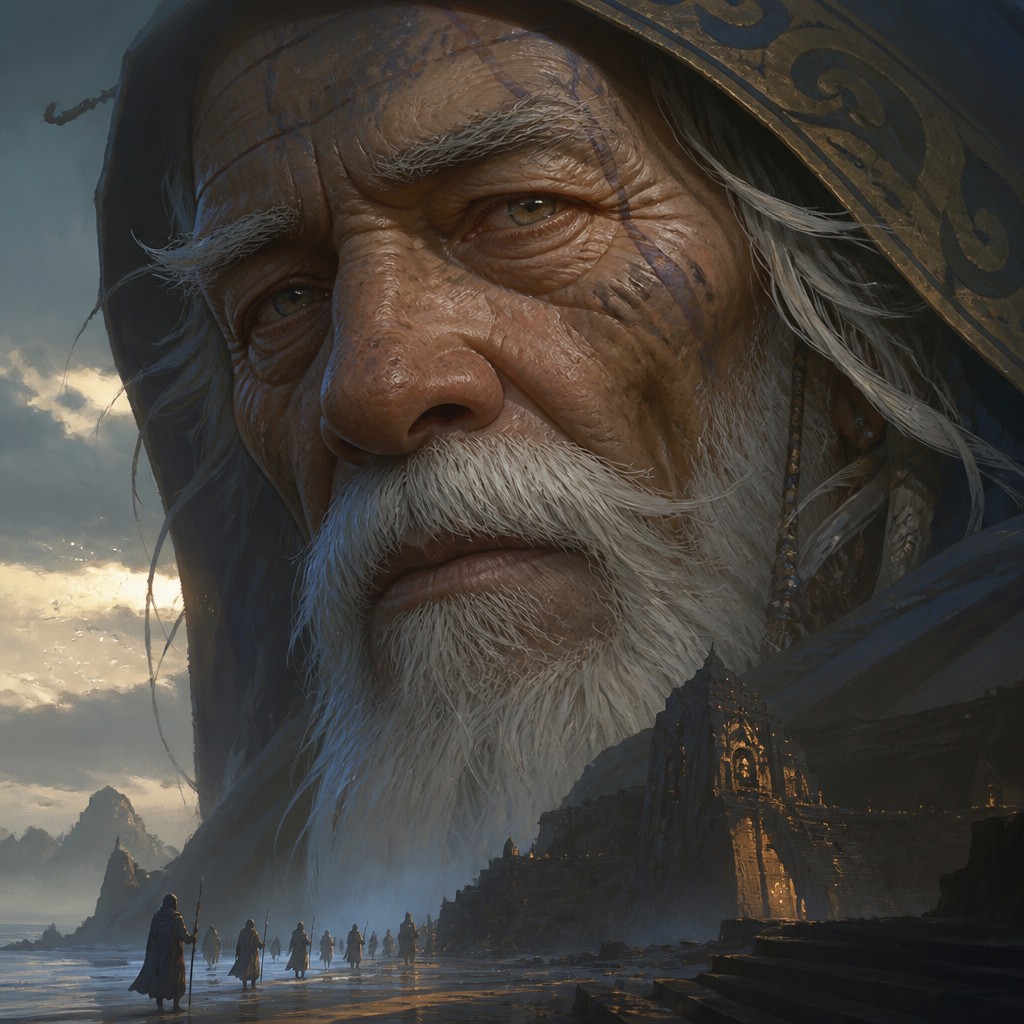
“close-up portrait of an elderly person with expressive weathered features”
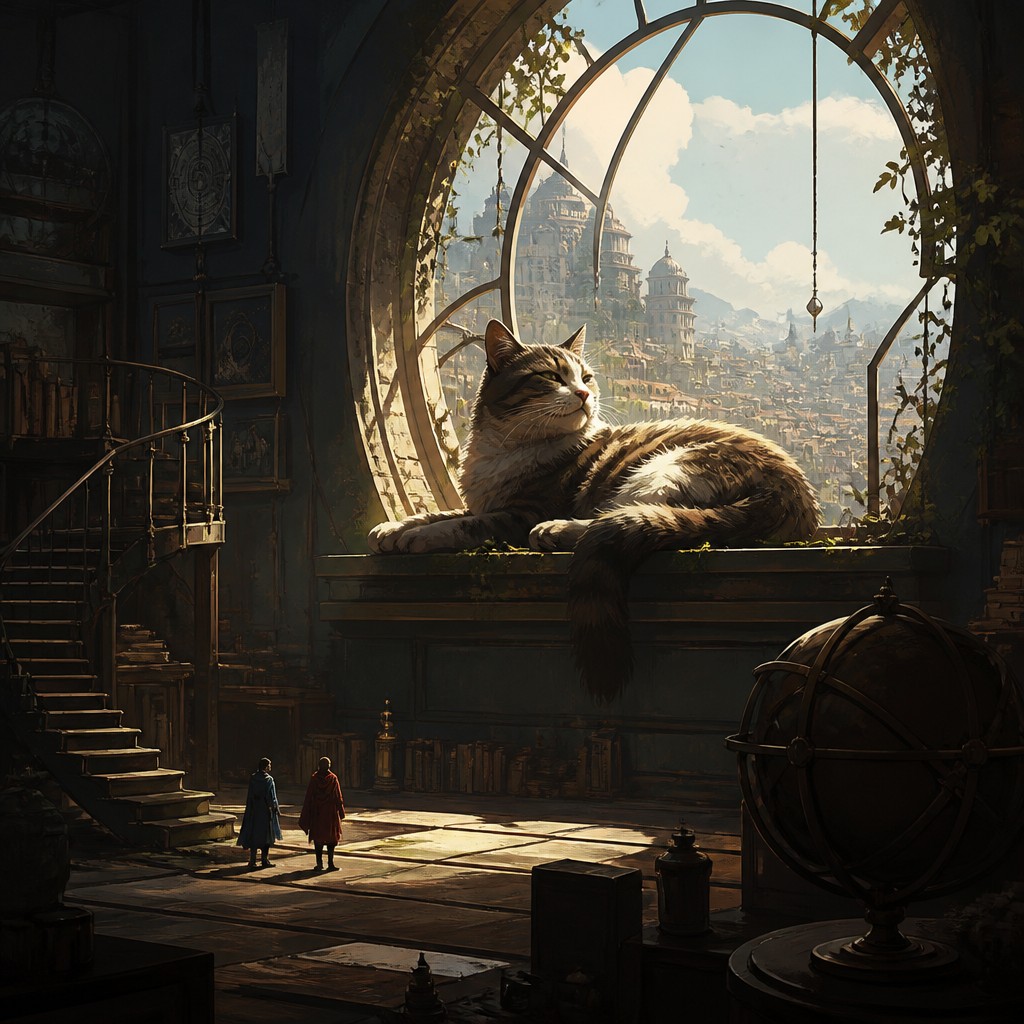
“a cat lounging in a sunlit window”
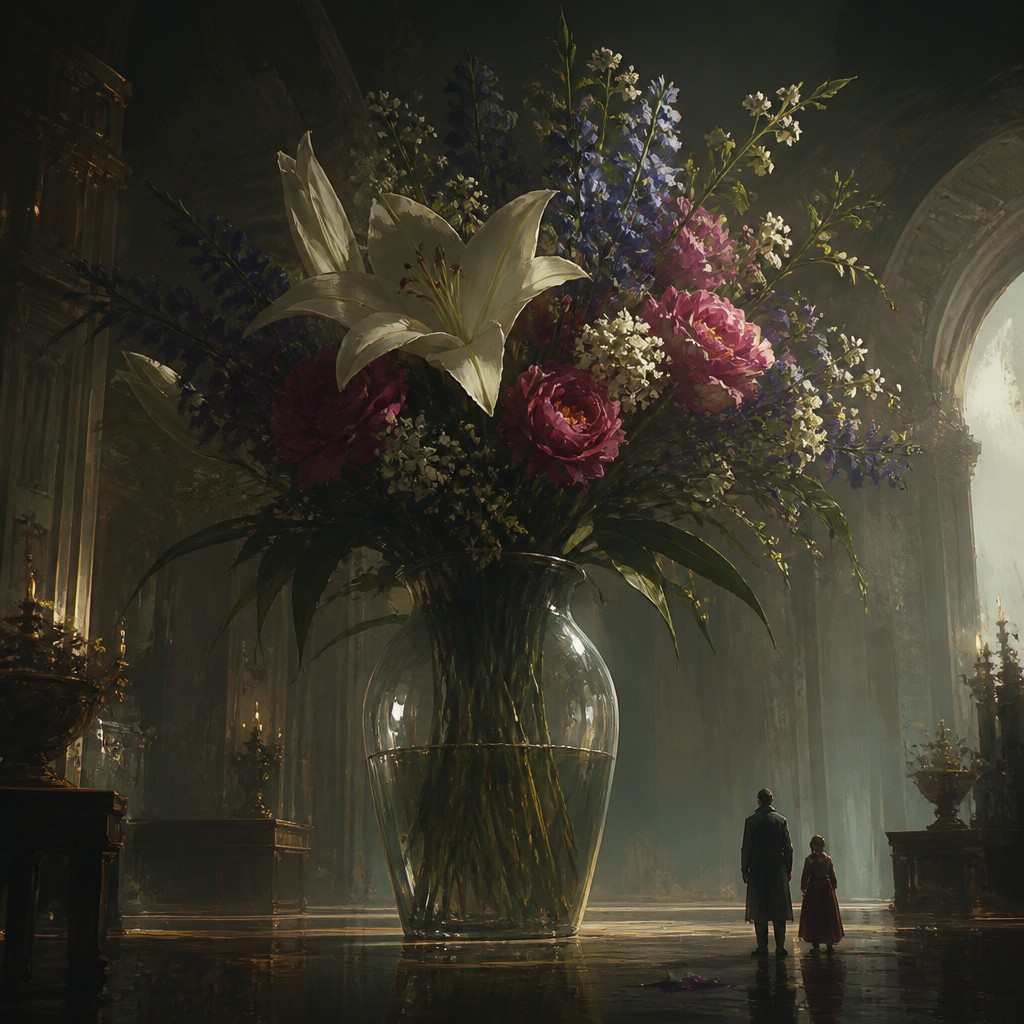
“bouquet of flowers in a glass vase”
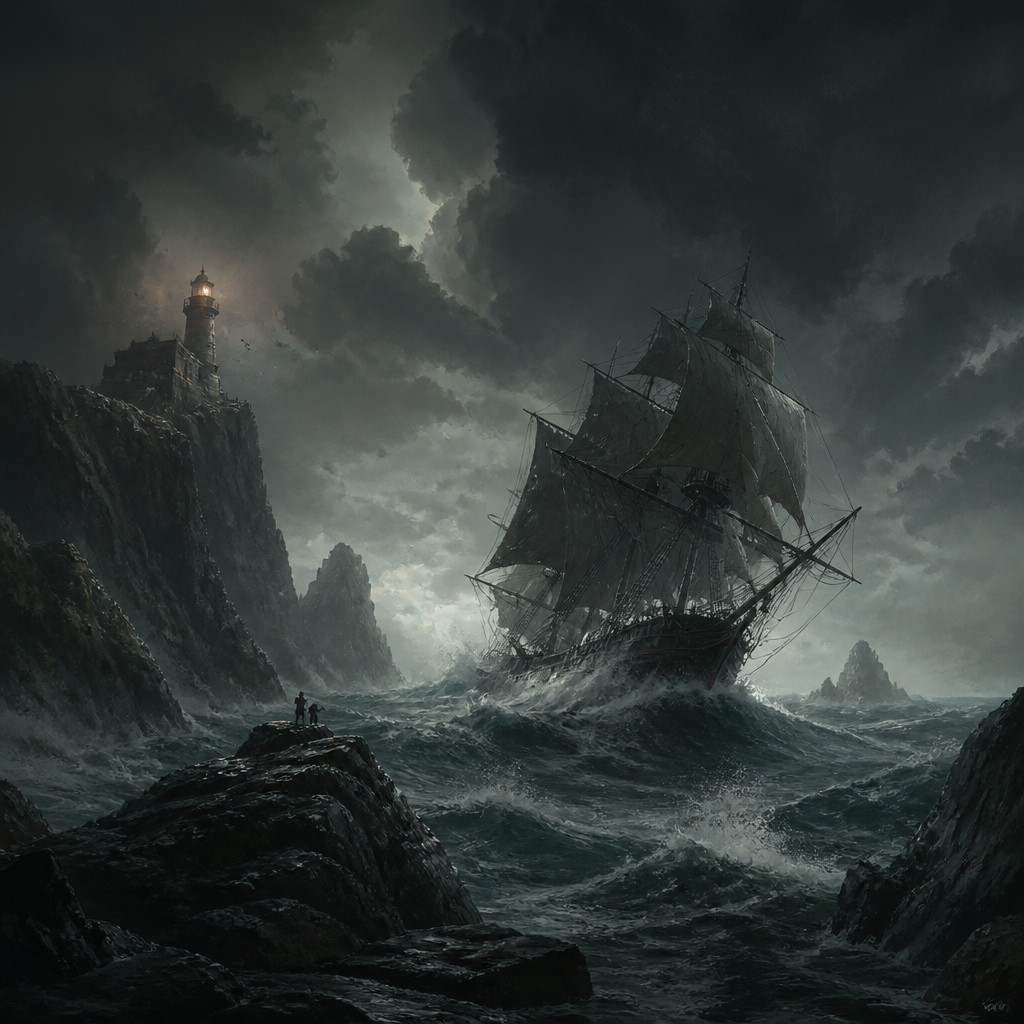
“sailing ship on a stormy sea”
How to Create Concept Art
Master the craft step by step — or skip straight to creating. Read the full guide →
- 1
Begin with thumbnail silhouettes
Make several small value studies using simple dark and light masses before refining the scene. Test the horizon line, focal point, scale relationship, and overall readability at a glance.
- 2
Build depth in planes
Separate foreground, middle ground, and background with overlapping shapes, progressive softening, and restrained contrast. Reserve the sharpest edges and strongest values for the areas that matter most.
- 3
Use a deliberate color script
Choose a limited palette that supports the scene’s emotional purpose, then assign dominant, secondary, and accent colors. In traditional media, layer washes or opaque passages; digitally, use broad passes before localized accents.
- 4
Design for function and scale
Ask how a structure is built, entered, powered, inhabited, or affected by its environment. Add a few figures, vehicles, doors, or repeated modules to clarify dimensions without cluttering the composition.
- 5
Combine broad marks with selective finish
Block in large forms with opaque paint, textured brushes, or simple 3D volumes, then refine only the focal zones. Edge variation, atmospheric overlays, and material-specific marks can suggest complexity efficiently.
- 6
Write prompts around visual priorities
For prompt-based creation, specify the subject, viewpoint, scale cue, lighting condition, atmospheric layers, and degree of polish. Request strong silhouettes and cinematic environment design, then revise one variable at a time to improve consistency.

The Story
History & Origins of Concept
Concept art style is not a single historical movement but an evolving production practice with roots in theatrical set design, architectural visualization, illustration, matte painting, comics, science-fiction imagery, and animation preproduction. It developed alongside film, television, games, theme-park design, and other industries that require visual planning before construction or rendering.
Earlier forms often relied on gouache, watercolor, ink, oil, collage, and painted photographic elements. Digital painting and 3D tools later expanded the process, allowing artists to combine blocky forms, photographic reference, procedural models, and rapid variations. Contemporary examples may be highly realistic, stylized, painterly, graphic, or deliberately unfinished, depending on whether the image is intended for ideation, presentation, or final production.
Influences: The style draws from architectural drafting and visualization, theatrical scenery, matte painting, cinematic photography, science-fiction illustration, fantasy painting, comics, animation layout, and industrial design. It also shares methods with Romantic landscape painting, which emphasized sublime scale and atmospheric drama, while borrowing modern production workflows based on thumbnails, color scripts, photobashing, 3D blockouts, and iterative design studies.
Frequently Asked Questions
What defines concept art style?
It is defined by clear visual design, cinematic composition, atmospheric depth, and a strong sense of imagined function or place. The image usually communicates a world, production idea, or story premise quickly rather than presenting a fully resolved fine-art object.
Is concept art style realistic or stylized?
It can be either. Some examples pursue photorealistic materials and lighting, while others use graphic silhouettes, visible brushwork, exaggerated proportions, or painterly abstraction. The consistent feature is purposeful design clarity, not a fixed level of realism.
How is it different from matte painting?
Matte painting traditionally focuses on creating a convincing finished background or extension for a photographed or rendered scene. Concept art is broader and often exploratory: it may show alternate designs, incomplete areas, exaggerated ideas, or environments that have not yet been constructed.
What subjects work well in this style?
Environments are especially common, including cities, spacecraft, ruins, landscapes, interiors, industrial facilities, and fantasy settlements. The same principles also apply to creatures, vehicles, costumes, props, and character groups when they are presented as part of a larger world.
How can I make a concept art image feel more cinematic?
Use a deliberate camera angle, a strong foreground or framing device, clear depth layers, and one dominant lighting condition. Add a small figure or familiar object for scale, and simplify secondary details so the focal area carries the visual narrative.
Where is this style used professionally?
It is used in film and television development, animation, games, advertising, publishing, architecture, theme-park planning, virtual production, and visual effects. Artists use it to test ideas, communicate design decisions, establish mood, and guide later construction or rendering.
Create your first Concept artwork
Describe anything — or upload a photo — and see it in Concept Art Style in seconds.
Related Styles
Discover similar art styles