Stencil Art Style
Explore stencil art: crisp cut-edge imagery, flat sprayed layers, bridge marks, overspray, and bold silhouettes shaped by street-art and graphic design.
Instantly rendered in Stencil — or transform a photo
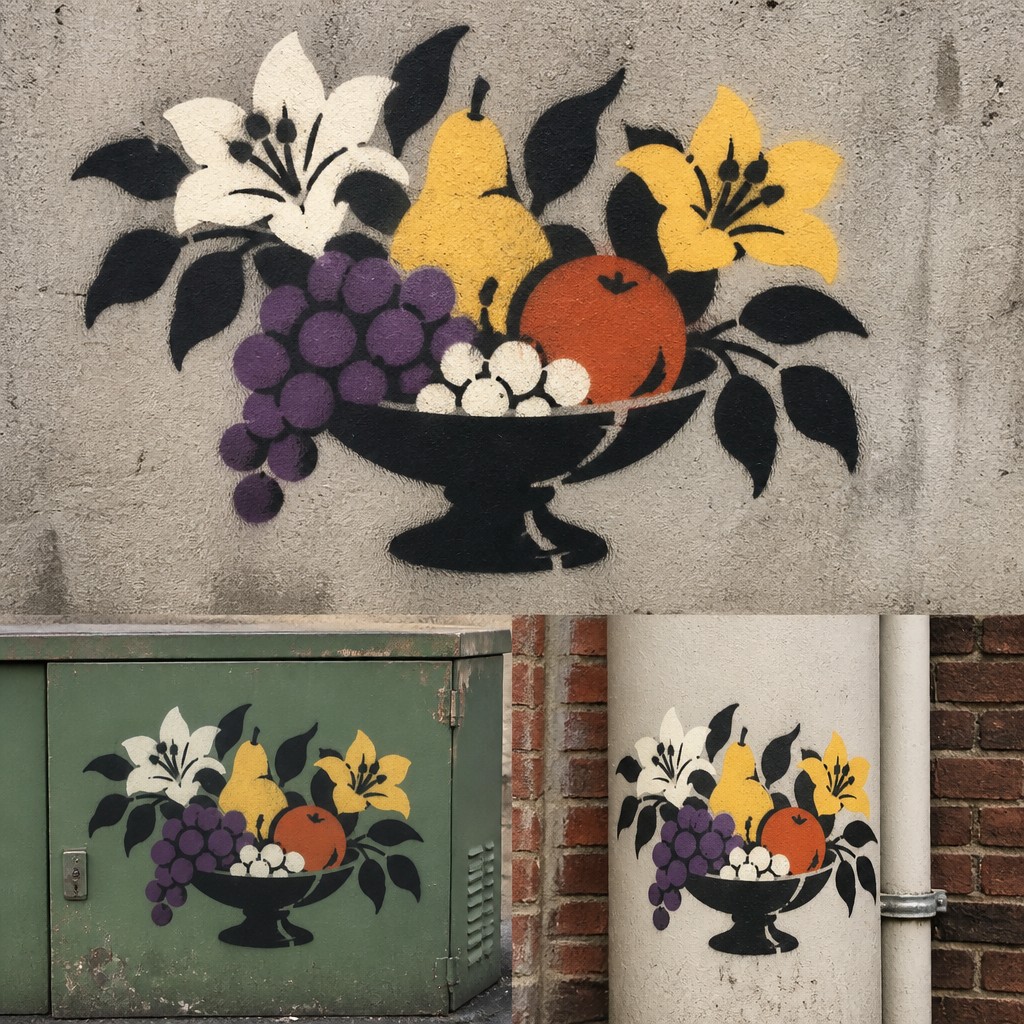
Stencil Gallery
Tap any artwork to explore it
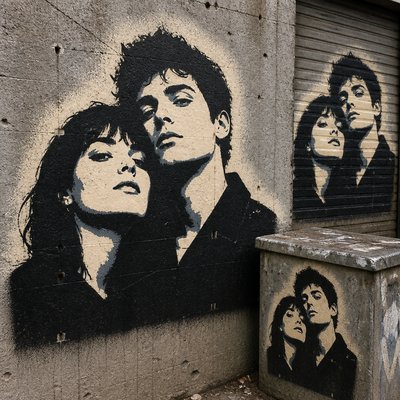
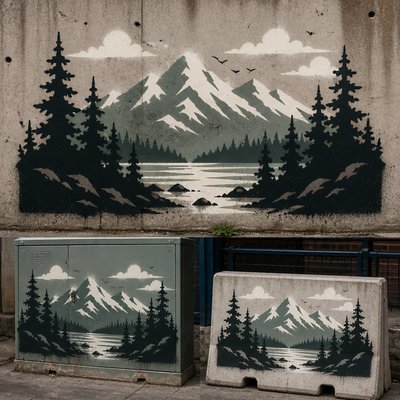
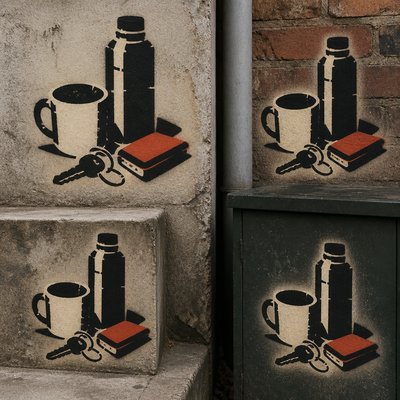
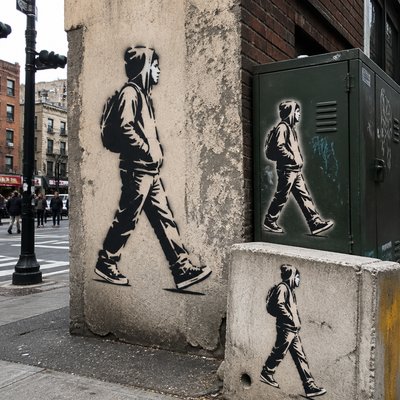
What is Stencil Art Style?
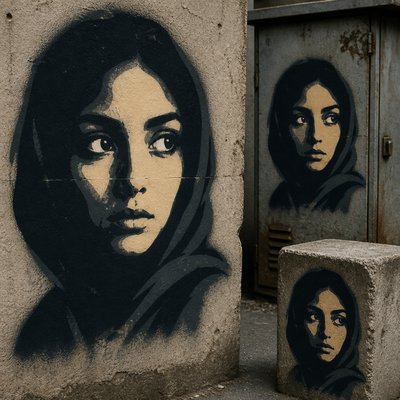
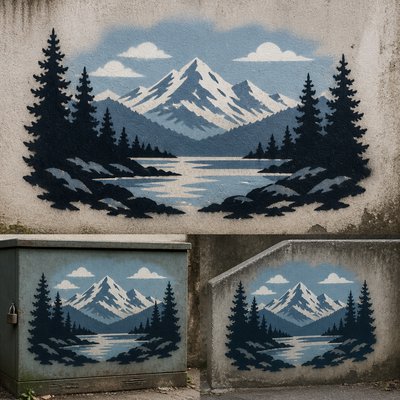
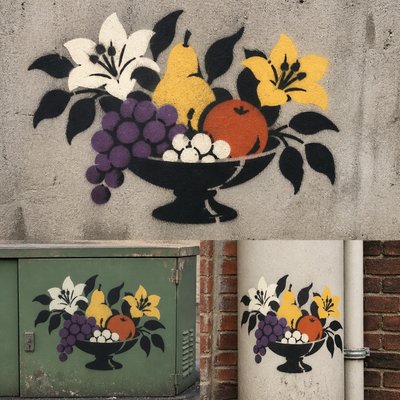
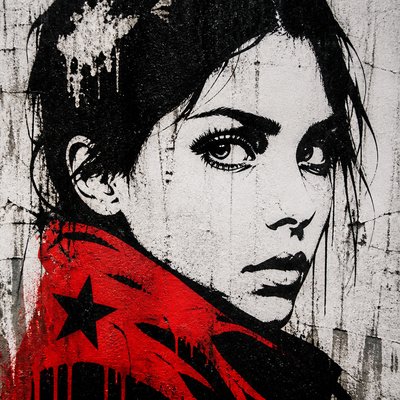
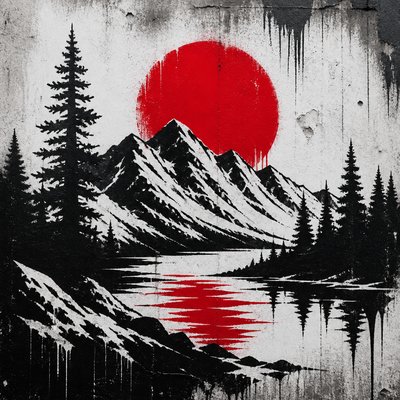
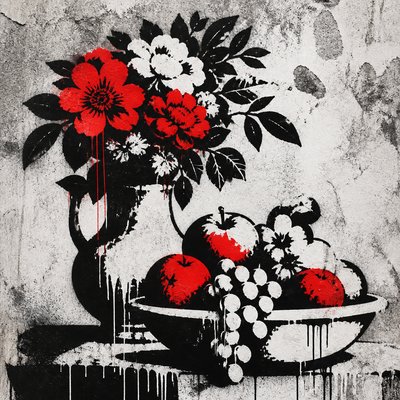
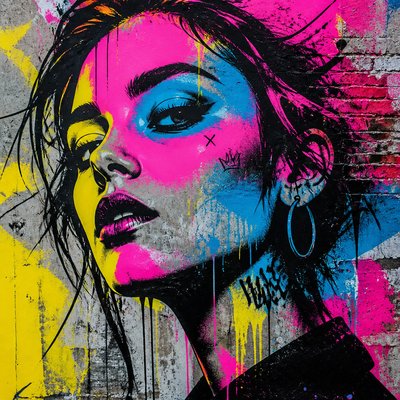
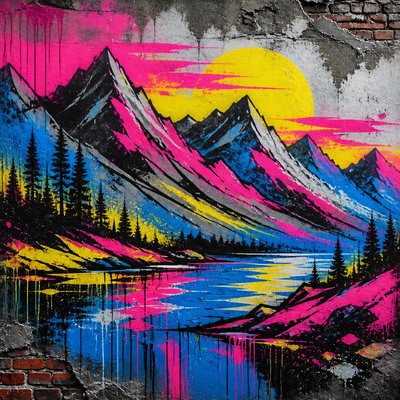
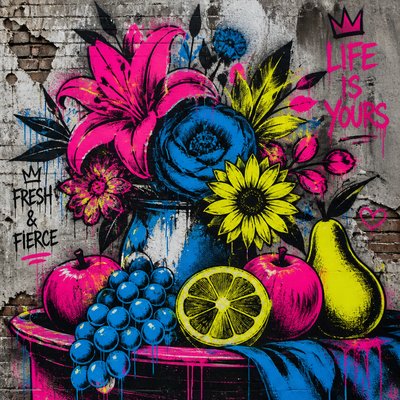
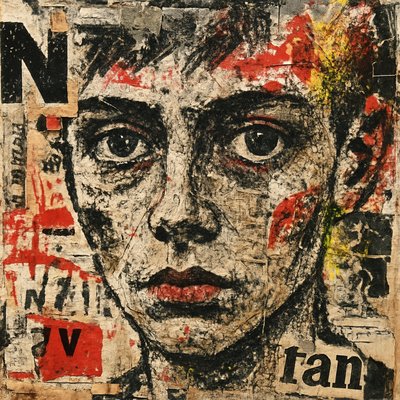
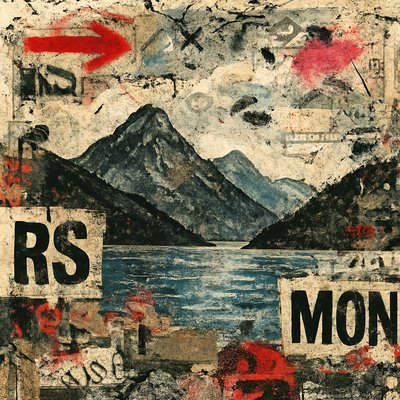
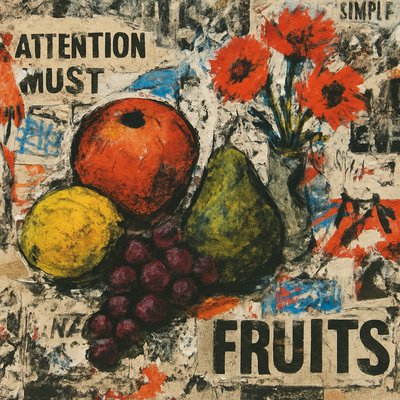
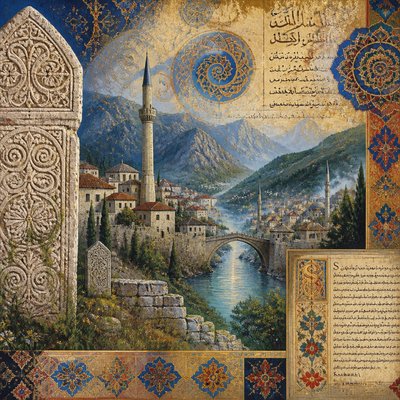
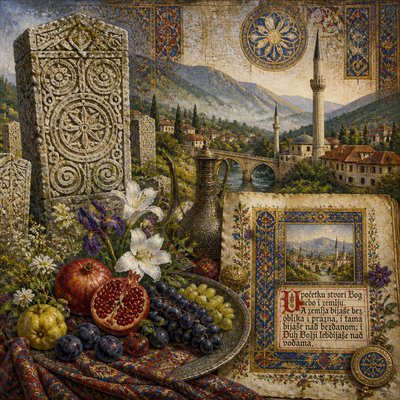
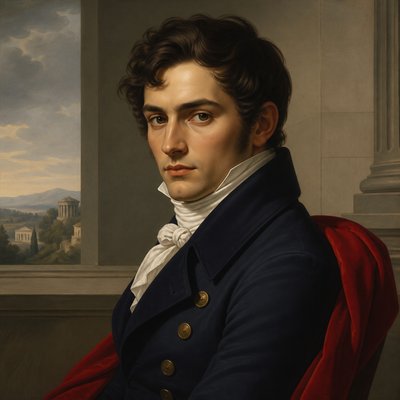
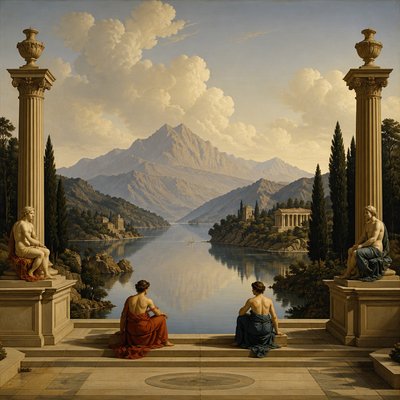
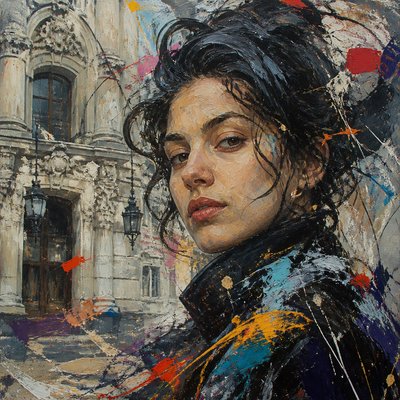
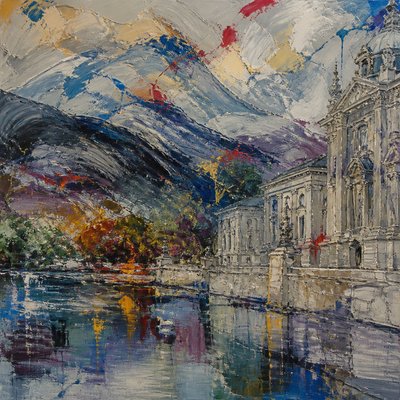
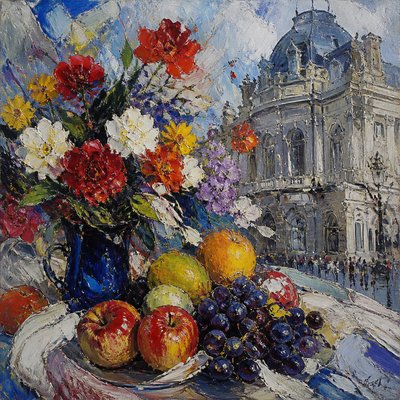
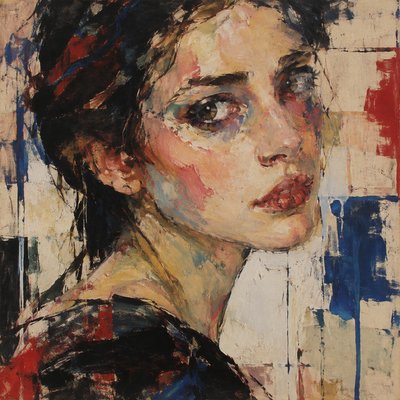
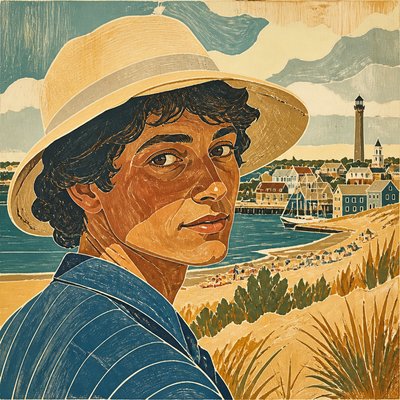
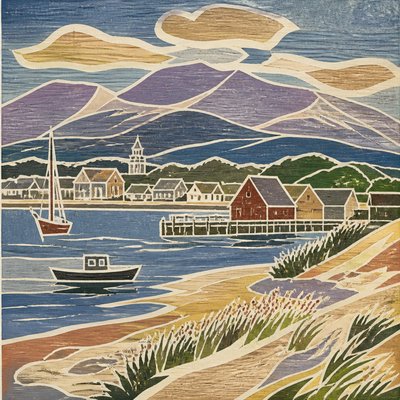
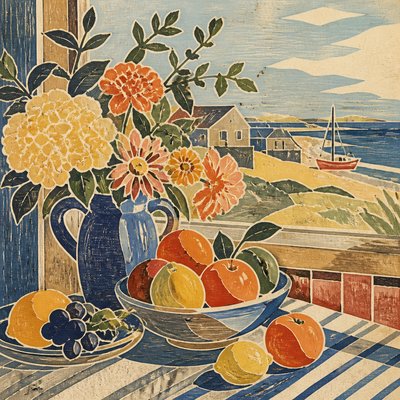
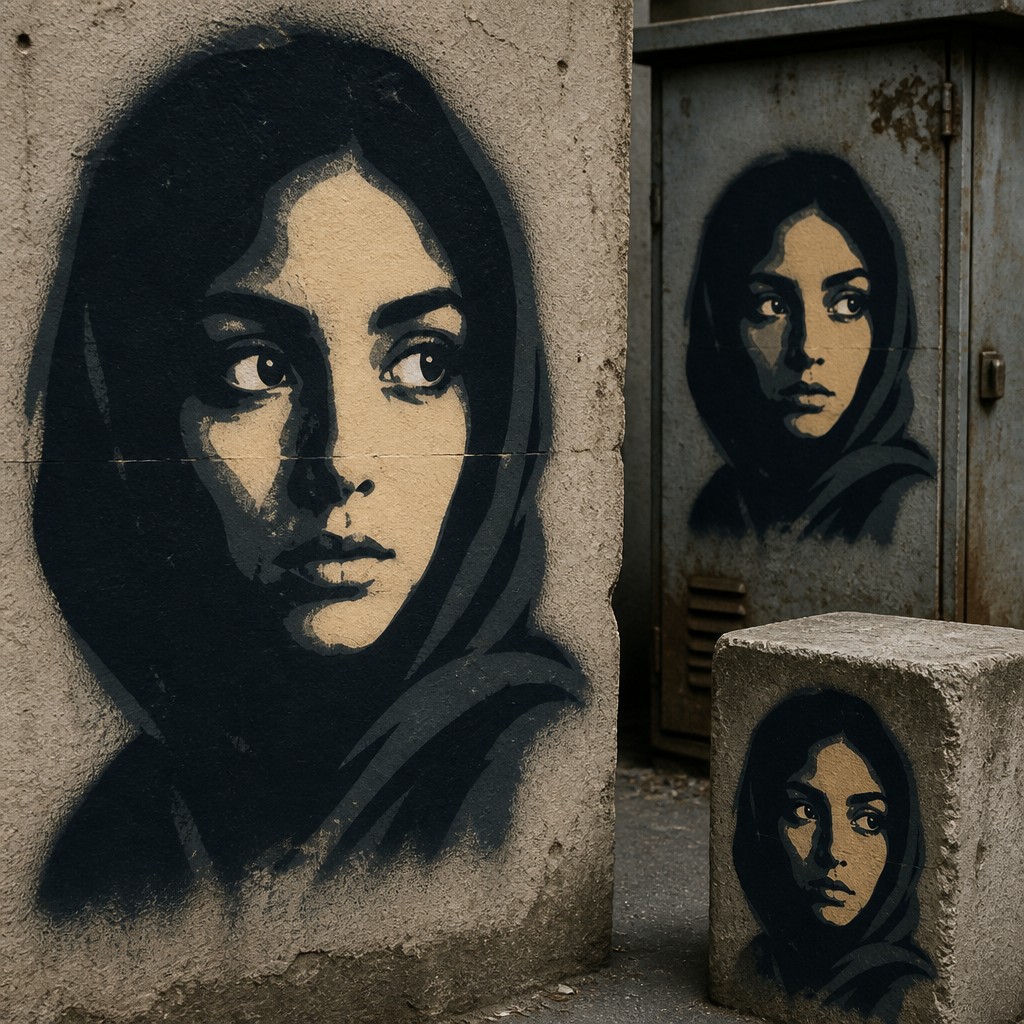
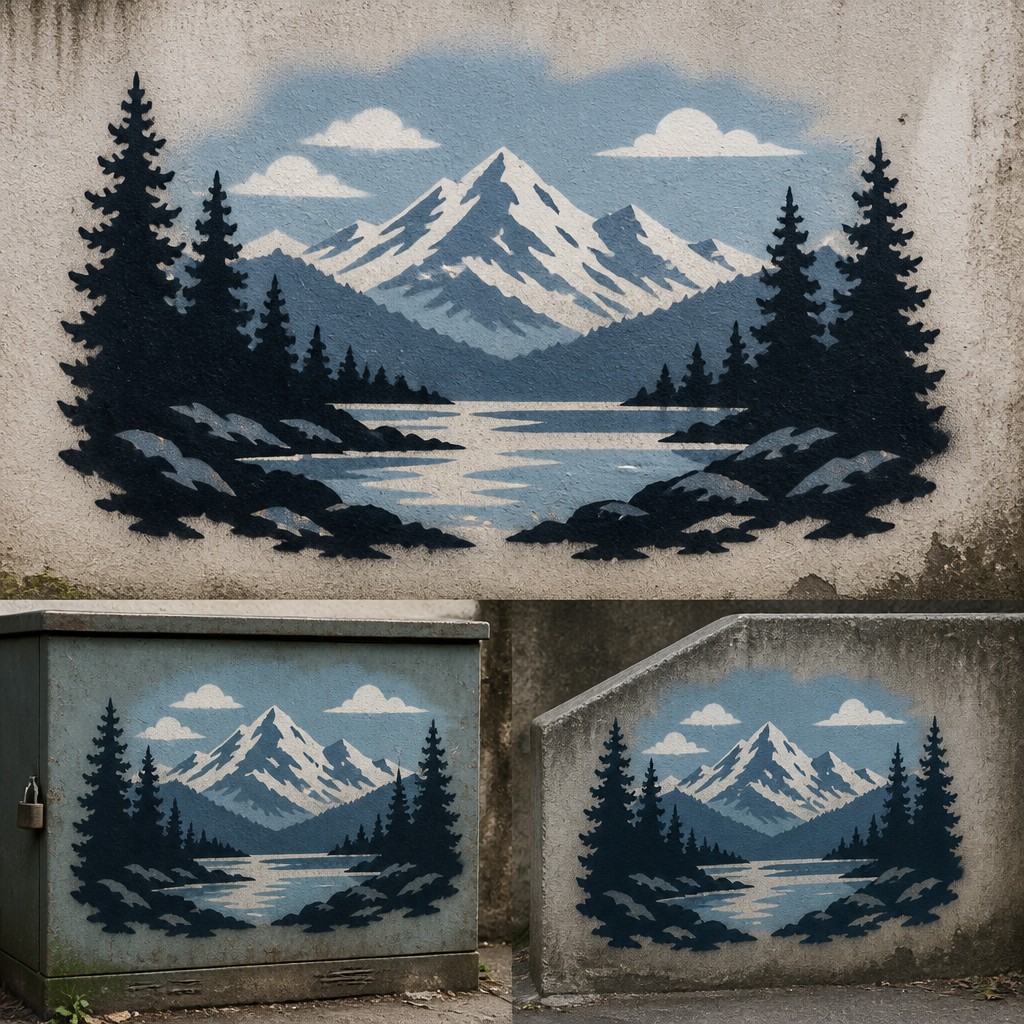
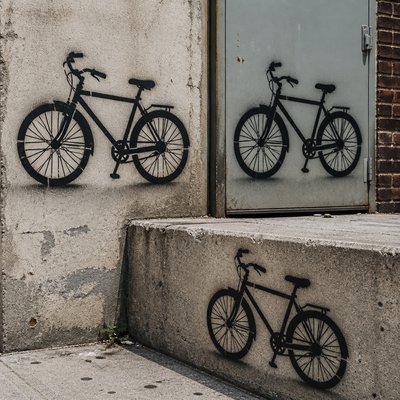
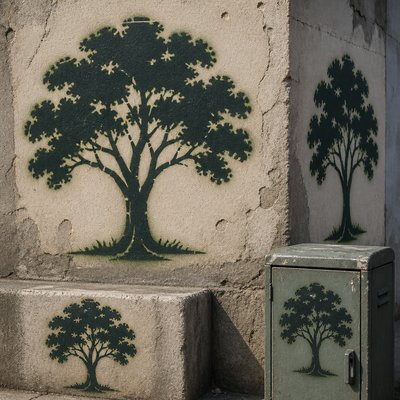
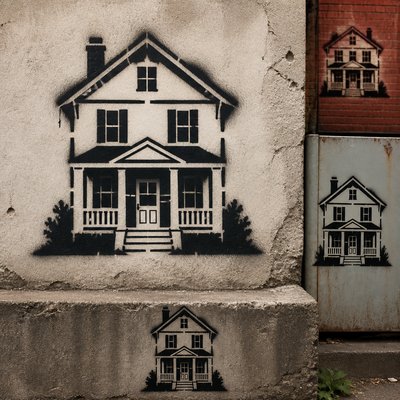
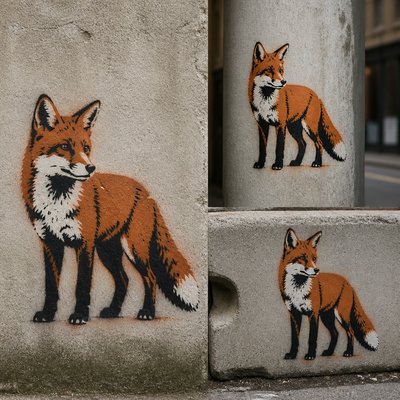
Stencil art is an image-making method and visual style built from cut templates that control where paint, ink, or other pigment reaches a surface. Its defining appearance comes from crisp silhouettes, simplified shapes, flat color fields, and deliberate gaps known as bridge marks, which keep separate stencil sections connected. In spray-painted examples, a faint overspray halo may soften the boundary without eliminating the hard-edged graphic structure.
The style favors immediate recognition over detailed modeling. Subjects are reduced to strong contours and a limited palette, often arranged in overlapping layers that create depth, color interaction, or a screen-printed effect. On rough walls, concrete, paper, fabric, or digital surfaces, the contrast between precise cut shapes and imperfect application gives stencil imagery its characteristic tension between mechanical control and physical texture.
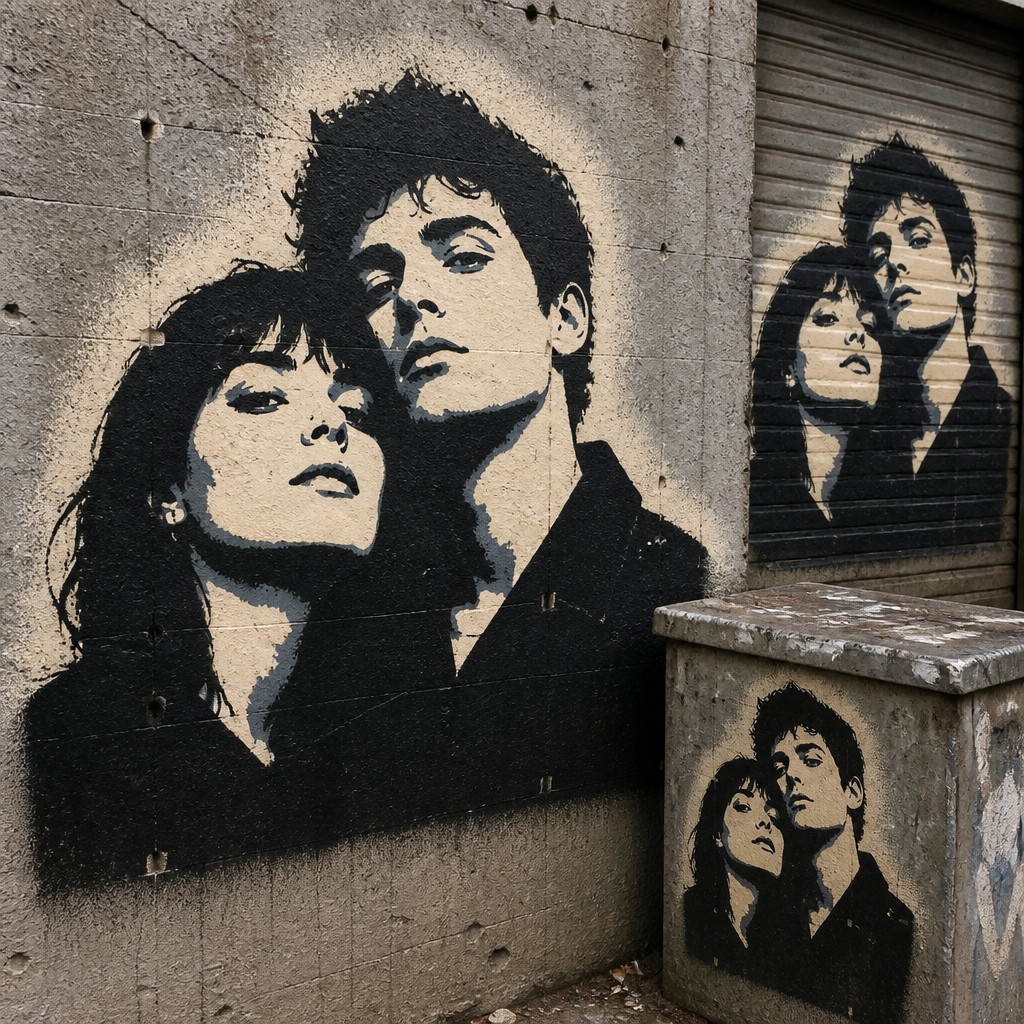
Try It On Your Photos
Upload any photo and convert it into Stencil Art Style — drag the sliders to compare before and after.
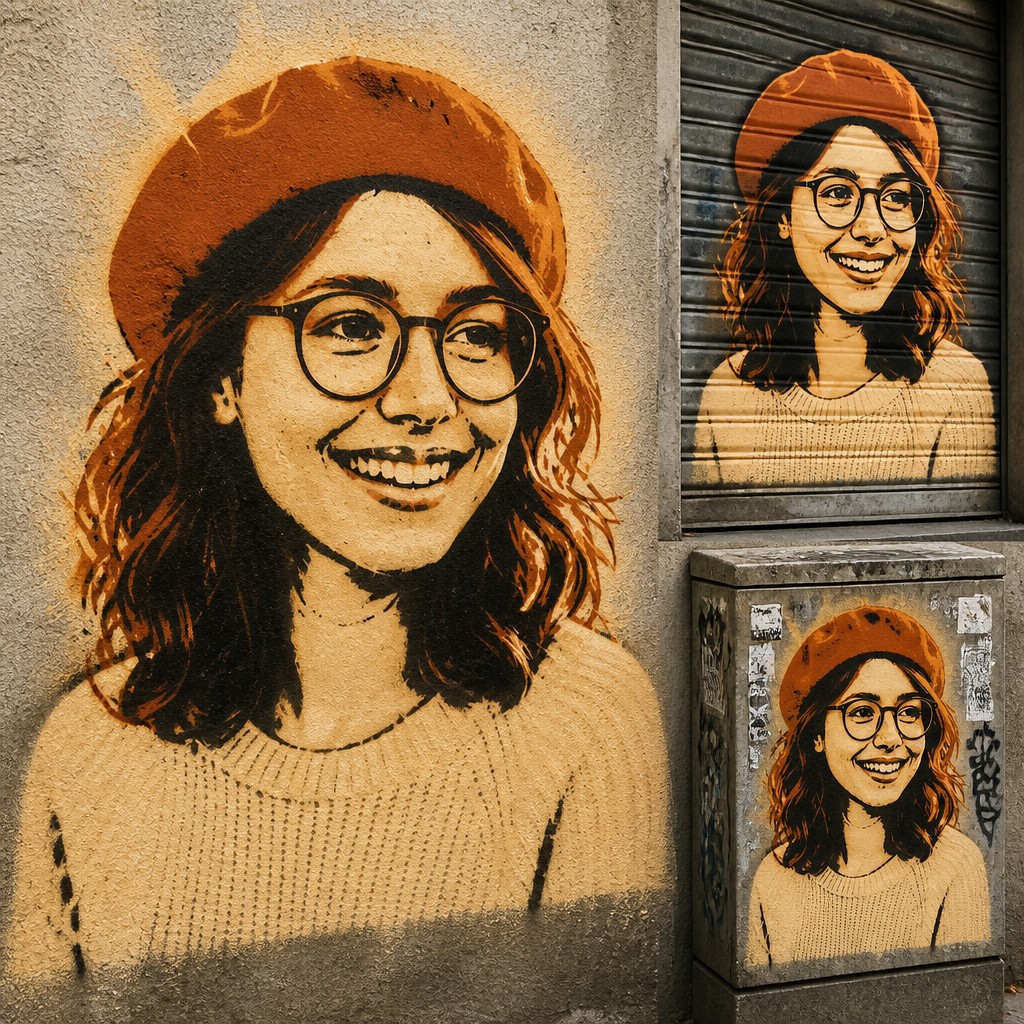

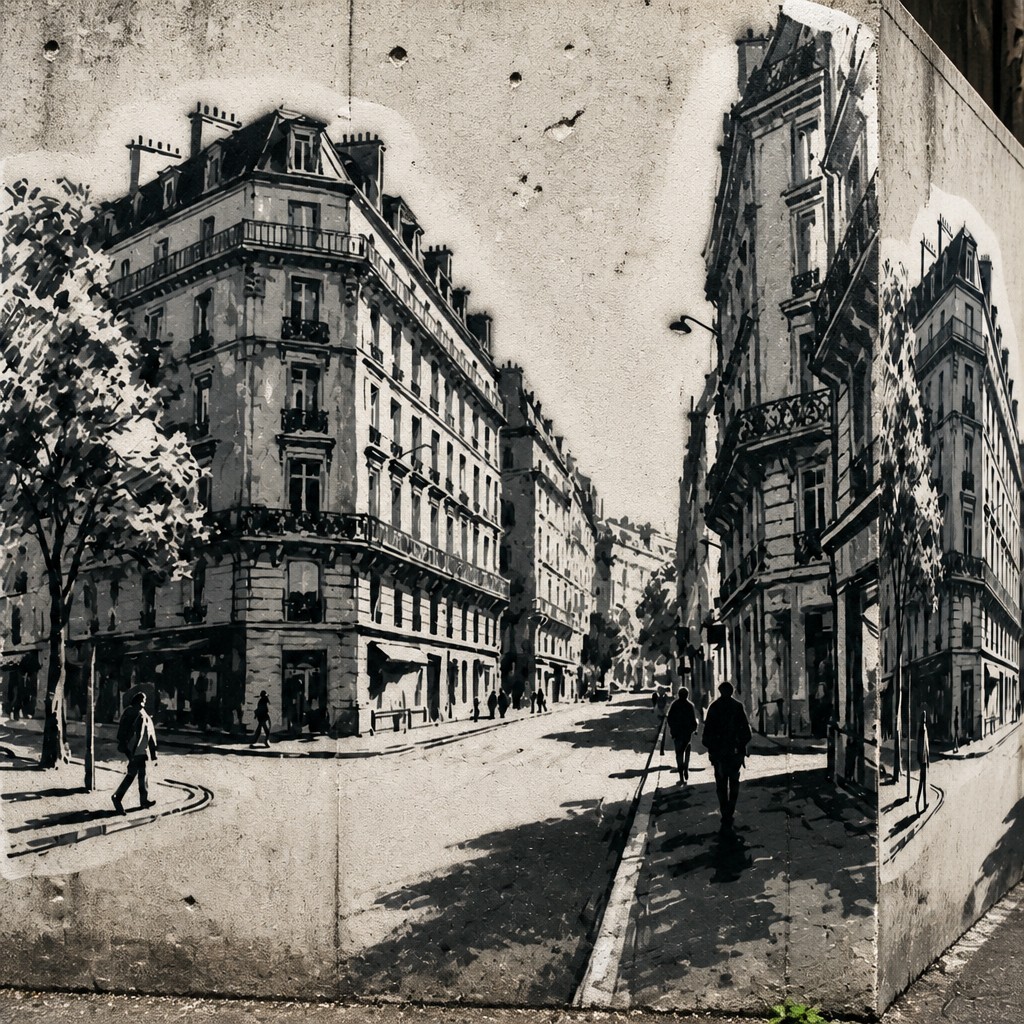

What Defines Stencil Art Style
The signature details, up close
Crisp cut edges
Forms are defined by sharp, high-contrast boundaries that resemble shapes cut from card, film, or metal. Fine painterly transitions are usually replaced by decisive contour changes.
Flat overlapping layers
Separate stencils are applied in successive passes, producing stacked areas of color rather than continuous tonal modeling. Overlaps can create secondary colors, depth, and visual rhythm.
Limited color palette
A small number of strongly separated colors keeps the image legible at a distance. Black, white, earth tones, and one or two accent colors are common, though multicolor constructions are also possible.
Bridge marks
Small connecting tabs hold enclosed stencil shapes in place during cutting and spraying. They remain visible as interruptions or narrow bars in letters, facial features, foliage, and other enclosed forms.
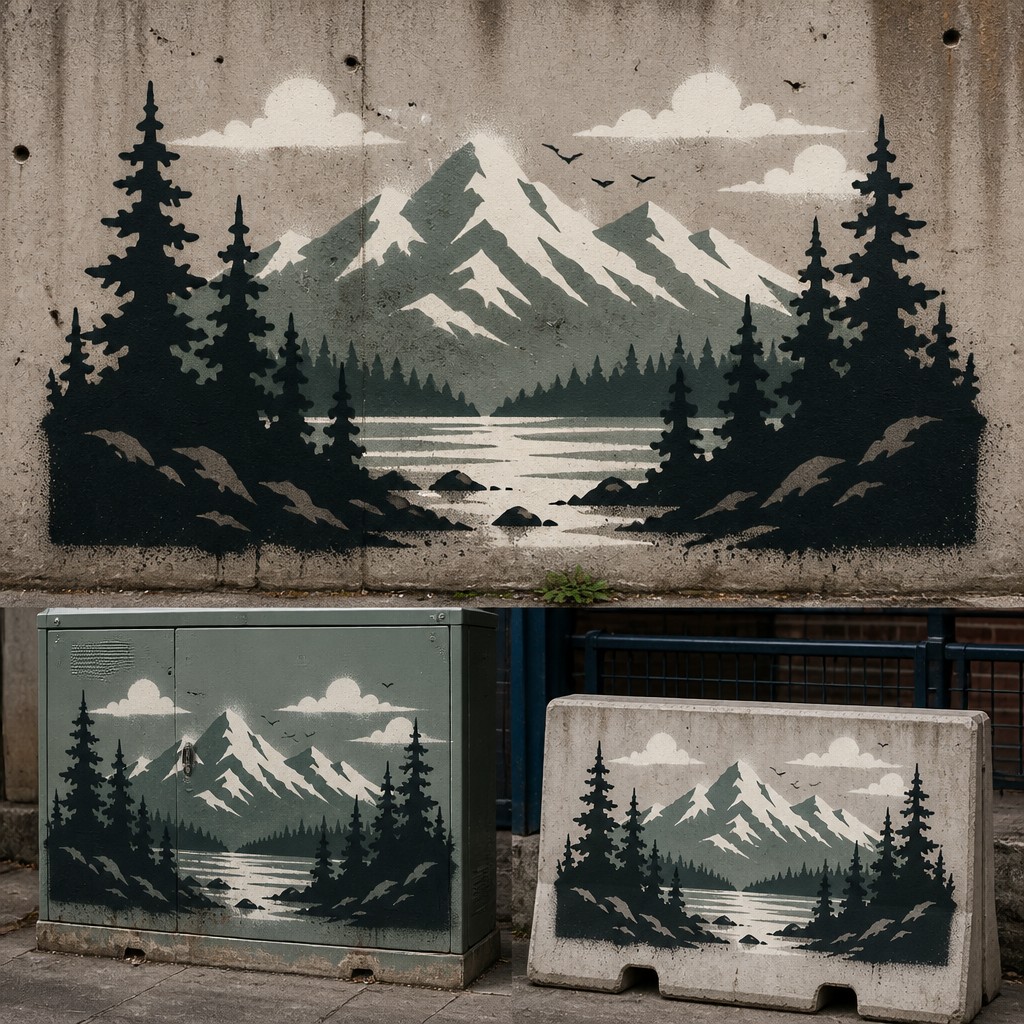
Spray overspray
A light halo or feathered residue may appear around the cut edge, especially when aerosol paint is used. This subtle softness contrasts with the otherwise hard-edged silhouette.
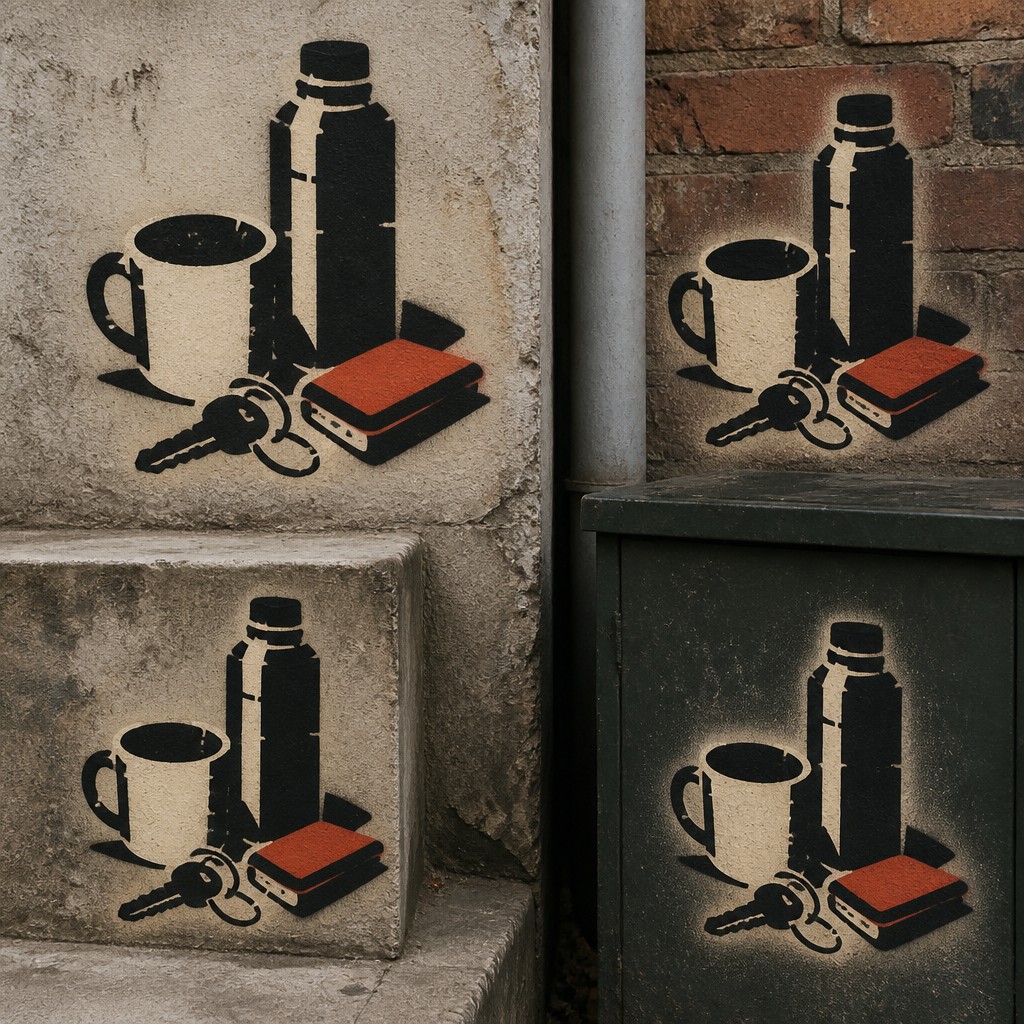
Graphic silhouettes
Subjects are simplified into recognizable masses, profiles, and negative spaces. Gesture, outline, and visual symbolism generally matter more than anatomical or material detail.
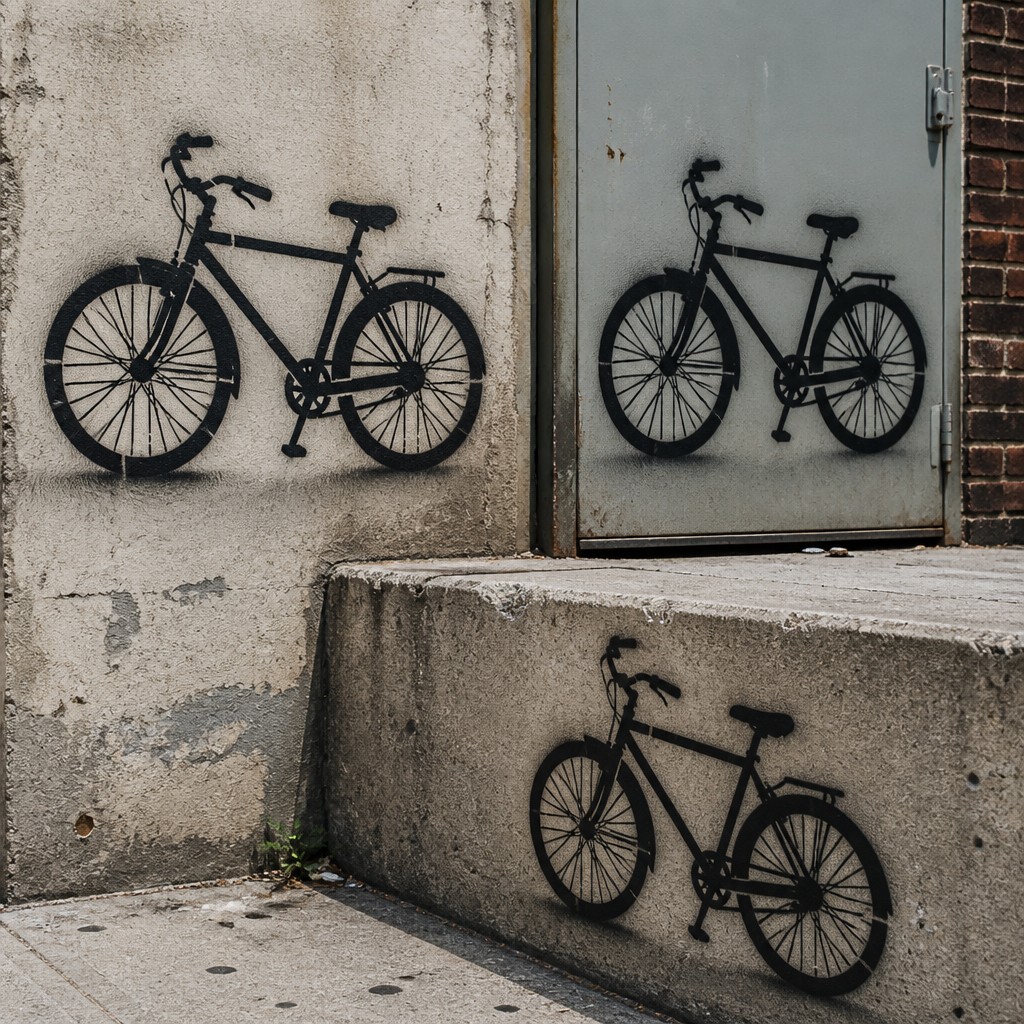
Surface and repetition
Wall grain, stains, peeling paint, and other ground textures can remain visible beneath the image. Repeated impressions across different surfaces emphasize the method's reproducible, modular character.
Stencil Prompt Ideas
Start from an idea — each one opens the generator with the style ready to go. See all 40 Stencil prompts →
How to Create Stencil Art
Master the craft step by step — or skip straight to creating. Read the full guide →
- 1
Reduce the subject to a readable design
Begin with a strong photograph or drawing, then simplify it into broad light and dark masses. Remove small details that will disappear during cutting or spraying, while preserving the silhouette and key negative spaces.
- 2
Plan bridges and layers
Add narrow bridges wherever an enclosed area would otherwise detach from the stencil sheet. For multicolor work, separate the image into registration-friendly layers and decide which colors will overlap.
- 3
Cut and spray traditionally
Use stencil film, acetate, card, or reusable plastic with a sharp blade, then secure it closely to the surface to reduce bleeding. Apply thin, even coats from a consistent distance; a slightly lifted stencil can create a controlled overspray halo.
- 4
Use surface texture deliberately
For a street-art character, work over concrete, brick, plaster, or a digitally simulated wall and allow stains and grain to show through. Keep the subject more controlled than the background so the contrast between precision and decay remains visible.
- 5
Build the image digitally
Convert a reference into thresholded or posterized shapes, clean the contours with vector paths, and place each color on a separate layer. Add restrained edge overspray, bridge marks, and surface wear rather than applying a generic blur or grunge filter.
- 6
Write focused generation prompts
Specify a bold subject, crisp cutout contours, flat layered colors, visible bridge marks, slight spray residue, and a rough wall or paper ground. Mention repetition or multiple surfaces when you want the same stencil impression reproduced across a scene.
The Story
History & Origins of Stencil
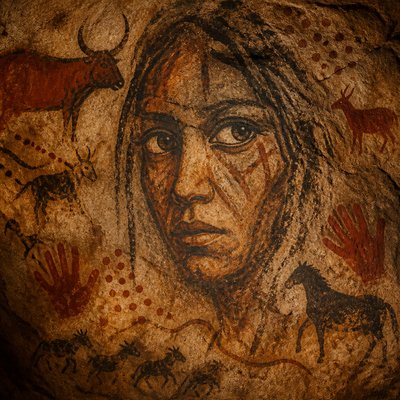
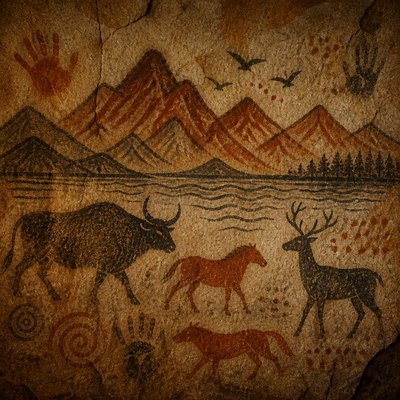
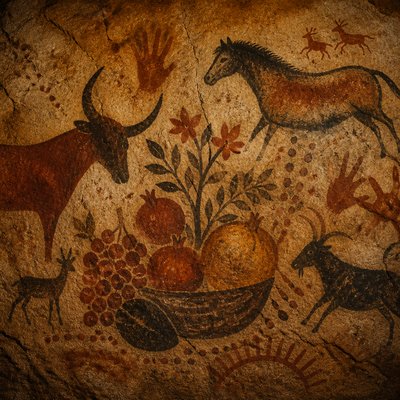
Stencil techniques have ancient precedents in handprints, decorative patterning, signs, military markings, and practical labeling. In modern commercial and craft contexts, cut-paper and cut-film stencils became associated with posters, packaging, illustration, textile decoration, and pochoir-style printmaking, while spray application made the method especially efficient for large or repeatable images.
Contemporary stencil art developed prominently within late-20th-century street-art and public-marking cultures, where portable templates allowed images to be reproduced quickly on urban surfaces. The style has since spread into editorial illustration, protest graphics, fashion, murals, gallery work, photography overlays, and digital image-making. Its present form often combines handmade irregularity with the precise repetition and layering available in design software.
Influences: Stencil art draws on ancient and vernacular template marking, sign painting, poster design, pochoir and cut-paper craft, screen-printing's color separation, and the high-contrast language of modern graphic design. Its public-facing forms are closely related to muralism, political poster art, graffiti, and street-art practices, while its simplified silhouettes also connect with comics, pictograms, editorial illustration, and photographic posterization.
Frequently Asked Questions
What defines stencil art?
Stencil art is defined by images made through a cut template, resulting in simplified shapes, crisp edges, and flat areas of pigment. In the recognizable contemporary look, bridge marks, limited colors, layered passes, and slight spray residue are often visible.
Is stencil art the same as graffiti?
No. Stenciling is a technique, while graffiti is a broader set of writing and image-making practices associated with public surfaces. Stencils are widely used in street art, but they can also be made on paper, fabric, signs, walls, and digital canvases.
How does stencil art differ from screen printing?
Both use controlled areas of color and can produce repeatable graphic images, but screen printing pushes ink through a mesh screen while stencil art blocks or exposes areas through a cut template. Spray application and visible overspray are especially characteristic of many stencil-based wall works.
What materials are used to make stencil art?
Common materials include card, acetate, stencil film, reusable plastic, knives, spray paint, brushes, rollers, and ink. Digital artists can create equivalent layers with vector software, masks, thresholded photographs, and texture overlays.
How many colors should a stencil artwork use?
There is no fixed limit, but two to five strongly separated colors usually preserve the style's clarity and reproducibility. More colors require careful registration and additional stencils, while a monochrome design places greater emphasis on silhouette and negative space.
Can photographs be transformed into stencil art?
Yes. A photograph can be posterized or thresholded into simplified tonal regions, then cleaned into connected shapes and separated into color layers. The best results retain a recognizable pose and distinctive contours while removing details too small to survive the stencil process.
Create your first Stencil artwork
Describe anything — or upload a photo — and see it in Stencil Art Style in seconds.
Related Styles
Discover similar art styles