Bosnian Art Style
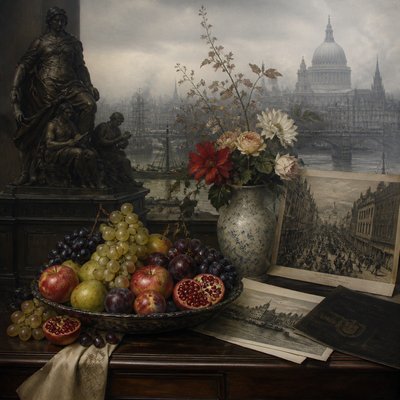
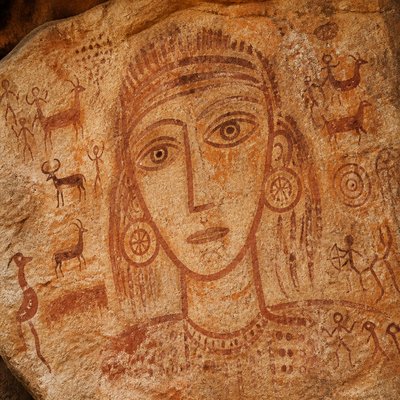
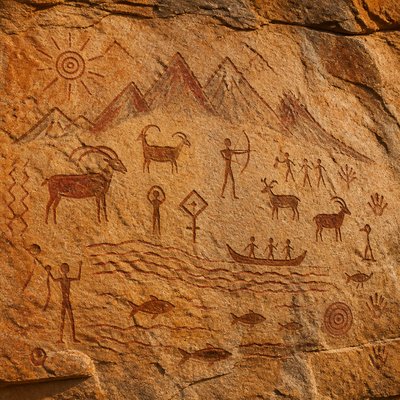
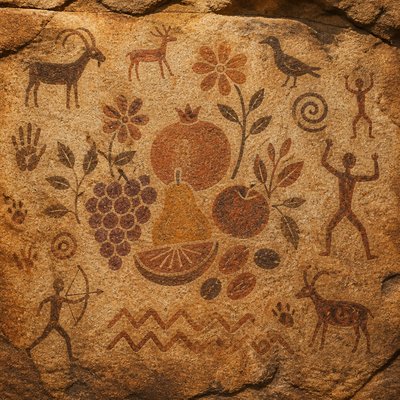
Explore Bosnian Art Style: stećci stone reliefs, Ottoman architecture, manuscript gold, and misty Balkan landscapes in one layered aesthetic.
Instantly rendered in Bosnian — or transform a photo
Bosnian Gallery
Tap any artwork to explore it
What is Bosnian Art Style?
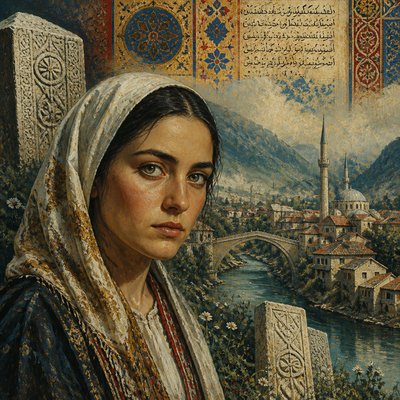
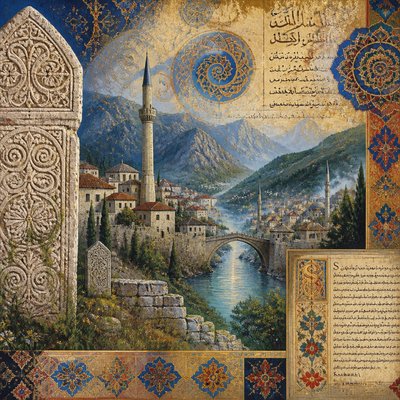
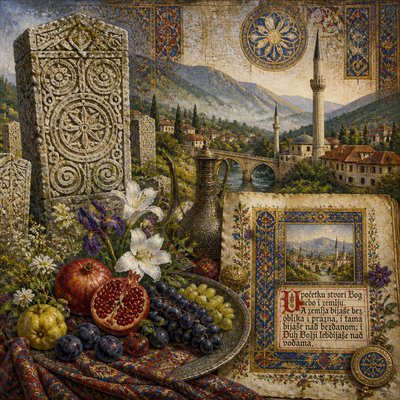
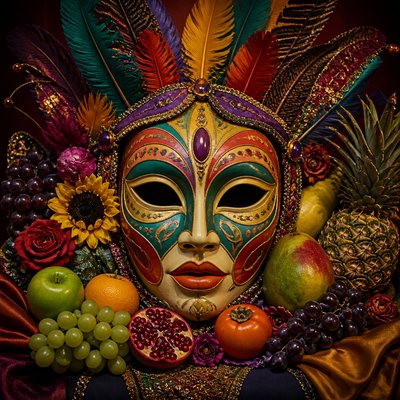
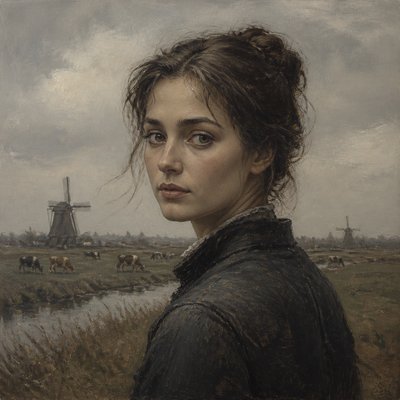
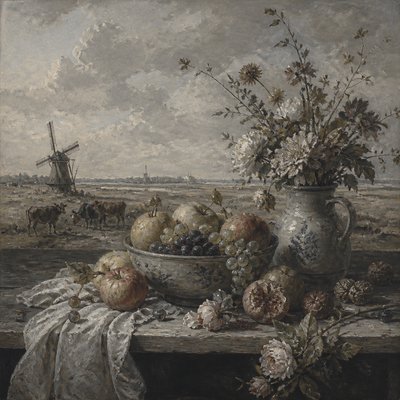
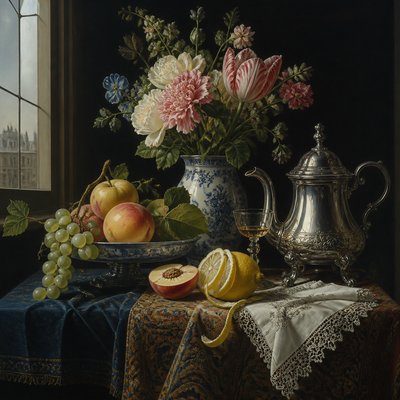
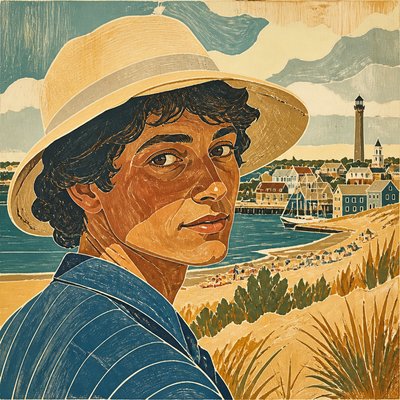
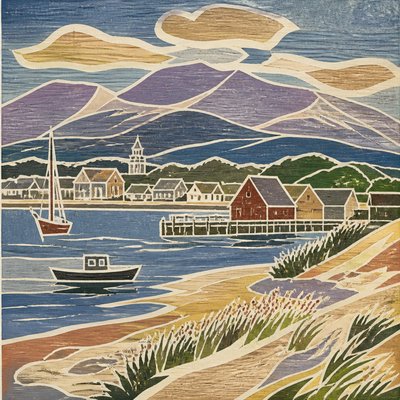
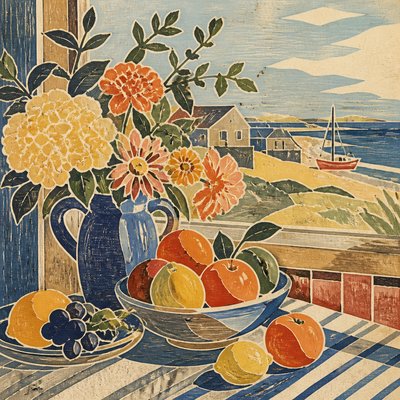
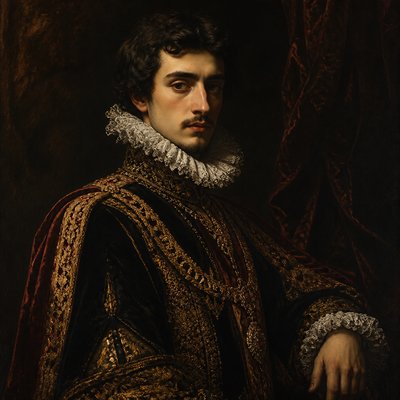
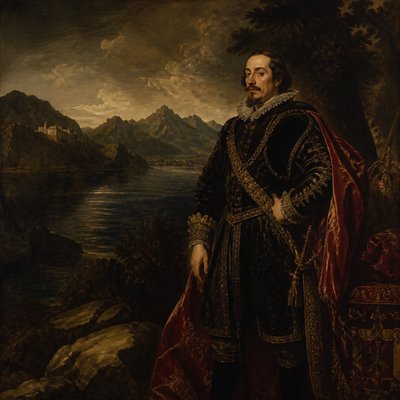
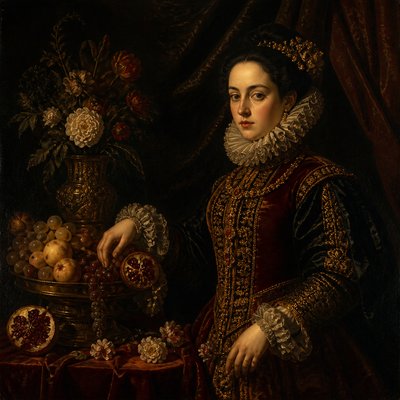
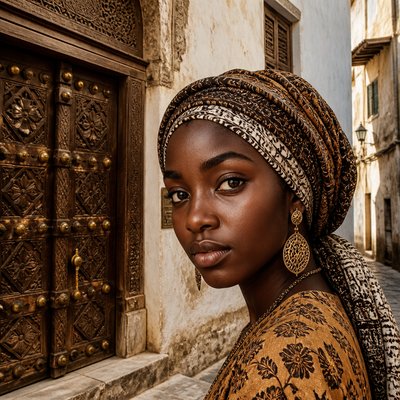
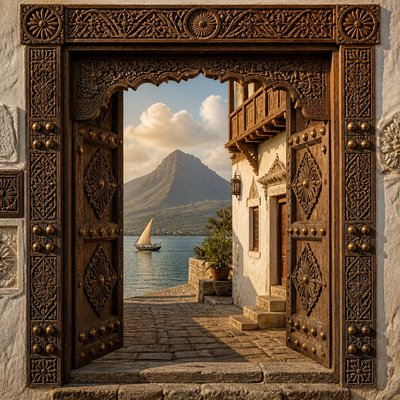
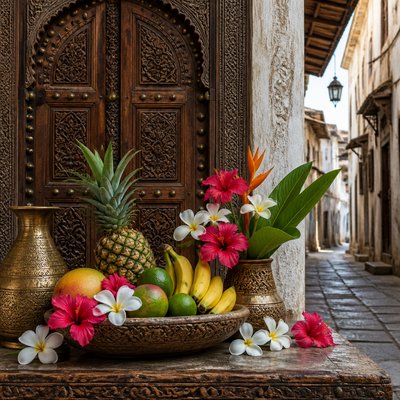
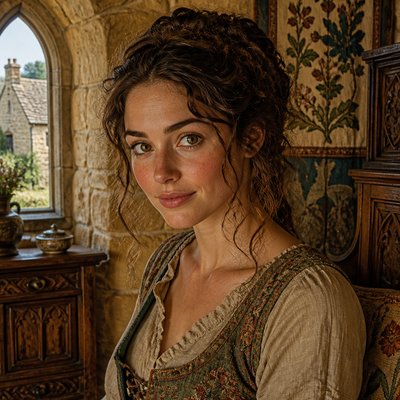
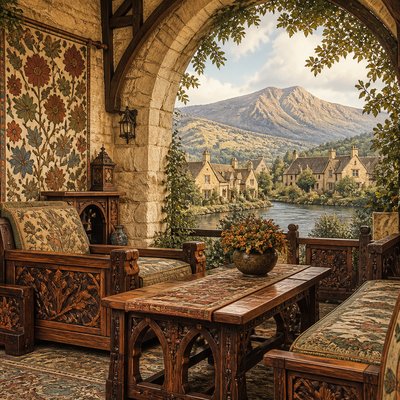
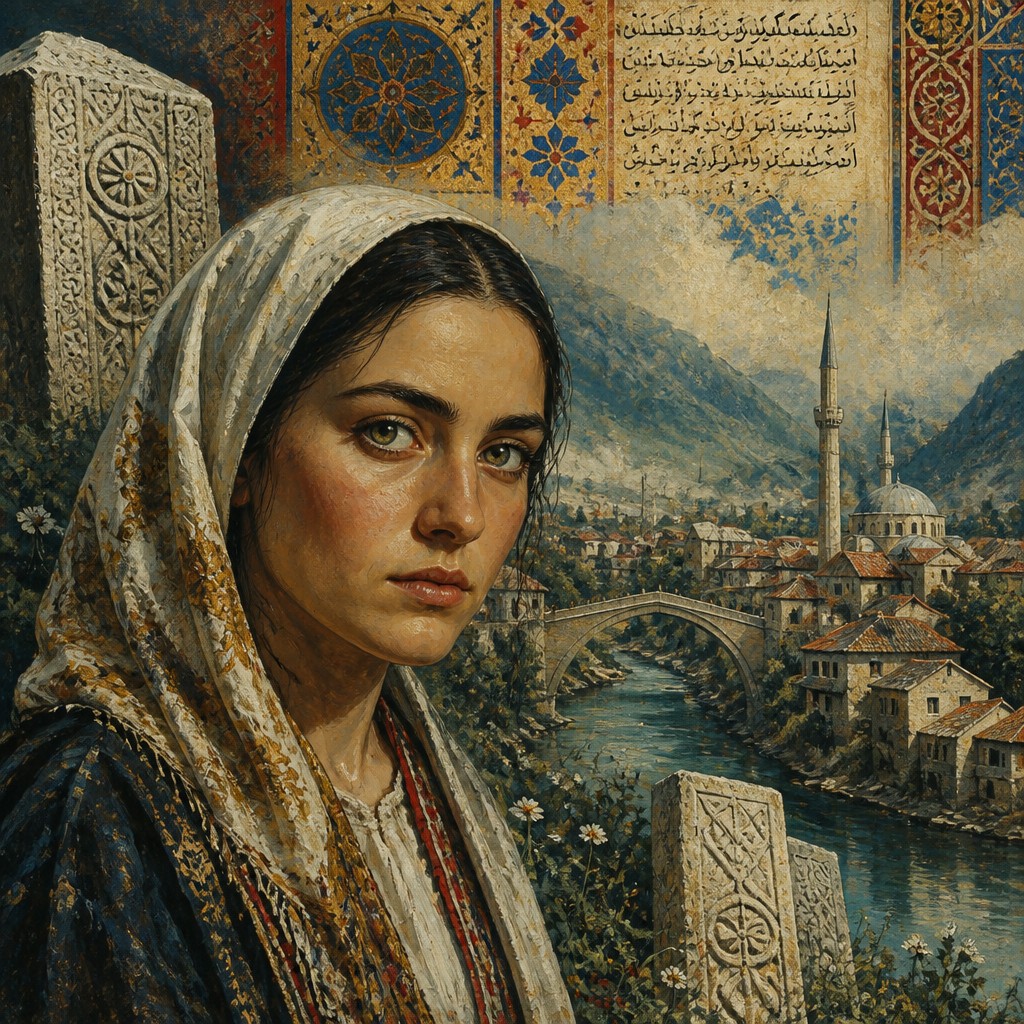
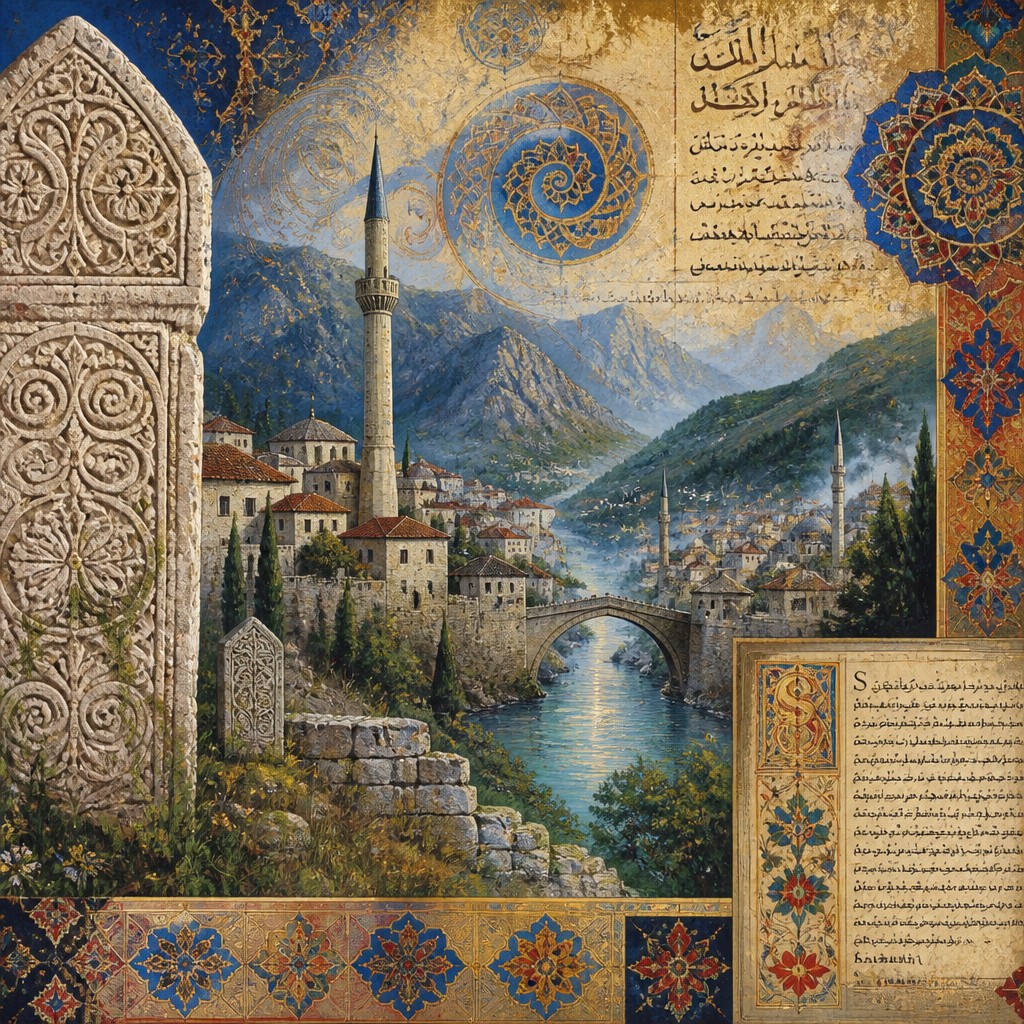
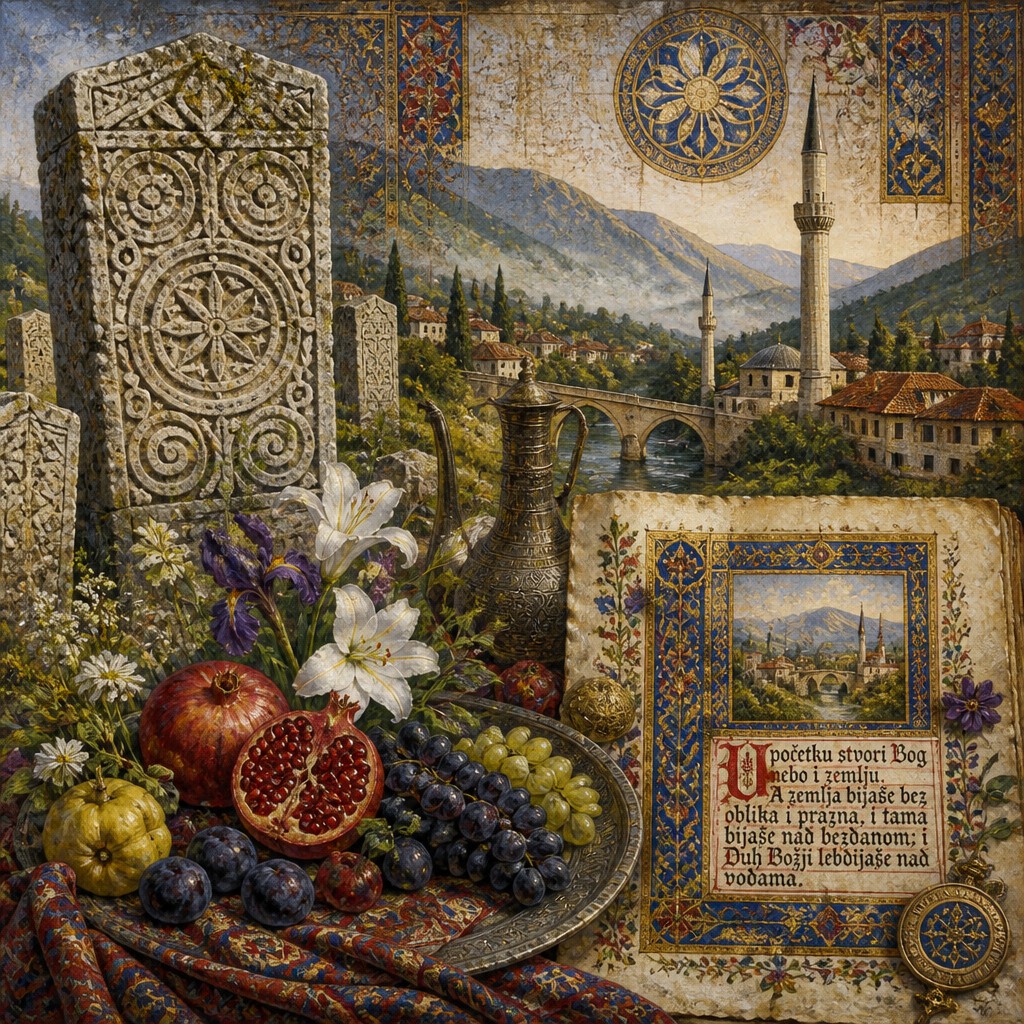
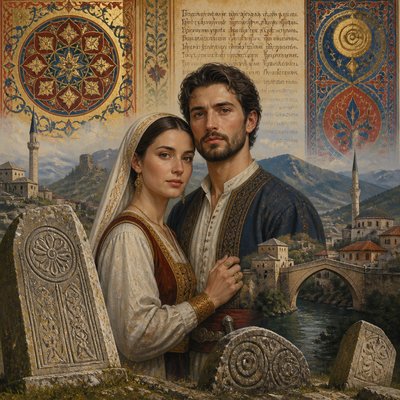
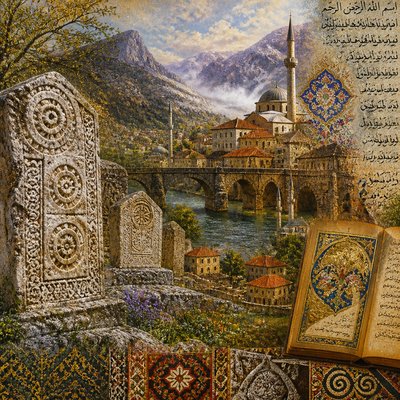
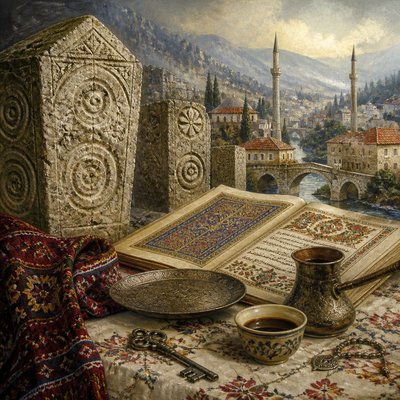
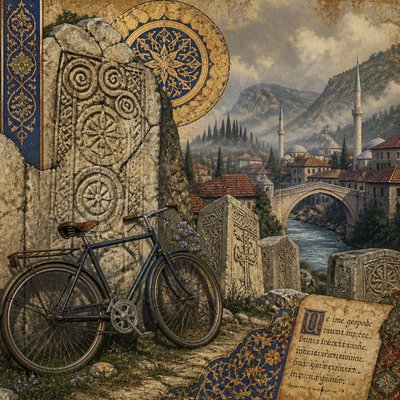
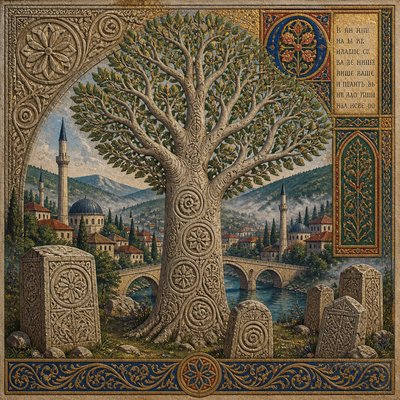
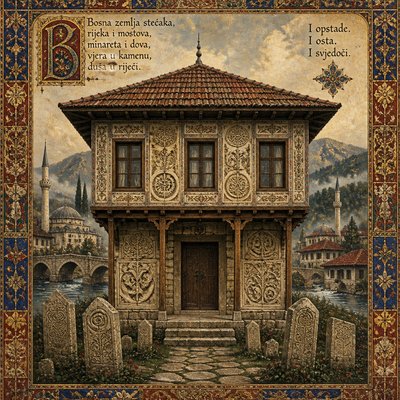
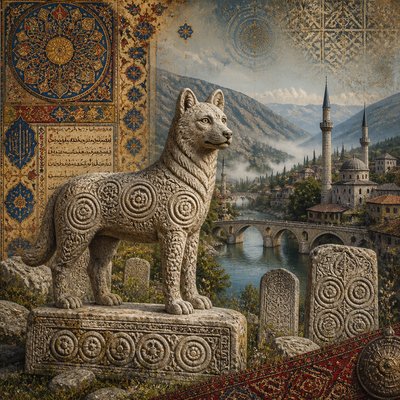
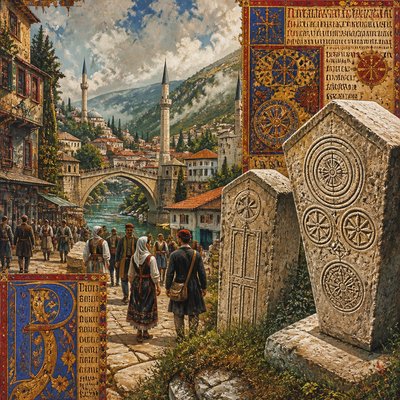
Bosnian Art Style is a contemporary, composite aesthetic inspired by Bosnia and Herzegovina's layered visual heritage. It combines the weathered limestone reliefs of medieval stećci tombstones with Ottoman-era bridges, mosques, minarets, tiled roofs, illuminated manuscript decoration, and the atmospheric landscapes of Balkan river valleys.
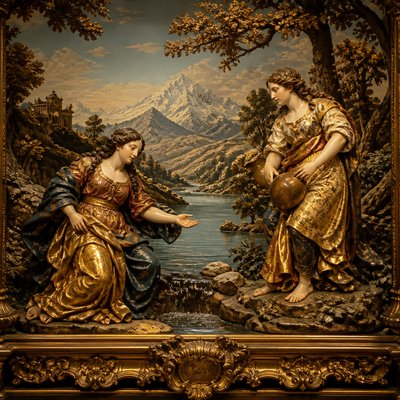
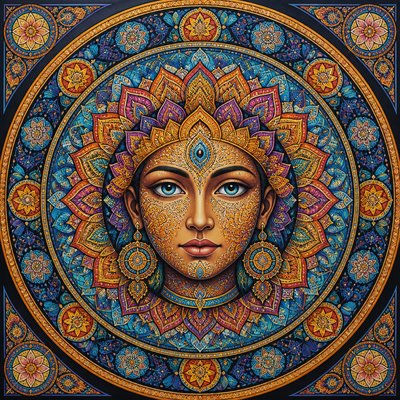
Its visual identity depends on a dialogue between endurance and ornament. Rough stone, incised spirals, rosettes, and simplified figures provide a monumental foundation, while jewel-toned pigments, patterned surfaces, and gold accents introduce the delicacy of manuscript art. The result is an image language that feels archaeological, devotional, and folkloric without representing a single historical school.
Try It On Your Photos
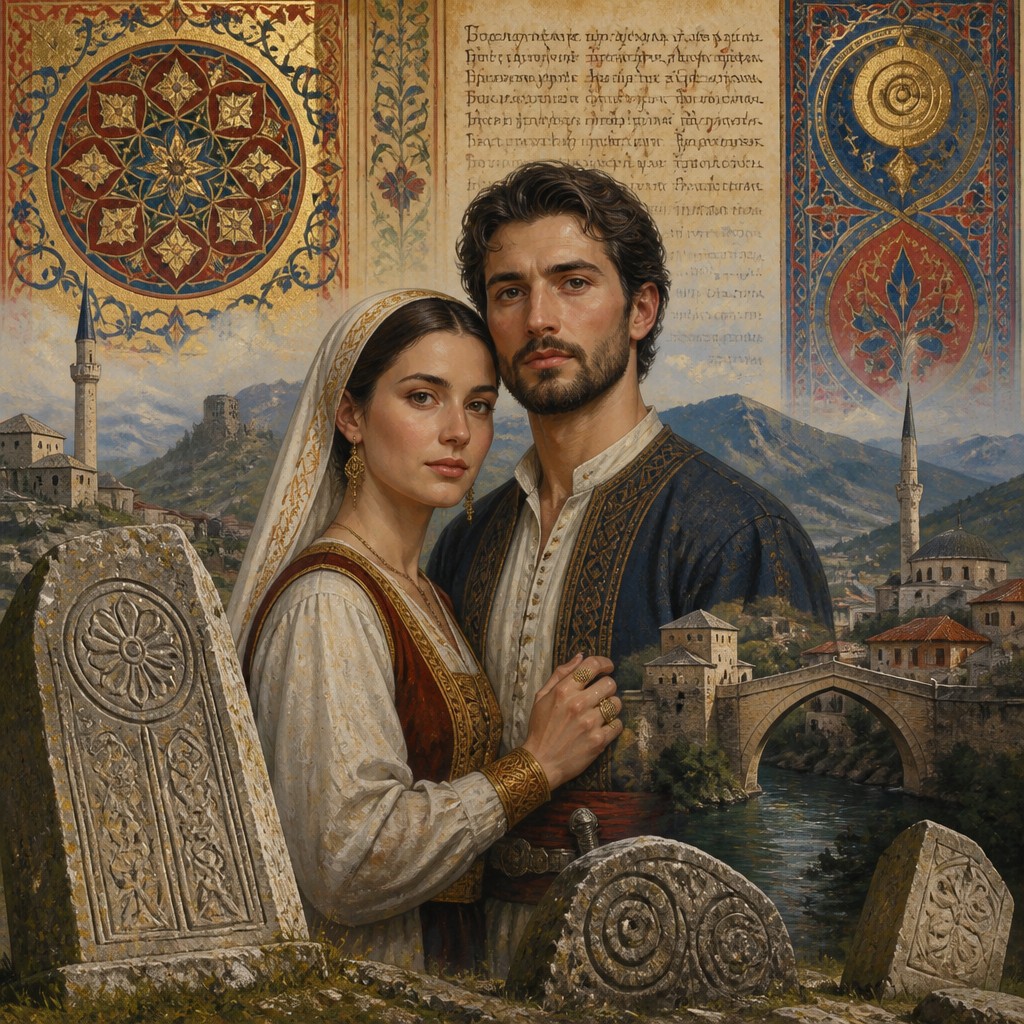
Upload any photo and convert it into Bosnian Art Style — drag the sliders to compare before and after.


What Defines Bosnian Art Style
The signature details, up close
Weathered limestone relief
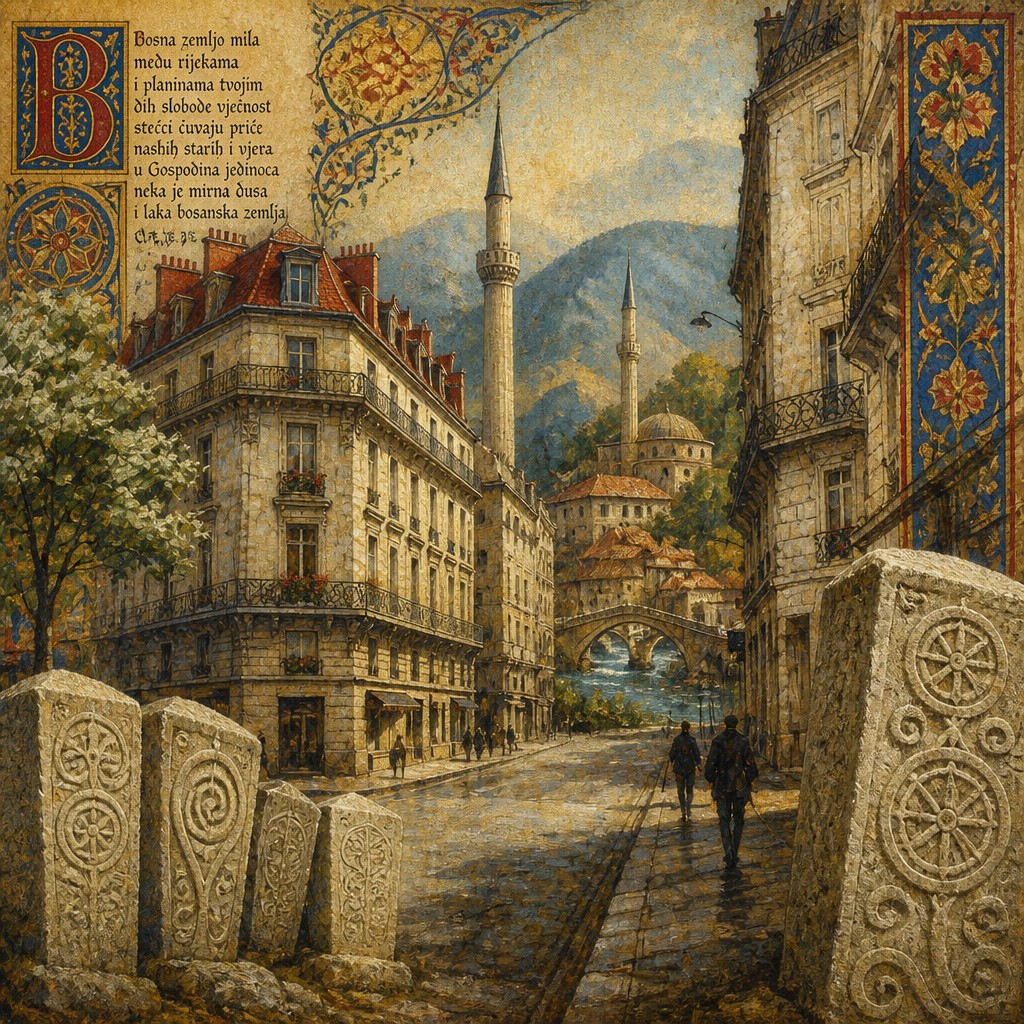
Forms often appear carved into pale, rough limestone with chipped edges, shallow shadows, and a timeworn patina. The stone surface gives the style a sense of permanence and archaeological depth.
Stećak-inspired motifs
Spirals, rosettes, arcades, crosses, crescents, dancing figures, animals, and simplified human silhouettes may be arranged like symbolic relief carvings. These motifs should remain graphic and legible rather than highly naturalistic.
Ottoman architectural silhouettes
Stone bridges, red-tiled roofs, domes, courtyard buildings, and narrow mosque minarets create a recognizable Bosnian architectural framework. Architecture is usually integrated into the landscape rather than isolated as a monumental landmark.
Illuminated manuscript color
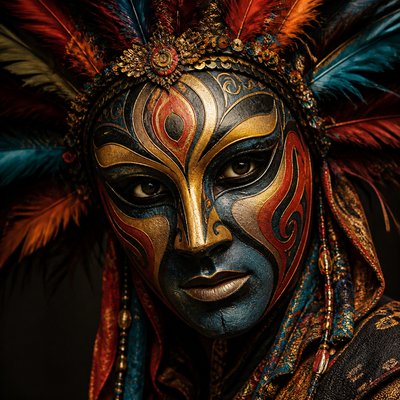
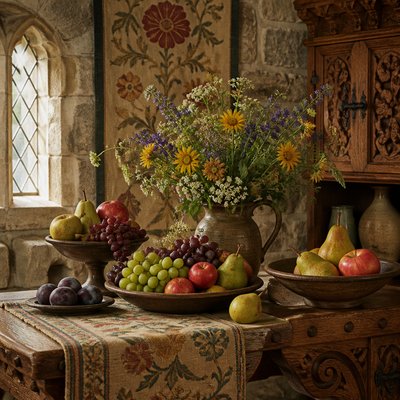
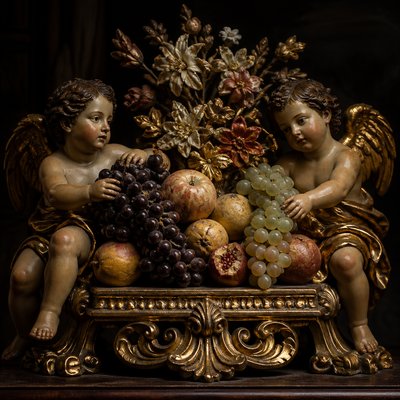
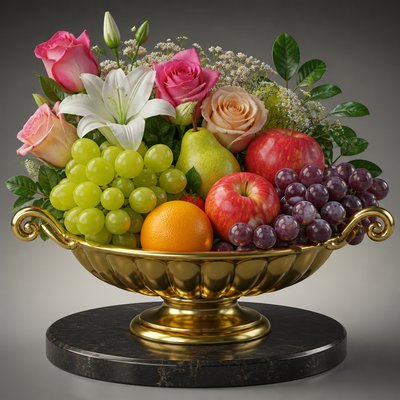
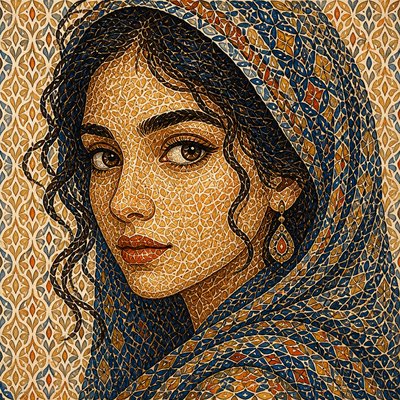
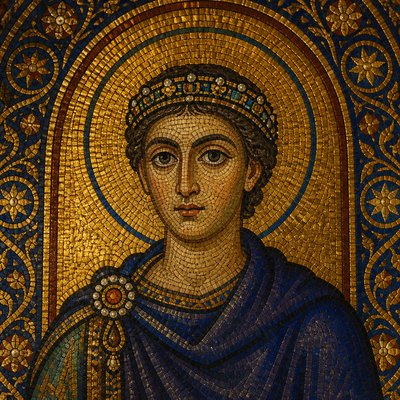
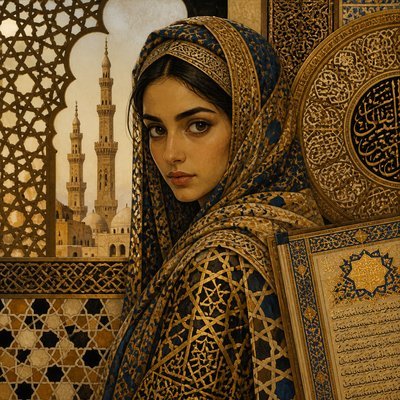
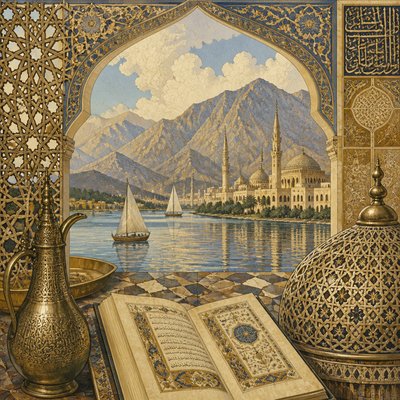
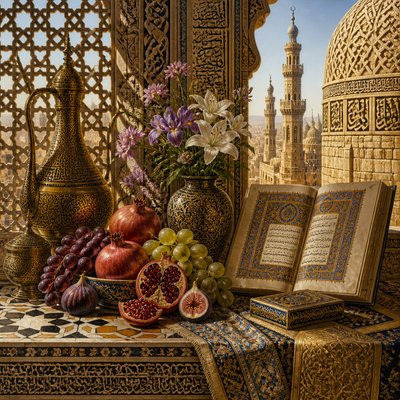
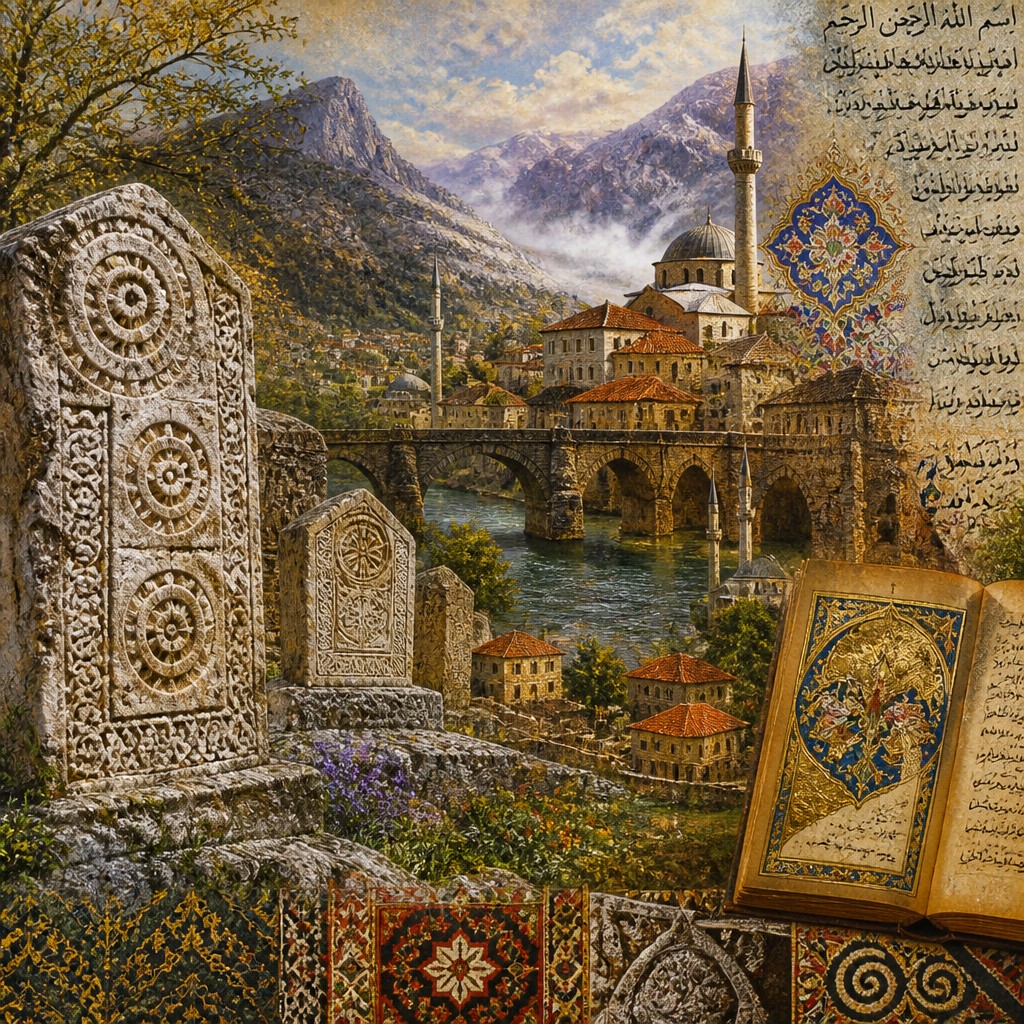
Deep lapis blue, madder red, malachite green, ochre, and warm ivory suggest mineral and plant-based pigments. Borders, initials, foliage, and geometric ornament may be highlighted with restrained gold leaf.
Misty Balkan atmosphere
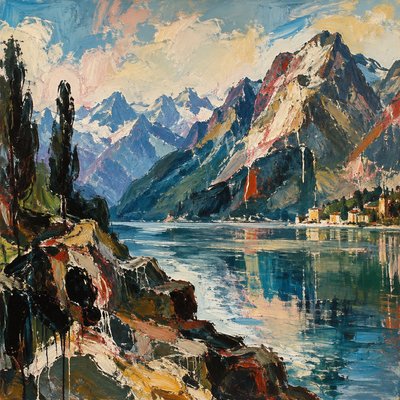
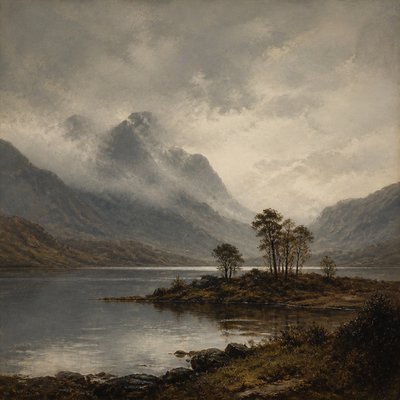
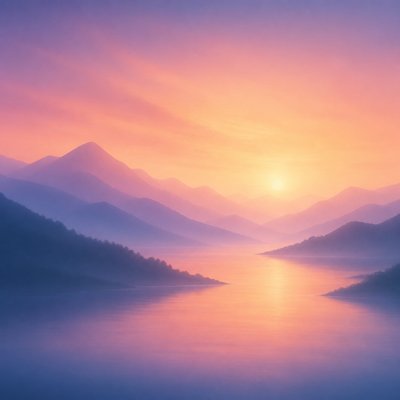
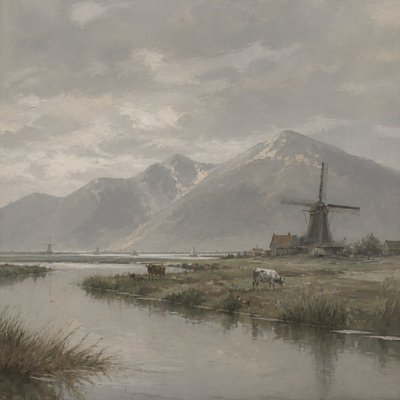
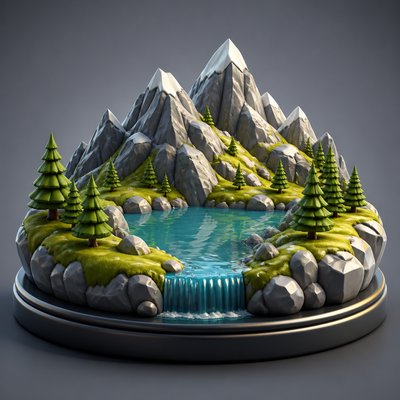
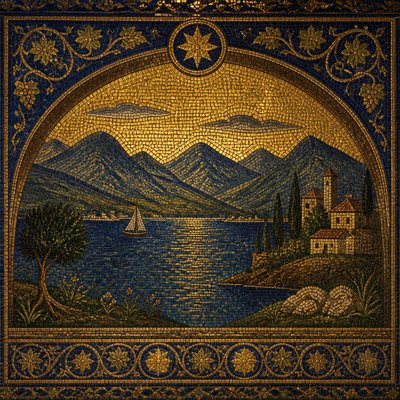
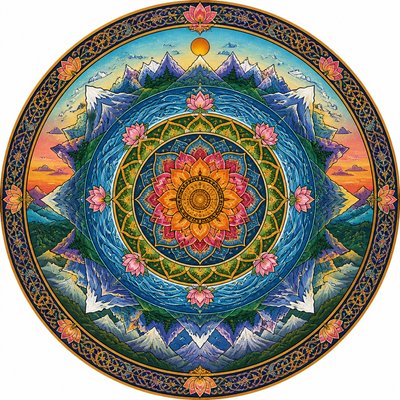
River valleys, wooded hills, limestone cliffs, and distant settlements are softened by fog, low cloud, or blue-gray atmospheric perspective. The landscape balances the tactile closeness of carved stone with a spacious, contemplative mood.
Layered craft surfaces
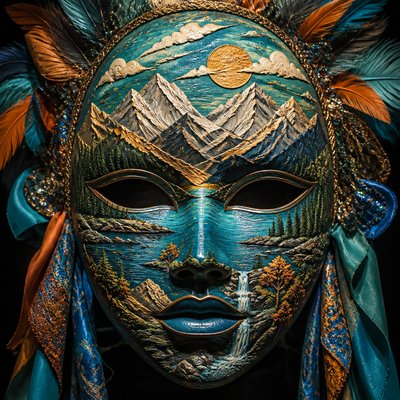
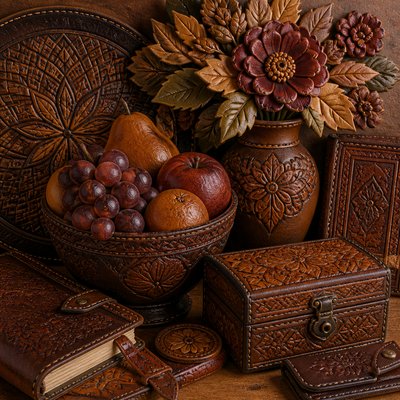
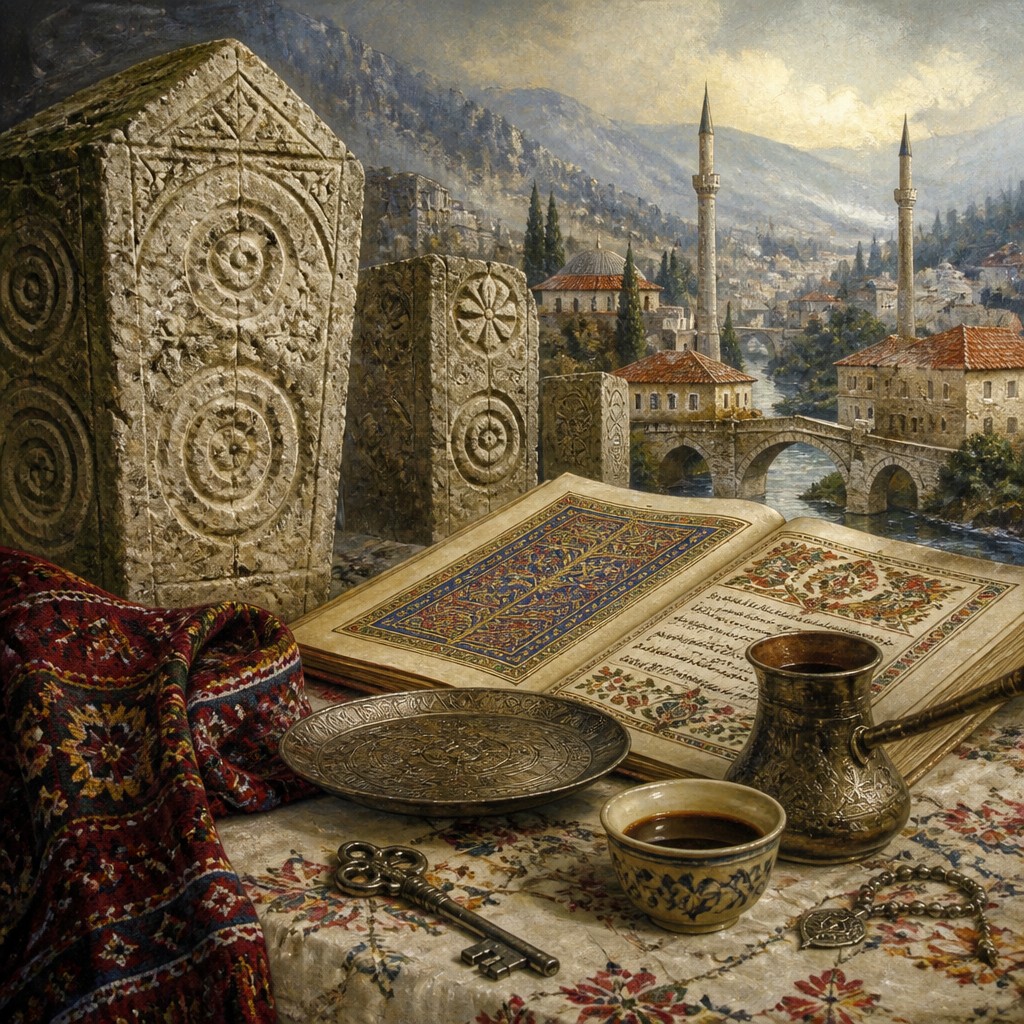
Images may combine relief carving, ink line, painted mineral color, gilding, masonry, and textile-like pattern. Slight irregularity, visible grain, and handmade edges are important to the style's physical character.
Bosnian Prompt Ideas
Start from an idea — each one opens the generator with the style ready to go. See all 40 Bosnian prompts →
How to Create Bosnian Art
Master the craft step by step — or skip straight to creating. Read the full guide →
- 1
Build a stone foundation
Begin with a limestone-colored ground and establish the main forms as shallow reliefs or incised silhouettes. Add pitting, mineral veins, chipped corners, and uneven tool marks instead of smooth digital surfaces.
- 2
Use symbolic line work
Draw compact spirals, rosettes, arches, animals, and frontal figures with confident, simplified contours. Repeat motifs in borders or bands so the composition feels related to carved memorial and folk ornament.
- 3
Layer manuscript pigment and gold
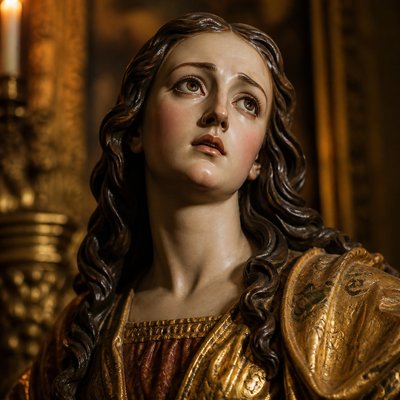
Apply a limited palette of deep blue, red, green, ochre, ivory, and black, then reserve gold for borders, halos, lettering, or small ornamental accents. Keep the gilding slightly irregular to suggest hand-applied leaf.
- 4
Frame an architectural landscape
Place bridges, tiled roofs, stone walls, and slender minarets among wooded hills and a winding river. Use fog and subdued contrast in the distance while keeping foreground carvings and masonry sharply tactile.
- 5
Combine physical and digital methods
Traditional results can be made with textured paper, mineral-like watercolor, ink, gouache, metallic leaf, and carved or molded surfaces. Digitally, scan those materials or use layered brushes, displacement maps, grain, and subtle relief shading.
- 6
Write precise generation prompts
Specify the subject first, then request stećak-inspired limestone relief, Ottoman Bosnian architecture, illuminated manuscript pigment, gold leaf, and a misty Balkan setting. Control unwanted results by requesting historically grounded forms, restrained ornament, handmade texture, and no generic fantasy symbols.
The Story
History & Origins of Bosnian
Bosnian Art Style is not a documented historical movement with a fixed period or membership; it is an invented modern synthesis of several Bosnian and wider Balkan traditions. Its principal historical reference is the stećak, a medieval tombstone found across Bosnia and neighboring regions, generally produced from the twelfth through the sixteenth centuries and decorated with reliefs, geometric motifs, inscriptions, processions, animals, weapons, and symbolic figures.
A second major lineage comes from Ottoman-period Bosnia, especially the visual presence of stone bridges, mosque complexes, slender minarets, domestic architecture, and urban craft traditions that developed from the fifteenth century onward. Illuminated Islamic and Christian manuscript traditions contribute ornamental borders, mineral-like color, stylized foliage, and gold leaf, while misty valleys and layered mountain settlements supply the environmental setting.
Influences: The style draws on medieval stećak relief carving, Balkan folk ornament, Ottoman and Islamic architectural traditions in Bosnia, illuminated manuscript painting, Byzantine and Eastern Christian decorative practices, vernacular masonry, and landscape painting based on atmospheric perspective. It also relates to contemporary heritage illustration, archaeological reconstruction, textured digital collage, and neo-folk visual design, but it should not be mistaken for a single established historical movement.
Frequently Asked Questions
What defines the Bosnian Art Style?
It is defined by the combination of stećak-inspired limestone carving, Ottoman Bosnian architecture, illuminated manuscript color, gold ornament, and misty Balkan landscapes. Its central effect comes from placing monumental, weathered stone beside intricate painted decoration.
Is Bosnian Art Style a historical art movement?
No. The term describes a modern composite aesthetic rather than a documented movement from a particular period. It uses historically grounded Bosnian and regional sources without claiming that those traditions originally formed one unified style.
What are stećci and why are they important to the style?
Stećci are medieval monumental tombstones found chiefly in Bosnia and neighboring areas. Their carved symbols, geometric ornament, inscriptions, and simplified figures provide the style's strongest visual language of carved permanence.
How does it differ from generic Ottoman or Balkan art?
Rather than focusing only on Ottoman architecture or broad Balkan folklore, it deliberately combines several layers: medieval stone memorials, Ottoman-era buildings, manuscript illumination, and regional landscape. The synthesis is especially recognizable through its relief-like surfaces and restrained gold accents.
Can this style be used for portraits or modern subjects?
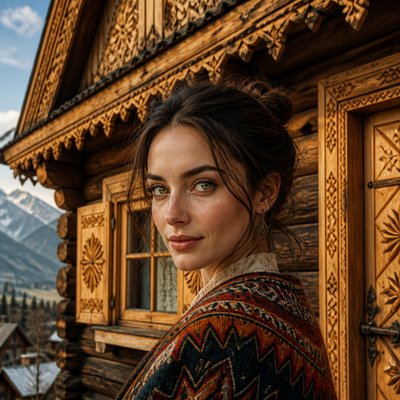
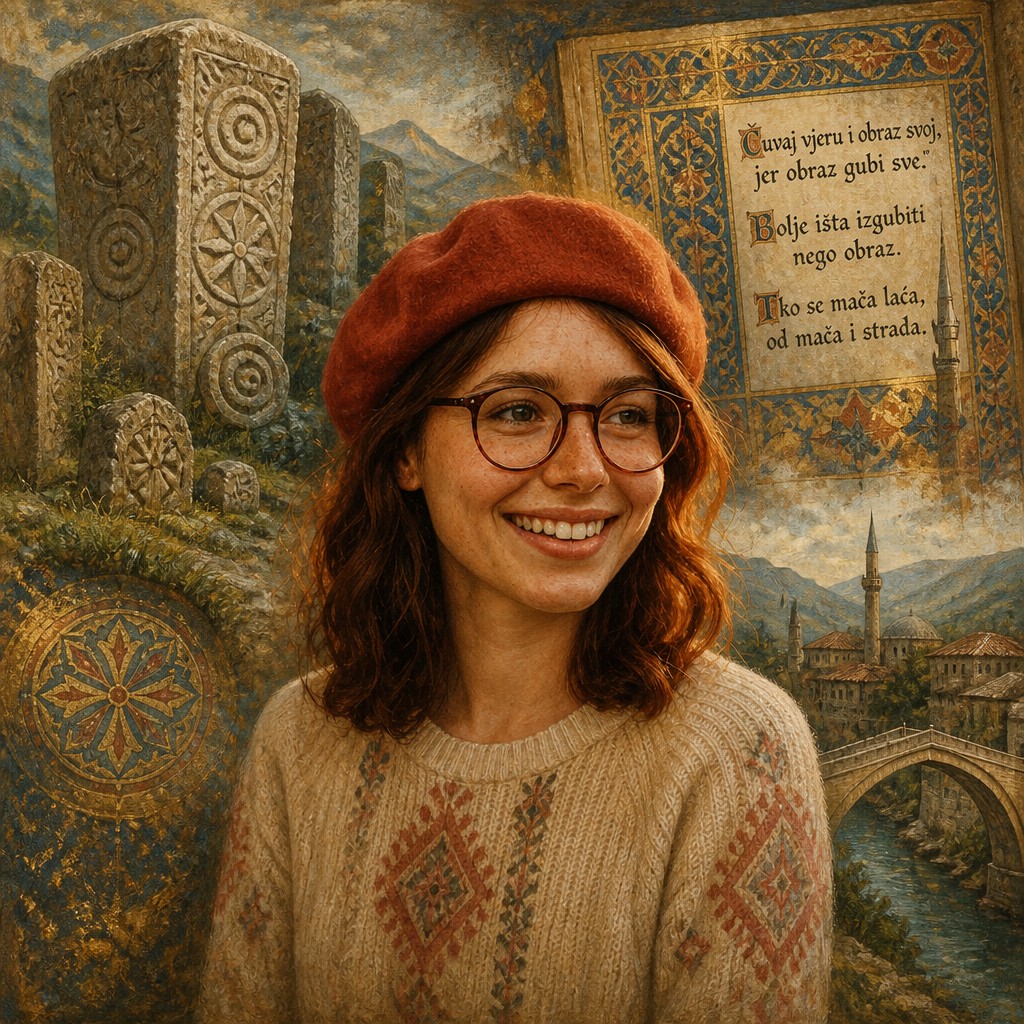
Yes. A portrait can be framed by carved borders, manuscript ornament, or a stone relief backdrop, while modern objects can be treated with symbolic line work and mineral pigments. Keeping the subject readable and the ornament secondary preserves the style's visual balance.
What materials and techniques suit this aesthetic?
Ink, gouache, watercolor, textured paper, metallic leaf, carved or molded plaster, and digitally scanned stone surfaces are all suitable. In digital work, relief maps, grain, layered pigment, and imperfect gilding can reproduce the tactile relationship between masonry and manuscript decoration.
Create your first Bosnian artwork
Describe anything — or upload a photo — and see it in Bosnian Art Style in seconds.
Related Styles
Discover similar art styles