Ukiyo-e Art Style
Explore ukiyo-e: Japanese woodblock prints defined by flat color, bold outlines, patterned surfaces, asymmetry, and the poetry of everyday life.
Instantly rendered in Ukiyo-e — or transform a photo
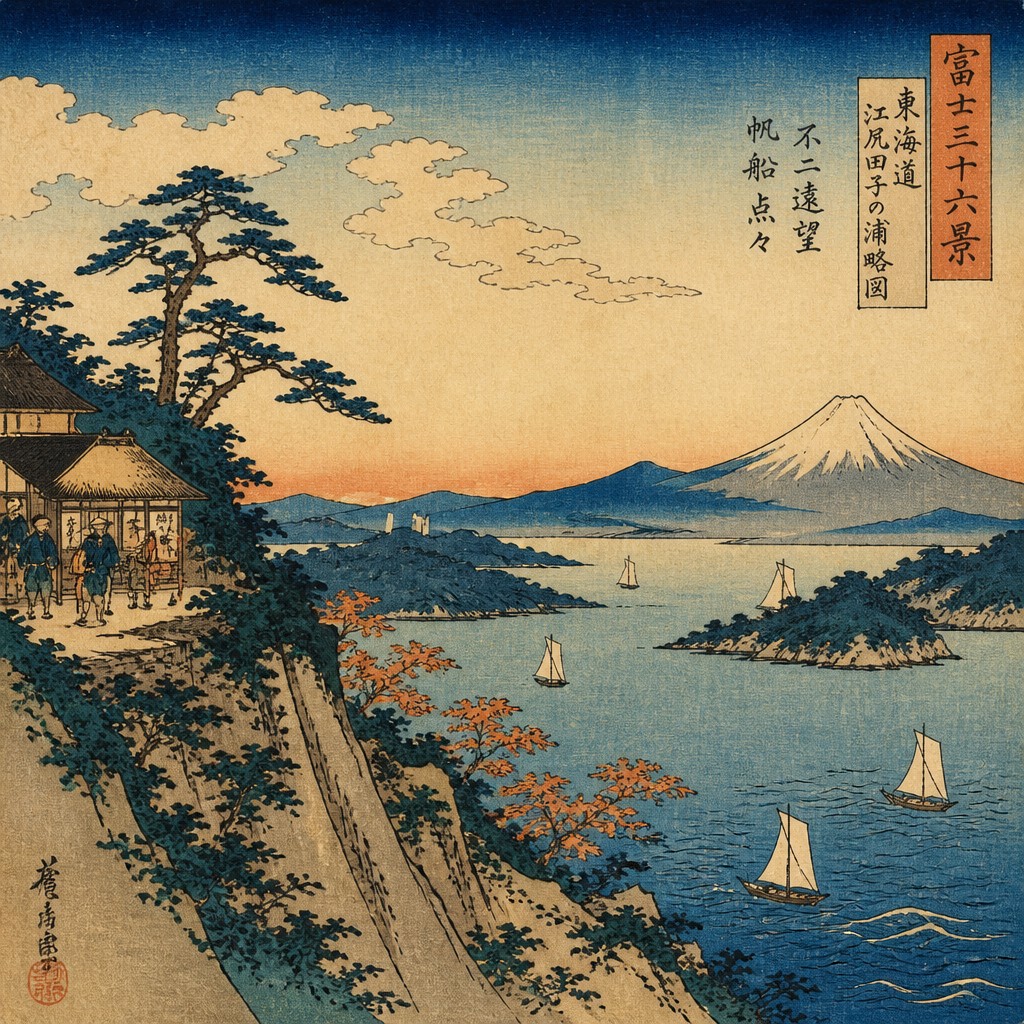
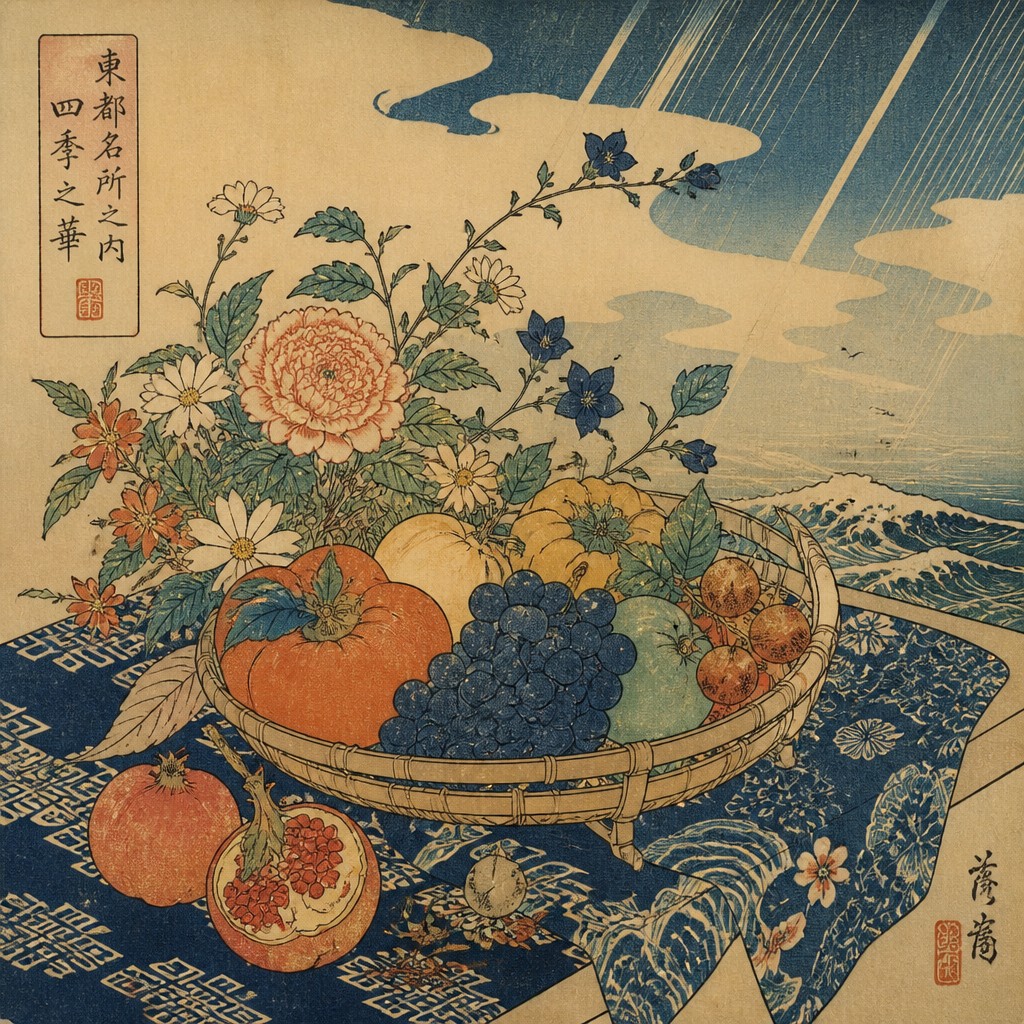
Ukiyo-e Gallery
Tap any artwork to explore it
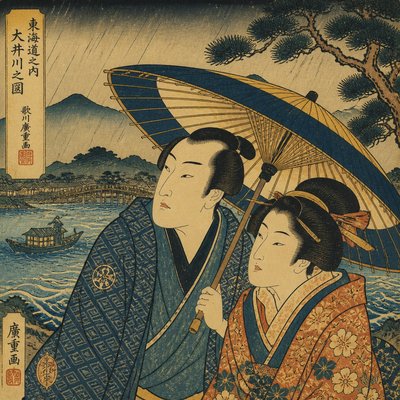
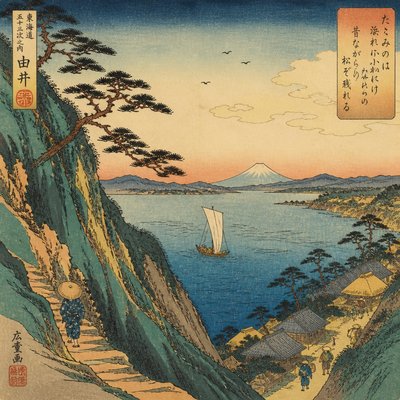
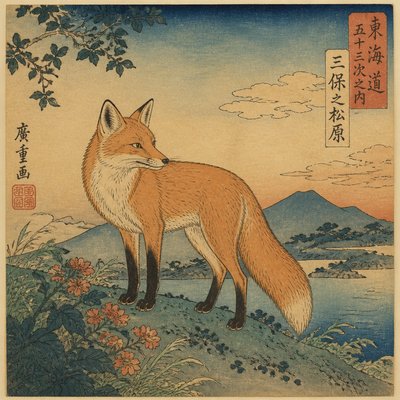
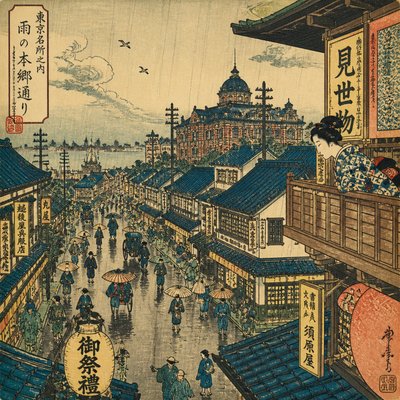
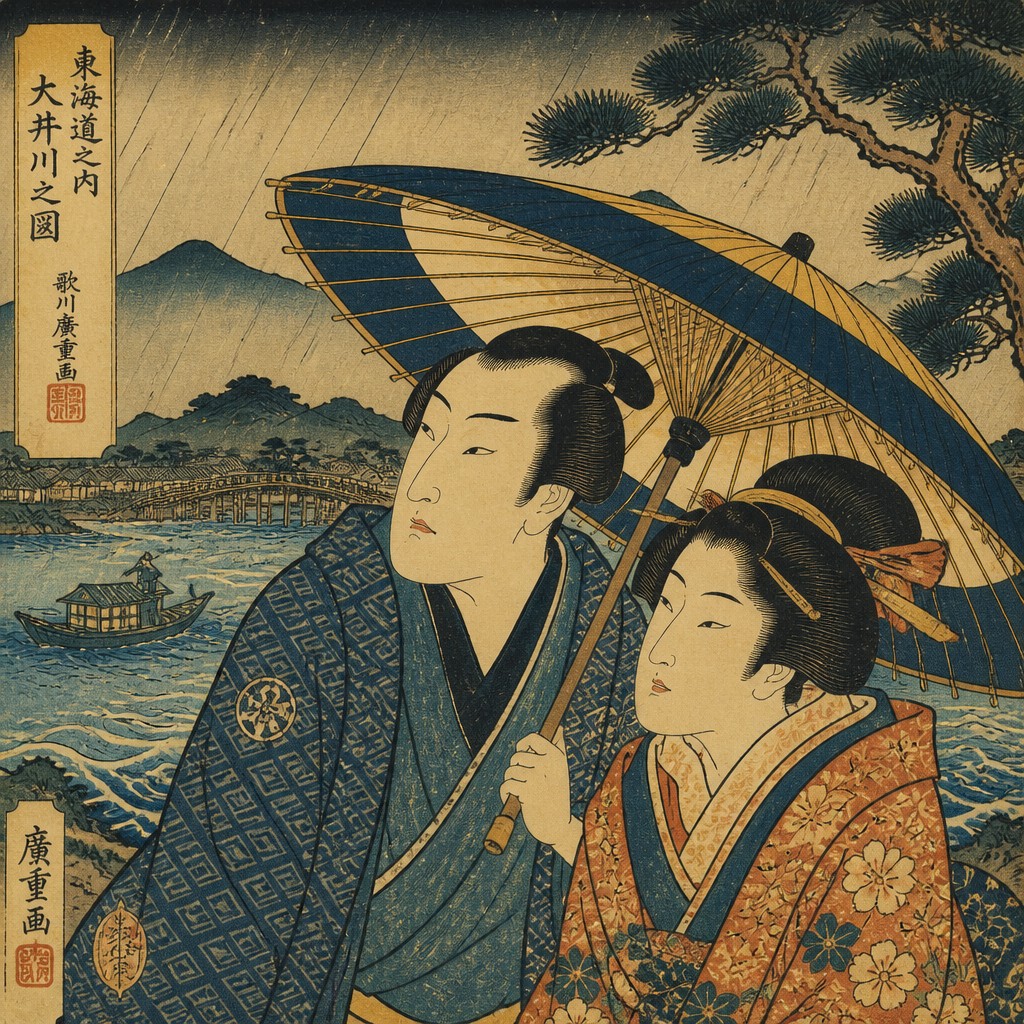
What is Ukiyo-e Art Style?
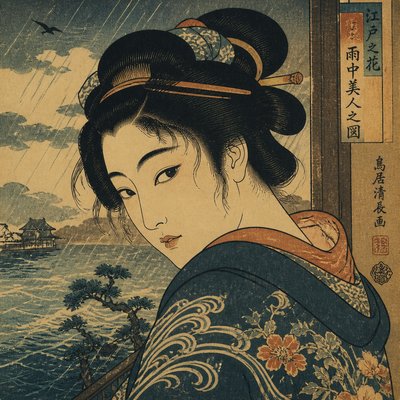
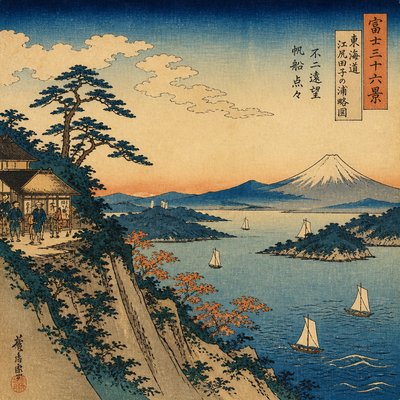
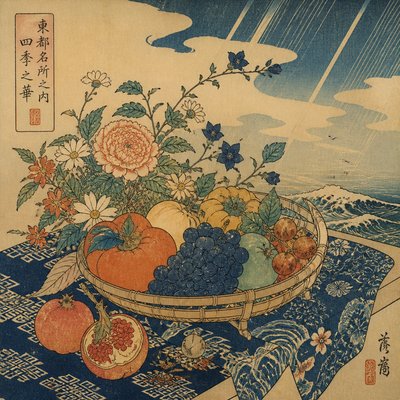
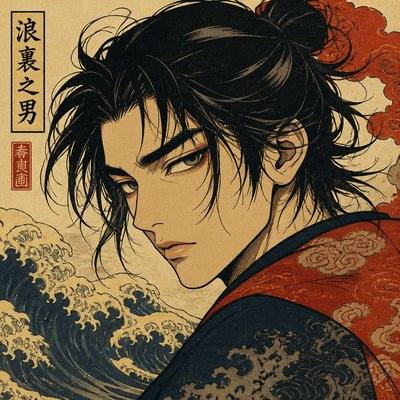
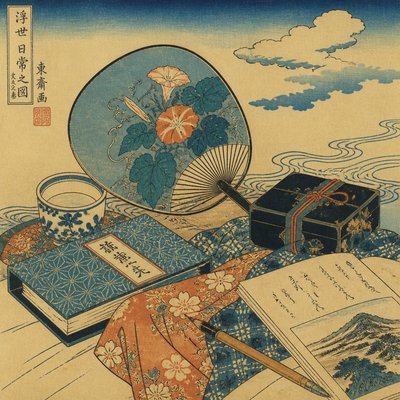
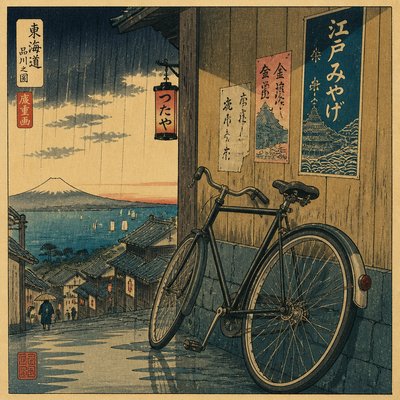
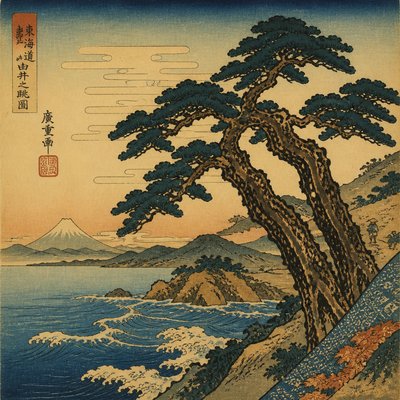
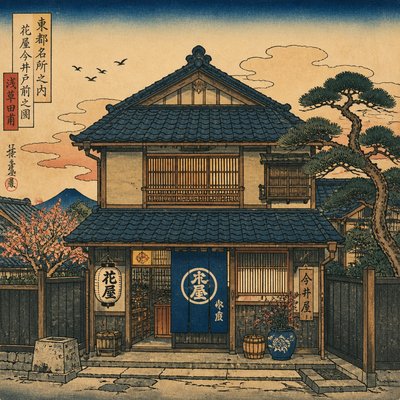
Ukiyo-e is a Japanese art tradition most closely associated with illustrated woodblock prints produced from the seventeenth through nineteenth centuries. The term refers to the “floating world,” an urban culture of pleasure districts, theater, fashion, travel, and seasonal entertainment, though ukiyo-e subjects also include landscapes, historical scenes, animals, flowers, and ordinary daily life.
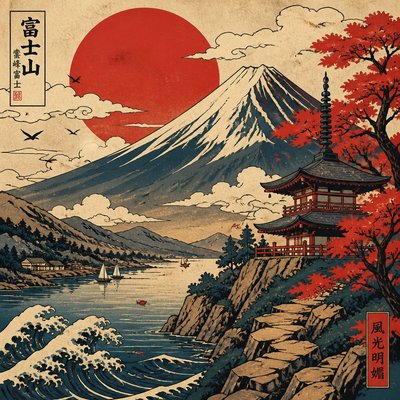
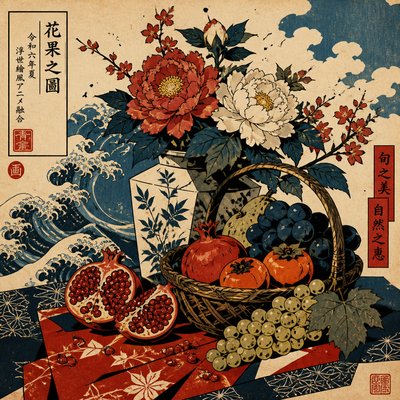
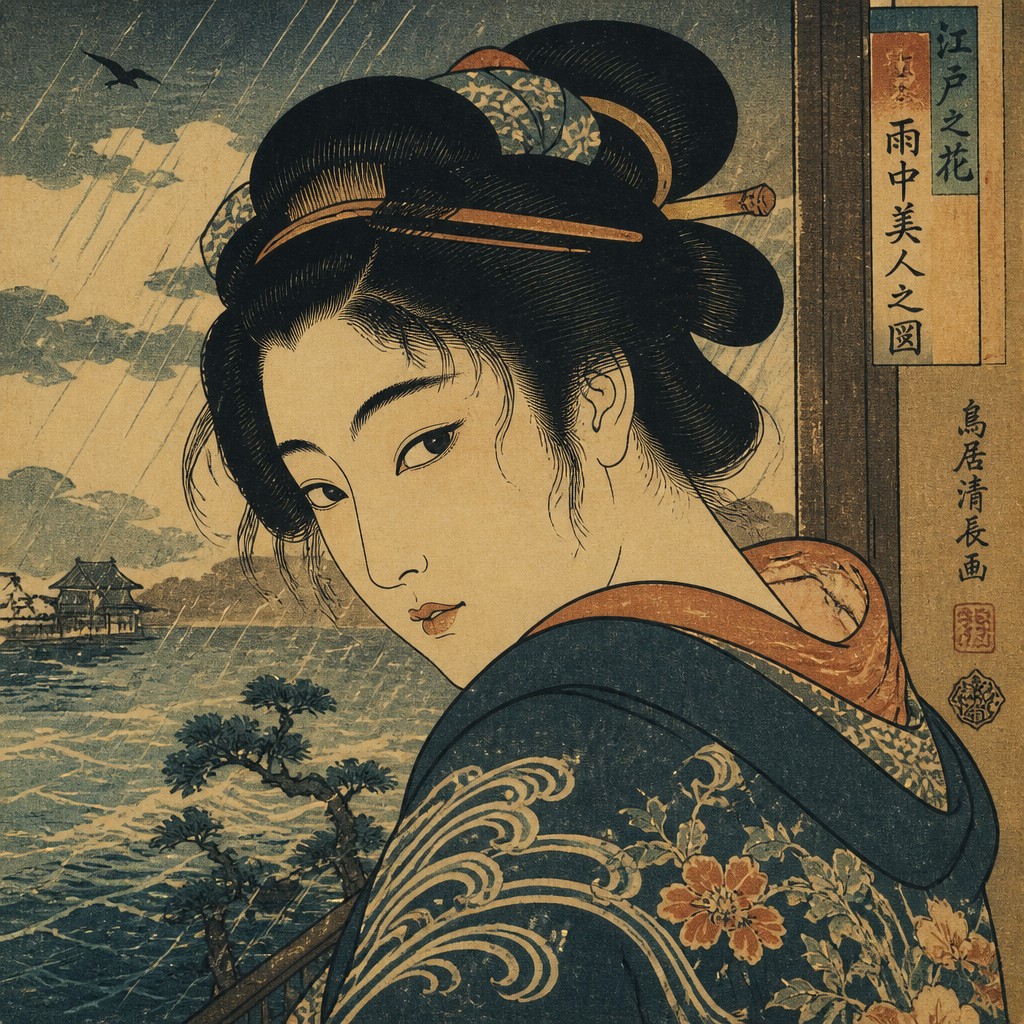
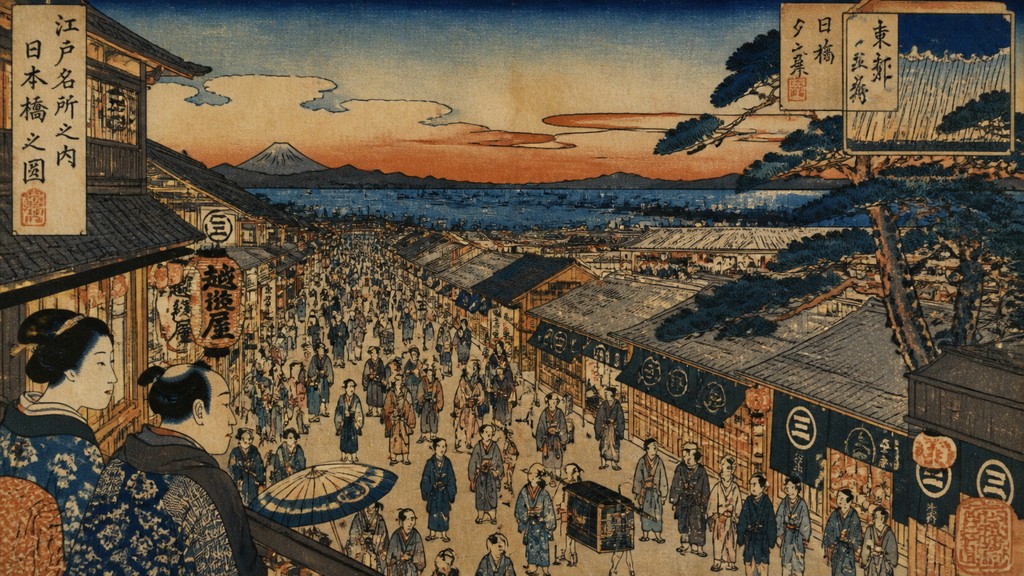
Its visual identity comes from the relationship between carved line and printed color. Strong keyblock outlines contain broad, mostly flat areas of pigment, while carefully registered blocks create layered color, patterned textiles, atmospheric effects, and gradated bokashi passages. Cropped figures, high or tilted viewpoints, asymmetrical arrangements, and decorative repetitions give the images their distinctive sense of movement and designed simplicity.
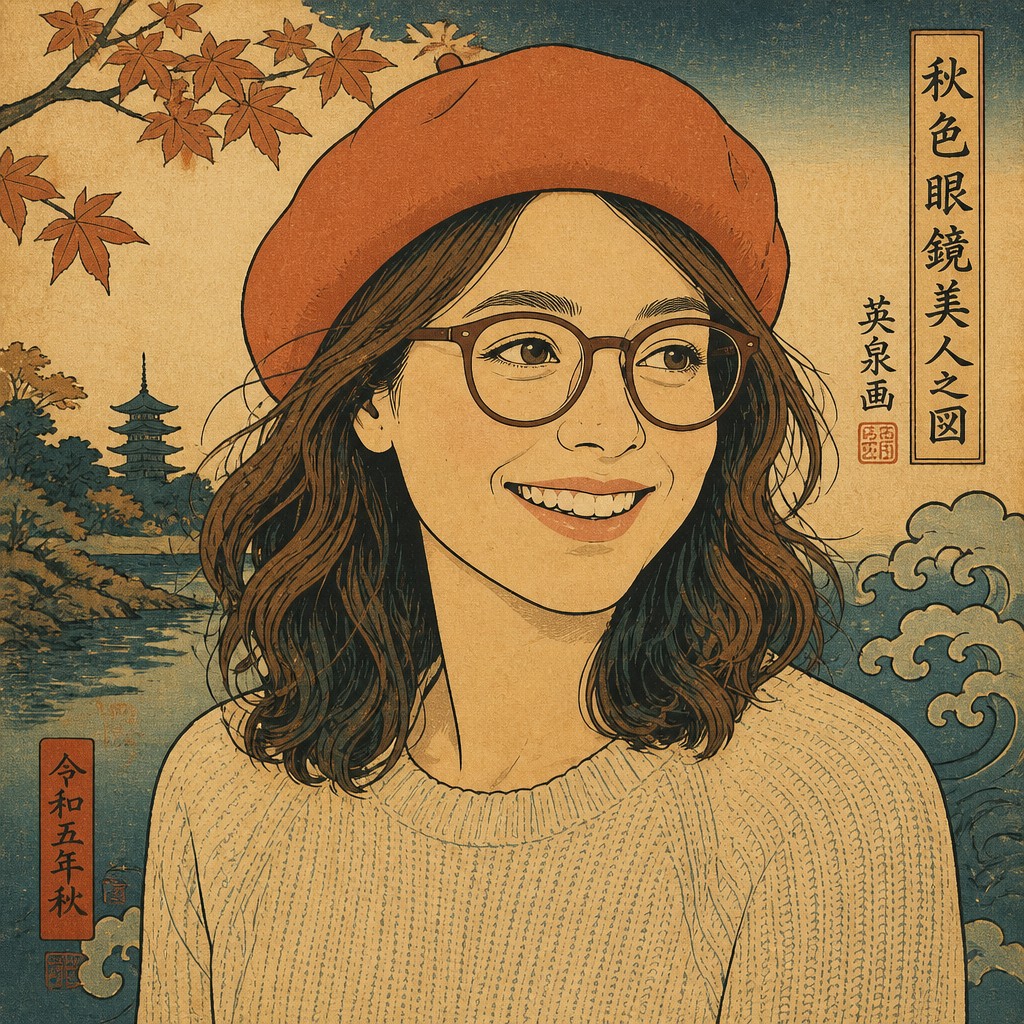
Try It On Your Photos
Upload any photo and convert it into Ukiyo-e Art Style — drag the sliders to compare before and after.


What Defines Ukiyo-e Art Style
The signature details, up close
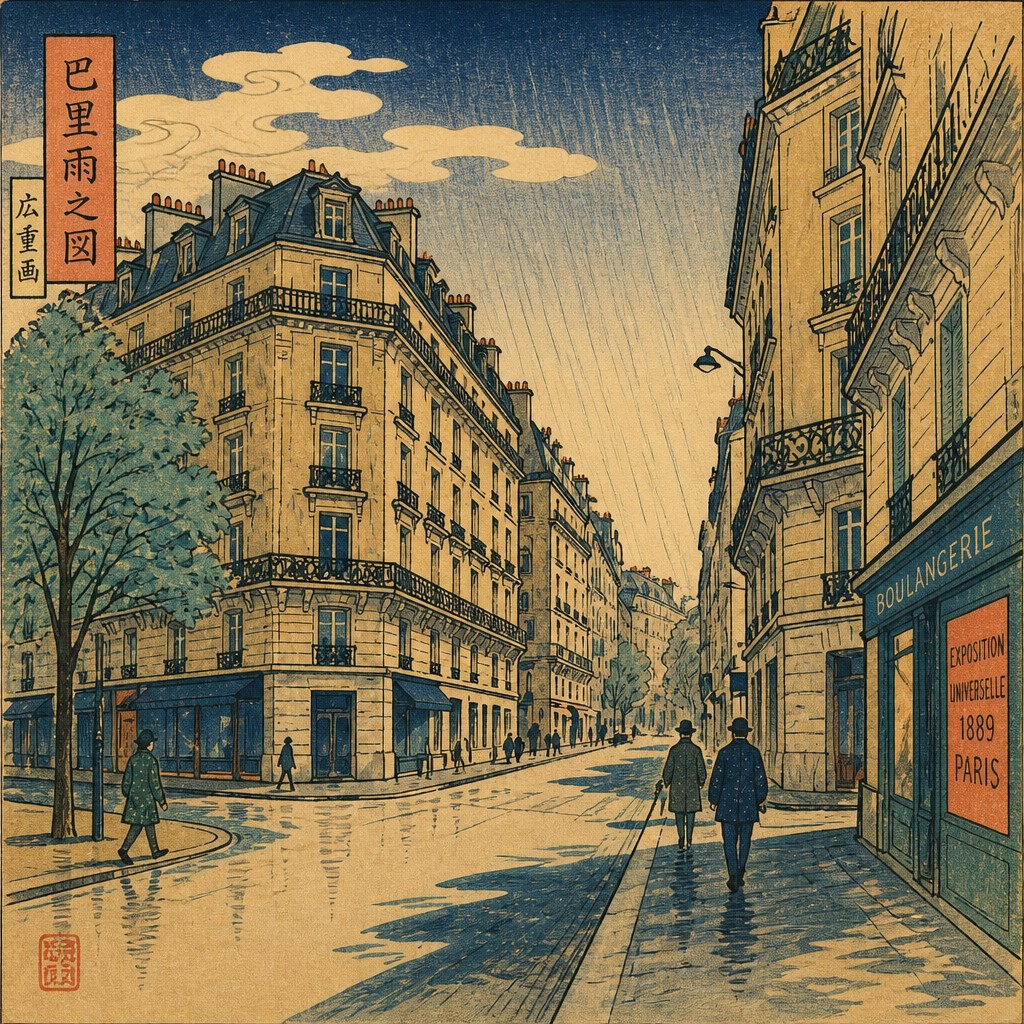
Confident keyblock outlines
Dark carved contours define figures, architecture, plants, and waves with economical, expressive lines. The outline often functions as both structure and decoration.
Flat planes of color
Large areas are filled with relatively uniform printed color rather than modeled through realistic shading. Limited tonal transitions preserve the clarity of the design.
Asymmetrical composition
Subjects may be cropped at the edge, placed off-center, or arranged around open space. Such imbalance creates rhythm and visual tension without sacrificing calm.
Unusual viewpoints
High viewpoints, tilted perspectives, close cropping, and abrupt foreground framing are common. Space is often suggested decoratively rather than constructed through strict linear perspective.
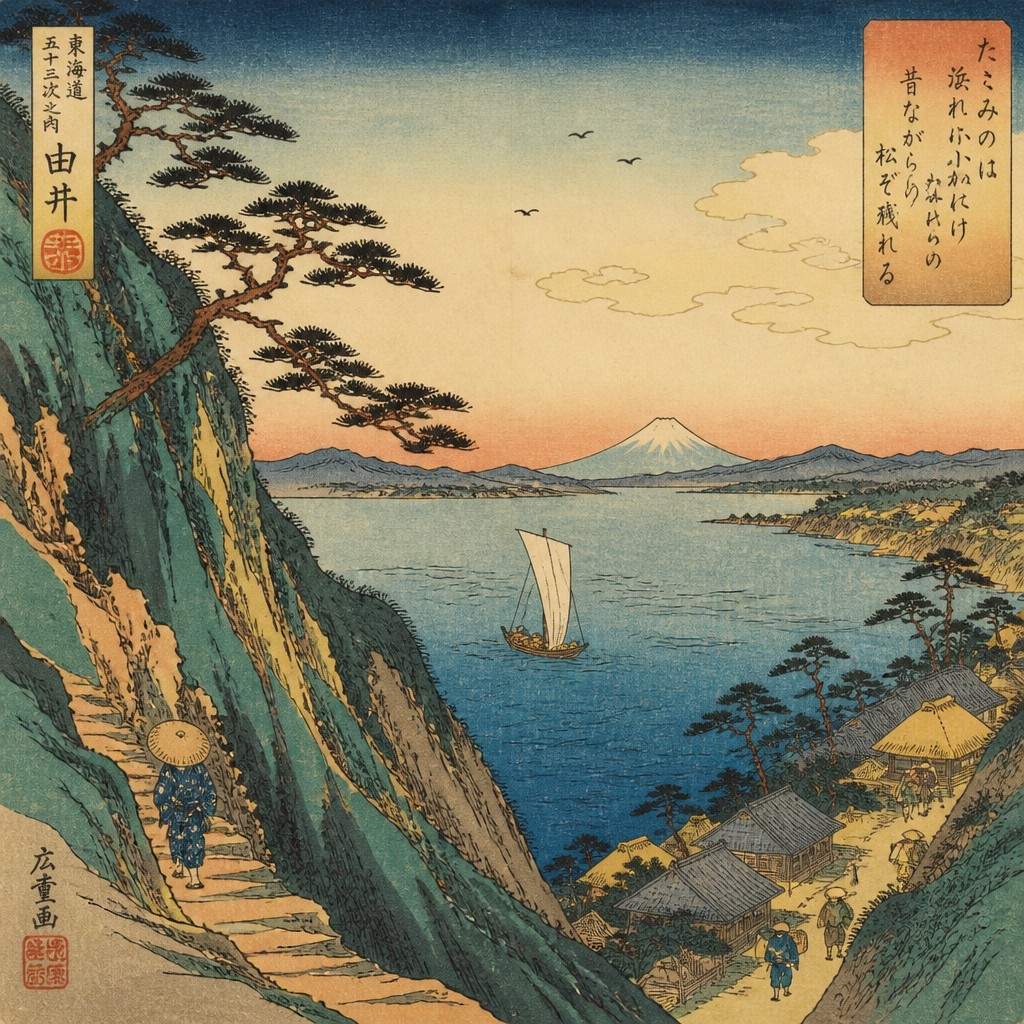
Patterned natural forms
Waves, clouds, rain, snow, grasses, and smoke are transformed into repeating graphic motifs. Their stylization makes weather and landscape feel both observed and ornamental.
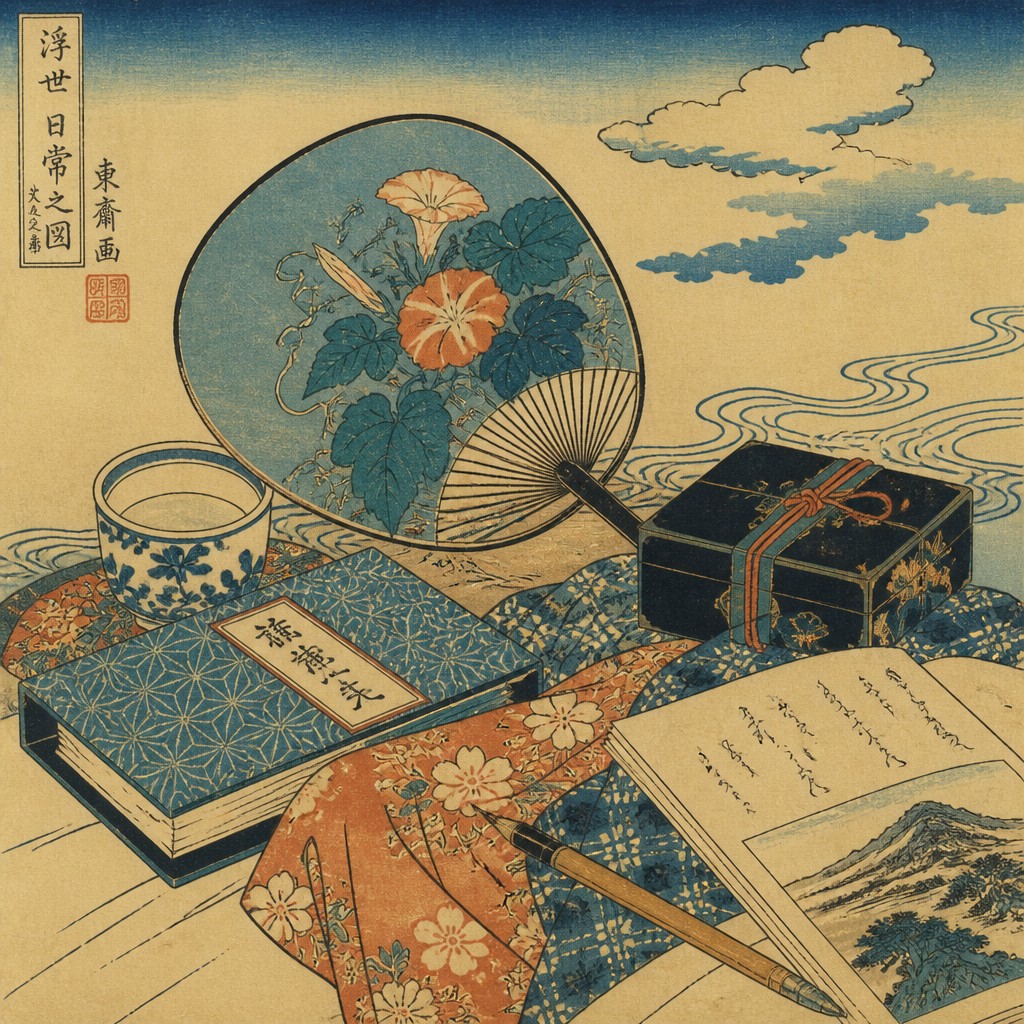
Bokashi gradation
A controlled variation in ink density produces soft transitions, especially in skies, water, mist, and shadows. This technique adds atmosphere while retaining the print's graphic character.
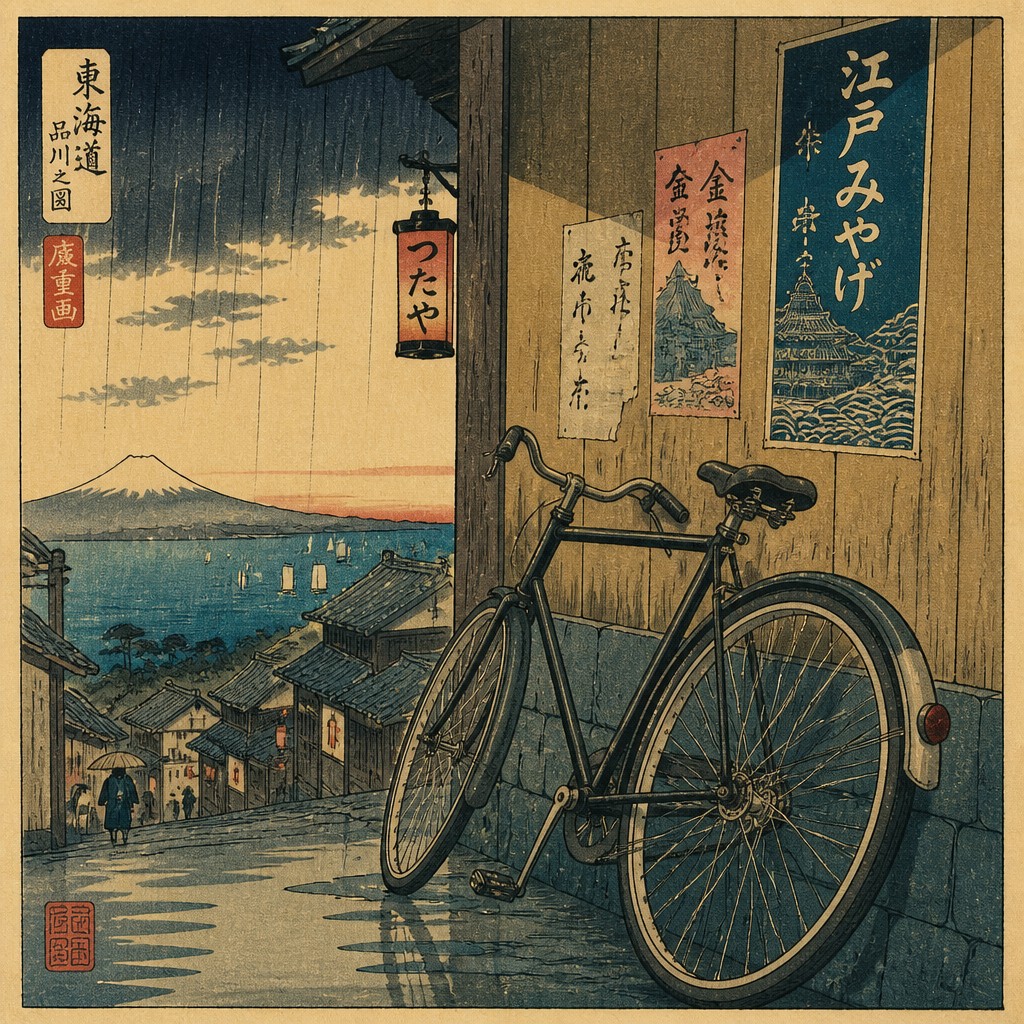
Decorative surface and seasonal color
Textiles, screens, architecture, and foliage carry intricate repeating patterns. Muted indigo, mineral blue, ochre, vermilion, teal, and persimmon commonly sit against an ivory or warm paper ground.
Try It
Create Videos in Ukiyo-e Art Style
Styles aren't just for stills — describe a scene or animate an image and get a short video rendered in Ukiyo-e. Press play to see this pond come to life.
Make a VideoUkiyo-e Prompt Ideas
Start from an idea — each one opens the generator with the style ready to go. See all 40 Ukiyo-e prompts →
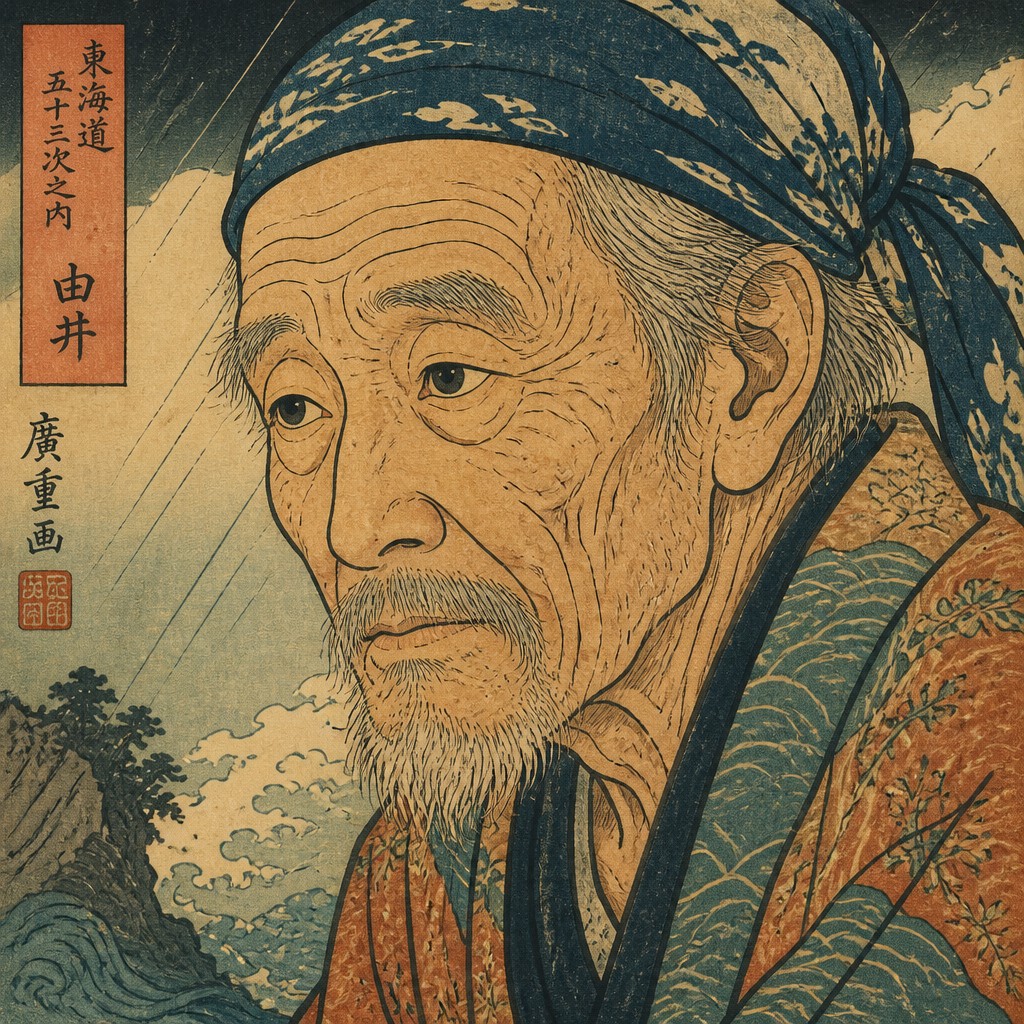
“close-up portrait of an elderly person with expressive weathered features”
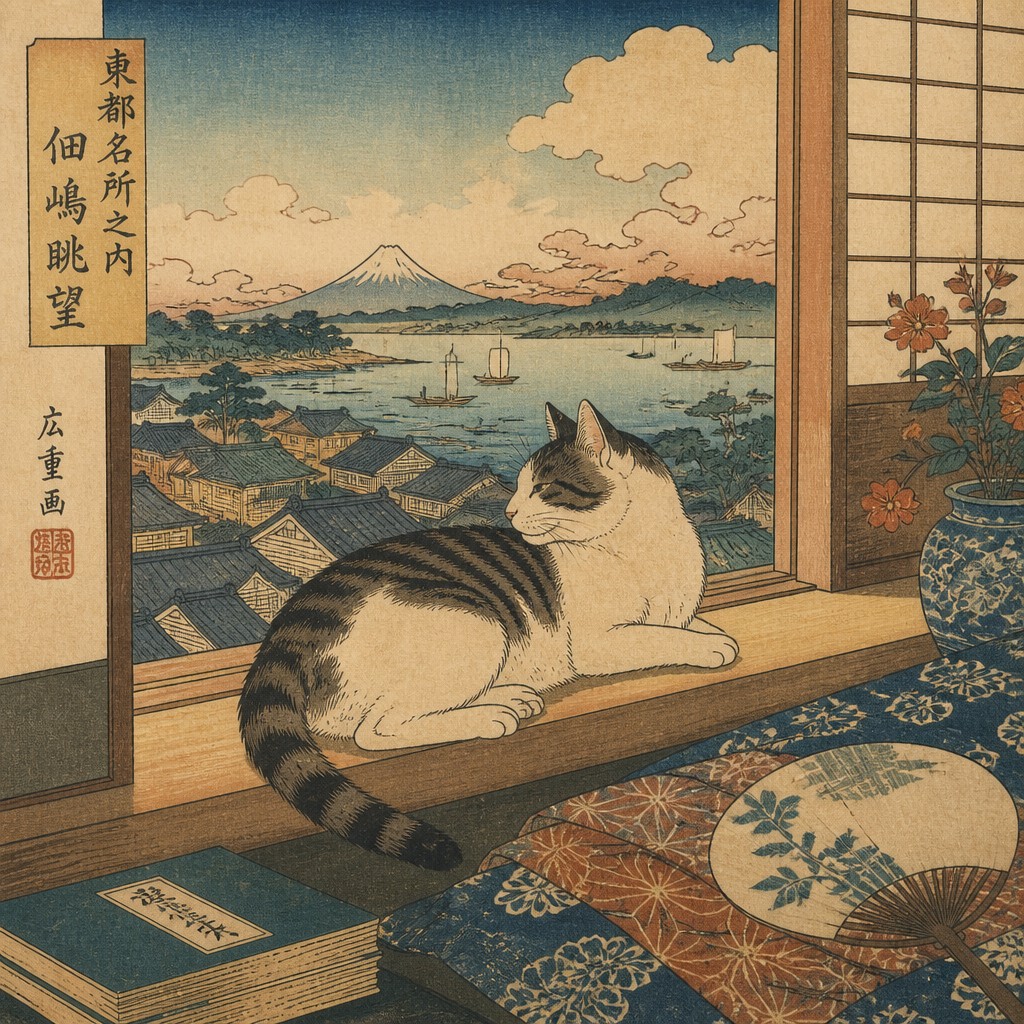
“a cat lounging in a sunlit window”
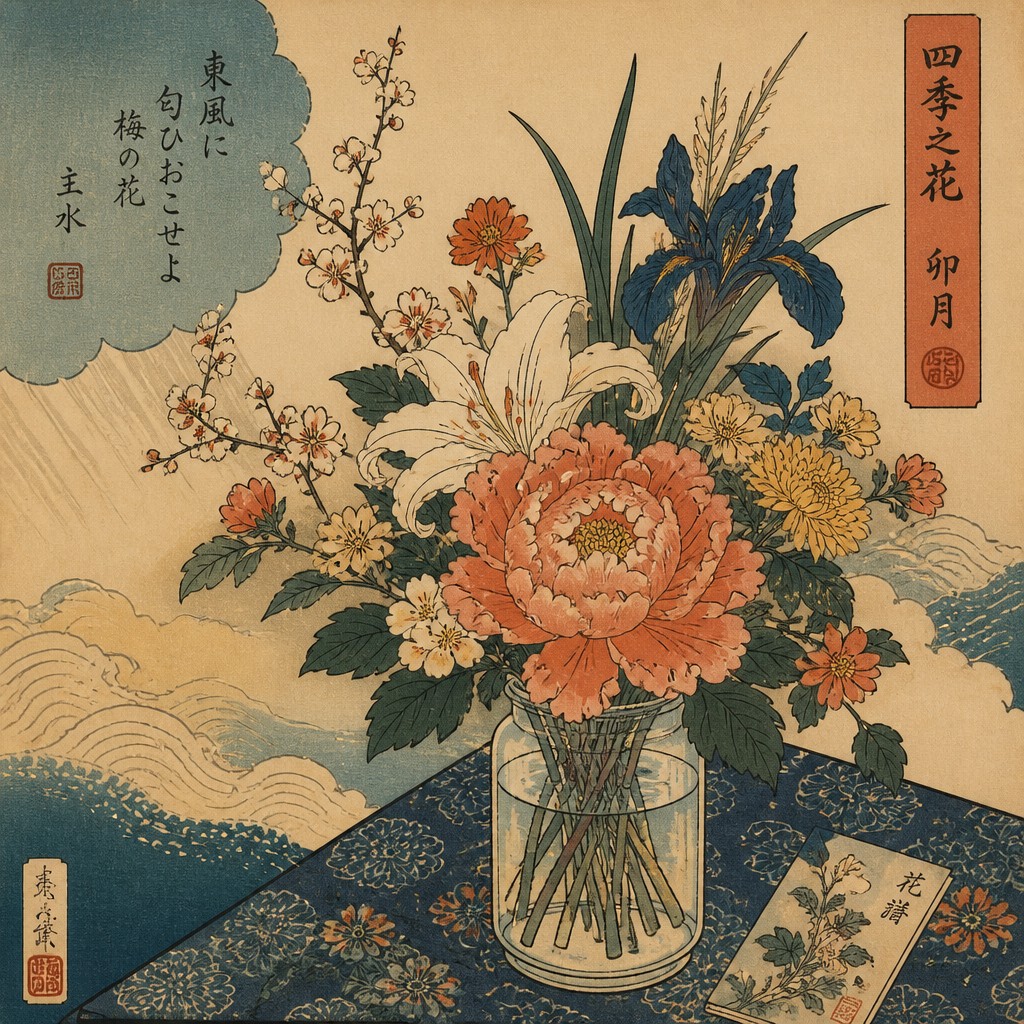
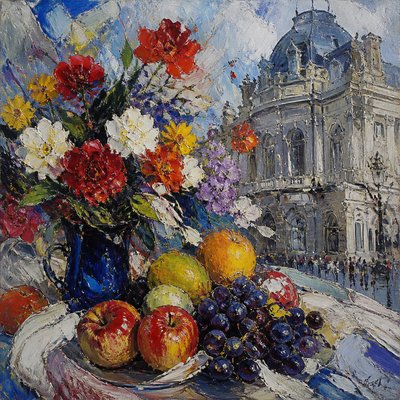
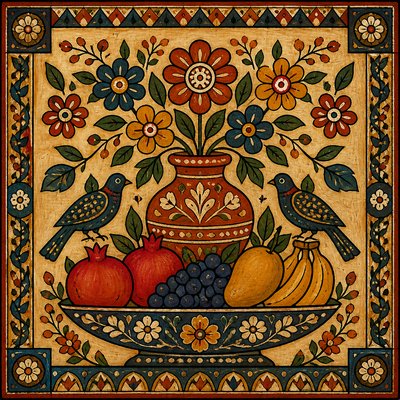
“bouquet of flowers in a glass vase”
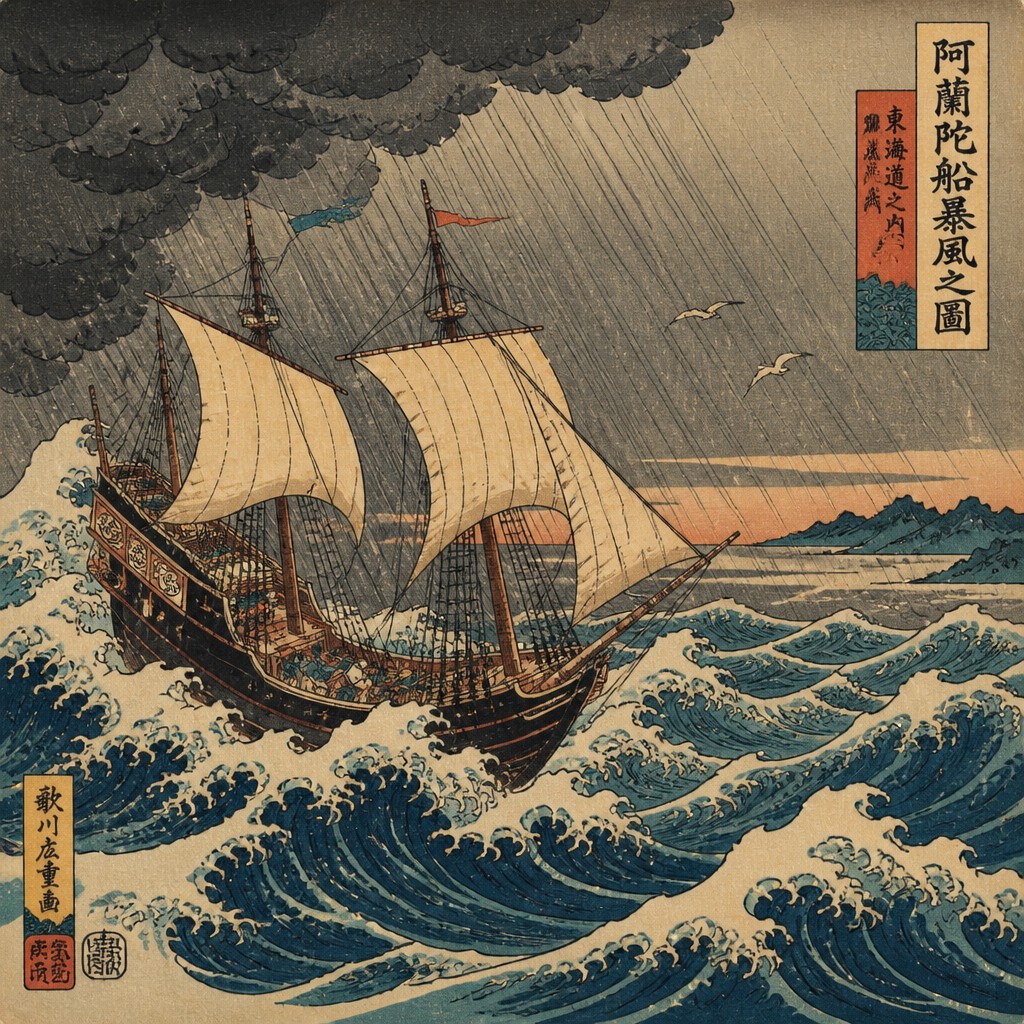
“sailing ship on a stormy sea”
How to Create Ukiyo-e Art
Master the craft step by step — or skip straight to creating. Read the full guide →
- 1
Build the image from a keyblock
Begin with a clear black or dark contour drawing, then divide the design into broad color regions. Keep line weight intentional and avoid excessive painterly modeling.
- 2
Use a restricted print palette
Choose a small group of indigo, ochre, muted red, teal, gray, and paper tones. Slightly uneven pigment and a warm ground can suggest the material character of a traditional print.
- 3
Design for carved and printed marks
Simplify tiny details into repeatable patterns, carved hatching, or purposeful negative space. Add bokashi-like gradients sparingly to skies, water, smoke, or mist.
- 4
Compose asymmetrically
Place the main subject off-center, crop part of the foreground, or use a high viewpoint with broad areas of open space. Let waves, branches, rain, or textile patterns guide the eye through the frame.
- 5
Create a digital facsimile
Use separate layers for the keyline, color blocks, patterns, and paper texture, then apply subtle registration shifts and grain. Keep edges crisp while allowing restrained ink variation and imperfect density.
- 6
Write a specific generation prompt
Name the subject, viewpoint, season, palette, paper tone, line quality, and motifs such as stylized waves or rain. Request flat color, carved outlines, decorative patterns, and limited shading rather than generic “Japanese” imagery.

The Story
History & Origins of Ukiyo-e
Ukiyo-e emerged in the cities of Japan during the Edo period, beginning in the seventeenth century as painting and illustrated book culture expanded alongside a growing urban audience. Early prints were commonly produced in monochrome ink or with limited hand-applied color. By the mid-eighteenth century, advances in multiblock registration enabled full-color prints known as nishiki-e, greatly expanding the range of patterns, gradients, and seasonal palettes.
Print production was collaborative: a publisher coordinated the work of a designer, a woodblock carver, and a printer. Popular subjects shifted over time from urban entertainment and theatrical imagery toward landscapes, travel scenes, flora, fauna, and historical narratives. After the Edo period, changing technologies and Western influence altered Japanese print culture, while later revival movements adapted ukiyo-e principles for modern subjects and international audiences.
Influences: Ukiyo-e developed from Japanese picture books, illustrated narrative traditions, Buddhist and decorative painting, textile design, and the long history of woodblock printing in East Asia. Its compositional cropping and graphic use of line later influenced European Japonisme, Art Nouveau, modern poster design, comics, animation, and contemporary illustration. Related Japanese print traditions include later modern revival movements, which preserve some woodblock techniques while addressing newer subjects.

Frequently Asked Questions
What defines the ukiyo-e art style?
Ukiyo-e is defined by carved outlines, flat or lightly graded color, asymmetrical composition, decorative patterns, and subjects connected to urban life, nature, travel, theater, fashion, and seasonal experience. Its appearance reflects the technical limits and possibilities of multiblock woodblock printing.
Is ukiyo-e a painting style or a printmaking style?
It is both a broader visual tradition and a term strongly associated with Japanese woodblock prints. Ukiyo-e paintings existed, but the style is especially recognized through collaborative, multicolor print production using carved blocks and registered impressions.
How is ukiyo-e different from sumi-e?
Sumi-e generally emphasizes expressive ink brushwork, tonal variation, and sparse monochrome composition. Ukiyo-e typically relies more on carved contour, printed color regions, patterned surfaces, and commercially produced imagery, although both traditions value selective simplification.
What subjects are common in ukiyo-e?
Common subjects include actors, fashionable urban figures, landscapes, bridges, waterways, animals, flowers, legends, historical episodes, and scenes of travel. Seasonal atmosphere is especially important, with snow, blossoms, autumn foliage, rain, and moonlight serving as recurring visual themes.
How can I make a modern image look convincingly ukiyo-e-inspired?
Start with a strong contour drawing, simplify forms into flat color shapes, use an asymmetrical viewpoint, and add selective decorative patterns. A limited mineral-like palette, warm paper texture, stylized weather, and restrained bokashi gradients help establish the visual language without requiring literal historical subject matter.
Can ukiyo-e techniques be recreated digitally or with image generation?
Yes. Separate layers can imitate the keyblock, color blocks, pattern blocks, and paper support, while small registration offsets and ink texture suggest hand printing. For prompt-based creation, specify the subject and composition alongside carved outlines, flat registered colors, a limited palette, paper grain, and traditional woodblock technique.
Create your first Ukiyo-e artwork
Describe anything — or upload a photo — and see it in Ukiyo-e Art Style in seconds.
Related Styles
Discover similar art styles