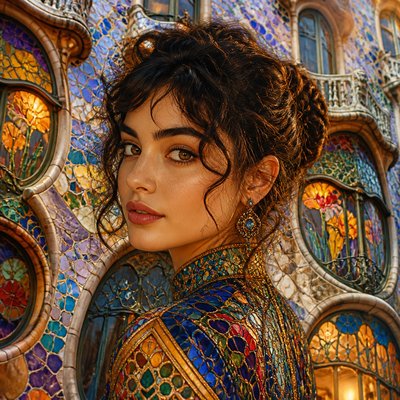
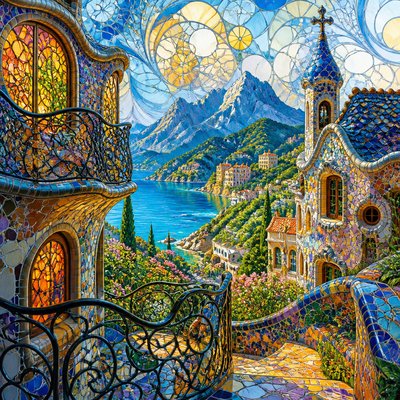
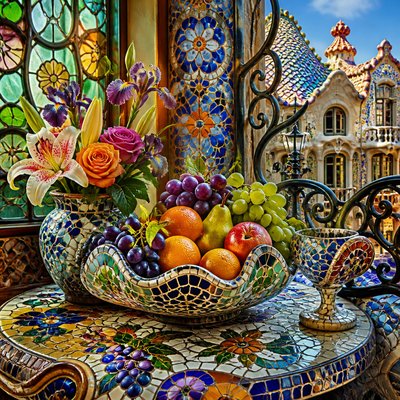
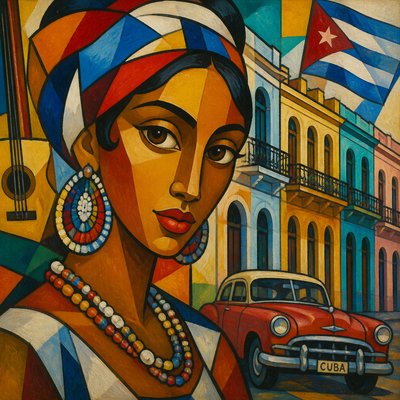
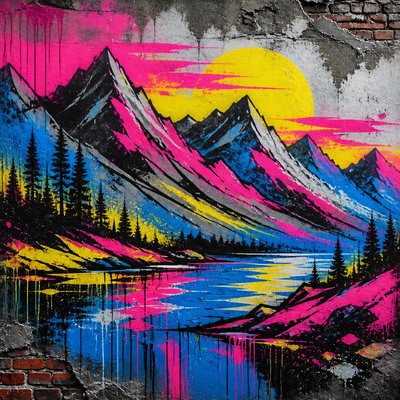
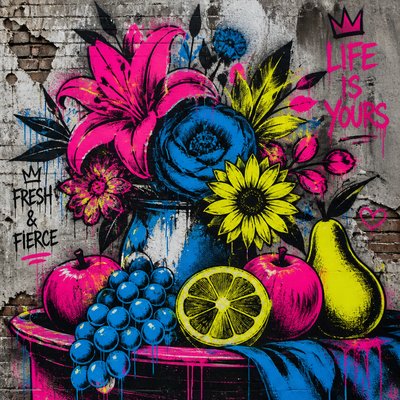
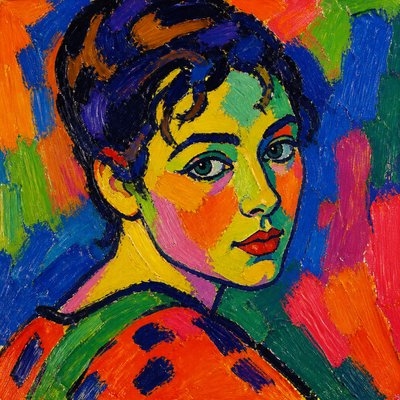
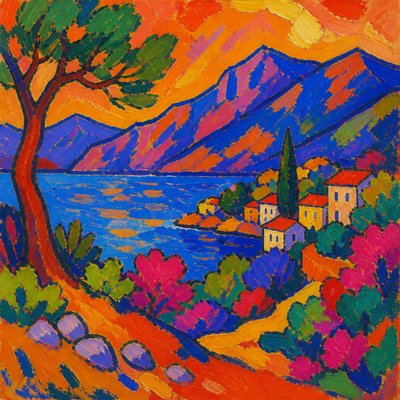
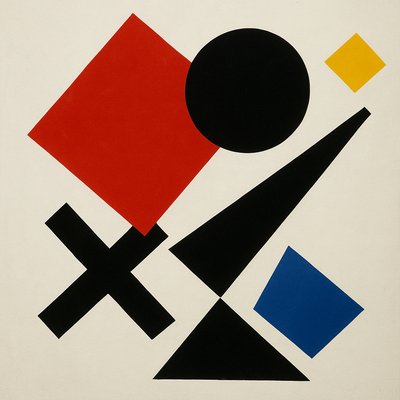
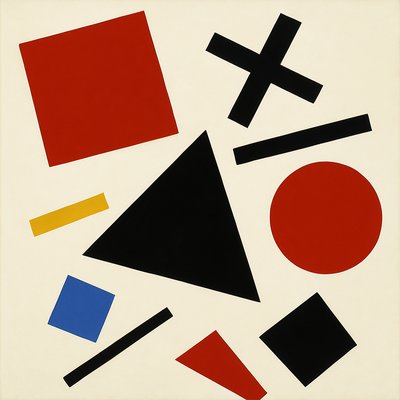
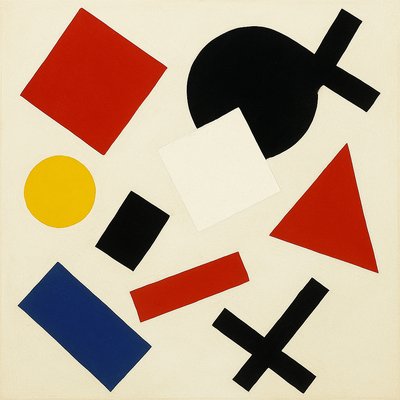
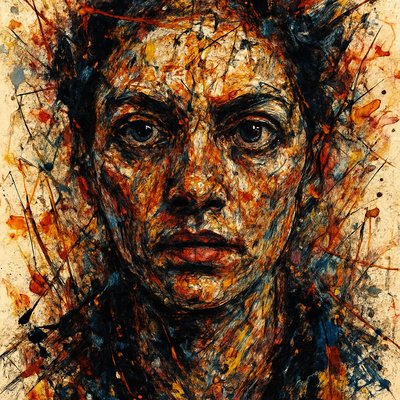
Bold Juxtaposition Art Style
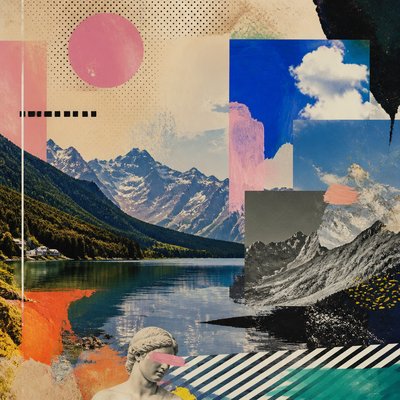
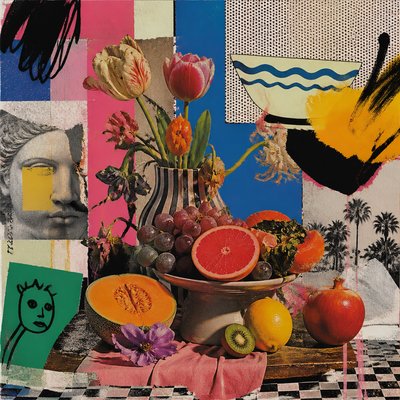
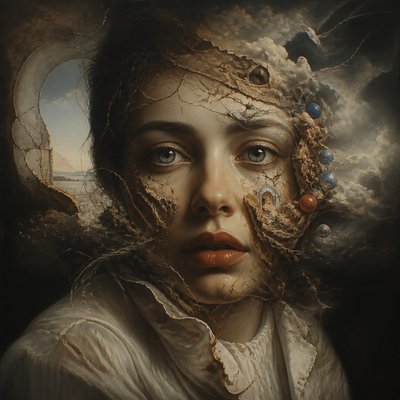
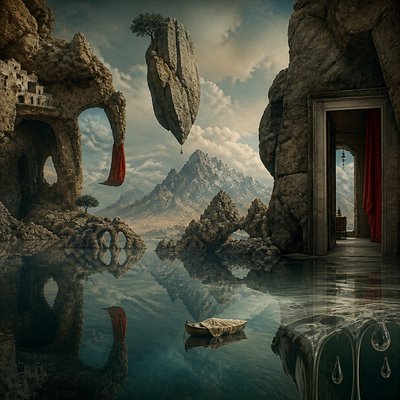
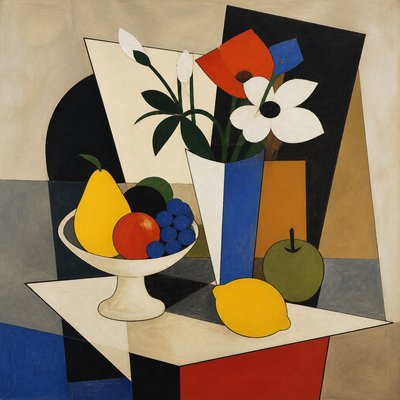
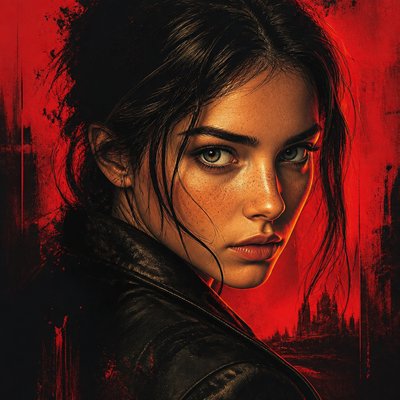
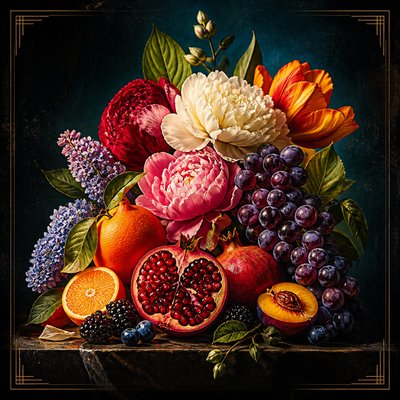
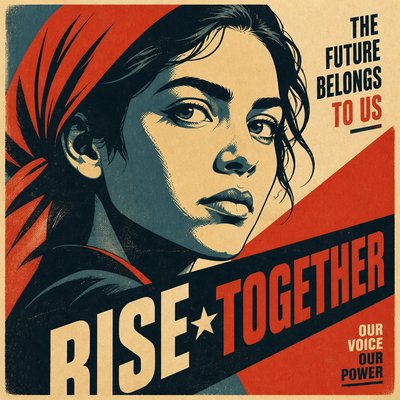
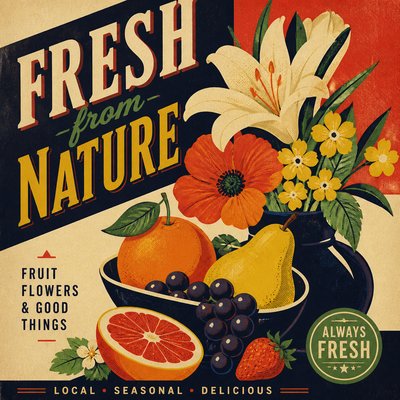
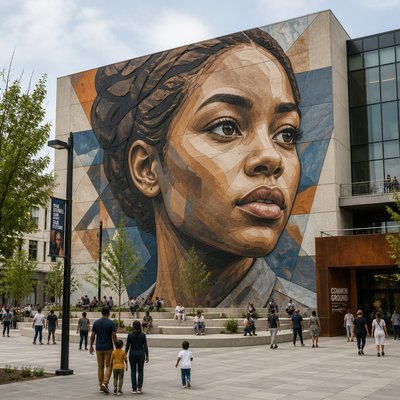
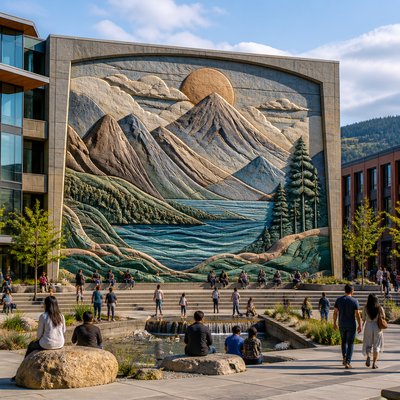
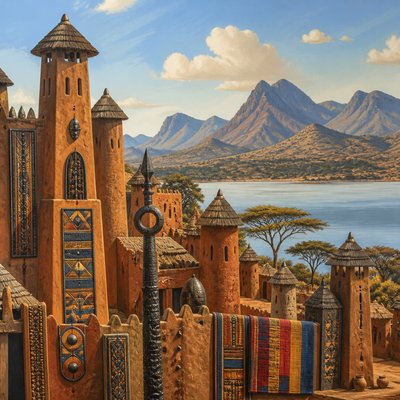
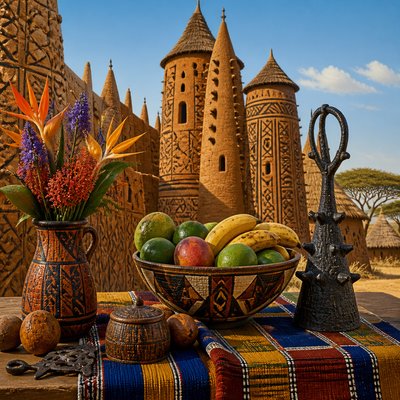
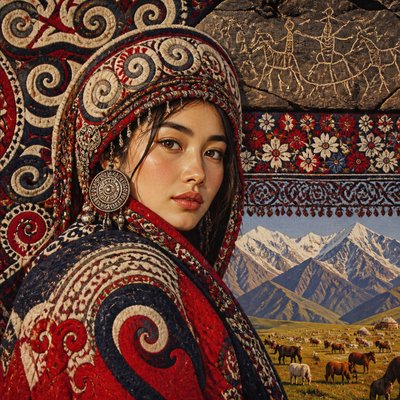
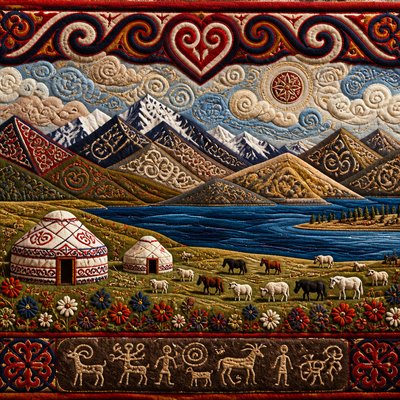
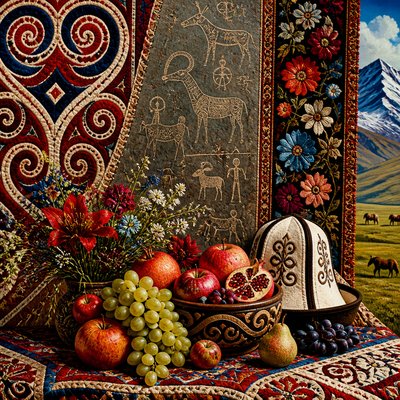
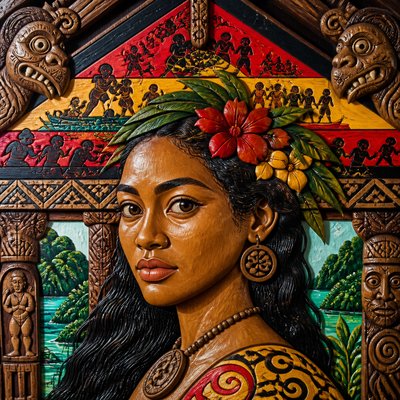
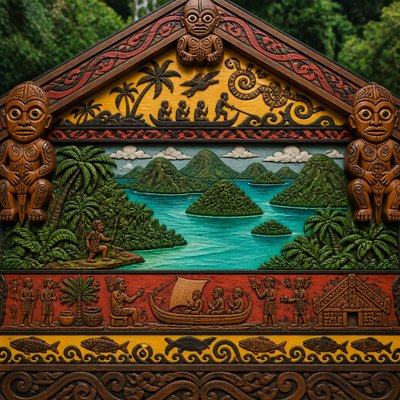
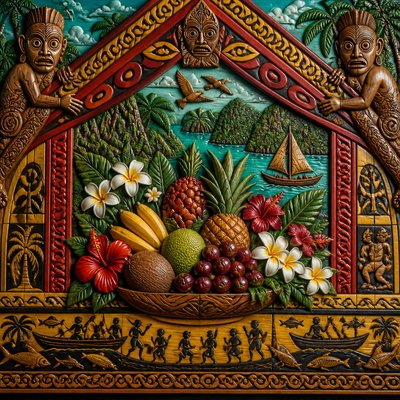
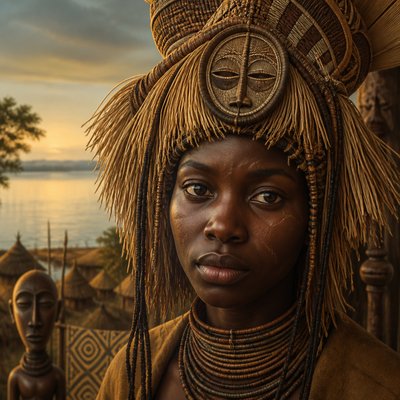
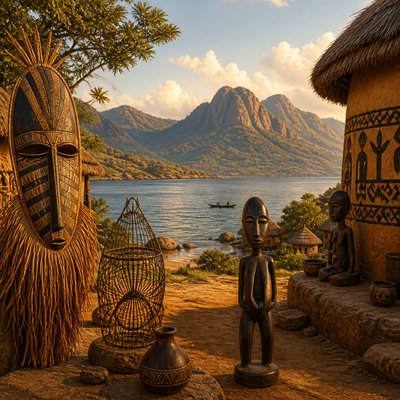
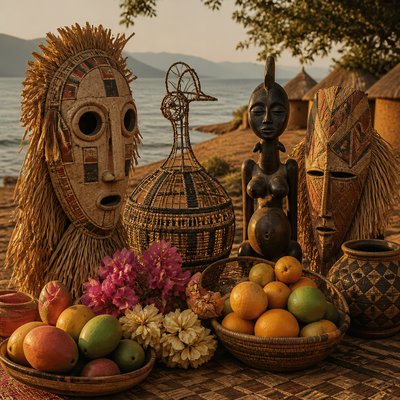
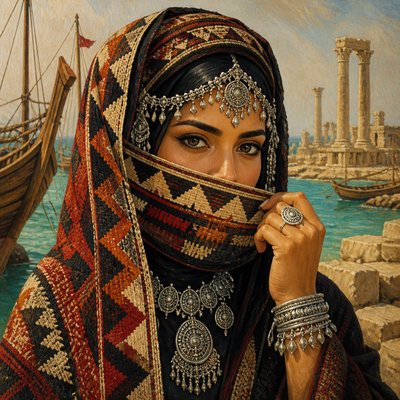
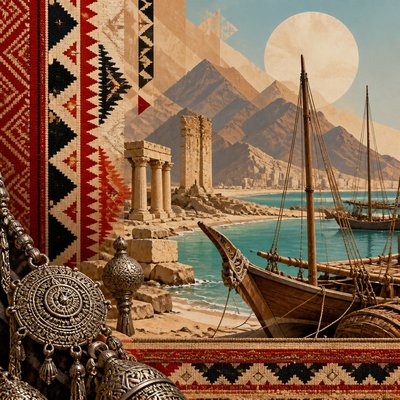
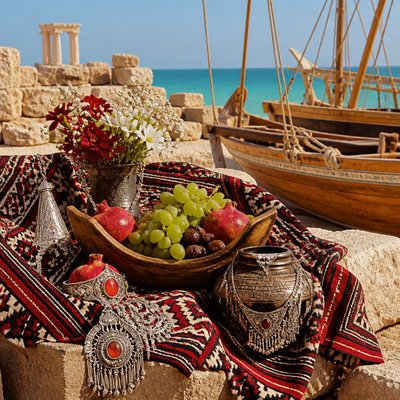
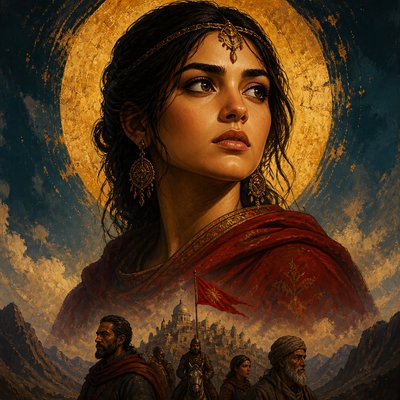
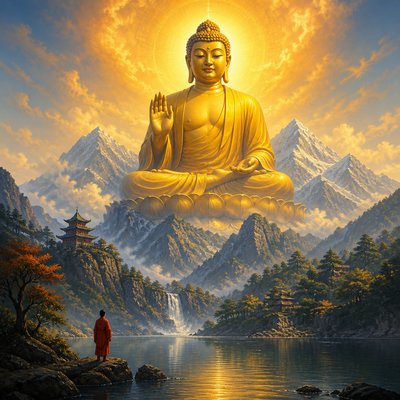
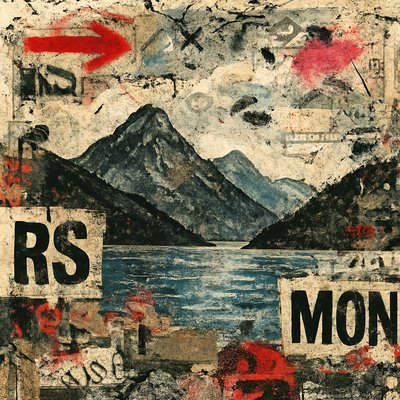
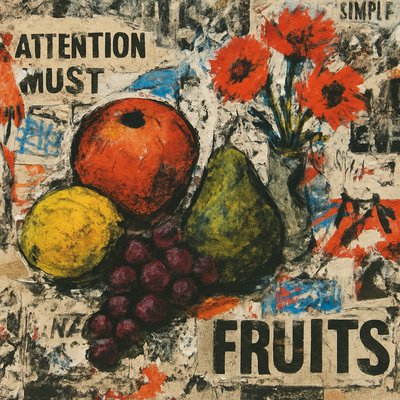
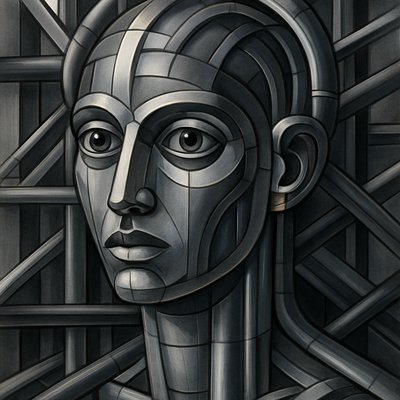
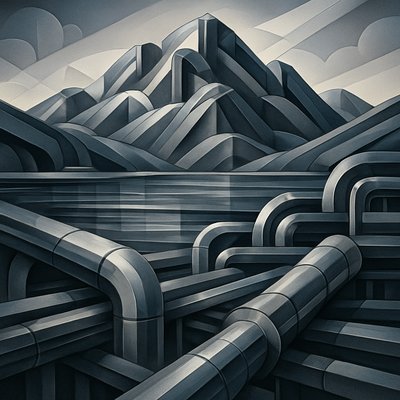
Explore Bold Juxtaposition: a surreal-adjacent style that creates meaning through unexpected visual contrasts, split worlds, and charged collisions.
Instantly rendered in Bold Juxtaposition — or transform a photo
Bold Juxtaposition Gallery
Tap any artwork to explore it
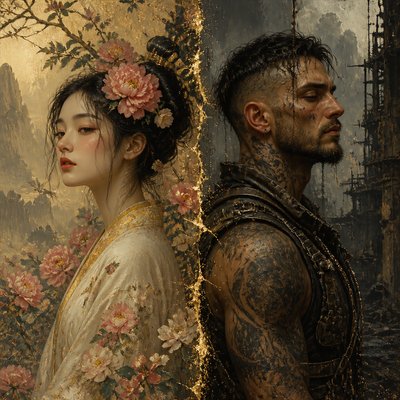
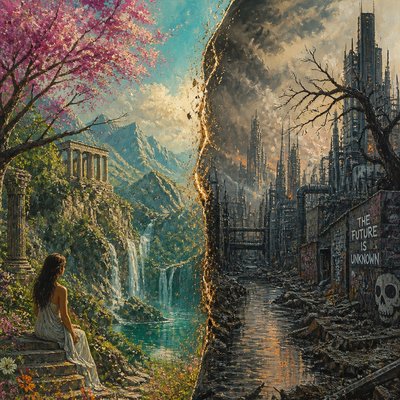
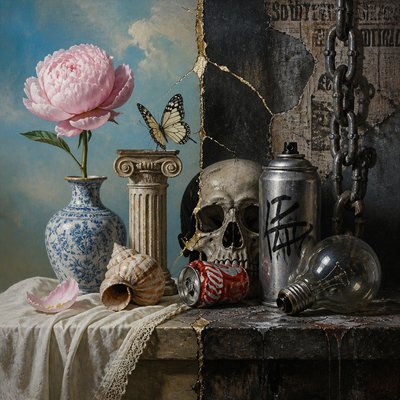
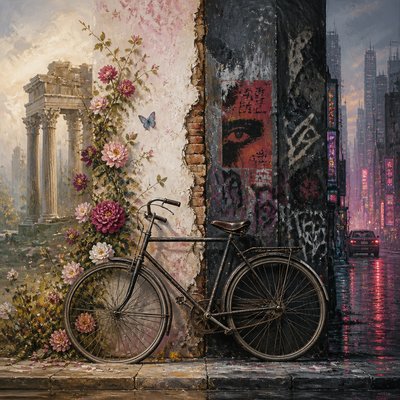
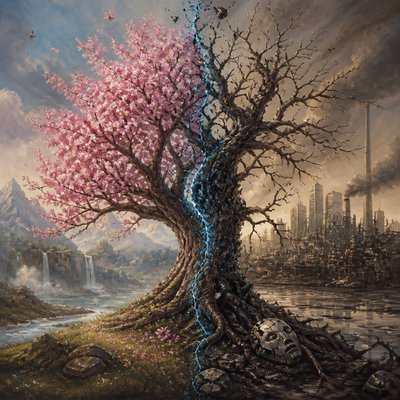
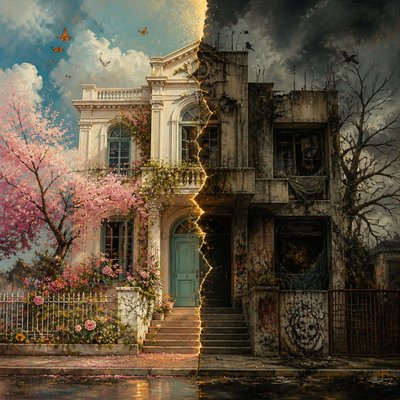
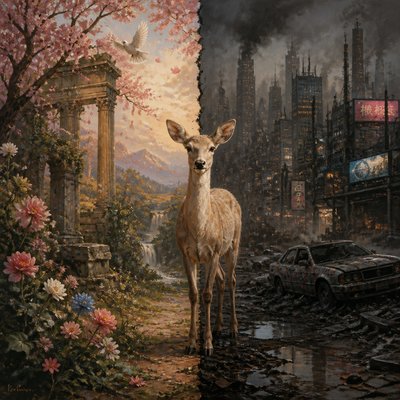
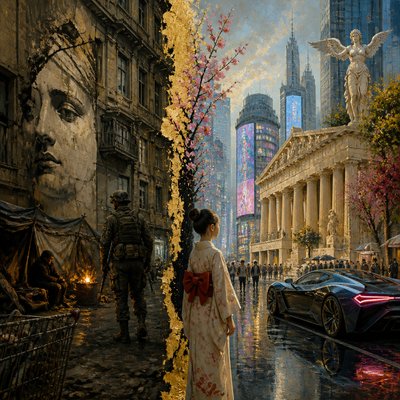
What is Bold Juxtaposition Art Style?
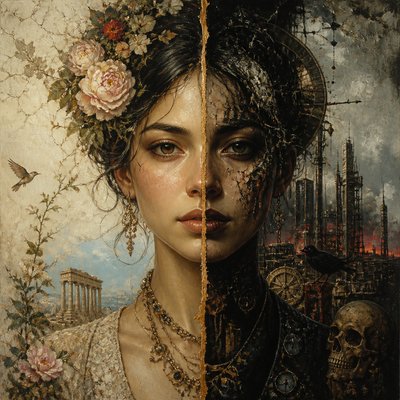
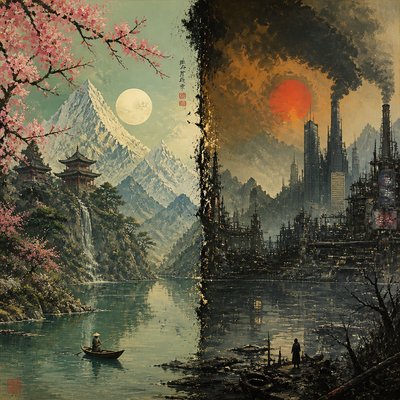
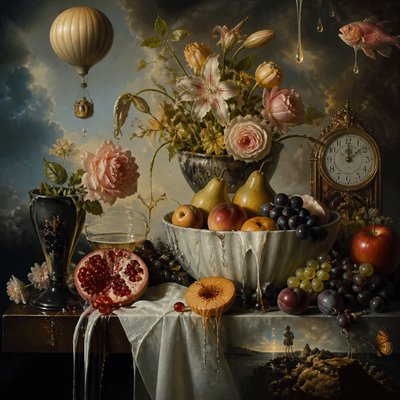
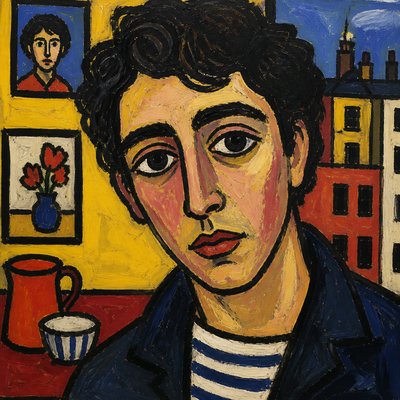
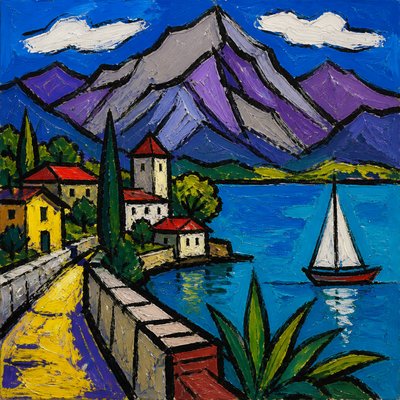
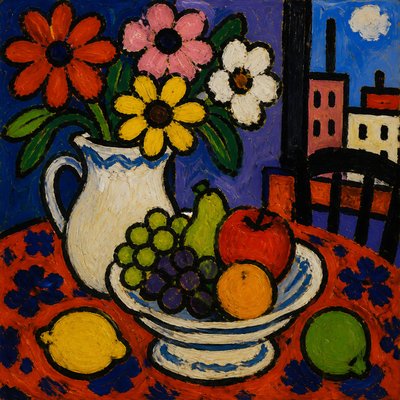
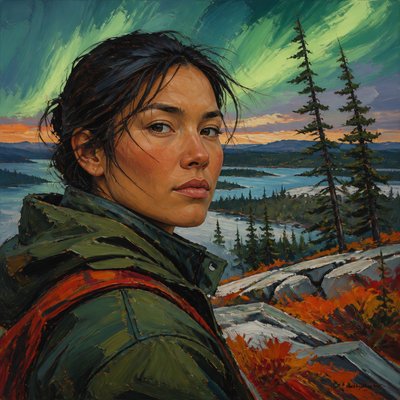
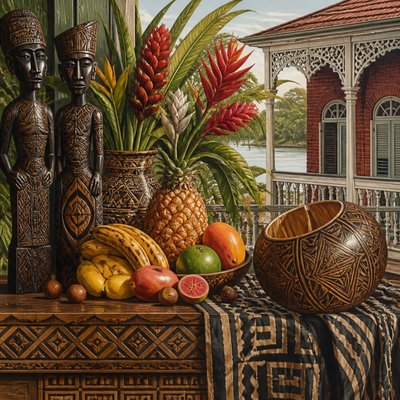
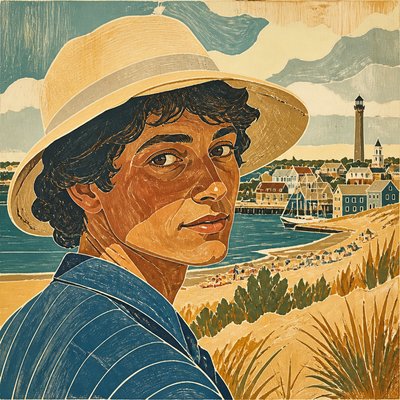
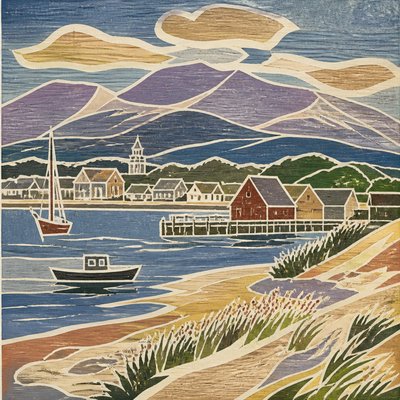
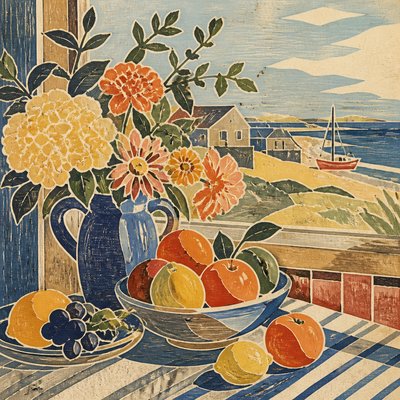
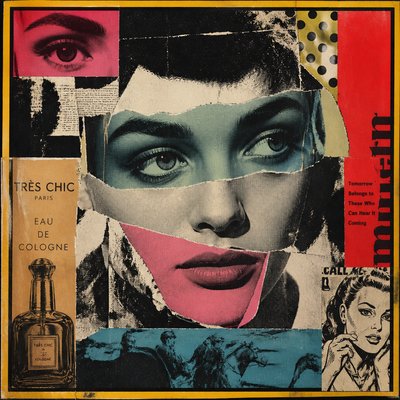
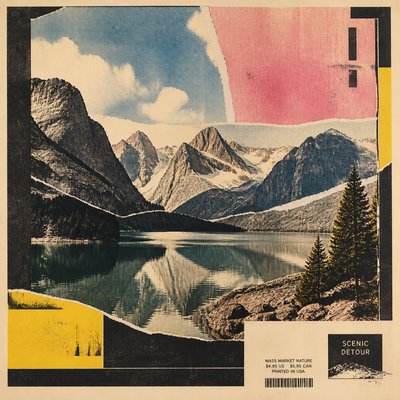
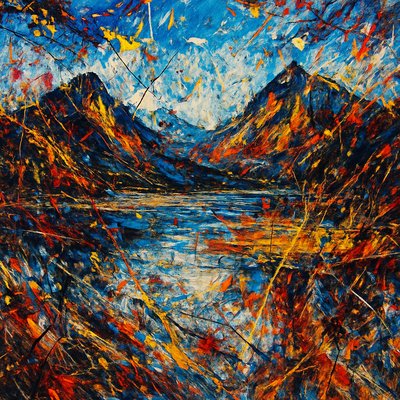
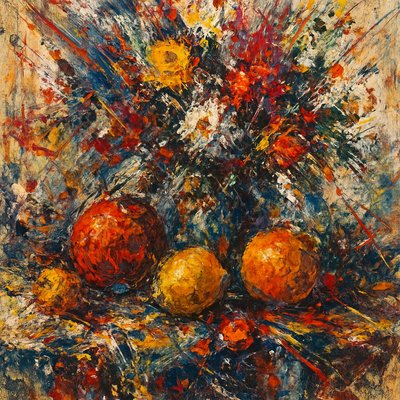
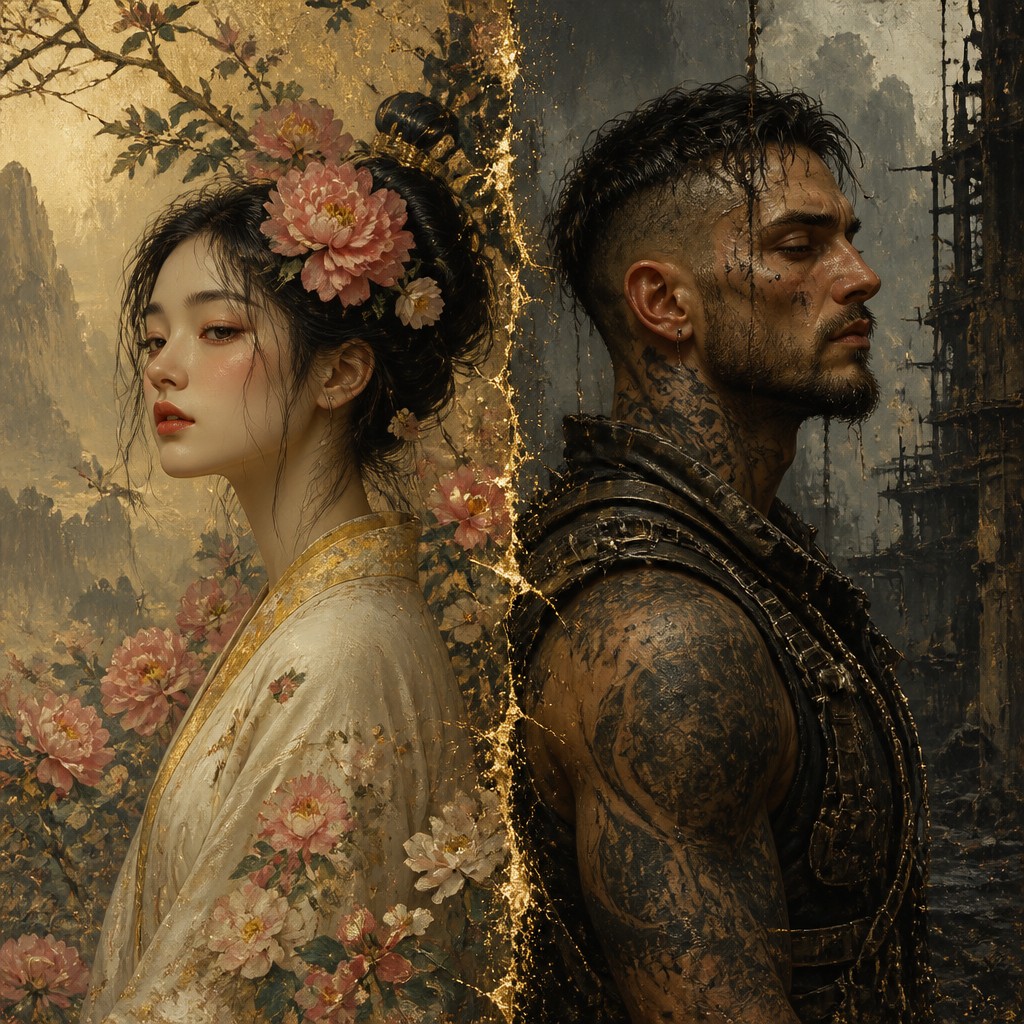
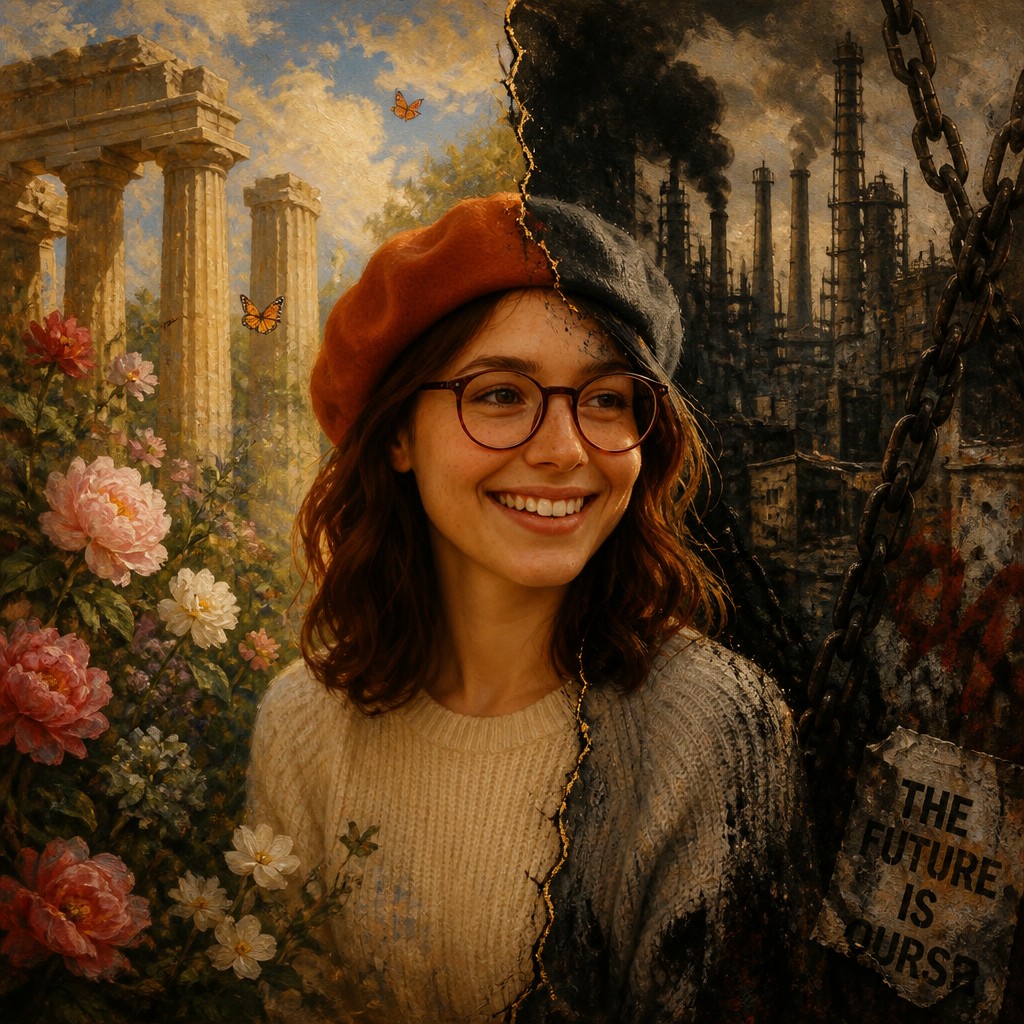
The style typically uses split staging, a visible seam, or sharply divided zones to make the opposing elements feel deliberately composed rather than randomly combined. Painterly surfaces, dramatic lighting, selective realism, and surreal-adjacent transitions give the image a tactile finish while preserving the clarity of the central comparison. Its visual tension depends on restraint: the pairings should remain legible, but their relationship should invite interpretation.
Try It On Your Photos
Upload any photo and convert it into Bold Juxtaposition Art Style — drag the sliders to compare before and after.


What Defines Bold Juxtaposition Art Style
The signature details, up close
Unexpected pairings
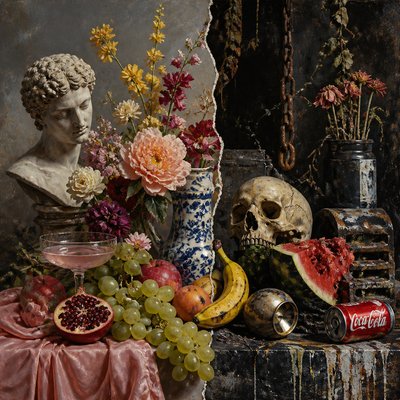
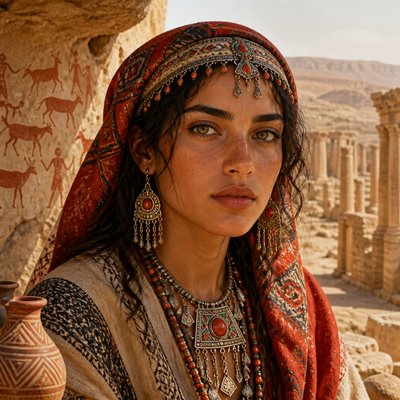
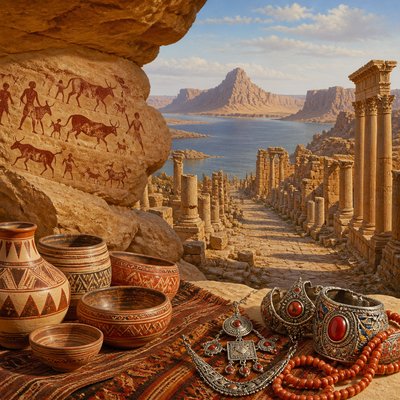
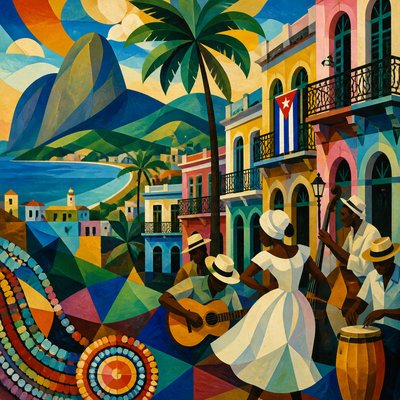
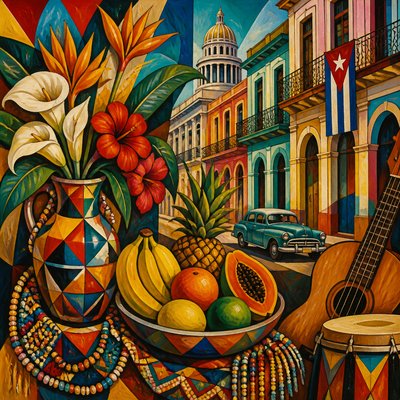
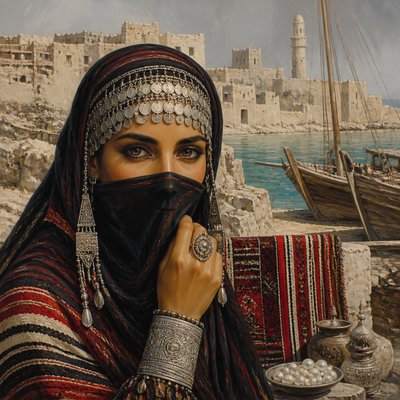
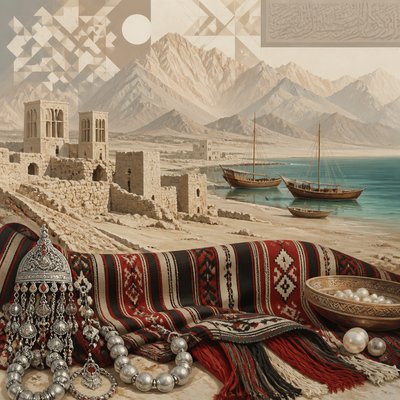
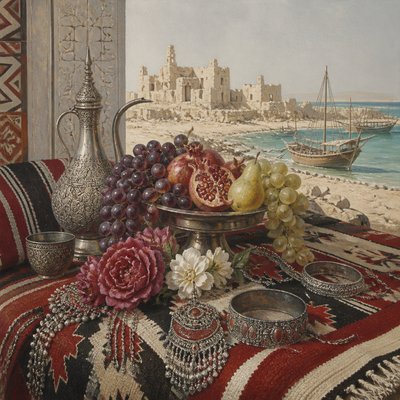
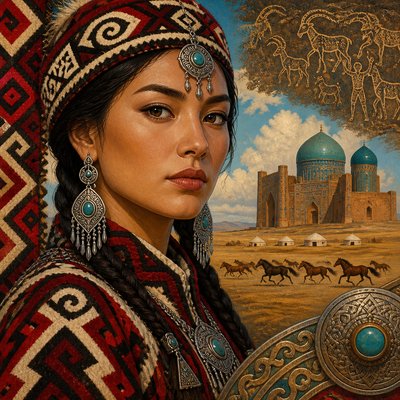
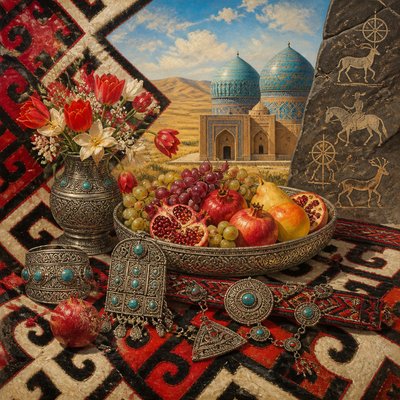
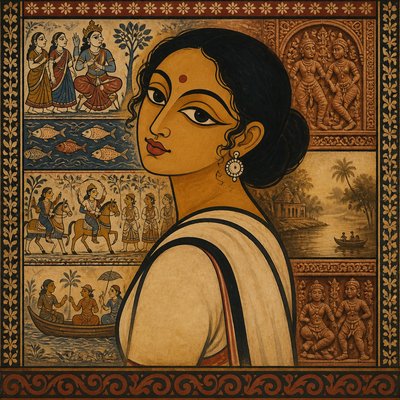
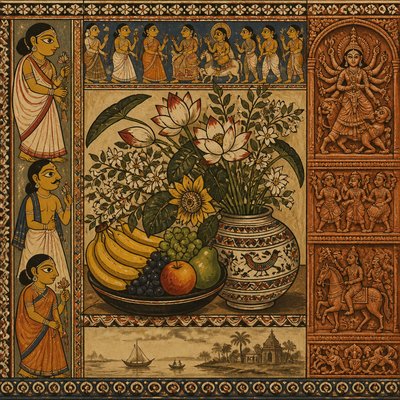
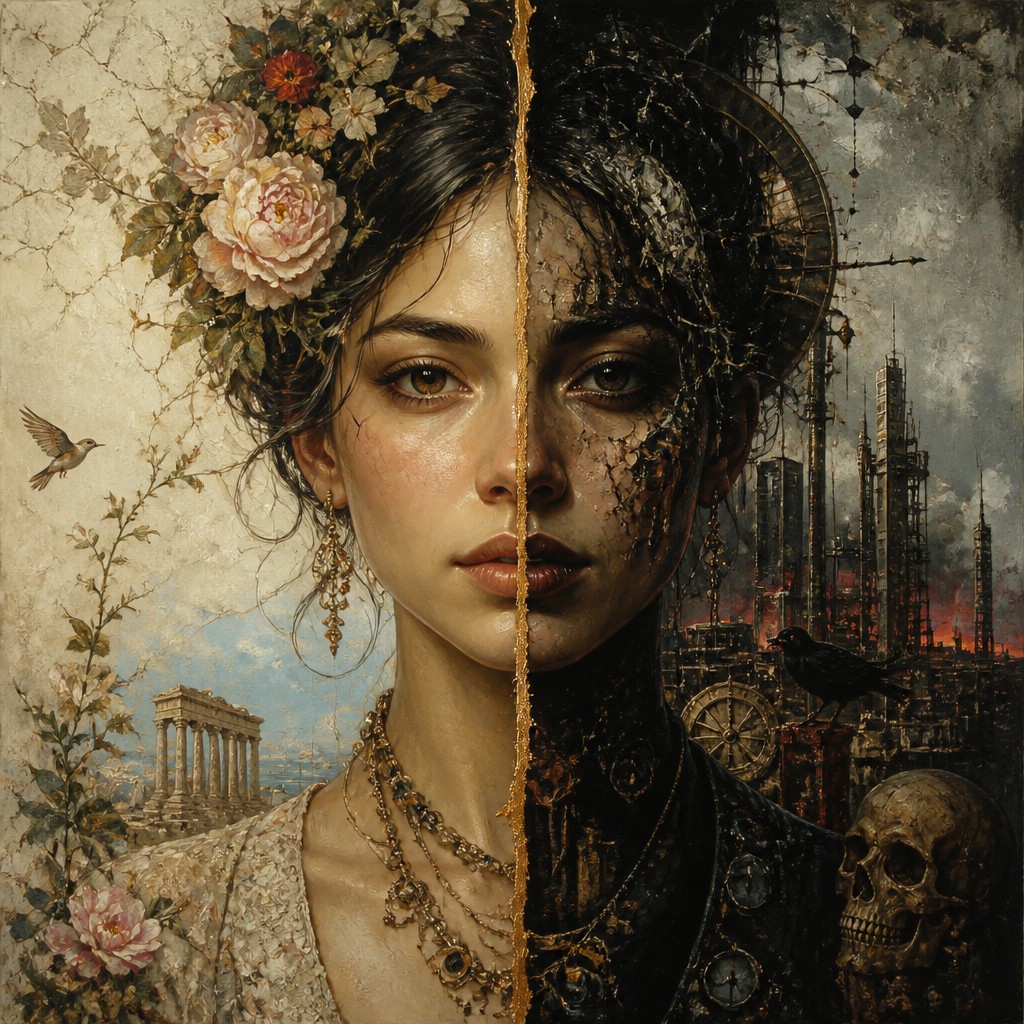
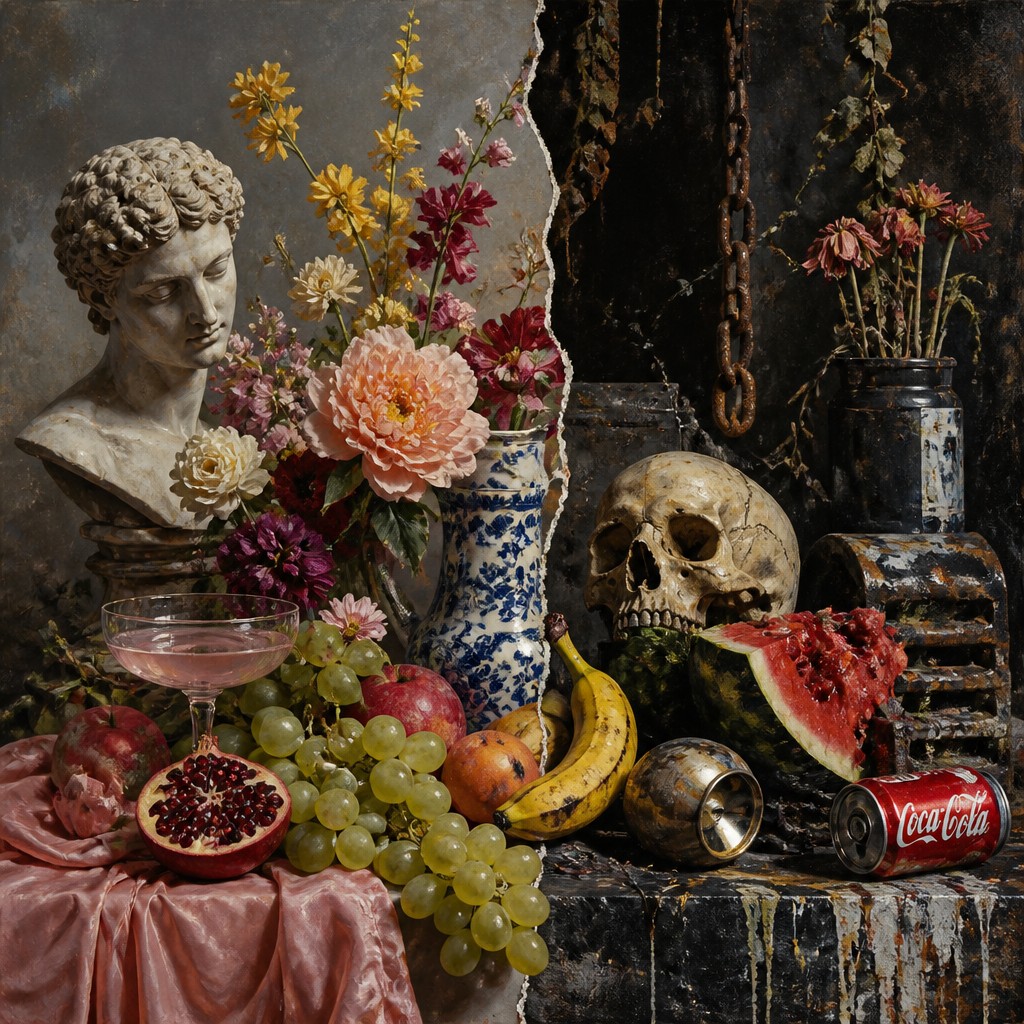
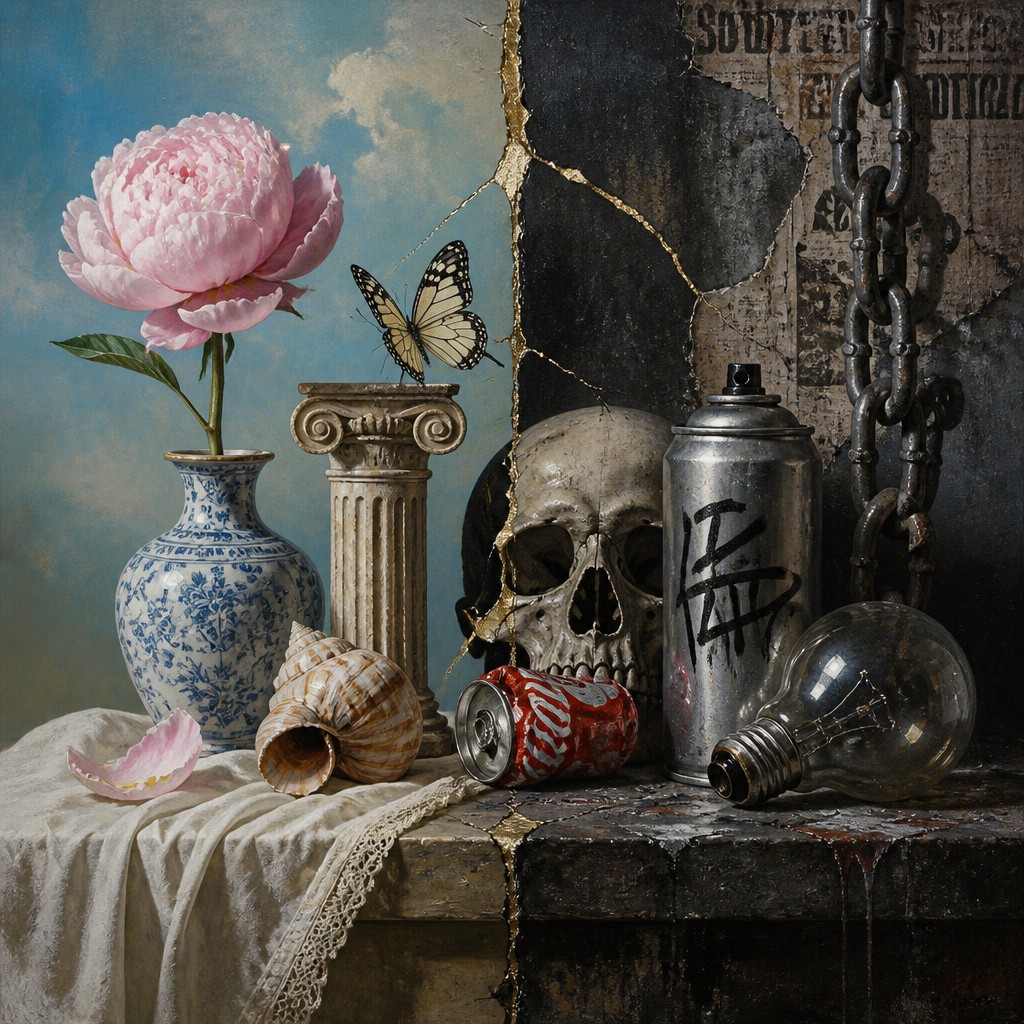
The image centers on two or more subjects that normally occupy different contexts, such as a flower beside a weapon or an archaeological ruin beside a contemporary device. Their incompatibility is the primary source of visual and conceptual energy.
Split staging
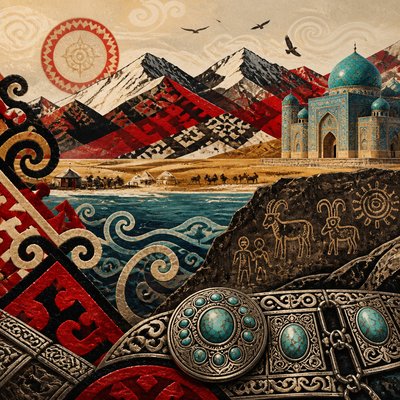
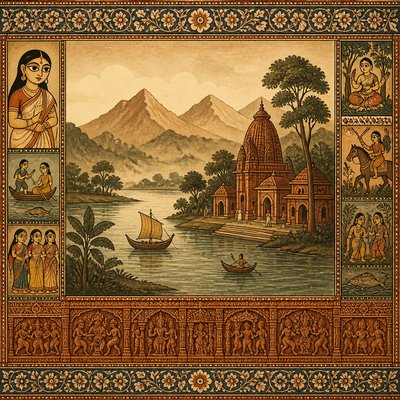
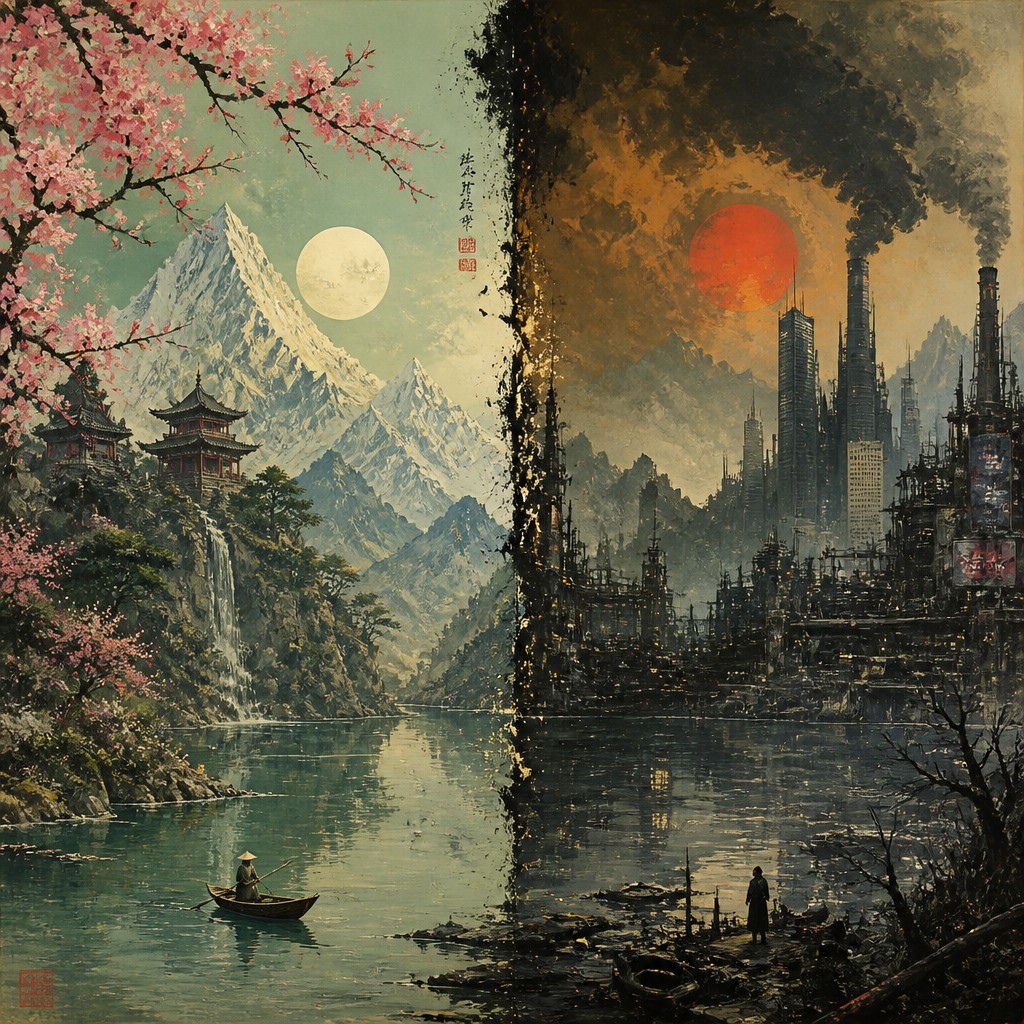
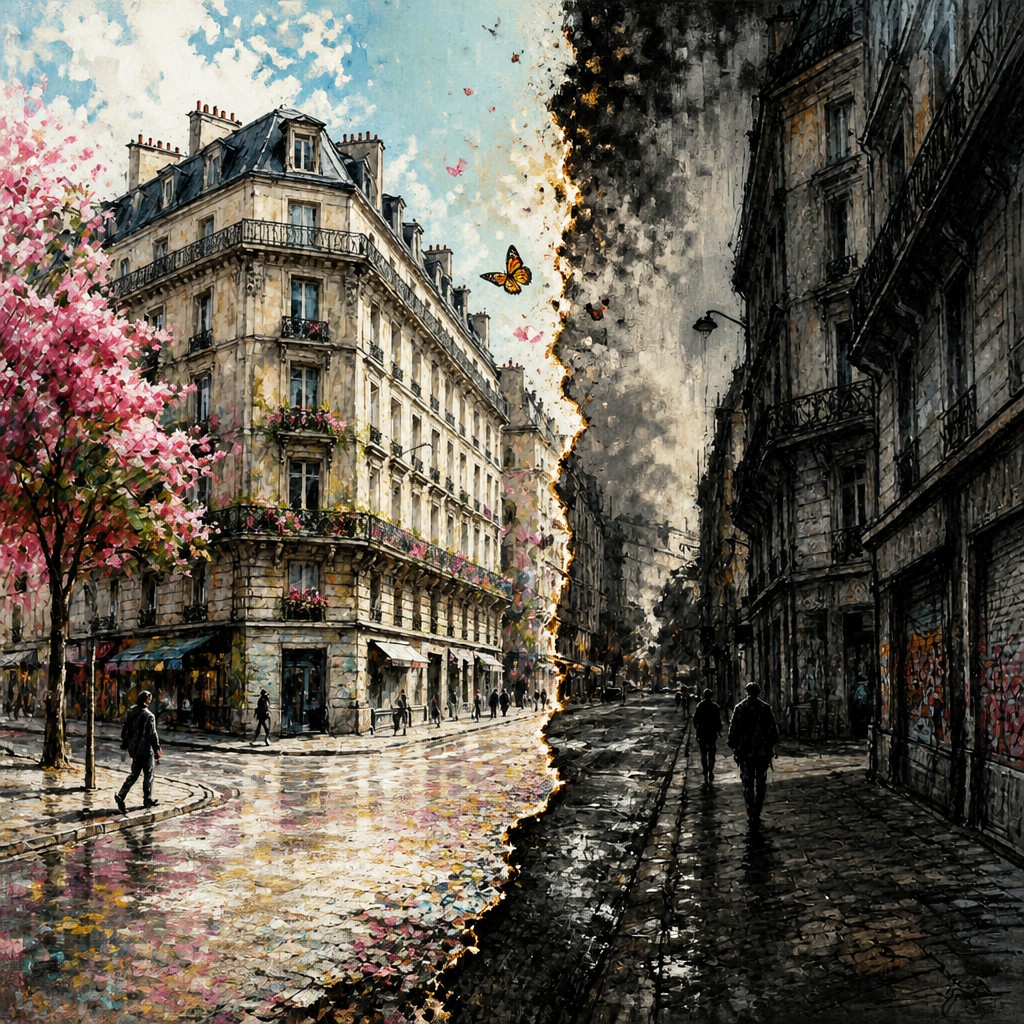
Compositions often divide the frame into adjoining zones, parallel scenes, or interlocking halves. A seam, threshold, horizon, doorway, or material transition can make the collision especially explicit.
Charged contrast
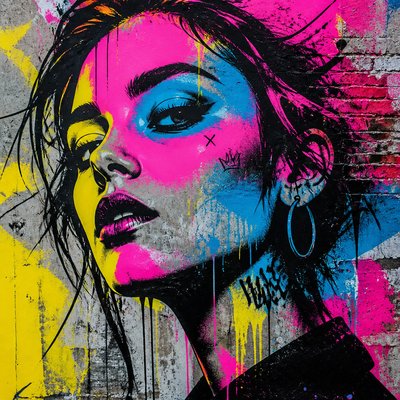
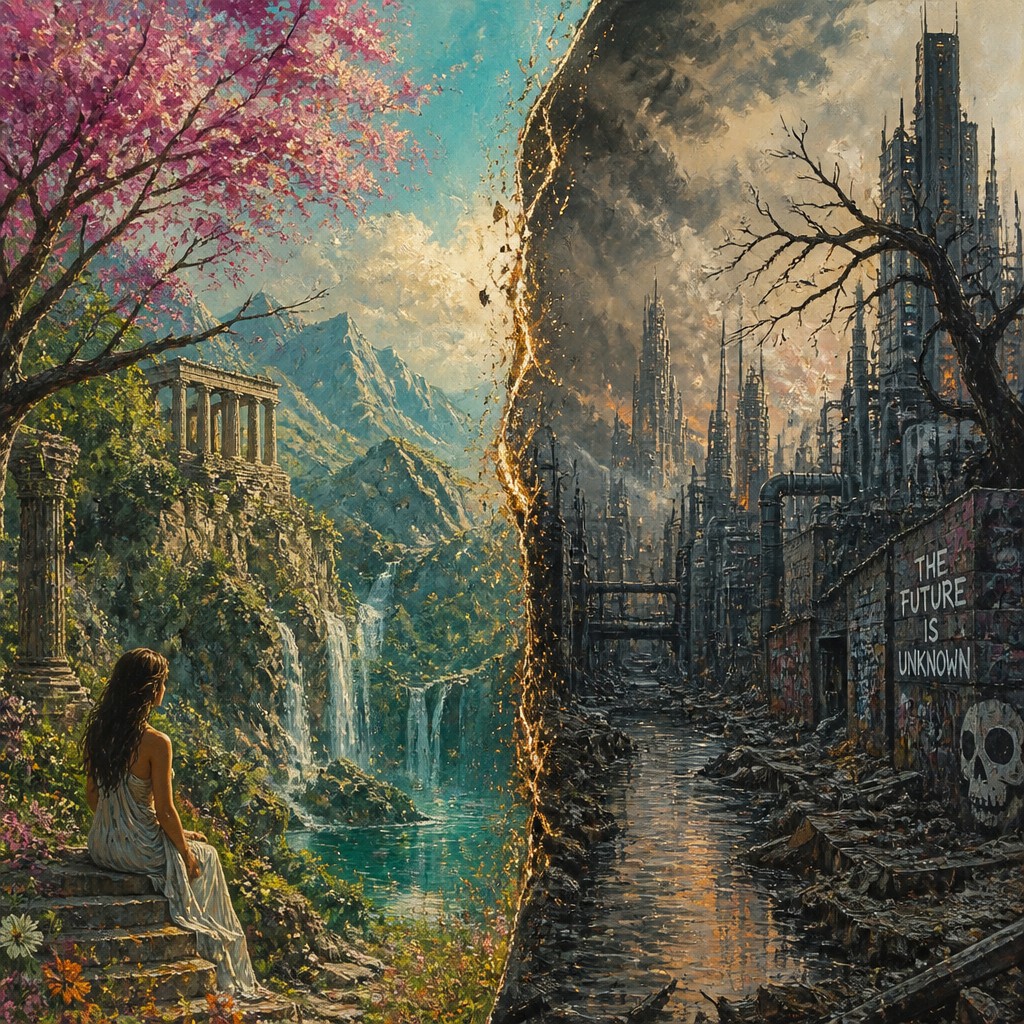
Oppositions such as fragile and powerful, living and dead, sacred and ordinary, or organic and industrial create emotional pressure. Color, scale, lighting, and texture reinforce the conceptual divide.
Surreal-adjacent logic
The subjects remain recognizable, but their combination violates ordinary expectations. Transformations are usually selective and purposeful rather than completely abstract or dreamlike.
Painterly finish
Visible brushwork, layered pigment, softened edges, and tactile surfaces can unify otherwise incompatible subjects. Digital images may imitate oil, gouache, tempera, or mixed-media texture.
Symbolic scale and detail
An object may be enlarged, miniaturized, or given disproportionate visual emphasis to clarify its symbolic role. Carefully chosen details often provide the narrative bridge between the opposing elements.
Try It
Create Videos in Bold Juxtaposition Art Style
Styles aren't just for stills — describe a scene or animate an image and get a short video rendered in Bold Juxtaposition. Press play to see this pond come to life.
Make a VideoBold Juxtaposition Prompt Ideas
Start from an idea — each one opens the generator with the style ready to go. See all 40 Bold Juxtaposition prompts →
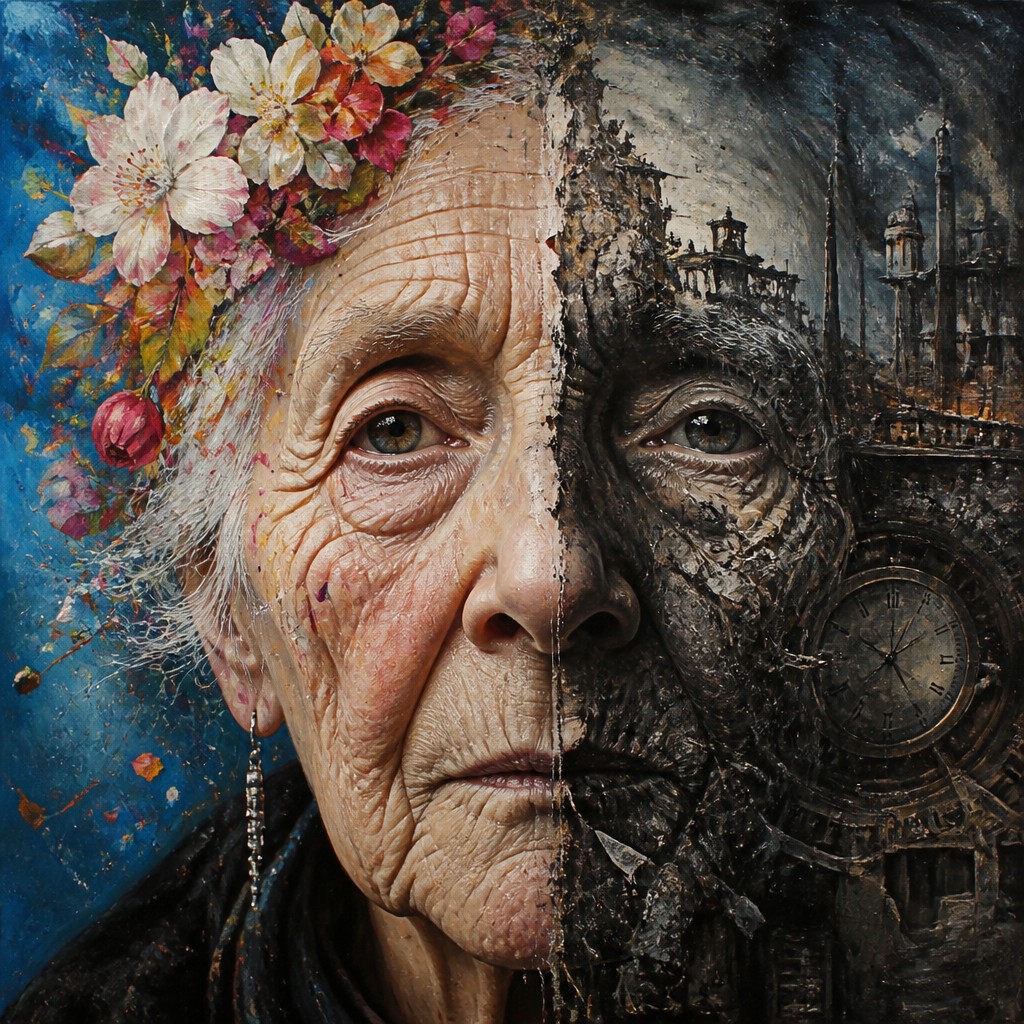
“close-up portrait of an elderly person with expressive weathered features”
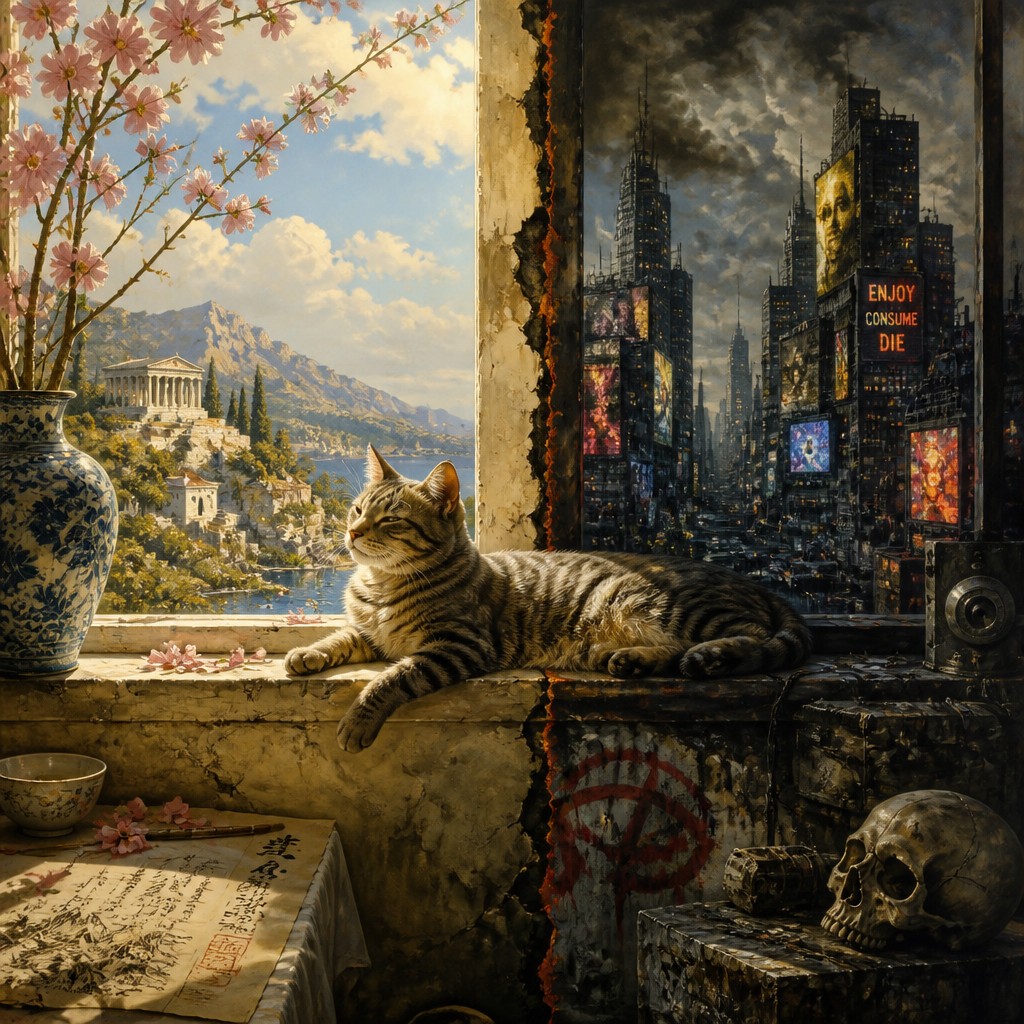
“a cat lounging in a sunlit window”
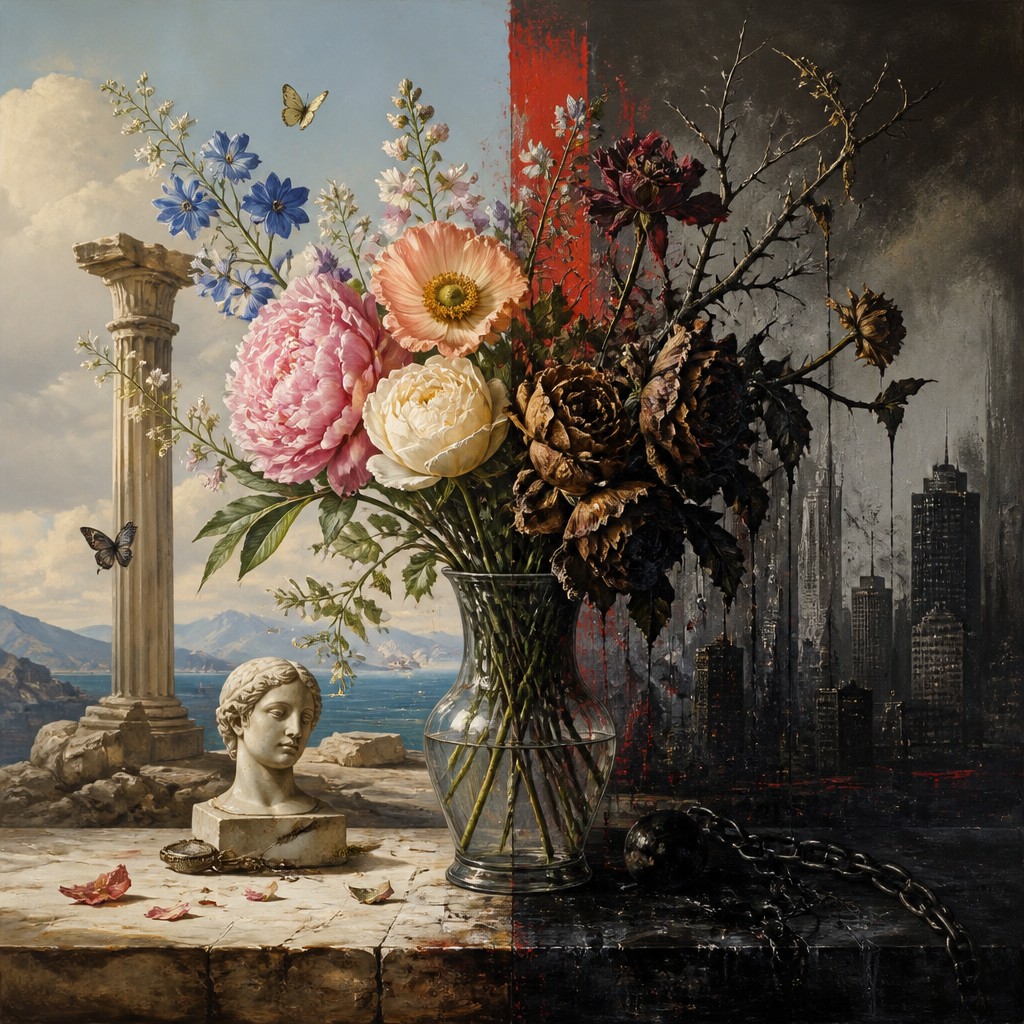
“bouquet of flowers in a glass vase”
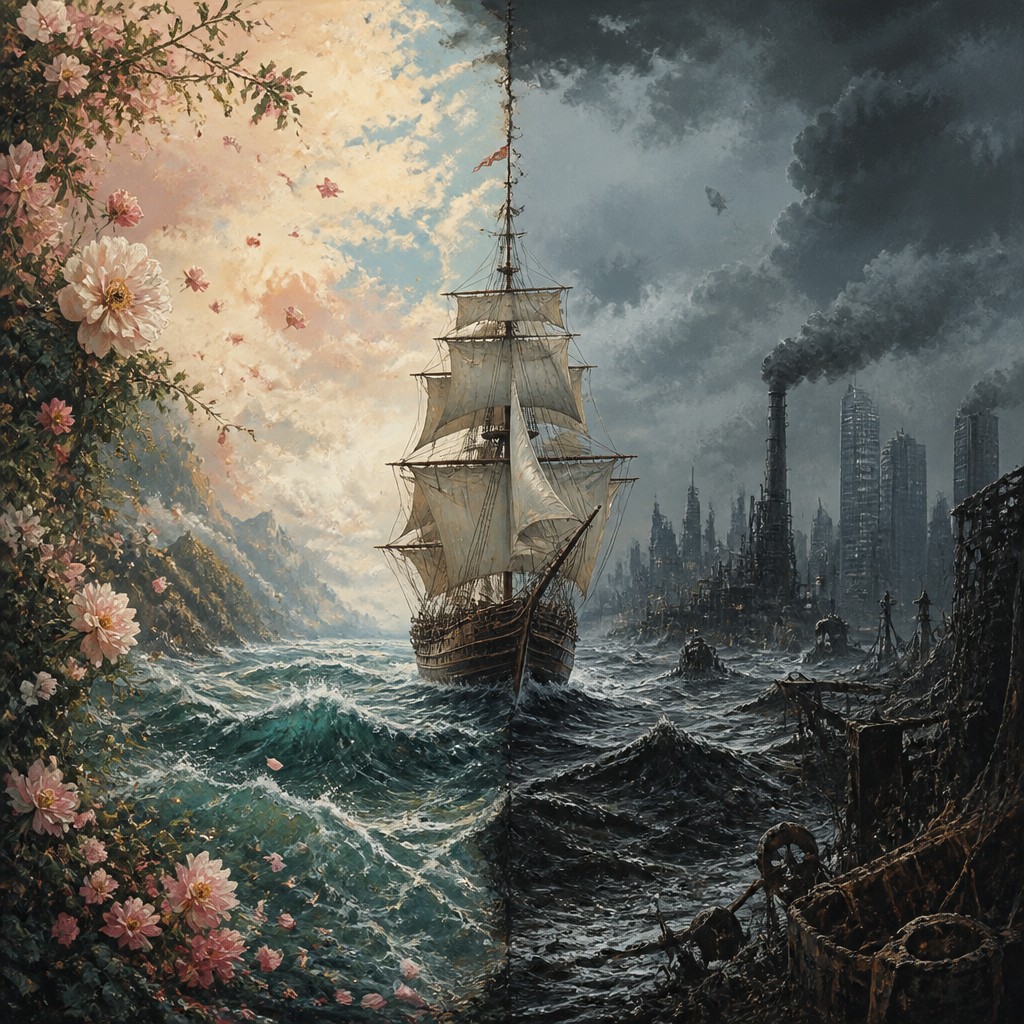
“sailing ship on a stormy sea”
How to Create Bold Juxtaposition Art
Master the craft step by step — or skip straight to creating. Read the full guide →
- 1
Choose a meaningful opposition
Begin with two subjects whose relationship suggests a question, conflict, or metaphor rather than merely an unusual combination. Define what the collision should communicate before selecting color or technique.
- 2
Build a clear composition
Use a centered divide, diagonal split, mirrored arrangement, or shared horizon to keep both subjects readable. Reserve the strongest contrast for the point where the two worlds meet.
- 3
Unify incompatible materials
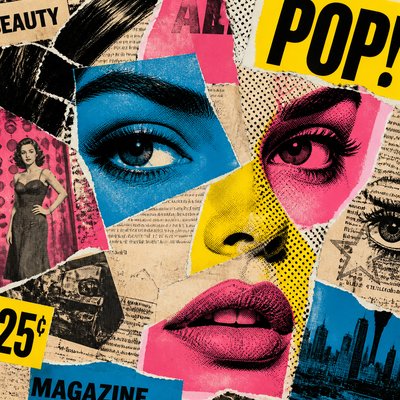
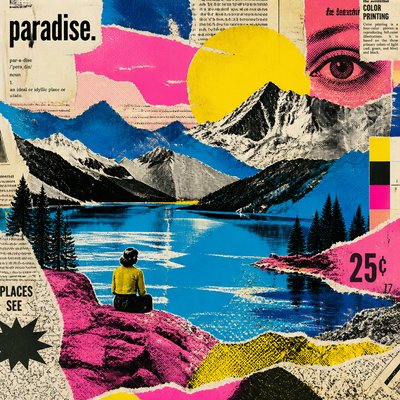
In traditional painting or collage, repeat a limited palette, directional light, surface texture, or contour treatment across both sides. In digital work, matching perspective, shadows, atmospheric depth, and edge sharpness prevents the image from feeling assembled accidentally.
- 4
Control the seam
Make the transition either sharply visible or deliberately uncanny, but avoid an indecisive middle ground. A torn edge, melting boundary, architectural threshold, or gradual ecological transition can turn the join into the image's central symbol.
- 5
Use focused generation prompts
Describe the two subjects, their exact positions, the contrast between them, the transition zone, lighting, medium, and emotional tone. Ask for a painterly finish and strong compositional separation, then refine unwanted blending, duplicate objects, or unclear symbolism.

The Story
History & Origins of Bold Juxtaposition
It also reflects modern editorial illustration, conceptual photography, poster design, and digital image-making, where unrelated images are combined to communicate social, environmental, psychological, or poetic ideas. Contemporary digital tools have made seamless transitions between incompatible settings easier to construct, but the underlying method remains rooted in composition, symbolism, and controlled contrast.
Influences: The style is related to Surrealism, symbolic and allegorical painting, collage, photomontage, assemblage, conceptual photography, cinematic montage, editorial illustration, and contemporary digital compositing. It shares Surrealism's interest in unexpected associations but generally keeps its objects more legible and its contrasts more deliberately structured. It also borrows from poster design and visual rhetoric, where juxtaposed images are arranged to produce an immediate idea or emotional argument.

Frequently Asked Questions
What defines Bold Juxtaposition as an art style?
Its defining feature is the intentional placement of unlike subjects in one coherent composition. The contrast must do more than surprise: it should create symbolism, tension, irony, or a question for the viewer. Split staging, a charged boundary, and a painterly or tactile finish are common supporting traits.
Is Bold Juxtaposition a historical art movement?
No. It is a contemporary descriptive aesthetic rather than a recognized historical movement with a fixed period or institutional school. It draws on established traditions including Surrealism, collage, allegory, photomontage, conceptual art, and editorial image-making.
How is it different from Surrealism?
Both styles combine unexpected elements, but Bold Juxtaposition usually emphasizes a readable side-by-side opposition and a clear conceptual seam. Surrealist works may pursue dream logic, unconscious association, or broader distortions of reality, while this style often remains more controlled and rhetorically direct.
Can the style be made with traditional materials?
Yes. Oil, acrylic, gouache, watercolor, collage, transfer techniques, and mixed media are all suitable. Traditional artists can create the effect by combining found imagery or contrasting painted passages, then unifying the scene through repeated lighting, palette, and texture.
How should I write a prompt for this style?
Name the two contrasting subjects first, then specify their positions, the boundary between them, the intended meaning, lighting, color palette, and surface treatment. Concrete instructions such as split composition, shared horizon, visible seam, restrained palette, and painterly texture usually produce clearer results than simply requesting something strange.
Where is Bold Juxtaposition commonly used?
It is well suited to editorial illustration, cultural commentary, environmental imagery, book and album covers, posters, conceptual photography, campaign visuals, and personal fine art. Its ability to communicate an idea quickly makes it especially useful when an image must function as both a composition and an argument.
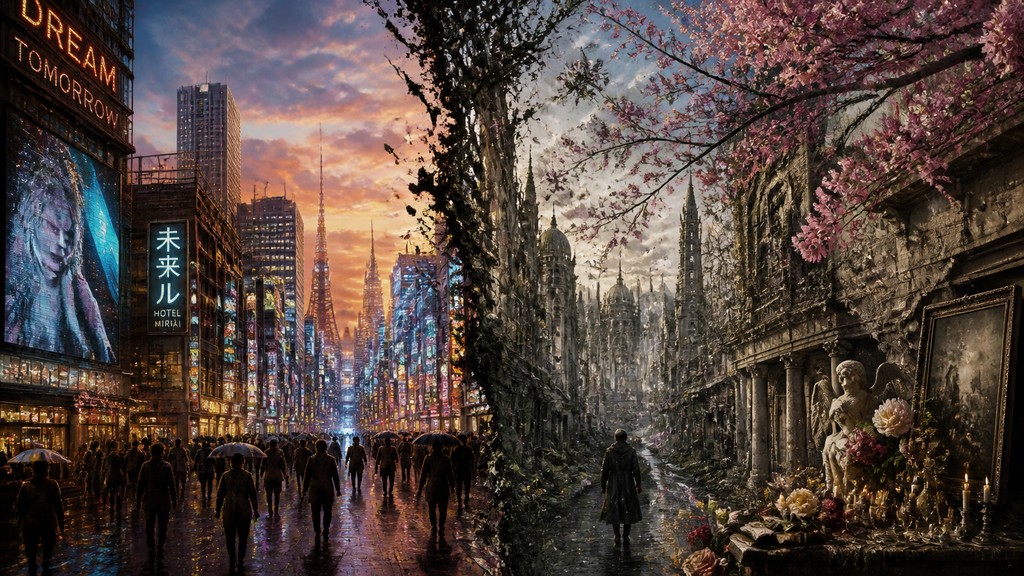
Create your first Bold Juxtaposition artwork
Describe anything — or upload a photo — and see it in Bold Juxtaposition Art Style in seconds.
Related Styles
Discover similar art styles