Canadian Art Style
Explore Canadian art style: bold wilderness landscapes, windswept pines, cold lakes, shield rock, and luminous northern skies.
Instantly rendered in Canadian — or transform a photo
Canadian Gallery
Tap any artwork to explore it
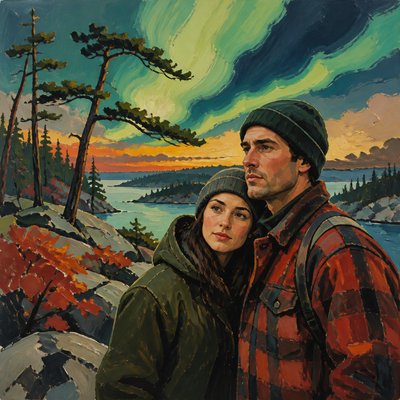
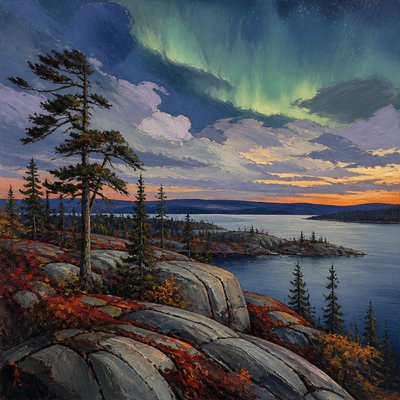
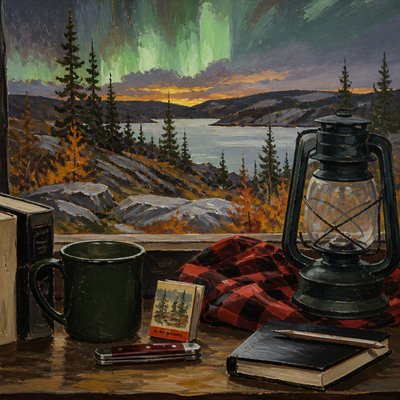
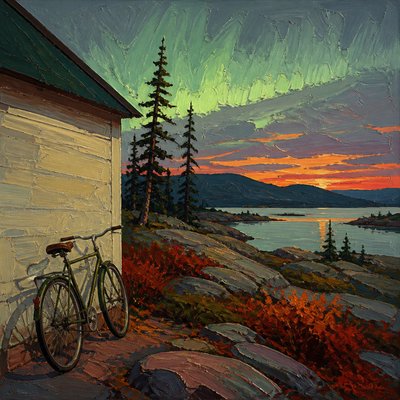
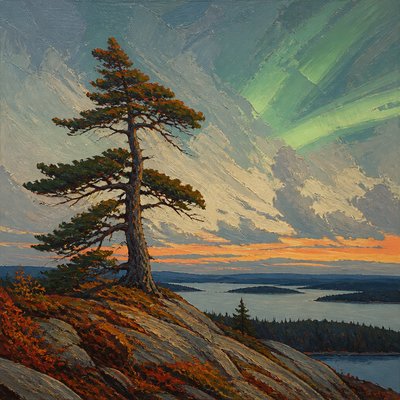
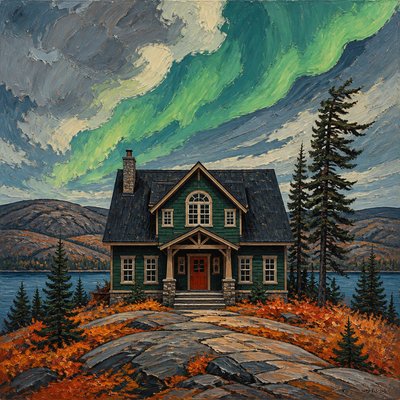
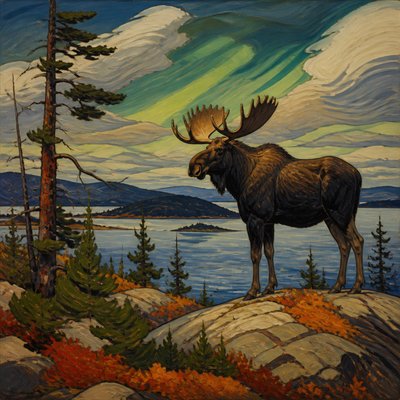
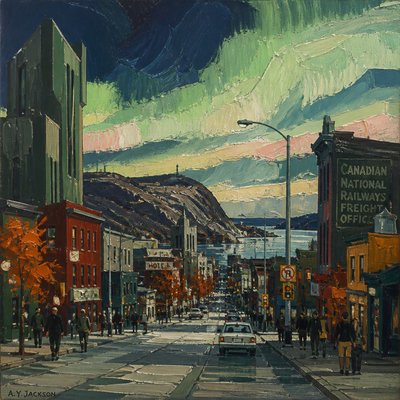
What is Canadian Art Style?
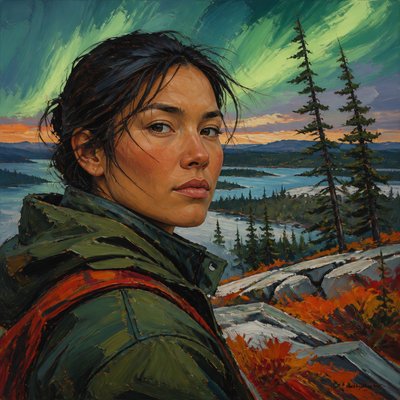
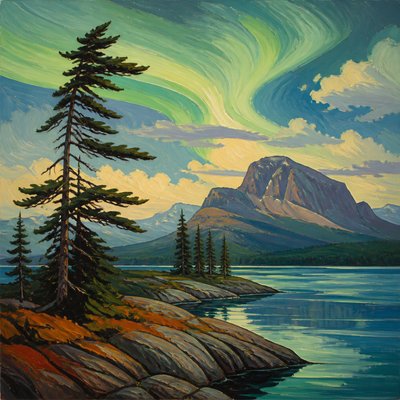
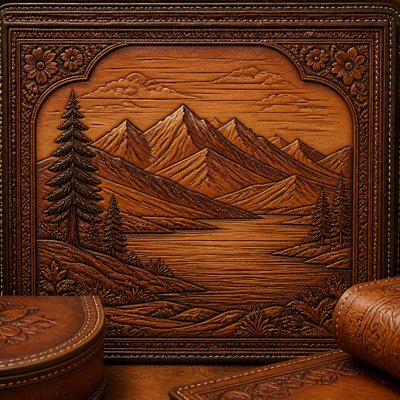
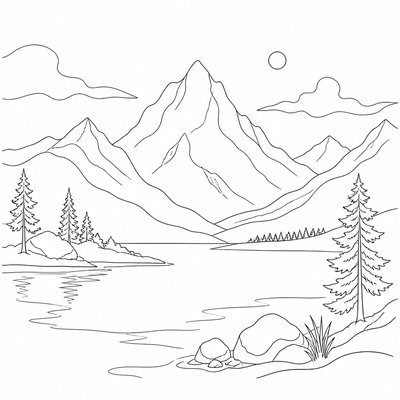
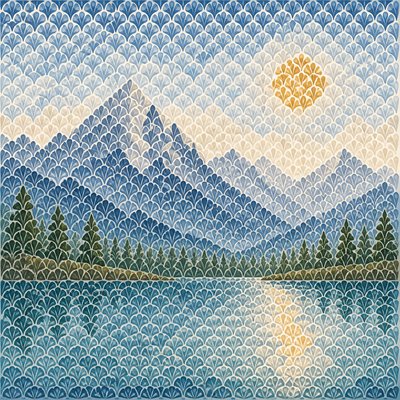
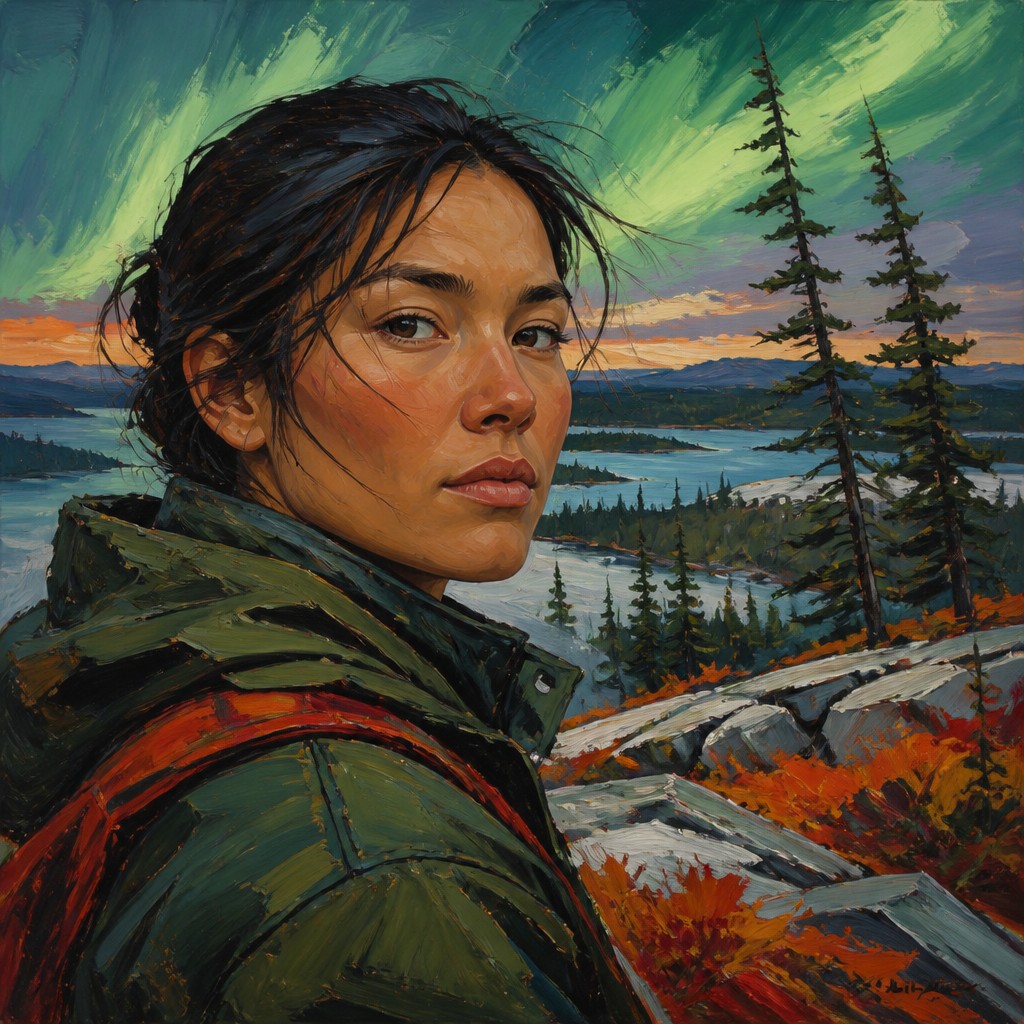
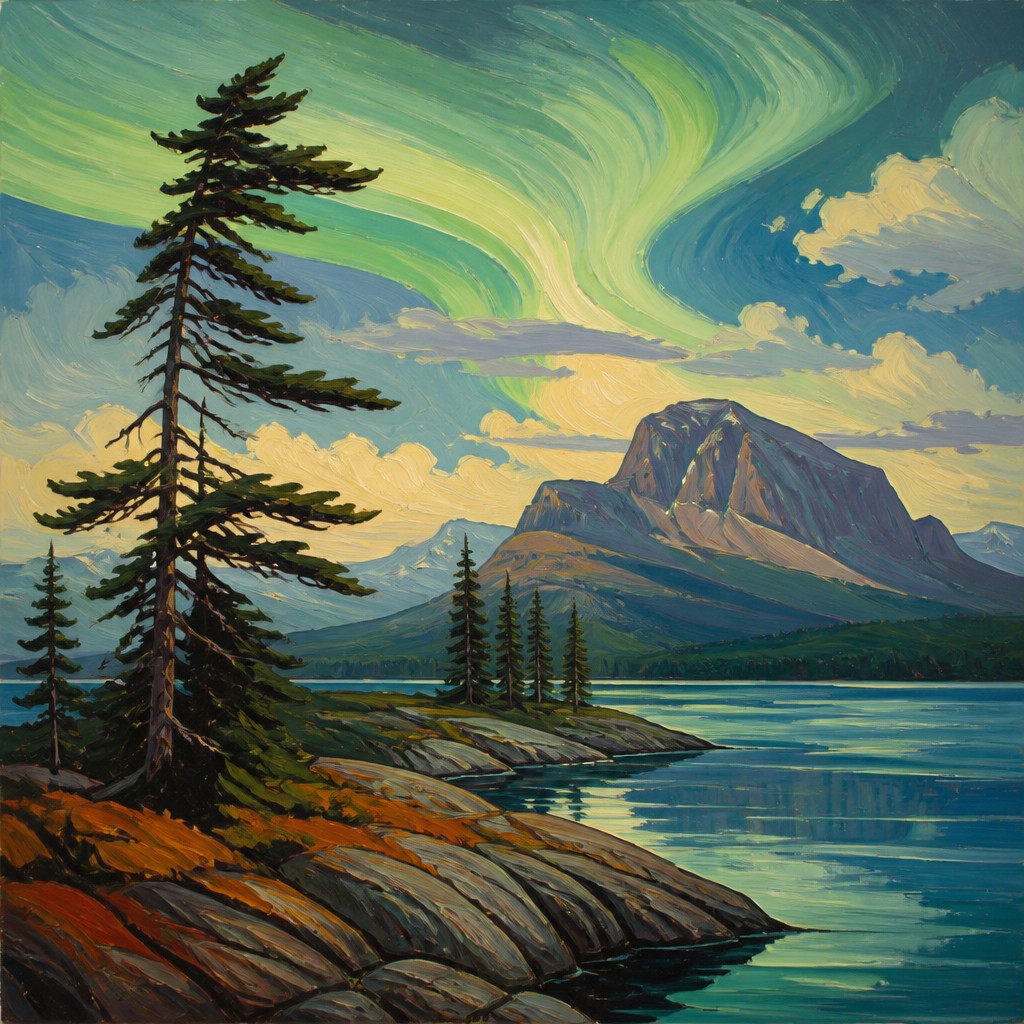
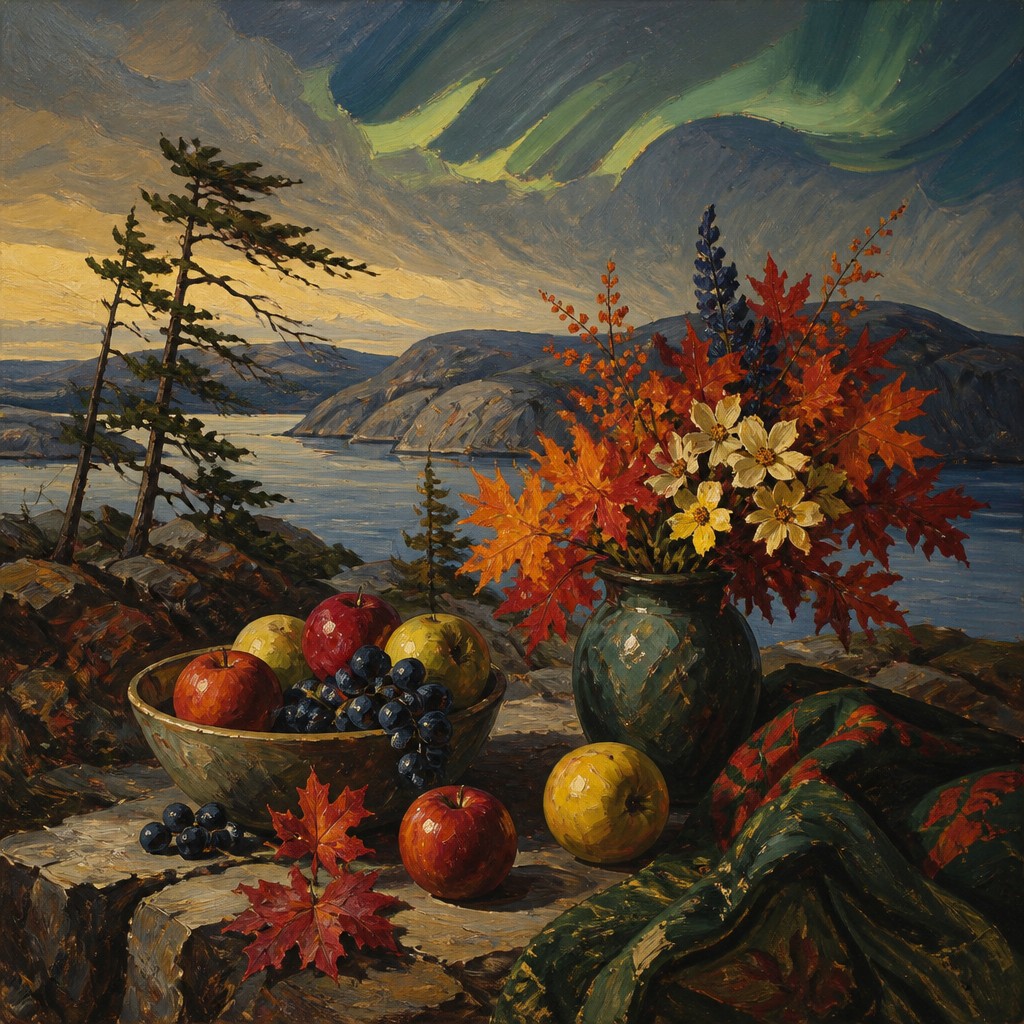
Canadian art style is a landscape-centered visual approach built around the scale, quietness, and rugged texture of northern wilderness. Its characteristic subjects include windswept conifers, cold lakes, rolling Canadian Shield rock, distant ridges, autumn forests, and expansive skies touched by aurora. The composition often emphasizes solitary grandeur rather than populated scenery or delicate naturalism.
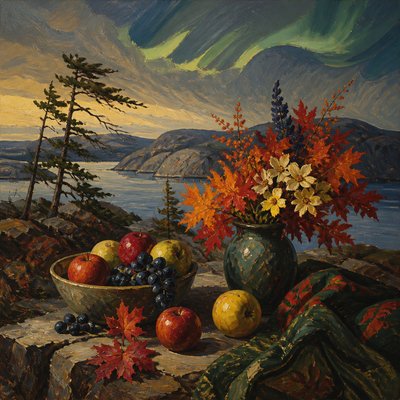
The look combines simplified forms with assertive, tactile paint. Dark spruce greens, ochres, rusts, ember oranges, slate blues, and snow-lit whites create a cool northern palette with concentrated warmth in the land. Shapes are reduced into strong planes, while visible brushwork, high horizons, and broad areas of sky give the image a monumental, contemplative atmosphere.
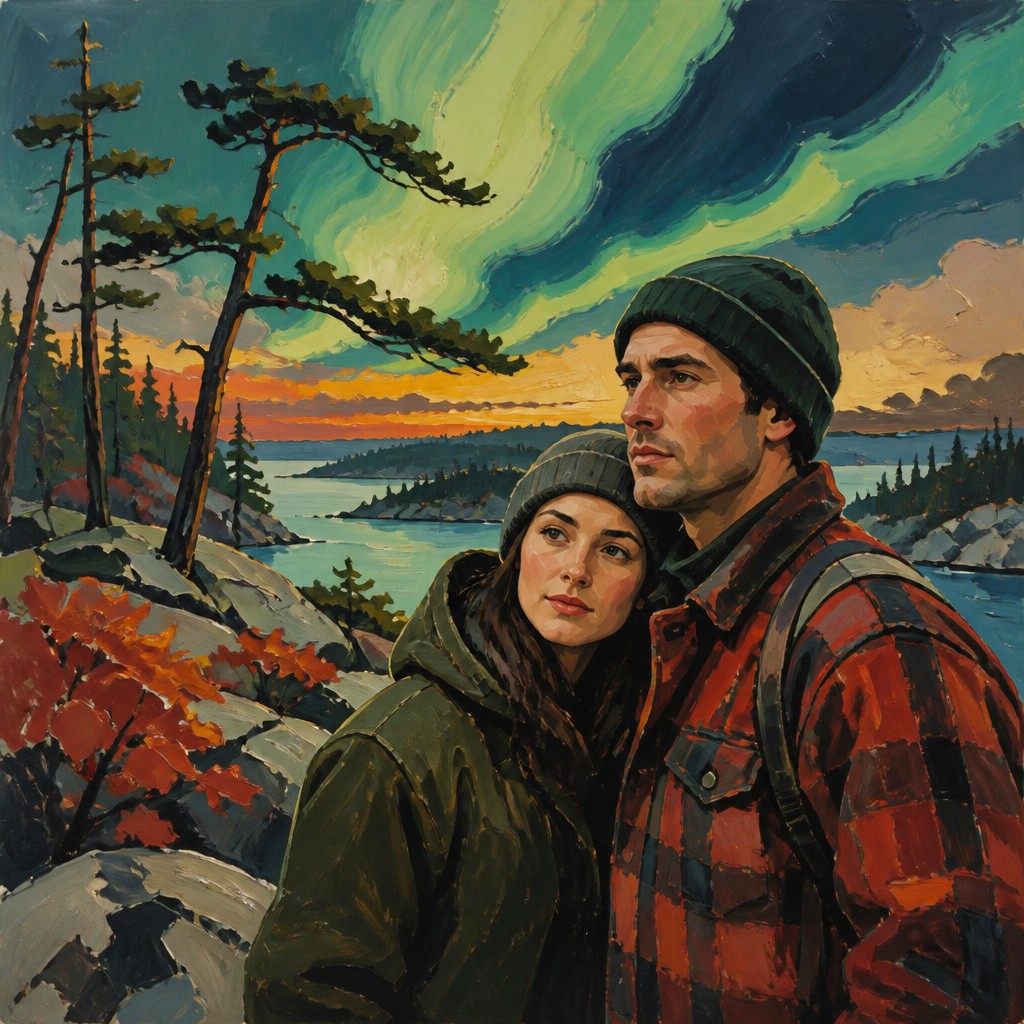
Try It On Your Photos
Upload any photo and convert it into Canadian Art Style — drag the sliders to compare before and after.
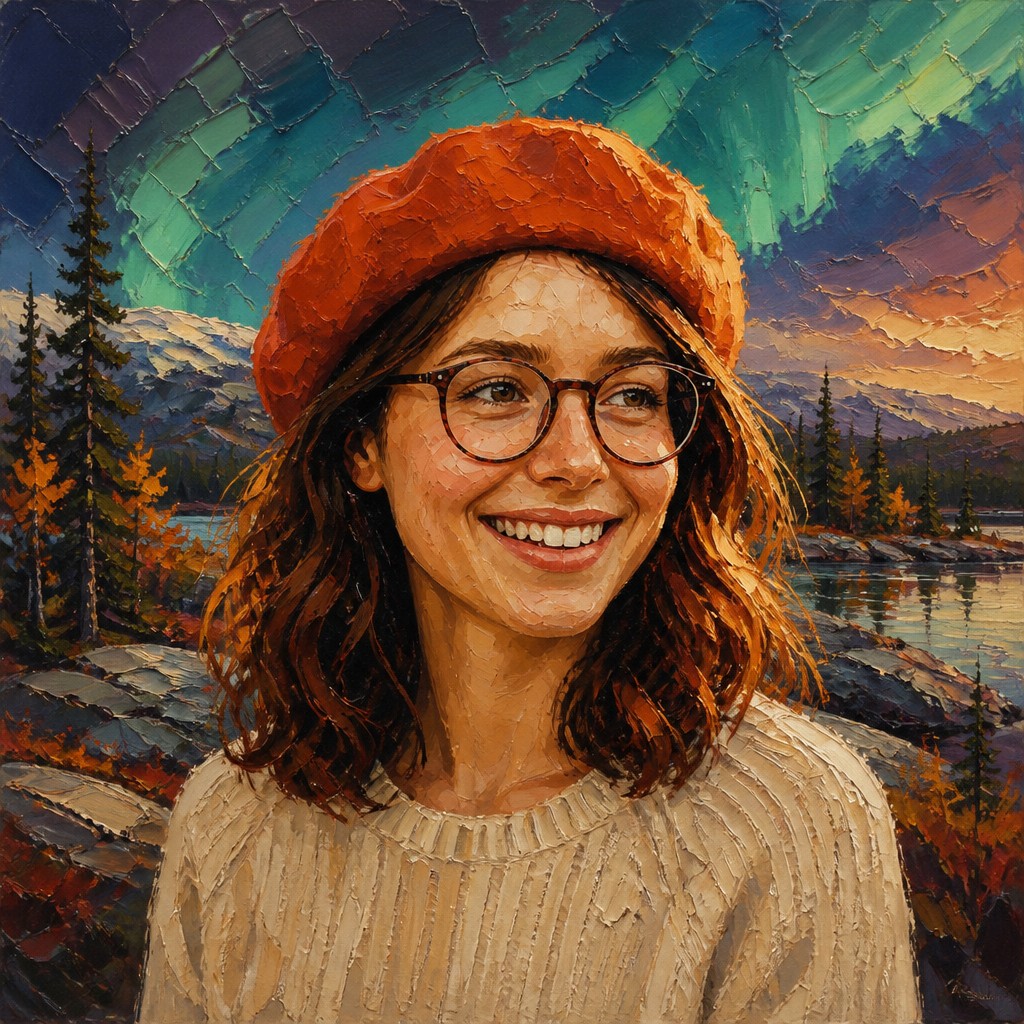

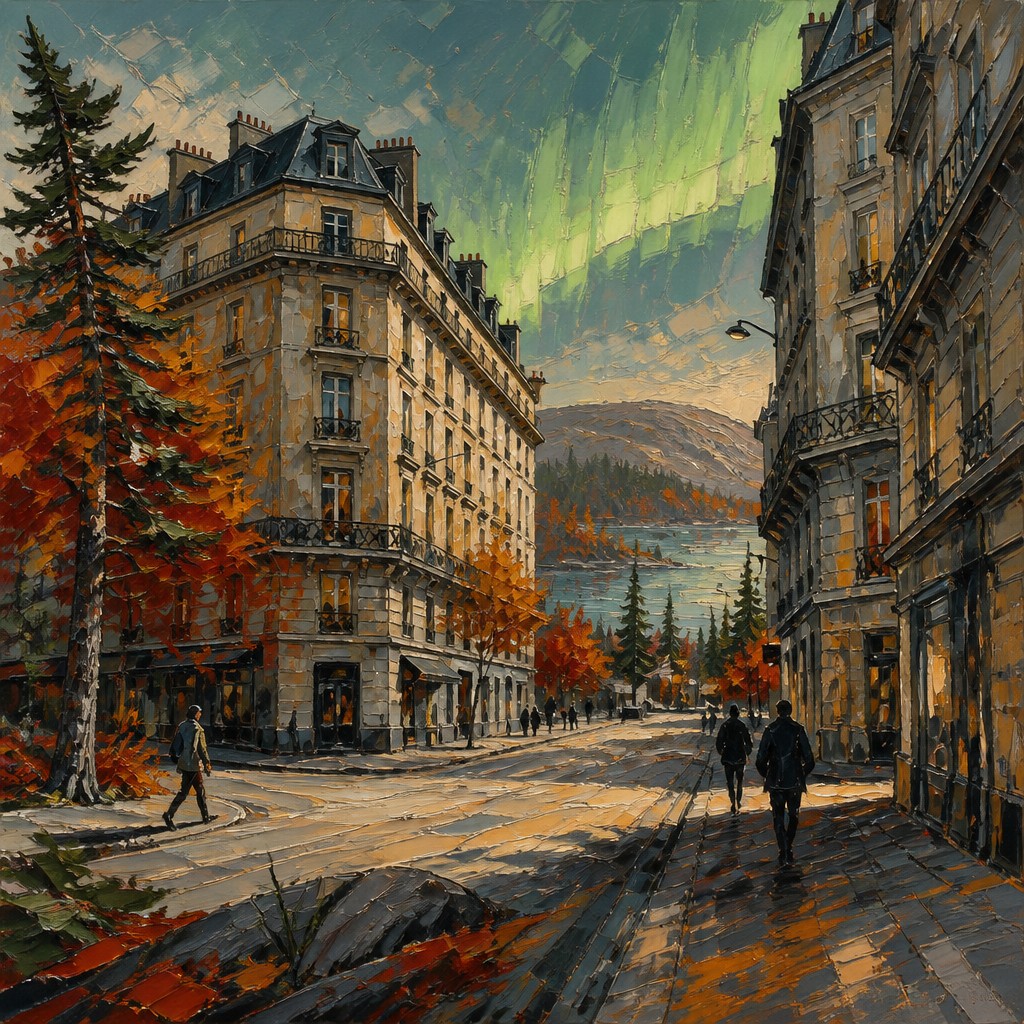

What Defines Canadian Art Style
The signature details, up close
Simplified wilderness forms
Trees, ridges, islands, and rock faces are reduced to bold, legible shapes rather than rendered with exhaustive detail. This gives the landscape a graphic structure and monumental presence.
Windswept conifers
Pines and other evergreens often appear asymmetrical, leaning, or clustered against open terrain. Their irregular silhouettes convey weather, exposure, and the force of the northern climate.
Cold lakes and shield rock
Dark, reflective water and rounded granite outcrops anchor the scene in a distinctly northern geography. Broken shorelines and layered rock planes add rhythm and tactile weight.
Autumn and spruce palette
Spruce green, deep blue, charcoal, ochre, rust, crimson, and ember orange are balanced against pale sky tones. Warm foliage or reflected light typically functions as a focused counterpoint to the cool environment.
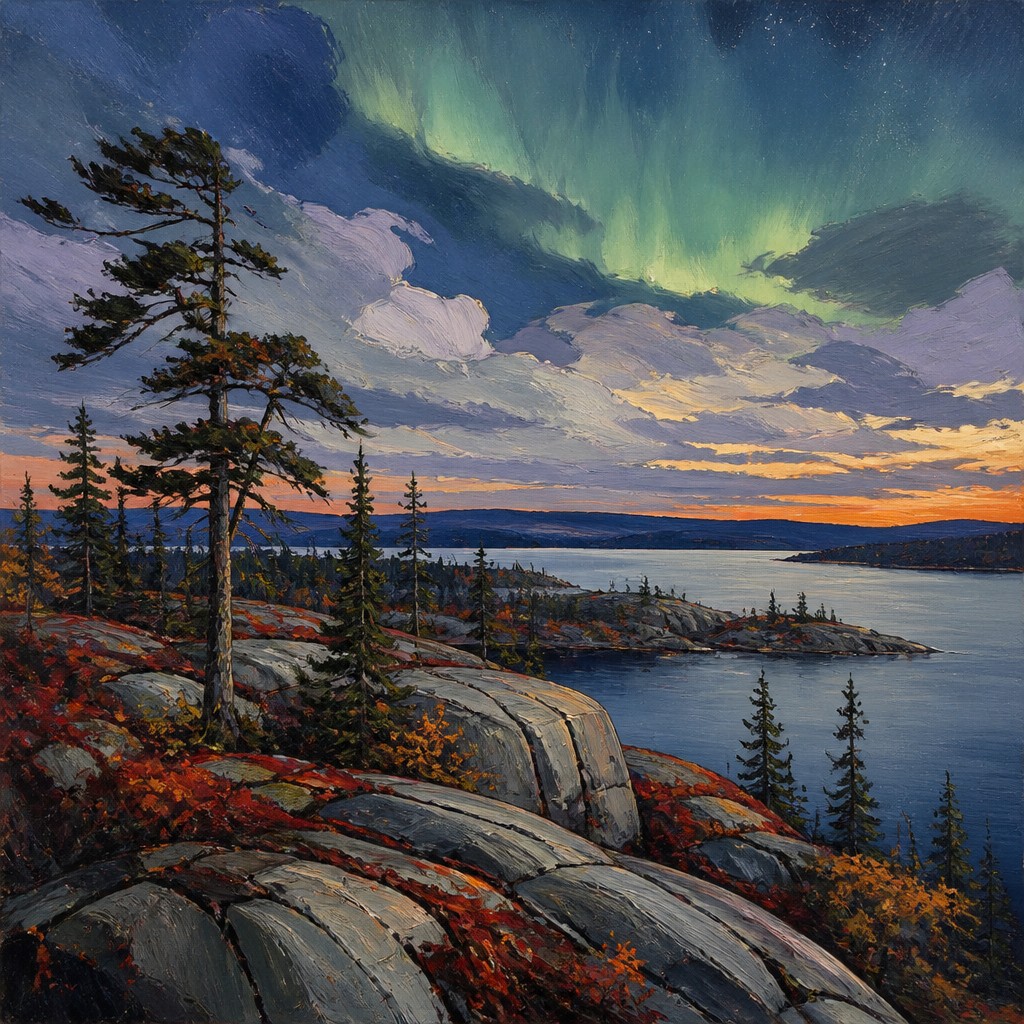
Thick, confident paint
Visible strokes, impasto-like ridges, and decisive blocks of color make the surface feel physically worked. Edges may remain slightly raw, preserving the energy of the brush or digital mark.
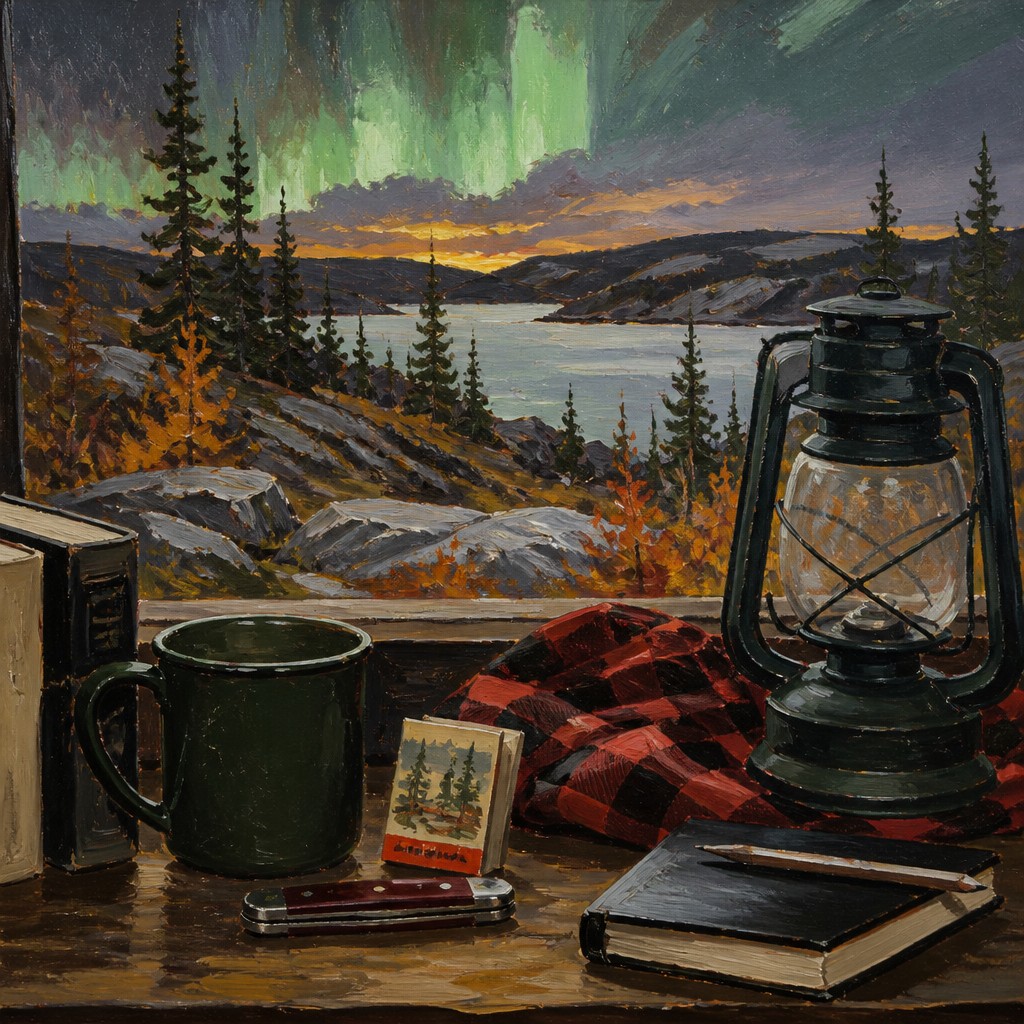
Vast northern atmosphere
Large skies, distant haze, low horizons, and subtle aurora effects create a sense of spaciousness. The mood is often solitary and meditative, with nature presented as powerful rather than decorative.
Try It
Create Videos in Canadian Art Style
Styles aren't just for stills — describe a scene or animate an image and get a short video rendered in Canadian. Press play to see this pond come to life.
Make a VideoCanadian Prompt Ideas
Start from an idea — each one opens the generator with the style ready to go. See all 40 Canadian prompts →
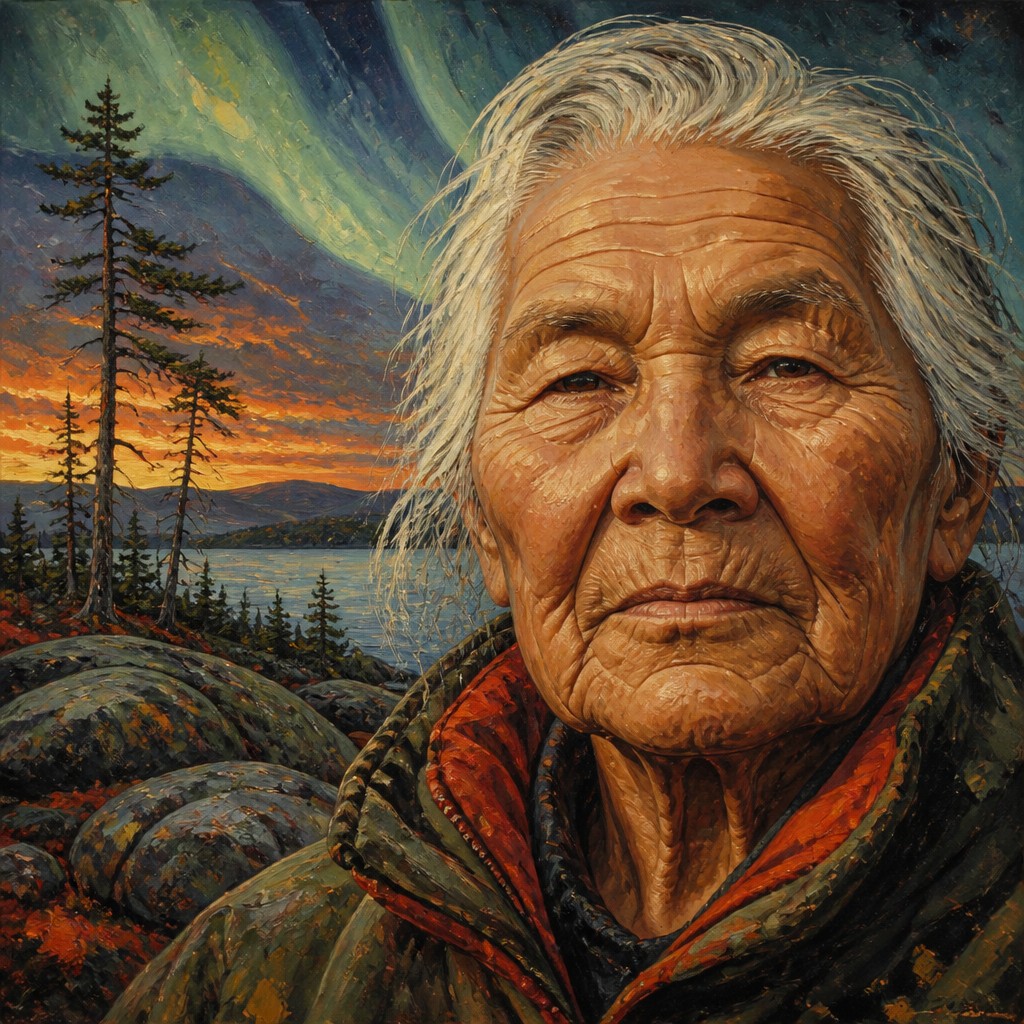
“close-up portrait of an elderly person with expressive weathered features”
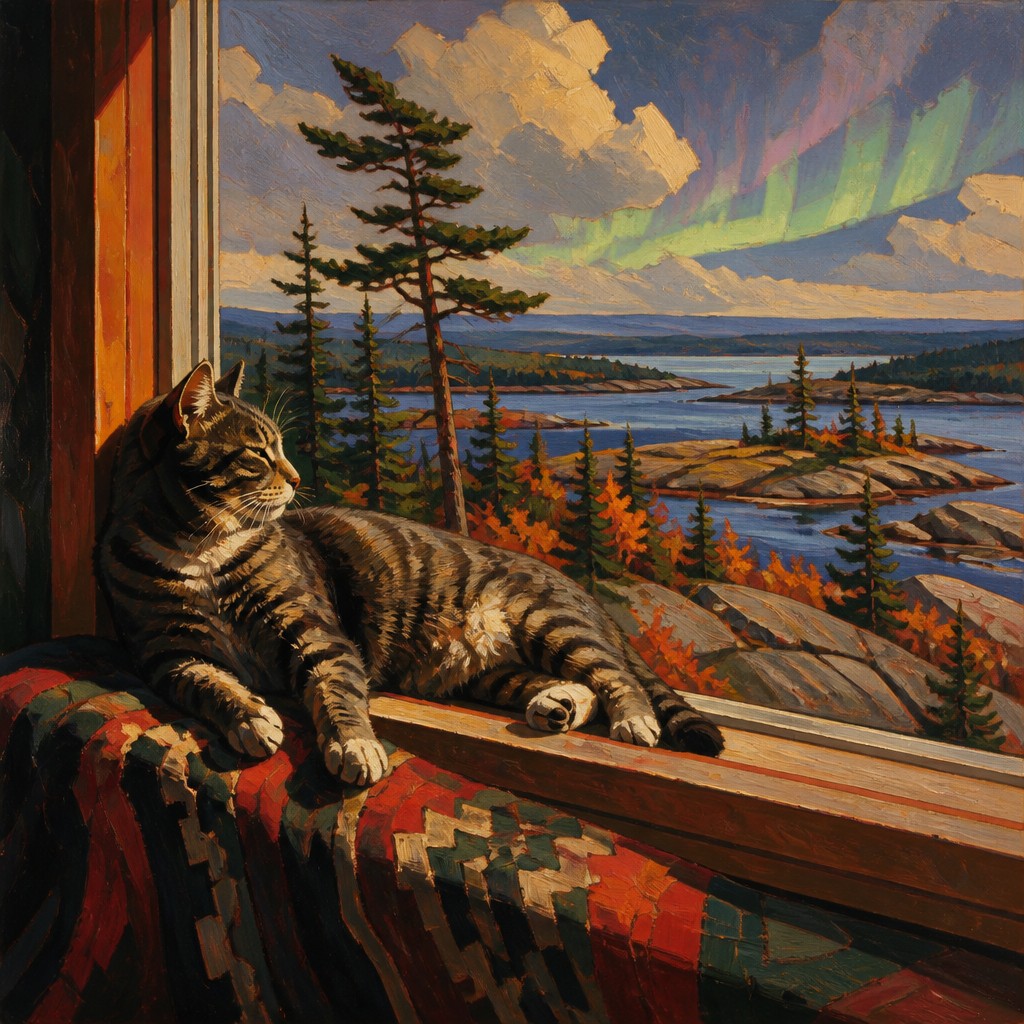
“a cat lounging in a sunlit window”
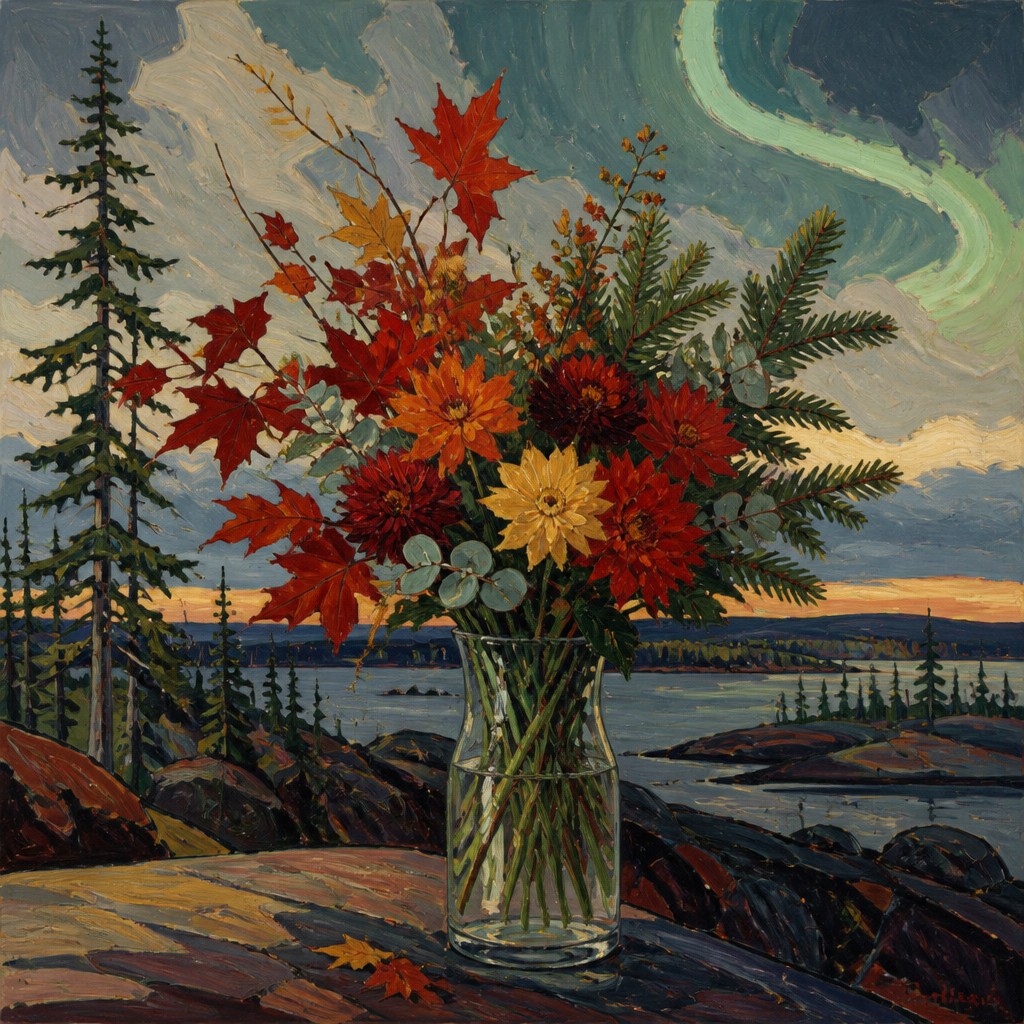
“bouquet of flowers in a glass vase”
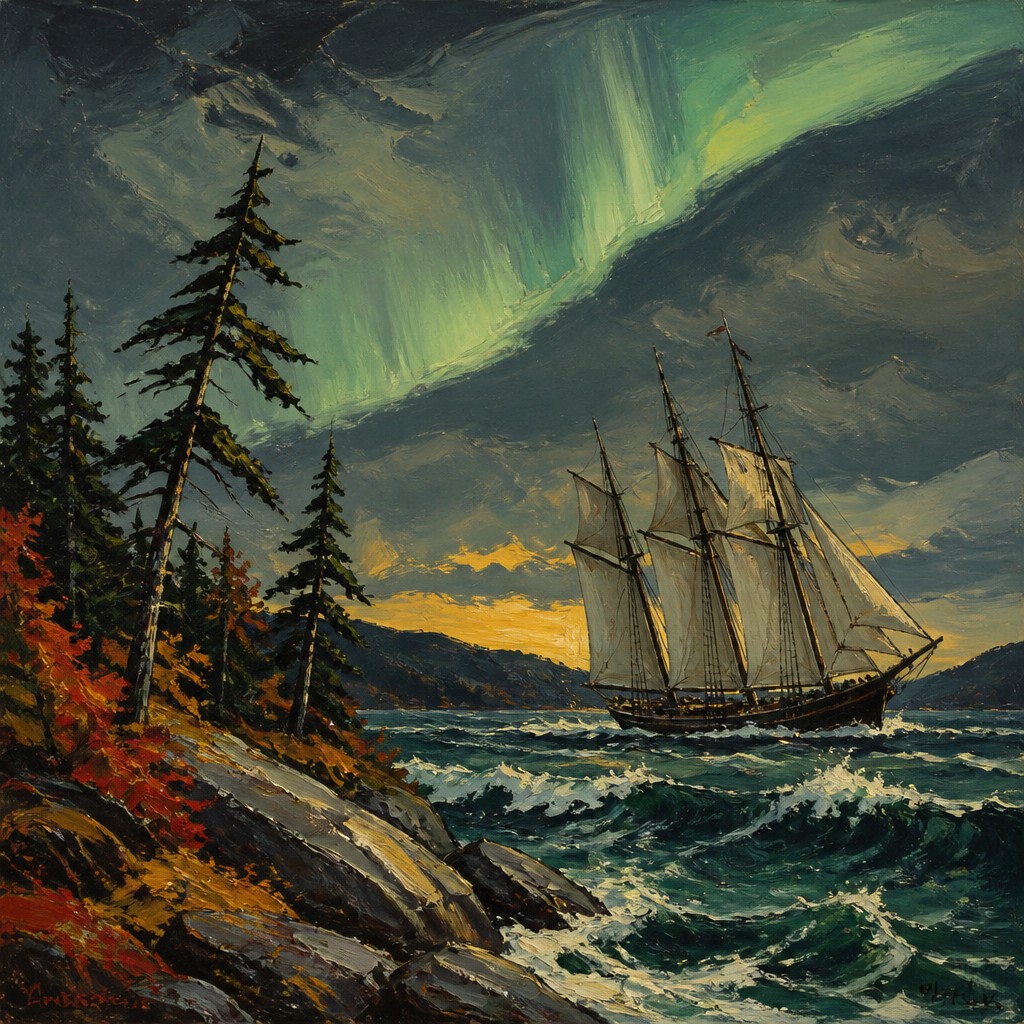
“sailing ship on a stormy sea”
How to Create Canadian Art
Master the craft step by step — or skip straight to creating. Read the full guide →
- 1
Build the composition in broad masses
Begin with three or four large zones: sky, distant land, water, and foreground rock or vegetation. Establish a strong horizon and reserve fine detail for a few focal areas.
- 2
Use a restricted northern palette
Start with spruce green, indigo, slate, ochre, rust, and off-white, then introduce one brighter accent such as ember orange or aurora green. Mix neutrals from the scene’s existing colors instead of relying on flat black.
- 3
Make the brushwork directional
Use horizontal strokes for water, angled strokes for rock, and upward or wind-bent marks for pines. In digital painting, textured brushes and layered opaque shapes can reproduce the physical rhythm of oil or acrylic paint.
- 4
Control atmospheric depth
Keep distant mountains lighter, cooler, and less detailed than the foreground. A thin haze between landforms can make the scene feel vast without adding photorealistic complexity.
- 5
Guide prompt-based generation
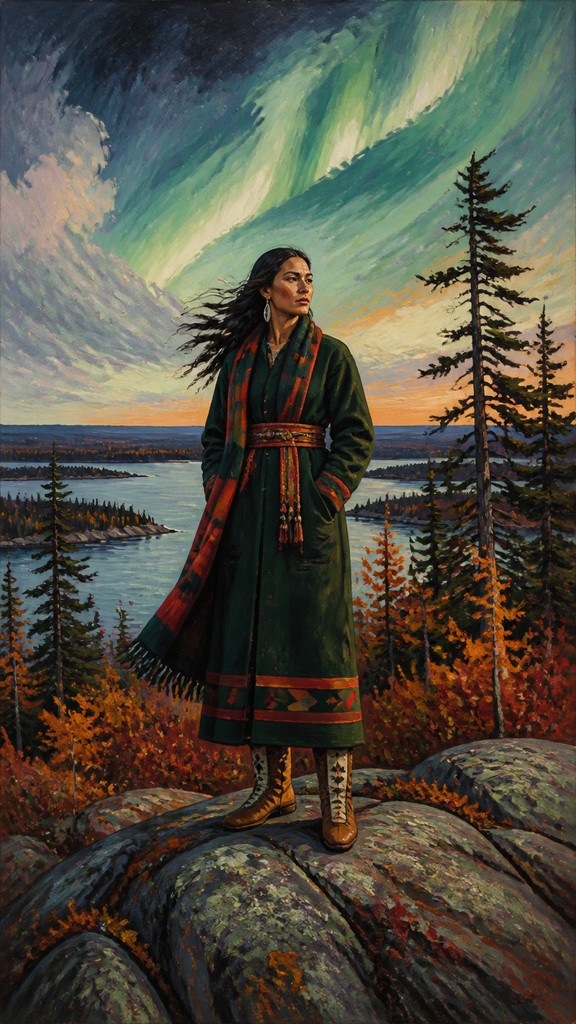
Specify a subject, season, viewpoint, palette, surface, and mood, such as a remote lake at dusk with angular pines, thick visible paint, and a broad aurora-lit sky. For image transformation, preserve the main silhouette of the source photo while asking for simplified planes, rugged textures, and a restrained northern color range.
The Story
History & Origins of Canadian
Canadian art style is not a single formally organized historical movement, but a contemporary label for an aesthetic lineage rooted in Canadian landscape painting and northern visual culture. It draws especially on early 20th-century Canadian modernism, when painters sought a distinctly national landscape language through simplified forms, vigorous brushwork, and compositions based on forests, lakes, rock, and snow.
Its present form also incorporates plein-air observation, post-impressionist color structure, editorial illustration, cinematic wilderness imagery, and digital concept-art methods. The emphasis on aurora, remote terrain, and compressed visual symbolism is a modern synthesis rather than a claim that all Canadian art shares one uniform style.
Influences: The style relates to early 20th-century Canadian landscape modernism, post-impressionist simplification, plein-air painting, expressionist color, and the graphic clarity of illustrated wilderness art. It also draws from documentary landscape photography, cinematic establishing shots, northern travel imagery, and contemporary digital matte painting. Its treatment of land is best understood as a modern synthesis of observation and symbolic atmosphere rather than a single historical school.
Frequently Asked Questions
What defines Canadian art style?
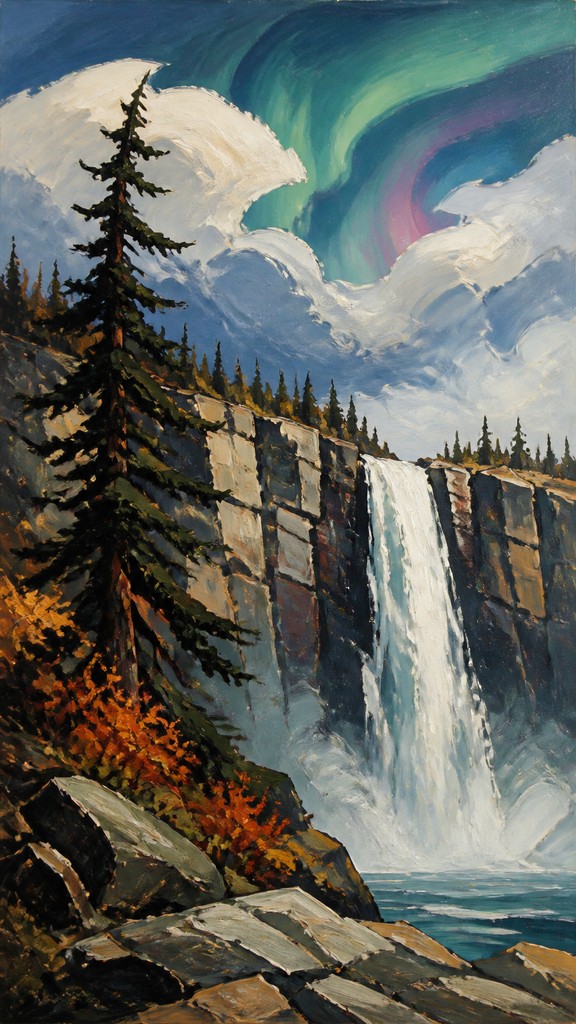
It is defined by bold, simplified wilderness landscapes featuring conifers, lakes, exposed rock, broad skies, and northern light. Thick visible marks, a cool-to-warm forest palette, and a mood of solitary grandeur are central to the look.
Is Canadian art style a formal historical movement?
No. The phrase generally describes a recognizable contemporary aesthetic rather than one officially organized movement with a fixed manifesto. It gathers together influences from Canadian landscape modernism, plein-air practice, illustration, and digital image-making.
How does it differ from traditional landscape painting?
Traditional landscape painting can pursue detailed naturalism, whereas this style usually prioritizes simplified structure, strong color planes, and expressive surface texture. Its landscapes are often more graphic, atmospheric, and symbolically expansive.
How can I paint in this style traditionally?
Work from a simple reference and block in the largest shapes first with oils, acrylics, or gouache. Use a limited palette, varied directional strokes, and selective detail; keep the sky and distant forms broad while giving foreground rock and trees more texture.
Can photographs be transformed into this aesthetic?
Yes. Choose a photograph with a clear horizon, strong silhouettes, or recognizable lake and forest forms. The effect is strongest when the transformation simplifies detail, preserves the major composition, and introduces opaque brush texture and a controlled northern palette.
Where is this style commonly used?
It suits landscape prints, editorial illustration, book and poster artwork, environmental storytelling, travel imagery, game concept art, and wall art. It is especially effective when an image needs to communicate remoteness, weather, seasonal change, or regional identity.

Create your first Canadian artwork
Describe anything — or upload a photo — and see it in Canadian Art Style in seconds.
Related Styles
Discover similar art styles