Modernist Art Style
Explore Modernist art: bold flat color, geometric structure, fractured perspective, and experimental compositions shaped by the shock of modern life.
Instantly rendered in Modernist — or transform a photo
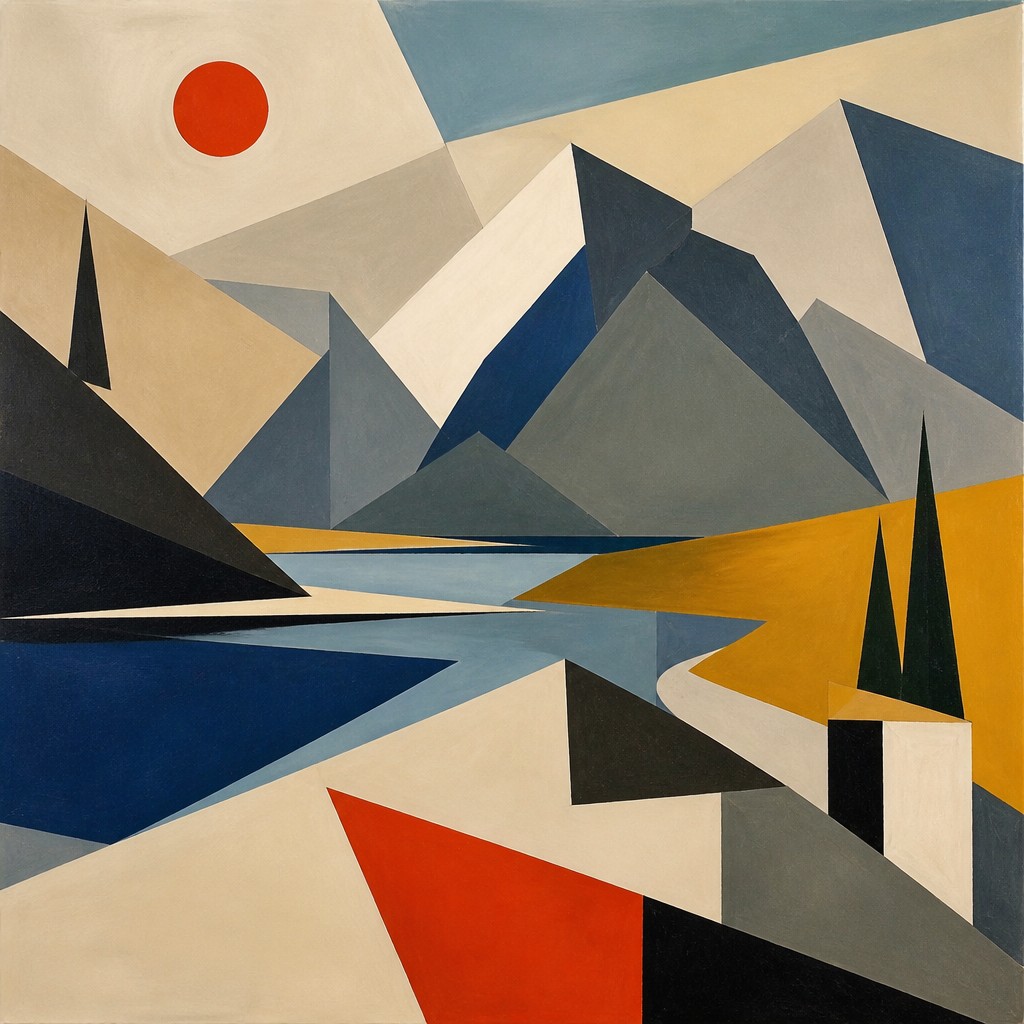
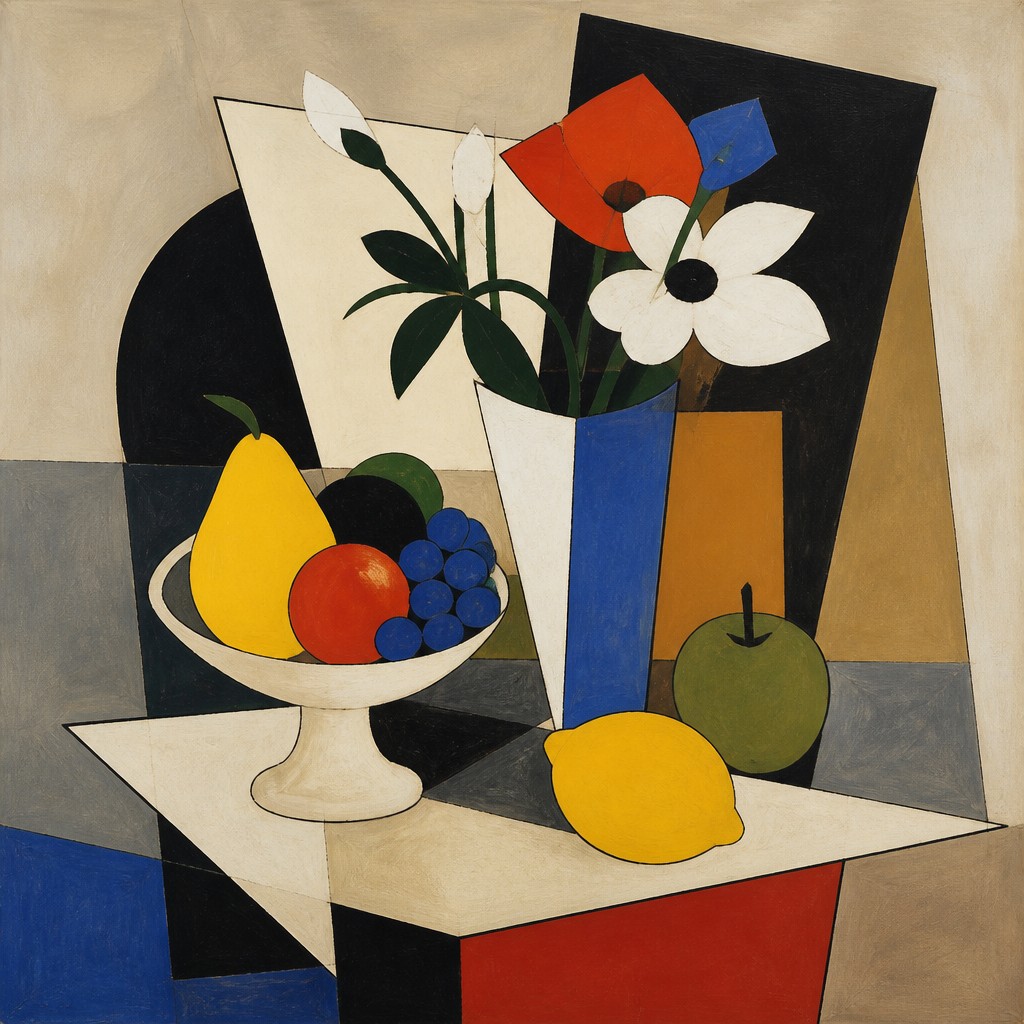
Modernist Gallery
Tap any artwork to explore it
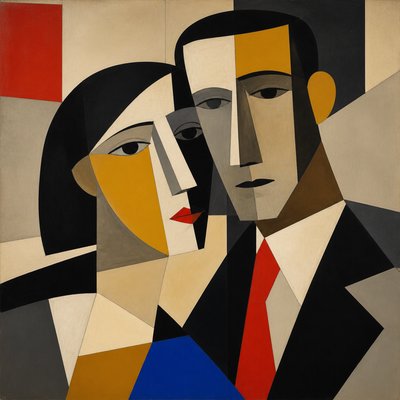
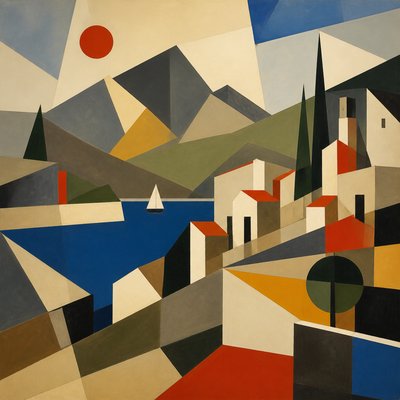
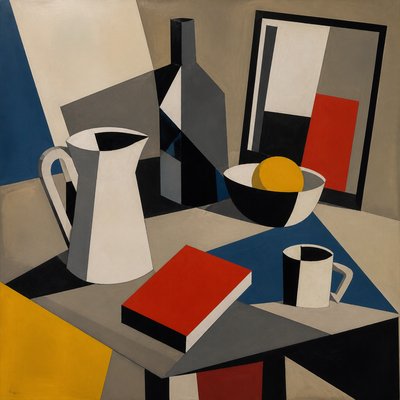
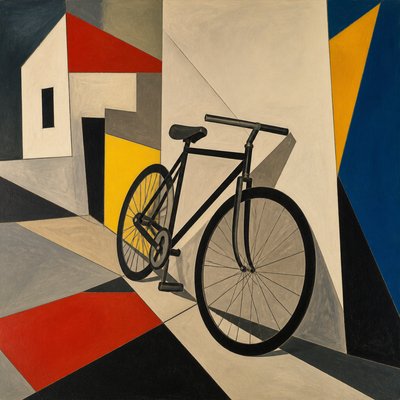
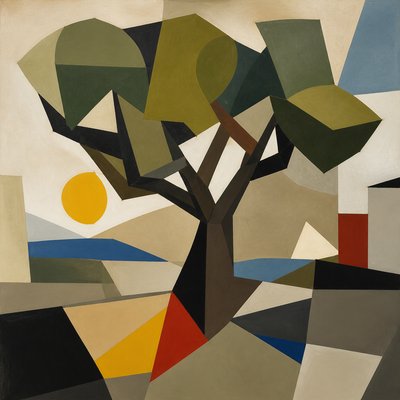
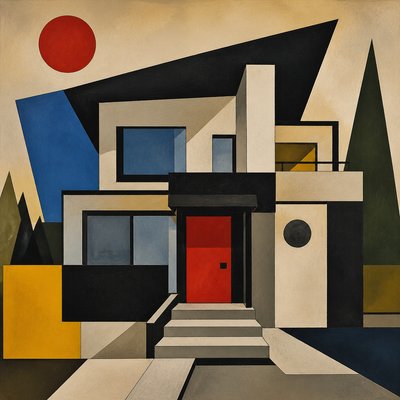
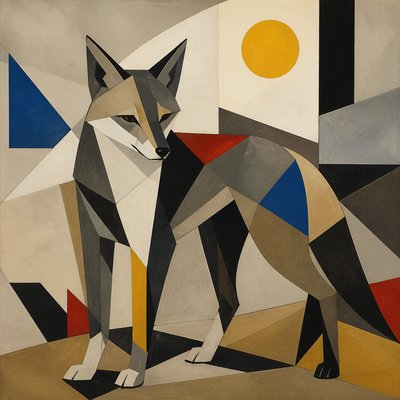
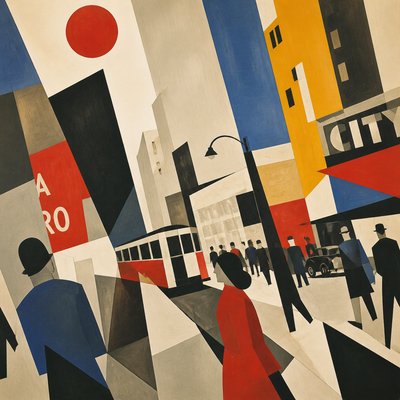
What is Modernist Art Style?
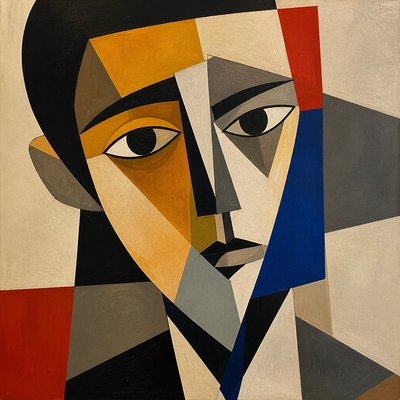
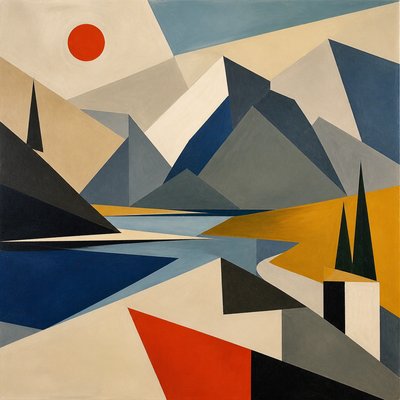
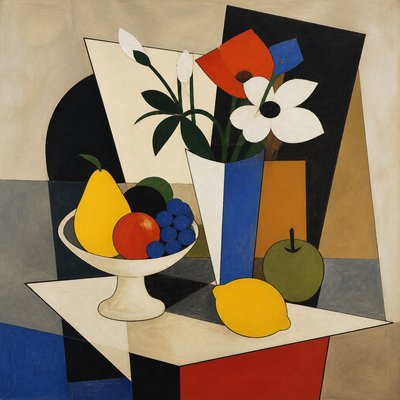
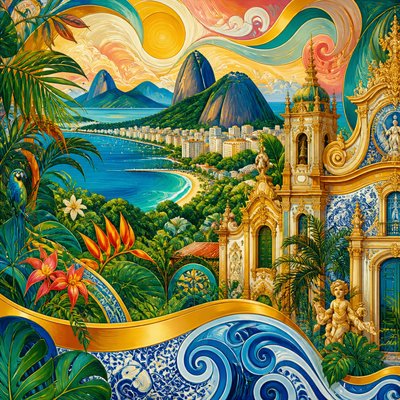
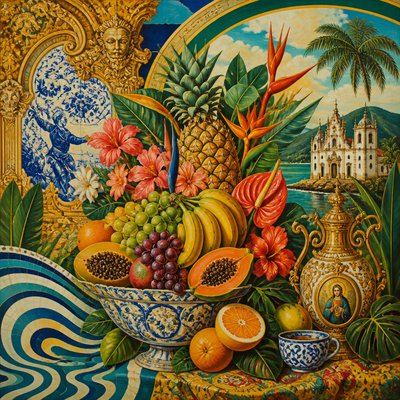
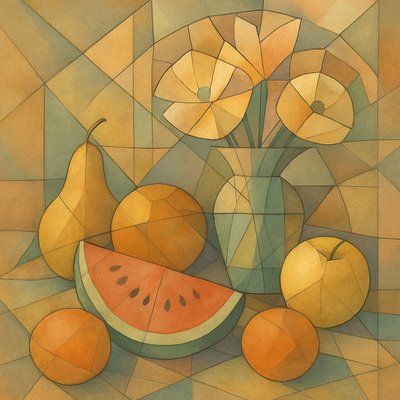
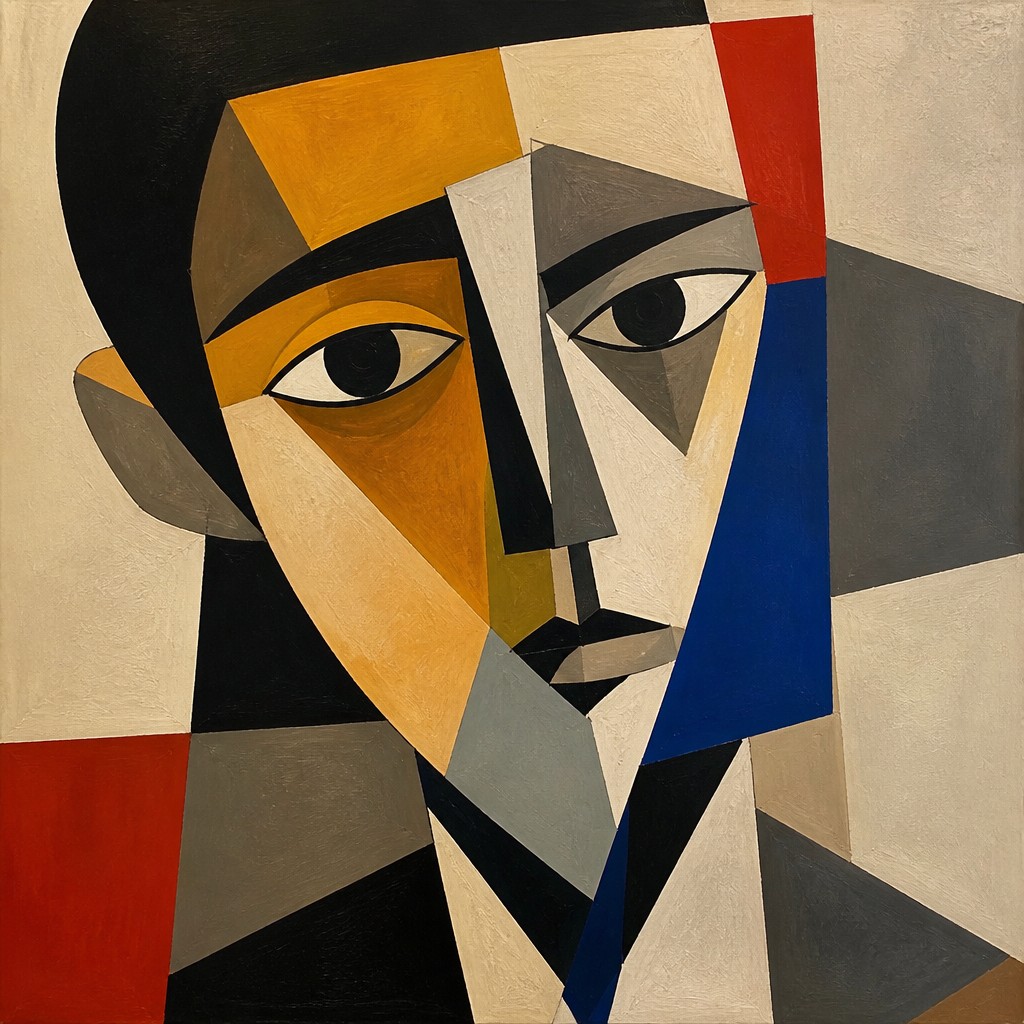
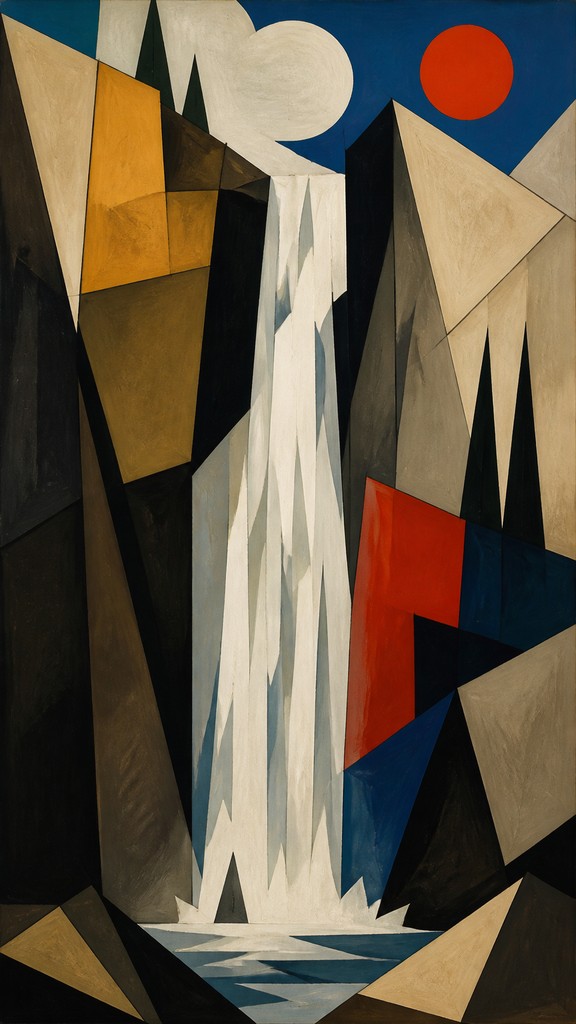
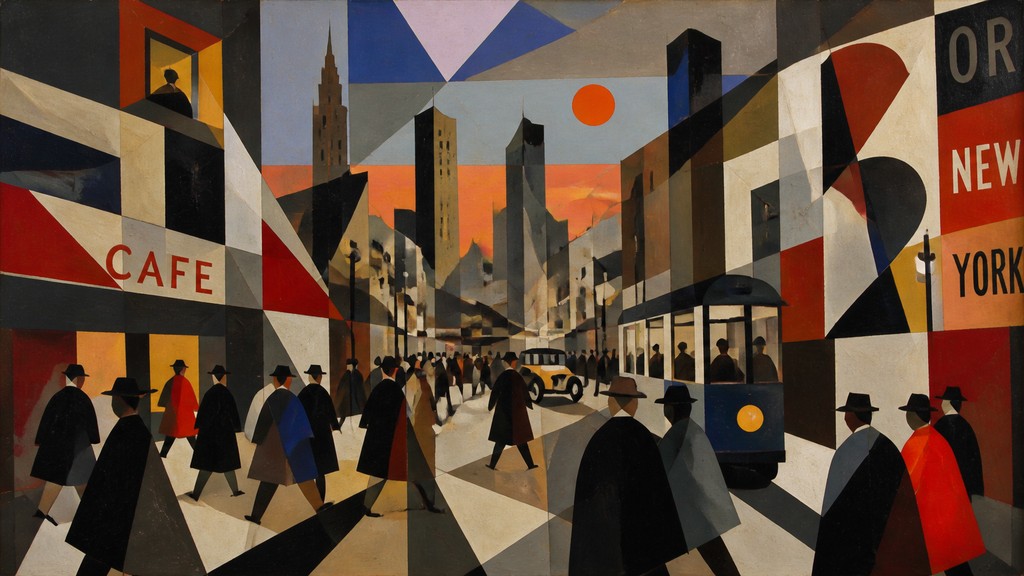
Modernist art is a broad visual language associated with the late nineteenth and first half of the twentieth centuries, defined by a deliberate break from inherited academic conventions. It favors formal invention over literal description, using simplified shapes, compressed or fractured space, unexpected viewpoints, and color as an independent structural force. Rather than imitate the visible world, Modernist compositions often reconstruct it through geometry, rhythm, symbols, and subjective perception.
The style can range from recognizable figures and landscapes to near-total abstraction. Its characteristic tension comes from balancing order and disruption: flat color planes sit beside distorted perspective, carefully arranged geometry beside intuitive marks, and neutral grounds beside intense primary accents. This makes Modernist imagery feel both analytical and experimental, with a gallery-clean clarity that still preserves visual surprise.
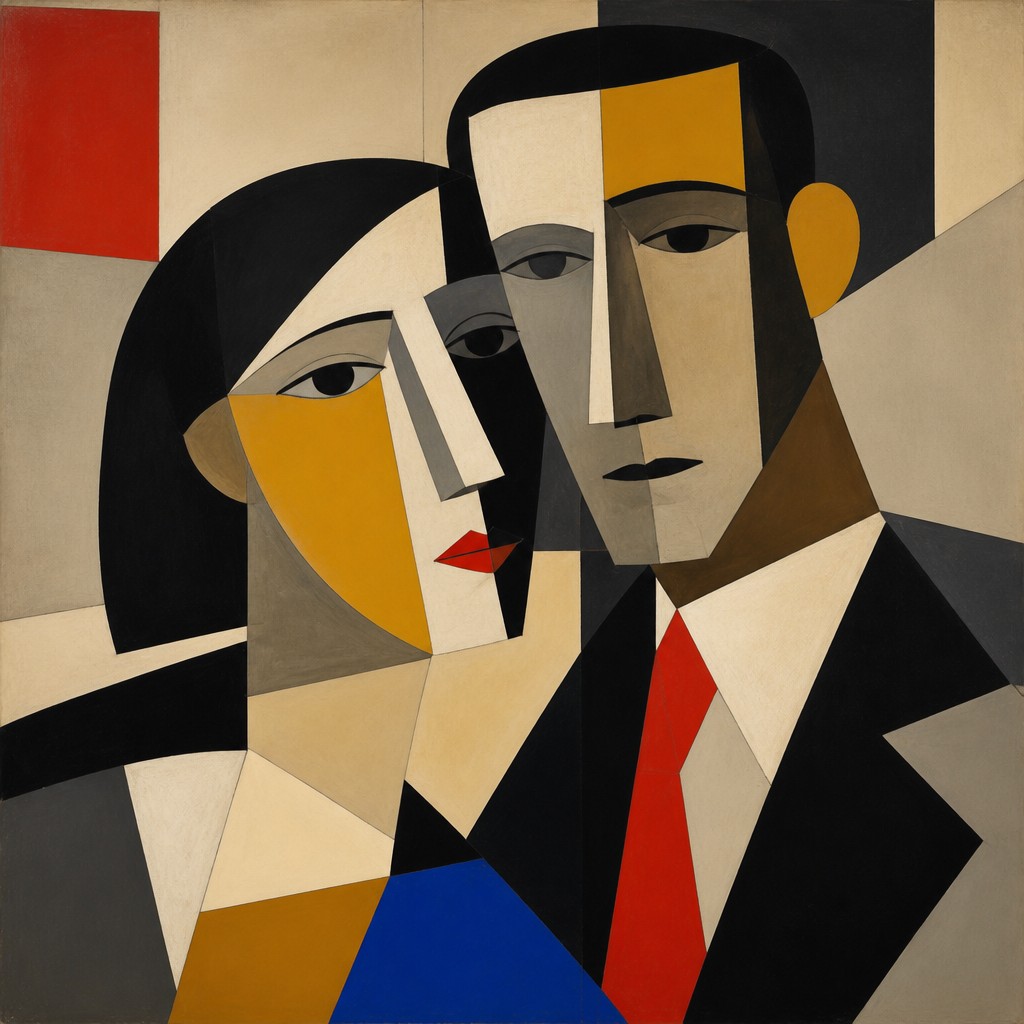
Try It On Your Photos
Upload any photo and convert it into Modernist Art Style — drag the sliders to compare before and after.


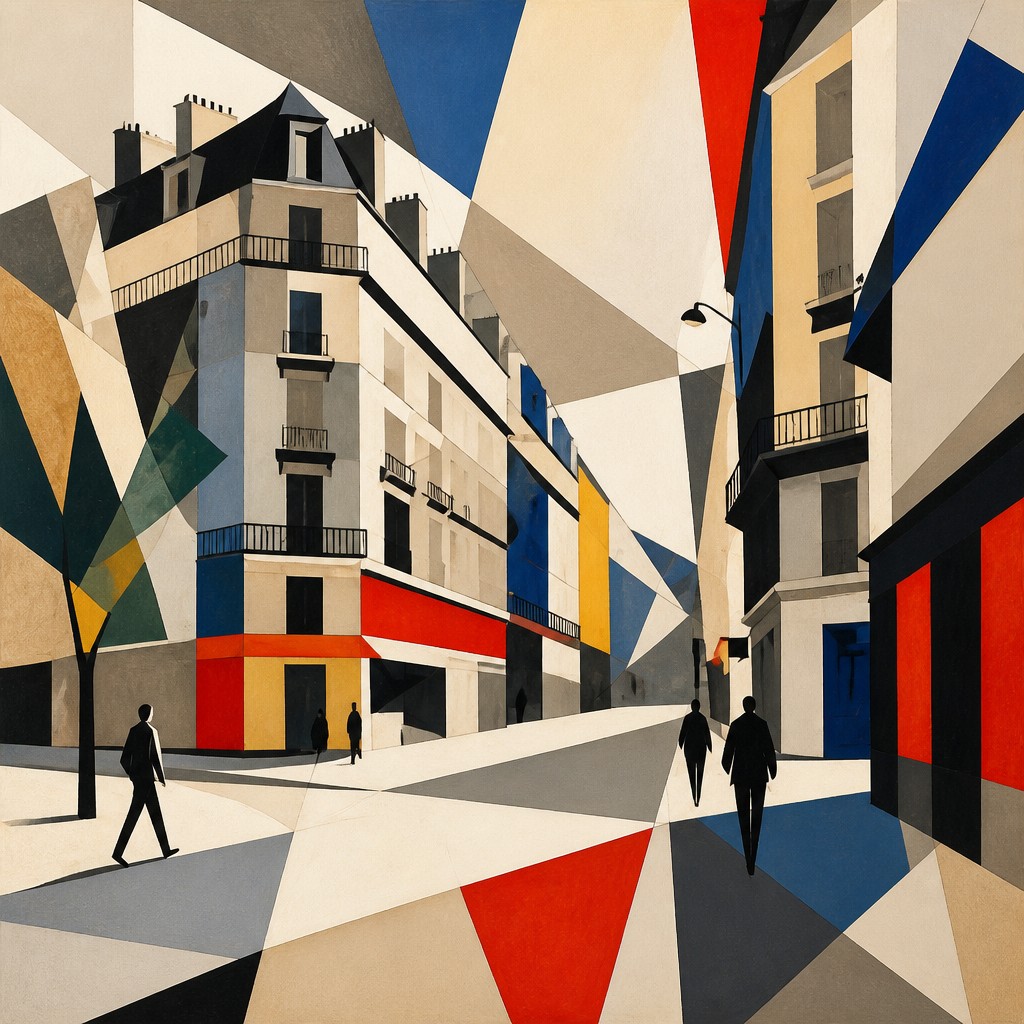

What Defines Modernist Art Style
The signature details, up close
Flat color planes
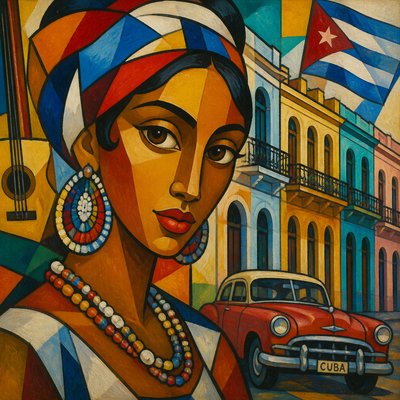
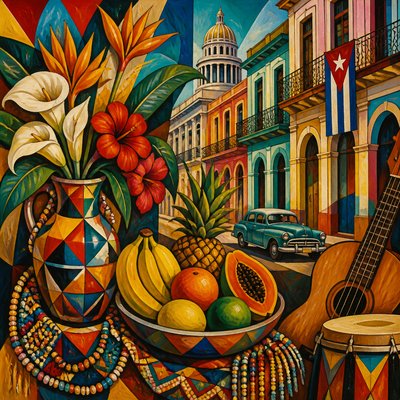
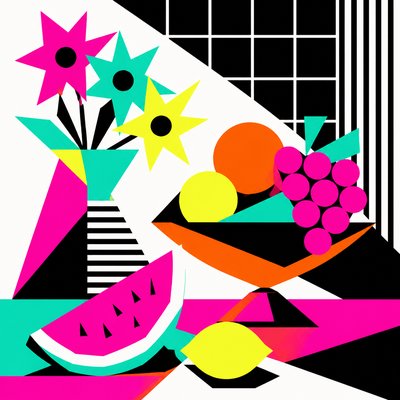
Color is applied in broad, confident areas with limited shading or modeling. Hues may describe an object, but they can also function independently to establish rhythm, contrast, or emotional intensity.
Geometric simplification
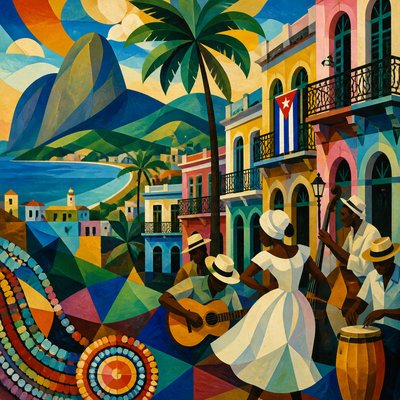
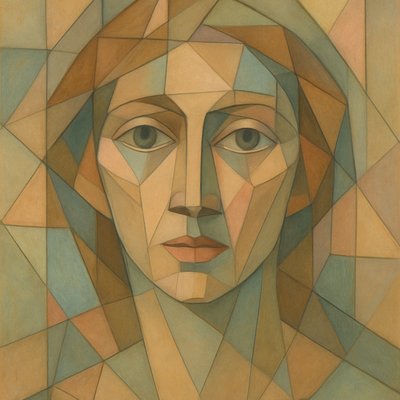
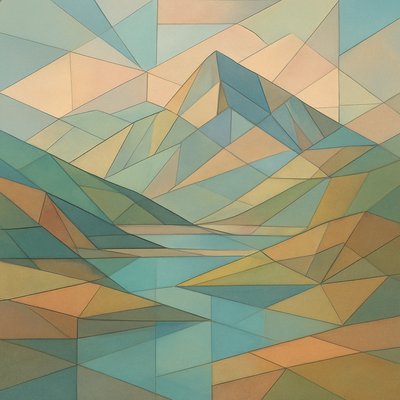
Figures, buildings, landscapes, and objects are reduced to circles, rectangles, wedges, cylinders, and irregular planar shapes. Geometry provides structural clarity without requiring strict symmetry.
Distorted perspective
Traditional depth cues may be compressed, multiplied, tilted, or deliberately contradicted. Several viewpoints can appear at once, creating a fractured but readable spatial field.
Asymmetrical composition
Balance often comes from unequal masses, cropped forms, diagonal movement, and off-center focal points rather than from centered, hierarchical arrangements.
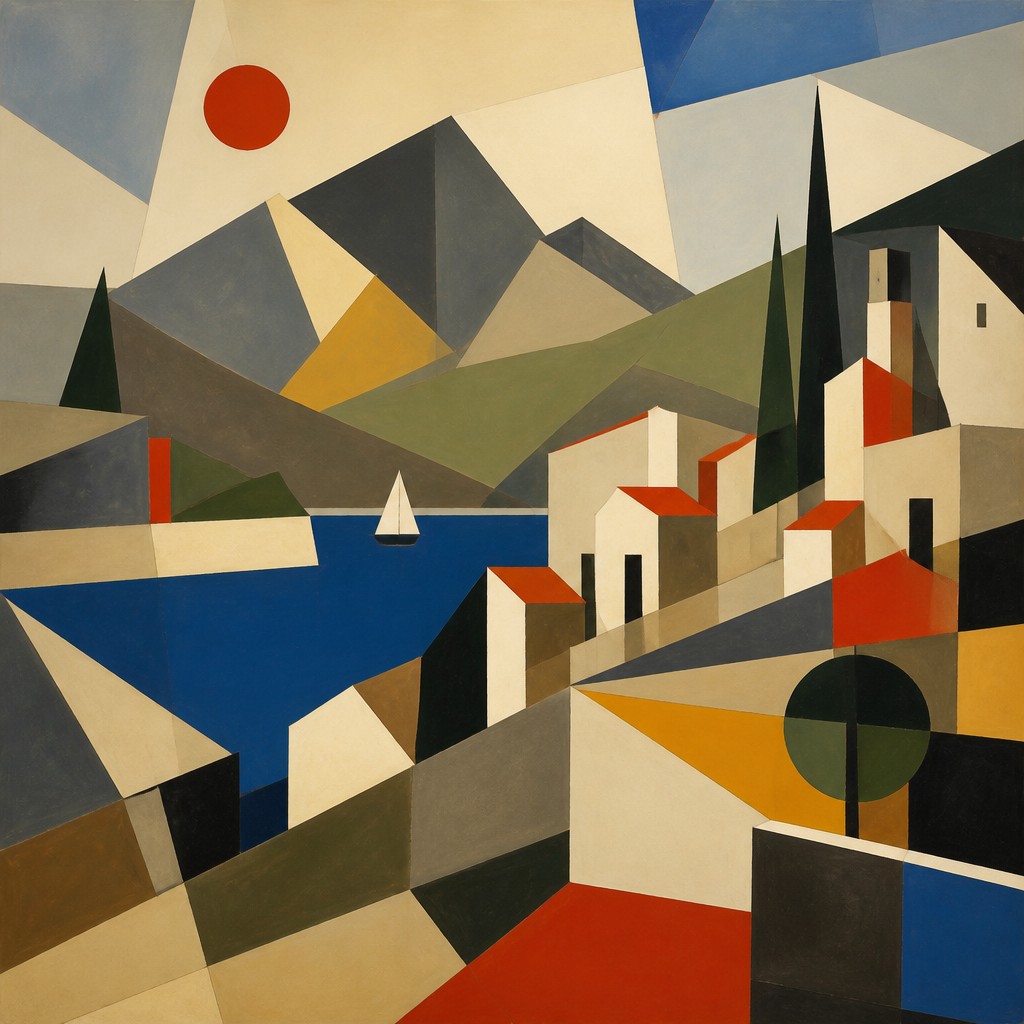
Primary accents and neutral grounds
Strong reds, yellows, blues, and black can be set against white, gray, beige, or unpainted-looking fields. This contrast gives the composition both visual energy and graphic discipline.
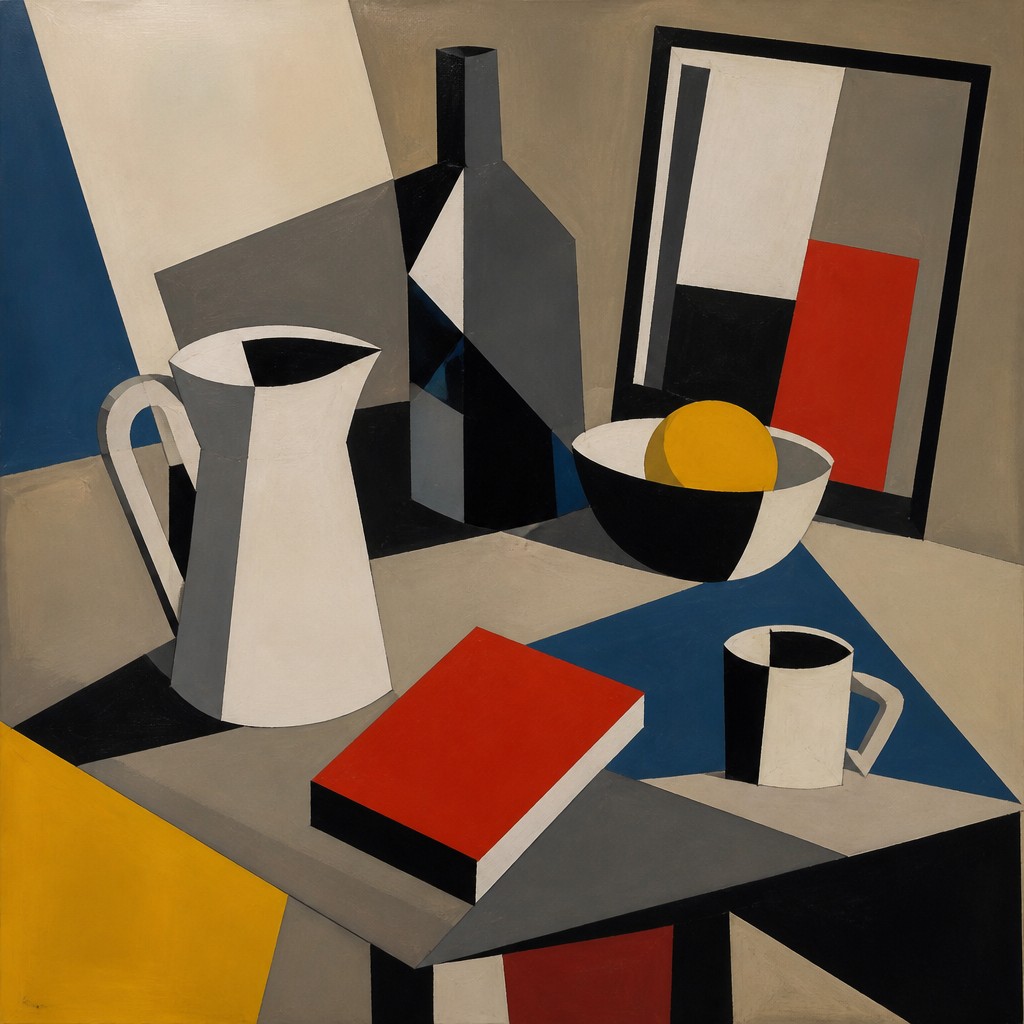
Abstraction and reduction
Recognition is maintained through essential contours, symbols, or spatial relationships rather than exhaustive detail. Unnecessary texture and decoration are often removed.
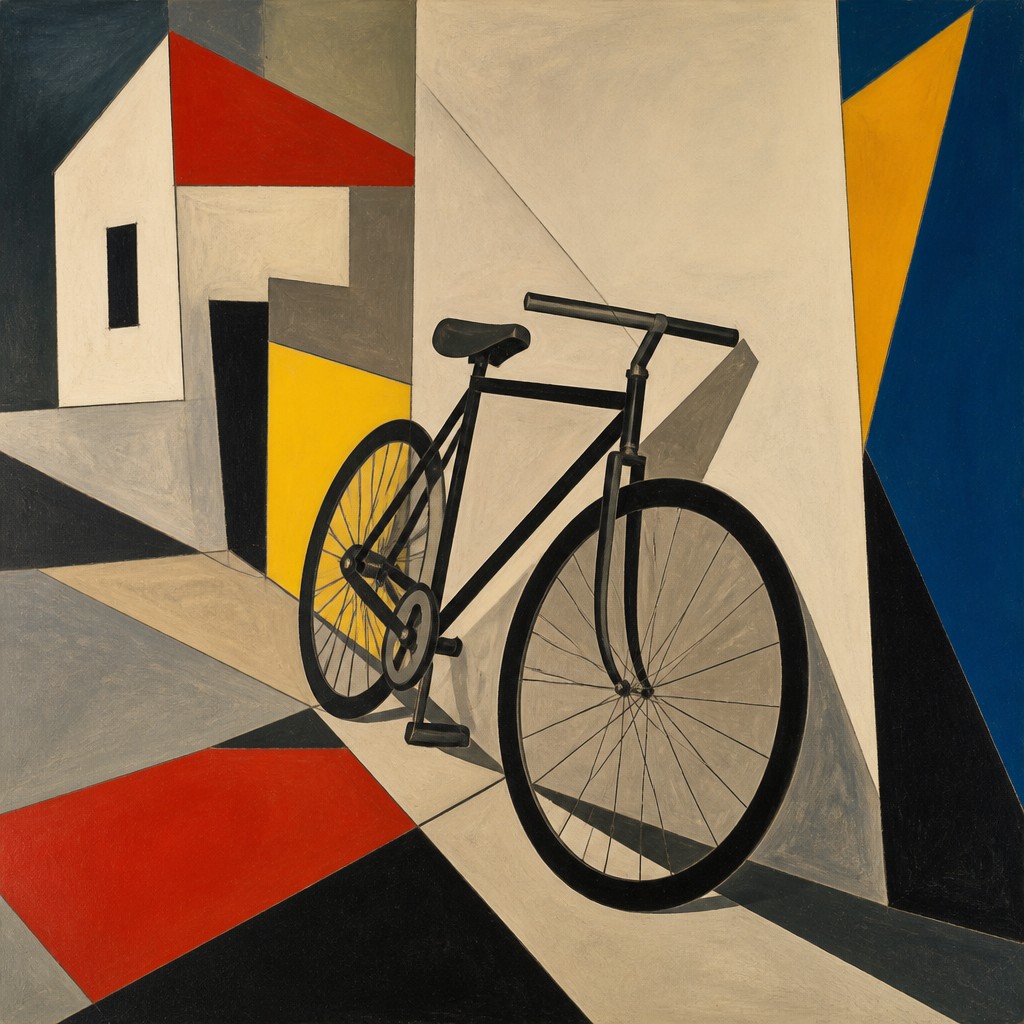
Structure balanced with intuition
Modernist images may appear rigorously designed while retaining irregular edges, expressive distortions, and spontaneous marks. The result is neither purely mechanical nor purely gestural.
Try It
Create Videos in Modernist Art Style
Styles aren't just for stills — describe a scene or animate an image and get a short video rendered in Modernist. Press play to see this pond come to life.
Make a VideoModernist Prompt Ideas
Start from an idea — each one opens the generator with the style ready to go. See all 40 Modernist prompts →
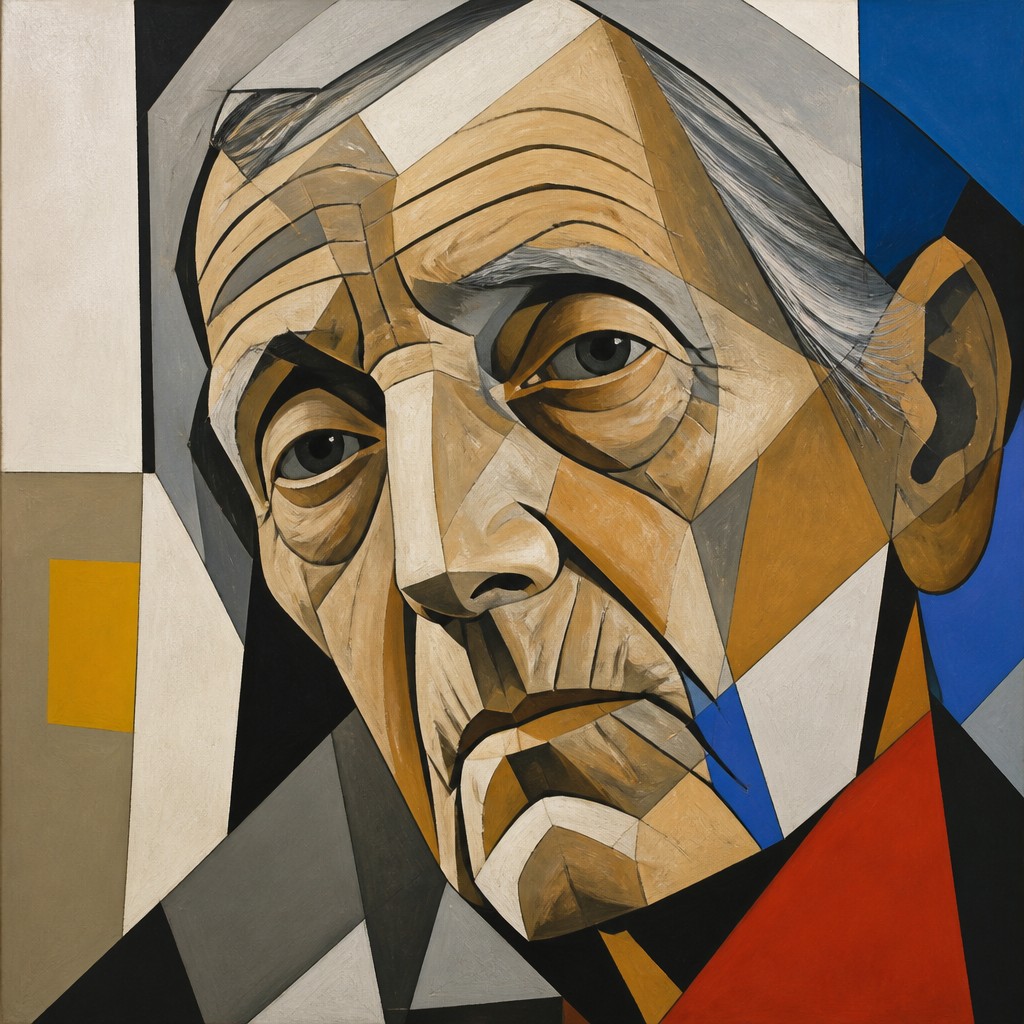
“close-up portrait of an elderly person with expressive weathered features”
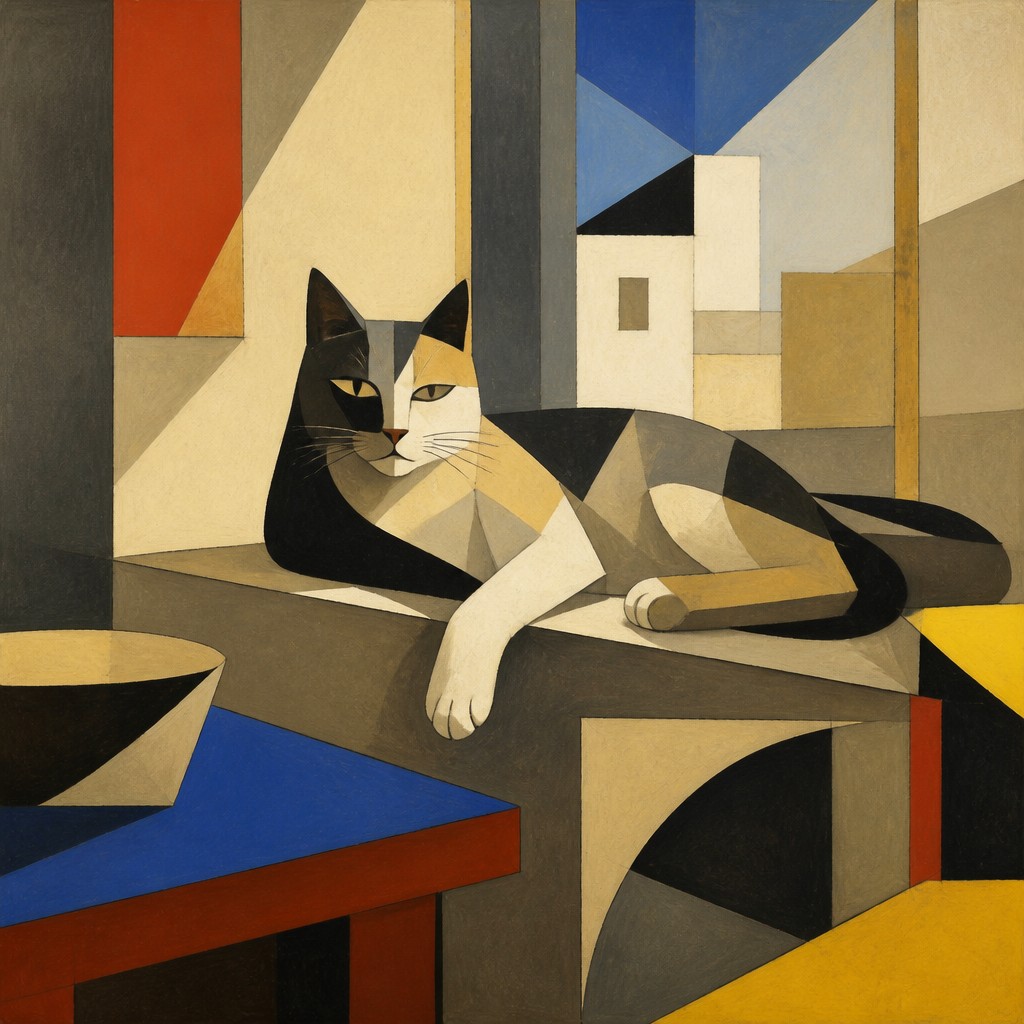
“a cat lounging in a sunlit window”
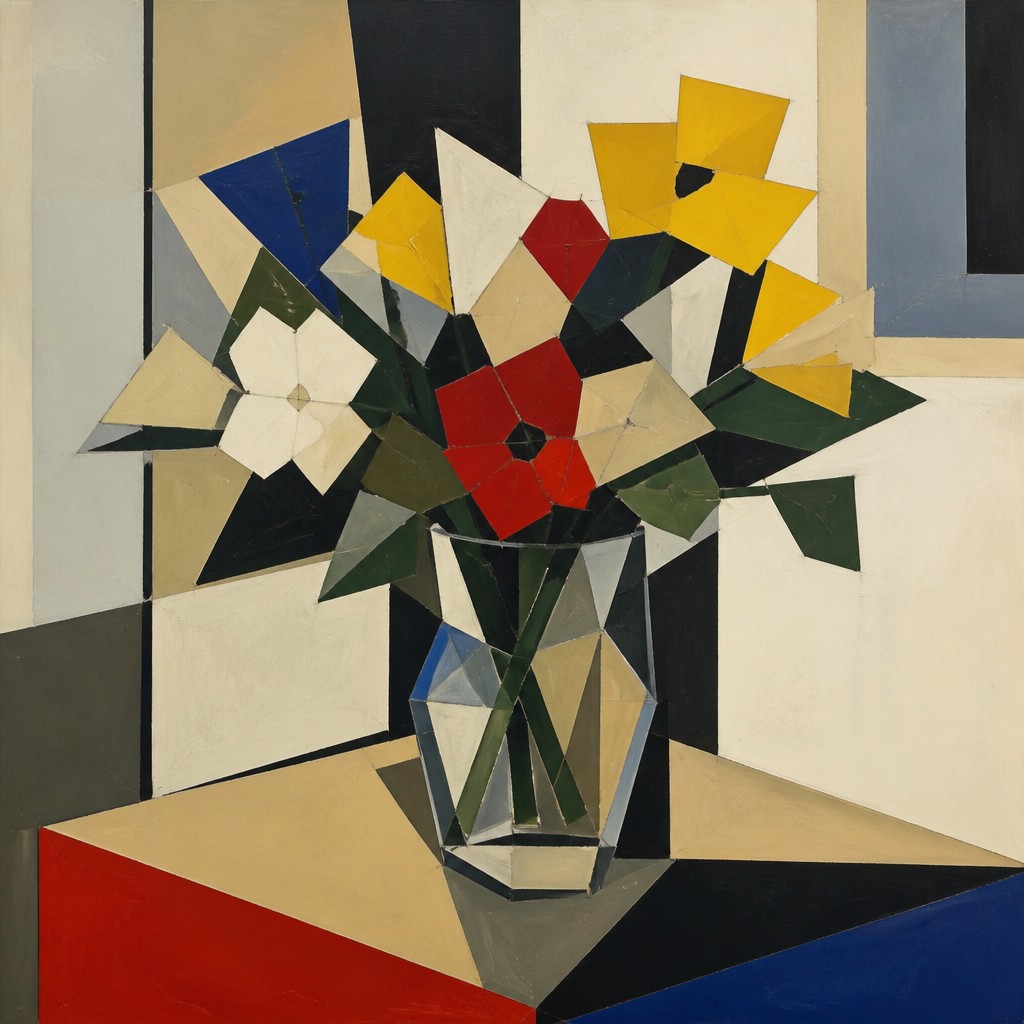
“bouquet of flowers in a glass vase”
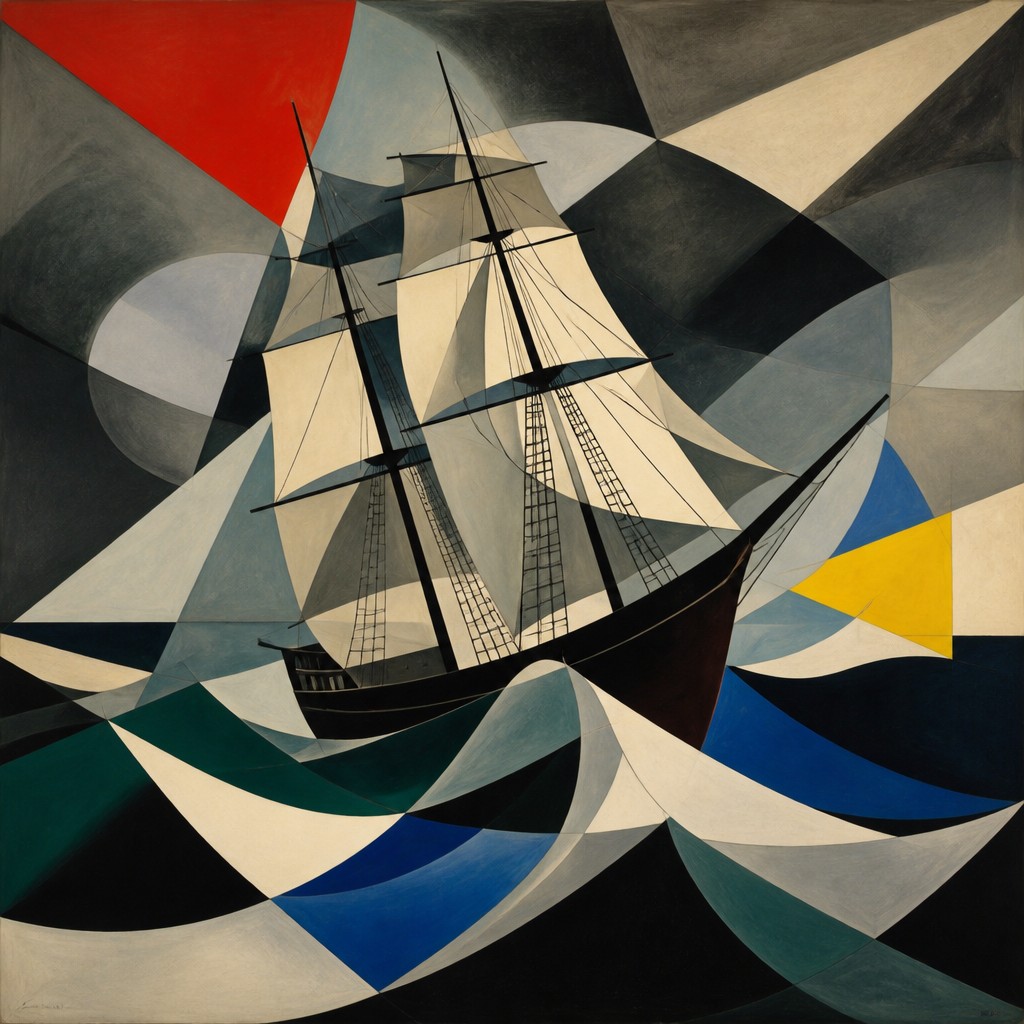
“sailing ship on a stormy sea”
How to Create Modernist Art
Master the craft step by step — or skip straight to creating. Read the full guide →
- 1
Reduce the subject to essential forms
Begin by identifying the largest silhouettes and directional axes, then replace detail with planes, arcs, blocks, and angular contours. Keep enough visual information for the subject to remain legible.
- 2
Build a restricted palette
Choose a neutral ground and two or three dominant colors, adding a small number of primary accents. In painting, use opaque, even applications; digitally, use clean fills and avoid automatic gradients.
- 3
Break conventional space
Tilt the horizon, overlap incompatible viewpoints, flatten distant forms, or enlarge secondary objects. Check that the distortion produces compositional tension rather than accidental confusion.
- 4
Design the whole surface
Treat negative space, cropped edges, and empty background areas as active components. Use asymmetrical balance, repeated shapes, and directional lines to lead the eye across the image.
- 5
Choose a controlled surface treatment
Traditional methods can include gouache, acrylic, collage, linocut, or opaque oil passages; digital work benefits from vector-like shapes, crisp masks, and restrained texture. Add grain or brush variation only when it supports the structure.
- 6
Write prompts with formal instructions
For prompt-based generation, specify the subject, simplified geometry, flat color planes, altered perspective, palette, background, and degree of abstraction. Exclude photorealistic shading, excessive texture, and decorative detail when a cleaner result is desired.
The Story
History & Origins of Modernist
Modernism developed across Europe and the Americas from the late nineteenth century into the mid-twentieth century, in response to industrialization, urban growth, new technologies, social upheaval, and changing ideas about perception. Artists increasingly challenged Renaissance perspective, illusionistic modeling, historical subject matter, and the hierarchy separating fine art from design and everyday visual culture.
Its development encompassed many related movements, including Post-Impressionism, Fauvism, Expressionism, Cubism, Futurism, Constructivism, De Stijl, and geometric abstraction. These schools explored different solutions—intensified color, emotional distortion, simultaneous viewpoints, machine-age dynamism, modular structure, or reduced form—so Modernist art is best understood as a period-spanning family of approaches rather than a single fixed formula.
Influences: Modernist art draws on Post-Impressionist color structure, Fauvist chromatic intensity, Expressionist distortion, Cubist multiple viewpoints, Futurist dynamism, Constructivist geometry, De Stijl reduction, Bauhaus design principles, collage, printmaking, photography, and industrial design. It also shares methods with folk art, African and Oceanic visual traditions, non-Western spatial systems, and commercial graphic design, although those traditions should be studied in their own historical and cultural contexts rather than treated as interchangeable sources.
Frequently Asked Questions
What defines the Modernist art style?
Modernist art is defined by a conscious departure from academic realism and inherited conventions. Common features include simplified forms, flat or intensified color, experimental geometry, altered perspective, asymmetrical composition, and a willingness to let the medium or design structure shape the subject.
Is Modernist art the same as abstract art?
No. Modernism includes both representational and abstract work. A Modernist image may depict a person, building, or landscape while simplifying it into geometric planes, whereas fully abstract work may remove recognizable subject matter altogether.
How does Modernism differ from Minimalism?
Modernism is a broad historical period and set of experimental attitudes, while Minimalism is a more specific movement associated primarily with reduced forms, repetition, industrial materials, and strict objecthood. Modernist images can be highly colorful, expressive, and distorted in ways that are not typical of Minimalism.
What materials work well for making Modernist art?
Opaque paint such as gouache, acrylic, and oil is well suited to flat planes and controlled color. Collage, linocut, screen printing, vector drawing, digital painting, and photography with geometric cropping can also produce convincing Modernist effects.
How can I make a portrait look Modernist?
Simplify the face into a few large planes, exaggerate the silhouette, and consider showing more than one viewpoint. Use a limited palette with deliberate accent colors, flatten the background, and preserve only the features needed for recognition.
Where is Modernist visual language used today?
Its principles remain common in editorial illustration, posters, book covers, branding, architecture imagery, editorial photography, motion graphics, textiles, and contemporary painting. Modernist geometry is often adapted for digital interfaces and visual communication because it remains clear at a glance.
Create your first Modernist artwork
Describe anything — or upload a photo — and see it in Modernist Art Style in seconds.
Related Styles
Discover similar art styles