Brazilian Art Style
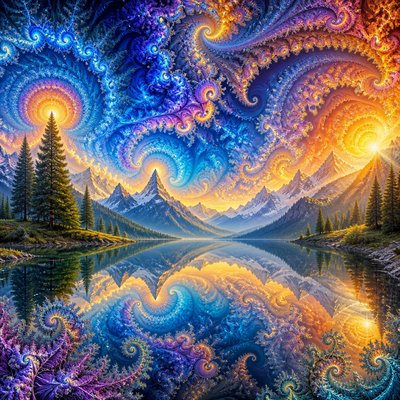
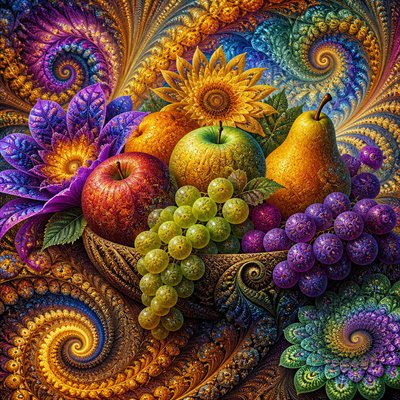
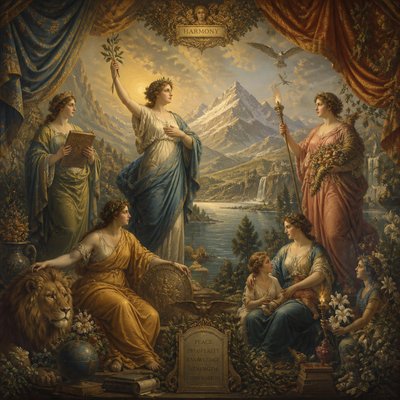
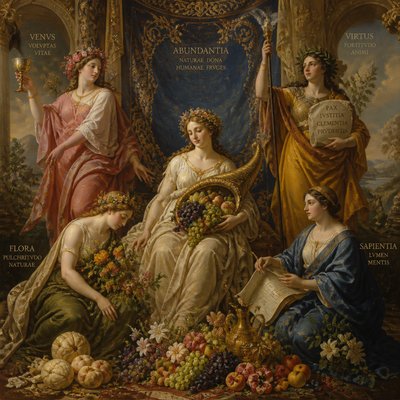
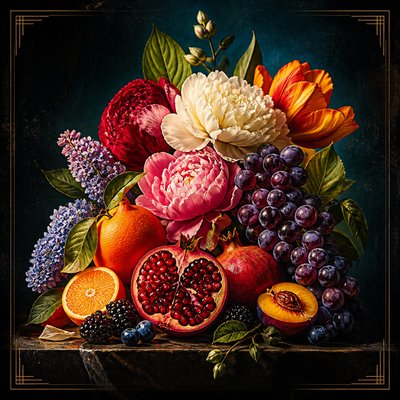
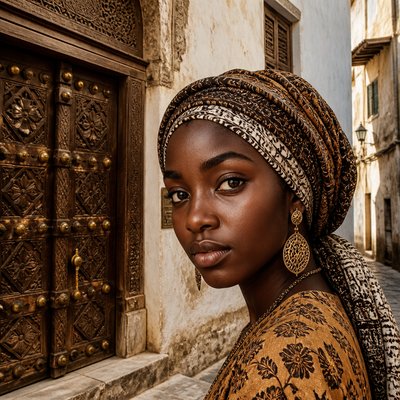
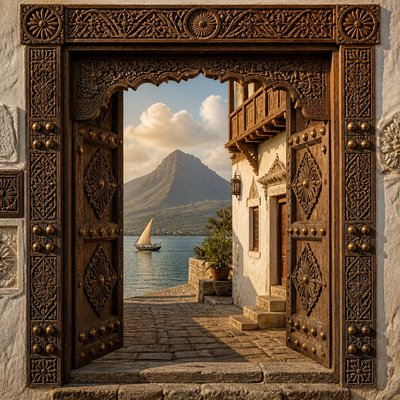
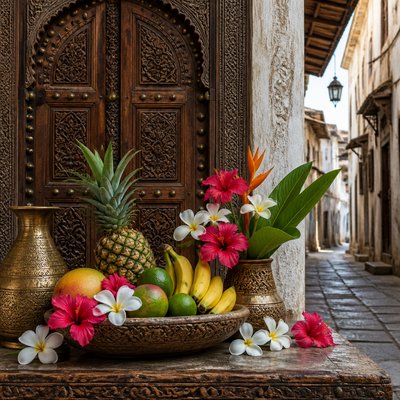
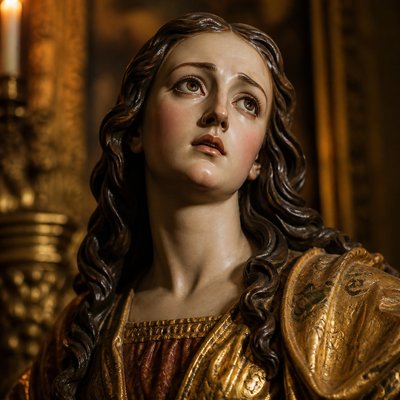
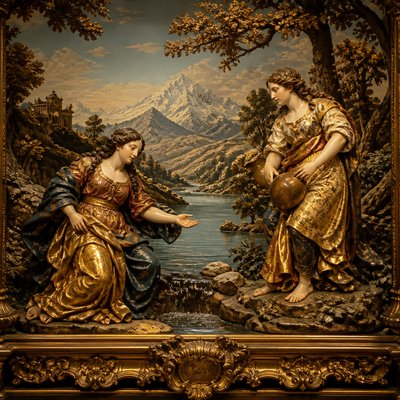
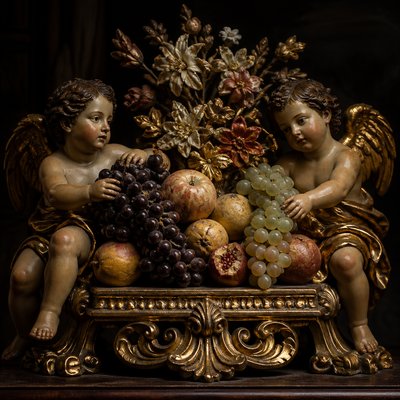
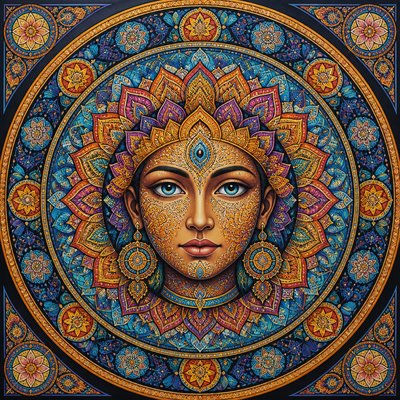
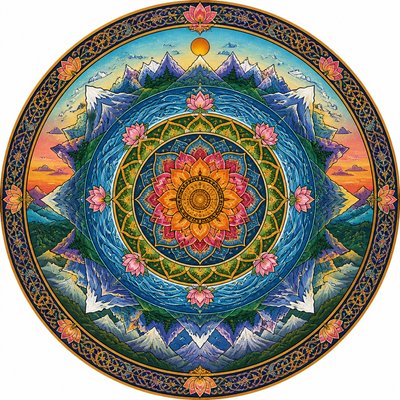
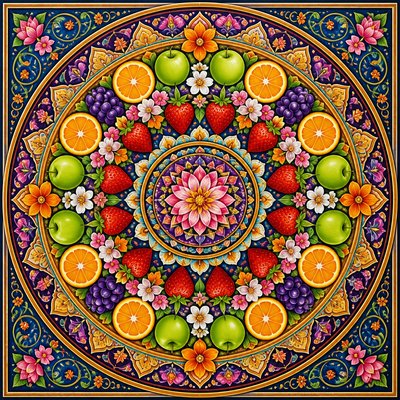
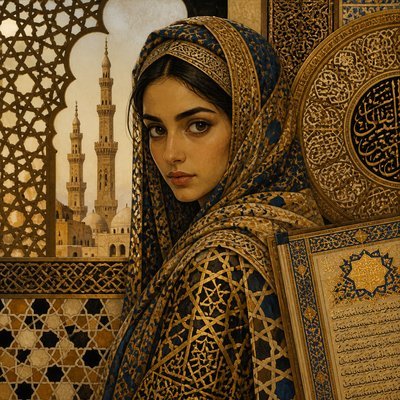
Explore Brazilian Art Style: a vivid fusion of Baroque ornament, tropical modernism, azulejo patterns, lush nature, and carnival color.
Instantly rendered in Brazilian — or transform a photo
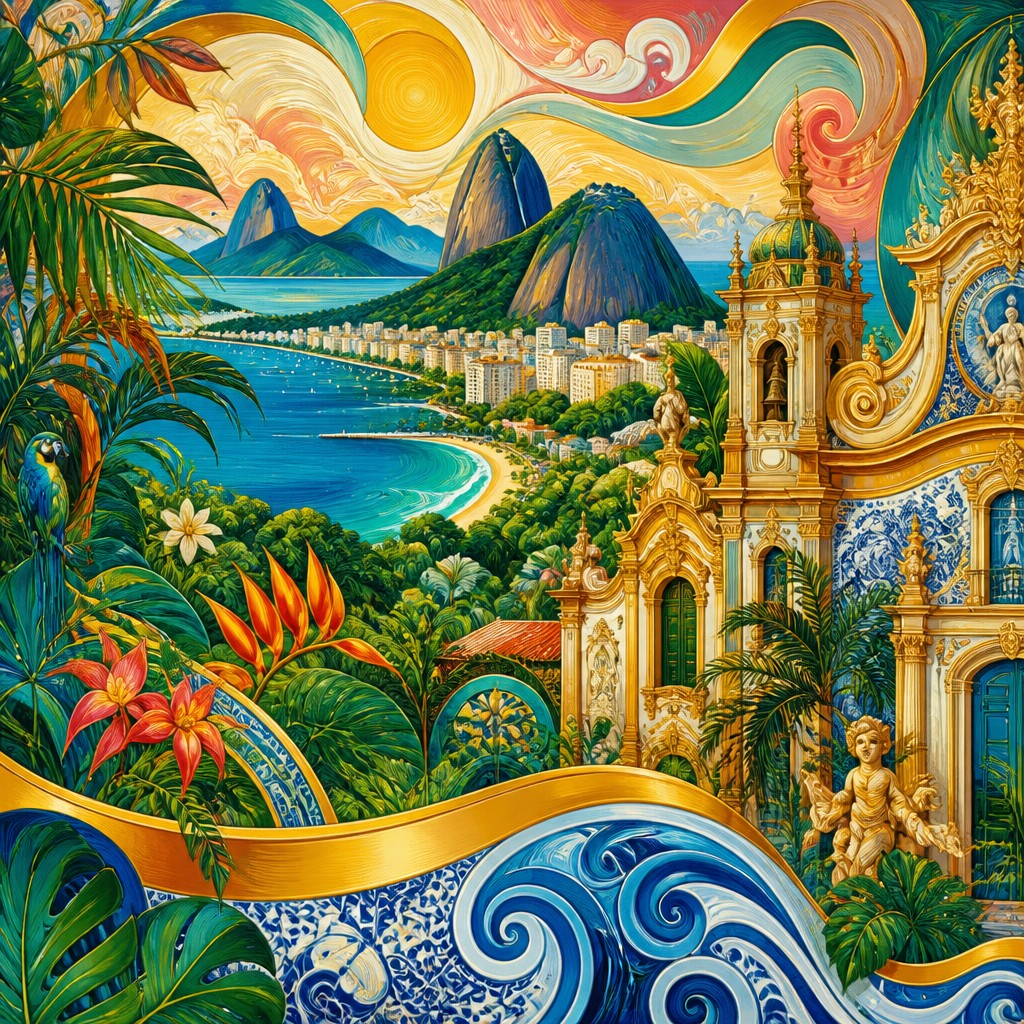
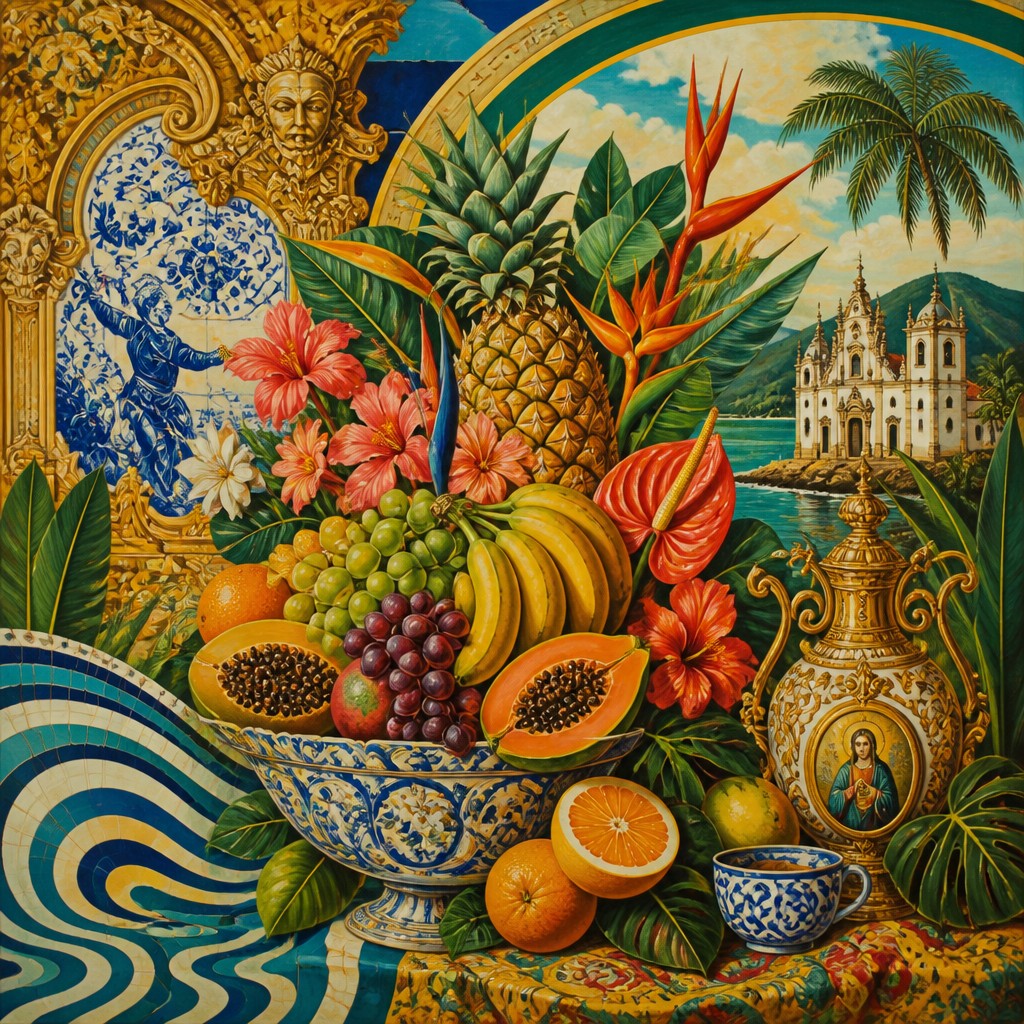
Brazilian Gallery
Tap any artwork to explore it
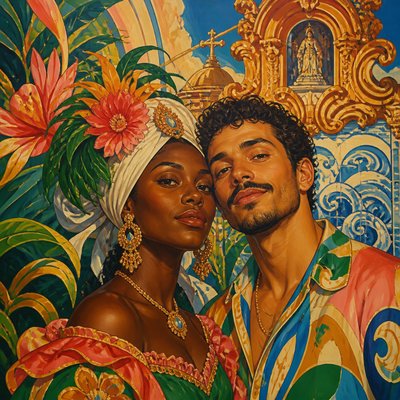
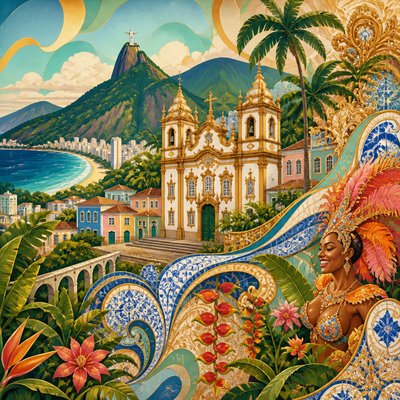
What is Brazilian Art Style?
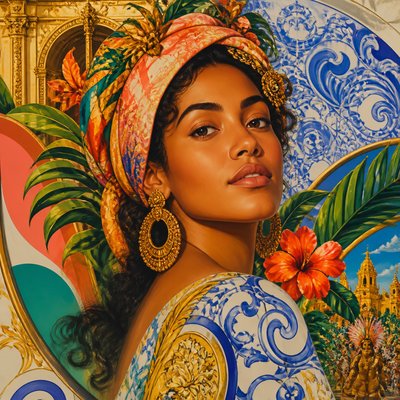
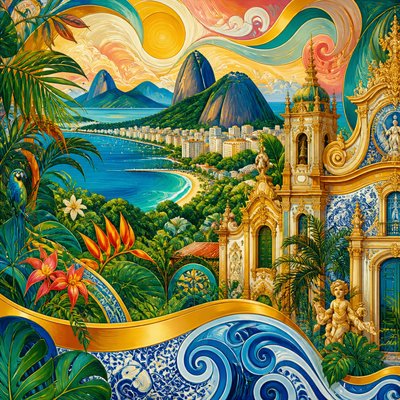
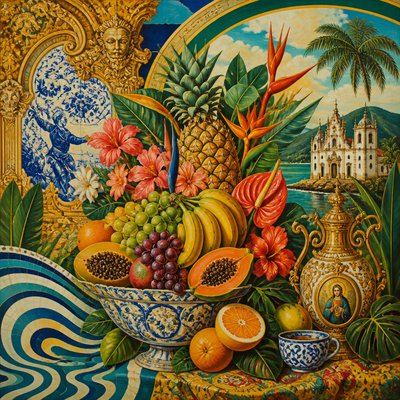
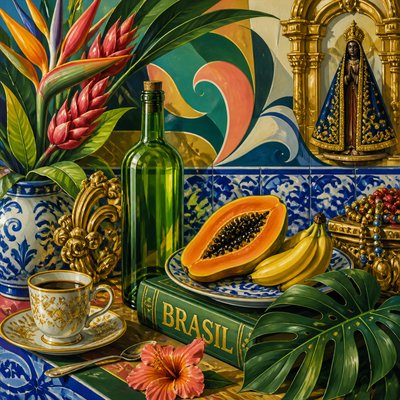
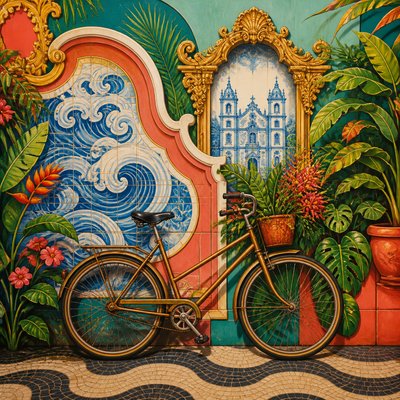
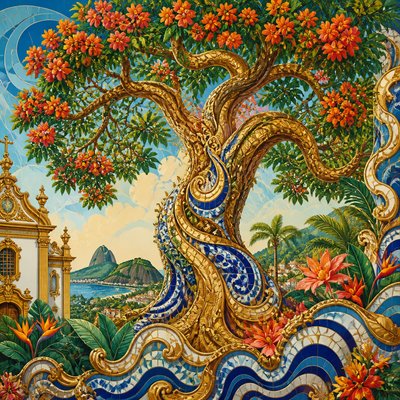
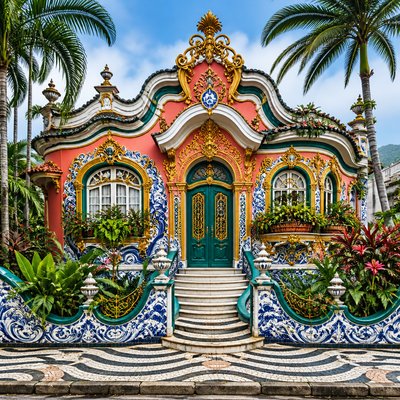
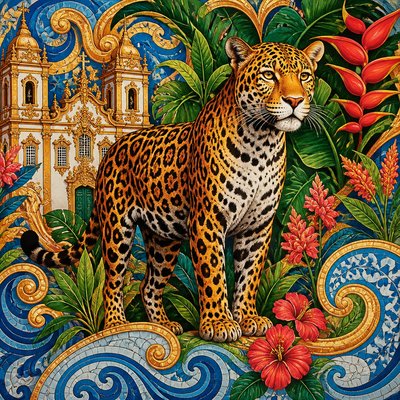
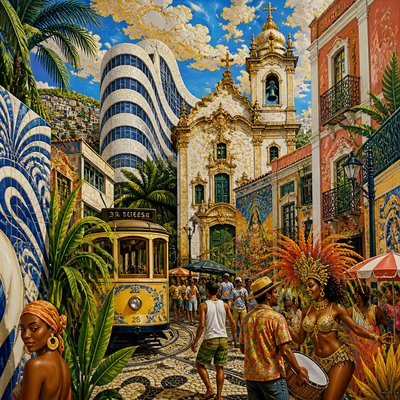
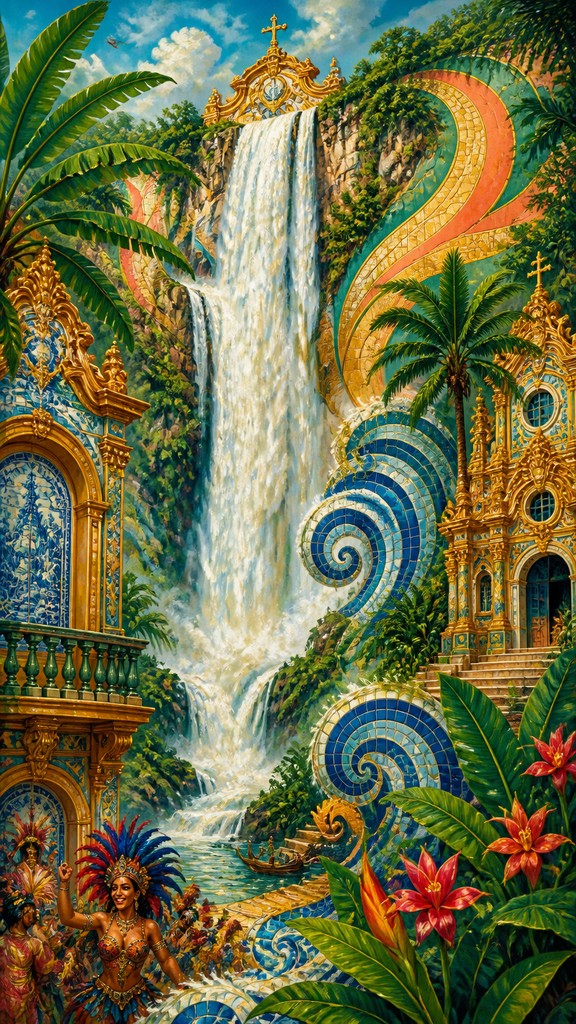
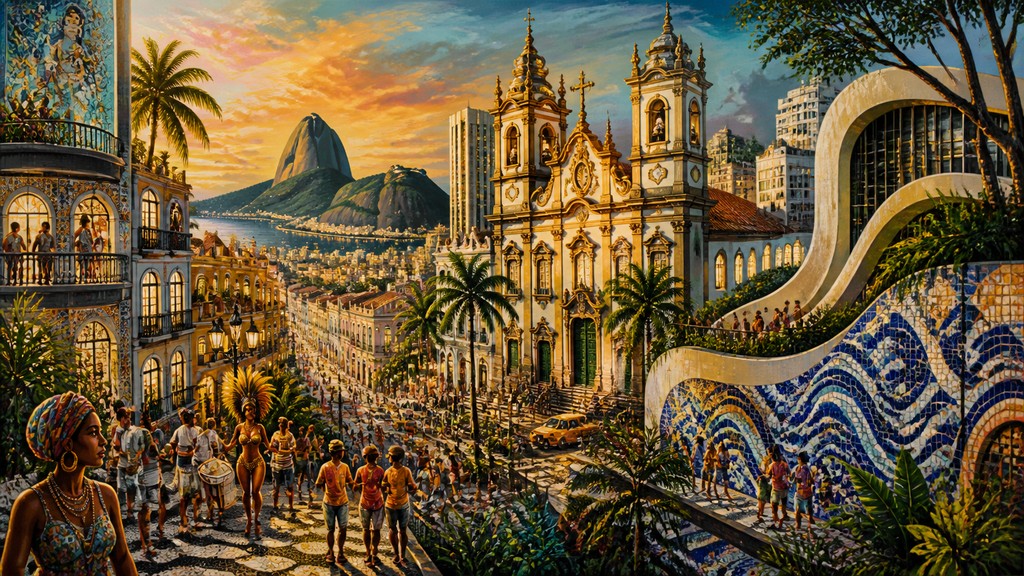
Brazilian Art Style is a contemporary hybrid aesthetic rather than a single historical movement. It combines the theatrical richness of Brazilian colonial Baroque, the curving geometry of modern Brazilian architecture and design, the decorative vocabulary of Portuguese-influenced azulejos, and the saturated color and movement associated with carnival and tropical landscapes.
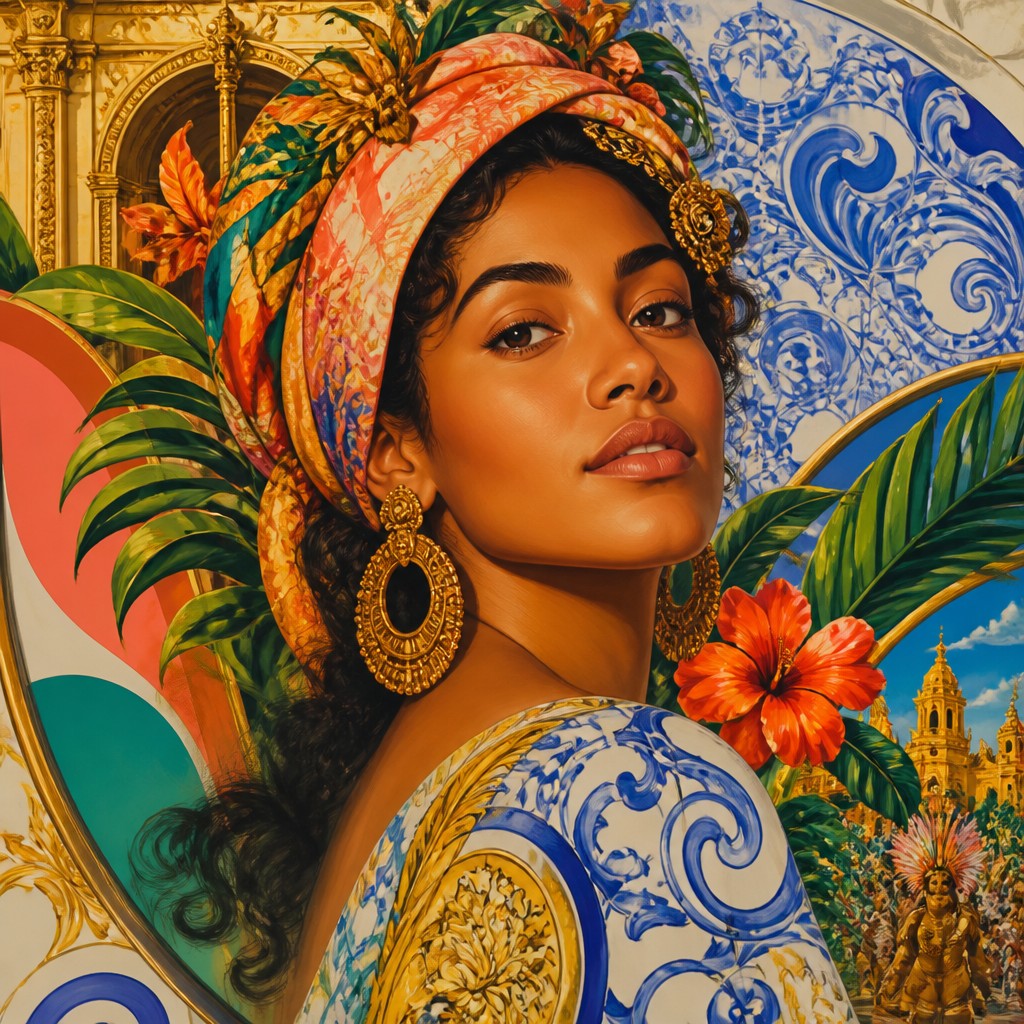
Its visual identity depends on deliberate excess: gilded surfaces, dense foliage, rhythmic patterns, sweeping silhouettes, and intense contrasts between emerald, turquoise, coral, yellow, and metallic gold. The style looks celebratory and spatially dynamic because it brings together devotional ornament, modernist simplification, vernacular craft, and public-festival energy in a single composition.
Try It On Your Photos
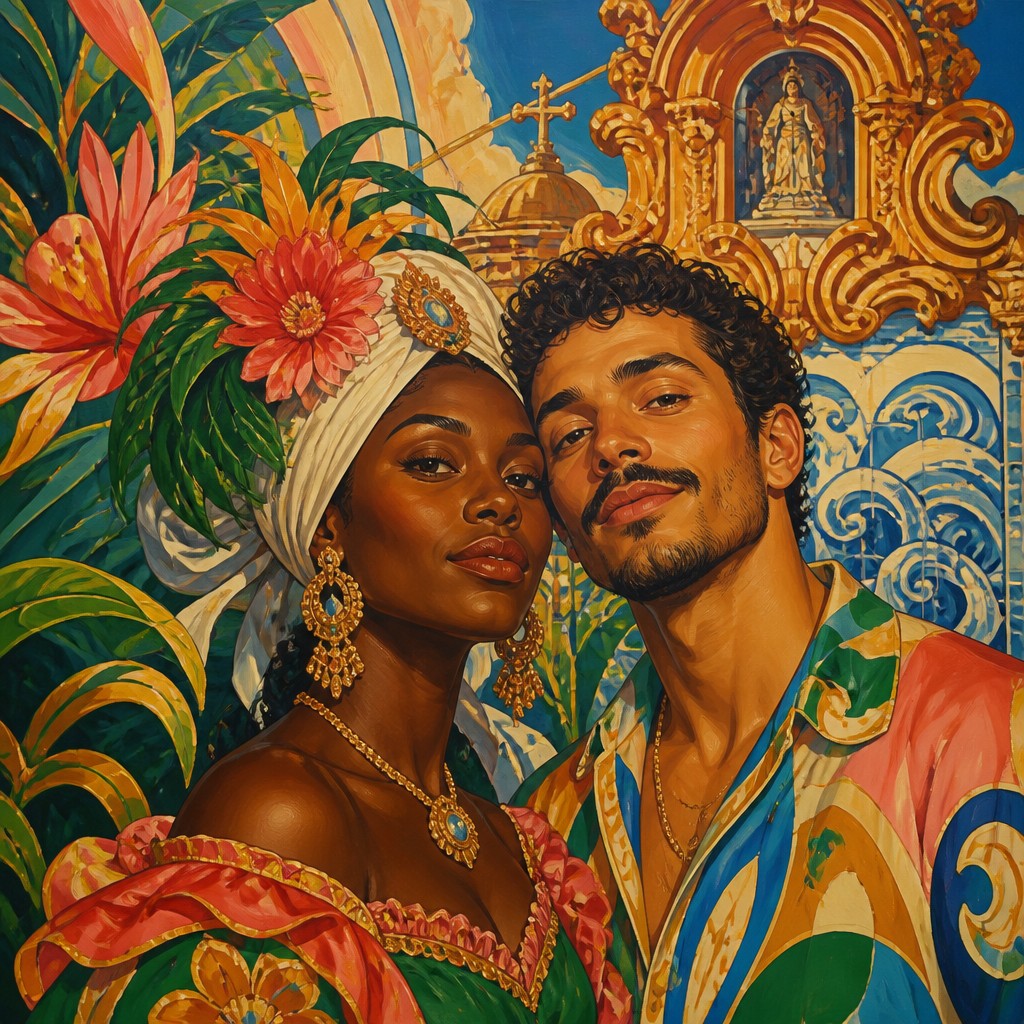
Upload any photo and convert it into Brazilian Art Style — drag the sliders to compare before and after.


What Defines Brazilian Art Style
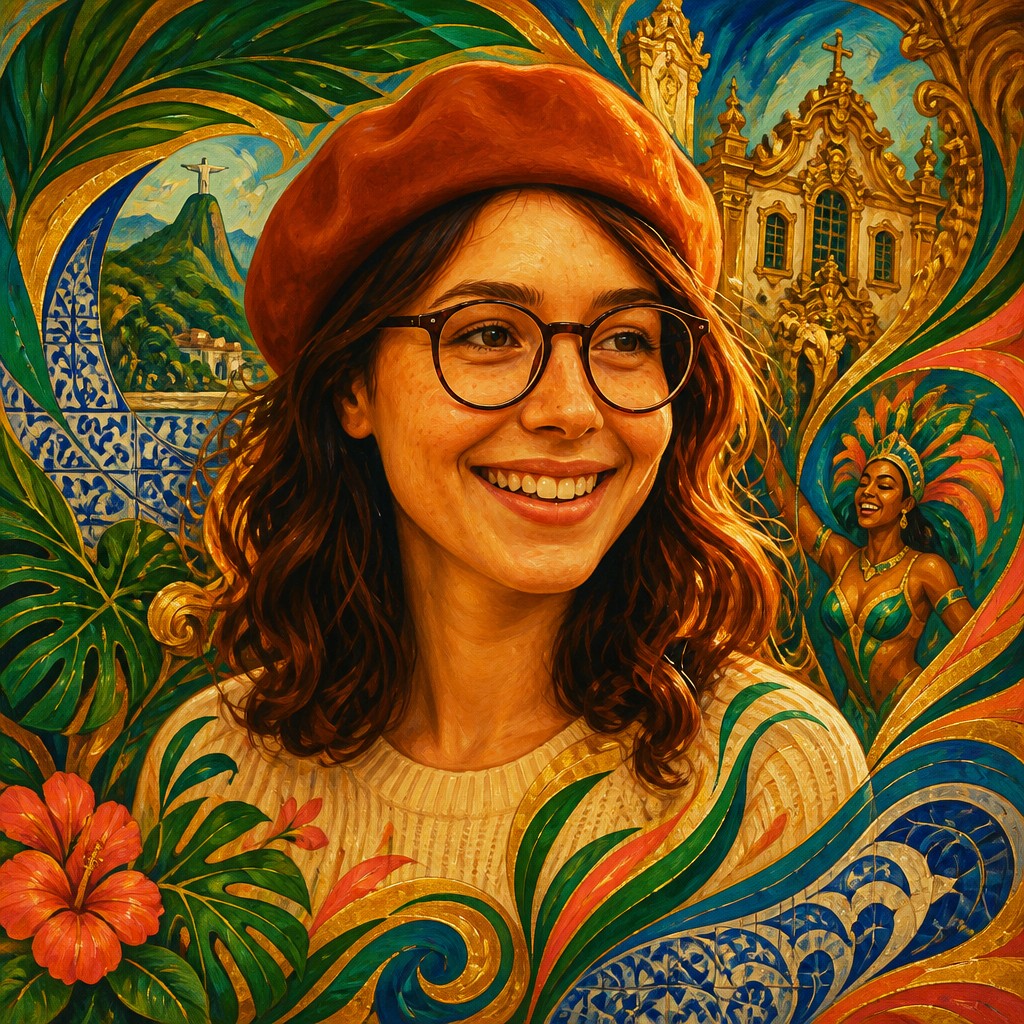
The signature details, up close
Baroque gilding
Metallic gold, carved-looking ornament, halos, scrollwork, and theatrical highlights suggest the opulence of Brazilian colonial church interiors. Gilding works best as a concentrated accent against darker or saturated colors.
Tropical saturation
Emerald greens, coral, turquoise, sunlit yellow, cobalt, and warm terracotta create a vivid palette. High color intensity gives the composition a festive, humid, sun-filled atmosphere.
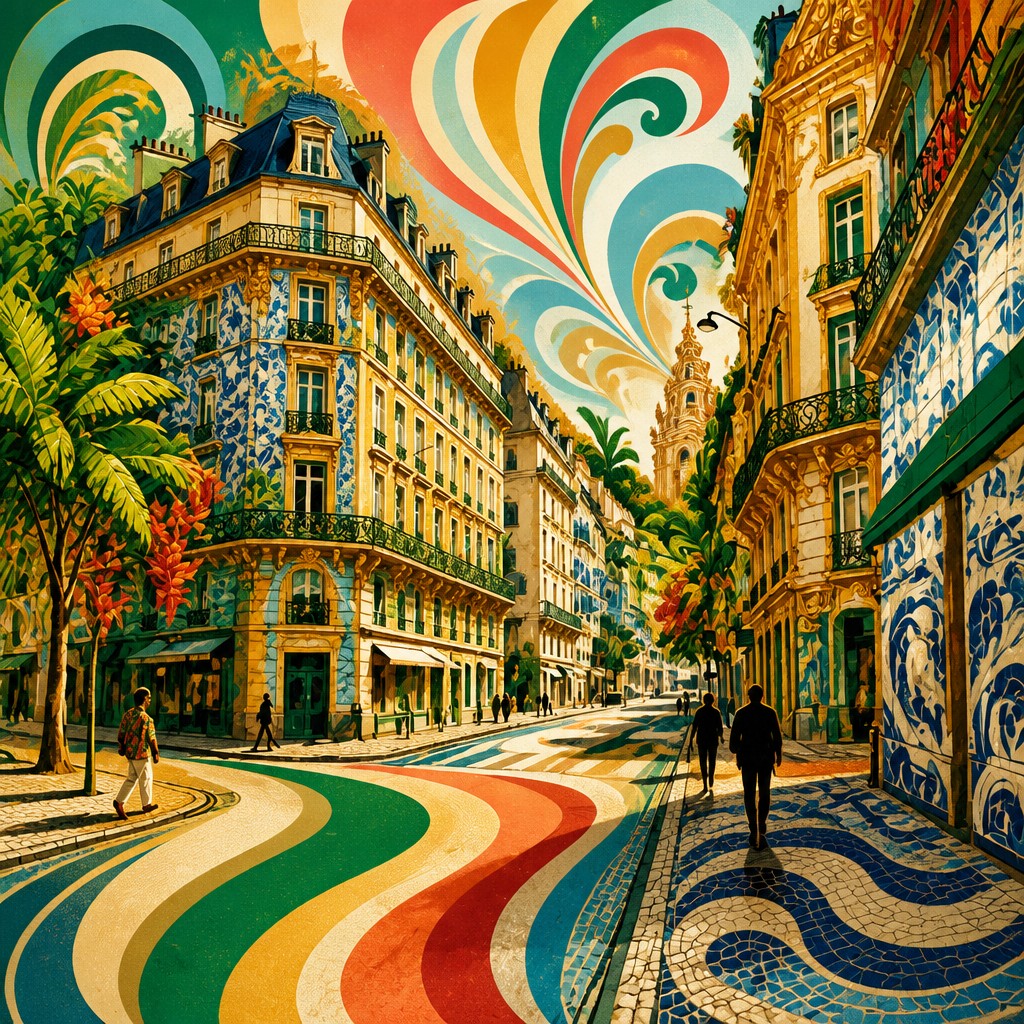
Sweeping modernist curves
Arcing roofs, ribbon-like lines, rounded volumes, and broad sculptural contours balance the density of Baroque decoration. These forms introduce visual movement without relying on small details everywhere.
Azulejo-inspired pattern
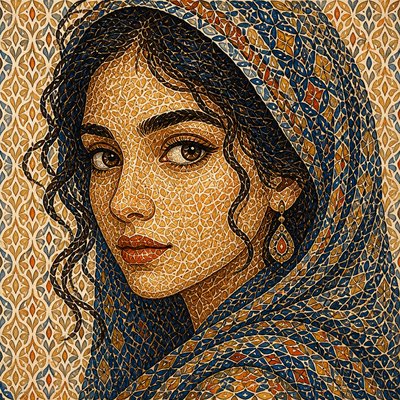
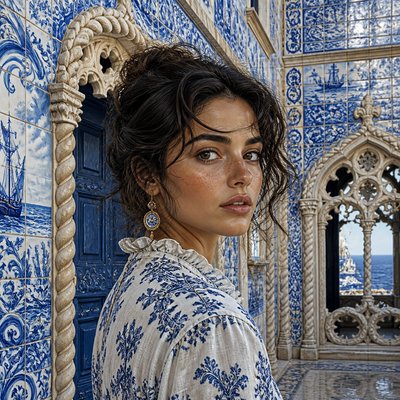
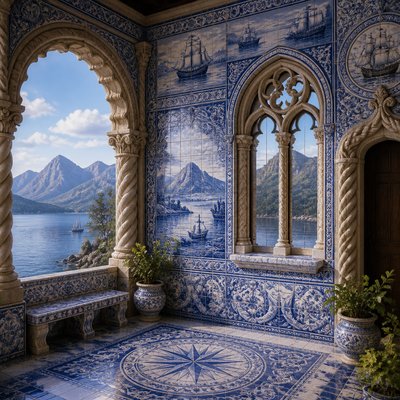
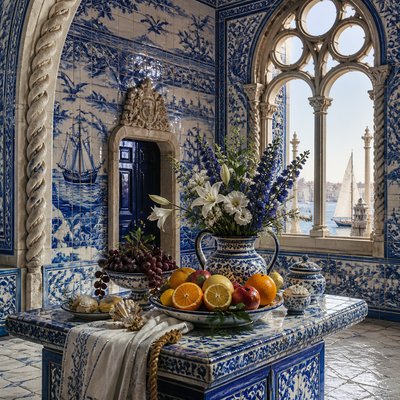
Blue-and-white tile grids, wave motifs, geometric borders, and repeated botanical designs provide an architectural surface language. The patterns may be arranged precisely or allowed to flow across curved planes.
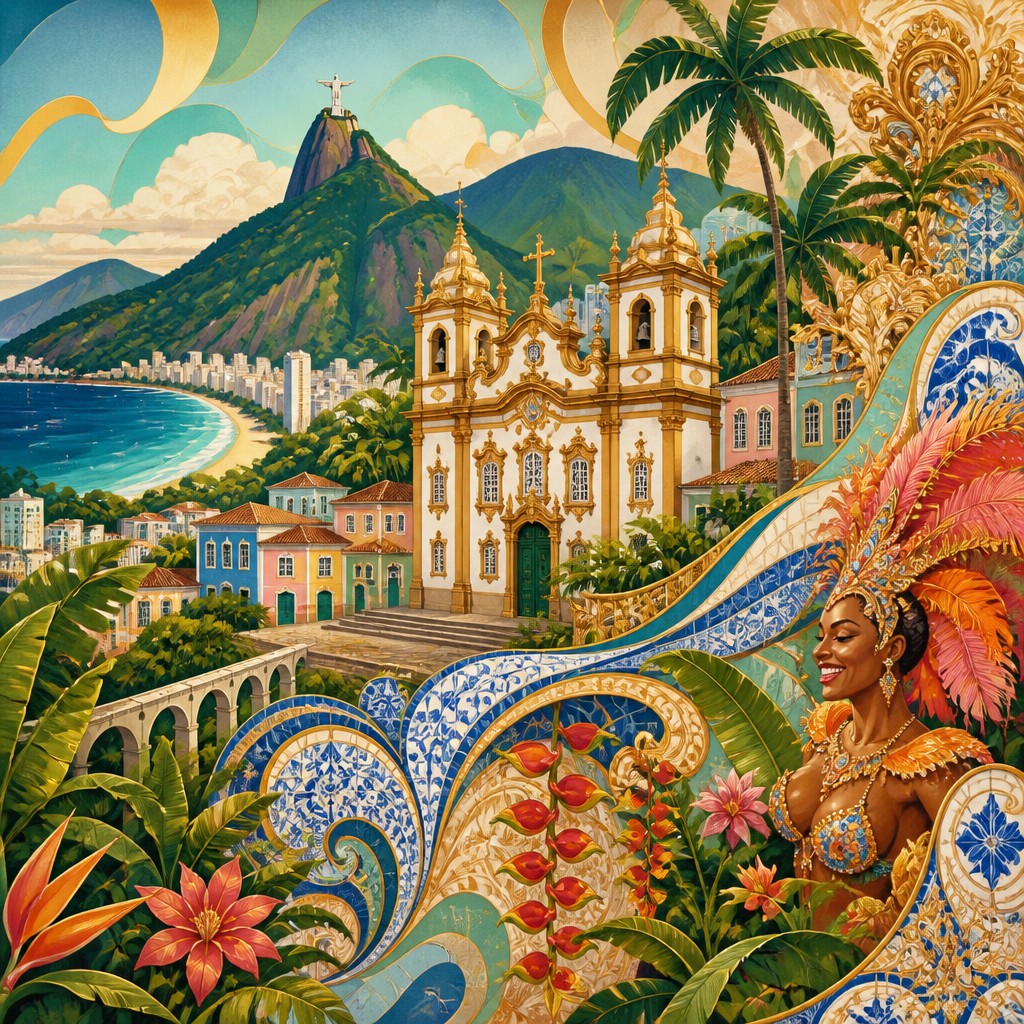
Lush botanical imagery
Large leaves, palms, flowering plants, vines, and rainforest-like layers create depth and reinforce the tropical setting. Foliage is often oversized, stylized, and integrated into the surrounding ornament.
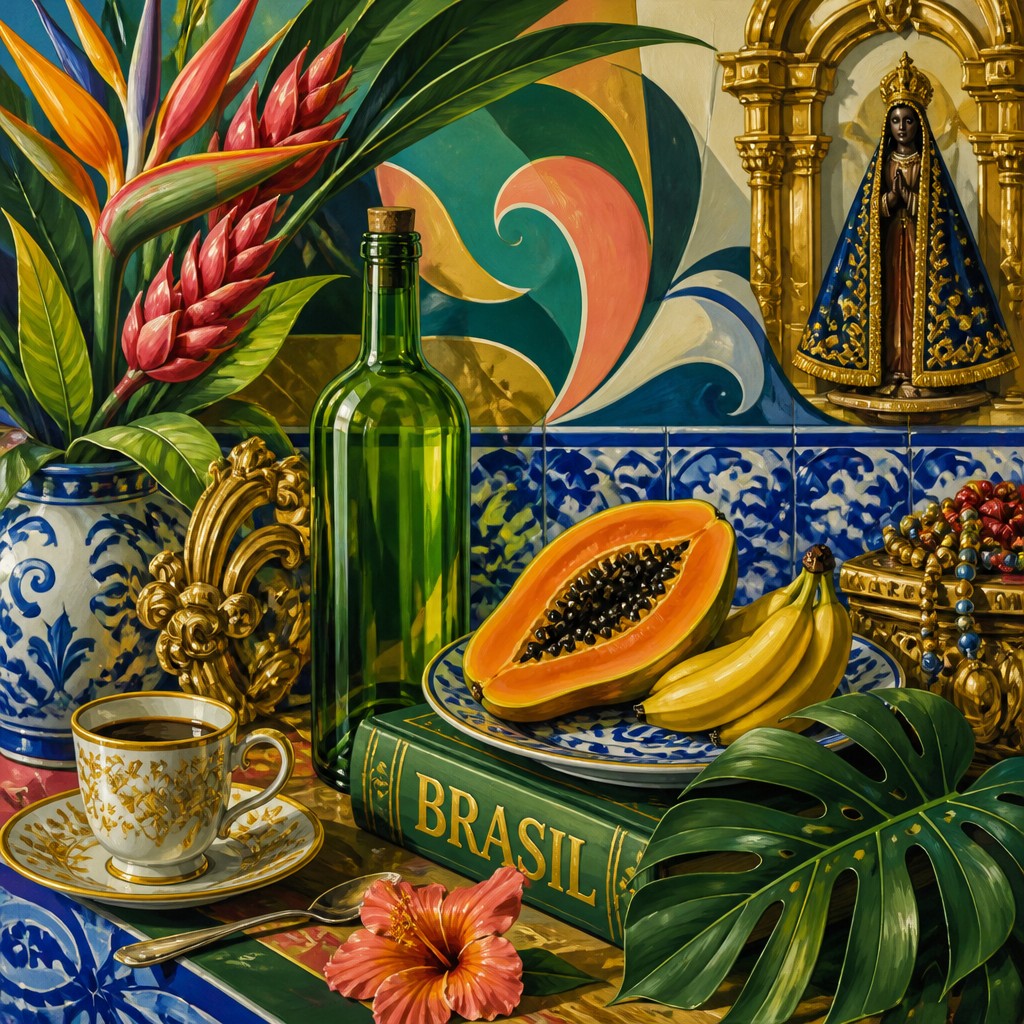
Carnival rhythm
Repetition, diagonal movement, confetti-like marks, streamers, sequins, and clustered figures suggest music and procession. Compositions often feel animated even when the subject itself is still.
Try It
Create Videos in Brazilian Art Style
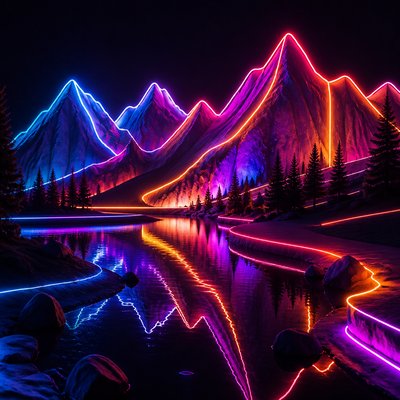
Styles aren't just for stills — describe a scene or animate an image and get a short video rendered in Brazilian. Press play to see this pond come to life.
Make a VideoBrazilian Prompt Ideas
Start from an idea — each one opens the generator with the style ready to go. See all 40 Brazilian prompts →
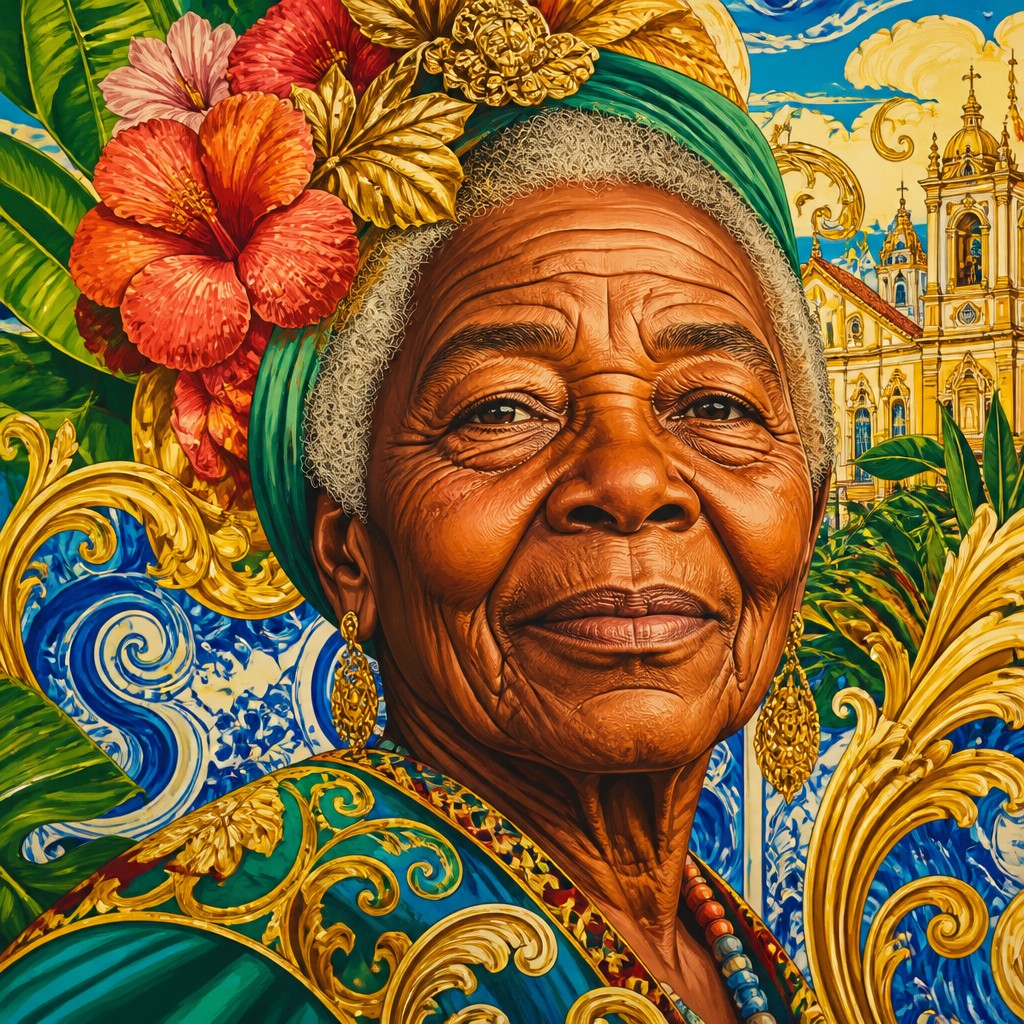
“close-up portrait of an elderly person with expressive weathered features”
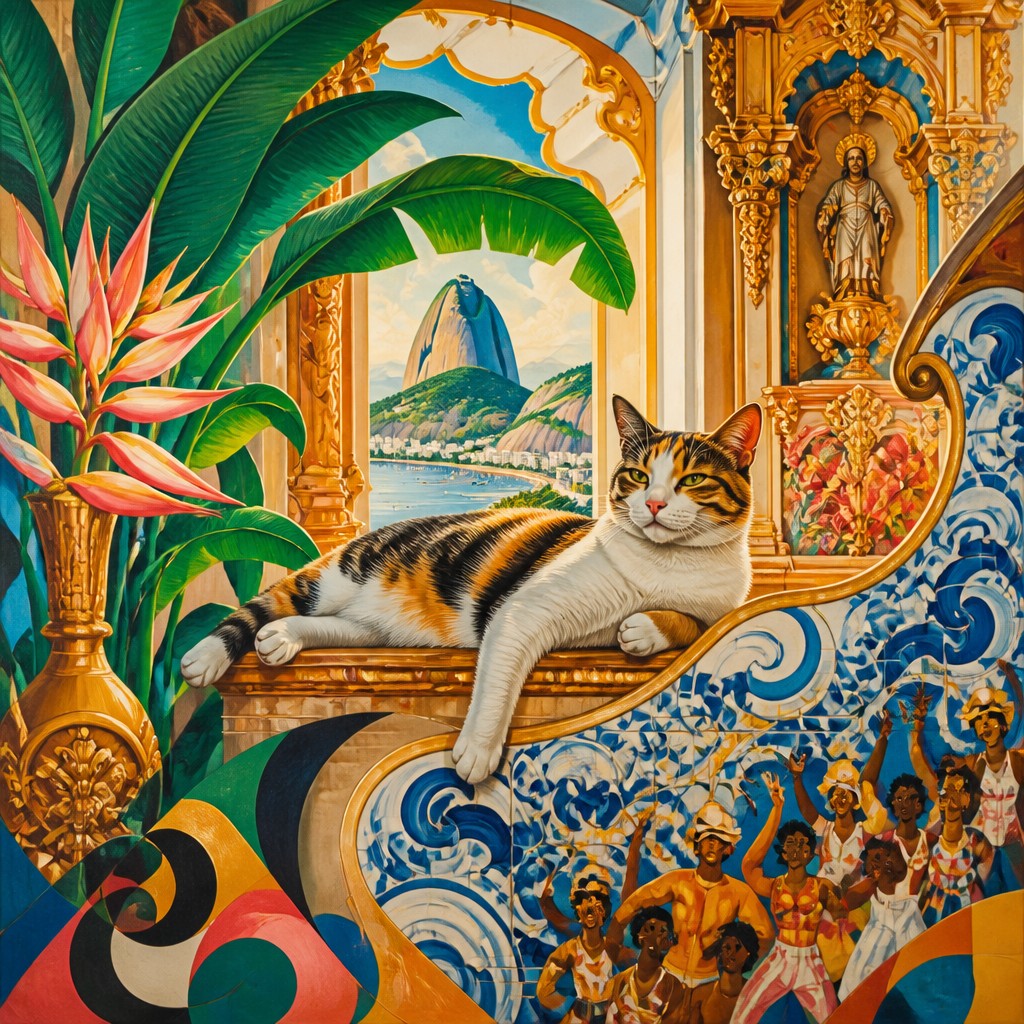
“a cat lounging in a sunlit window”
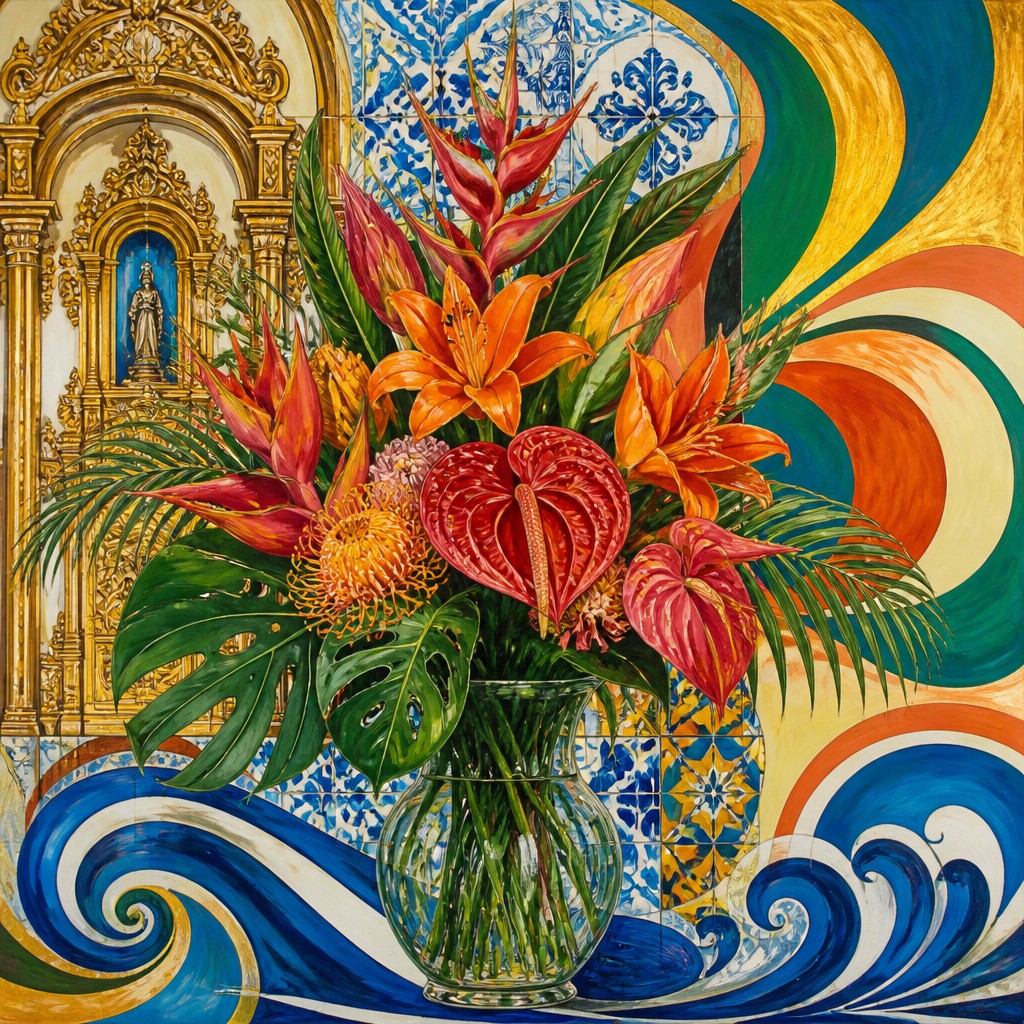
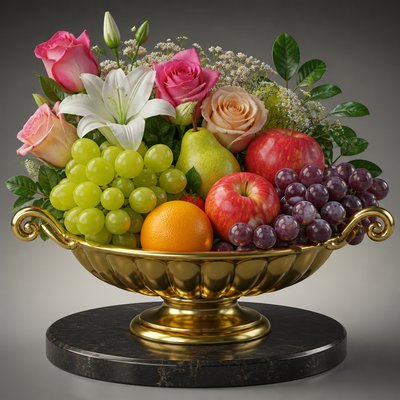
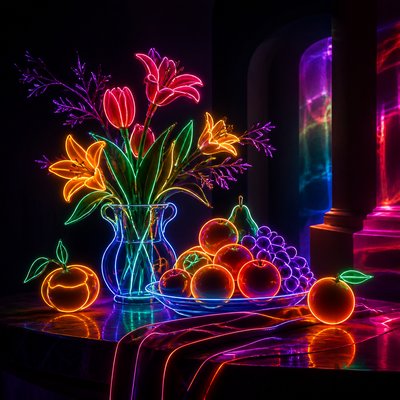
“bouquet of flowers in a glass vase”
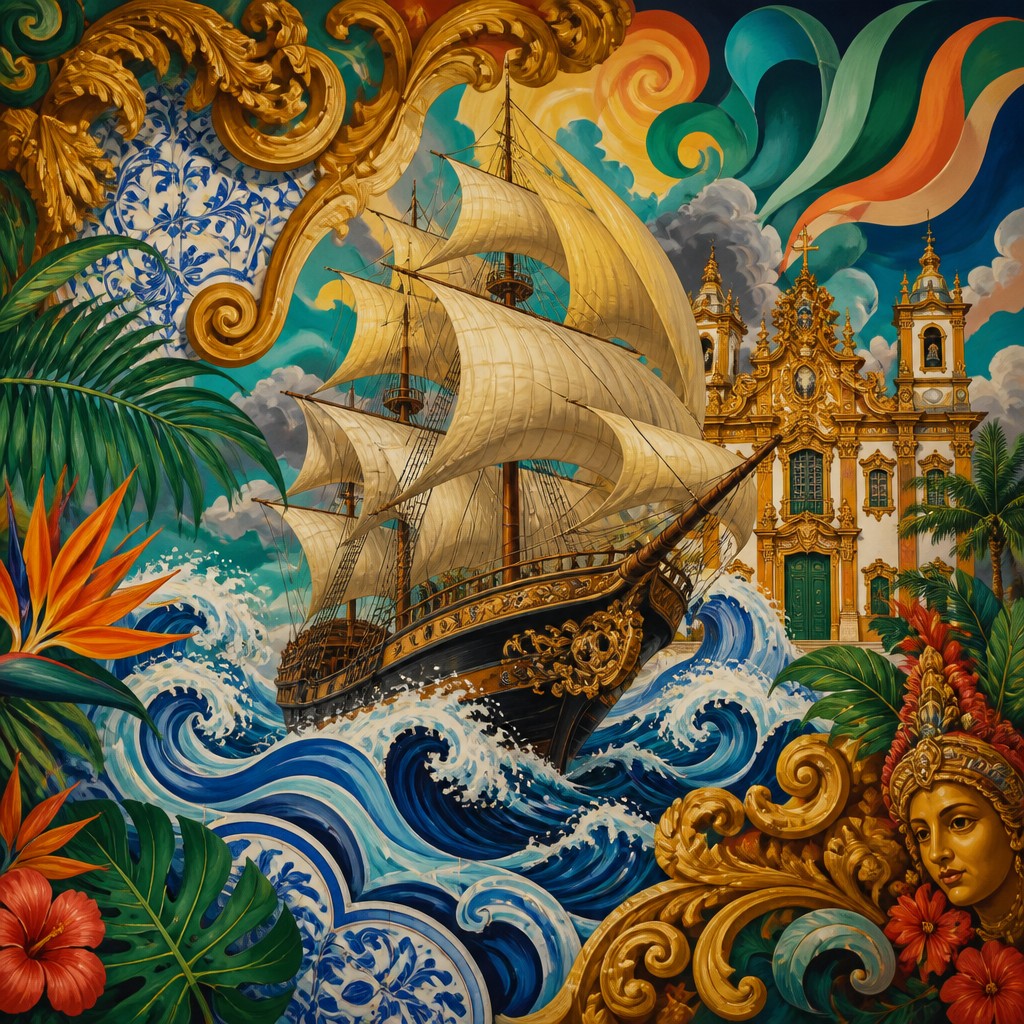
“sailing ship on a stormy sea”
How to Create Brazilian Art
Master the craft step by step — or skip straight to creating. Read the full guide →
- 1
Build a layered composition
Start with a clear subject and a strong sweeping silhouette, then add architectural curves, foliage, tile patterns, and restrained gilded details in separate layers. Keep a focal area quieter so the ornament does not flatten the image.
- 2
Control the palette
Choose two or three dominant saturated colors, then add gold and a dark blue, brown, or near-black for contrast. Reserve the brightest highlights for focal features, reflective surfaces, and pattern accents.
- 3
Combine hard and soft marks
Use clean geometric edges for tilework and modernist forms, while applying painterly transitions to foliage, skin, clouds, and metallic light. In digital work, separate texture, pattern, and lighting layers to preserve this contrast.
- 4
Use material-specific texture
Suggest carved wood or plaster with directional relief, ceramic with crisp repeating lines, and gold with sharp warm reflections. Avoid applying the same grain or brush texture uniformly across every surface.
- 5
Structure a generation prompt
Name the subject first, then specify tropical colors, gilded Baroque ornament, curved modernist forms, azulejo-blue patterns, lush foliage, and carnival rhythm. Add composition and lighting instructions such as frontal mural, sweeping perspective, or golden dusk.
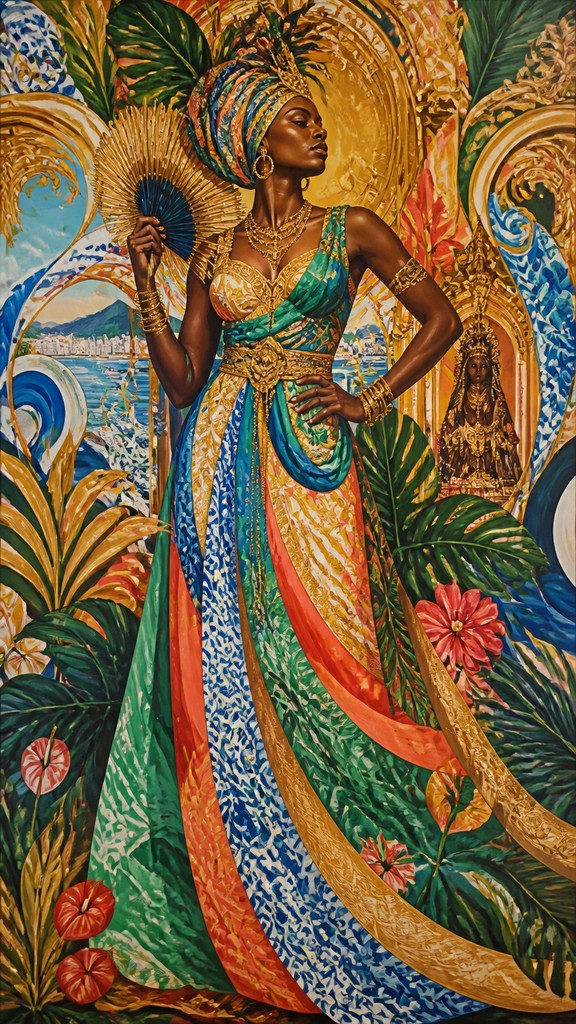
The Story
History & Origins of Brazilian
Brazilian Art Style has no singular historical origin or fixed canon. It is best understood as an aesthetic lineage assembled from several periods and traditions: the seventeenth- and eighteenth-century Baroque churches of colonial Brazil, Portuguese ceramic tile decoration, Indigenous and Afro-Brazilian visual traditions, twentieth-century tropical modernism, and the graphic spectacle of carnival culture.
In contemporary illustration, interiors, fashion, murals, and digital image-making, these references are often recombined rather than reproduced historically. The result is a present-day decorative language that uses Brazilian cultural associations as a starting point while emphasizing color, ornament, nature, rhythm, and architectural form.
Influences: The style draws on Brazilian colonial Baroque, Portuguese azulejo traditions, tropical modernism, modernist architecture, Indigenous pattern systems, Afro-Brazilian color and ceremonial visual culture, carnival costume and parade design, tropical botanical illustration, mural painting, and vernacular craft. It also relates to maximalist interiors, decorative illustration, neo-Baroque design, and contemporary digital collage.
Frequently Asked Questions
Is Brazilian Art Style a recognized historical art movement?
No. The term describes a contemporary hybrid aesthetic rather than a formally established movement with a single manifesto, period, or school. It uses recognizable lineages from Brazilian art and design, but combines them freely for present-day visual work.
What defines Brazilian Art Style?
Its defining features are saturated tropical color, selective Baroque gold, sweeping modernist curves, azulejo-inspired blue patterns, lush botanical imagery, and carnival-like rhythm. The style depends on the tension between dense ornament and bold simplified form.
How is it different from Brazilian Baroque?
Brazilian Baroque refers to a historical religious and secular art tradition, especially prominent during the colonial period, with specific architectural, sculptural, and decorative contexts. Brazilian Art Style borrows its theatrical gilding and ornament but also incorporates modernism, popular festivities, tropical imagery, and digital composition.
Can this style be used for portraits and photographs?
Yes. Portraits work well when the face remains legible while foliage, tile borders, curved shapes, and gold accents frame the subject. For photo transformations, preserve important facial structure and lighting before adding decorative overlays and color grading.
How can I avoid making the image visually chaotic?
Establish one focal subject, a simple large-scale silhouette, and a limited dominant palette before adding ornament. Use pattern and gilding selectively, and vary detail density so that some areas provide visual rest.
Where is this aesthetic commonly used?
It is suitable for editorial illustration, posters, murals, album art, fashion graphics, interior concepts, packaging, architectural visualization, portraits, and festive event design. Its strong palette and decorative surfaces are especially effective in large-format compositions.
Create your first Brazilian artwork
Describe anything — or upload a photo — and see it in Brazilian Art Style in seconds.
Related Styles
Discover similar art styles