Taiwanese Art Style
Explore Taiwanese art style: jiǎnnián porcelain mosaics, temple carving, Indigenous weaving geometry, and warm island color.
Instantly rendered in Taiwanese — or transform a photo
Taiwanese Gallery
Tap any artwork to explore it
What is Taiwanese Art Style?
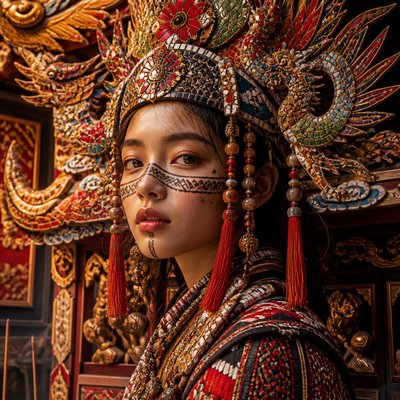
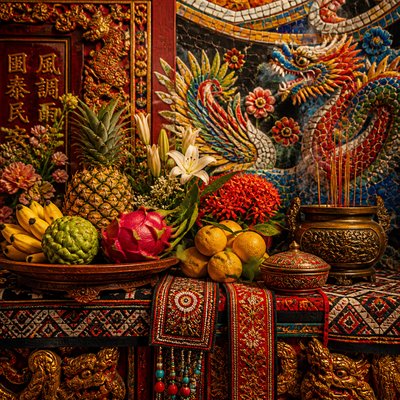
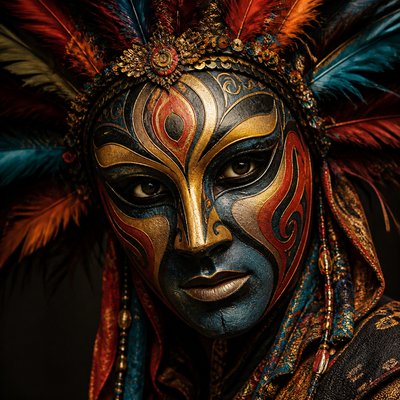
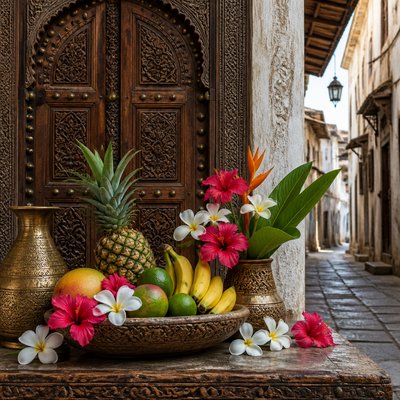
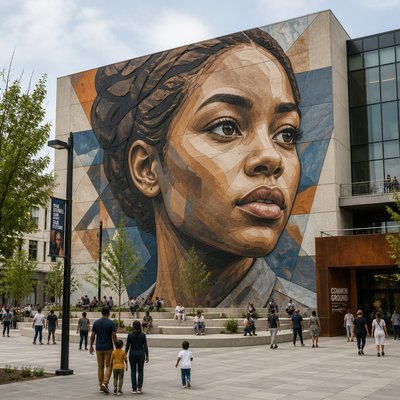
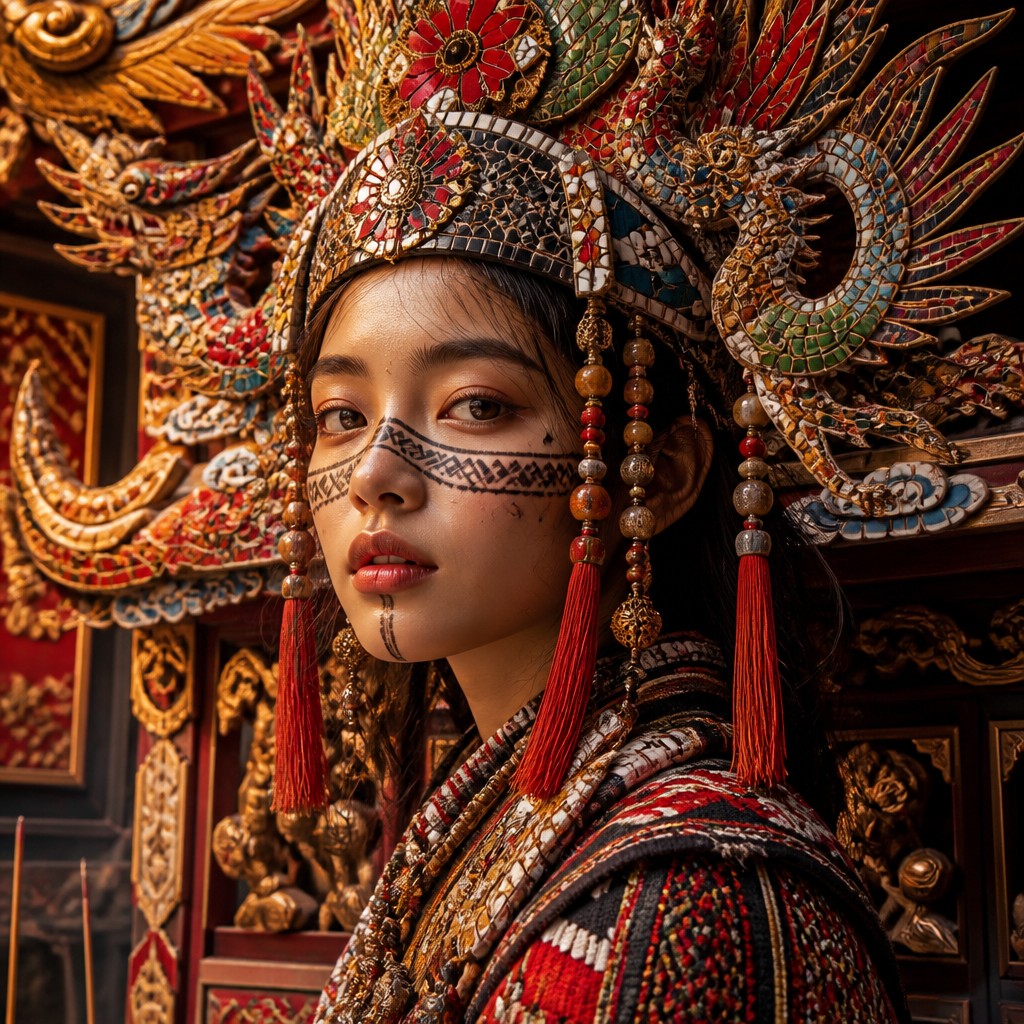
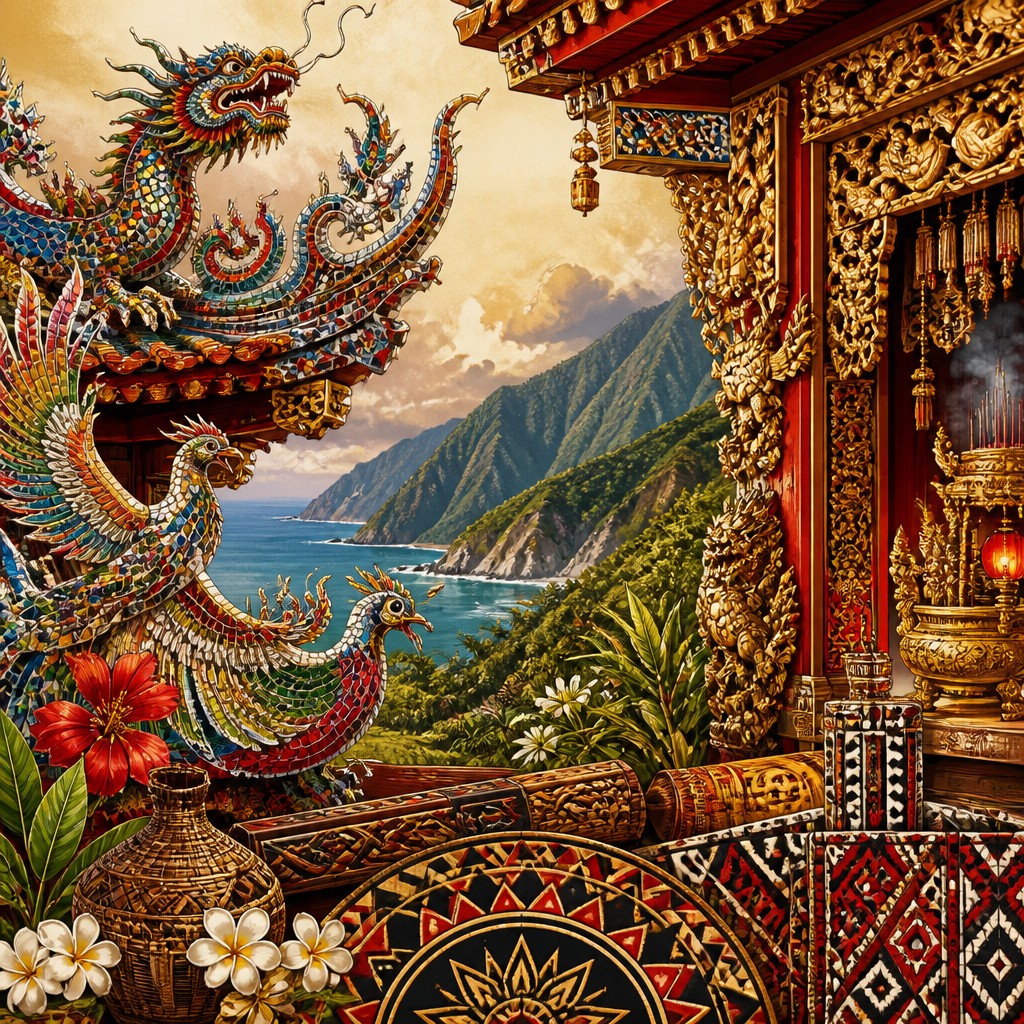
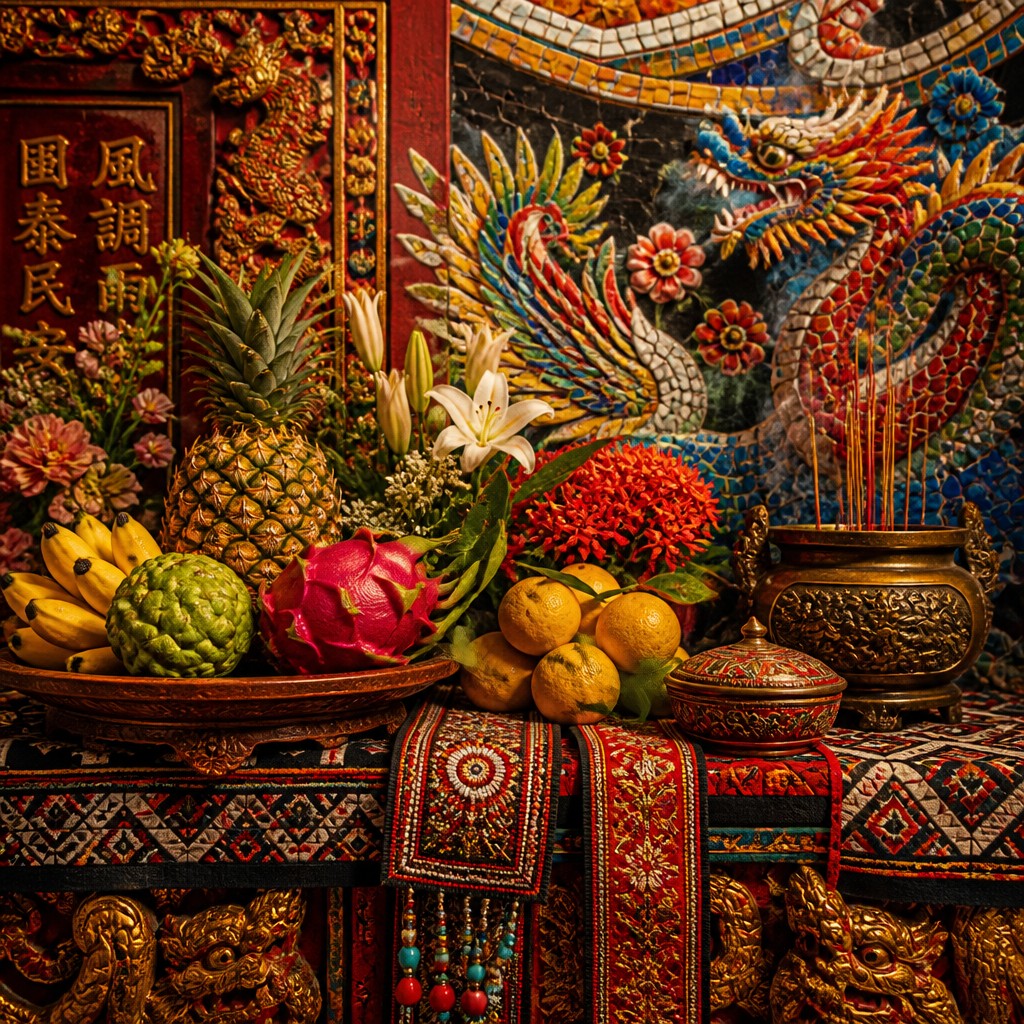
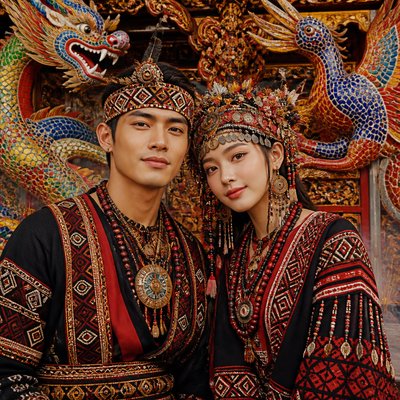
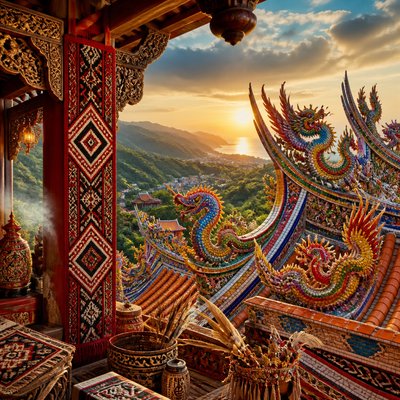
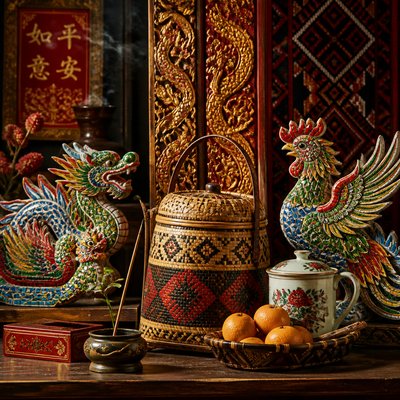
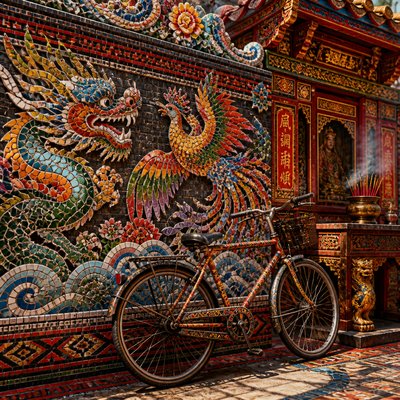
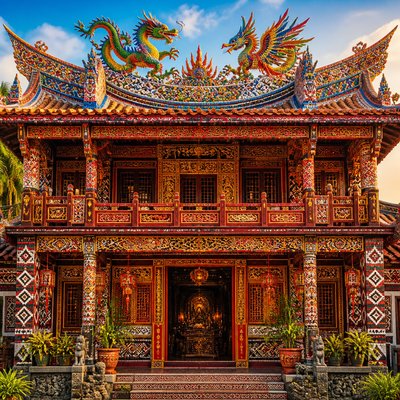
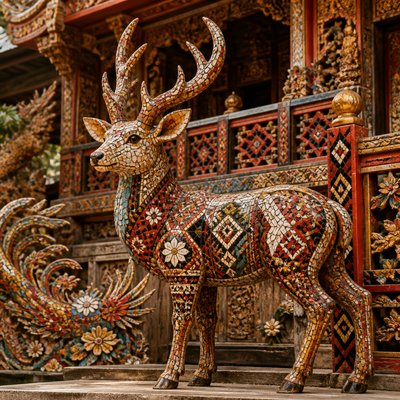
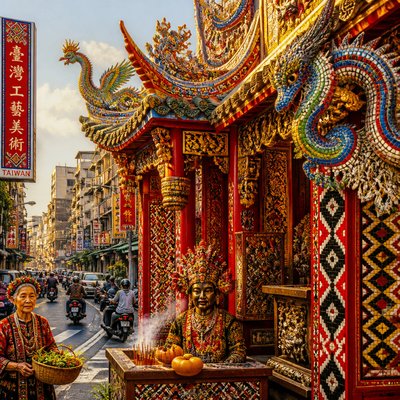
Taiwanese Art Style is a contemporary descriptive synthesis rather than a formally defined historical movement. Its visual identity combines the saturated ornament of Taiwanese temple architecture with the tactile complexity of island craft: cut-porcelain jiǎnnián roof mosaics, richly painted wood carving, incense-shrine reds and golds, and bold geometric patterning associated with Indigenous textile traditions.
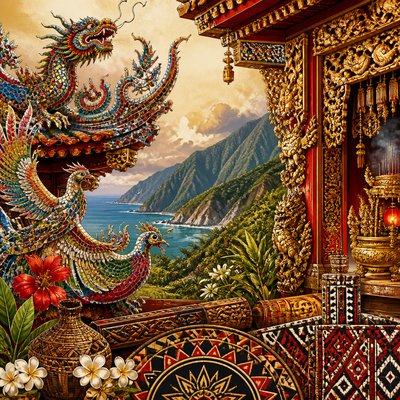
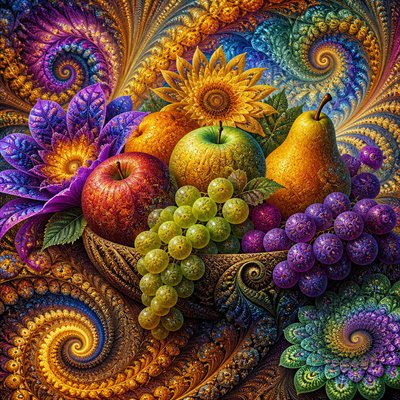
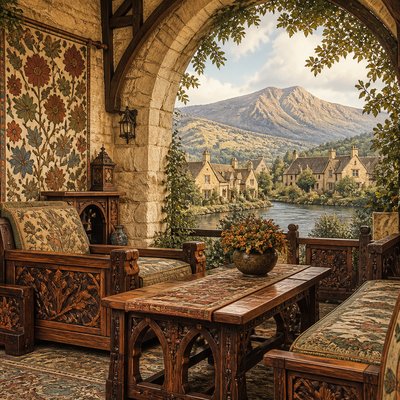
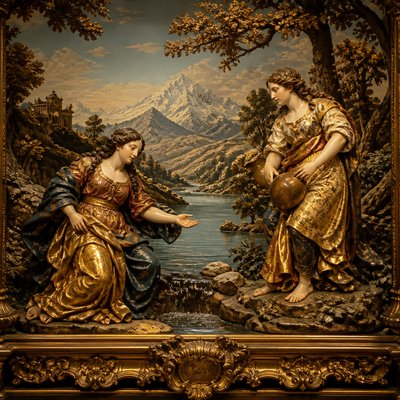
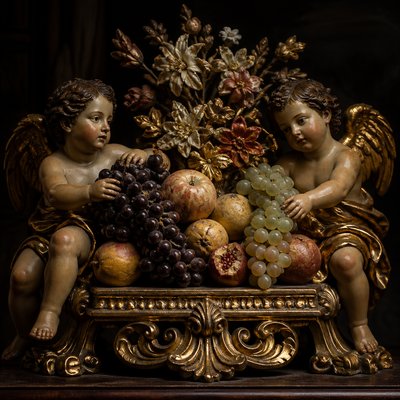
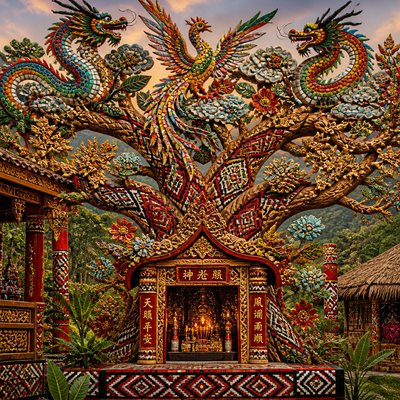
The style is layered, frontal, and materially expressive. Dragons, phoenixes, floral scrolls, guardian figures, mountains, and ceremonial objects may appear amid overlapping shards, carved surfaces, woven bands, and atmospheric subtropical light. Its density reflects the coexistence of vernacular architecture, religious ritual, regional craft, and Taiwan's varied landscapes rather than a single historical school.
Try It On Your Photos
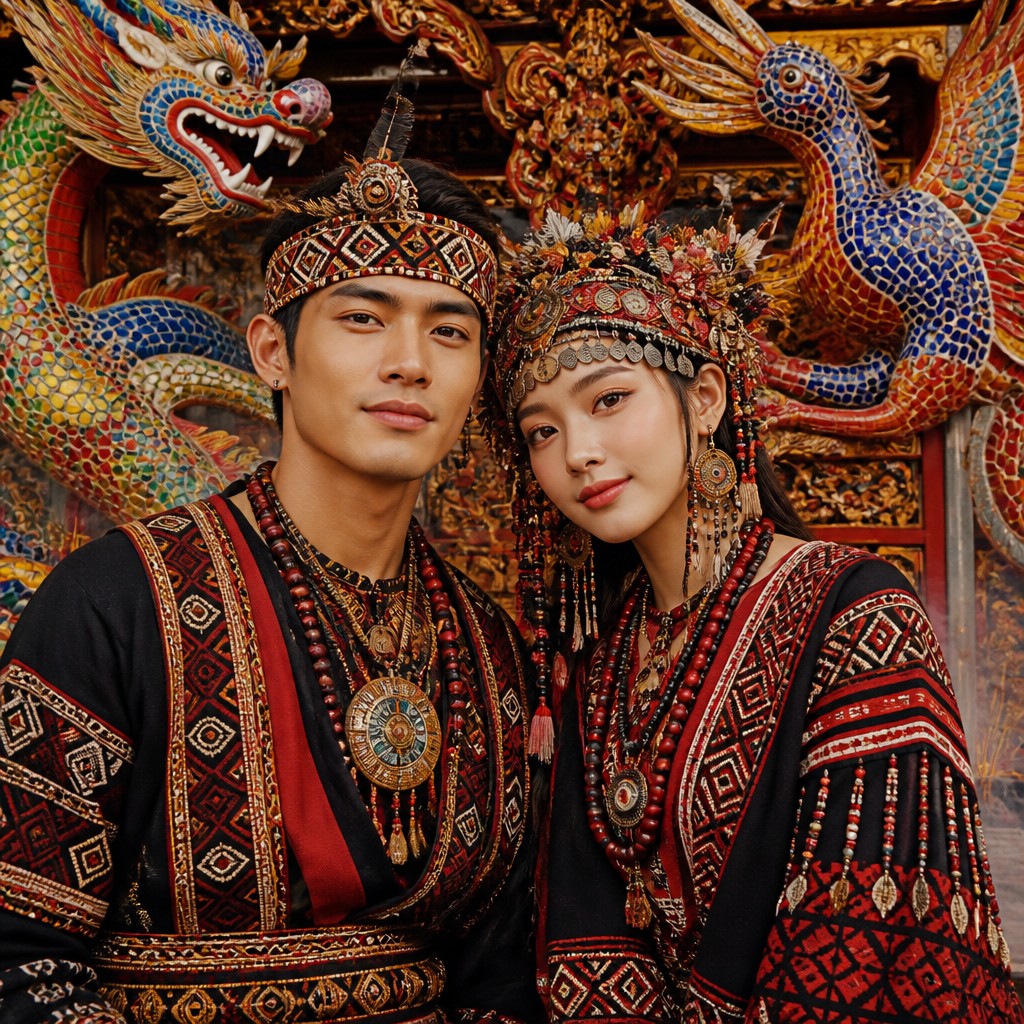
Upload any photo and convert it into Taiwanese Art Style — drag the sliders to compare before and after.


What Defines Taiwanese Art Style
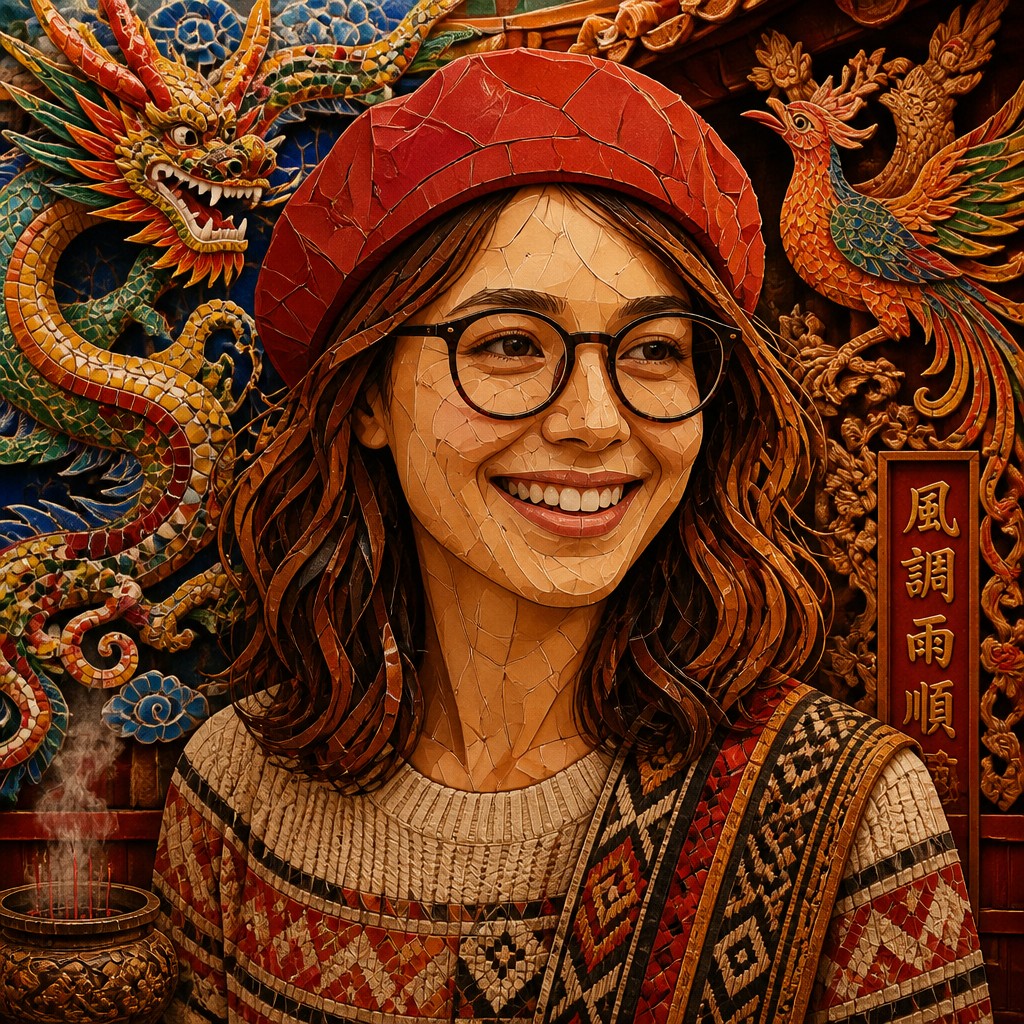
The signature details, up close
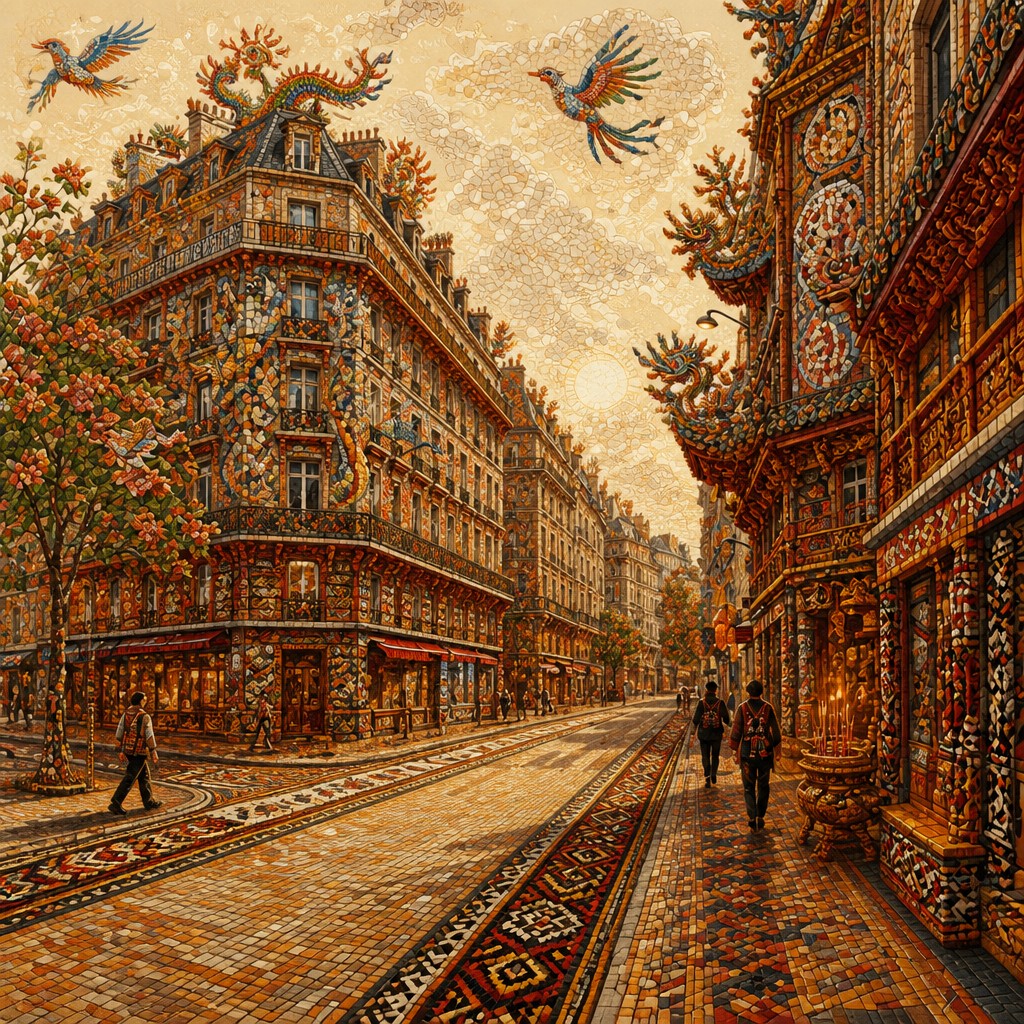
Cut-porcelain mosaic ornament
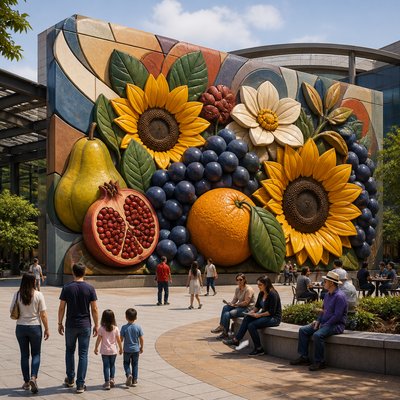
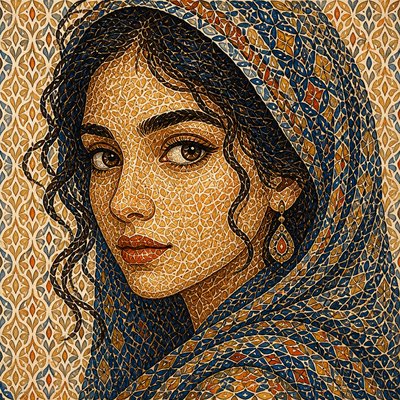
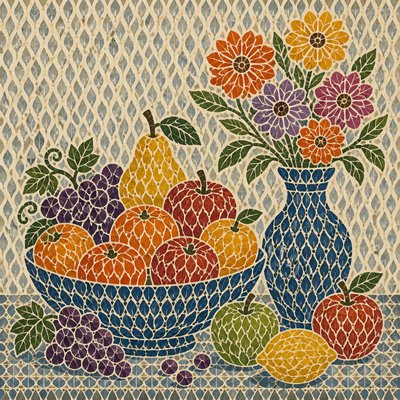
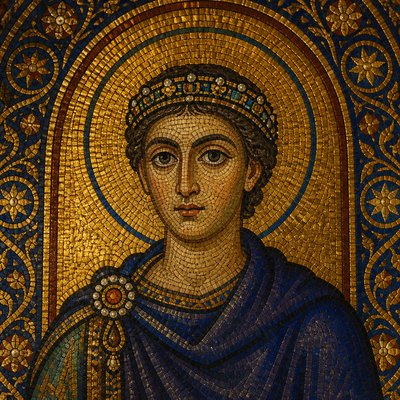
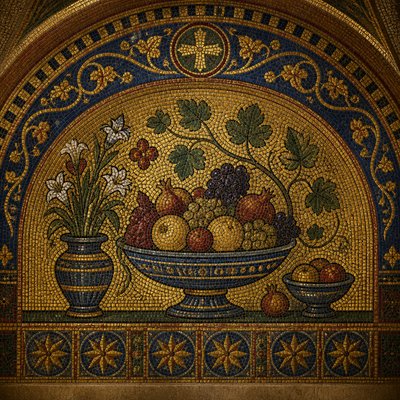
Small, irregular ceramic pieces suggest scales, feathers, flames, flowers, and animated figures across temple roofs and borders. The broken edges and high-gloss surfaces create a jewel-like, relief-based texture.
Temple reds and metallic accents
Vermilion, lacquer red, deep green, turquoise, cobalt, and warm yellow are paired with gold-like highlights. The palette evokes painted timber, devotional interiors, painted statuary, and sunlight catching glazed ceramics.
Carved architectural framing
Layered brackets, columns, roof ridges, balustrades, cloud forms, and wood-carved dragons give compositions a structured architectural frame. Repeated ornament often functions like a border or visual rhythm.
Indigenous-inspired geometry
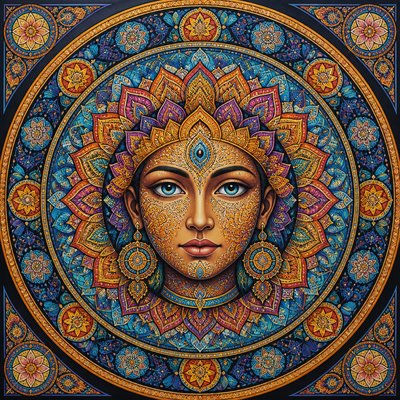
Bold bands, diamonds, stepped forms, and rhythmic linear motifs recall the visual organization of Taiwanese Indigenous weaving. Responsible use should acknowledge distinct community traditions and avoid presenting sacred or culturally specific designs as generic decoration.
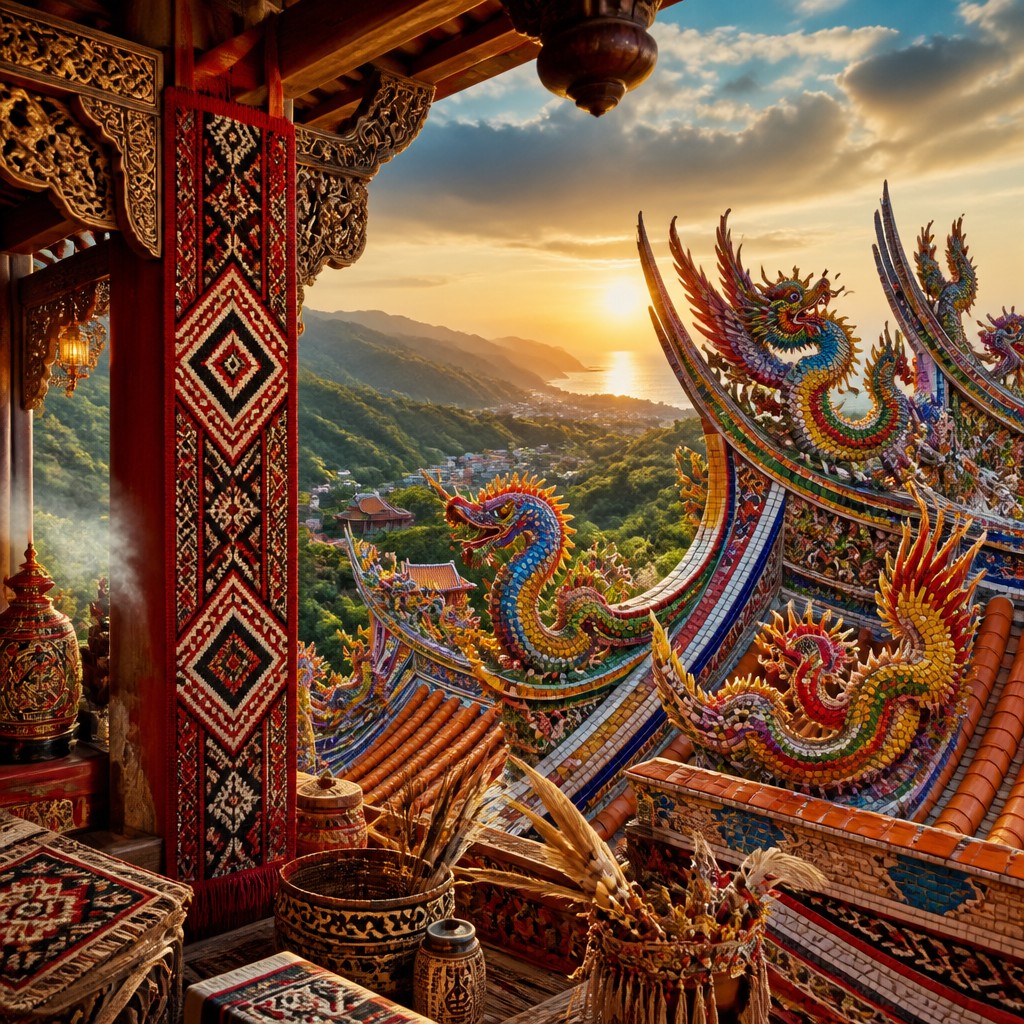
Incense-lit atmosphere
Hazy amber light, smoke-softened shadows, and glowing shrine colors create a ceremonial mood. Atmospheric effects temper the hard edges of mosaic and carving without erasing their tactile detail.
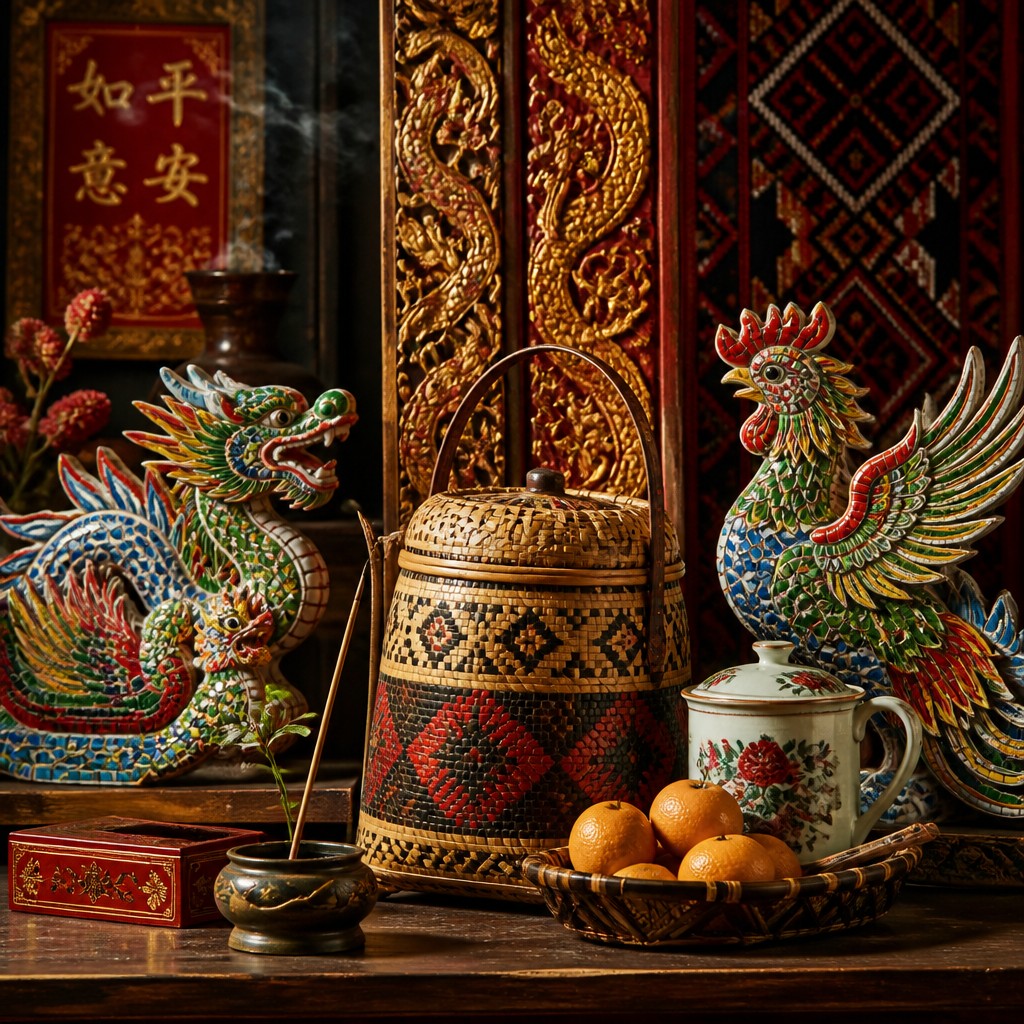
Layered island landscapes
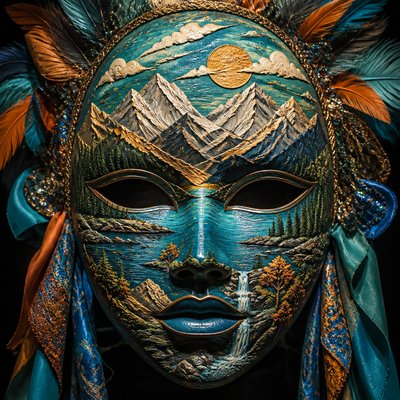
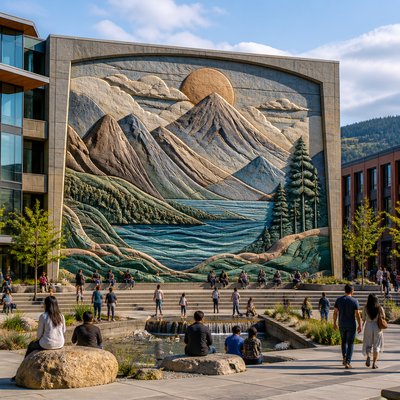
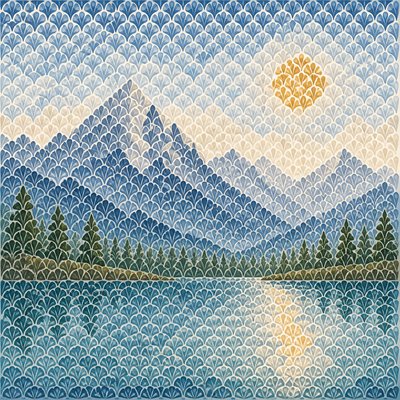
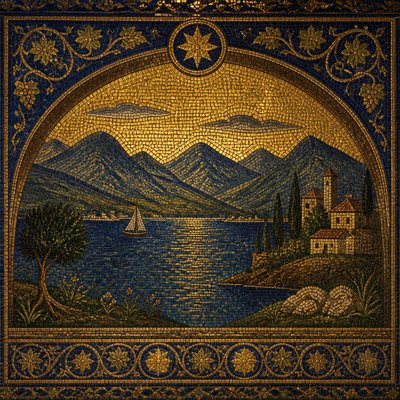
Mountain ridges, humid skies, subtropical vegetation, and coastal light may sit behind dense architectural ornament. Depth is often built through stacked planes rather than through purely naturalistic perspective.
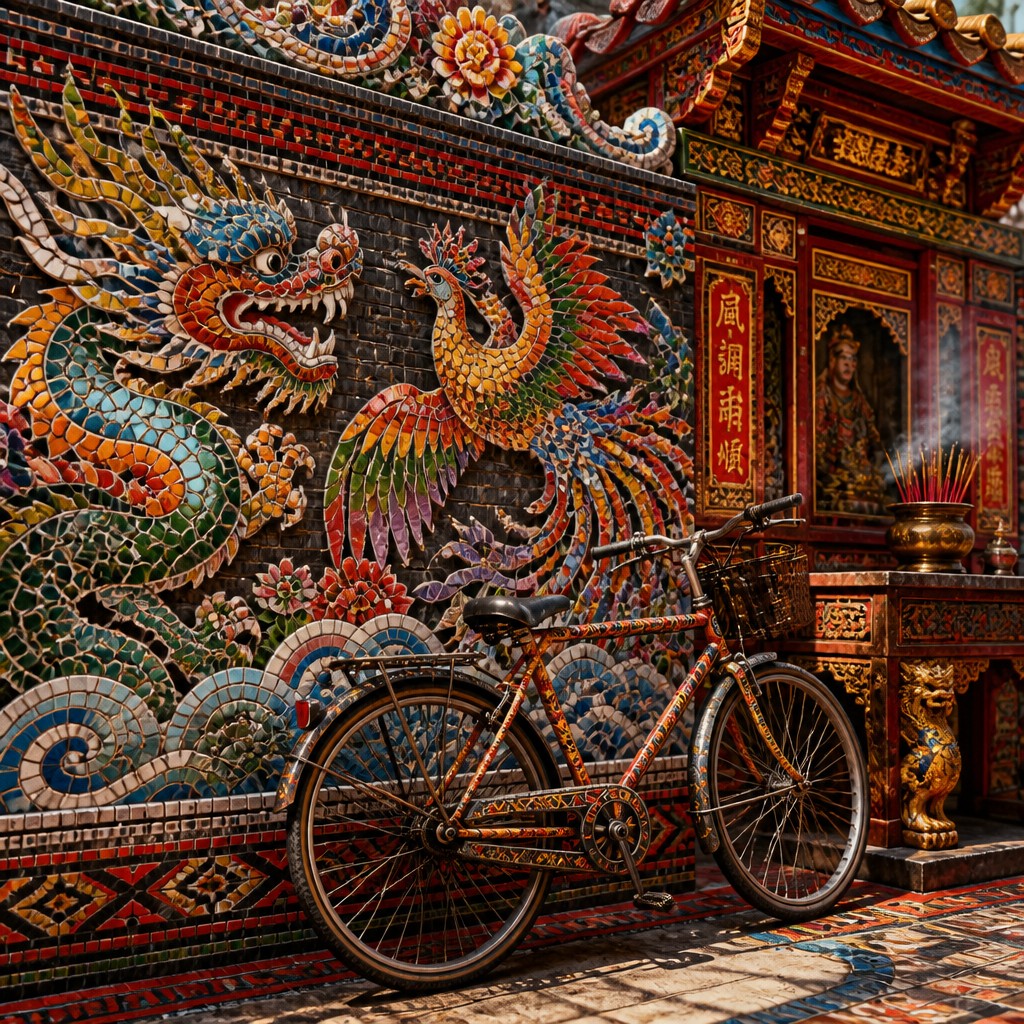
Maximalist material contrast
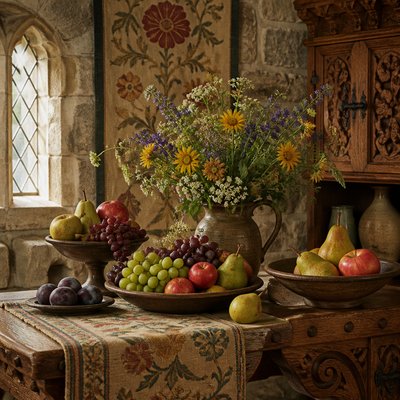
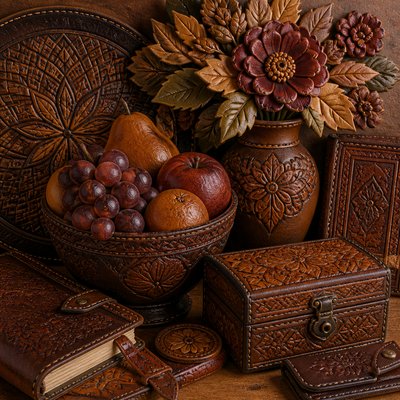
Glossy porcelain, matte wood, woven fiber, painted pigment, stone, and mist are placed together. The appeal comes from the collision of surfaces and from visible evidence of hand assembly.
Taiwanese Prompt Ideas
Start from an idea — each one opens the generator with the style ready to go. See all 40 Taiwanese prompts →
How to Create Taiwanese Art
Master the craft step by step — or skip straight to creating. Read the full guide →
- 1
Build a layered composition
Start with a clear subject and divide the image into background landscape, temple structure, decorative figures, and foreground details. Use overlapping planes and strong framing so the work feels assembled rather than uniformly rendered.
- 2
Simulate jiǎnnián surfaces
For traditional work, cut or collage colored paper, ceramic-like fragments, or painted card into curved scales and floral forms. Digitally, use irregular shard shapes, bright glaze highlights, visible seams, and slight relief shadows instead of a flat pattern fill.
- 3
Control the palette
Anchor the image in vermilion, crimson, gold, jade, turquoise, black, and warm ivory, then reserve the brightest highlights for glazed ceramic and metal details. A restrained atmospheric background helps the ornament remain legible.
- 4
Separate cultural references
Research Taiwanese temple ornament and individual Indigenous textile traditions independently before combining them. Preserve distinctive pattern structures and describe references precisely rather than blending sacred symbols into an anonymous ethnic aesthetic.
- 5
Use tactile digital finishing
Combine mosaic, carved-wood, woven-fiber, and painted-pigment textures on separate layers. Add uneven edges, hand-painted variation, ambient occlusion, and warm haze to avoid an overly clean vector appearance.
- 6
Write a focused generation prompt
Specify the subject, temple architecture, material cues, palette, lighting, and composition, such as a mountain shrine with cut-porcelain roof figures, carved red-and-gold timber, geometric woven bands, and incense haze. Add exclusions when needed: avoid generic Asian motifs, plastic surfaces, unreadable lettering, and excessive photorealism.
The Story
History & Origins of Taiwanese
This style should be understood as an aesthetic lineage, not as a documented art movement with a fixed founding date. Its strongest source is jiǎnnián, the Taiwanese tradition of decorating temple roofs and façades with shaped, cut, and assembled ceramics to form vivid figurative mosaics. It also draws on the painted and carved ornament of Hoklo temples, whose architecture developed through regional craft practices and religious building traditions.
A further influence comes from the geometric structures, color contrasts, and material logic of Indigenous Taiwanese weaving, including traditions associated with Paiwan and Atayal communities. Contemporary illustrations and digital compositions bring these sources together with landscape painting, decorative arts, and collage-like image construction; such combinations should distinguish specific cultural motifs rather than treating all Taiwanese traditions as interchangeable.
Influences: The style relates to Taiwanese temple architecture, jiǎnnián ceramic ornament, Hoklo religious woodwork, East Asian decorative arts, folk painting, collage, relief sculpture, and subtropical landscape imagery. Its pattern language may also draw from the distinct weaving traditions of Taiwanese Indigenous communities, including Paiwan and Atayal examples, while its saturated color and layered surfaces connect it to contemporary digital collage and material-focused illustration.
Frequently Asked Questions
Is Taiwanese Art Style a historical art movement?
No. The term is best used for a contemporary visual synthesis inspired by several Taiwanese architectural and craft traditions. It does not refer to a single period, school, or officially codified movement.
What defines the style most clearly?
Its central features are cut-porcelain mosaic ornament, carved and painted temple architecture, saturated red-and-gold color, geometric textile patterning, and warm incense-like atmosphere. Layered materials and visible craft irregularity are usually more important than photographic realism.
How is it different from Chinese or Japanese decorative art?
It is not a synonym for either broader category. The style specifically foregrounds Taiwanese temple architecture, jiǎnnián roof decoration, local subtropical landscapes, and selected Taiwanese craft lineages, while recognizing that Taiwan's visual culture contains many historical and regional influences.
Can I use Indigenous Taiwanese patterns in this style?
Use care and specificity. Paiwan, Atayal, and other Indigenous traditions are distinct cultural practices, and some motifs may carry community, ceremonial, or identity-based meaning; research the source, avoid copying sacred designs without permission, and credit the tradition accurately.
How can I make an image look tactile rather than merely colorful?
Show the construction of the surface: irregular ceramic pieces, grout or seams, carved tool marks, layered paint, woven fibers, and small changes in gloss. Directional light and shallow relief shadows help separate these materials.
Where is this aesthetic commonly useful?
It suits illustrations of temples, festivals, mountain villages, travel narratives, cultural posters, editorial art, game environments, murals, and decorative architectural studies. It works especially well when the subject allows ornament and landscape to coexist.
Create your first Taiwanese artwork
Describe anything — or upload a photo — and see it in Taiwanese Art Style in seconds.
Related Styles
Discover similar art styles