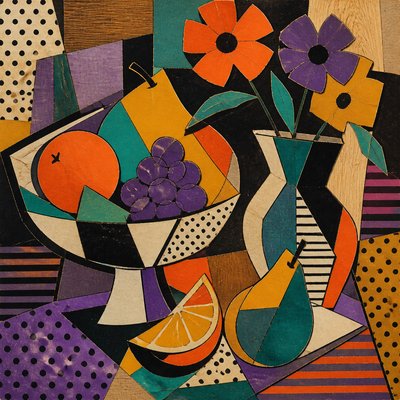
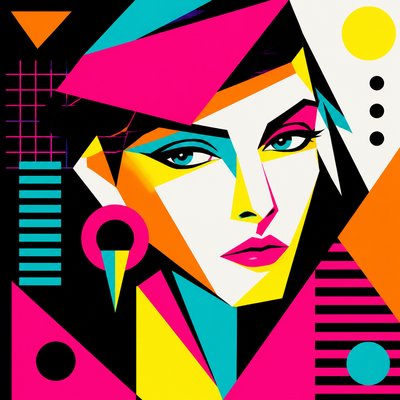
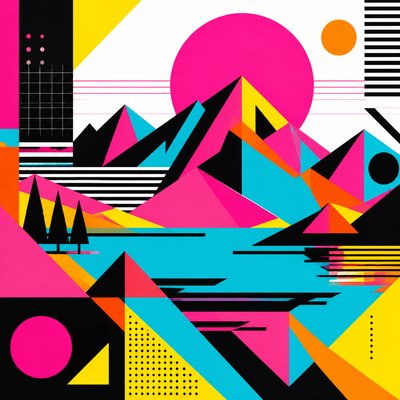
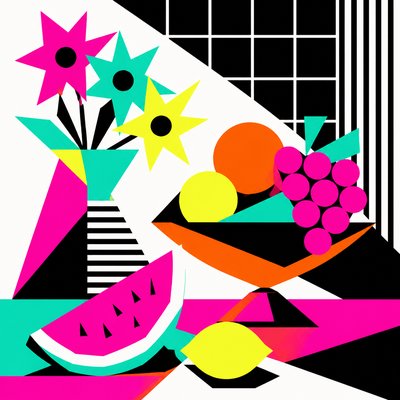
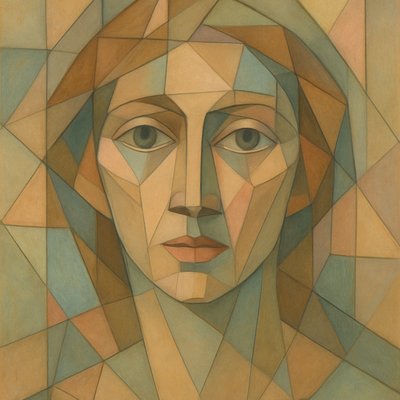
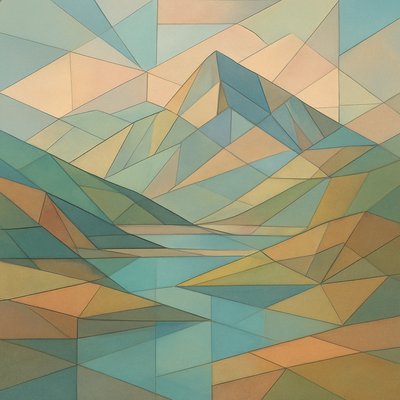
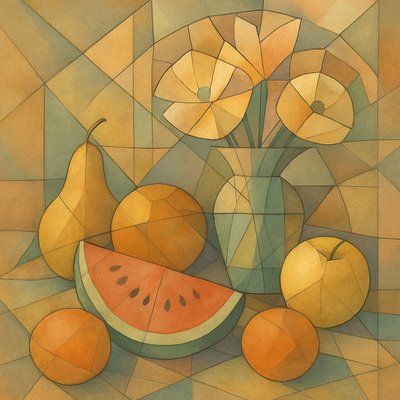
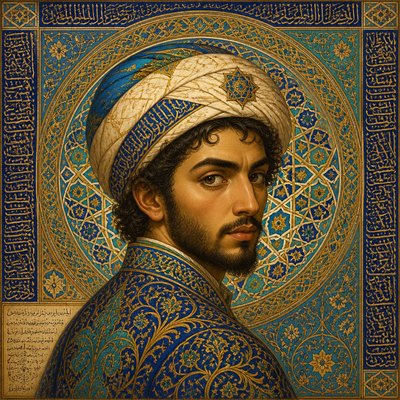
Elegant Asymmetry Art Style
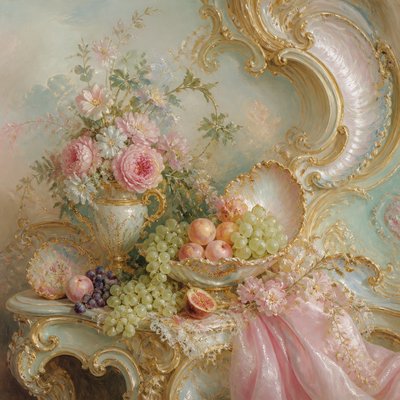
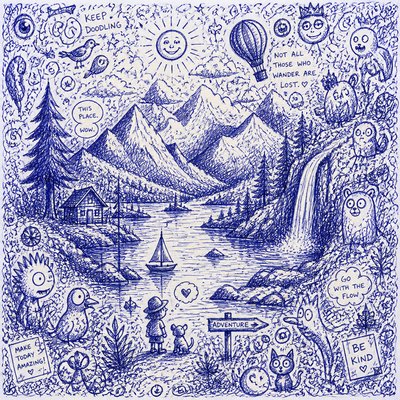
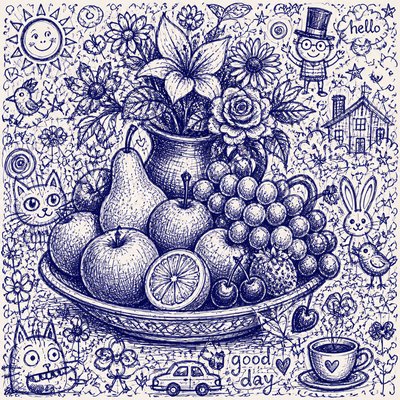
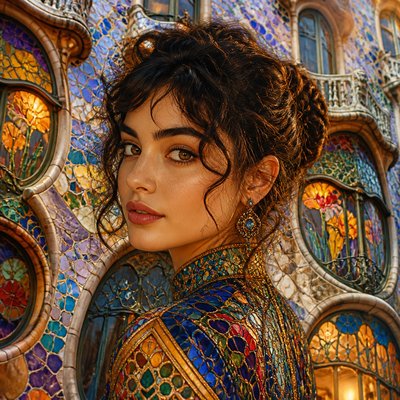
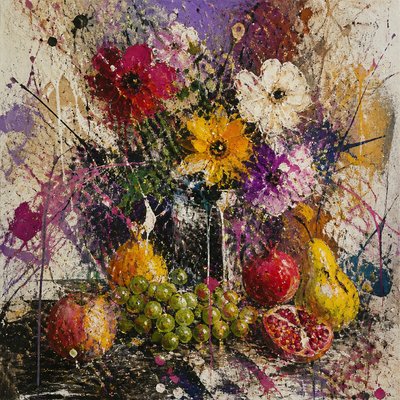
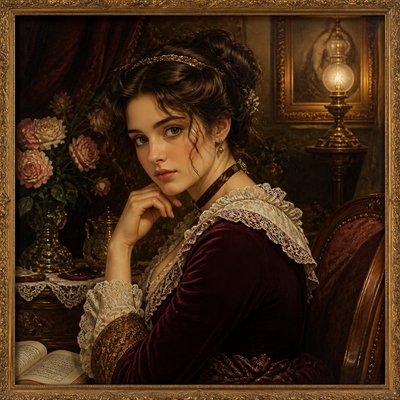
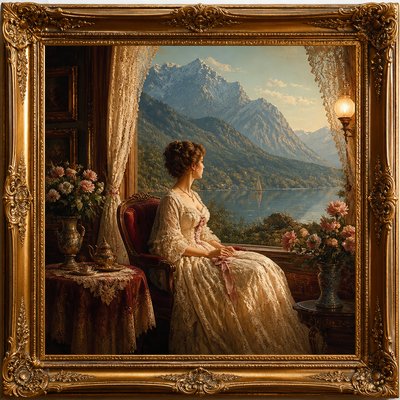
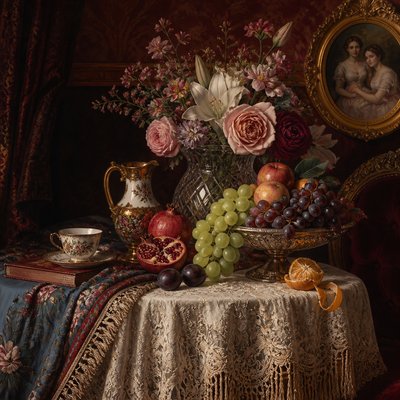
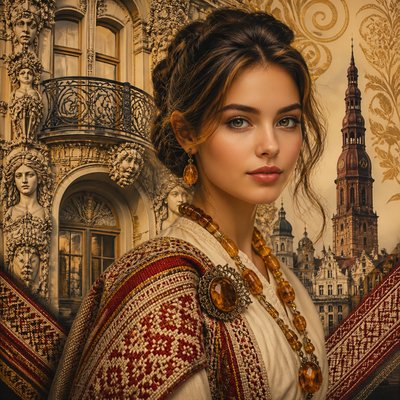
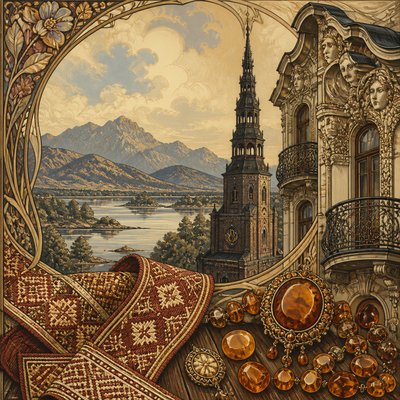
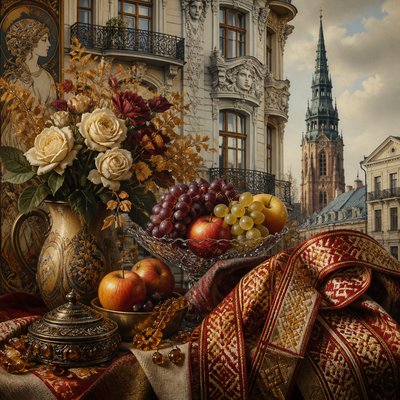
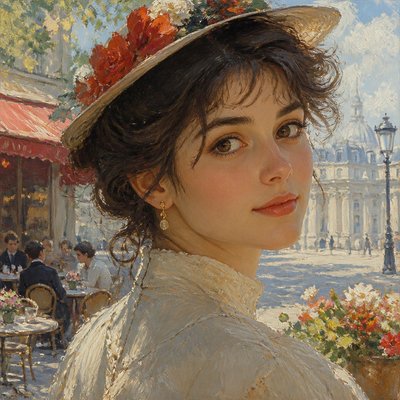
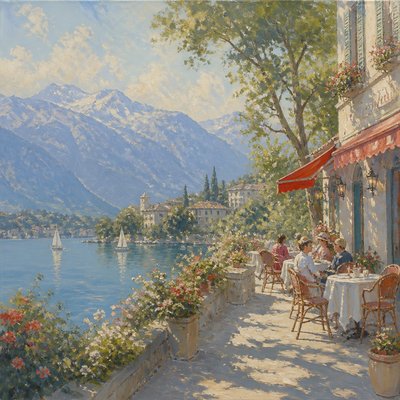
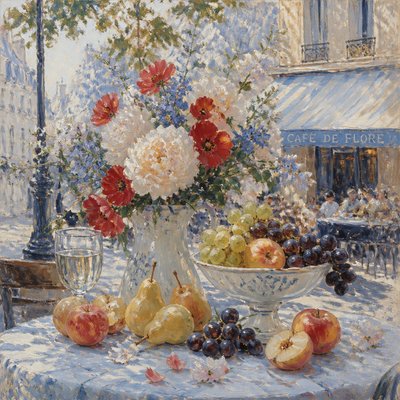
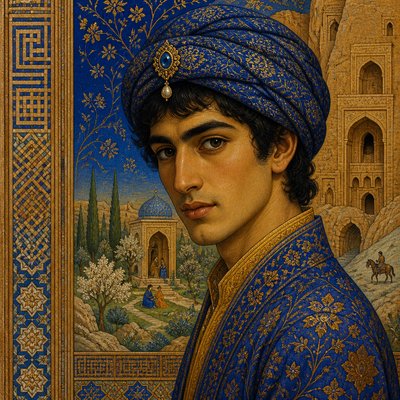
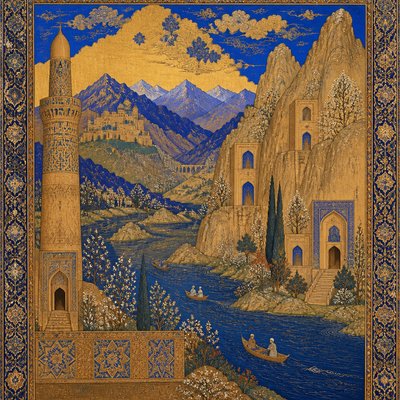
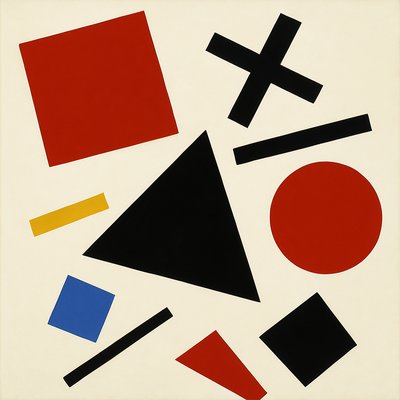
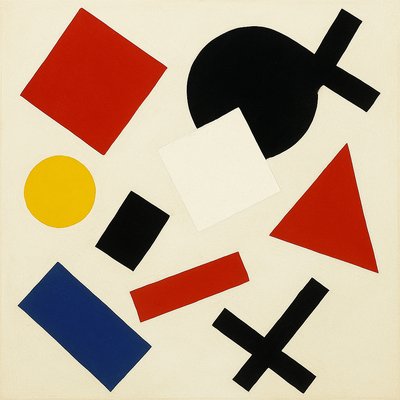
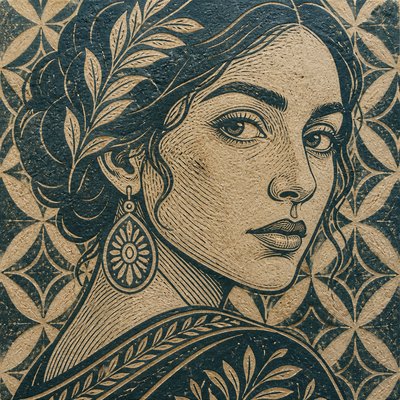
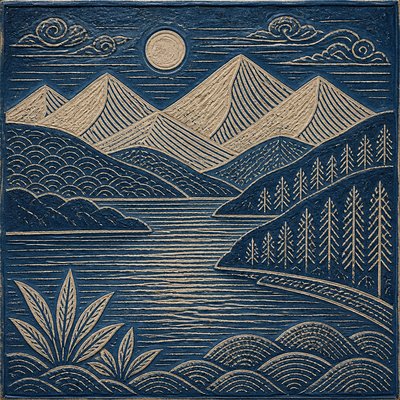
Explore Elegant Asymmetry: a serene visual language of off-center balance, diagonal movement, cropped space, and refined spatial tension.
Instantly rendered in Elegant Asymmetry — or transform a photo
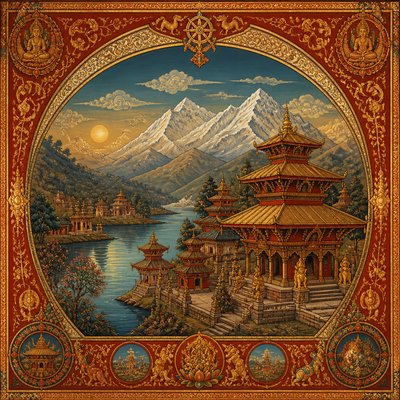
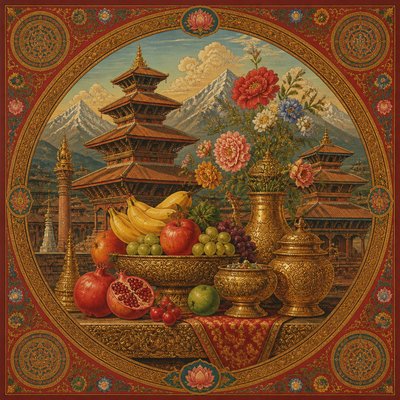
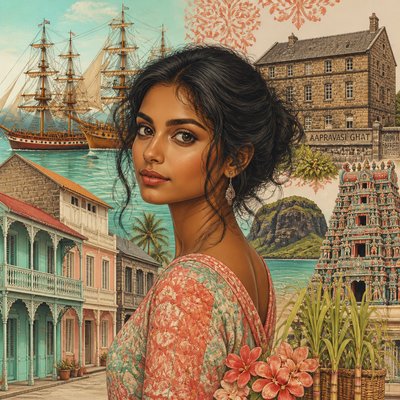
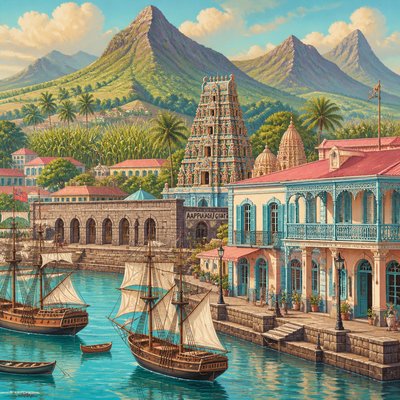
Elegant Asymmetry Gallery
Tap any artwork to explore it
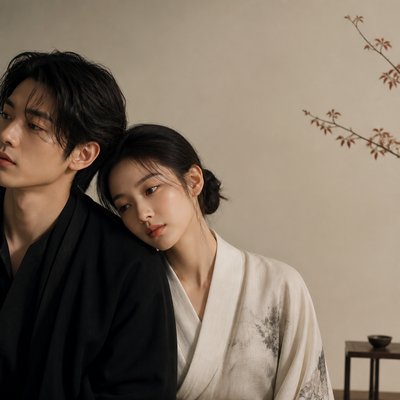
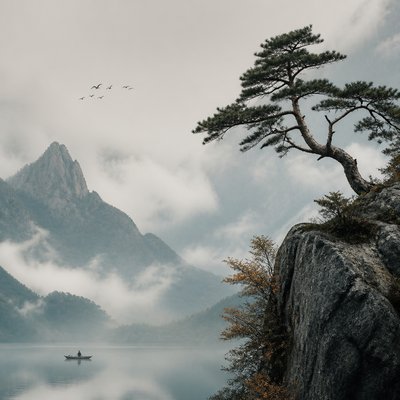
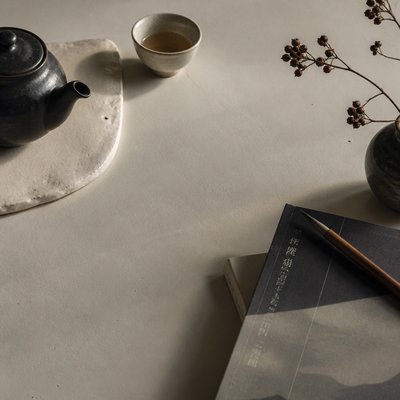
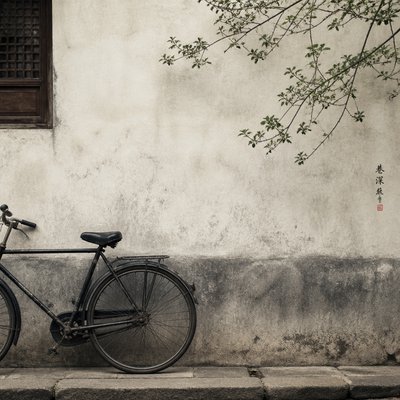
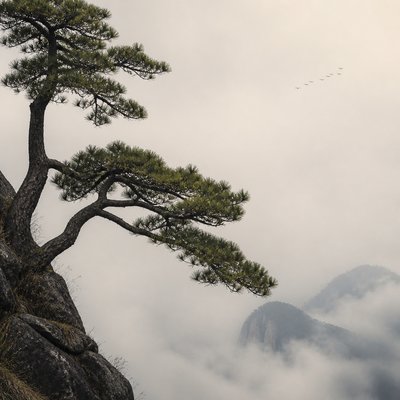
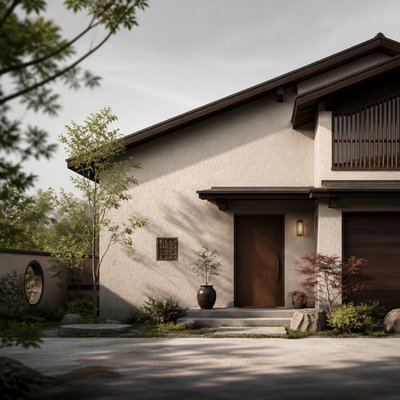
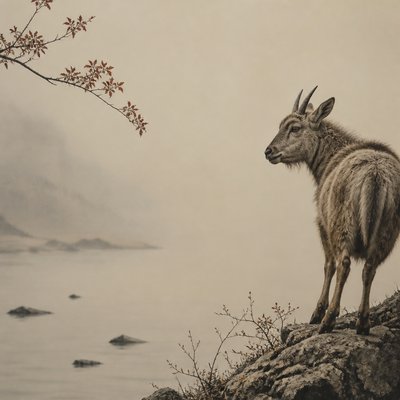
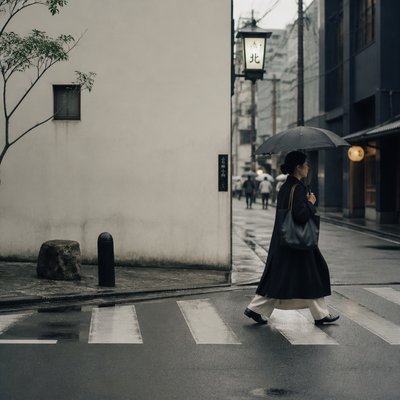
What is Elegant Asymmetry Art Style?
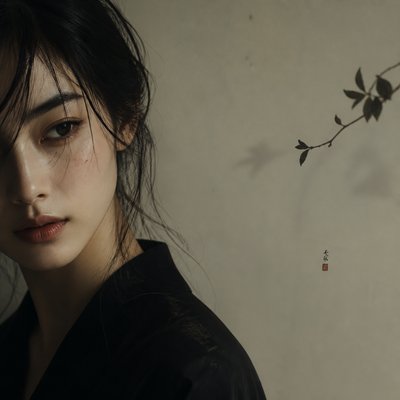
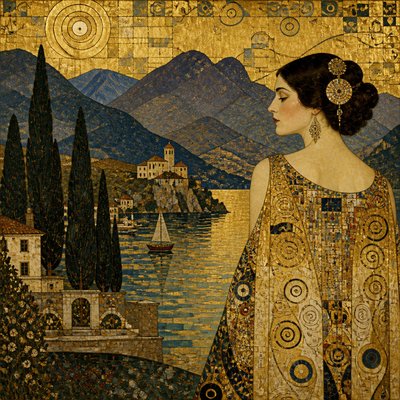
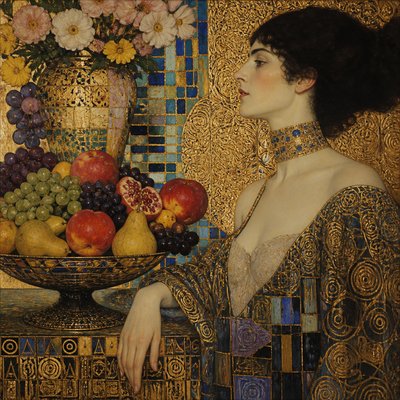
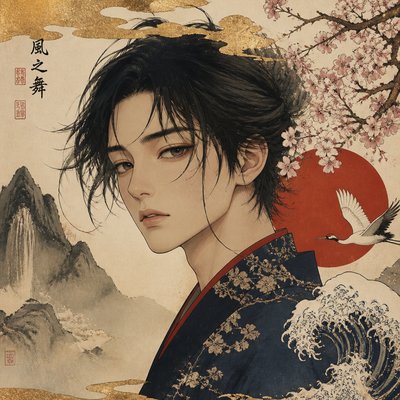
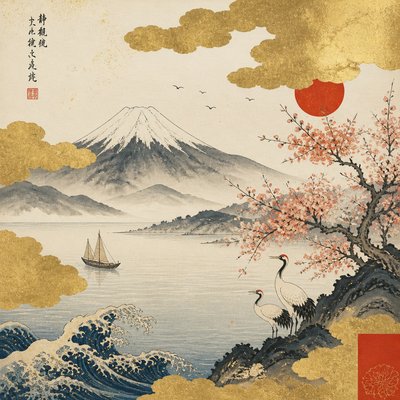
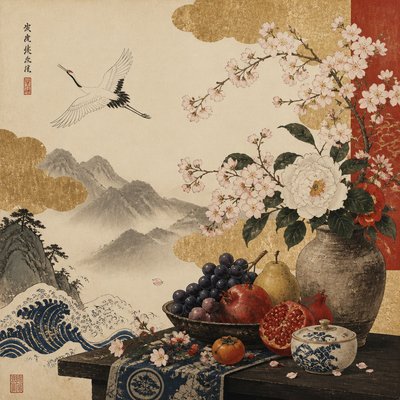
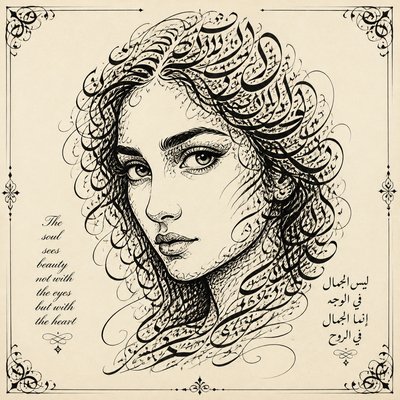
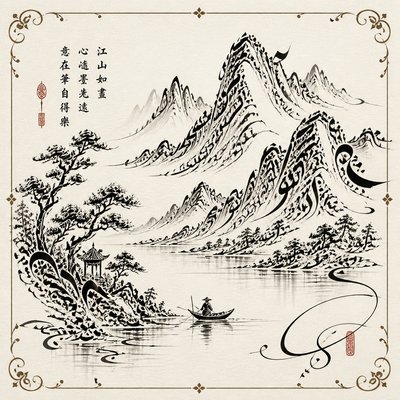
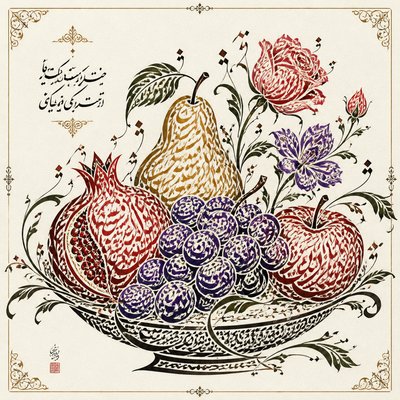
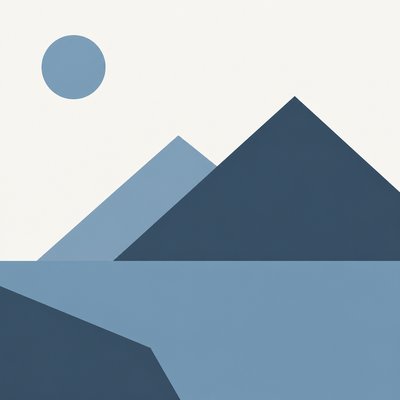
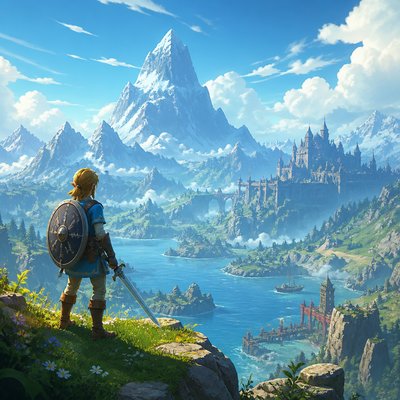
Elegant Asymmetry is a contemporary aesthetic organized around deliberate imbalance. Rather than centering the subject or distributing visual weight evenly, it places a dominant form to one side and uses empty space, small secondary details, or directional movement to restore equilibrium. The result feels poised rather than unstable: visually dynamic, restrained, and quietly expressive.
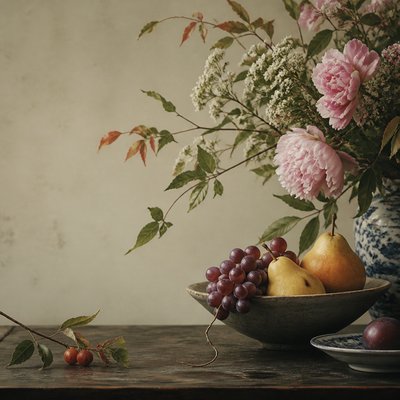
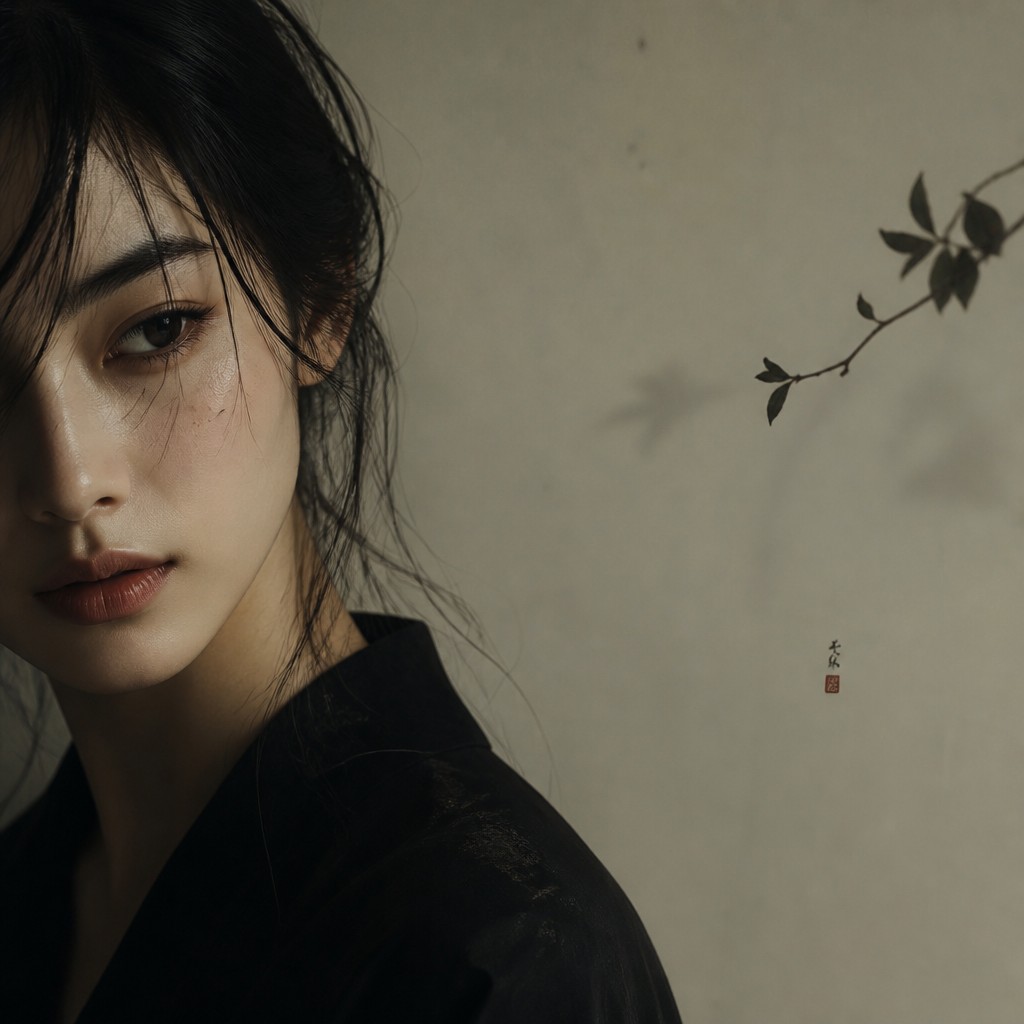
Its visual identity depends on relationships between presence and absence. Cropped forms imply a larger world beyond the frame, while diagonals guide the eye across open space and create a sense of continuation. Refined tonal control, selective detail, and East-Asian-informed spatial poise often soften the composition, allowing asymmetry to read as graceful tension instead of disorder.
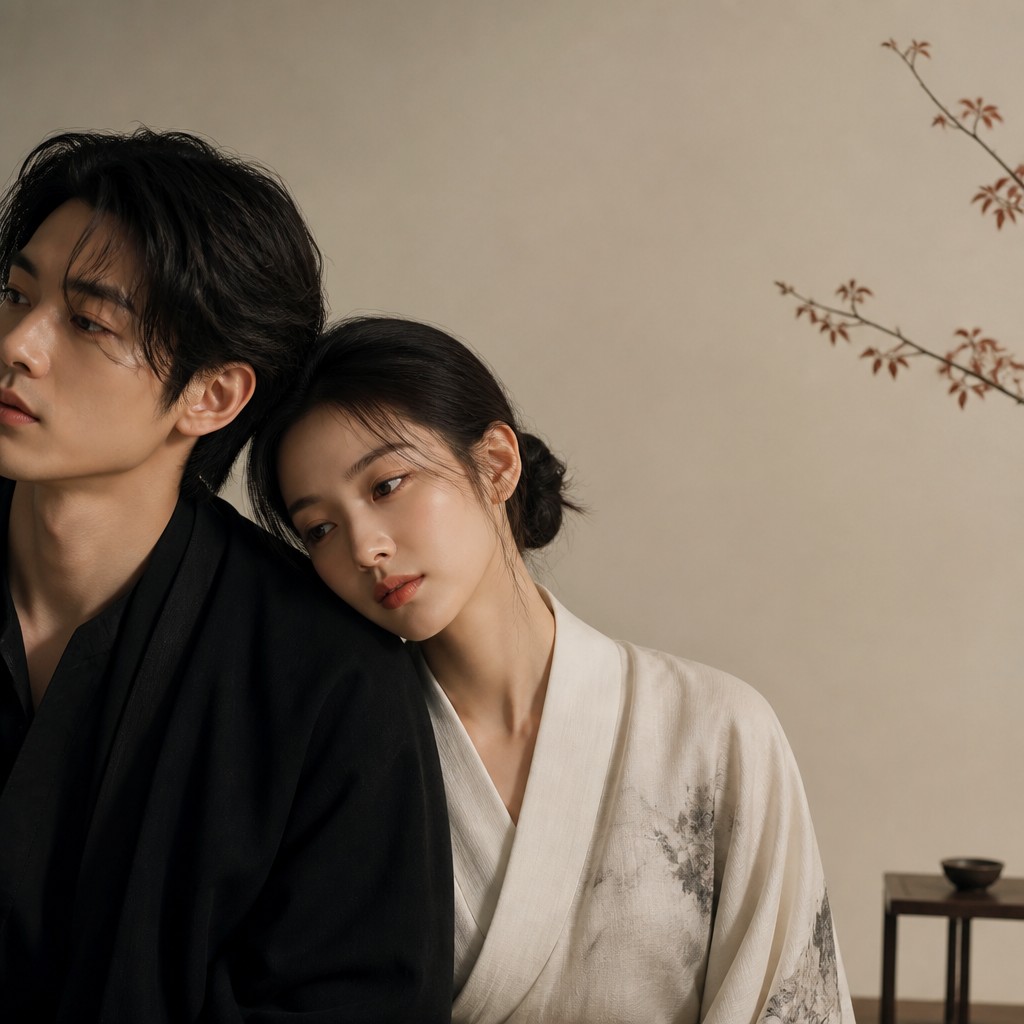
Try It On Your Photos
Upload any photo and convert it into Elegant Asymmetry Art Style — drag the sliders to compare before and after.


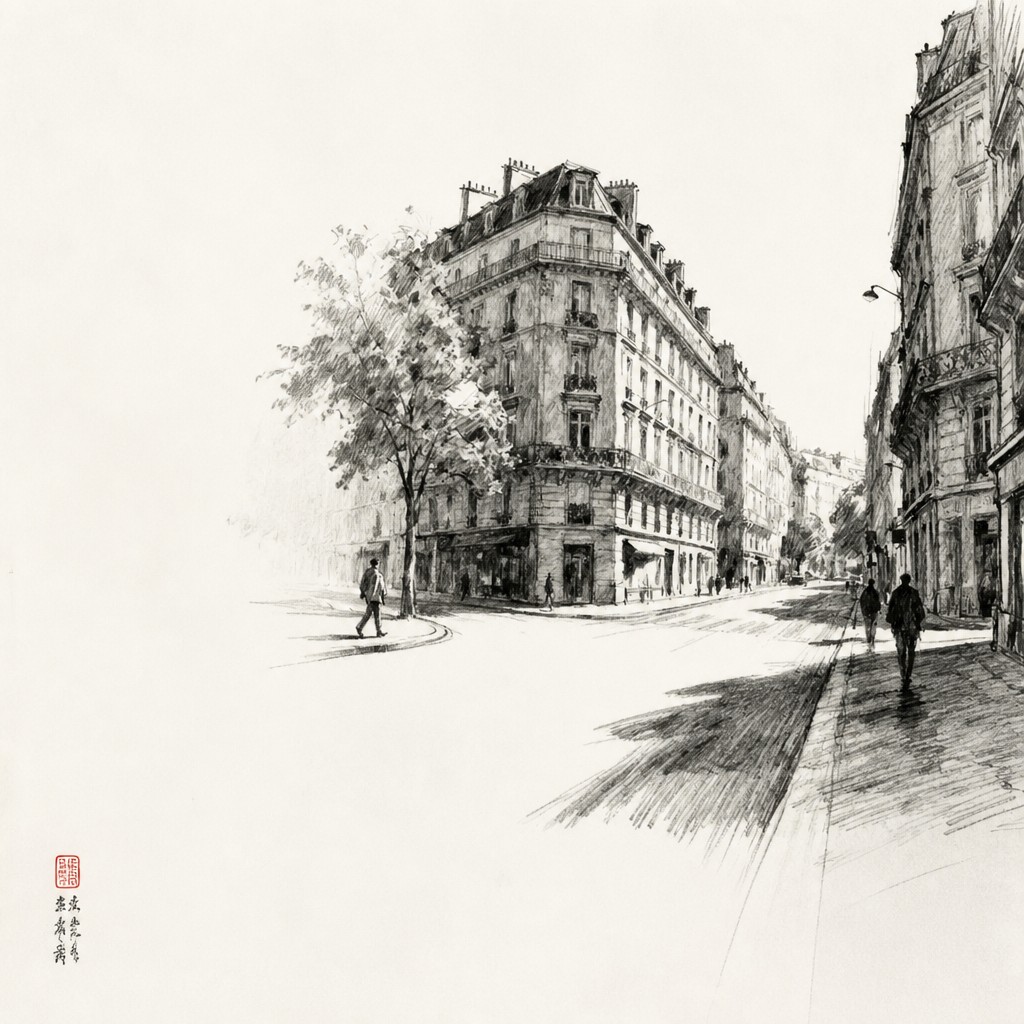

What Defines Elegant Asymmetry Art Style
The signature details, up close
Off-center composition
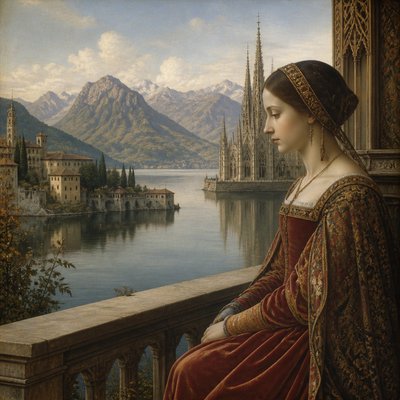
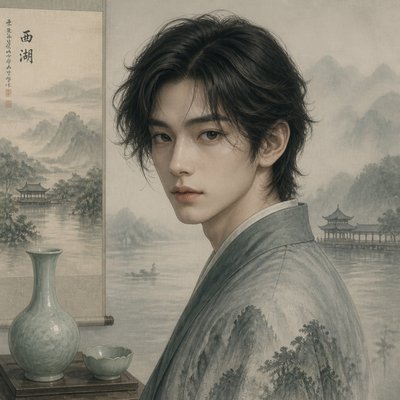
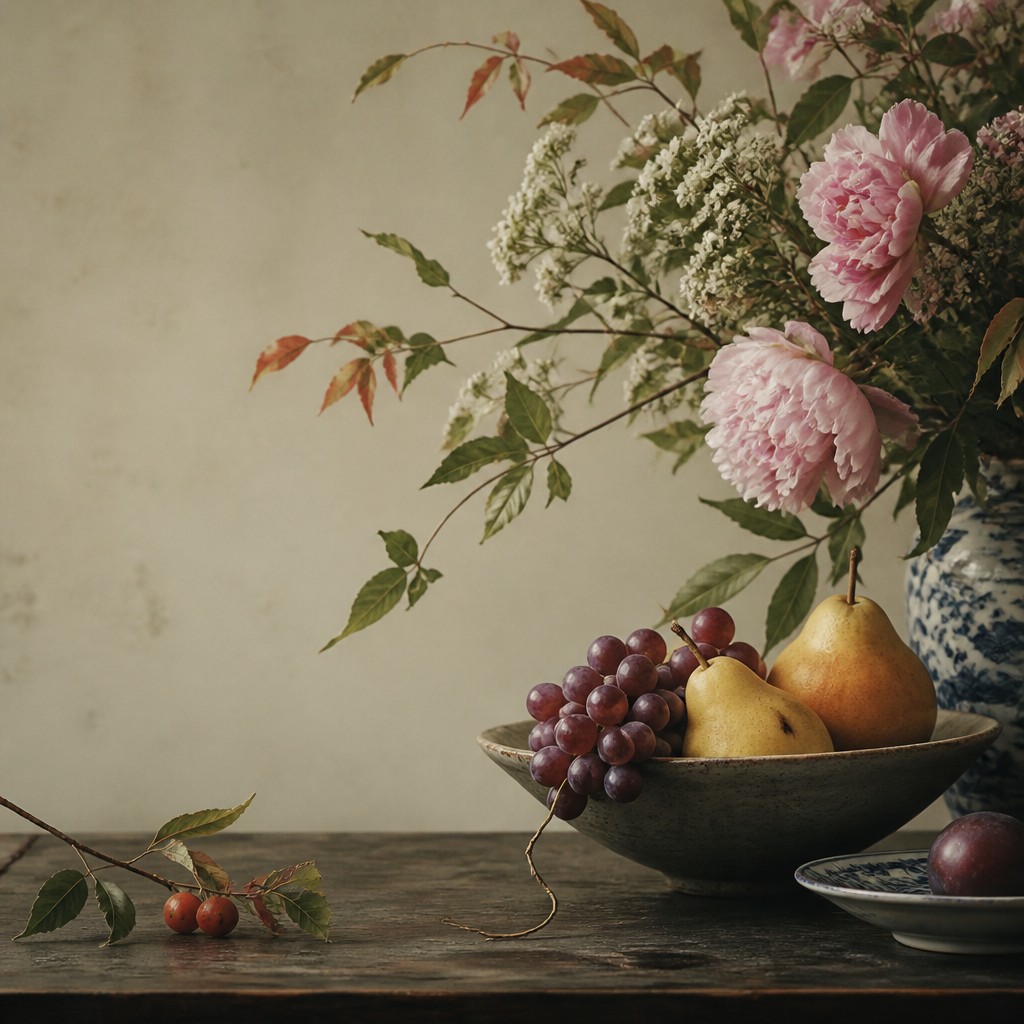
The principal subject is deliberately positioned away from the middle of the frame. Its visual weight is balanced by open space or by smaller, quieter elements elsewhere.
Active negative space
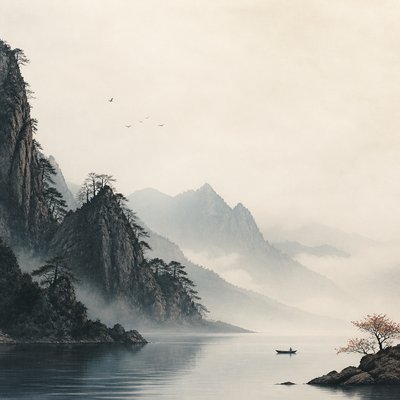
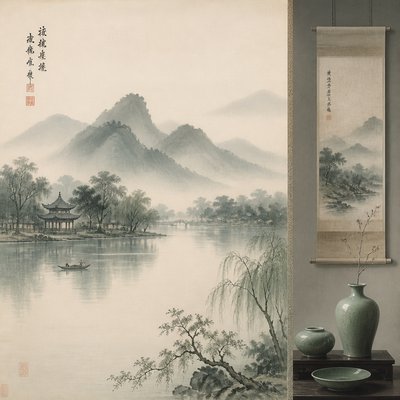
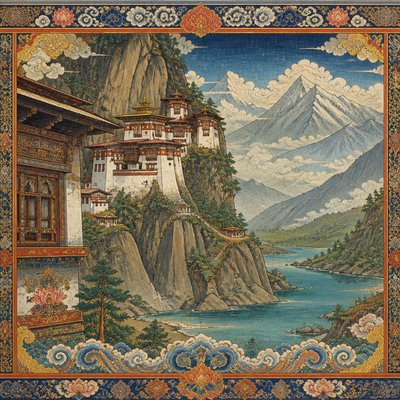
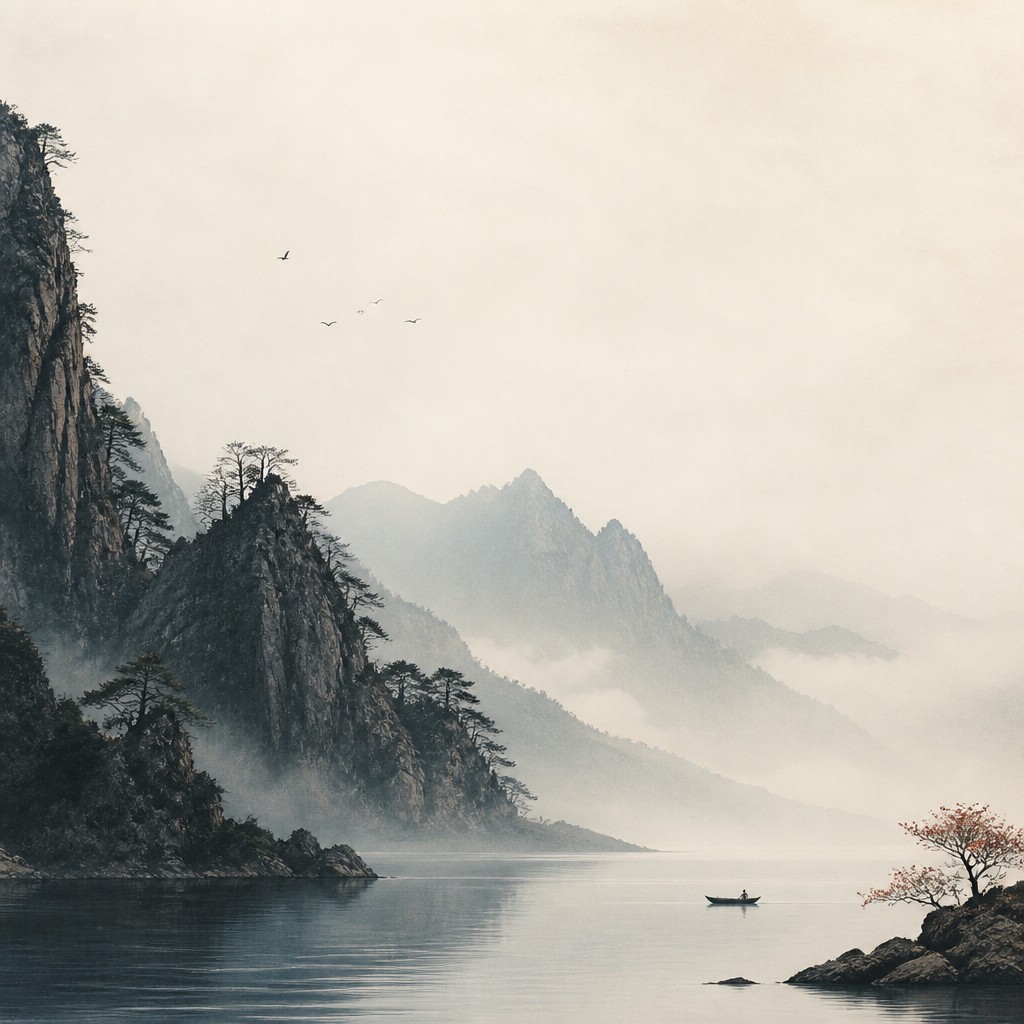
Empty areas are treated as structural components rather than unused background. They create breathing room, emphasize scale, and direct attention toward the subject.
Diagonal visual flow
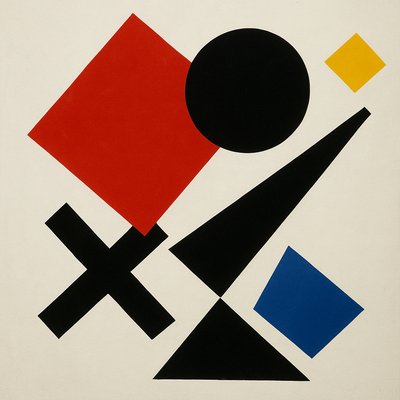
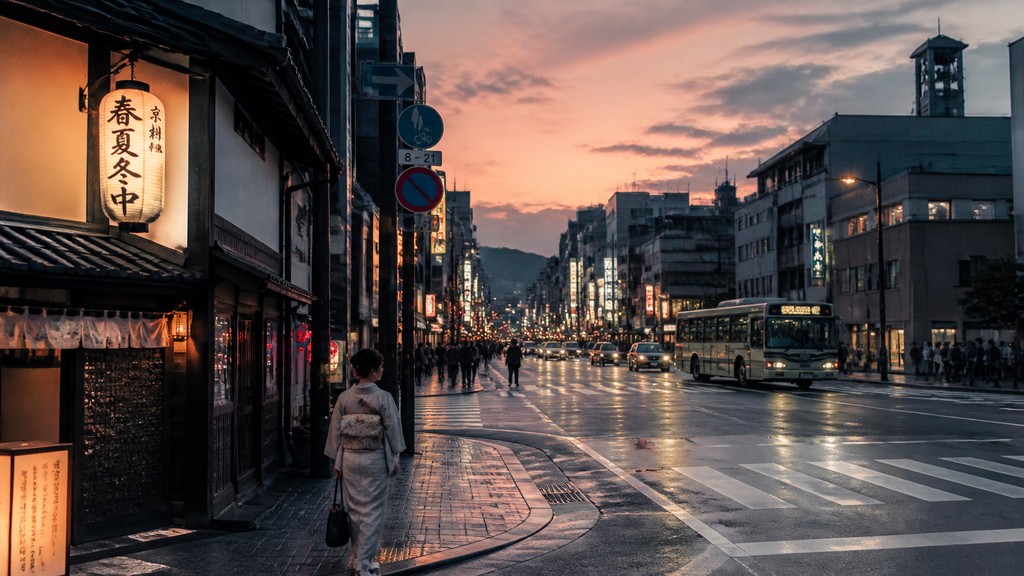
Slanting bodies, receding architecture, branches, shadows, or lines of sight move the eye through the image. Diagonals add energy without requiring visual clutter.
Cropped-world framing
Subjects may extend beyond an edge or appear partially revealed, suggesting that the scene continues outside the frame. This produces immediacy and a cinematic sense of observation.
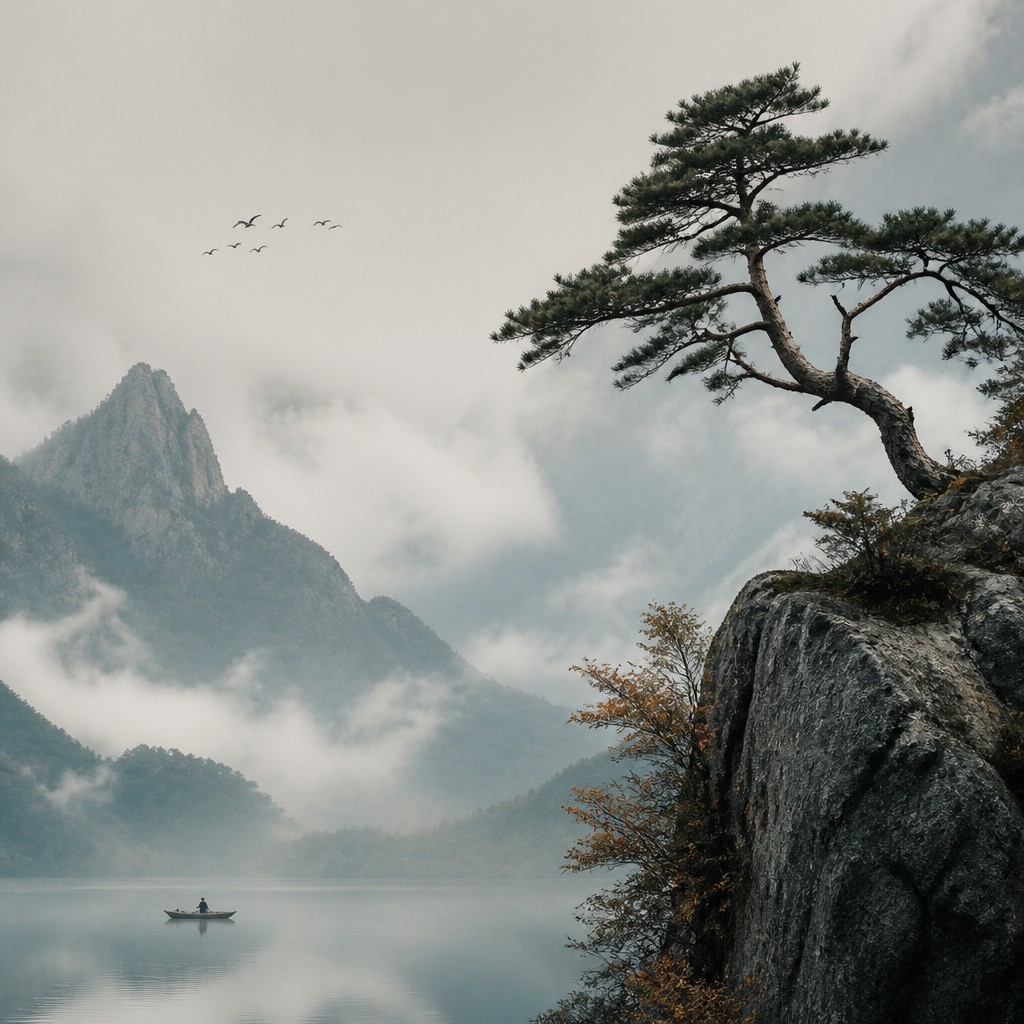
Small counterweights
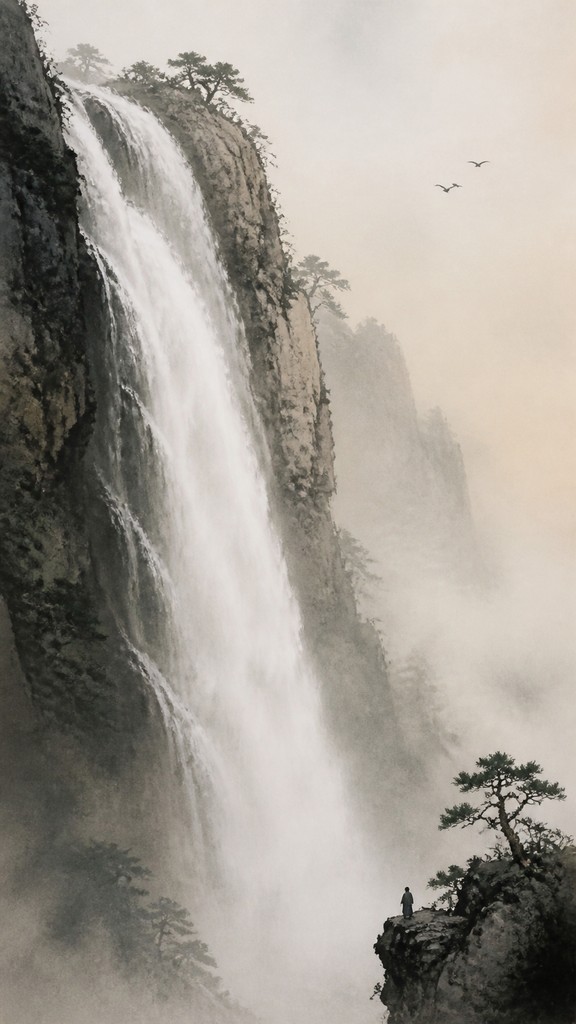
A distant figure, isolated mark, lantern, bird, color accent, or architectural detail can counterbalance a large subject. These elements remain subordinate and carefully spaced.
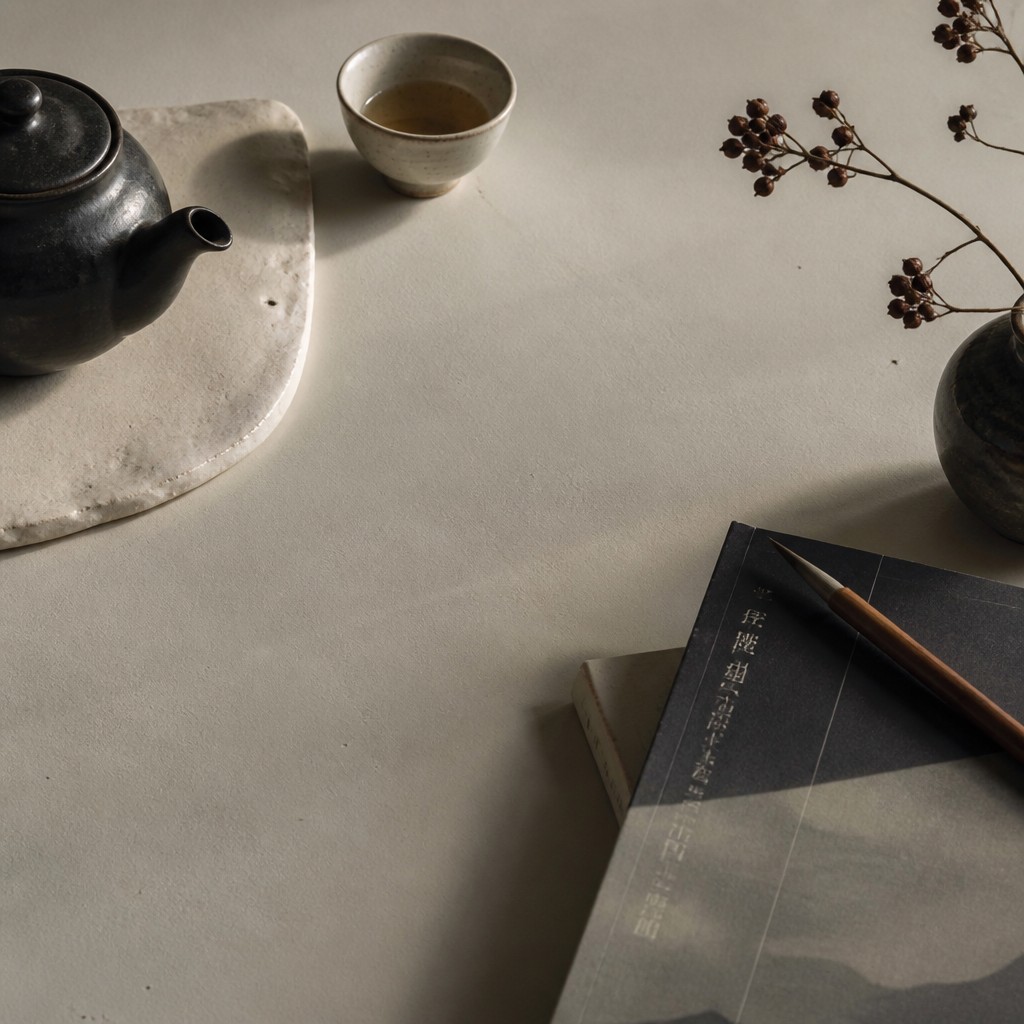
Refined tonal restraint
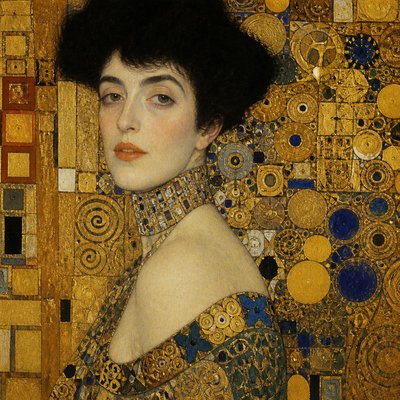
Limited palettes, controlled contrast, and selective detail keep the composition calm. Texture and ornament are used purposefully rather than spread uniformly across the image.
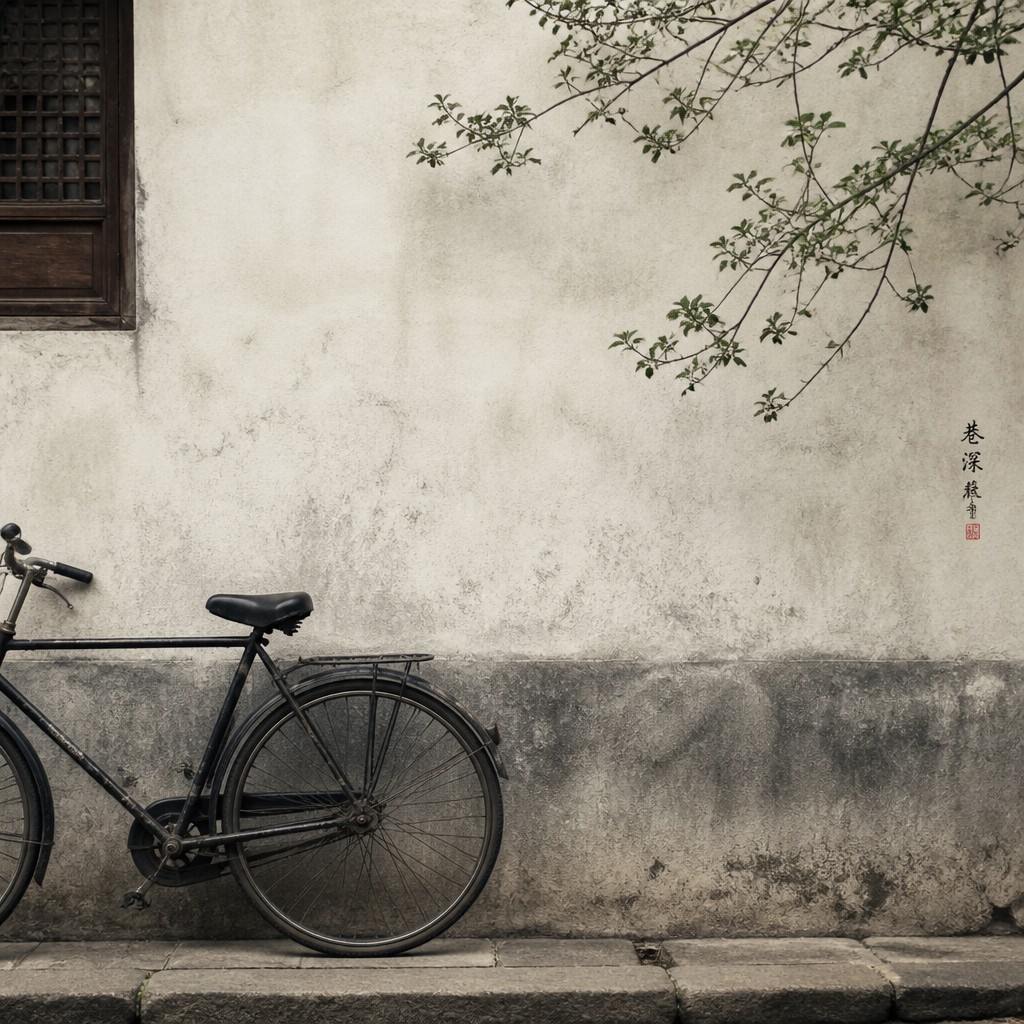
Serene visual tension
The composition feels slightly unresolved but never chaotic. Its elegance comes from maintaining a precise equilibrium between imbalance, rhythm, and stillness.
Try It
Create Videos in Elegant Asymmetry Art Style
Styles aren't just for stills — describe a scene or animate an image and get a short video rendered in Elegant Asymmetry. Press play to see this pond come to life.
Make a VideoElegant Asymmetry Prompt Ideas
Start from an idea — each one opens the generator with the style ready to go. See all 40 Elegant Asymmetry prompts →
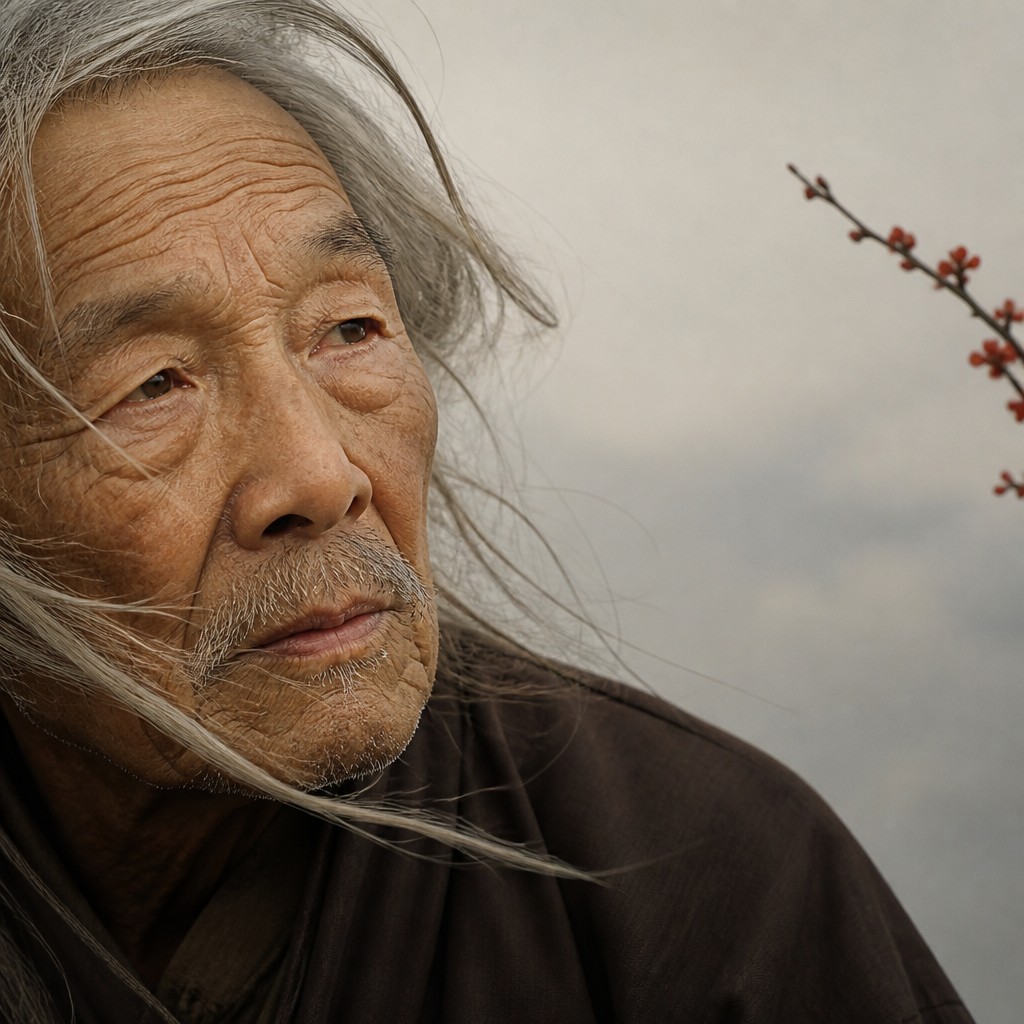
“close-up portrait of an elderly person with expressive weathered features”
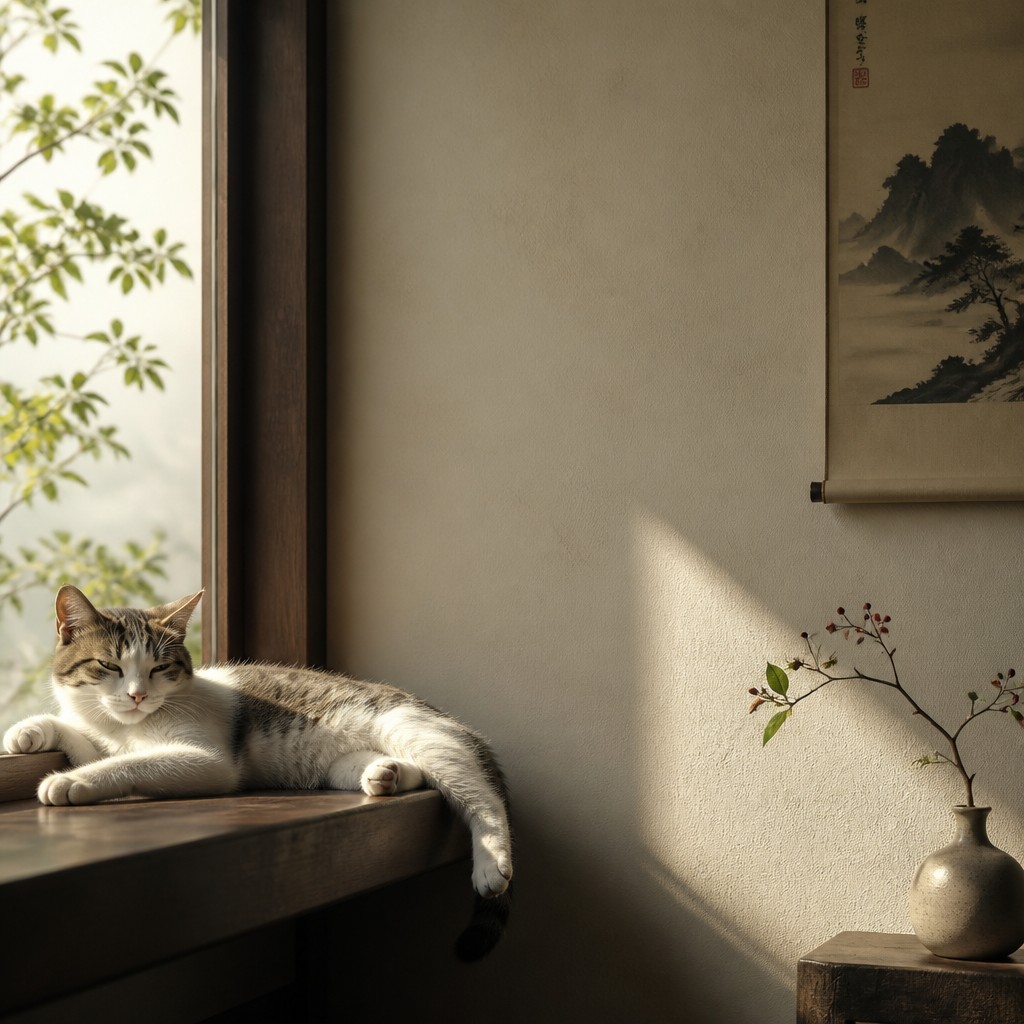
“a cat lounging in a sunlit window”
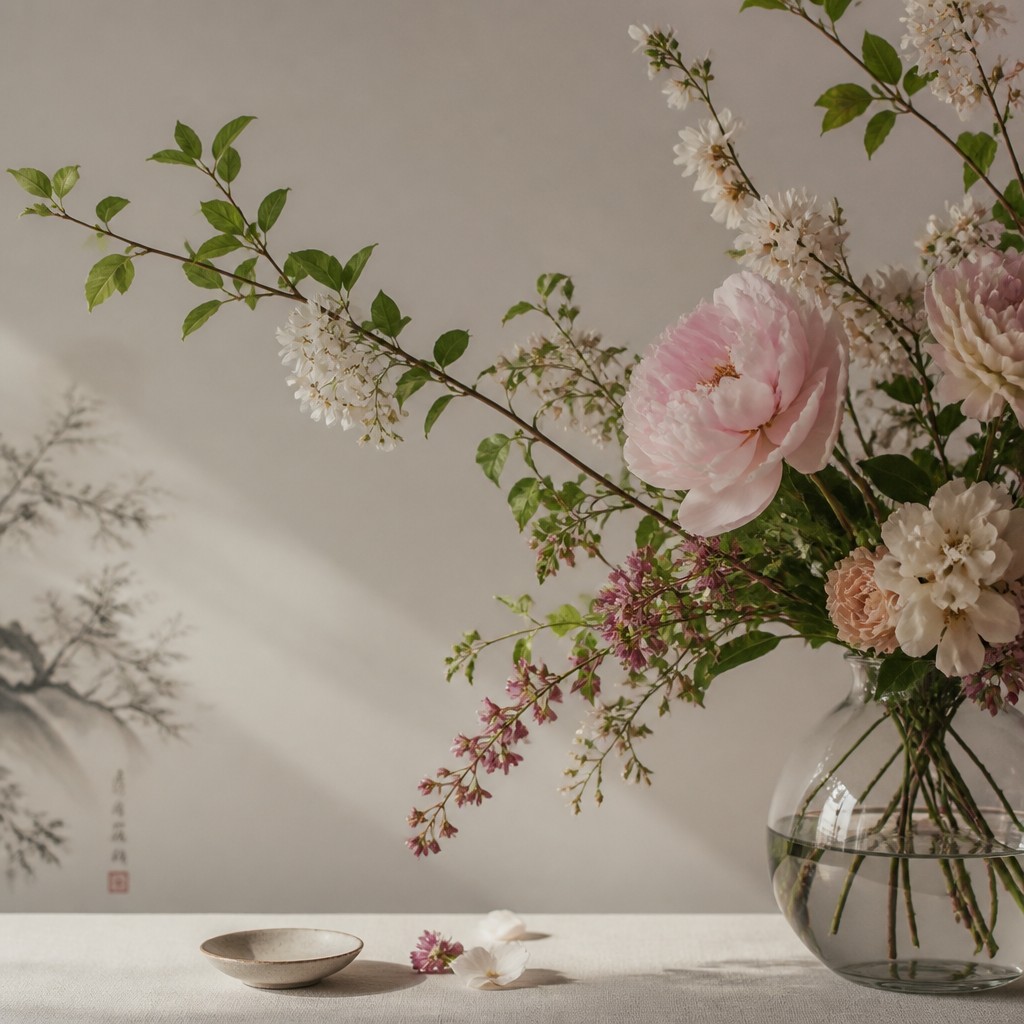
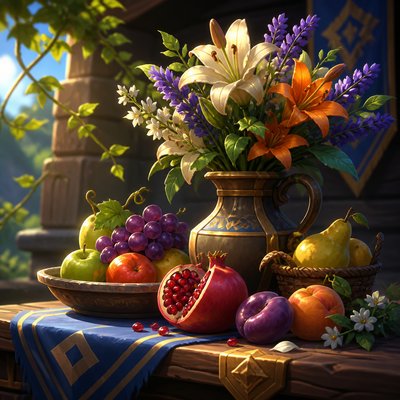
“bouquet of flowers in a glass vase”
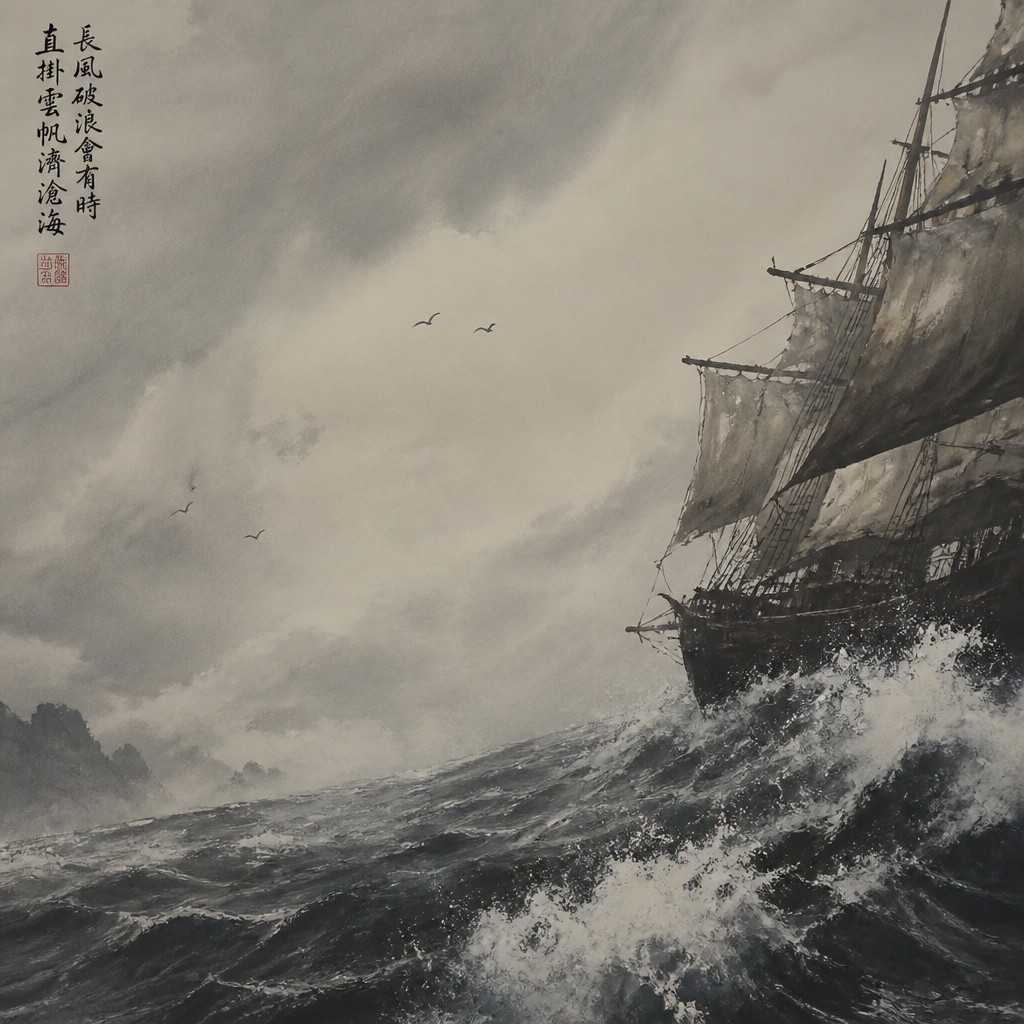
“sailing ship on a stormy sea”
How to Create Elegant Asymmetry Art
Master the craft step by step — or skip straight to creating. Read the full guide →
- 1
Place the subject with intention
Begin with the main form near one edge or along a strong vertical or diagonal rather than centering it automatically. Reserve enough opposing space for the composition to feel deliberate, not accidentally lopsided.
- 2
Build a counterweight
Add one or two small elements opposite the dominant subject, such as a distant silhouette, bright accent, branch, or architectural mark. Keep their scale and contrast modest so they support rather than compete.
- 3
Use negative space as structure
Simplify the background and let blank or softly textured areas occupy a substantial portion of the frame. In painting or drawing, establish this open field early; digitally, protect it from unnecessary detail.
- 4
Create directional movement
Use diagonals, receding perspective, flowing fabric, shadows, or gaze direction to connect the subject with the empty side of the composition. This gives the imbalance a visual path and prevents the image from feeling static.
- 5
Control the visual hierarchy
Limit the palette and concentrate sharp edges, saturated color, or fine texture near the focal subject. Soften secondary forms through reduced contrast, atmospheric perspective, or simplified marks.
- 6
Write precise generation prompts
Describe the subject, its off-center placement, the direction of movement, the amount of empty space, cropped edges, palette, and mood. Useful wording includes "subject on the far left," "large quiet negative space," "small counterweight in the distance," and "diagonal composition with restrained detail."
The Story
History & Origins of Elegant Asymmetry
Elegant Asymmetry is an invented contemporary style rather than a documented historical art movement. Its lineage can be understood through several established approaches to composition: asymmetrical balance in modern graphic design, the use of unfilled space in East Asian painting and print traditions, cropped viewpoints in photography and cinema, and the restrained geometry of minimalist visual culture.
Digital image-making has helped consolidate these influences into a recognizable cross-media language. The style is especially suited to images where framing, negative space, and controlled placement matter as much as the subject itself, including editorial illustration, posters, photography treatments, interface imagery, and atmospheric concept art.
Influences: The style draws from asymmetrical balance in modernist and Swiss-influenced graphic design, the ma or intentional interval found in Japanese spatial aesthetics, the empty expanses and shifting viewpoints of East Asian ink painting and woodblock traditions, and the cropped framing of modern photography and film. It also shares affinities with minimalist illustration, editorial composition, atmospheric landscape art, and contemporary poster design, while remaining a hybrid rather than a historical school.
Frequently Asked Questions
What defines Elegant Asymmetry?
It is defined by deliberate off-center placement, substantial negative space, diagonal movement, and small visual counterweights. The composition remains calm because contrast, color, and detail are carefully controlled.
Is Elegant Asymmetry a historical art movement?
No. It is a contemporary, cross-media aesthetic rather than a documented movement with a fixed period or membership. Its vocabulary combines established ideas from East Asian spatial traditions, modern design, photography, illustration, and minimalism.
How is it different from ordinary asymmetrical composition?
Any asymmetrical composition can distribute visual weight unevenly, but Elegant Asymmetry emphasizes refinement and serenity. It typically combines imbalance with generous empty space, restrained color, cropped framing, and a clear directional rhythm.
Can this style be used for portraits?
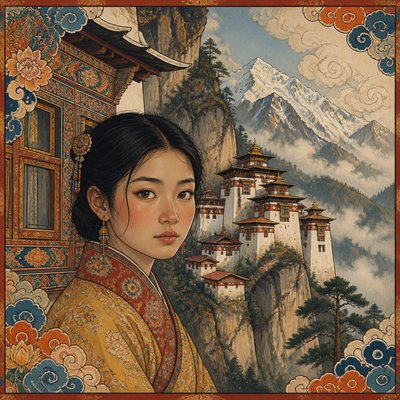
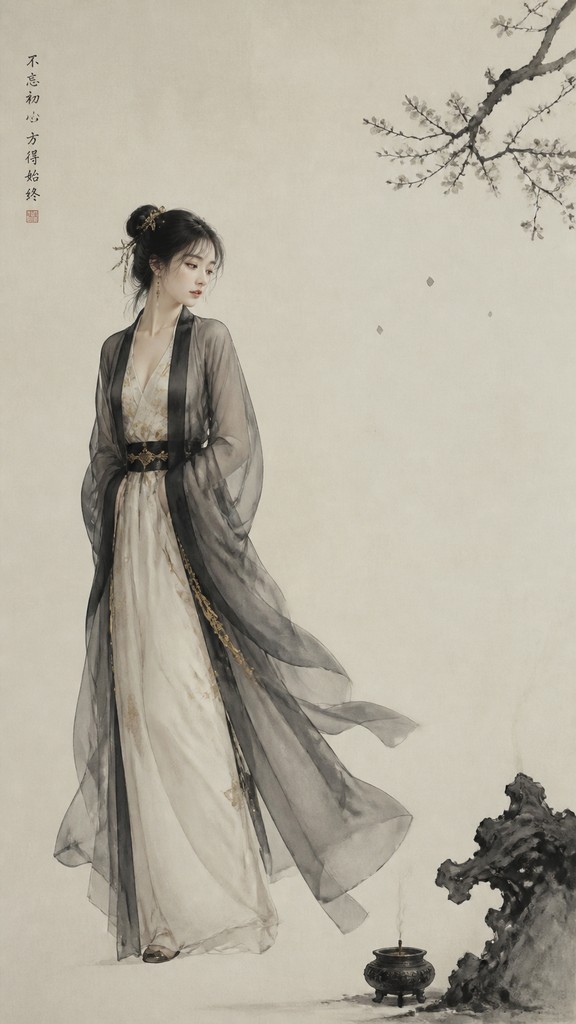
Yes. Place the face or figure off-center, allow the gaze or body to lead into open space, and use a small background detail to stabilize the opposite side. Cropping part of the figure can make the portrait feel more immediate and spacious.
What media work well for this aesthetic?
Ink wash, watercolor, gouache, photography, editorial illustration, collage, poster design, and digital painting all work well. The essential requirement is not a particular medium but disciplined control of placement, empty space, contrast, and visual hierarchy.
How should I describe it in an image prompt?
Specify the subject and its exact position, then describe the empty area, the diagonal flow, the counterweight, and the palette. Mention cropped edges or a larger world beyond the frame when you want a more observational, cinematic result.
Create your first Elegant Asymmetry artwork
Describe anything — or upload a photo — and see it in Elegant Asymmetry Art Style in seconds.
Related Styles
Discover similar art styles