Belle Époque Art Style
Explore Belle Époque style: Parisian café glamour, Art Nouveau lines, lithographic posters, champagne gold, gaslight and elegant theatrical scenes.
Instantly rendered in Belle Époque — or transform a photo
Belle Époque Gallery
Tap any artwork to explore it
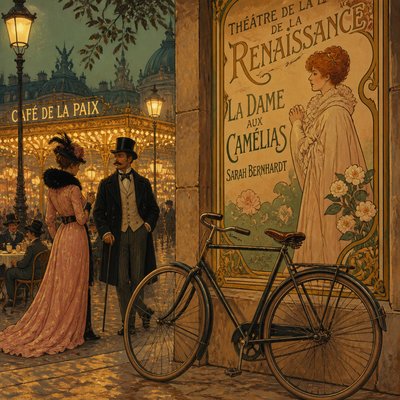
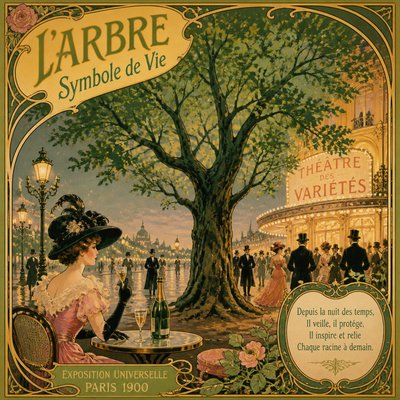
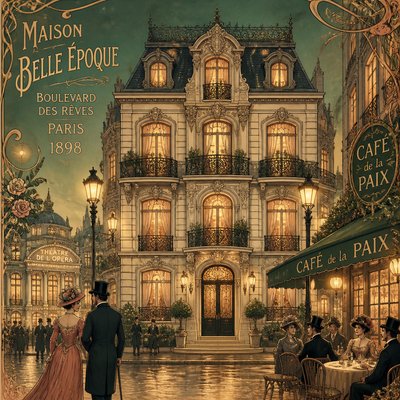
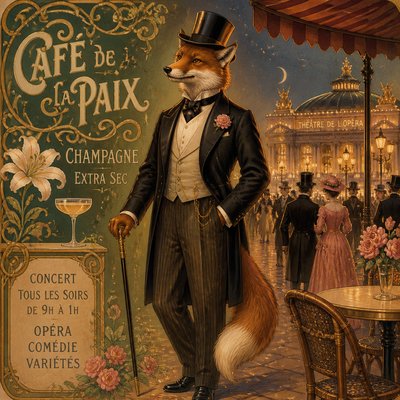
What is Belle Époque Art Style?
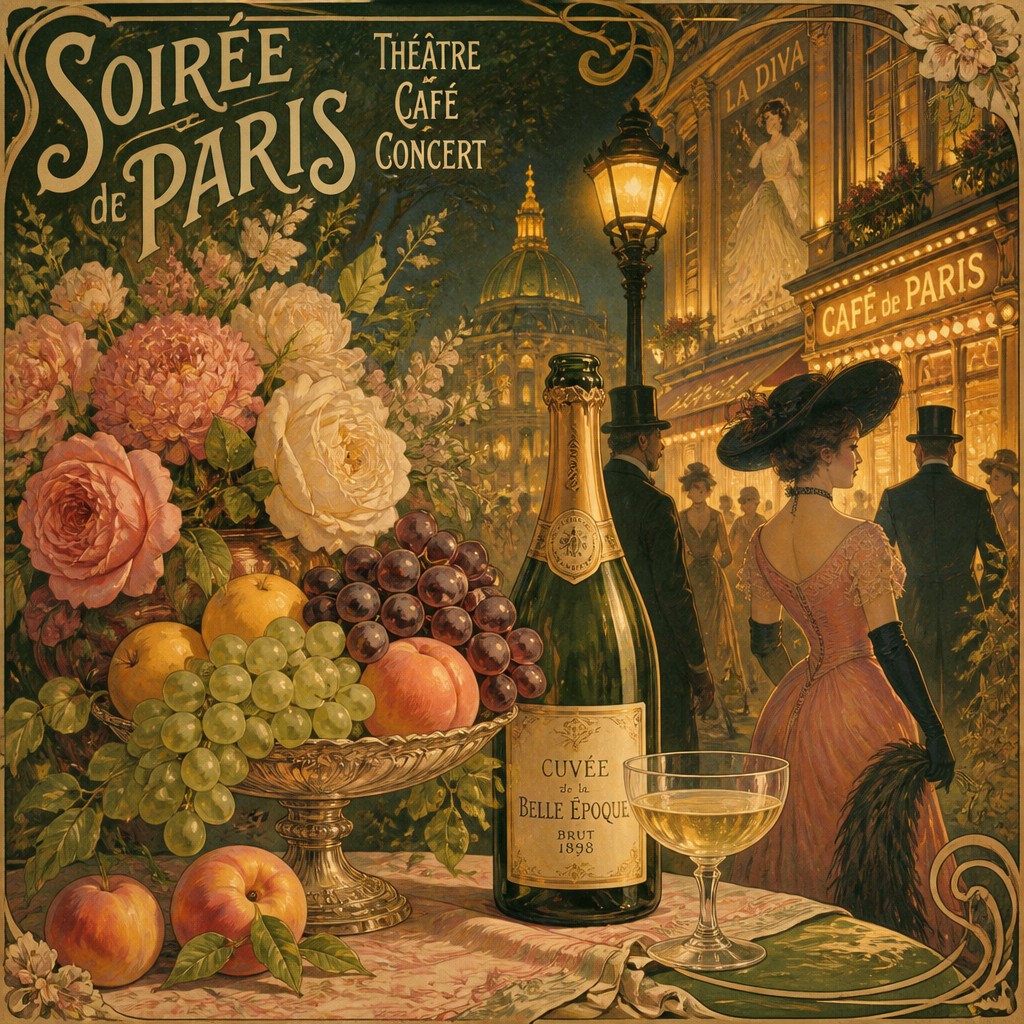
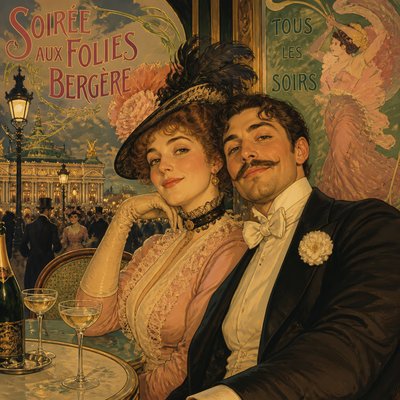
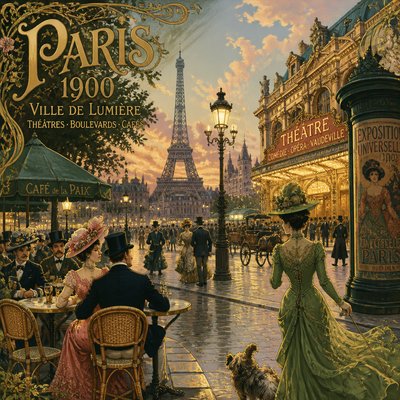
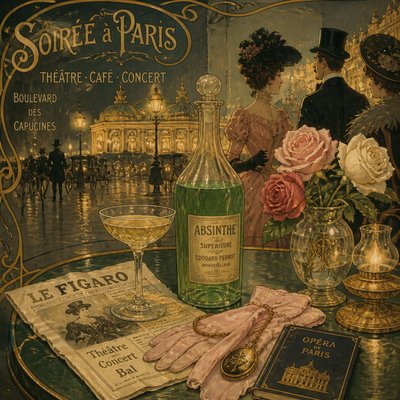
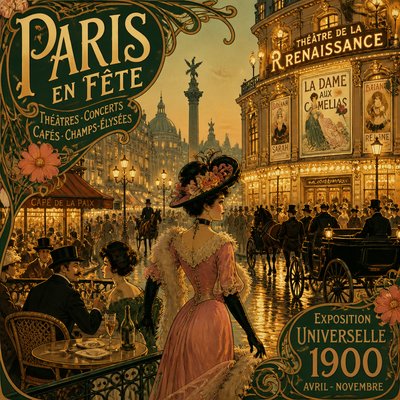
Belle Époque refers to the cultural and visual atmosphere of Europe, especially France, from approximately 1871 to the outbreak of the First World War in 1914. It was not a single, tightly defined art movement, but a period associated with urban leisure, new technologies, stylish public life and confidence in modernity. Its imagery often centers on cafés, boulevards, theaters, dance halls, exhibitions and fashionable social gatherings.
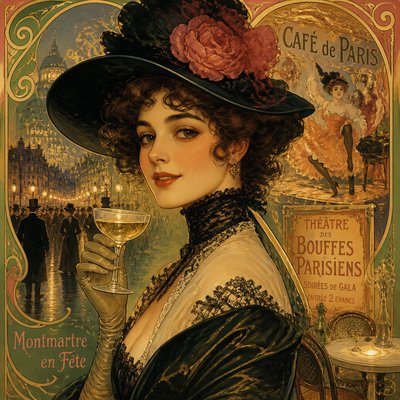
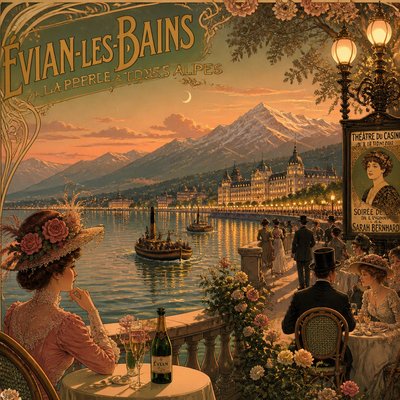
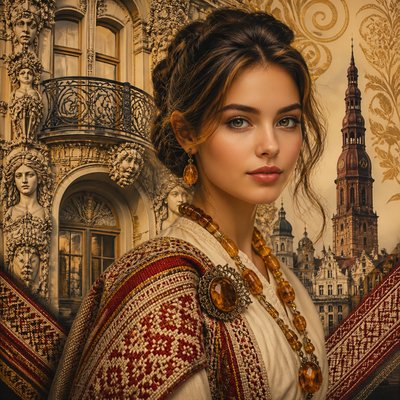
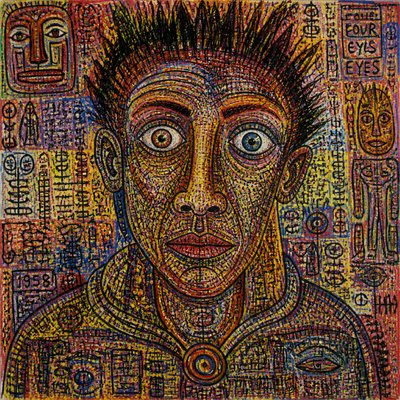
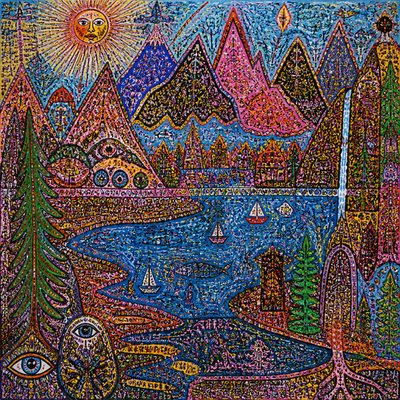
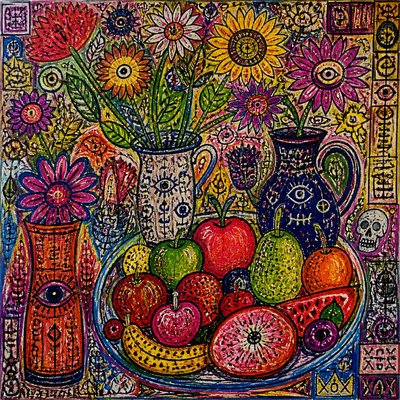
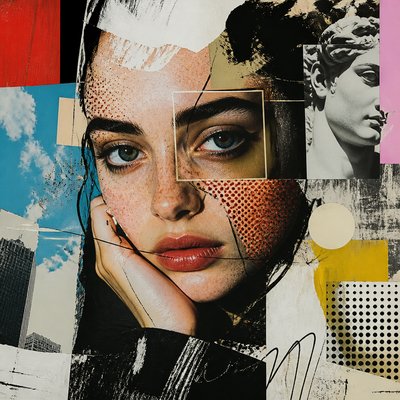
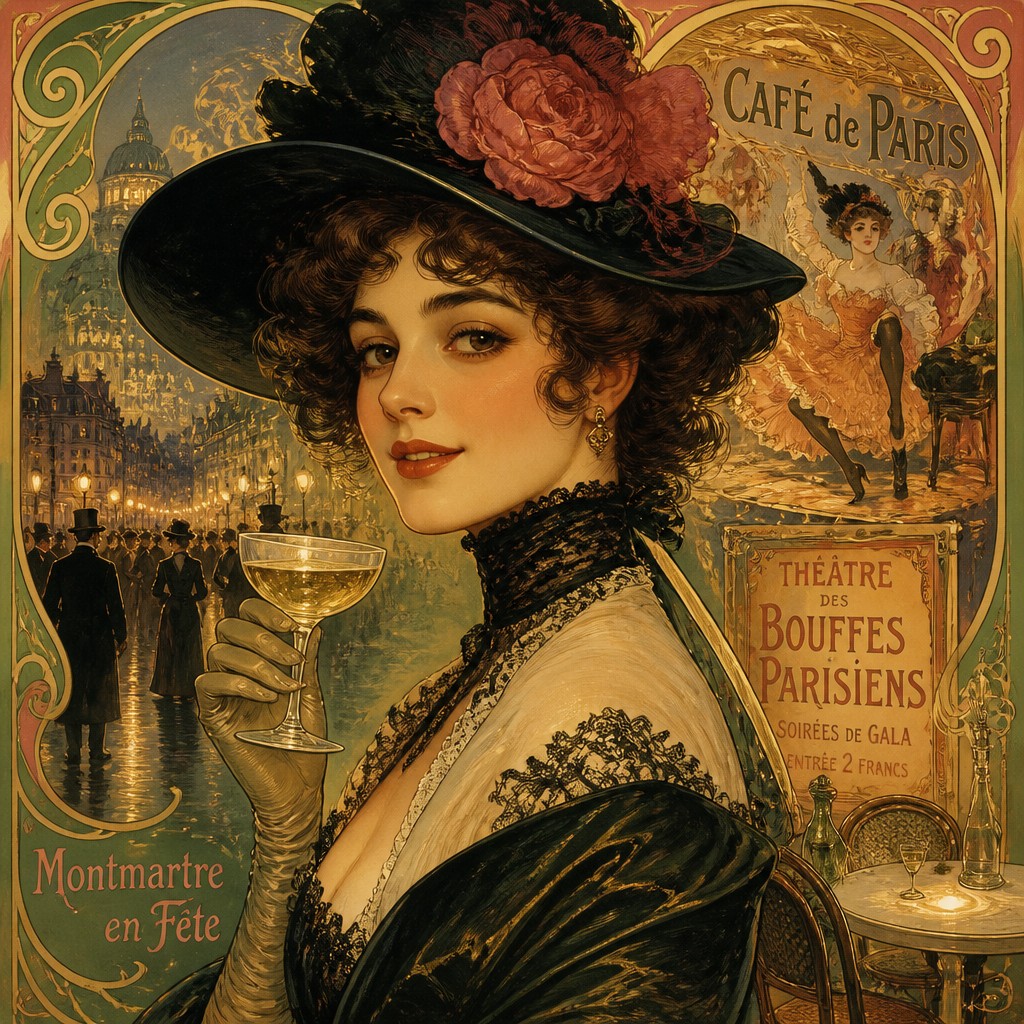
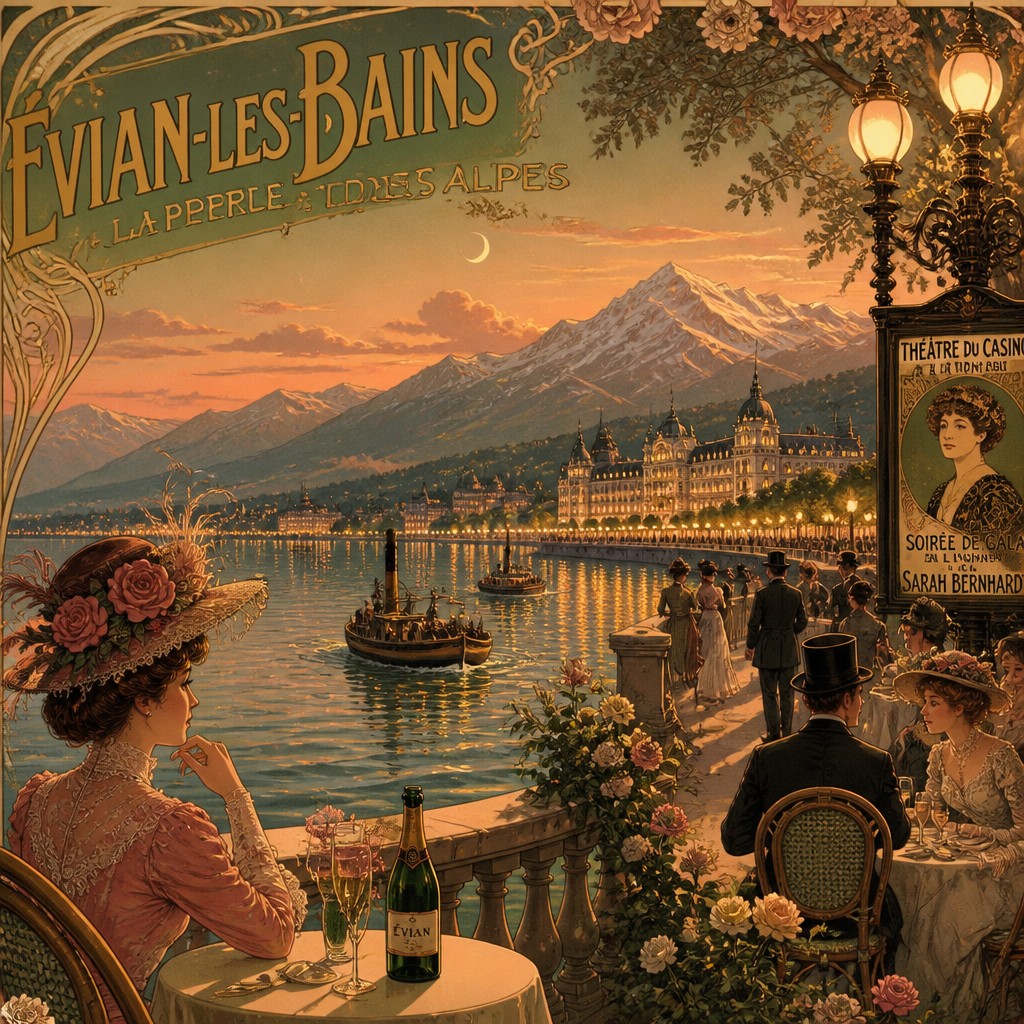
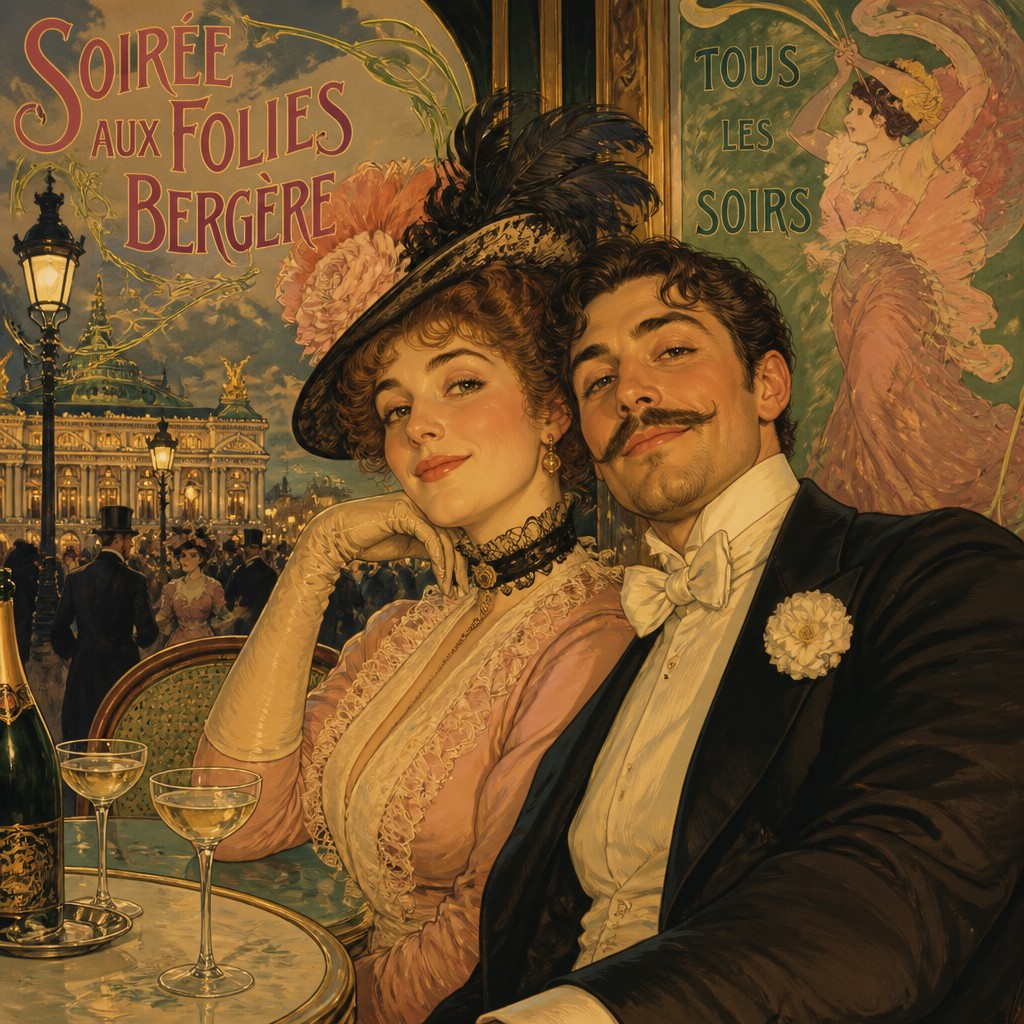
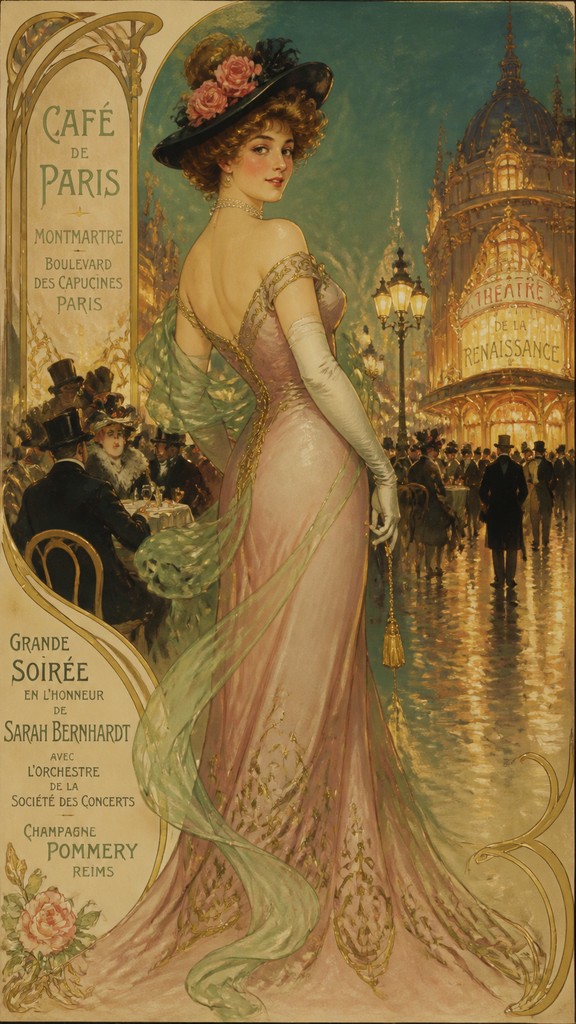
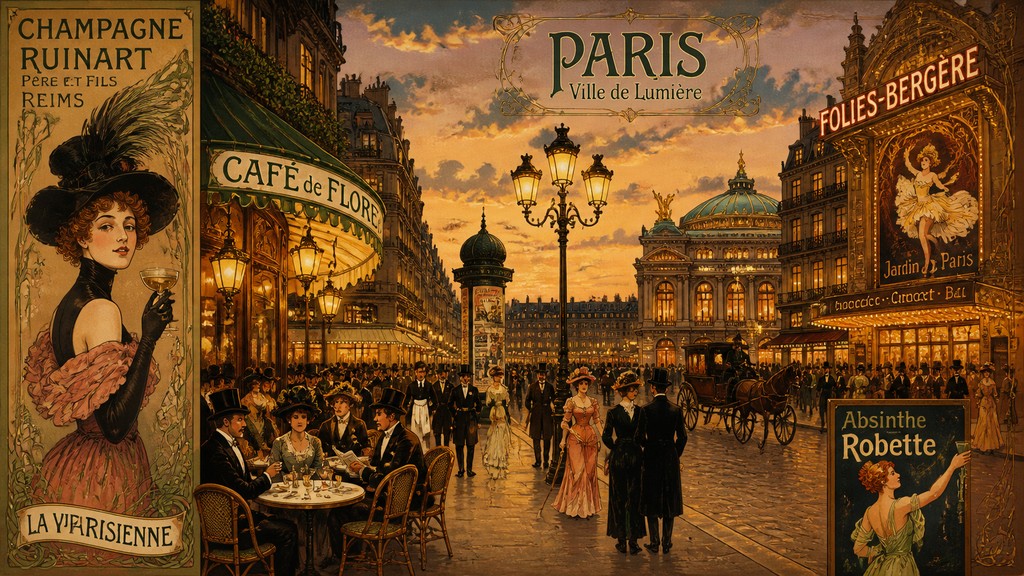
The style combines the decorative curves of Art Nouveau with the immediacy of commercial poster design, the color sensitivity of late nineteenth-century painting and the glamour of emerging mass entertainment. Champagne gold, rose, cream, teal and absinthe green appear beside deep evening shadows, while gaslight and early electric lighting create sparkling highlights. Figures are usually presented as elegant silhouettes or loosely painted fashionable types, giving scenes a sense of movement, sociability and theatrical charm.
Try It On Your Photos
Upload any photo and convert it into Belle Époque Art Style — drag the sliders to compare before and after.


What Defines Belle Époque Art Style
The signature details, up close
Poster-like composition
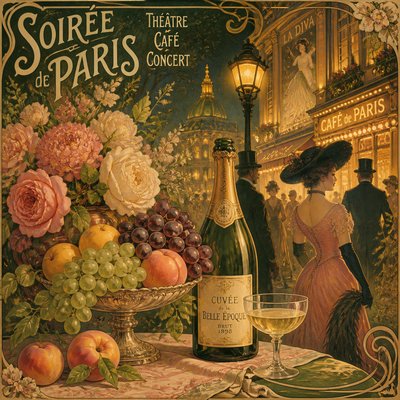
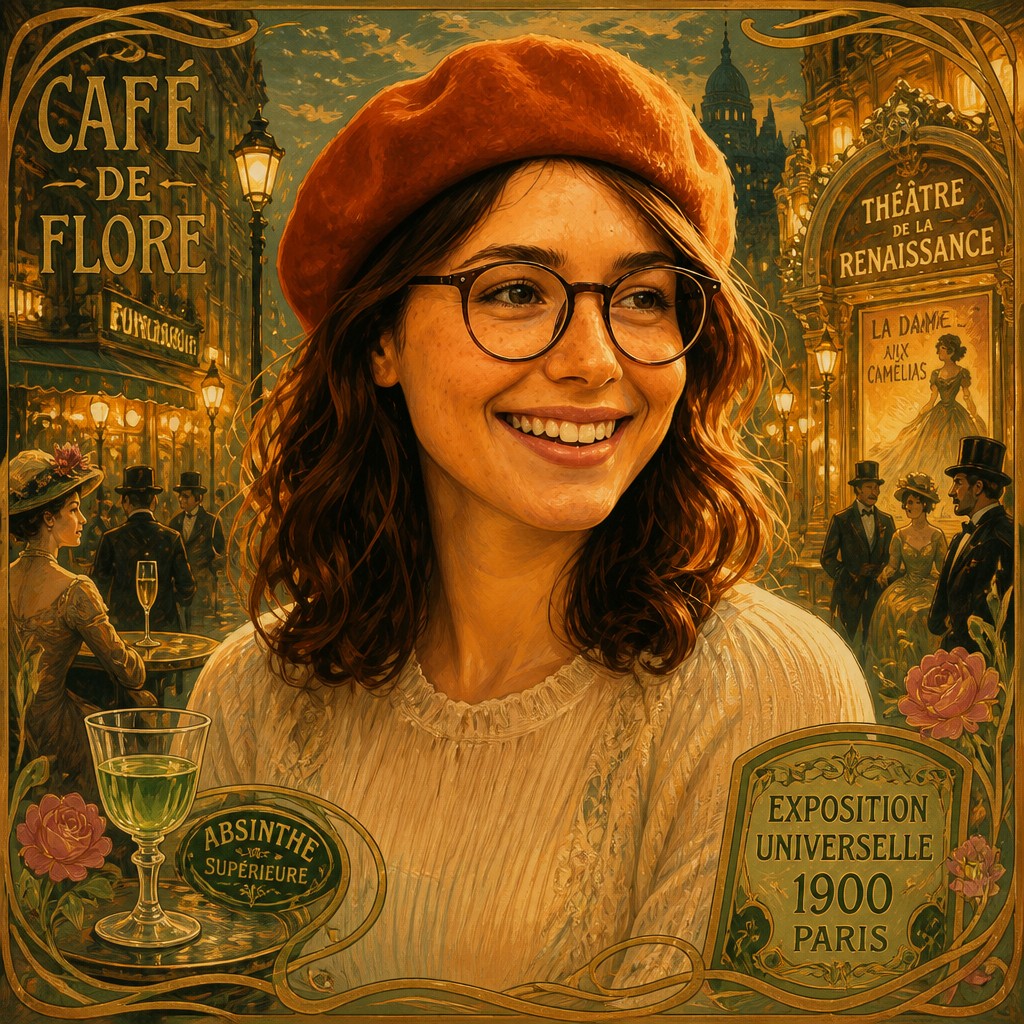
Strong silhouettes, cropped viewpoints, simplified shapes and carefully placed lettering-like forms recall the visual clarity of lithographic advertising posters. Scenes often feel designed for a wall or printed cover rather than observed as ordinary snapshots.
Art Nouveau linework
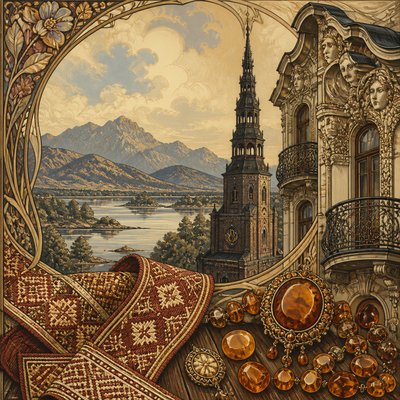
Flowing contours, whiplash curves, floral arabesques and framing ornaments bring rhythm to clothing, architecture, smoke and foliage. Lines may be elegant and decorative even when the subject is a busy boulevard or crowded theater.
Champagne and jewel-toned palette
Warm gold, ivory, blush pink, coral, muted turquoise and absinthe green create a refined period palette. Dark plum, navy or charcoal can be added to anchor the image and intensify the glow of illuminated interiors.
Gaslight sparkle
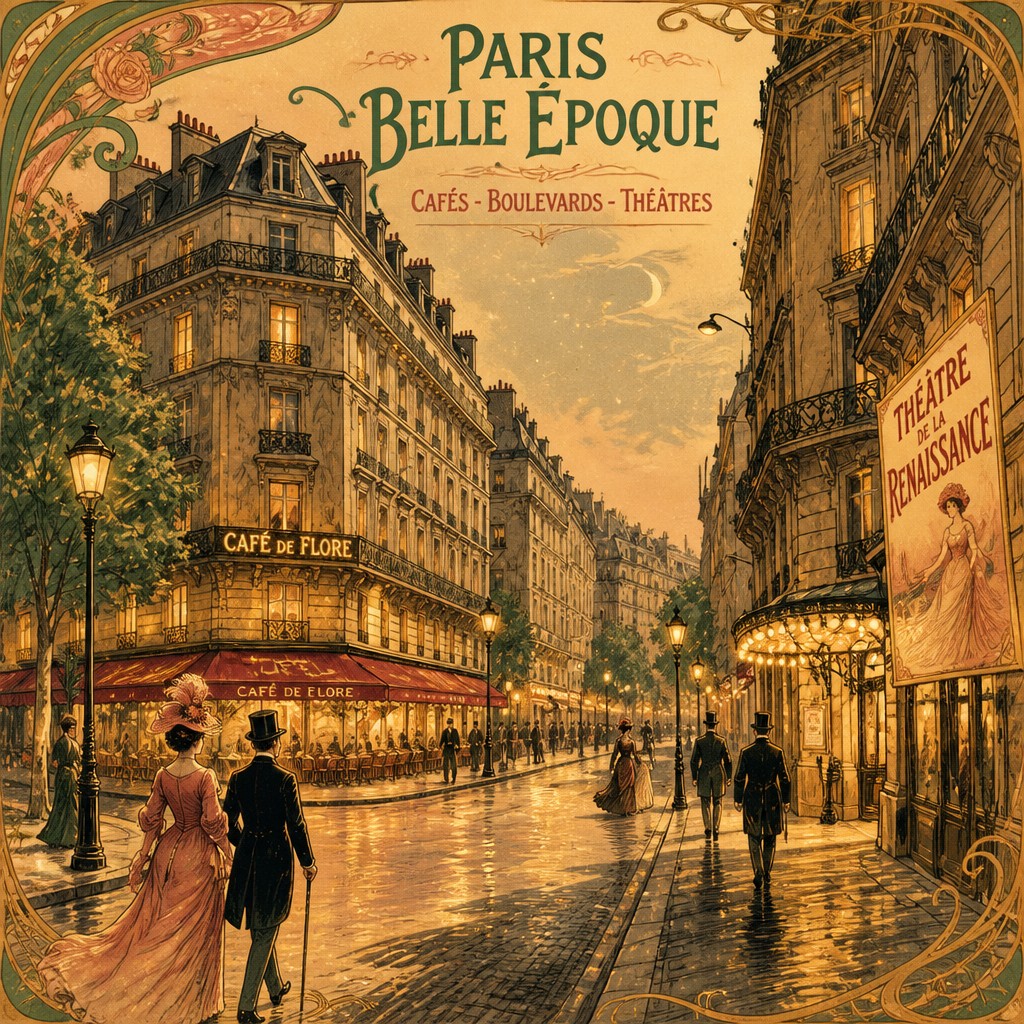
Small points of amber light, reflective glass, polished brass and luminous halos suggest gas lamps and early electric lighting. Highlights are often softened or scattered, producing an atmosphere of evening glamour rather than crisp modern illumination.
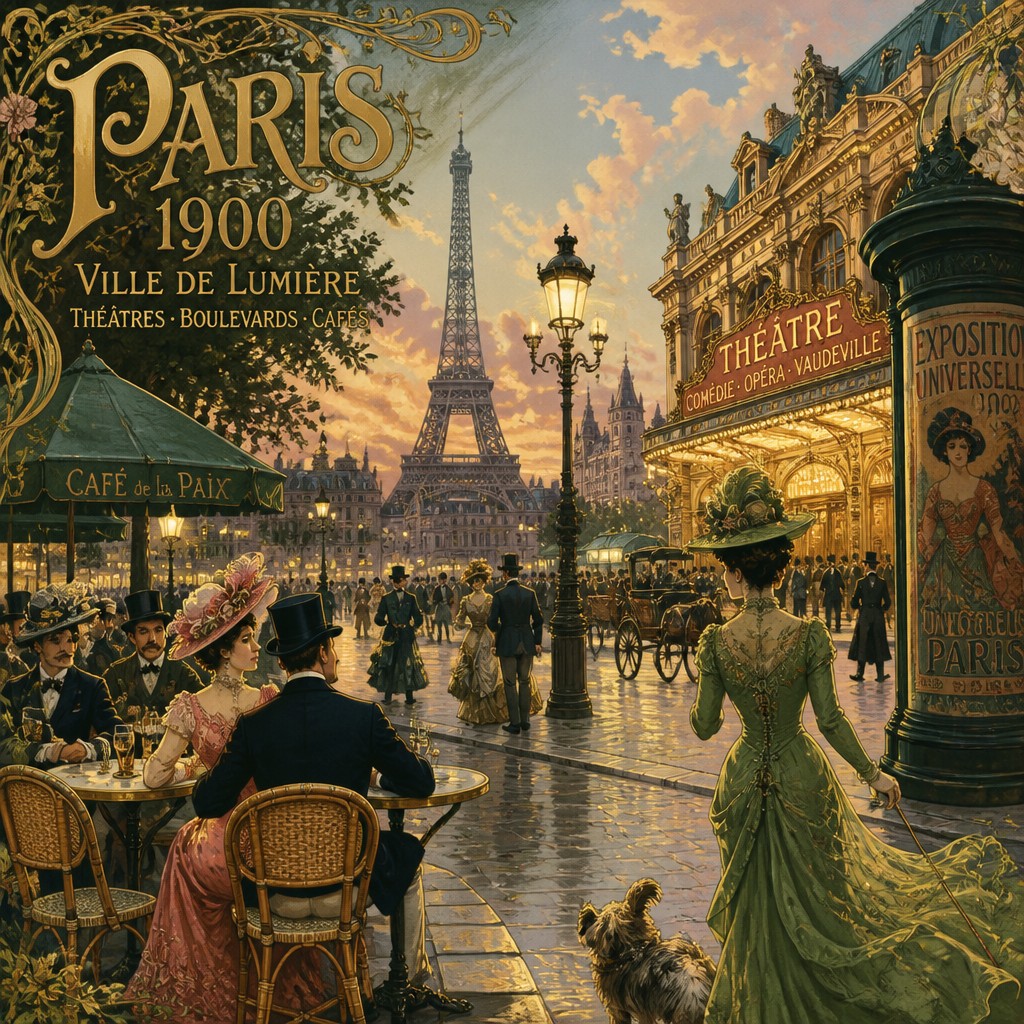
Fashionable urban silhouettes
Long coats, tailored suits, elaborate hats, gloves, sweeping skirts and evening attire establish the period without requiring excessive detail. Figures are commonly shown in relaxed social poses, strolling, conversing, dancing or watching a performance.
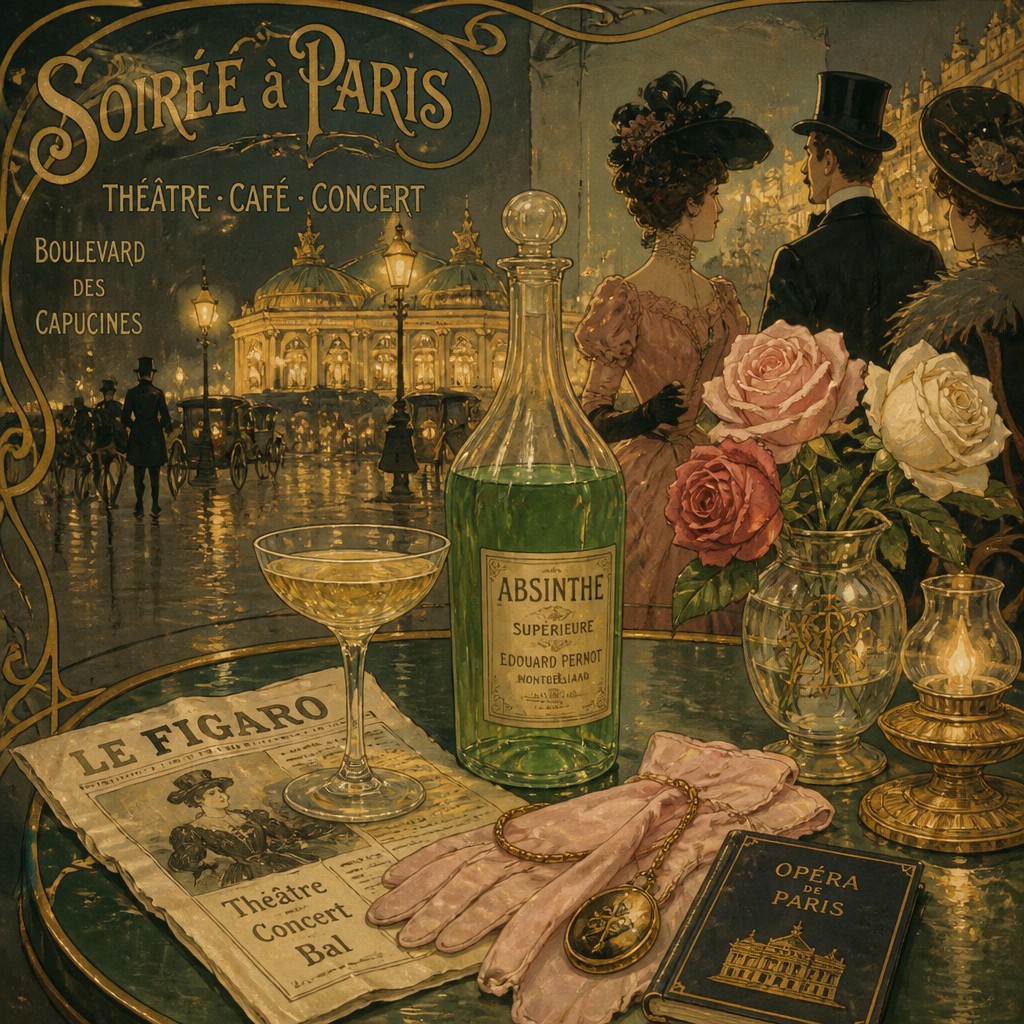
Painterly lithographic texture
Visible brush softness, flat color areas, grain, ink-like edges and slightly imperfect registration evoke period printmaking. A balance between decorative simplification and painterly atmosphere keeps the image lively rather than mechanically geometric.
Try It
Create Videos in Belle Époque Art Style
Styles aren't just for stills — describe a scene or animate an image and get a short video rendered in Belle Époque. Press play to see this pond come to life.
Make a VideoBelle Époque Prompt Ideas
Start from an idea — each one opens the generator with the style ready to go. See all 40 Belle Époque prompts →
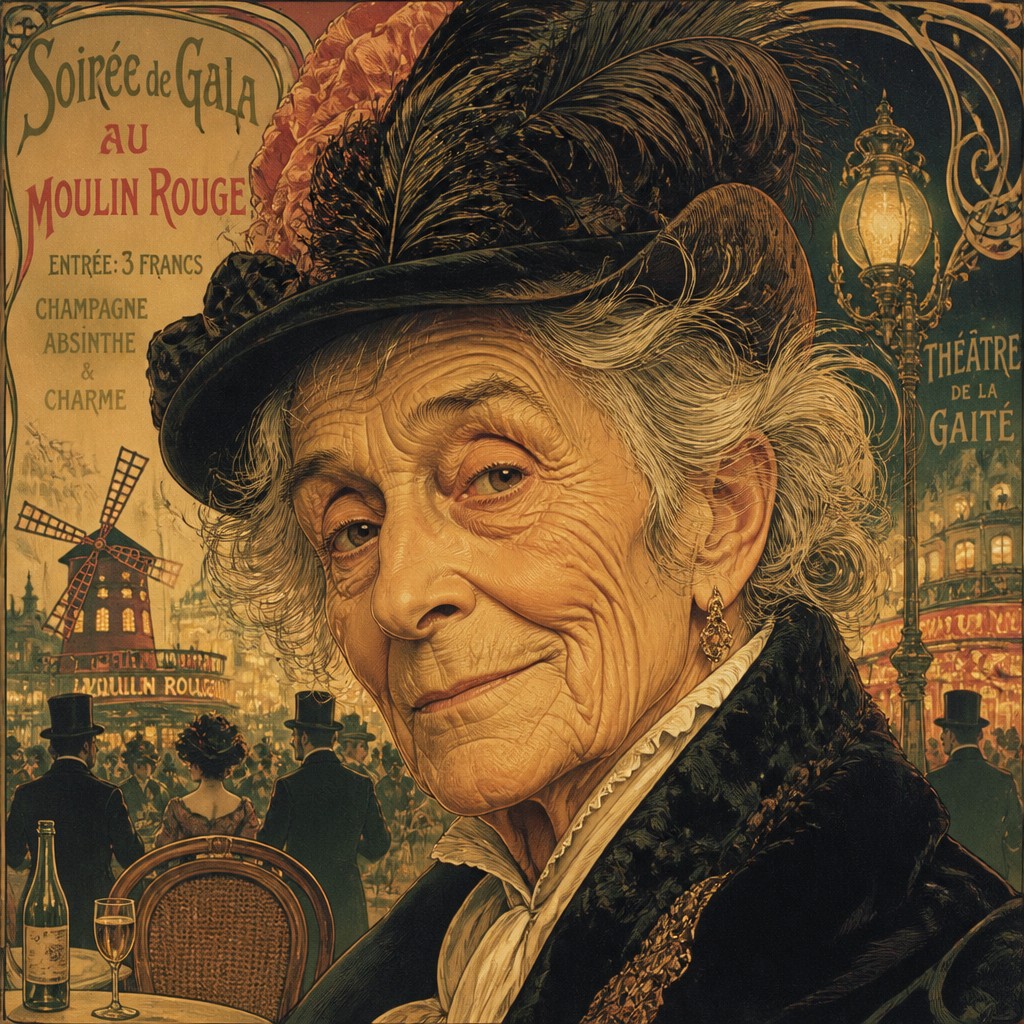
“close-up portrait of an elderly person with expressive weathered features”
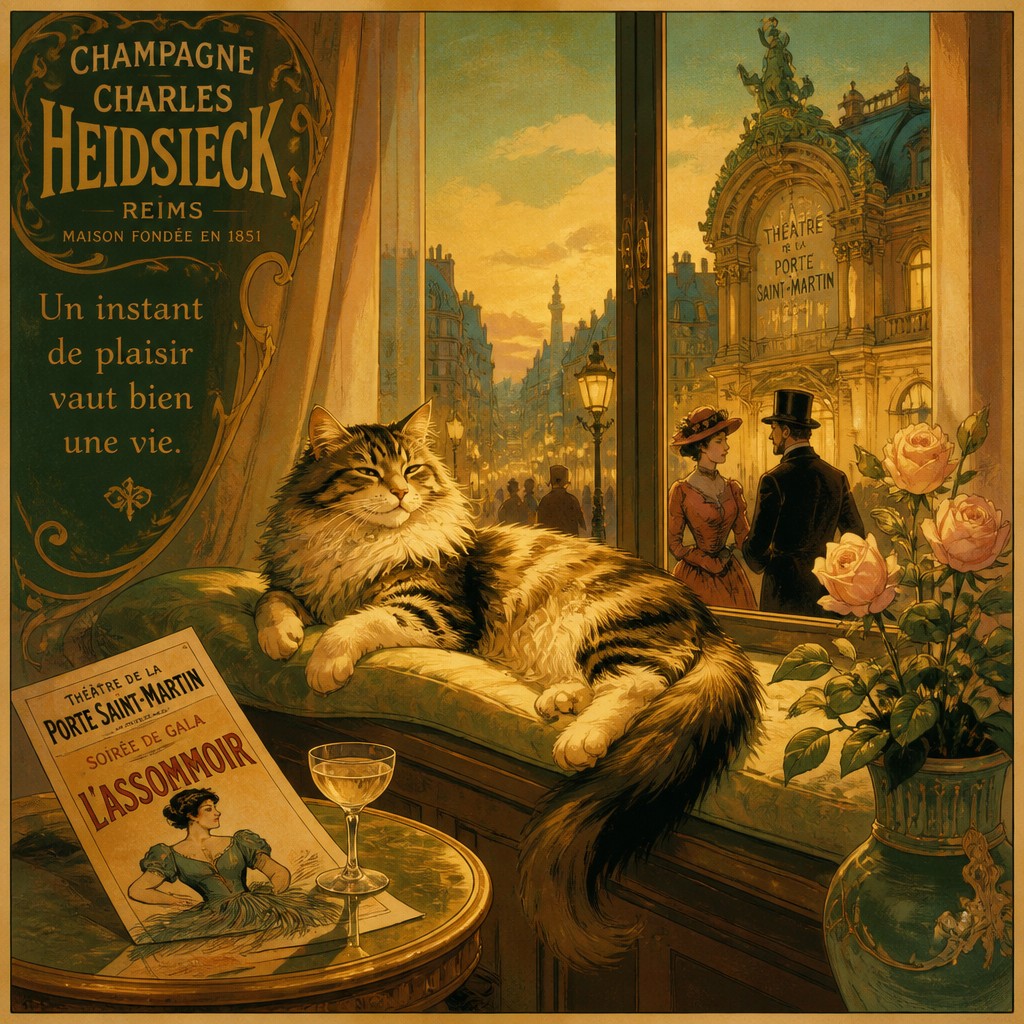
“a cat lounging in a sunlit window”
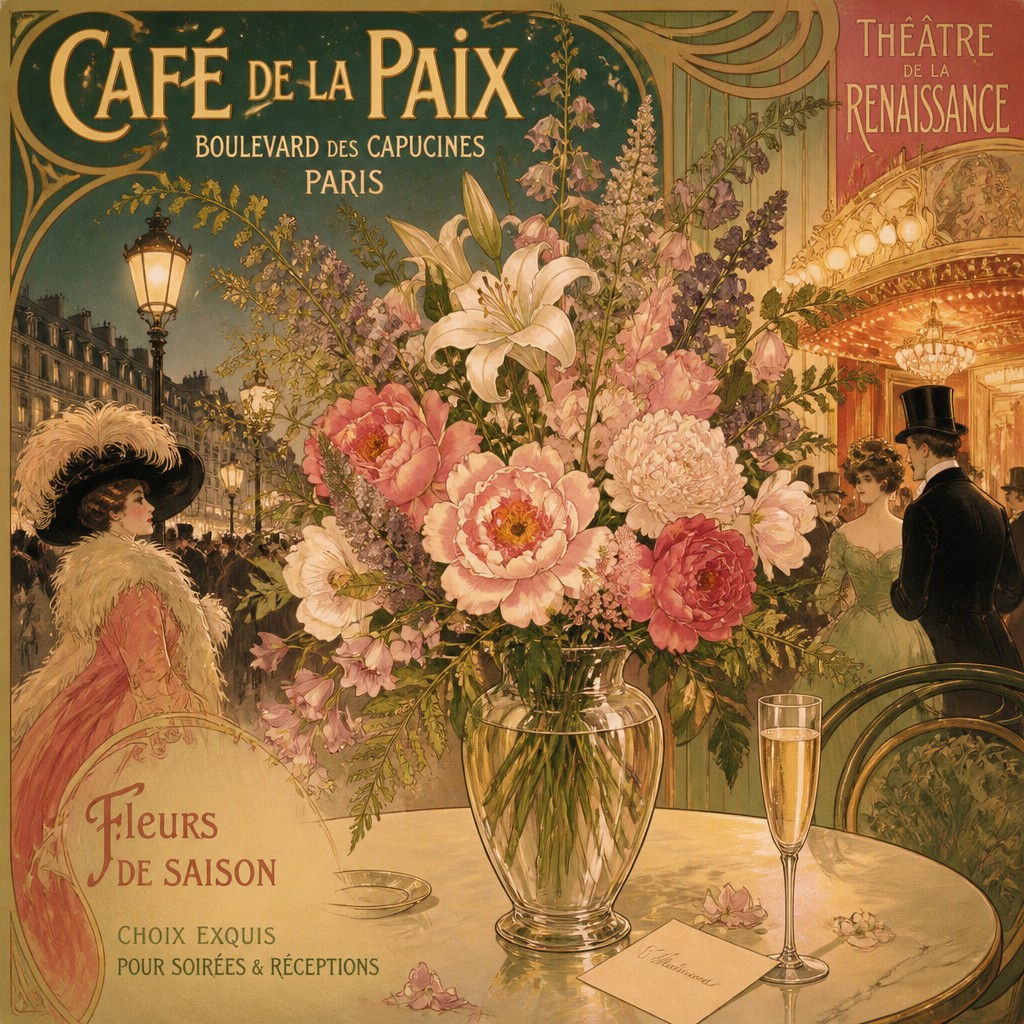
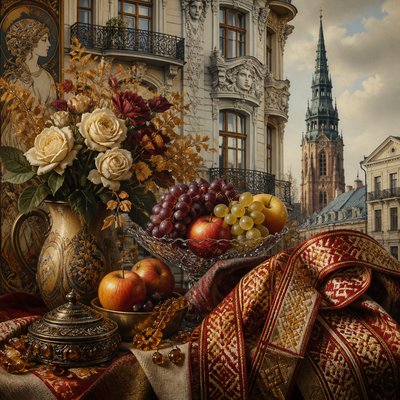
“bouquet of flowers in a glass vase”
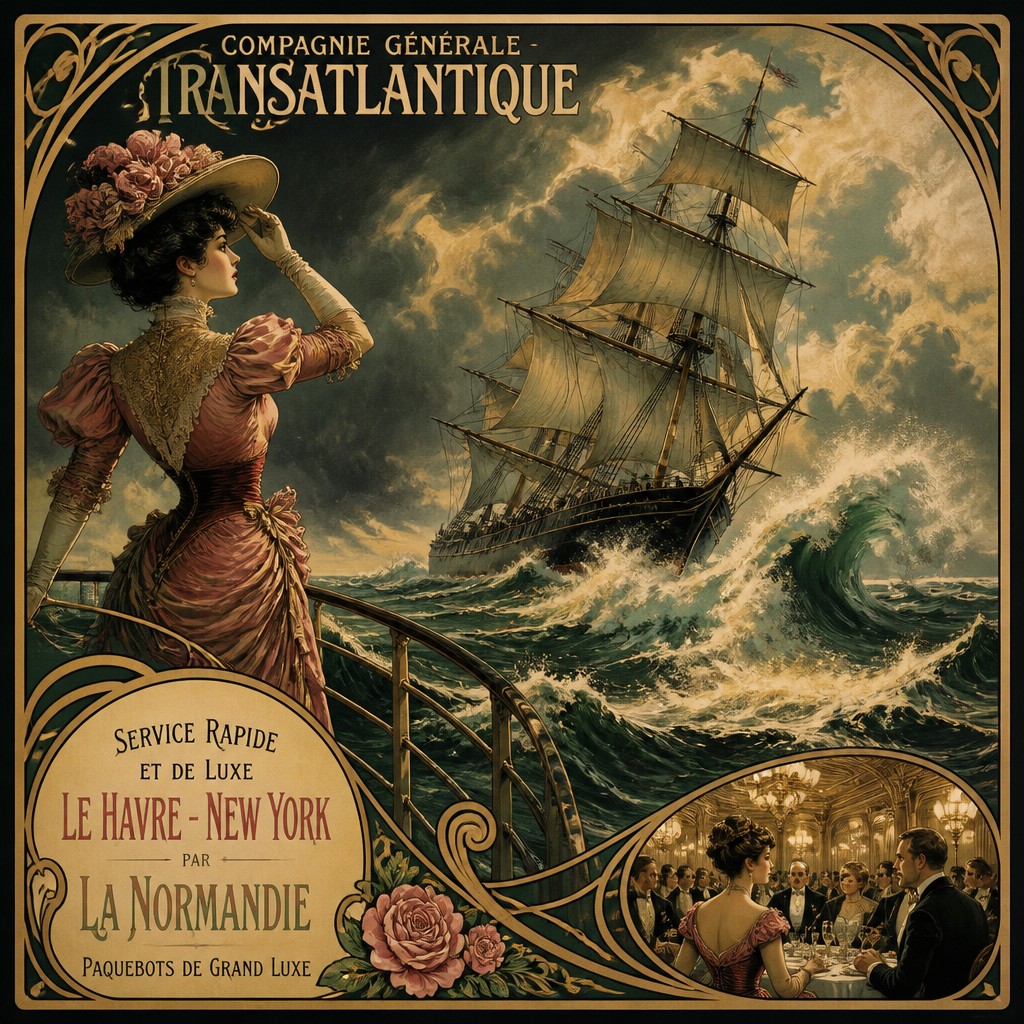
“sailing ship on a stormy sea”
How to Create Belle Époque Art
Master the craft step by step — or skip straight to creating. Read the full guide →
- 1
Establish a poster-shaped composition
Begin with one clear focal figure or architectural feature, a strong diagonal, and a limited number of large color masses. For traditional or digital work, simplify distant crowds and details so the image reads clearly at a glance.
- 2
Build a period palette
Use champagne, cream, rose, muted green and warm brown, then reserve deep blue or plum for contrast. Add small amber highlights to lamps, jewelry, glassware and reflective surfaces instead of flooding the whole scene with yellow.
- 3
Draw with continuous decorative contours
Use graceful, connected lines for hair, garments, foliage, railings and architectural ornament. In digital painting, combine a textured ink brush with broad translucent washes; in printmaking, imitate the softened grain and limited-color layering of lithography.
- 4
Suggest, rather than over-detail, the crowd
Render faces and distant bodies as economical shapes, reserving sharper accents for the foreground. Atmospheric haze, overlapping silhouettes and reflected light can convey a lively boulevard or café without making the scene visually noisy.
- 5
Specify medium and atmosphere in a prompt
For prompt-based creation, name the subject, setting, composition, palette, poster or lithographic surface, flowing ornamental lines and gaslit evening lighting. Add constraints such as limited colors, elegant period clothing and restrained facial detail when a coherent historical mood is important.
The Story
History & Origins of Belle Époque
The Belle Époque developed in the French Third Republic and spread through major European cities during a period of industrial growth, expanding rail travel, department stores, illustrated newspapers, public entertainments and international exhibitions. Advances in color lithography made large, affordable posters an important part of the urban streetscape, while photography and improved printing broadened access to images of fashion, performers and city life.
Its visual language overlapped with Art Nouveau, Impressionism, Post-Impressionism, decorative arts and the culture of cafés and cabarets. The period ended with the social and political rupture of the First World War, although its elegant posters, theatrical interiors and optimistic urban imagery continued to shape retro illustration, fashion, packaging and popular depictions of Paris.
Influences: Belle Époque imagery draws from Art Nouveau’s organic ornament, Impressionism’s interest in changing light and modern leisure, Post-Impressionism’s expressive color, nineteenth-century academic and decorative painting, and the bold communication of color lithographic posters. It also reflects café culture, cabaret, theater design, fashion illustration, early photography and the visual spectacle of department stores, exhibitions and newly electrified city streets.
Frequently Asked Questions
What defines the Belle Époque art style?
It is defined by elegant urban subjects, fashionable figures, theatrical public life, decorative flowing lines and a warm, luminous palette. Poster-like composition and the suggestion of gaslight or early electric light are especially characteristic. Historically, Belle Époque describes a period and cultural atmosphere rather than one unified artistic movement.
When was the Belle Époque period?
The term generally refers to the years from about 1871 to 1914, particularly in France and other European cultural centers. The period began after the political upheavals of the late nineteenth century and ended with the outbreak of the First World War. Its influence continued in later revivalist illustration and design.
How is Belle Époque style different from Art Nouveau?
Art Nouveau is an international artistic movement recognized for organic ornament, sinuous lines and integration of fine and applied arts. Belle Époque is a broader historical atmosphere that can include Art Nouveau but also incorporates poster lithography, Impressionist light, theater culture, fashion and urban leisure.
What colors work best for Belle Époque artwork?
Champagne, cream, rose, coral, muted turquoise, absinthe green and warm brown create a convincing foundation. Deep navy, plum or charcoal provide contrast, while amber highlights suggest gaslight. A limited palette usually feels more period-appropriate than highly saturated modern color.
How can I make a modern subject look Belle Époque?
Place the subject in a decorative poster composition and use period-inspired contours, restrained colors, print grain and theatrical lighting. Replace contemporary visual clutter with simplified silhouettes, ornamental framing and carefully chosen references to cafés, boulevards, theaters or grand interiors.
Where is Belle Époque style commonly used today?
It appears in poster design, editorial illustration, fashion imagery, restaurant and hospitality interiors, packaging, event branding, theater graphics and period-inspired photography. It is also useful for visualizing nostalgic urban scenes that need elegance, sociability and a sense of evening spectacle.
Create your first Belle Époque artwork
Describe anything — or upload a photo — and see it in Belle Époque Art Style in seconds.
Related Styles
Discover similar art styles