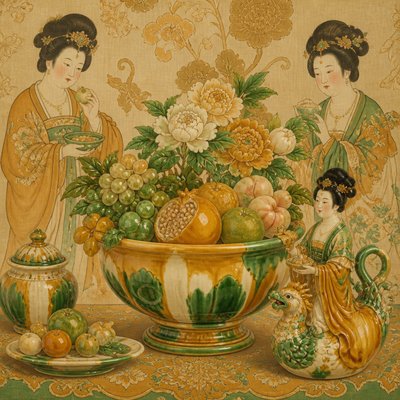
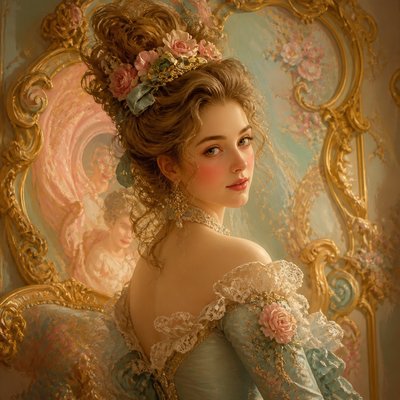
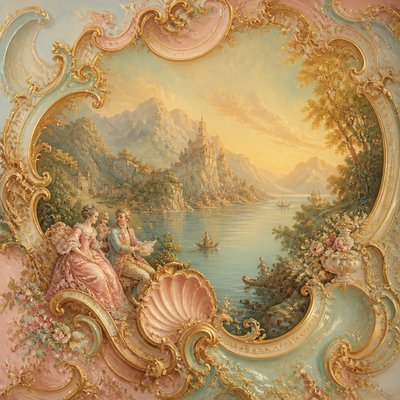
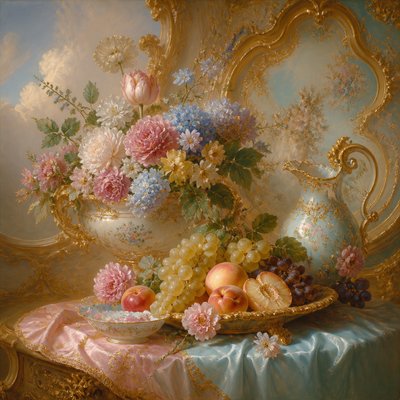
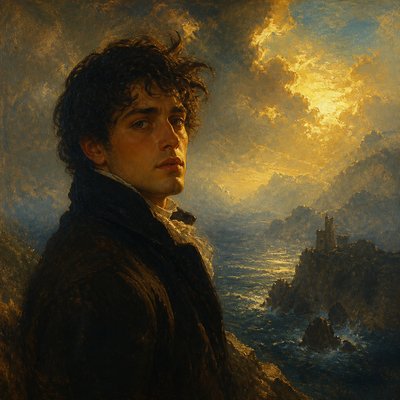
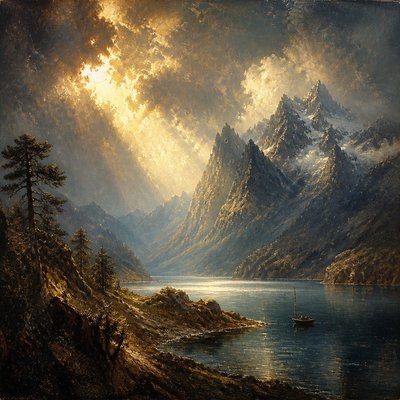
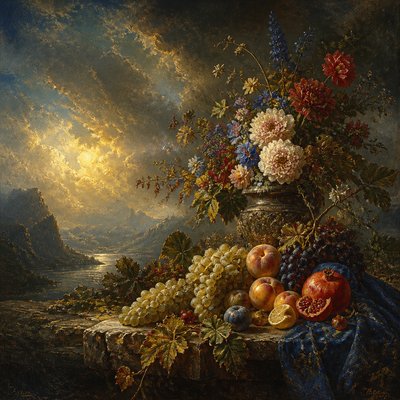
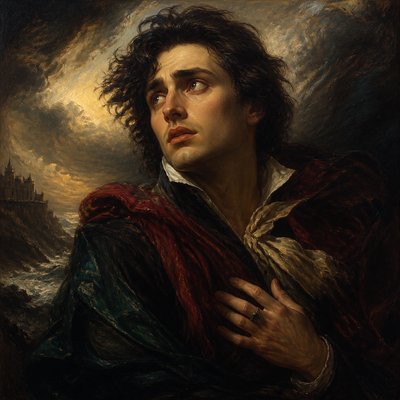
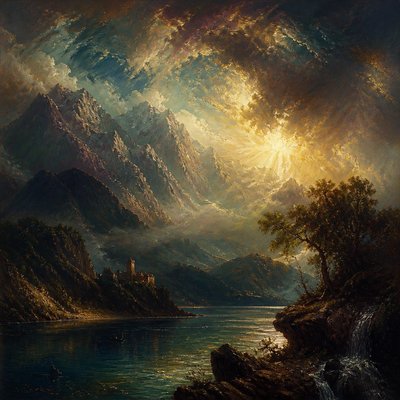
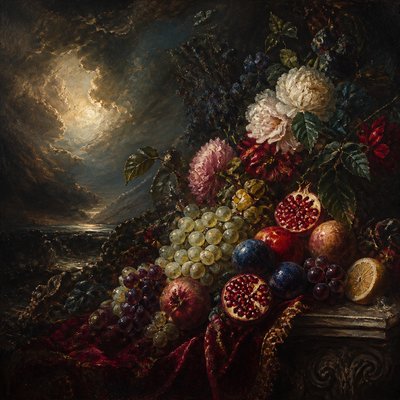
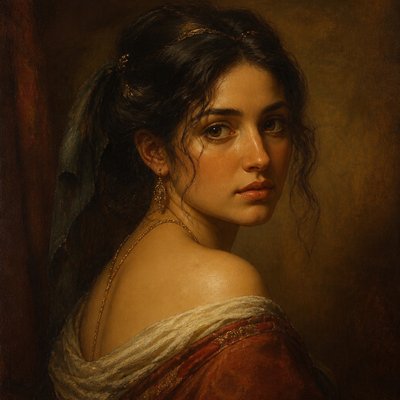
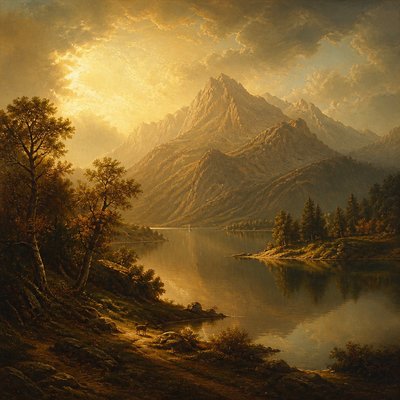
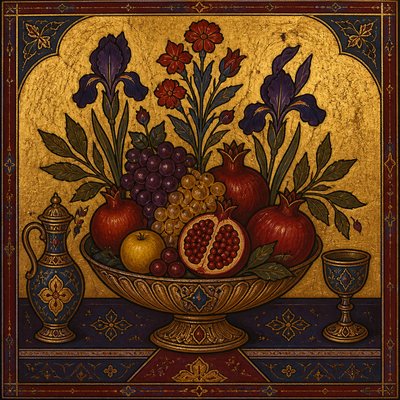
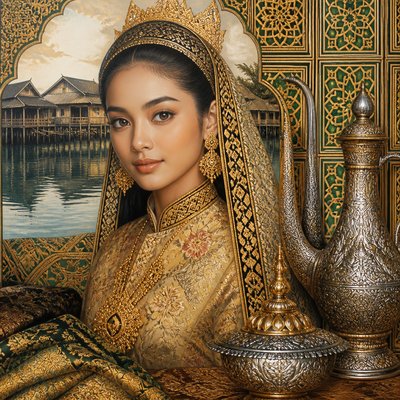
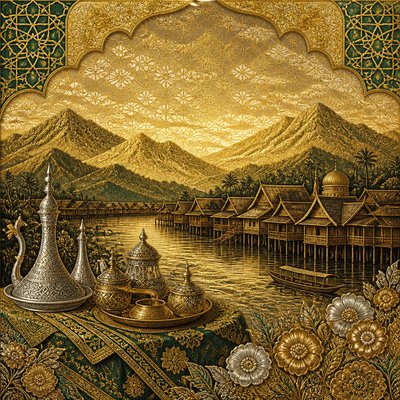
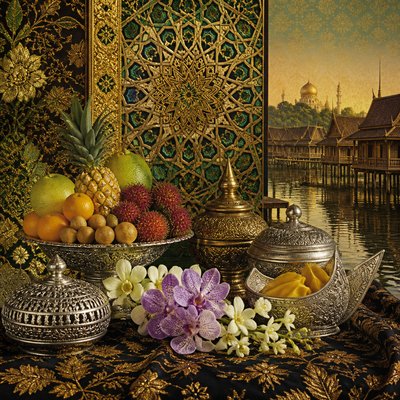
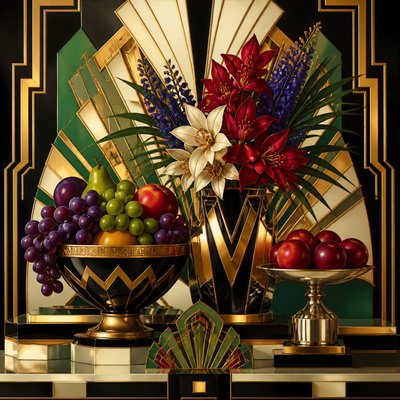
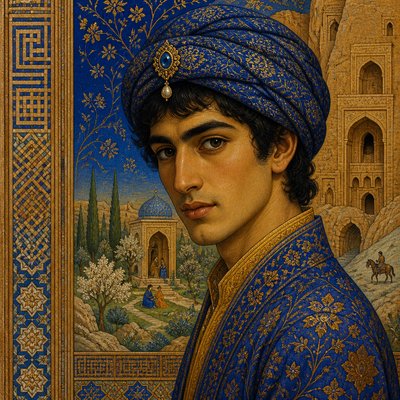
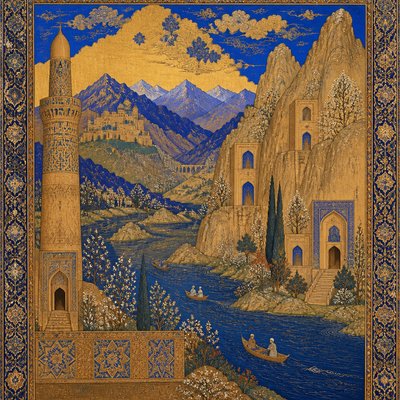
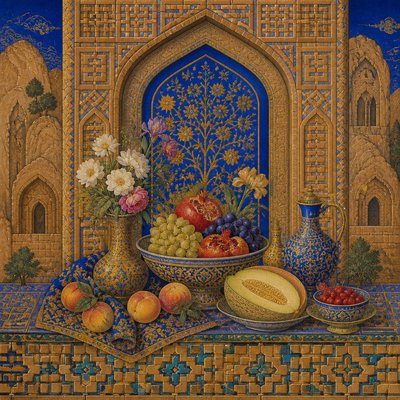
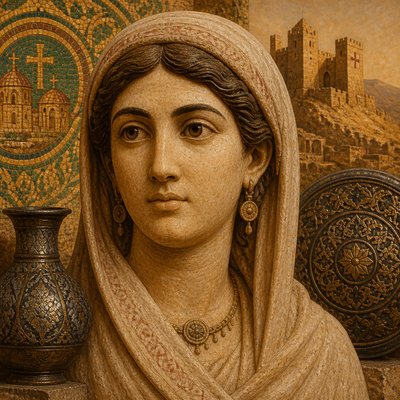
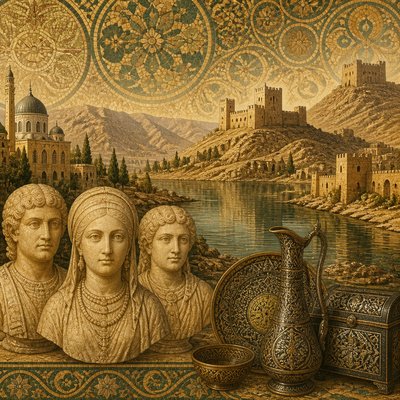
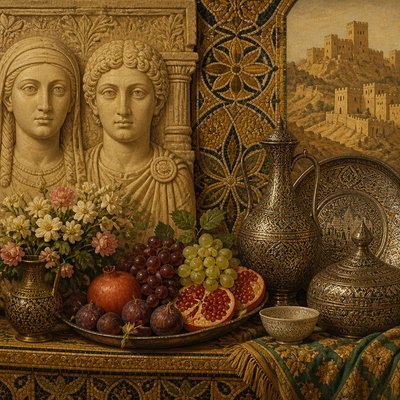
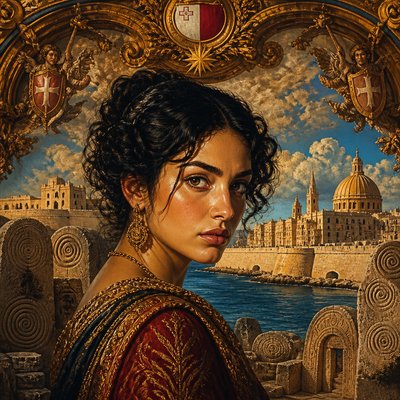
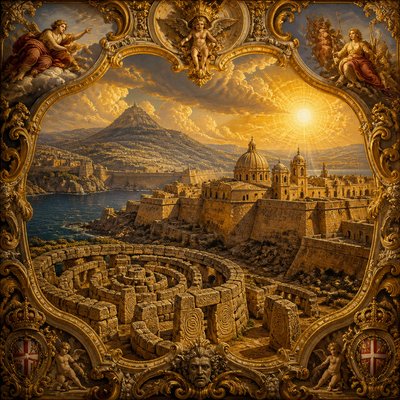
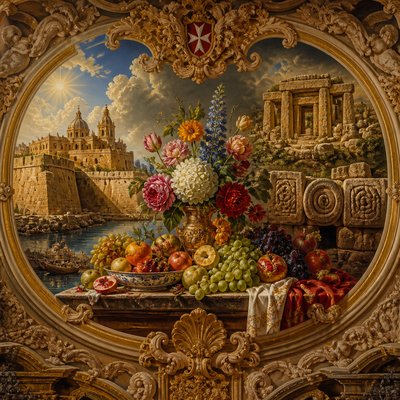
Golden Ratio Art Style
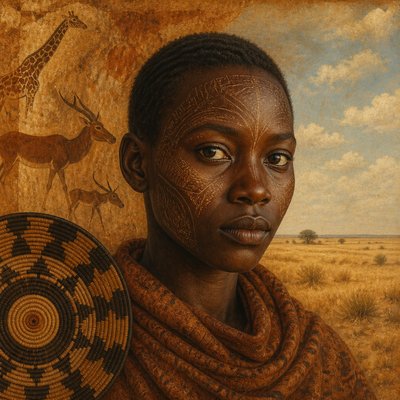
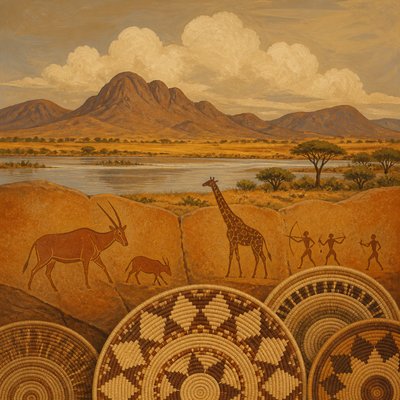
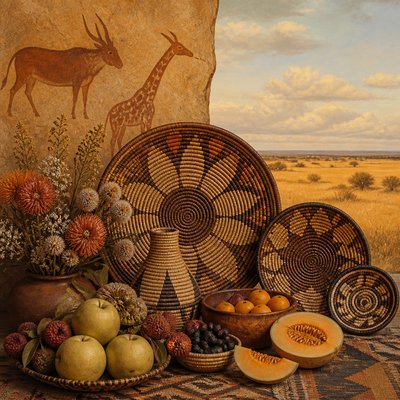
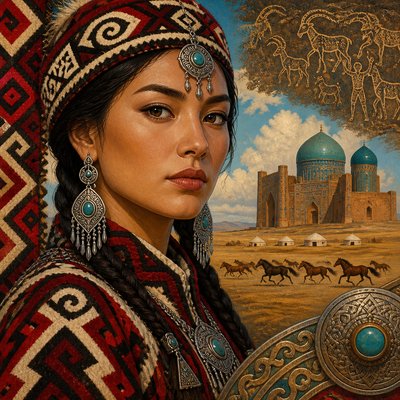
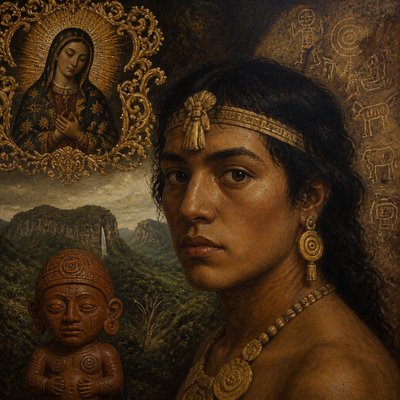
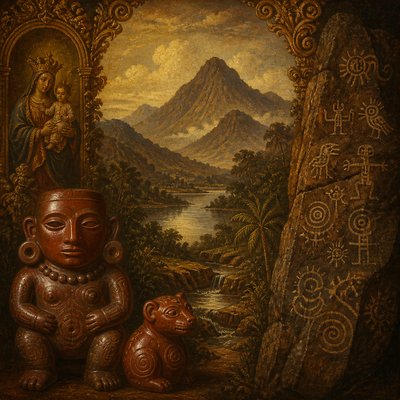
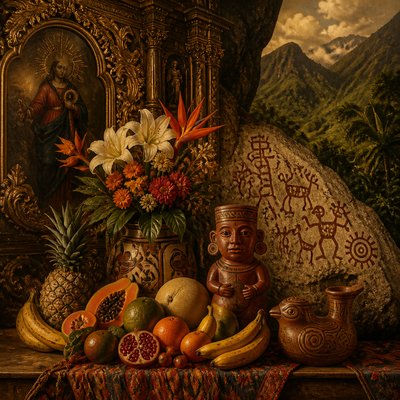
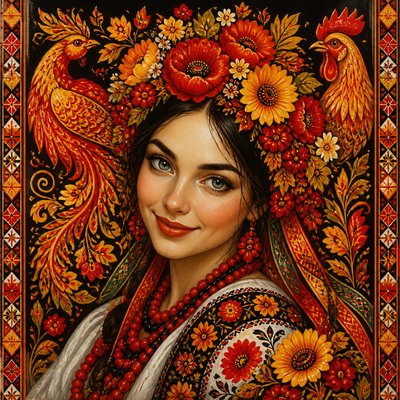
Explore Golden Ratio art: logarithmic spirals, golden rectangles, and balanced compositions that guide the eye with mathematical harmony.
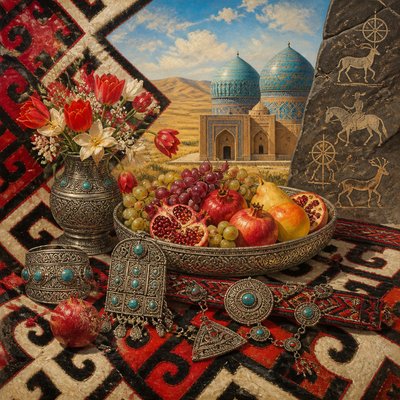
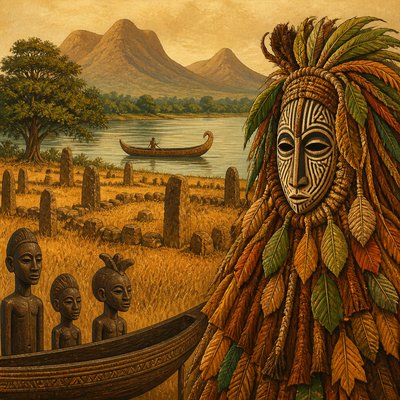
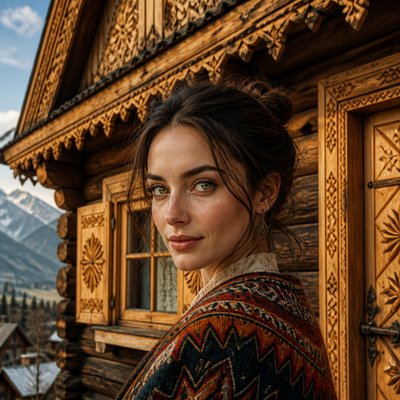
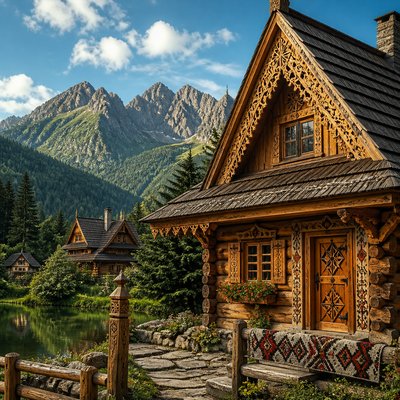
Instantly rendered in Golden Ratio — or transform a photo
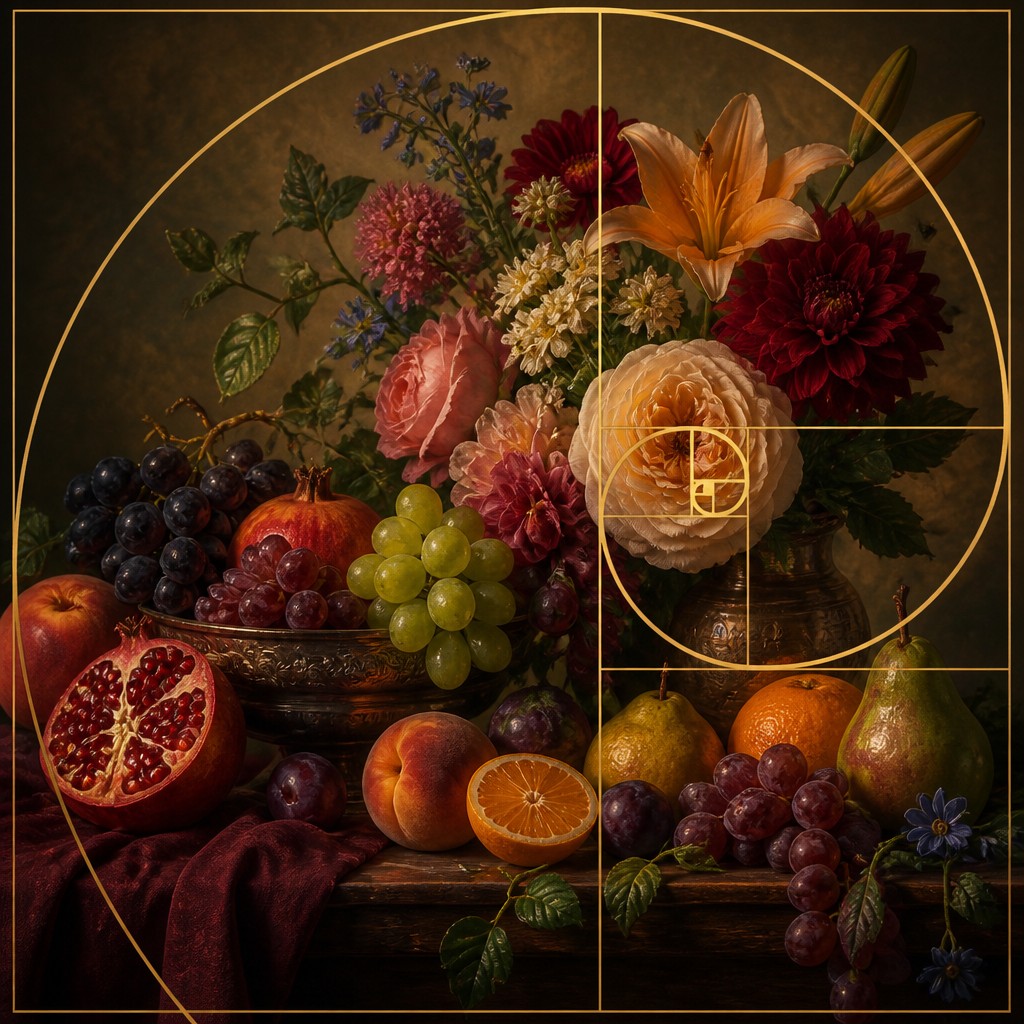
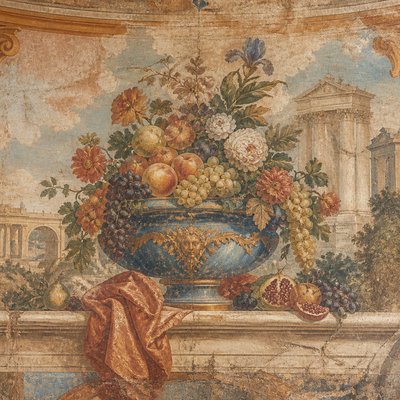
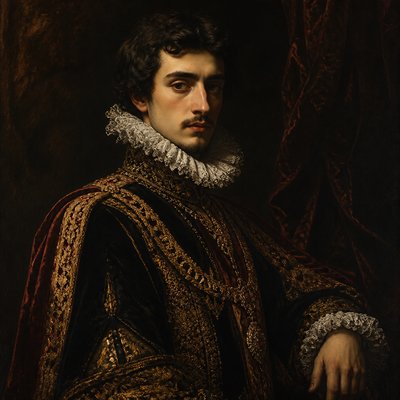
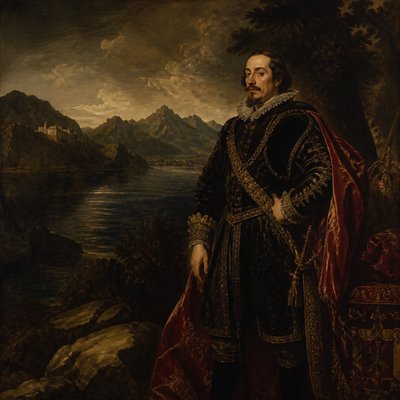
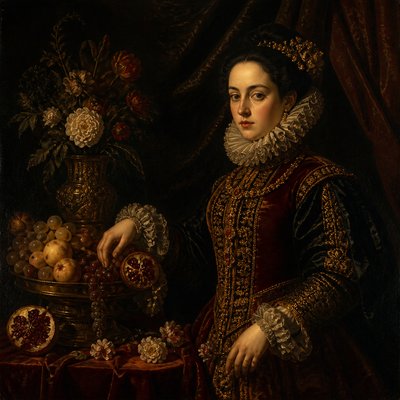
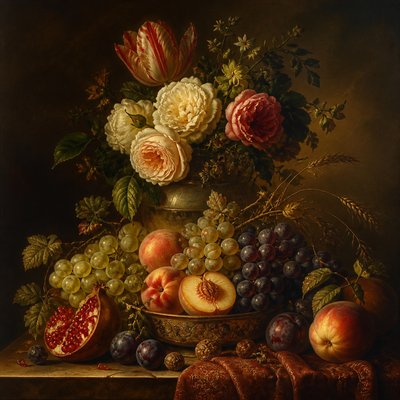
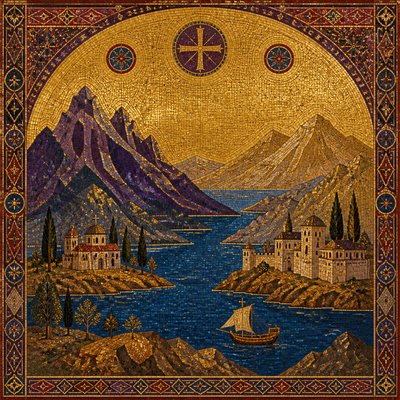
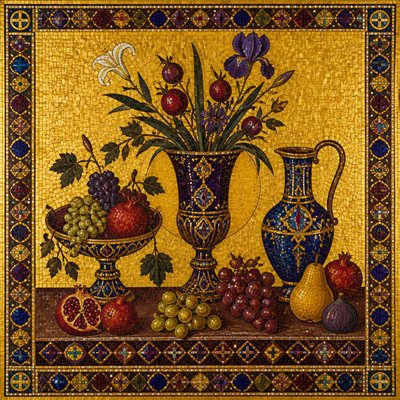
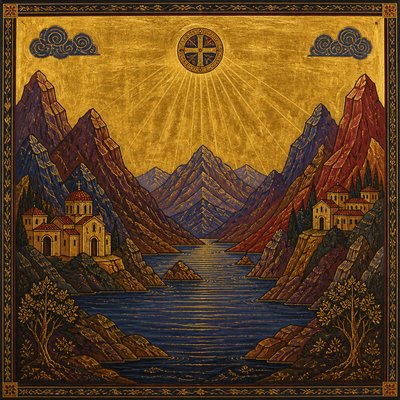
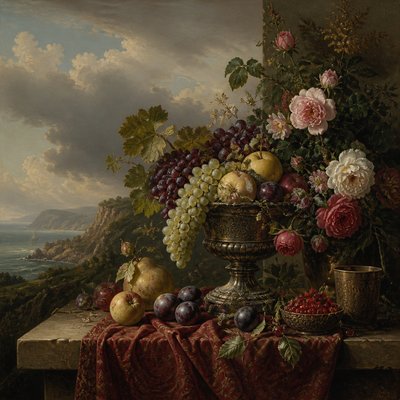
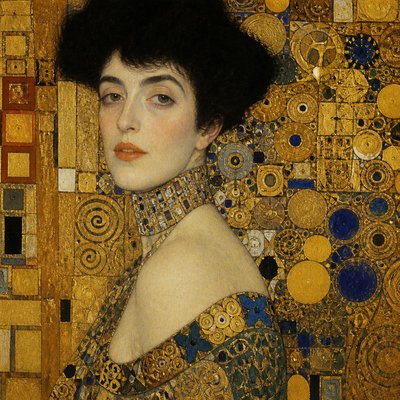
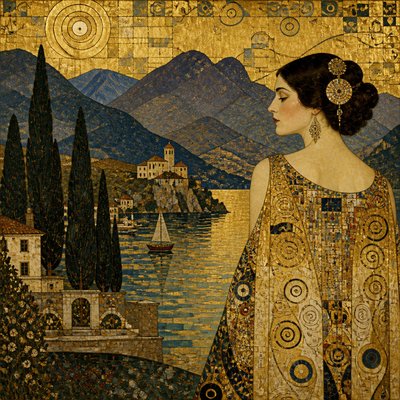
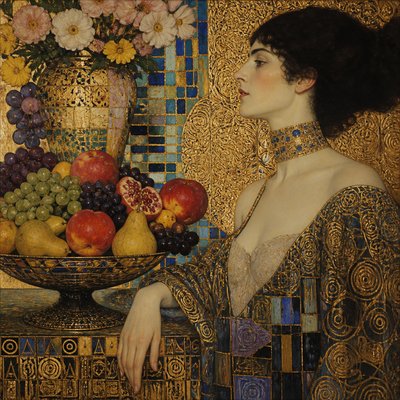
Golden Ratio Gallery
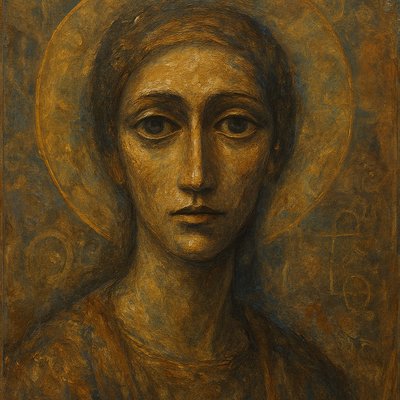
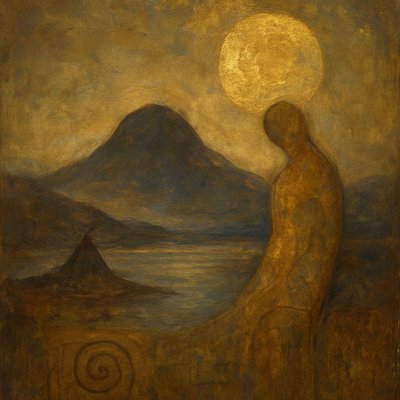
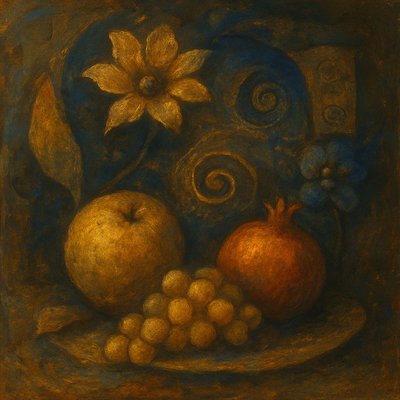
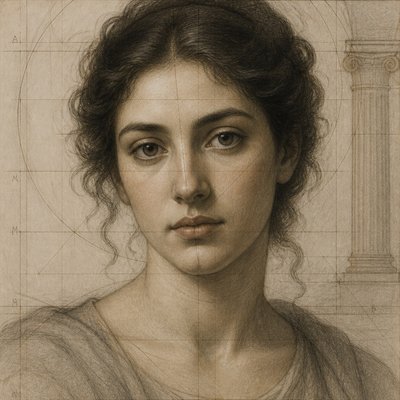
Tap any artwork to explore it
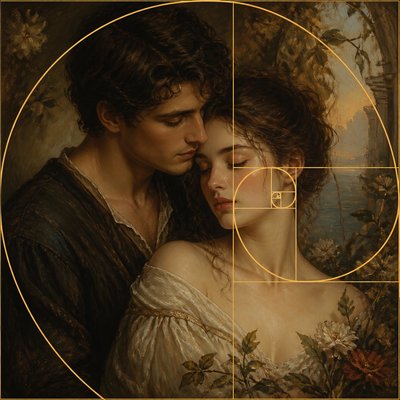
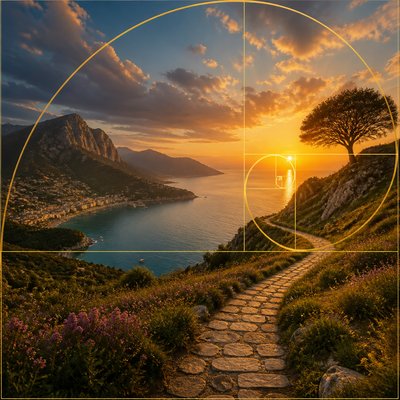
What is Golden Ratio Art Style?
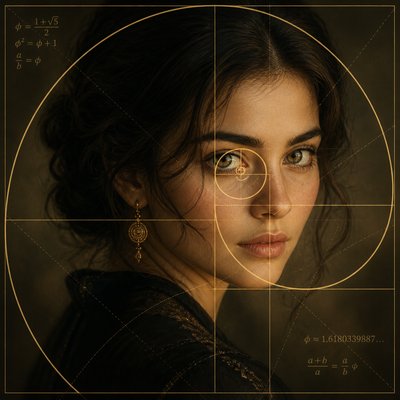
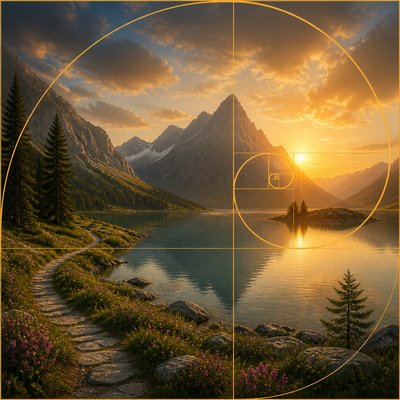
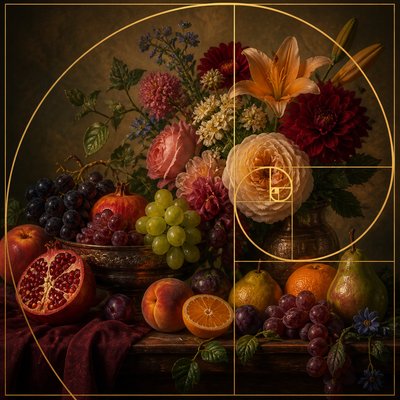
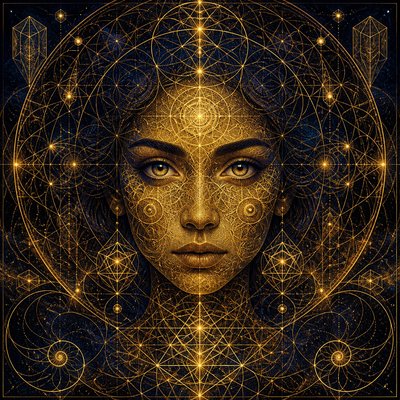
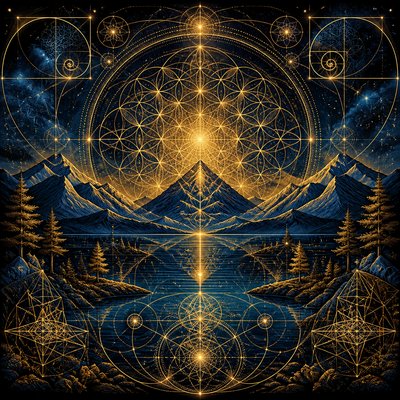
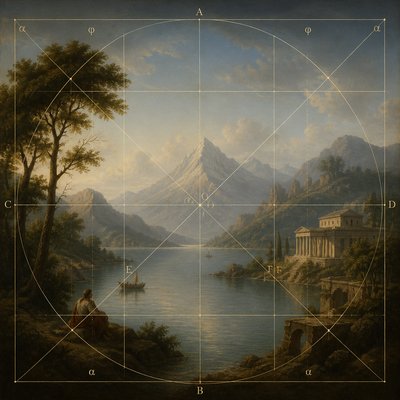
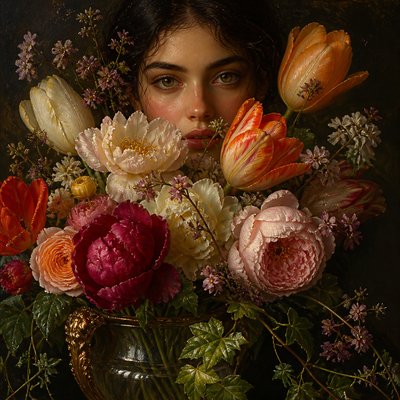
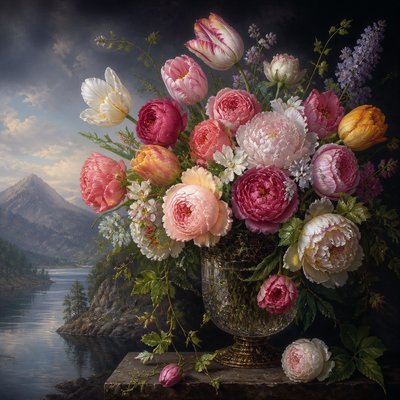
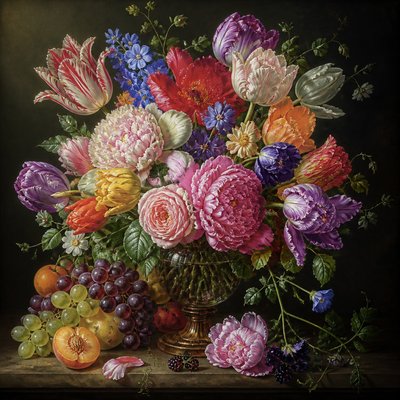
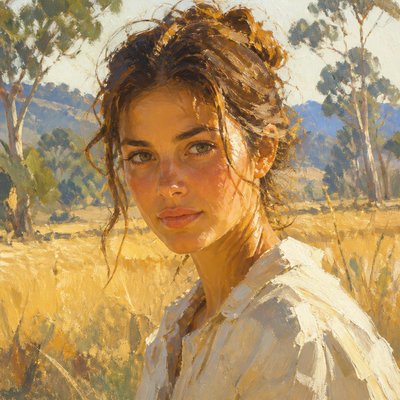
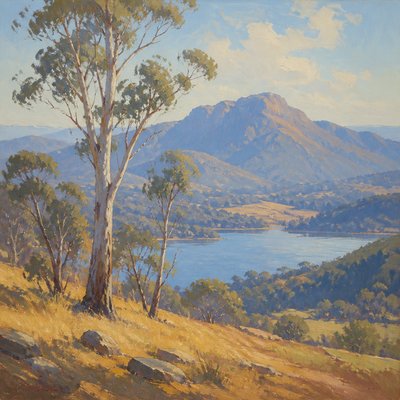
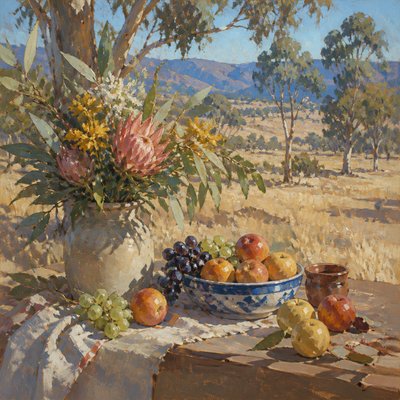
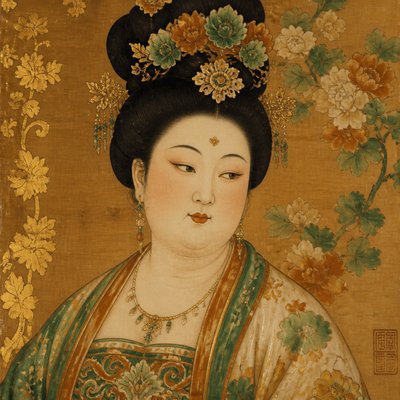
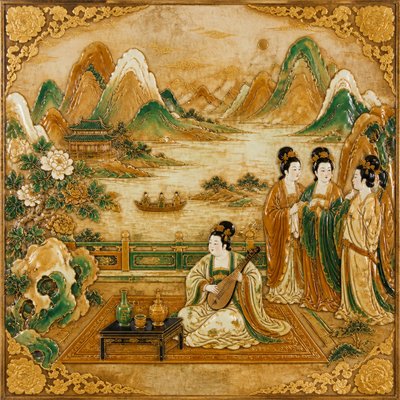
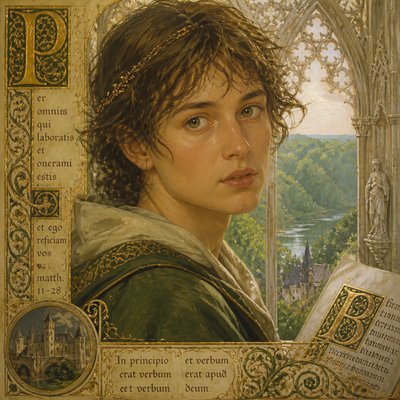
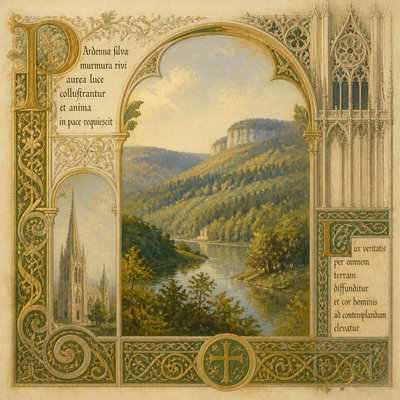
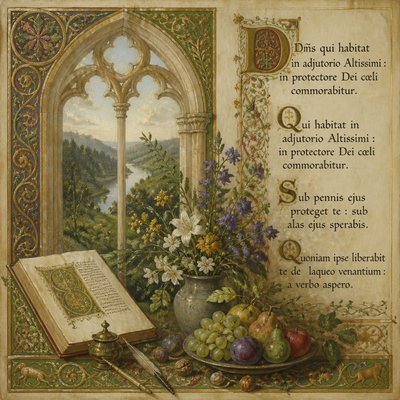
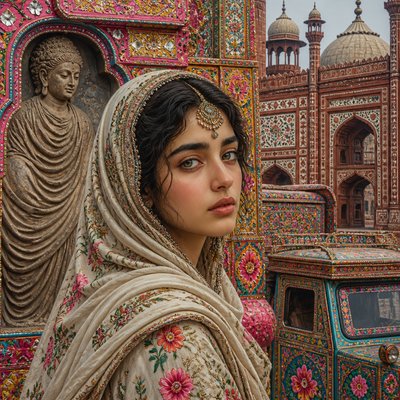
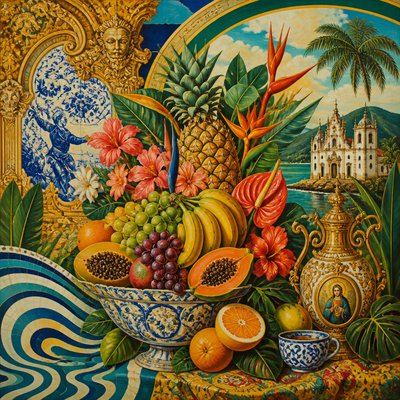
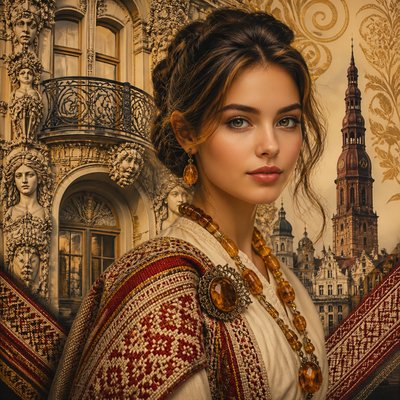
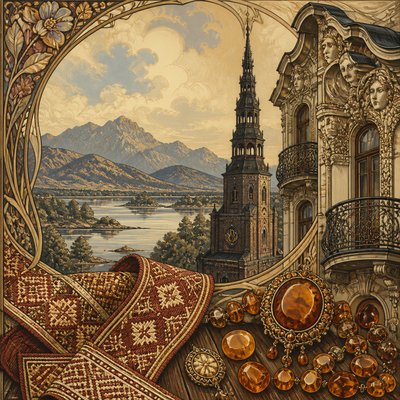
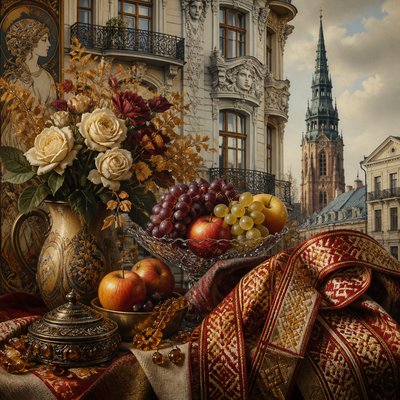
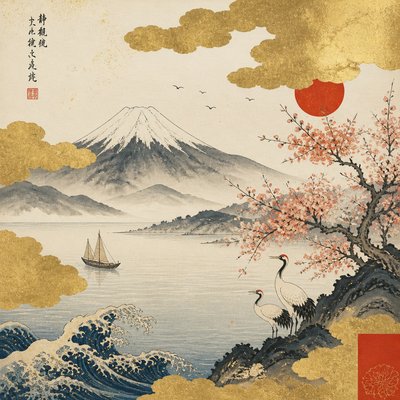
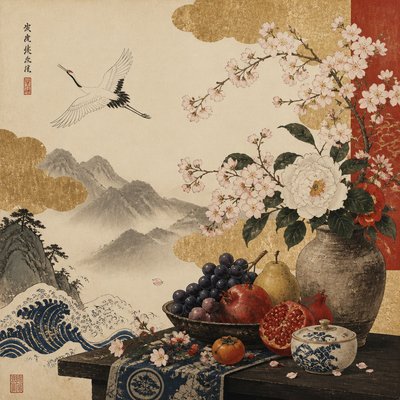
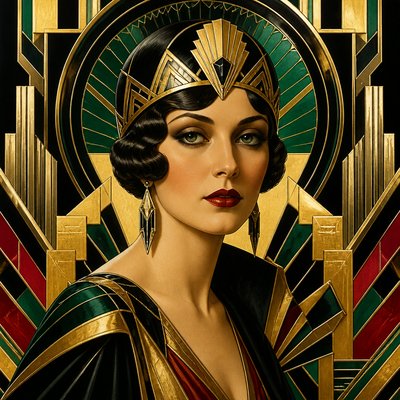
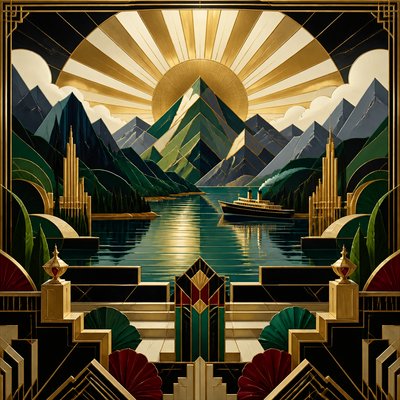
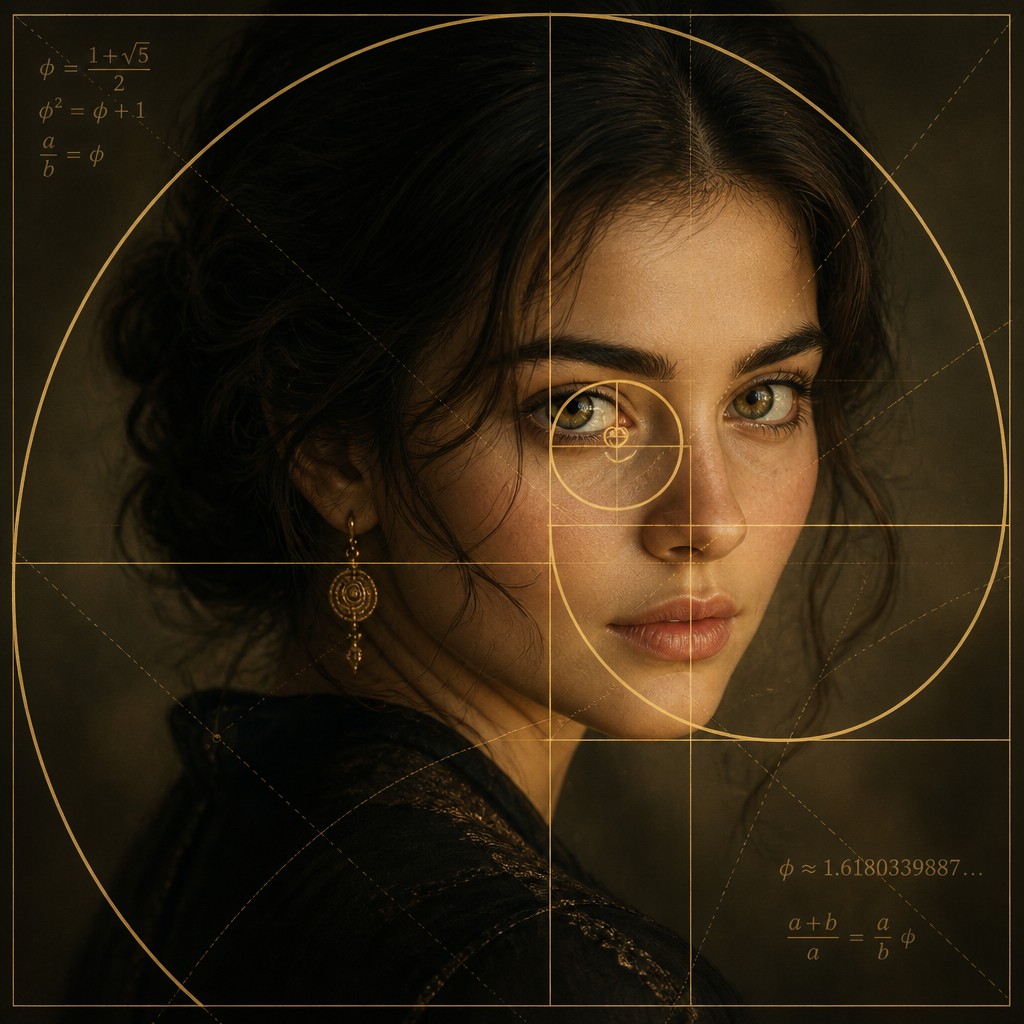
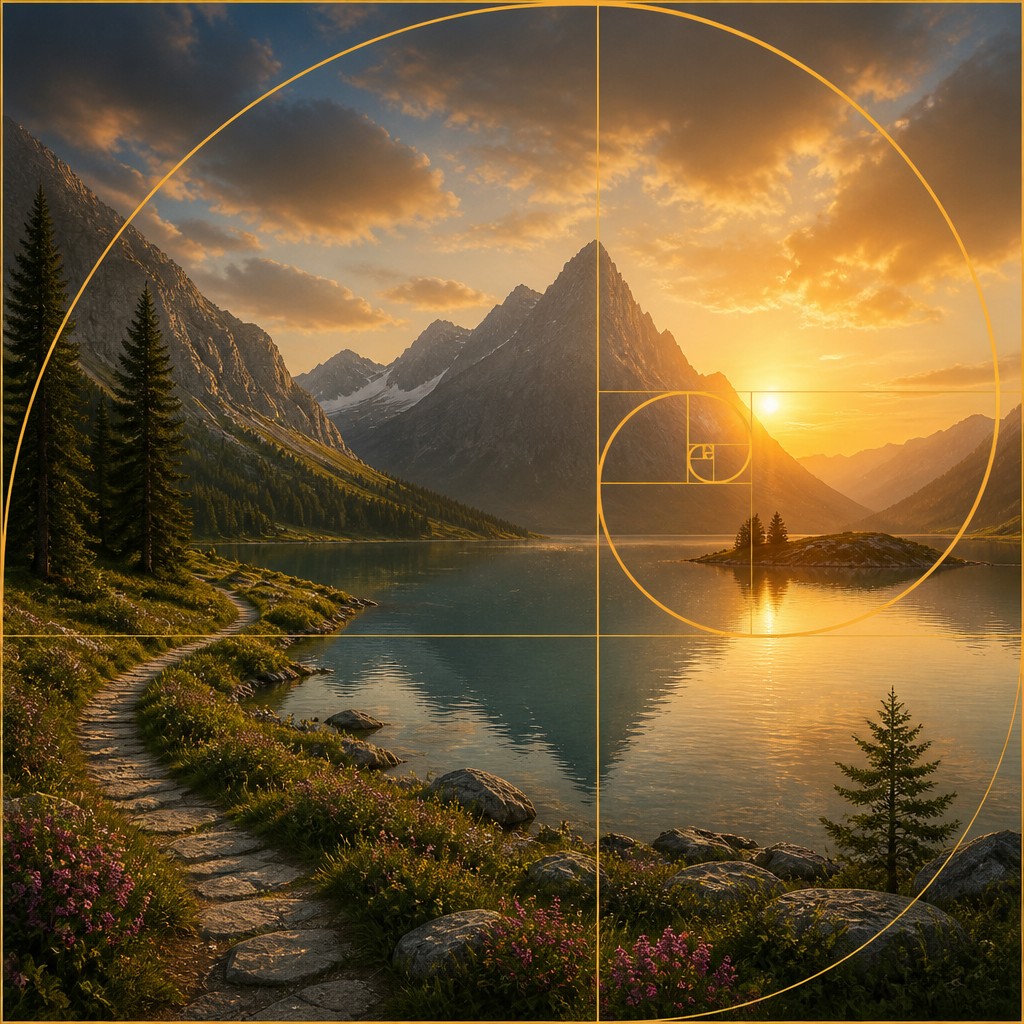
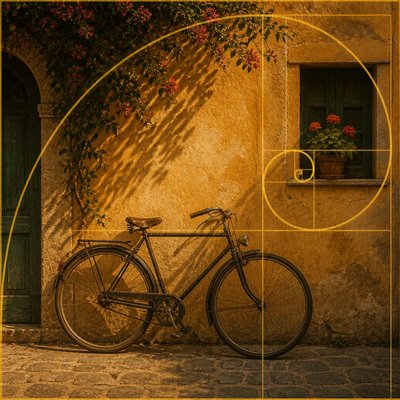
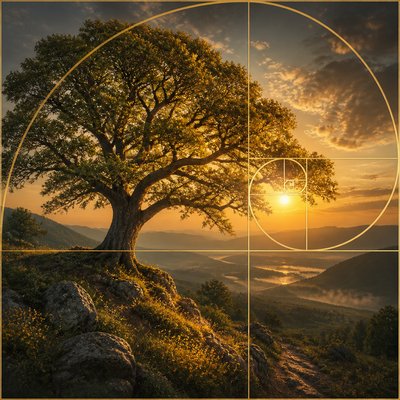
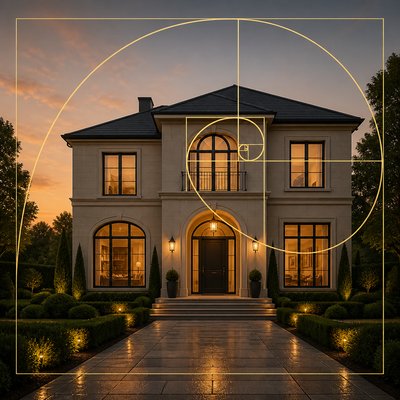
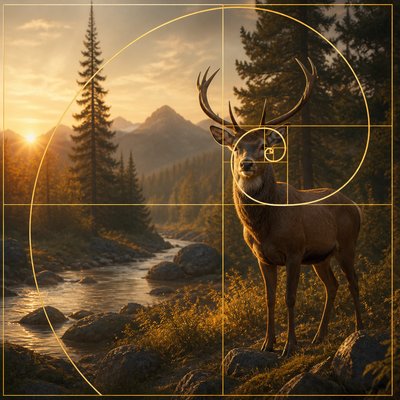
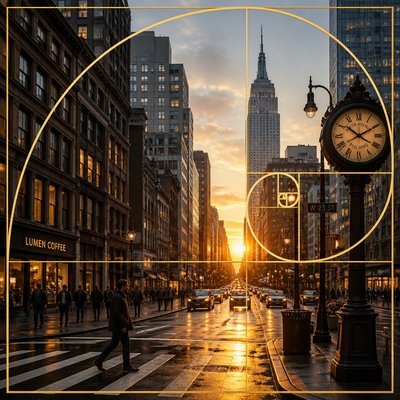
Golden Ratio art is a compositional approach organized around proportional relationships associated with the golden ratio, approximately 1:1.618. Its defining structure often includes a sequence of golden rectangles, a sweeping logarithmic spiral, and a focal point placed near the spiral’s tightening center. The result is an image that feels ordered, balanced, and naturally directional rather than rigidly symmetrical.
The style can be applied to painting, illustration, photography, architecture, typography, interface design, and digital image-making. Its visual identity comes less from a particular surface technique than from the hidden geometry of the composition: subjects are scaled in related proportions, negative space is carefully measured, and the viewer’s attention travels through the frame along a controlled curve.
Try It On Your Photos
Upload any photo and convert it into Golden Ratio Art Style — drag the sliders to compare before and after.



What Defines Golden Ratio Art Style
The signature details, up close
Logarithmic spiral structure
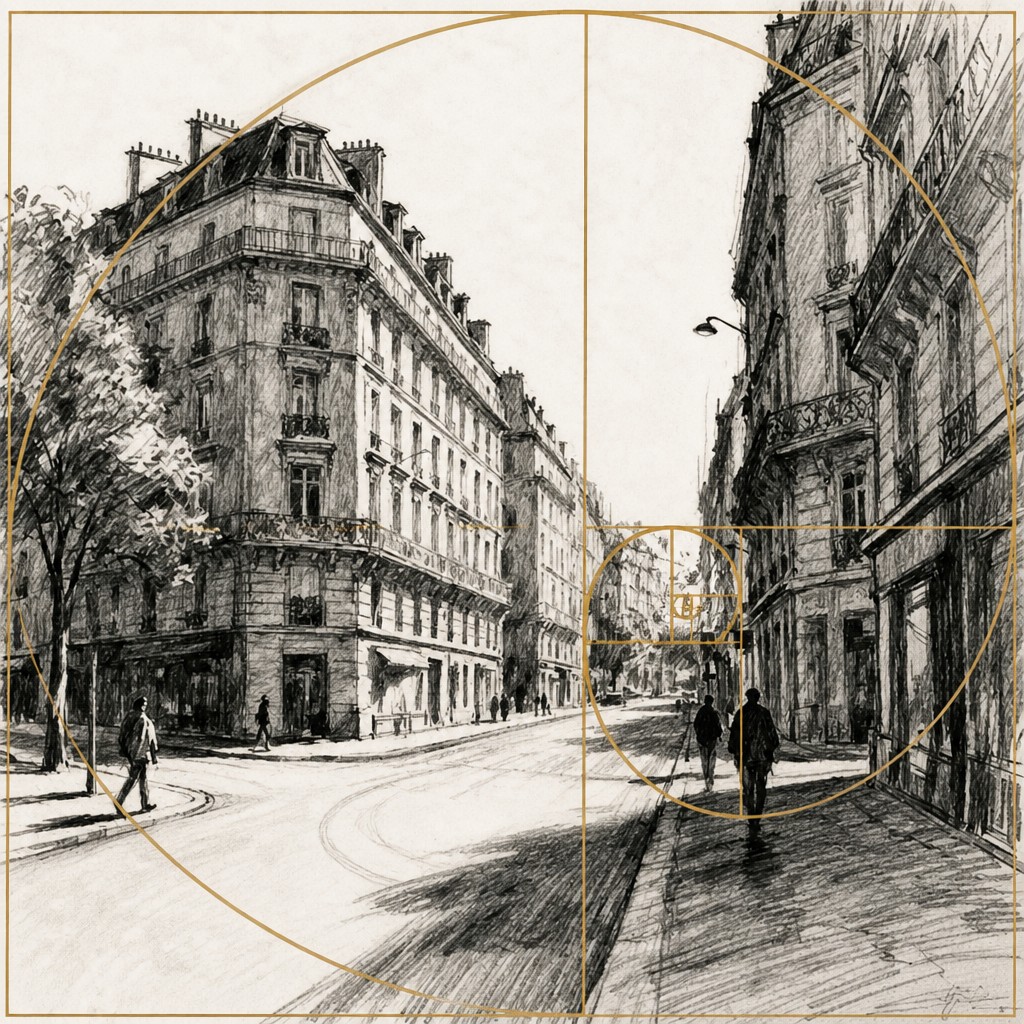
A broad spiral curve guides the eye from the outer edges toward a concentrated focal area. It may be visible as a graphic line or implied through the placement of forms, light, texture, and movement.
Golden rectangles
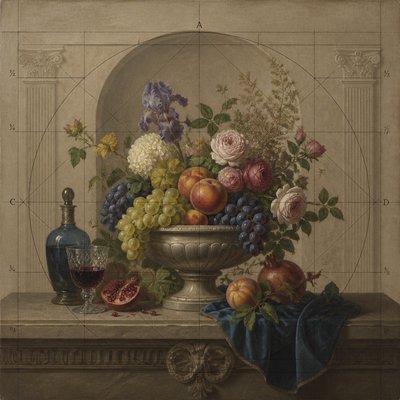
The frame and its internal divisions are organized through rectangles whose side lengths follow approximately 1:1.618 proportions. These divisions create a measured hierarchy without requiring overt geometric markings.
Precisely placed focal point
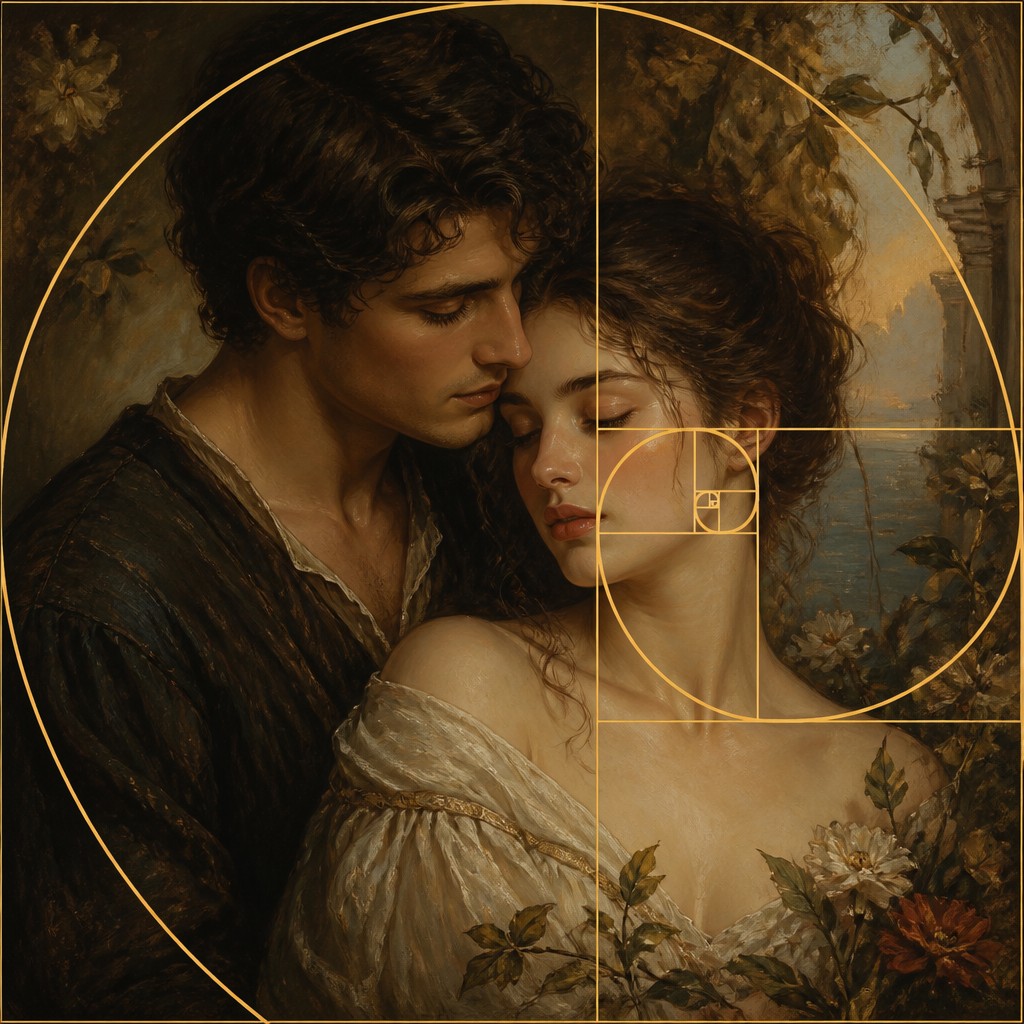
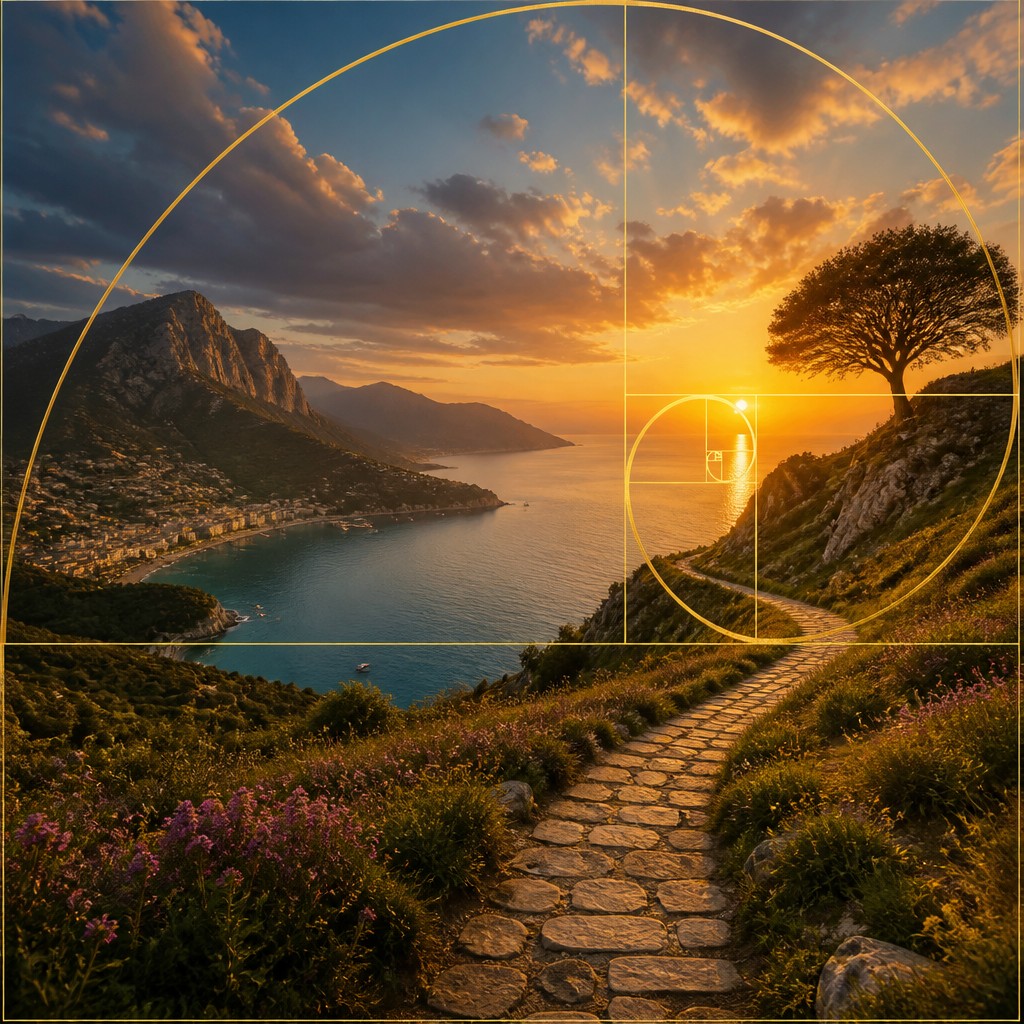
The main subject is positioned near the tightening center of the spiral or at a related proportional intersection. Supporting details reinforce this destination rather than competing with it.
Harmonious spacing
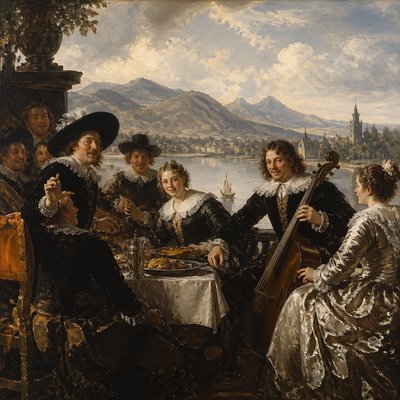
Objects, margins, and areas of negative space are distributed in progressively related intervals. This produces visual rhythm and prevents the composition from feeling either crowded or mechanically centered.
Quiet mathematical order
Underlying geometry is usually subtle rather than diagrammatic. Organic subjects, painterly surfaces, or atmospheric effects can conceal the construction while preserving its sense of balance.
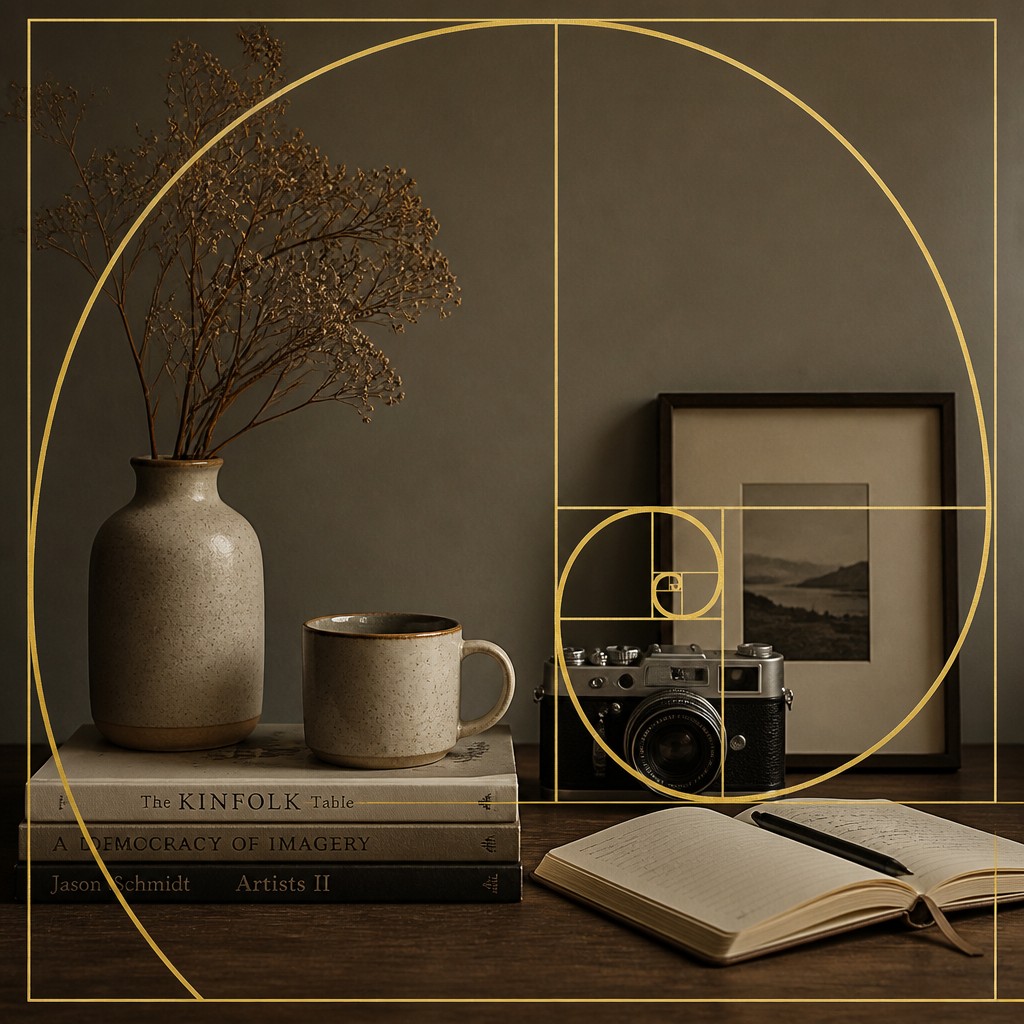
Directional movement
Curves, diagonals, receding forms, and repeated shapes lead attention along the compositional spiral. Even still subjects can appear to rotate, unfold, or draw the viewer inward.
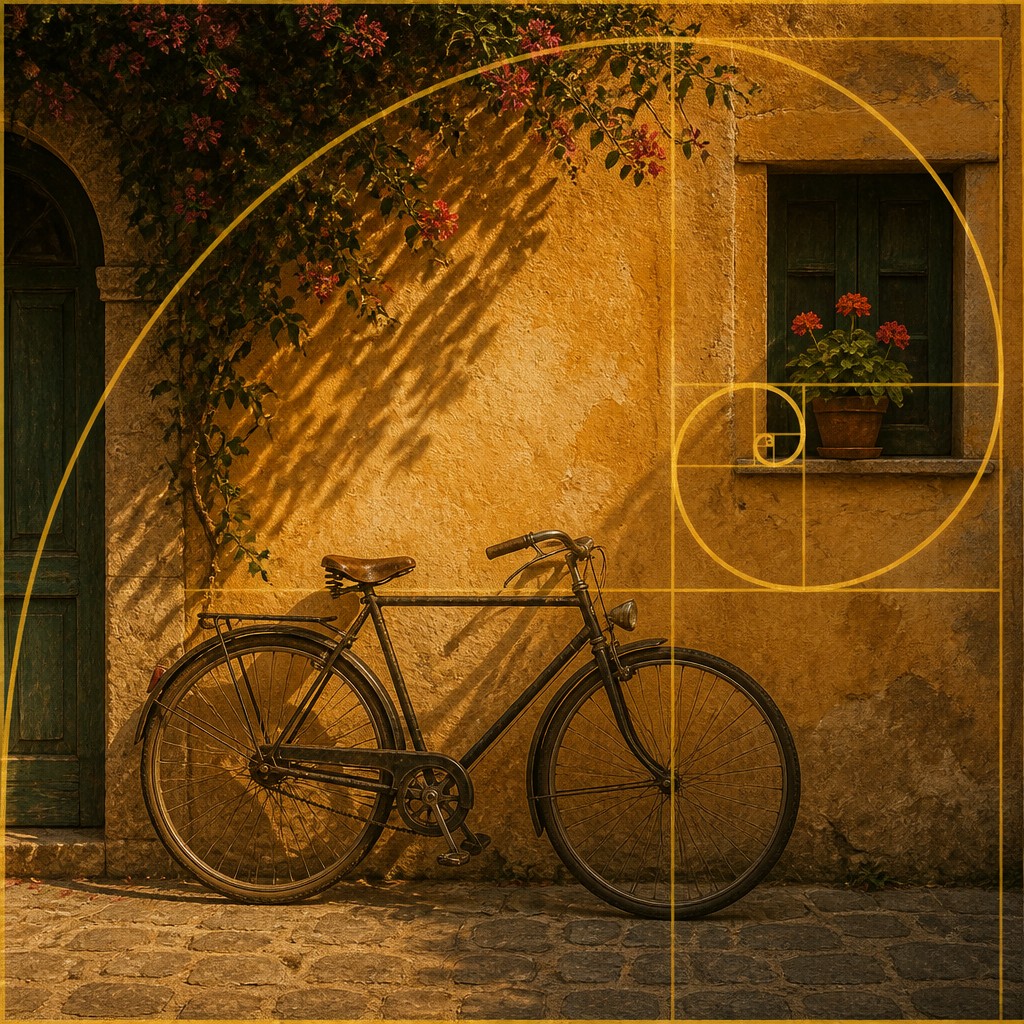
Controlled visual hierarchy
Scale, contrast, color, and detail are assigned according to the proportional structure. The most important element receives emphasis, while secondary elements echo or support its position.
Golden Ratio Prompt Ideas
Start from an idea — each one opens the generator with the style ready to go. See all 40 Golden Ratio prompts →
How to Create Golden Ratio Art
Master the craft step by step — or skip straight to creating. Read the full guide →
- 1
Plan the proportional grid
Begin with a golden rectangle or divide a standard canvas into related rectangular fields. Mark the approximate spiral path and reserve its center for the primary subject or brightest area.
- 2
Build from large to small
Place the dominant shape first, then add secondary forms at progressively smaller scales that follow the spiral. Keep the largest areas simple so the structure remains legible.
- 3
Use directional cues
Arrange roads, branches, waves, architectural lines, gestures, shadows, or color transitions to curve toward the focal point. In traditional media, lightly sketch these guides before adding paint, ink, or texture.
- 4
Balance detail and negative space
Avoid filling every proportional section equally. Leave quieter areas around the main movement so the eye can travel through the composition without visual interruption.
- 5
Refine digitally
Use guides, crop overlays, vector shapes, or layer masks to test golden rectangles and spiral placements. Adjust the crop and focal point together rather than treating the frame as fixed.
- 6
Write structurally specific prompts
For prompt-based generation, describe the subject first, then request a sweeping logarithmic spiral, golden-rectangle divisions, harmonious spacing, and a focal point at the spiral’s center. Specify whether the geometry should be subtle or visibly diagrammatic.
The Story
History & Origins of Golden Ratio
Golden Ratio art is best understood as a modern compositional concept and aesthetic lineage rather than a single historical art movement. Its mathematical foundation descends from classical geometry, including the proportion later known as division in extreme and mean ratio, which was described in ancient Greek mathematical texts. The relationship was revisited in Renaissance mathematical writing and subsequently became associated with theories of proportion in art, design, and architecture.
Many claims that historic artworks were deliberately constructed according to the golden ratio remain debated, and the proportion was not used consistently across all periods. In the modern era, designers, photographers, illustrators, and digital artists adopted golden rectangles and golden spirals as practical tools for organizing visual hierarchy. Contemporary versions often combine this proportional system with minimalist design, geometric abstraction, generative graphics, and cinematic framing.
Influences: The style draws on classical theories of proportion, Renaissance interest in geometry and harmonious measure, geometric abstraction, modernist graphic design, architectural composition, photographic cropping, and visual principles associated with the rule of thirds and leading lines. It also relates to constructivist and minimalist approaches that use structure economically, while its spiral imagery connects with natural-history illustrations and representations of shells, storms, galaxies, and plant growth. Unlike a historical school with a shared medium or manifesto, it combines these traditions as a flexible compositional system.
Frequently Asked Questions
What defines Golden Ratio art?
It is defined by composition organized around proportions close to 1:1.618, often using golden rectangles and a spiral path. The focal subject typically sits near the spiral’s tightening center, while surrounding forms and negative space create a measured visual flow.
Is Golden Ratio art a historical art movement?
No. It is more accurately described as a compositional method or contemporary aesthetic category. It draws from the long history of proportional geometry, but there is no single period, medium, manifesto, or unified group of artists that defines it as a movement.
How is it different from the rule of thirds?
The rule of thirds divides an image into a simple three-by-three grid and places emphasis near its intersections. Golden Ratio composition uses recursively related rectangles and often creates a curved route through the frame, producing a more continuous sense of progression.
Does every image need a visible spiral?
No. The spiral can remain an invisible planning device expressed through the arrangement of subjects, light, color, and directional lines. A visible spiral is appropriate when the geometric concept itself is meant to be part of the artwork.
Can this style be used with photography or portraits?
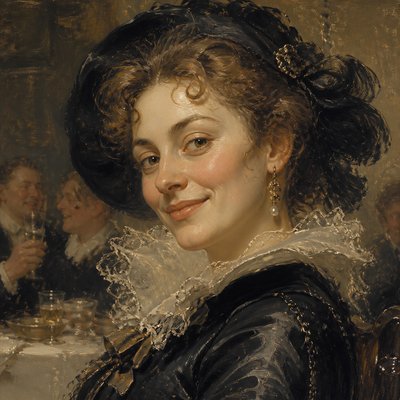
Yes. Photographers can crop, position, and time a scene so that leading lines or gestures move toward a proportional focal area. For portraits, the face, eyes, hands, and surrounding negative space can be arranged along a subtle spiral without making the image feel artificial.
How do I request this look in an image prompt?
Name the subject and medium, then specify a sweeping logarithmic spiral, golden-rectangle proportions, balanced negative space, and a focal point at the spiral’s center. Add words such as subtle, organic, or understated if you want the geometry to guide the image without appearing as an overlay.
Create your first Golden Ratio artwork
Describe anything — or upload a photo — and see it in Golden Ratio Art Style in seconds.
Related Styles
Discover similar art styles