British Art Style
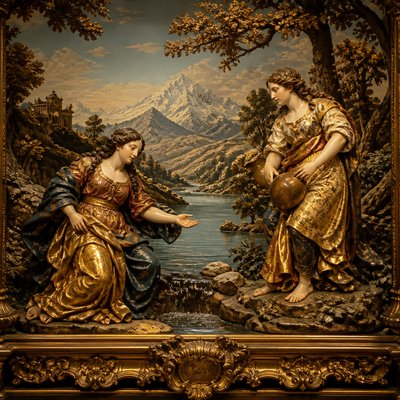
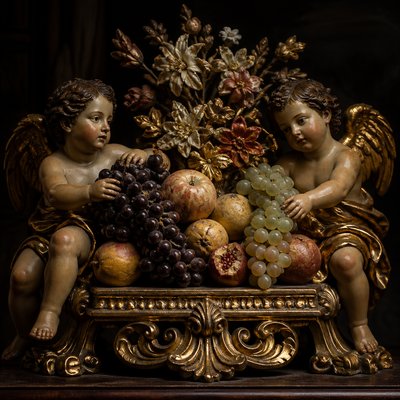
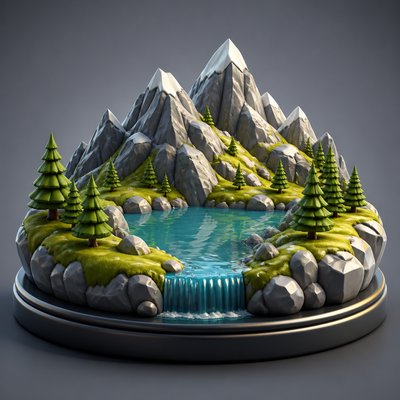
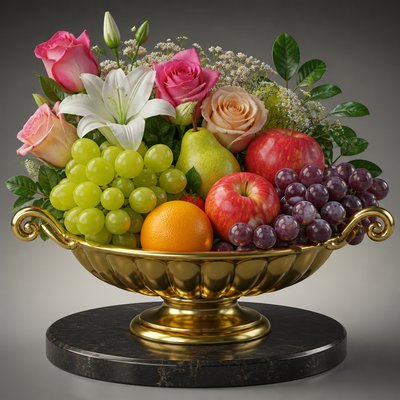
Explore British art style: storm-lit landscapes, green countryside, maritime atmosphere and dignified portraiture in a restrained painterly palette.
Instantly rendered in British — or transform a photo
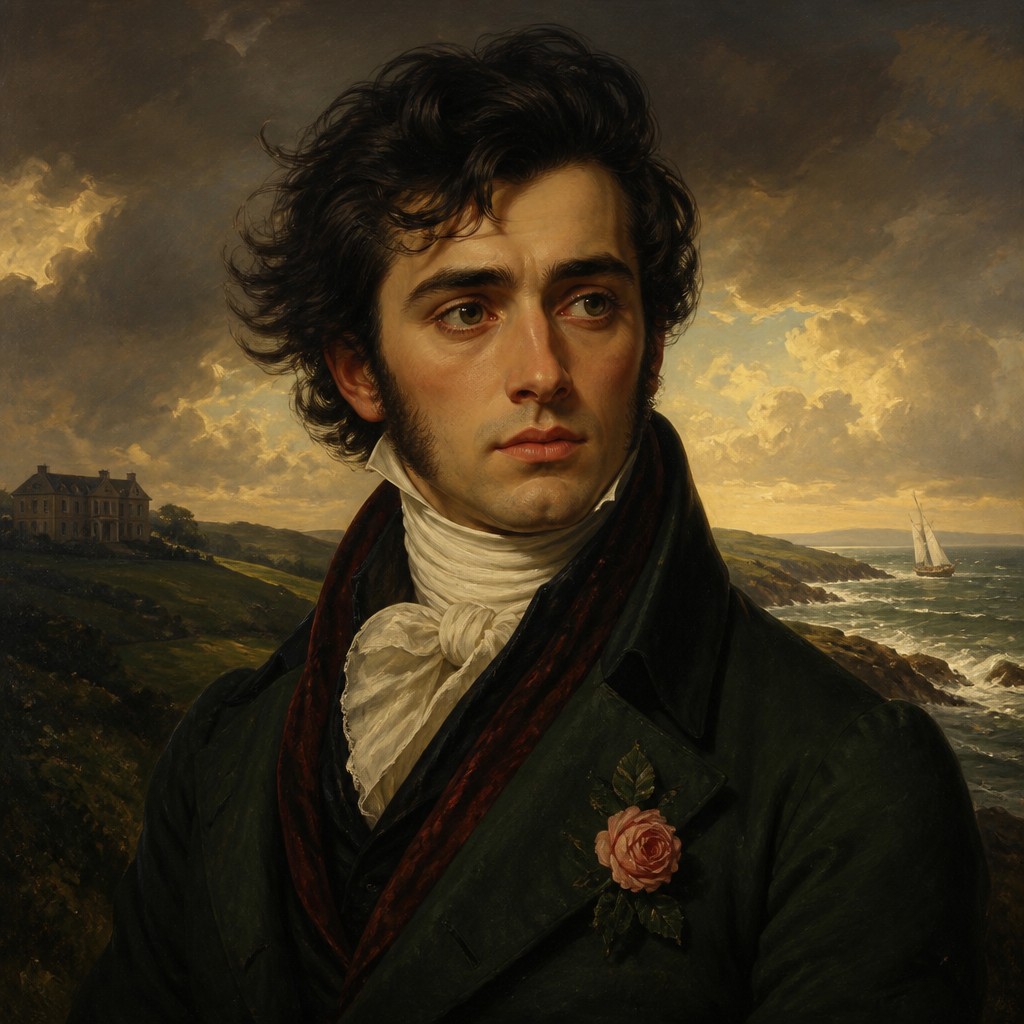
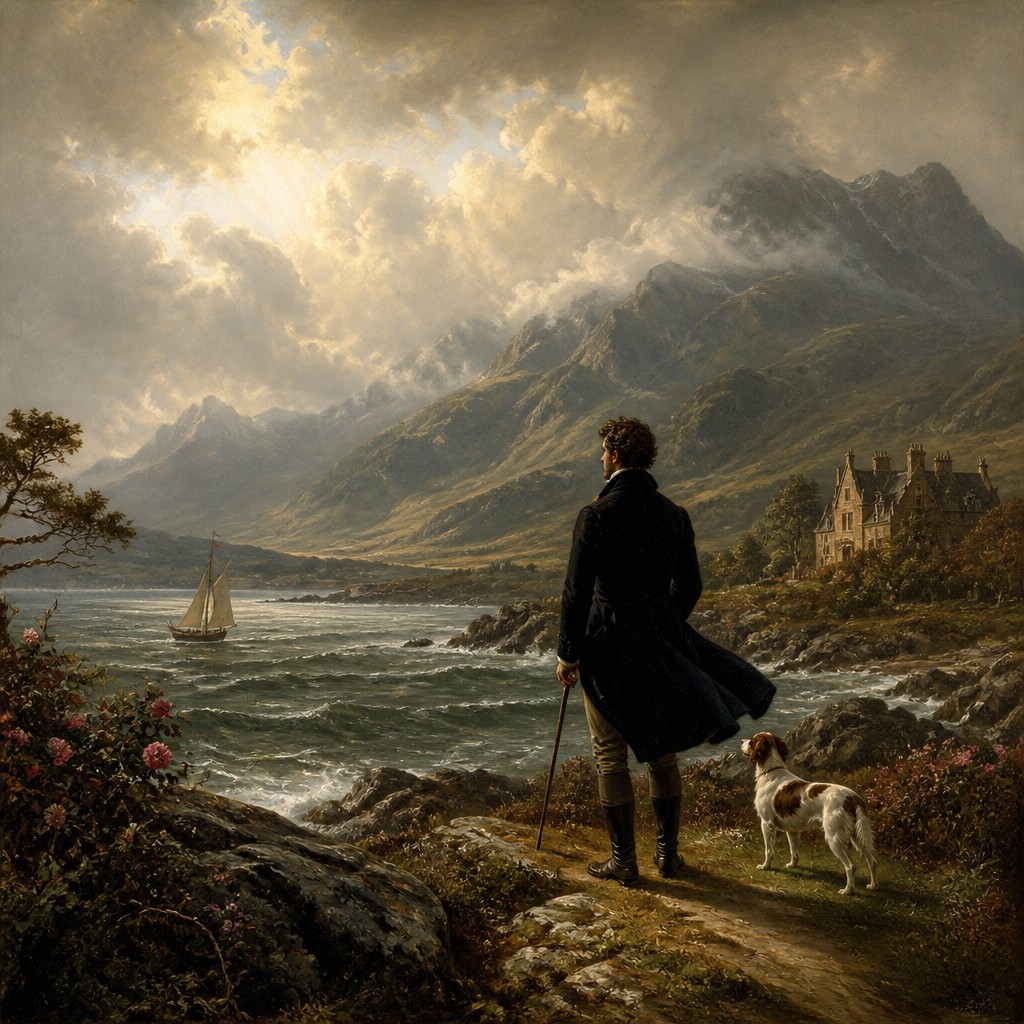
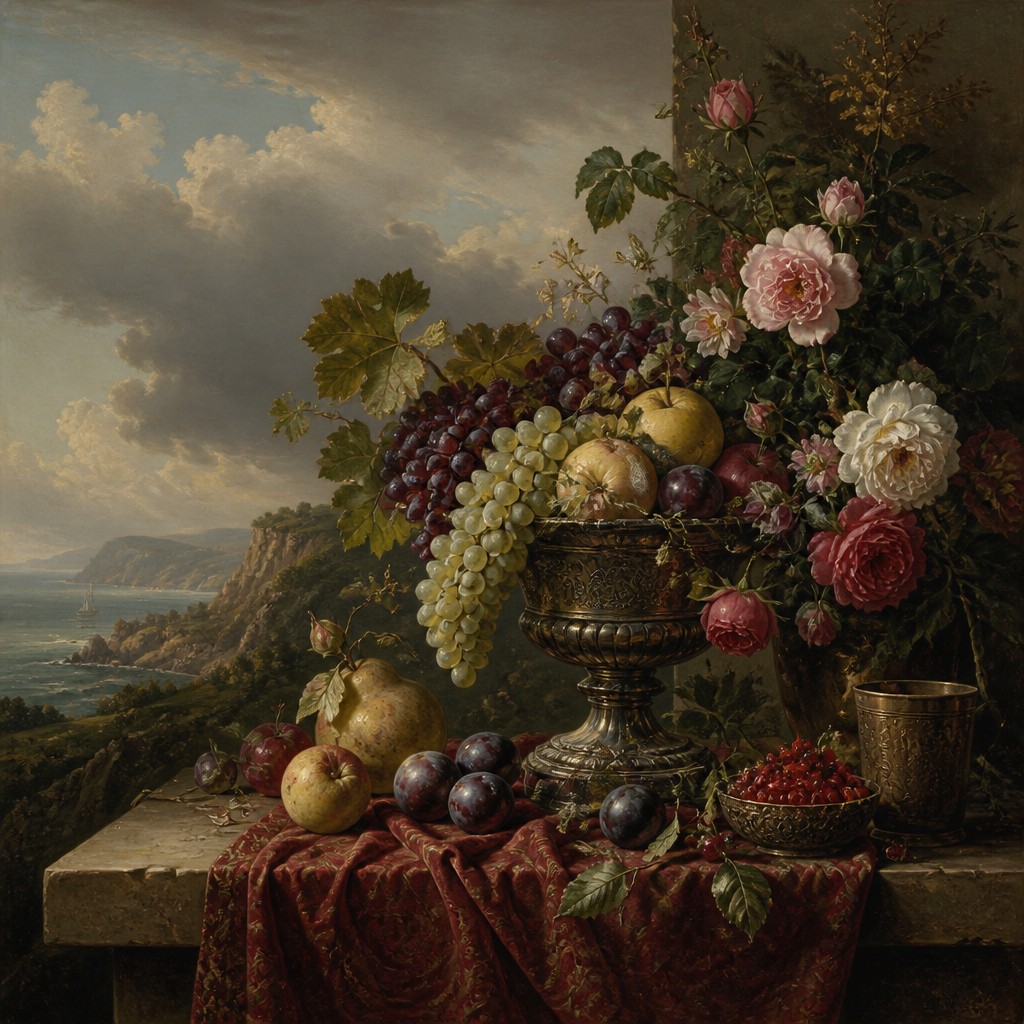
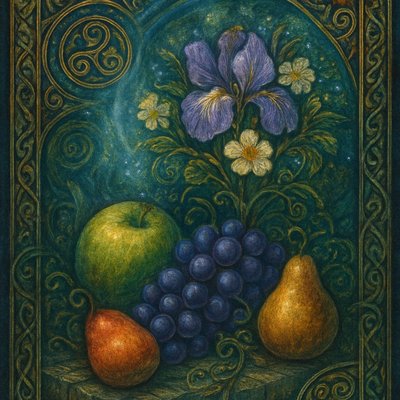
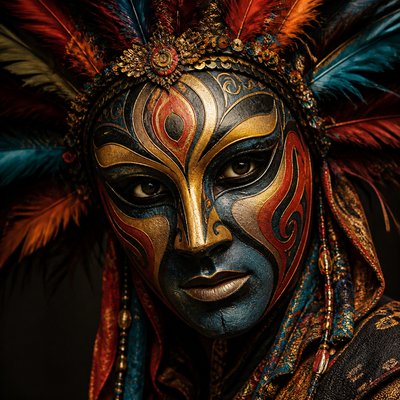
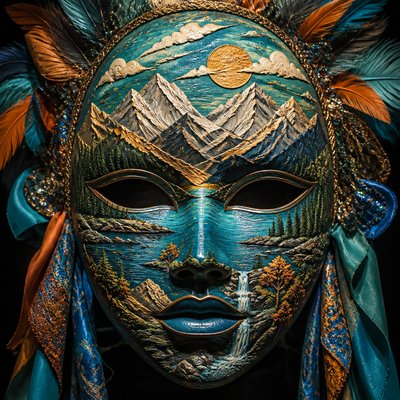
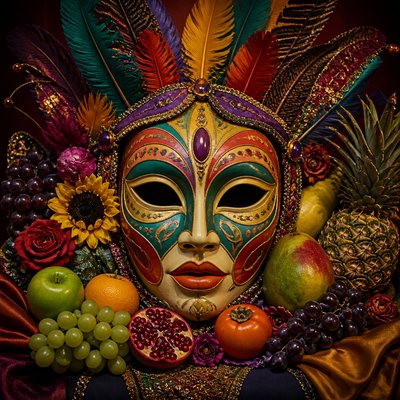
British Gallery
Tap any artwork to explore it
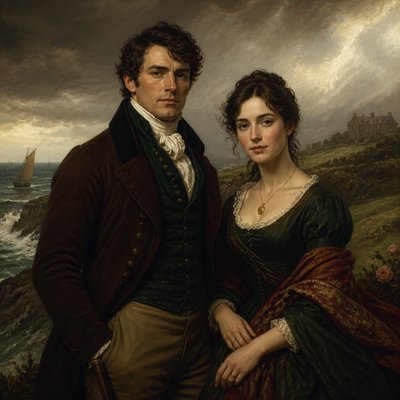
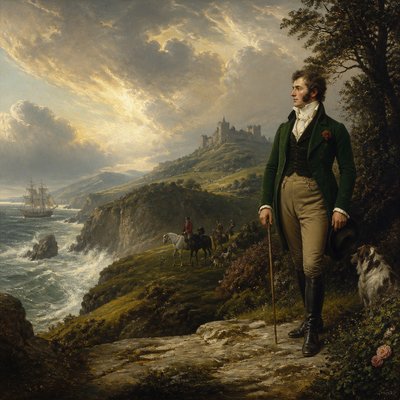
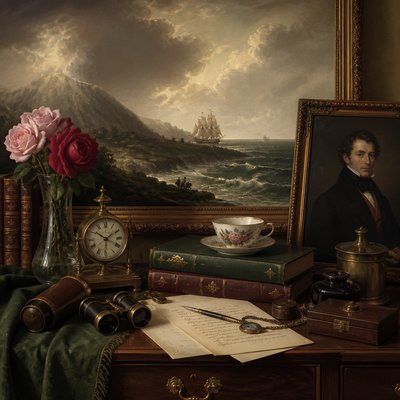
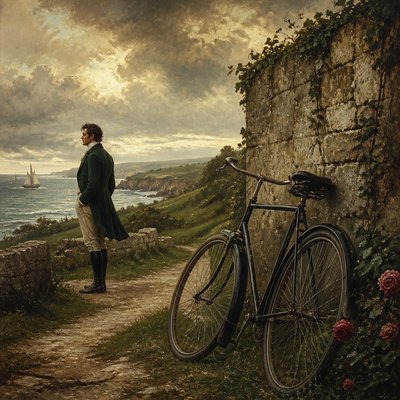
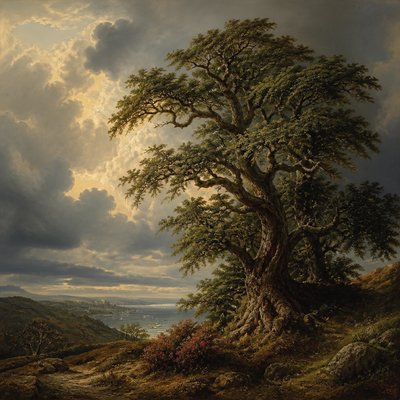
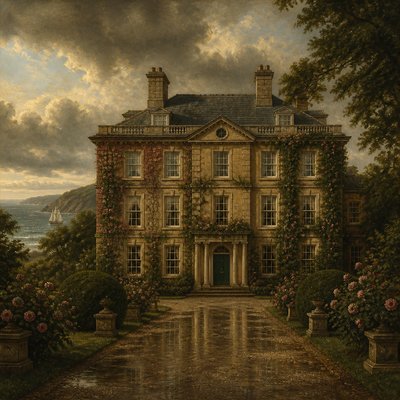
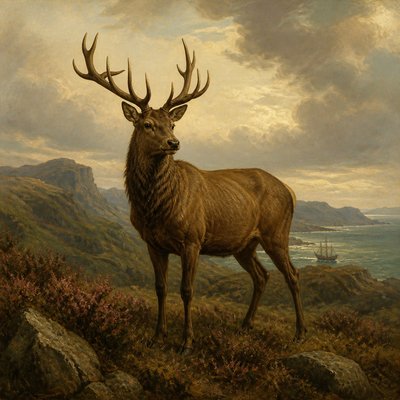
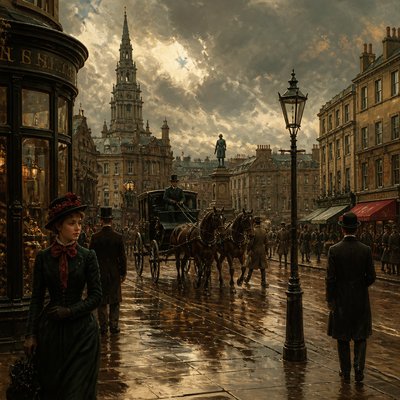
What is British Art Style?
The palette commonly joins deep hunting green, earth brown and mahogany with slate blue, warm cloud light and restrained rose accents. Brushwork is painterly and visible, but usually controlled rather than exuberantly gestural. The style looks distinctly British because it brings together maritime weather, rural land management, social formality and a preference for understatement.
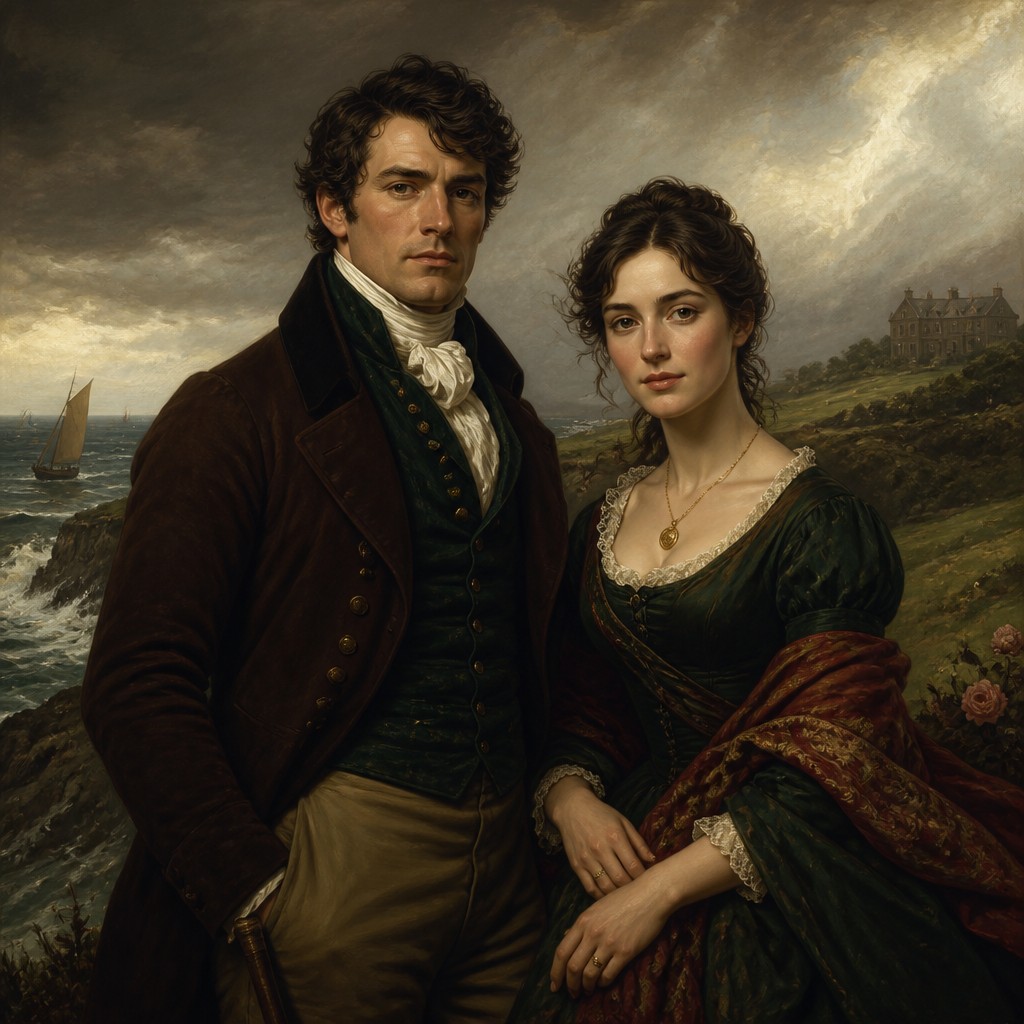
Try It On Your Photos
Upload any photo and convert it into British Art Style — drag the sliders to compare before and after.
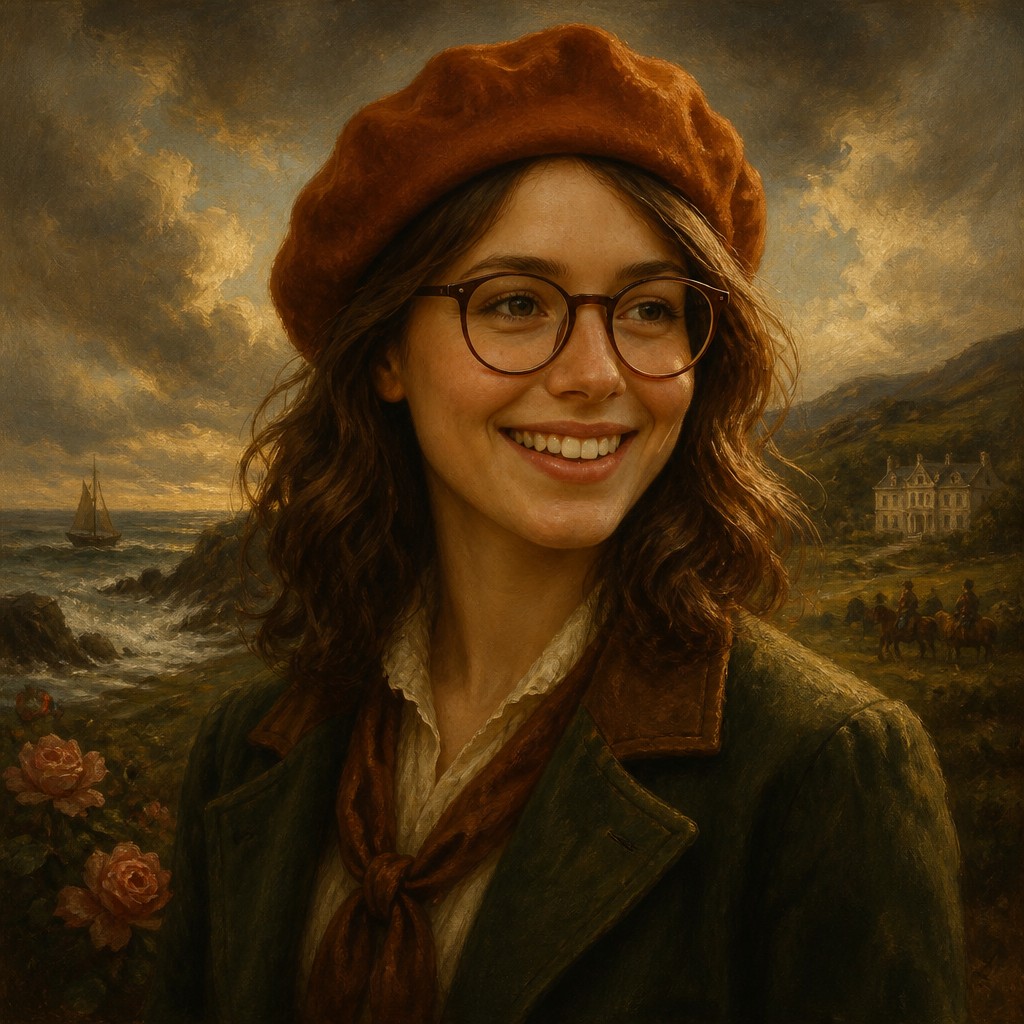

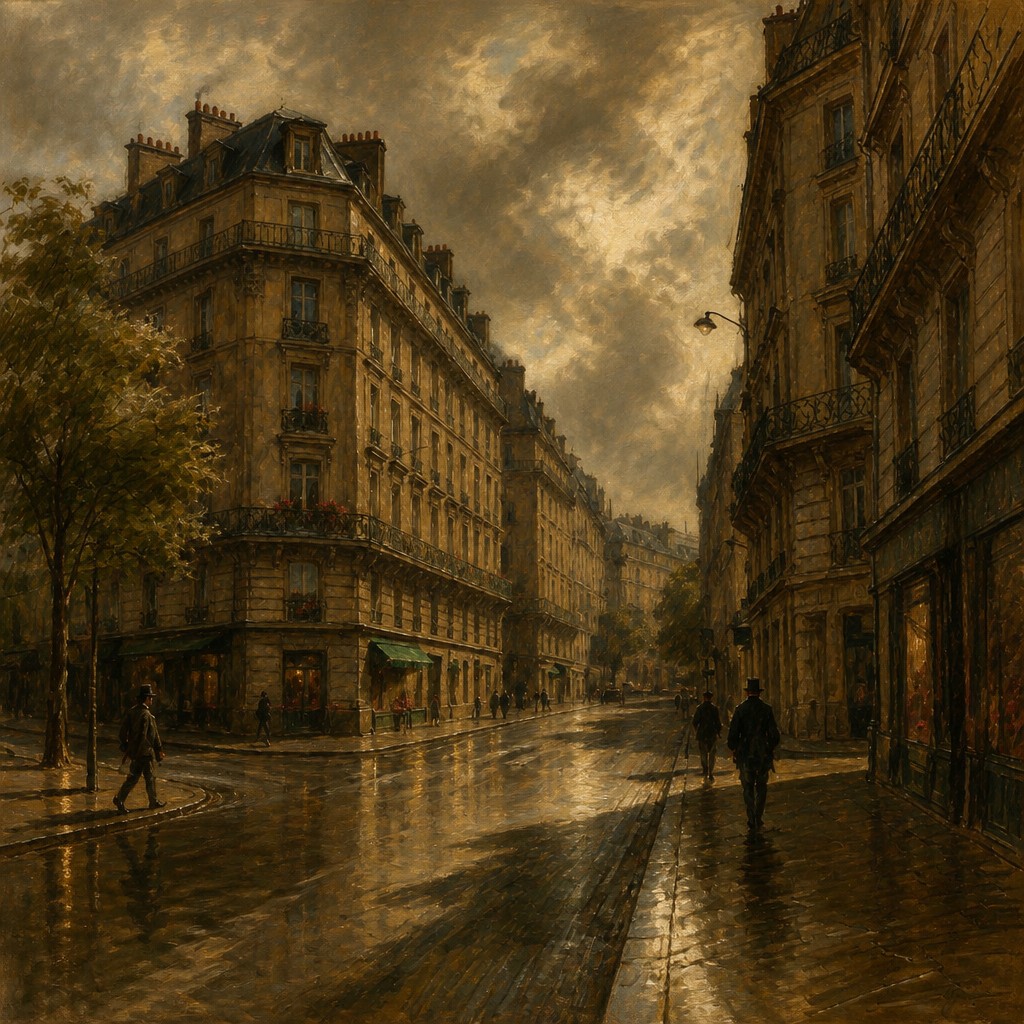

What Defines British Art Style
The signature details, up close
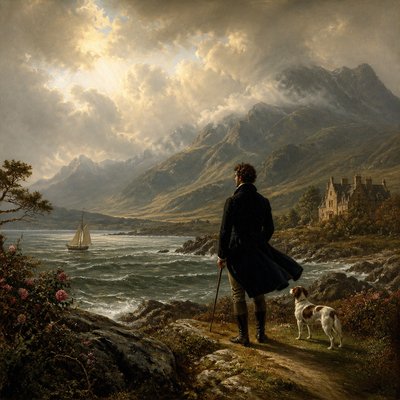
Weather-swept skies
Layered cloud banks, breaks of cold sunlight and turbulent silver-gray atmosphere create the style's emotional force. Skies often occupy a large portion of the composition.
Green pastoral landscapes
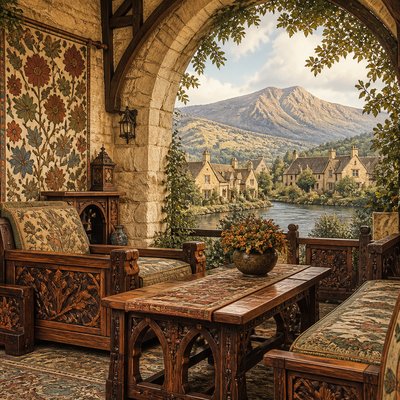
Rolling fields, hedgerows, stone walls, moors and distant wooded hills establish a cultivated but weather-exposed countryside. Greens are usually deep, muted and varied rather than bright or tropical.
Maritime atmosphere
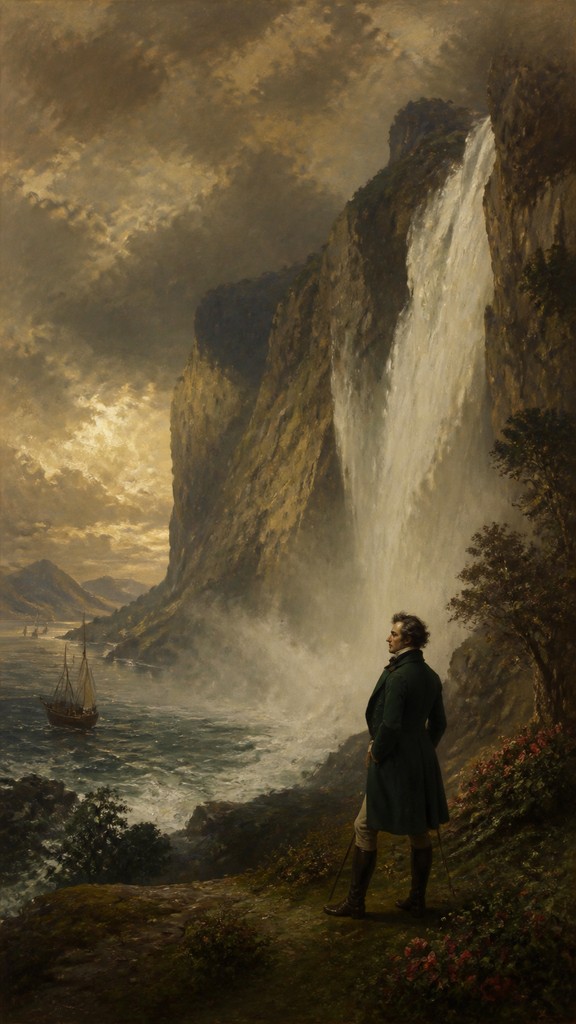
Sea spray, wind-bent vegetation, harbor structures, cliffs and small sailing vessels introduce movement and salt-air drama. Coastal scenes benefit from a strong horizon and shifting reflected light.
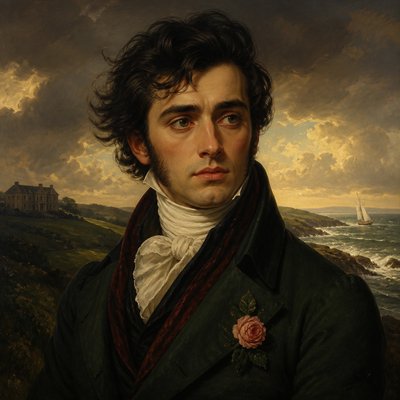
Dignified portraiture
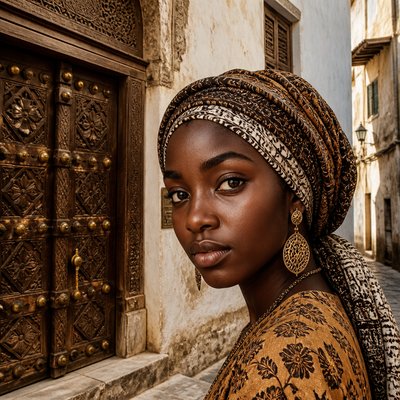
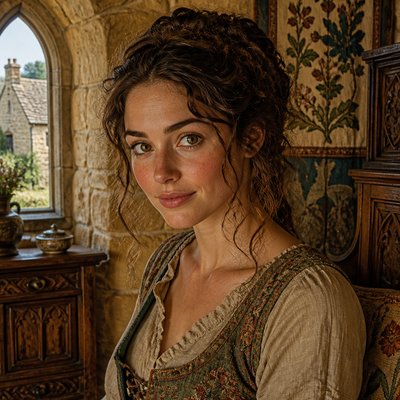
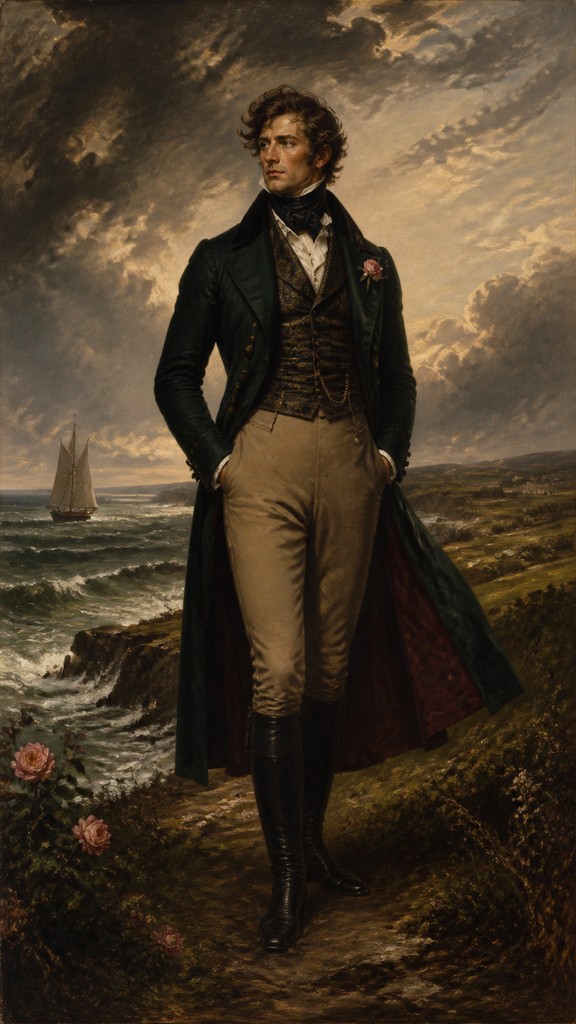
Figures are presented with composed posture, reserved expression and careful clothing details. Formal framing, direct or slightly distant gazes and understated gestures convey social presence without theatrical exaggeration.
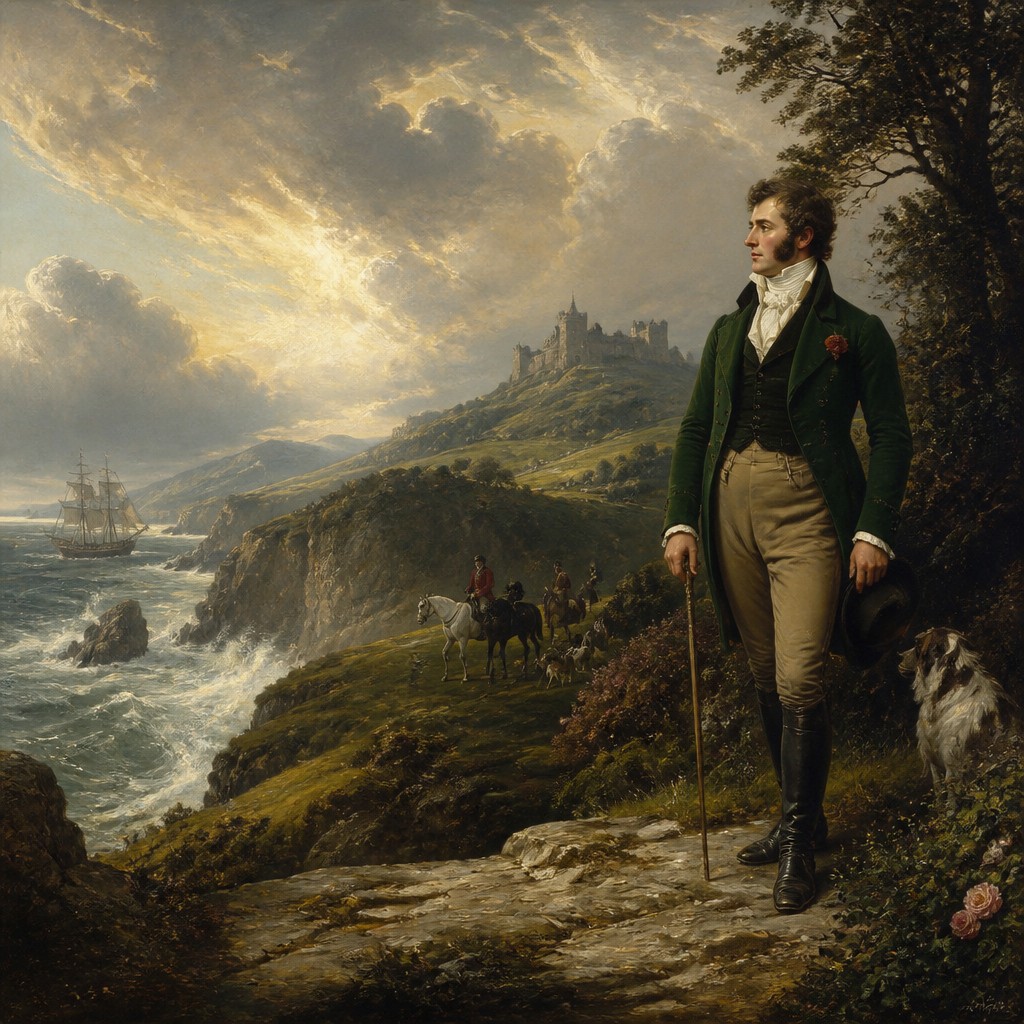
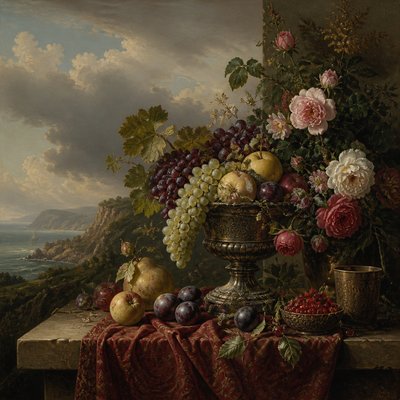
Mahogany and hunting-green palette
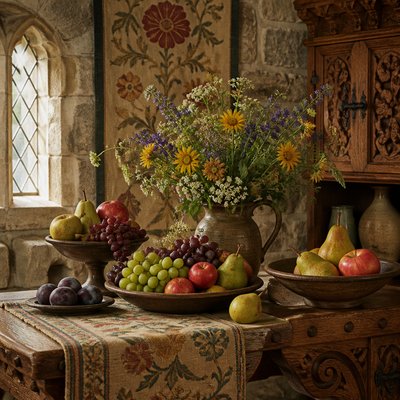
Dark umbers, mahogany browns, moss and hunting greens provide a grounded base. Rose, muted crimson and warm cream can be used as restrained accents in faces, textiles, flowers or reflected light.
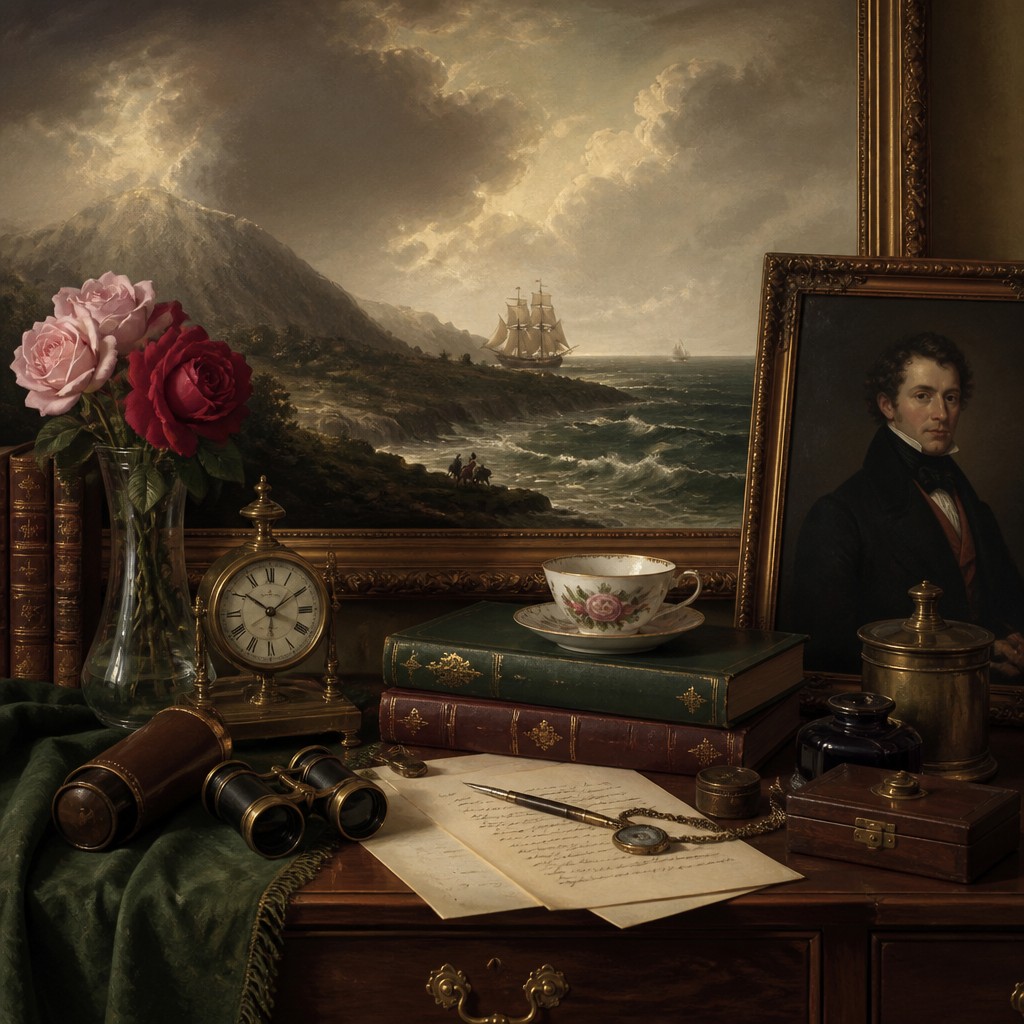
Stately painterly finish
Visible brushwork, softened edges and layered tonal transitions keep the image tactile. Detail is concentrated on faces, hands, foreground textures and focal architectural or natural forms.
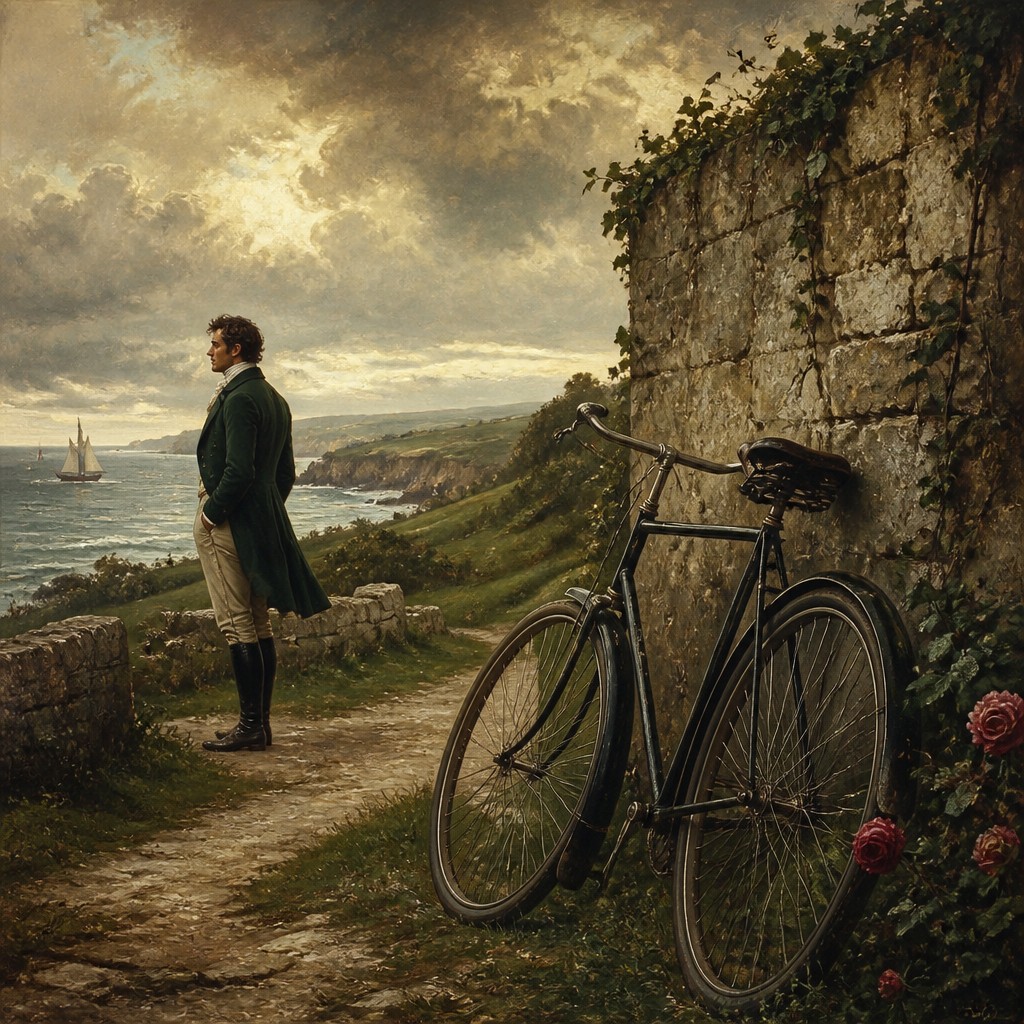
Reserved composition
Balanced horizons, measured symmetry and generous atmospheric space create a sense of calm authority. Even dramatic weather is usually organized into a coherent, contemplative composition.
Try It
Create Videos in British Art Style
Styles aren't just for stills — describe a scene or animate an image and get a short video rendered in British. Press play to see this pond come to life.
Make a VideoBritish Prompt Ideas
Start from an idea — each one opens the generator with the style ready to go. See all 40 British prompts →
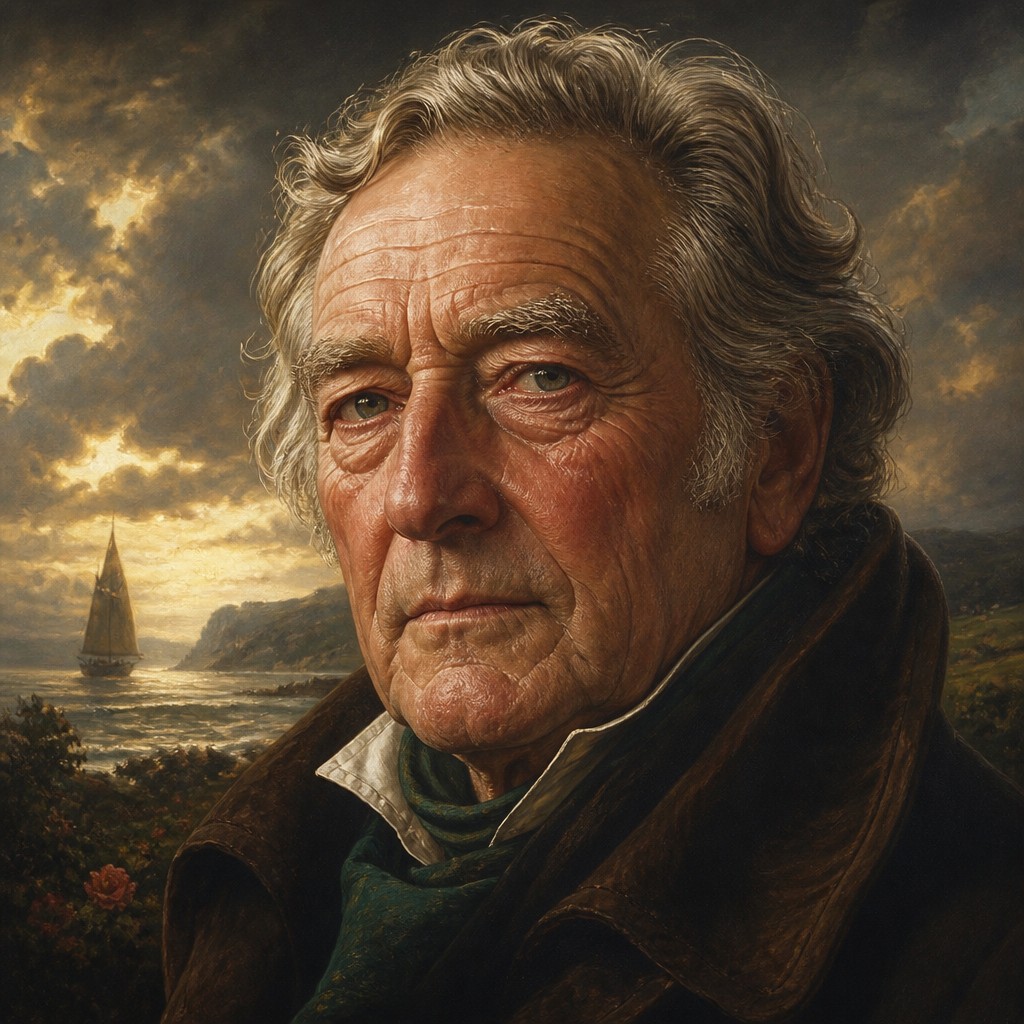
“close-up portrait of an elderly person with expressive weathered features”
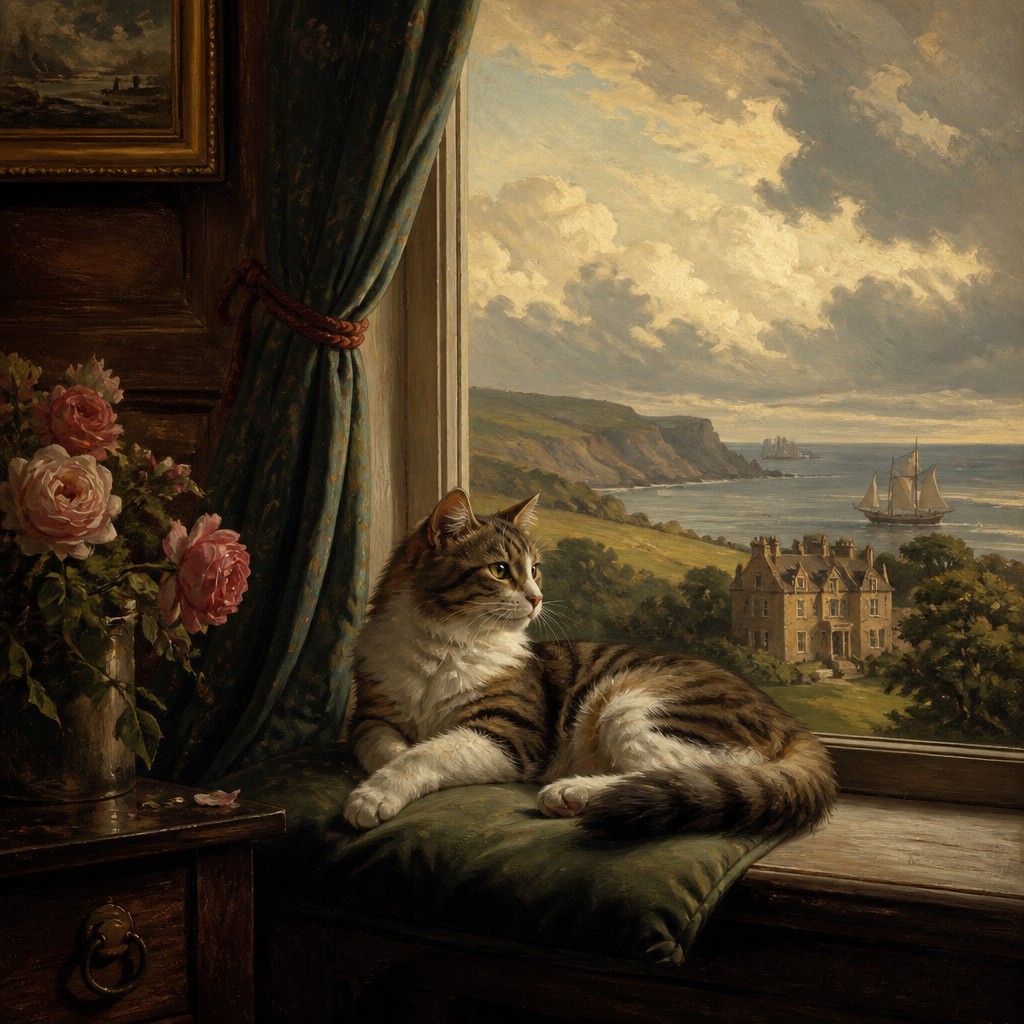
“a cat lounging in a sunlit window”
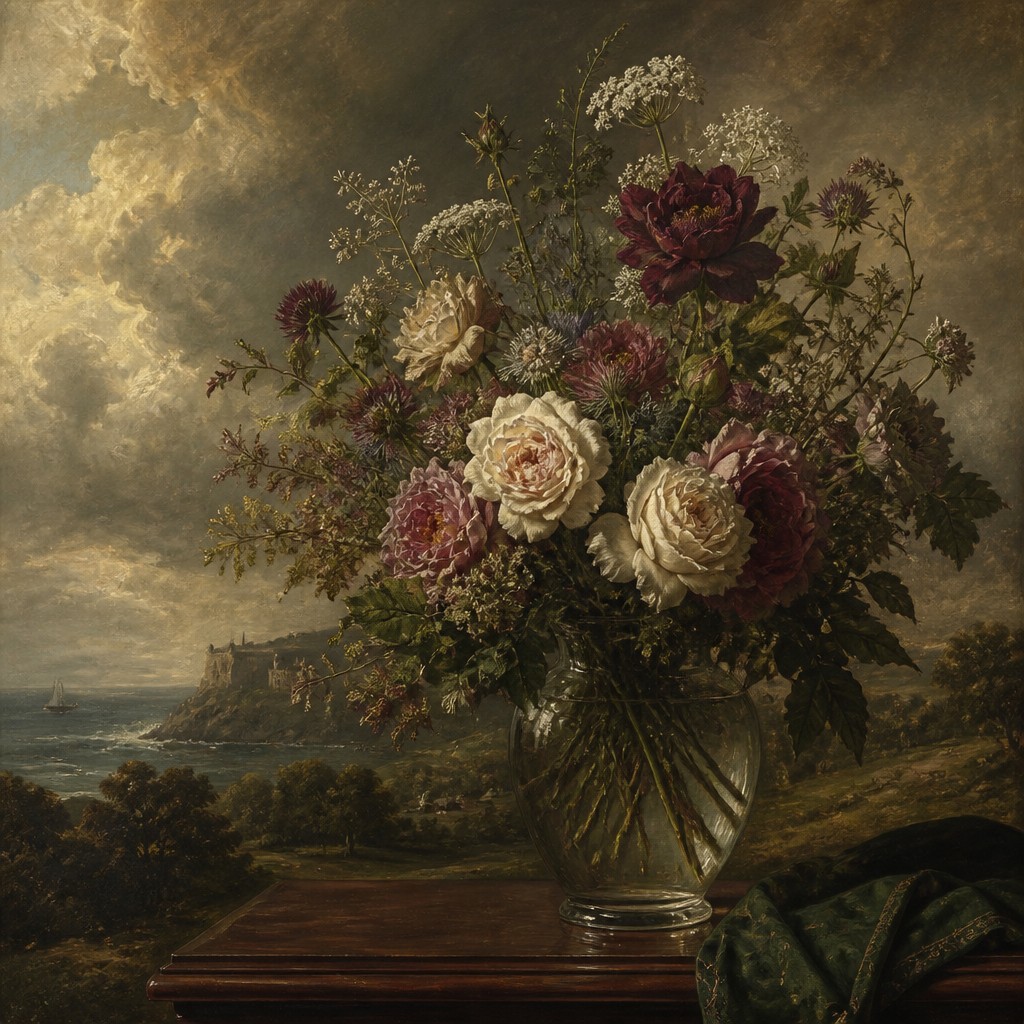
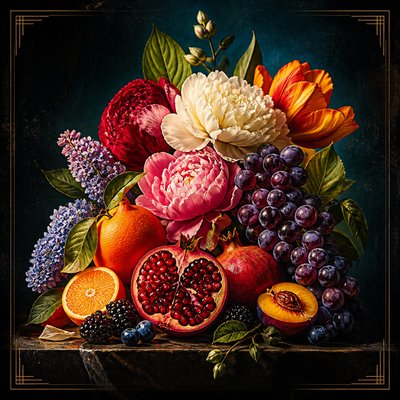
“bouquet of flowers in a glass vase”
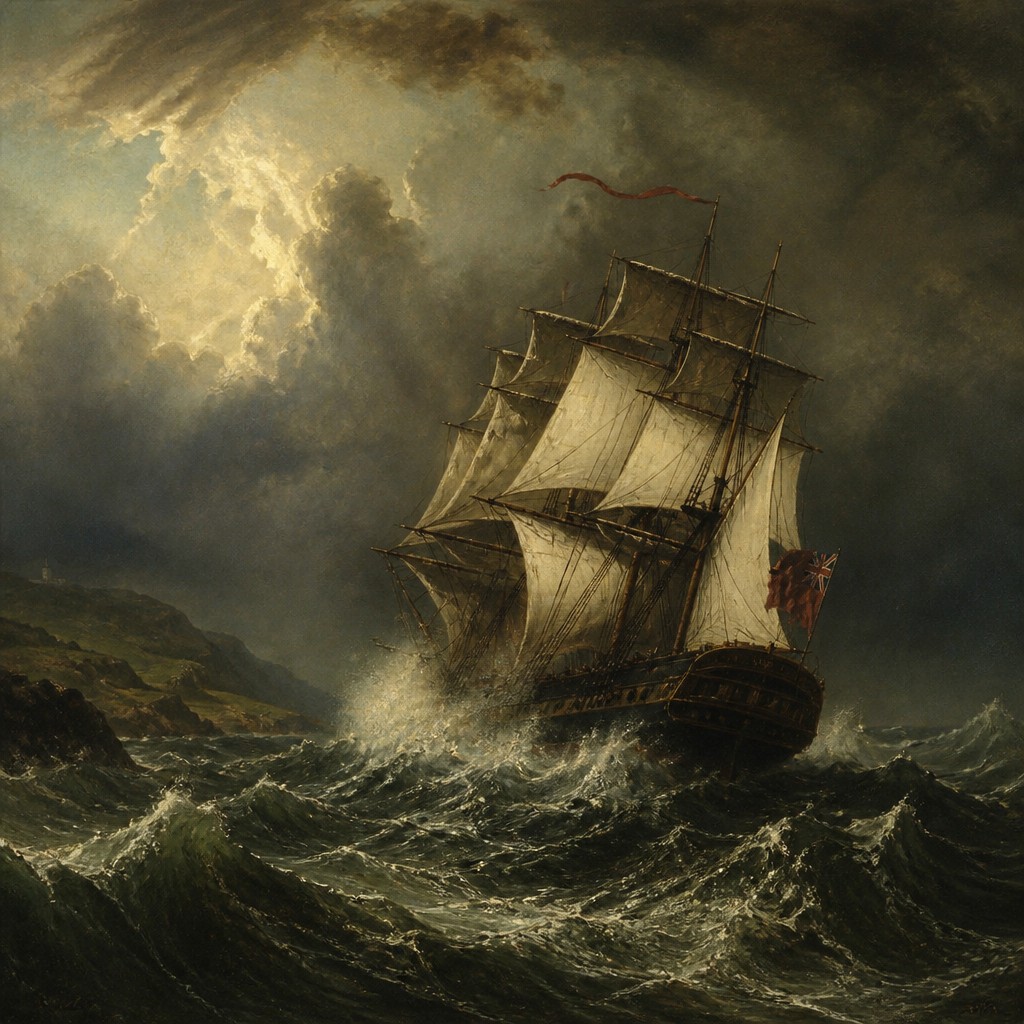
“sailing ship on a stormy sea”
How to Create British Art
Master the craft step by step — or skip straight to creating. Read the full guide →
- 1
Block in the atmosphere first
Begin with a large tonal study, separating the dark land or sea from a luminous, broken sky. Establish the direction of light before adding local color or fine detail.
- 2
Use a restrained earth-based palette
Mix deep green, umber, ocher, slate blue and muted cream, then reserve rose or warm red for small accents. Avoid uniformly saturated color, which can weaken the weathered, formal mood.
- 3
Build depth with layered edges
Keep distant hills and cloud forms soft and low-contrast, while sharpening selected foreground textures, facial features or architectural details. Glazing and scumbling are effective in traditional oil painting; opacity layers and textured brushes can approximate them digitally.
- 4
Pose figures with quiet authority
Use upright posture, controlled hands and simple directional lighting for portrait subjects. Clothing can suggest country, maritime or formal dress without relying on excessive ornament.
- 5
Control drama through composition
Place a strong horizon, diagonal cloud break, winding path or receding shoreline to guide the eye. Let the landscape carry the drama while keeping the overall arrangement balanced and deliberate.
- 6
Write specific generation prompts
Describe the subject, weather, lighting, palette, medium and composition together, such as a coastal village under silver storm light with visible oil texture and a restrained green-and-mahogany palette. For photo transformations, preserve the subject's recognizable structure while requesting painterly edges, atmospheric sky and dignified tonal treatment.
The Story
History & Origins of British
Its modern form often compresses these references into one image: a stormy sky may recall Romantic landscape, a carefully posed figure may suggest nineteenth-century portraiture, and green pasture or a coastal horizon may evoke British pastoral and maritime art. Contemporary digital artists and image-makers use this lineage as a mood-based visual vocabulary rather than as a strict historical reconstruction.
Influences: The style draws most directly from British Romantic landscape painting, eighteenth- and nineteenth-century pastoral traditions, Victorian portraiture, maritime painting and later tonal approaches to rural realism. It also shares atmospheric concerns with plein-air landscape practice, northern European coastal painting and the restrained social formality of academic portrait traditions, while adapting these sources into a flexible contemporary visual language.
Frequently Asked Questions
What defines British Art Style?
It is defined by storm-lit skies, green rural or coastal settings, maritime weather, dignified figures and a restrained earth-based palette. The overall effect is atmospheric, formal and contemplative rather than brightly decorative or aggressively expressive.
Is British Art Style a recognized historical movement?
No. The term is best understood as a broad aesthetic category rather than a single art-historical movement. It combines features from several British landscape, portrait and maritime traditions.
How does it differ from Romanticism?
It borrows Romanticism's interest in dramatic weather, sublime nature and emotional atmosphere, but usually treats those elements with greater social restraint. Portrait dignity, cultivated countryside and muted color are especially important to this broader British style.
What medium works best for this style?
Oil paint is particularly suitable because glazing, scumbling and soft transitions can reproduce cloud depth, damp land and reflective water. Gouache, acrylic, pastel and digital painting can also work when they preserve layered atmosphere, controlled edges and a restrained palette.
How can I create a British Art Style portrait?
Choose a composed pose, understated clothing and directional natural light, then place the subject in a rural, coastal or formal interior setting. Keep facial detail and hands relatively precise while allowing the background to soften into weather and atmosphere.
Where is this style commonly used?
It suits landscape studies, editorial illustration, historical or period-inspired scenes, book covers, heritage imagery, portrait commissions and atmospheric photo treatments. Its visual language works especially well when a subject needs dignity, place and a strong sense of weather.

Create your first British artwork
Describe anything — or upload a photo — and see it in British Art Style in seconds.
Related Styles
Discover similar art styles