Gambian Art Style
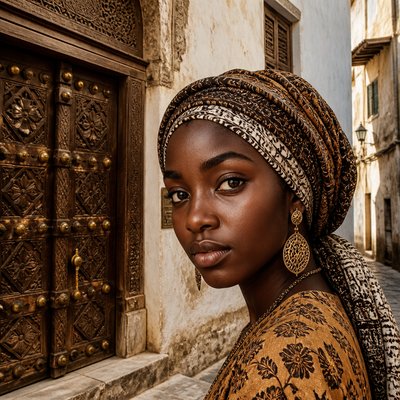
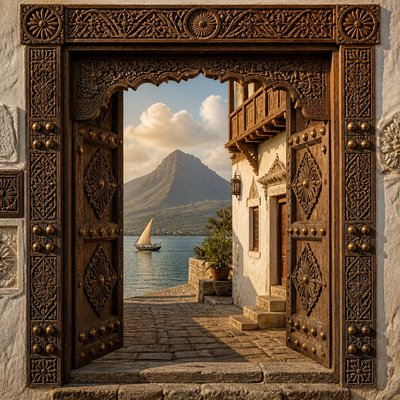
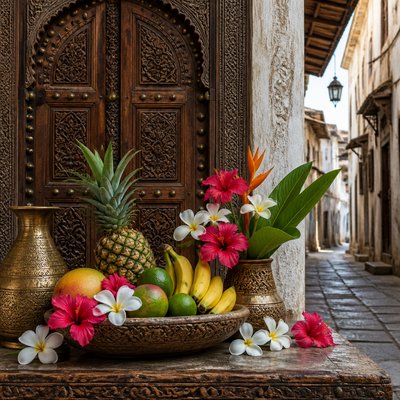
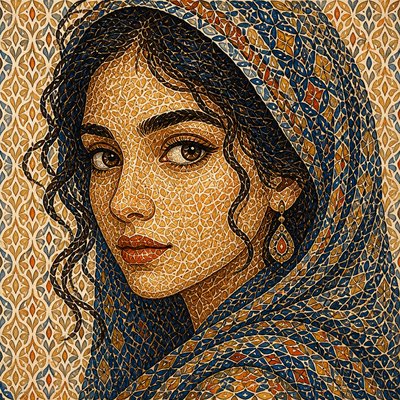
Explore Gambian art style: Wassu stone circles, Mandinka-inspired carving, fiber textures, river forms, and warm West African earth tones.
Instantly rendered in Gambian — or transform a photo
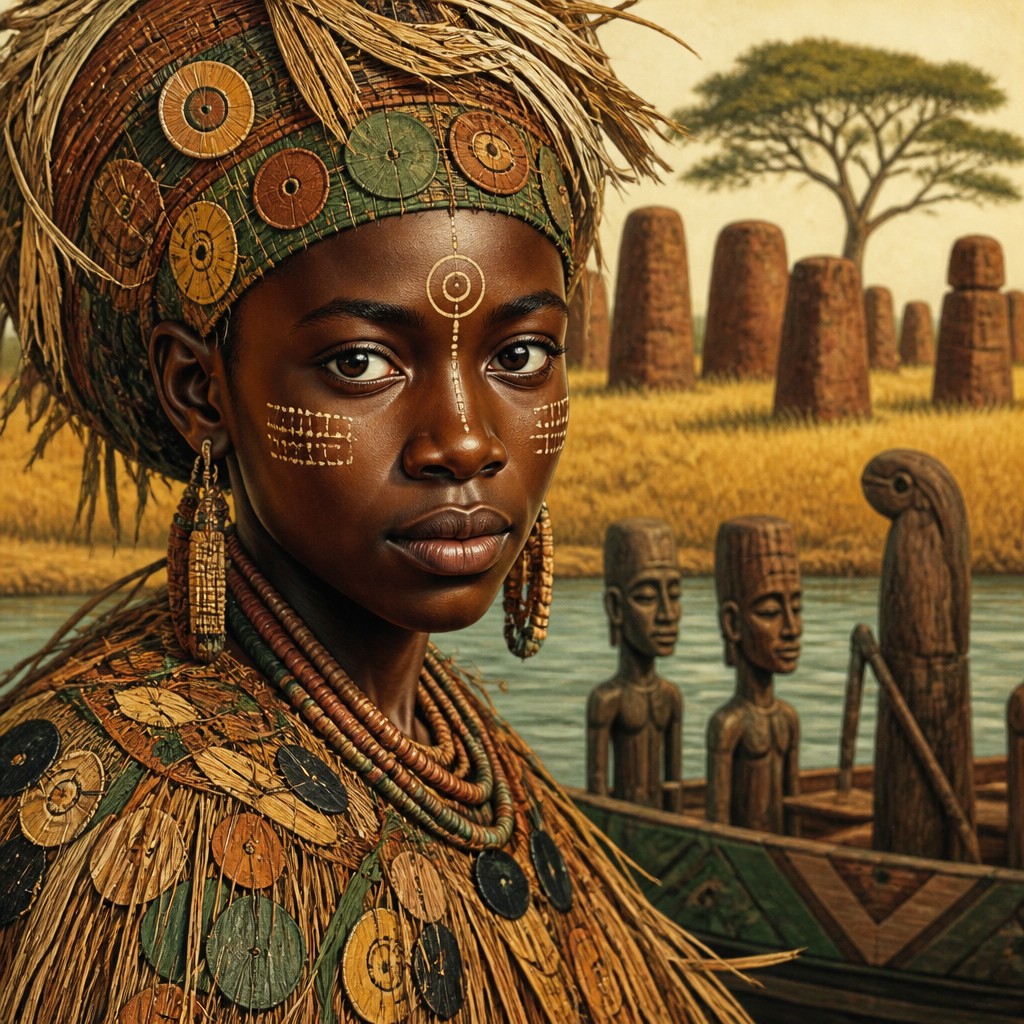
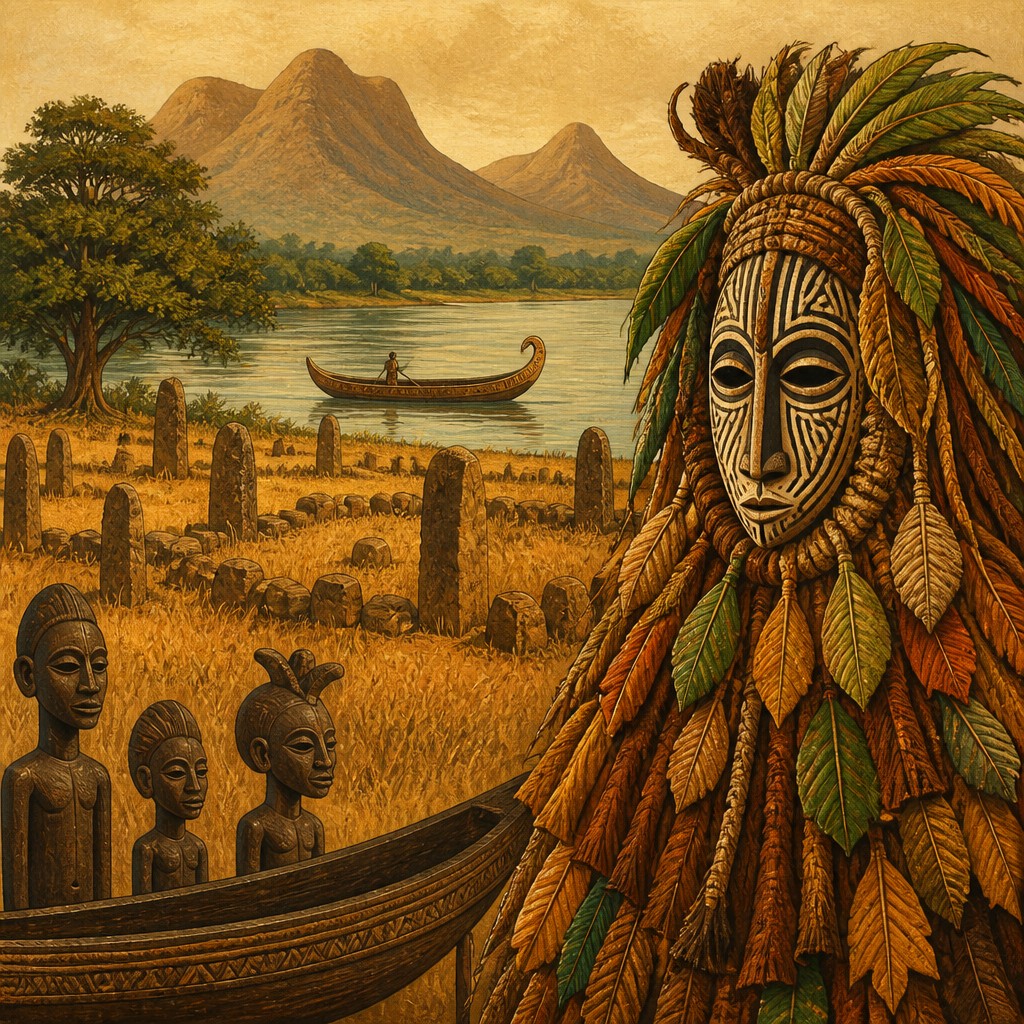
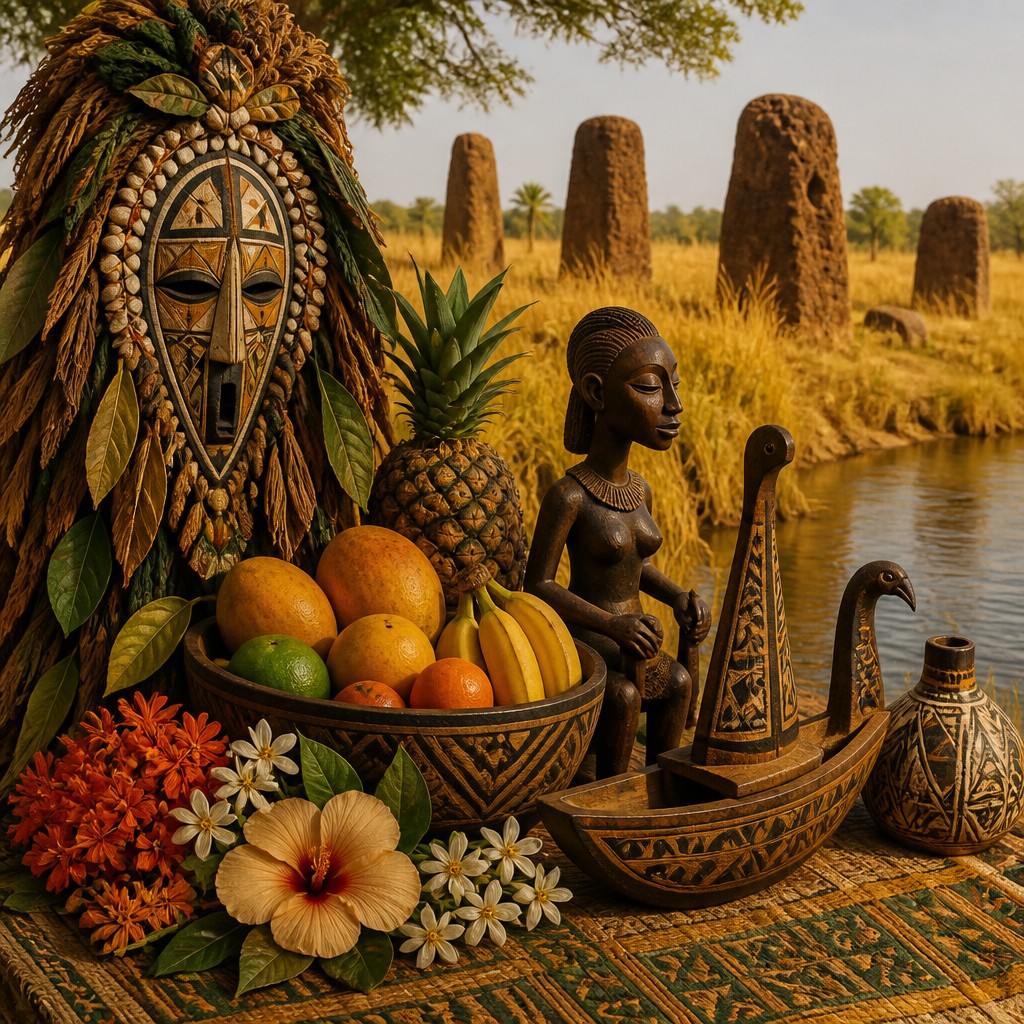
Gambian Gallery
Tap any artwork to explore it
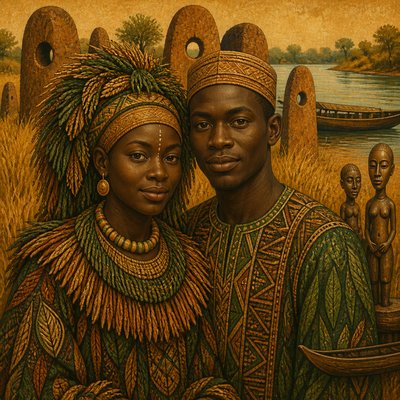
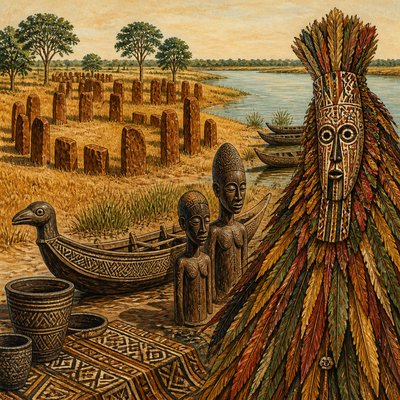
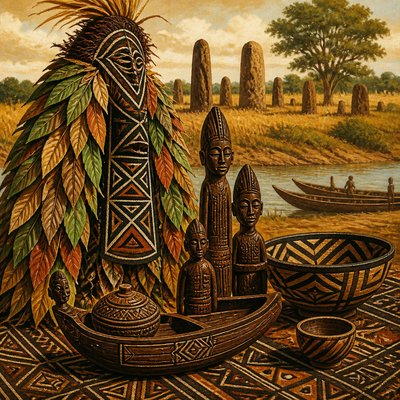
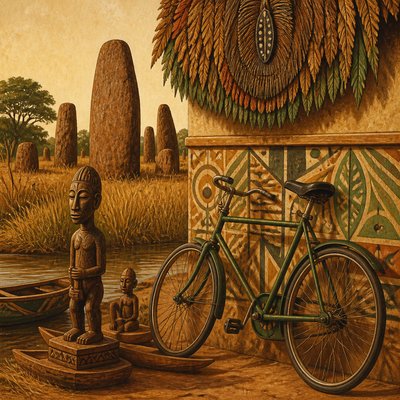
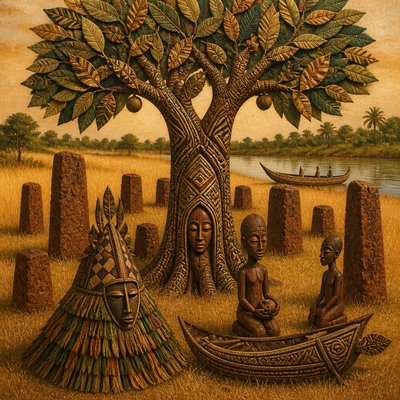
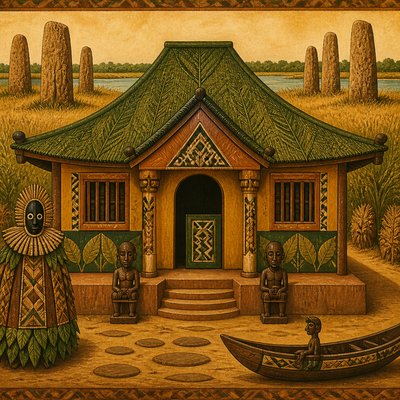
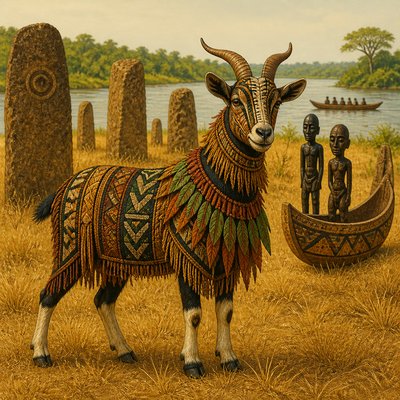
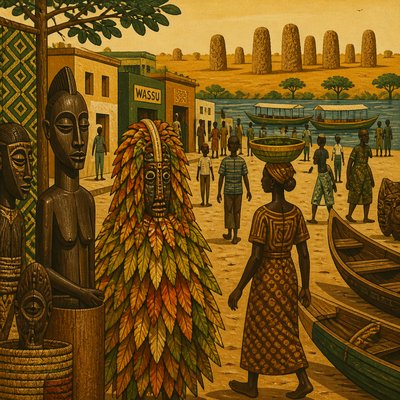
What is Gambian Art Style?
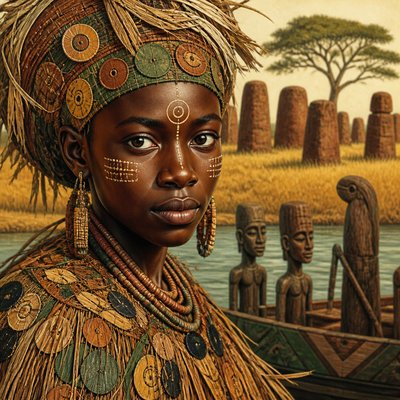
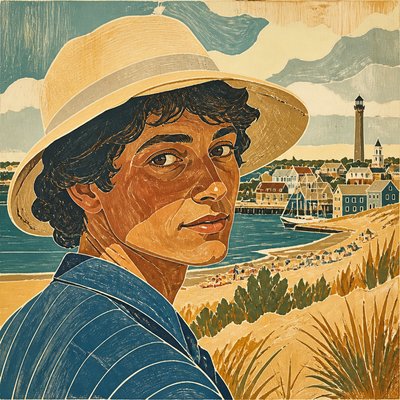
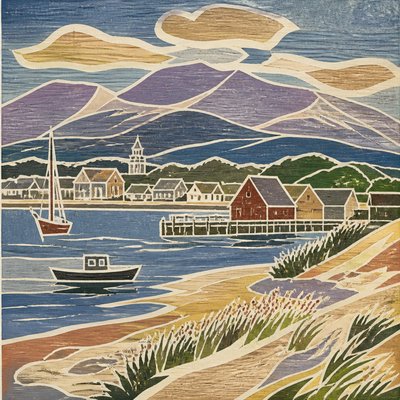
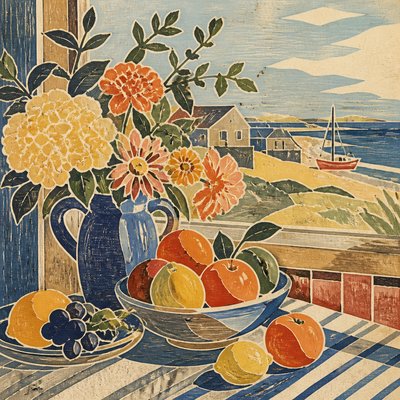
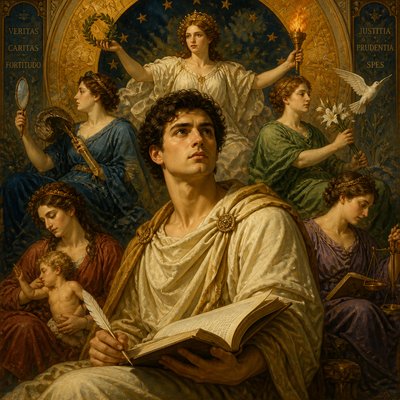
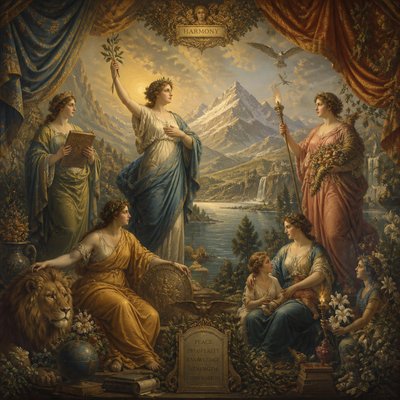
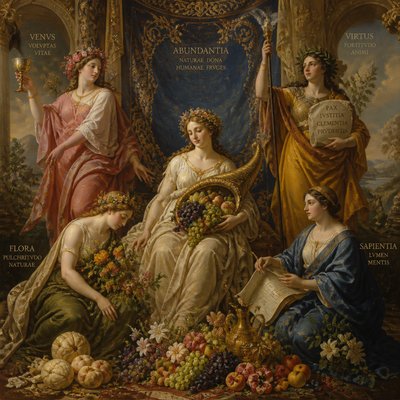
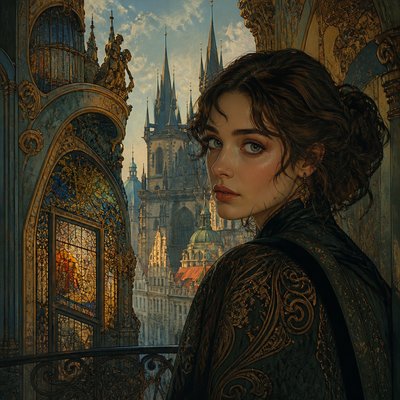
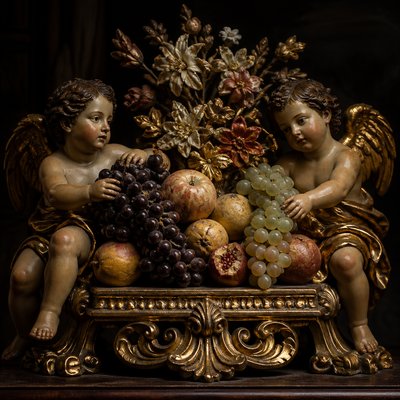
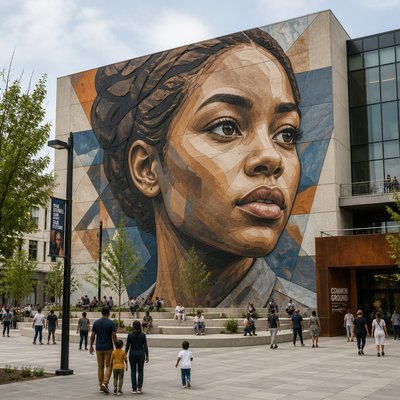
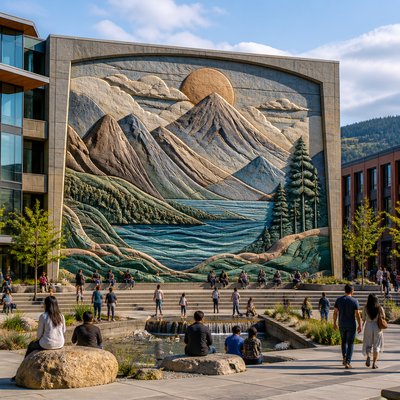
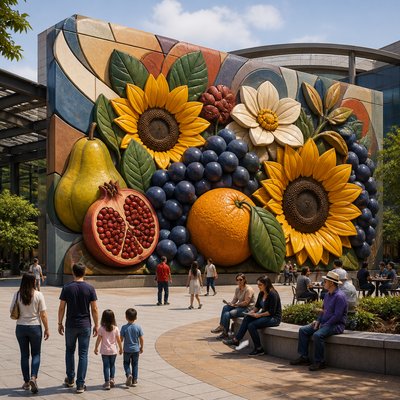
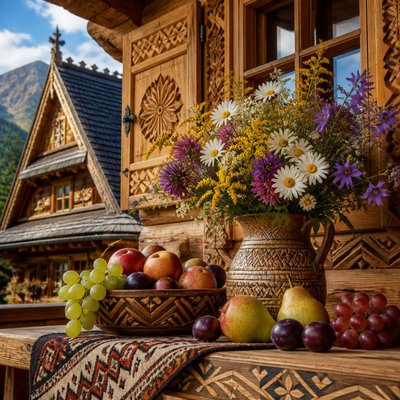
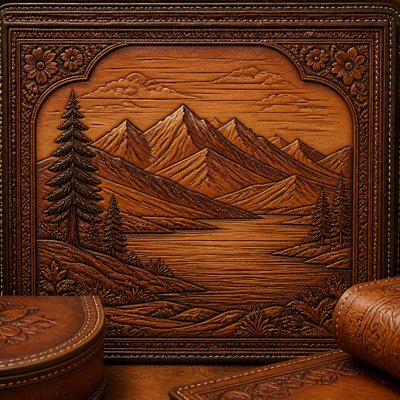
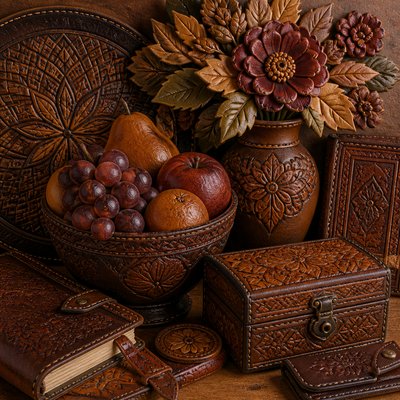
The style is defined less by a single historical school than by a restrained, tactile vocabulary. Warm ochres, rust, clay red, muted greens, charcoal, and sunlit gold suggest laterite earth and riverbanks, while simplified silhouettes and quiet frontal poses give figures a ceremonial, enduring presence. Rough stone, polished wood, leaf, raffia, and woven fiber are often contrasted within the same composition.
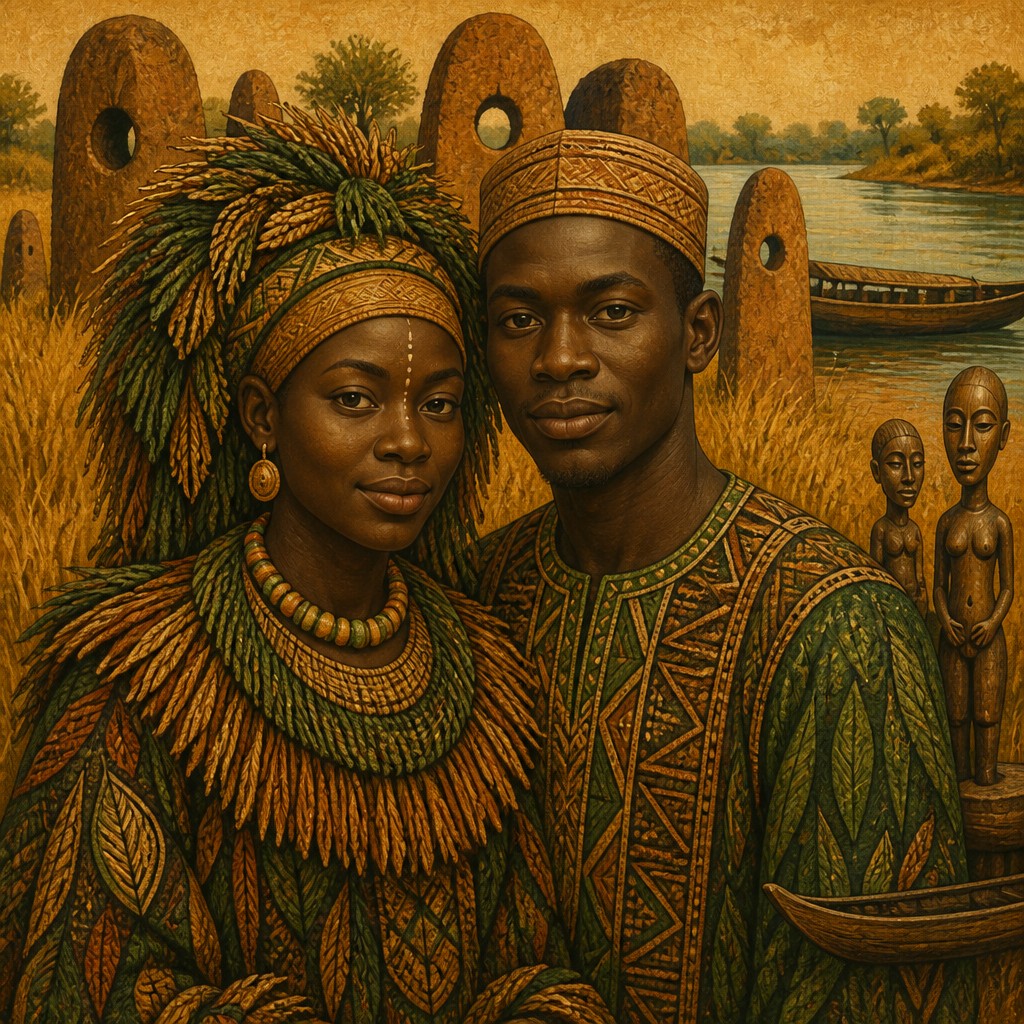
Try It On Your Photos
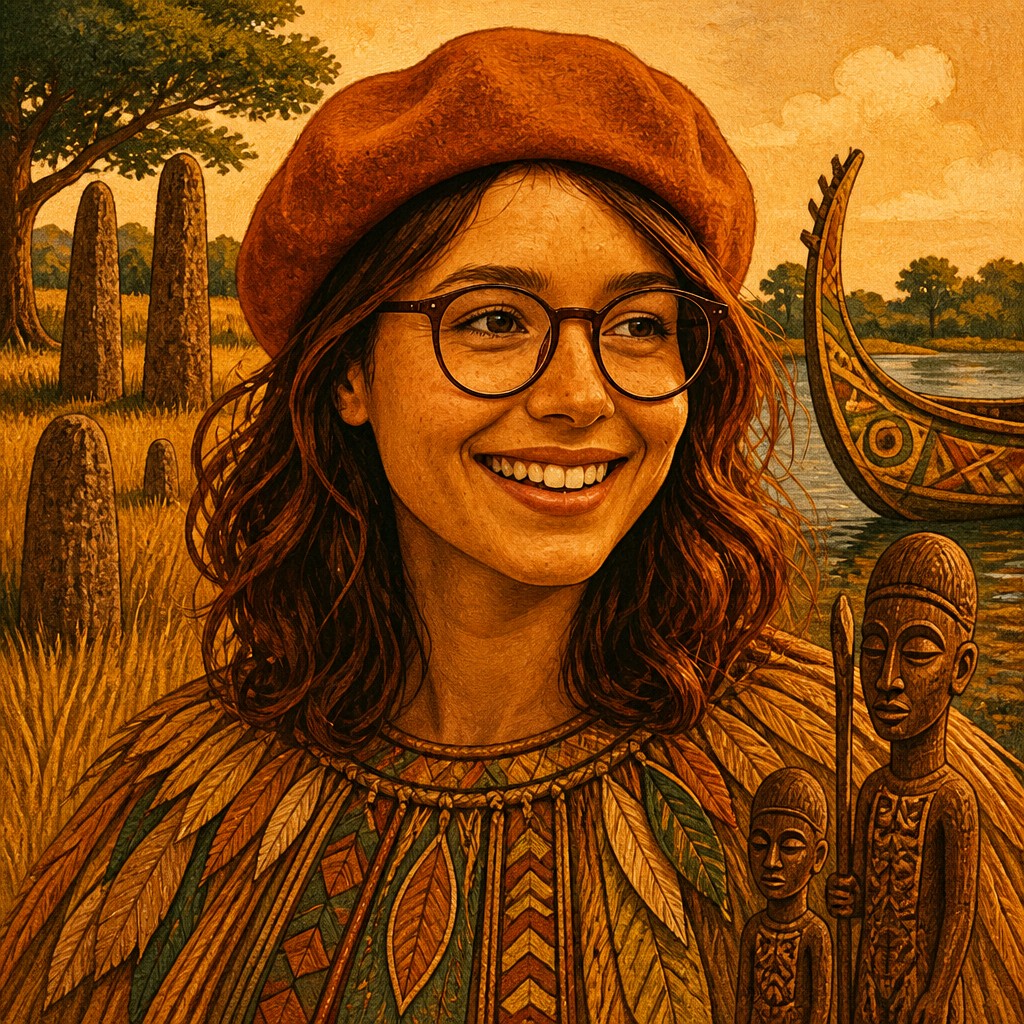
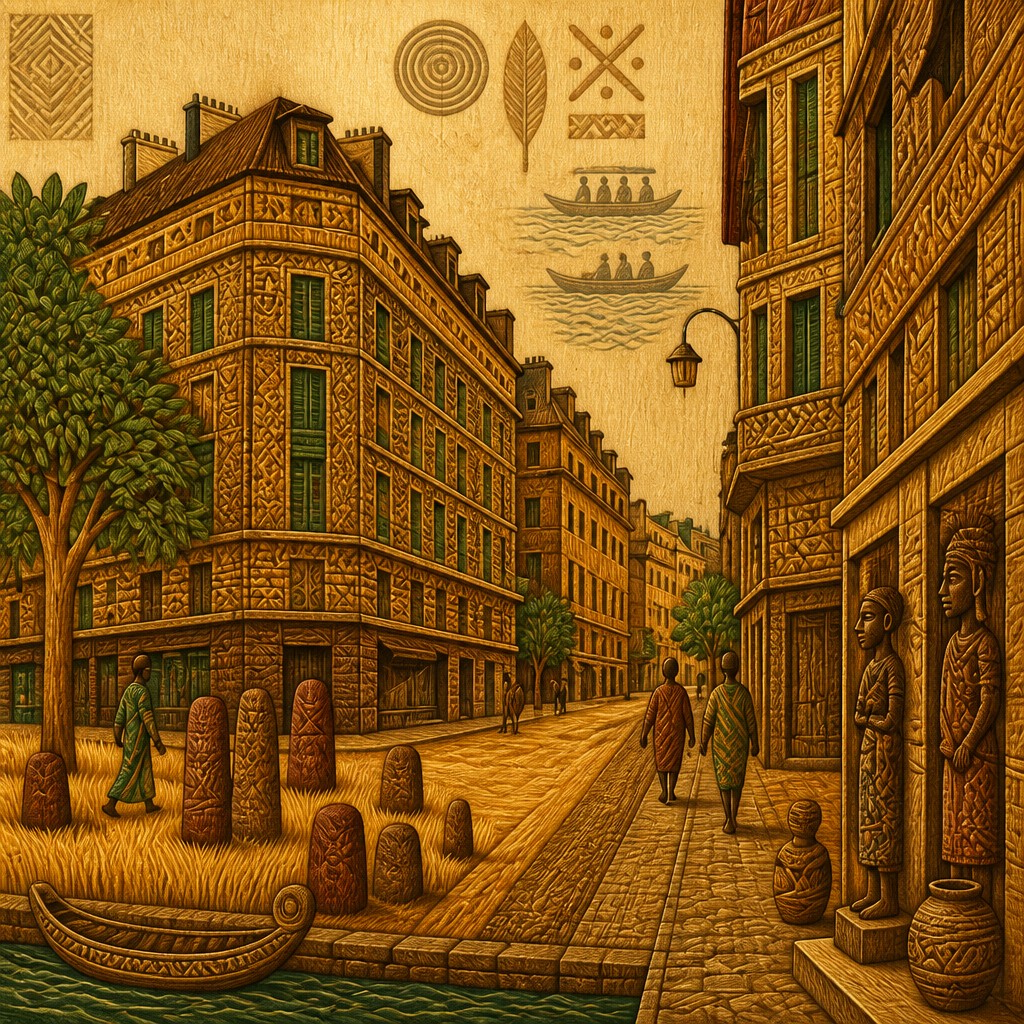
Upload any photo and convert it into Gambian Art Style — drag the sliders to compare before and after.


What Defines Gambian Art Style
The signature details, up close
Laterite stone circles
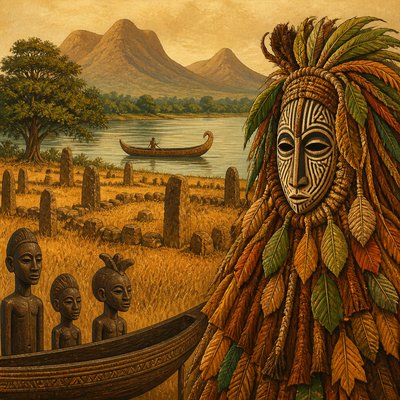
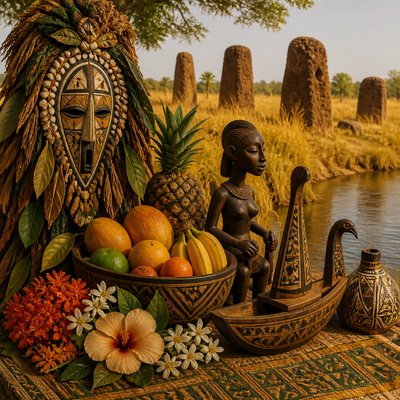
Tall, weathered stone pillars are arranged in solemn circular formations, often rising from golden grass or reddish earth. Their regular spacing creates rhythm, monumentality, and a sense of archaeological time.
Carved wooden figures
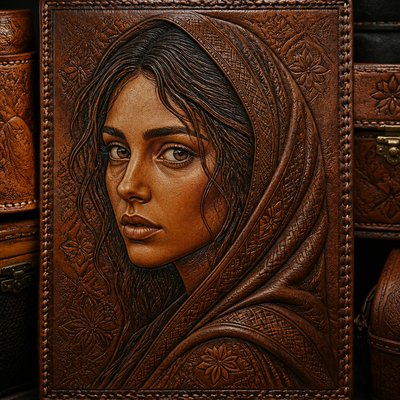
Human and animal forms are simplified into balanced, smoothly carved silhouettes with restrained facial detail. The emphasis is on gesture, posture, grain, and symbolic presence rather than anatomical realism.
Fiber and leaf textures
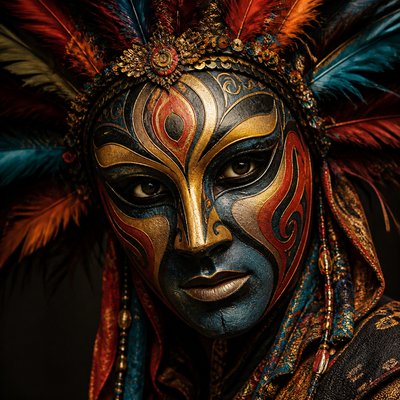
Raffia-like strands, woven fibers, reeds, leaves, and layered vegetal surfaces introduce irregular edges and tactile density. These details can suggest masquerade garments, baskets, mats, or ceremonial coverings.
River and boat imagery
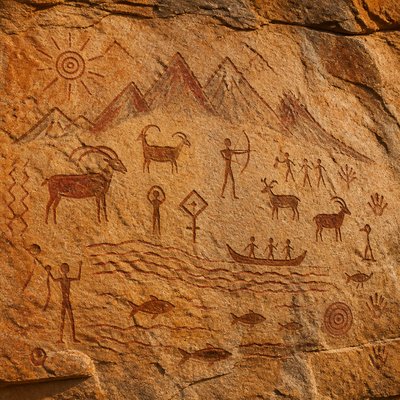
Long narrow boats, paddles, banks, reeds, and reflective water connect the imagery to life along the Gambia River and related inland waterways. Boat forms are often rendered as elegant horizontal or crescent-like shapes.
Earth-and-river palette
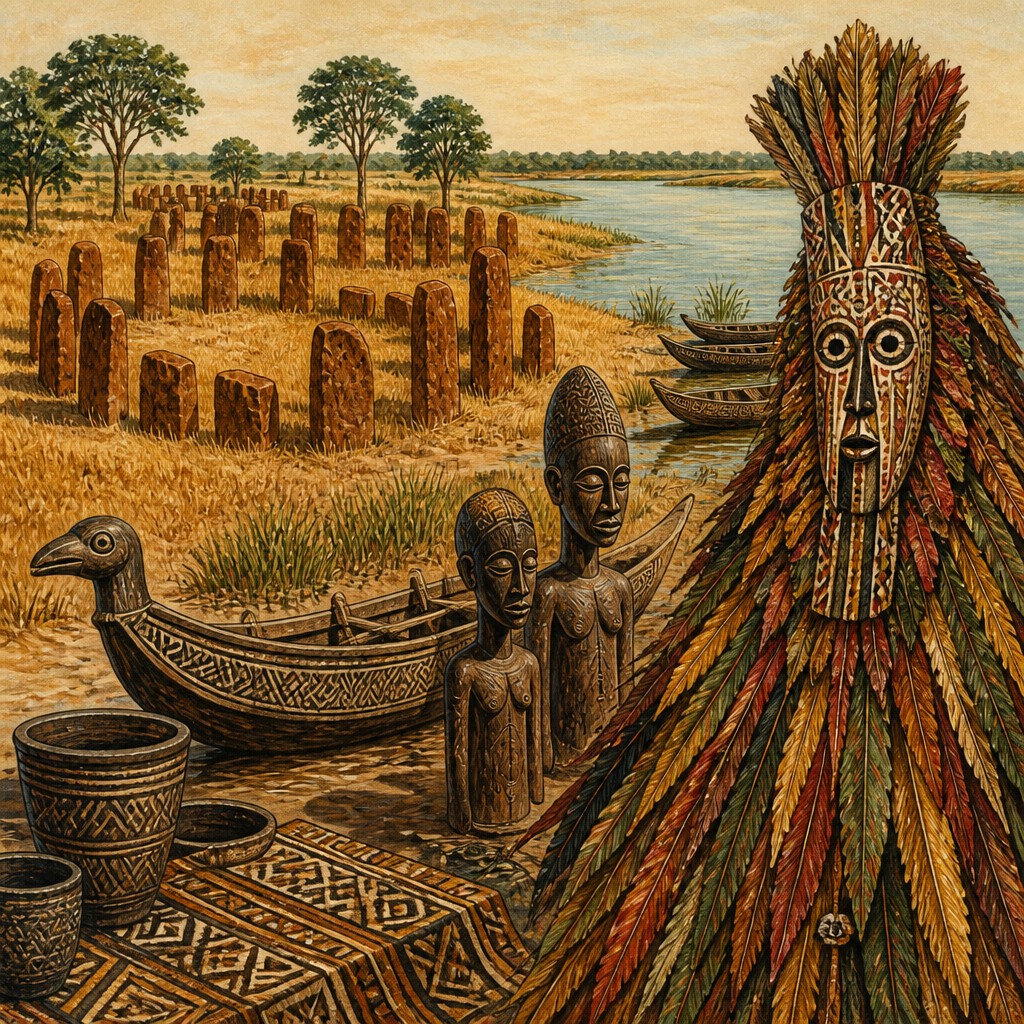
The dominant colors include ochre, laterite orange, clay red, weathered brown, savanna gold, deep charcoal, and subdued riverbank green. Small areas of indigo, cream, or mineral blue may provide controlled contrast.
Ceremonial stillness
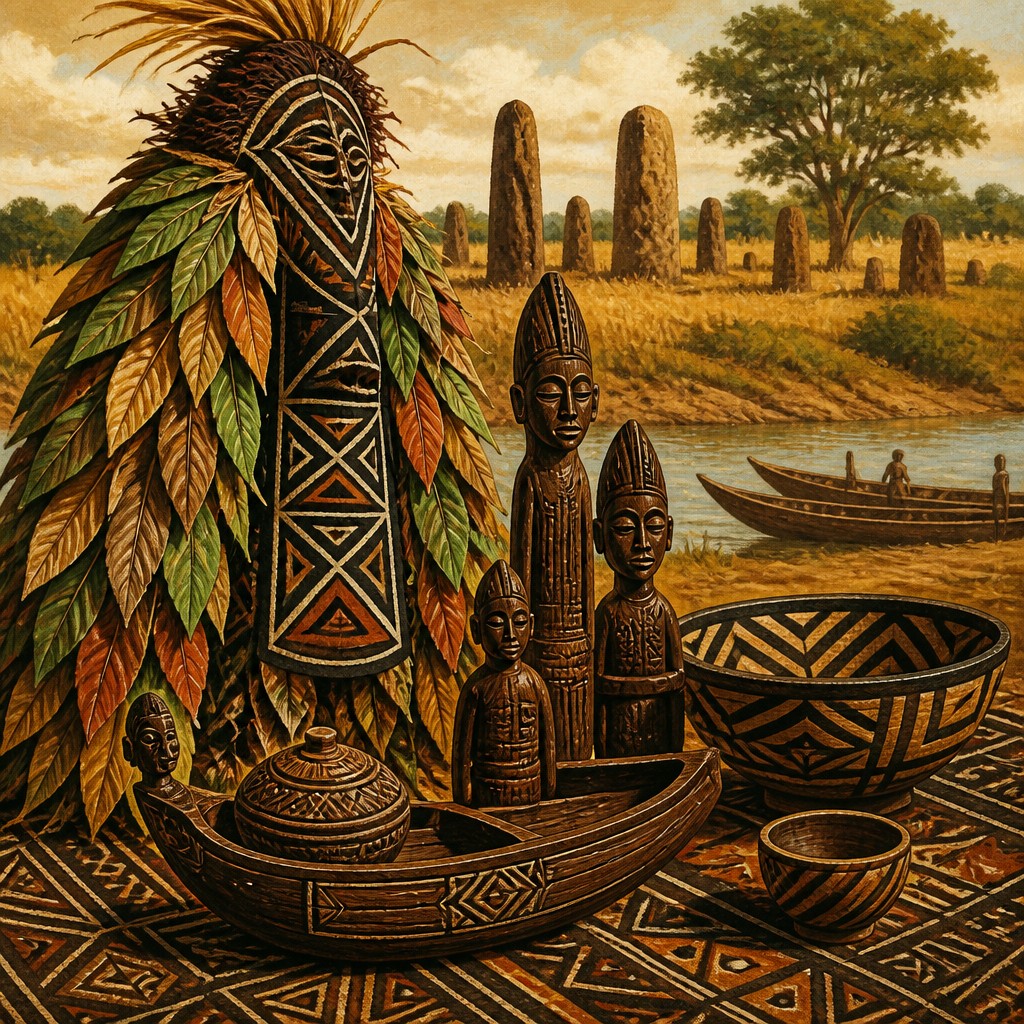
Compositions favor frontal figures, measured repetition, open space, and dignified poses. The mood is contemplative and grounded, avoiding excessive action or decorative clutter.
Gambian Prompt Ideas
Start from an idea — each one opens the generator with the style ready to go. See all 40 Gambian prompts →
How to Create Gambian Art
Master the craft step by step — or skip straight to creating. Read the full guide →
- 1
Build a material study
Combine dry-brush marks, granular pigment, wood-grain lines, and fibrous collage to distinguish stone, carved wood, soil, and woven material. In digital work, use separate textured layers with restrained opacity rather than one uniform filter.
- 2
Construct with quiet geometry
Organize the image around circles, upright pillars, horizontal river lines, and simplified figure silhouettes. Leave generous negative space so the subject feels ceremonial and monumental.
- 3
Use a limited palette
Start with ochre, rust, warm brown, savanna gold, charcoal, and river green, then add only a few accents. Lower saturation and soften highlights when the image begins to resemble glossy commercial illustration.
- 4
Suggest carving through form
Model figures with broad planes, softened edges, and visible grain direction instead of fine anatomical detail. For traditional media, try gouache, earth pigments, charcoal, carved wood, or textured paper; digitally, use sculptural shading and displacement textures.
- 5
Write specific generation prompts
Name the subject, materials, setting, palette, composition, and mood together—for example, weathered laterite pillars in tall grass, a carved wooden boat, matte fiber texture, and subdued riverbank greens. Request tactile surfaces, simplified forms, and ceremonial stillness rather than generic 'tribal' effects.
- 6
Refine with cultural care
Treat regional motifs as references requiring context, not interchangeable decoration. When transforming a photograph or composing a digital scene, preserve the subject's identity and avoid inventing sacred symbols, ceremonial roles, or specific regalia without reliable cultural grounding.
The Story
History & Origins of Gambian
Its other lineage comes from West African traditions of wood carving, river craft, woven materials, and fiber or leaf masquerade regalia, including practices associated with Mandinka-speaking communities. In contemporary use, these sources are combined into a respectful regional-inspired aesthetic rather than presented as a single traditional Gambian canon. The result emphasizes material memory, landscape, ceremony, and the relationship between settlement and river.
Influences: The style draws on the Senegambian megalithic tradition represented by the Wassu stone circles; Mandinka and neighboring West African practices of wood carving, woven craft, and masquerade materials; Sahelian and Upper Guinea color systems; and vernacular river architecture and boatbuilding. It also shares compositional qualities with African modernist sculpture, material-based folk art, archaeological landscape painting, and contemporary textured illustration, while remaining a synthetic rather than historically codified movement.
Frequently Asked Questions
What defines Gambian Art Style?
It combines imagery associated with Wassu laterite stone circles, carved wooden figures, fiber and leaf textures, river boats, and Senegambian landscapes. Its defining qualities are tactile materials, a warm earth-and-river palette, simplified forms, and a calm ceremonial mood.
Is Gambian Art Style a historical art movement?
No. The label describes a contemporary or AI-native synthesis rather than a recognized historical movement with a formal school or fixed period. It draws from real Gambian and wider Senegambian archaeological and craft traditions, which should not be treated as one uniform style.
How is it different from generic African art?
It uses a specific Gambian and Senegambian visual anchor, especially the Wassu stone circles and Gambia River setting. It also focuses on laterite, carved wood, fiber, boats, and restrained riverbank colors instead of relying on generalized masks, patterns, or saturated decorative motifs.
What materials work best for making it traditionally?
Earth pigments, ochre, charcoal, gouache, rough paper, carved wood, raffia, reeds, and woven fibers are well suited to the style's tactile vocabulary. Layering matte surfaces and preserving natural irregularities is more effective than producing a uniformly polished finish.
How can I create an image in this style digitally?
Describe a clear subject together with laterite stone, carved wood, woven fiber, river forms, warm ochres, muted greens, and ceremonial stillness. For image-to-image work, keep the original composition or identity while applying material textures, simplified planes, and the limited palette; then reduce excessive detail during editing.
Where is this style most useful?
It suits landscape studies, cultural editorial illustration, heritage interpretation, book covers, posters, textile concepts, museum education, and atmospheric concept art. Projects involving real communities or ceremonial objects should include research and avoid presenting an invented synthesis as an authentic traditional artifact.
Create your first Gambian artwork
Describe anything — or upload a photo — and see it in Gambian Art Style in seconds.
Related Styles
Discover similar art styles