Islamic Golden Age Art Style
Explore Islamic Golden Age art: geometric ornament, arabesque vines, calligraphy, glazed tiles, illuminated manuscripts, turquoise, cobalt and gold.
Instantly rendered in Islamic Golden Age — or transform a photo
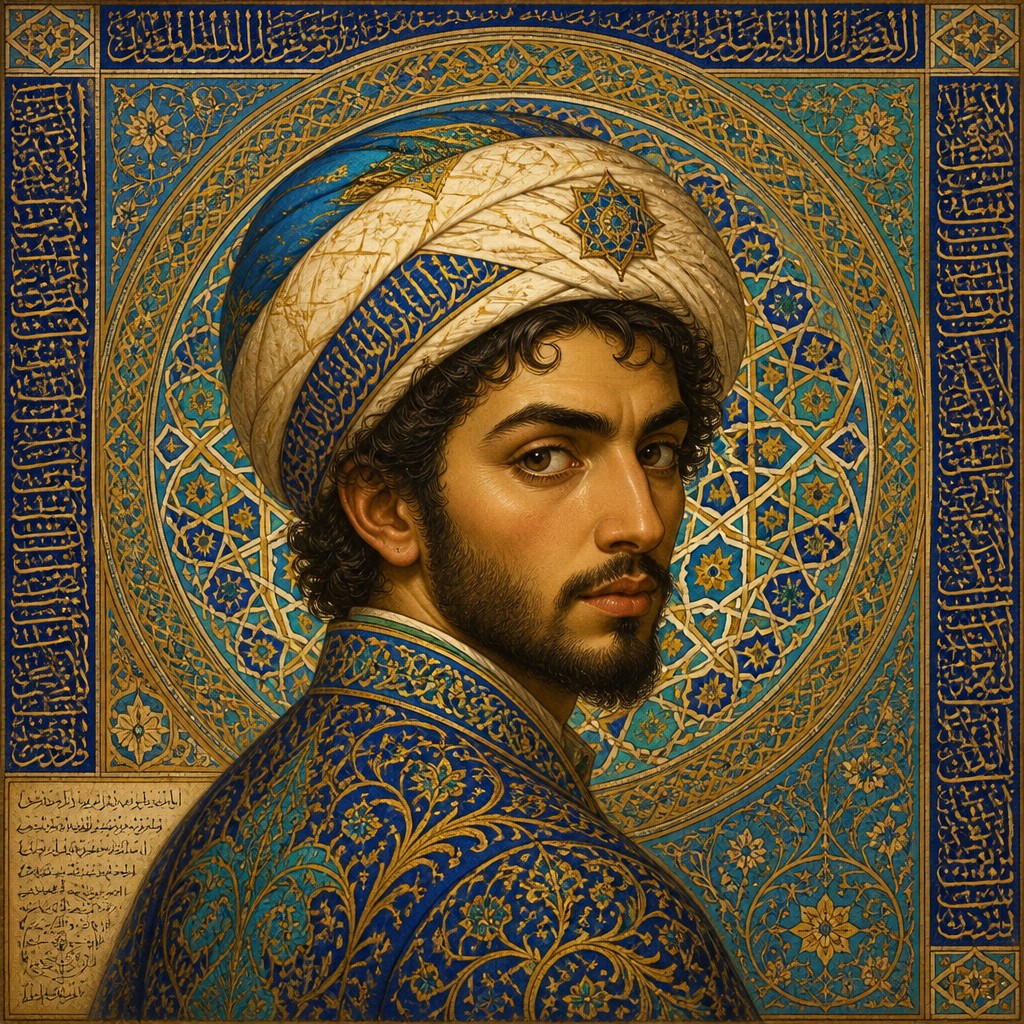
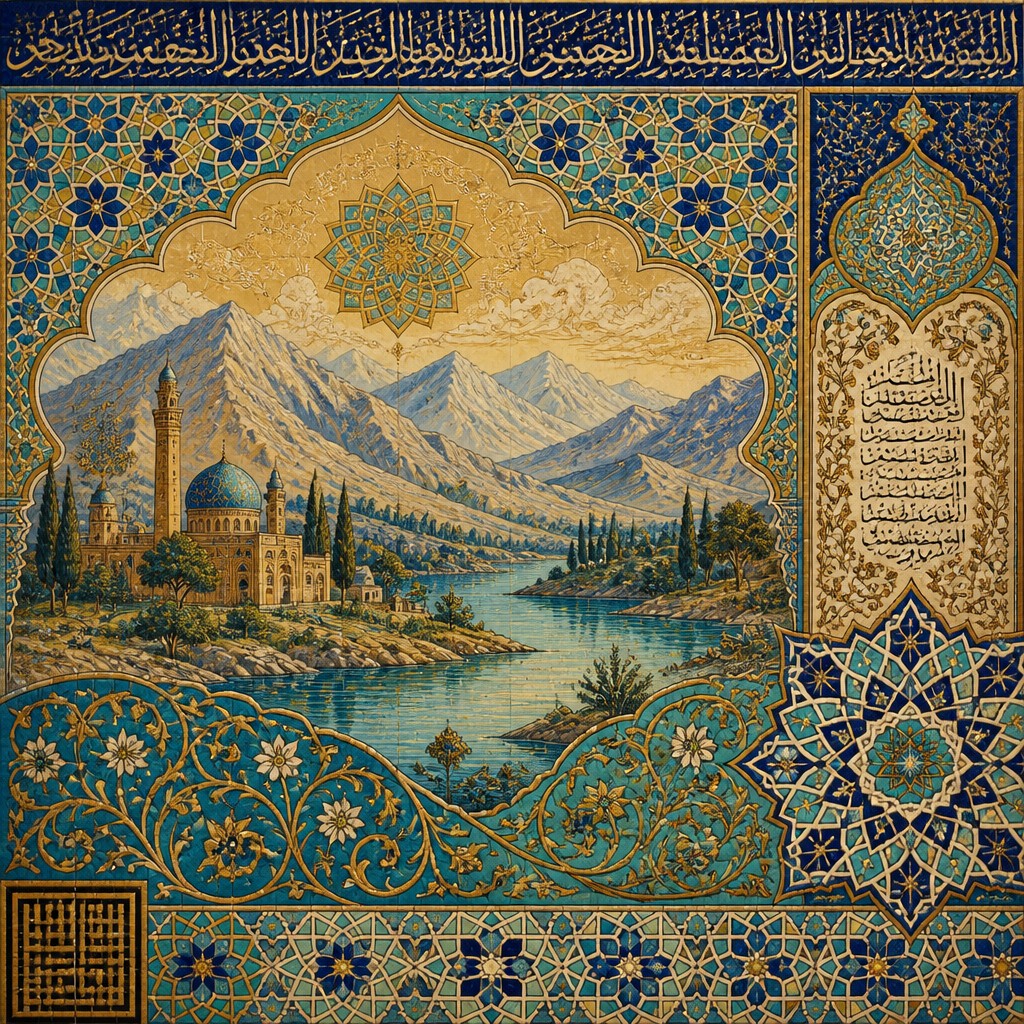
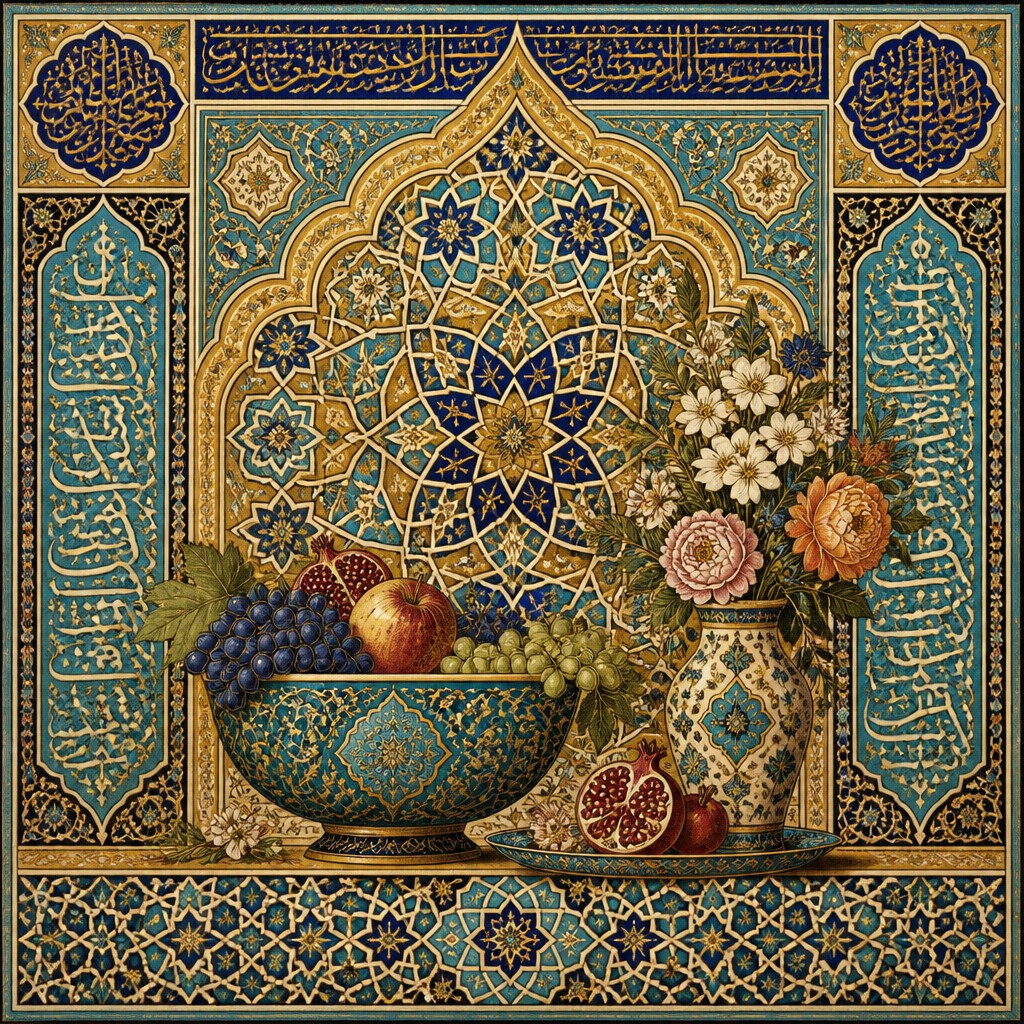
Islamic Golden Age Gallery
Tap any artwork to explore it
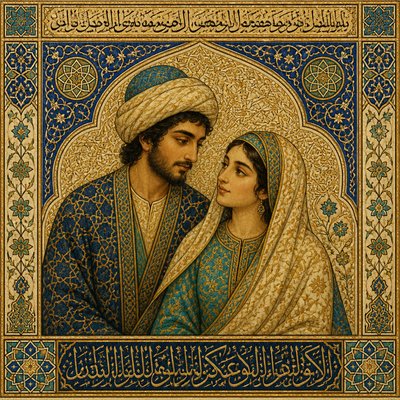
What is Islamic Golden Age Art Style?
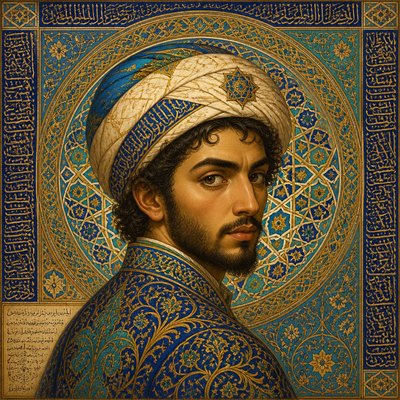
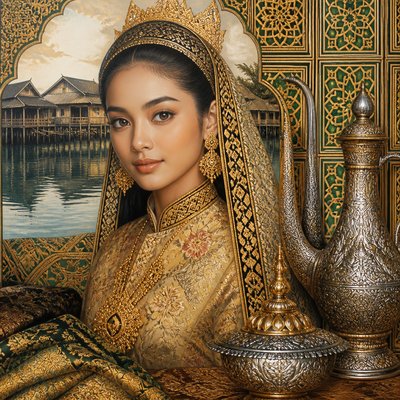
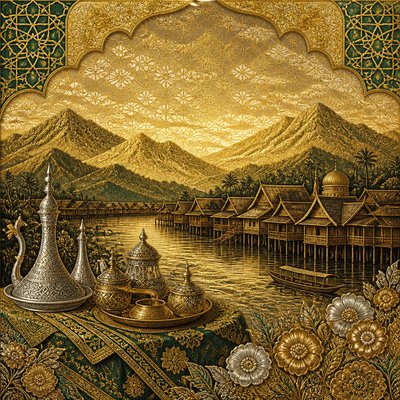
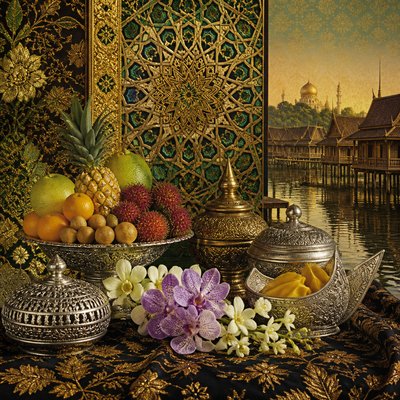
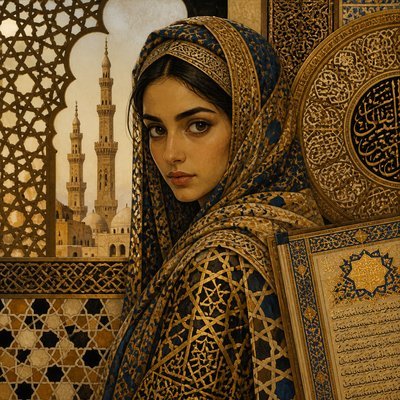
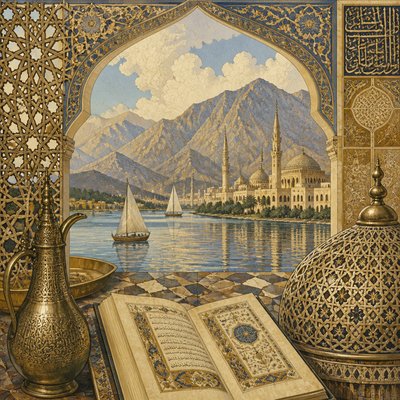
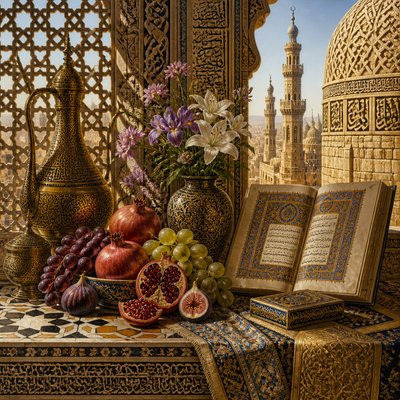
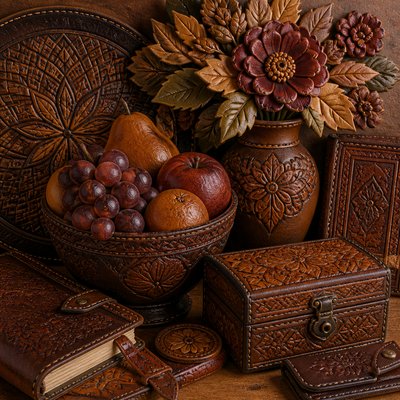
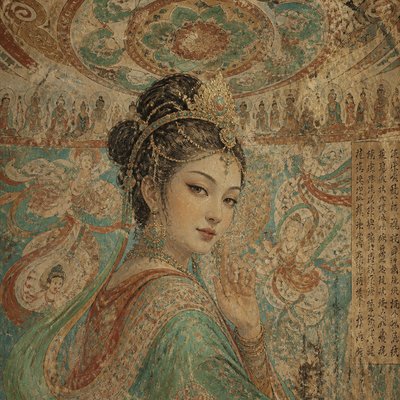
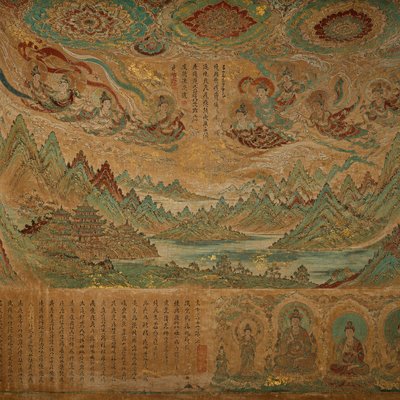
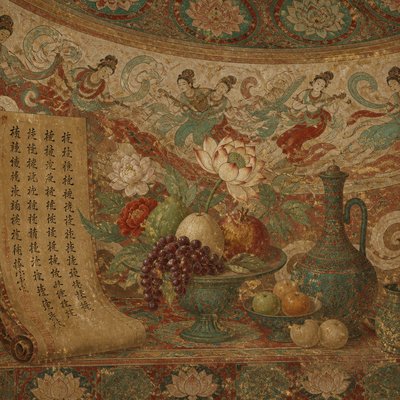
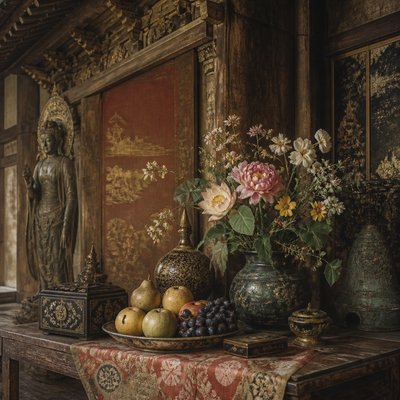
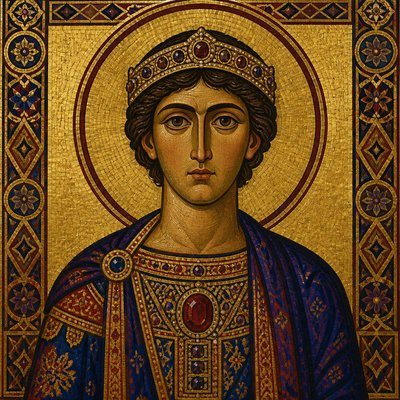
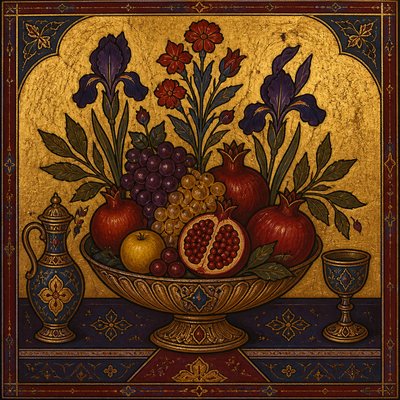
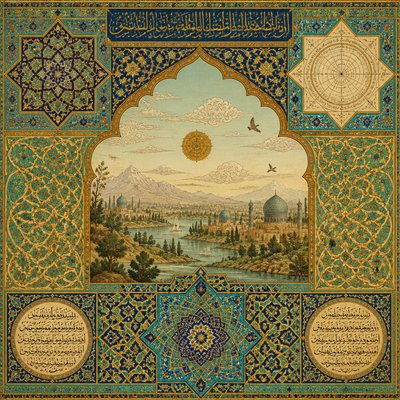
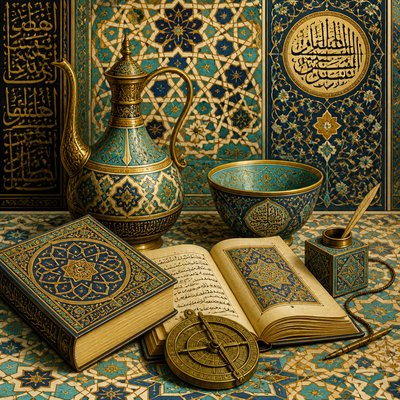
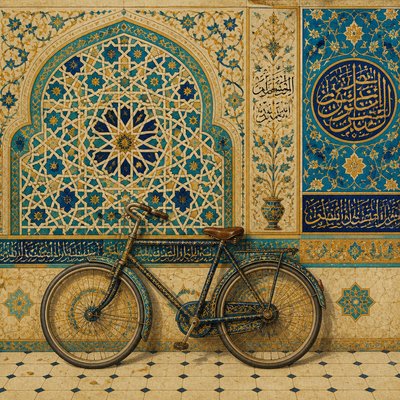
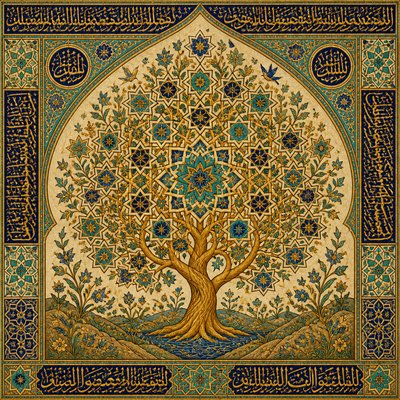
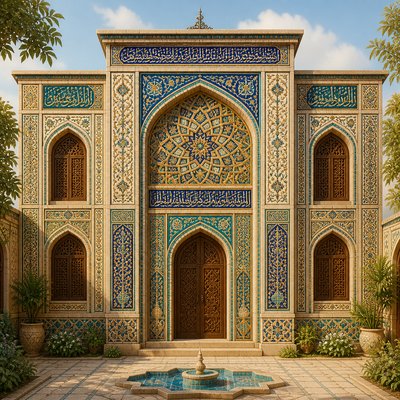
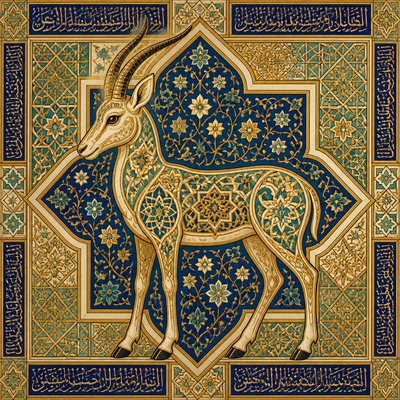
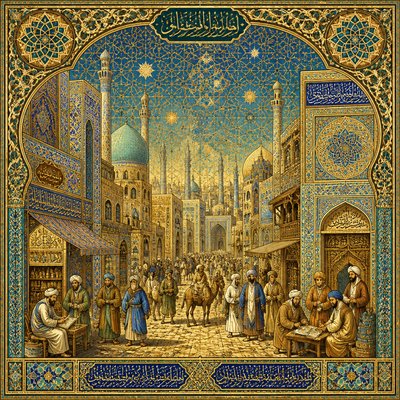
Islamic Golden Age art refers to the richly varied visual traditions that developed across the Islamic world, especially from the eighth through the fourteenth centuries. Its visual identity is associated with mathematical geometry, repeating star patterns, arabesque foliage, refined calligraphy, luminous color, and carefully ordered surfaces found in architecture, manuscripts, ceramics, textiles, metalwork, and woodwork.
The style looks both intricate and balanced because ornament is organized through proportion, repetition, symmetry, and controlled variation. Turquoise, cobalt, lapis-like blue, ivory, green, red, and gold are often set against flat or highly polished surfaces. Although nonfigurative ornament is especially prominent in religious settings, Islamic art also includes figurative painting, illustrated manuscripts, courtly objects, and architectural imagery; its forms differ across regions and periods rather than belonging to one uniform style.
Try It On Your Photos
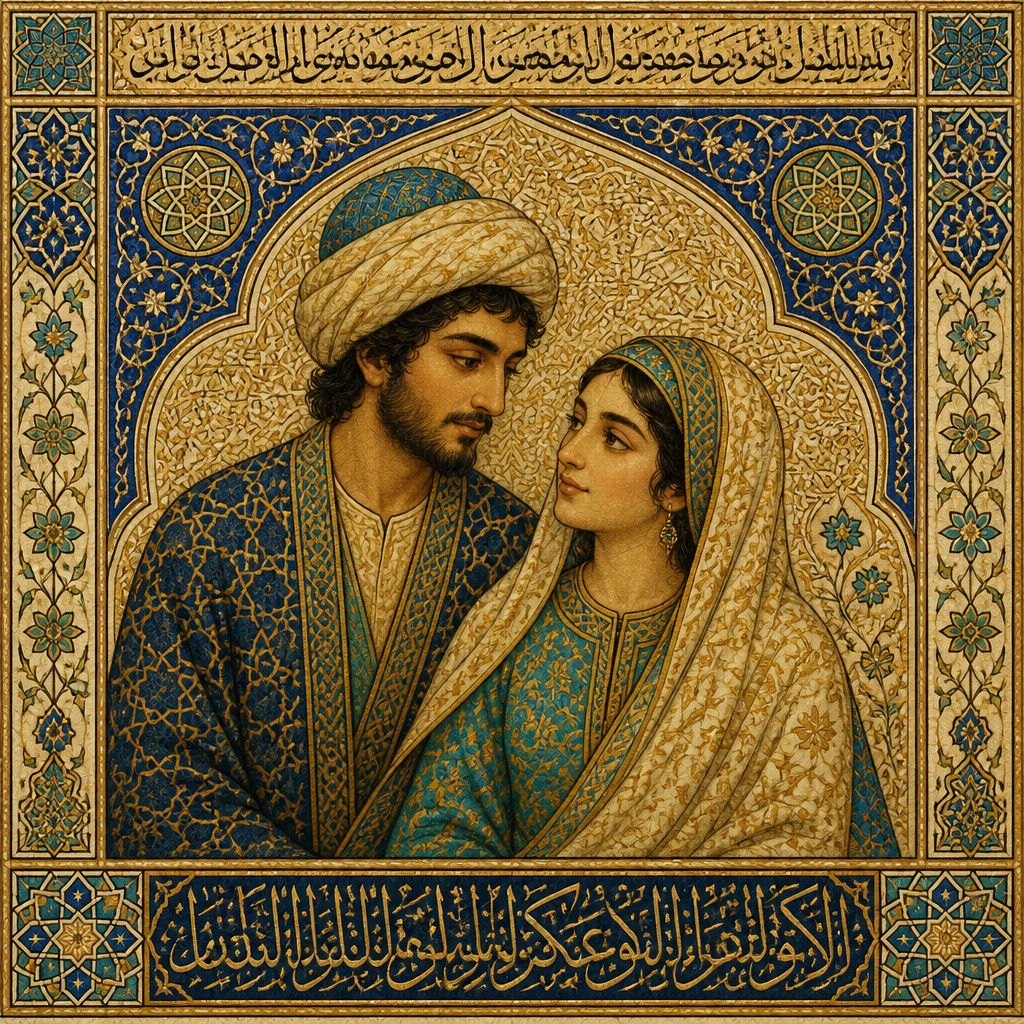
Upload any photo and convert it into Islamic Golden Age Art Style — drag the sliders to compare before and after.
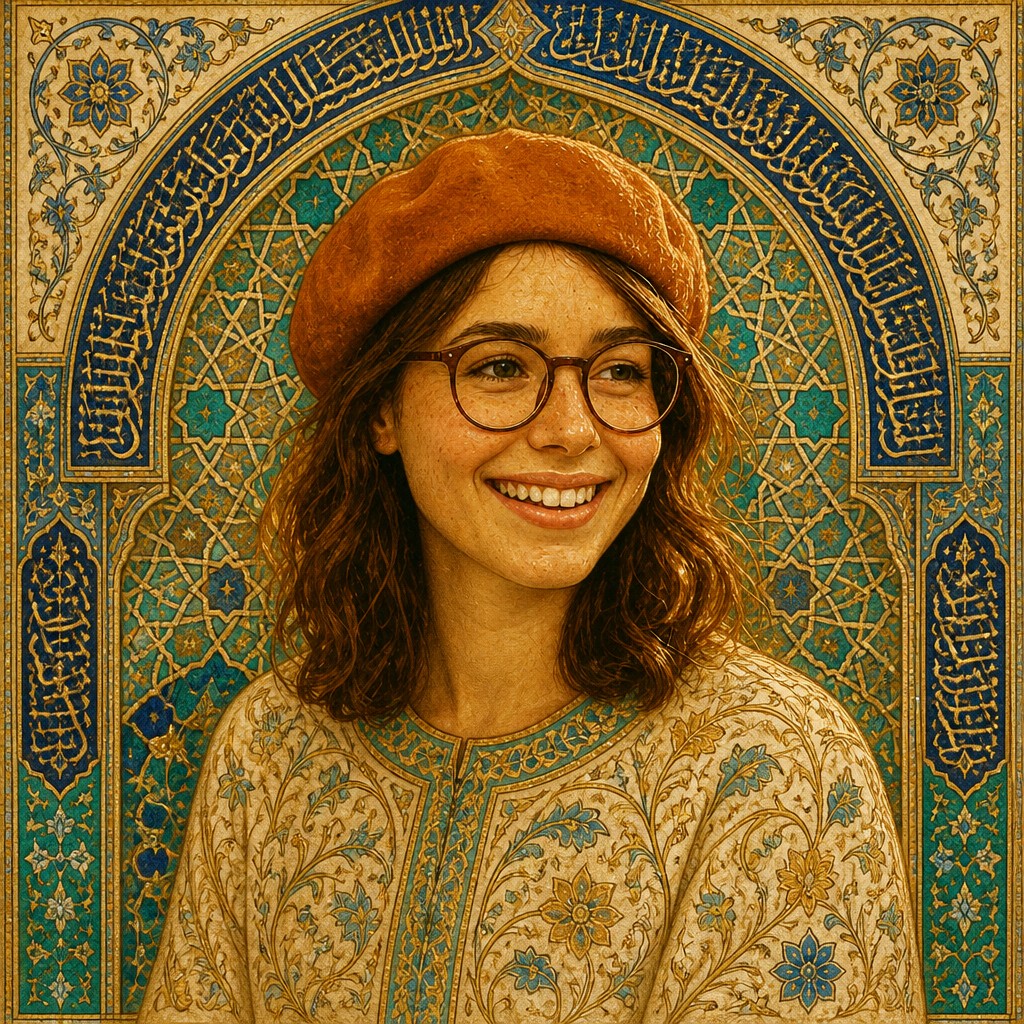

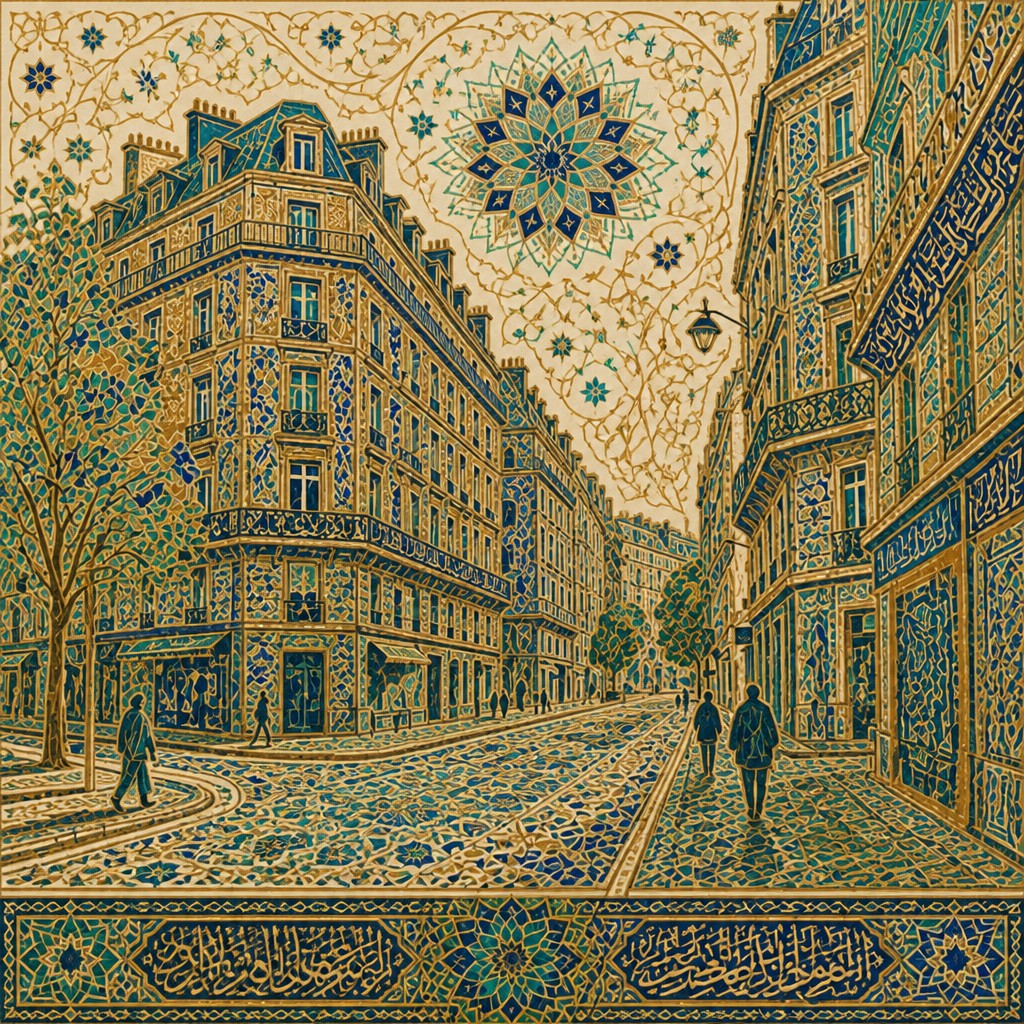

What Defines Islamic Golden Age Art Style
The signature details, up close
Geometric repetition
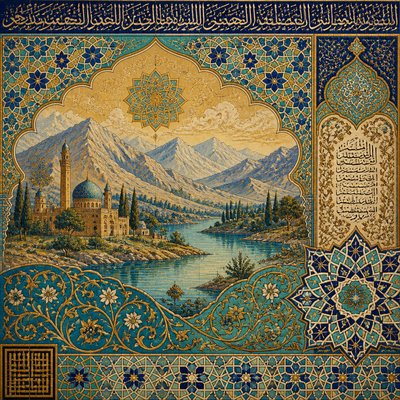
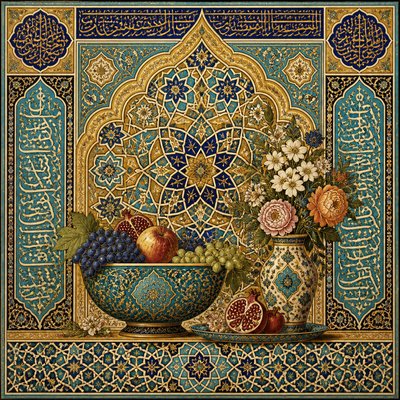
Stars, polygons, rosettes, grids, and interlocking bands create complex patterns from simple mathematical divisions. Symmetry and tessellation give surfaces a sense of order that can extend apparently without end.
Arabesque foliage
Flowing vines, split leaves, palmettes, and curling stems form rhythmic vegetal ornament. Motifs are often stylized rather than botanically literal, allowing them to interlace across borders and fields.
Calligraphic ornament
Arabic script functions as both language and visual design, appearing in monumental bands, manuscript headings, borders, and inscriptions. Letterforms are carefully proportioned and may be integrated with geometric or vegetal decoration.
Luminous color and gilding
Cobalt, turquoise, lapis blue, emerald, white, earthy red, and gold are common visual anchors. Metallic accents and saturated glazes create a jewel-like effect without relying on naturalistic shading.
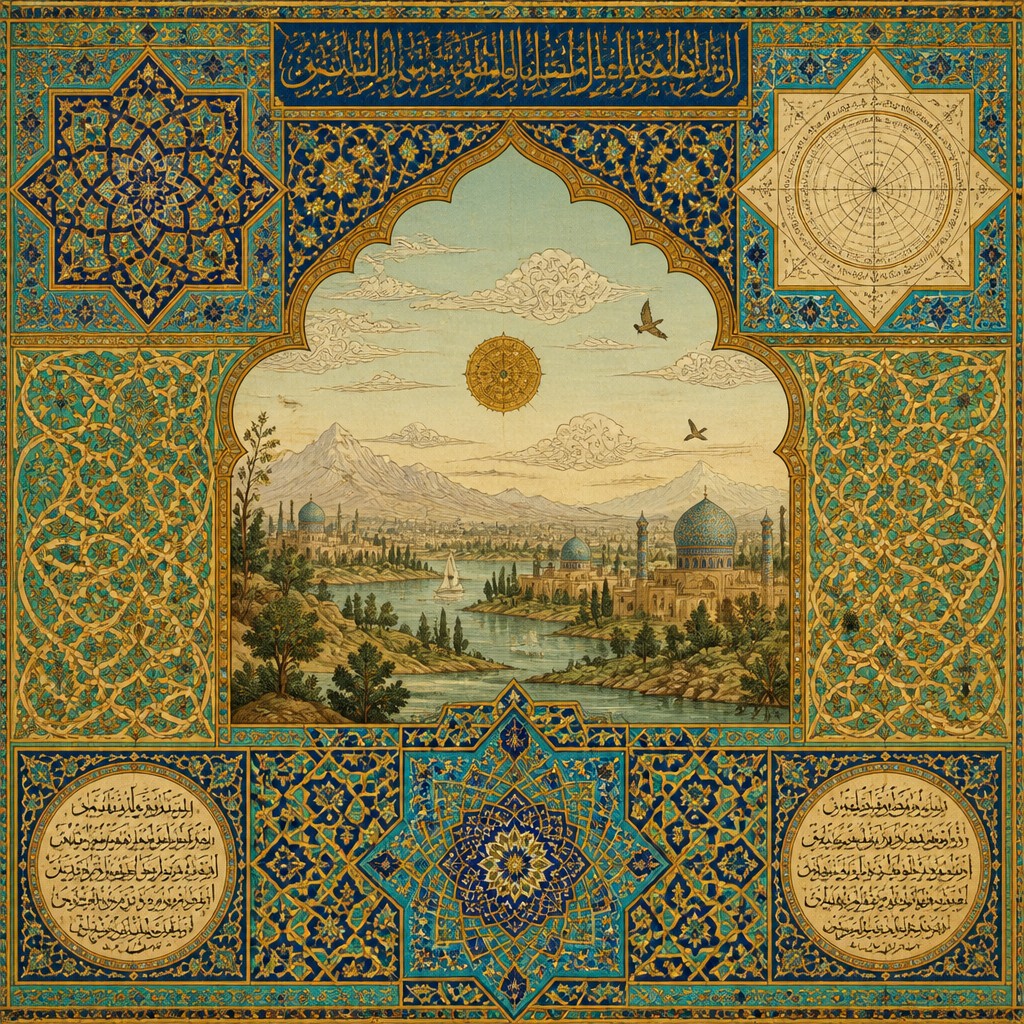
Architectural surface design
Ornament is frequently conceived for walls, domes, screens, floors, portals, and courtyards rather than isolated pictures. Tile mosaics, carved stucco, painted wood, stone inlay, and brick patterning make the surface itself the primary composition.
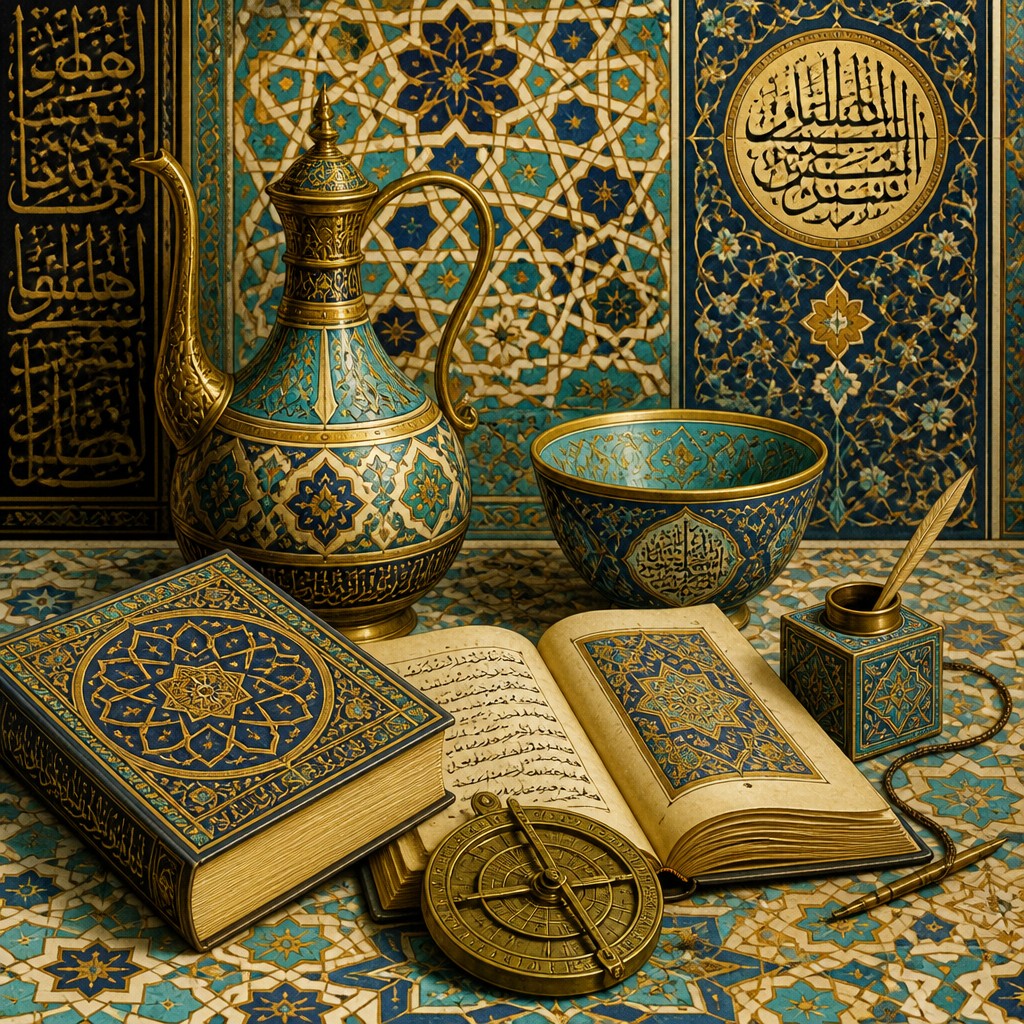
Manuscript illumination
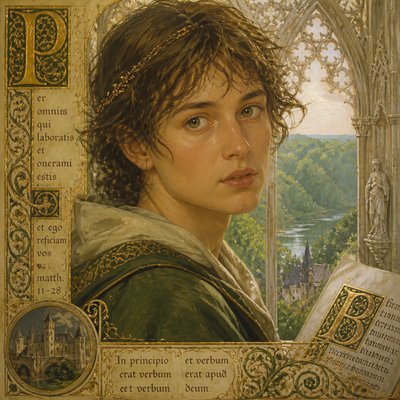
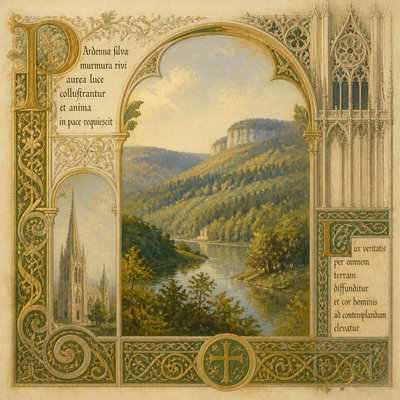
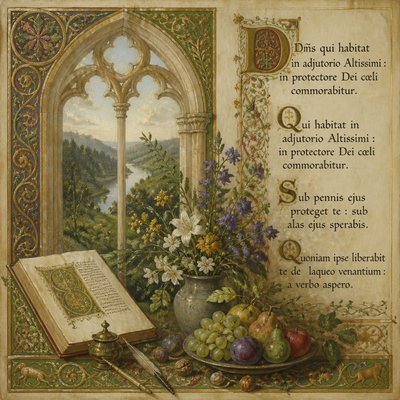
Illuminated pages use decorated margins, colored panels, gold leaf, patterned backgrounds, and carefully composed text fields. The relationship between writing, ornament, and page architecture is as important as any depicted subject.
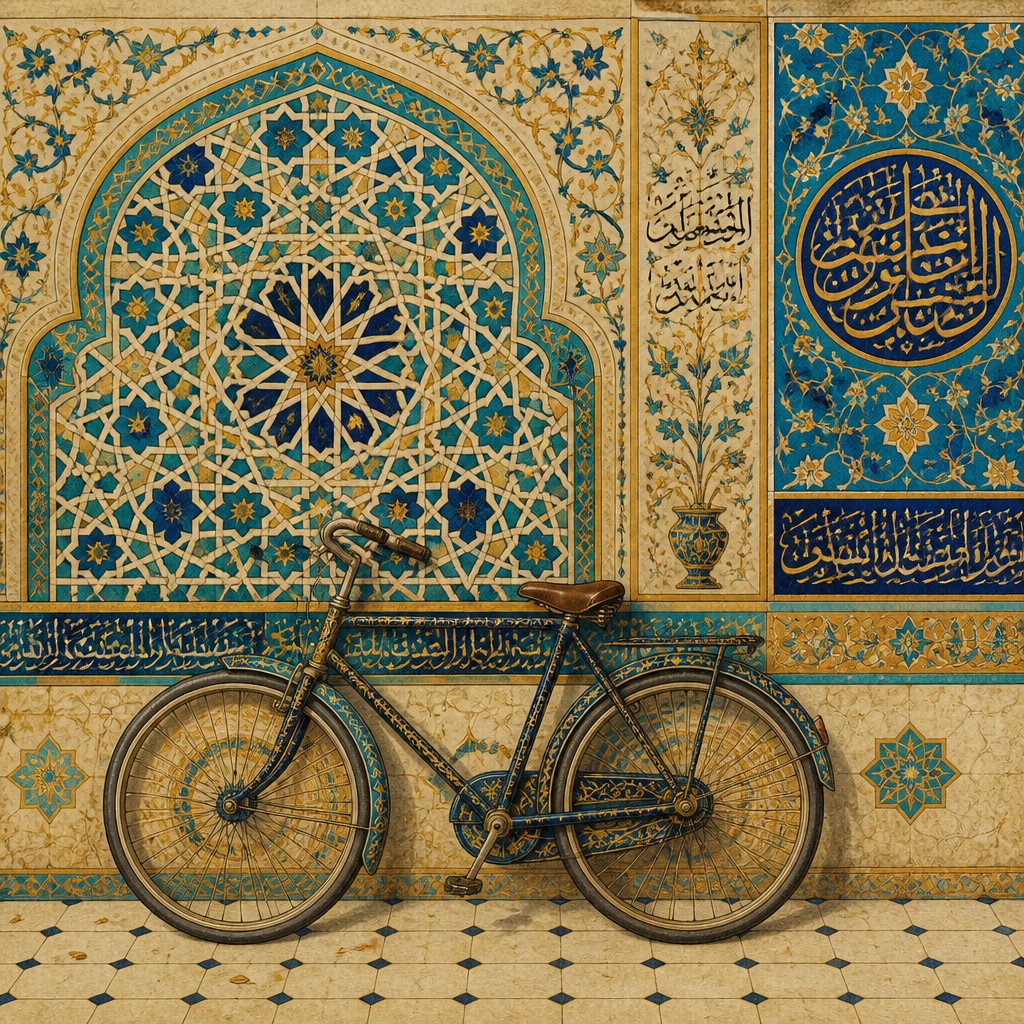
Flat, ordered composition
Many works emphasize contour, frontal pattern, and layered fields instead of single-point perspective. Depth may be suggested through overlapping motifs, architectural framing, scale shifts, or dense surface detail.
Try It
Create Videos in Islamic Golden Age Art Style
Styles aren't just for stills — describe a scene or animate an image and get a short video rendered in Islamic Golden Age. Press play to see this pond come to life.
Make a VideoIslamic Golden Age Prompt Ideas
Start from an idea — each one opens the generator with the style ready to go. See all 40 Islamic Golden Age prompts →
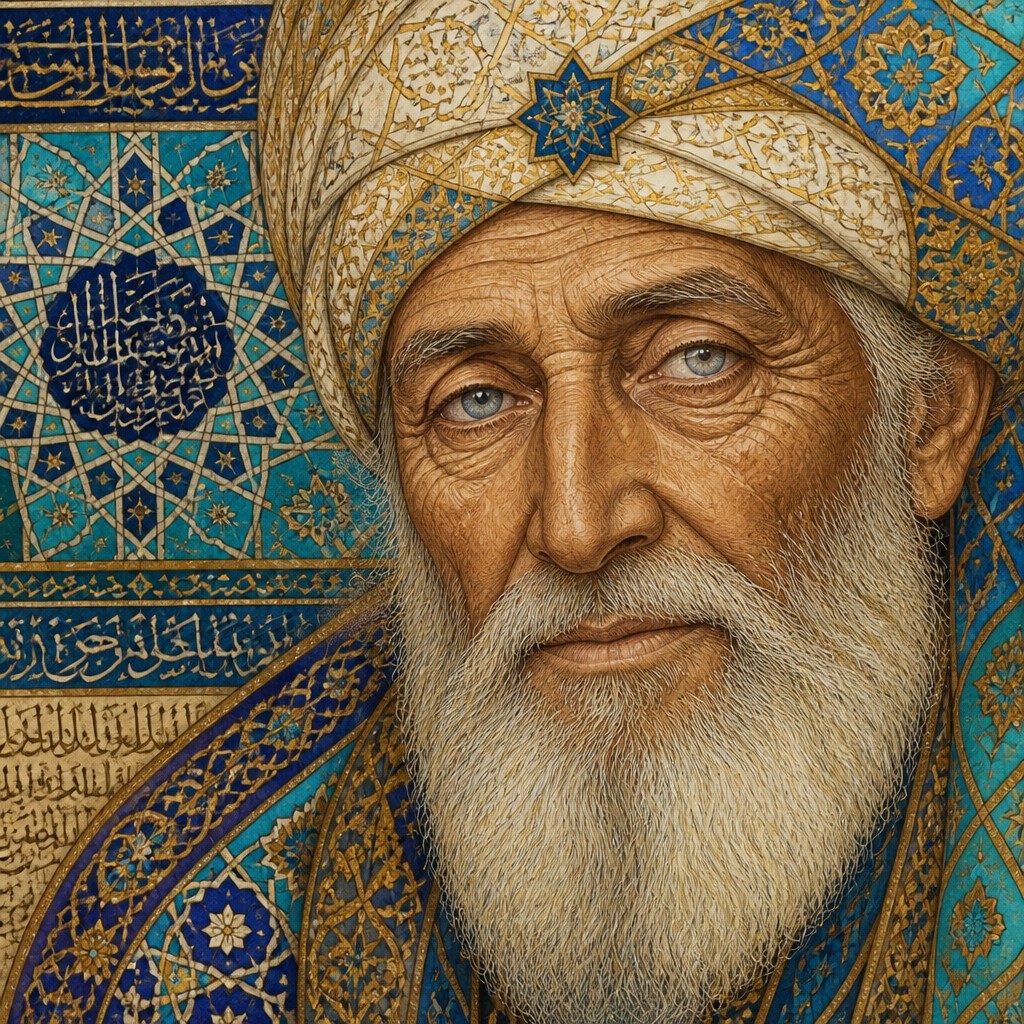
“close-up portrait of an elderly person with expressive weathered features”
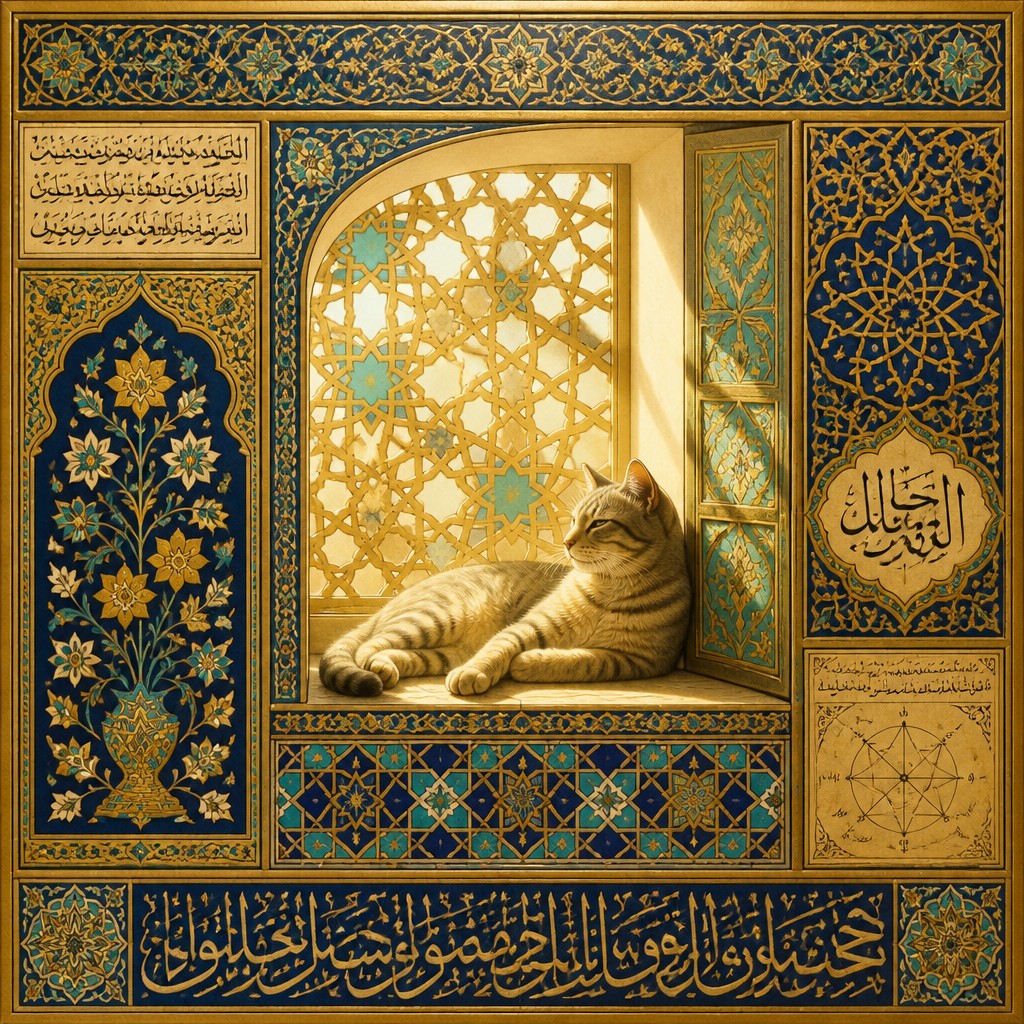
“a cat lounging in a sunlit window”
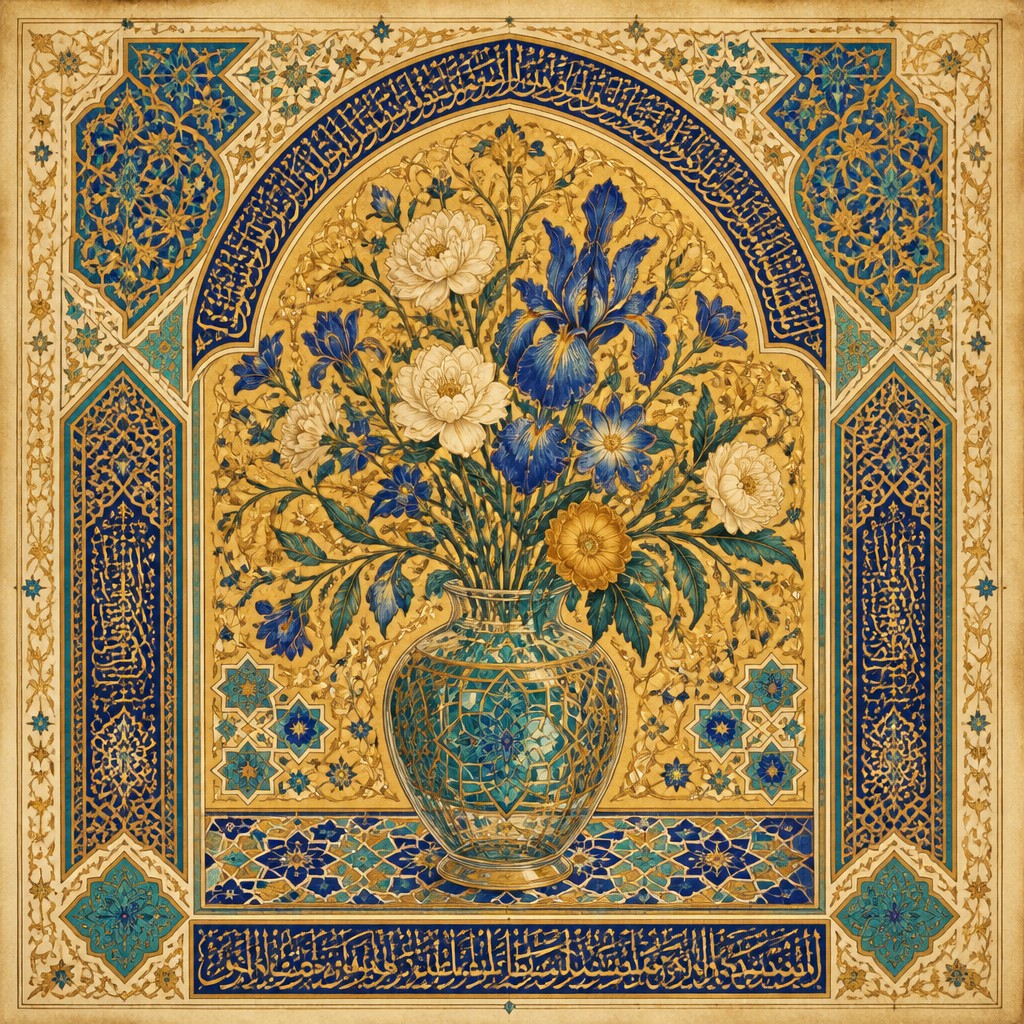
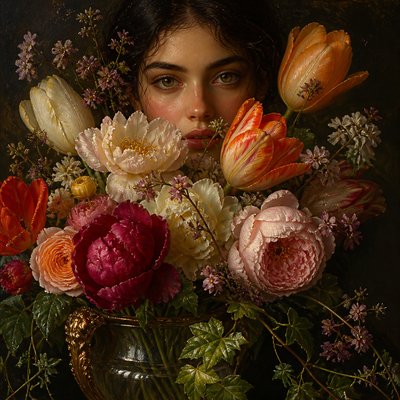
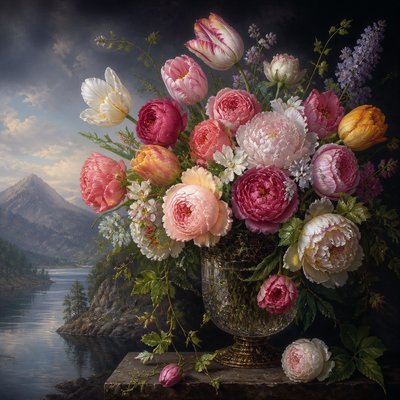
“bouquet of flowers in a glass vase”
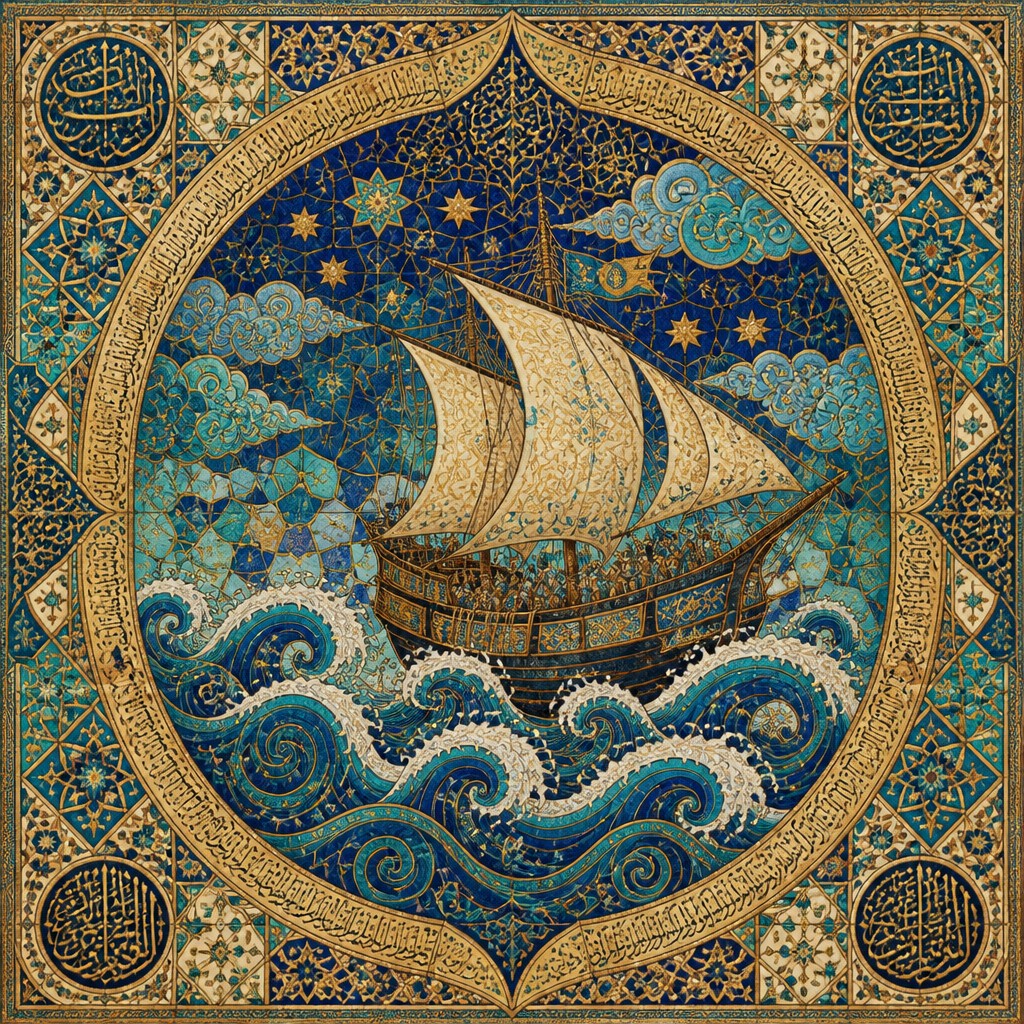
“sailing ship on a stormy sea”
How to Create Islamic Golden Age Art
Master the craft step by step — or skip straight to creating. Read the full guide →
- 1
Build a geometric module
Start with a circle divided into equal sections, then construct stars, polygons, or interlacing straps from the resulting grid. Repeat the module across the surface and introduce only measured variations to preserve visual coherence.
- 2
Develop an arabesque rhythm
Draw a continuous stem with balanced curls, leaves, and split-palmette forms, keeping the spacing even as the vine branches. Use a compass, ruler, tracing paper, or vector guides for clean repetition.
- 3
Treat lettering as composition
For traditional work, study the proportions of an appropriate Arabic calligraphic script and plan the text field before ornamenting it. In digital work, use accurate, legible text assets rather than relying on image synthesis to reproduce long inscriptions.
- 4
Choose a material language
For a tile-like result, use hard-edged color fields, thin grout lines, glossy highlights, and slight glaze variation; for a manuscript effect, add paper fibers, burnished gold, fine outlines, and illuminated borders. Keep texture subordinate to the underlying pattern.
- 5
Control color and hierarchy
Limit the palette to a few saturated hues with ivory or dark outlines, then reserve gold or the brightest tone for focal borders and calligraphy. Establish a large field, a secondary pattern, and small accents so intricate detail does not become visual noise.
- 6
Write a precise generation prompt
Specify the subject, regional or material reference, geometric structure, palette, surface, level of detail, and composition; for example, request a cobalt-and-turquoise tile panel with an eight-point star grid and a restrained gold border. Add instructions such as clean tessellation, balanced symmetry, and no garbled writing when legible text matters.
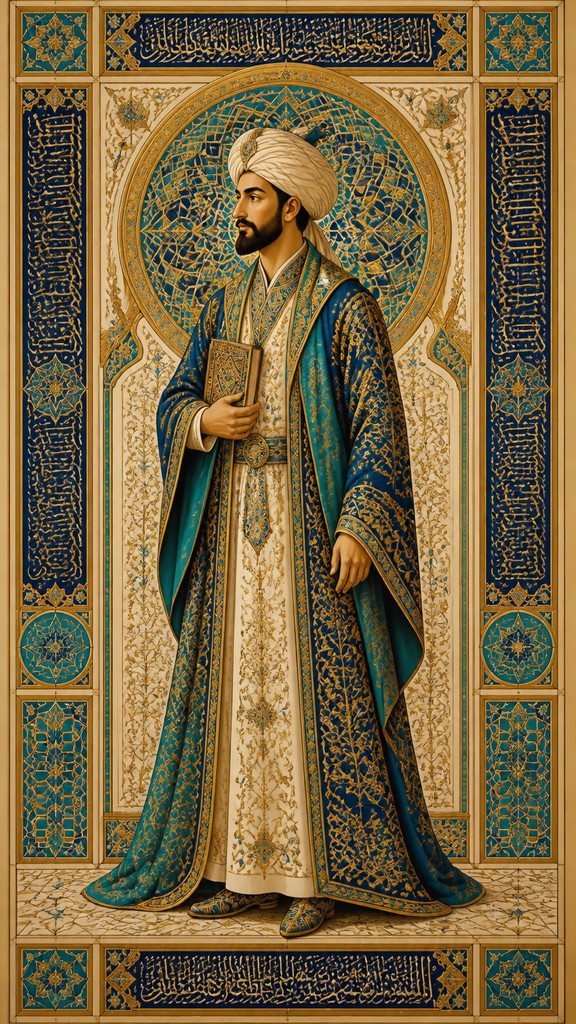
The Story
History & Origins of Islamic Golden Age
The Islamic Golden Age is generally associated with intellectual, artistic, and scientific flourishing from the eighth to the fourteenth century, although its exact boundaries vary by region. Artistic production expanded through the Abbasid, Persianate, Seljuk, Mamluk, and other courts and urban centers, while trade and scholarship connected the Middle East, North Africa, Iberia, Central Asia, and South Asia. Earlier Mediterranean, Byzantine, Persian, and Central Asian traditions were reinterpreted within new Islamic cultural contexts.
The period saw major developments in Qur'anic manuscripts, book illumination, ceramic glazing, architectural tilework, geometric design, and the systematic use of calligraphy as a principal art form. Later Ottoman, Safavid, Mughal, and North African traditions continued and transformed these foundations, so the term is best understood as a broad historical lineage rather than a single regional style.
Influences: This style draws on Qur'anic manuscript illumination, Arabic calligraphy, Persianate book arts, Byzantine and late antique mosaic, Sasanian and Central Asian ornament, North African tilework, Andalusian architectural decoration, and the mathematical study of tessellation and proportion. It is related to arabesque design, Islamic geometric pattern, Persian miniature painting, Ottoman decorative arts, Mughal ornament, and the broader history of ornamental design, while remaining distinct from any one of those regional traditions.

Frequently Asked Questions
What defines Islamic Golden Age art?
Its most recognizable features are geometric pattern, arabesque vegetation, calligraphy, luminous color, gilding, and highly ordered surface decoration. The historical category is broad, so individual works may emphasize architecture, manuscripts, ceramics, textiles, metalwork, or figurative imagery.
When did Islamic Golden Age art develop?
The term usually refers to artistic and intellectual developments from roughly the eighth through the fourteenth centuries. Its chronology varies by region, and many of its techniques and motifs continued in later Ottoman, Safavid, Mughal, North African, and other traditions.
Is Islamic art always nonfigurative?
No. Religious architecture and manuscript decoration often favor calligraphy and abstract or vegetal ornament, but secular objects, palace arts, and illustrated manuscripts can include people, animals, and narrative scenes. The balance between figuration and ornament differs by medium, patron, region, and historical context.
How is it different from arabesque pattern?
Arabesque is one ornamental component: a flowing arrangement of stylized leaves, stems, and vines. Islamic Golden Age art is a broader historical field that also includes geometry, calligraphy, architecture, manuscript illumination, ceramics, textiles, and figurative arts.
What materials and techniques are associated with this style?
Important techniques include glazed tile mosaic, painted ceramics, carved stucco, stone and brick patterning, manuscript illumination, gold leaf, textile weaving, metal inlay, and wood carving. Artists commonly relied on grids, compasses, proportional systems, repeated templates, and disciplined brush or pen work.
How can I create a convincing image in this style?
Define a clear subject first, then specify a geometric grid, arabesque treatment, palette, material surface, and compositional symmetry. For generated images, request tessellation and ornamental hierarchy explicitly, and avoid asking for long readable inscriptions unless you plan to add the calligraphy separately.
Create your first Islamic Golden Age artwork
Describe anything — or upload a photo — and see it in Islamic Golden Age Art Style in seconds.
Related Styles
Discover similar art styles