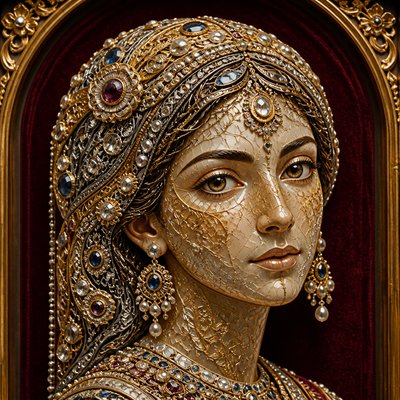
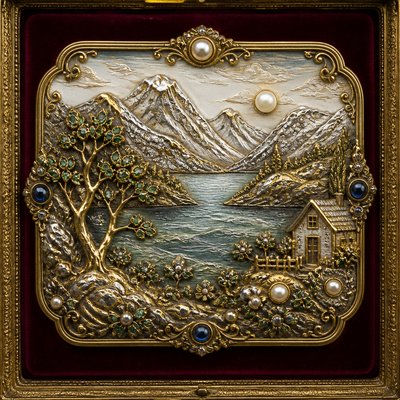
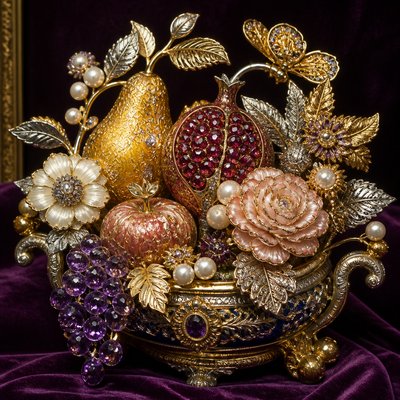
Romantic Classical Art Style
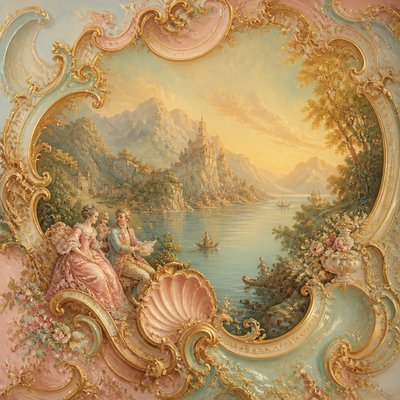
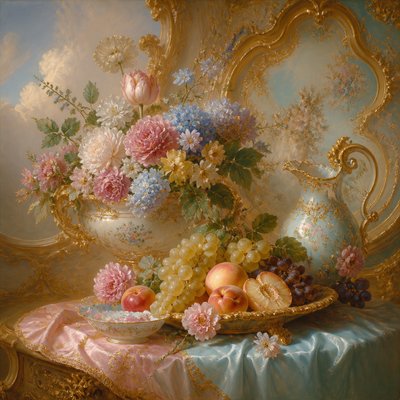
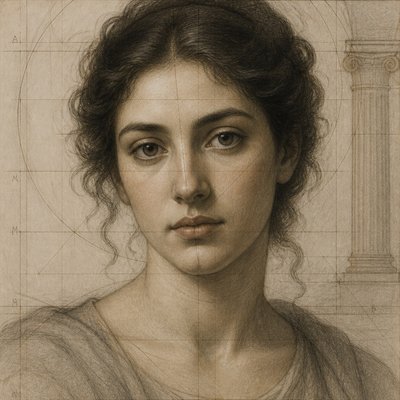
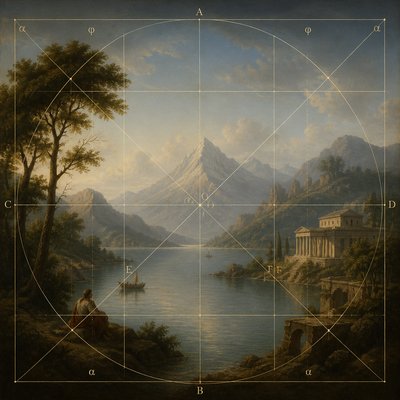
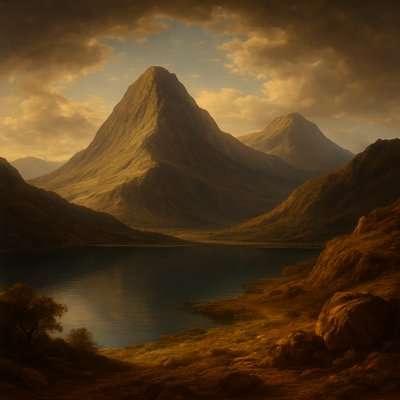
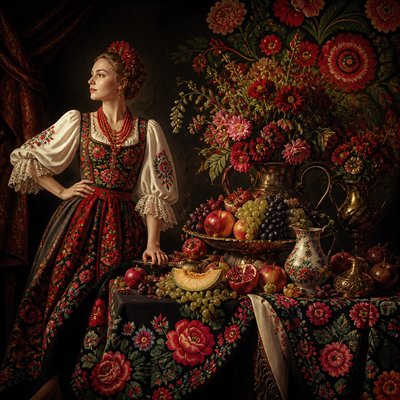
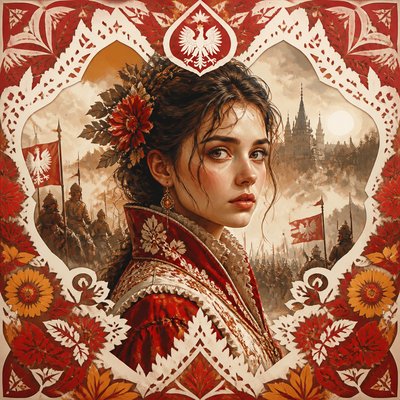
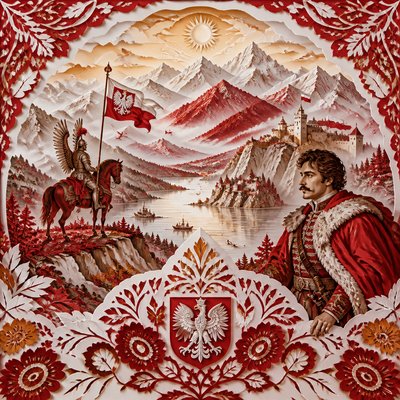
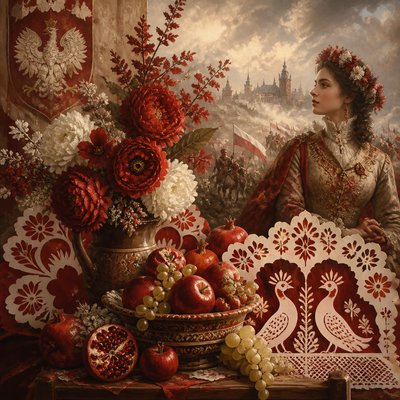
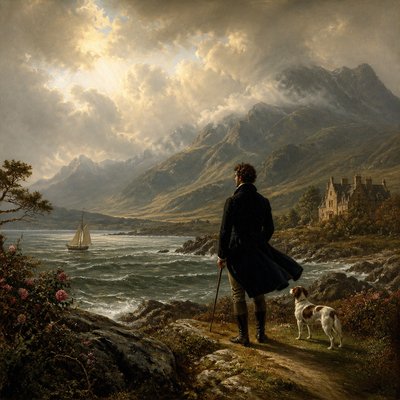
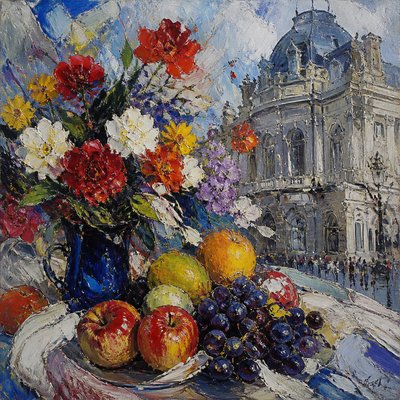
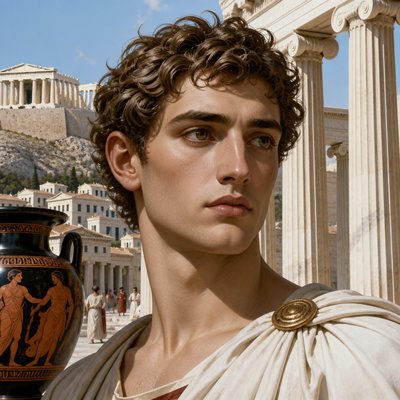
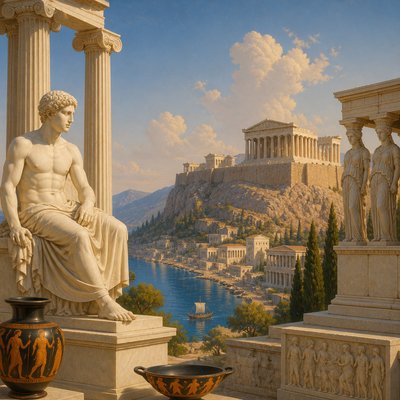
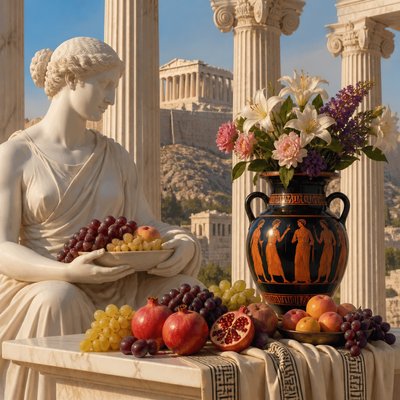
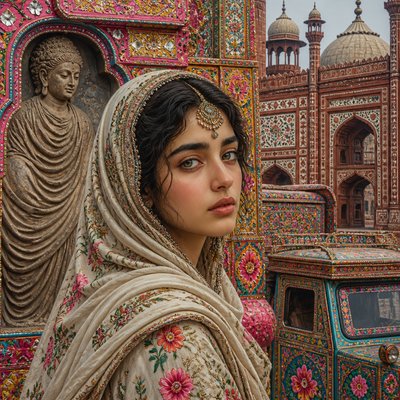
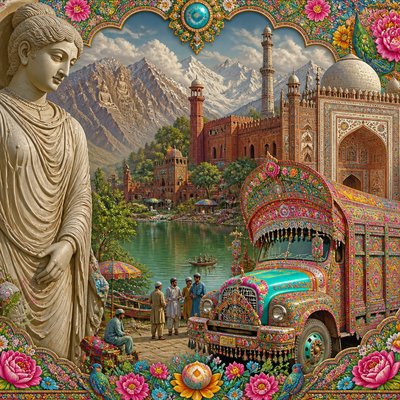
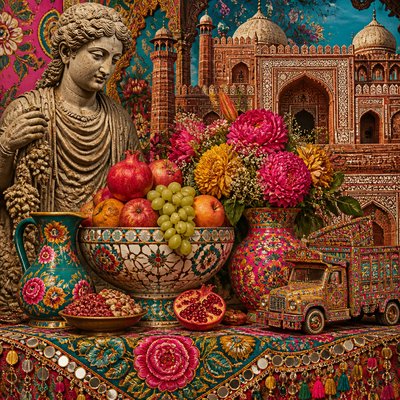
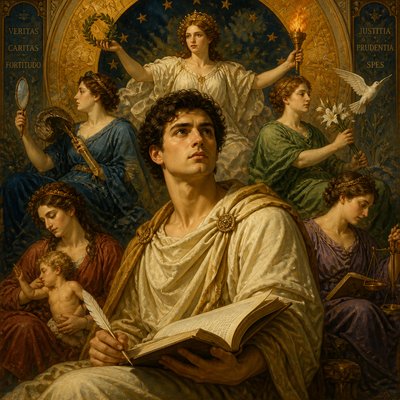
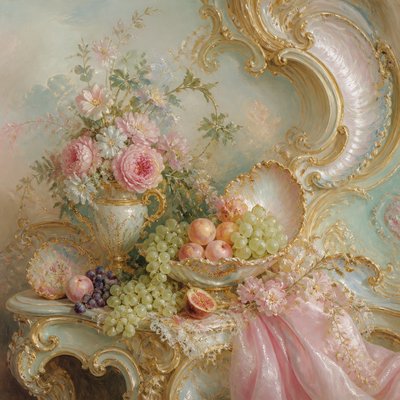
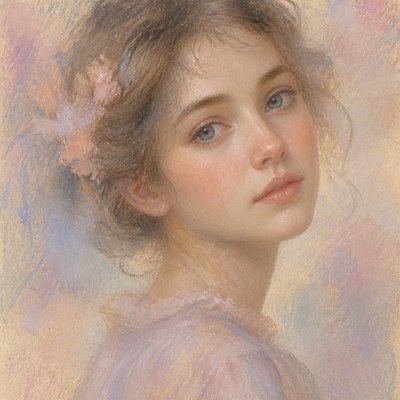
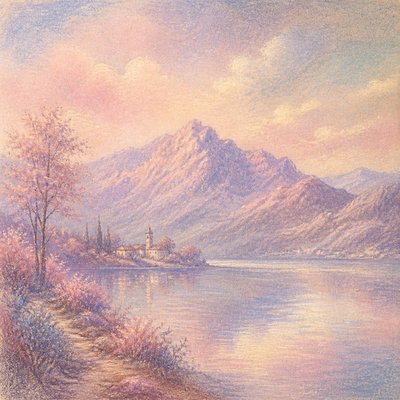
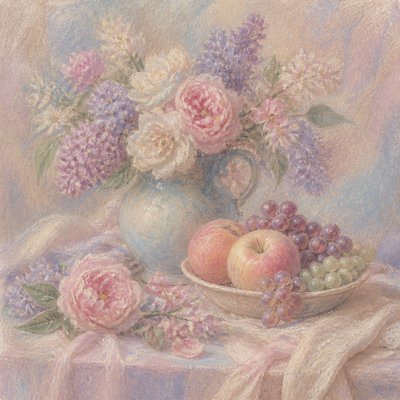
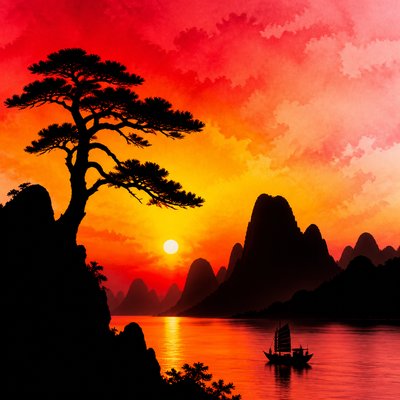
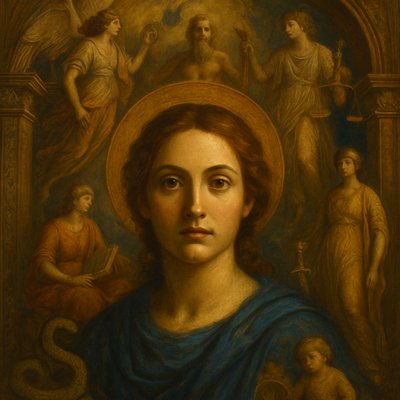
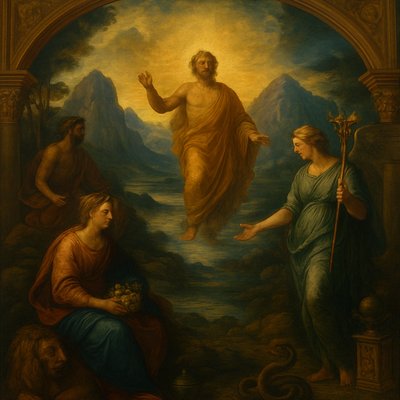
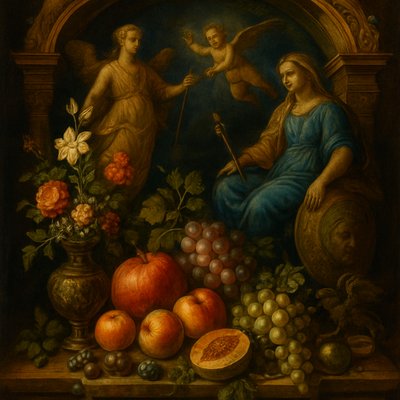
Romantic classical art: dramatic skies, sublime landscapes, rich chiaroscuro, and emotionally charged scenes shaped by longing and awe.
Instantly rendered in Romantic Classical — or transform a photo
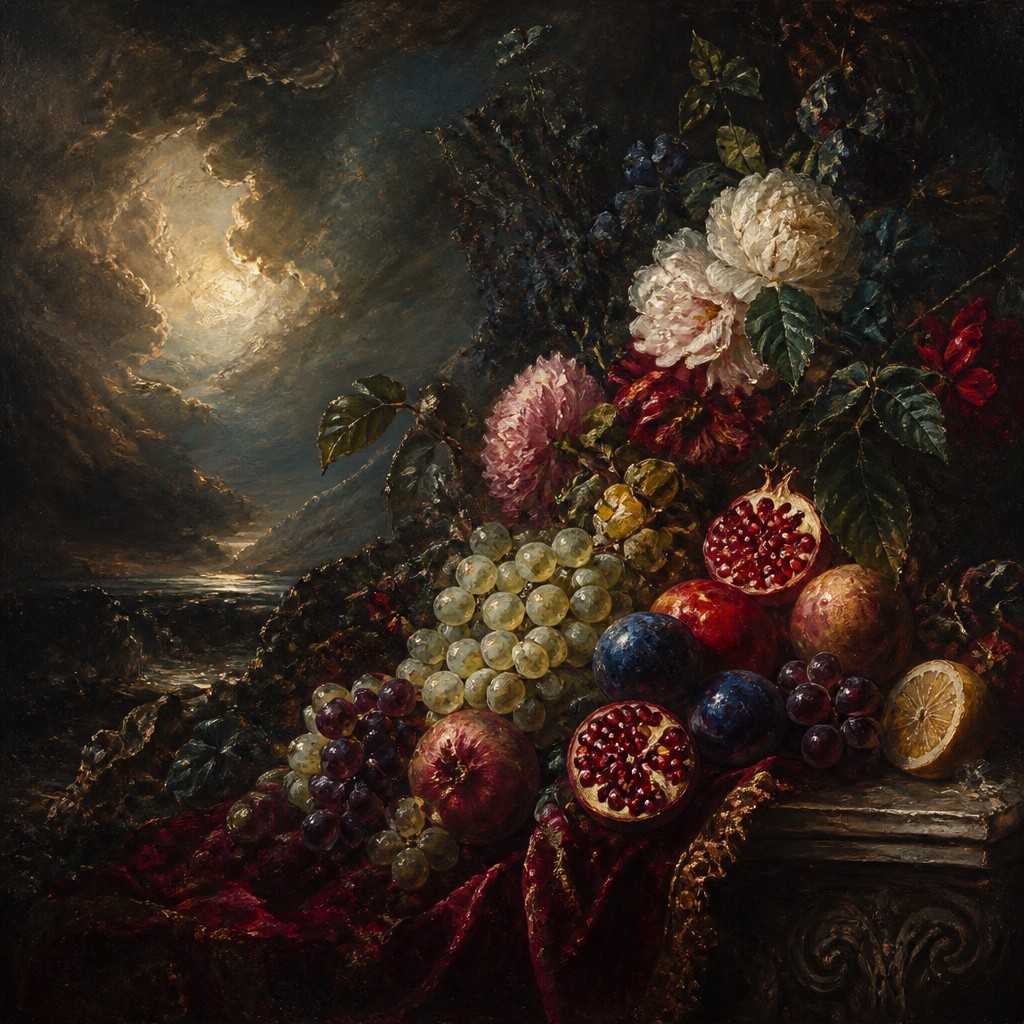
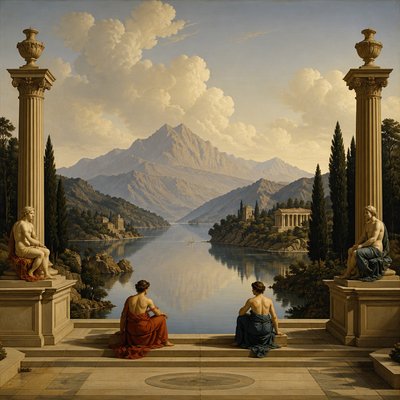
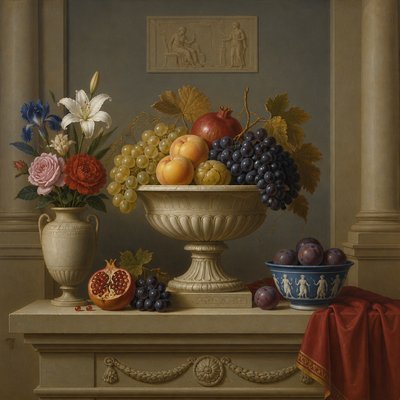
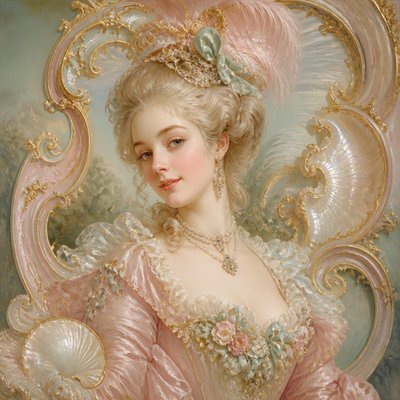
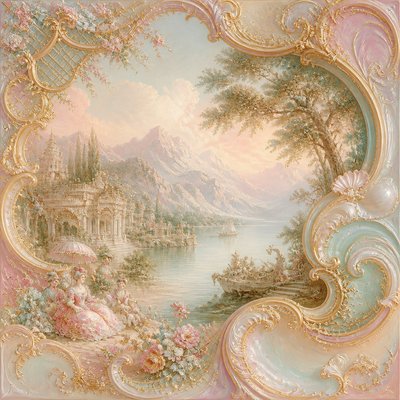
Romantic Classical Gallery
Tap any artwork to explore it
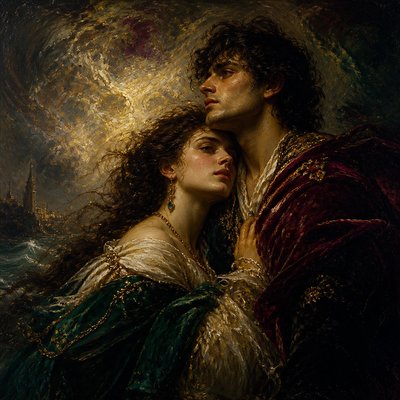
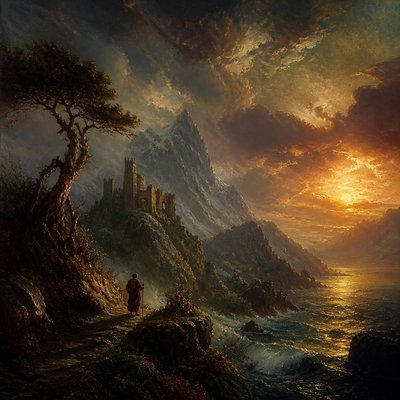
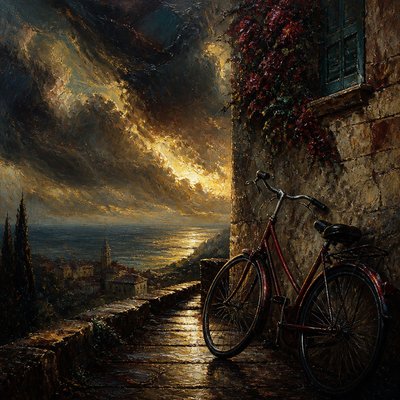
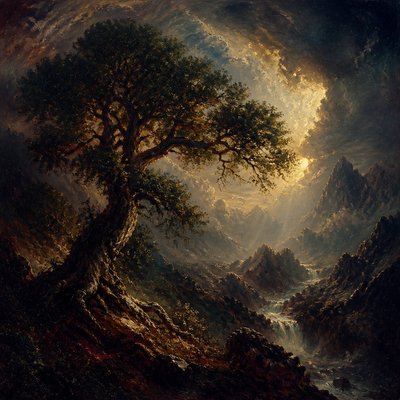
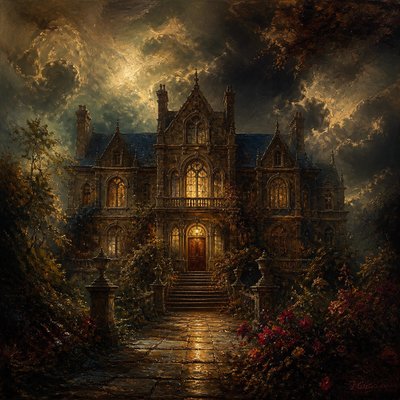
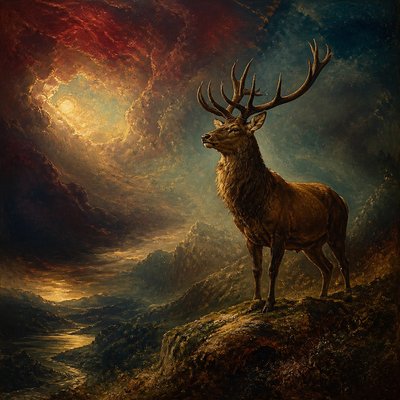
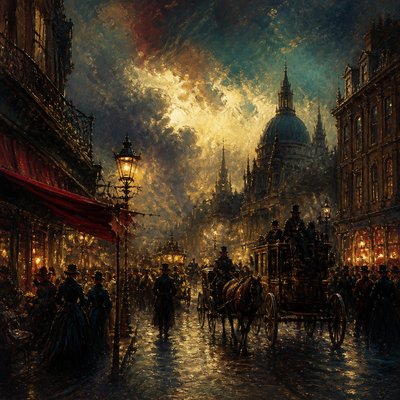
What is Romantic Classical Art Style?
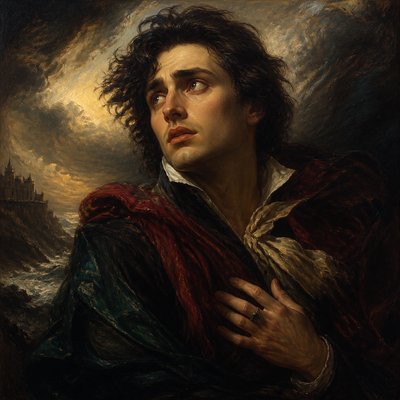
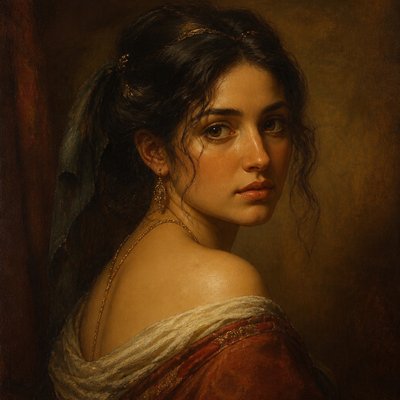
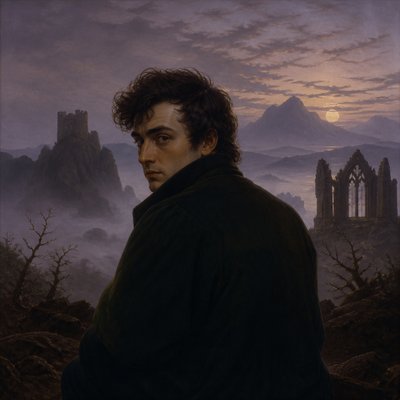
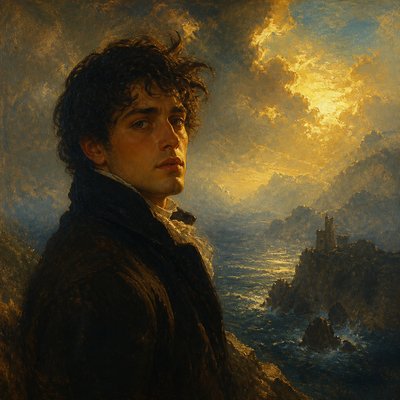
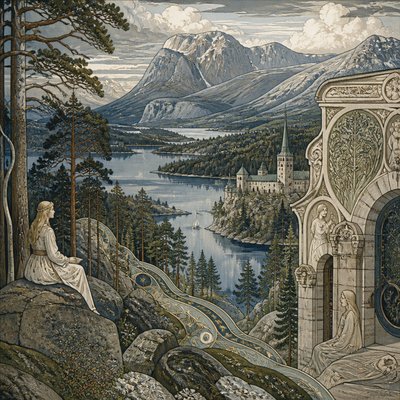
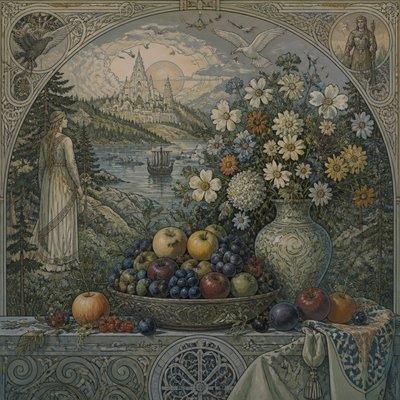
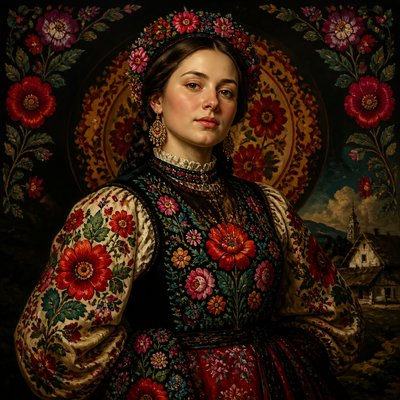
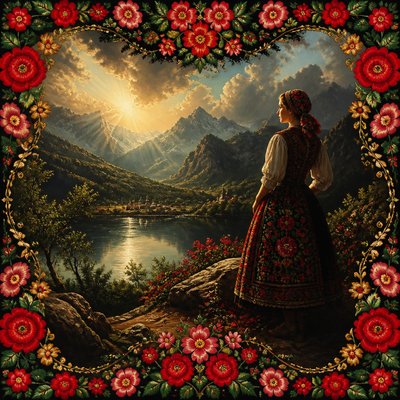
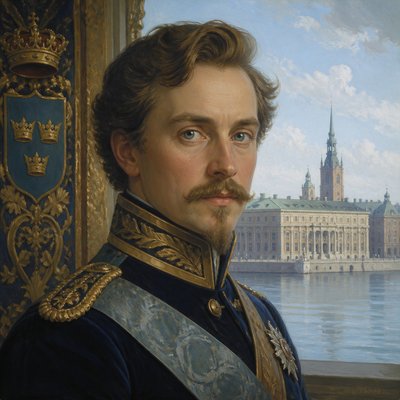
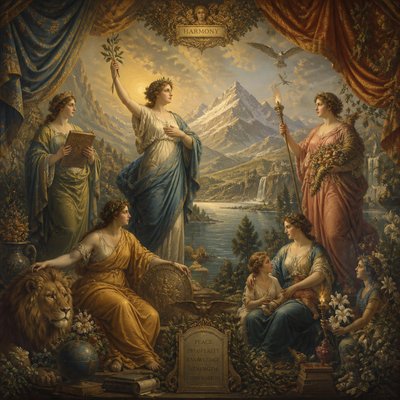
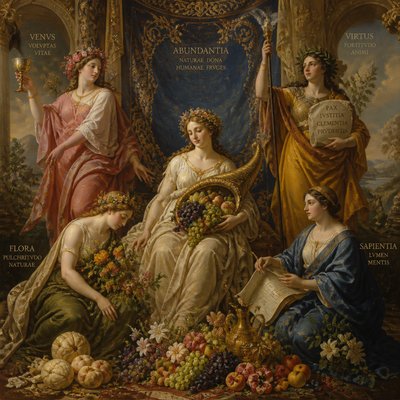
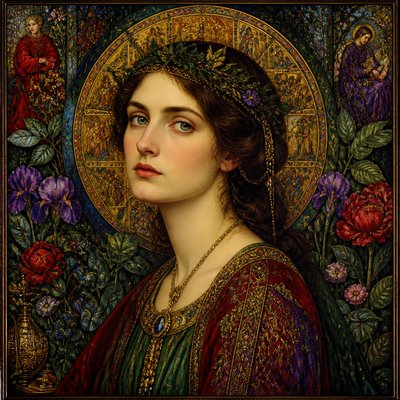
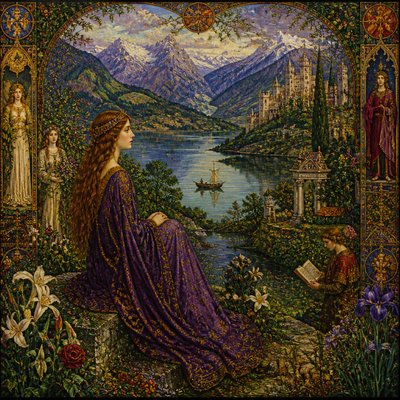
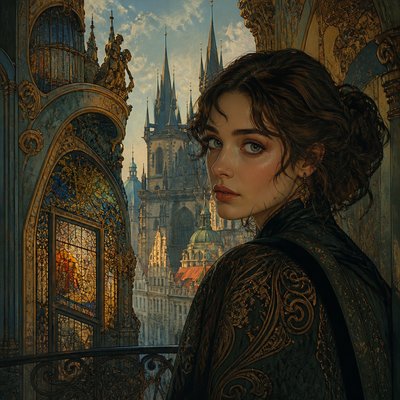
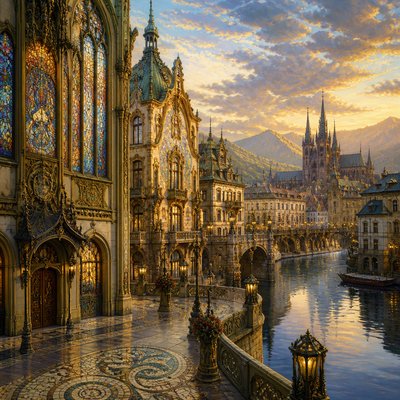
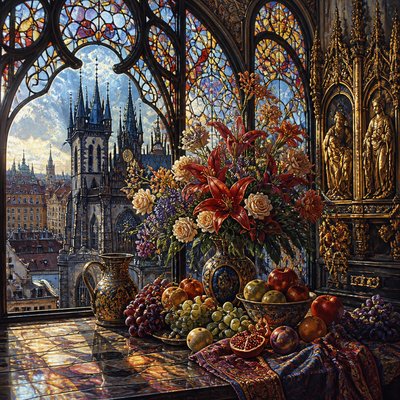
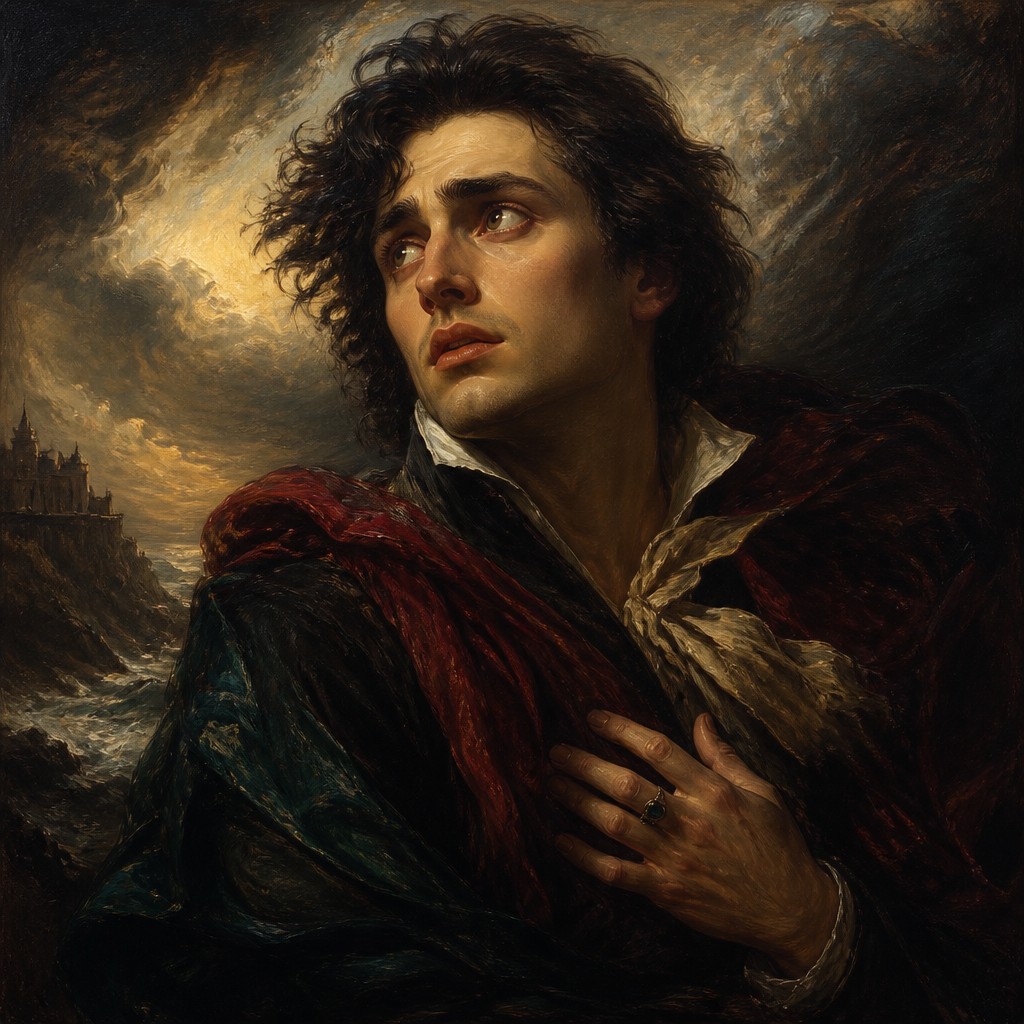
Romantic classical art is a visually dramatic style rooted in the emotional aims of Romanticism and the compositional discipline of academic painting. It favors sublime natural settings, stormy skies, heroic or solitary figures, and scenes charged with psychological tension rather than calm idealization. The result is an image language built around awe, melancholy, danger, and longing.
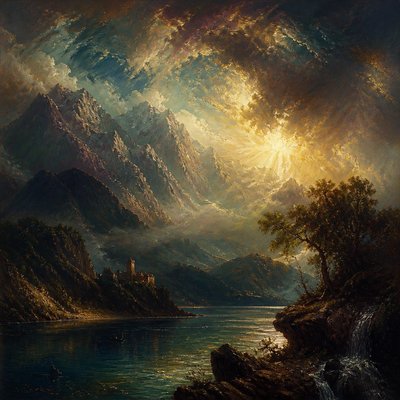
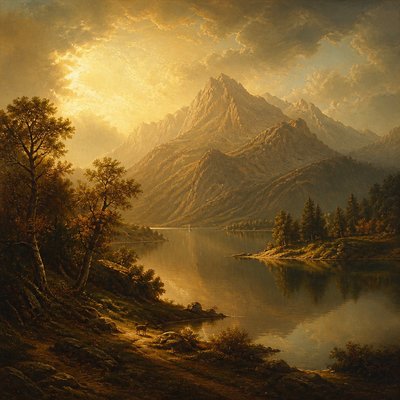
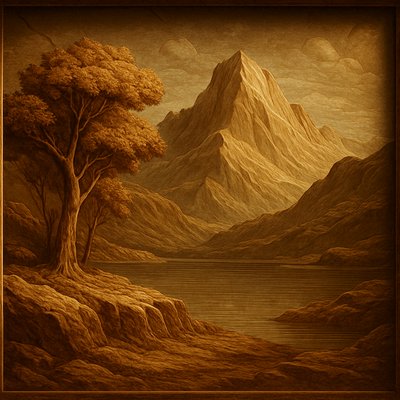
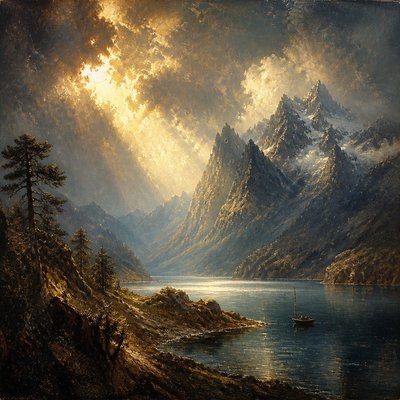
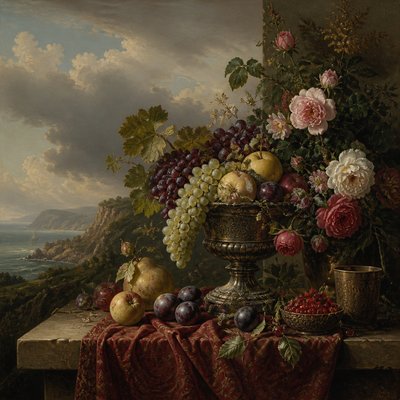
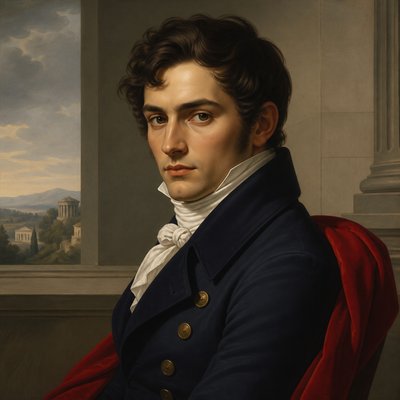
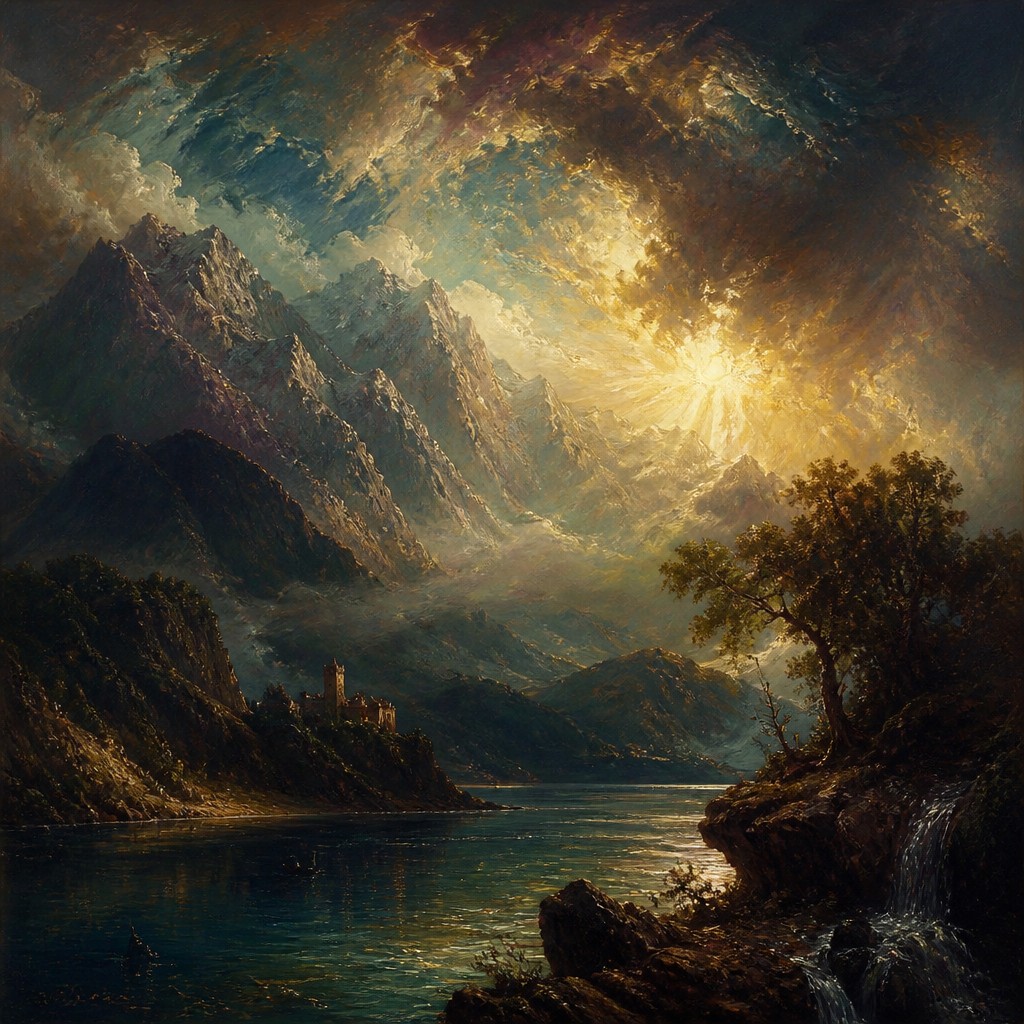
Its visual identity typically includes diagonal composition, strong light-and-shadow contrasts, saturated jewel tones, and atmospheric depth that dissolves forms into haze. Subjects may be historical, mythic, exoticized, or simply solitary figures placed against overwhelming nature. The style looks the way it does because it seeks to make feeling visible: nature becomes a theater for inner states, and the painting’s structure is designed to heighten emotional intensity.
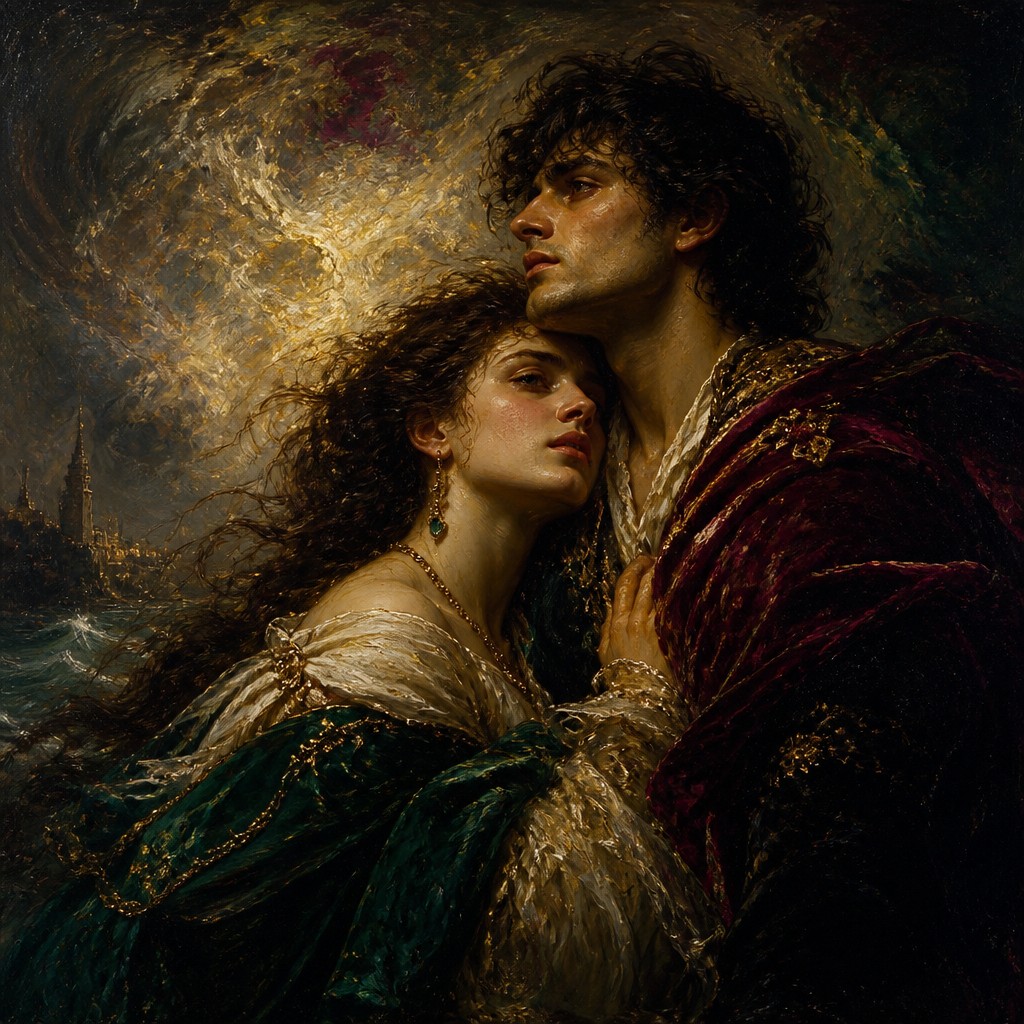
Try It On Your Photos
Upload any photo and convert it into Romantic Classical Art Style — drag the sliders to compare before and after.
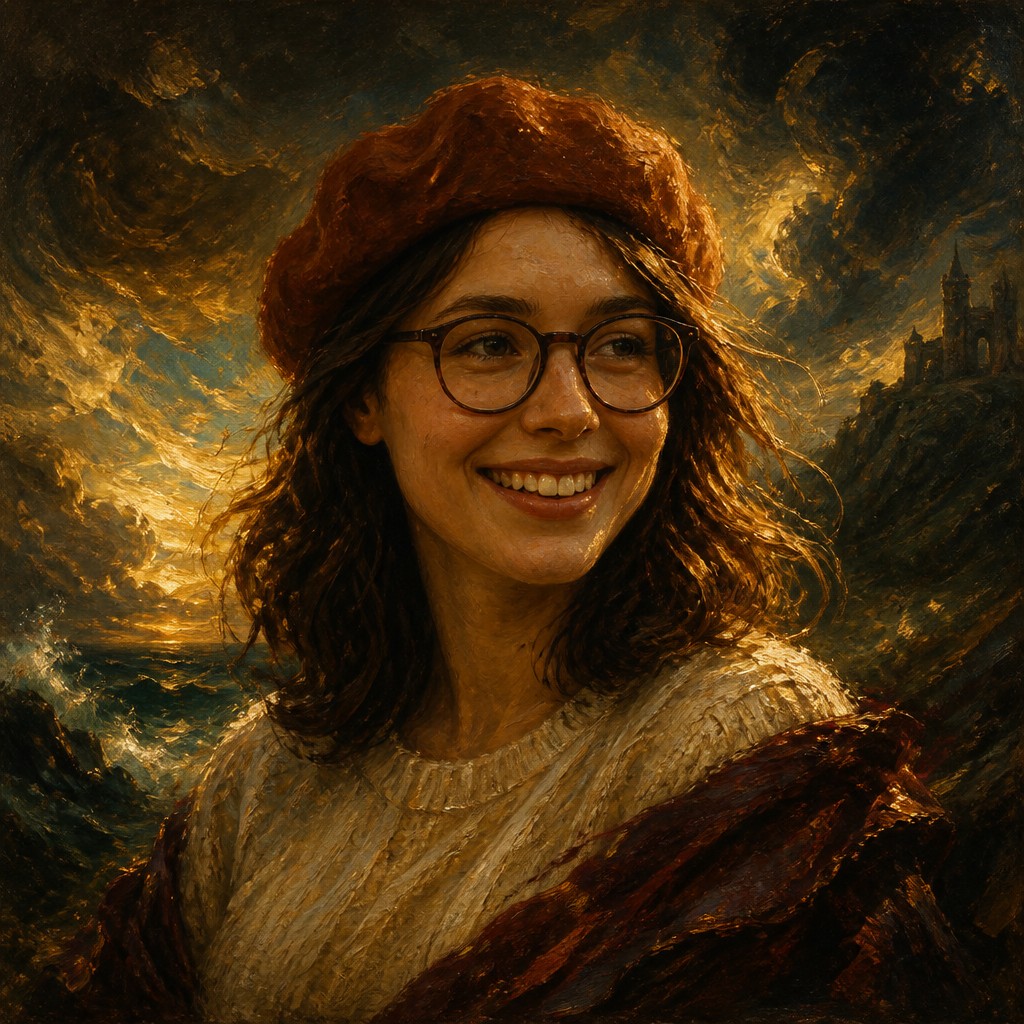

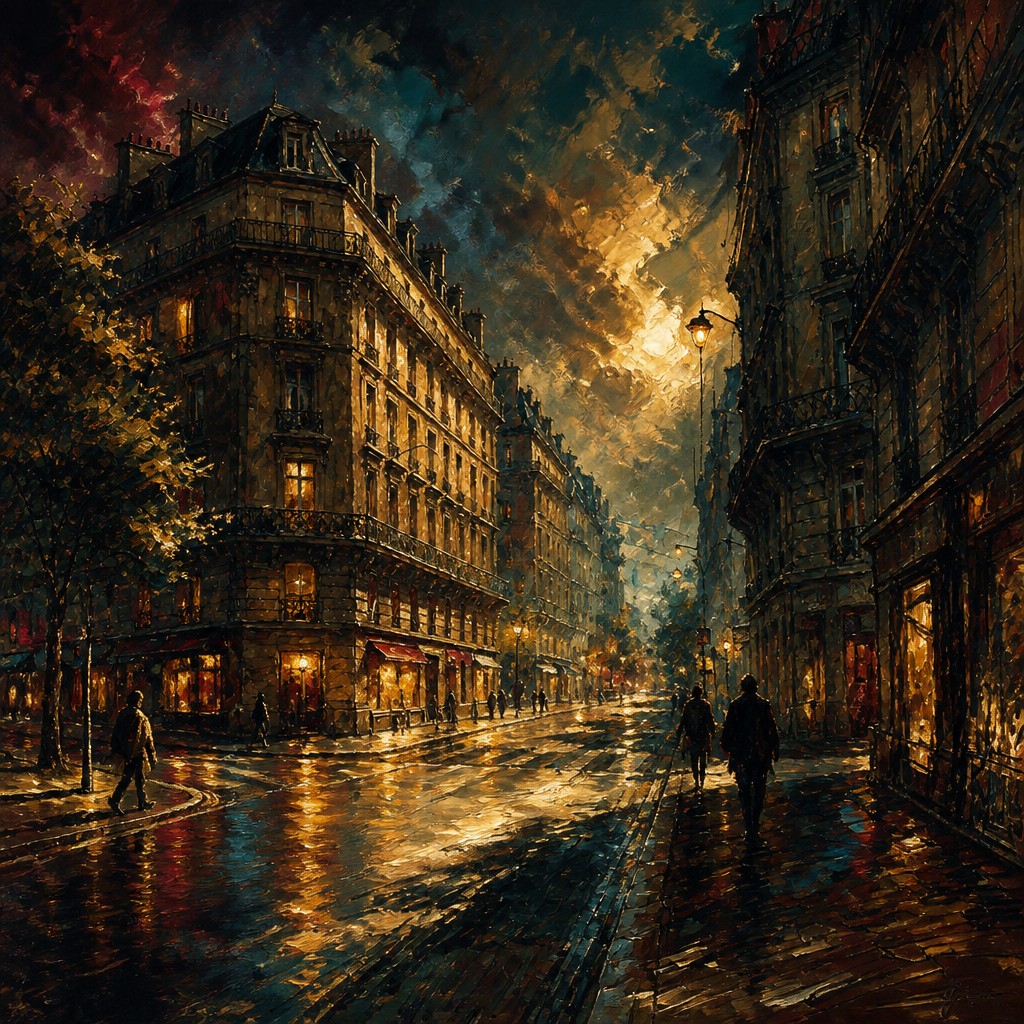

What Defines Romantic Classical Art Style
The signature details, up close
Sublime atmosphere
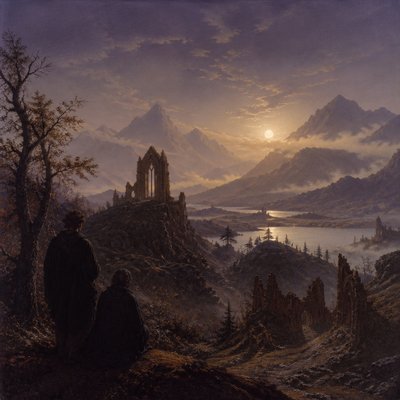
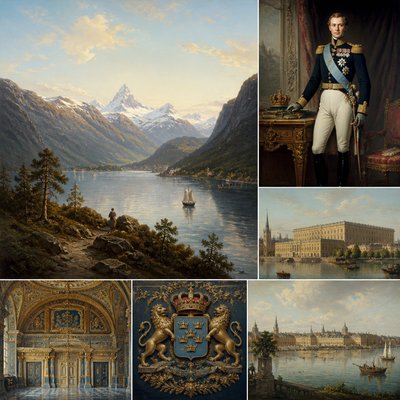
Landscapes often feel vast, powerful, and spiritually charged. Mountains, oceans, ruins, forests, or storm fronts dwarf the human figure and create a sense of awe.
Dramatic lighting
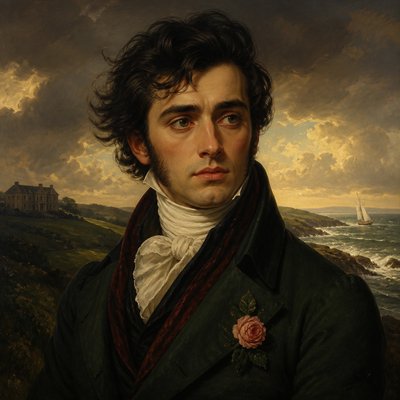
High-contrast chiaroscuro and luminous focal points are central to the look. Light often breaks through darkness, mist, or cloud to isolate a figure or symbolic detail.
Diagonal composition
The eye is led through the image by slanted lines, sweeping gestures, and unstable arrangements. This creates movement and emotional tension rather than formal symmetry.
Rich, saturated color
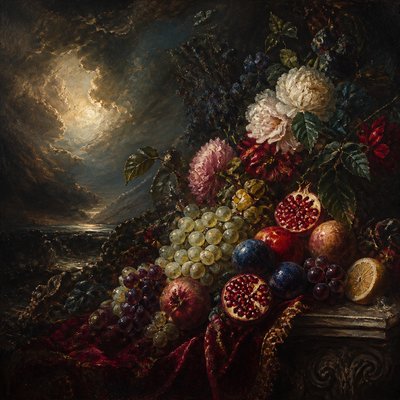
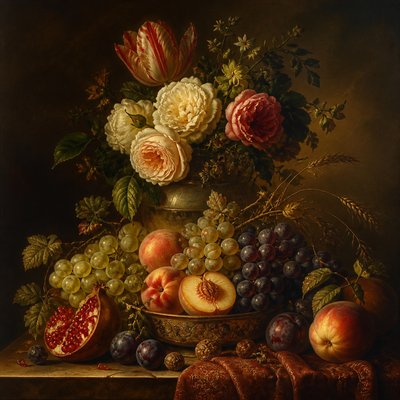
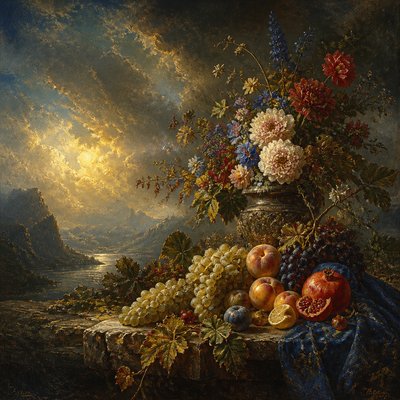
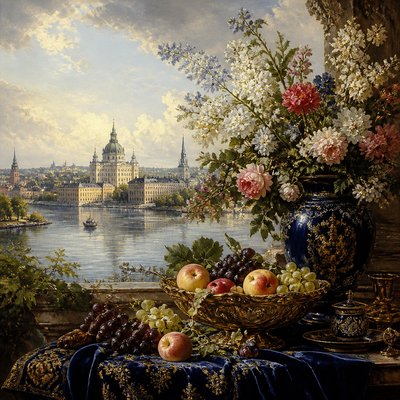
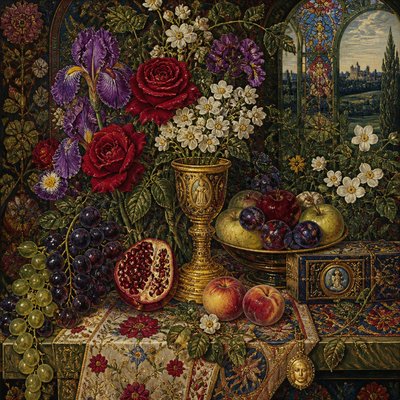
Deep burgundy, emerald, sapphire, ochre, and gold are common, especially when used in layered combinations. The palette tends to feel jewel-like, somber, and luminous rather than flat or pastel.
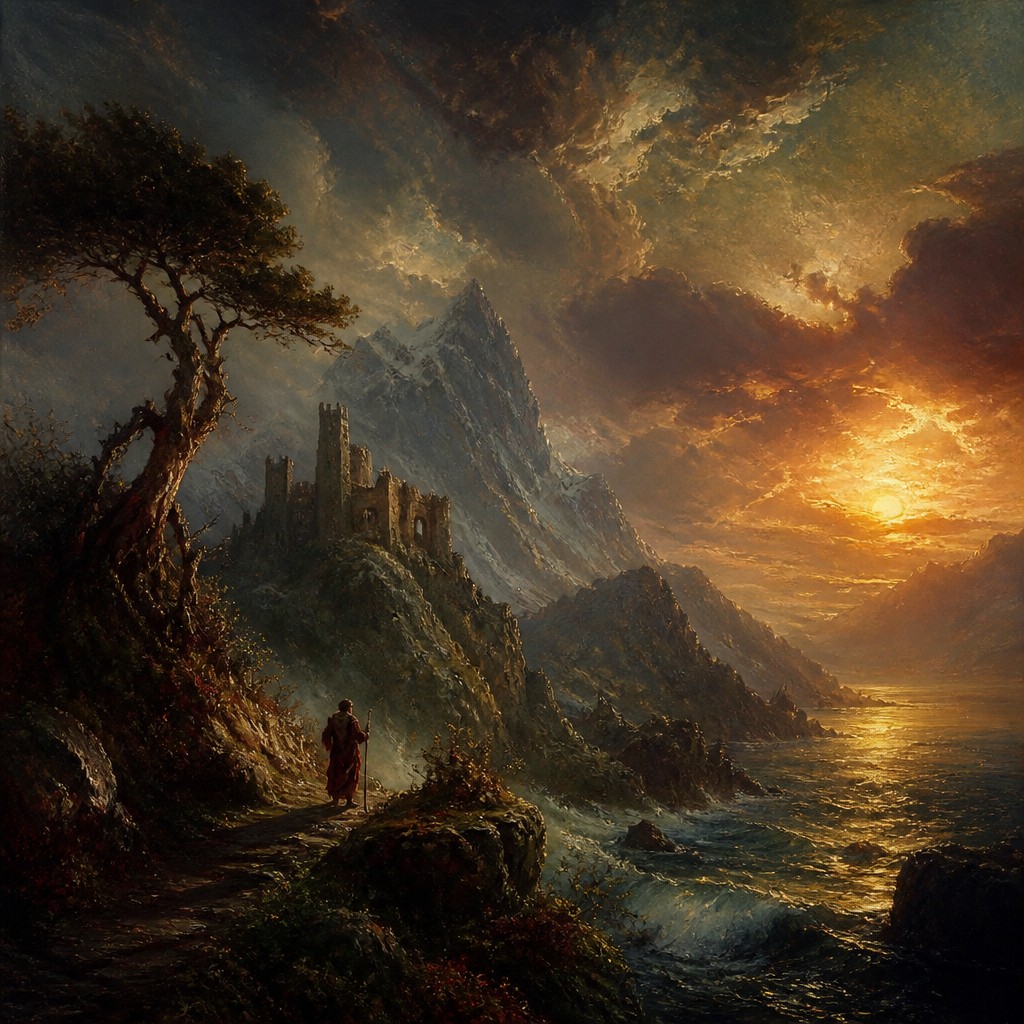
Psychological subject matter
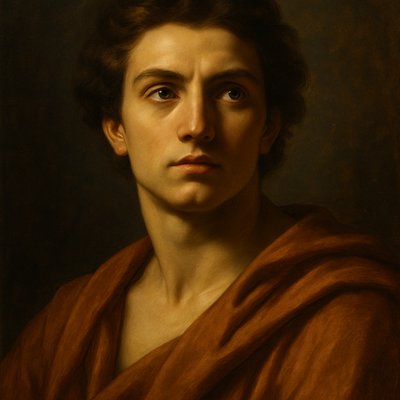
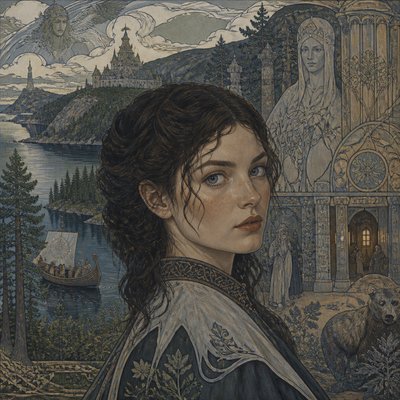
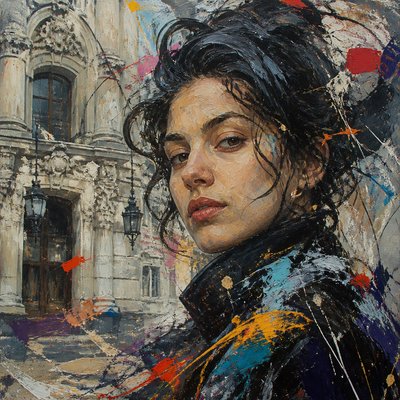
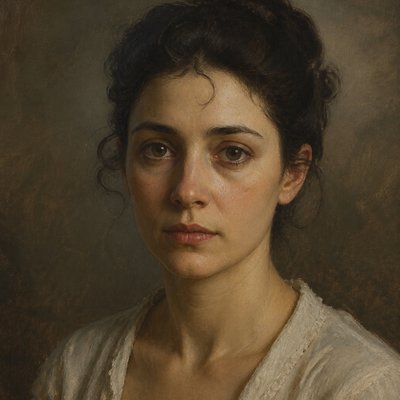
Figures are often introspective, yearning, grieving, defiant, or contemplative. Even when the scene is narrative or mythic, the emotional state of the subject remains central.
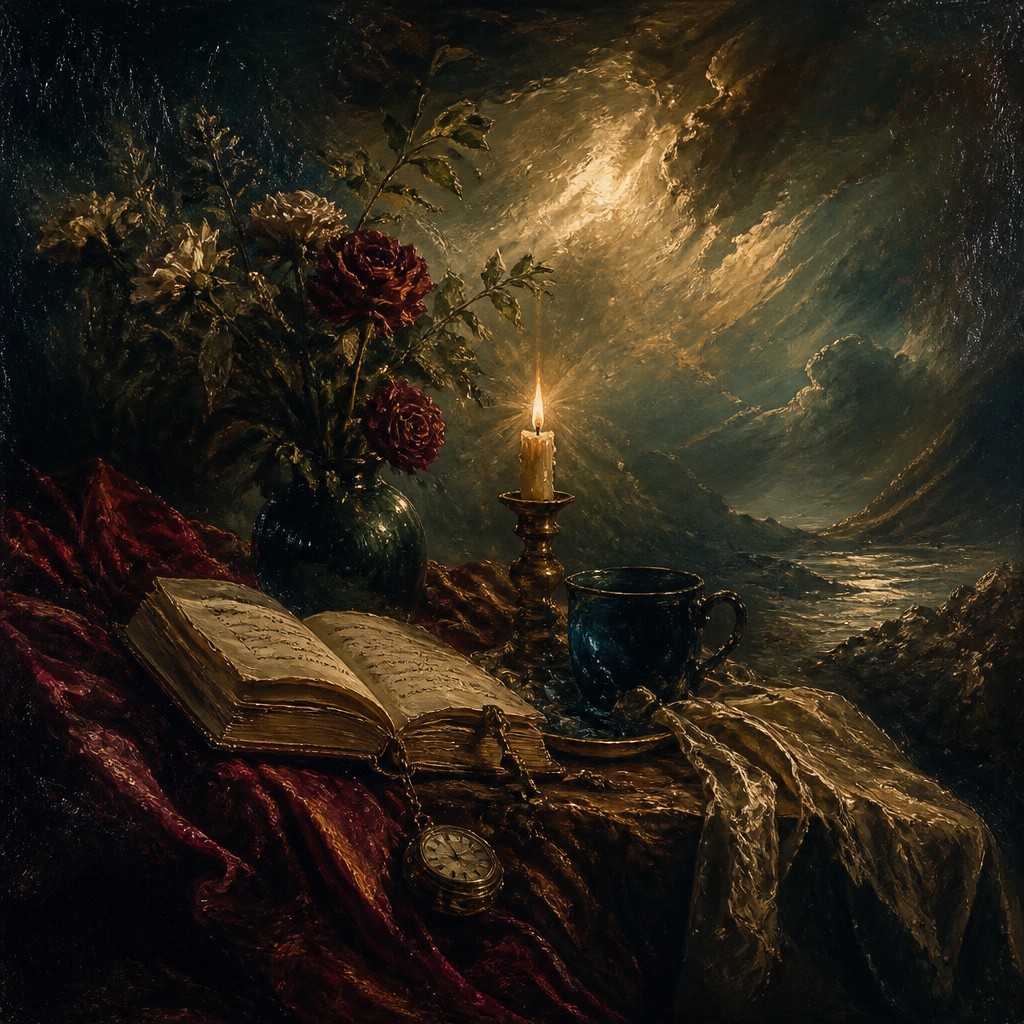
Painterly surface
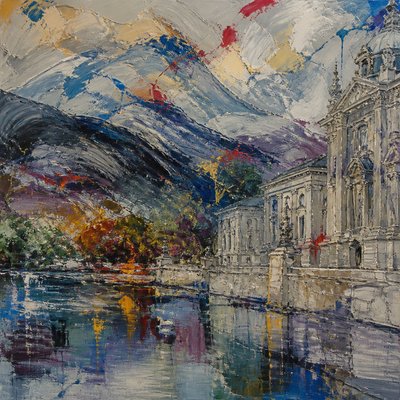
Visible brushwork, impasto, and glazed passages contribute to a tactile, handmade appearance. Edges may soften into atmospheric haze, especially in the distance or around light.
Try It
Create Videos in Romantic Classical Art Style
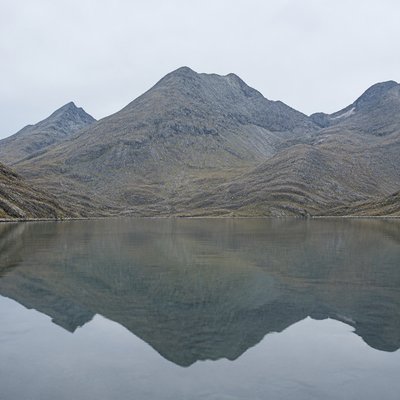
Styles aren't just for stills — describe a scene or animate an image and get a short video rendered in Romantic Classical. Press play to see this pond come to life.
Make a VideoRomantic Classical Prompt Ideas
Start from an idea — each one opens the generator with the style ready to go. See all 40 Romantic Classical prompts →
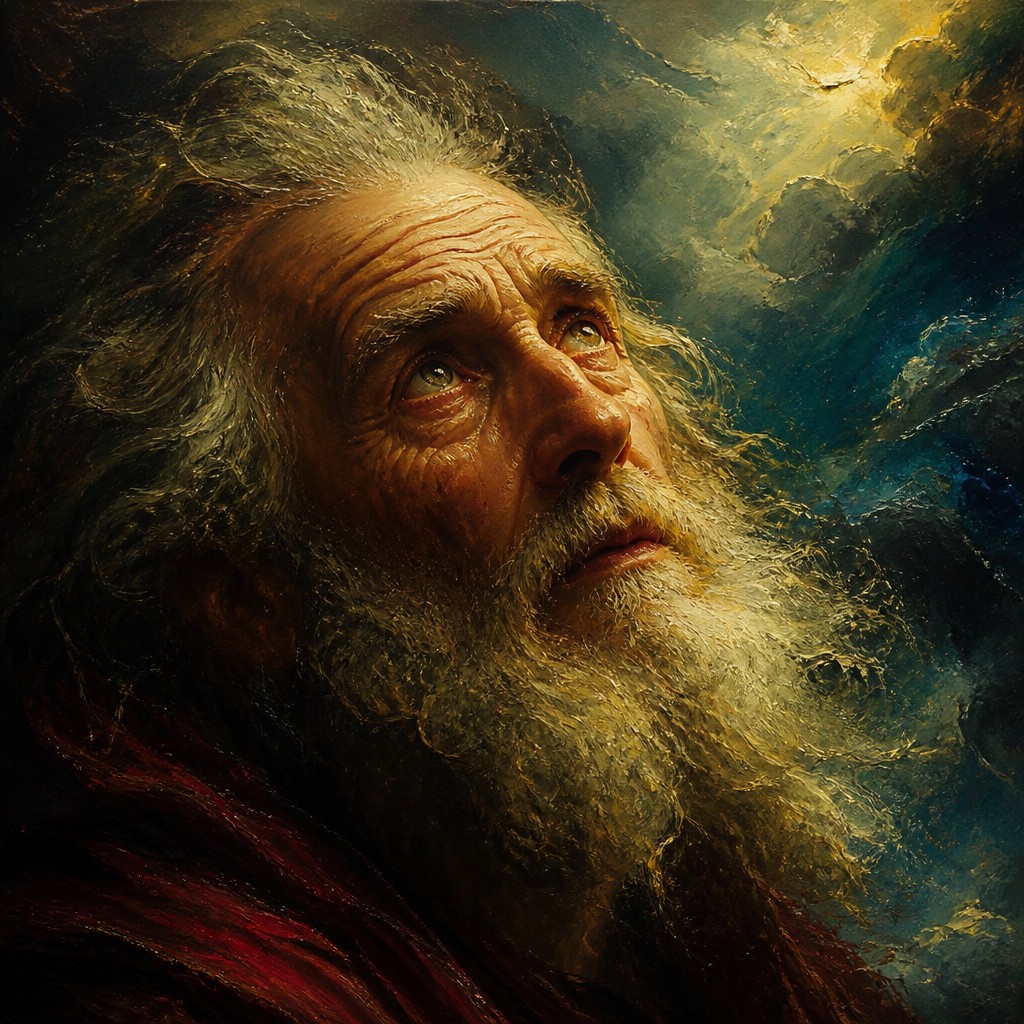
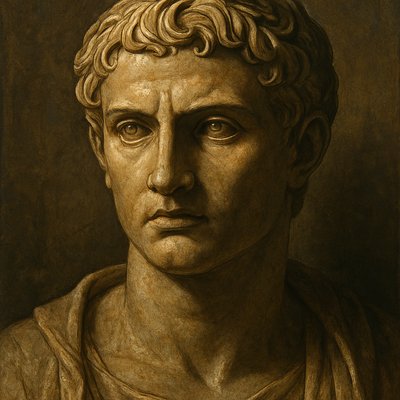
“close-up portrait of an elderly person with expressive weathered features”
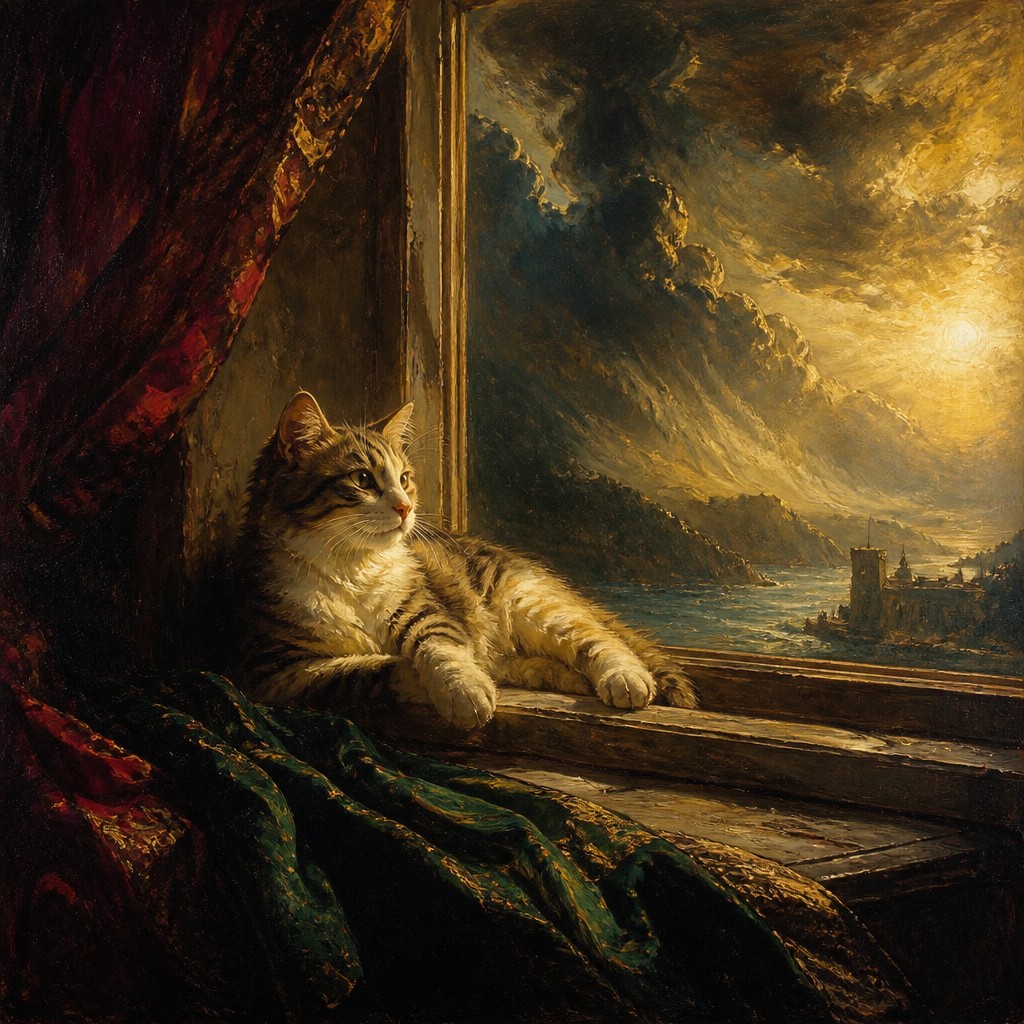
“a cat lounging in a sunlit window”
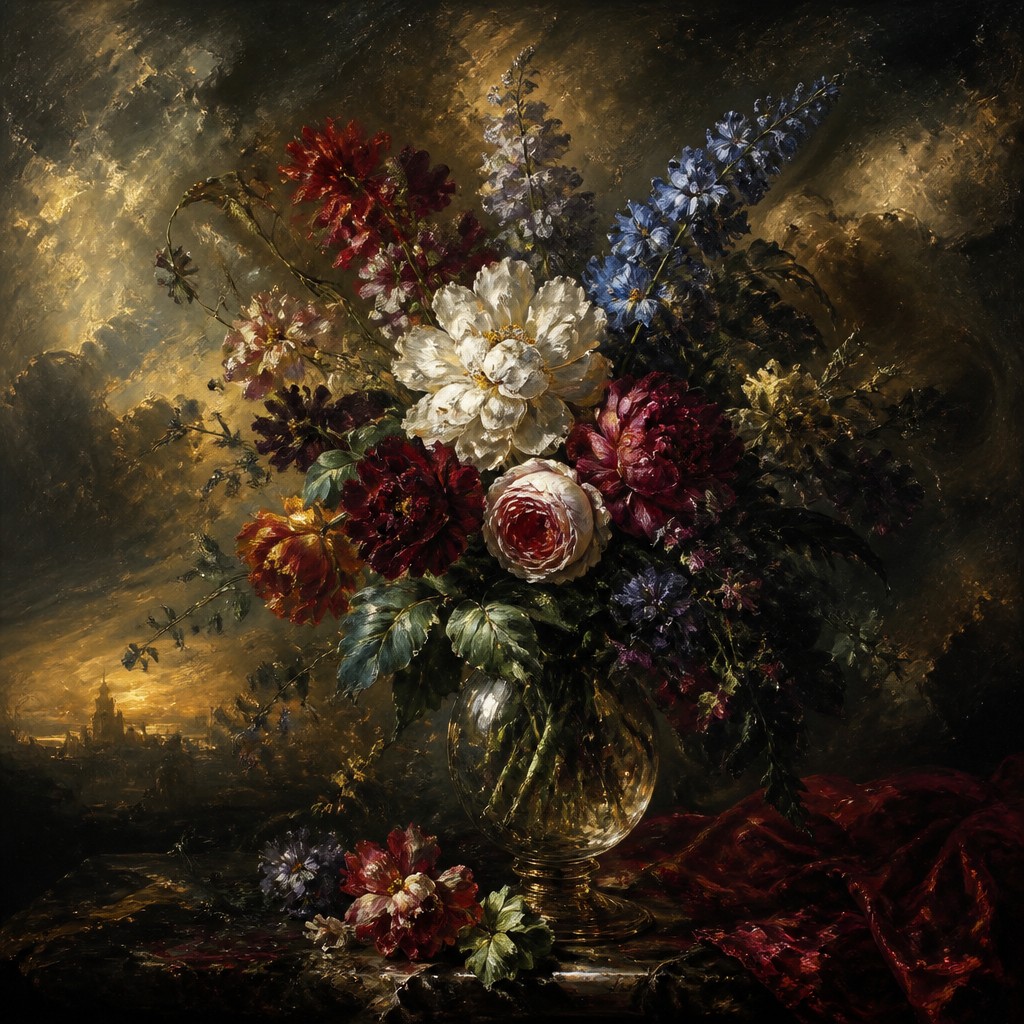
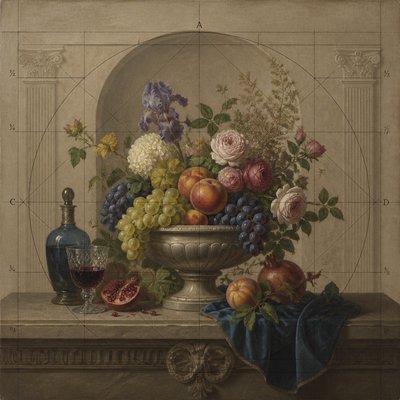
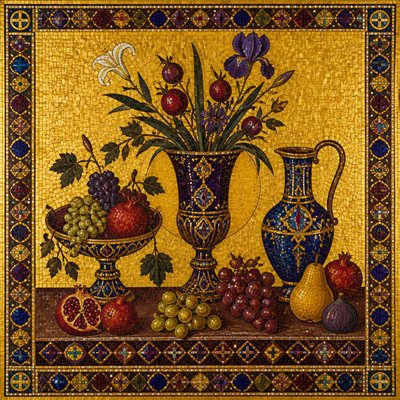
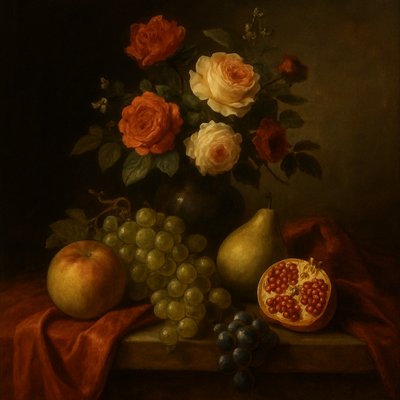
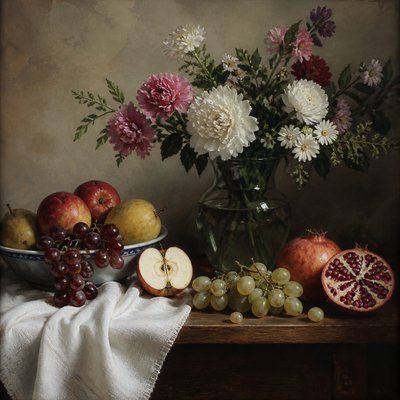
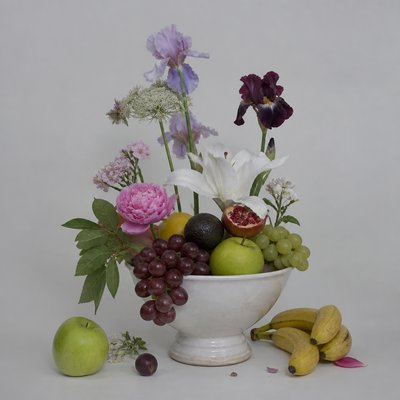
“bouquet of flowers in a glass vase”
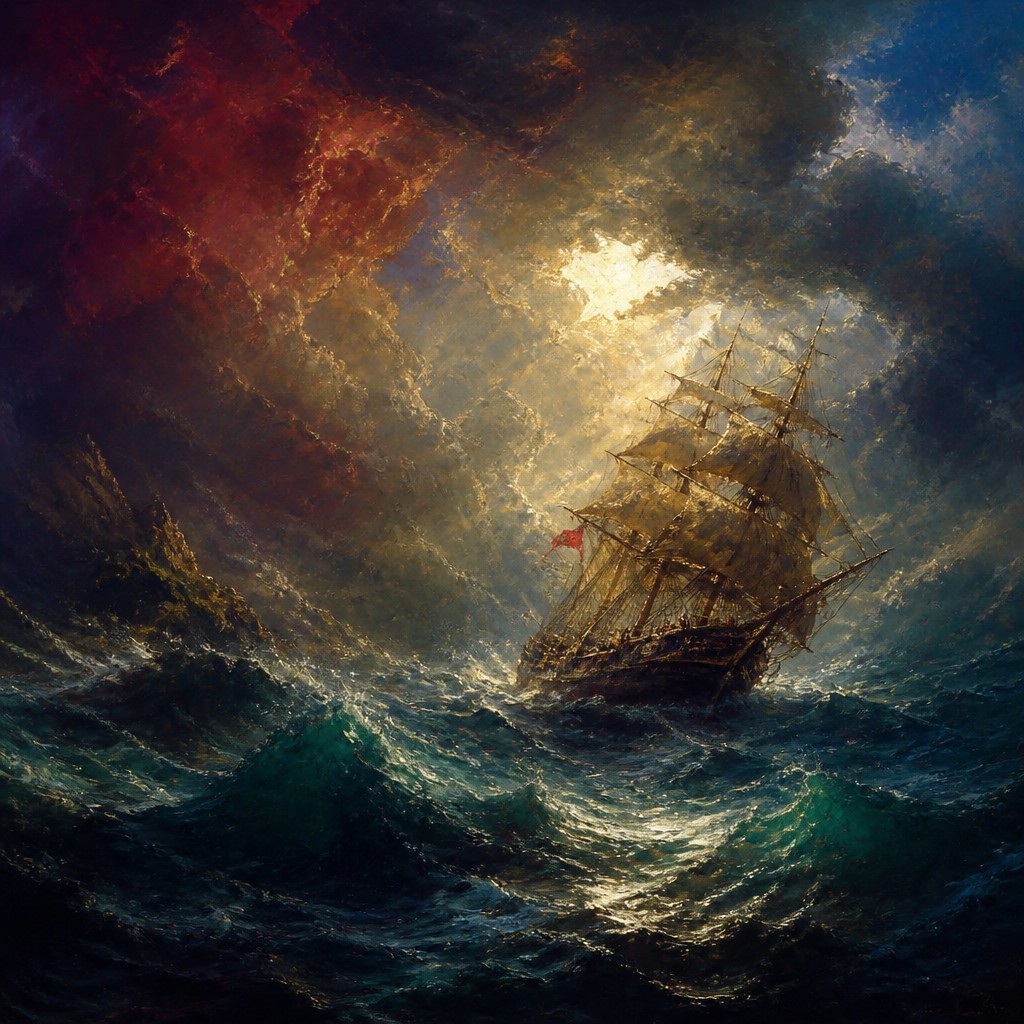
“sailing ship on a stormy sea”
How to Create Romantic Classical Art
Master the craft step by step — or skip straight to creating. Read the full guide →
- 1
Build the scene around emotion first
Choose a feeling such as longing, awe, isolation, or impending loss, then design the environment to reflect it. In traditional painting, this can mean staging the figure against a storm, cliff, ruined interior, or moonlit sea; in digital work, use value and composition early to establish mood before detail.
- 2
Use contrast to guide attention
Place the brightest light where you want the viewer to look and let surrounding forms fall into deep shadow or haze. Strong value contrast is more effective here than overly crisp detail across the whole image.
- 3
Favor asymmetry and movement
Arrange figures, clouds, trees, or architectural fragments on diagonals so the image feels alive and unstable. A slight imbalance in composition often makes the scene feel more dramatic and emotionally charged.
- 4
Layer color and atmosphere
Traditional painters can mimic this look with transparent glazes over an underpainting, then add opaque highlights at the end. Digital artists can emulate it with layered lighting passes, soft atmospheric brushes, and restrained edge control.
- 5
Describe material and mood in prompts
For text-to-image prompts, pair a subject with explicit mood and lighting terms such as turbulent sky, luminous haze, chiaroscuro, jewel-toned palette, and theatrical composition. For image-to-image, preserve the subject but increase contrast, deepen shadows, and add weather, mist, or glow to shift the image into the style.

The Story
History & Origins of Romantic Classical
The style draws primarily from European Romanticism of the late 18th and 19th centuries, especially in painting, literature, and landscape art. Romantic painters rejected the rational balance and restraint associated with Neoclassicism in favor of emotional immediacy, dramatic settings, and the experience of the sublime. In painting, this approach is associated with leading German Romantic landscape painters, a major British Romantic landscape painter, a leading French Romantic painter, a French Romantic history painter, and a major Spanish Romantic painter, each of whom explored nature, conflict, memory, or psychological extremity in distinct ways.
The phrase "Romantic classical" is best understood as a contemporary hybrid aesthetic rather than a single historical school. It combines Romanticism’s emotional and atmospheric priorities with classical habits of figure construction, pictorial clarity, and painterly finish. In modern use, it often appears in concept art, editorial illustration, and digital painting that borrow from 19th-century oil painting, academic draftsmanship, and cinematic lighting while emphasizing mood over literal realism.
Influences: This aesthetic is closely related to European Romantic painting, especially the landscapes of leading German Romantic landscape painters, the dramatic color and motion of a major British Romantic landscape painter, the expressive force of a leading French Romantic painter, and the turbulent vision of a major Spanish Romantic painter. It also draws from academic figure painting, historical illustration, and later cinematic lighting traditions that privilege mood, spectacle, and psychological depth over strict realism.
Frequently Asked Questions
What defines romantic classical art?
It is defined by emotional intensity, dramatic composition, and a sense of the sublime. The style often combines classical figure rendering with Romantic-era mood, using stormy nature, strong contrast, and expressive color to communicate feeling.
Is romantic classical art the same as Romanticism?
Not exactly. Romanticism is the historical movement of the late 18th and 19th centuries, while romantic classical art is a broader contemporary style label that blends Romantic visual ideas with classical painting conventions. It can reference historical Romantic art without being limited to the exact historical period.
How is this different from Neoclassicism?
Neoclassicism emphasizes clarity, restraint, balanced composition, and moral order. Romantic classical art keeps some of the formal discipline of classical painting but replaces restraint with intensity, atmosphere, and emotional subject matter.
What subjects work best in this style?
Solitary figures, mythic scenes, historical moments, ruins, stormy landscapes, and emotionally charged interiors all fit well. Subjects that can be framed by nature, memory, danger, or longing tend to look especially convincing.
How can I make my image feel more Romantic?
Increase contrast, add weather or mist, and give the scene a clear emotional center. Use sweeping lines, a focused light source, and a palette with deep darks and luminous highlights to create the feeling of grandeur and vulnerability.
Where is this style commonly used today?
It appears in fantasy illustration, book covers, music visuals, editorial art, concept art, and moody portraiture. It is especially useful anywhere a scene needs to feel epic, introspective, or emotionally charged.
Create your first Romantic Classical artwork
Describe anything — or upload a photo — and see it in Romantic Classical Art Style in seconds.
Make Something with Romantic Classical
Related Styles
Discover similar art styles