Haarlem Golden Age Art Style
Explore Haarlem Golden Age art: lively 17th-century Dutch scenes with laughing faces, silvery light, black satin, lace, and sparkling brushwork.
Instantly rendered in Haarlem Golden Age — or transform a photo
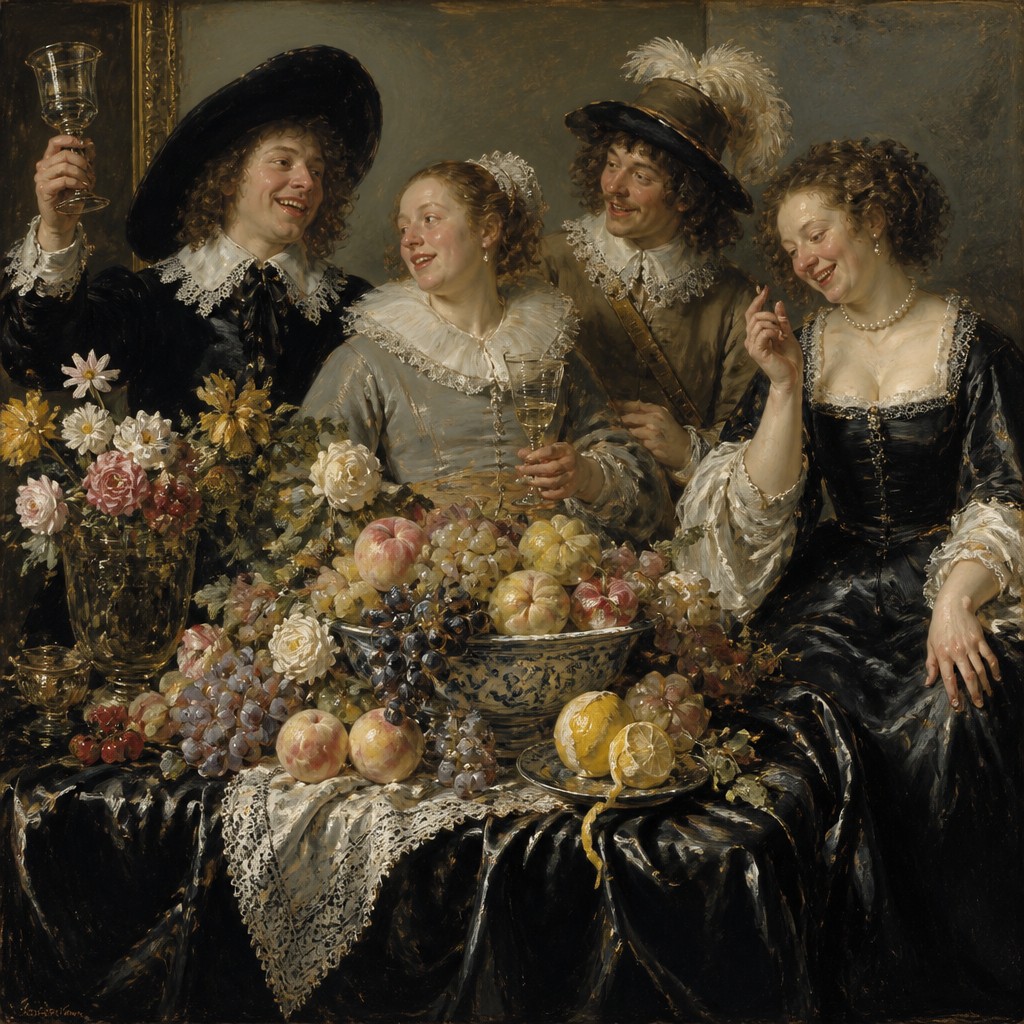
Haarlem Golden Age Gallery
Tap any artwork to explore it
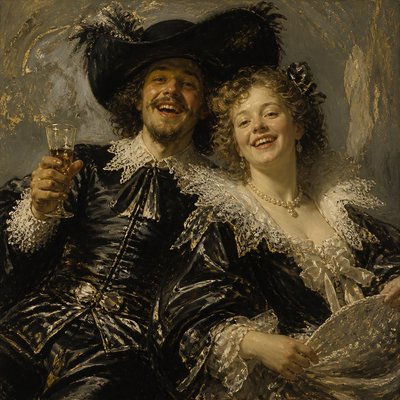
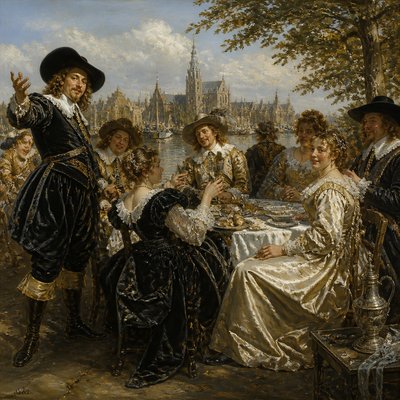
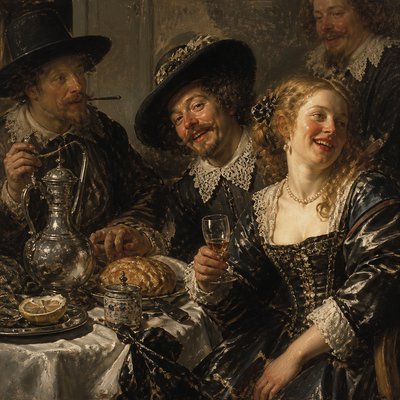
What is Haarlem Golden Age Art Style?
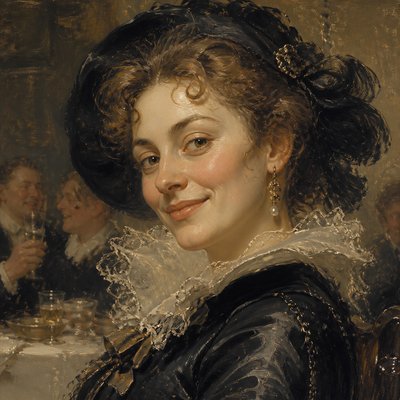
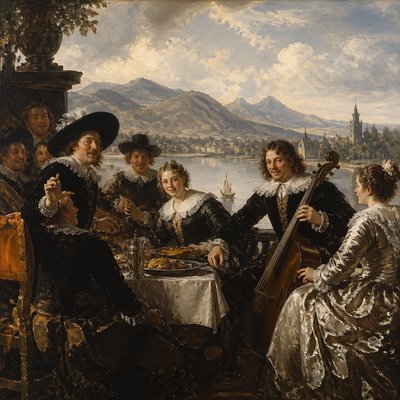
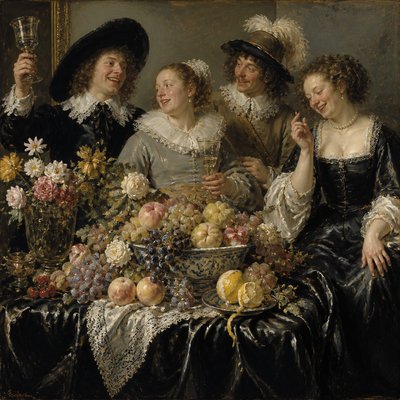
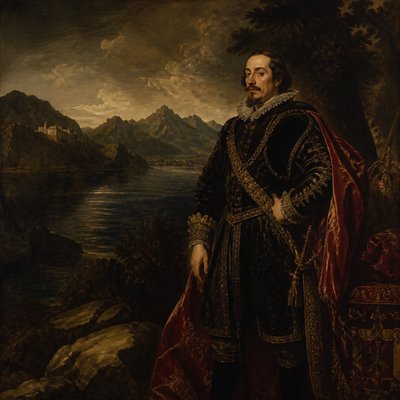
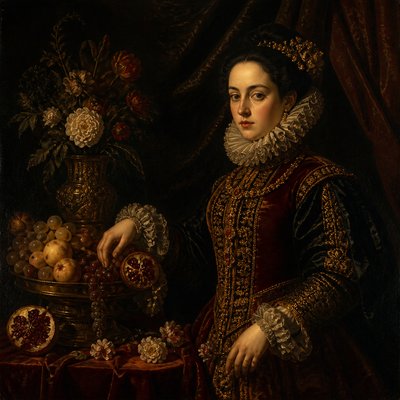
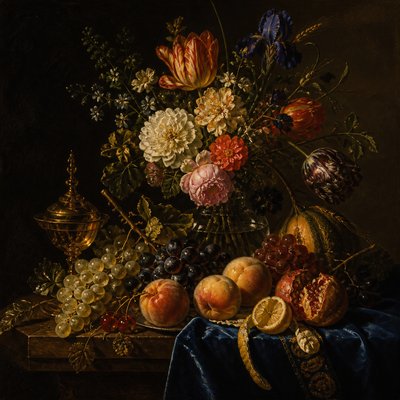
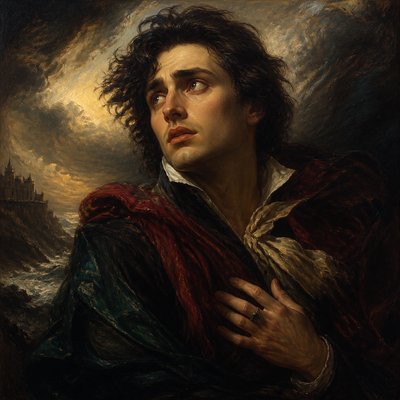
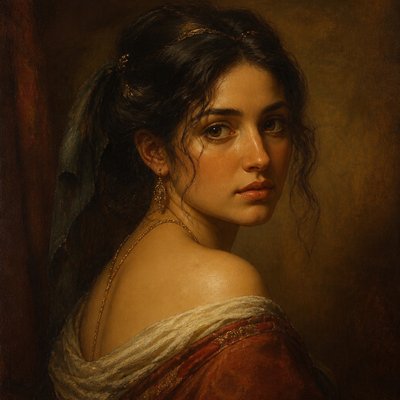
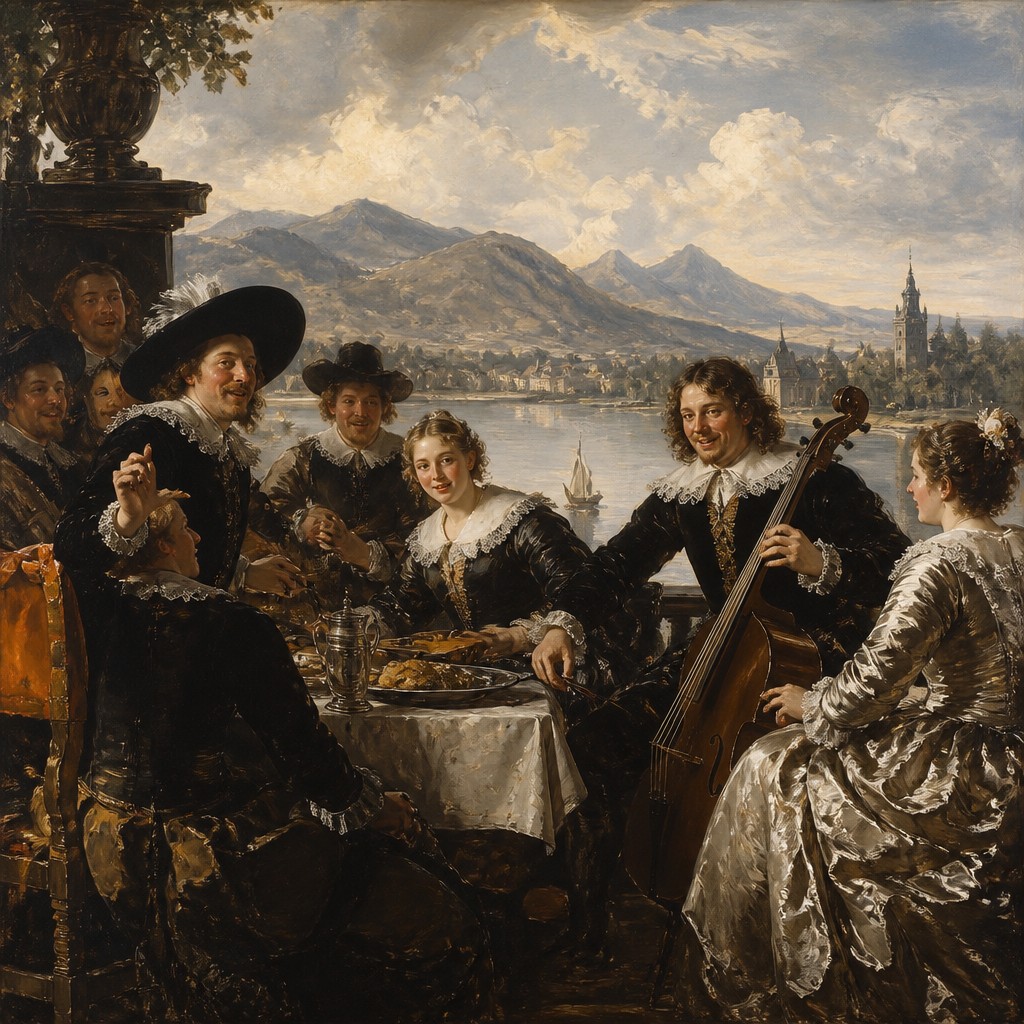
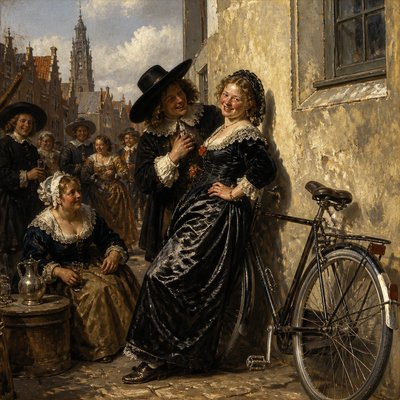
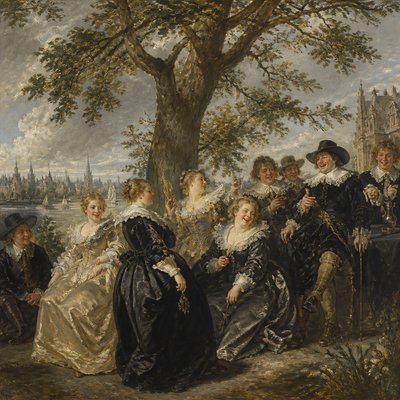
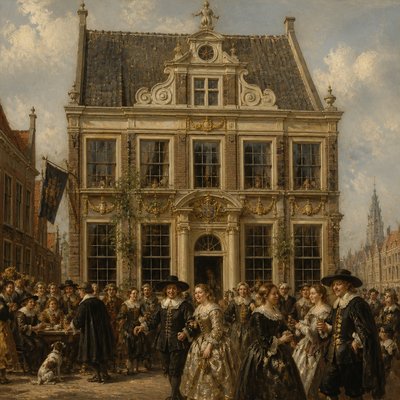
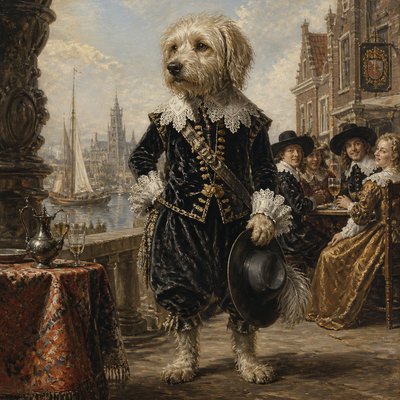
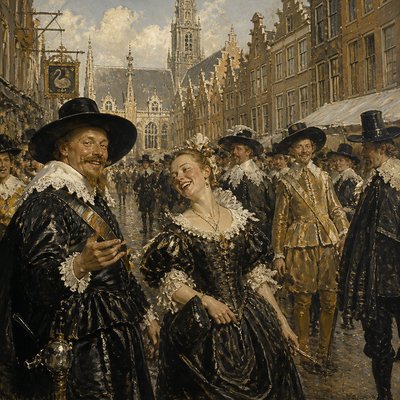
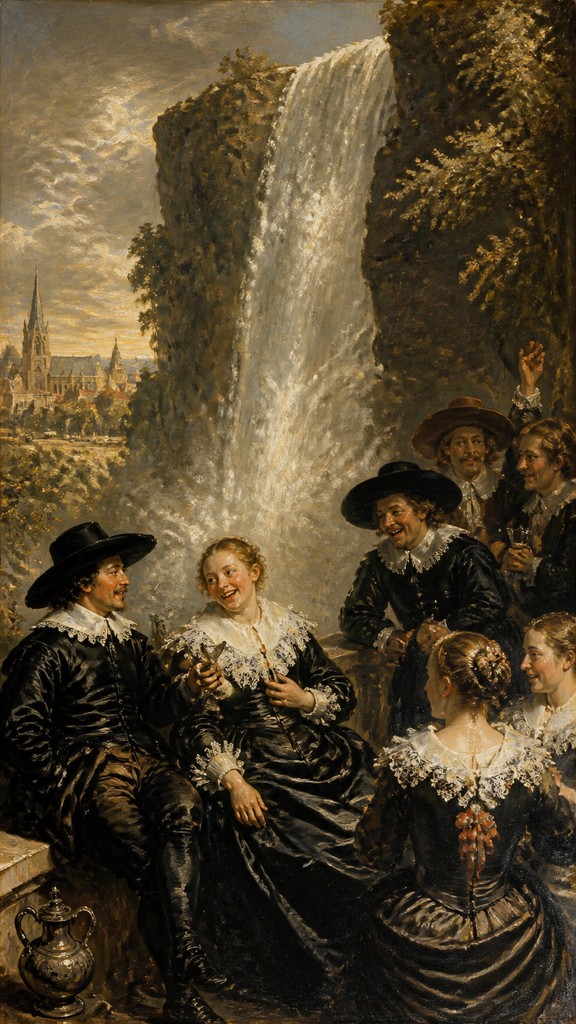
Haarlem Golden Age Art Style refers to the lively, sociable side of seventeenth-century Dutch painting associated with Haarlem, an important artistic center in the Dutch Republic. Its subjects include laughing figures, civic celebrations, militia banquets, musicians, tavern gatherings, and prosperous sitters caught in animated conversation rather than formal stillness.
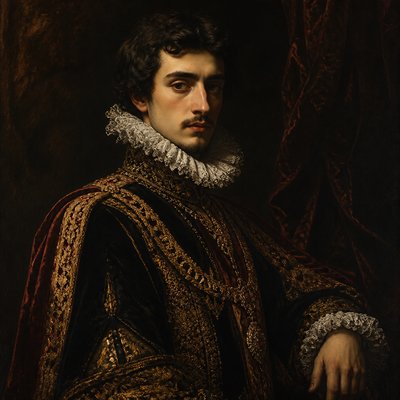
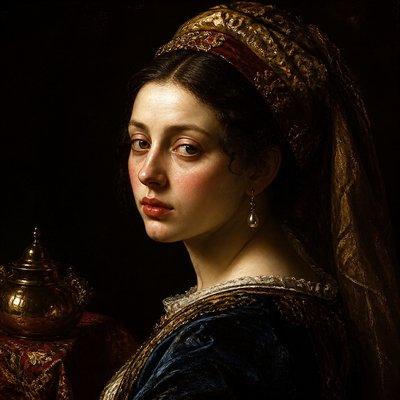
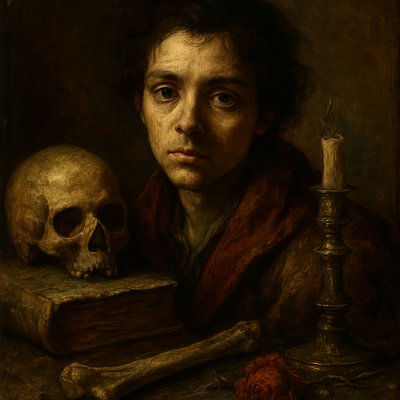
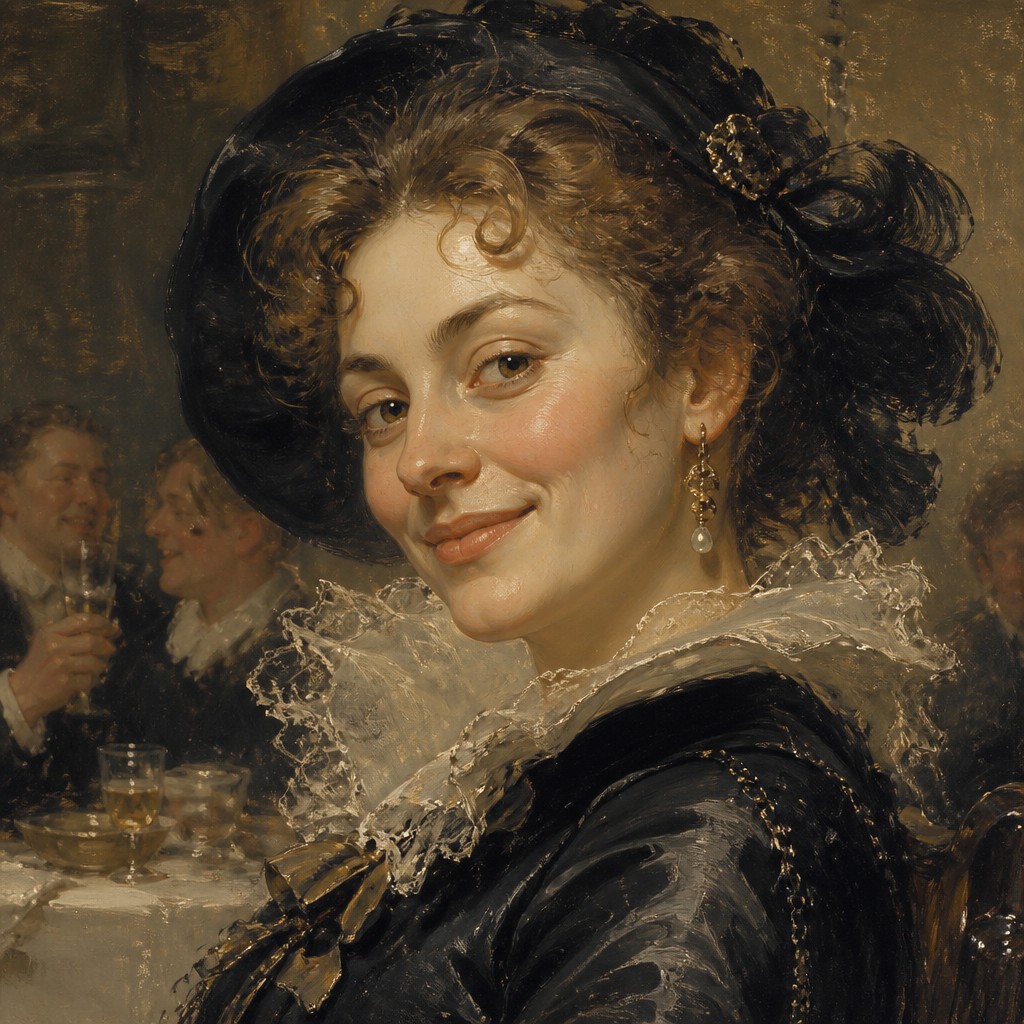
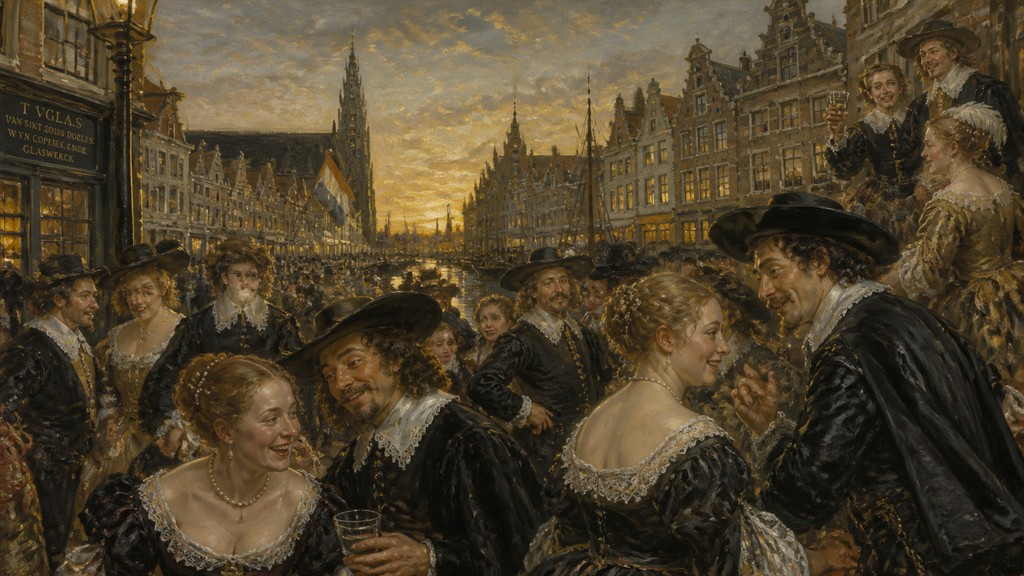
The style is defined by energetic brushwork, restrained silvery grey-gold color, and sharp contrasts between pale faces, white collars, black satin, and dark interiors. Elegant clothing is described with economical, confident strokes, while gestures, tilted heads, and open mouths create a sense of movement and conviviality. The result is polished but spontaneous: a portrait or group scene that feels observed in the instant rather than rigidly posed.
Try It On Your Photos
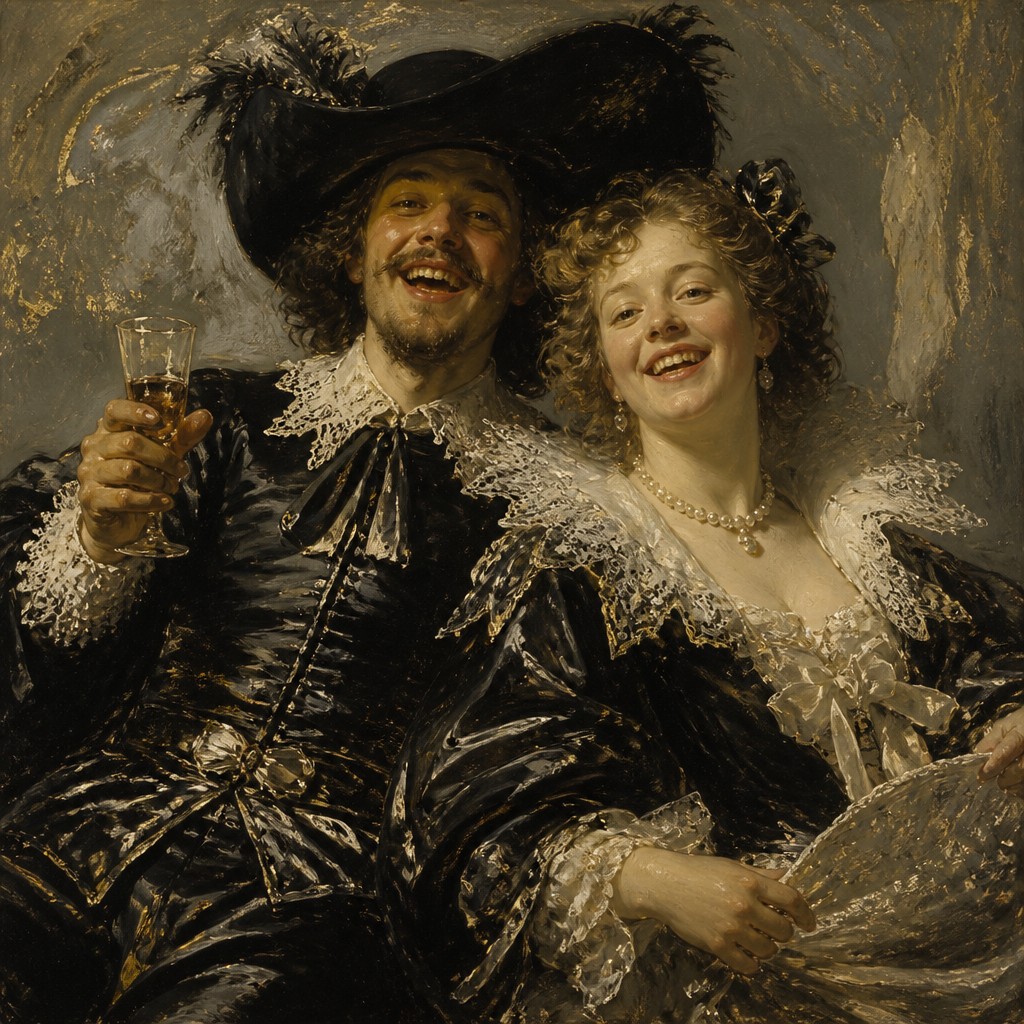
Upload any photo and convert it into Haarlem Golden Age Art Style — drag the sliders to compare before and after.


What Defines Haarlem Golden Age Art Style
The signature details, up close
Animated social gestures
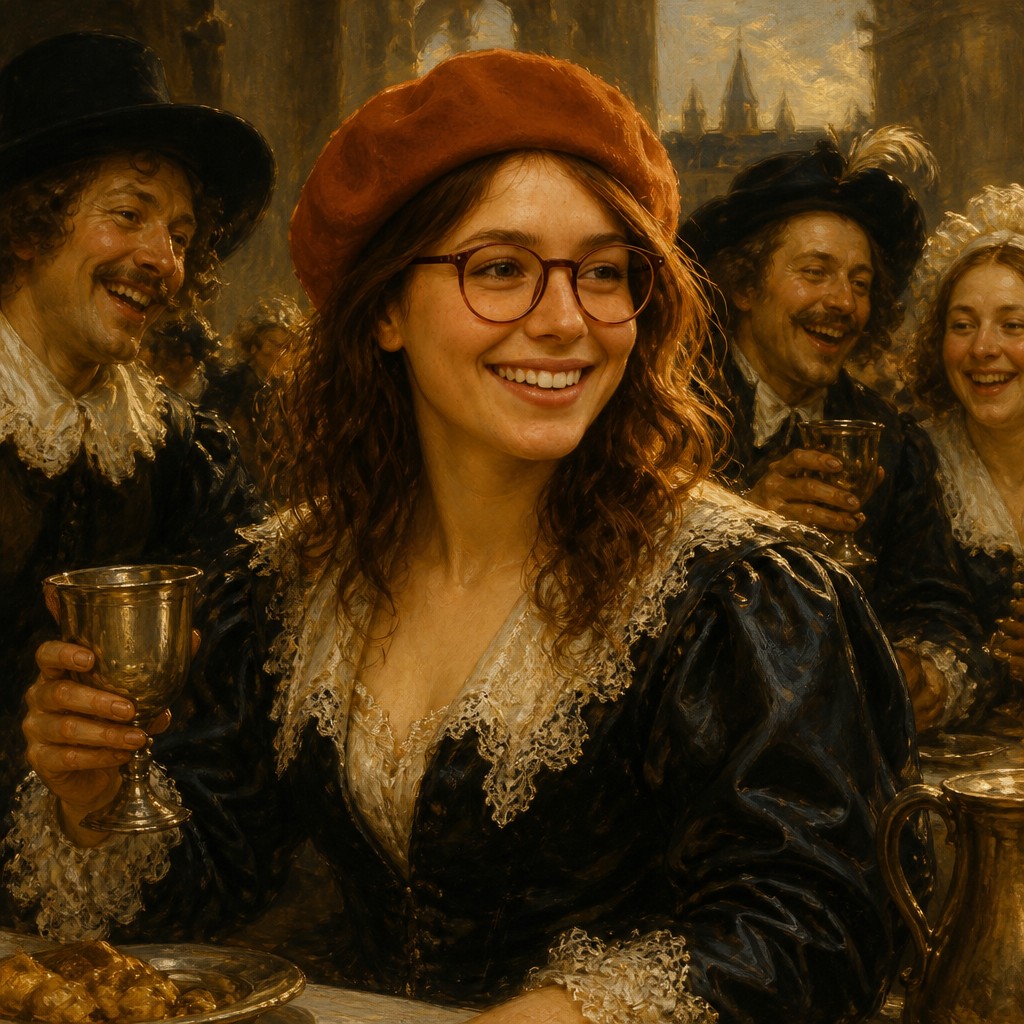
Figures laugh, turn toward one another, raise glasses, gesture with their hands, or lean into conversation. Movement and interaction are central to the composition.
Silvery grey-gold tonality
The palette favors smoky greys, warm ochres, muted creams, and restrained golds rather than saturated color. Soft atmospheric light unifies the figures and background.
Expressive faces
Open smiles, lifted eyebrows, flushed cheeks, and glances exchanged between figures convey humor and sociability. Expressions are vivid without becoming caricature.
Black satin and white lace
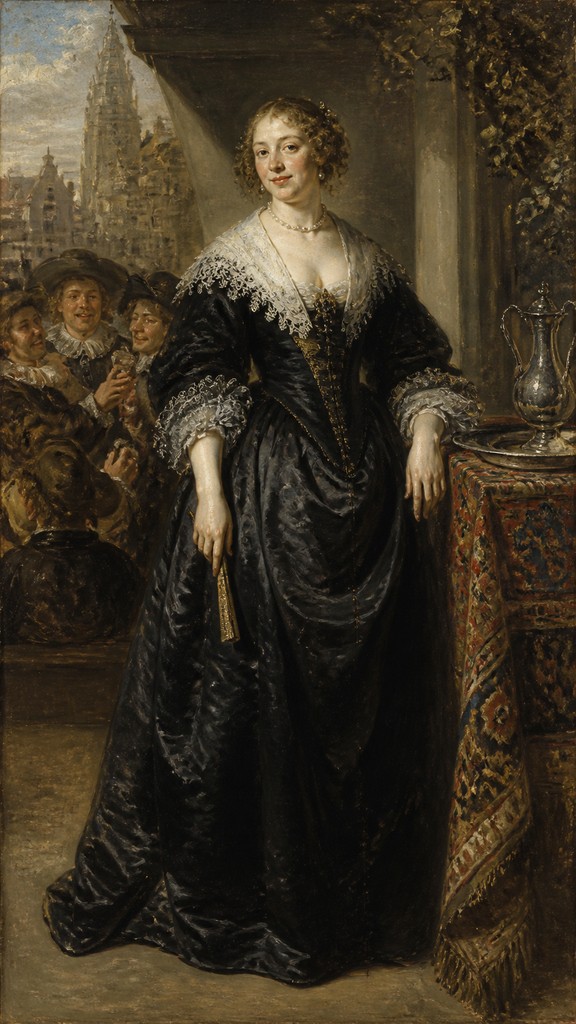
Dark garments are articulated with broad, assured strokes that suggest sheen without outlining every fold. Lace collars, cuffs, and pale fabrics provide crisp accents against the black clothing.
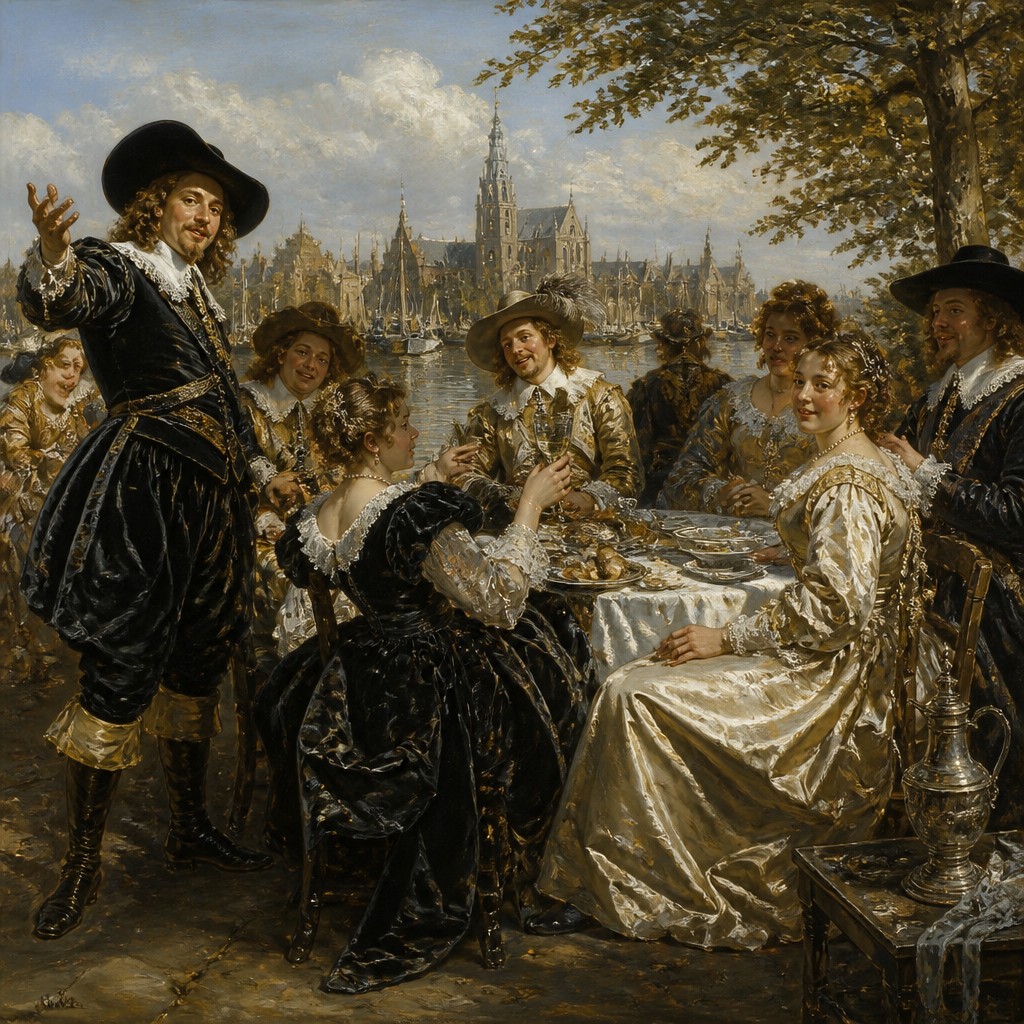
Loose, sparkling brushwork
Visible strokes catch highlights on fabric, glassware, skin, and metal objects. Details are selectively resolved, allowing energetic marks to remain part of the image's surface.
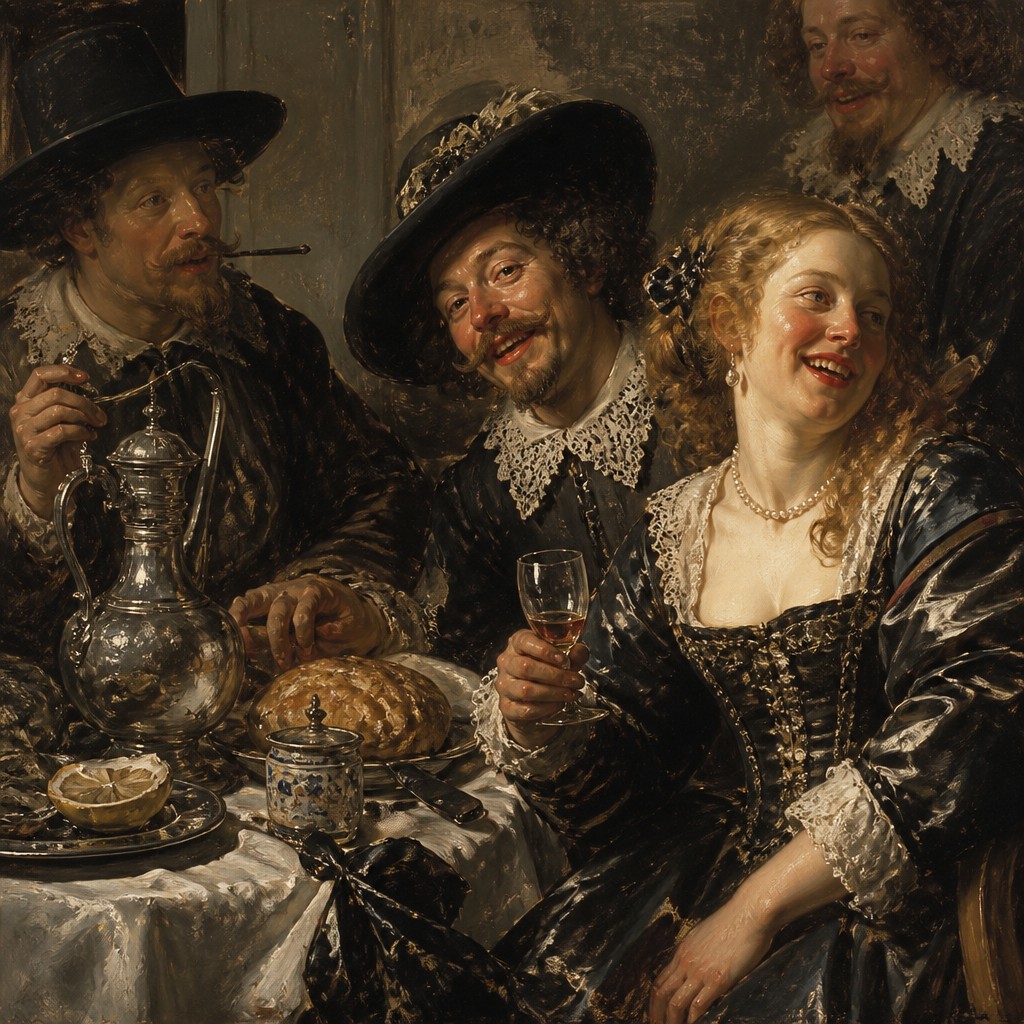
Civic and festive settings
Common settings include banquet rooms, guild interiors, militia gatherings, taverns, and prosperous domestic spaces. Groups are arranged as social networks rather than as isolated figures.
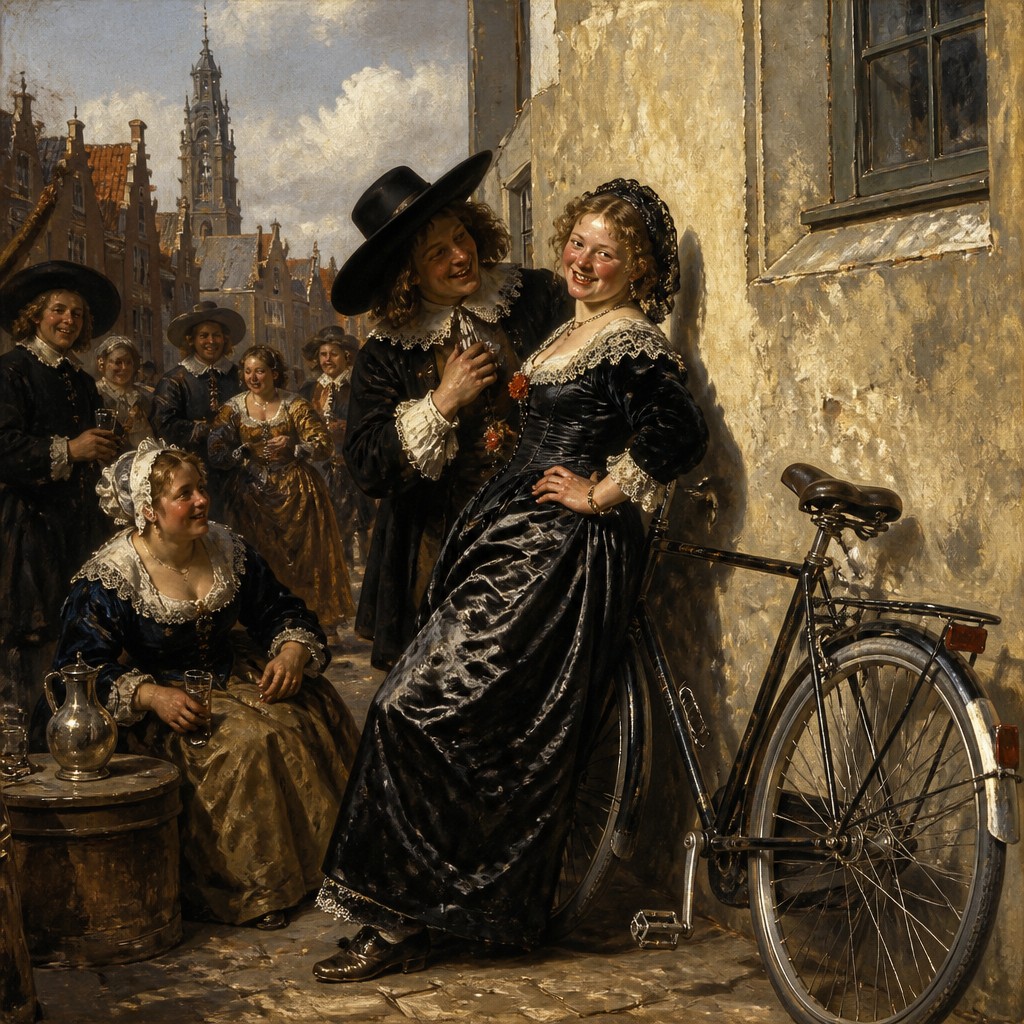
Controlled tonal composition
Dark interiors frame illuminated faces and collars, guiding the eye through the gathering. Depth is created through overlapping bodies, receding tables, and subdued architectural backgrounds.
Try It
Create Videos in Haarlem Golden Age Art Style
Styles aren't just for stills — describe a scene or animate an image and get a short video rendered in Haarlem Golden Age. Press play to see this pond come to life.
Make a VideoHaarlem Golden Age Prompt Ideas
Start from an idea — each one opens the generator with the style ready to go. See all 40 Haarlem Golden Age prompts →
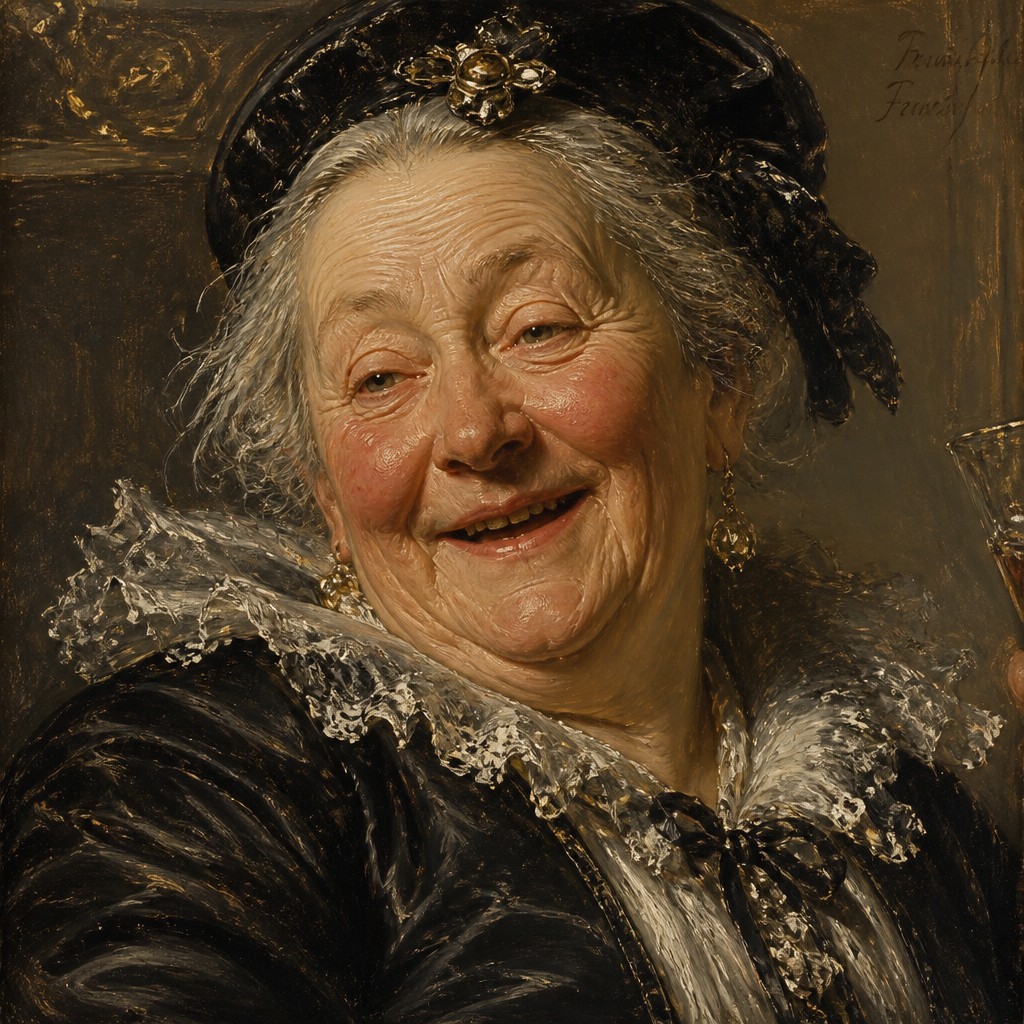
“close-up portrait of an elderly person with expressive weathered features”
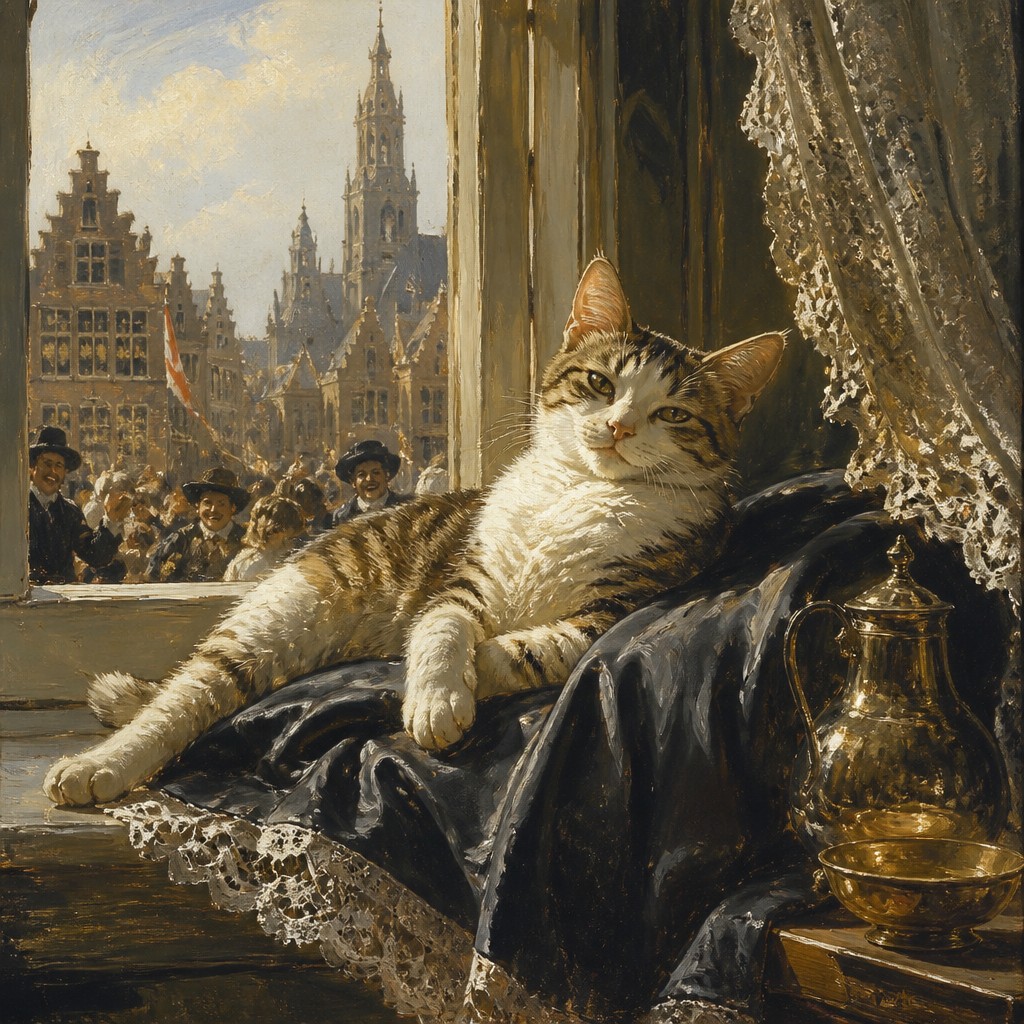
“a cat lounging in a sunlit window”
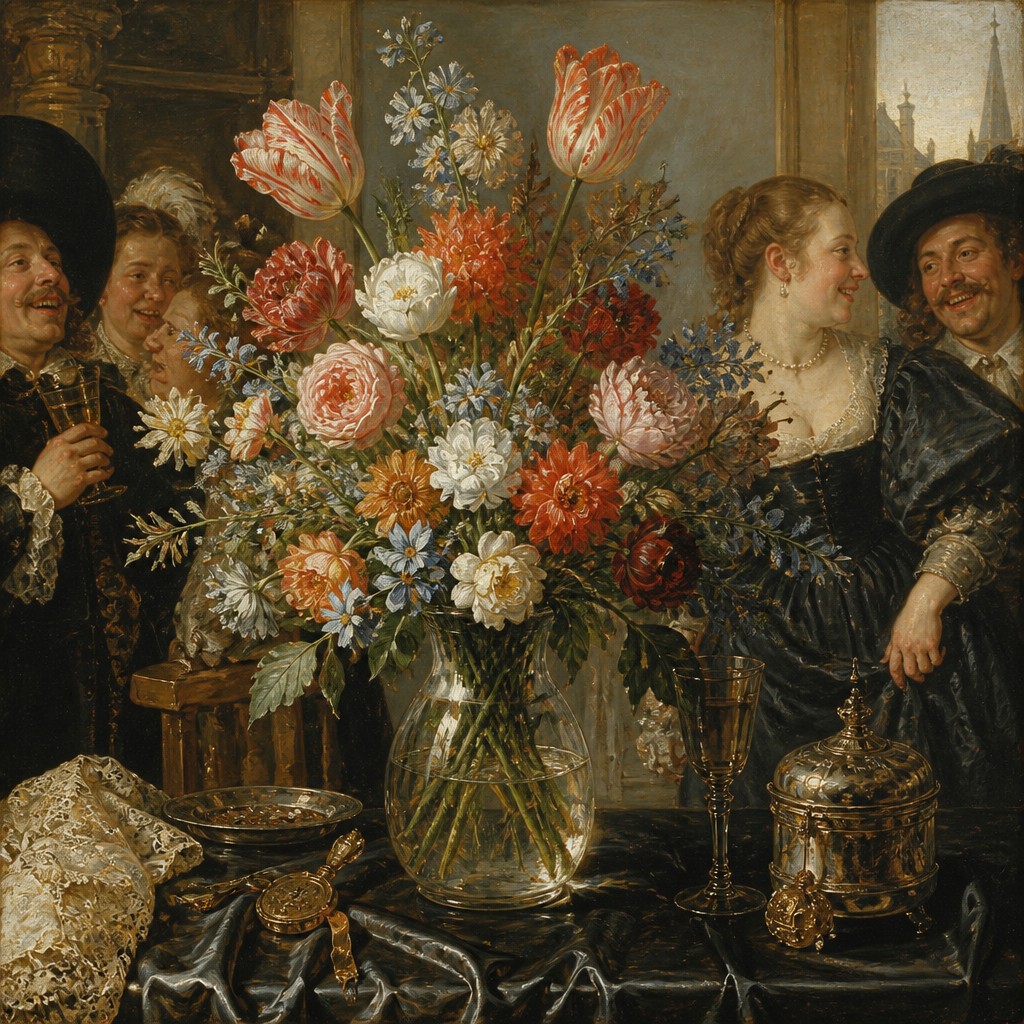
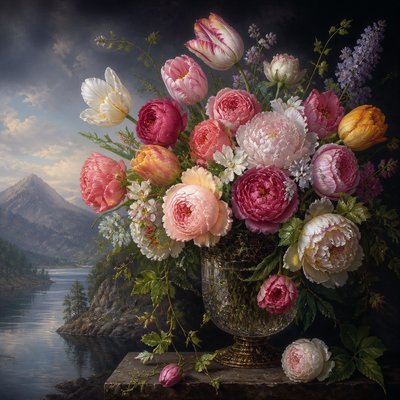
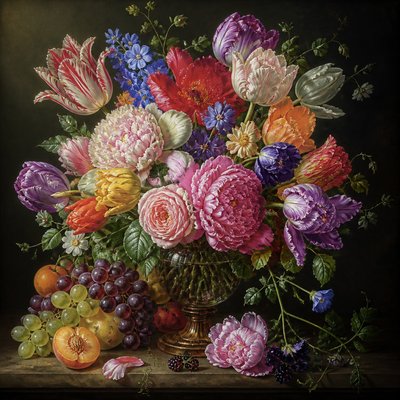
“bouquet of flowers in a glass vase”
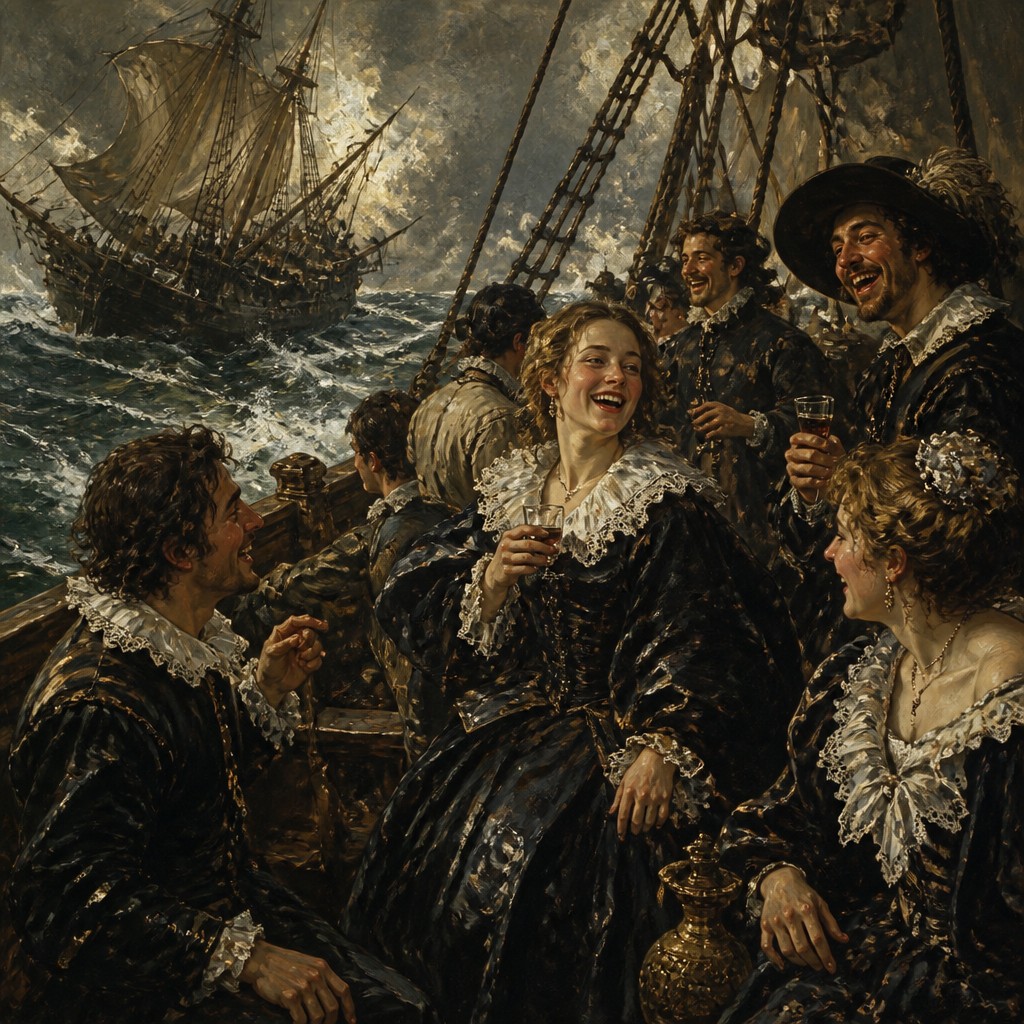
“sailing ship on a stormy sea”
How to Create Haarlem Golden Age Art
Master the craft step by step — or skip straight to creating. Read the full guide →
- 1
Build the group around interaction
Begin with a clear social action, such as a toast, joke, song, or exchanged glance. Arrange figures in overlapping clusters so that hands, faces, and sightlines connect them.
- 2
Use a limited oil-paint palette
Work with ivory, lead- or zinc-white equivalents, ochre, umber, muted red, grey, and near-black, reserving brighter highlights for faces, lace, glass, and metal. In digital painting, reduce saturation and unify colors with a warm-grey glaze.
- 3
Separate fabrics by mark-making
Paint satin with broad dark strokes and narrow reflected highlights, while treating lace as small broken light marks. Avoid rendering every thread; suggest material through contrast, rhythm, and edge control.
- 4
Shape the light before the details
Establish a dim interior with a soft lateral or overhead light, then place the strongest values on faces and collars. Keep peripheral figures and furnishings lower in contrast to preserve depth.
- 5
Retain visible brush energy
Whether working traditionally or digitally, vary stroke length and edge sharpness instead of smoothing the entire surface. Let selected marks remain loose around hair, sleeves, tableware, and background architecture.
- 6
Write prompts with social and material cues
For prompt-based creation, specify the period setting, number and behavior of figures, silvery grey-gold light, black satin, white lace, dark interior, and lively painterly brushwork. Add composition and mood terms rather than relying on a style label alone.
The Story
History & Origins of Haarlem Golden Age
The style draws on Haarlem's artistic culture during the Dutch Golden Age, especially the early and middle seventeenth century. The city supported portraiture, civic-group commissions, landscape painting, and scenes of everyday life, while the prosperity of the Dutch Republic created a substantial market for images of social identity, domestic abundance, and public fellowship.
This label is best understood as a descriptive synthesis rather than a single officially codified movement. It combines Haarlem's naturalistic portrait tradition with the period's interest in genre scenes, tonal light, expressive gesture, and the representation of civic institutions. Its visual language developed alongside broader Dutch Golden Age experimentation with oil paint, observation, and carefully rendered textiles.
Influences: The style is closely related to Dutch Golden Age portraiture, Haarlem genre painting, civic militia imagery, and the broader Northern European oil-painting tradition. It also shares the period's interest in tonal realism, observational detail, theatrical light, and the material description of textiles. Compared with more solemn court portraiture or highly polished academic history painting, it emphasizes informal behavior, collective identity, and the pleasurable disorder of social life.
Frequently Asked Questions
What defines Haarlem Golden Age Art Style?
It combines seventeenth-century Haarlem social imagery with lively expressions, group interaction, silvery grey-gold light, and economical oil brushwork. Black satin, white lace, flushed faces, and festive civic settings are recurring visual anchors.
Is this the same as Dutch Golden Age painting?
It belongs to the wider Dutch Golden Age, but it describes a narrower Haarlem-associated mood and visual emphasis. The focus is on animated portraits and convivial gatherings rather than the full range of Dutch subjects, which also includes still life, marine painting, landscape, and religious art.
How does it differ from formal Baroque portraiture?
Formal Baroque portraiture often stresses rank, ceremony, and controlled presentation. Haarlem's convivial mode gives greater attention to laughter, exchanged glances, casual gestures, and the social relationships within a group.
What colors work best for this style?
Use a restrained palette of charcoal, warm grey, ivory, ochre, umber, muted crimson, and subdued gold. Stronger color can appear in small accents, but the overall image should be unified by silvery or smoky tonal light.
How can I make the figures look convincingly social?
Give every figure a specific action or relationship: listening, laughing, pouring, gesturing, singing, or making eye contact. Overlap bodies and connect hands, faces, and gazes so the group reads as an active exchange rather than a row of separate portraits.
Where is this style used today?
It is useful for historical illustrations, editorial scenes, character portraits, museum-inspired compositions, period storytelling, and digital paintings of communal celebrations. Its emphasis on expression and material texture also adapts well to contemporary group portraits with historical styling.
Create your first Haarlem Golden Age artwork
Describe anything — or upload a photo — and see it in Haarlem Golden Age Art Style in seconds.
Related Styles
Discover similar art styles