Classical Proportion Art Style
Explore Classical Proportion Art: ideal ratios, measured figures, harmonic geometry, and timeless academic order in art and design.
Instantly rendered in Classical Proportion — or transform a photo
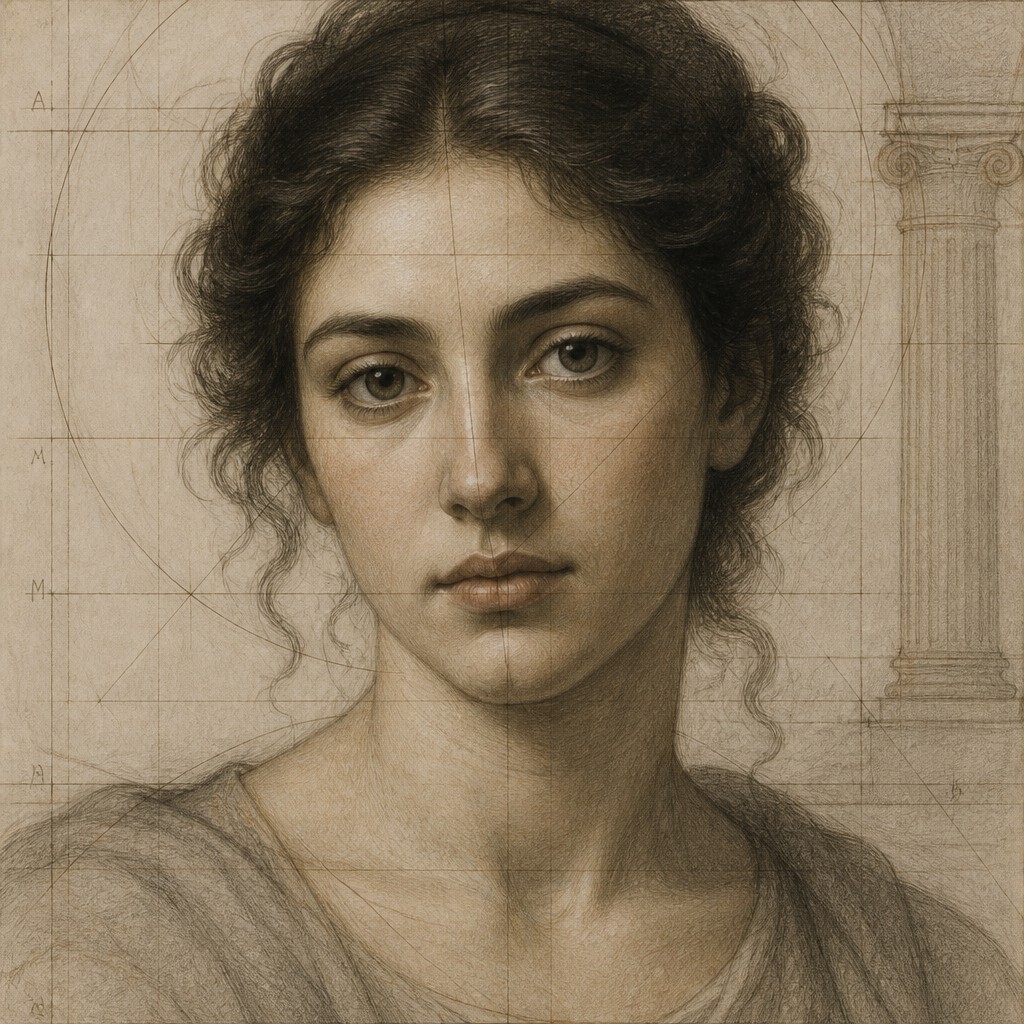
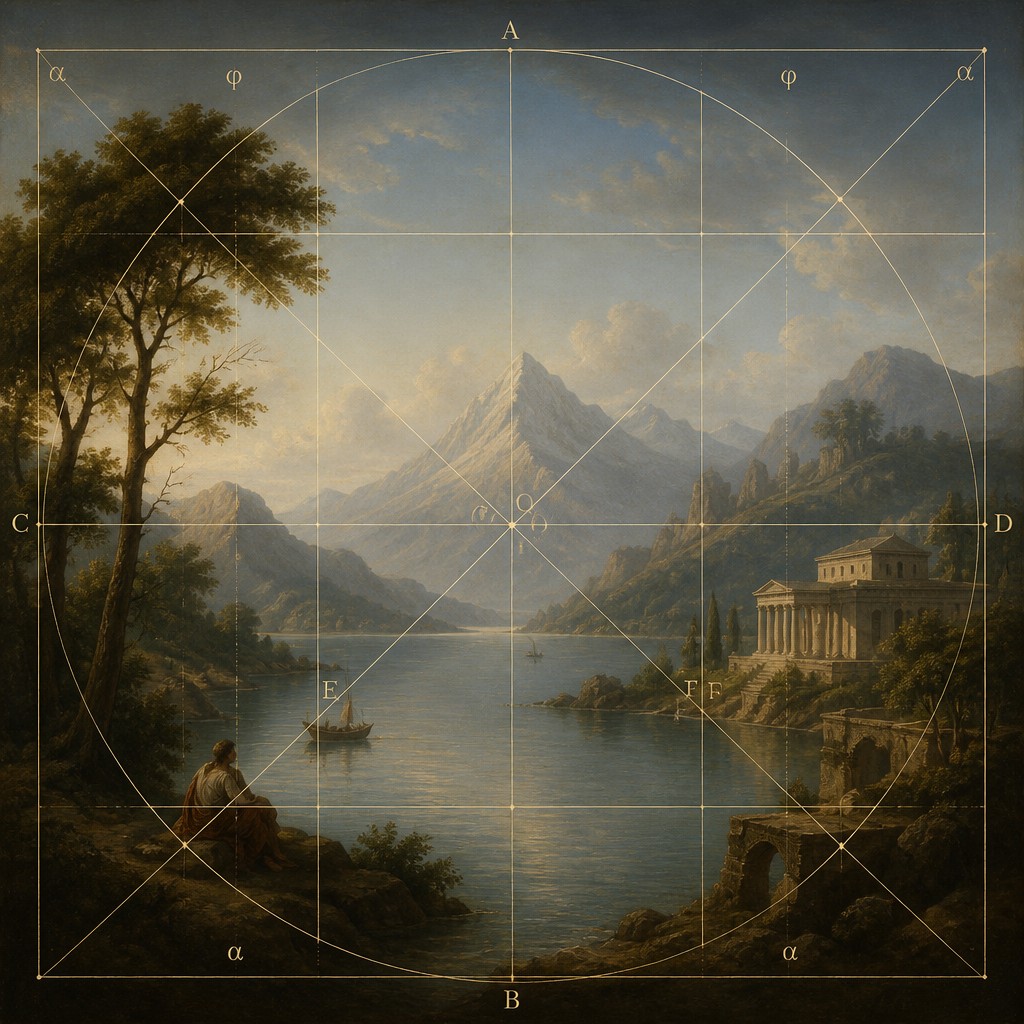
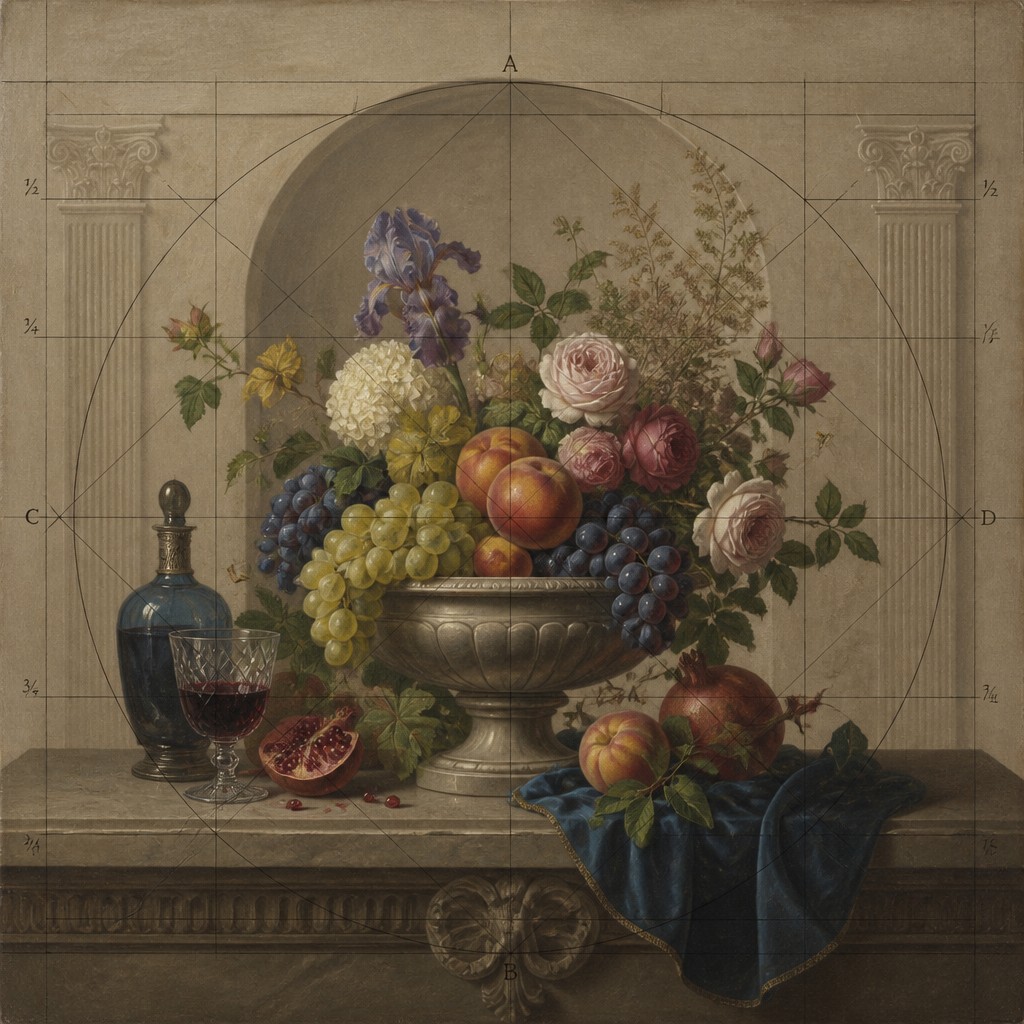
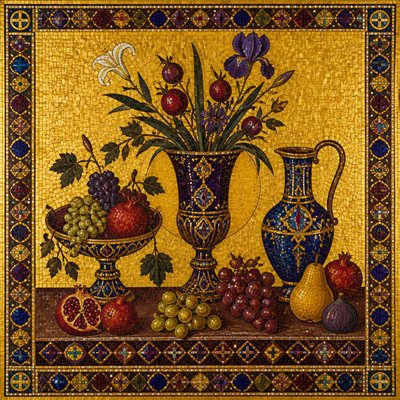
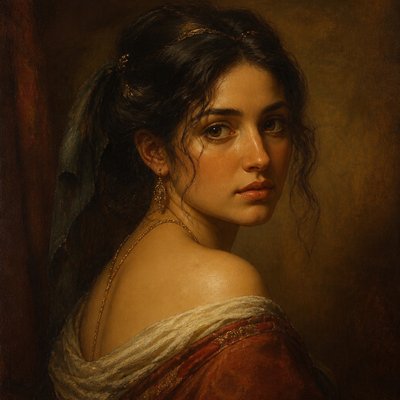
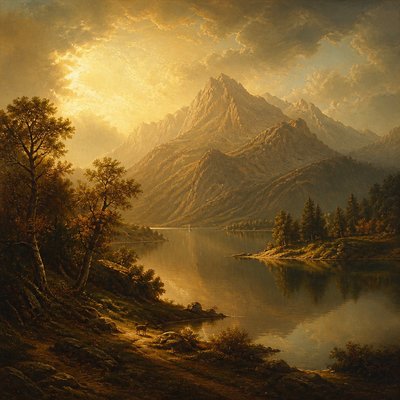
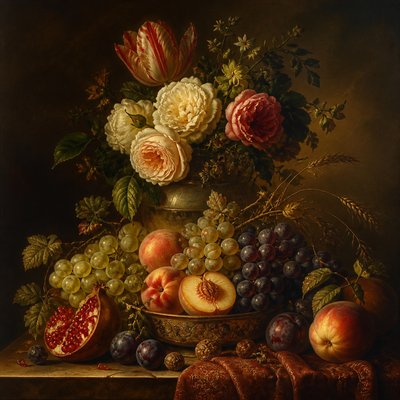
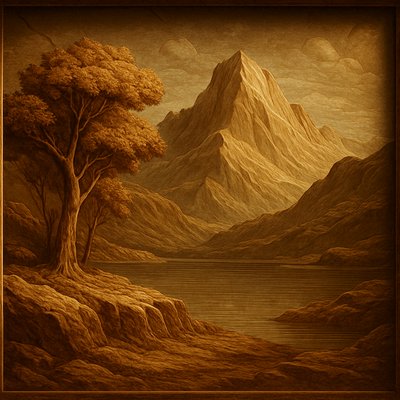
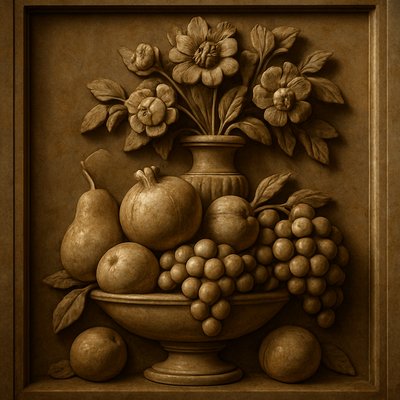
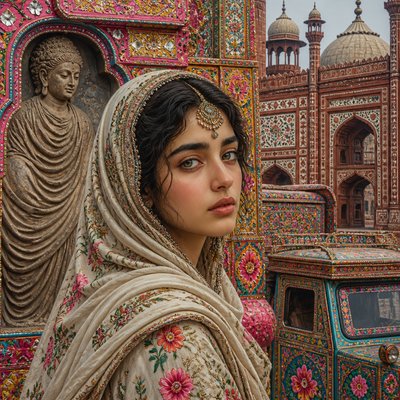
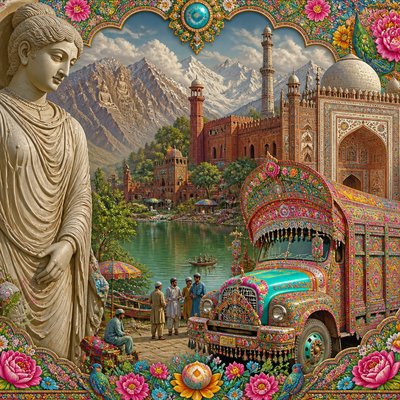
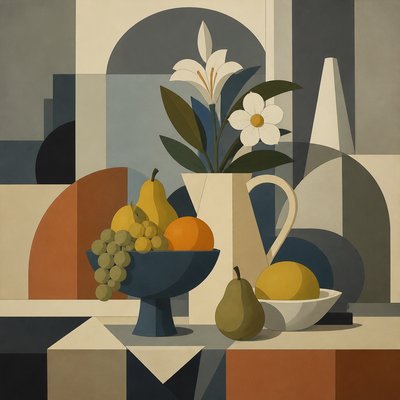
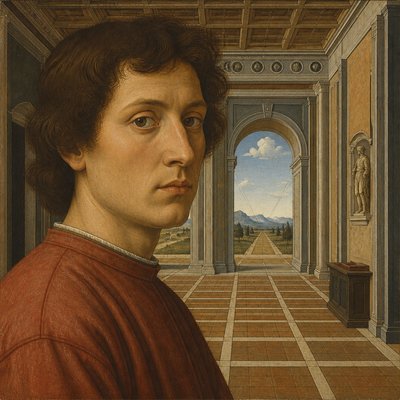
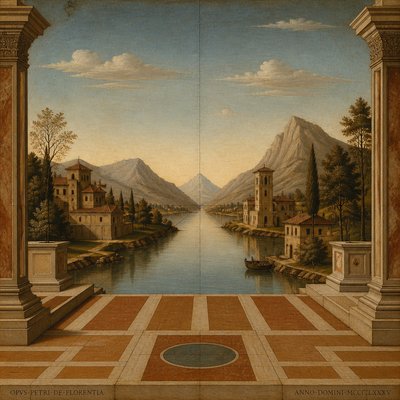
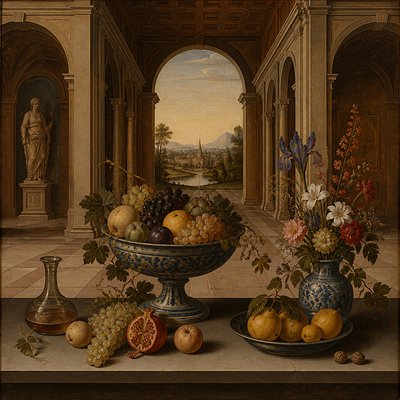
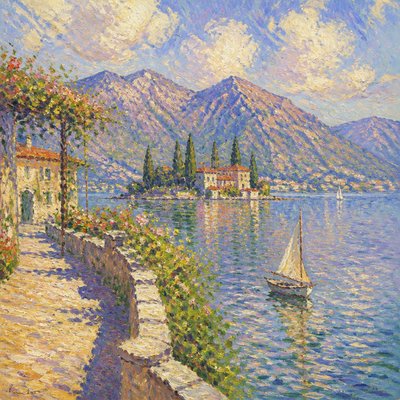
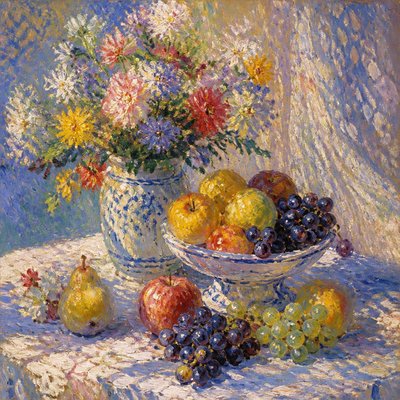
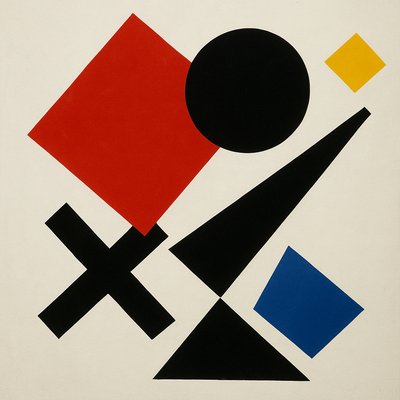
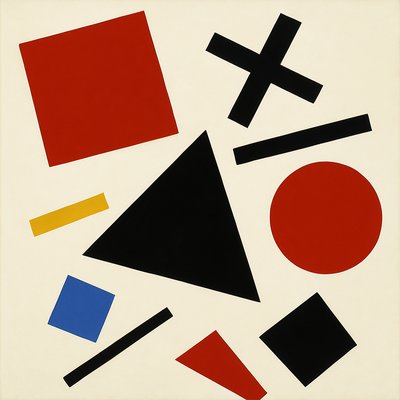
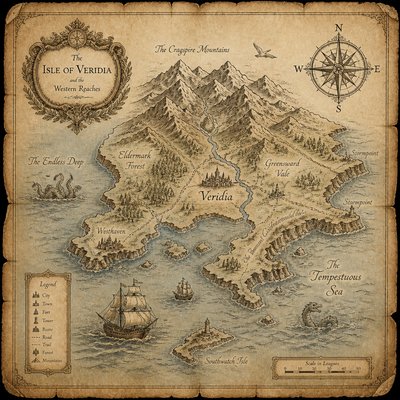
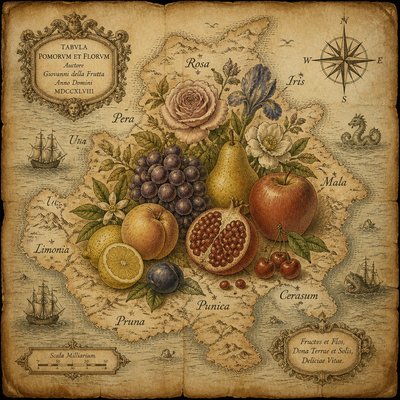
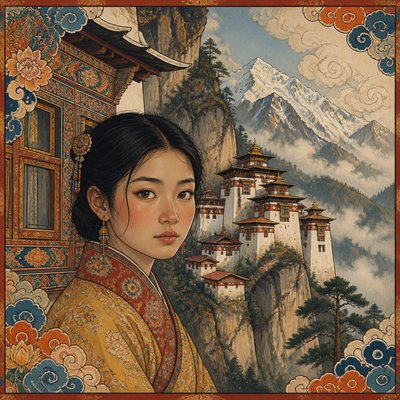
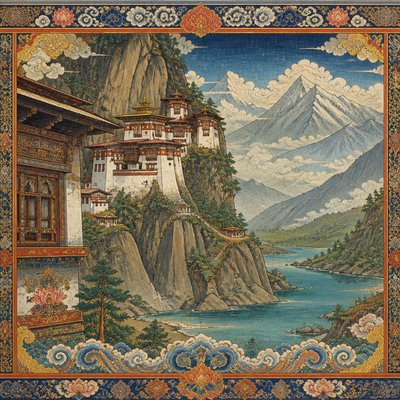
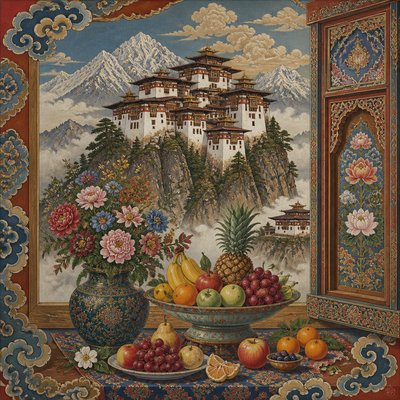
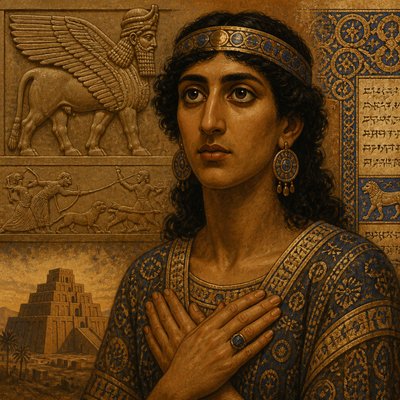
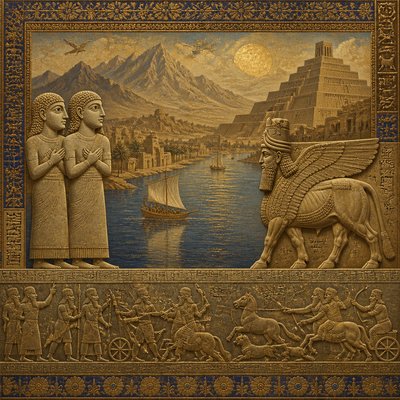
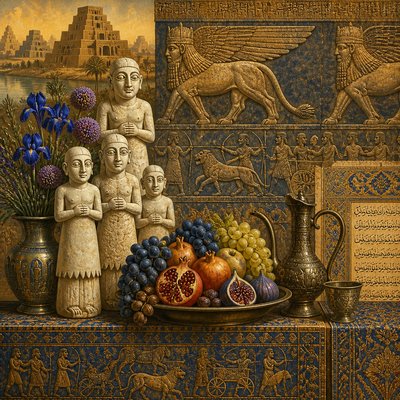
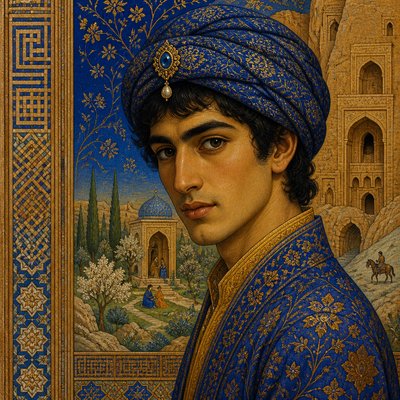
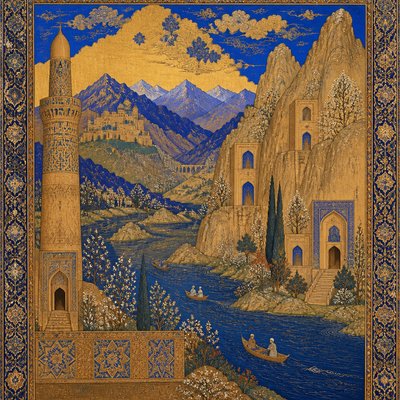
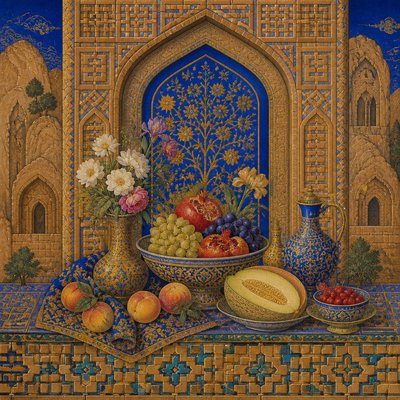
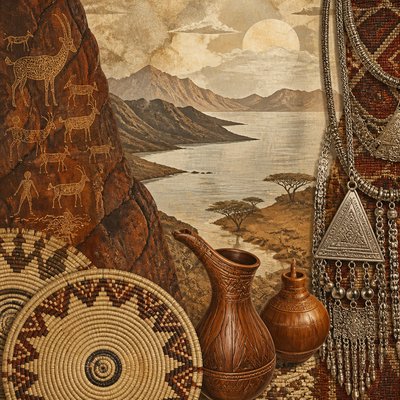
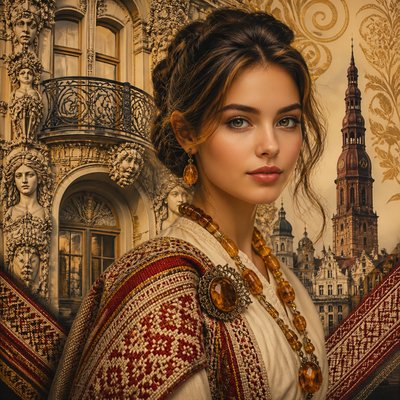
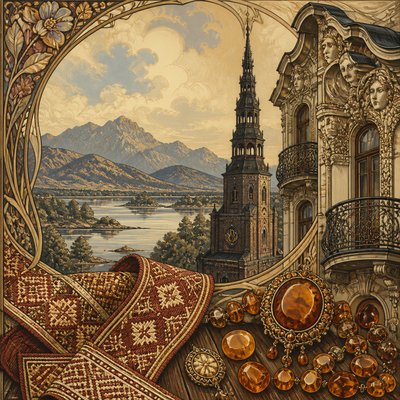
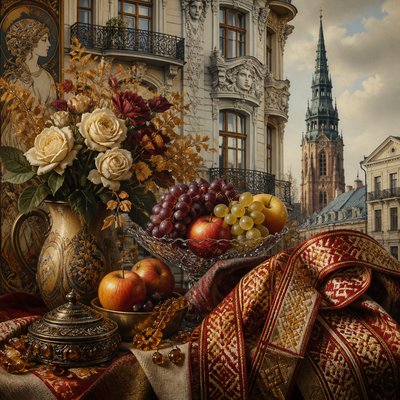
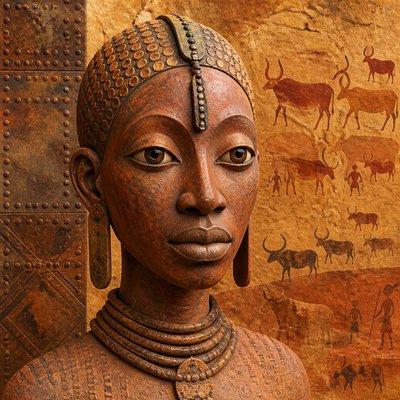
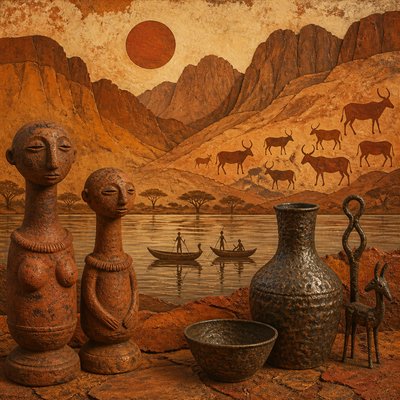
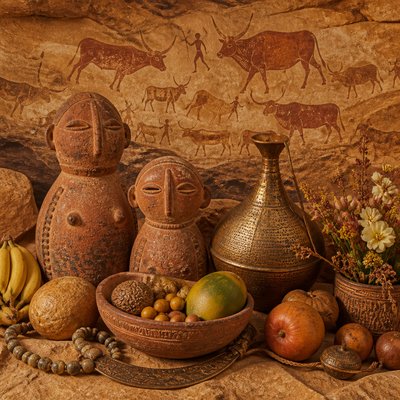
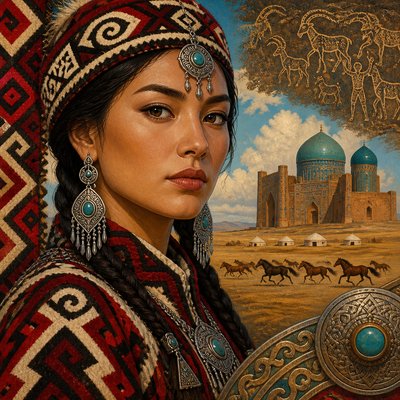
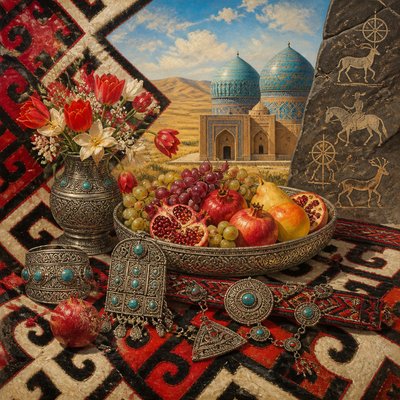
Classical Proportion Gallery
Tap any artwork to explore it
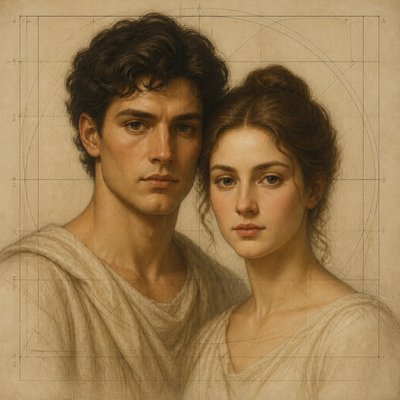
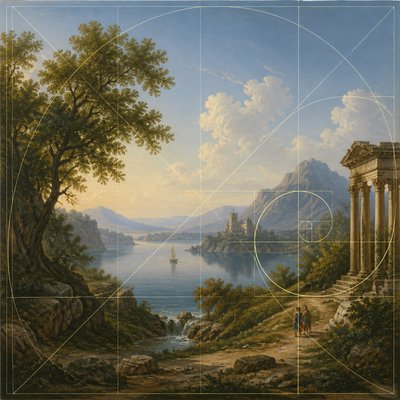
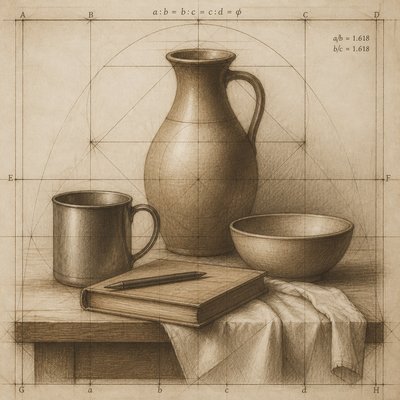
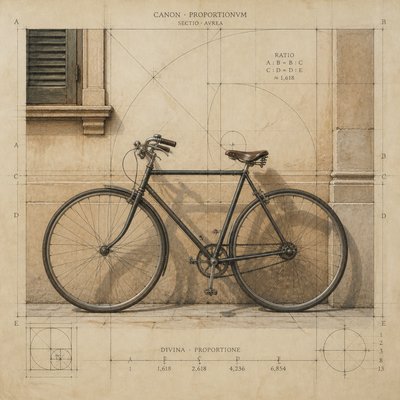
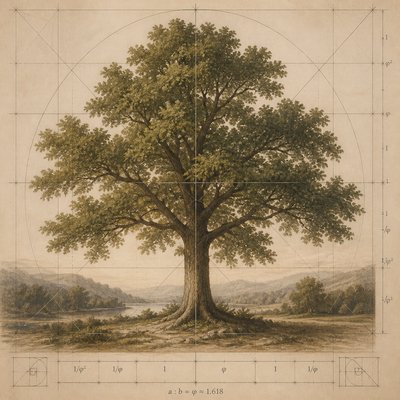
What is Classical Proportion Art Style?
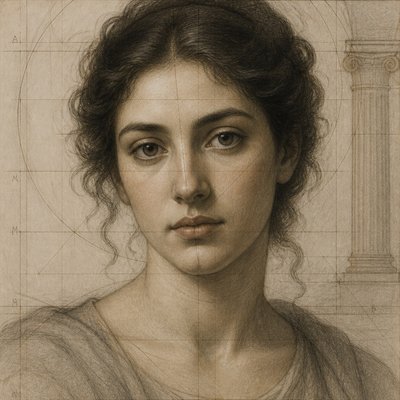
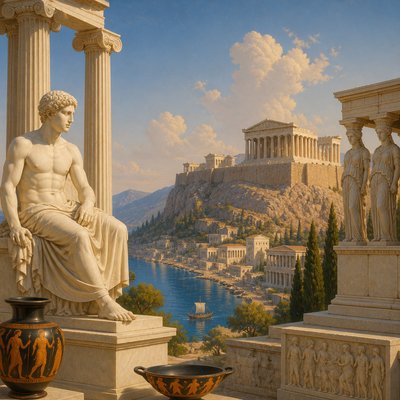
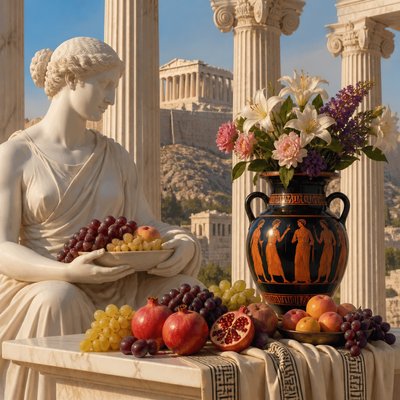
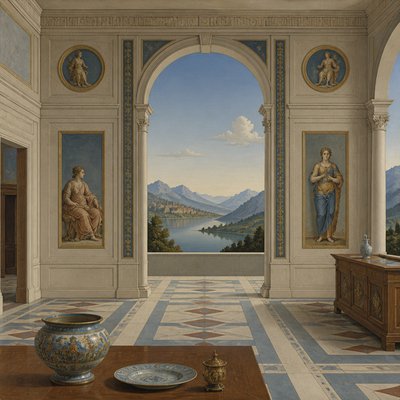
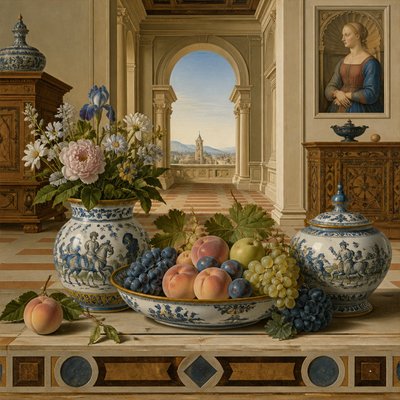
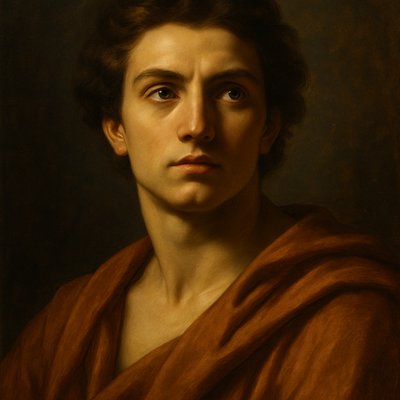
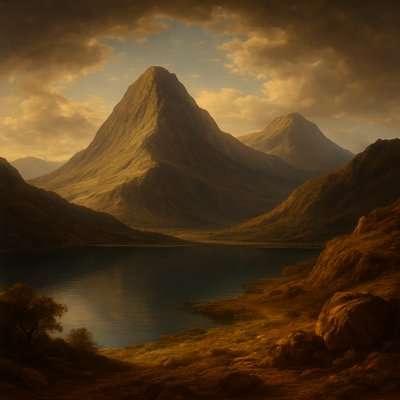
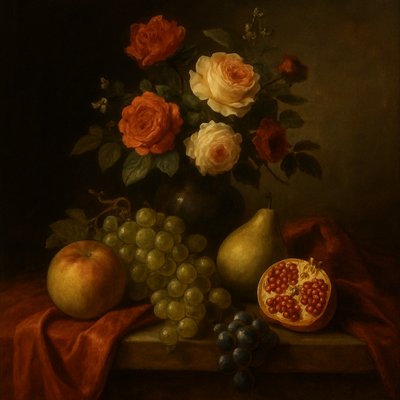
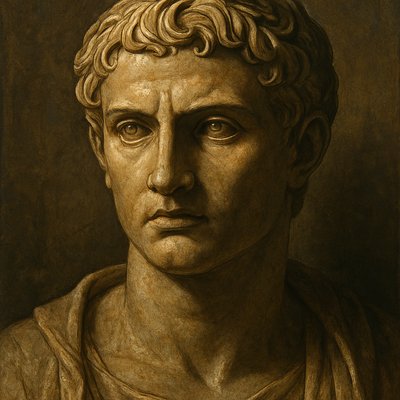
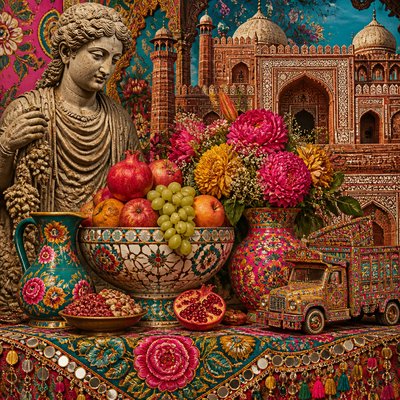
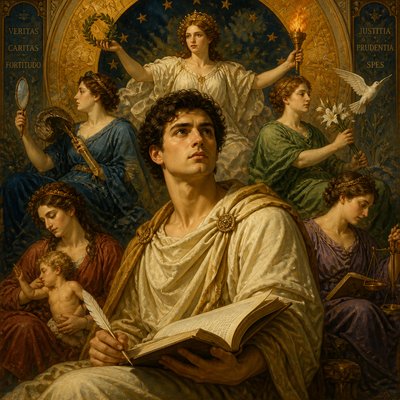
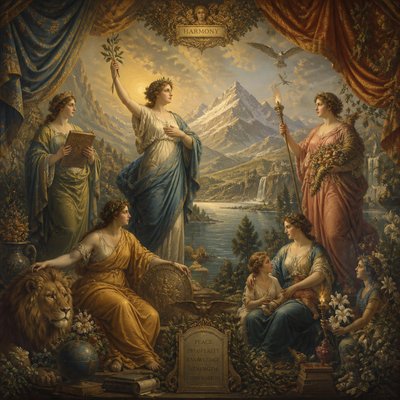
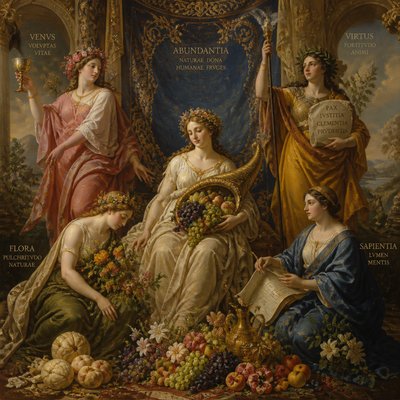
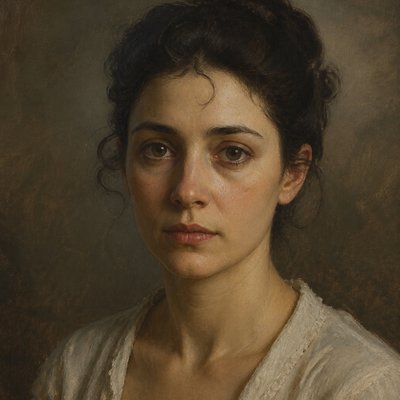
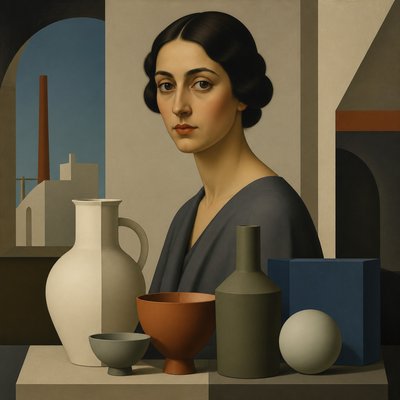
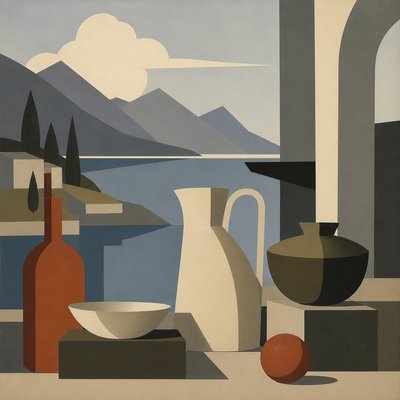
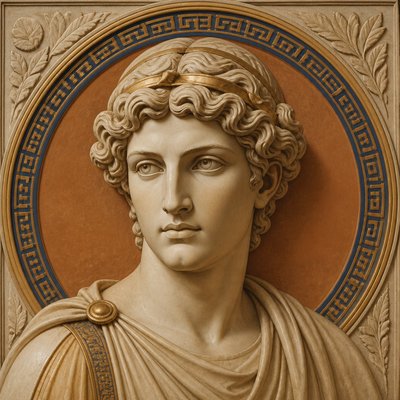
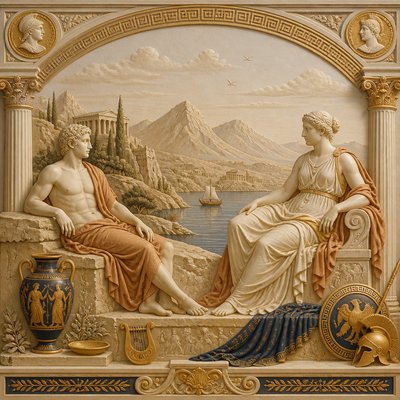
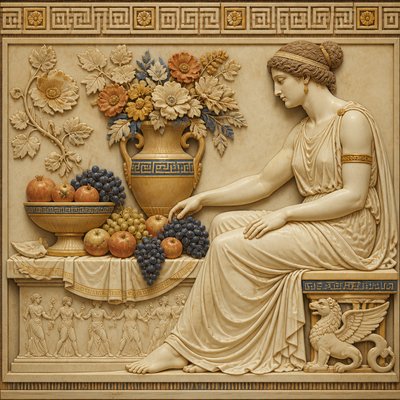
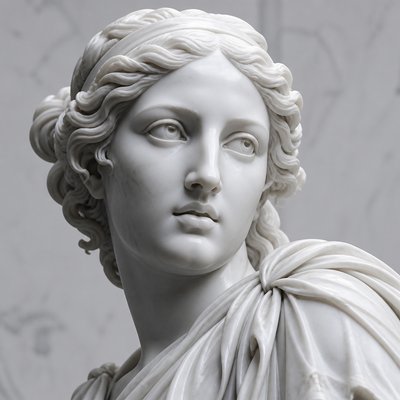
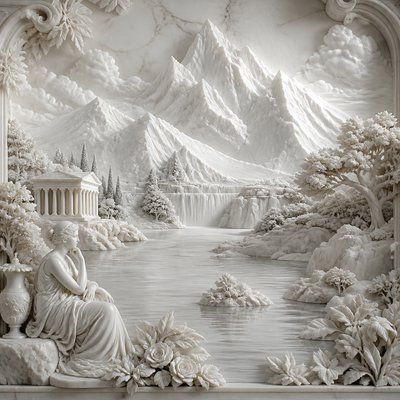
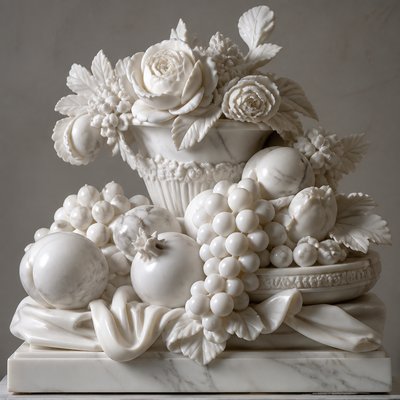
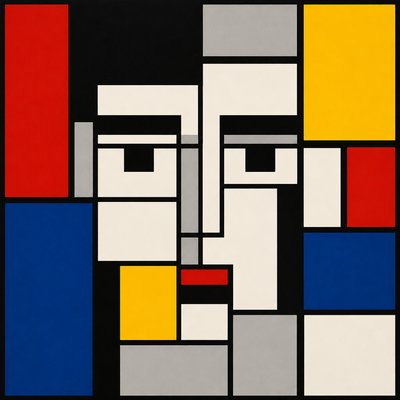
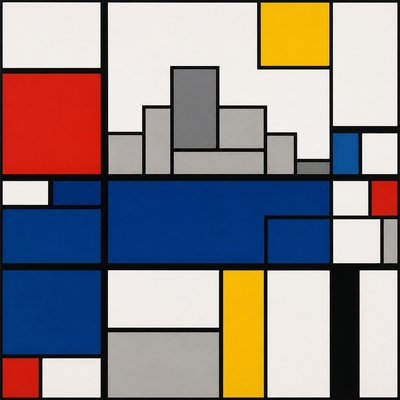
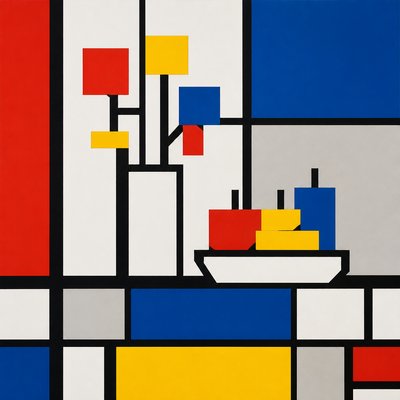
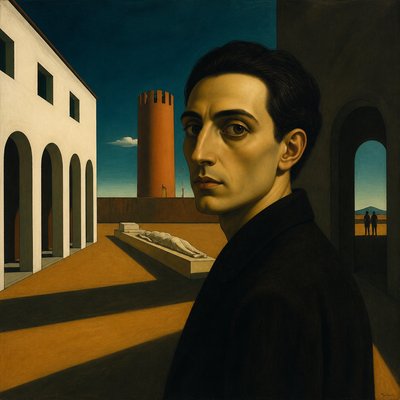
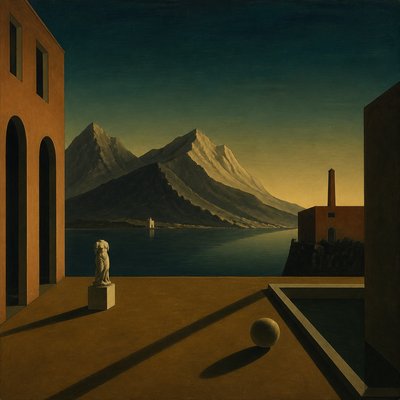
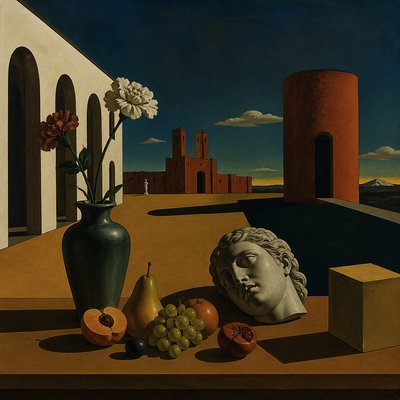
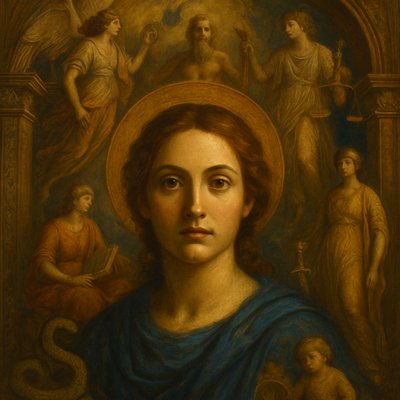
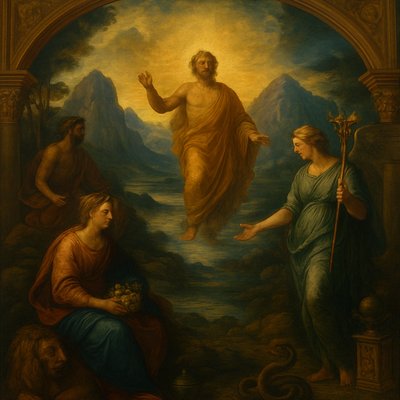
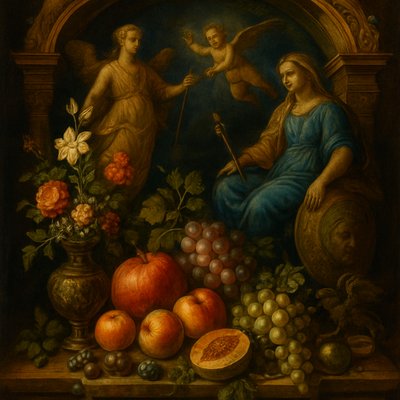
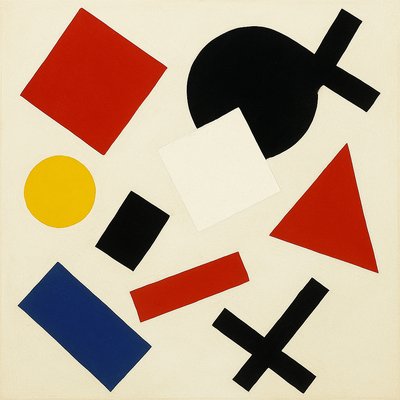
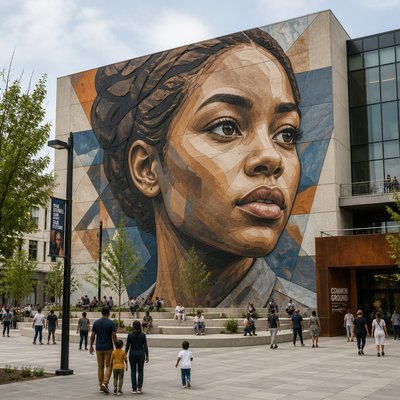
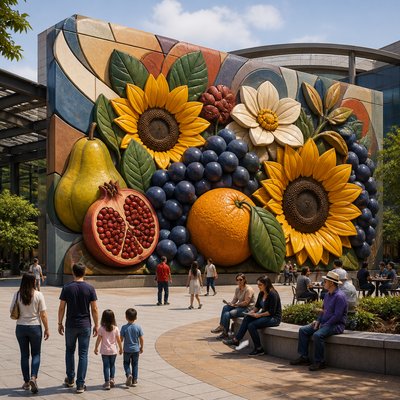
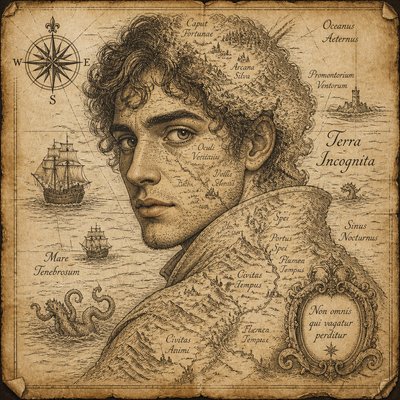
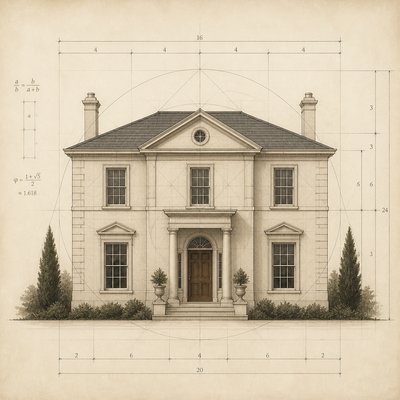
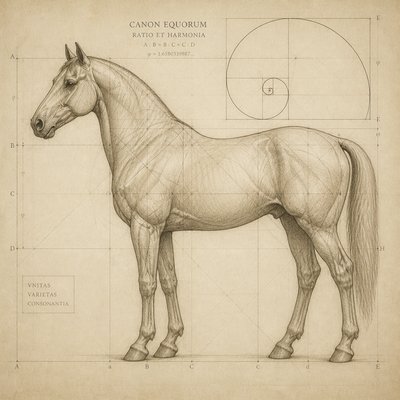
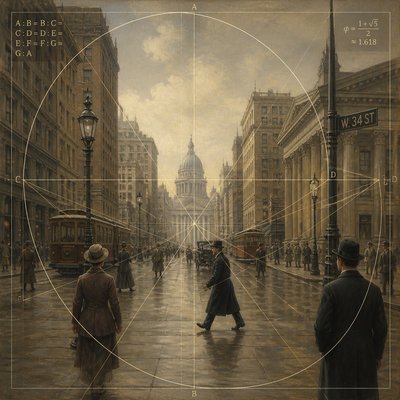
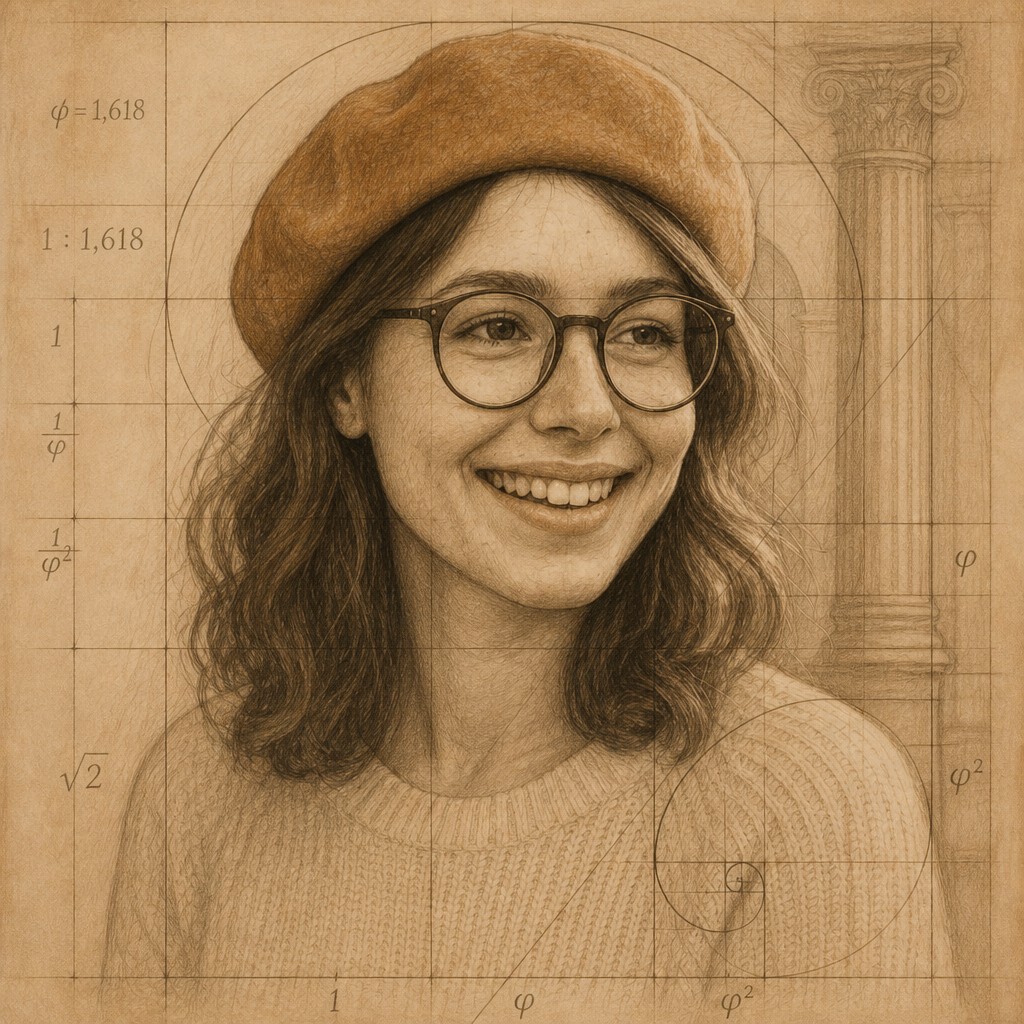
Classical Proportion Art is a contemporary descriptive style built around the measured beauty of ideal ratios. Its compositions organize figures, objects, architecture, and empty space through harmonic divisions, balanced intervals, calm symmetry, and a clear sense of visual order. Forms appear deliberate rather than accidental, with proportions that suggest study, discipline, and permanence.
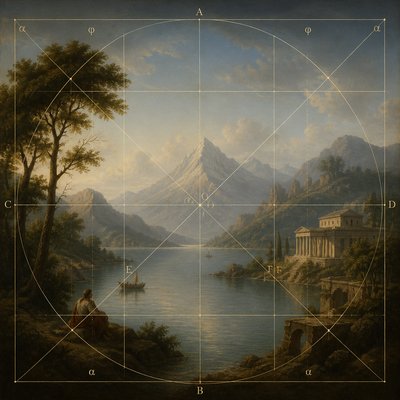
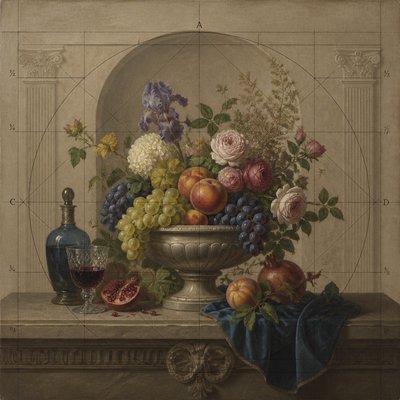
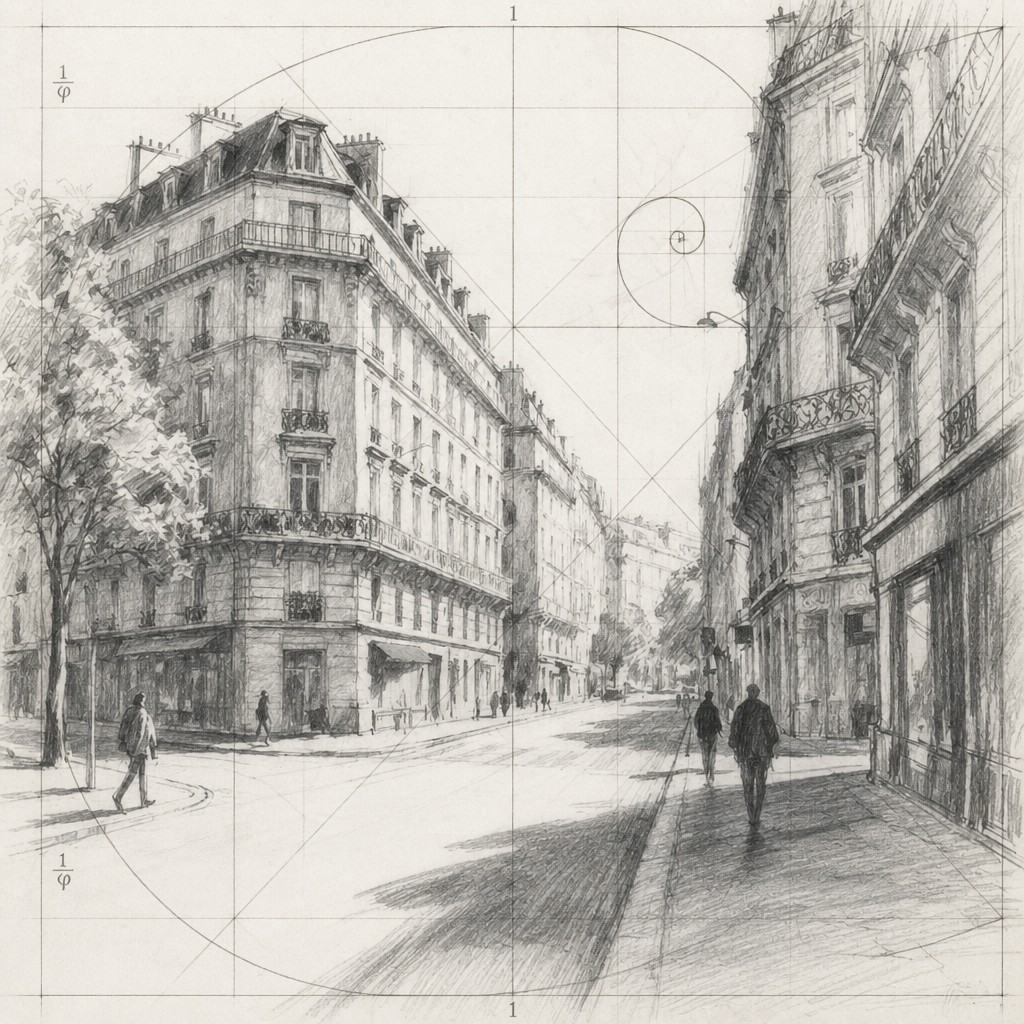
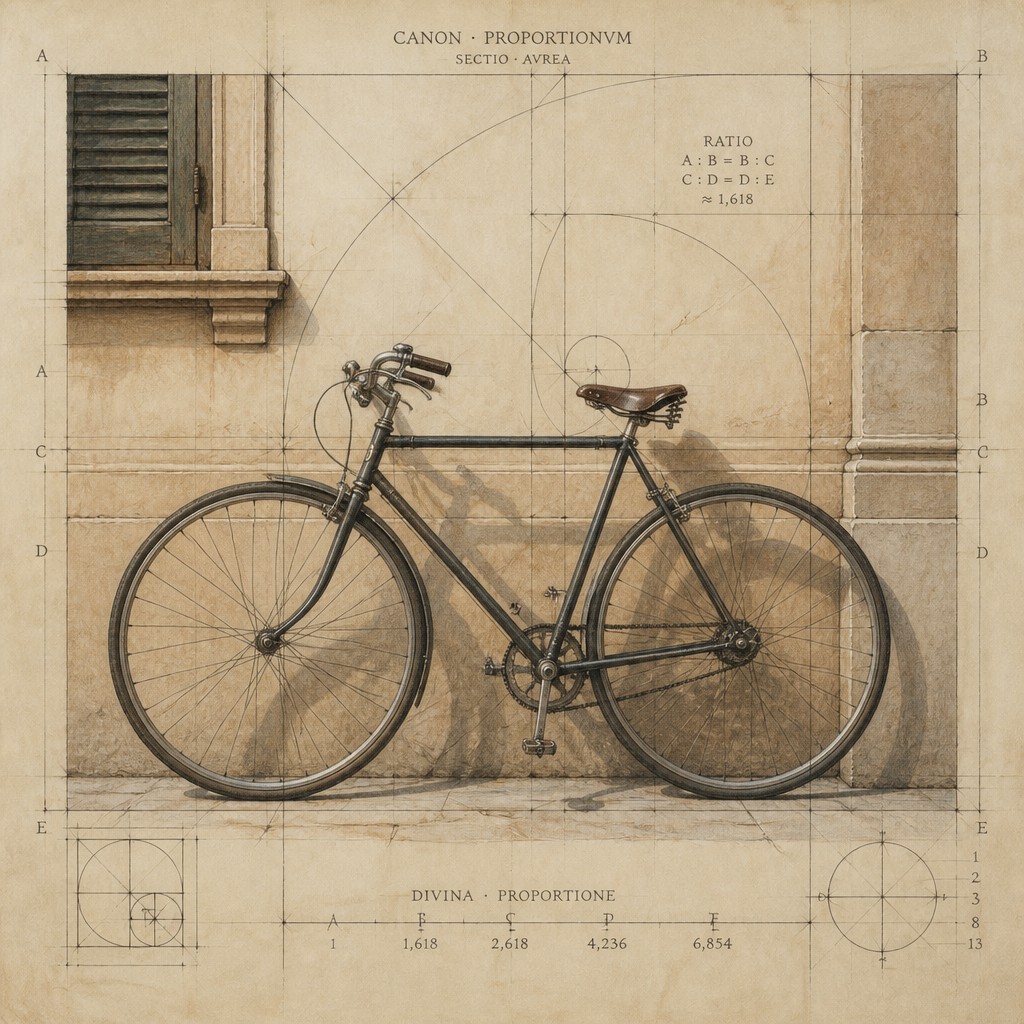
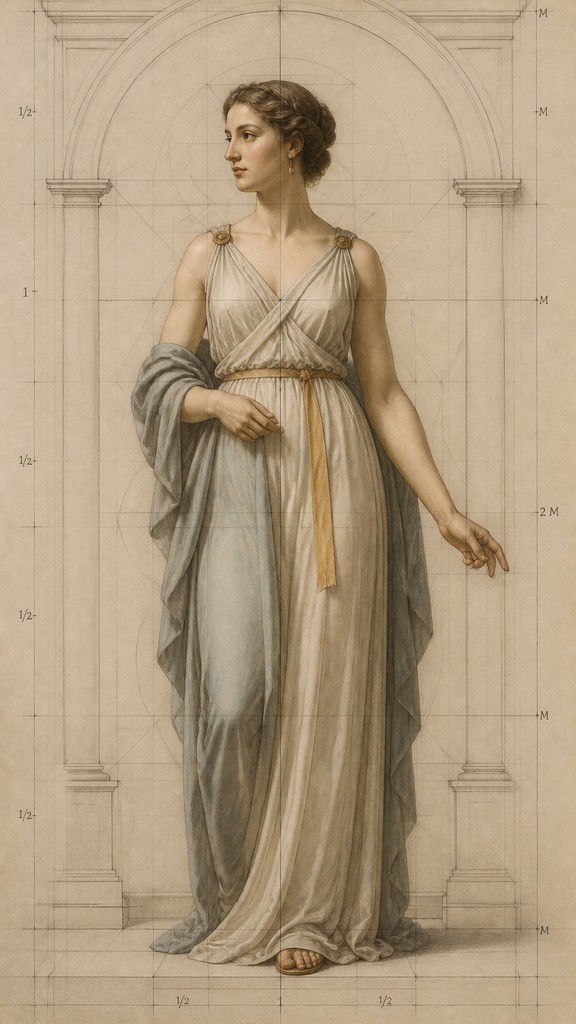
The style often reveals subtle construction geometry beneath the finished image: alignment axes, grids, circles, diagonals, modular divisions, or lightly indicated figure scaffolding. Surfaces remain controlled and refined, while the overall mood is quiet, rational, and timeless. It can be applied to portraiture, architecture, still life, landscape, editorial illustration, and digitally constructed scenes.
Try It On Your Photos
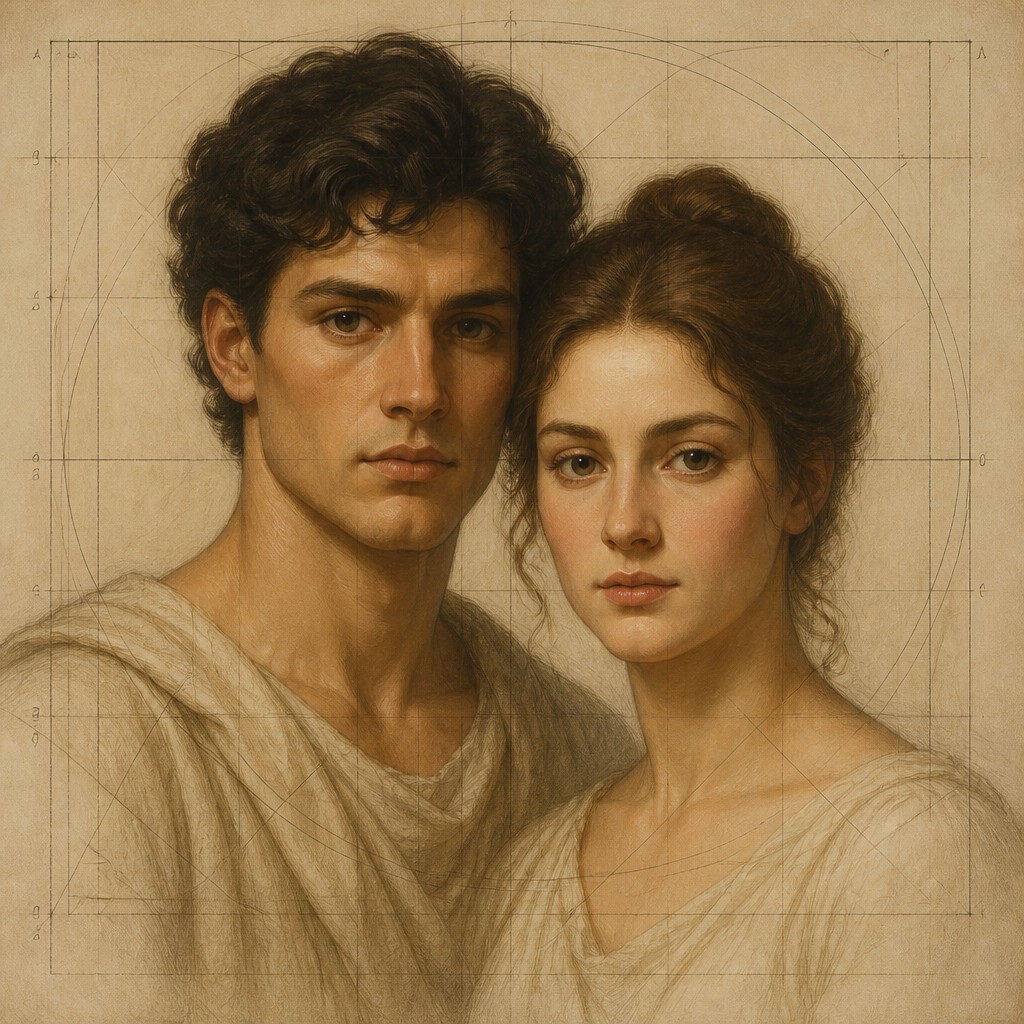
Upload any photo and convert it into Classical Proportion Art Style — drag the sliders to compare before and after.


What Defines Classical Proportion Art Style
The signature details, up close
Idealized proportion
Figures, buildings, and objects are arranged according to measured relationships rather than arbitrary scale. The result is balanced, composed, and physically coherent.
Harmonic divisions
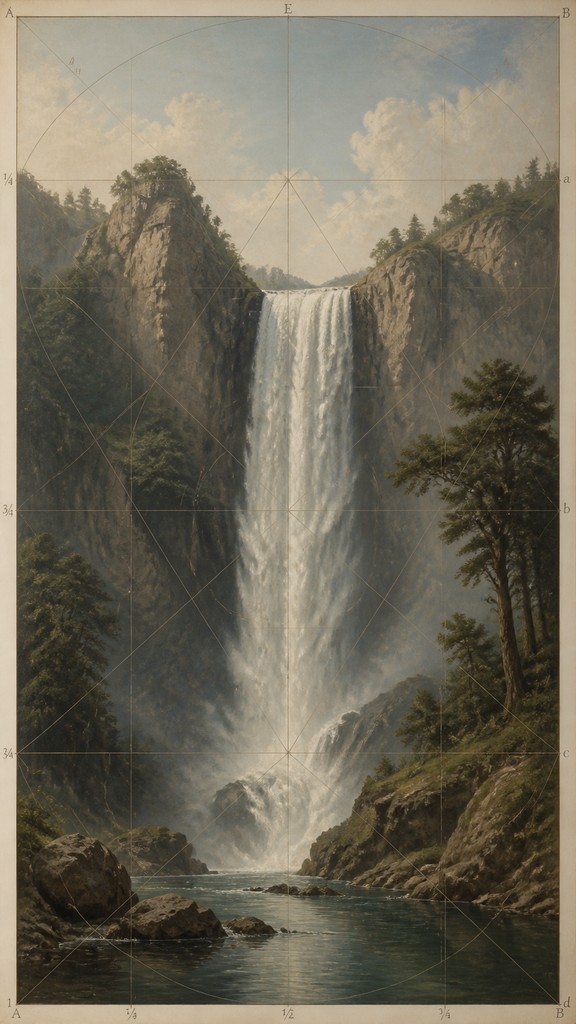
The image is structured through repeated ratios, modular spacing, central axes, and carefully weighted intervals. These divisions guide the eye while remaining more felt than explicitly announced.
Visible construction geometry
Faint grids, centerlines, geometric guides, skeletal figure marks, and perspectival scaffolding may remain visible beneath the finished forms. They suggest the intellectual process of making.
Calm symmetry
Symmetry is often present but may be softened through near-symmetrical balance, offset details, or controlled asymmetry. Nothing feels chaotic or visually overburdened.
Academic figure design
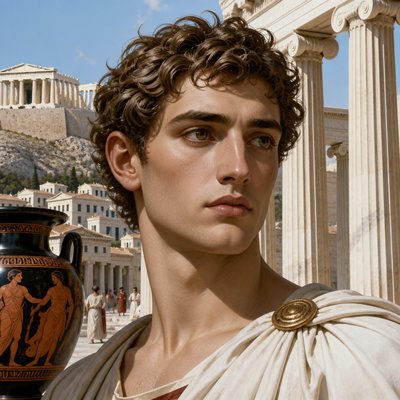
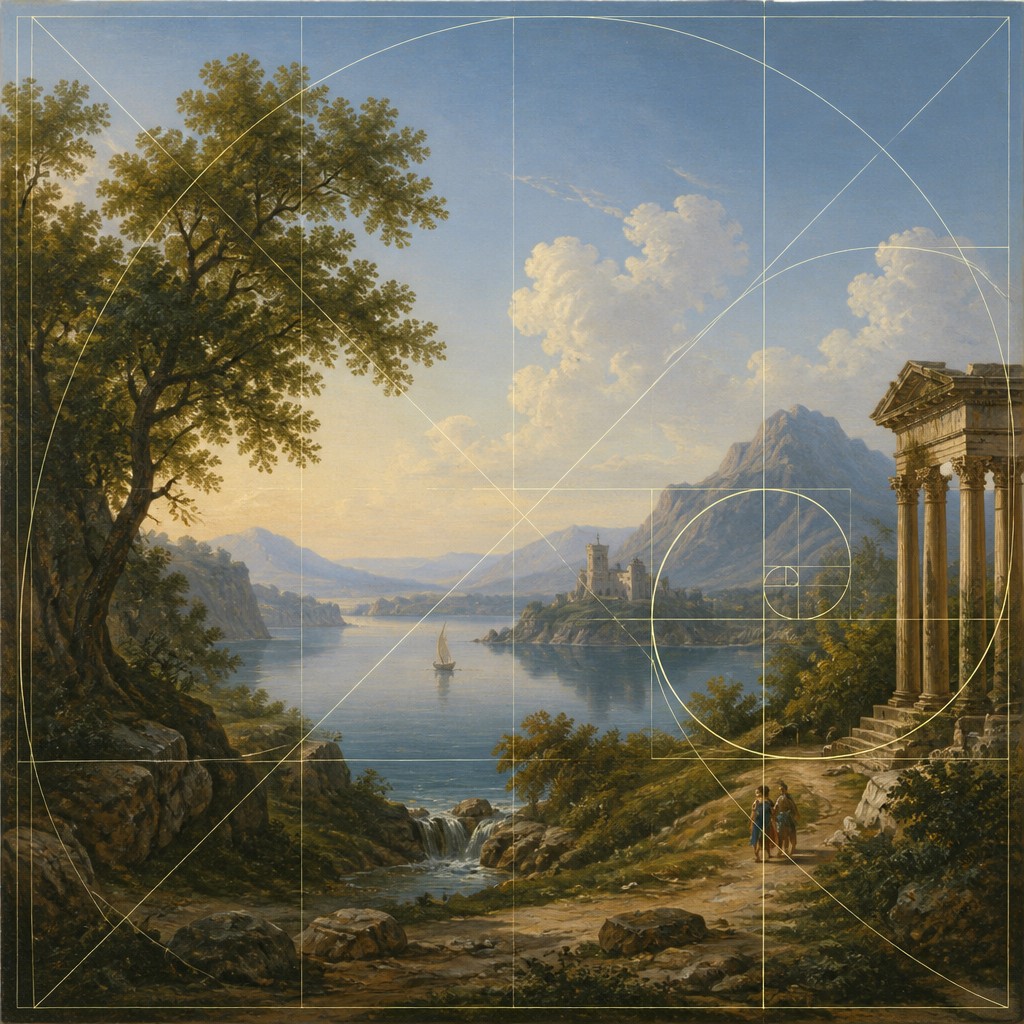
Human bodies are articulated with measured anatomy, stable gesture, and carefully considered stance. Poses tend toward clarity and poise rather than extreme distortion or spontaneous movement.
Architectural clarity
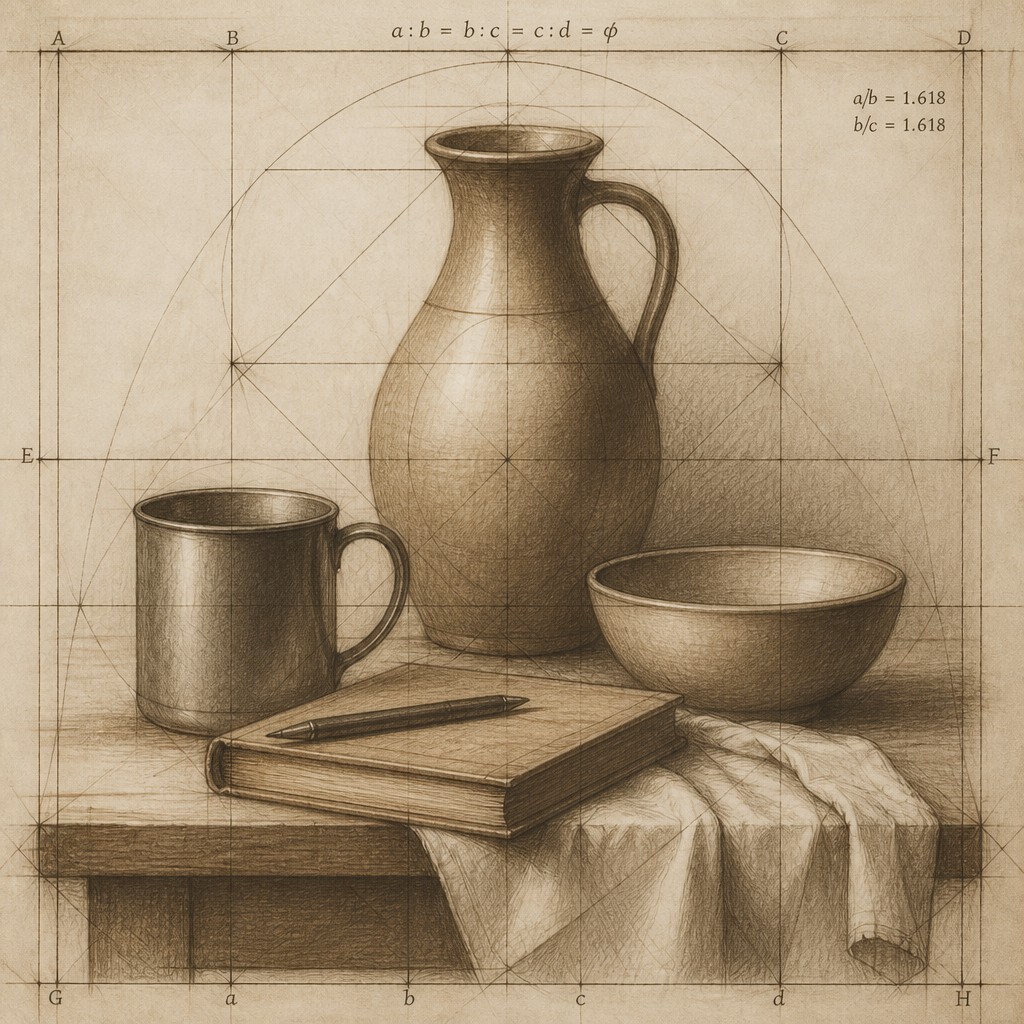
Columns, facades, rooms, streets, and structural elements are rendered with legible scale and disciplined perspective. Built forms often function as proportional frameworks for the subject.
Restrained finish
Color, texture, and ornament are controlled so that they support structure instead of competing with it. Soft tonal modeling, mineral hues, and clean edges reinforce the style's timeless character.
Try It
Create Videos in Classical Proportion Art Style
Styles aren't just for stills — describe a scene or animate an image and get a short video rendered in Classical Proportion. Press play to see this pond come to life.
Make a VideoClassical Proportion Prompt Ideas
Start from an idea — each one opens the generator with the style ready to go. See all 40 Classical Proportion prompts →
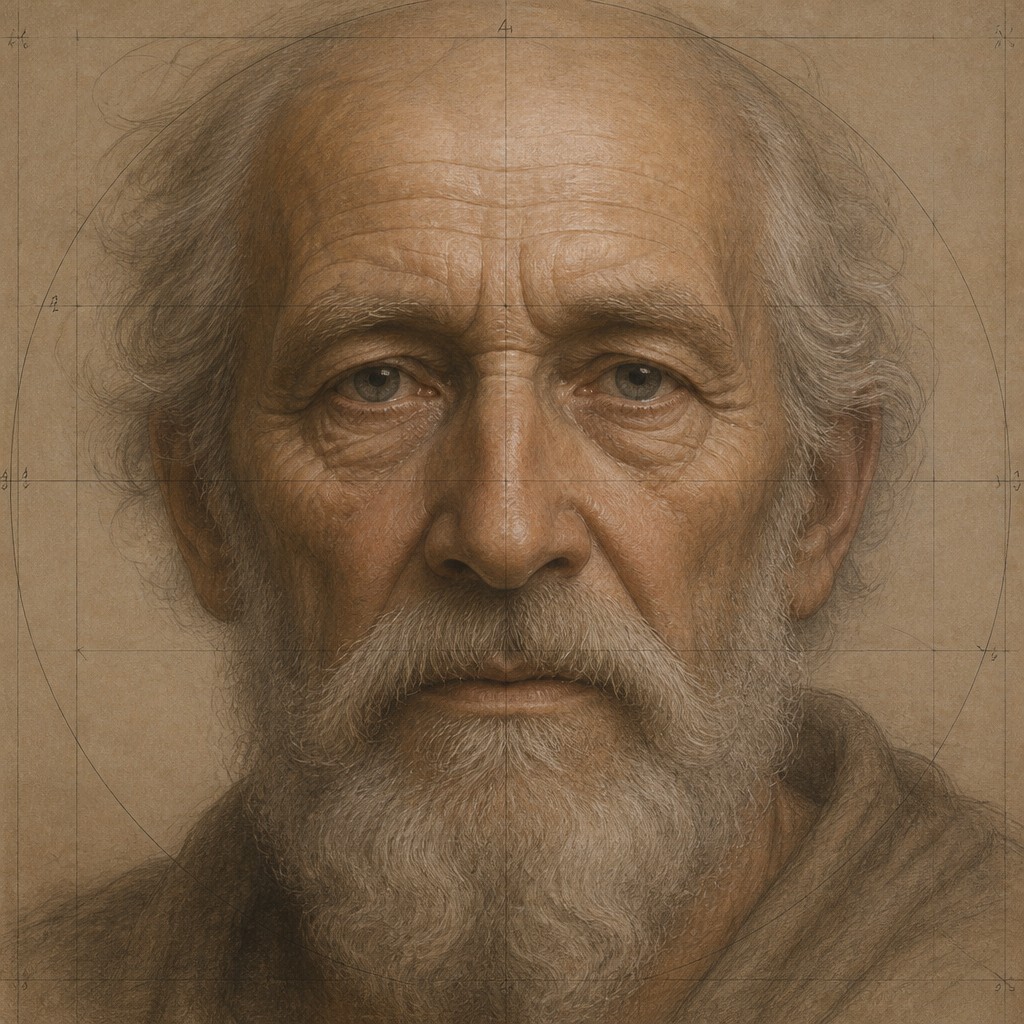
“close-up portrait of an elderly person with expressive weathered features”
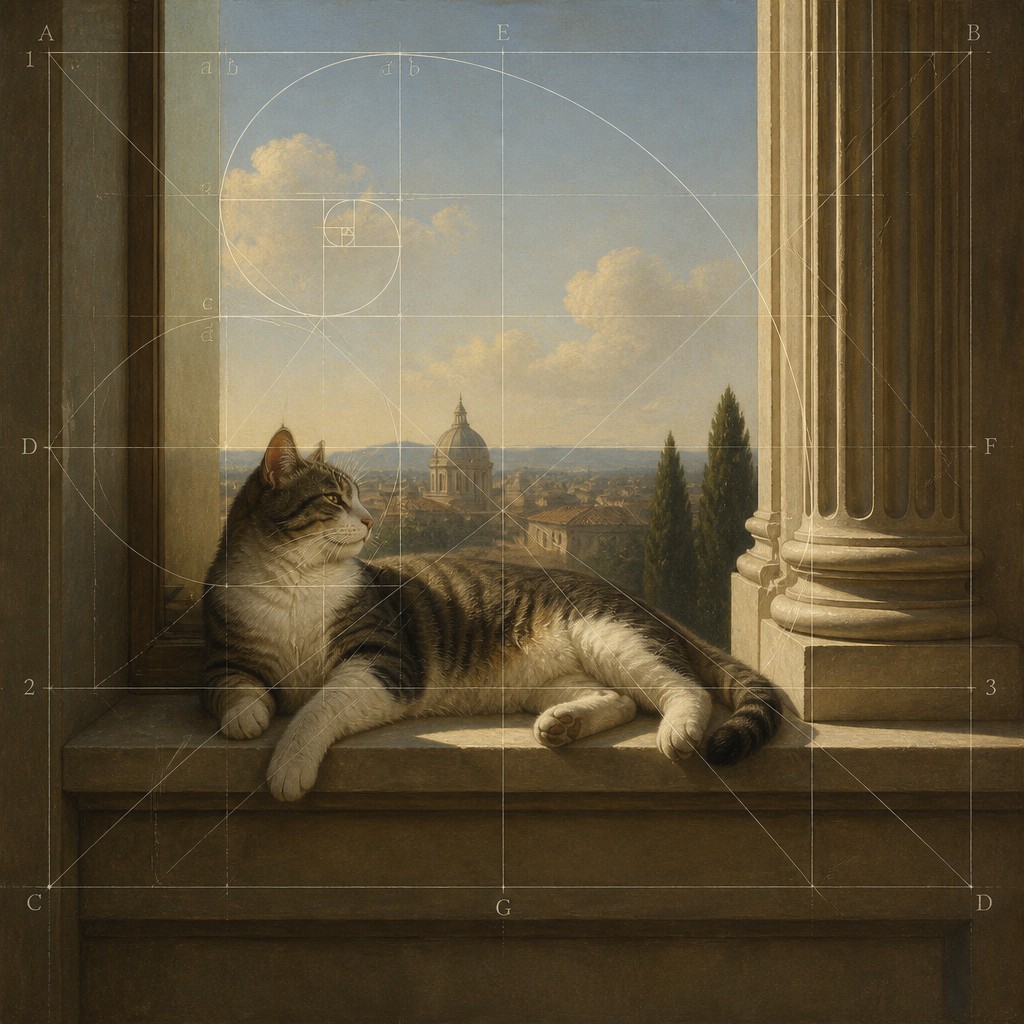
“a cat lounging in a sunlit window”
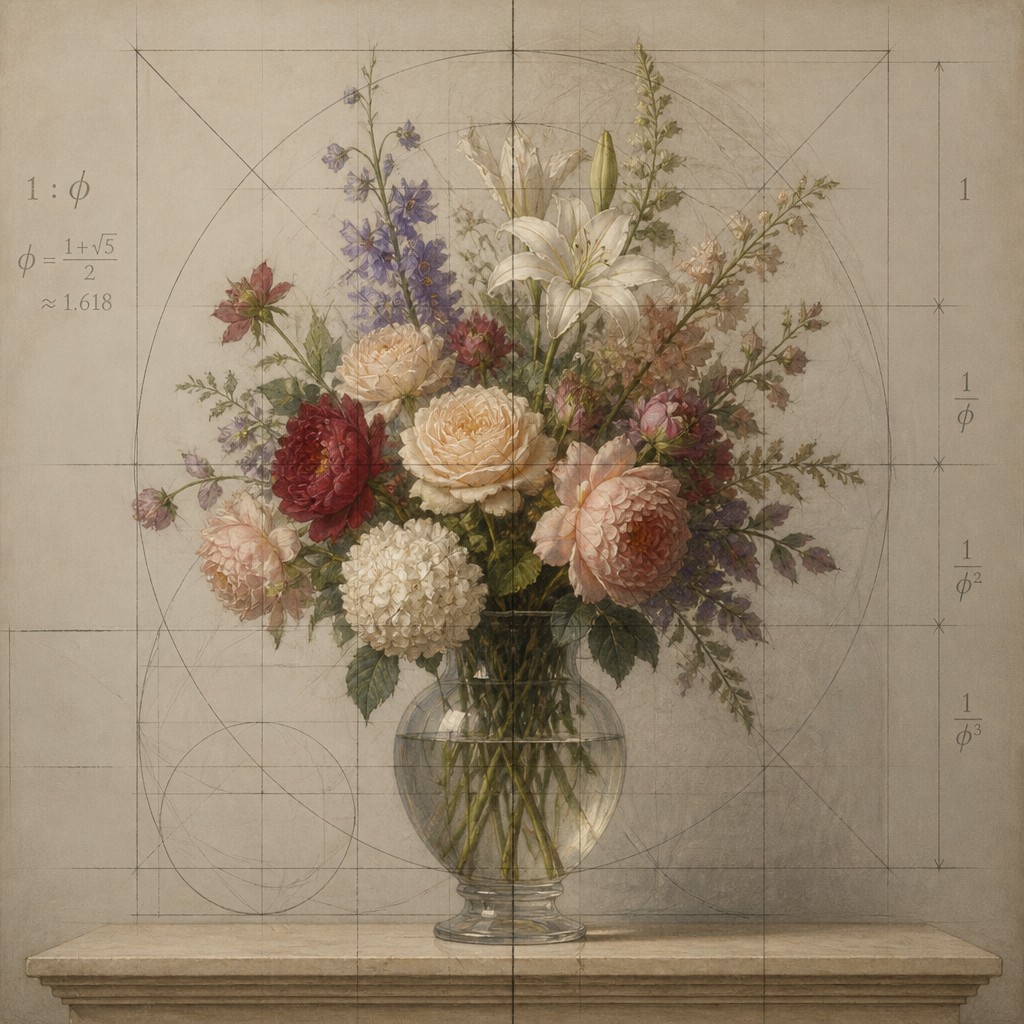
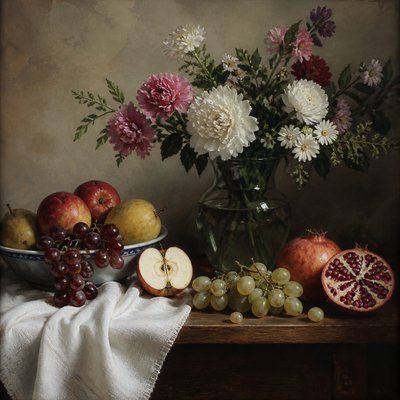
“bouquet of flowers in a glass vase”
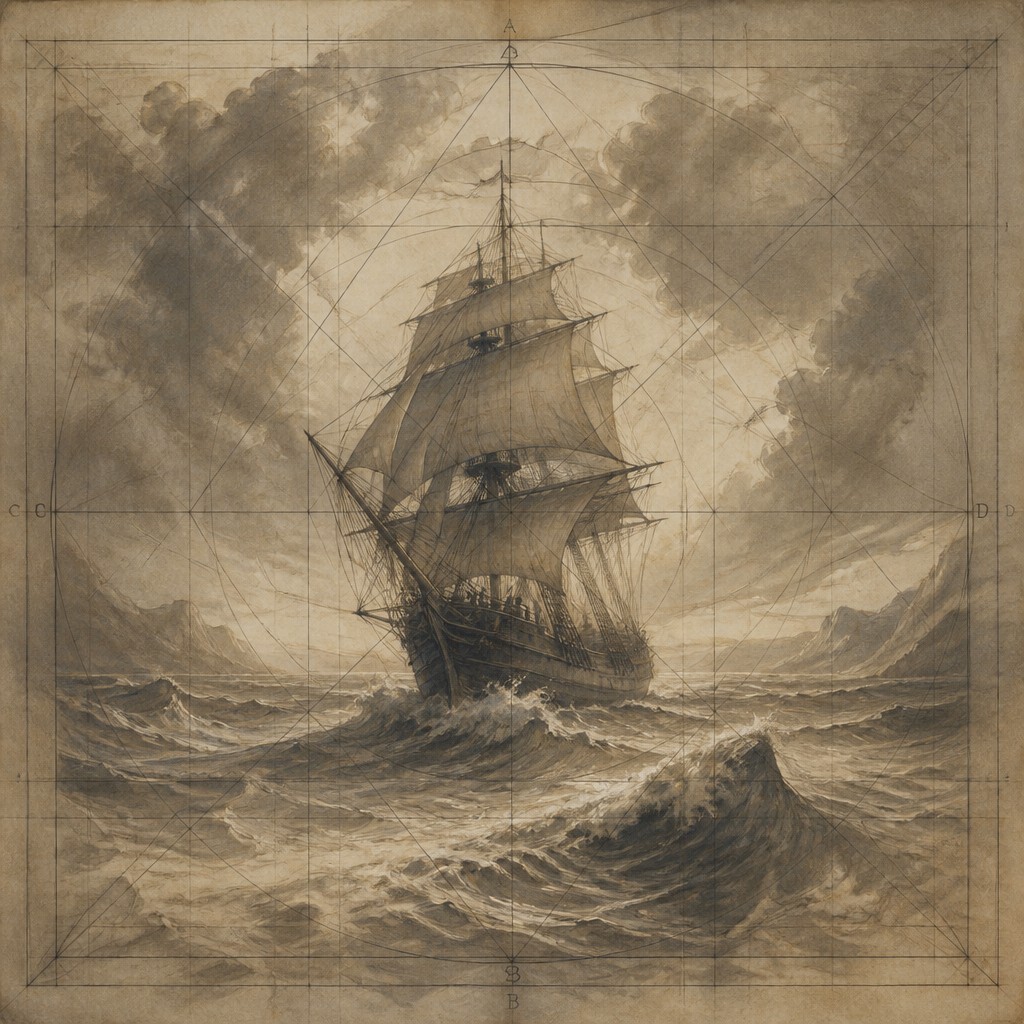
“sailing ship on a stormy sea”
How to Create Classical Proportion Art
Master the craft step by step — or skip straight to creating. Read the full guide →
- 1
Establish a proportional framework
Begin with a central axis, bounding rectangles, horizon line, or modular grid. Divide the canvas into deliberate intervals before placing the main subject, and use those divisions to control scale and spacing.
- 2
Construct the figure or object
Block in the subject with simple geometric masses, gesture lines, and measured landmarks before adding surface detail. Keep the underlying scaffolding lightly visible for an analytical, studied appearance.
- 3
Control symmetry and asymmetry
Use symmetry for the main structure, then introduce small variations in pose, lighting, texture, or surrounding objects to prevent the image from feeling mechanically mirrored.
- 4
Use restrained materials and color
Choose a limited palette of warm stone, muted earth, ivory, charcoal, and subdued blue or red. Favor clean contours, gradual tonal modeling, and selective texture over excessive painterly noise.
- 5
Build digitally with guides
In drawing or 3D software, use grids, rulers, perspective guides, proportion overlays, and simple blockouts before refining the image. Lower the opacity of construction layers so the geometry supports rather than dominates the final result.
- 6
Write proportion-specific prompts
For prompt-based generation, describe the subject first, then specify harmonic ratios, measured anatomy or architecture, visible construction lines, calm symmetry, restrained color, and an academic finish. For image-to-image work, preserve the source subject while asking for clearer proportional structure and subtle geometric underdrawing.
The Story
History & Origins of Classical Proportion
Classical Proportion Art is not a named historical movement with a fixed period or membership; it is an invented contemporary style that synthesizes several established traditions. Its aesthetic lineage reaches back to ancient Mediterranean theories of bodily and architectural measure, medieval and Renaissance studies of geometry and harmony, and the academic drawing traditions that treated proportion as a foundation of representation.
It also draws from neoclassical order, architectural drafting, life-drawing practice, diagrammatic design, and modernist systems of modular composition. In contemporary use, these sources are combined with digital grids, vector construction, 3D blocking, and generative image-making to produce images in which underlying measurement remains perceptible without becoming a technical blueprint.
Influences: The style is related to ancient Mediterranean proportional systems, classical and neoclassical architecture, Renaissance geometric composition, academic life drawing, architectural drafting, and diagrammatic design. It also shares traits with constructivist layout systems, modernist modular grids, idealized figurative illustration, and contemporary digital linework that exposes process. Unlike a strict historical revival, it combines these sources freely and can accommodate modern subjects, photographic references, and abstracted environments.
Frequently Asked Questions
What defines Classical Proportion Art?
Its defining feature is the organization of an image through ideal ratios, measured relationships, and harmonic spacing. Subtle construction lines, calm symmetry, disciplined anatomy, and restrained finish make the underlying structure perceptible.
Is Classical Proportion Art a historical art movement?
No. The term describes a contemporary, synthesis-based aesthetic rather than a documented movement with a specific founding date or roster of practitioners. It draws on historical traditions of proportion, geometry, academic drawing, and architectural order.
How does it differ from neoclassical art?
Neoclassicism is a historically situated movement associated with a revival of ancient Mediterranean themes and forms, especially during the eighteenth and early nineteenth centuries. Classical Proportion Art may borrow its order and restraint but can depict any subject and does not require historical costumes, mythology, or period architecture.
Can this style be used for portraits and photographs?
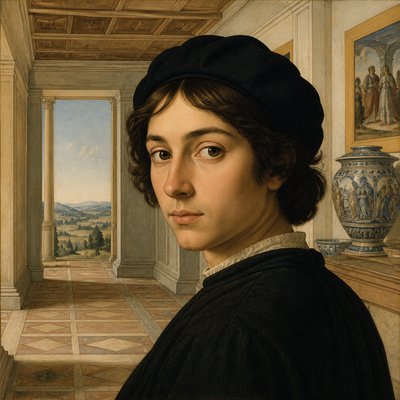
Yes. Portraits work especially well when the face, shoulders, body, and surrounding frame are arranged with measured balance. A photograph can be transformed by preserving its likeness while adding controlled anatomy, proportional alignment, muted tonal structure, and faint geometric guides.
How can I make an image look more proportional?
Start with a grid, centerline, horizon, or simple geometric block-in, then check the relative size and spacing of every major form. In a prompt, request ideal ratios, measured anatomy or architecture, harmonic divisions, and visible but subtle construction geometry.
Where is this style commonly useful?
It suits figure studies, architectural visualization, editorial illustration, educational diagrams, fashion concepts, interiors, posters, and contemplative portraiture. It is particularly effective when the subject benefits from clarity, balance, and a sense of enduring order.
Create your first Classical Proportion artwork
Describe anything — or upload a photo — and see it in Classical Proportion Art Style in seconds.
Related Styles
Discover similar art styles