Urbino Art Style
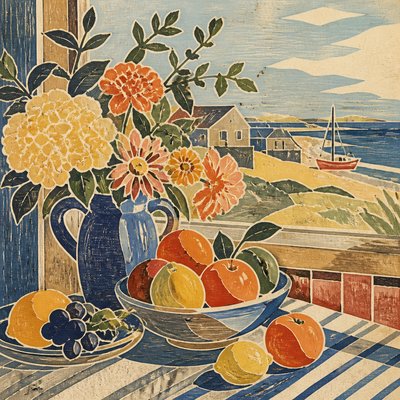
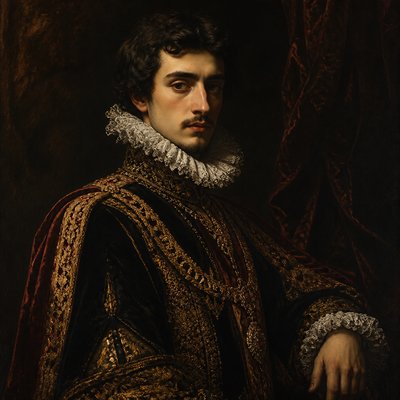
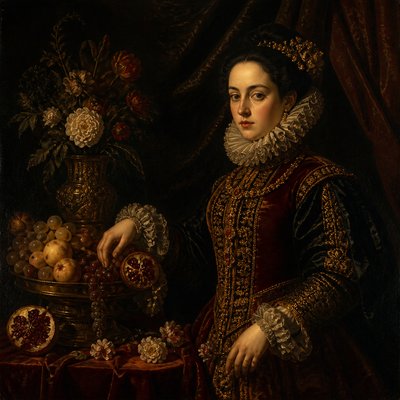
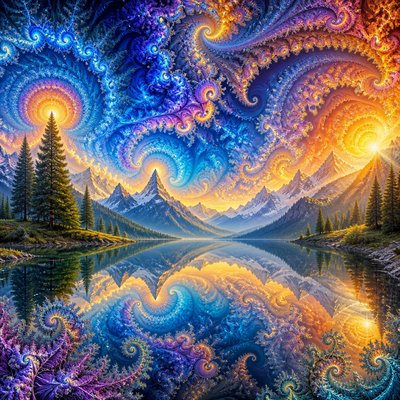
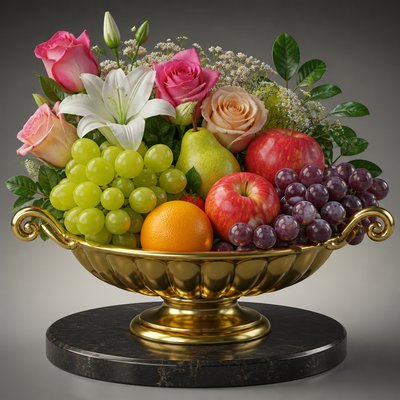
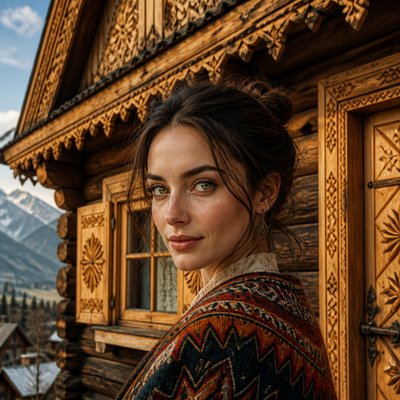
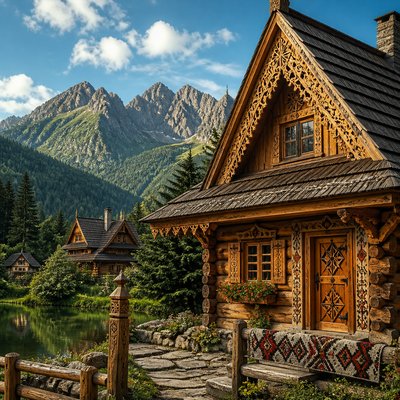
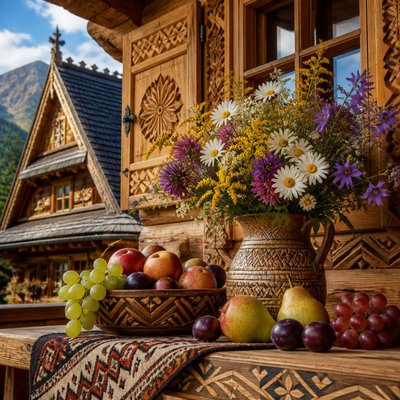
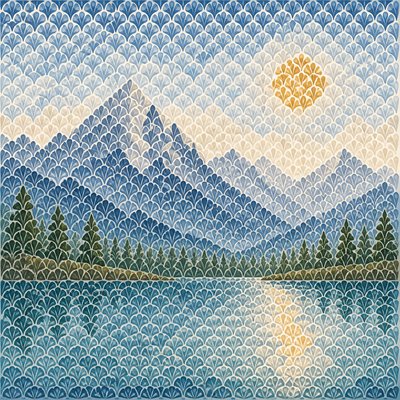
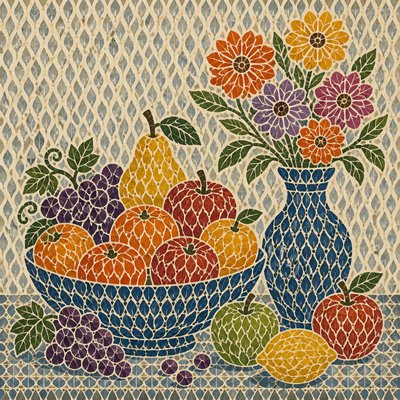
Explore Urbino Art Style: serene Renaissance perspective, luminous pastel harmonies, ducal interiors, geometric order, and refined maiolica detail.
Instantly rendered in Urbino — or transform a photo
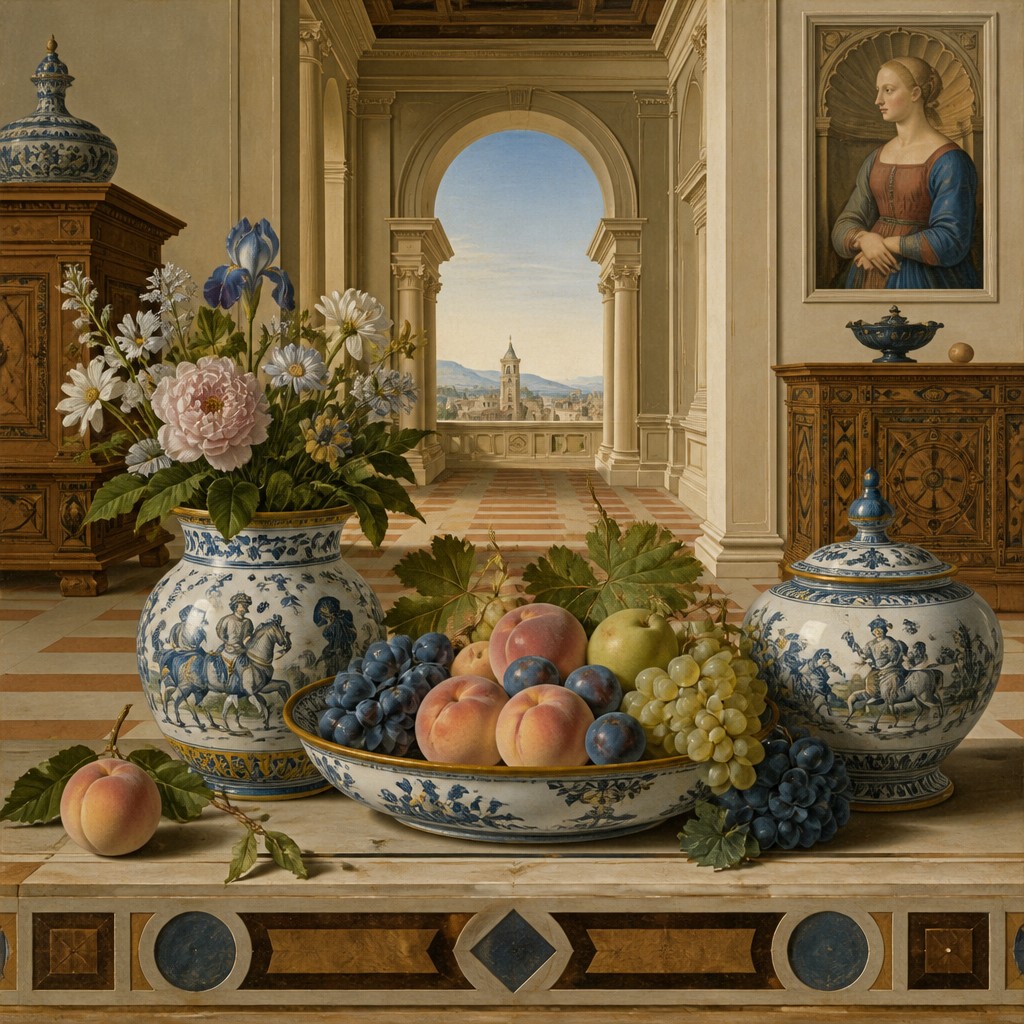
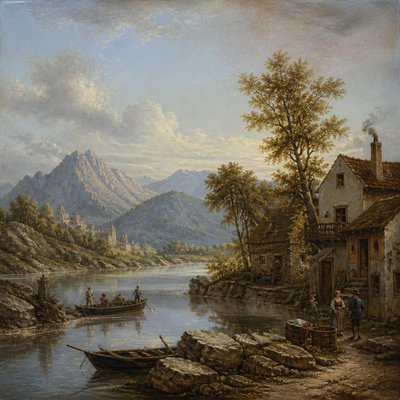
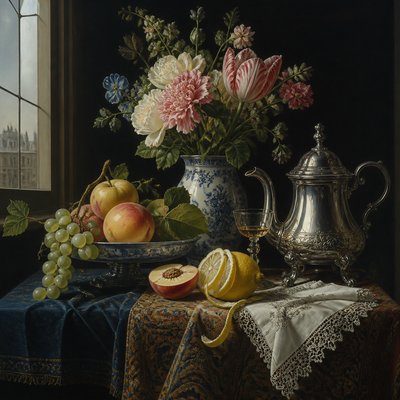
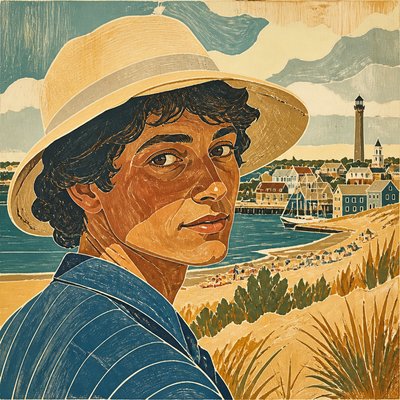
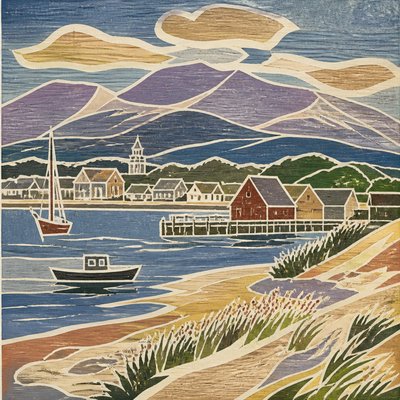
Urbino Gallery
Tap any artwork to explore it
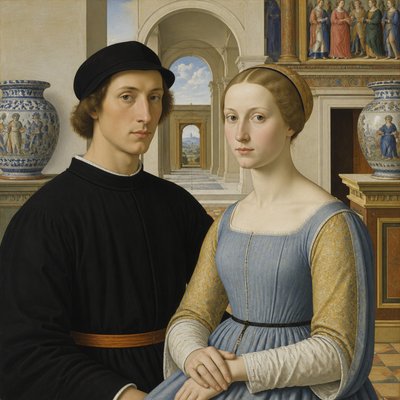
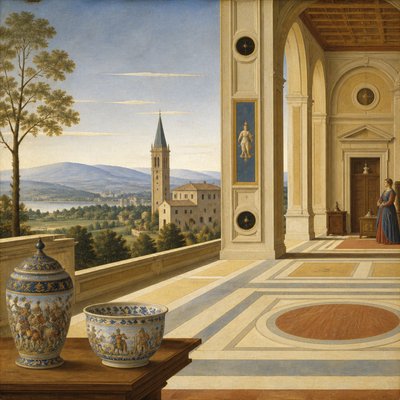
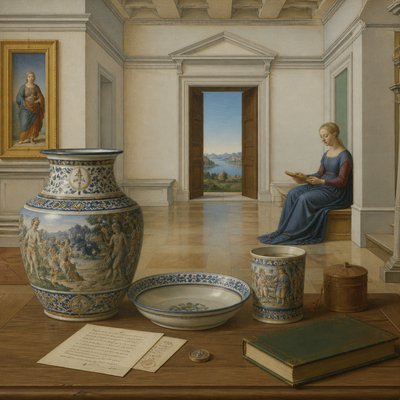
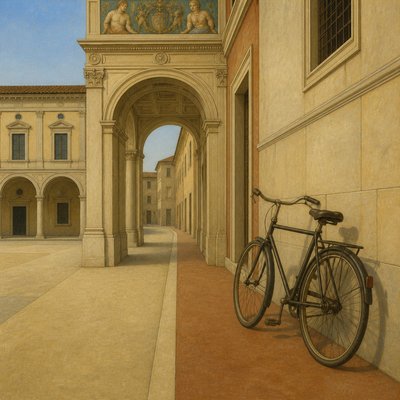
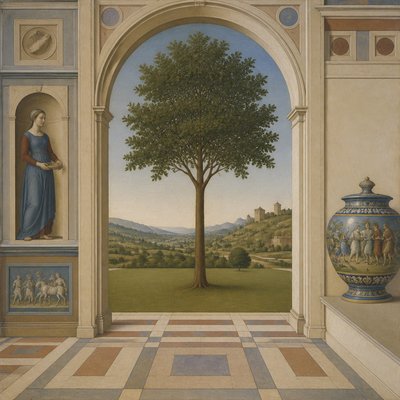
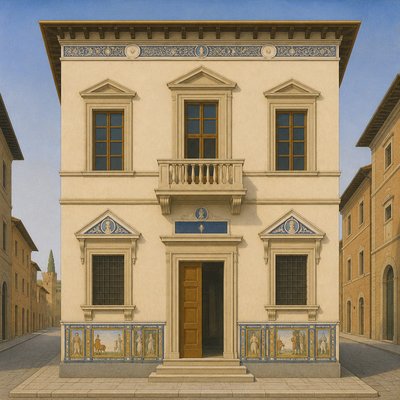
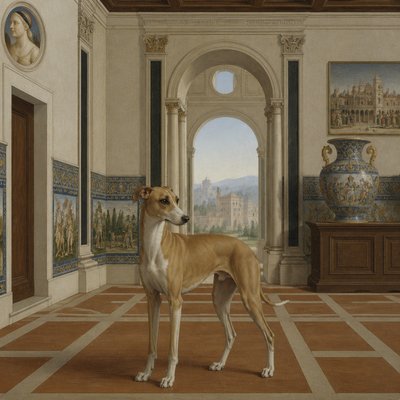
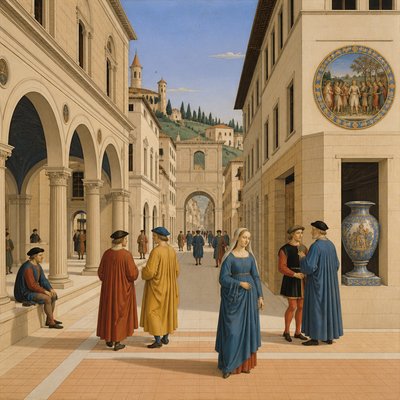
What is Urbino Art Style?
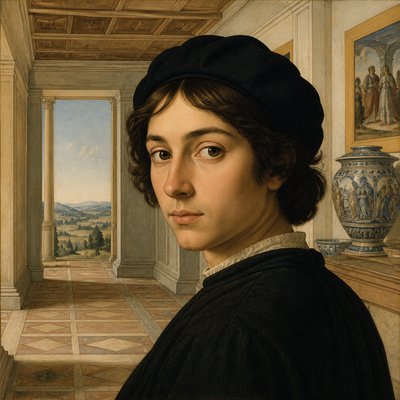
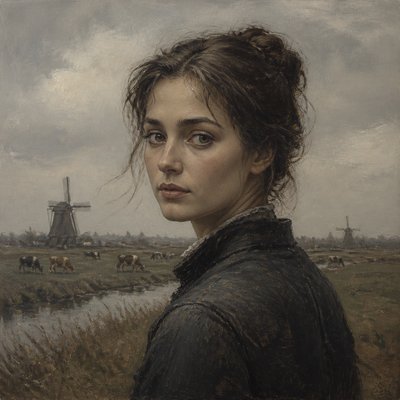
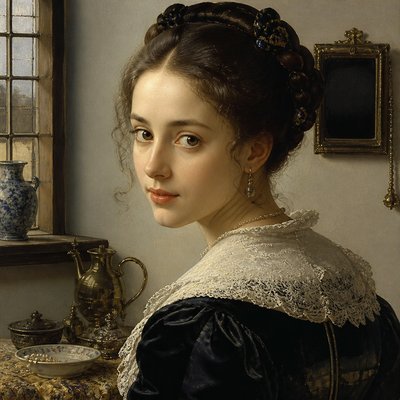
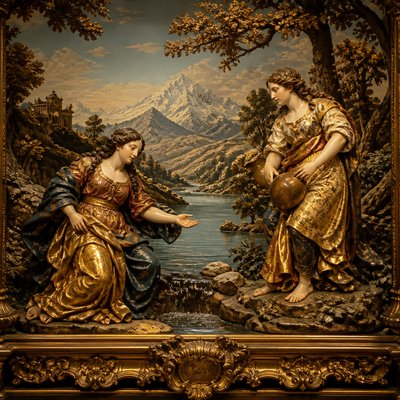
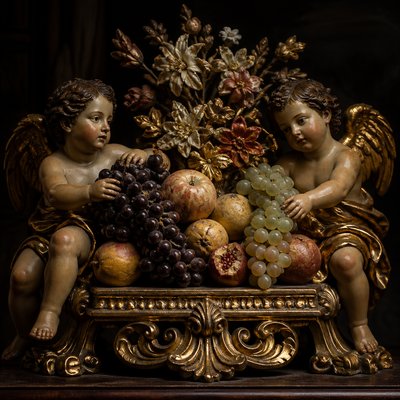
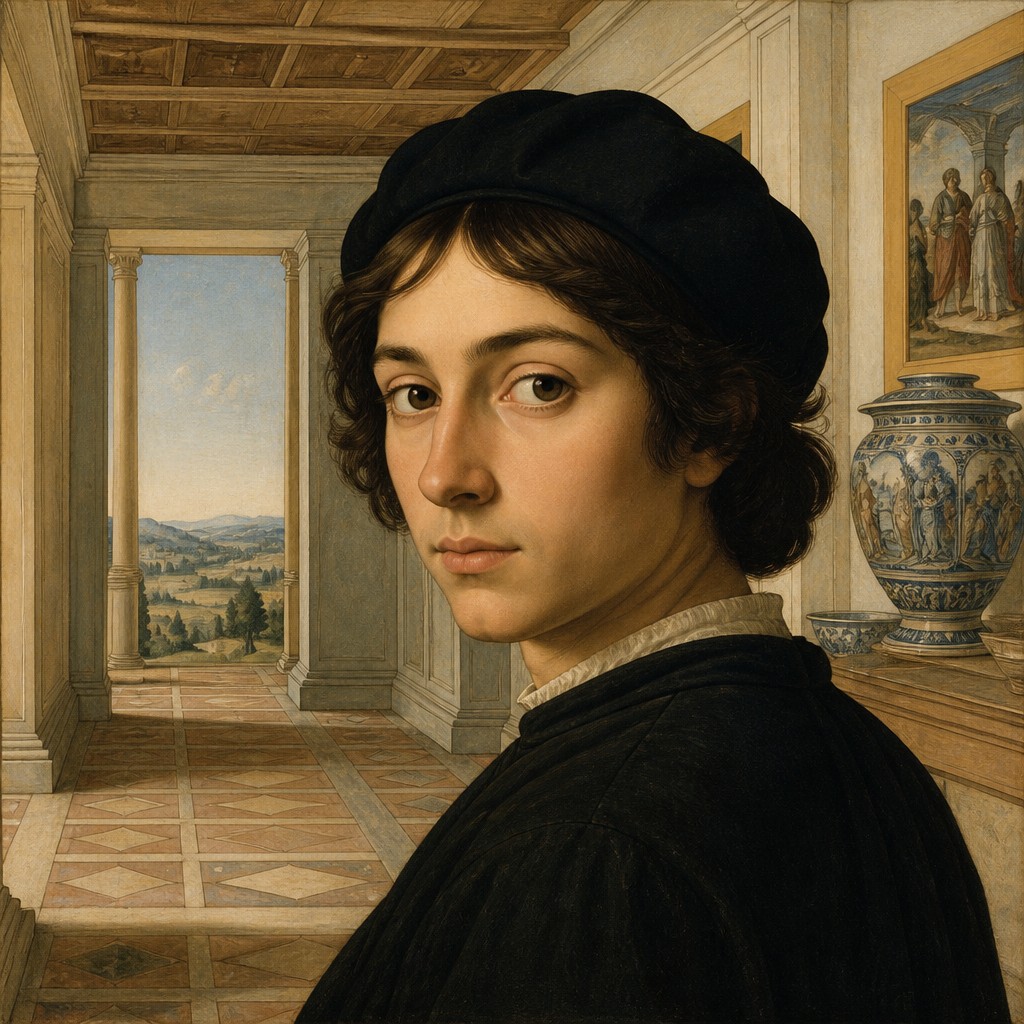
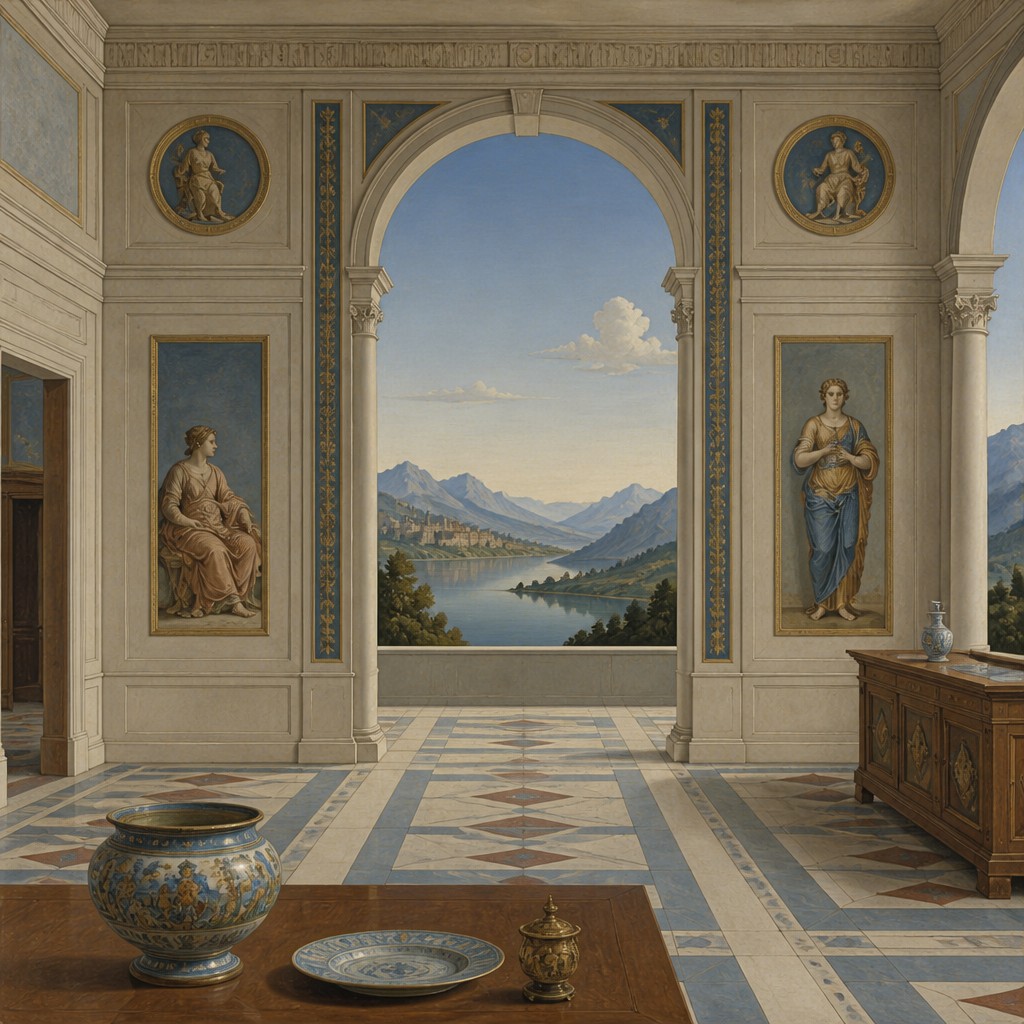
Urbino Art Style is a contemporary descriptive style inspired by the refined visual culture of Renaissance Urbino. It combines mathematically ordered linear perspective, pale architectural surfaces, elegant inlaid wood, luminous pastel colors, and quiet, idealized figures. The result is an image of composure: every object appears deliberately placed within a balanced spatial system.
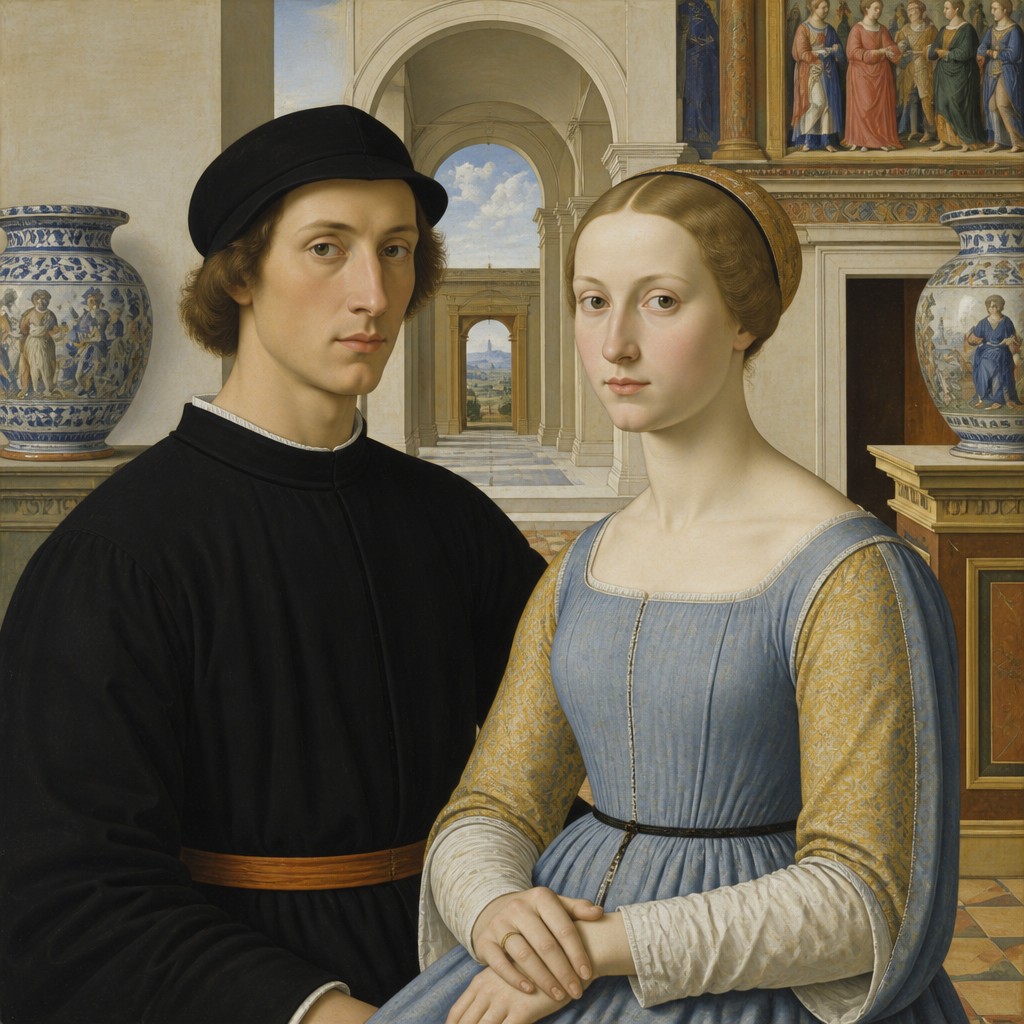
Try It On Your Photos
Upload any photo and convert it into Urbino Art Style — drag the sliders to compare before and after.
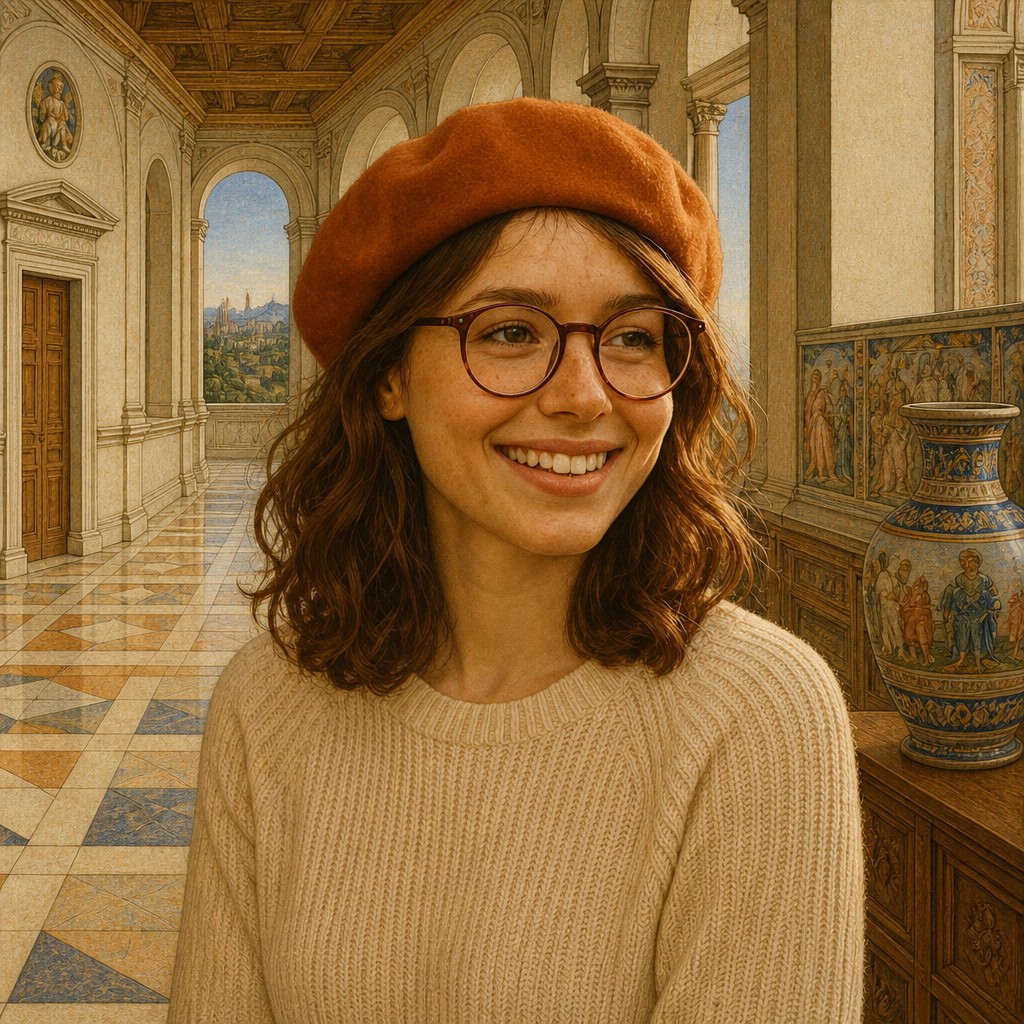

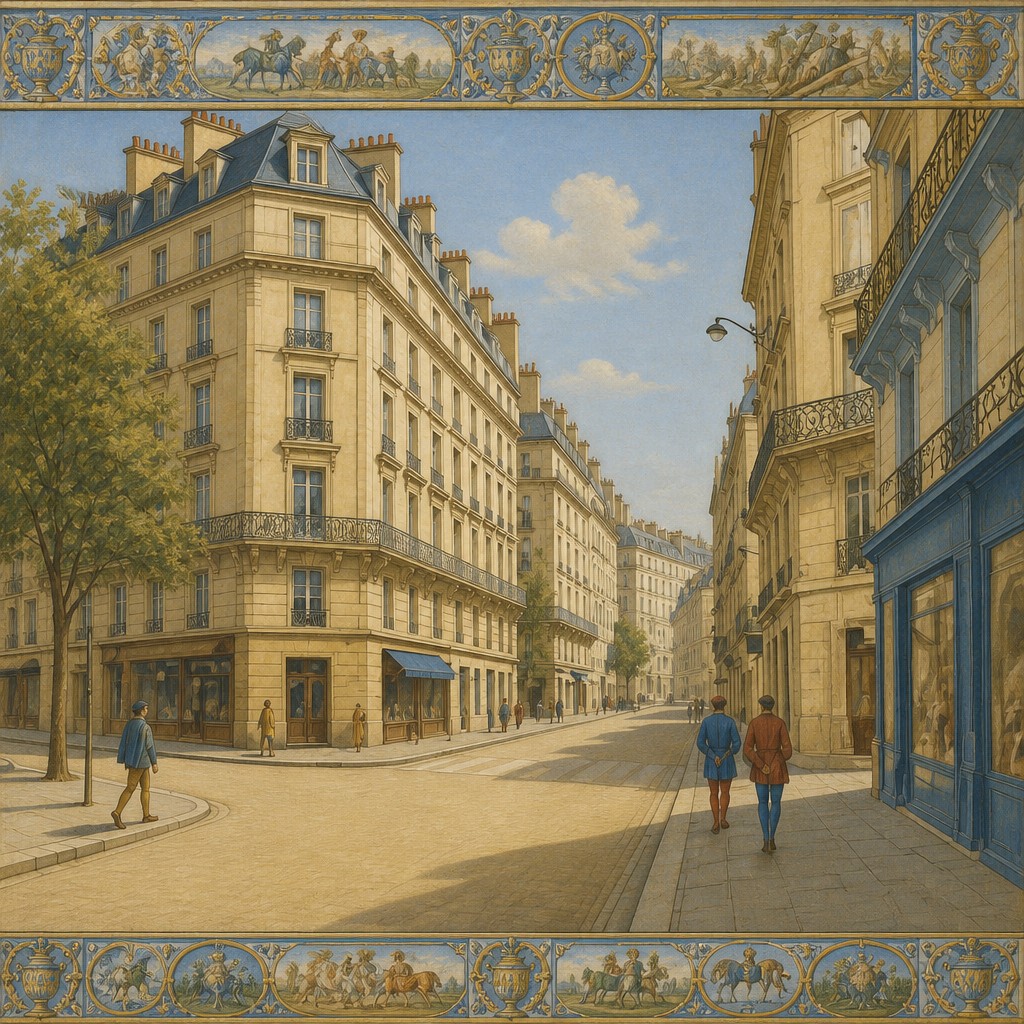

What Defines Urbino Art Style
The signature details, up close
Mathematical linear perspective
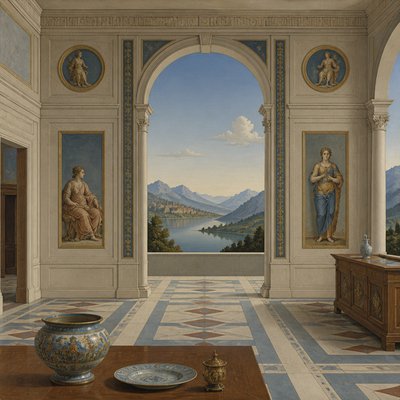
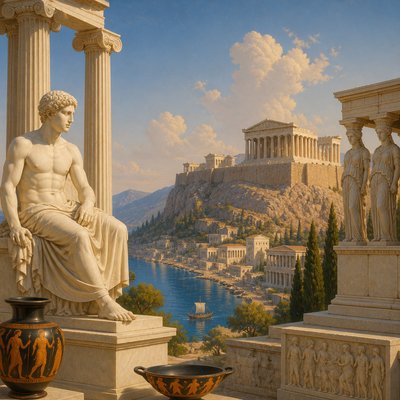
Architectural spaces converge toward carefully controlled vanishing points, creating a lucid sense of depth. Floors, ceilings, arches, and wall panels are arranged with geometric precision.
Ducal palace interiors
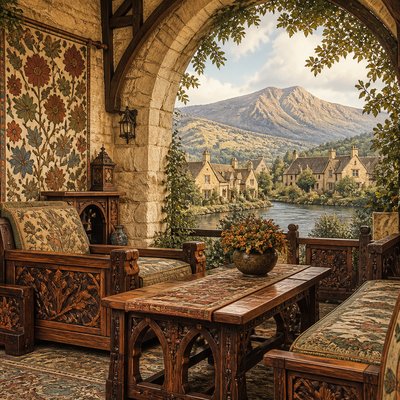
Pale stone walls, coffered ceilings, carved details, and richly patterned inlaid wood evoke cultivated Renaissance court environments. Interiors feel ordered, spacious, and ceremonially calm.
Luminous pastel harmonies
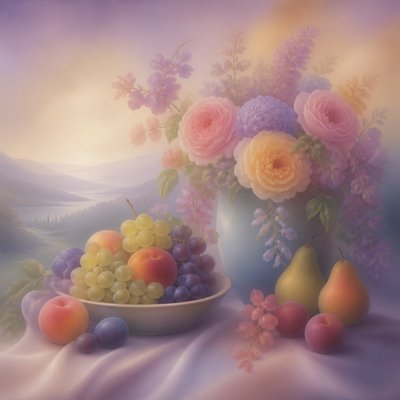
Soft creams, dusty blues, muted rose, pale ochre, and gentle greens are balanced under even daylight. Strong dramatic contrast is generally avoided in favor of clarity and tonal unity.
Idealized human proportion
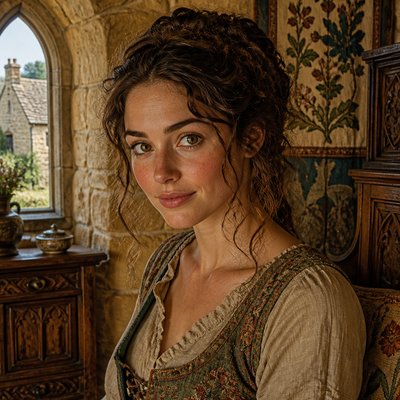
Figures are composed with poised gestures, stable silhouettes, and harmonious proportions. Expressions are restrained, contemplative, and subordinate to the larger spatial design.
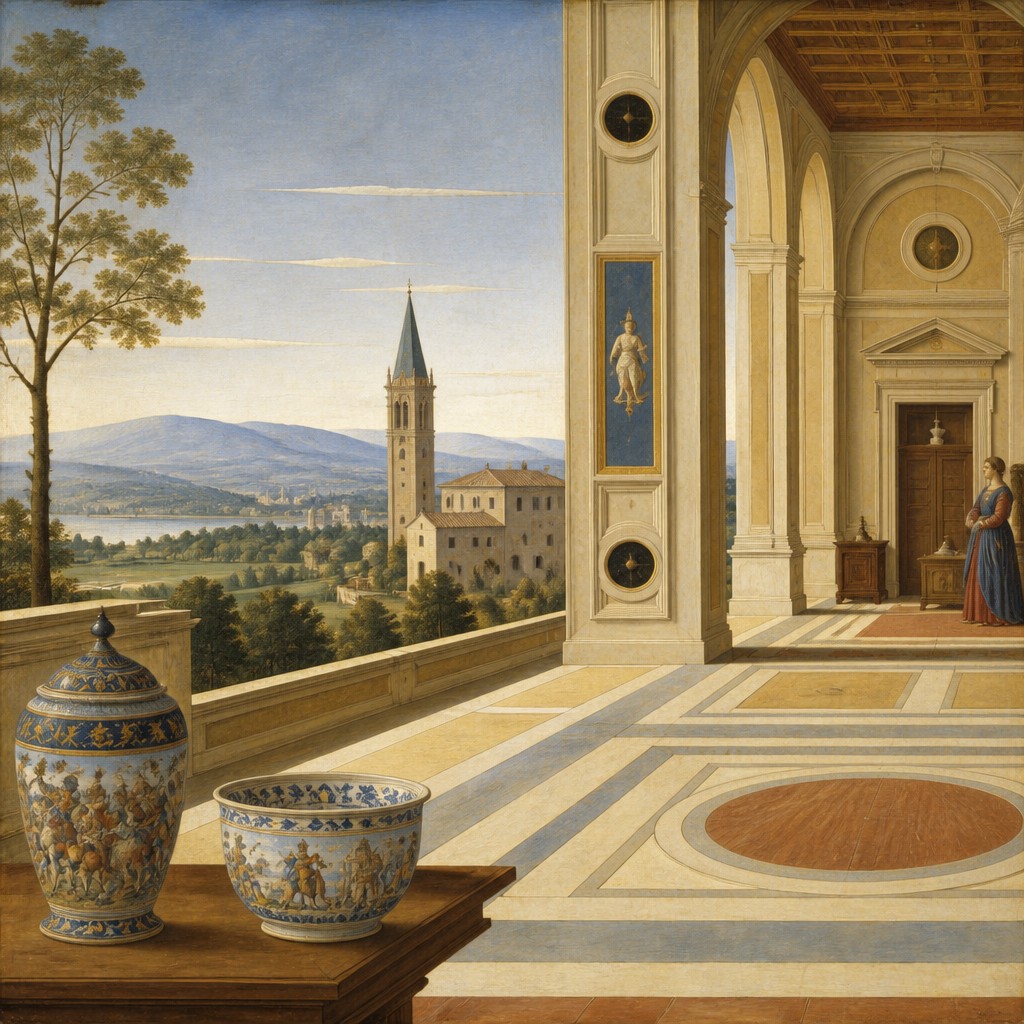
Maiolica ornament
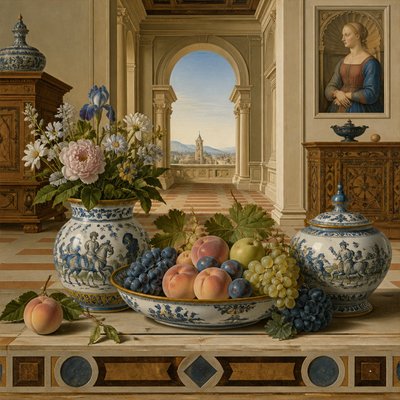
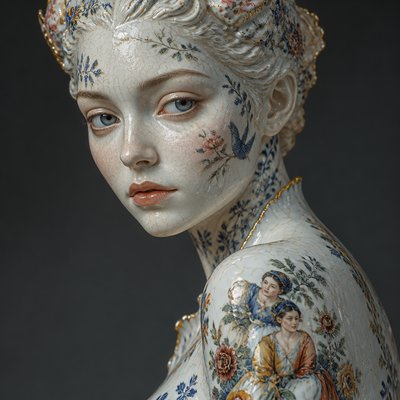
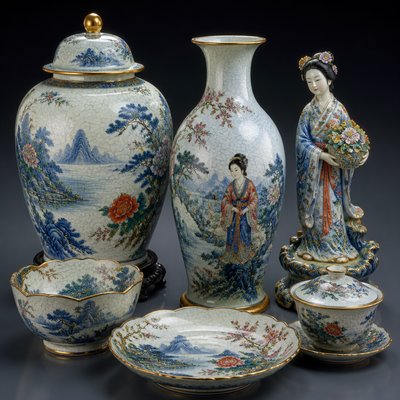
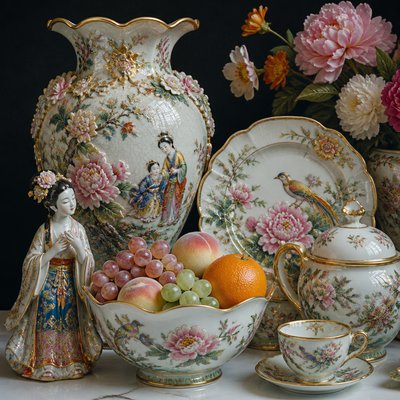
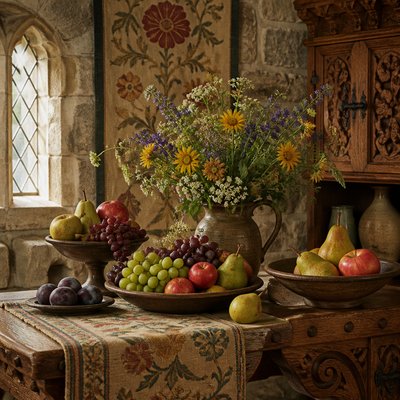
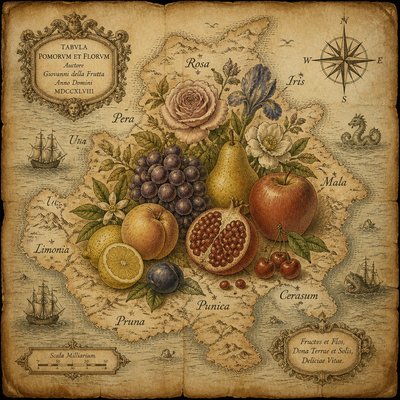
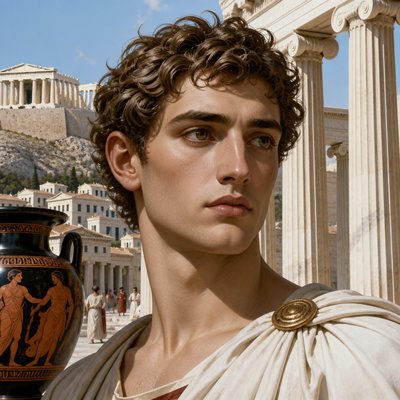
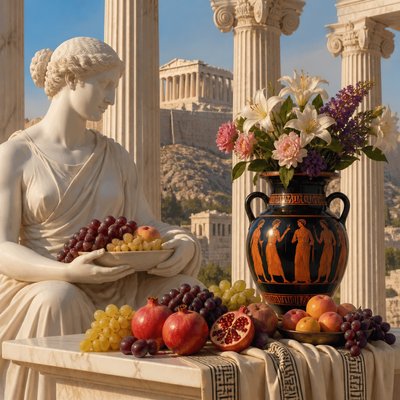
Tin-glazed ceramics introduce bright white grounds, cobalt, green, ochre, and manganese details. Narrative scenes, botanical motifs, heraldic devices, and fine decorative borders provide concentrated visual detail.
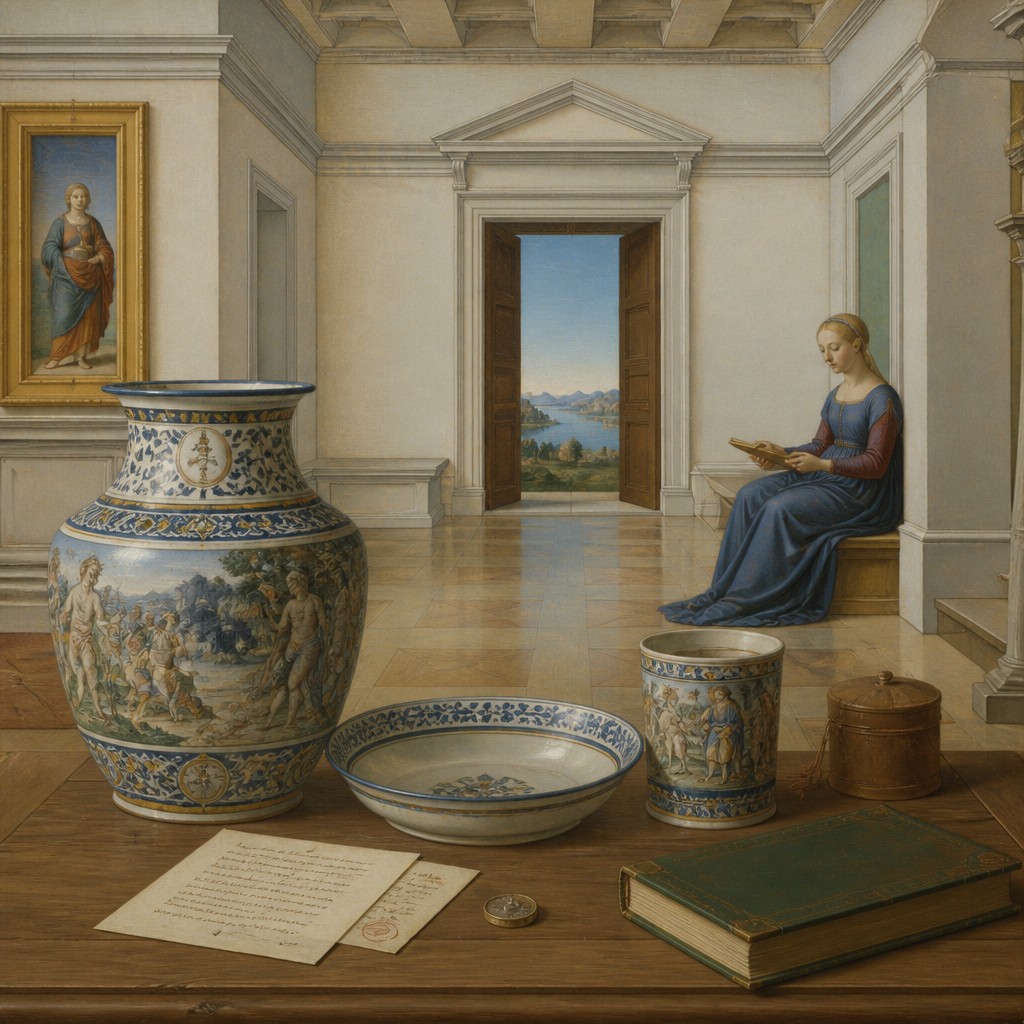
Geometric balance
Symmetry, measured intervals, repeated architectural divisions, and carefully placed objects create a sense of intellectual order. Even asymmetrical arrangements usually retain a stable visual equilibrium.
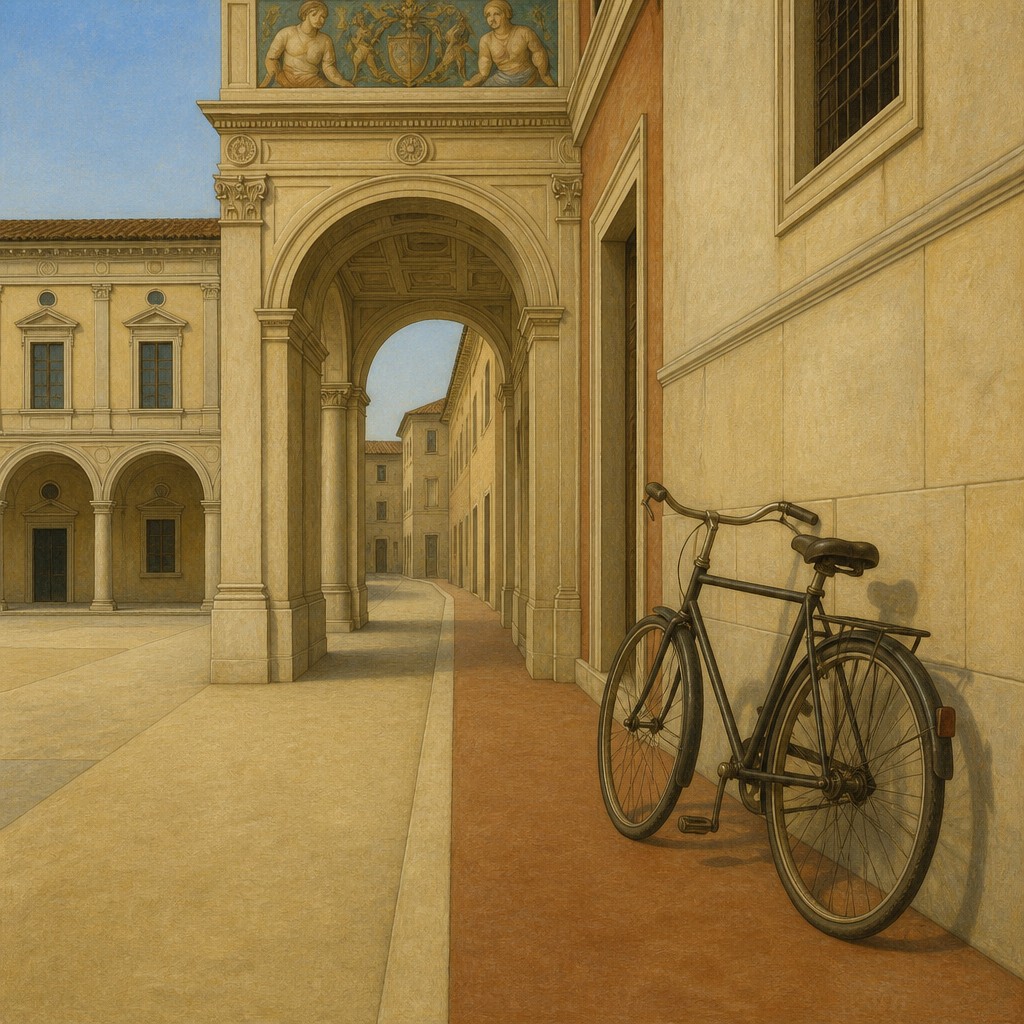
Even daylight and stillness
Illumination is clear and diffuse, revealing surfaces without theatrical shadows. The atmosphere suggests suspended time, quiet observation, and disciplined elegance.
Urbino Prompt Ideas
Start from an idea — each one opens the generator with the style ready to go. See all 40 Urbino prompts →
How to Create Urbino Art
Master the craft step by step — or skip straight to creating. Read the full guide →
- 1
Construct the space first
Begin with a horizon line, one or two vanishing points, and a simple architectural grid. Establish the proportions of rooms, arcades, floors, and furniture before adding figures or ornament.
- 2
Use a restrained Renaissance palette
Build the image from pale stone, warm ivory, muted blue, soft terracotta, dusty green, and subdued gold. Keep saturation controlled so the composition remains luminous rather than theatrical.
- 3
Design surfaces as crafted objects
Add believable grain to inlaid wood, lightly varied stone, and crisp ceramic glaze. For traditional work, use careful underdrawing, transparent layers, and fine brushwork; digitally, use texture overlays and selective edge control.
- 4
Compose figures with measured gestures
Place people according to the room's perspective and give them calm, balanced poses. Avoid exaggerated foreshortening, crowded action, and highly expressive gestures that disrupt the style's serenity.
- 5
Use narrative ceramics as focal details
Introduce a maiolica vessel, basin, platter, or tiled panel decorated with a small mythological, pastoral, or domestic scene. Keep the ornament subordinate to the overall architecture.
- 6
Guide digital or prompt-based creation precisely
Specify Renaissance linear perspective, pale ducal interiors, even daylight, pastel harmony, inlaid wood, and finely painted maiolica while identifying the subject and camera view. Exclude clutter, harsh chiaroscuro, distorted anatomy, excessive saturation, and contemporary materials when a historically coherent result is desired.
The Story
History & Origins of Urbino
The style is not a formally recognized historical movement under this exact name. Its aesthetic lineage comes from the courtly culture of Urbino in central Italy during the 15th and 16th centuries, when Renaissance interest in geometry, proportion, perspective, classical architecture, and intellectual order shaped painting, palace design, decorative arts, and ceramics. Urbino was also associated with finely painted tin-glazed maiolica, often decorated with narrative scenes and ornamental borders.
This modern formulation synthesizes those traditions into a unified visual language. It emphasizes the calm architectural interiors, idealized spatial design, refined craft surfaces, and restrained color harmonies associated with Renaissance court art rather than reproducing one specific historical workshop or artifact.
Influences: The style relates to Early and High Renaissance painting, Italian court art, perspective-based architectural design, Renaissance palace interiors, wood intarsia, and Urbino-associated maiolica traditions. It also draws from classical ideas of proportion and harmony, manuscript illumination, Italian ceramic ornament, and the restrained stillness of idealized architectural painting. Its closest modern affinities are historical pastiche, refined interior illustration, and digitally constructed Renaissance-inspired worldbuilding.
Frequently Asked Questions
Is Urbino Art Style a recognized historical art movement?
Not under this exact name. It is best understood as a contemporary stylistic synthesis based on the visual culture of Renaissance Urbino and related Italian court traditions. The label describes a coherent aesthetic rather than a documented school with a fixed membership or manifesto.
What most clearly defines the style?
Precise linear perspective, calm architectural interiors, pale stone and inlaid wood, pastel daylight, idealized figures, and finely decorated maiolica are its central traits. The defining principle is ordered serenity: every element supports a balanced spatial composition.
How does it differ from general Renaissance art?
It narrows the broad Renaissance vocabulary toward Urbino-like courtly refinement, architectural clarity, and decorative craftsmanship. Compared with more dramatic Renaissance compositions, it favors quiet interiors, even illumination, restrained emotion, and concentrated geometric order.
Can this style be used for subjects outside palace interiors?
Yes. Landscapes, still lifes, portraits, domestic scenes, fantasy settings, and historical narratives can all use the same principles. The subject should be organized through measured perspective, harmonious proportion, restrained color, and carefully crafted surfaces.
How can I make an image look more authentic to the style?
Describe the spatial structure as specifically as the subject: name the viewpoint, vanishing points, architectural divisions, materials, and light quality. Add a limited Renaissance palette and a few precise craft details, while avoiding clutter, cinematic lighting, glossy modern materials, or exaggerated motion.
Is maiolica essential to Urbino Art Style?
It is not essential, but it is one of the most recognizable decorative references. A single painted ceramic vessel, tiled panel, or platter can establish the lineage without overwhelming the architectural composition.
Create your first Urbino artwork
Describe anything — or upload a photo — and see it in Urbino Art Style in seconds.
Related Styles
Discover similar art styles