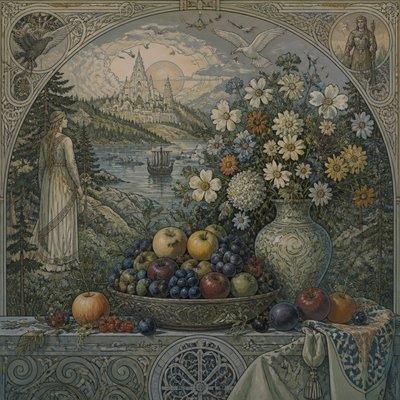
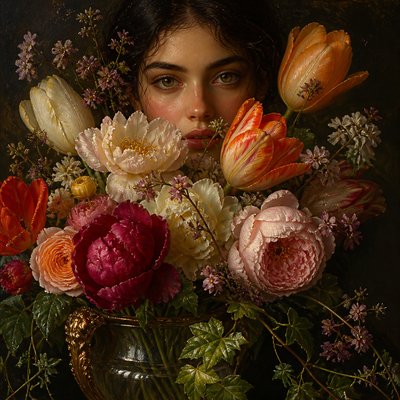
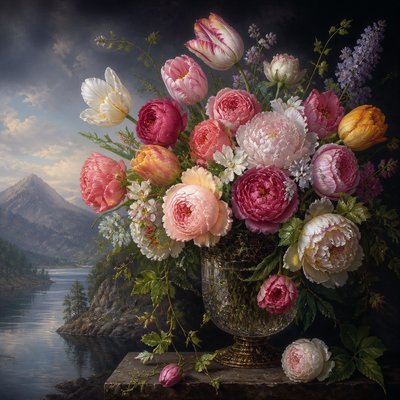
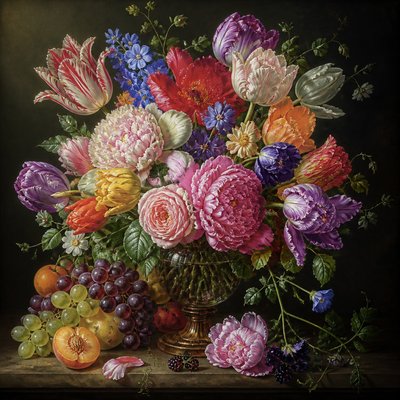
Botanical Illustration Art Style
Explore Botanical Illustration: precise plant studies combining fine ink, transparent watercolor, scientific detail, roots, blooms, and elegant labels.
Instantly rendered in Botanical Illustration — or transform a photo
Botanical Illustration Gallery
Tap any artwork to explore it
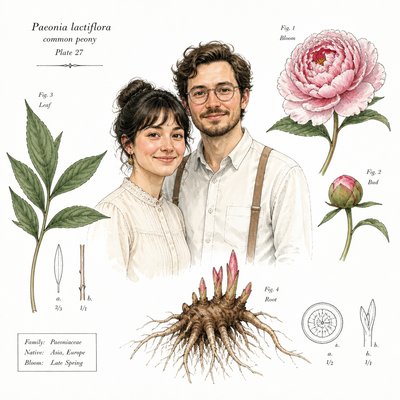
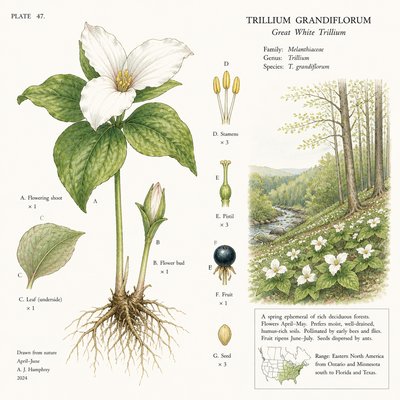
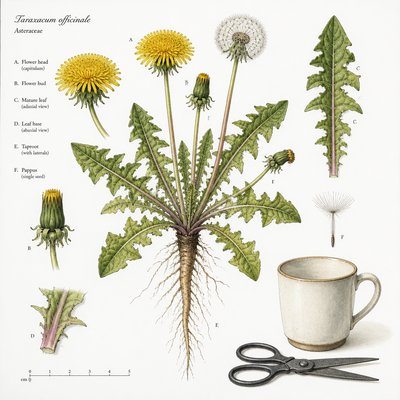
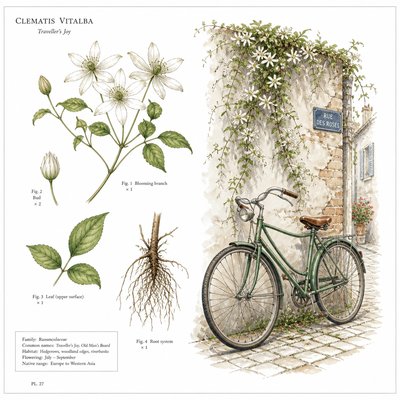
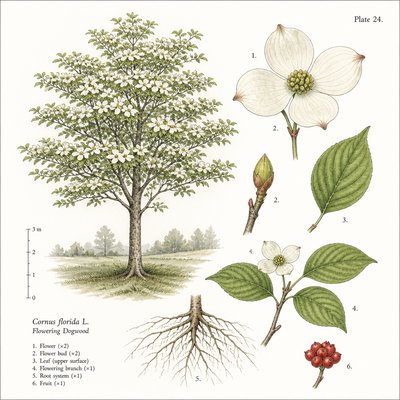
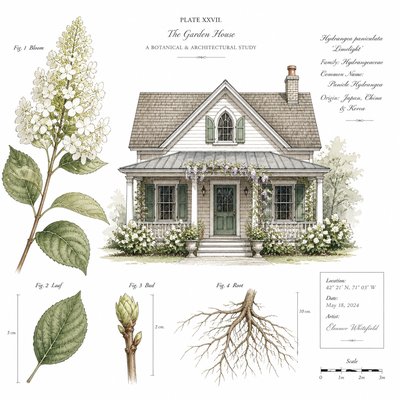
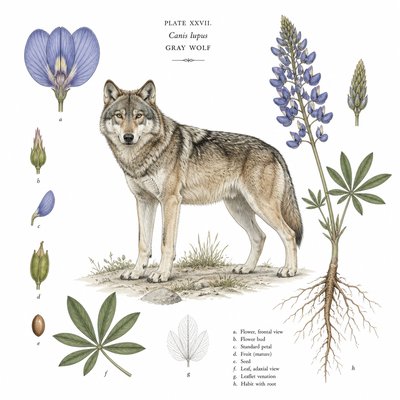
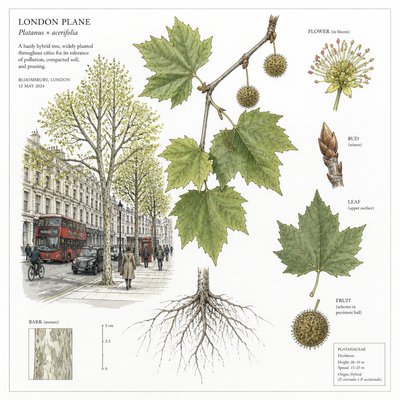
What is Botanical Illustration Art Style?
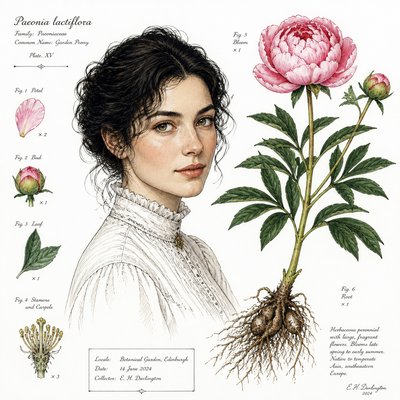
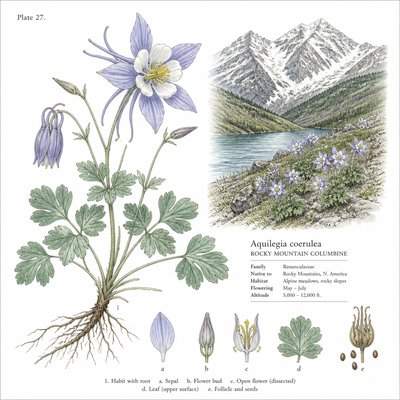
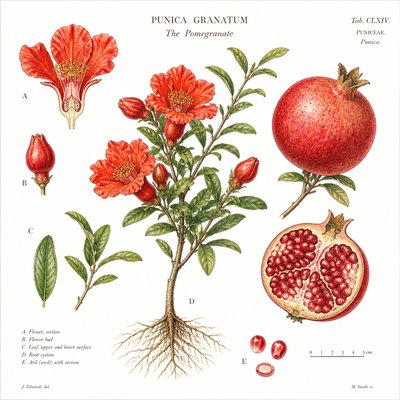
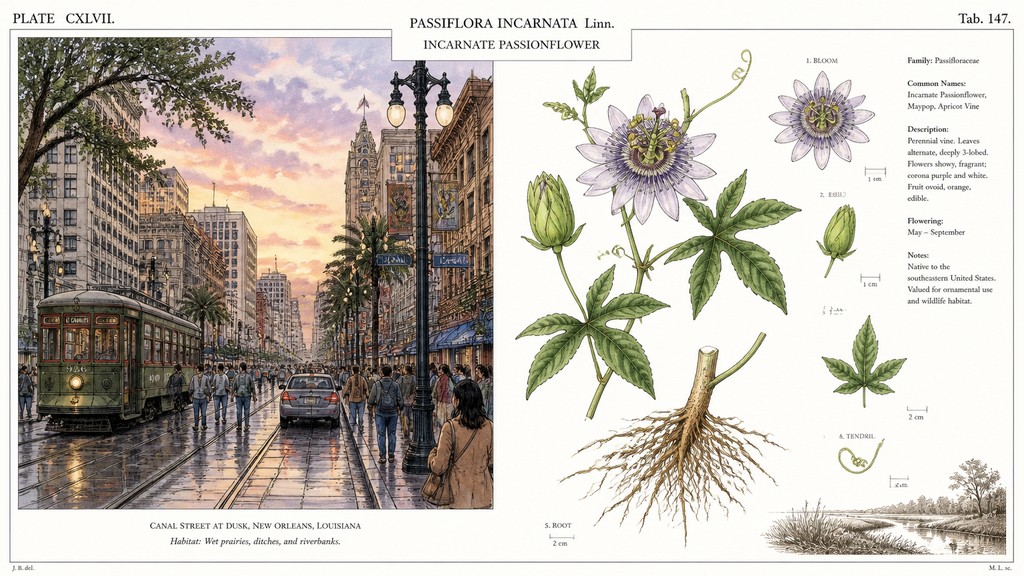
Botanical Illustration is a representational art style devoted to identifying and describing plants through carefully observed images. A typical plate presents a complete specimen with its roots, stem, leaves, buds, flowers, fruit, or seeds arranged together, often accompanied by restrained labels or annotations. The result balances scientific accuracy with the clarity and beauty of a finely composed illustration.
Its visual identity depends on precise contours, controlled proportions, transparent watercolor, and a clean white or lightly tinted paper ground. Details are selected for information rather than decoration: veins, petals, roots, reproductive structures, and growth stages are made legible without sacrificing elegance. The measured composition and limited palette give the style a calm, archival quality.
Try It On Your Photos
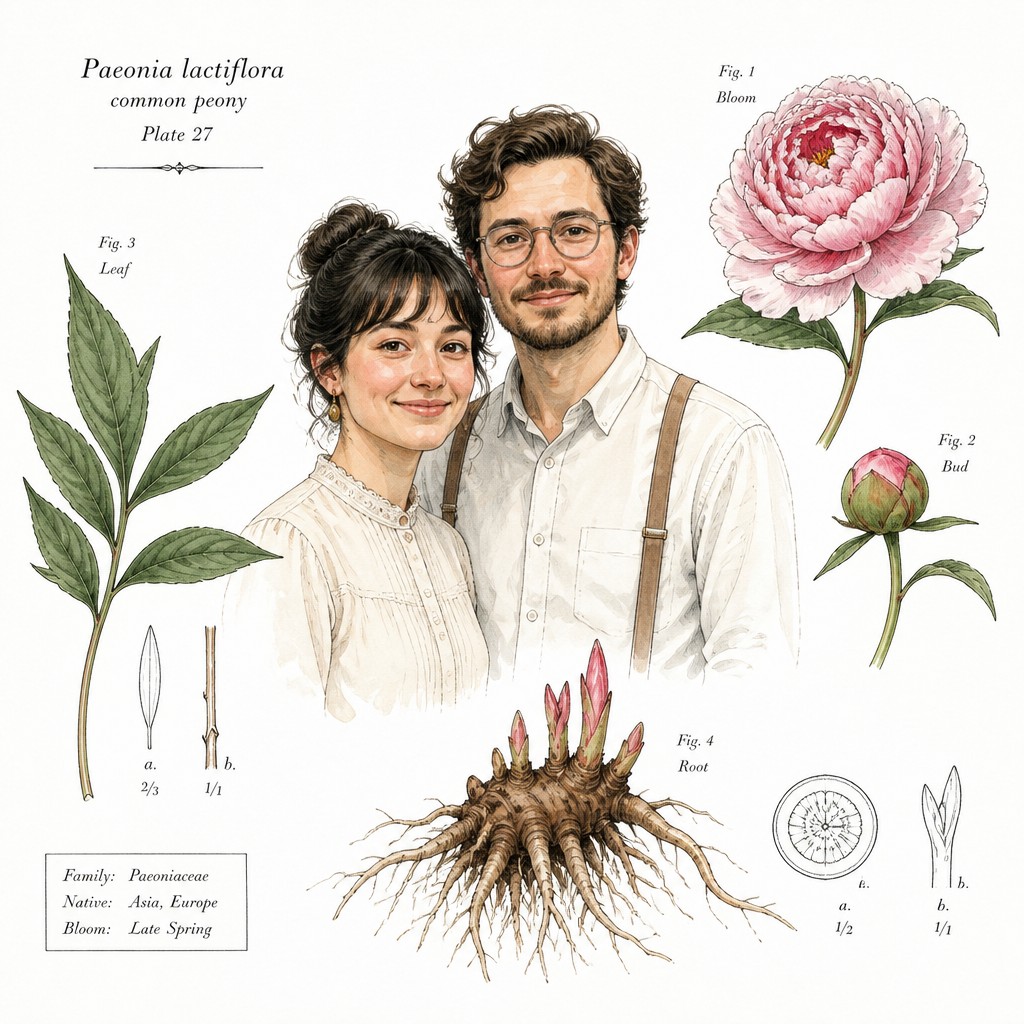
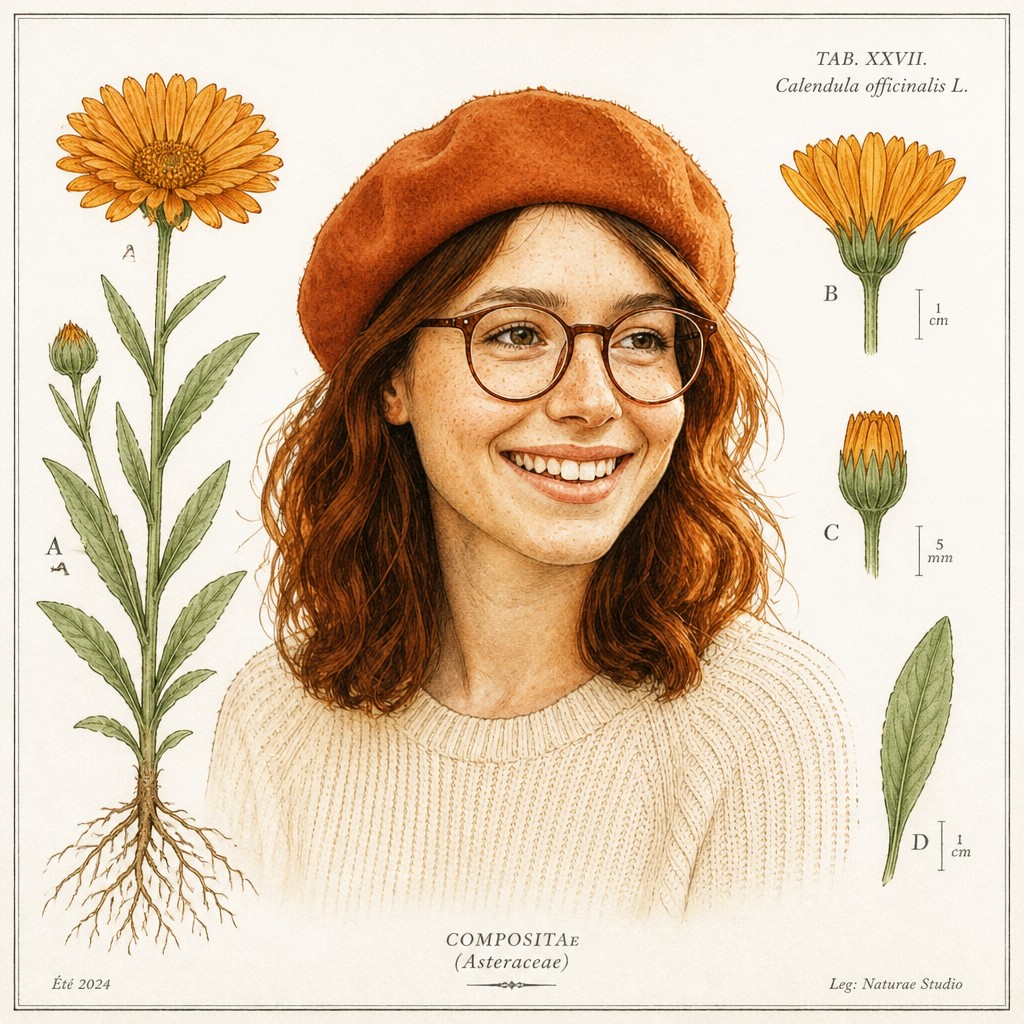
Upload any photo and convert it into Botanical Illustration Art Style — drag the sliders to compare before and after.


What Defines Botanical Illustration Art Style
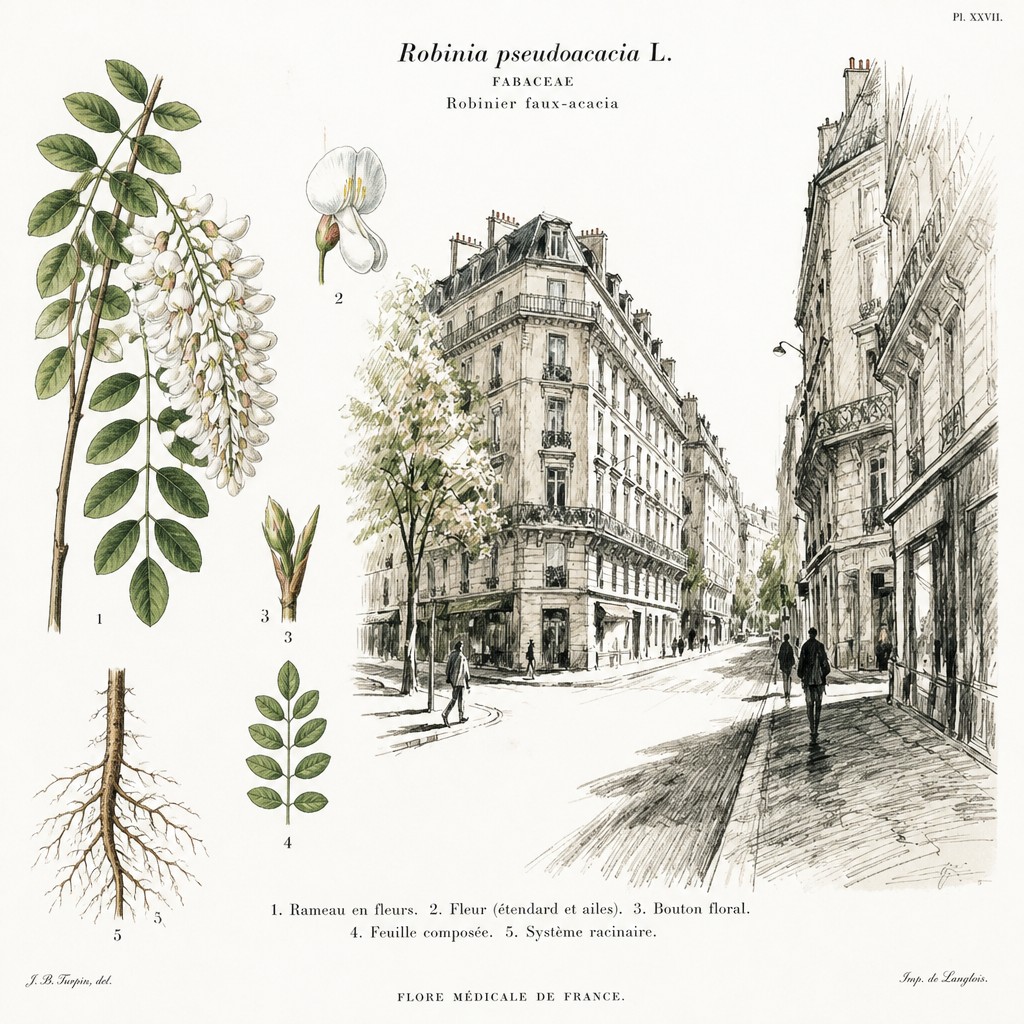
The signature details, up close
Scientific observation
Forms are drawn from close study, with attention to botanical structure, proportion, growth habit, and identifying features. The image favors recognizable anatomy over loose interpretation.
Complete specimen presentation
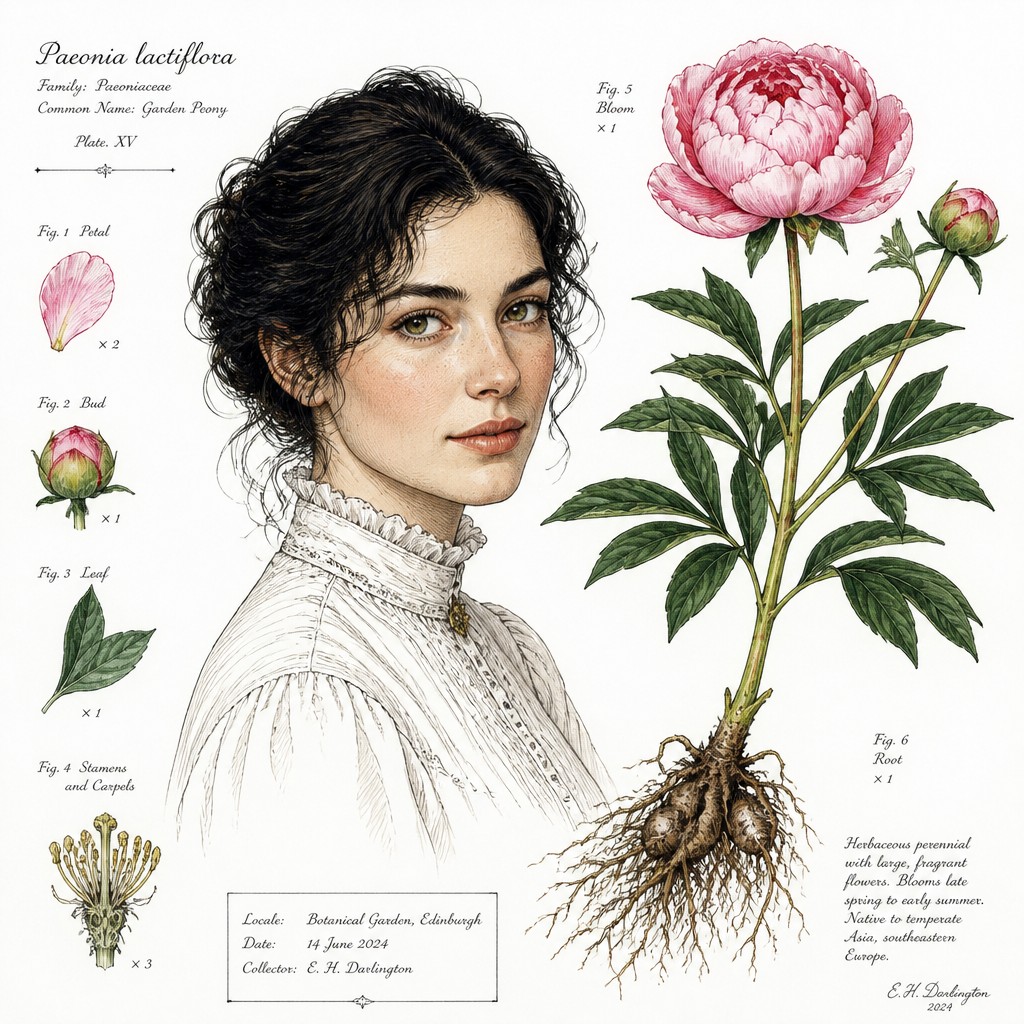
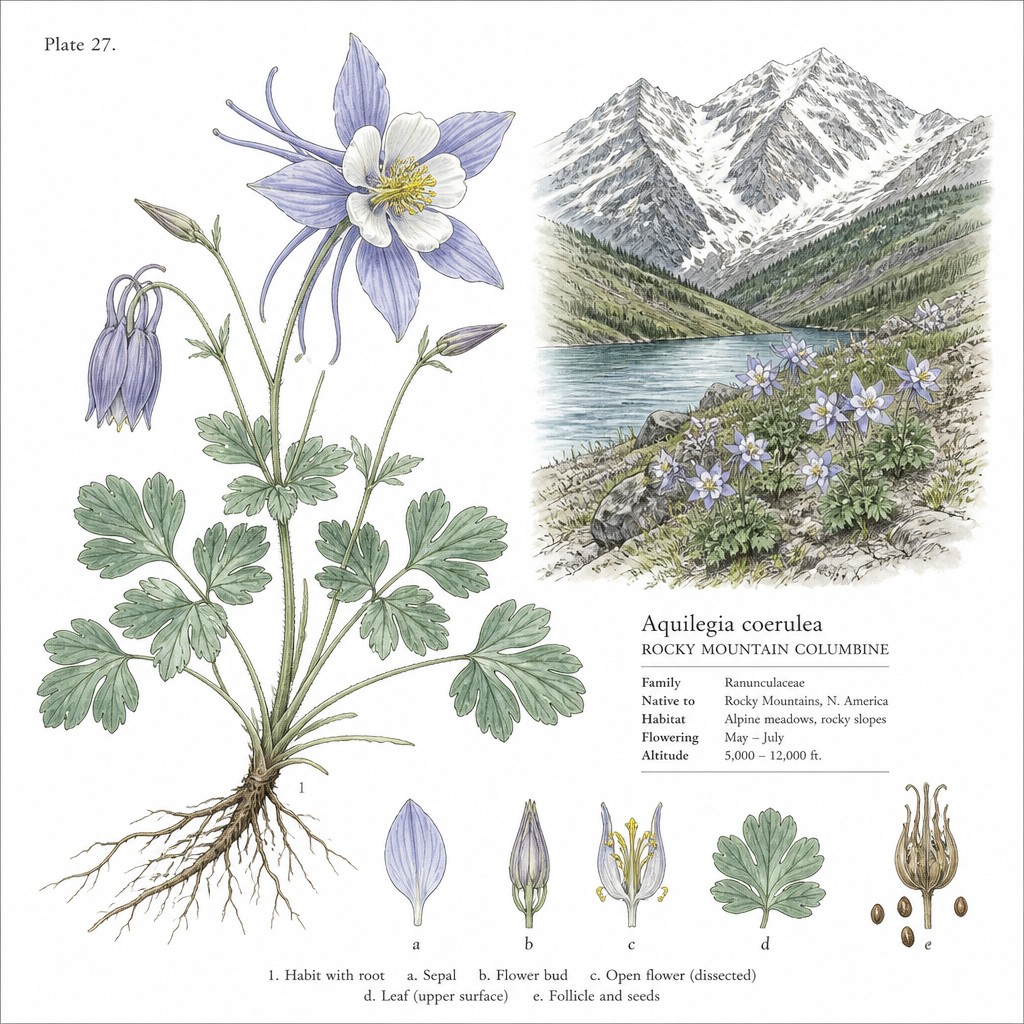
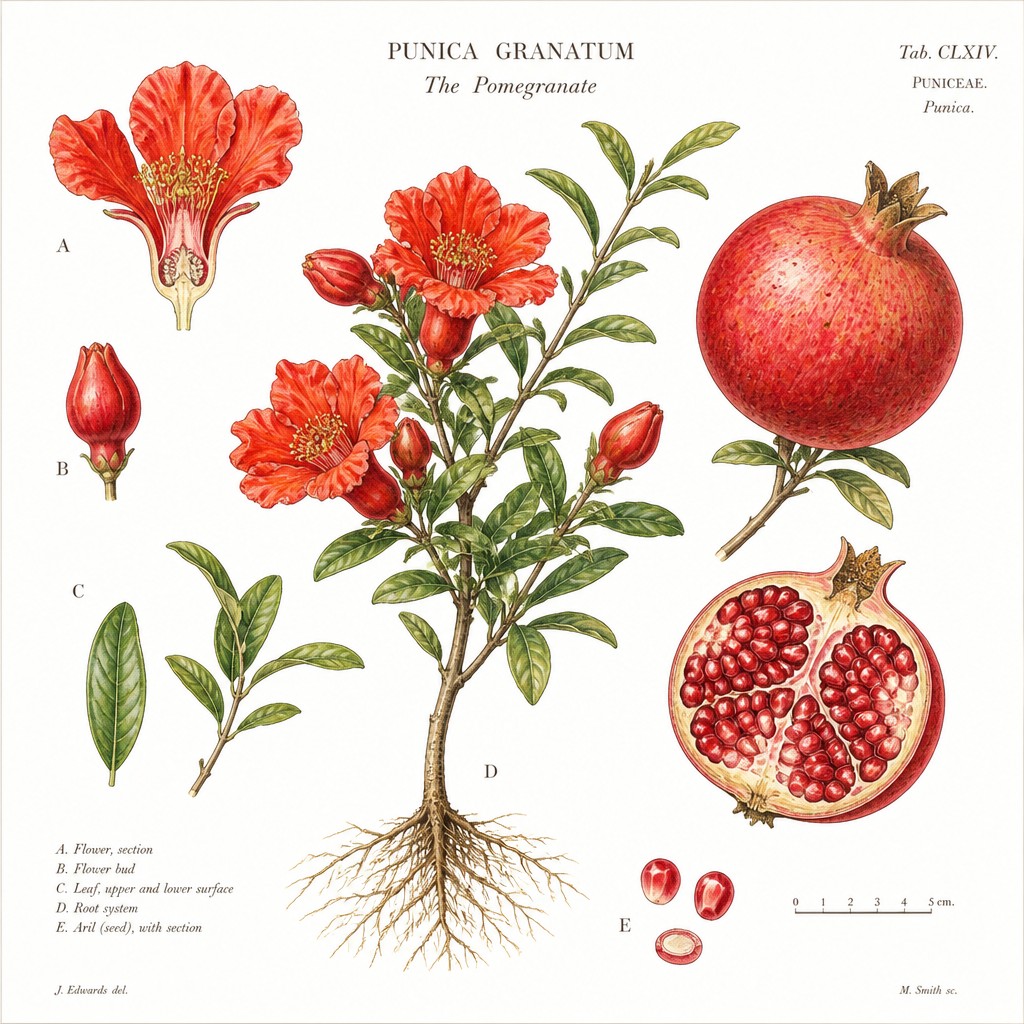
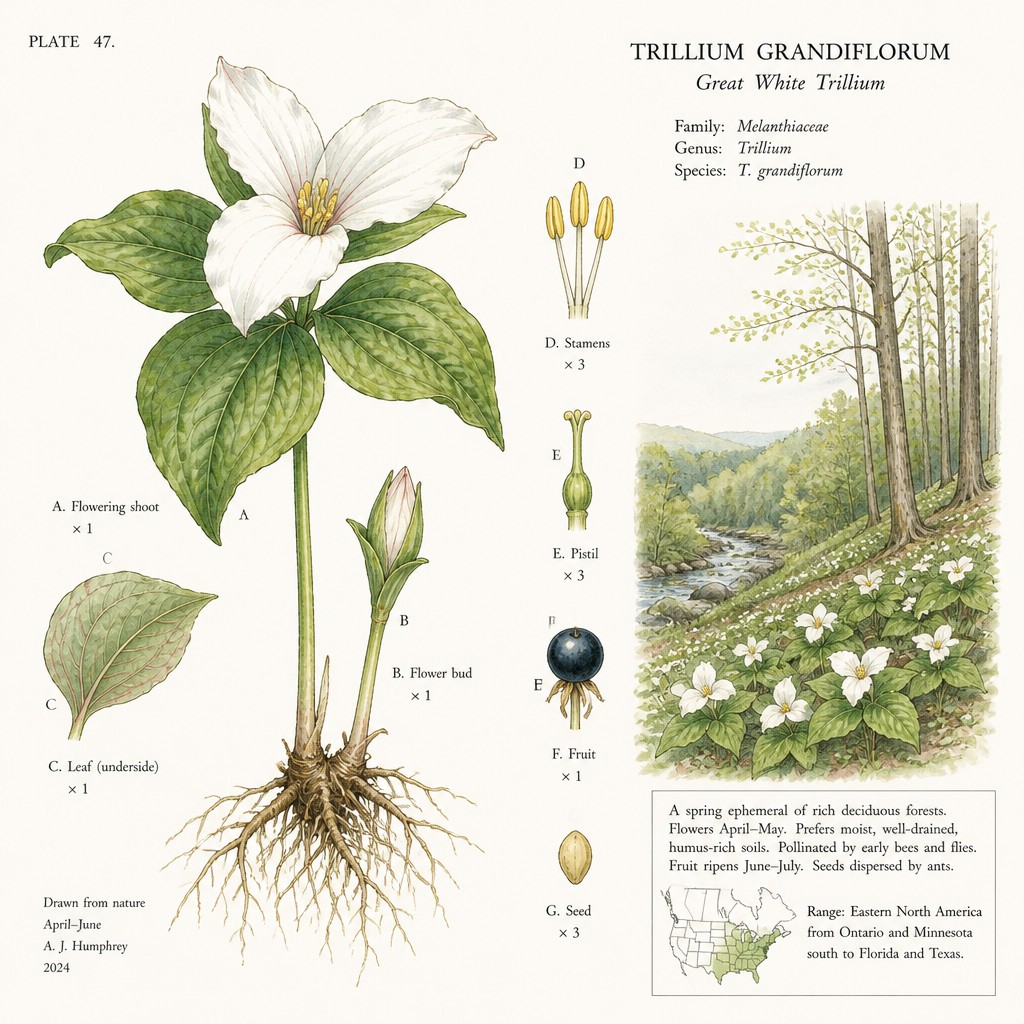
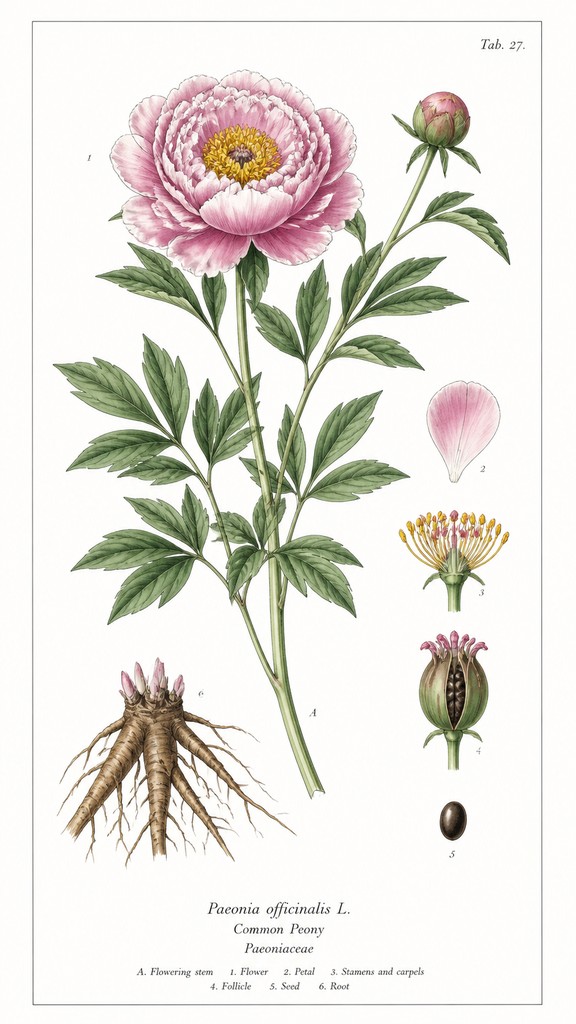
Roots, stems, leaves, buds, flowers, fruit, or seeds may appear together to communicate a plant's life cycle and structure. Enlarged details or cross-sections can clarify parts that are too small to read in the main figure.
Fine ink contours
Delicate pen or engraved-style lines define edges, veins, roots, and small structural details. Line weight is controlled so that the drawing remains crisp without becoming heavy.
Transparent watercolor
Thin washes build petals, foliage, bark, and soil tones while allowing the paper to remain luminous. Layered color is usually restrained, with darker accents reserved for overlaps and important anatomical features.
White paper ground
A clean white or warm ivory background isolates the specimen and supports the appearance of a catalogued plate. Empty space is functional, helping labels and separate plant parts remain legible.
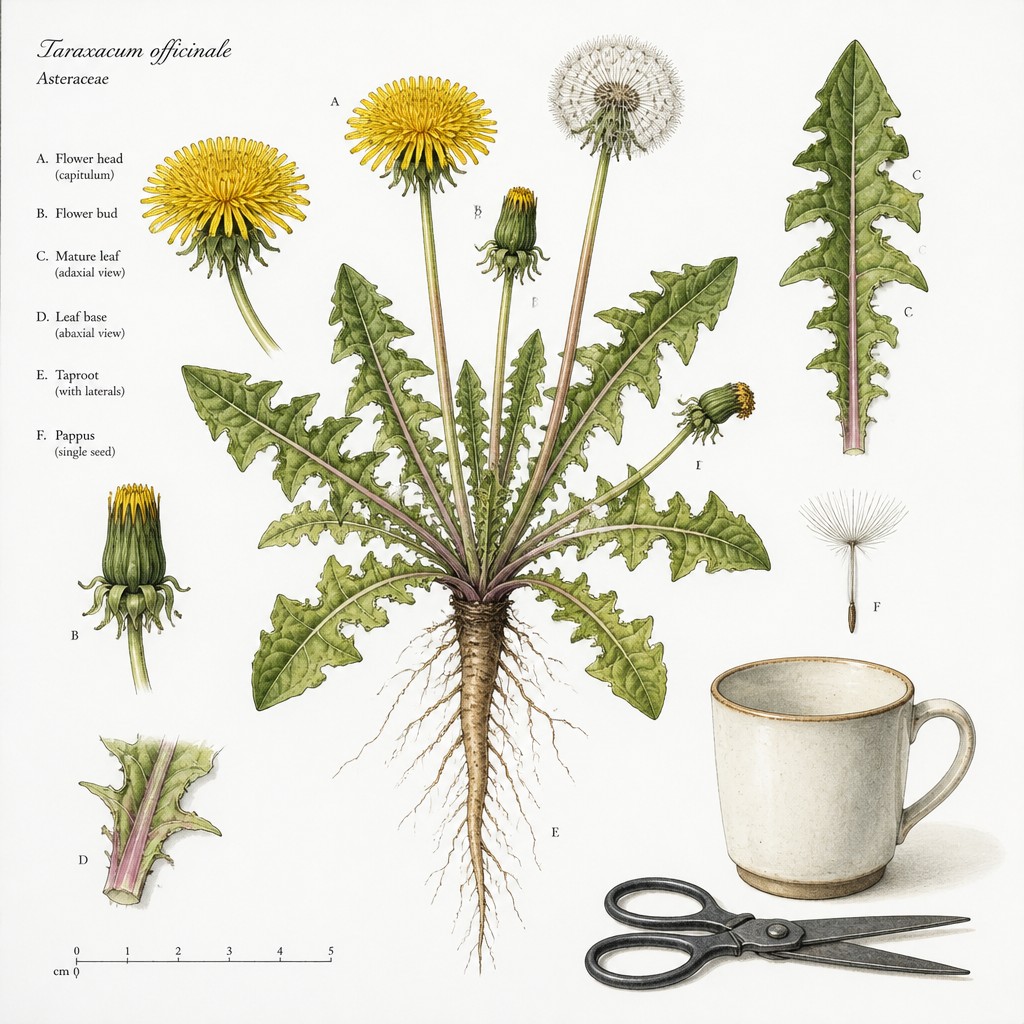
Measured plate composition
The plant is arranged with visual balance rather than placed as a casual still life. Stems may curve across the page, while buds, roots, and enlarged details fill the composition without crowding it.
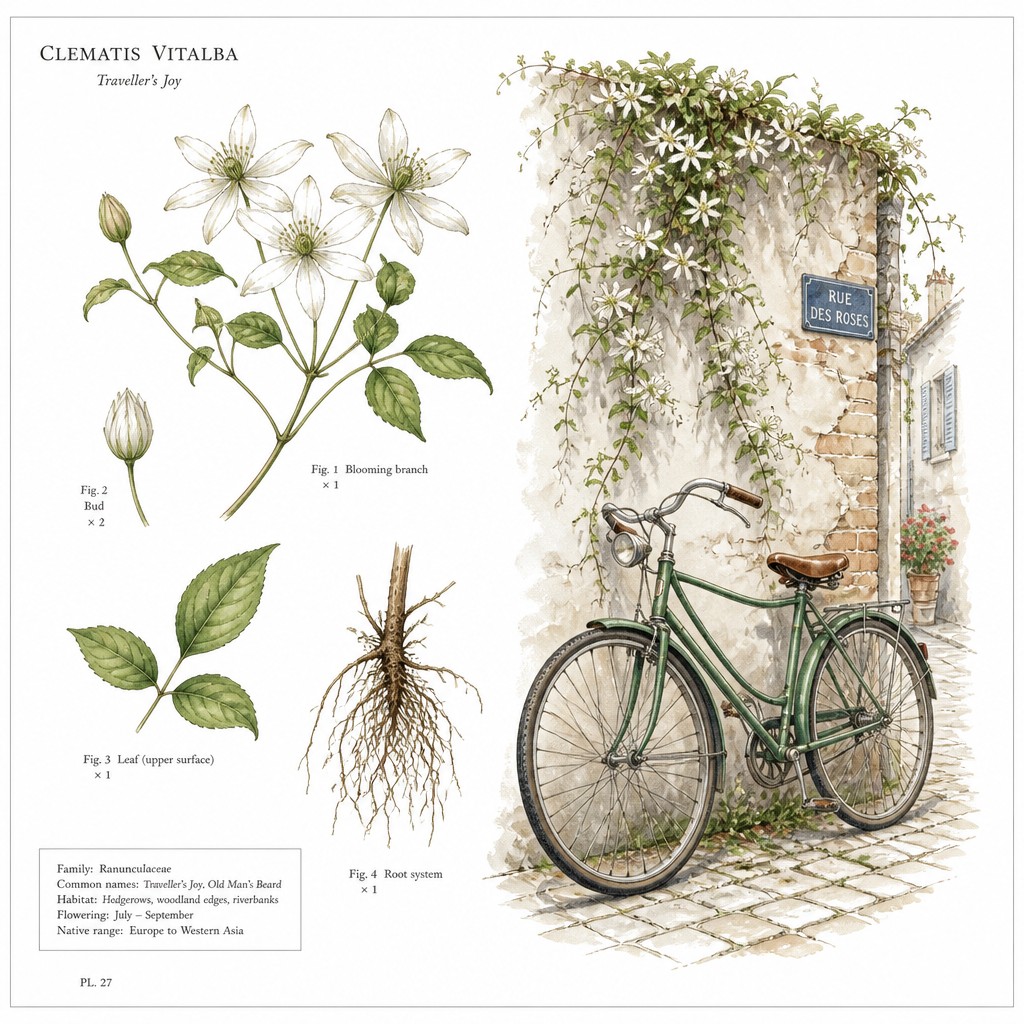
Labels and restrained notation
Small captions, botanical names, scale marks, or numbered callouts can add documentary authority. Typography is subordinate to the specimen and should feel orderly rather than ornamental.
Try It
Create Videos in Botanical Illustration Art Style
Styles aren't just for stills — describe a scene or animate an image and get a short video rendered in Botanical Illustration. Press play to see this pond come to life.
Make a VideoBotanical Illustration Prompt Ideas
Start from an idea — each one opens the generator with the style ready to go. See all 40 Botanical Illustration prompts →
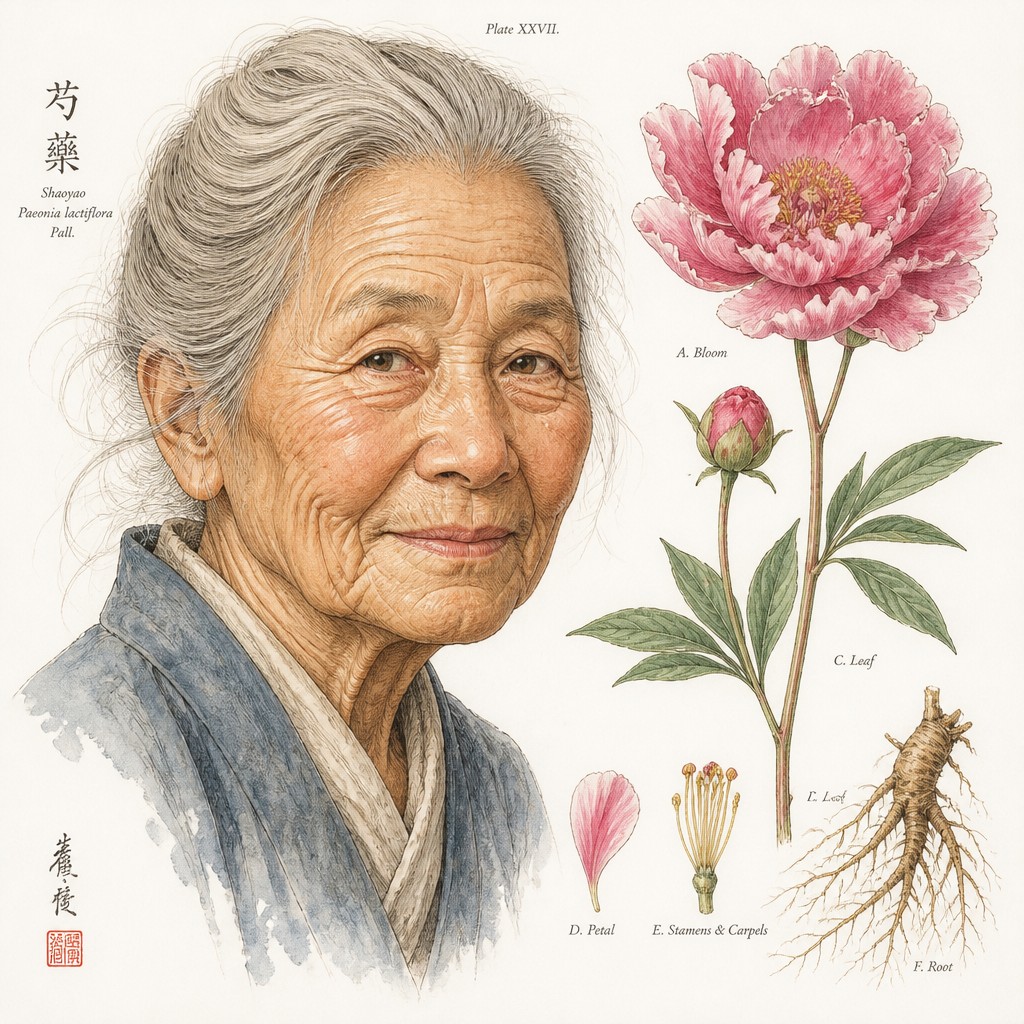
“close-up portrait of an elderly person with expressive weathered features”
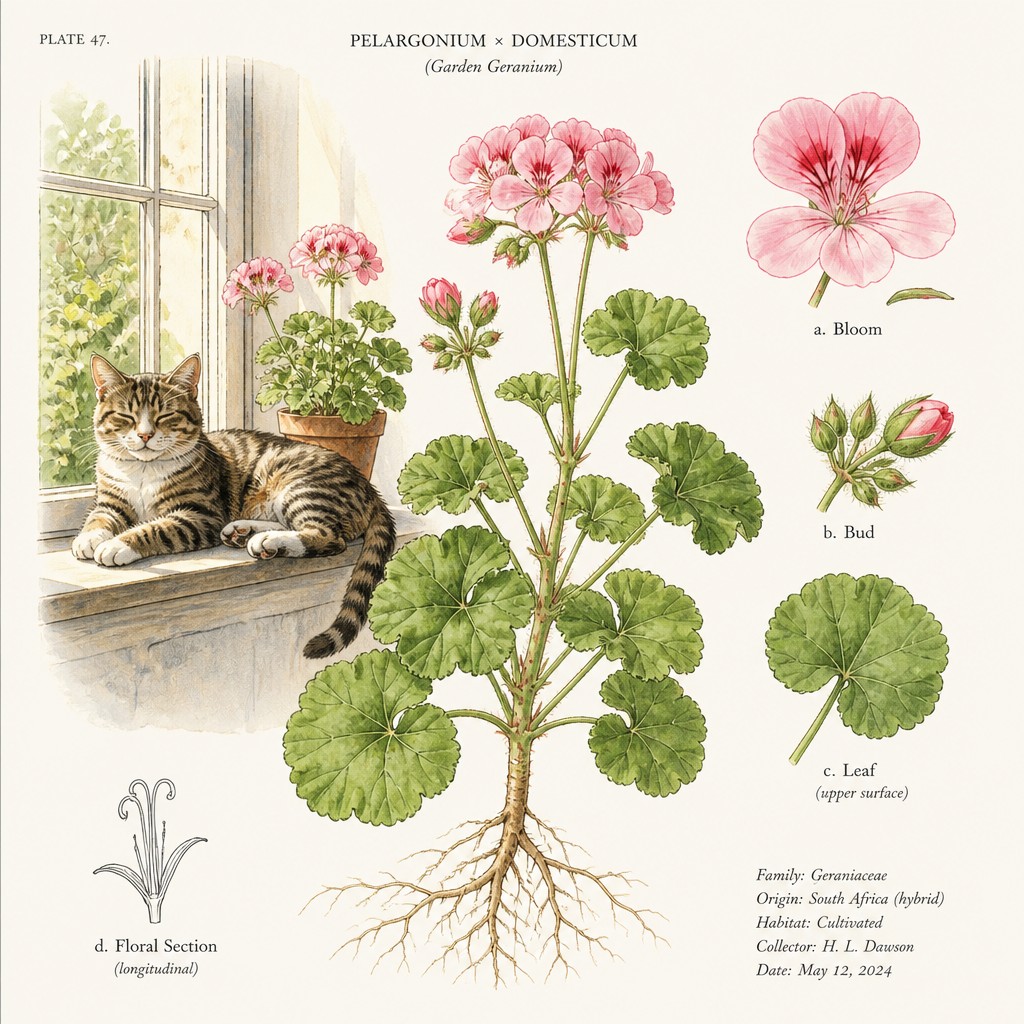
“a cat lounging in a sunlit window”
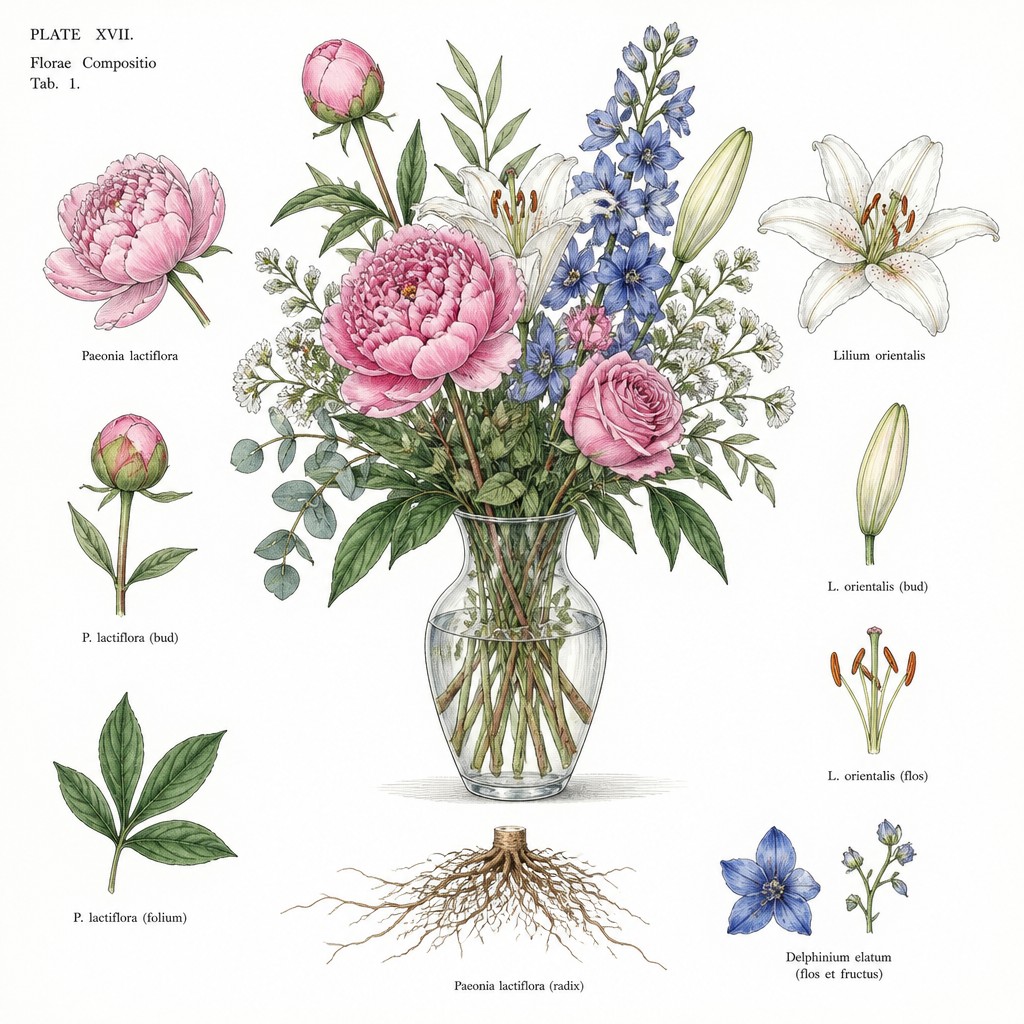
“bouquet of flowers in a glass vase”
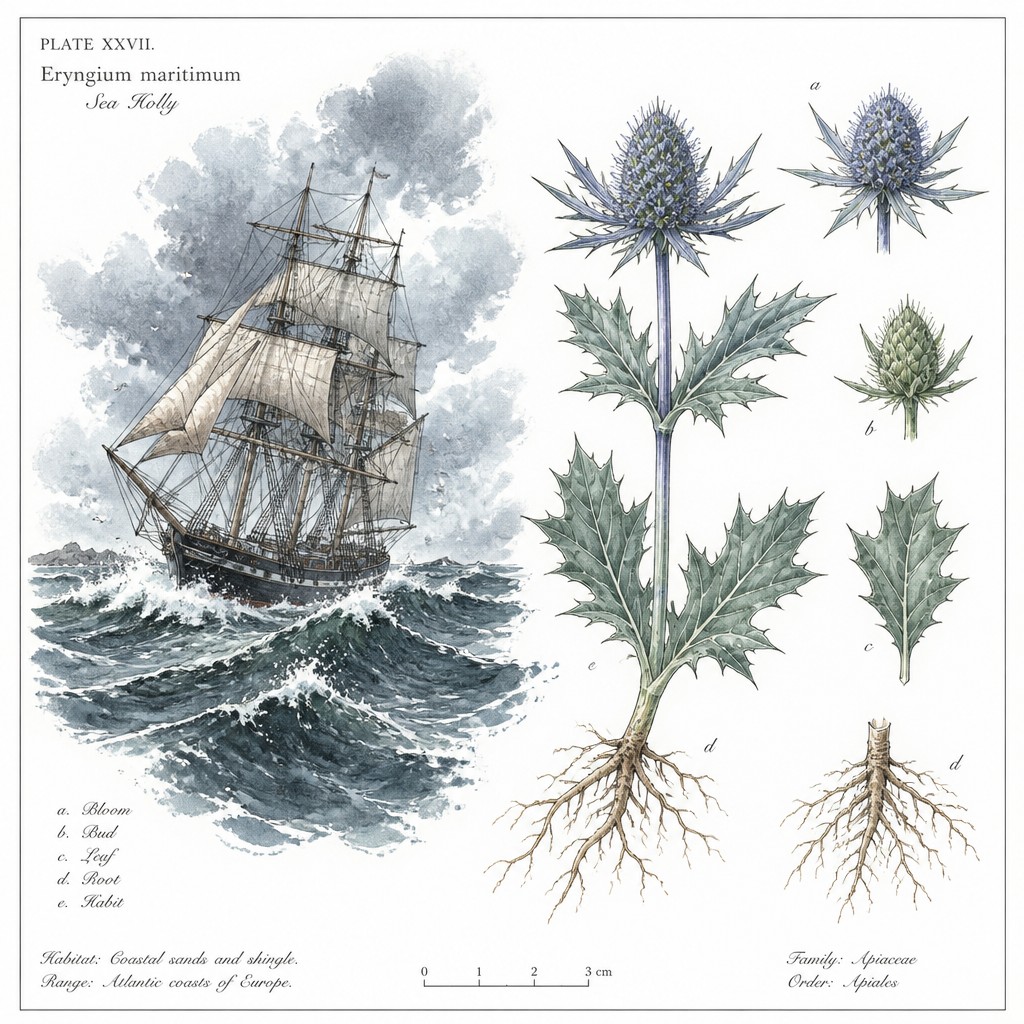
“sailing ship on a stormy sea”
How to Create Botanical Illustration Art
Master the craft step by step — or skip straight to creating. Read the full guide →
- 1
Observe and construct the specimen
Begin with direct observation, a reliable reference, or a specimen photograph, then map the stem, leaf arrangement, flower orientation, and root system before adding detail. Check proportions and identifying structures instead of relying on generic plant symbolism.
- 2
Build a clean ink drawing
Use a fine technical pen, dip pen, or pressure-sensitive digital brush for contours and veins. Keep outlines light and vary line density to distinguish overlaps, undersides, and recessed structures.
- 3
Layer transparent color
Apply pale watercolor washes or digital glazing in several passes, preserving highlights and paper texture. Mix muted greens, botanical reds, ochres, and browns, using stronger contrast only where it improves identification.
- 4
Design the plate
Arrange the full plant, roots, developmental stages, and any detail views on a quiet white ground with generous margins. Add labels or scale information sparingly, using consistent alignment and a legible, understated type treatment.
- 5
Refine digitally
For digital work, combine a textured paper layer, fine ink linework, watercolor brushes, and low-opacity glazing layers. Keep edges sharper around diagnostic features and softer in translucent petals or fine roots.
- 6
Write a focused generation prompt
Specify the plant species or subject, visible structures, white paper, fine ink, transparent watercolor, scientific accuracy, and a measured plate layout. Request restrained labels only when needed, and exclude photographic backgrounds, dramatic shadows, and excessive ornament.
The Story
History & Origins of Botanical Illustration
This style draws on the long tradition of illustrated herbals, florilegia, field guides, and botanical plates used to record medicinal, agricultural, and ornamental plants. Early plant books often combined descriptive text with woodcut or engraved images; from the early modern period onward, improved printing, specimen collecting, and taxonomic study encouraged increasingly exact visual records.
During the eighteenth and nineteenth centuries, botanical illustration developed a refined plate format using engraving, lithography, and watercolor. Contemporary practice continues this lineage in scientific publishing, horticultural documentation, museum collections, and independent illustration, while digital drawing and image-generation tools offer new ways to arrange specimens and emulate ink-and-wash techniques.
Influences: Botanical Illustration is related to illustrated herbals, European and Asian plant-recording traditions, natural-history engraving, scientific illustration, florilegium design, watercolor painting, pen-and-ink drawing, and field-guide publishing. It also shares the disciplined observation of academic drawing and the balanced spacing of printmaking, while its restrained compositions can overlap with minimalist editorial and archival design.
Frequently Asked Questions
What defines Botanical Illustration?
It combines accurate observation of plant anatomy with a clear, carefully arranged presentation. Fine ink contours, transparent watercolor, a pale paper ground, and labels or detail views are common, but scientific legibility is the central principle.
How is Botanical Illustration different from a floral painting?
A floral painting may emphasize atmosphere, symbolism, or decorative beauty, while botanical illustration prioritizes identification and structural information. It commonly shows more than the most attractive bloom, including roots, buds, fruit, seeds, or diagnostic leaves.
Does a botanical illustration have to be scientifically exact?
Traditional botanical illustration is expected to be accurate enough for recognition and comparison. Decorative interpretations can be looser, but they should be described as botanical-inspired rather than strictly scientific when proportions or structures are invented.
What materials are used to make this style?
Traditional artists commonly use smooth watercolor paper, graphite, technical pens, dip pens, watercolor, colored pencil, and occasionally gouache for opaque accents. Digital artists can recreate the effect with a paper texture, a precise line brush, and translucent watercolor or glazing layers.
How can I create a convincing image in this style?
Name the plant or describe its recognizable structures, then request a complete specimen, fine ink linework, transparent watercolor, white paper, and a measured plate composition. Including roots, buds, fruit, or enlarged details usually produces a more informative result than asking for a generic flower.
Where is Botanical Illustration used?
It appears in field guides, herbals, horticultural catalogs, botanical research, museum archives, educational materials, packaging, editorial design, and home decoration. Its combination of accuracy and elegance also makes it useful for plant identification and public science communication.
Create your first Botanical Illustration artwork
Describe anything — or upload a photo — and see it in Botanical Illustration Art Style in seconds.
Related Styles
Discover similar art styles