Epic Scale Art Style
Explore Epic Scale art: vast landscapes, towering structures, and tiny figures create awe through extreme size and atmospheric depth.
Instantly rendered in Epic Scale — or transform a photo
Epic Scale Gallery
Tap any artwork to explore it
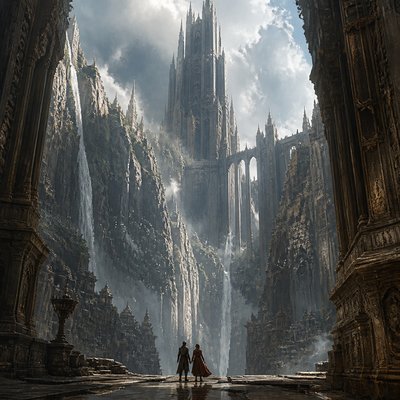
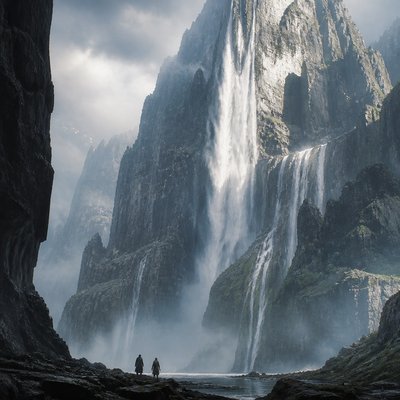
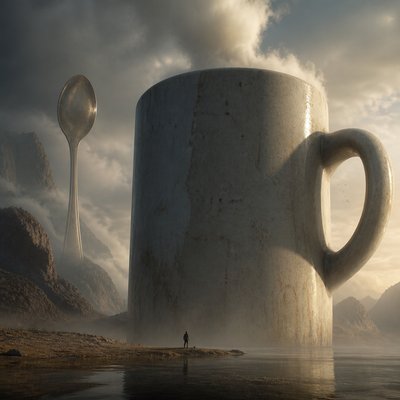
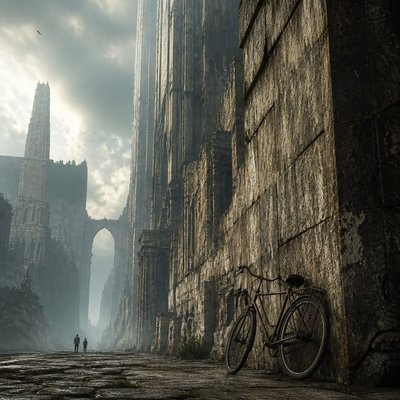
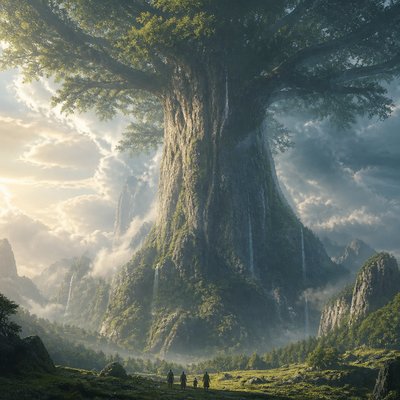
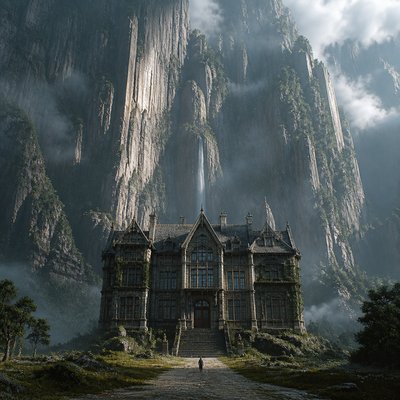
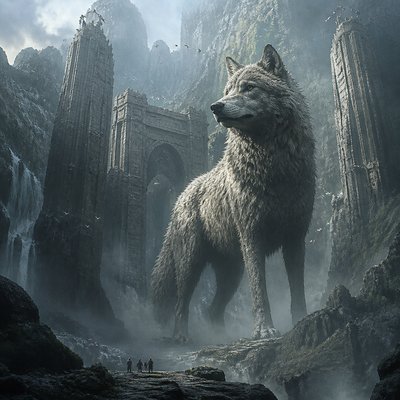
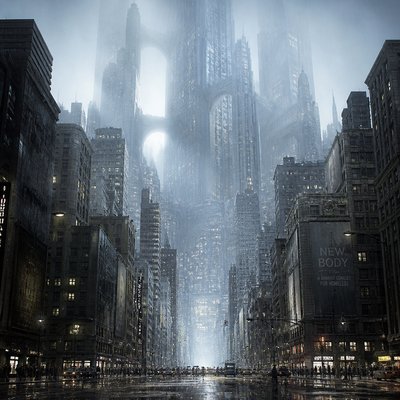
What is Epic Scale Art Style?
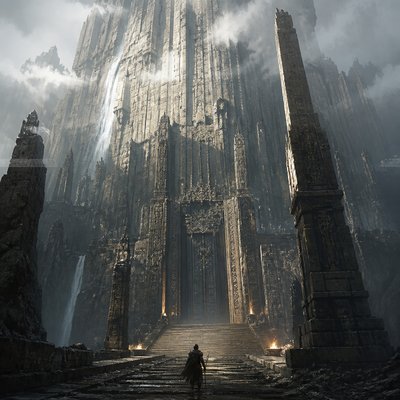
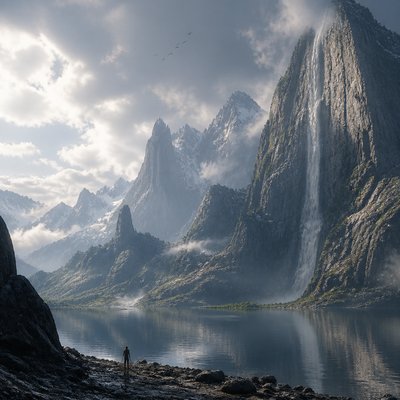
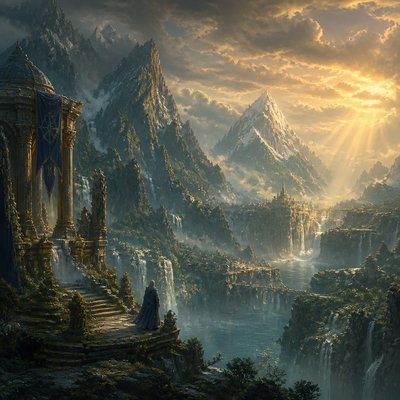
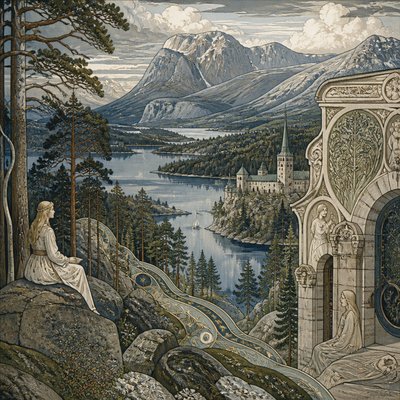
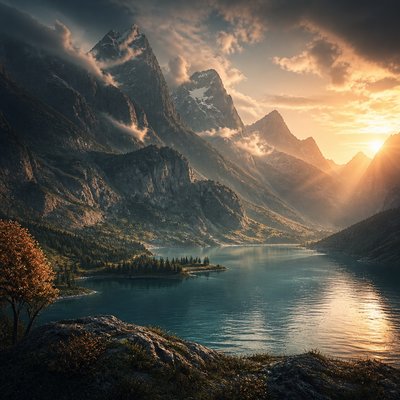
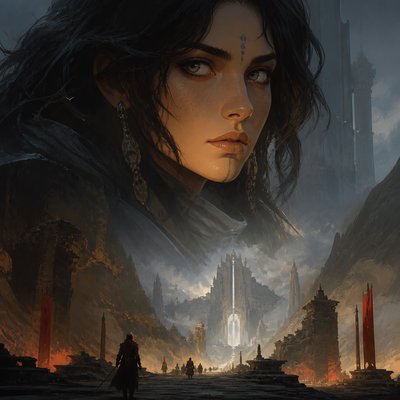
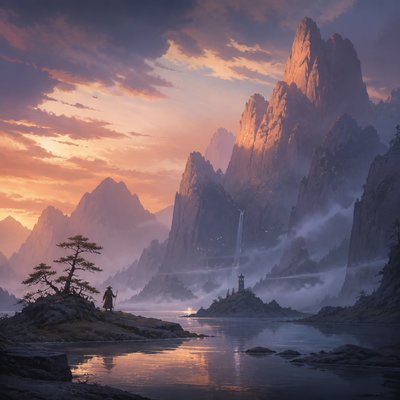
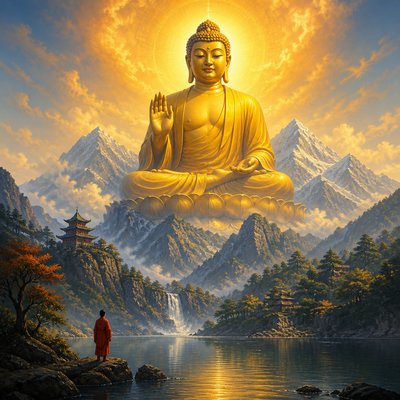
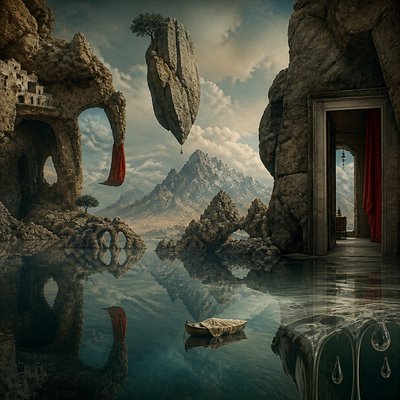
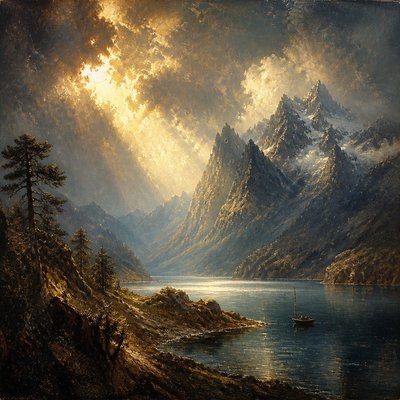
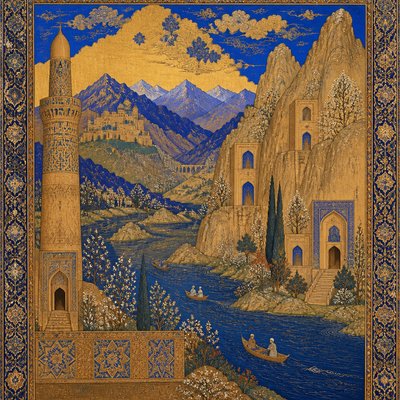
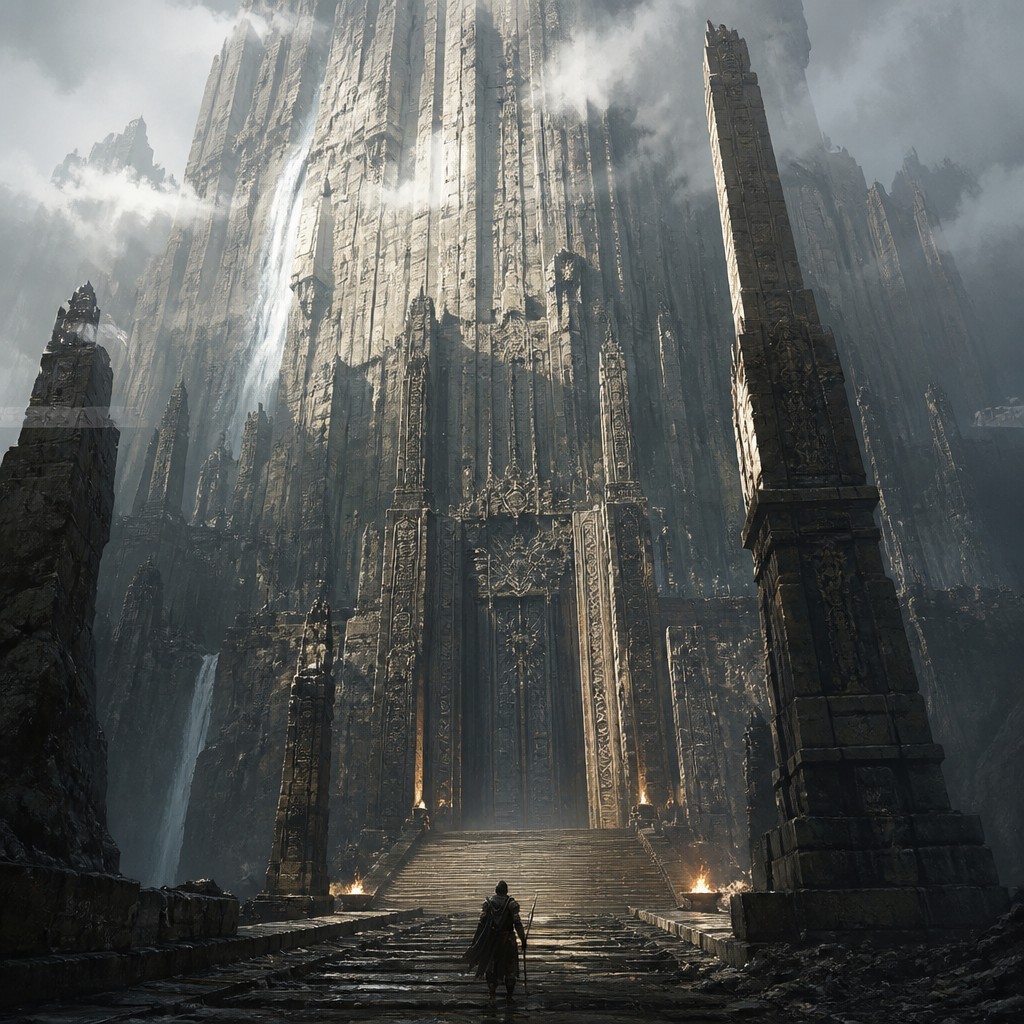
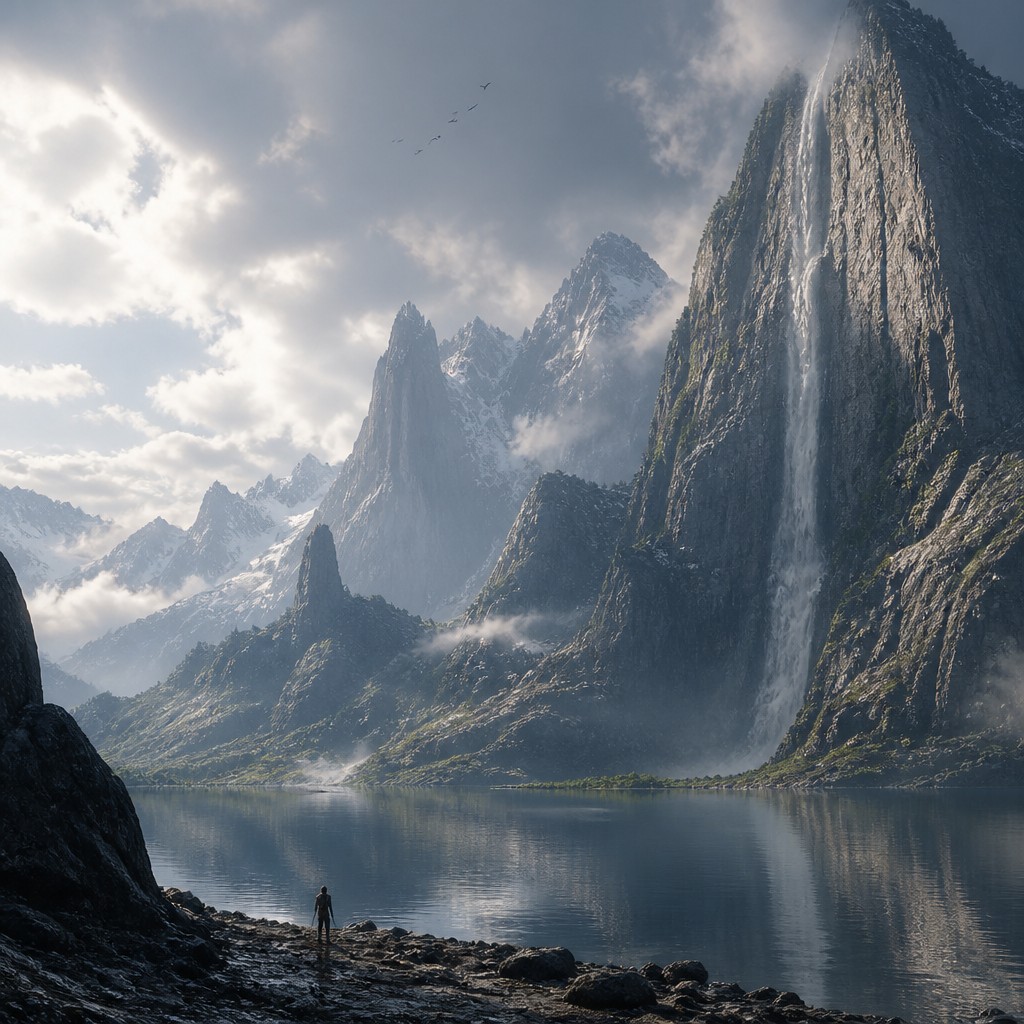
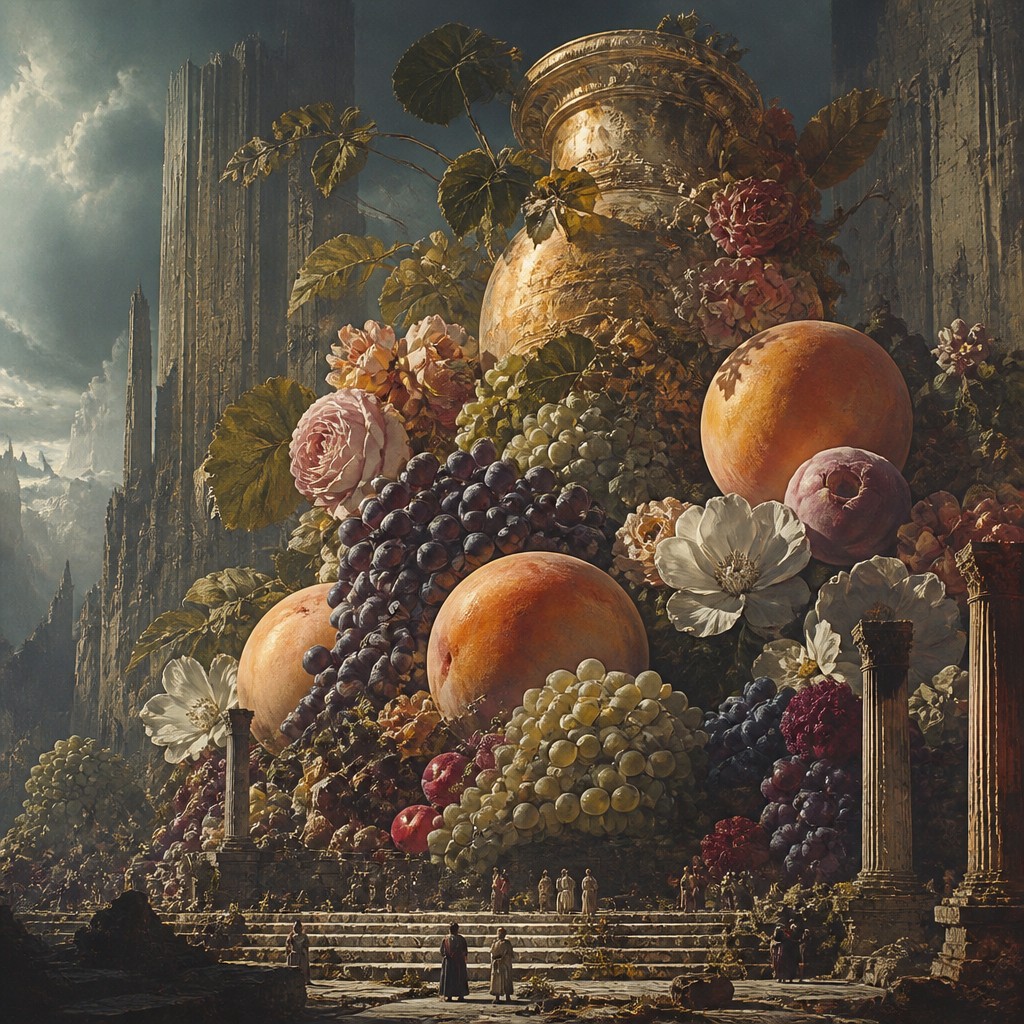
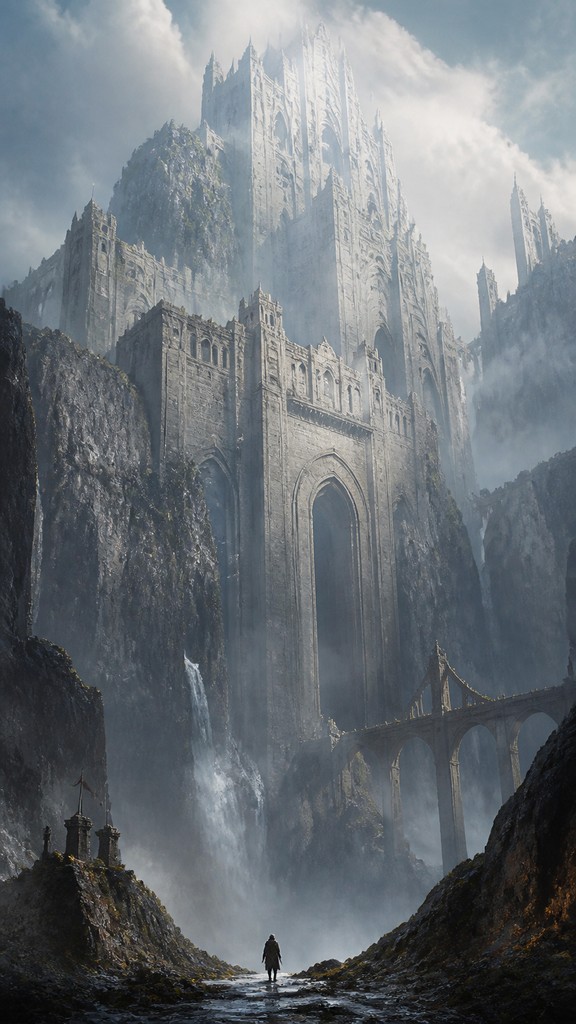
Epic Scale Art is a visual approach built around radical differences in size. Tiny people, travelers, vehicles, or settlements are placed beside colossal mountains, ruins, machines, trees, monuments, or architectural spaces, making the surrounding world appear almost immeasurable. The human figure is often present as a visual measure rather than as the main subject.
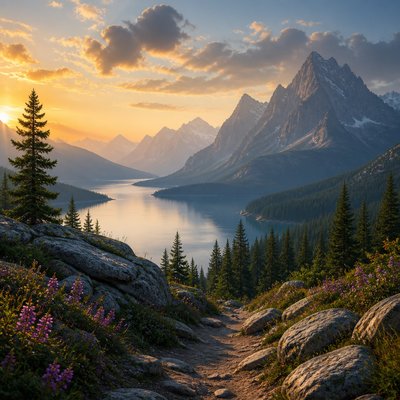
Its emotional effect comes from the sublime: wonder, vulnerability, discovery, and respectful fear before forces or spaces larger than ordinary human experience. Deep atmospheric perspective, dramatic vertical composition, controlled lighting, and an unobstructed sense of distance make the scale contrast immediately legible. The style can depict realistic landscapes, speculative worlds, ancient environments, or monumental architecture without requiring a particular medium.
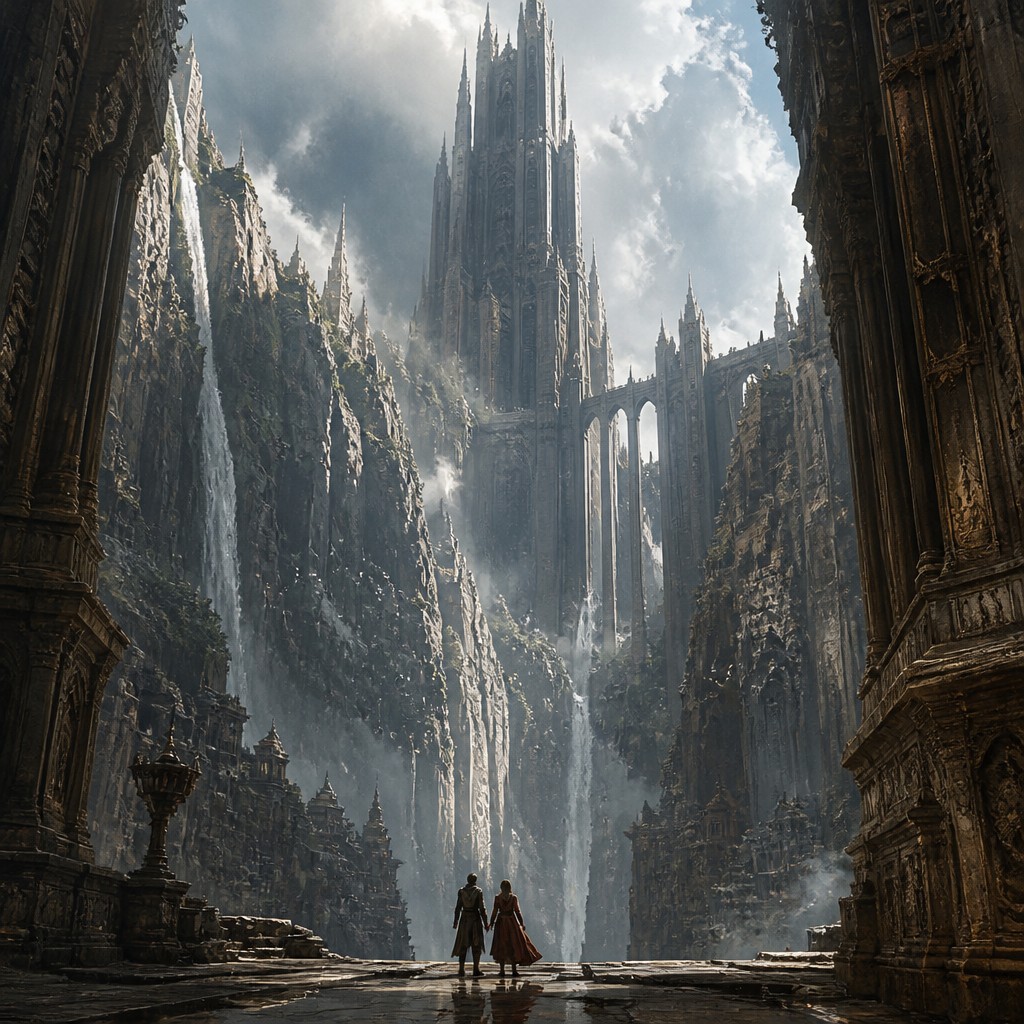
Try It On Your Photos
Upload any photo and convert it into Epic Scale Art Style — drag the sliders to compare before and after.
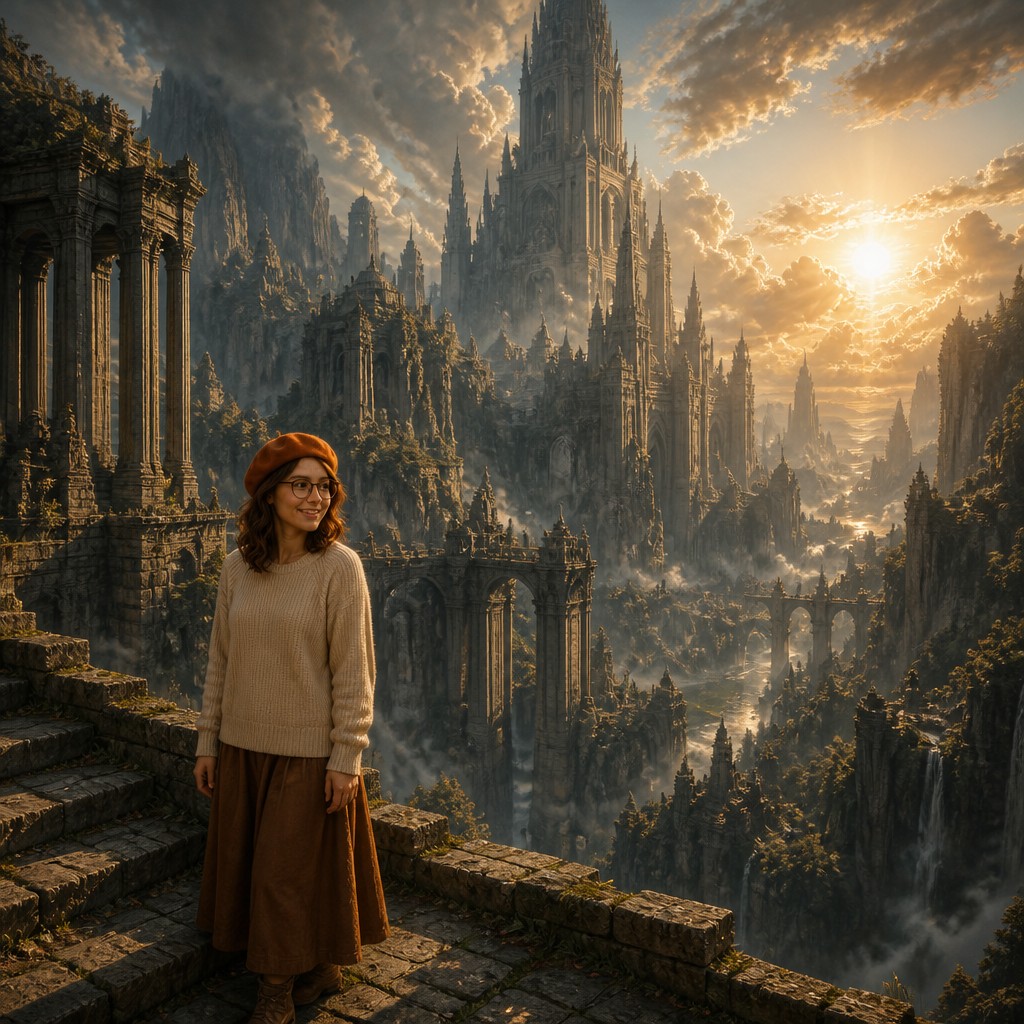

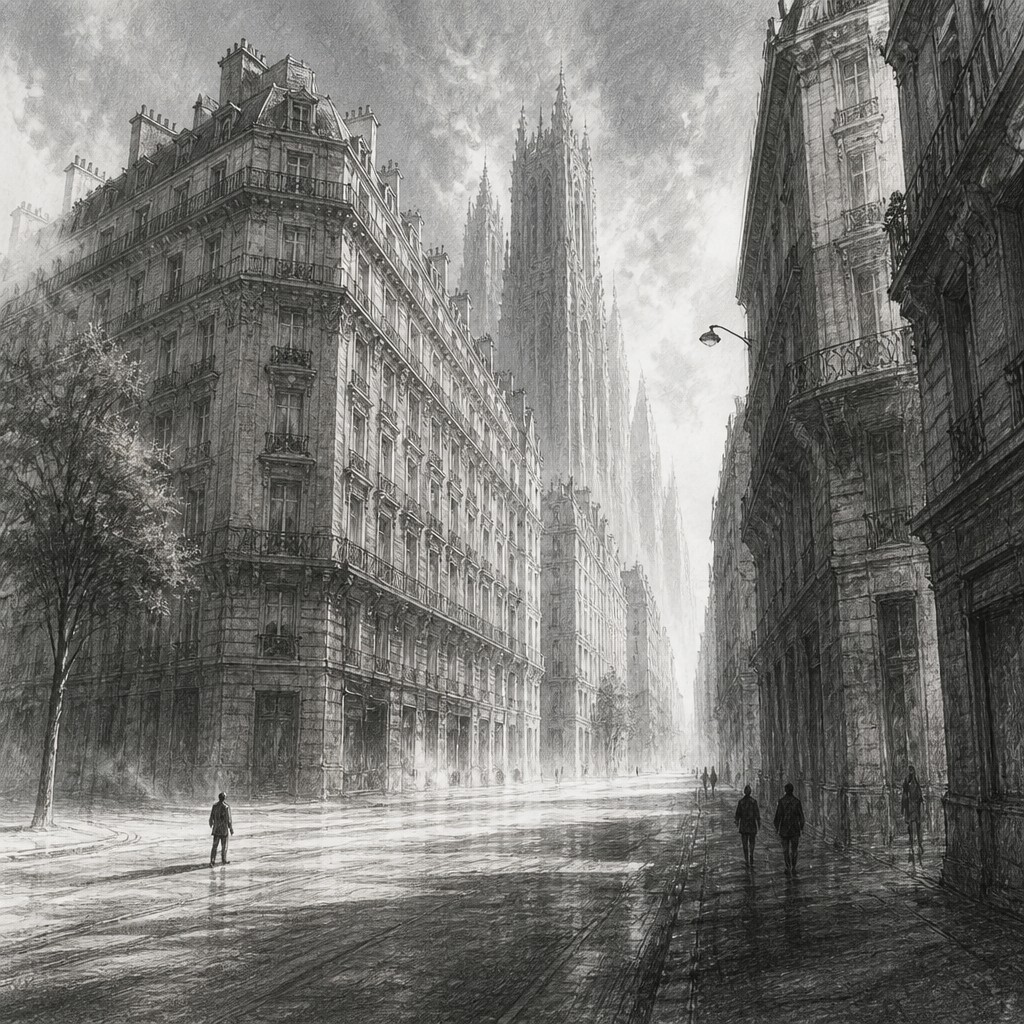

What Defines Epic Scale Art Style
The signature details, up close
Extreme size contrast
A minuscule figure or group is set against an immense object, landscape, or structure. The contrast should be unmistakable even at thumbnail size.
Monumental verticals
Cliffs, towers, trees, statues, walls, and engineered forms often rise beyond the frame. Low viewpoints and tall compositions reinforce their dominance.
Deep atmospheric distance
Layered haze, softened edges, and receding tonal values separate foreground, middle distance, and horizon. Atmospheric perspective makes the world feel physically vast.
Figures at the frame's base
People commonly occupy a low, narrow zone of the composition, functioning as witnesses, explorers, pilgrims, or points of measurement.
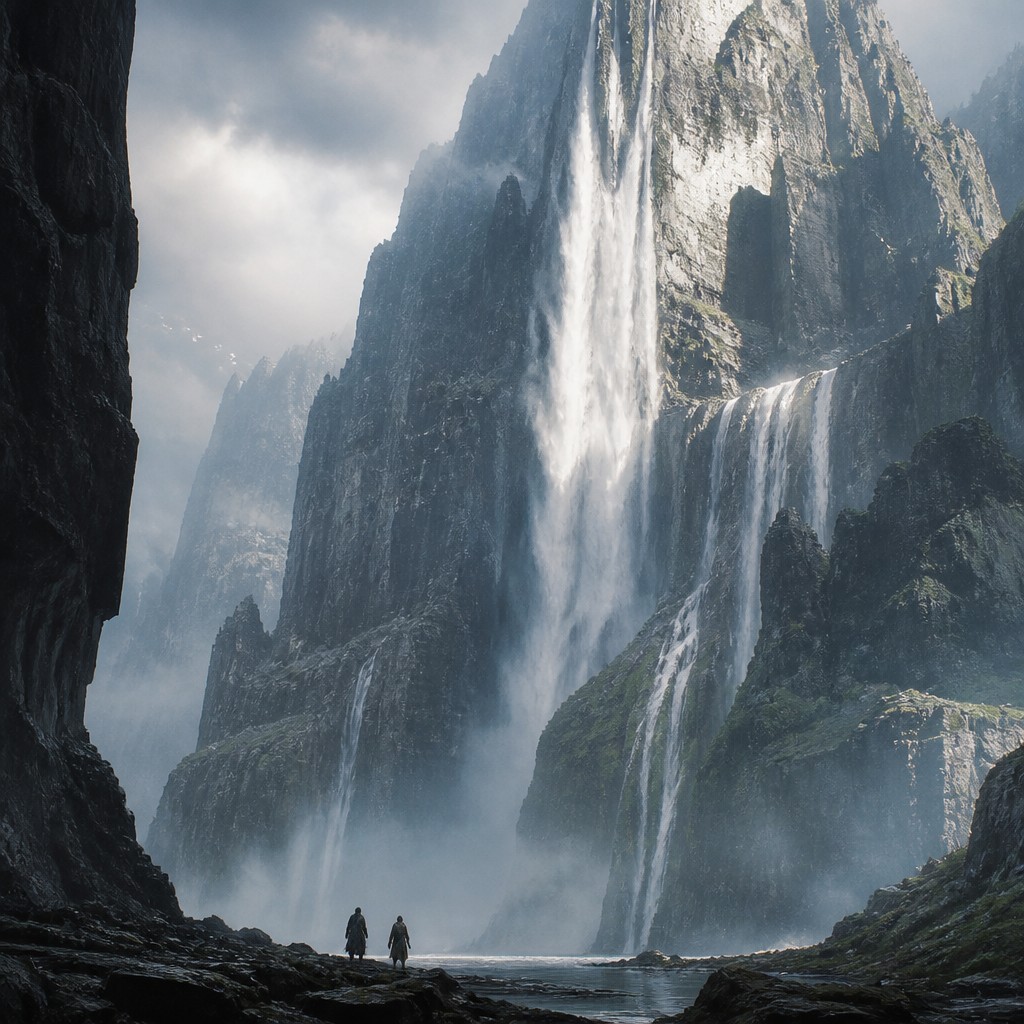
Sublime mood
Lighting and weather favor awe-filled conditions such as dawn mist, storm breaks, shafts of light, moonlit cloud, or immense calm. The mood balances beauty with human vulnerability.
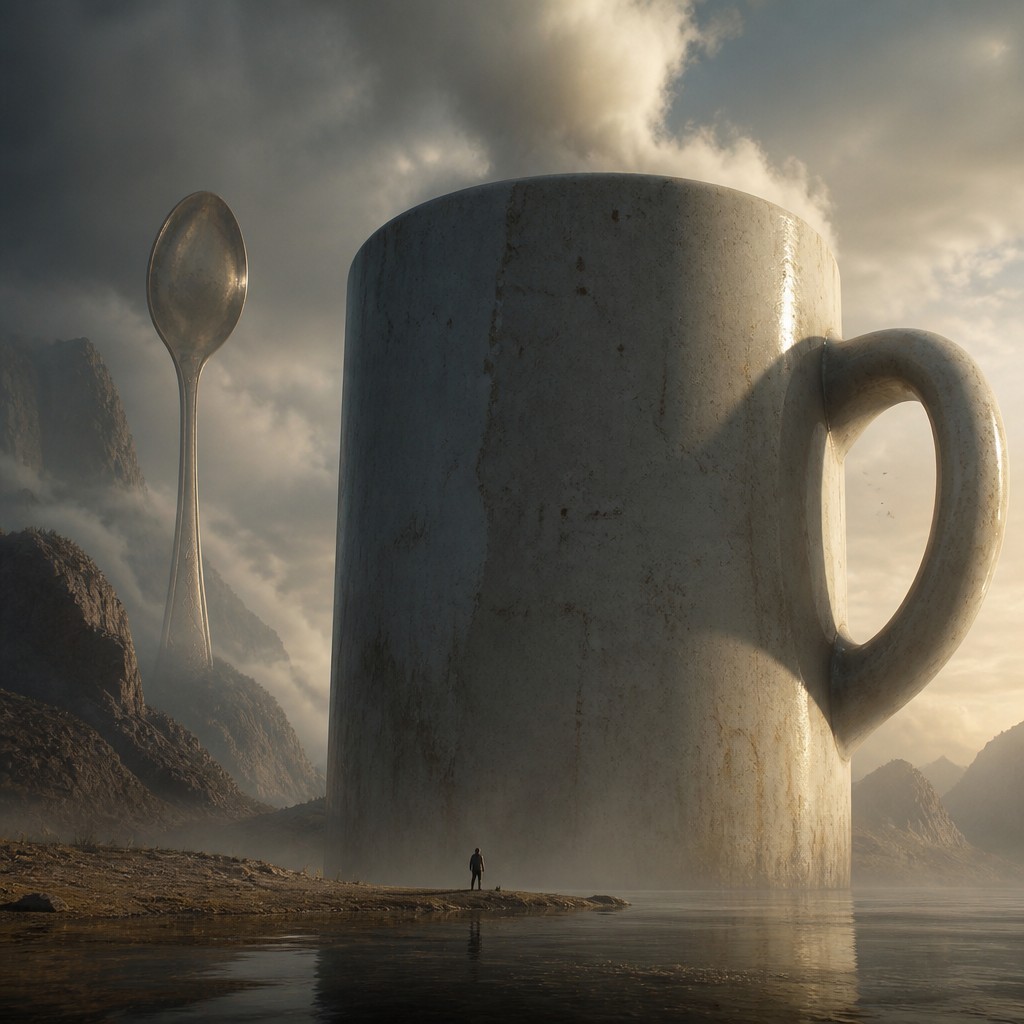
Clear spatial hierarchy
Strong foreground framing, a readable horizon, and deliberate overlaps guide the eye from the small figure toward the larger world. Scale cues such as doors, bridges, vegetation, and vehicles improve believability.
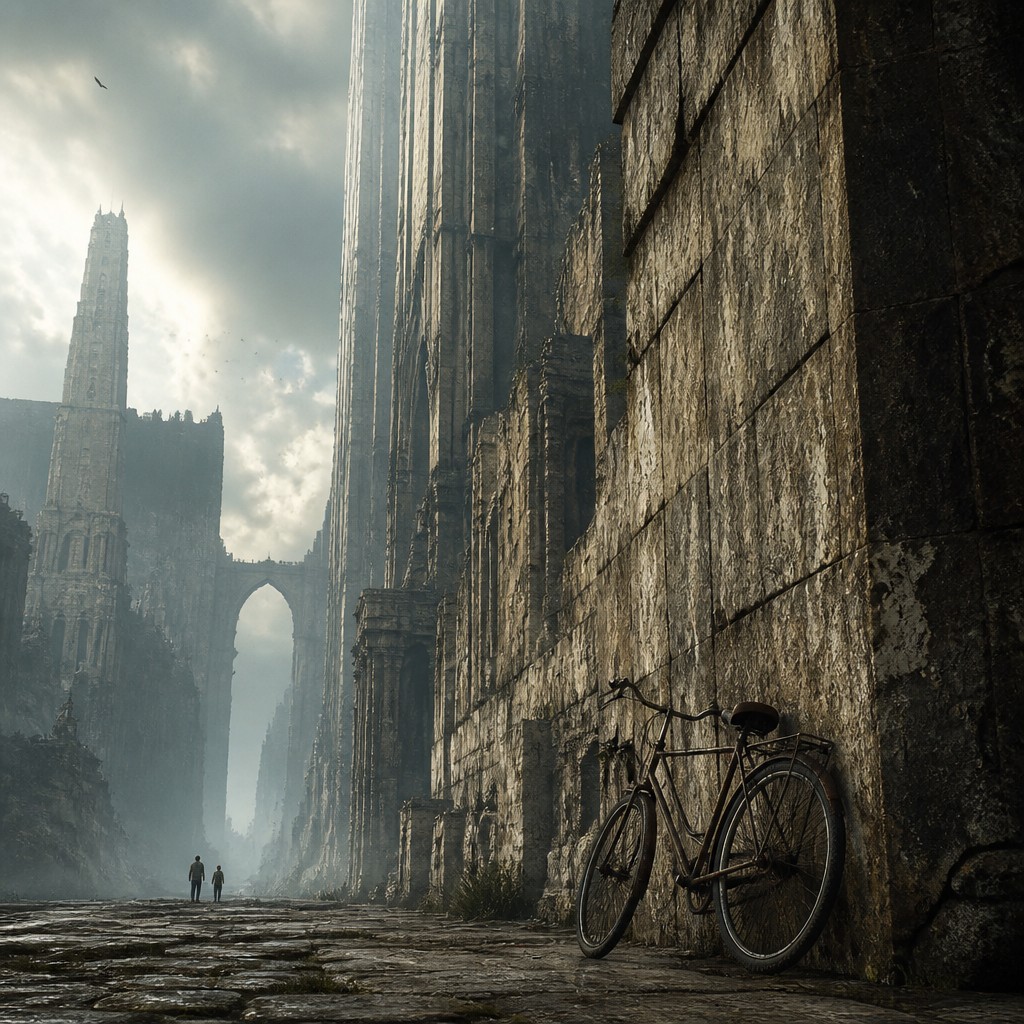
Restrained human detail
The environment receives most of the descriptive emphasis while people remain simplified silhouettes or small, carefully placed accents. Their lack of detail strengthens the sense of distance.
Try It
Create Videos in Epic Scale Art Style
Styles aren't just for stills — describe a scene or animate an image and get a short video rendered in Epic Scale. Press play to see this pond come to life.
Make a VideoEpic Scale Prompt Ideas
Start from an idea — each one opens the generator with the style ready to go. See all 40 Epic Scale prompts →
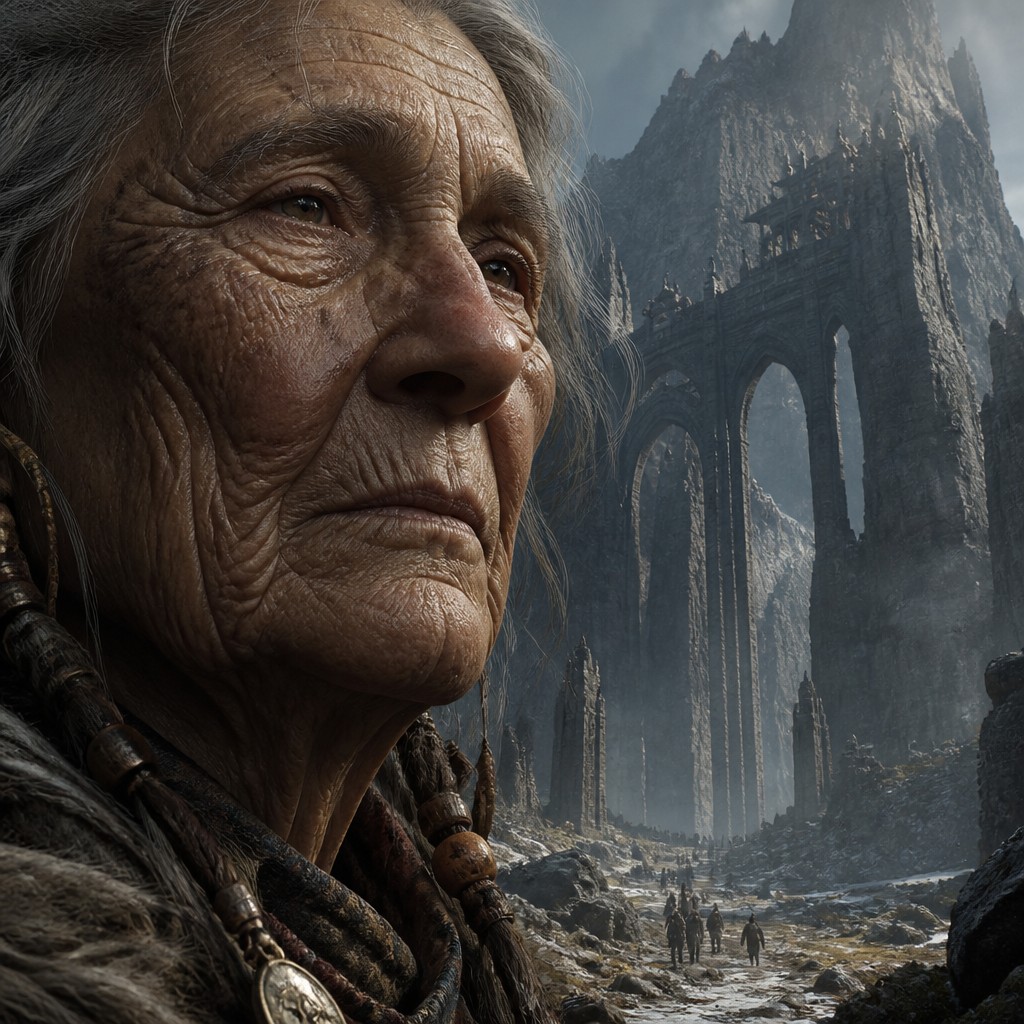
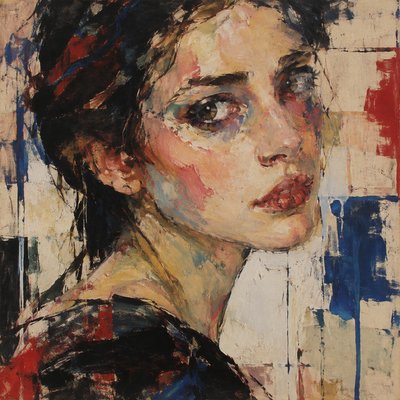
“close-up portrait of an elderly person with expressive weathered features”
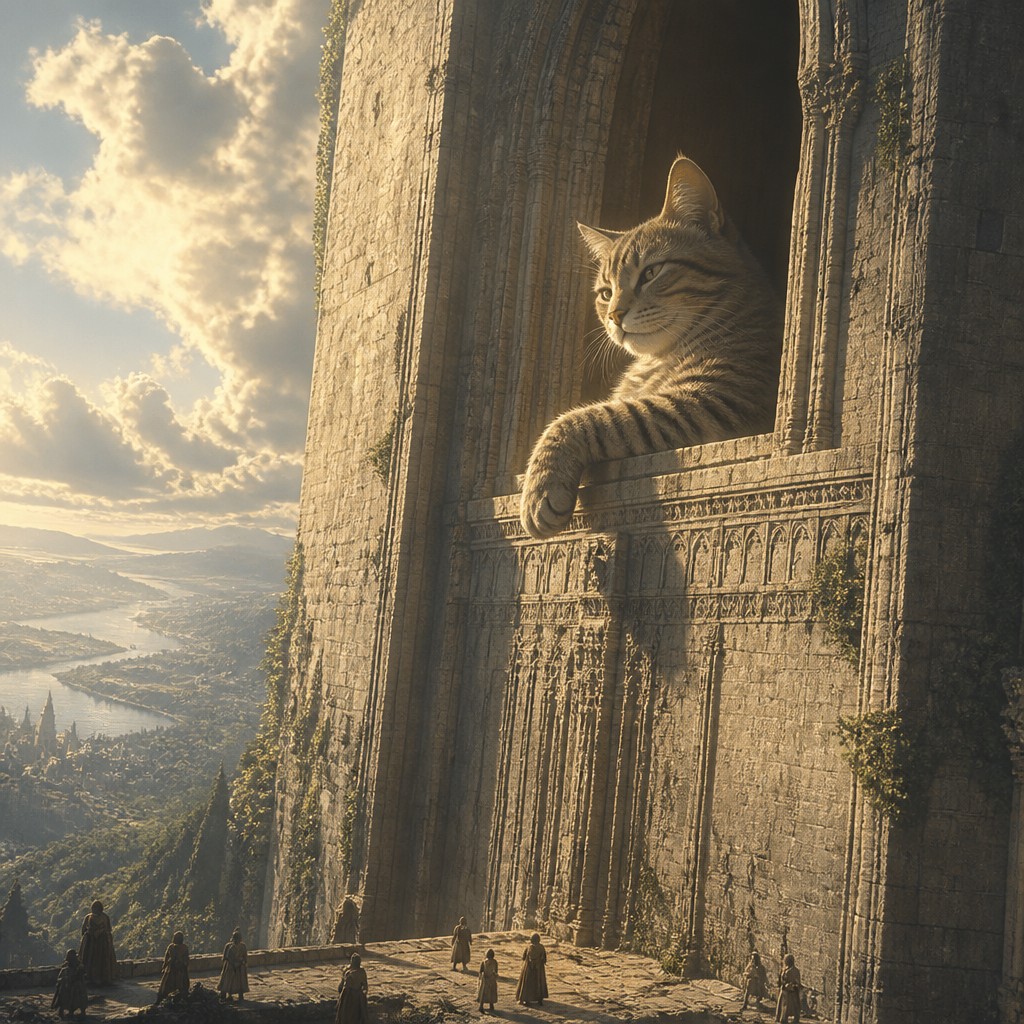
“a cat lounging in a sunlit window”
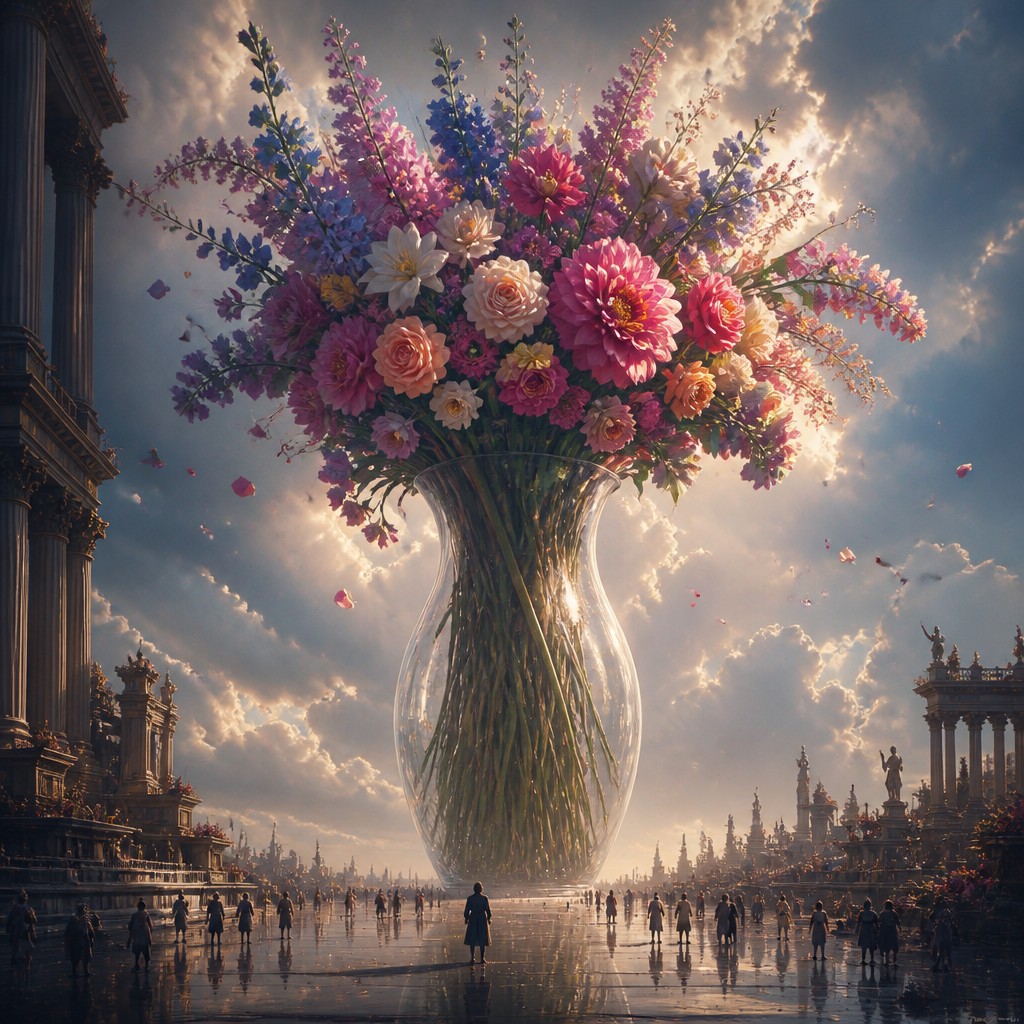
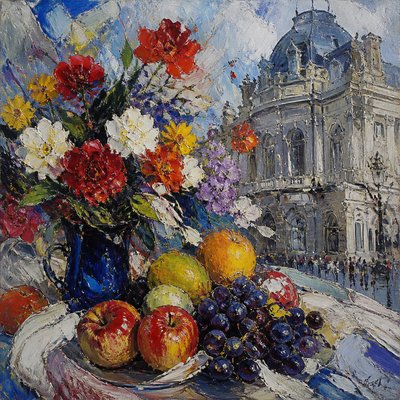
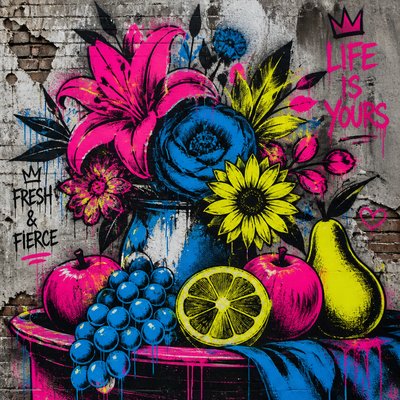
“bouquet of flowers in a glass vase”
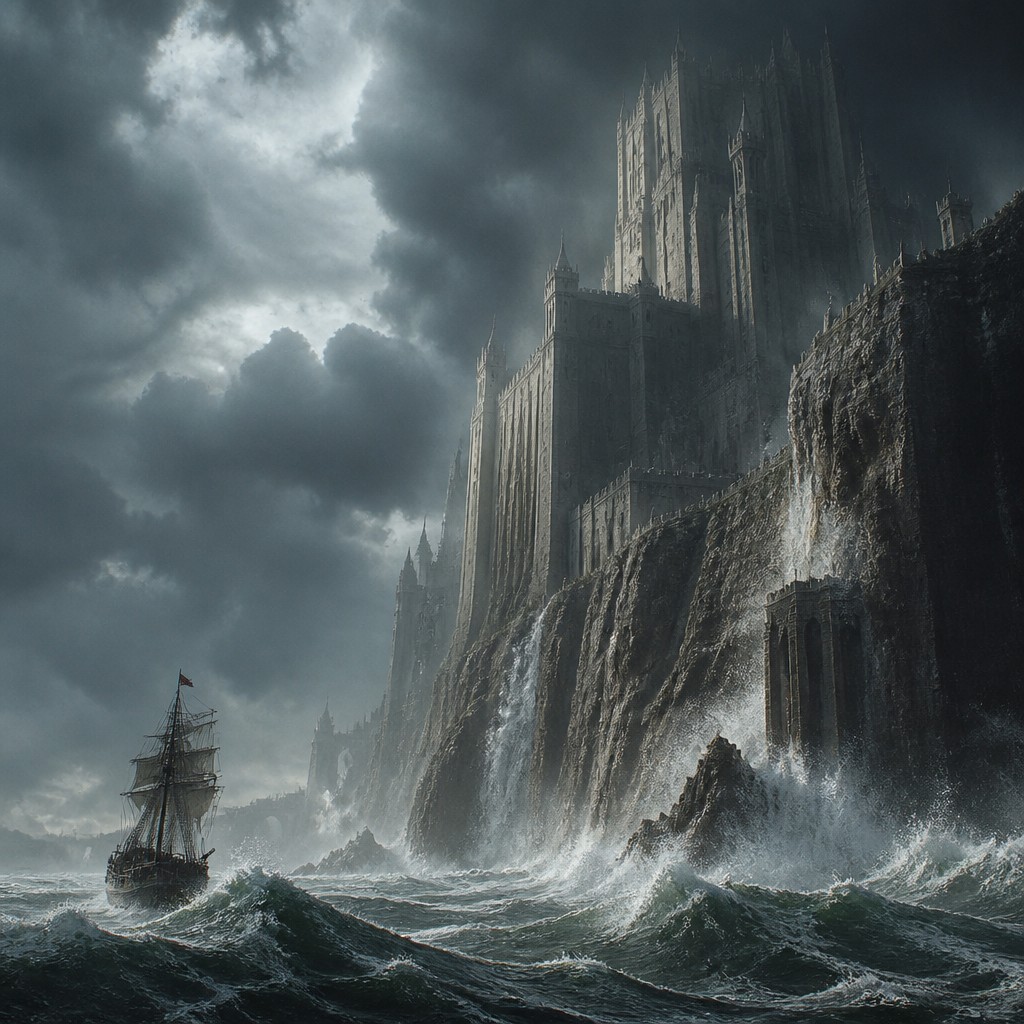
“sailing ship on a stormy sea”
How to Create Epic Scale Art
Master the craft step by step — or skip straight to creating. Read the full guide →
- 1
Establish a scale anchor
Begin with a human figure, doorway, vehicle, or familiar tree, then design every major form in relation to it. Avoid placing the figure near the center unless it is intentionally being overwhelmed from all sides.
- 2
Choose a low or distant viewpoint
Use a low camera angle for towers and cliffs, or a far vantage point for enormous landscapes. A portrait-oriented frame emphasizes height, while a wide frame emphasizes breadth and layered distance.
- 3
Build atmospheric layers
Separate planes with progressively lighter, cooler, and lower-contrast values. In painting or digital work, use mist, dust, cloud, and aerial perspective sparingly so the distant world remains legible.
- 4
Use structural scale cues
Add stairs, windows, bridges, banners, roads, or clustered vegetation to communicate proportion. Repetition and diminishing detail can make architecture or terrain feel genuinely colossal.
- 5
Control light and silhouette
Backlighting can reduce people to readable silhouettes while revealing the outline of the giant form. For traditional media, block in large value masses first; for digital work, preserve a clear focal path through tonal separation.
- 6
Write precise generation prompts
Specify the subject, the tiny human scale anchor, the enormous surrounding form, viewpoint, atmospheric depth, lighting, and composition. For image-to-image work, preserve the original figure placement while expanding the environment and strengthening vertical or distant scale.
The Story
History & Origins of Epic Scale
Epic Scale Art is best understood as an invented contemporary visual category rather than a historically bounded movement. Its aesthetic lineage includes the sublime landscapes of Romantic-era painting, the monumental compositions of historical and religious art, the scale experiments of architectural visualization, and the grand environmental imagery of science-fiction and fantasy concept art.
It also draws from landscape photography, matte painting, theatrical set design, forced perspective, and cinematic establishing shots. Digital compositing and text-to-image workflows have made it easier to combine distant atmospheric layers, towering structures, and precisely placed human figures, helping extreme scale become the central subject rather than a secondary effect.
Influences: The style is related to Romantic sublime painting, monumental landscape traditions, panoramic and expeditionary photography, architectural visualization, matte painting, cinematic science-fiction concept art, fantasy environment design, and forced-perspective stagecraft. It shares the sublime's concern with human smallness, but focuses more explicitly on measurable scale contrast and the placement of tiny figures within an expansive visual system.

Frequently Asked Questions
What defines Epic Scale Art?
Its defining feature is an extreme, readable contrast between very small human figures and a much larger environment or structure. Vast space, atmospheric depth, monumental forms, and a mood of awe support that contrast.
Does Epic Scale Art have to depict fantasy or science fiction?
No. It can portray ordinary mountains, cathedrals, forests, bridges, industrial sites, or coastlines. Fantasy and science fiction are common because they provide naturally monumental subjects, but the composition and scale relationship matter more than the setting.
How is it different from a normal landscape painting?
A normal landscape may include people as incidental details or compositional accents. Epic Scale Art makes their smallness central, using them as a deliberate unit of measurement against an overwhelming environment.
How can I make the scale feel believable?
Include familiar reference points such as doors, stairs, roads, trees, vehicles, or groups of people. Keep distant objects lower in contrast, use atmospheric perspective, and ensure that the figure's proportions remain consistent with the surrounding architecture or terrain.
What composition works best for this style?
Low viewpoints and portrait frames are effective for towers, cliffs, and trees, while wide compositions work well for deserts, mountain ranges, and enormous interior spaces. Place the human figure near the lower edge or along a path that leads into the distance.
Where is this visual approach commonly used?
It appears in environment concept art, fantasy and science-fiction illustration, architectural visualization, cinematic key art, landscape photography, book covers, game worlds, and speculative design. It is also useful whenever an image needs to communicate discovery, isolation, or monumental ambition.
Create your first Epic Scale artwork
Describe anything — or upload a photo — and see it in Epic Scale Art Style in seconds.
Related Styles
Discover similar art styles