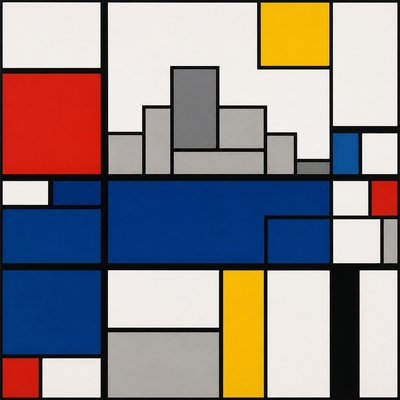
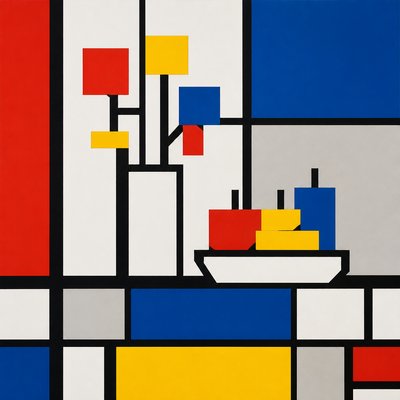
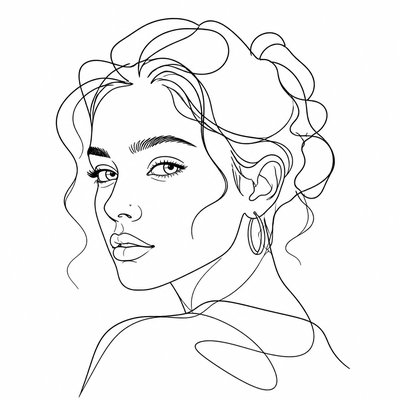
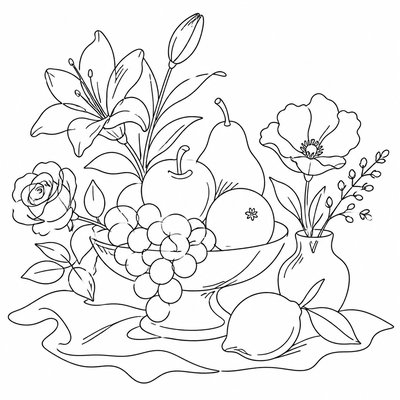
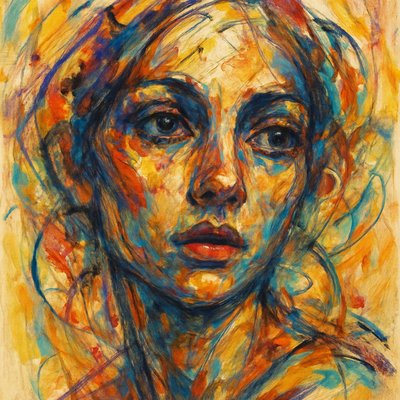
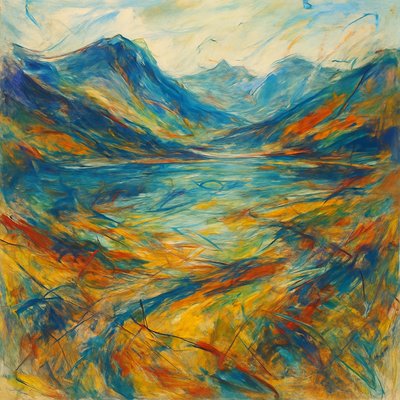
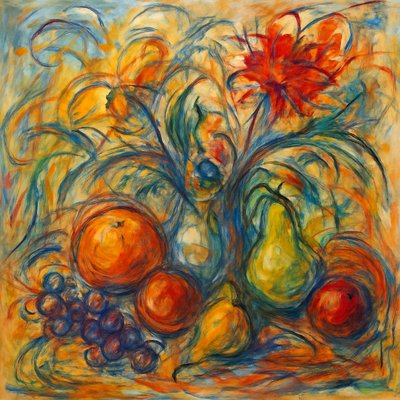
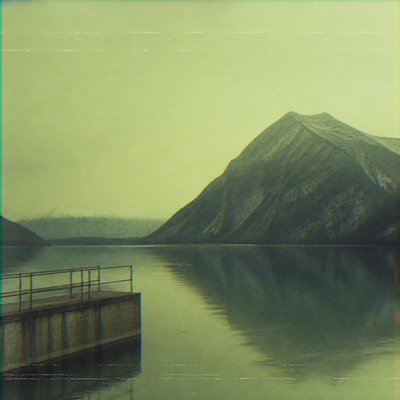
Linear Perspective Art Style
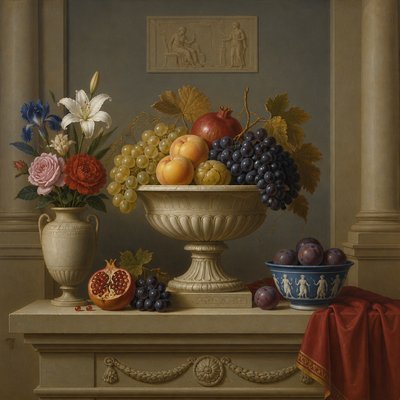
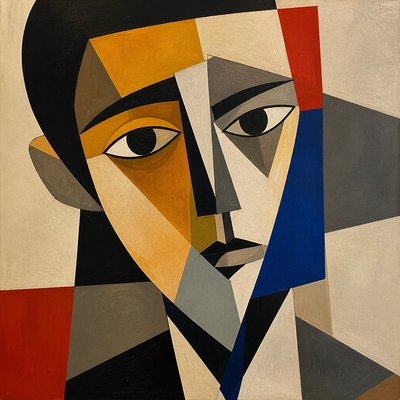
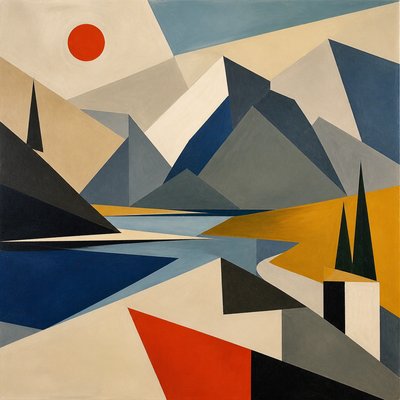
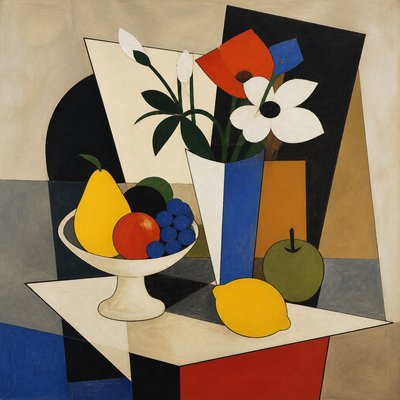
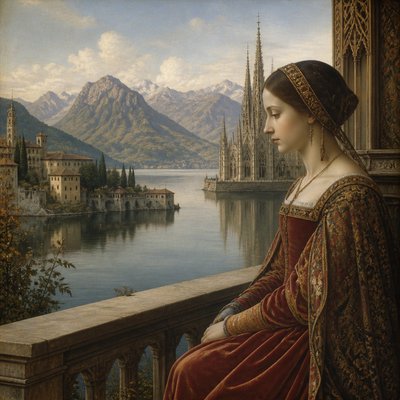
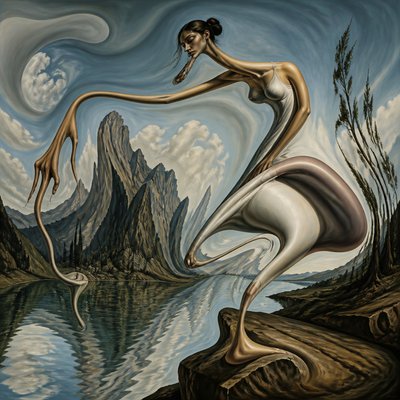
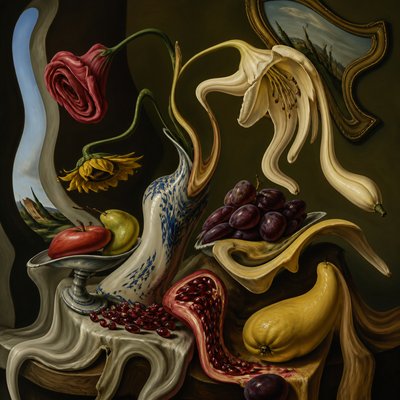
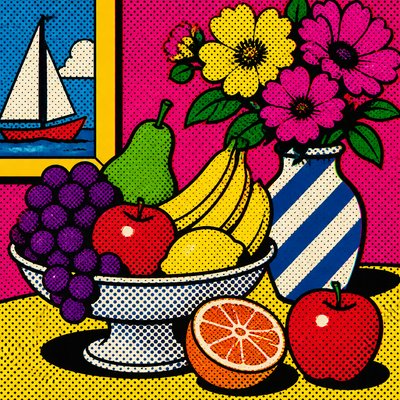
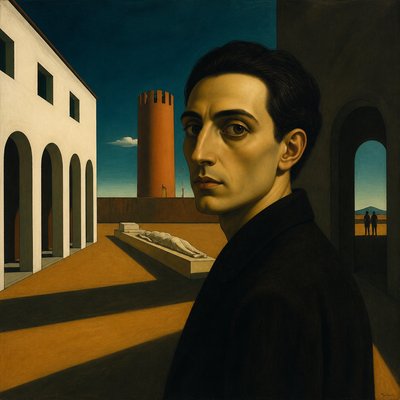
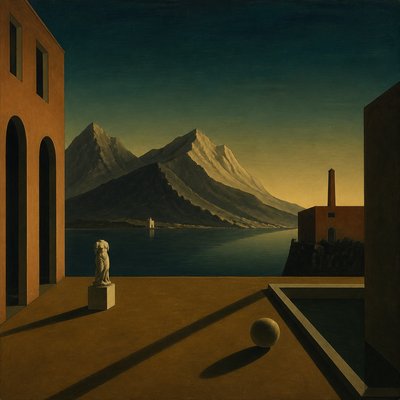
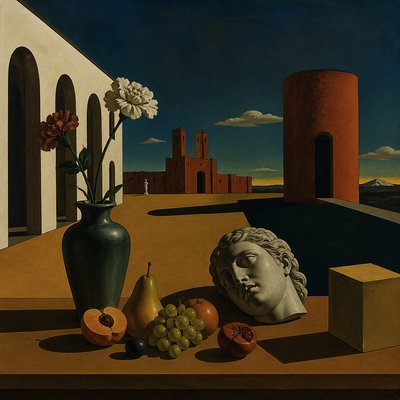
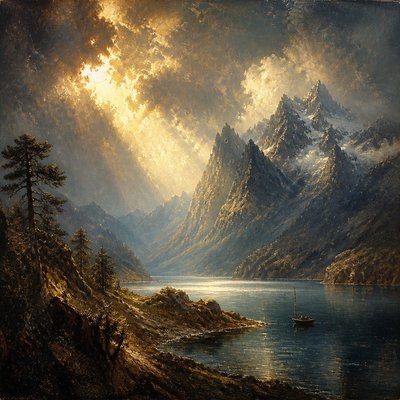
Explore linear perspective art: sharply converging lines, receding forms, and architectural depth organized around a powerful vanishing point.
Instantly rendered in Linear Perspective — or transform a photo
Linear Perspective Gallery
Tap any artwork to explore it
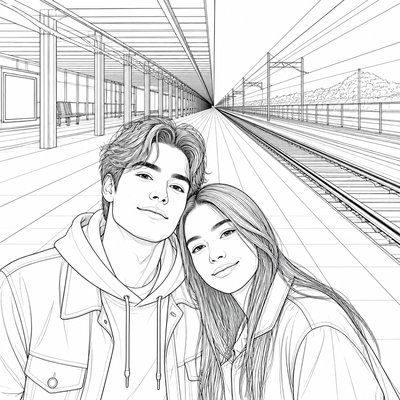

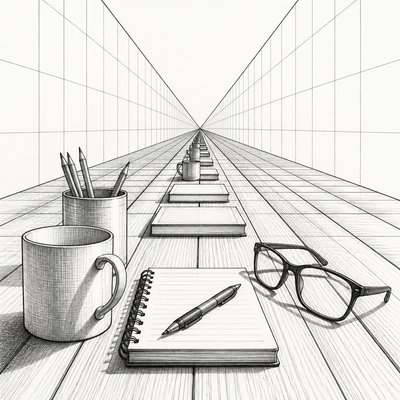
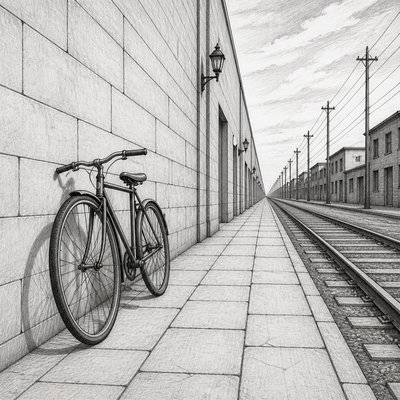
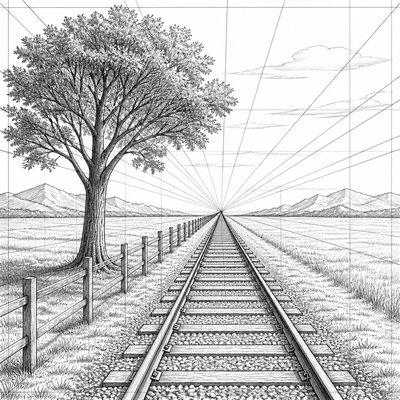
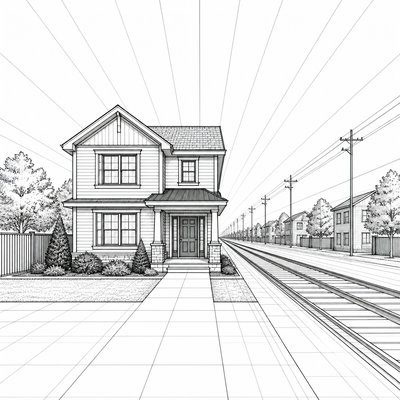
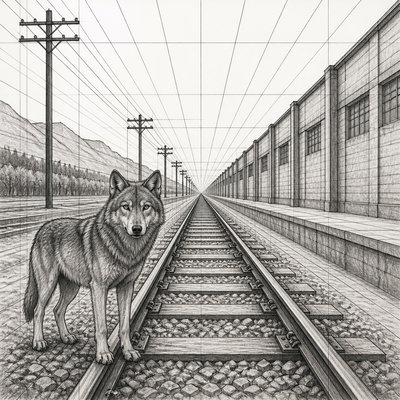
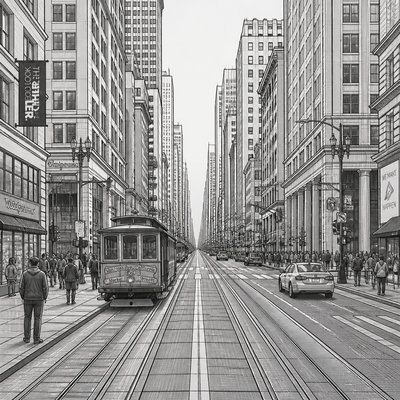
What is Linear Perspective Art Style?
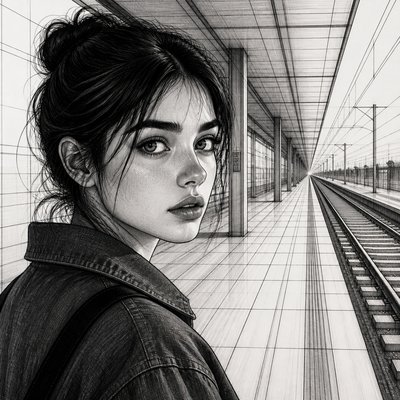
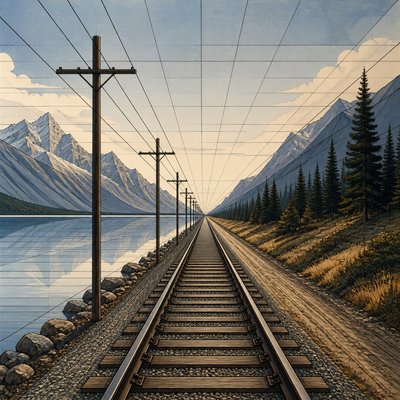
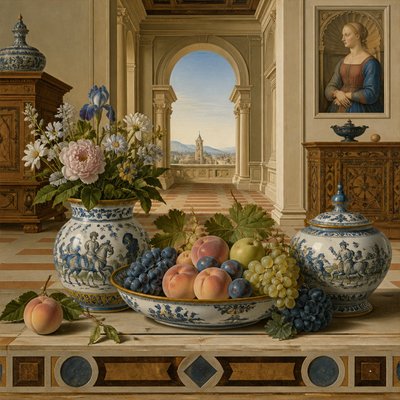
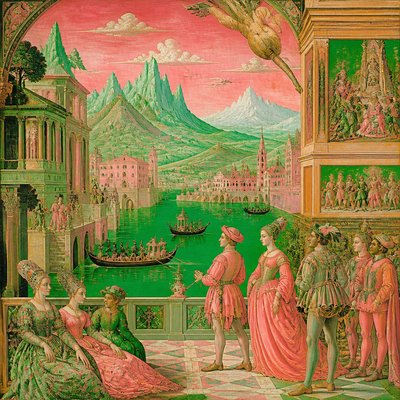
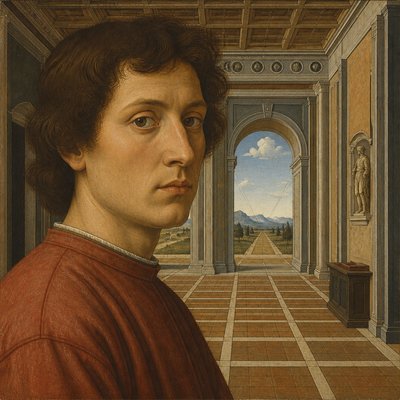
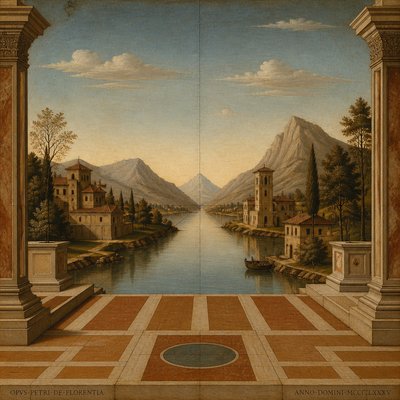
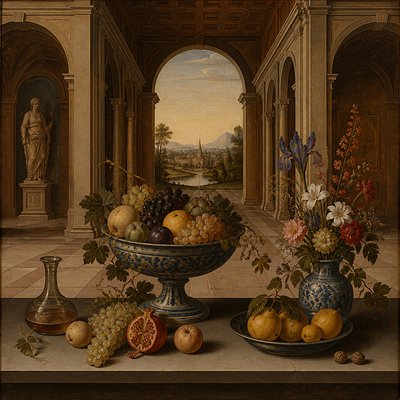
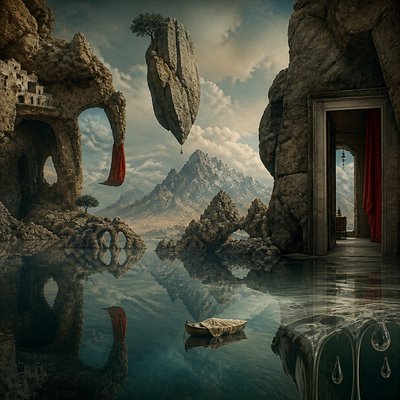
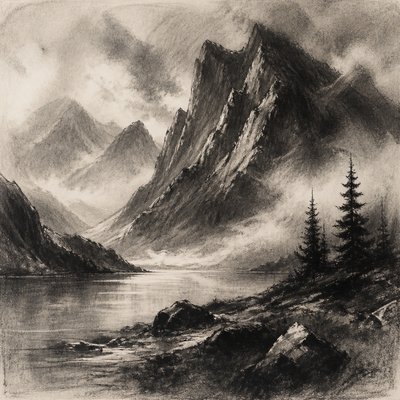
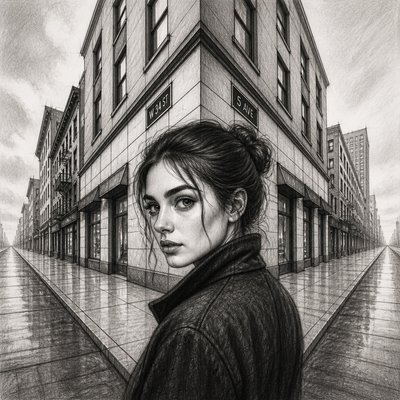
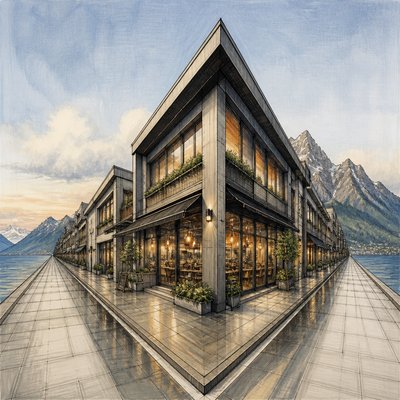
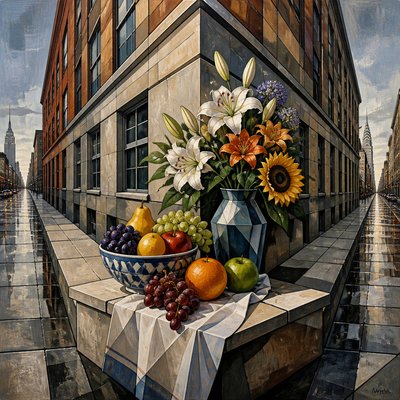
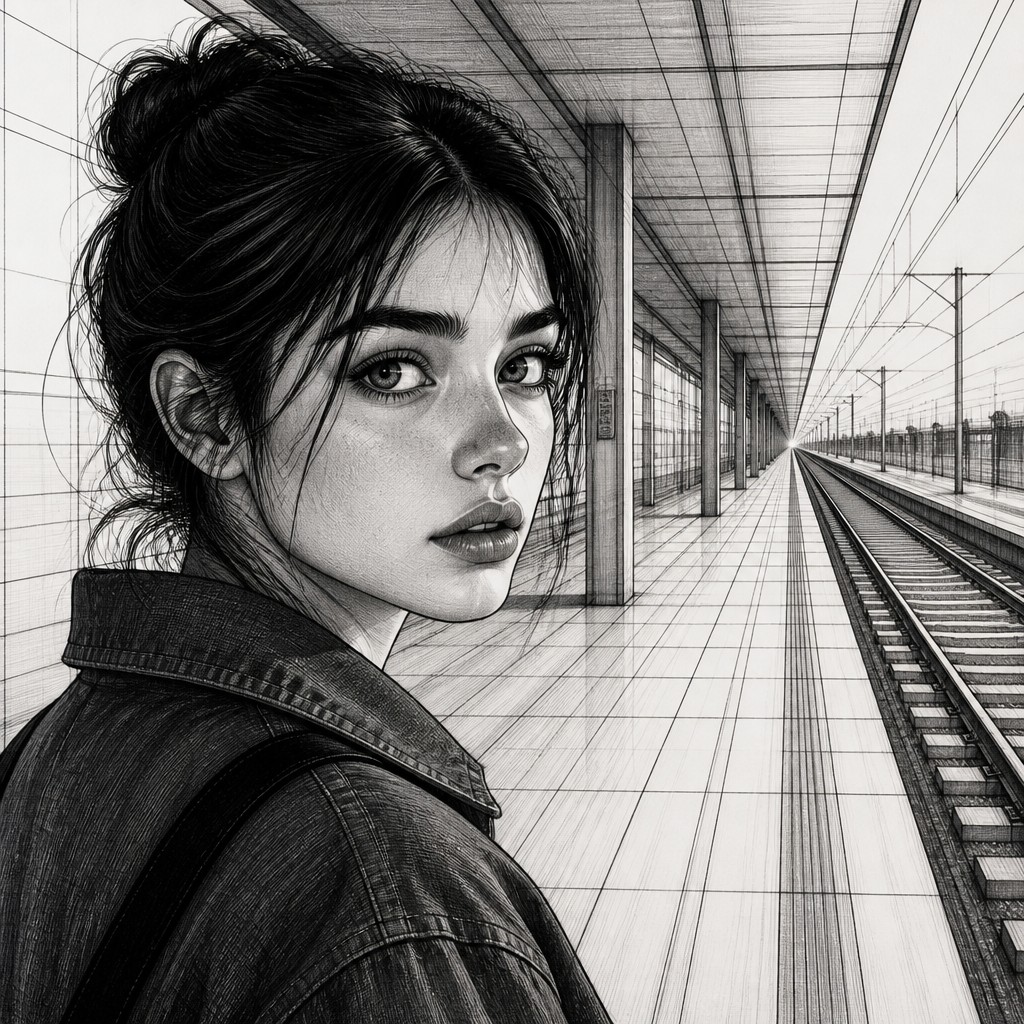
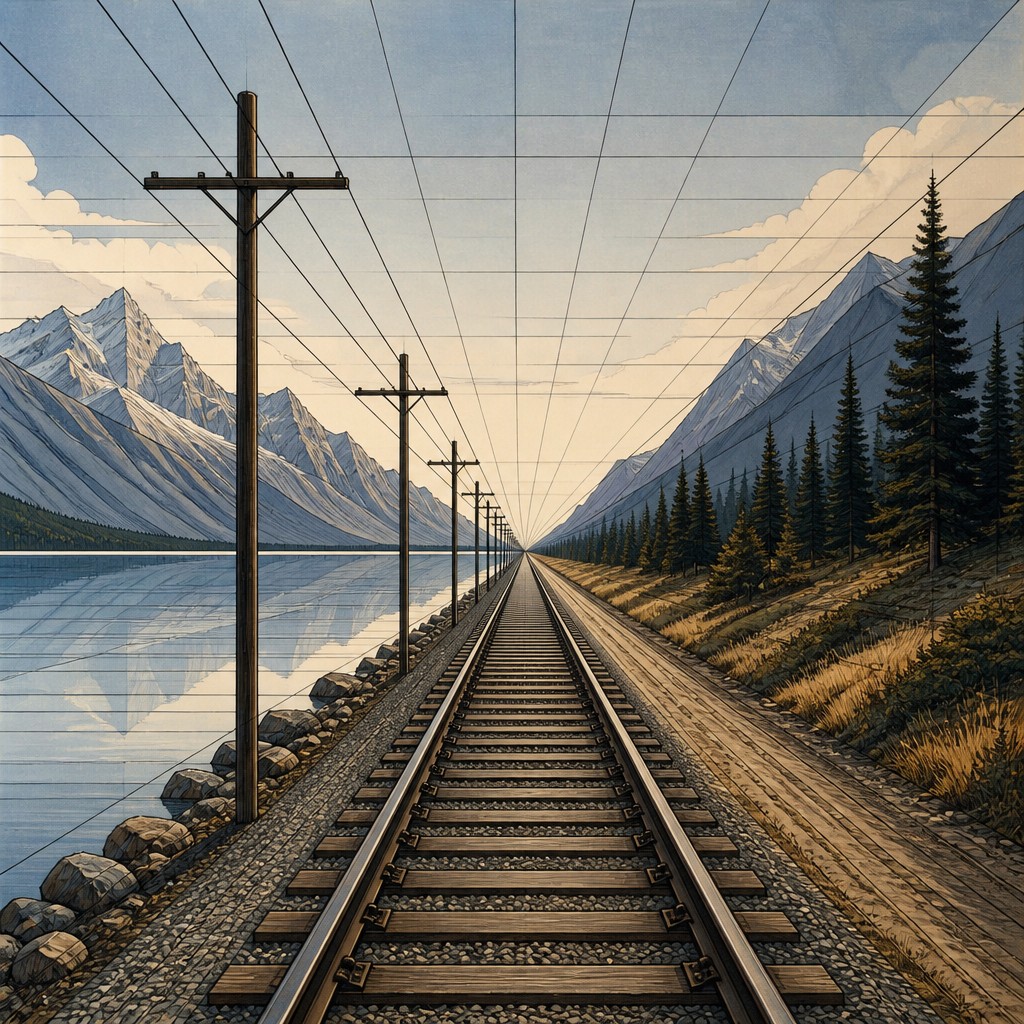
Linear Perspective Art Style is a perspective-driven visual approach in which receding edges, repeated forms, and architectural structures converge toward a clearly defined vanishing point. Roads, corridors, rails, rooflines, façades, and other directional elements create a strong visual pull into deep space, often making the viewer feel positioned directly within the scene.
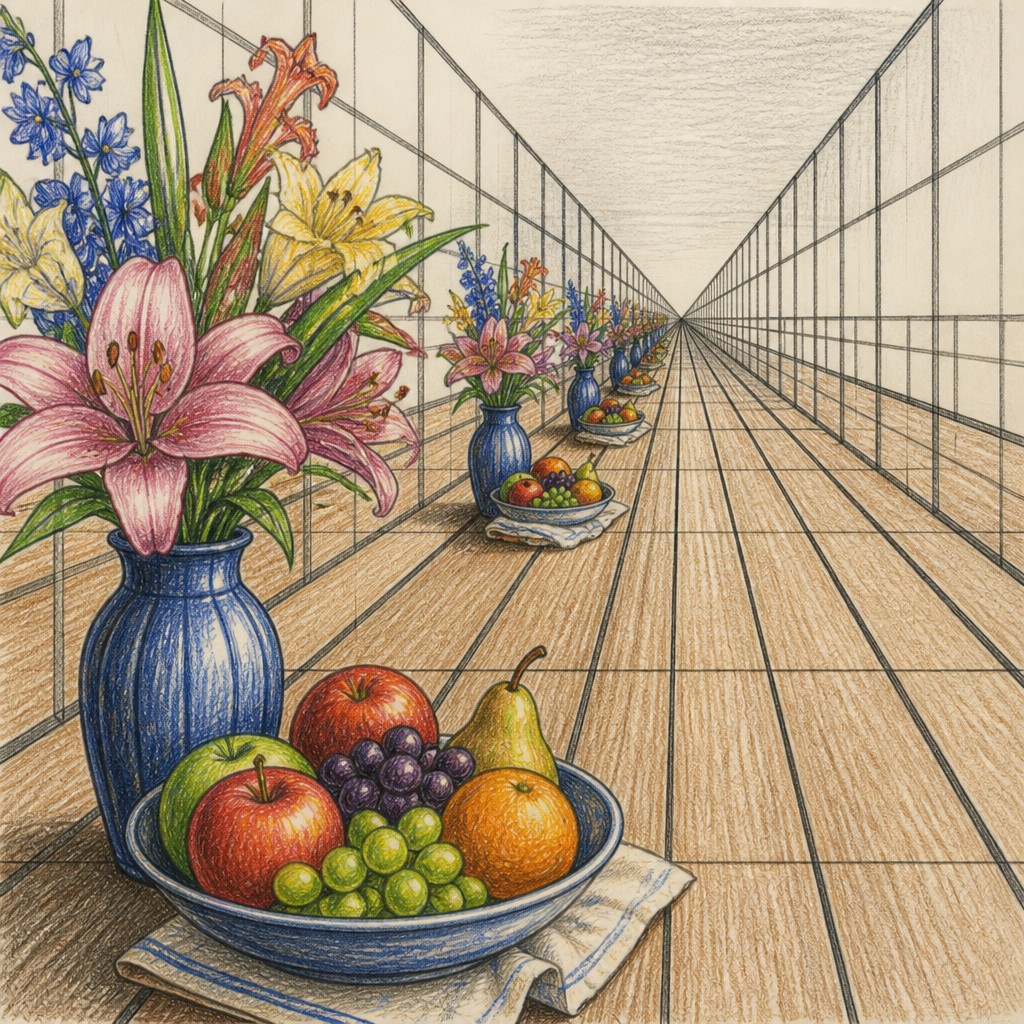
Its identity comes less from a particular subject or medium than from the disciplined organization of space. Diminishing scale, overlapping forms, horizon placement, and crisp geometric lines establish depth, while a concentrated convergence point gives the composition focus and dramatic spatial tension. The result can appear precise, cinematic, architectural, or surreal depending on the subject and degree of distortion.
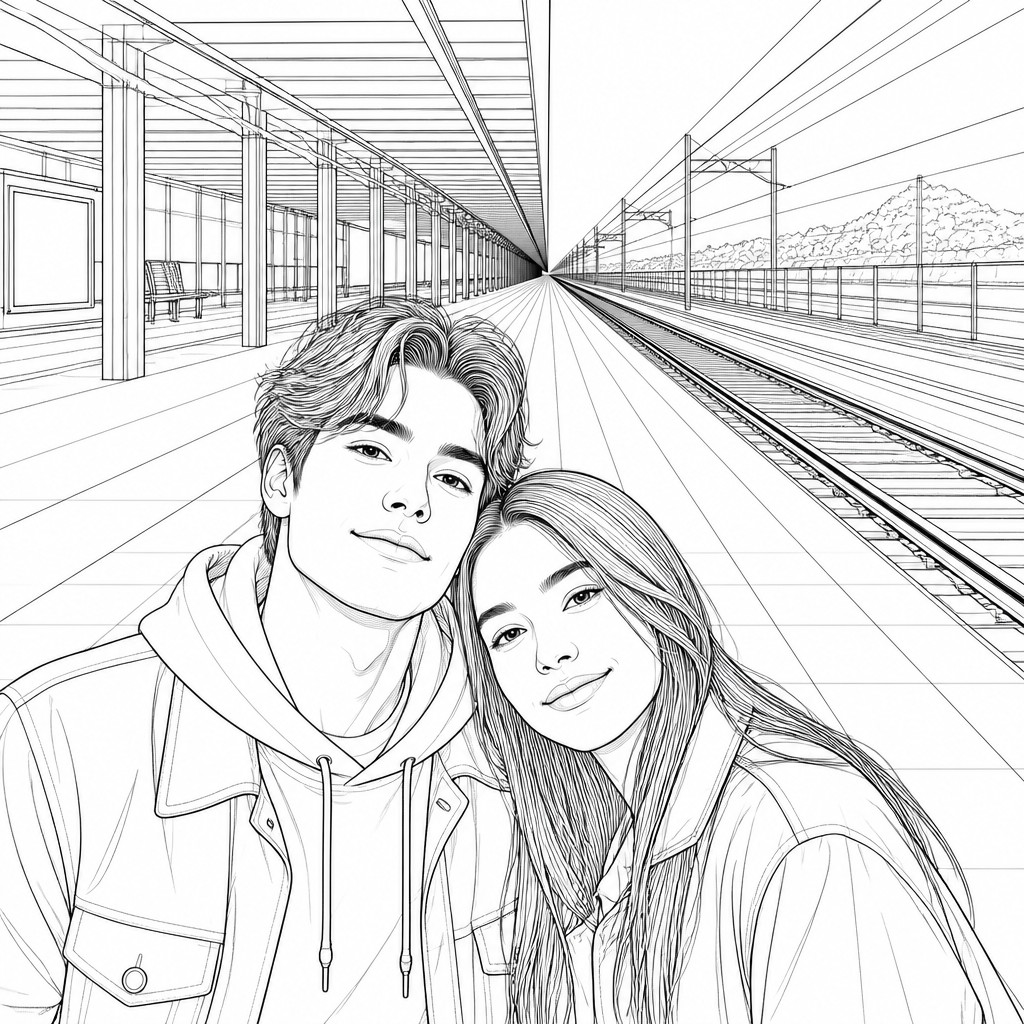
Try It On Your Photos
Upload any photo and convert it into Linear Perspective Art Style — drag the sliders to compare before and after.
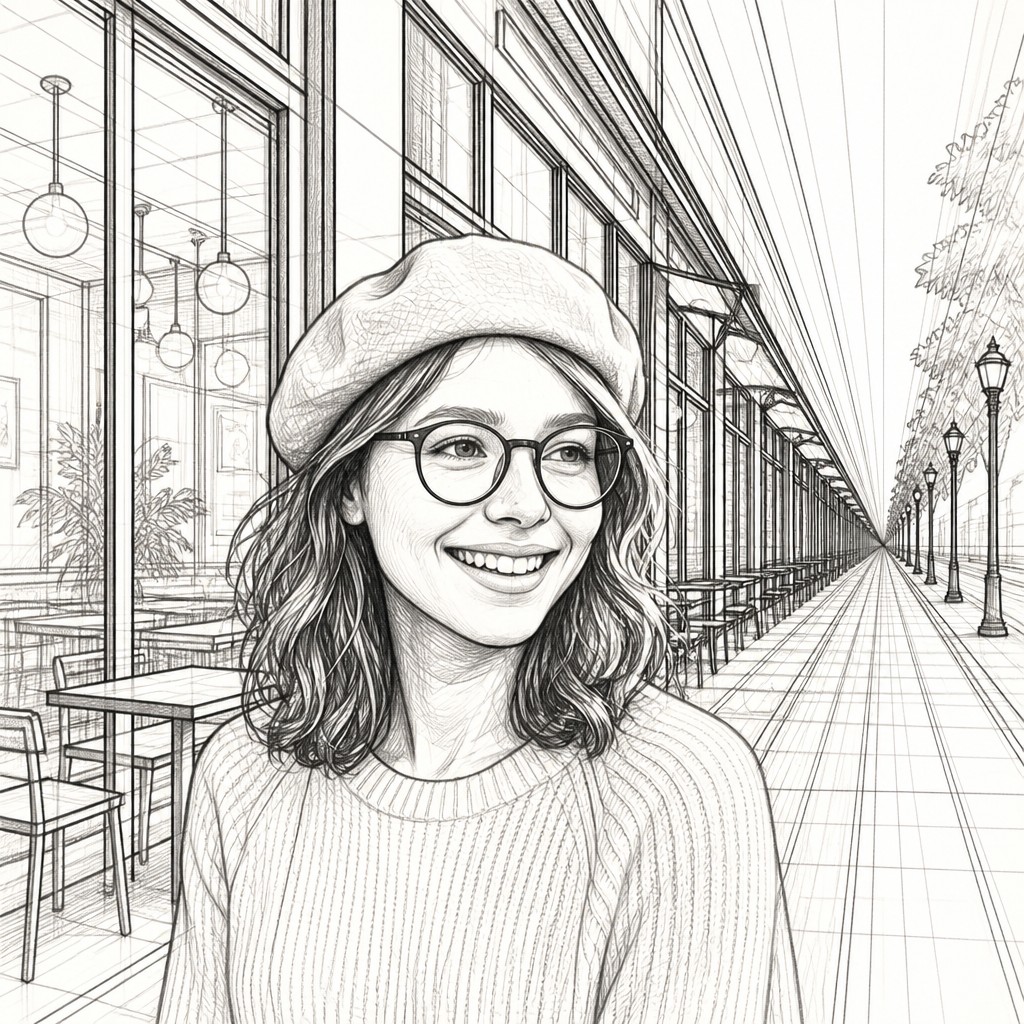

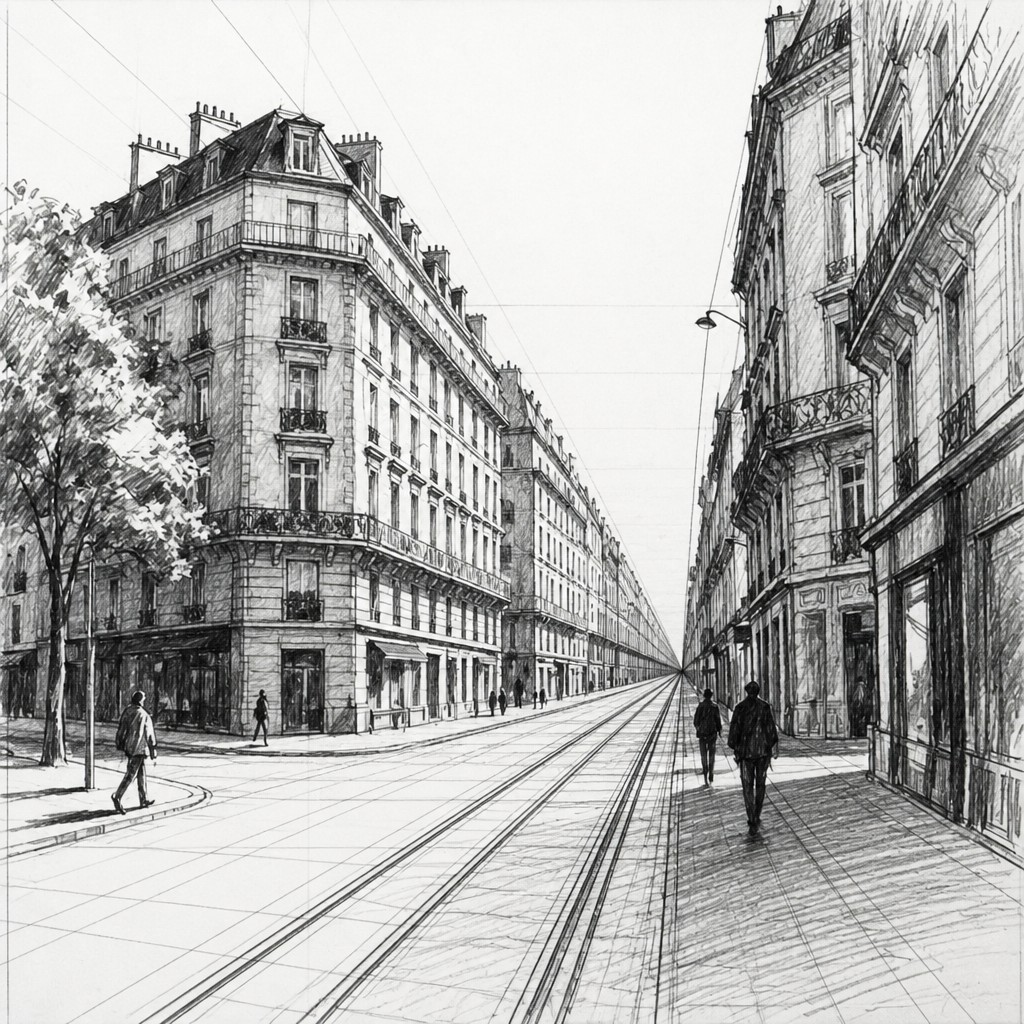

What Defines Linear Perspective Art Style
The signature details, up close
Single-point convergence
Major receding edges align toward one dominant vanishing point, creating a direct and unmistakable route for the eye. The convergence may be mathematically controlled or deliberately exaggerated for dramatic effect.
Deep spatial recession
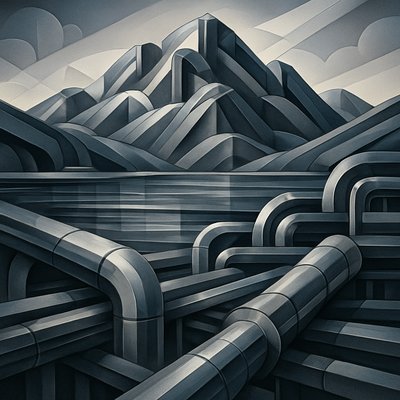
Roads, corridors, tracks, bridges, and architectural grids extend far into the distance. Long directional lines make the picture plane feel like an opening into a much larger environment.
Diminishing repeated forms
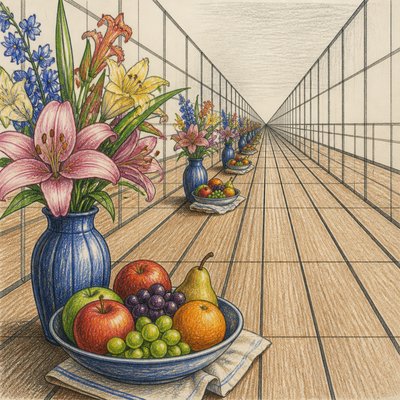
Windows, columns, lamps, paving stones, trees, or structural frames decrease in size as they recede. Their regular rhythm provides a visible measurement of depth.
Crisp geometric structure
Hard edges, straight contours, and carefully aligned planes give the image a constructed, diagrammatic quality. Architectural surfaces often function as the main framework of the composition.

Strong directional diagonals
Rooflines, staircases, railways, shadows, and street edges form converging diagonals that pull attention toward a fixed point. These lines can create urgency, movement, or a sense of inevitability.
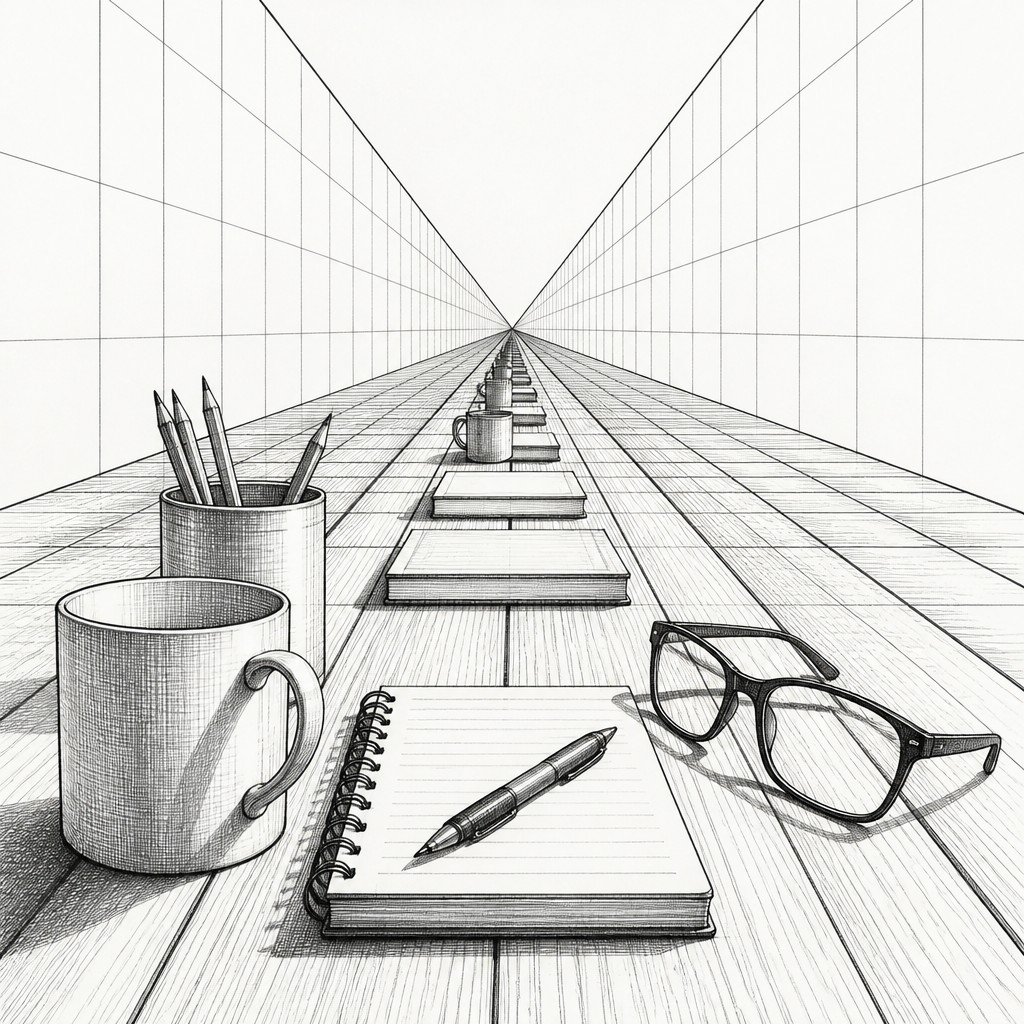
Controlled horizon and viewpoint
The horizon line and camera height strongly affect the emotional impact of the scene. A low viewpoint can make structures imposing, while a centered viewpoint emphasizes order and symmetry.
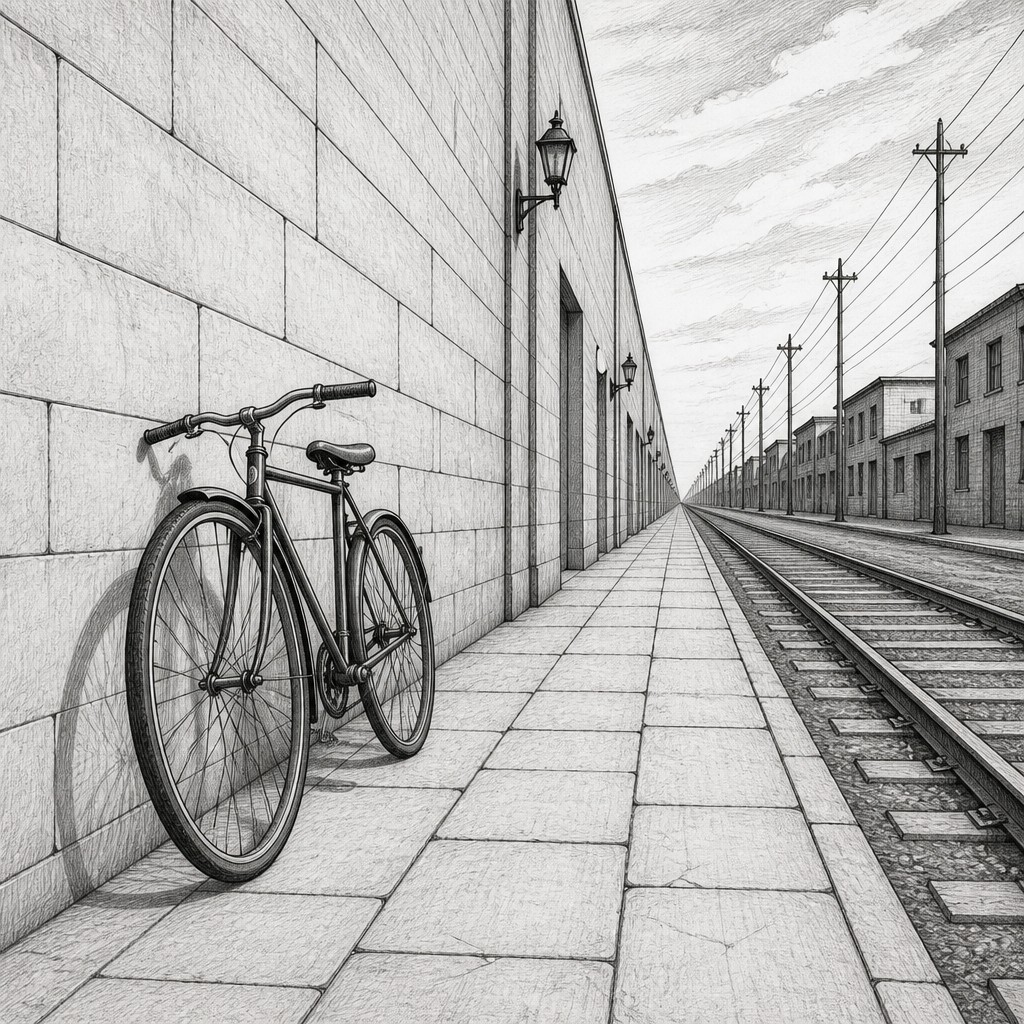
Spatial emphasis over surface detail
Texture and ornament are usually subordinate to the organization of space. Even highly detailed scenes retain a clear visual hierarchy based on recession, alignment, and scale.
Linear Perspective Prompt Ideas
Start from an idea — each one opens the generator with the style ready to go. See all 40 Linear Perspective prompts →
How to Create Linear Perspective Art
Master the craft step by step — or skip straight to creating. Read the full guide →
- 1
Establish the horizon and vanishing point
Begin with a horizon line and place one dominant vanishing point where the main receding edges will meet. In traditional drawing, use a ruler or perspective guides; digitally, use a perspective grid or vanishing-point assistant.
- 2
Build with a perspective grid
Lay out large planes first, such as floors, walls, streets, or rooftops, then subdivide them into smaller elements. Keep repeated details aligned to the grid and reduce their spacing and scale consistently as they recede.
- 3
Use viewpoint and cropping deliberately
Choose a centered frontal view for symmetry, or place the vanishing point off-center for greater movement. Cropping foreground structures close to the frame can intensify the sensation of entering deep space.
- 4
Control line weight, value, and atmosphere
Use stronger, darker lines and sharper contrast in the foreground, with lighter and less distinct forms in the distance. Atmospheric haze or reduced saturation can preserve depth without weakening the geometric structure.
- 5
Combine precision with a chosen medium
Ink, graphite, architectural rendering, photography, 3D modeling, and vector illustration all suit the approach. Keep the structural lines clean, then decide whether lighting, color, texture, or distortion should remain realistic or become expressive.
- 6
Write prompts around spatial behavior
For prompt-based generation, specify the subject, viewpoint, horizon placement, single vanishing point, receding repeated elements, crisp architectural lines, and desired lighting. Mention whether the result should feel photographic, graphic, atmospheric, monumental, or surreal.
The Story
History & Origins of Linear Perspective
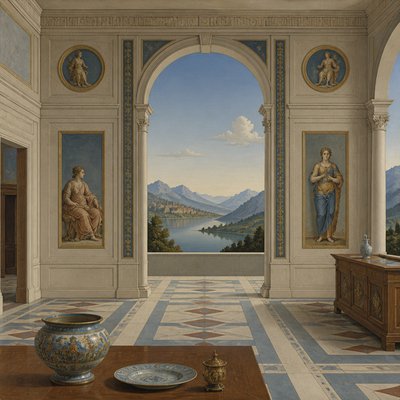
This is best understood as a contemporary descriptive style rather than a historically bounded art movement. Its main lineage is the development of linear perspective in European Renaissance art, when artists and theorists formalized methods for representing three-dimensional space on a flat surface through horizon lines, vanishing points, and proportional recession.
The approach was later reinforced by architectural drawing, technical illustration, stage design, photography, cinematic composition, comics, and digital environment art. Modern image-making often intensifies the effect by using a single dominant vanishing point, unusually low or high viewpoints, repeated modular forms, and highly controlled geometry.
Influences: The approach draws on Renaissance linear perspective, architectural drafting, technical illustration, realist photography, cinematic establishing shots, comic-book backgrounds, constructivist geometry, and modern digital environment design. It also relates to one-point and two-point perspective systems, although this style label usually emphasizes a single dramatic direction of recession rather than presenting perspective as a neutral technical exercise.
Frequently Asked Questions
What defines Linear Perspective Art Style?
Its defining feature is the organized convergence of receding lines toward a dominant vanishing point. Repeated elements diminish in size and spacing, while architectural grids, diagonals, and controlled viewpoints create pronounced depth.
Is linear perspective an art movement?
No. Linear perspective is historically a system for representing space, and this label describes an aesthetic built around making that system especially visible and dramatic. It can be used in drawing, painting, photography, architecture, comics, 3D work, and digital imagery.
How does it differ from ordinary realistic perspective?
Realistic perspective may be present but visually understated, whereas this approach makes convergence the central expressive device. Lines, repeated forms, symmetry, and viewpoint are arranged to pull attention strongly into the scene.
Can this style use more than one vanishing point?
It can, but the most recognizable version is organized around one dominant vanishing point. Additional vanishing points may be used for angled structures, but they should support rather than compete with the principal spatial direction.
What subjects work best with this approach?
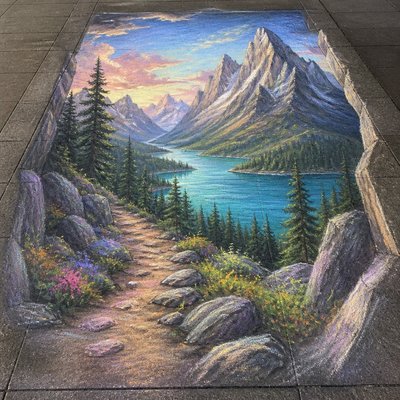
Subjects containing strong lines and repetition work particularly well, including railways, roads, corridors, bridges, streets, tunnels, façades, staircases, and industrial interiors. Natural scenes can also work when paths, tree rows, cliffs, or shadows provide directional structure.
How can I avoid a stiff or empty result?
Add a clear foreground, varied scale, atmospheric depth, and a focal subject near or beyond the convergence point. Slight asymmetry, human activity, changing light, or selective surface texture can give the rigorous geometry more narrative and emotional interest.
Create your first Linear Perspective artwork
Describe anything — or upload a photo — and see it in Linear Perspective Art Style in seconds.
Related Styles
Discover similar art styles