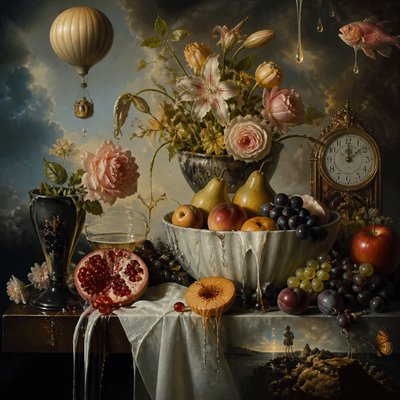
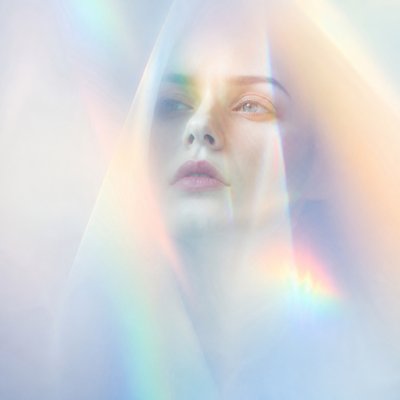
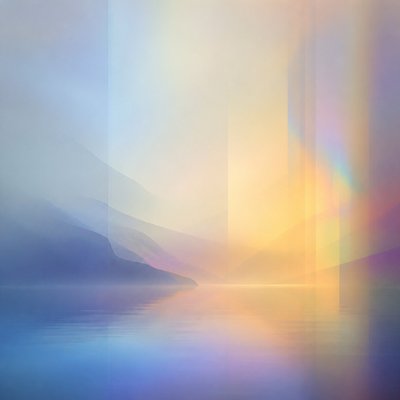
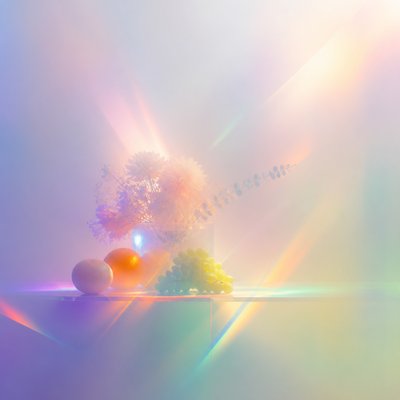
Atmospheric Perspective Art Style
Explore atmospheric perspective art: hazy blue distance, fading contrast, layered depth, and sharply detailed warm foregrounds.
Instantly rendered in Atmospheric Perspective — or transform a photo
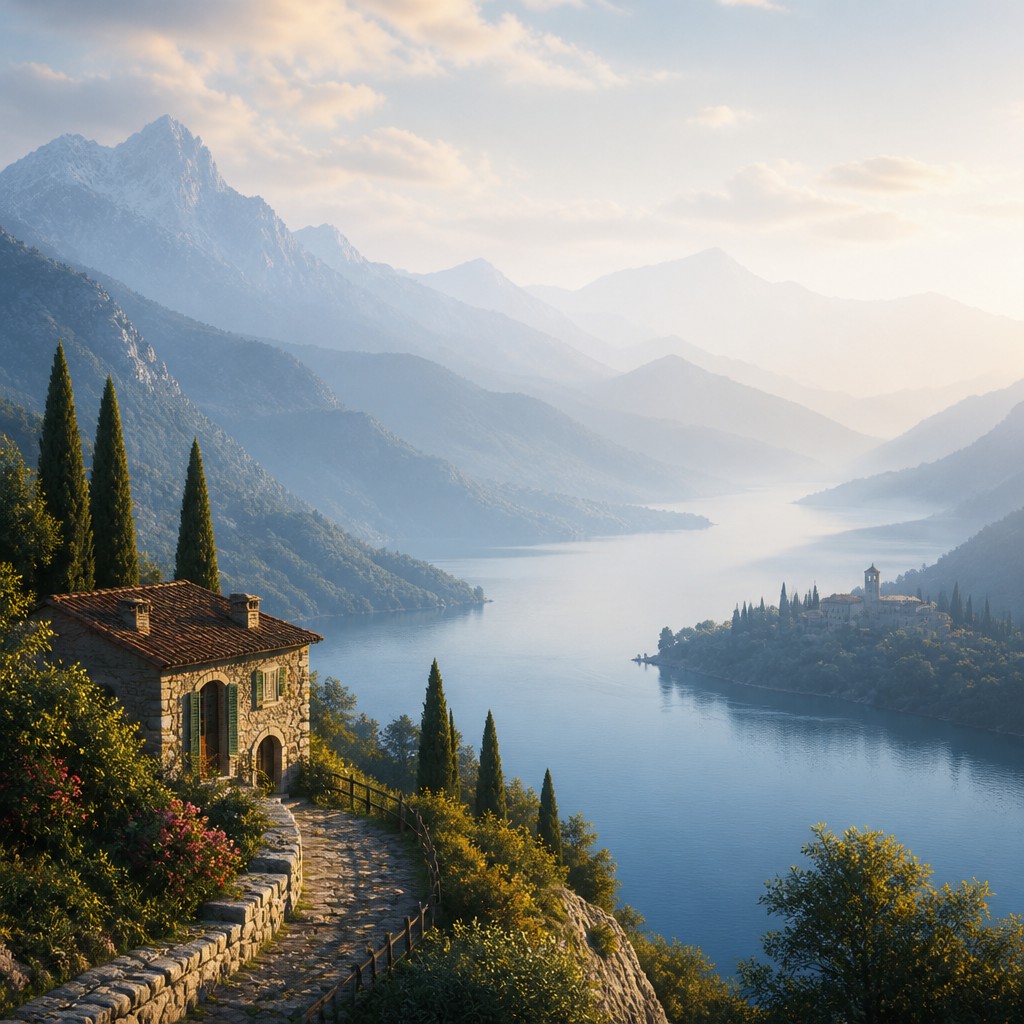
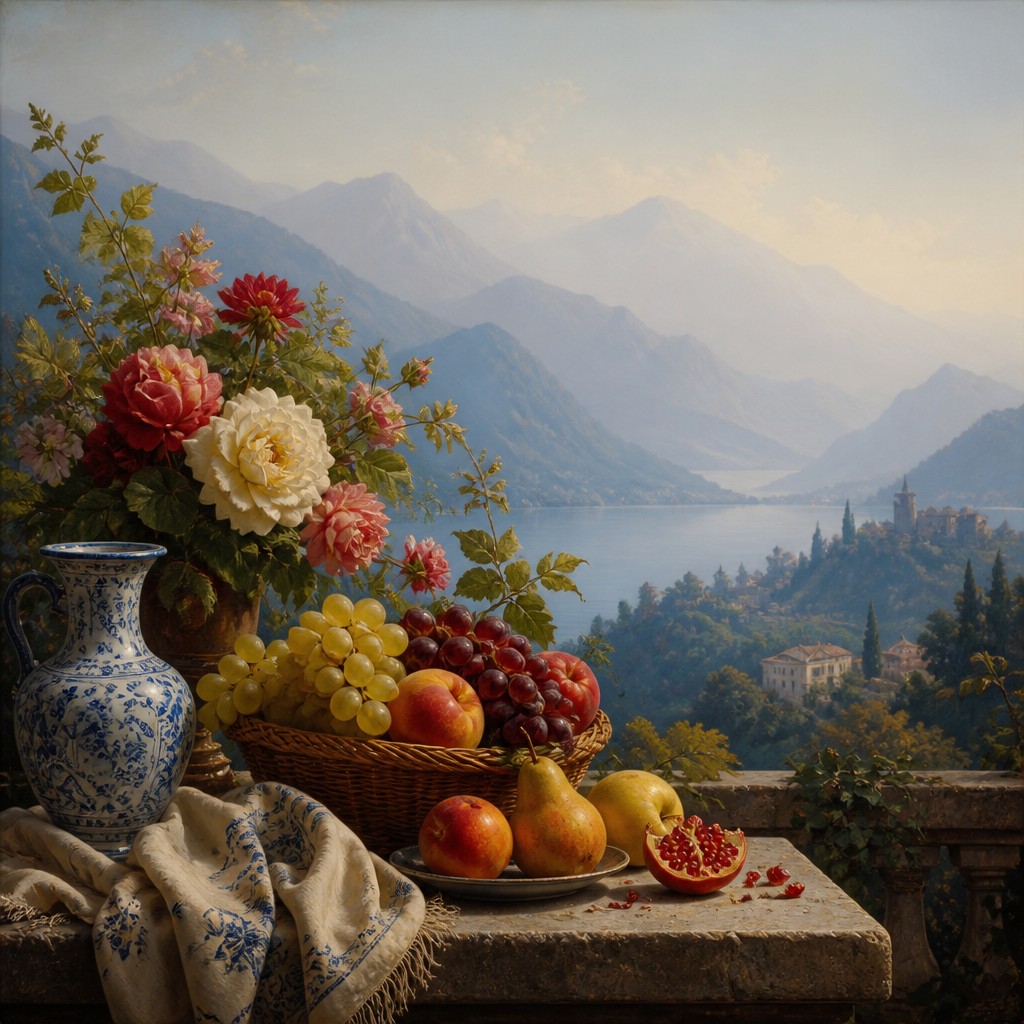
Atmospheric Perspective Gallery
Tap any artwork to explore it
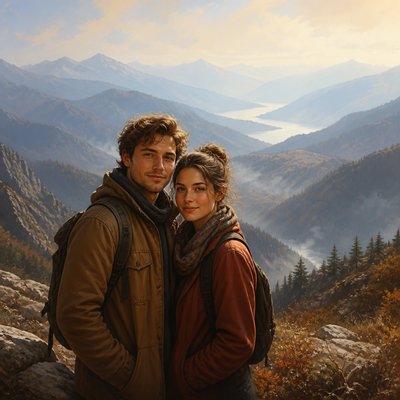
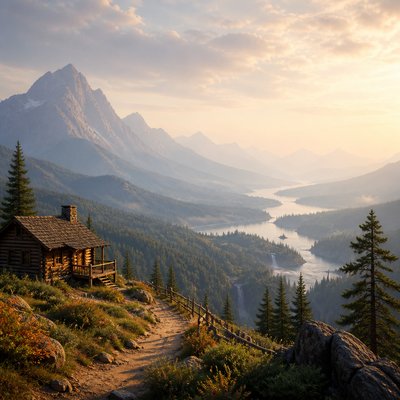
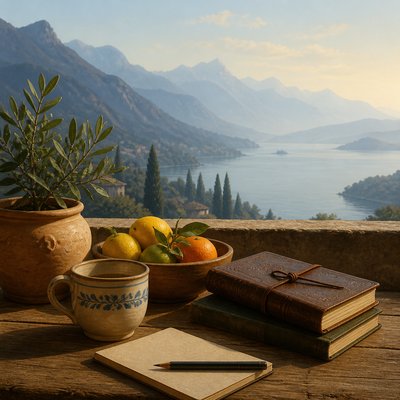
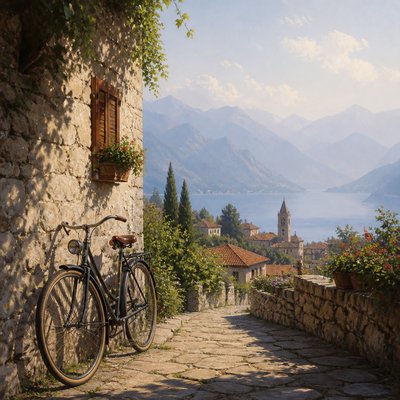
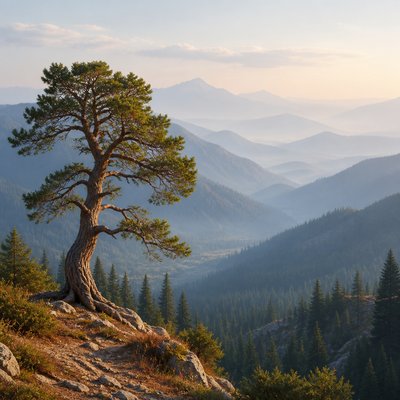
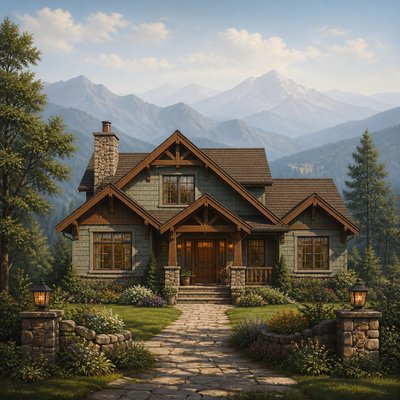
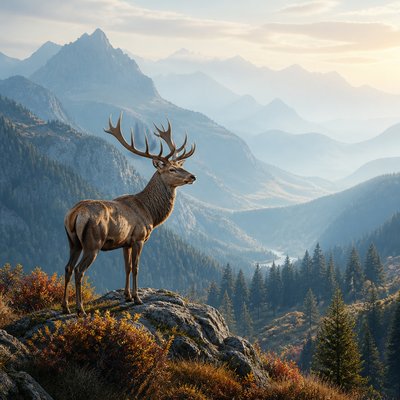

What is Atmospheric Perspective Art Style?
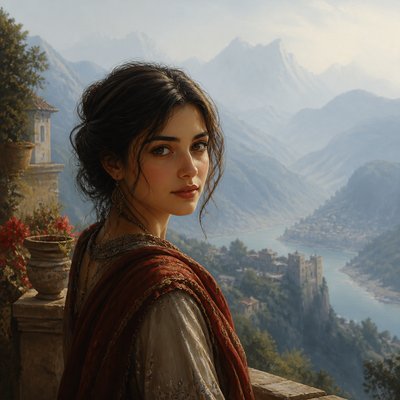
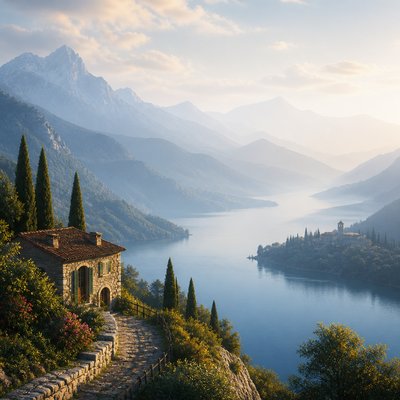
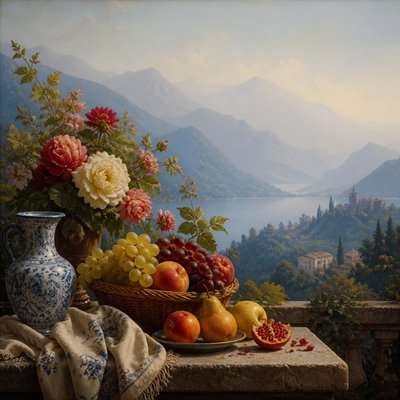
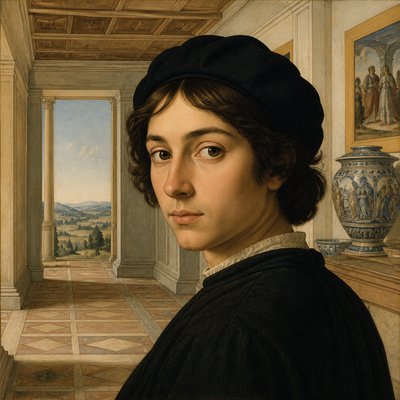
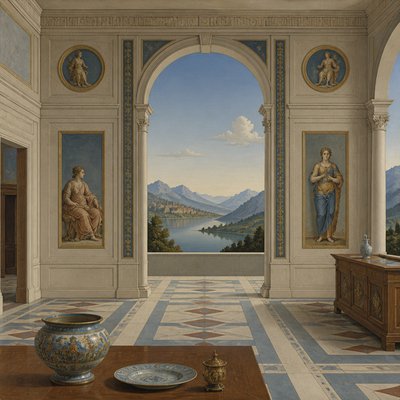
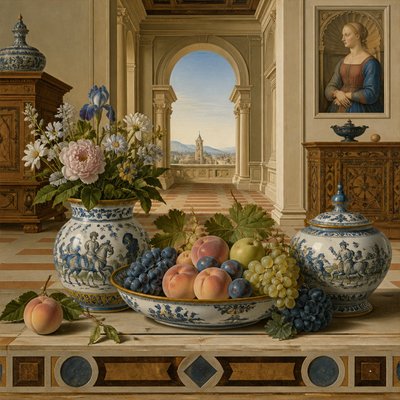
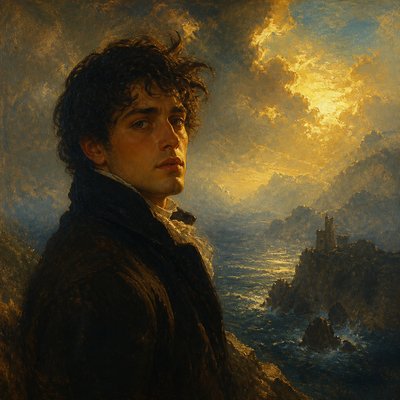
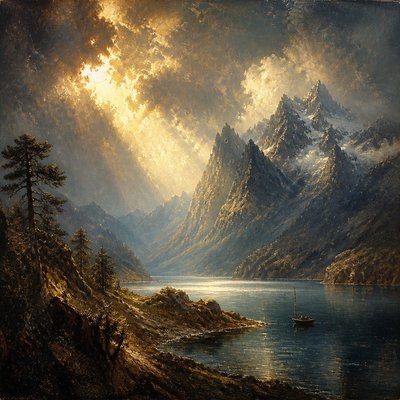
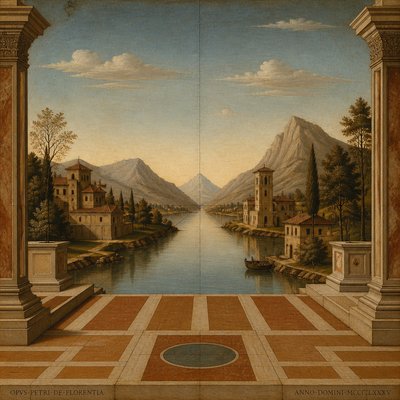
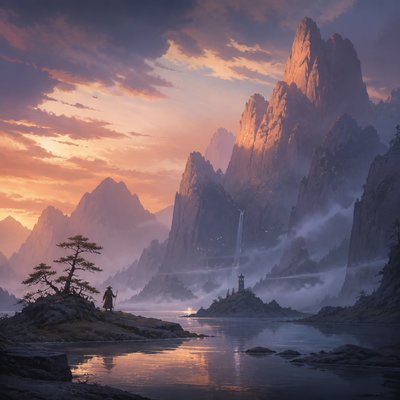
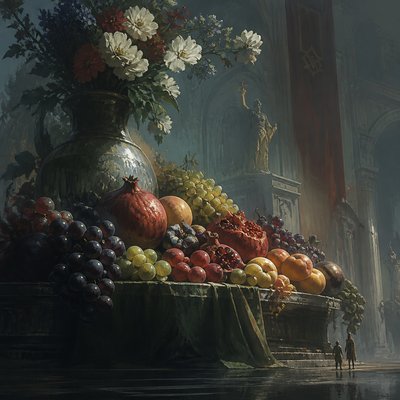
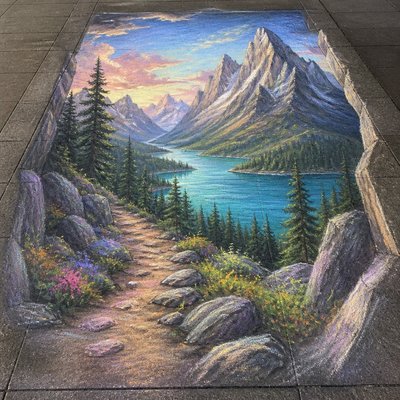
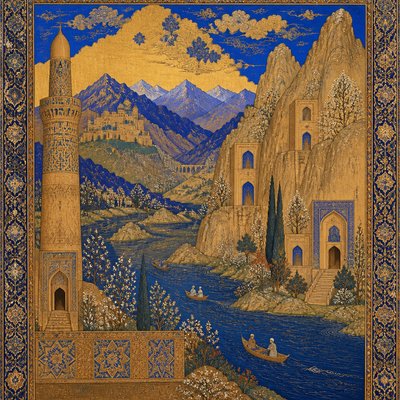
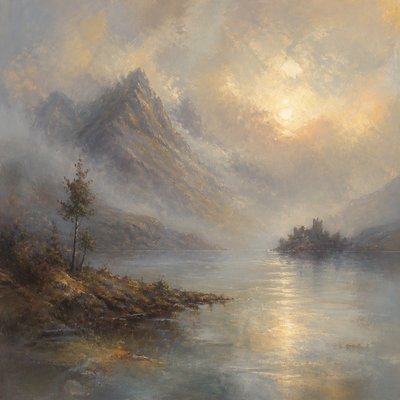
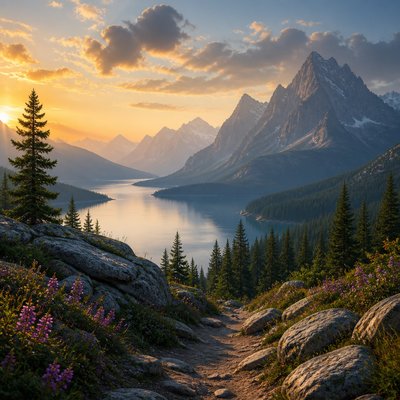
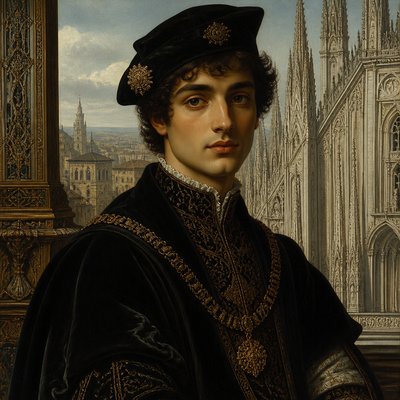
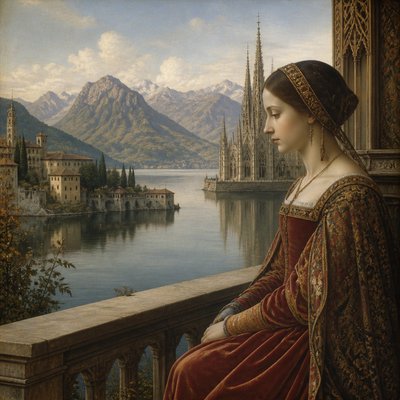
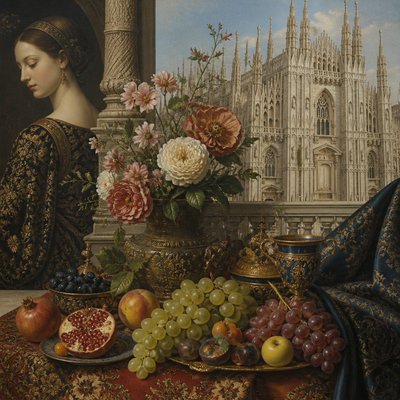
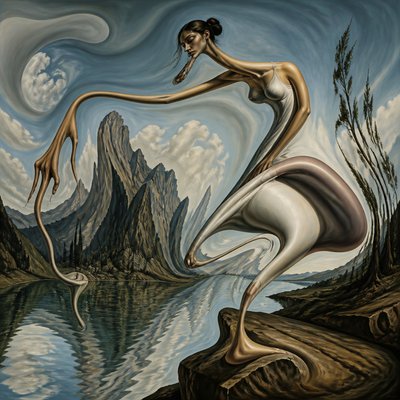
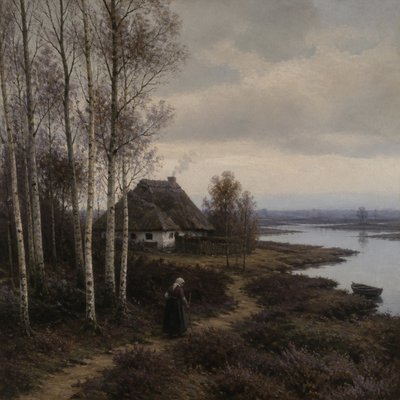
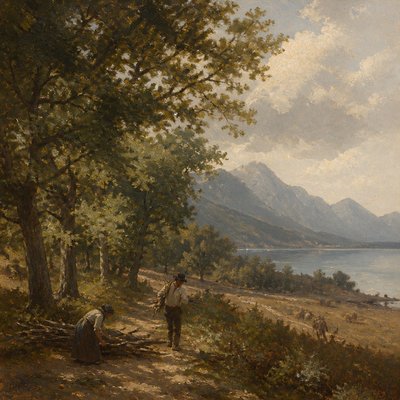
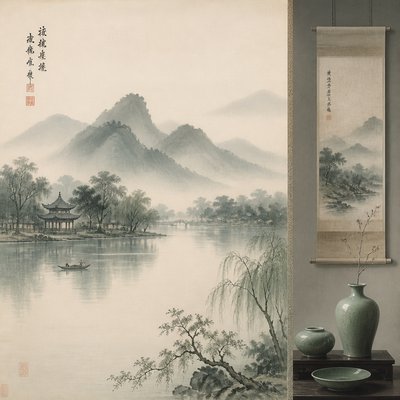
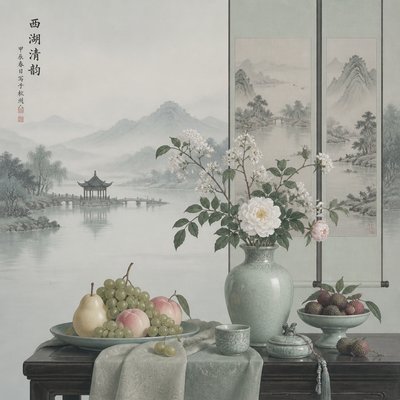
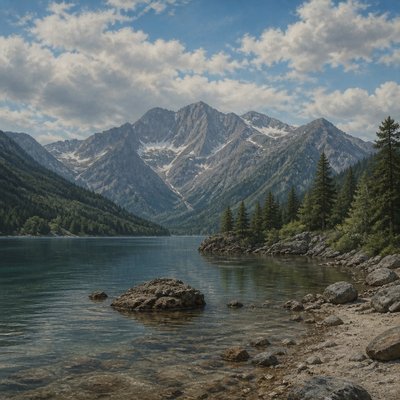
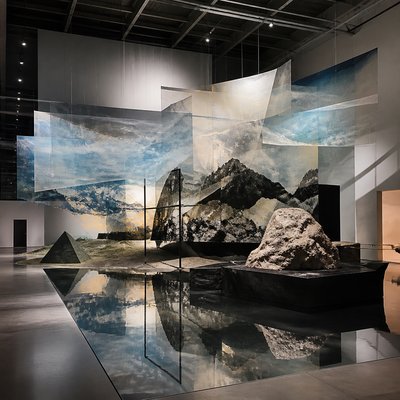
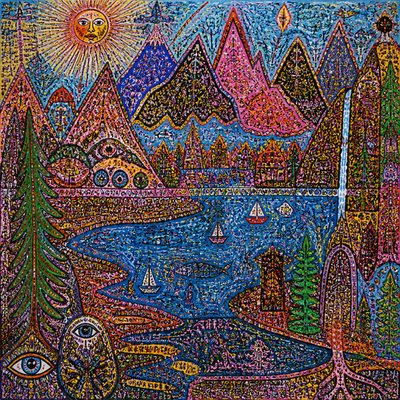
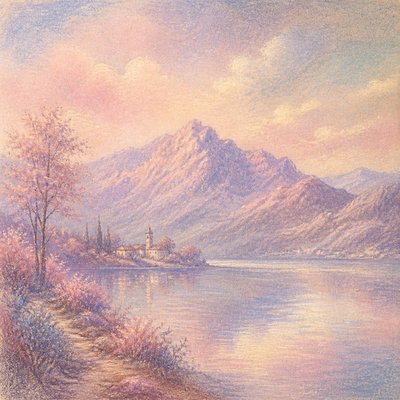
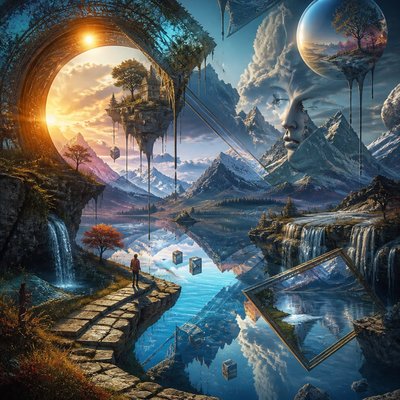
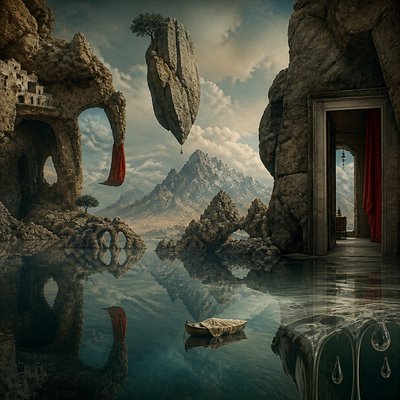
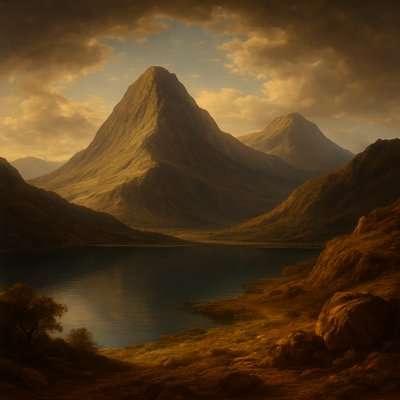
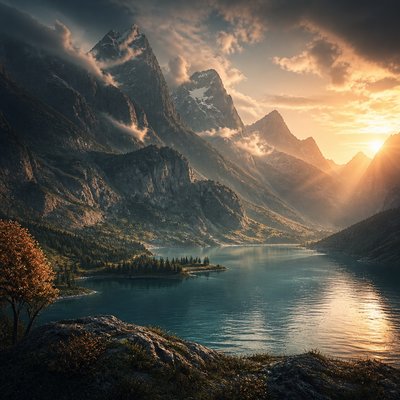
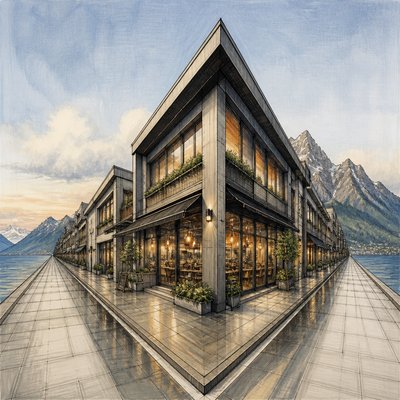
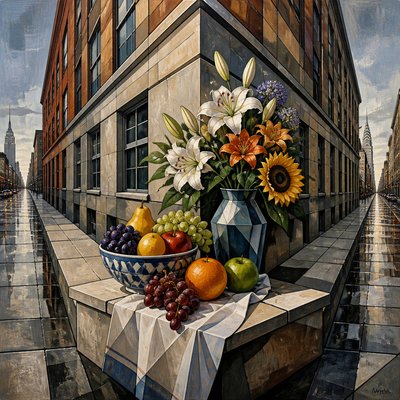
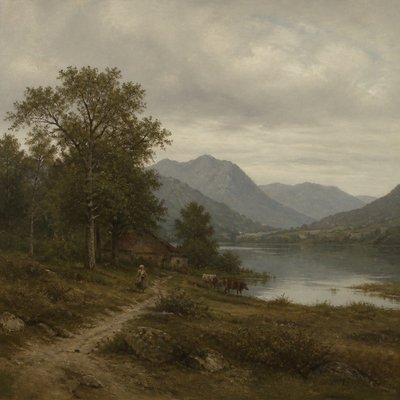
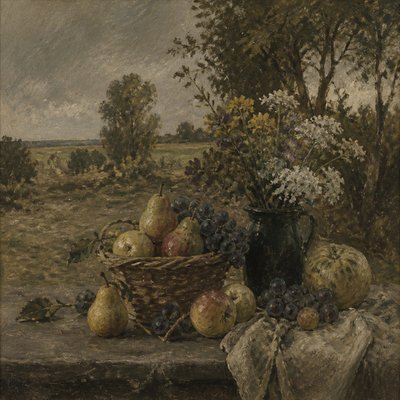
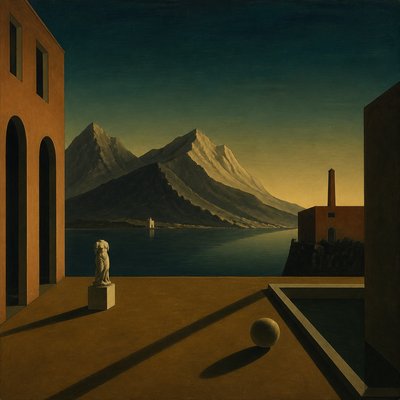
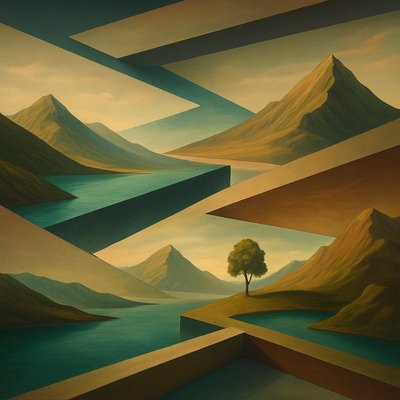
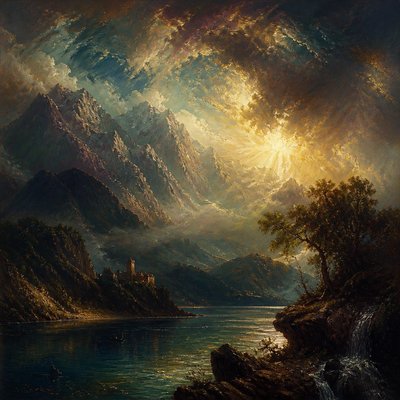
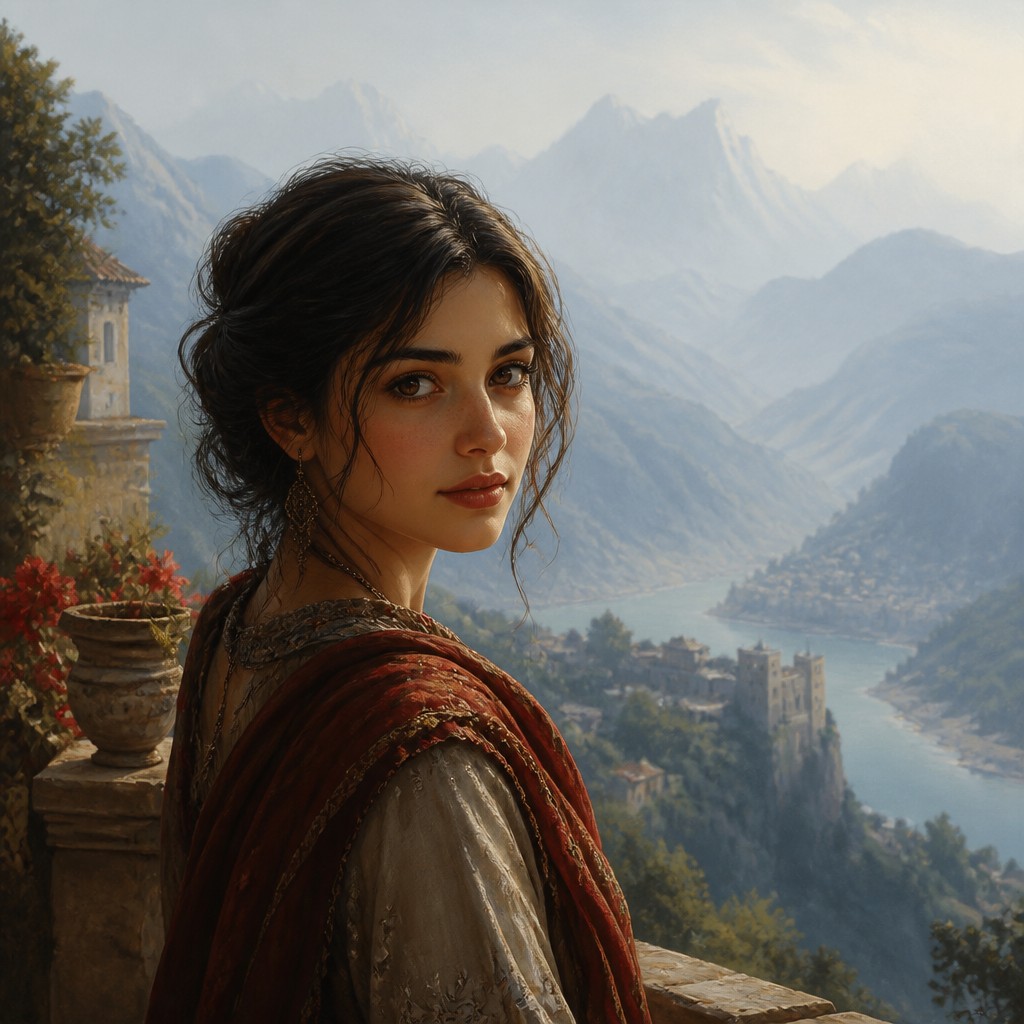
Atmospheric perspective art creates the illusion of great depth by showing how air affects the appearance of distant objects. Foreground forms remain sharp, warm, saturated, and high in contrast, while mountains, buildings, trees, and other receding elements become paler, cooler, softer, and less distinct. The result is a visual progression from tactile immediacy to luminous, hazy distance.
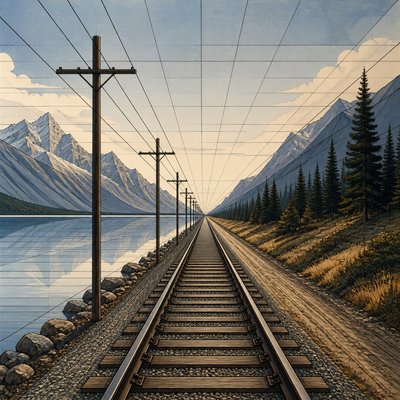
Unlike linear perspective, which uses converging lines and changes in scale, atmospheric perspective relies on changes in color, value, contrast, and edge clarity. Moisture, dust, and particles in the air scatter light along the viewer’s line of sight, producing blue-gray veils and softened horizons. In stylized applications, this natural phenomenon can be intensified into an expressive structure for landscapes, cinematic scenes, matte paintings, photographs, and digital compositions.
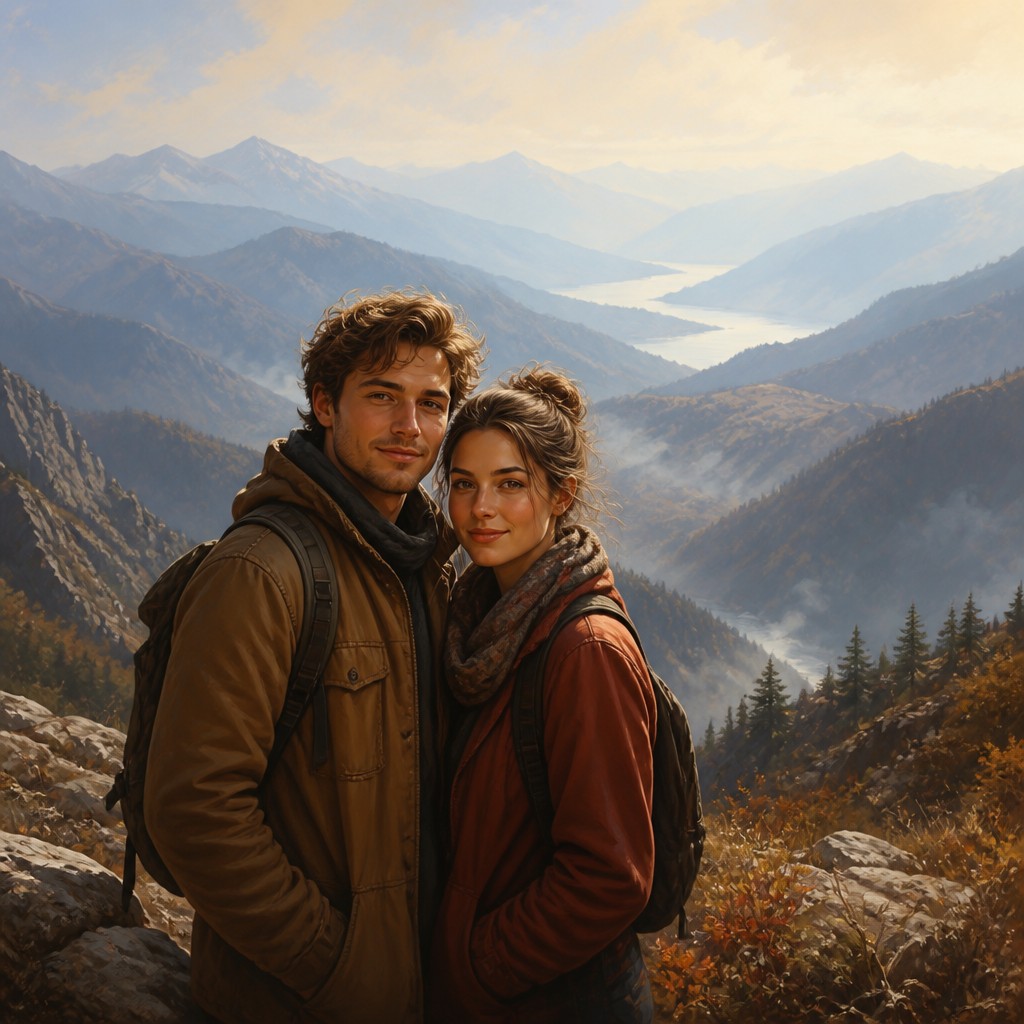
Try It On Your Photos
Upload any photo and convert it into Atmospheric Perspective Art Style — drag the sliders to compare before and after.


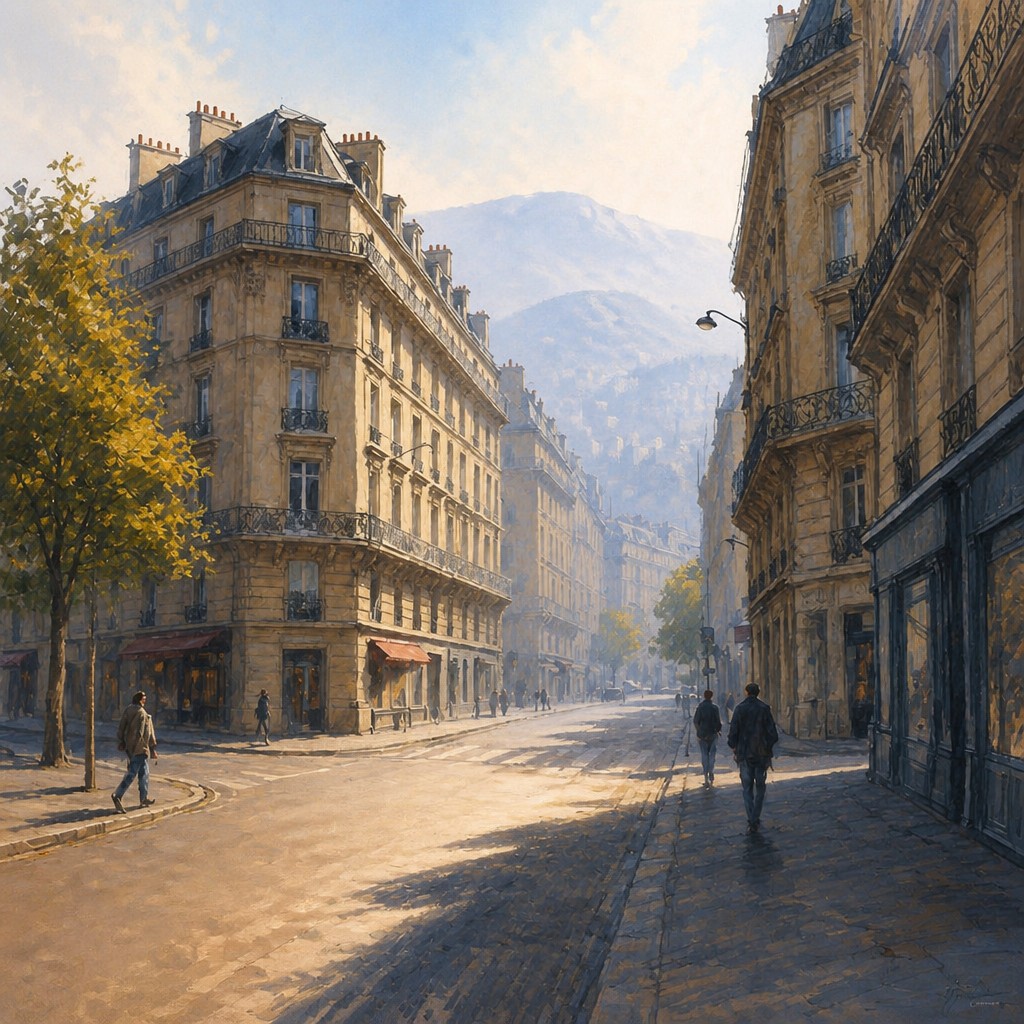

What Defines Atmospheric Perspective Art Style
The signature details, up close
Cool, pale distance
Distant forms shift toward blue, blue-gray, lavender, or desaturated neutral tones. Their colors appear lighter and less intense than those of nearby objects.
Progressive loss of contrast
Contrast decreases gradually from the foreground to the horizon. Faraway terrain is modeled with narrower value ranges rather than strong darks and lights.
Softened edges
Edges become less defined as forms recede, creating a gentle transition between land, sky, and overlapping planes. Foreground contours remain comparatively crisp.
Layered spatial planes
The scene is organized into distinct but softly connected depth bands: foreground, middle ground, distant ground, and atmospheric horizon. Each successive layer is slightly paler, cooler, and less detailed.
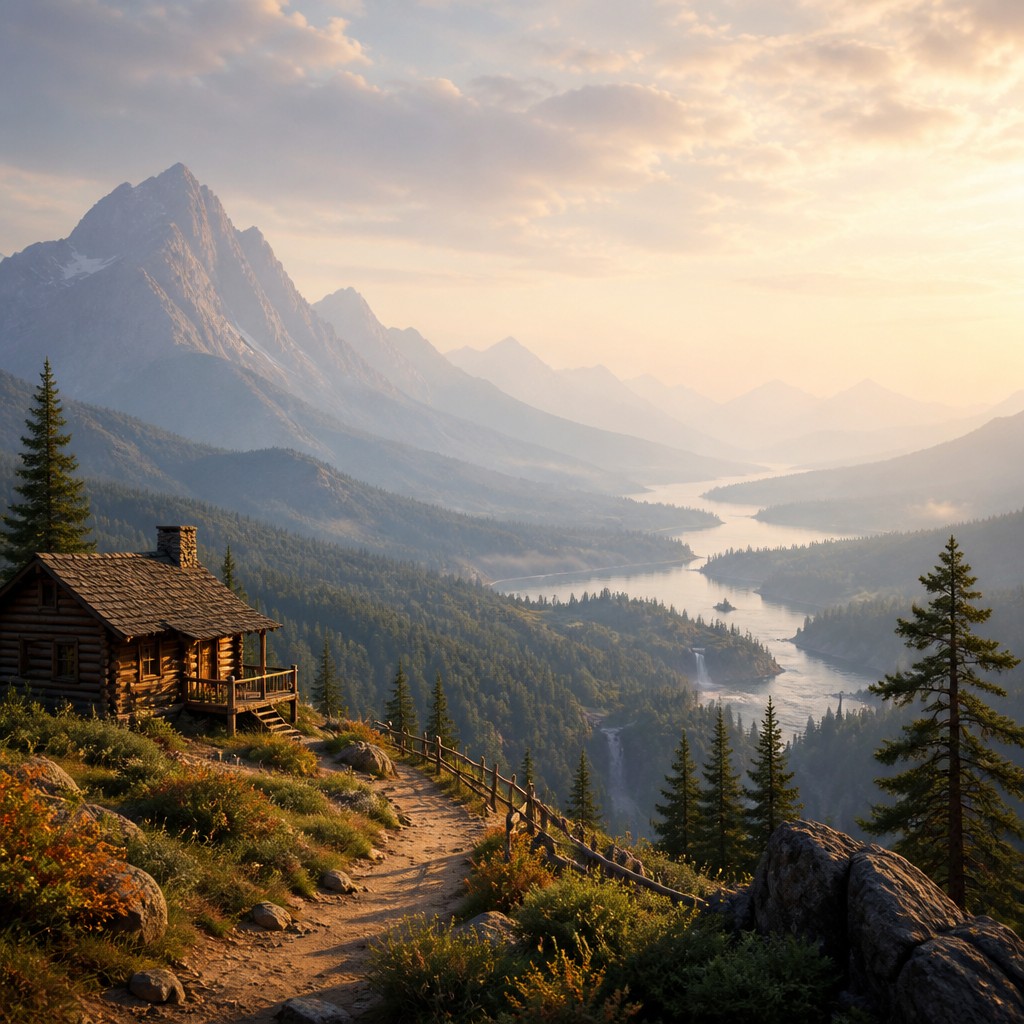
Warm-to-cool color recession
Nearby surfaces often retain warm earth colors, greens, ochres, and rich local hues, while distance moves toward cool blue-gray or violet mixtures.
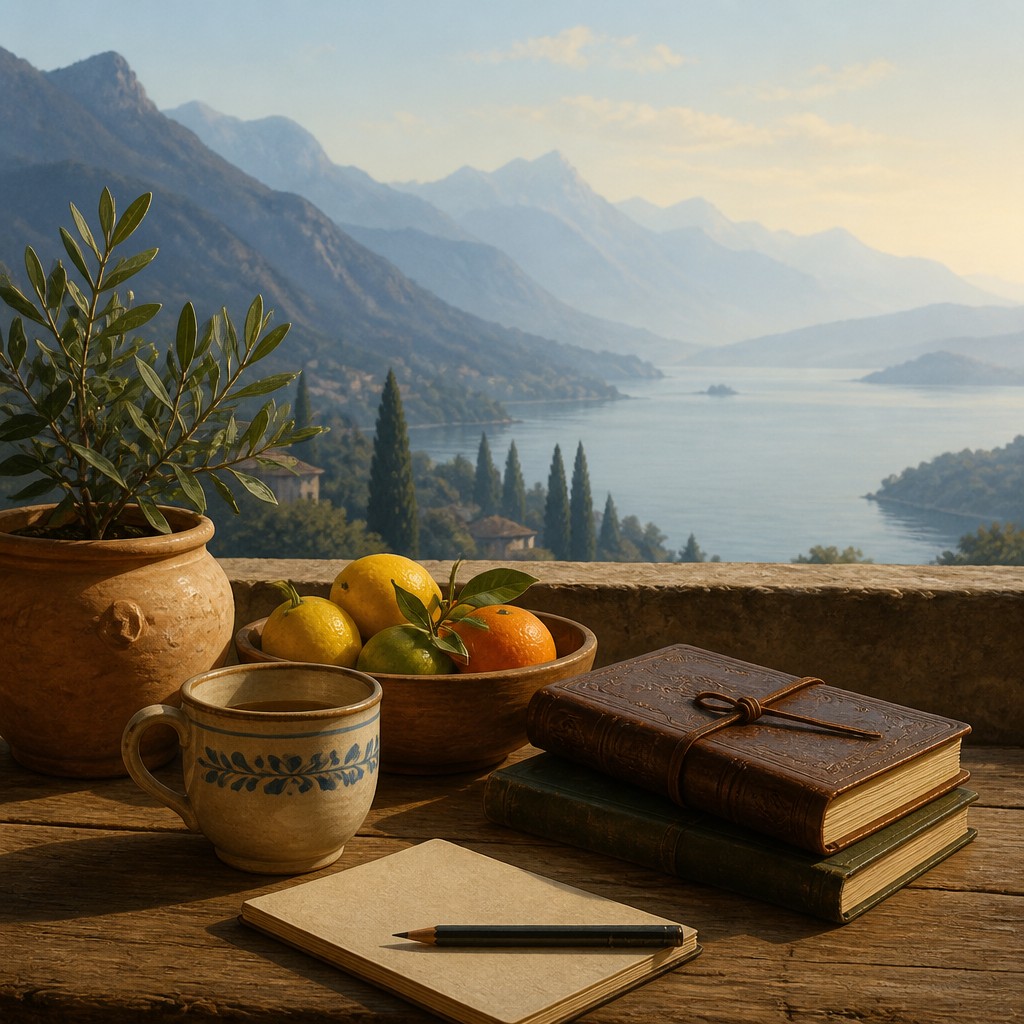
Luminous atmospheric veil
Haze is treated as an active visual element rather than empty space. It can glow around the horizon, partially obscure silhouettes, and unify separate forms.
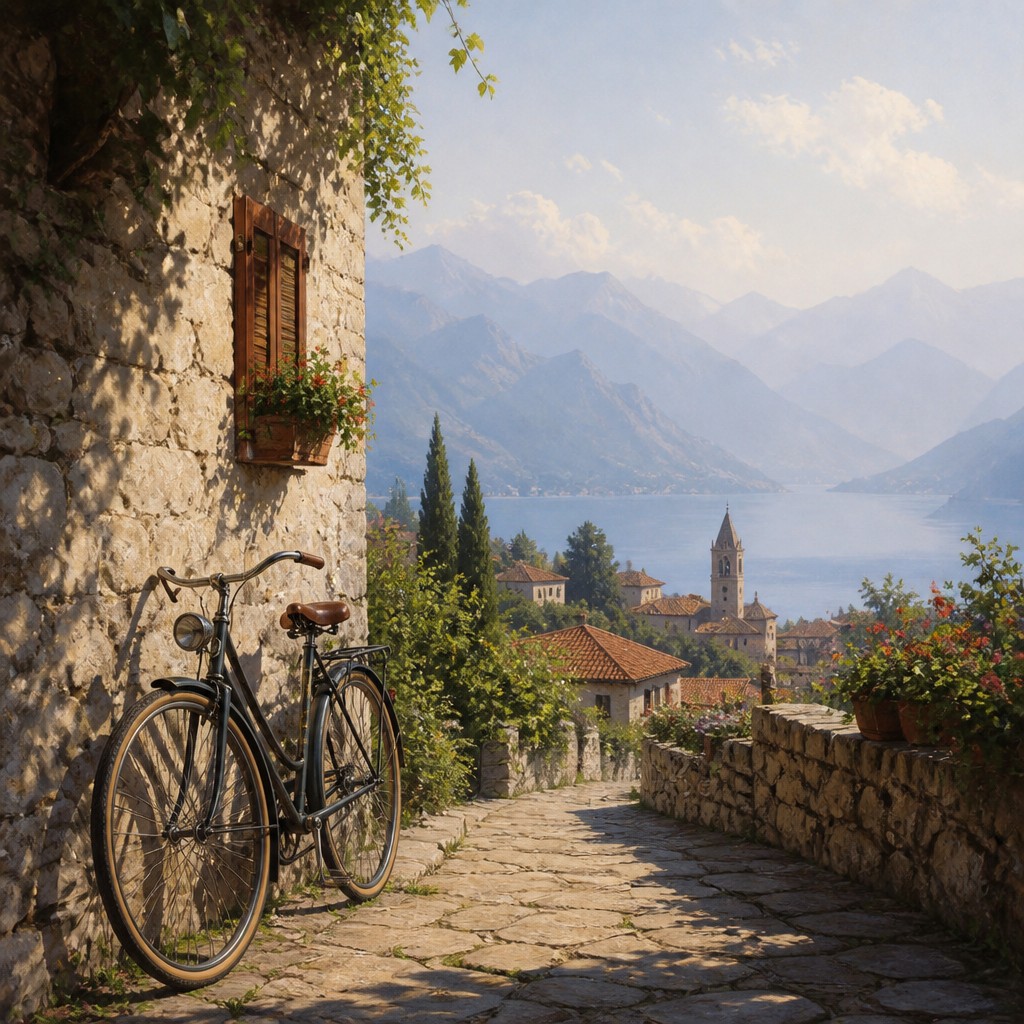
Selective foreground detail
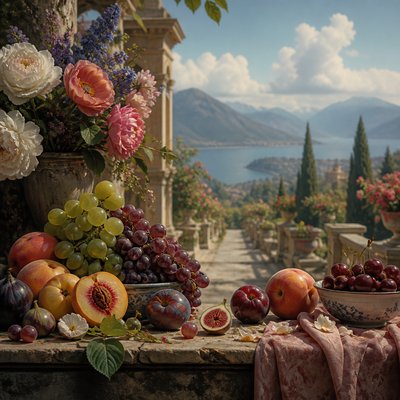
Textures such as foliage, stone, architecture, or fabric are concentrated near the viewer. Detail is progressively simplified so that sharpness itself becomes a depth cue.
Atmospheric Perspective Prompt Ideas
Start from an idea — each one opens the generator with the style ready to go. See all 40 Atmospheric Perspective prompts →
How to Create Atmospheric Perspective Art
Master the craft step by step — or skip straight to creating. Read the full guide →
- 1
Establish a clear depth structure
Divide the composition into foreground, middle ground, and distance before adding detail. Overlap forms and vary their scale, but let atmospheric changes reinforce rather than replace ordinary spatial cues.
- 2
Build a controlled color recession
Begin with warmer, more saturated colors in the foreground and mix increasing amounts of cool gray, blue, or violet into distant planes. Keep the shift gradual so the scene does not look artificially striped.
- 3
Reduce contrast and detail with distance
Use stronger darks, highlights, textures, and edge definition nearby; simplify and soften them farther away. In digital painting, separate depth planes into layers and apply progressively lighter, cooler atmospheric washes.
- 4
Paint the air, not only the objects
Add translucent haze over distant forms and brighten the horizon where light scatters through moisture or dust. Avoid uniform blur, since atmospheric perspective depends on selective loss of clarity.
- 5
Use photographic and digital references
Study mountain ranges, city skylines, fog, and long-distance views to observe how color and contrast change in real conditions. Curves, color grading, depth masks, and soft-opacity brushes can refine the effect without flattening the foreground.
- 6
Write prompts by depth behavior
For prompt-based generation, specify a sharply detailed warm foreground, layered receding planes, fading contrast, cool blue-gray distance, and a luminous hazy horizon. Mention the subject and lighting separately so the spatial treatment remains consistent.
The Story
History & Origins of Atmospheric Perspective
Atmospheric perspective has roots in the observation-based landscape traditions of antiquity and became increasingly systematic in European painting during the Renaissance, when artists studied optics, light, and spatial representation. It developed alongside linear perspective but served a different purpose: modeling depth through the behavior of light and air rather than geometry alone.
The technique became central to landscape painting, especially in traditions that emphasized changing weather, distant terrain, and luminous skies. Later movements used it with varying degrees of realism, from carefully observed tonal recession to the broad color atmospheres of Romantic, Impressionist, and modern landscape art. Today, the approach also appears in photography, film environments, concept art, matte painting, and digital image-making.
Influences: This style draws primarily from the atmospheric or aerial perspective techniques of European landscape painting, including Renaissance spatial observation and later landscape traditions concerned with light, weather, and changing visibility. It also relates to Romantic landscape, Impressionist color observation, tonal landscape painting, plein-air practice, cinematic matte painting, environmental concept art, and long-lens photography. Its emphasis on layered haze can overlap with atmospheric landscape photography and certain minimalist or cinematic approaches to composition.
Frequently Asked Questions
What defines atmospheric perspective art?
It defines depth through the gradual fading of color, contrast, detail, and edge sharpness with distance. Nearby objects are usually warmer and more distinct, while distant forms become cooler, paler, and veiled by haze.
Is atmospheric perspective the same as linear perspective?
No. Linear perspective uses geometric convergence, horizon lines, and changes in scale to indicate depth. Atmospheric perspective uses optical effects caused by light traveling through air, although both systems are often used together.
Why do distant objects often look blue?
Particles and moisture in the atmosphere scatter light, reducing the visibility of an object’s local color and shifting its appearance toward the color of the intervening air and sky. Blue is common in clear outdoor conditions, but haze may also appear gray, lavender, gold, or brown depending on weather and light.
How can I make this effect traditionally?
Plan several depth layers, reserve the strongest detail and contrast for the foreground, and mix cooler neutral tones into increasingly distant forms. Thin glazes, scumbles, softened edges, and careful tonal control are effective in watercolor, oil, acrylic, and pastel.
How does it differ from simply adding fog?
Fog can obscure the entire scene or create a localized weather effect, while atmospheric perspective is a structured progression across depth. Even without visible fog, distant objects can lose saturation, contrast, and sharpness because of the air between them and the viewer.
Where is atmospheric perspective used today?
It appears in landscape painting, travel and landscape photography, film environments, animation backgrounds, digital matte painting, game concept art, and architectural visualization. It is especially useful for communicating scale, distance, and atmospheric mood.
Create your first Atmospheric Perspective artwork
Describe anything — or upload a photo — and see it in Atmospheric Perspective Art Style in seconds.
Related Styles
Discover similar art styles