Worpswede Art Style
Explore the Worpswede art style: moody German moorland landscapes, birch groves, muted color, rural figures, mist, and atmospheric brushwork.
Instantly rendered in Worpswede — or transform a photo
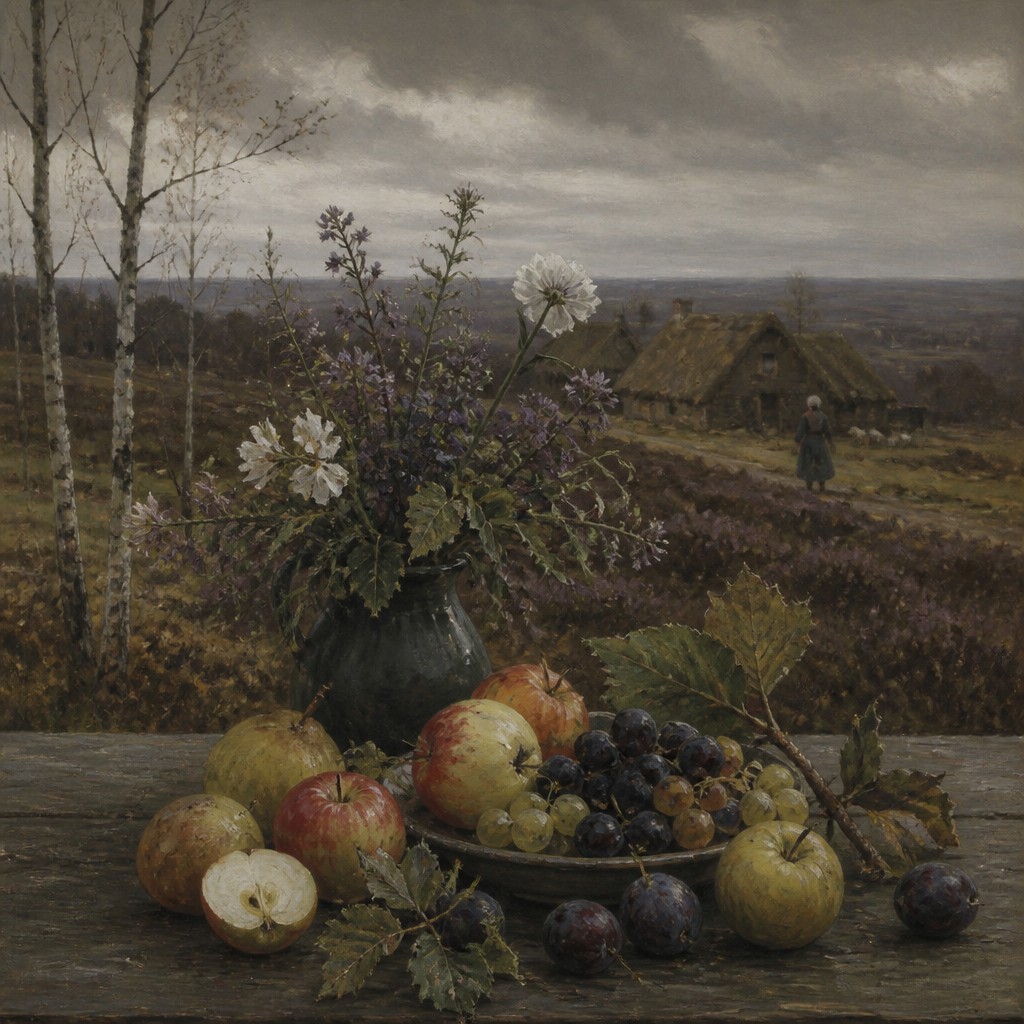
Worpswede Gallery
Tap any artwork to explore it
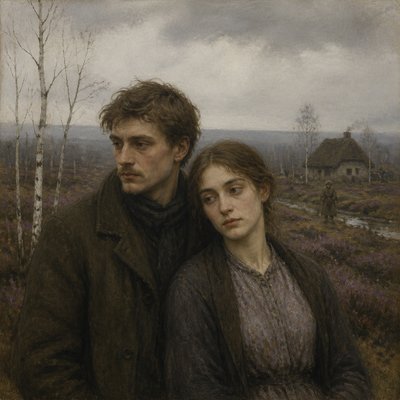
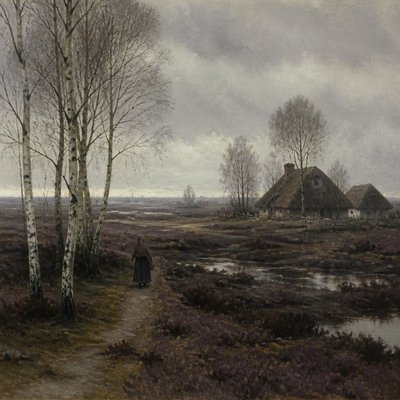
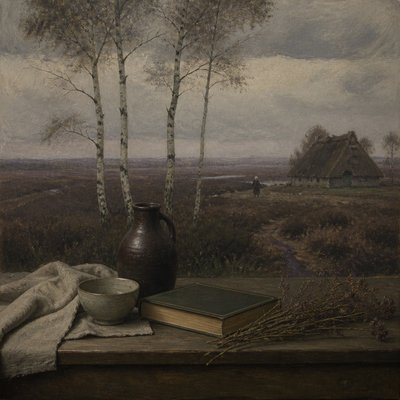
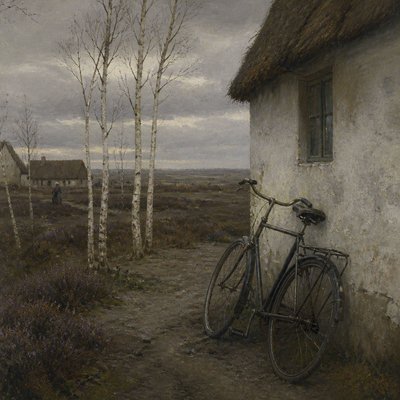
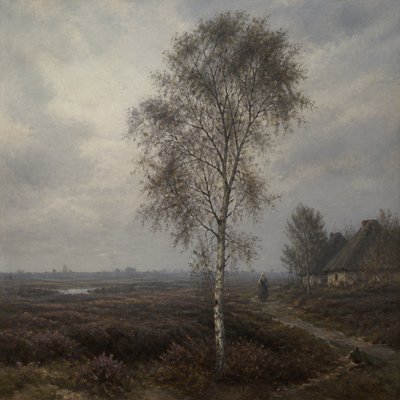
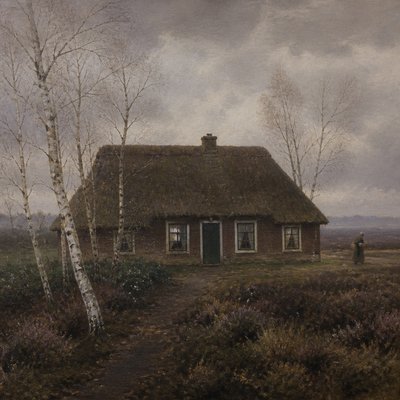
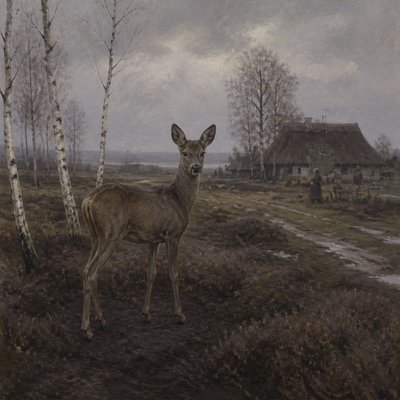
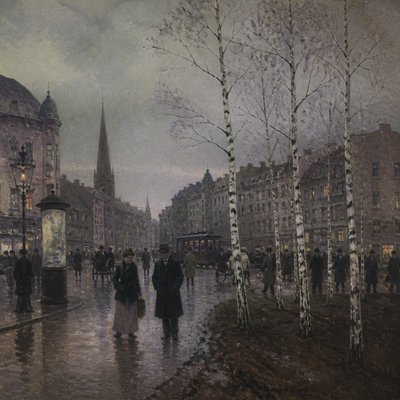
What is Worpswede Art Style?
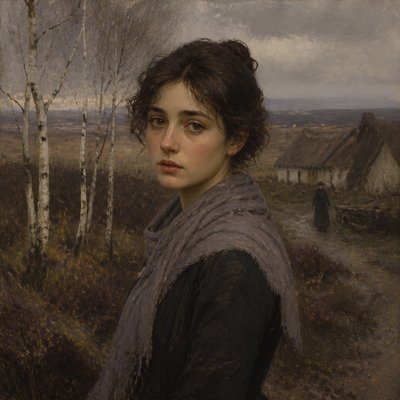
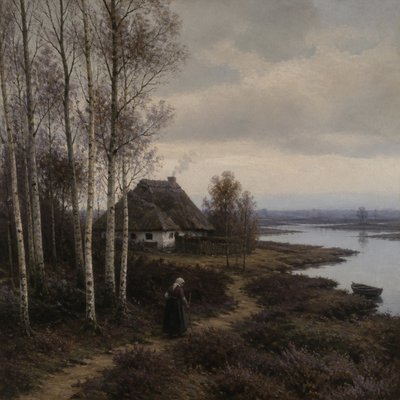
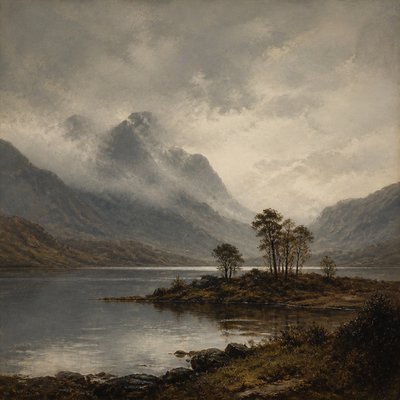
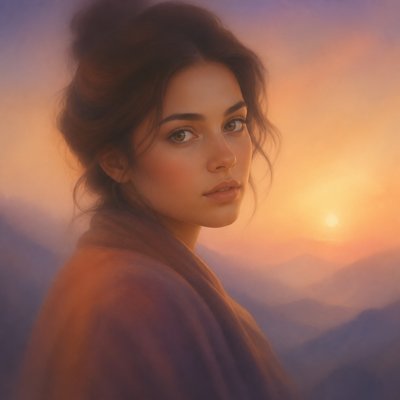
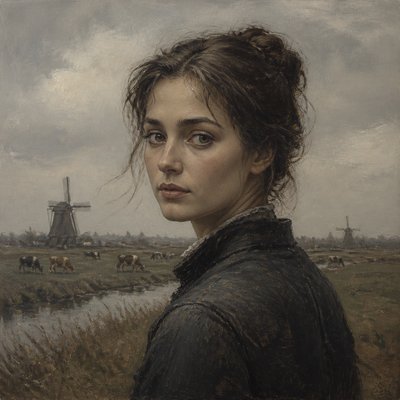
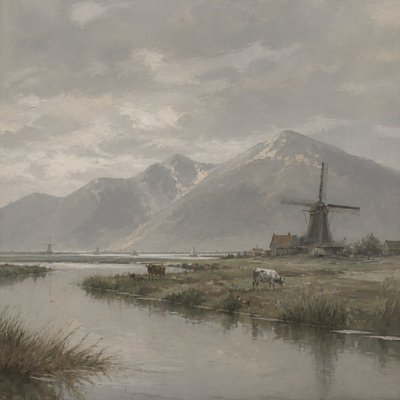
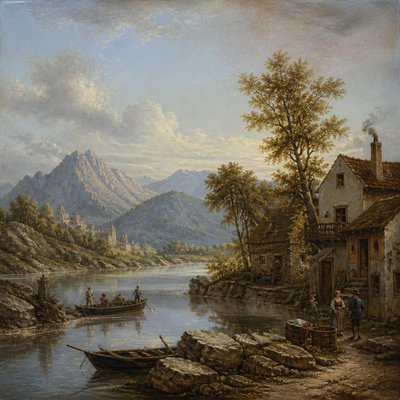
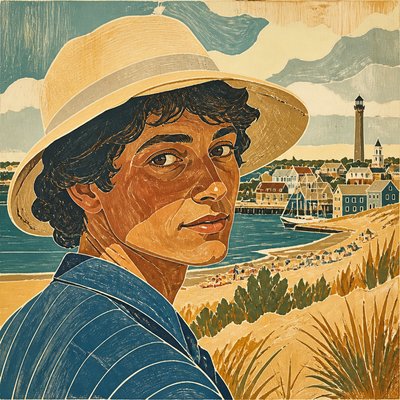
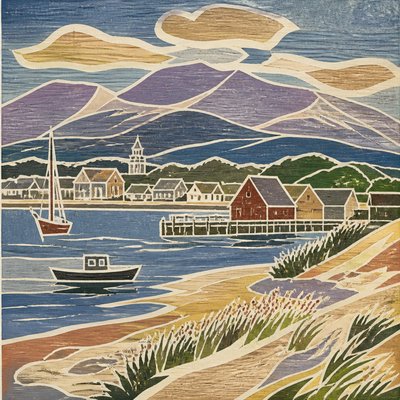
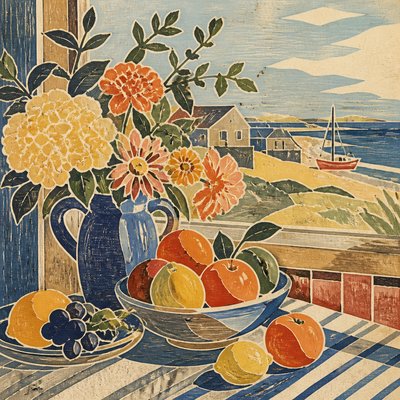
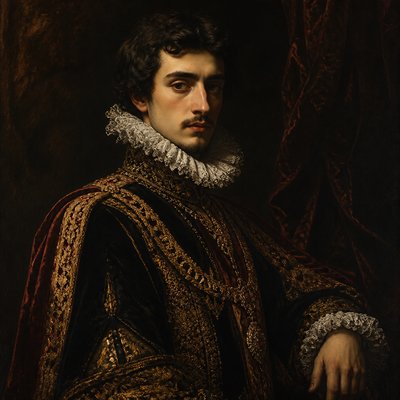
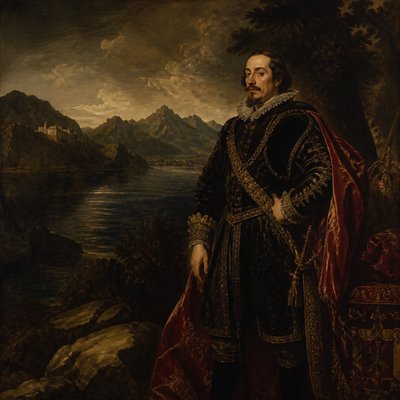
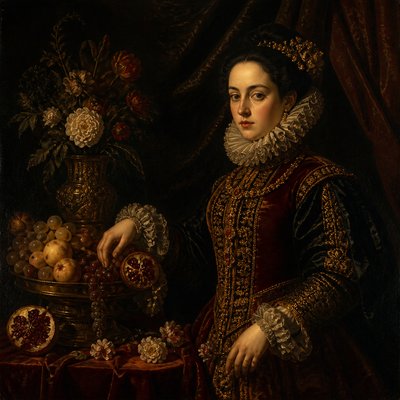
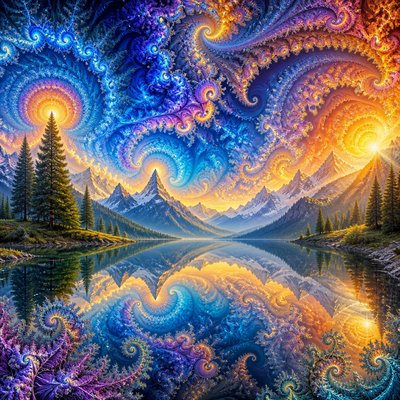
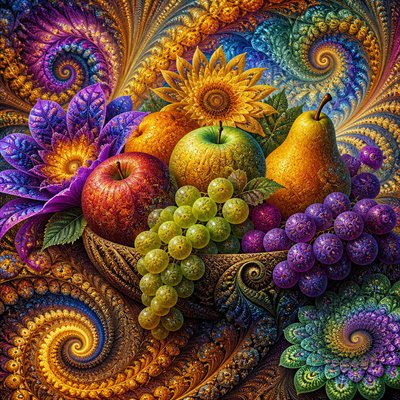
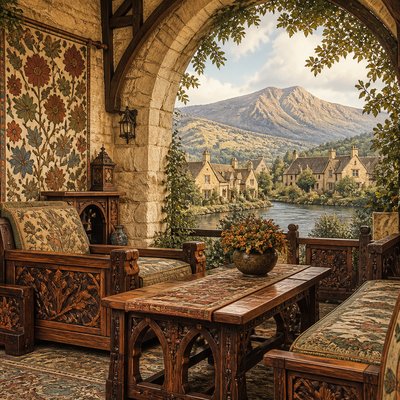
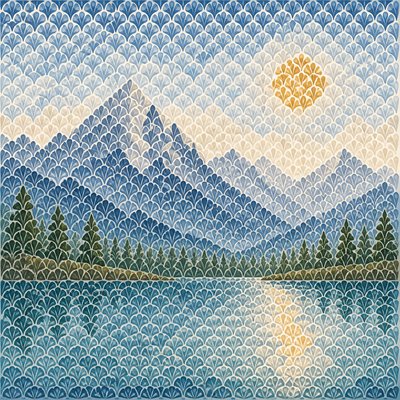
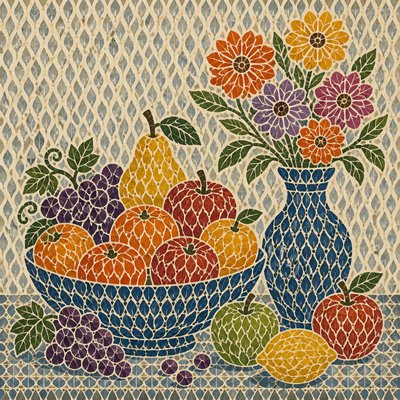
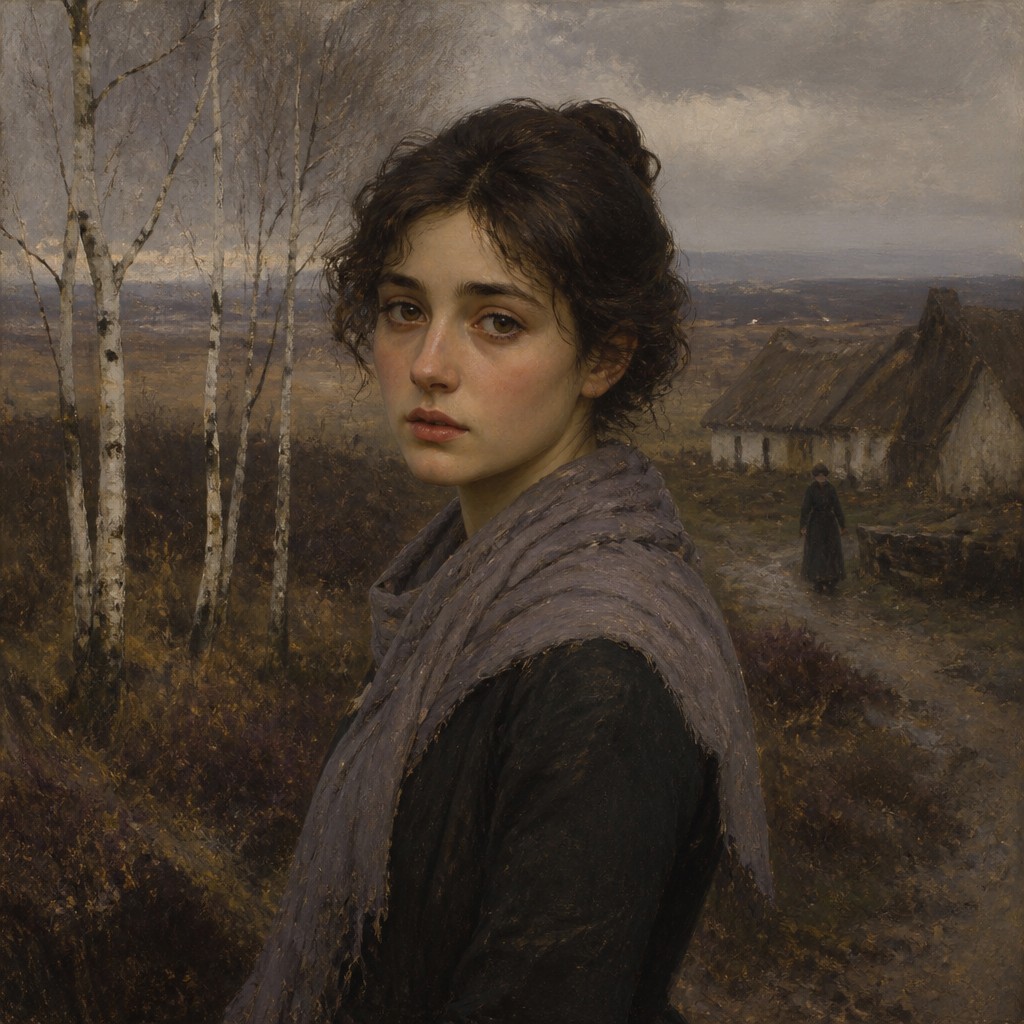
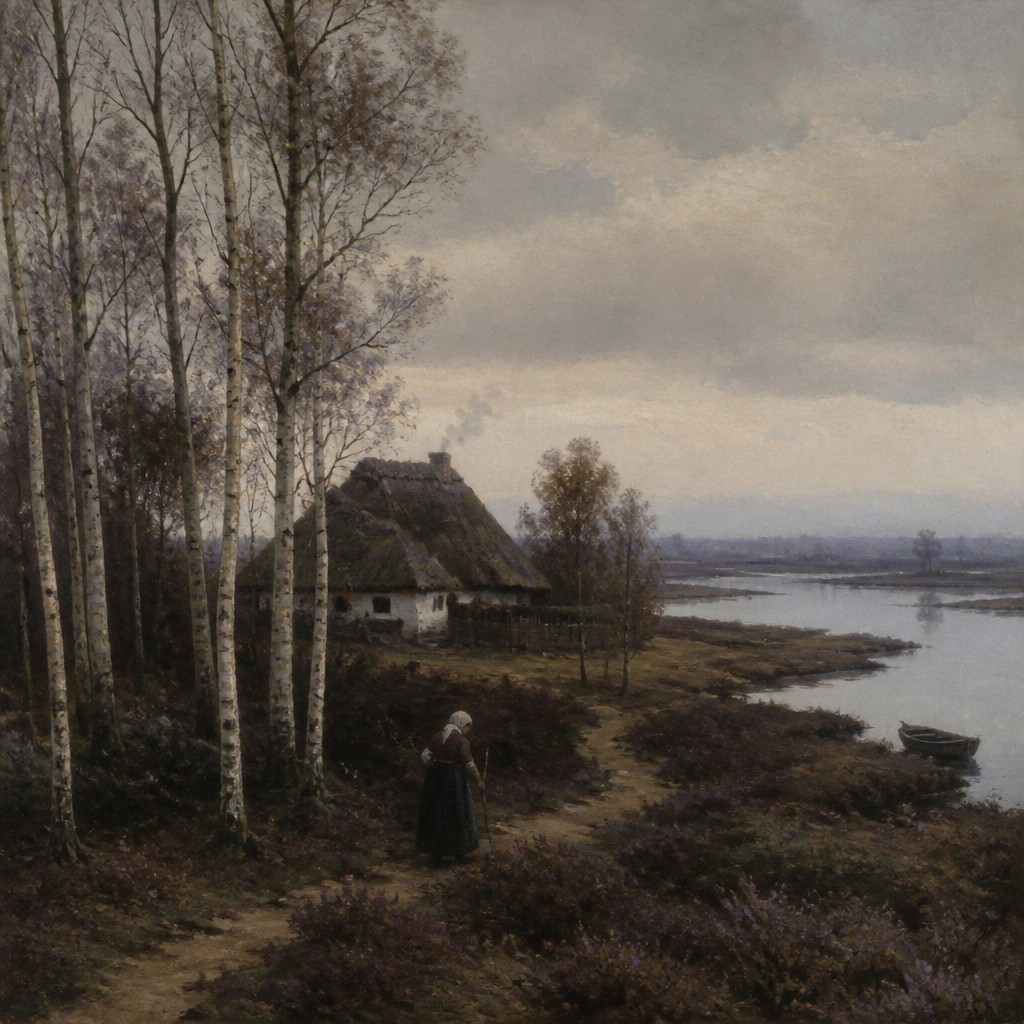
The Worpswede art style is associated with the late-19th- and early-20th-century artists’ colony in Worpswede, a rural settlement on the Teufelsmoor near Bremen, Germany. Its characteristic imagery includes flat peatlands, slender birch trees, reed beds, thatched cottages, winding paths, rural workers, and broad skies softened by mist or cloud. The mood is contemplative, austere, and often melancholic rather than picturesque.
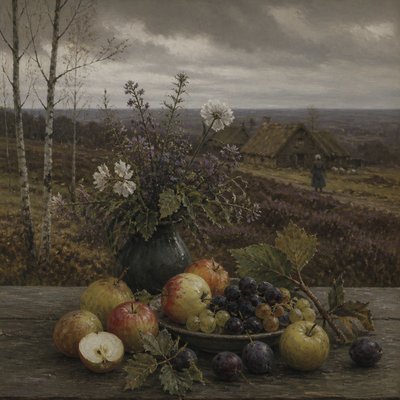
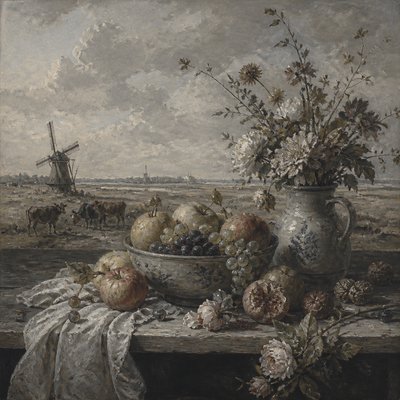
Worpswede painting combines close observation of northern German landscape with subdued naturalism and poetic atmosphere. Grey-green, umber, lavender, and earth-brown tones replace bright contrasts, while soft brushwork and indistinct horizons make air, dampness, and distance central subjects. Even when depicting ordinary rural life, the style tends to give the landscape emotional weight and a sense of quiet isolation.
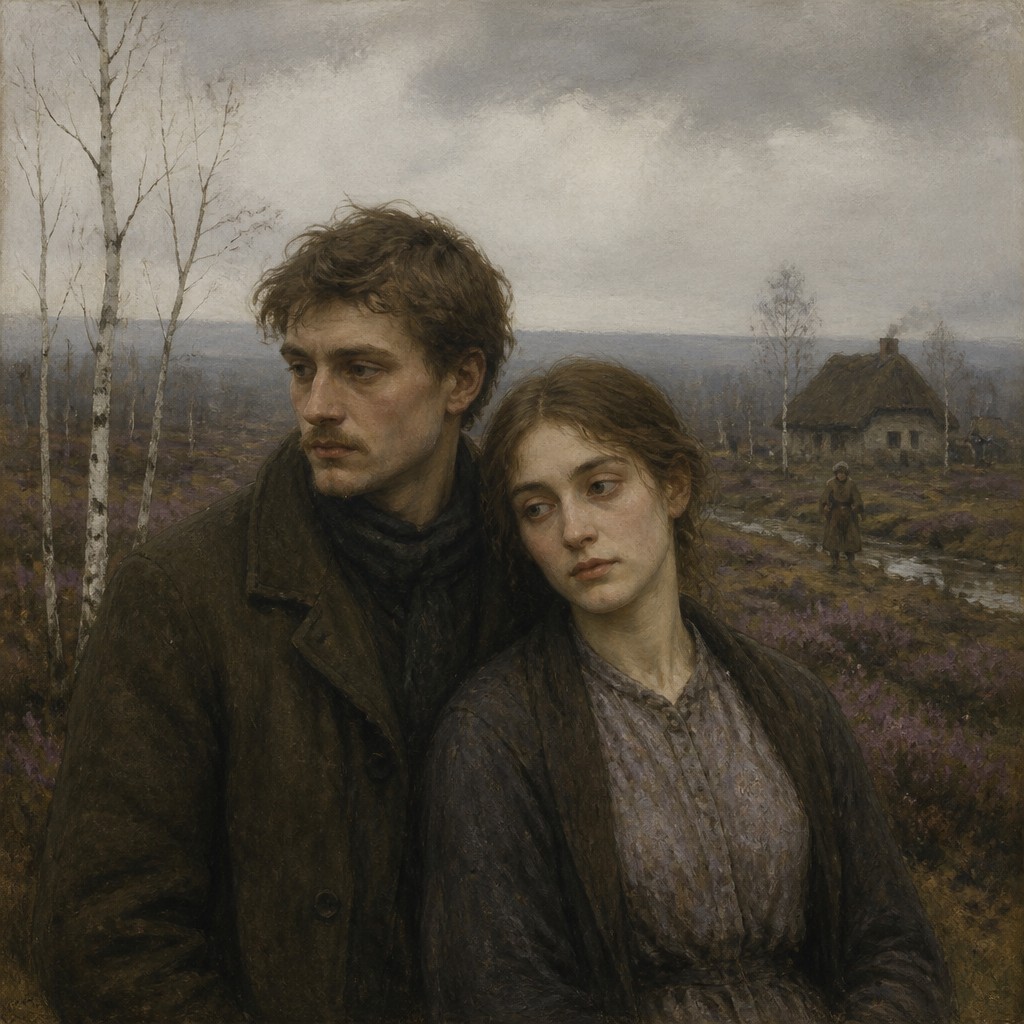
Try It On Your Photos
Upload any photo and convert it into Worpswede Art Style — drag the sliders to compare before and after.
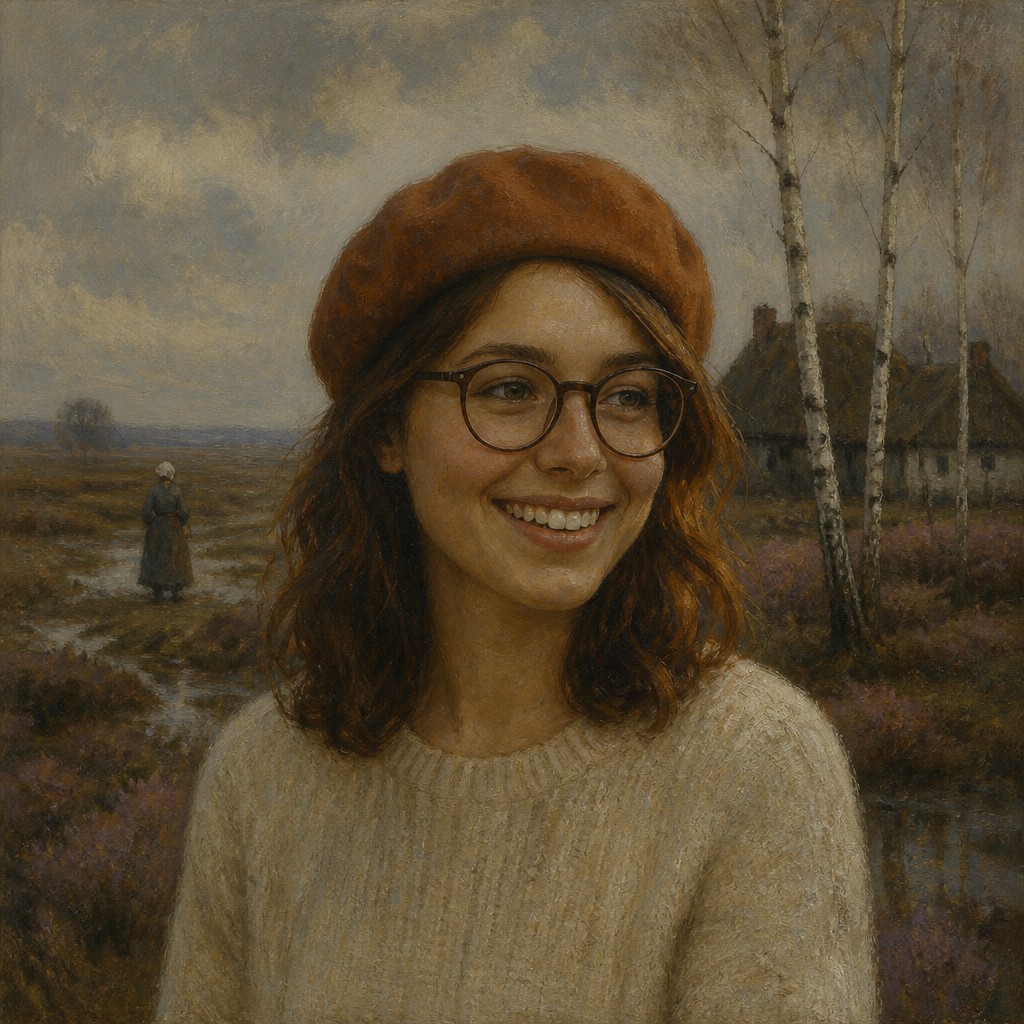

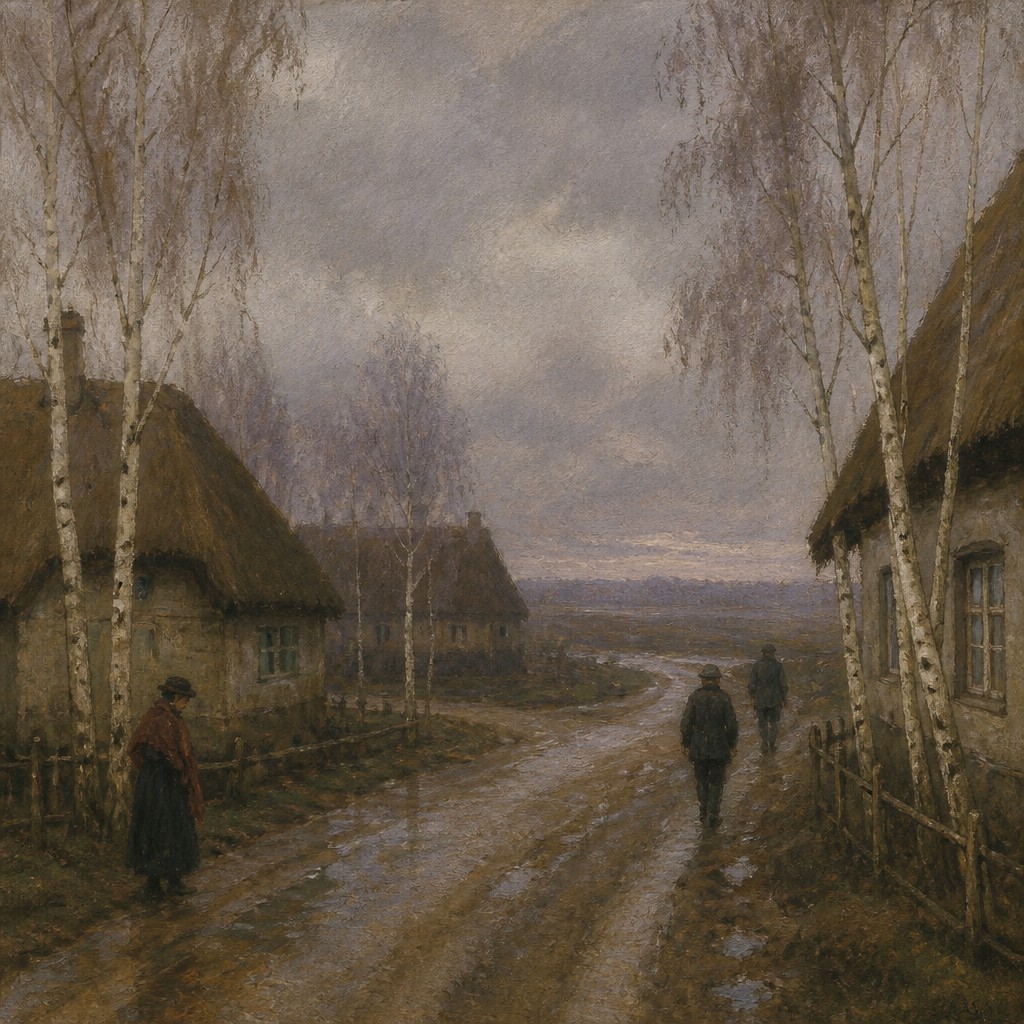

What Defines Worpswede Art Style
The signature details, up close
Moorland settings
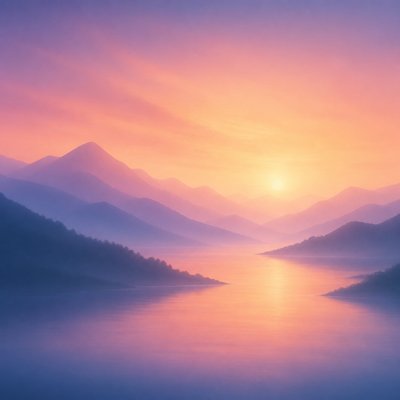
Flat peatlands, marshes, heath, reed beds, drainage ditches, and open fields establish the characteristic Worpswede environment. The low horizon gives the sky and atmosphere a strong compositional role.
Slender birch groves
White-barked birches are frequently used as vertical accents against dark soil, pale fog, or expansive skies. Their delicate trunks create rhythm without breaking the style’s quiet mood.
Muted northern palette
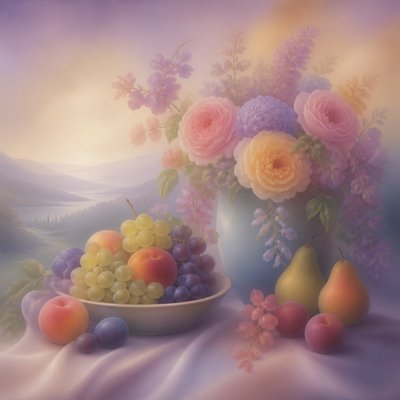
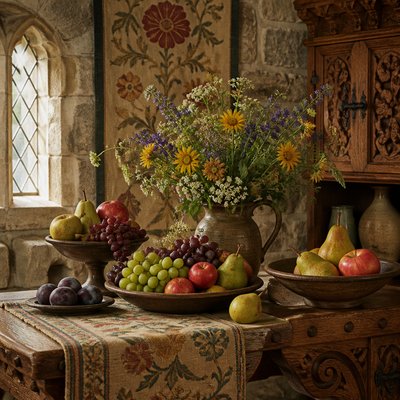
Grey-green, brown, ochre, slate, lavender, and smoke-white dominate the color range. Colors are often harmonized and slightly veiled, suggesting wet weather, peat-rich ground, and diffuse northern light.
Atmospheric softness
Distant forms dissolve into haze, while edges remain gentle rather than sharply outlined. Brushwork conveys damp air and low visibility instead of polished photographic detail.
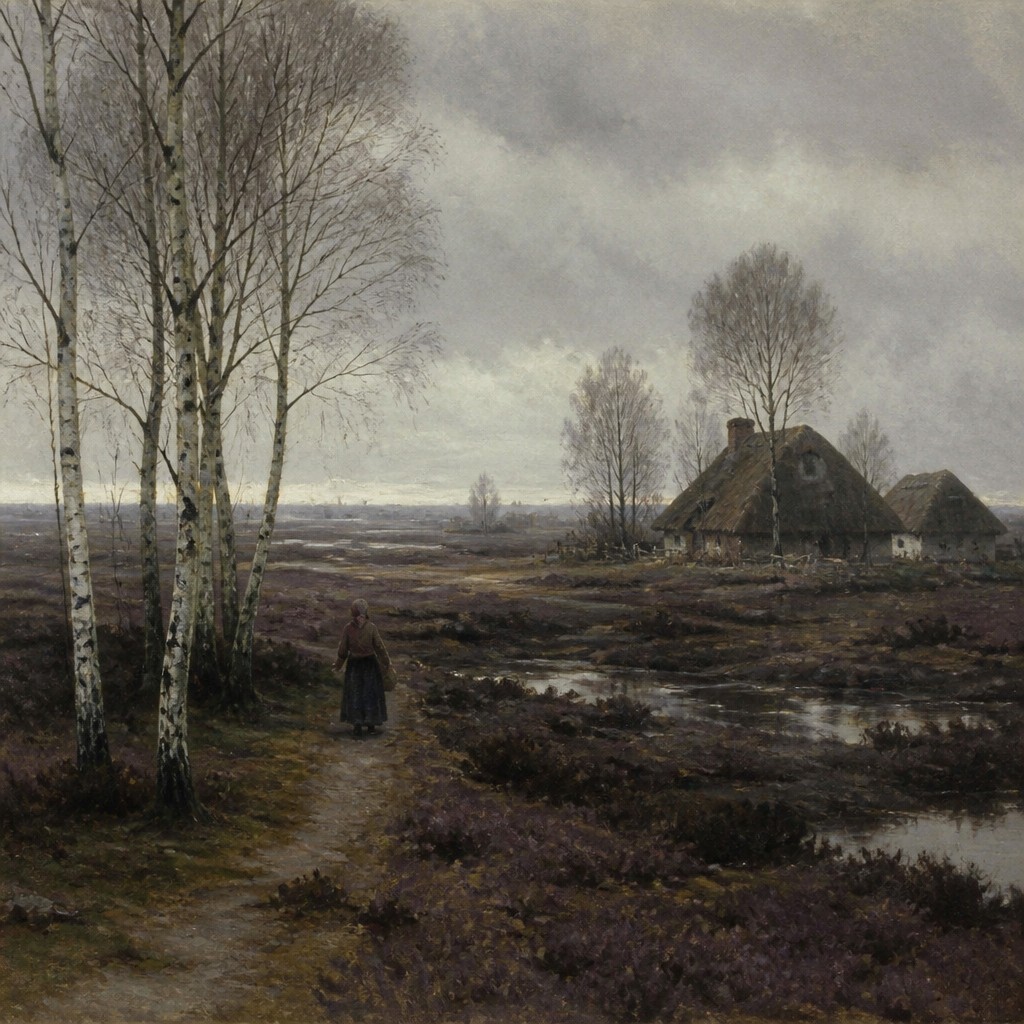
Rural architecture
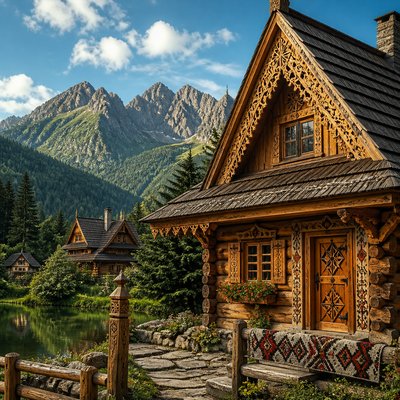
Thatched cottages, barns, fences, footbridges, and simple farm structures appear as integrated parts of the landscape. Buildings are generally modest in scale and subdued in color.
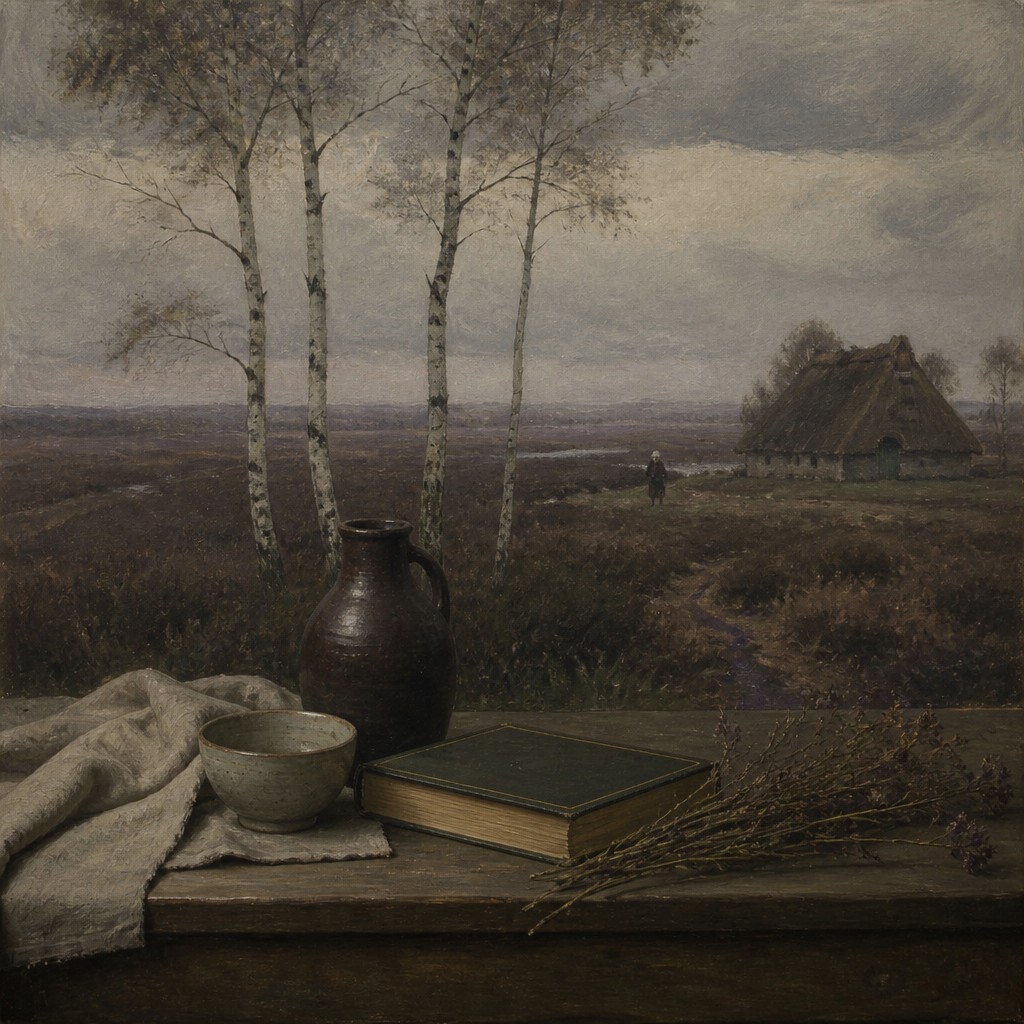
Everyday rural figures
Peasants, field workers, walkers, and villagers may populate the scene, usually depicted without theatrical gestures. Figures provide scale and social context while remaining subordinate to the surrounding land.
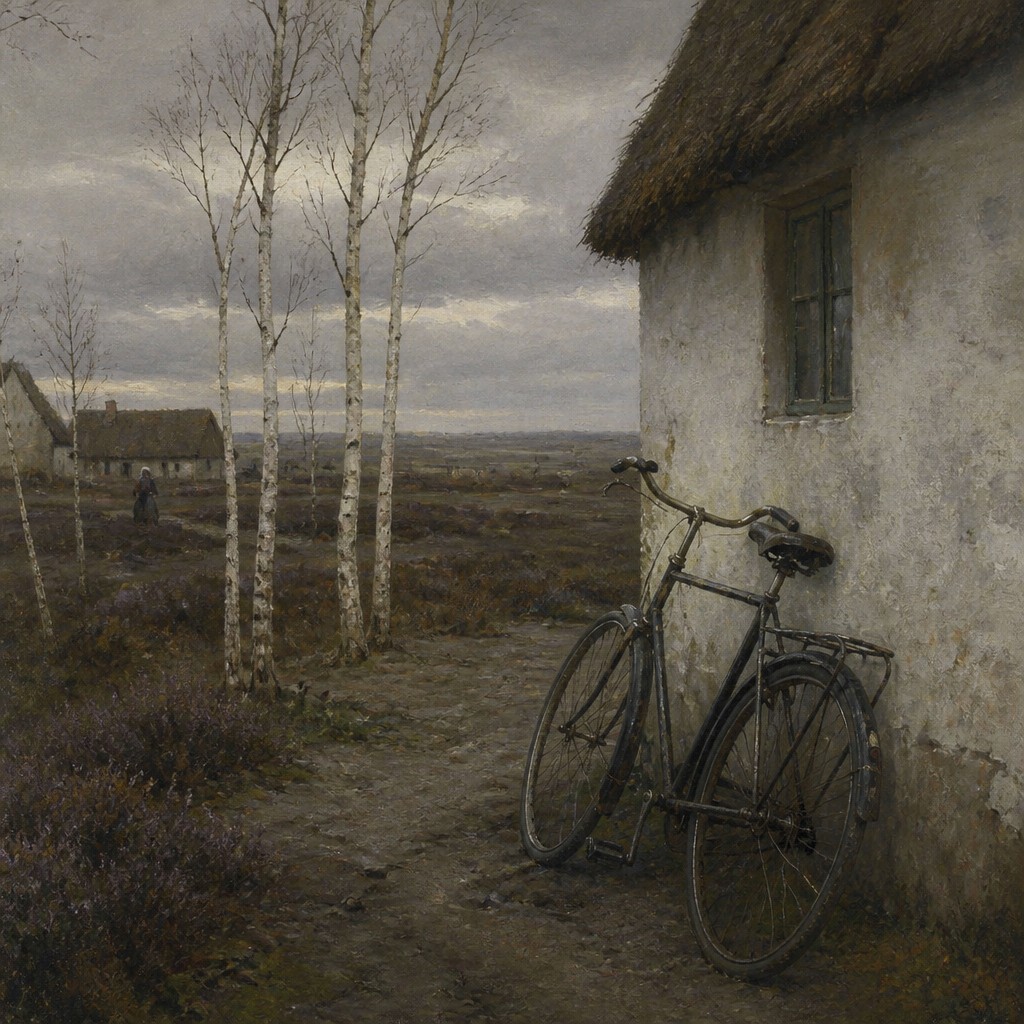
Contemplative mood
The style favors stillness, solitude, and emotional restraint. Compositions often suggest endurance, seasonal change, or inward reflection rather than celebration or dramatic action.
Worpswede Prompt Ideas
Start from an idea — each one opens the generator with the style ready to go. See all 40 Worpswede prompts →
How to Create Worpswede Art
Master the craft step by step — or skip straight to creating. Read the full guide →
- 1
Establish a low, open composition
Begin with a broad horizontal landscape and a relatively low horizon, leaving generous space for cloud, fog, or pale northern light. Use a path, ditch, fence, or birch line to lead the eye through the scene.
- 2
Build a restrained palette
Mix grey into greens, browns, and blues, then add small accents of lavender, dull ochre, or chalky white. Avoid highly saturated colors and strong black outlines.
- 3
Use softened naturalistic brushwork
In paint, work with thin layered strokes, scumbling, and partially blended transitions to suggest damp air and peat soil. Digitally, use textured brushes with low opacity and gently soften distant layers.
- 4
Make atmosphere carry the depth
Reduce contrast, detail, and saturation as forms recede toward the horizon. Mist should obscure selectively rather than cover every object evenly, preserving readable foreground silhouettes.
- 5
Treat figures and buildings as landscape elements
Keep rural figures small, naturally posed, and dressed in subdued work clothing; place cottages and barns within the terrain instead of isolating them as architectural subjects. Their purpose is to provide scale and human presence.
- 6
Write precise generation instructions
For prompt-based creation, specify the subject, flat moorland setting, birch trunks, overcast sky, muted grey-green and brown palette, soft naturalistic brushwork, and mist-blurred horizon. Add exclusions such as neon color, glossy surfaces, sharp outlines, or dramatic mountains when those conflicts would weaken the look.
The Story
History & Origins of Worpswede
The Worpswede artists’ colony emerged in 1889 when painters and other creative practitioners settled in the Teufelsmoor to study its distinctive landscape and rural communities. The colony developed during a period when artists across Europe were moving away from academic historical subjects toward plein-air observation, regional environments, and personal responses to nature. Worpswede became especially associated with moorland scenery, peasant life, and an introspective form of landscape painting.
Its visual language was not a single rigid doctrine. Naturalism, atmospheric landscape painting, Symbolist suggestion, and elements of emerging modern design all contributed to its development. The style is therefore best understood as a regional artistic tradition and colony-based aesthetic rather than a fully uniform movement; later interpretations often emphasize its muted palette, lyrical landscape structure, and northern German sense of place.
Influences: Worpswede is related to nineteenth-century German plein-air naturalism, European landscape painting, regionalist rural art, and the atmospheric traditions of northern Romanticism. Its later visual associations also overlap with Symbolist landscape painting and early modern decorative simplification, particularly in the emphasis on mood, contour, and stylized natural forms. It differs from bright Impressionist scenes through its cooler palette, flatter terrain, quieter subject matter, and more sustained sense of melancholy.
Frequently Asked Questions
What defines the Worpswede art style?
It is defined by moorland landscapes, birch groves, thatched rural buildings, subdued colors, soft naturalistic brushwork, and a contemplative atmosphere. Flat horizons and misty northern light are especially important visual cues.
Is Worpswede an art movement or an artists’ colony style?
Worpswede is primarily associated with an artists’ colony founded in Germany in 1889. Because its participants did not follow one completely uniform program, the term describes a regional artistic tradition and shared landscape sensibility more than a strict, centralized movement.
How is Worpswede different from Impressionism?
Both traditions value observed light and landscape, but Worpswede imagery is generally more muted, atmospheric, and emotionally solemn. It favors peatlands, rural labor, birch trees, and broad cloudy skies over the brighter color contrasts and urban leisure scenes commonly associated with Impressionism.
What colors work best for a Worpswede-inspired painting?
Use greyed greens, umbers, peat browns, slate blue, lavender, dull ochre, and smoke-white. A small range of harmonized colors usually works better than intense saturation or strong complementary contrasts.
How can I create this look digitally or with a prompt?
Start with a flat moorland composition, then specify birch trunks, thatched cottages, rural figures, overcast light, muted earth colors, soft brushwork, and a mist-blurred horizon. In digital painting, layer atmospheric haze over distant forms and reduce their contrast; in prompt-based work, describe both the subject and the material qualities rather than relying on the style label alone.
Where is the Worpswede style most suitable?
It works well for pastoral landscapes, rural heritage scenes, atmospheric environment art, book illustration, editorial imagery, and contemplative wall art. Its restrained mood is less suited to high-energy action, glossy commercial subjects, or brightly colored fantasy scenes unless deliberately adapted.
Create your first Worpswede artwork
Describe anything — or upload a photo — and see it in Worpswede Art Style in seconds.
Related Styles
Discover similar art styles