Sierra Leonean Art Style
Explore Sierra Leonean art style: nomoli soapstone figures, carved helmet forms, Temne linework, rainforest tones, and powerful sculptural calm.
Instantly rendered in Sierra Leonean — or transform a photo
Sierra Leonean Gallery
Tap any artwork to explore it
What is Sierra Leonean Art Style?
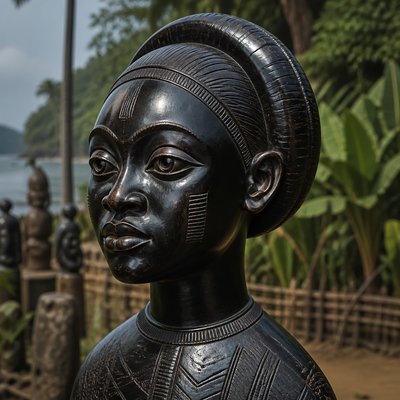
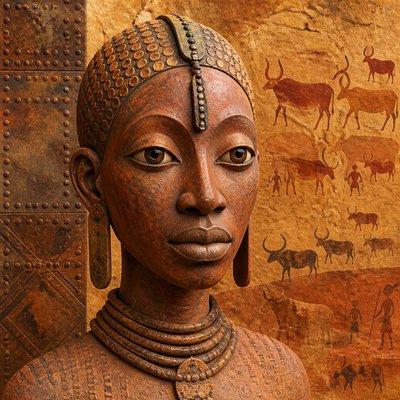
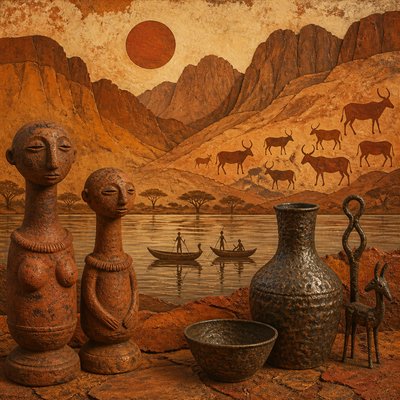
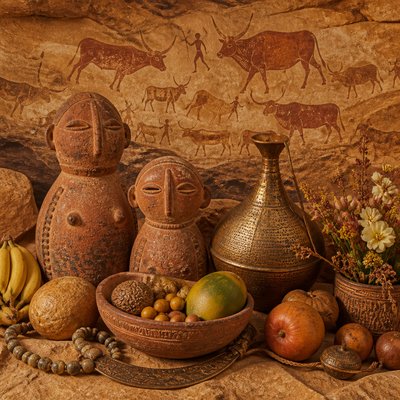
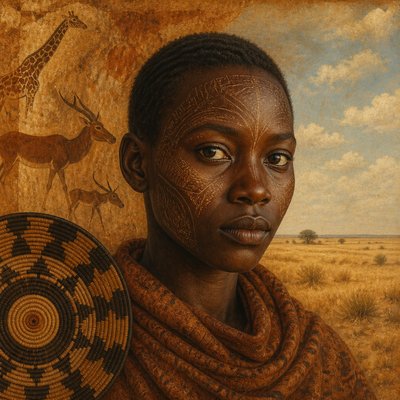
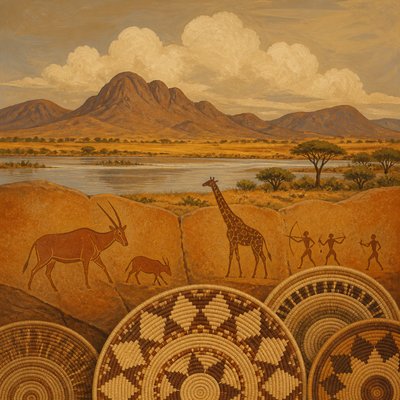
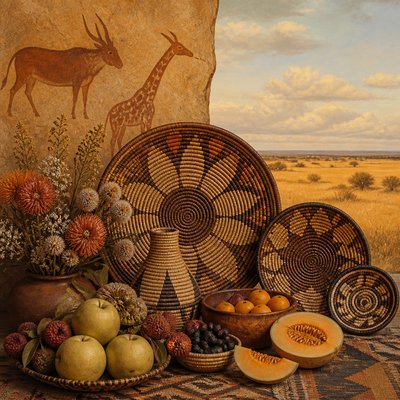
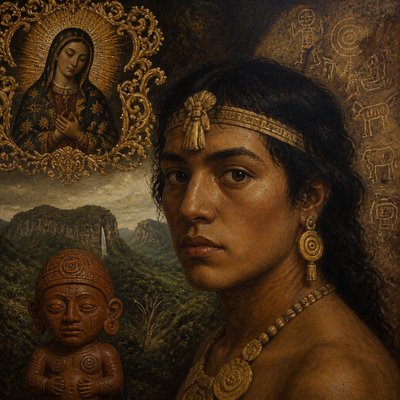
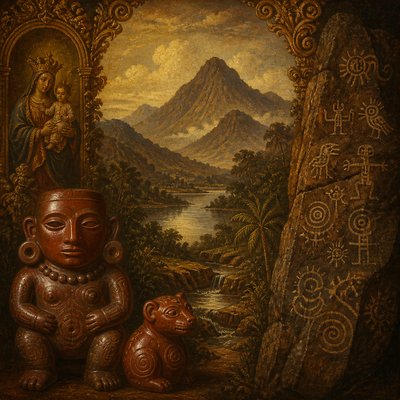
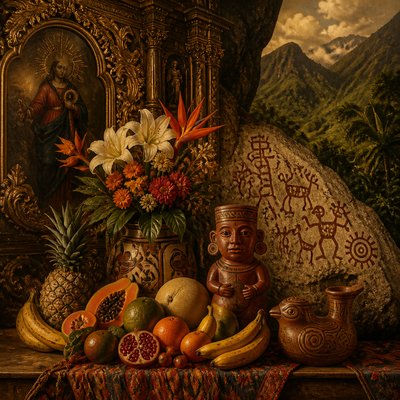
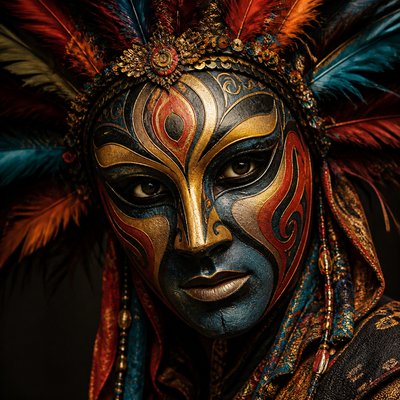
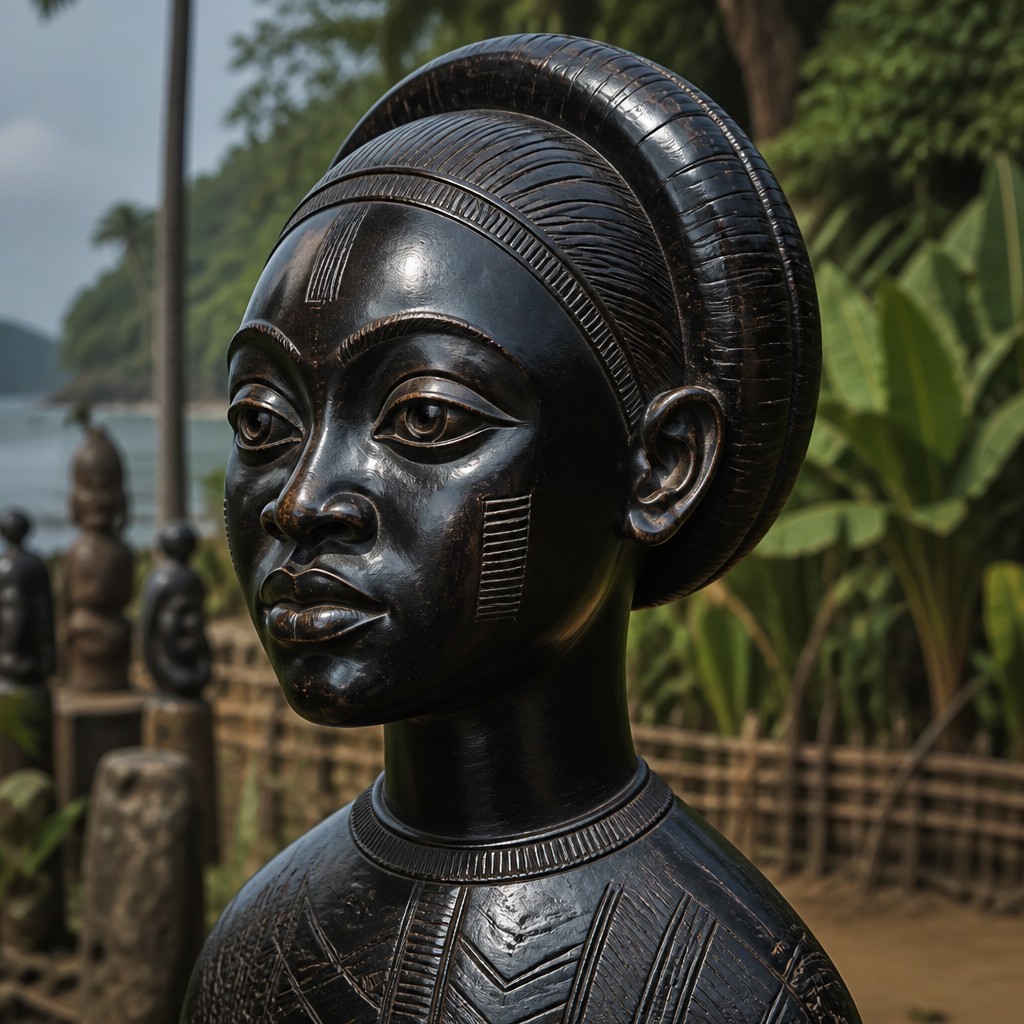
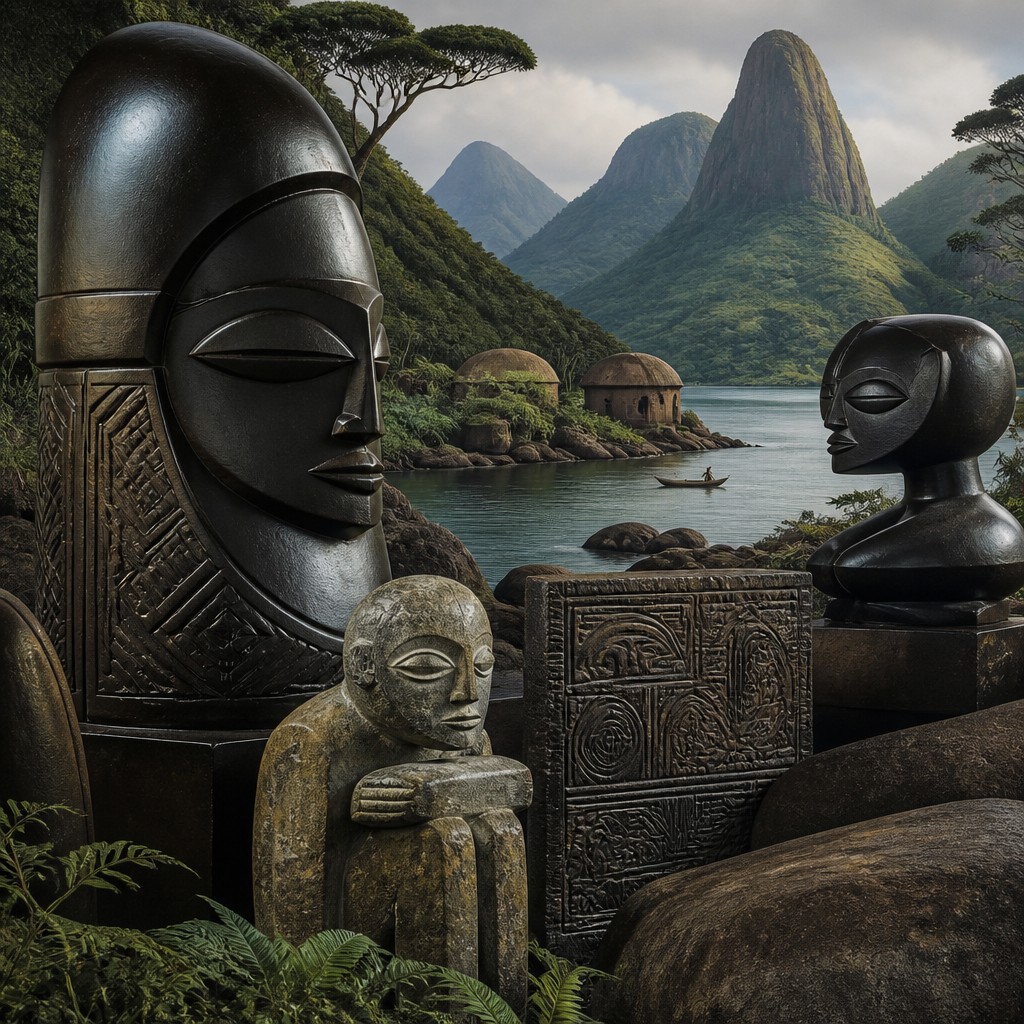
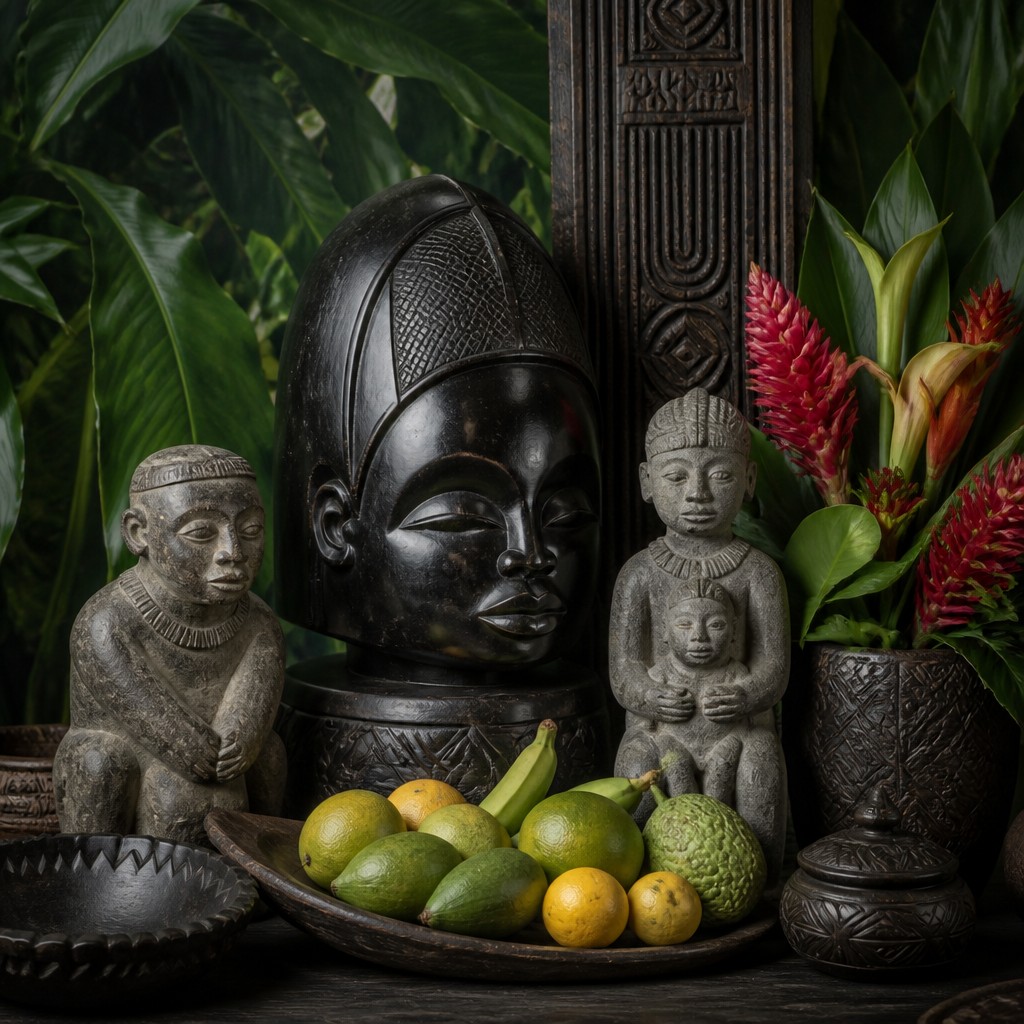
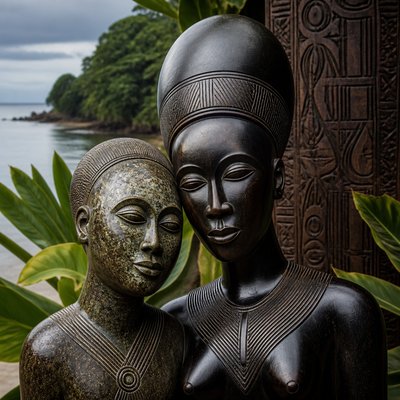
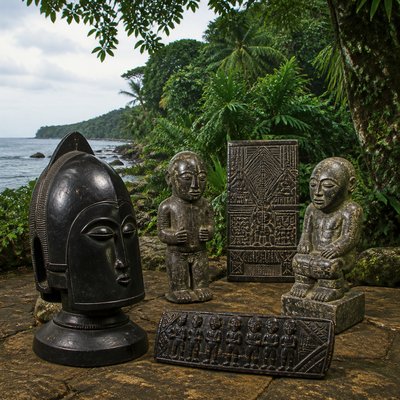
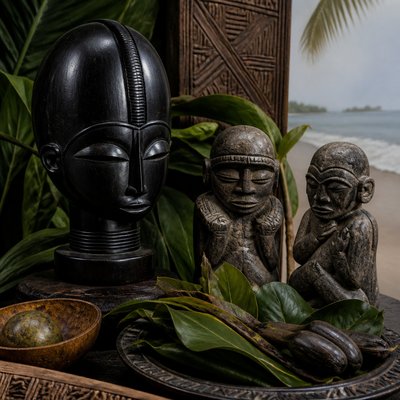
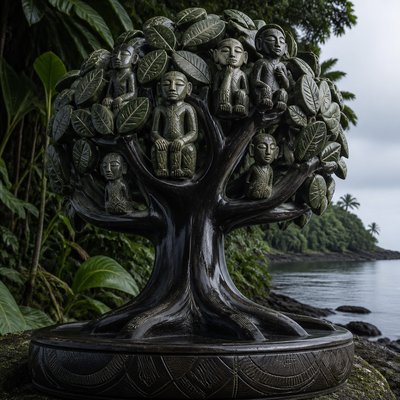
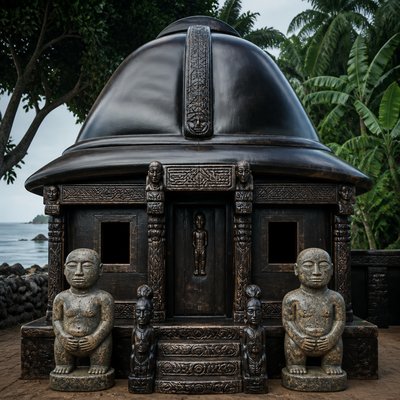
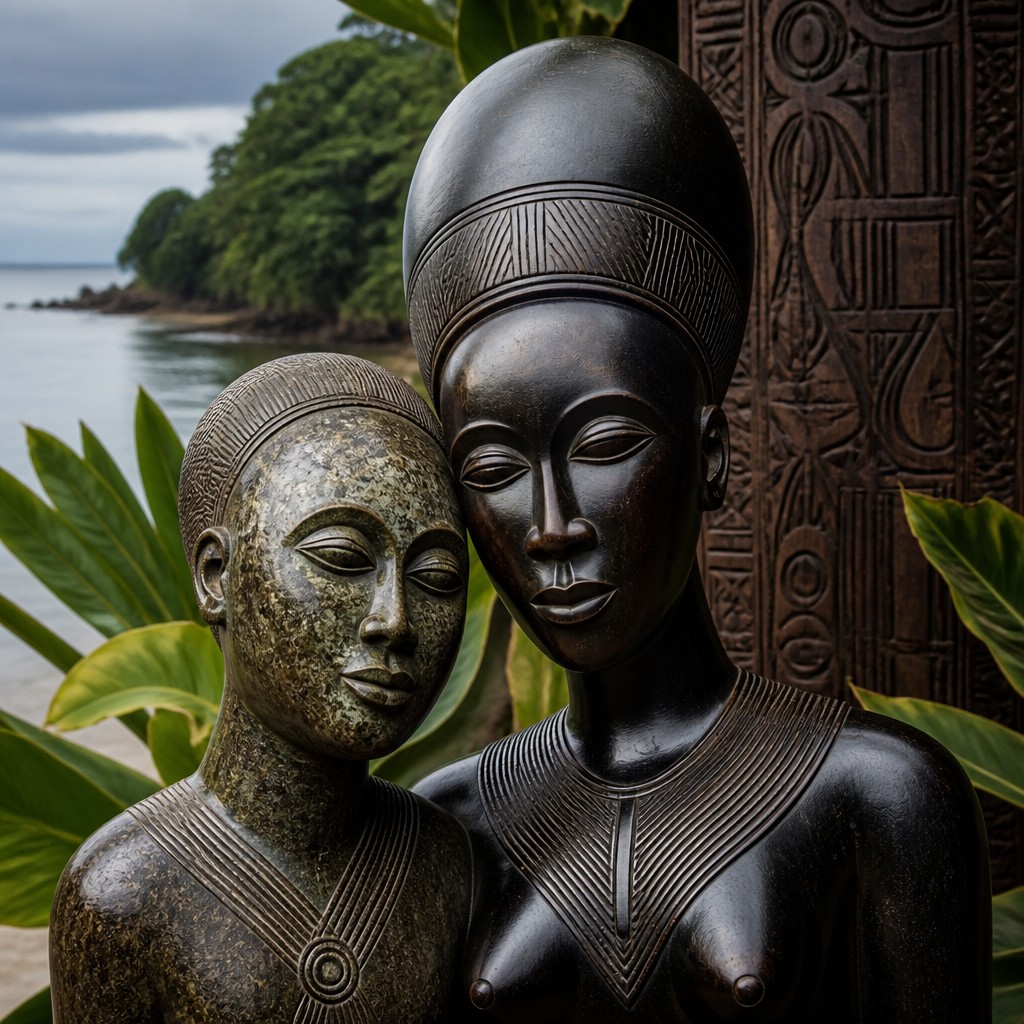
Sierra Leonean art style is a contemporary descriptive category centered on the country's sculptural traditions rather than a single historical movement. Its visual vocabulary combines compact nomoli-like soapstone figures, smooth dark wooden helmet forms, rounded archaic anatomy, carved linear ornament, and the deep greens, umbers, and black-brown tones associated with the forested coast of West Africa.
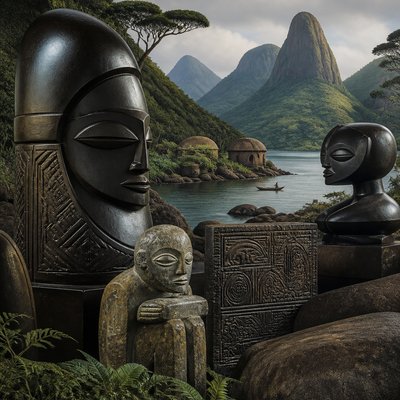
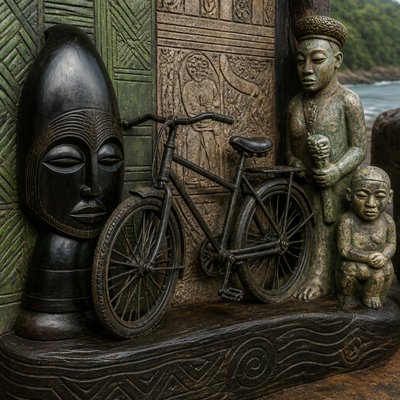
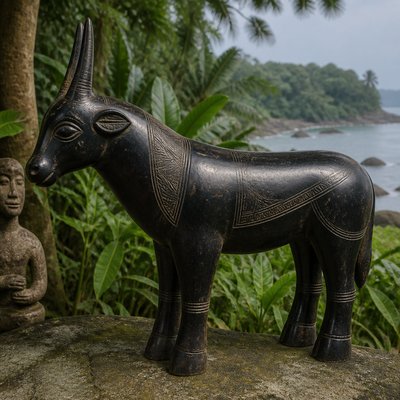
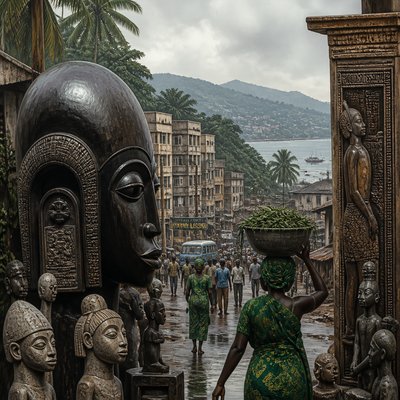
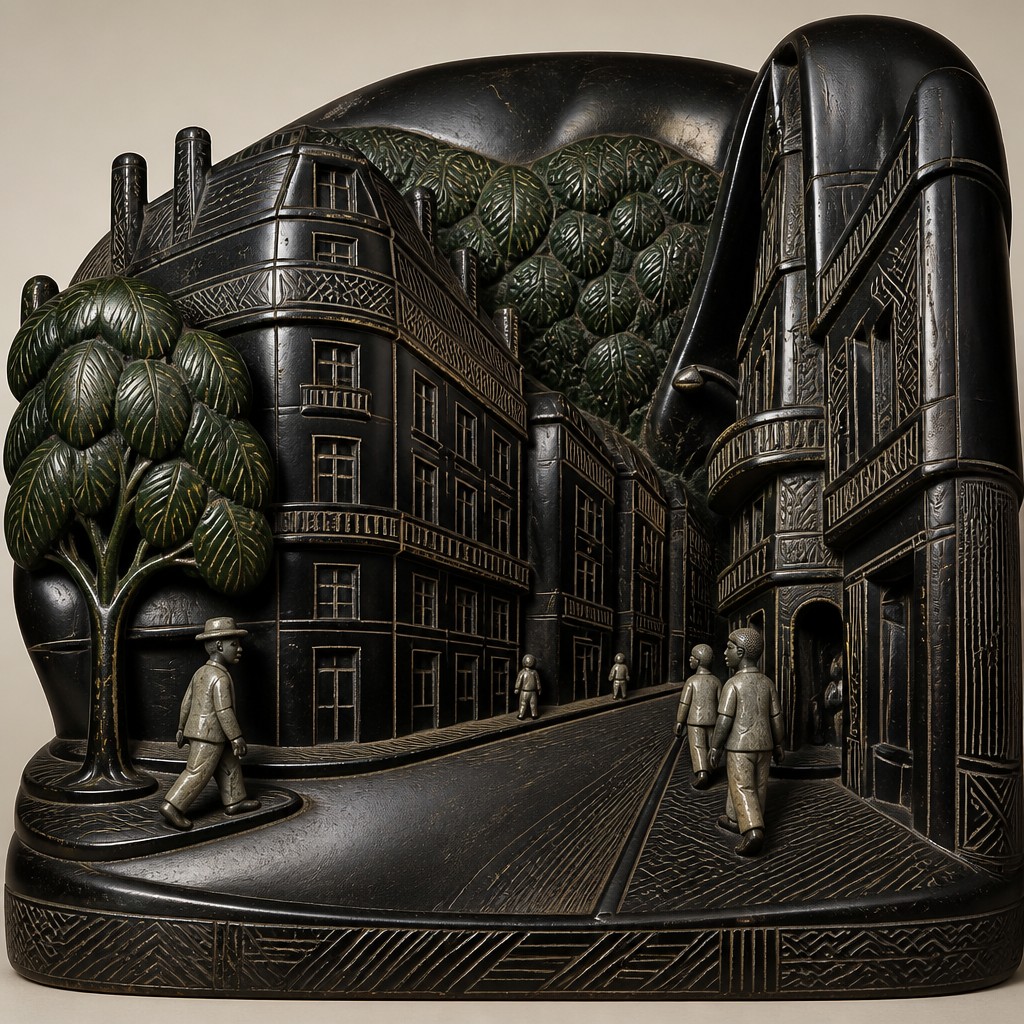
The style looks weighty, tactile, and quietly ceremonial. Simplified bodies, closed or restrained expressions, polished surfaces, incised patterns, and softened edges emphasize material presence over naturalistic detail. In image-making, it can describe a carved object, a sculptural portrait, or a broader scene translated into the visual language of wood, stone, relief, and rainforest atmosphere.
Try It On Your Photos
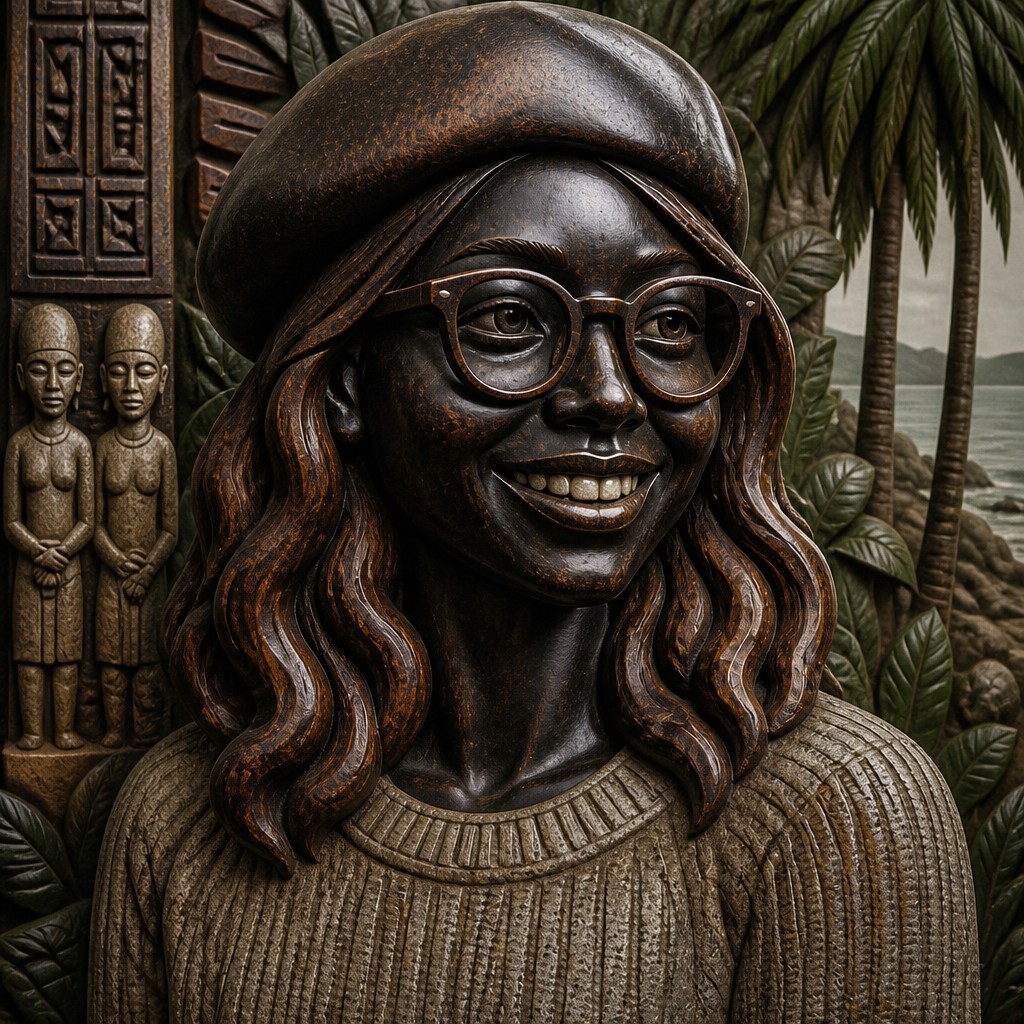
Upload any photo and convert it into Sierra Leonean Art Style — drag the sliders to compare before and after.


What Defines Sierra Leonean Art Style
The signature details, up close
Rounded helmet-form volumes
Sculptures often use broad domes, oval heads, continuous curves, and compressed silhouettes. The resulting forms feel architectural and protective rather than anatomically literal.
Nomoli-inspired stone figures
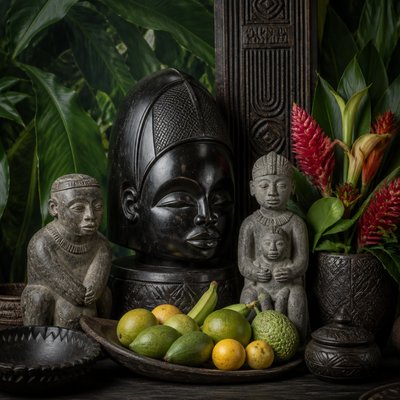
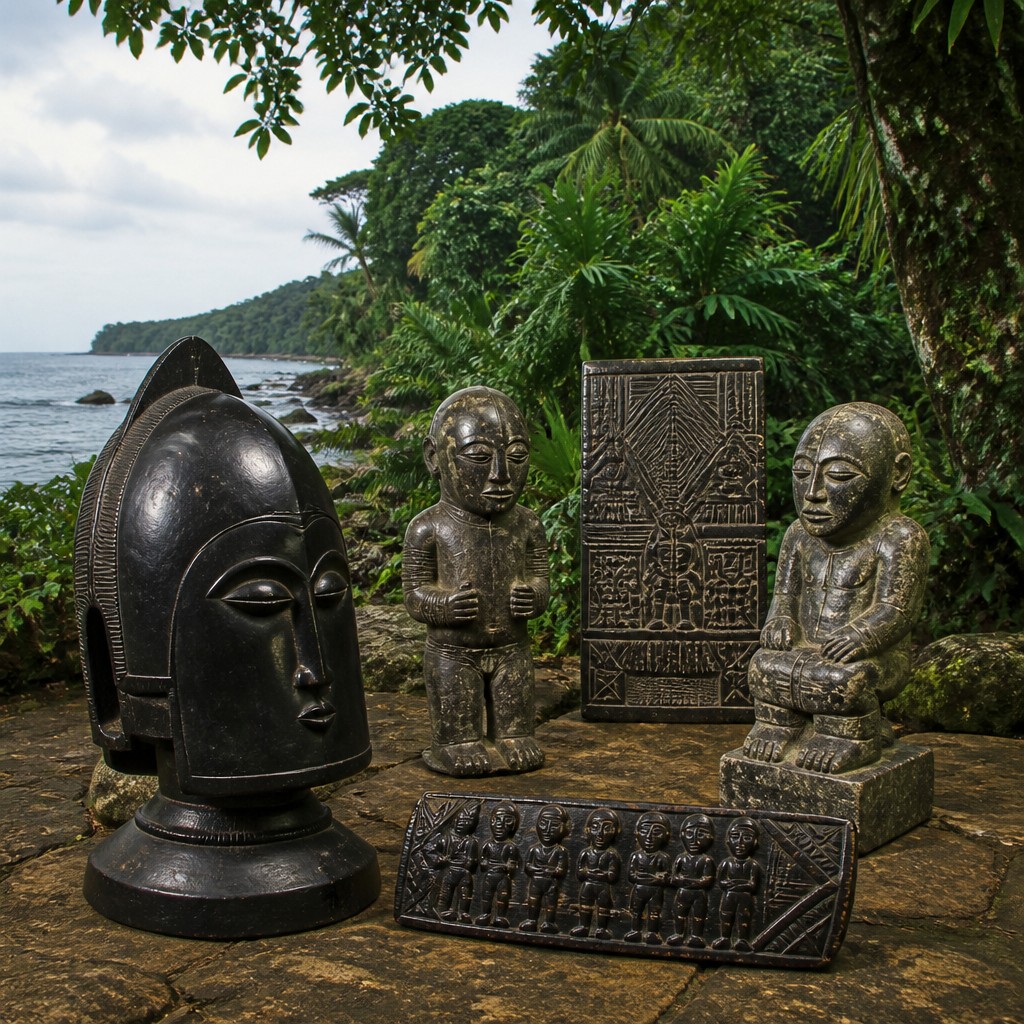
Compact soapstone bodies, archaic facial features, seated or crouching poses, and softly weathered surfaces evoke Sierra Leonean nomoli sculpture without requiring an exact archaeological reproduction.
Dark polished wood
Black, espresso, and reddish-brown surfaces suggest dense hardwood treated through carving, burnishing, oiling, or age. Gloss is usually selective, revealing raised forms while retaining tool marks and wear.
Linear relief carving
Fine incisions, bands, chevrons, spirals, and other controlled marks add rhythm to otherwise smooth surfaces. These details should function as carved structure rather than arbitrary decorative noise.
Compressed archaic anatomy
Heads, torsos, and limbs are simplified into sturdy, compact masses with limited facial modeling. The effect is contemplative and emblematic instead of portrait-naturalistic.
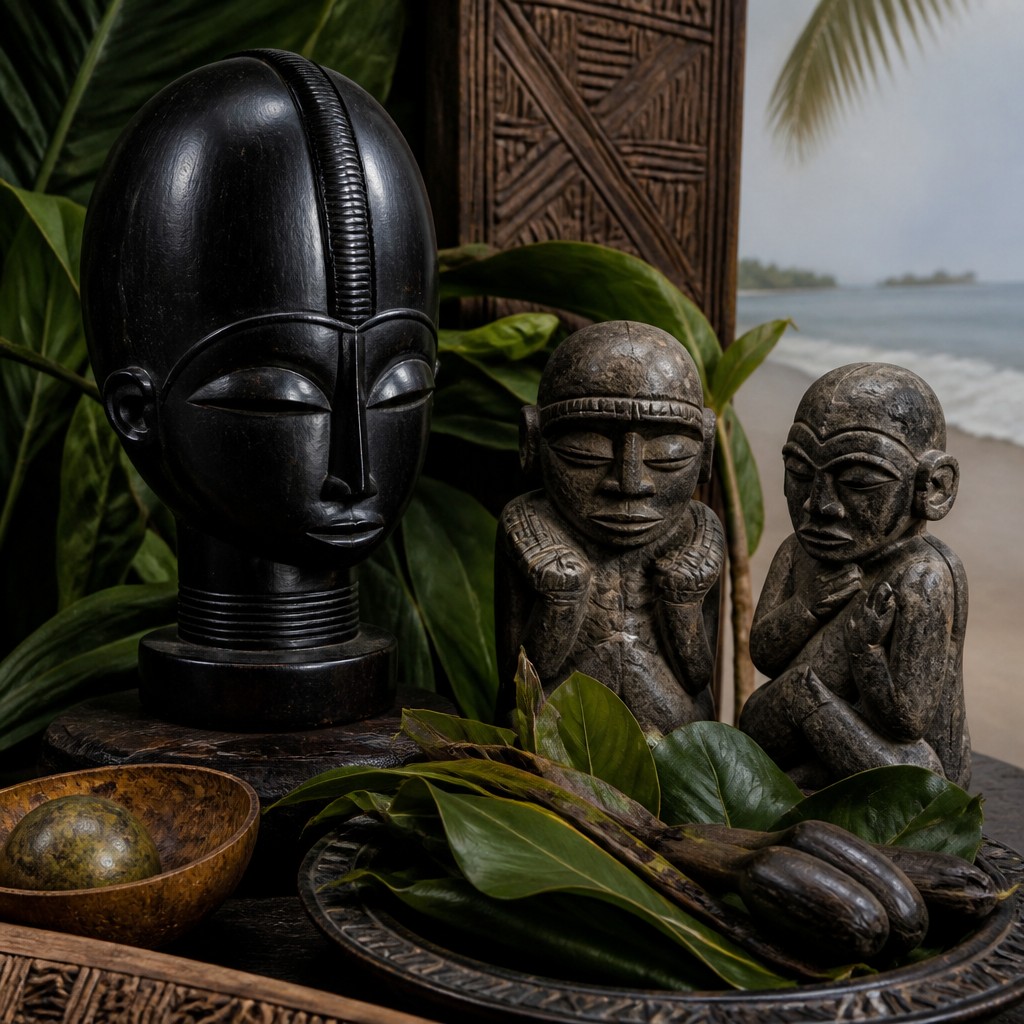
Rainforest and coastal palette
Dense greens, humid blue-green shadows, clay browns, charcoal, and polished black create a subdued environmental atmosphere. Warm stone highlights or muted ochres can clarify the carving.
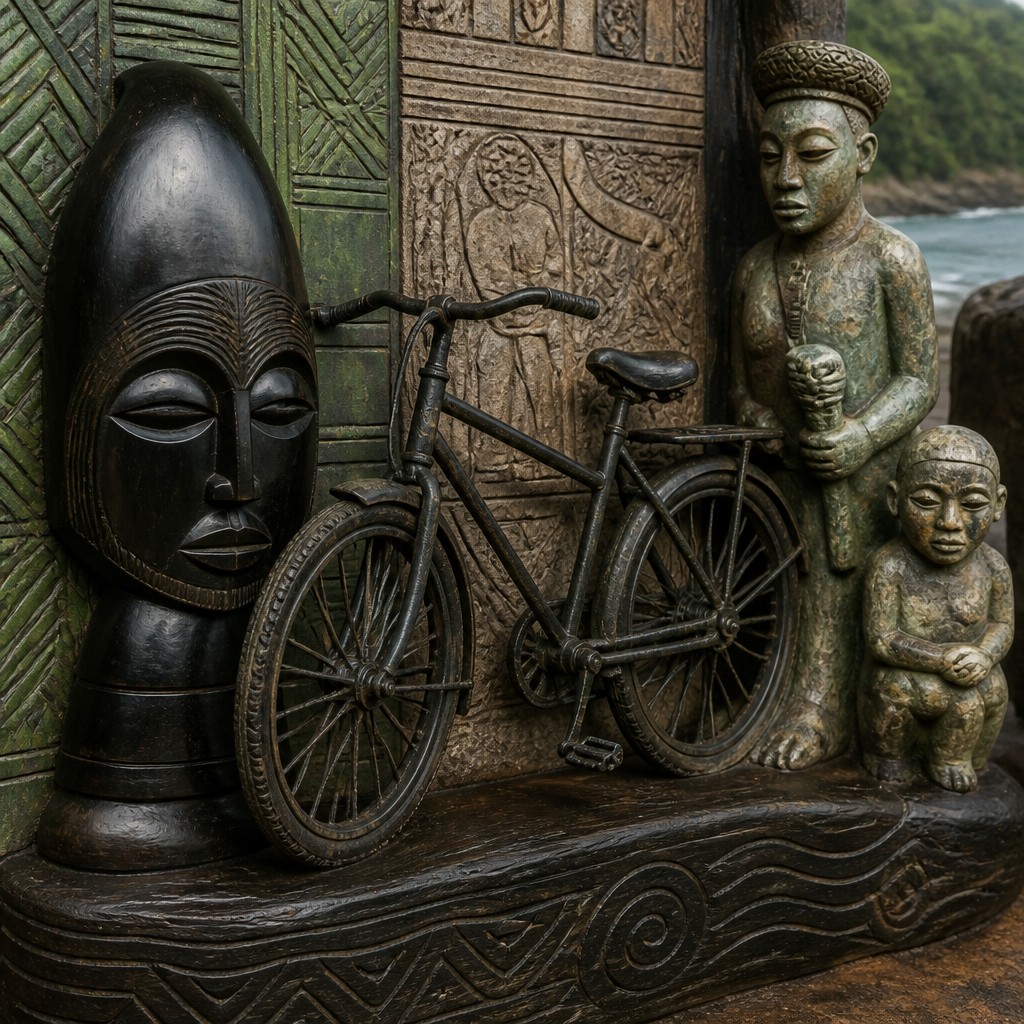
Grounded ceremonial presence
Low viewpoints, heavy bases, frontal poses, and quiet spacing make the subject feel rooted and intentional. The mood is solemn and calm rather than theatrical or aggressively exoticized.
Sierra Leonean Prompt Ideas
Start from an idea — each one opens the generator with the style ready to go. See all 40 Sierra Leonean prompts →
How to Create Sierra Leonean Art
Master the craft step by step — or skip straight to creating. Read the full guide →
- 1
Begin with a block
Whether working in clay, wood, stone, or 3D software, start from a solid rounded mass and remove detail gradually. Prioritize silhouette, balance, and the relationship between head, torso, and base before adding ornament.
- 2
Build tactile surfaces
Use broad smoothing passes for the main volumes, then add shallow incisions, chipped edges, pores, and selective polishing. In digital work, combine sculpted forms with roughness, normal, and displacement maps rather than relying on color alone.
- 3
Control the palette and light
Use near-black wood, gray-green soapstone, rainforest greens, and restrained earth colors. A large soft light with narrow highlights can show gloss while preserving the quiet, weighty character of the sculpture.
- 4
Compose as an object
Place the figure on a simple plinth, earthen ground, or dark studio surface and use a frontal or slightly low camera angle. Leave enough negative space for the silhouette and carving to remain legible.
- 5
Prompt for material and structure
For text-based image creation, specify the subject first, then the carved material, rounded anatomy, incised relief, lighting, palette, and camera view. For photo transformation, preserve the original pose while replacing surface detail with carved wood or weathered soapstone.
- 6
Use cultural references carefully
Treat ceremonial masks and named traditions as specific cultural objects, not interchangeable decoration. For general experimentation, request an original sculpture inspired by West African carving principles while avoiding claims that a fictional object is an authentic ritual artifact.
The Story
History & Origins of Sierra Leonean
This label is best understood as an aesthetic synthesis, not the name of a unified historical school. It draws particularly on Sierra Leonean sculptural heritage, including nomoli figures carved from soapstone and wooden helmet masks associated with initiation and ceremonial traditions among communities such as the Mende and related coastal peoples. Nomoli figures have complex and debated histories; many were found in agricultural contexts and were incorporated into later local understandings and uses.
The style also references the refined surface treatment, simplified volumes, and geometric or linear carving found across regional wood- and stone-carving traditions. Contemporary artists and image-makers may combine these sources with modern sculpture, museum-inspired presentation, digital rendering, or fantasy worldbuilding, but should distinguish such synthesis from the specific cultural functions of historical objects.
Influences: The aesthetic is related to Sierra Leonean nomoli sculpture, Mende and neighboring coastal helmet-mask traditions, Temne and broader West African wood-carving practices, and the material language of African modernist sculpture. It also intersects with primitivist and archaicizing approaches to simplified form, contemporary 3D sculpting, museum-object photography, and atmospheric environmental art, while remaining distinct from any one of those categories.
Frequently Asked Questions
Is Sierra Leonean art style a single historical art movement?
No. The term is a contemporary umbrella for a visual synthesis inspired by several Sierra Leonean sculptural and carving traditions. It should not be presented as the name of a unified school with one period, doctrine, or regional technique.
What objects define the style?
The strongest references are weathered nomoli-like soapstone figures, dark carved wooden helmet forms, compact bodies, and surfaces marked with fine incised relief. The style can also be applied to original figures, portraits, installations, and environments built around these sculptural qualities.
How is it different from generic African sculpture?
It is more geographically focused and materially specific, emphasizing Sierra Leonean soapstone associations, coastal forest colors, helmet-shaped wooden volumes, and quiet carved presence. The label should not be used as a substitute for the many distinct artistic traditions found across the African continent.
Can I create this look without carving wood or stone?
Yes. Clay, plaster, resin, digital sculpting, procedural textures, photography, and image-to-image methods can all reproduce the visual language. The essential elements are convincing volume, tactile surface variation, restrained ornament, and a grounded presentation.
Are helmet masks suitable as ordinary decorative motifs?
Historical helmet masks can have specific ceremonial and initiation-related meanings, so they should be researched and represented with care. For fictional work, it is safer to request an original rounded carved sculpture inspired by regional material traditions rather than labeling it an authentic ritual mask.
Where is this style commonly used?
It works well for sculptural studies, cultural-heritage interpretation, gallery scenes, editorial illustration, game and film props, album artwork, and atmospheric portraiture. It is especially effective when the image needs a sense of age, weight, material memory, and calm ceremonial space.
Create your first Sierra Leonean artwork
Describe anything — or upload a photo — and see it in Sierra Leonean Art Style in seconds.
Related Styles
Discover similar art styles