Charcoal Portrait Art Style
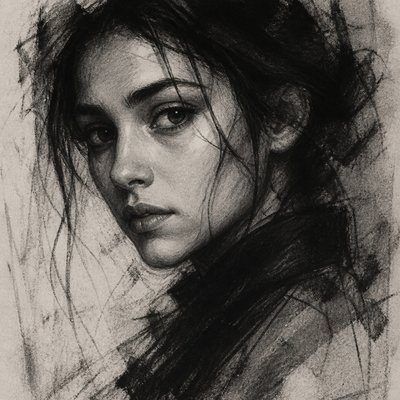
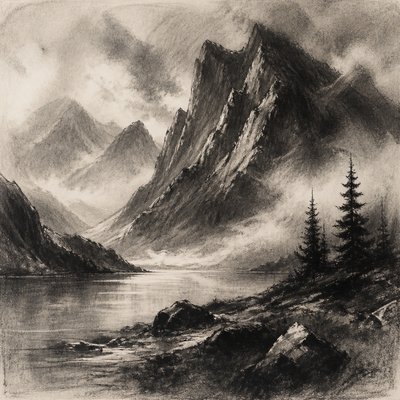
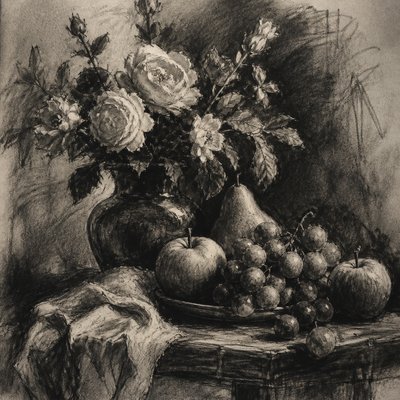
Dramatic monochrome portrait style using charcoal blacks, soft greys, and expressive mark-making to model emotion, form, and light.
Instantly rendered in Charcoal Portrait — or transform a photo
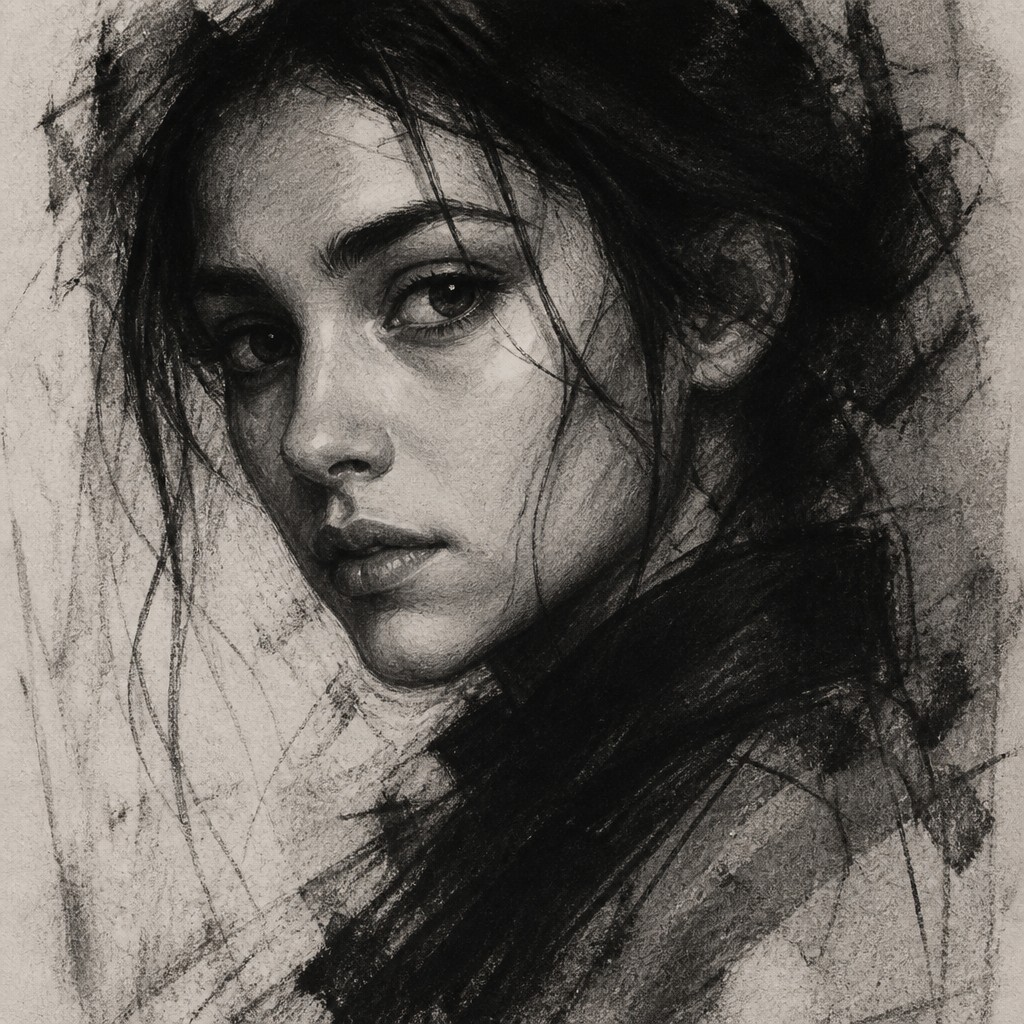
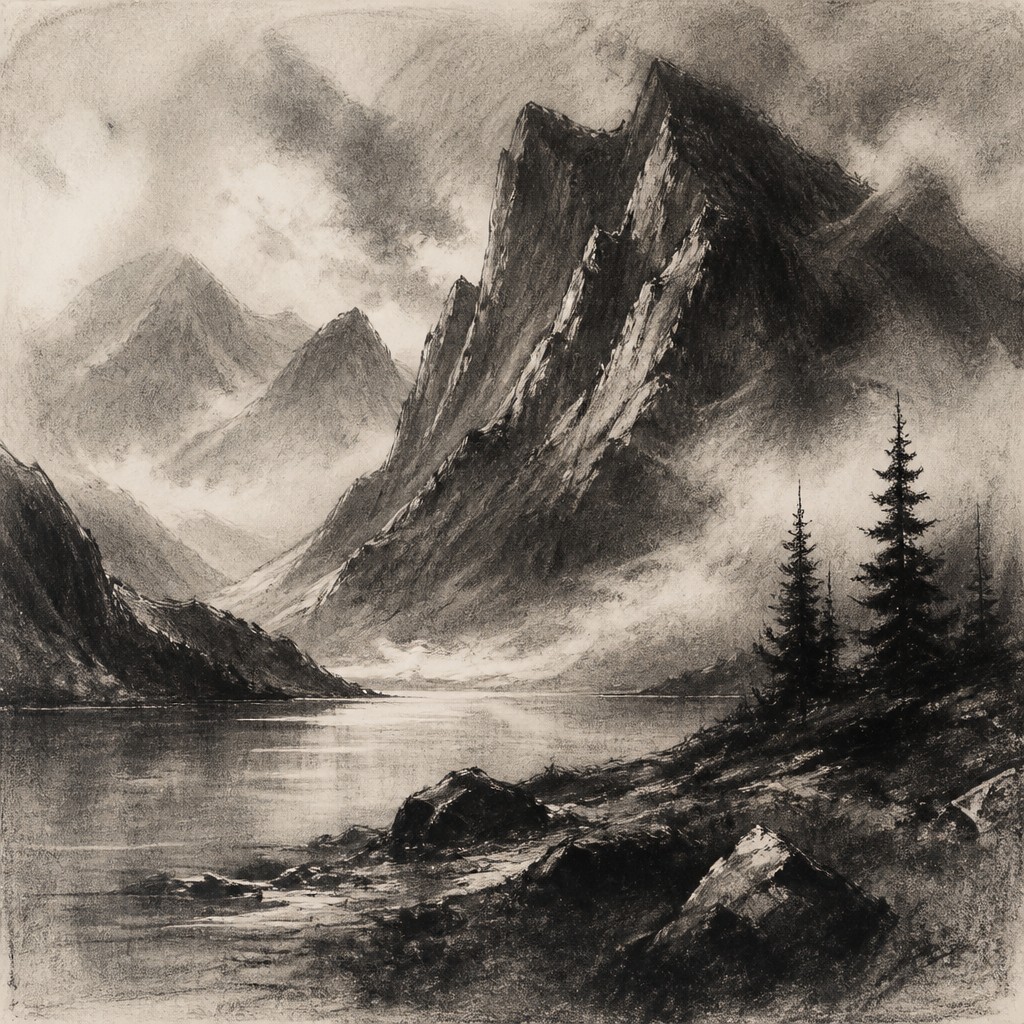
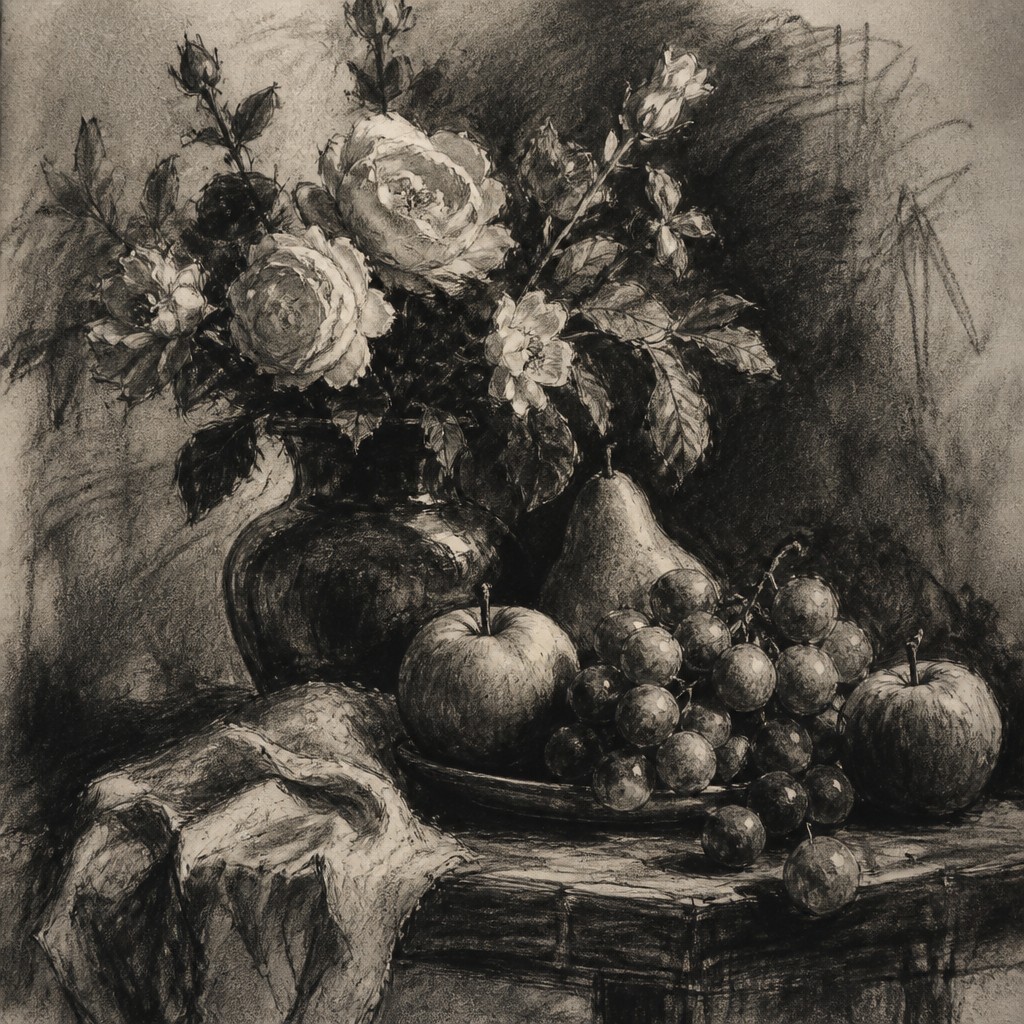
Charcoal Portrait Gallery
Tap any artwork to explore it
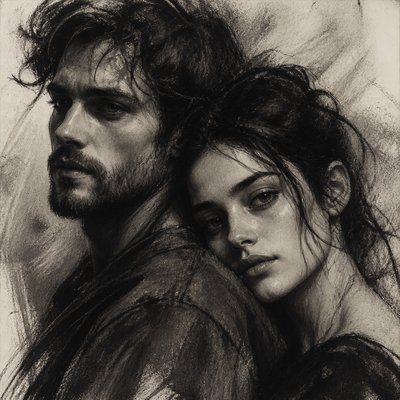
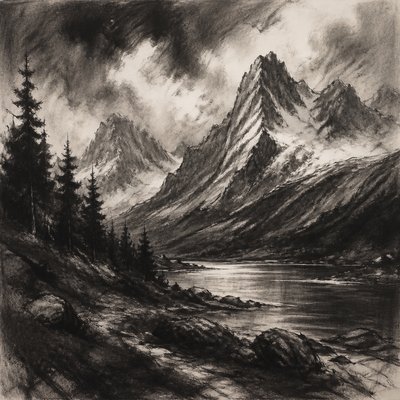
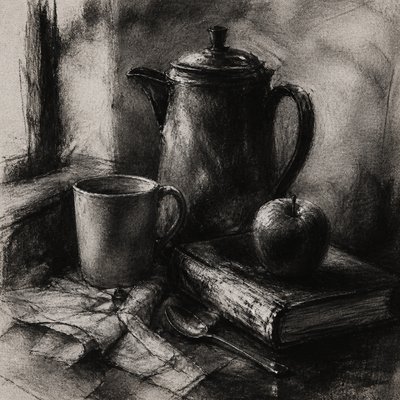
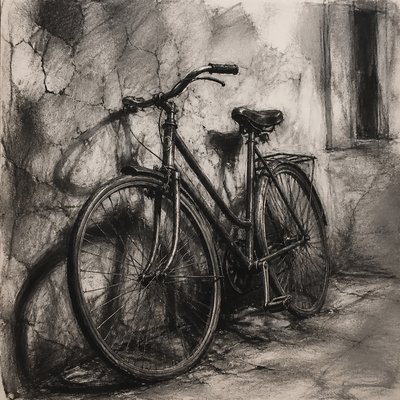
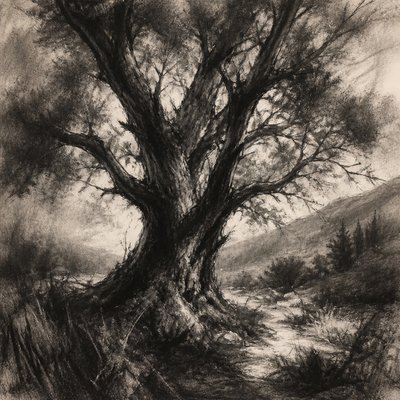
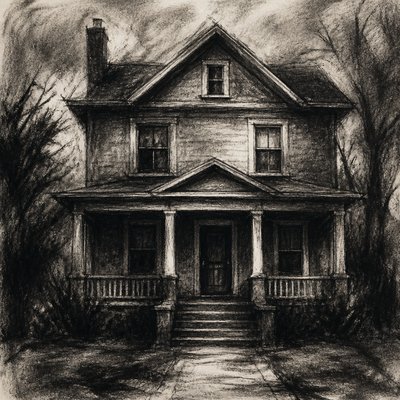
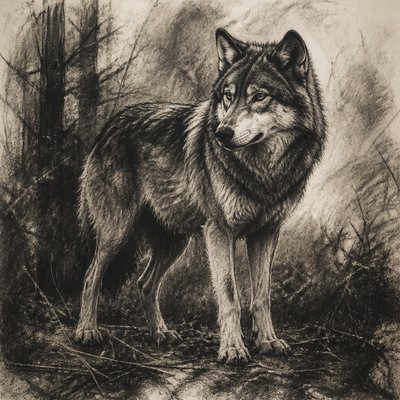
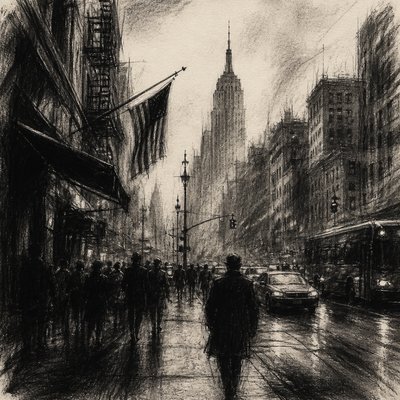
What is Charcoal Portrait Art Style?
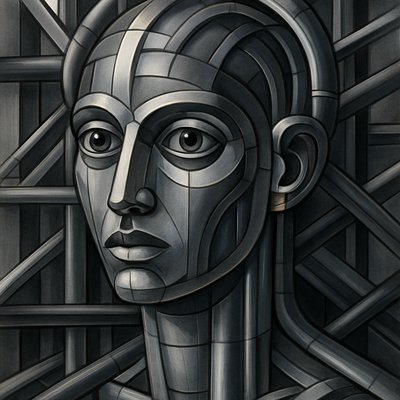
Charcoal portrait art is a monochrome portrait style built around the visual qualities of charcoal: dense blacks, velvety midtones, soft blending, and crisp, broken marks. It emphasizes the structure of the face through value rather than color, using strong contrast to describe bone structure, planes of light, texture, and expression.
Its appeal comes from the medium’s immediacy. Charcoal can produce both broad atmospheric shadows and precise, incisive lines, so portraits often feel raw, intimate, and tactile. The visible paper grain, smudged passages, and lifted highlights give the image a handmade presence that can range from classical and solemn to rough, modern, and emotionally direct.
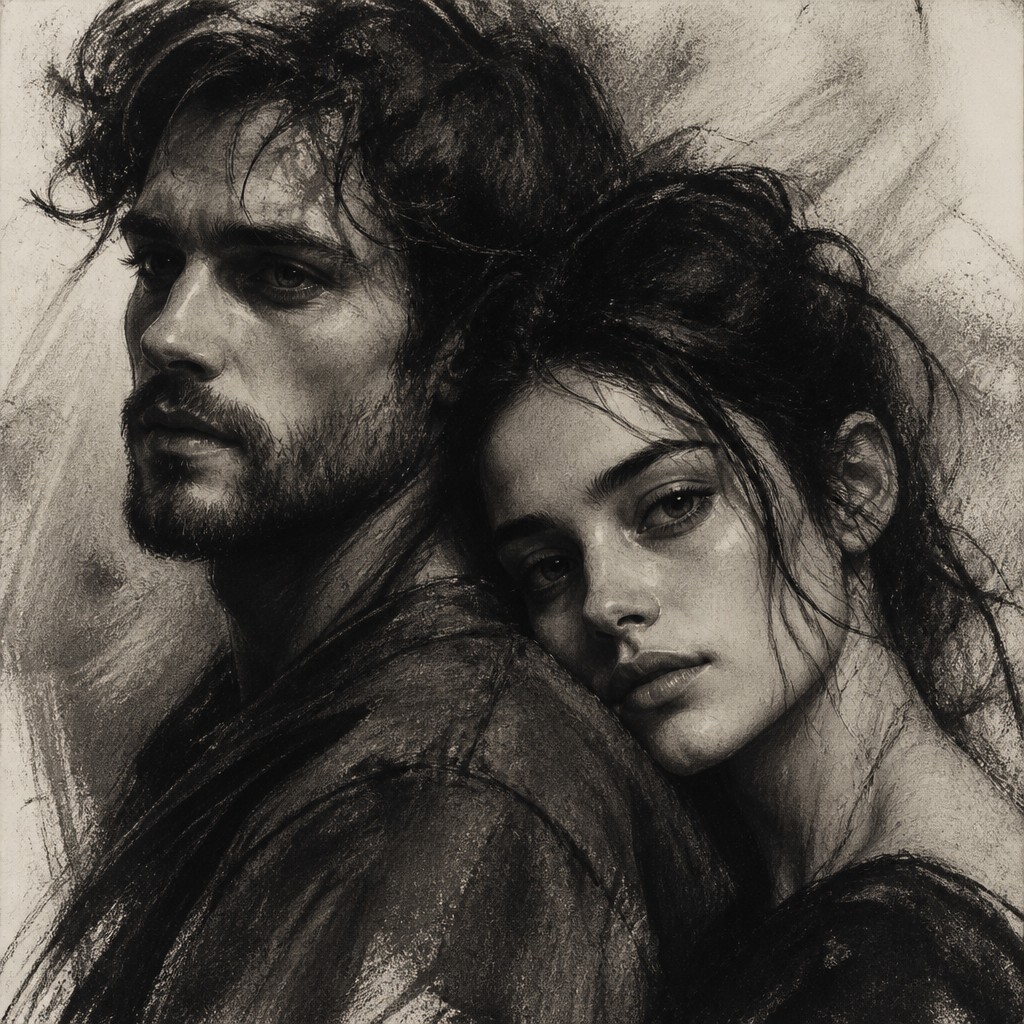
Try It On Your Photos
Upload any photo and convert it into Charcoal Portrait Art Style — drag the sliders to compare before and after.
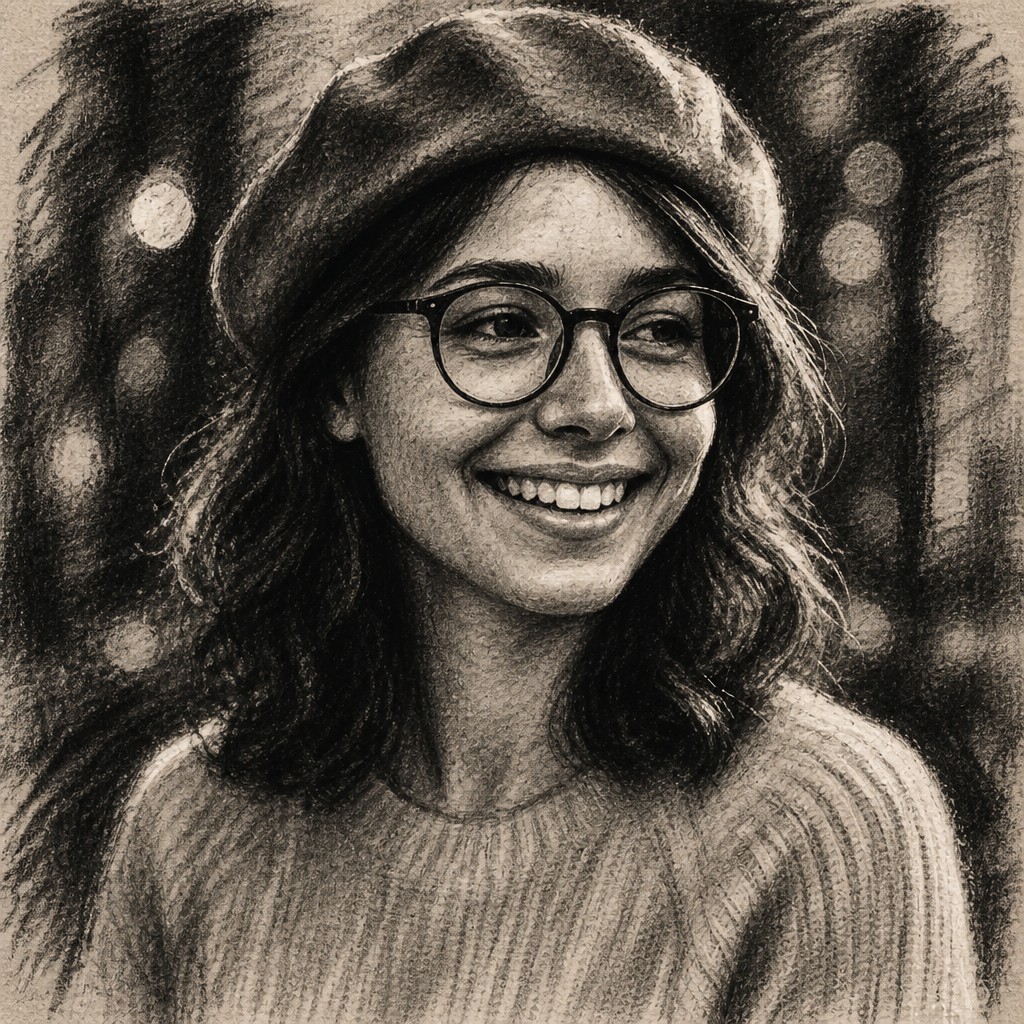

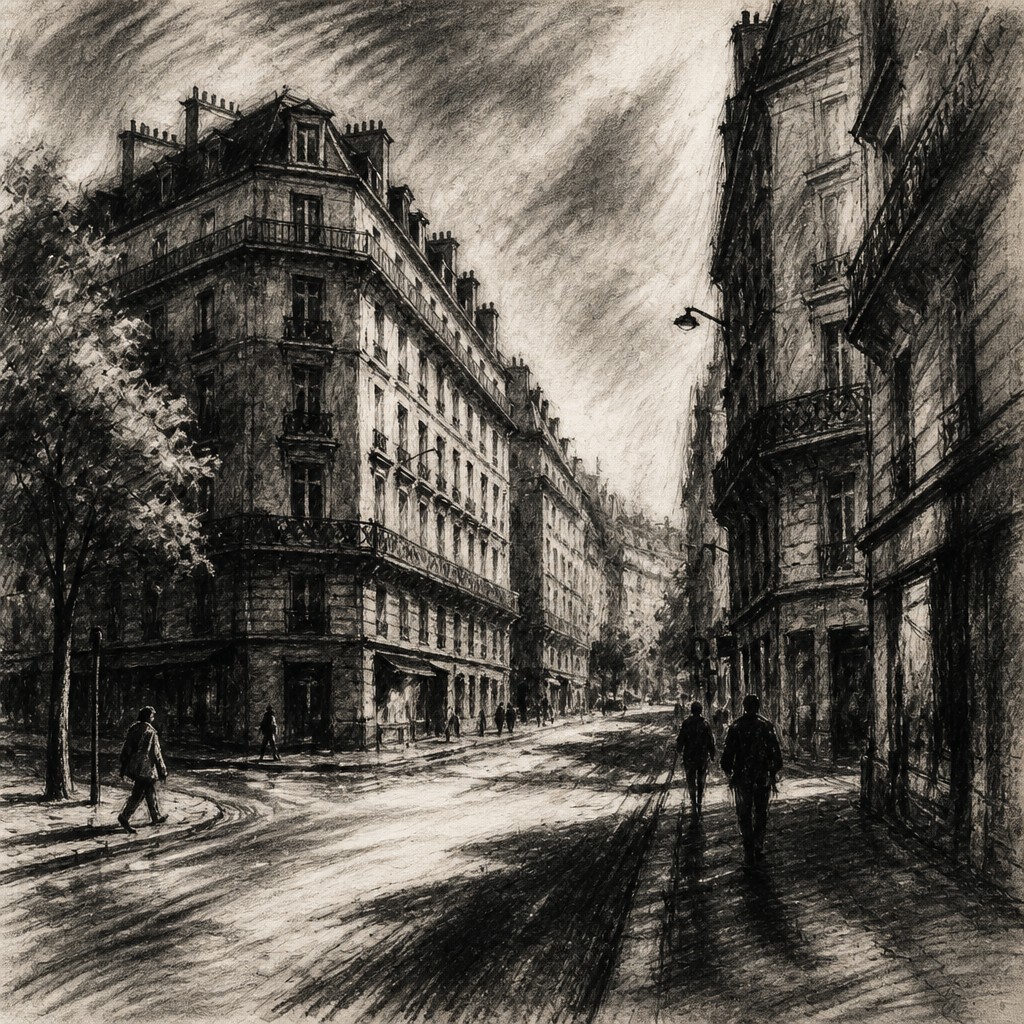

What Defines Charcoal Portrait Art Style
The signature details, up close
Monochrome tonal range
The style relies on blacks, grays, and the color of the paper rather than chromatic color. Depth is created through carefully layered value shifts, from deep shadow masses to faint midtone veils and bright highlights.
Expressive mark-making
Charcoal can be gestural and immediate, so the surface often shows visible strokes, rubbed passages, and abrupt changes in line weight. These marks give the portrait energy and make the drawing feel constructed in front of the viewer.
Chiaroscuro lighting
Strong light-and-shadow contrast is central to the style. Faces are often lit dramatically from one side or from above, allowing the structure of the features to emerge through sculpted shadows.
Paper texture and softness
The tooth of the paper catches pigment and contributes to the medium’s grainy, porous look. Smudging and blending create soft transitions, while lifted highlights preserve a luminous paper edge.
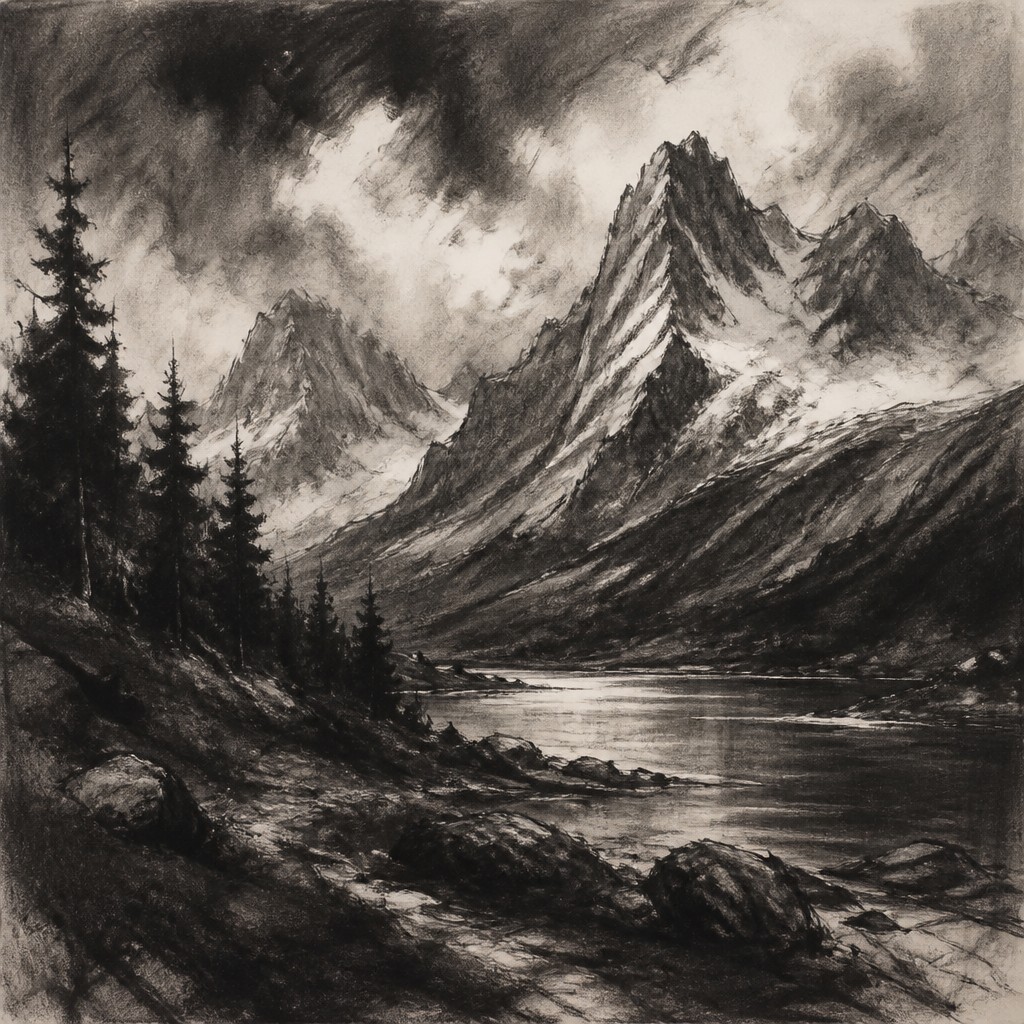
Emphasis on form and expression
Rather than describing every surface detail, charcoal portraits focus on the planes of the face, the contour of the head, and the emotional effect of the pose. The result often feels psychologically direct and physically grounded.
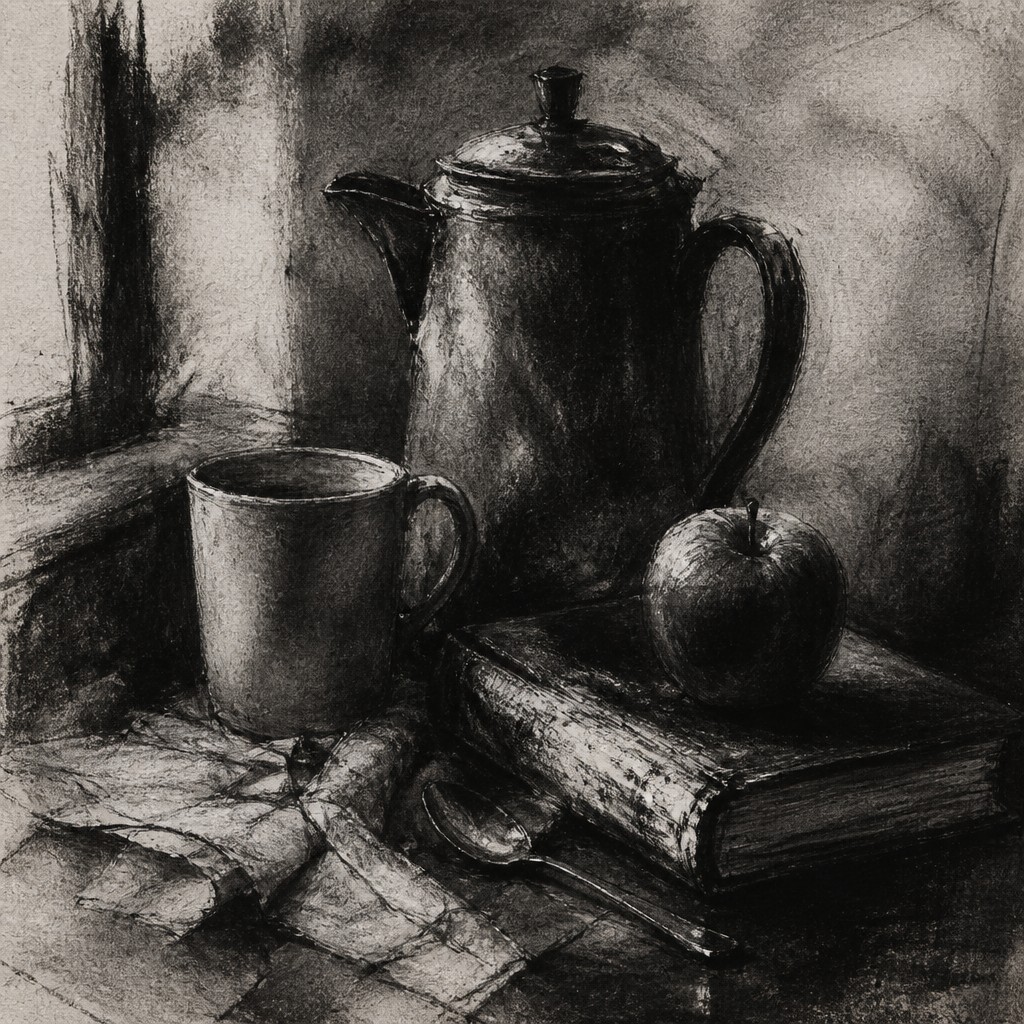
Raw handmade atmosphere
Eraser marks, dust, uneven edges, and partially resolved areas are often visible. These imperfections are part of the aesthetic, reinforcing the drawing’s material authenticity and sense of process.
Try It
Create Videos in Charcoal Portrait Art Style
Styles aren't just for stills — describe a scene or animate an image and get a short video rendered in Charcoal Portrait. Press play to see this pond come to life.
Make a VideoCharcoal Portrait Prompt Ideas
Start from an idea — each one opens the generator with the style ready to go. See all 40 Charcoal Portrait prompts →
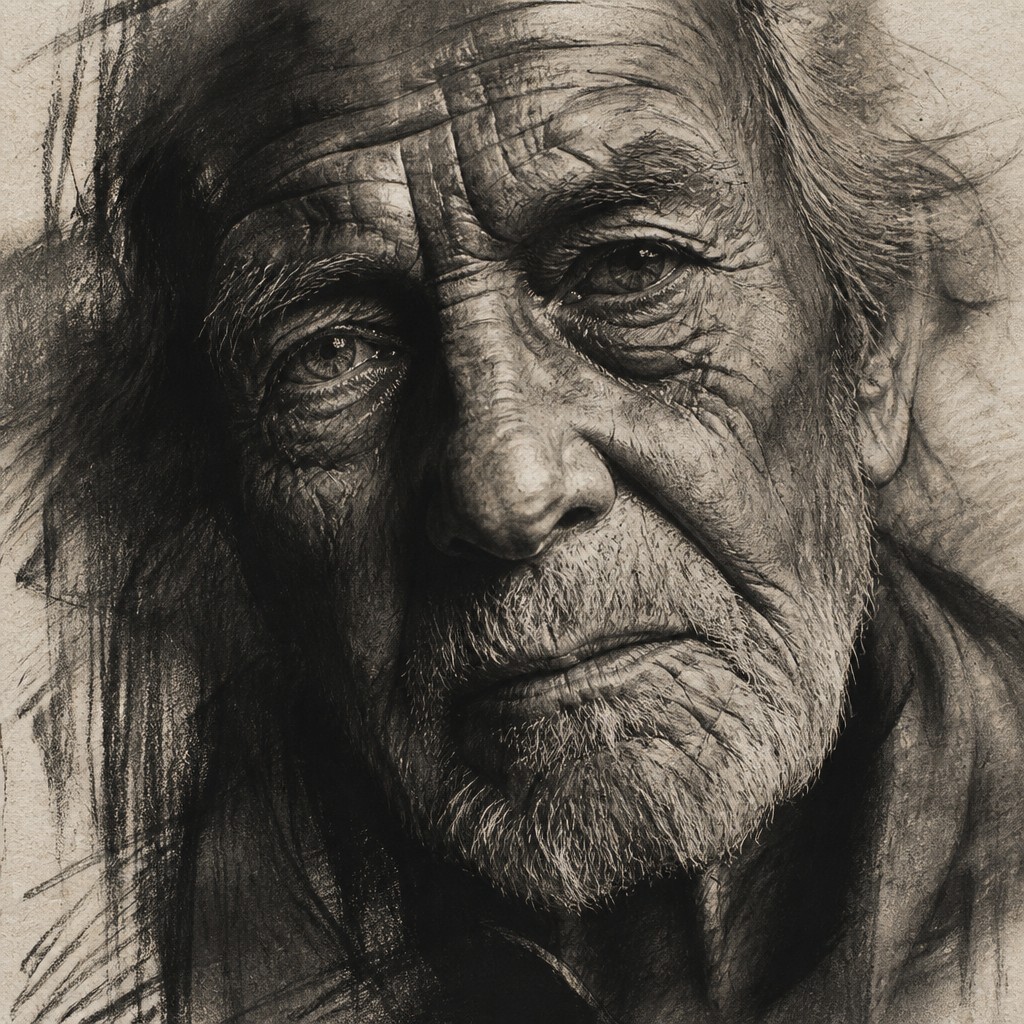
“close-up portrait of an elderly person with expressive weathered features”
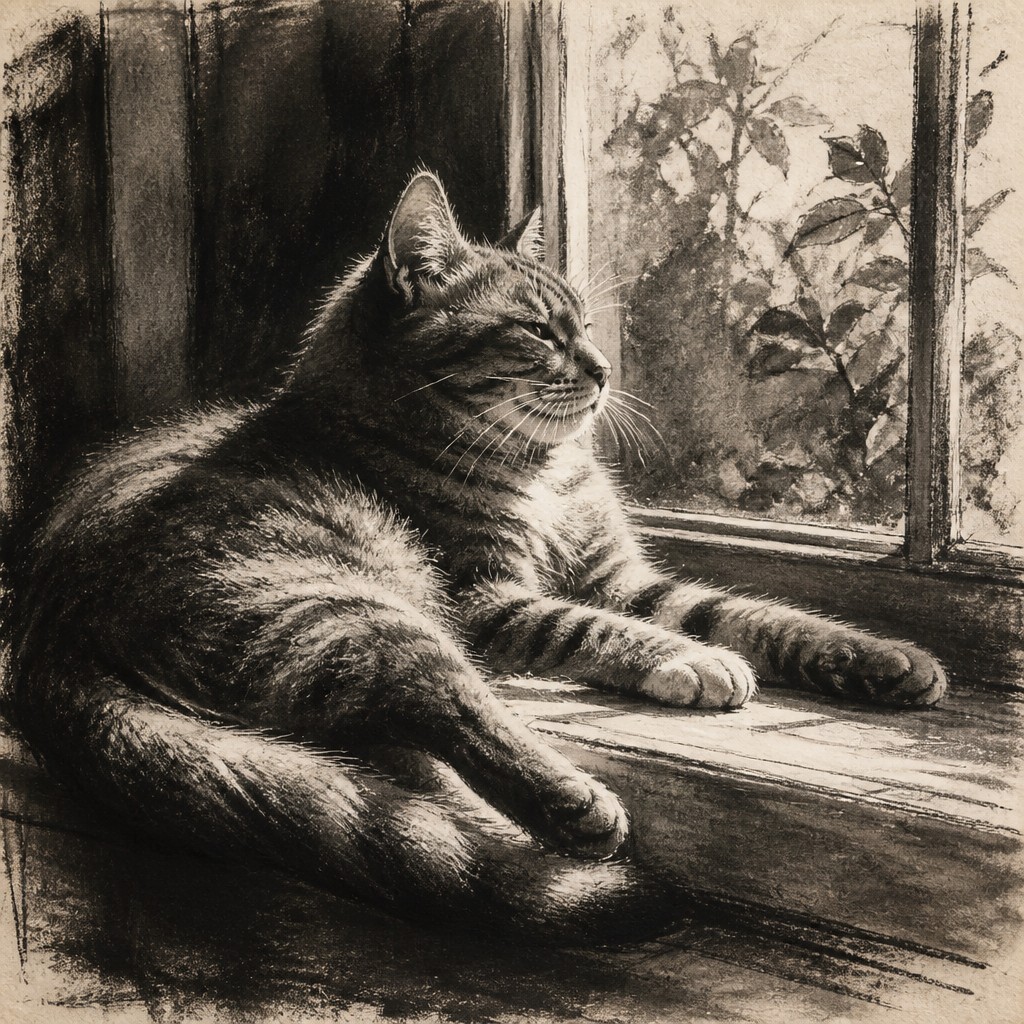
“a cat lounging in a sunlit window”
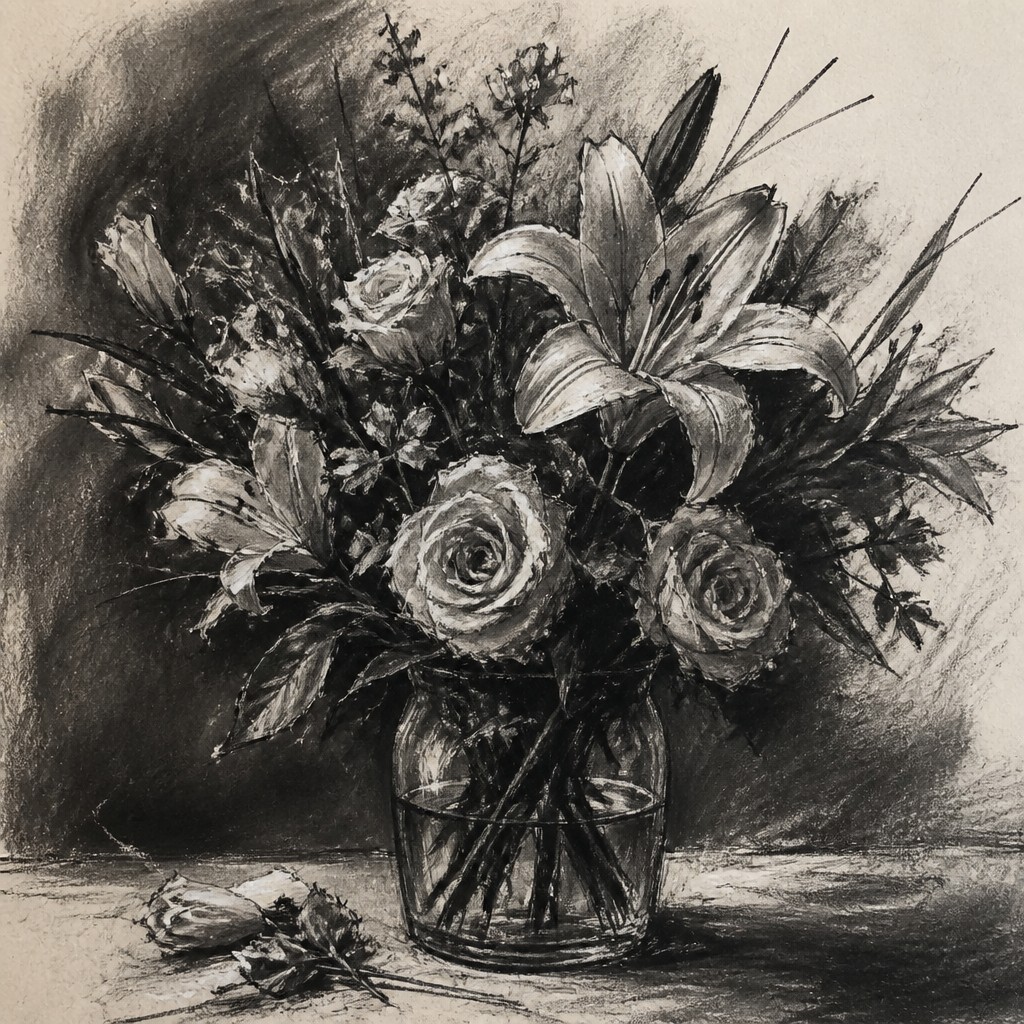
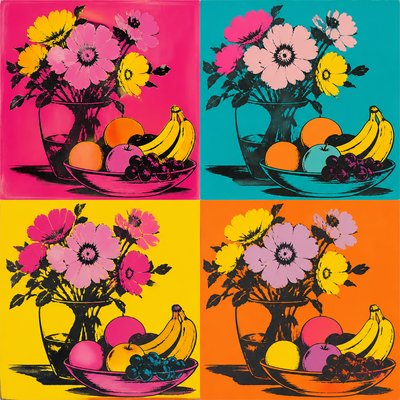
“bouquet of flowers in a glass vase”
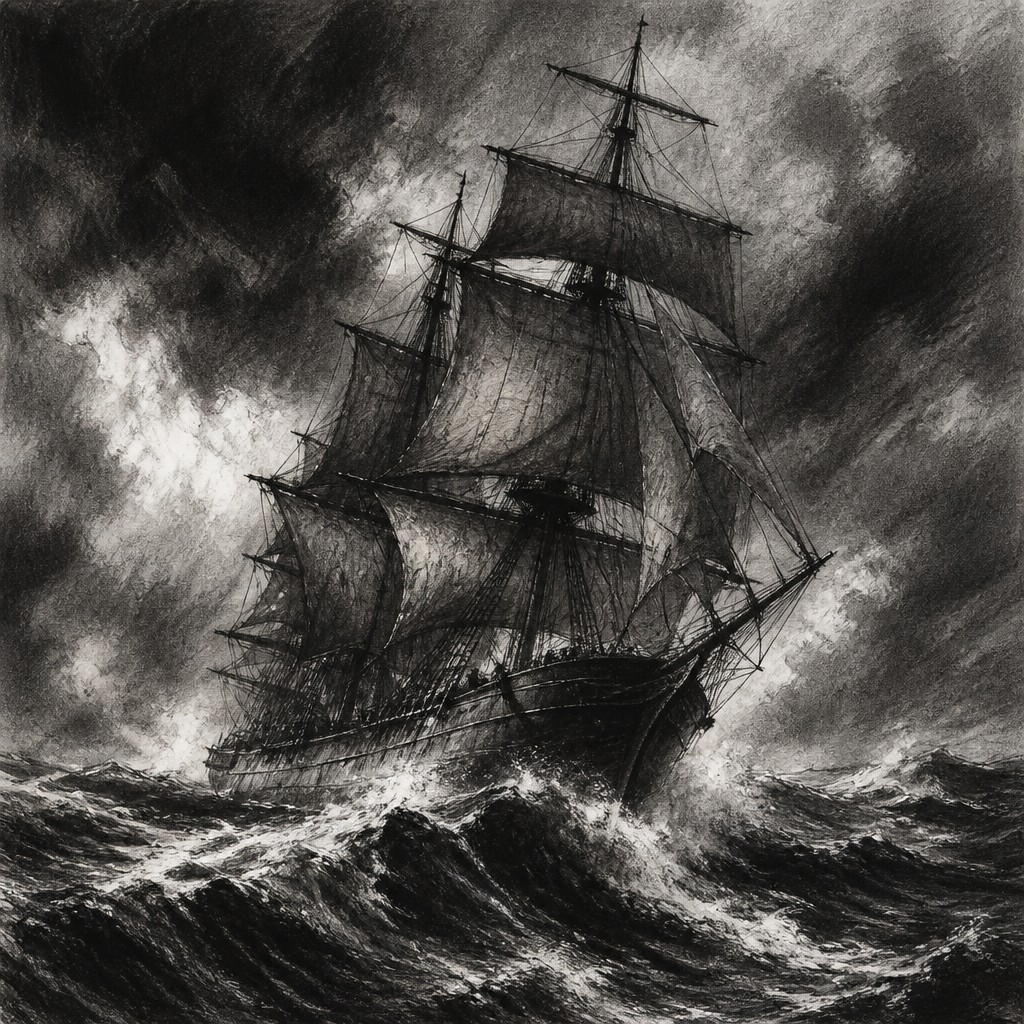
“sailing ship on a stormy sea”
How to Create Charcoal Portrait Art
Master the craft step by step — or skip straight to creating. Read the full guide →
- 1
Start with a value plan
Block in the darkest masses first, then reserve the lightest highlights so the face reads clearly in black, gray, and paper tone. In traditional drawing, think in large shadow shapes before adding features; in digital work, build the portrait with separate value layers.
- 2
Use a mix of line and blending
Combine sharp charcoal lines for features and edges with smudged areas for cheeks, temples, and background shadows. This contrast between crisp and soft passages is what gives the style its characteristic depth.
- 3
Preserve and lift highlights
Leave some paper untouched for the brightest accents, or use an eraser to pull out light on the brow, nose bridge, lips, and catchlights. In digital workflows, paint these highlights back in with a clean light brush or mask.
- 4
Let the paper texture show
Use a textured surface or brush so the medium catches unevenly and creates visible grain. Avoid over-smoothing the entire portrait, since a little roughness is essential to the look.
- 5
Balance realism with simplification
Focus on the major planes and emotional read of the face instead of rendering every eyelash or pore. A strong charcoal portrait often feels more convincing when some areas are abstracted or left incomplete.
- 6
Write prompts around value and material
For image generation, describe the subject plus lighting, paper texture, smudging, gestural strokes, and high-contrast monochrome. Ask for expressive charcoal marks, lifted highlights, and rough handmade paper to steer the result toward this aesthetic.

The Story
History & Origins of Charcoal Portrait
Charcoal portraiture belongs to a long drawing tradition rather than a single named movement. Charcoal has been used since the early modern period for preparatory studies, life drawing, and finished portrait works because it offers rapid tonal control and a wide value range. Its lineage is closely connected to academic drawing practices, life studies, and the portrait traditions of Europe, where artists used black chalk, conté, and charcoal to analyze light, anatomy, and character.
In the 19th and 20th centuries, charcoal became especially associated with expressive drawing and figure studies, supported by modern art’s interest in immediacy, gesture, and the visible hand. Contemporary charcoal portrait aesthetics draw from those traditions while also reflecting the visual language of atelier drawing, editorial illustration, and concept art: dramatic lighting, simplified palettes, and strong emphasis on mood and presence.
Influences: This portrait style draws most directly from charcoal and black-chalk drawing, academic life study, and the tonal portrait traditions of European draftsmanship. It also shares qualities with the expressive figure drawings of leading Dutch Baroque draftsmanship, major French Impressionist and post-Impressionist figure drawing, influential German Expressionist printmakers and draughtswomen, and pioneering French Neo-Impressionist conté and chalk works, though the style itself is broader than any single artist. In contemporary usage it overlaps with editorial illustration, atelier drawing, and fine-art portrait practice.

Frequently Asked Questions
What defines charcoal portrait art style?
It is defined by monochrome value study, expressive charcoal marks, and strong contrast between light and shadow. The portrait usually emphasizes form, mood, and texture more than color or elaborate background detail. Visible paper grain, smudging, and eraser-lifted highlights are also key visual signs.
How is it different from pencil portrait drawing?
Pencil portraits tend to read as finer, smoother, and more precise in line, while charcoal is broader, darker, and more atmospheric. Charcoal makes deeper blacks and softer gradients, which gives it a more dramatic and tactile appearance. Pencil can be detailed and controlled; charcoal is usually more gestural and tonal.
Is charcoal portrait art realistic or expressive?
It can be either, but the style often combines realism with expressive handling. The subject may be accurately observed while the marks themselves remain loose, smudged, or partially abstracted. That tension between likeness and visible process is part of its appeal.
What subjects work best in this style?
Human faces are the central subject, especially close-up busts, profile studies, and emotionally direct poses. Strong directional lighting works especially well because it creates clear shadow structure. The style is also effective for older faces, which offer rich contours and tonal variation.
How do I make a digital image look like charcoal?
Use a textured monochrome brush set, build shadows in layers, and avoid overly smooth gradients. Add paper grain, dusty edges, and a few crisp charcoal lines so the image feels hand-made. Highlights should look lifted or erased rather than glossy or airbrushed.
Where is charcoal portrait art used?
It is common in fine-art studies, figure drawing, portrait commissions, editorial illustration, and concept development. Because it is fast, expressive, and emotionally direct, it is also widely used for studies of lighting, anatomy, and character.

Create your first Charcoal Portrait artwork
Describe anything — or upload a photo — and see it in Charcoal Portrait Art Style in seconds.
Make Something with Charcoal Portrait
Compare Charcoal Portrait
Related Styles
Discover similar art styles