Charcoal Portrait vs Minimalist Line Portrait: What's the Difference?
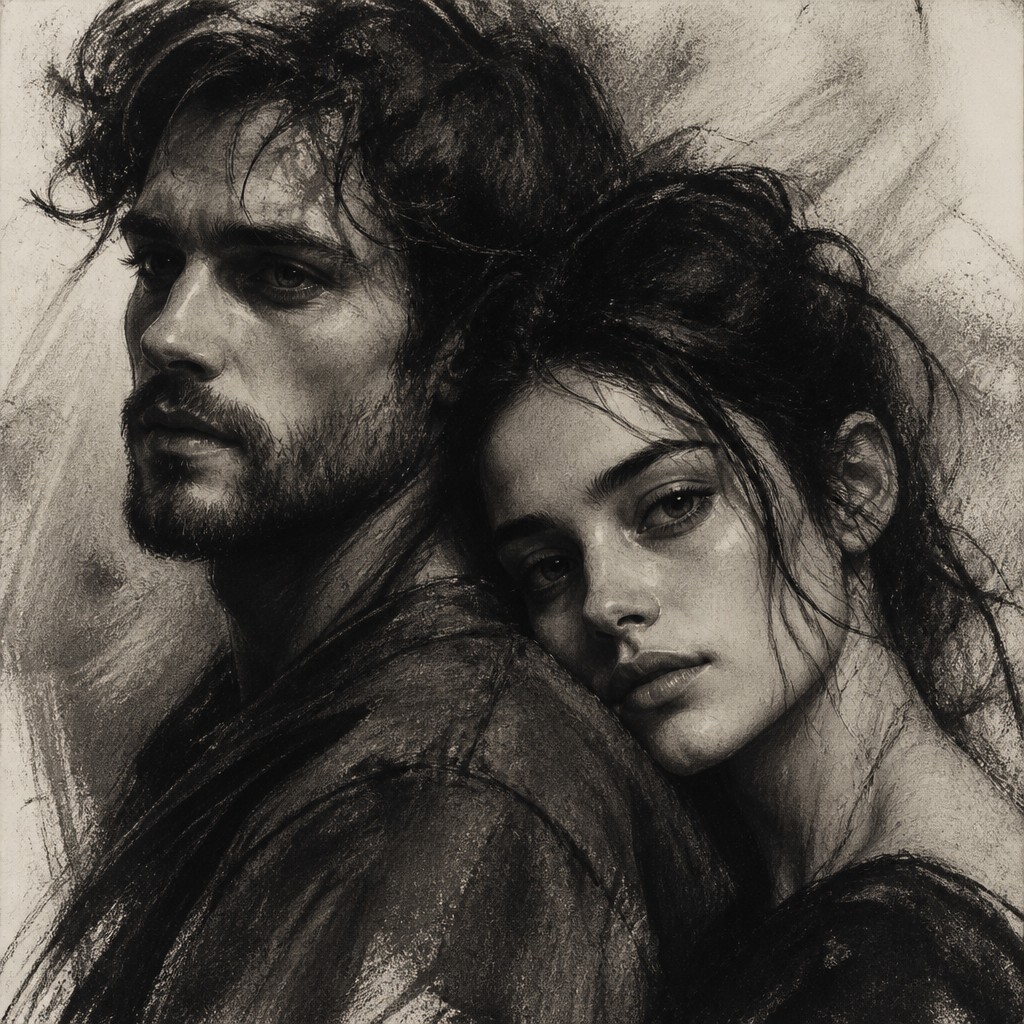
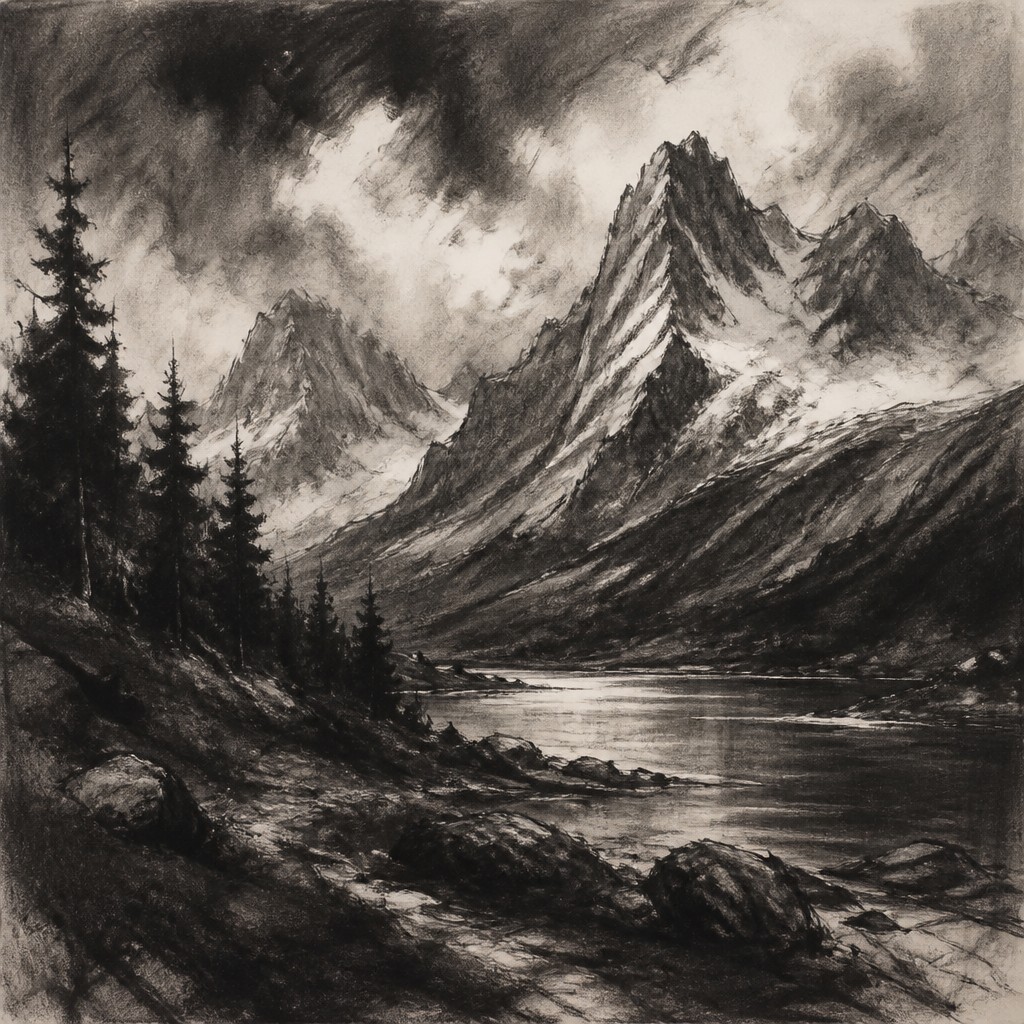
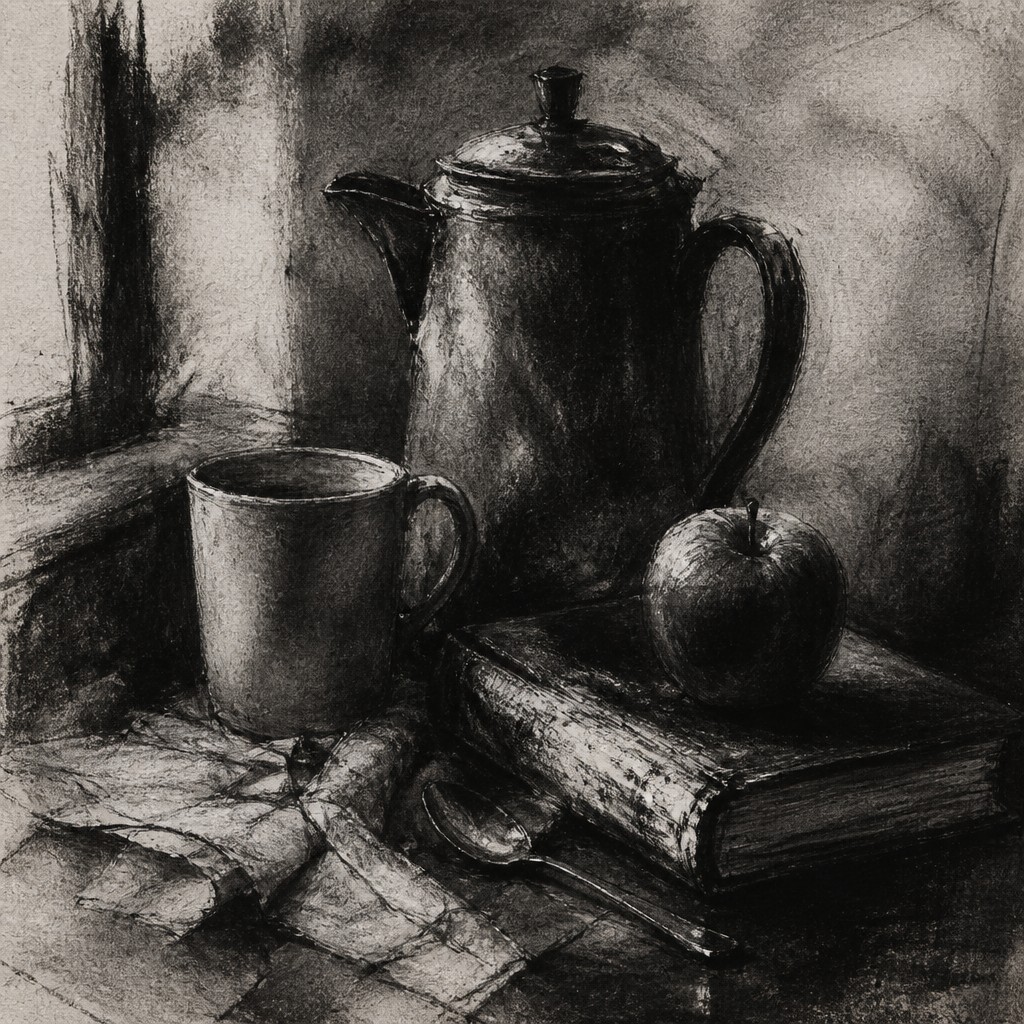
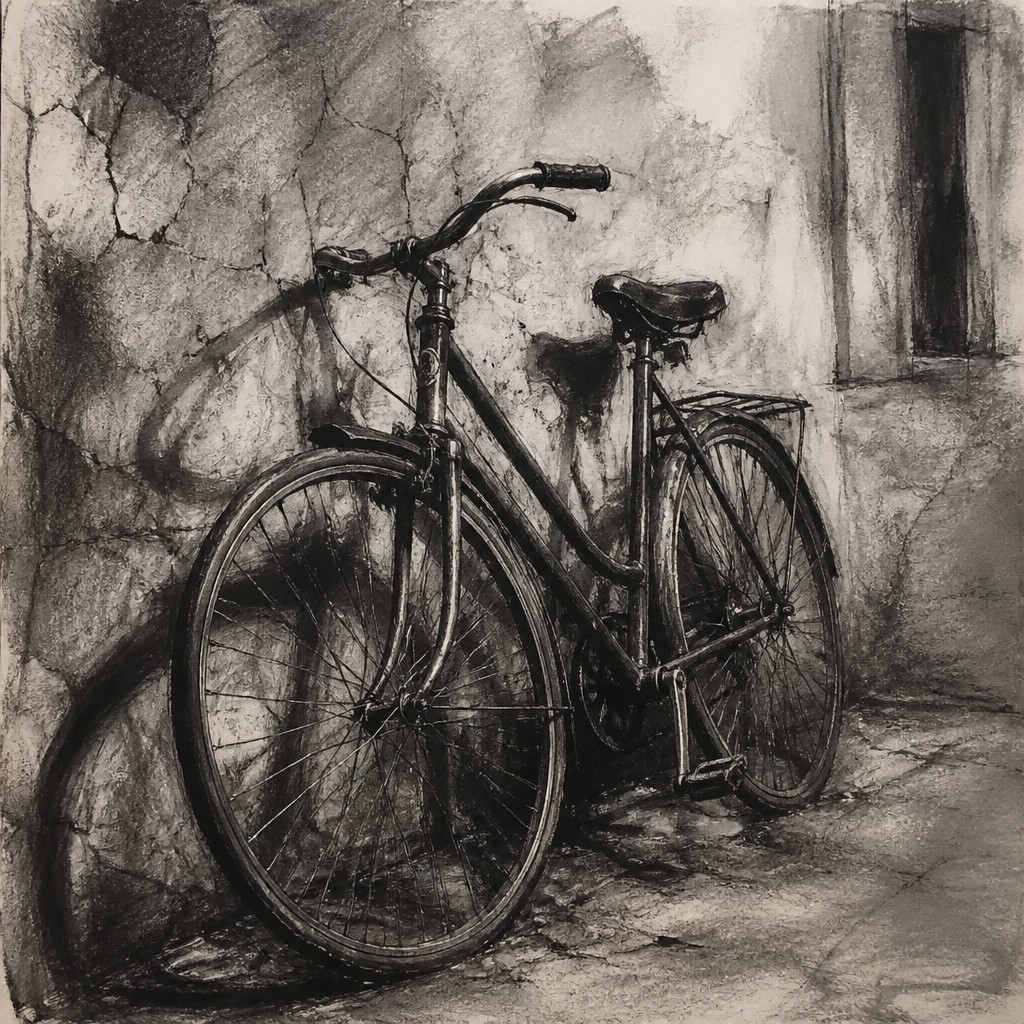
Charcoal Portrait Art Style uses deep blacks, smoky greys, and varied pressure to build faces with tonal mass, soft edges, and visible texture. It often feels dramatic and emotionally charged because the medium can move from broad shadow to fine detail while still preserving a handmade, atmospheric look.
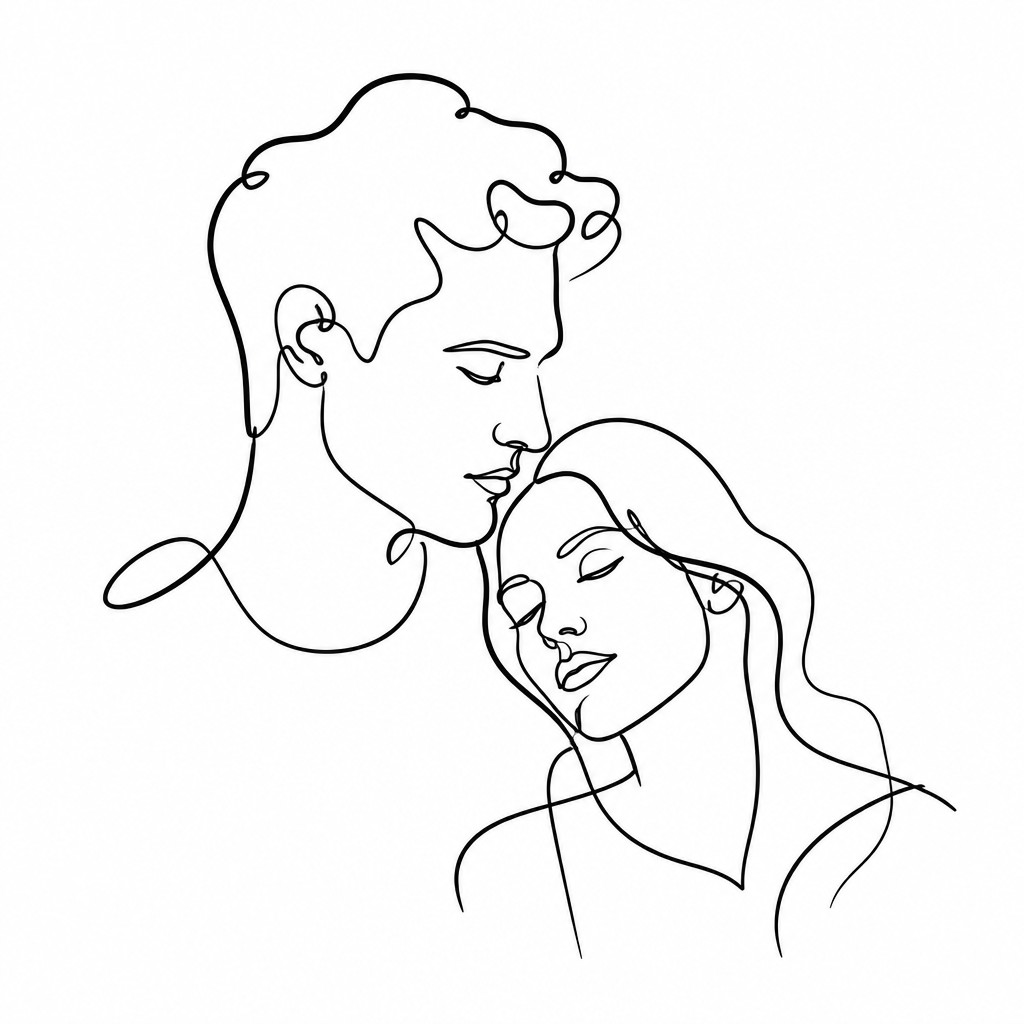
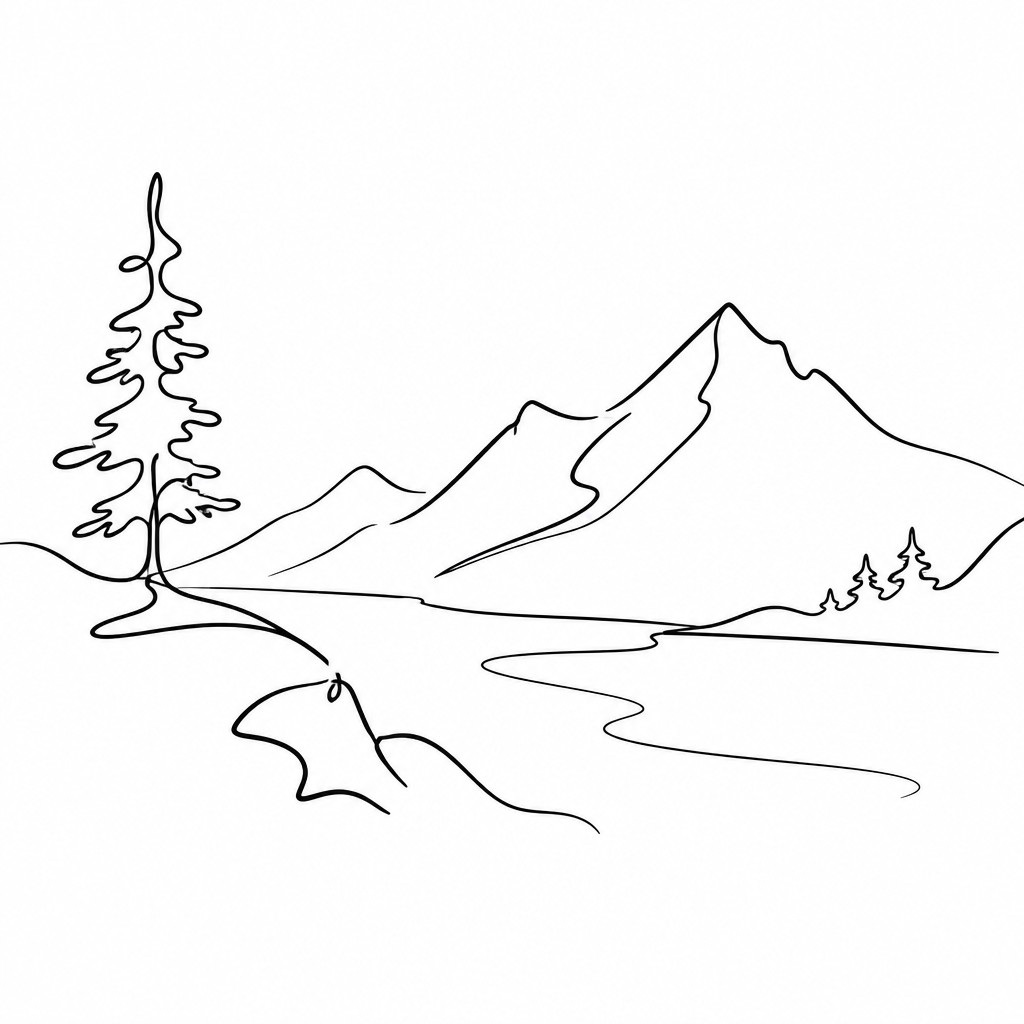
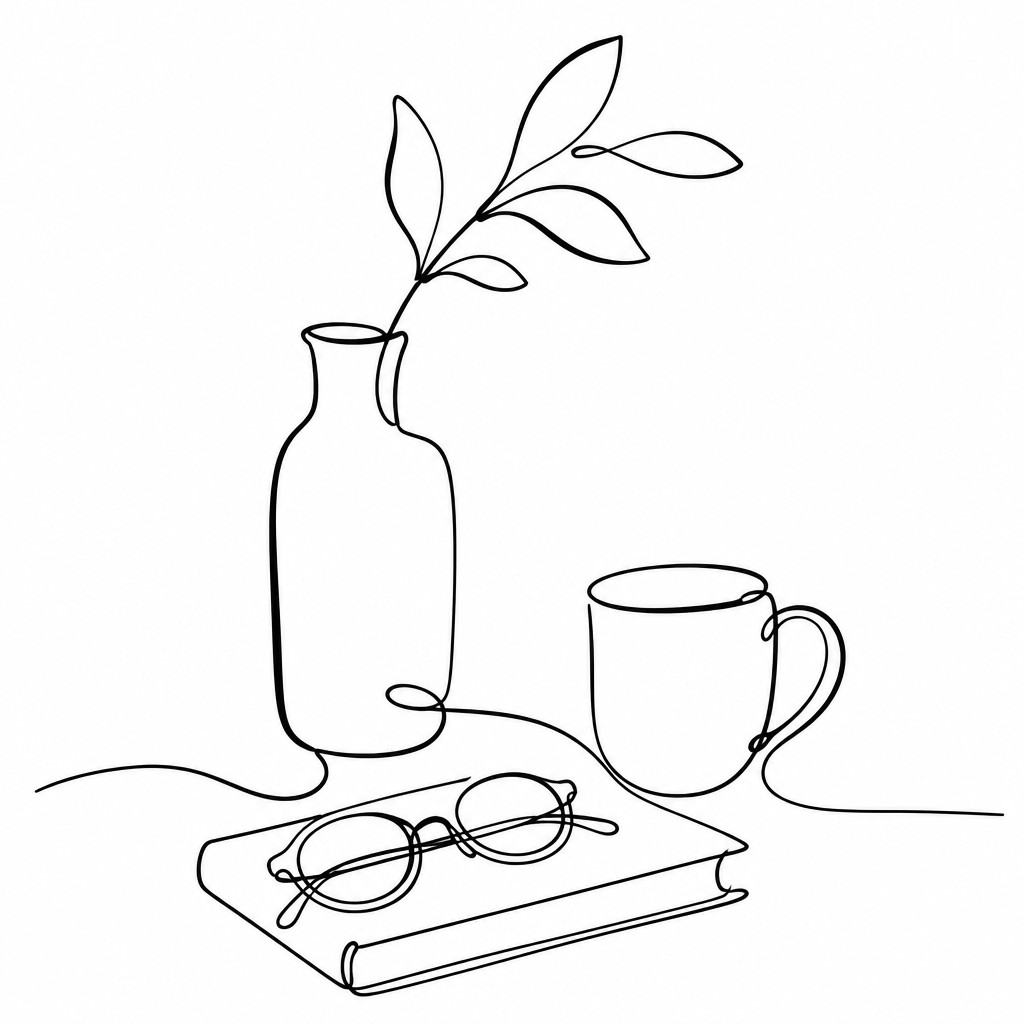
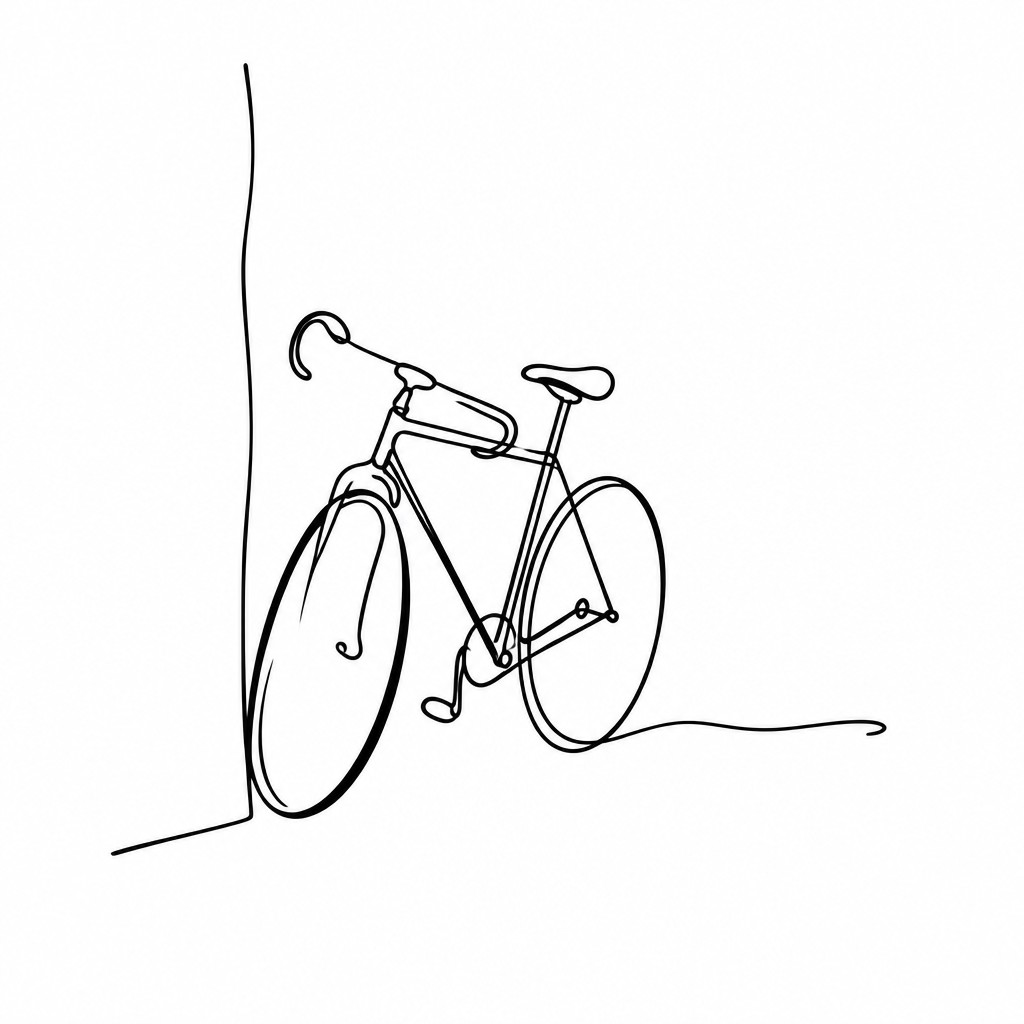
Minimalist Line Portrait Style strips the face down to essential contours, using sparse marks and strong line economy to suggest identity, expression, and structure. People compare the two because both can capture likeness and mood in portraiture, but they do so with opposite visual strategies: one builds through tone and density, the other through restraint and outline.
Same Prompt, Both Styles
Each pair below was generated from the identical prompt — only the style changed.
“portrait of two people together”
“wide landscape with natural scenery”
“still life with everyday objects”
“bicyle resting against a wall”
Key Differences
| Charcoal Portrait | Minimalist Line Portrait | |
|---|---|---|
| Line & form | Built from layered tonal strokes and shaded transitions. | Built from clean contours and a few decisive lines. |
| Value & contrast | Relies on strong dark-light contrast and midtone gradation. | Uses little or no shading, with contrast coming from negative space. |
| Detail level | Can include textured features, subtle planes, and nuanced shadows. | Suggests features with minimum marks, often leaving much implied. |
| Mood | Feels dramatic, intimate, and often emotionally weighty. | Feels calm, elegant, and conceptually restrained. |
| Texture & surface | Visible grain and smudging create a tactile, organic surface. | Surface is usually clean and graphic, with little texture. |
| Composition | Often centers the face with heavy tonal presence and strong focus. | Often uses open space and simplified framing for visual breathing room. |
| Mood | dramatic, somber, introspective, expressive | elegant, quiet, refined, contemplative |
| Energy | intense | calm |
| Detail level | detailed | minimal |
| Color | black, gray, white monochrome | monochrome or sparse accent colors |
| Texture | velvety, smudged, grainy marks | clean, smooth, linear |
| Origin | 19th-century Europe drawing tradition | early modernist and contemporary illustration |
| Best for | portrait studies, editorial illustrations, dramatic posters, character concept art, fine art prints | editorial portraits, logos, posters, album covers, fashion branding, book covers |
| Difficulty | advanced | moderate |
Which Should You Choose?
Pick Charcoal Portrait Art Style if you want emotional depth, dramatic lighting, and a richer sense of volume or atmosphere. Choose Minimalist Line Portrait Style if you want a modern, airy look that emphasizes elegance, clarity, and expressive simplicity. In short, choose charcoal for impact and nuance, and line portraiture for restraint and graphic precision.
Frequently Asked Questions
Which style is more realistic?
Charcoal portraits usually appear more realistically rendered because shading can model flesh, depth, and light more fully. Minimalist line portraits can still be accurate in likeness, but they usually simplify form instead of describing it in detail.
Which style is better for conveying emotion?
Both can be expressive, but charcoal often communicates stronger emotional intensity through shadow, contrast, and texture. Line portraits tend to express emotion more subtly, using posture, contour, and the absence of detail.
Which style is easier to reproduce at small sizes?
Minimalist line portrait style usually scales better because its forms stay readable with few marks. Charcoal detail can become muddy or lose nuance when reduced too far.
Can these styles be combined?
Yes, many portraits use a line-based structure with selective charcoal shading for emphasis. That combination can preserve clarity while adding depth, but it works best when one approach clearly leads.