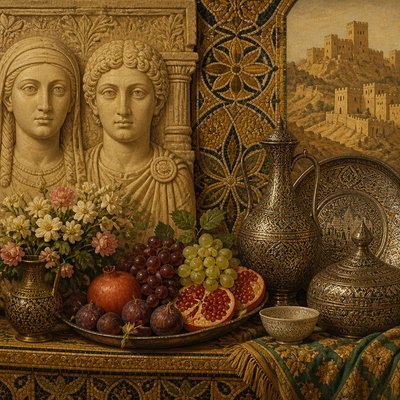
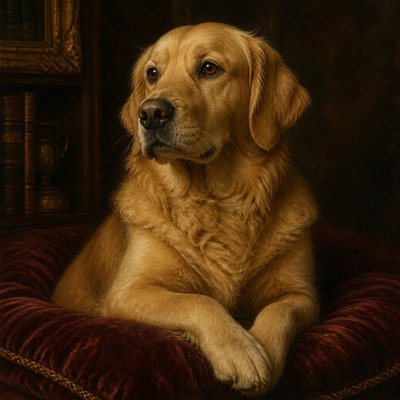
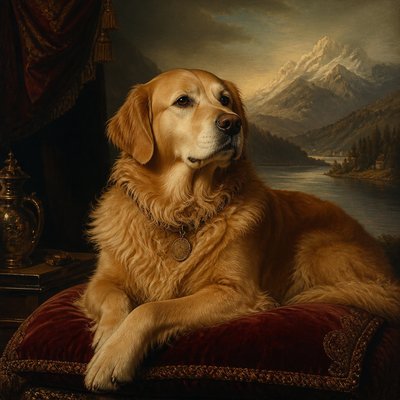
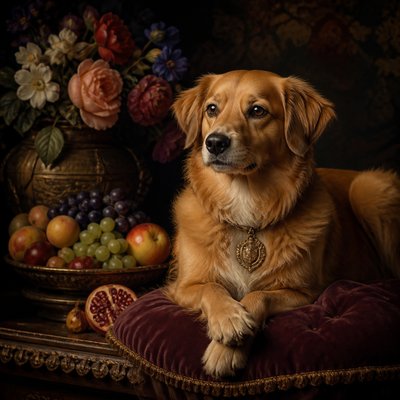
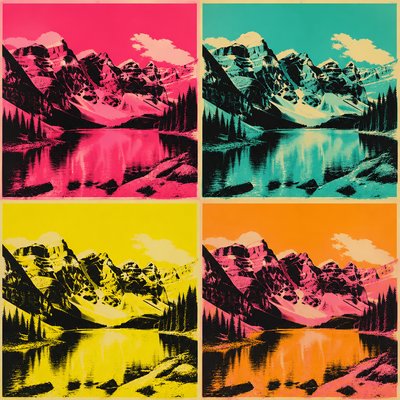
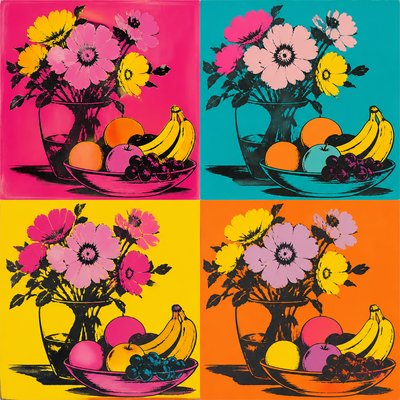
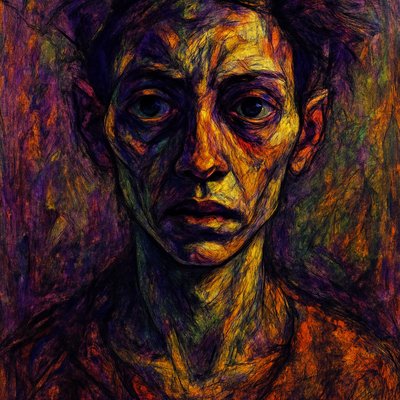
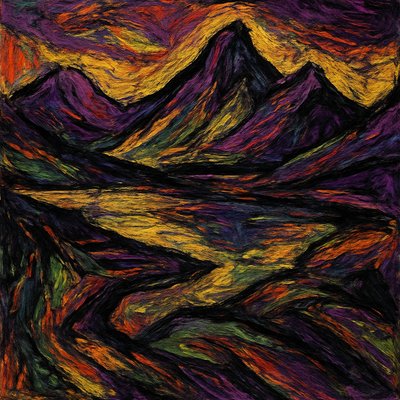
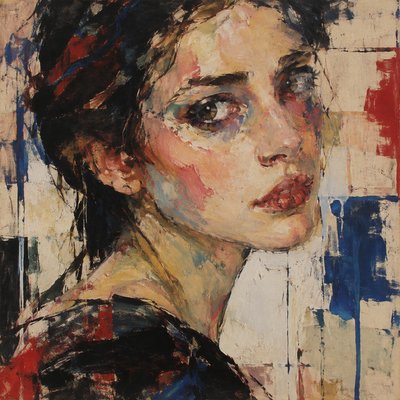
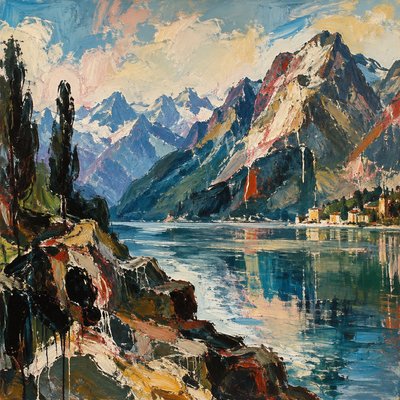
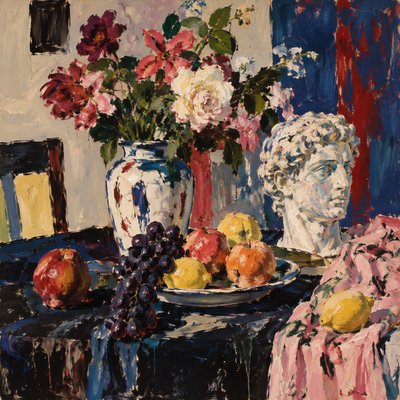
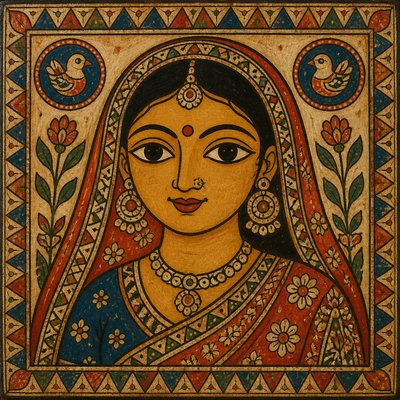
Hyperrealistic Portrait Art Style
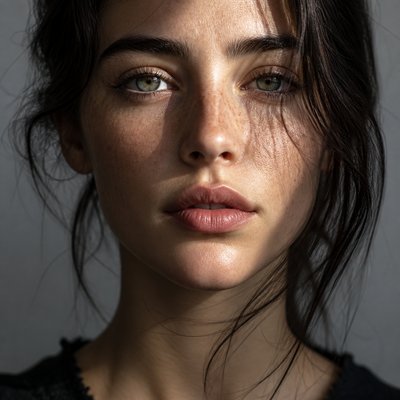
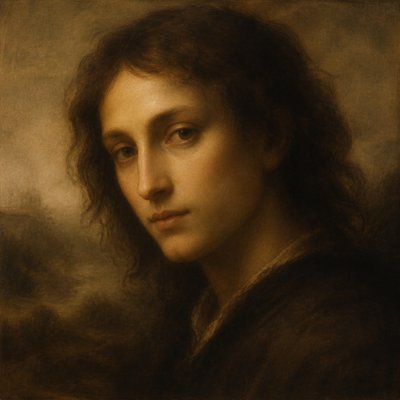
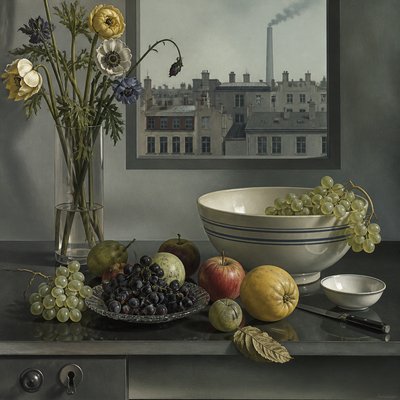
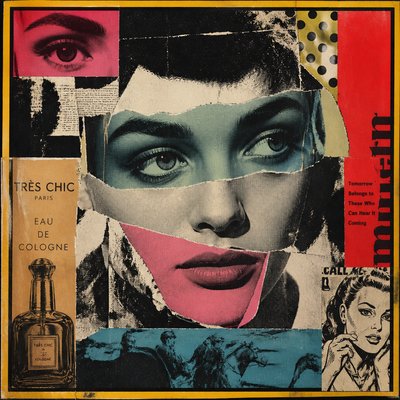
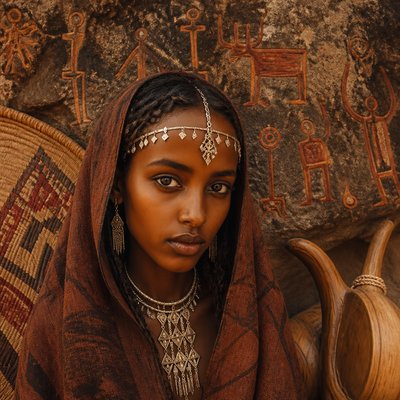
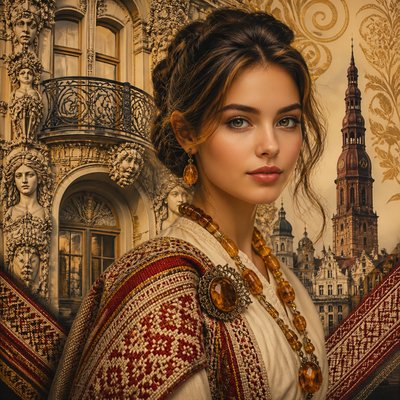
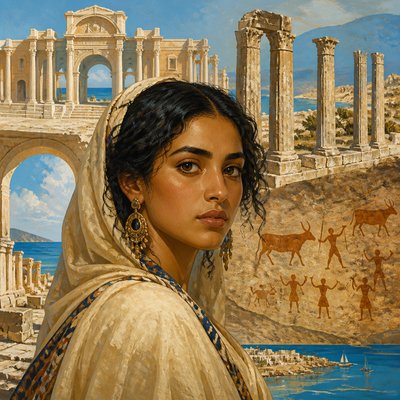
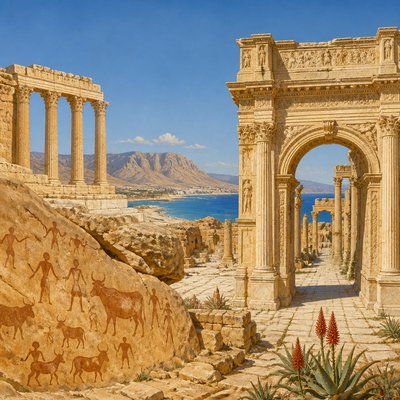
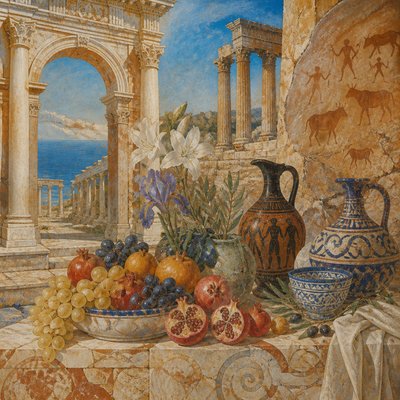
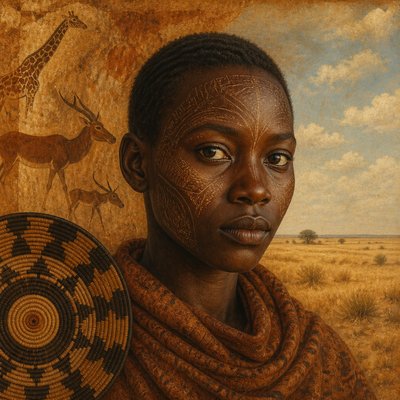
Ultra-detailed portraits with lifelike skin, hair, and reflections rendered beyond camera-like realism.
Instantly rendered in Hyperrealistic Portrait — or transform a photo
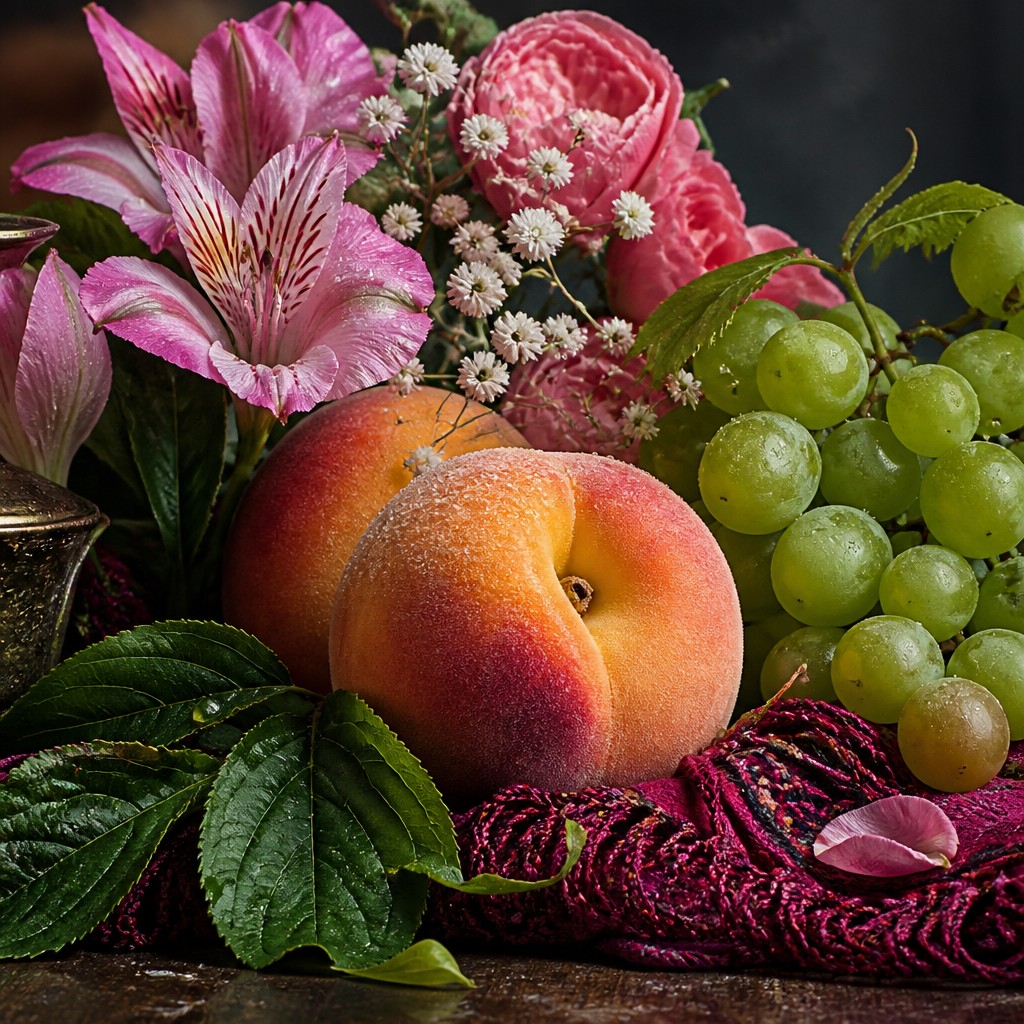
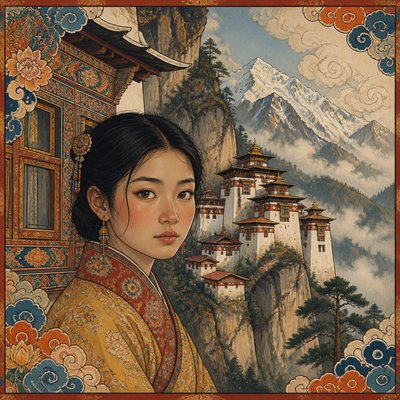
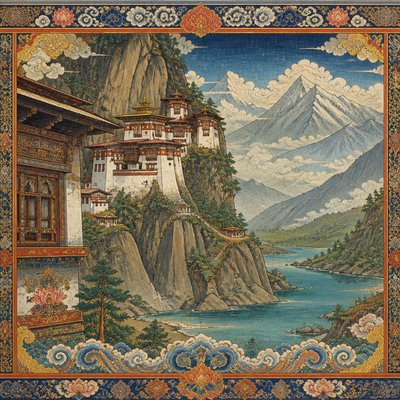
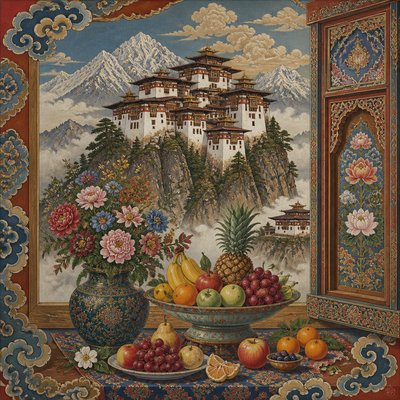
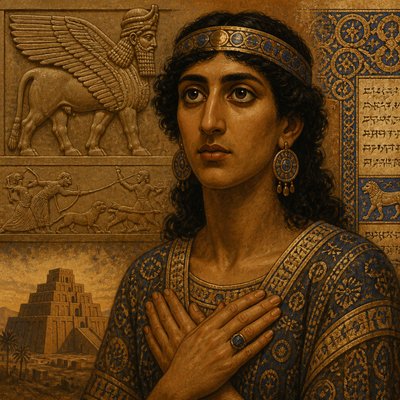
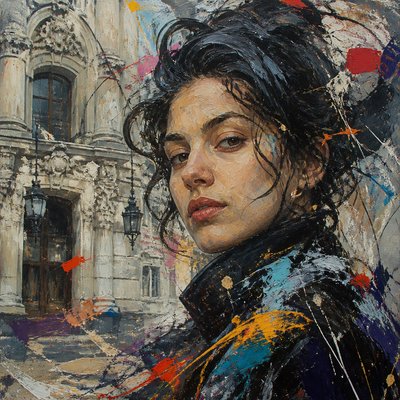
Hyperrealistic Portrait Gallery
Tap any artwork to explore it
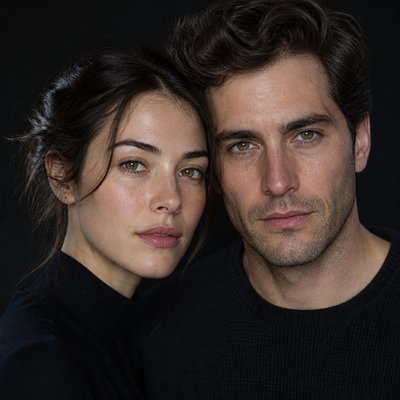
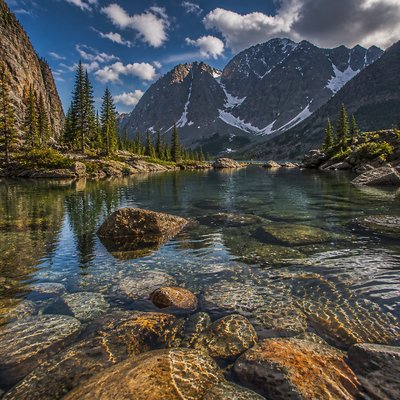

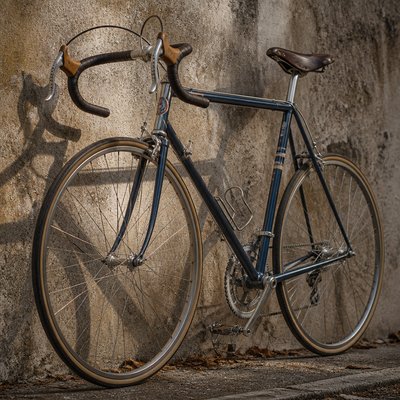
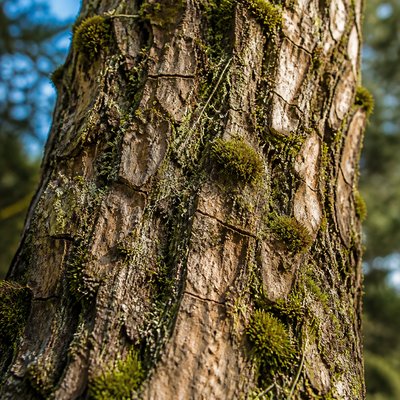

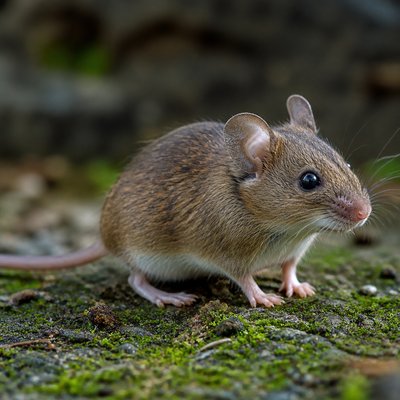
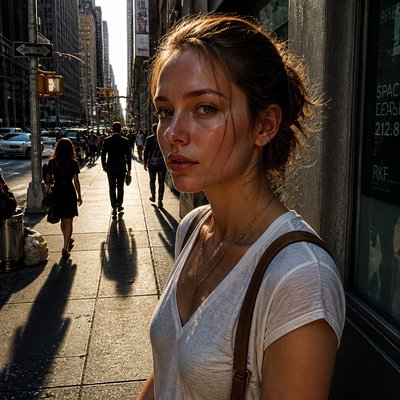
What is Hyperrealistic Portrait Art Style?
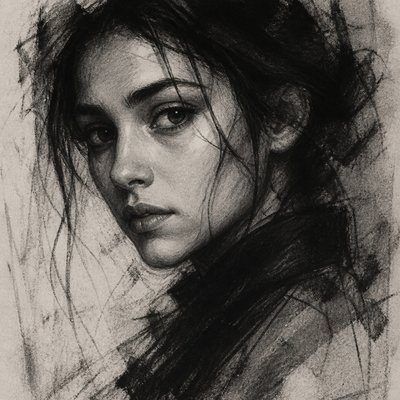
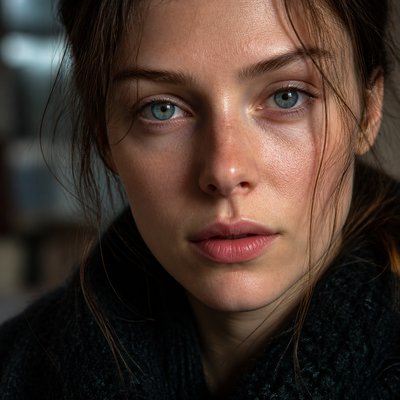
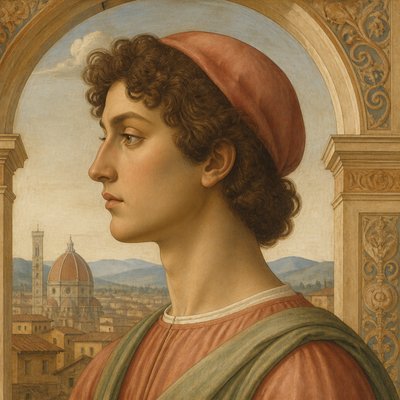
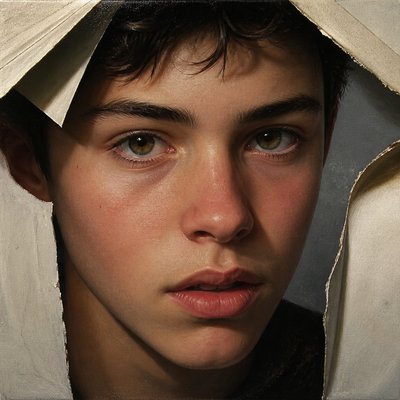
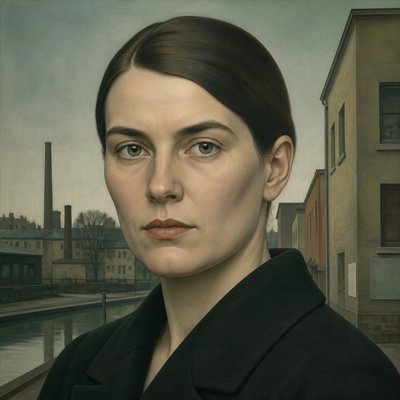
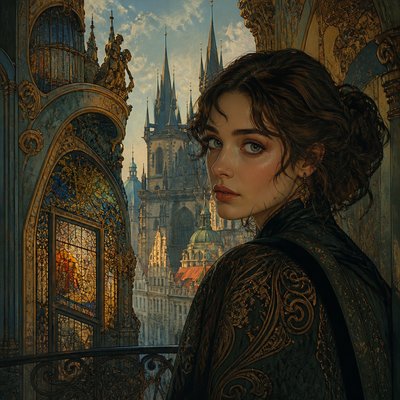
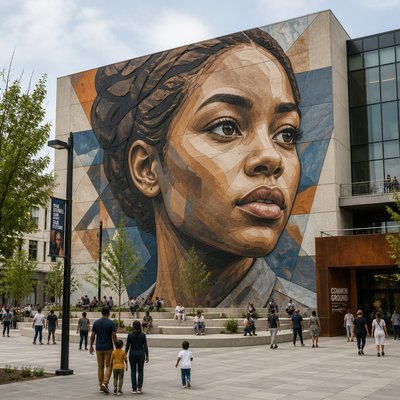
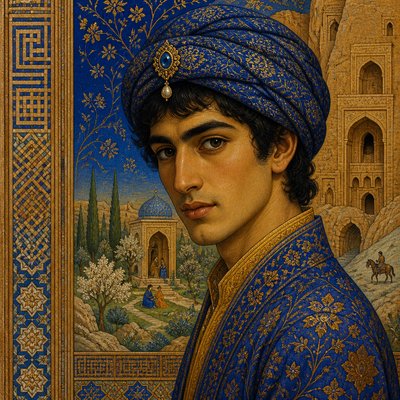
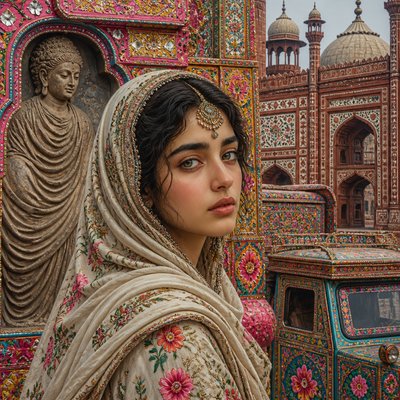
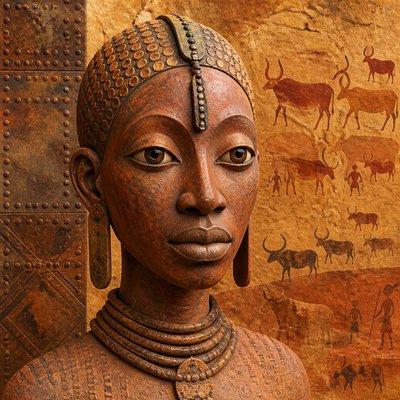
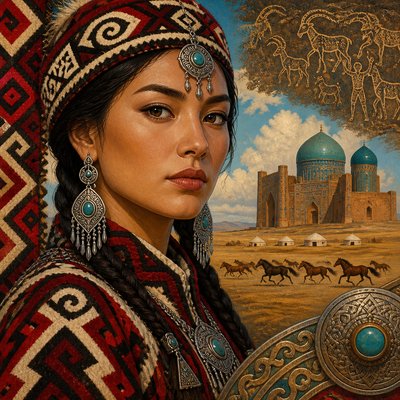
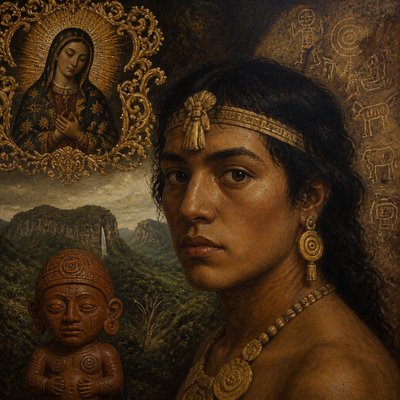
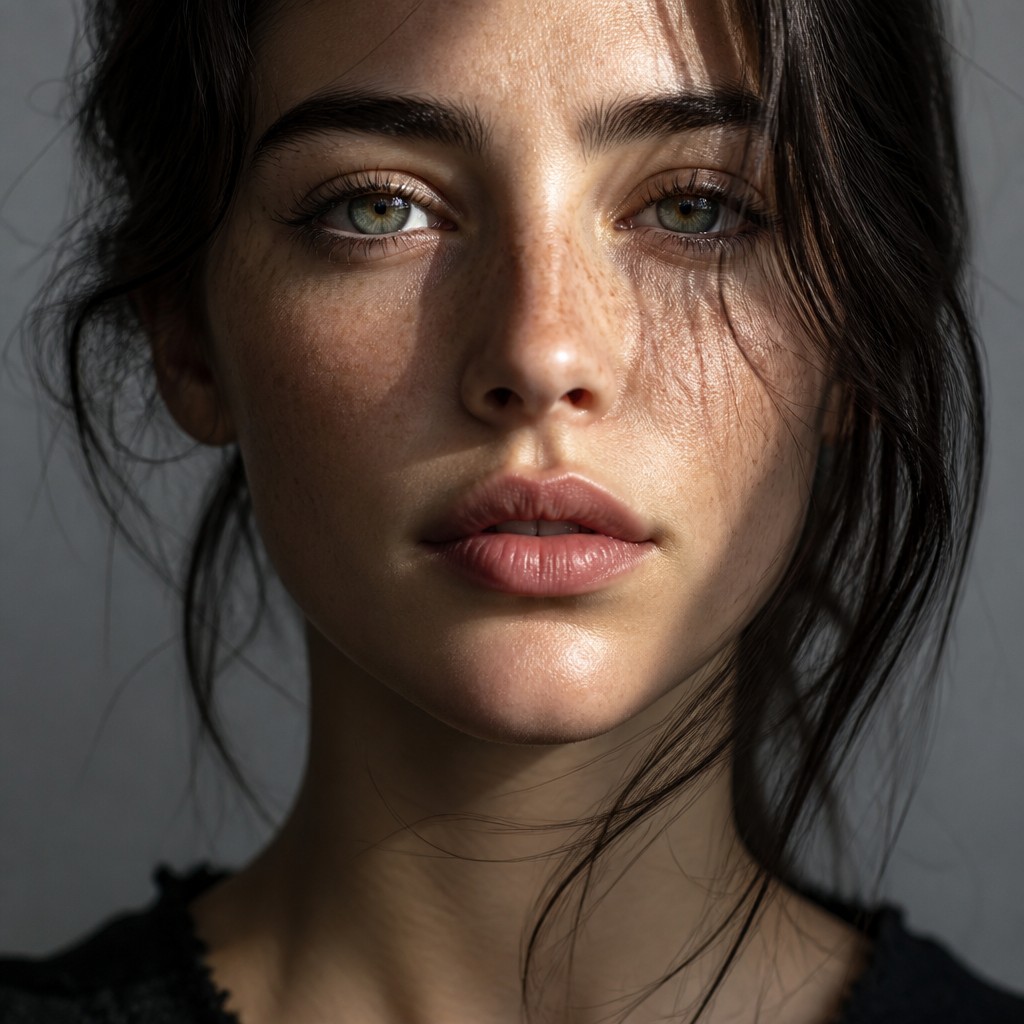
Hyperrealistic portrait art is a representational style dedicated to reproducing the human face and figure with extreme visual fidelity. It pushes beyond ordinary realism by emphasizing microscopic detail: pores, peach fuzz, eyelashes, skin texture, reflected highlights, and subtle color shifts in the eyes and lips are all rendered with near-mechanical precision.
The effect depends on careful control of value, edge, and surface description. Rather than merely copying a photograph, hyperrealistic portrait work intensifies what a camera often compresses or obscures, using highly resolved brushwork, refined lighting, and meticulous tonal transitions to create a portrait that can seem more detailed than direct observation.
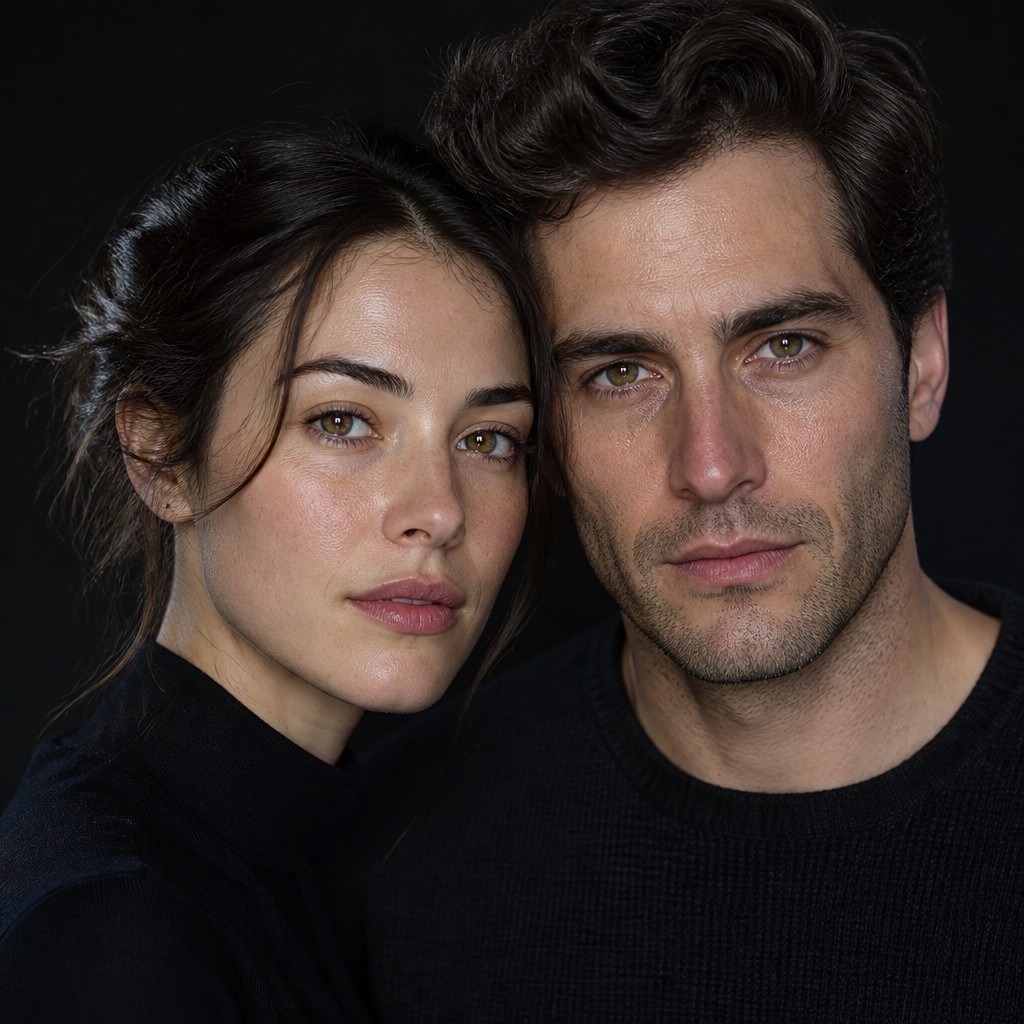
Try It On Your Photos
Upload any photo and convert it into Hyperrealistic Portrait Art Style — drag the sliders to compare before and after.



What Defines Hyperrealistic Portrait Art Style
The signature details, up close
Microscopic surface detail
Skin texture, pores, fine wrinkles, vellus hair, and minute imperfections are rendered with exacting attention. The face feels physically tangible rather than smoothed or idealized.
Crisp, controlled focus
Key features such as the eyes, lips, and eyelashes are depicted with razor clarity. Even in softer areas, transitions are deliberate and highly resolved.
Precise lighting and shadow modeling
Directional light is used to reveal form through subtle gradations, micro-shadows, and highlight placement. This creates a sculptural sense of volume and realism.
Faithful materials and reflections
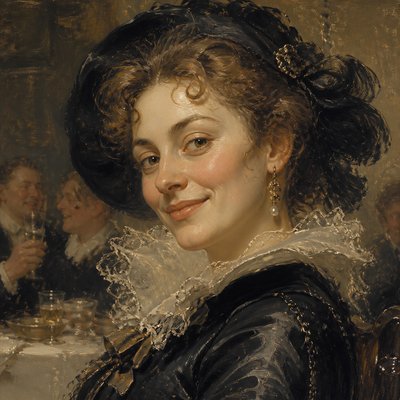
Hair, wet surfaces, jewelry, glass, and eyes show carefully observed reflective behavior. Subsurface scattering in skin and translucency in lips or ears are often emphasized.
Natural color accuracy
Skin tones are built from layered warm and cool variations rather than flat local color. Small shifts in blush, shadow, and reflected light contribute to lifelike presence.

High-clarity realism
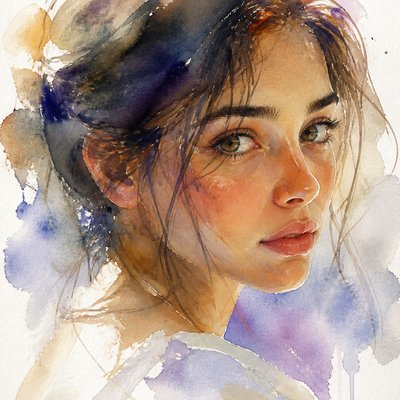
The overall image often appears sharper and more detailed than an ordinary photograph. The result is an intensified version of reality rather than an abstracted or painterly interpretation.
Try It
Create Videos in Hyperrealistic Portrait Art Style
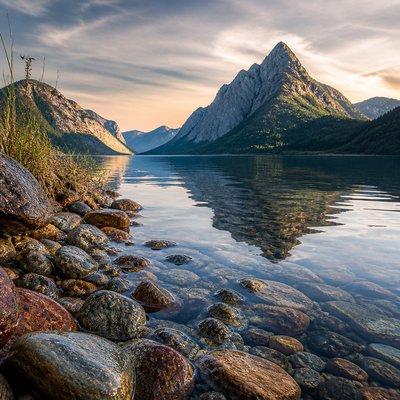
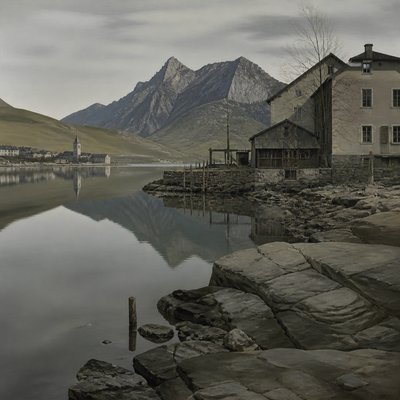
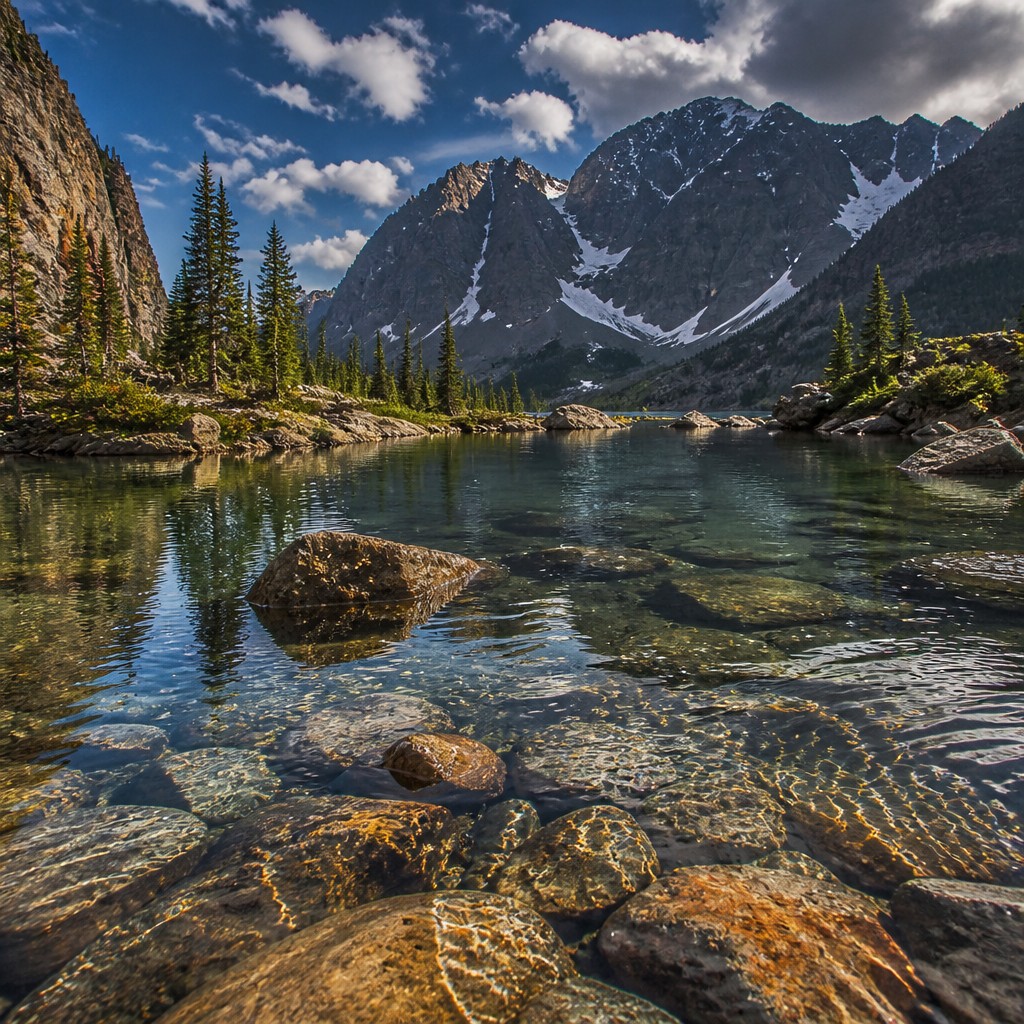
Styles aren't just for stills — describe a scene or animate an image and get a short video rendered in Hyperrealistic Portrait. Press play to see this pond come to life.
Make a VideoHyperrealistic Portrait Prompt Ideas
Start from an idea — each one opens the generator with the style ready to go. See all 40 Hyperrealistic Portrait prompts →
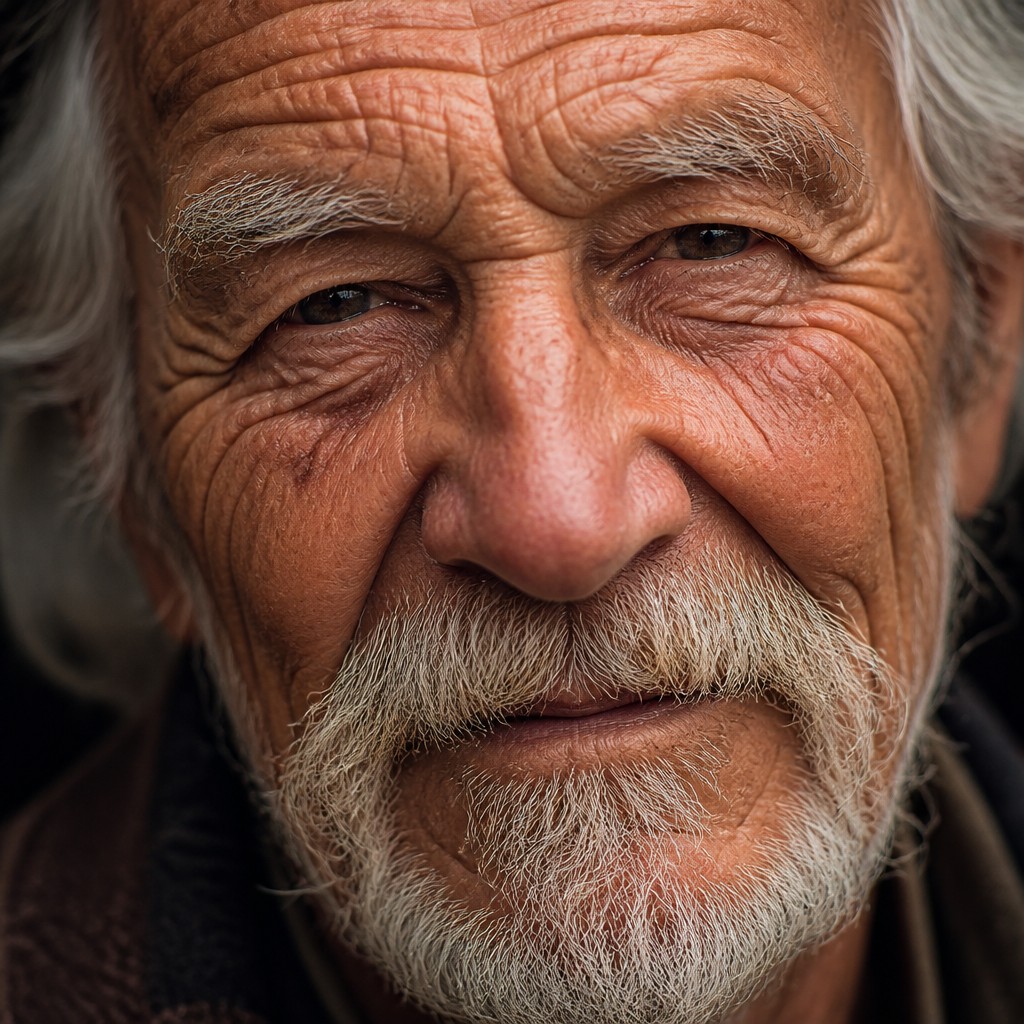
“close-up portrait of an elderly person with expressive weathered features”
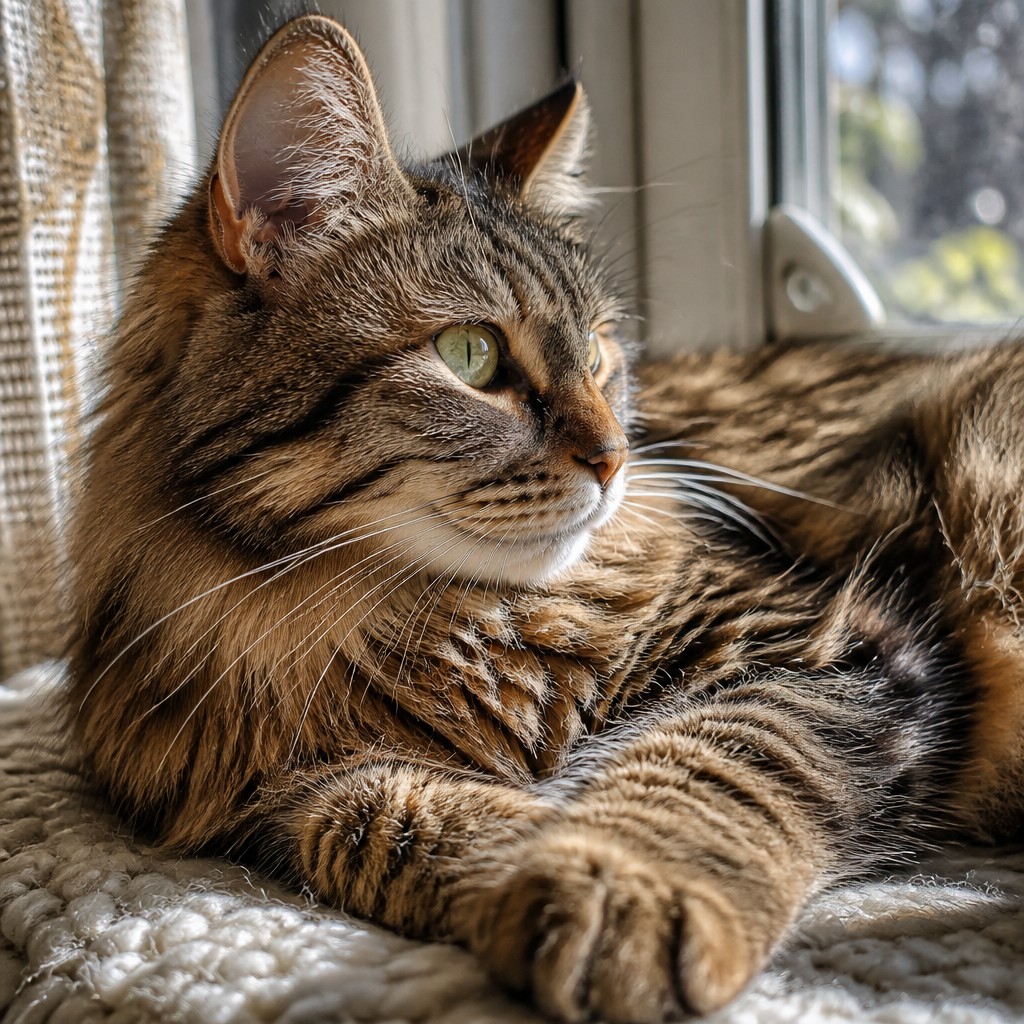
“a cat lounging in a sunlit window”
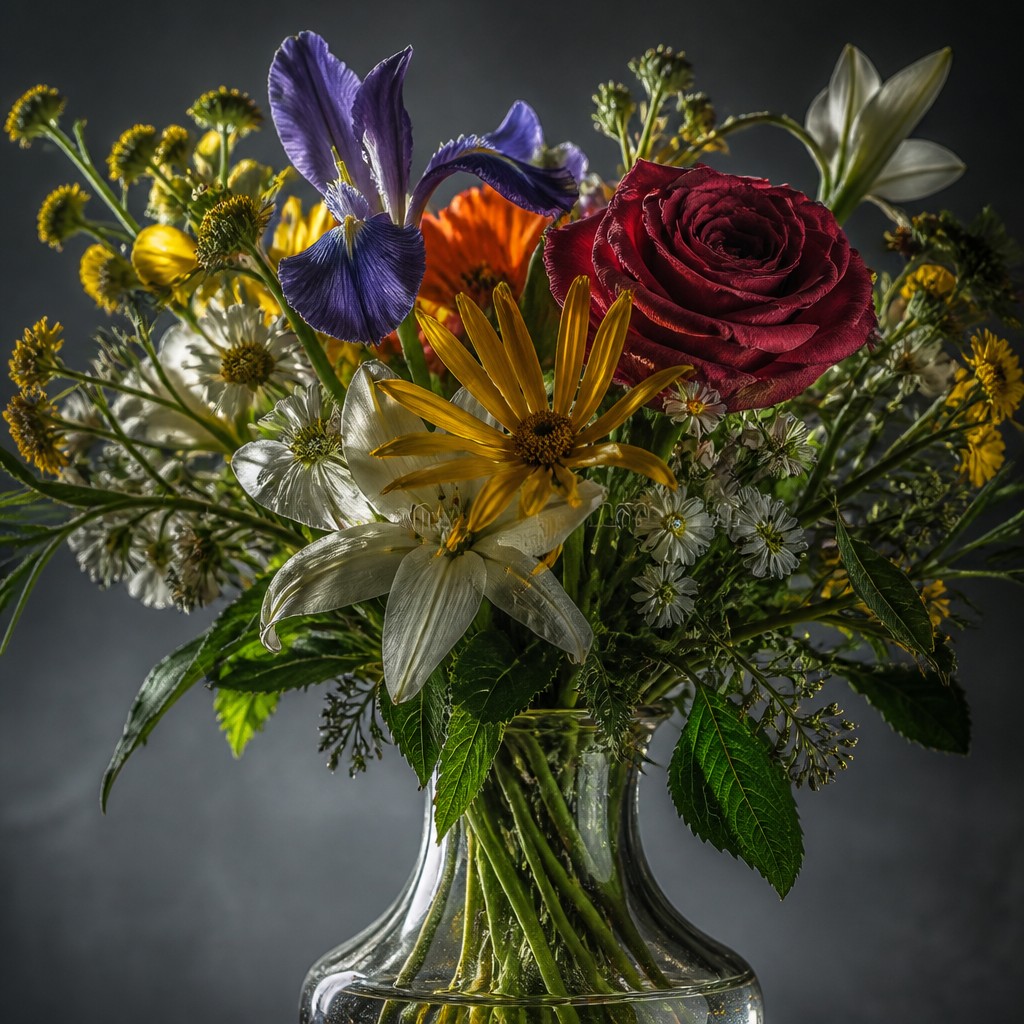
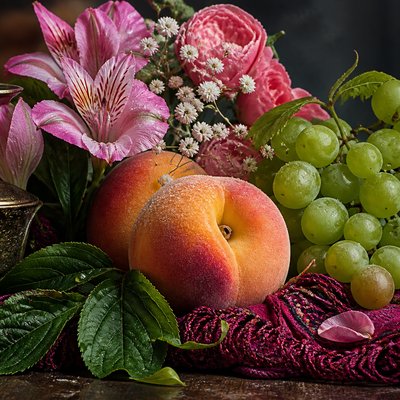
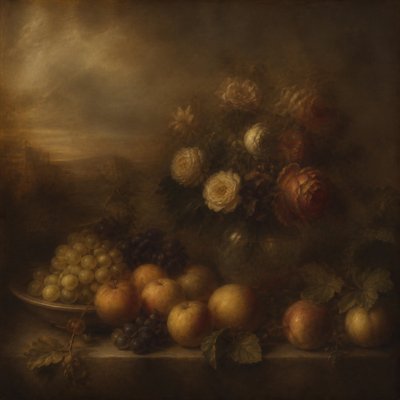
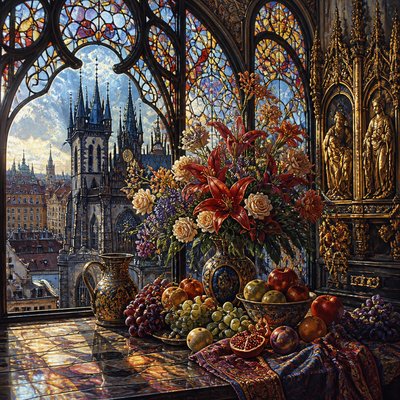
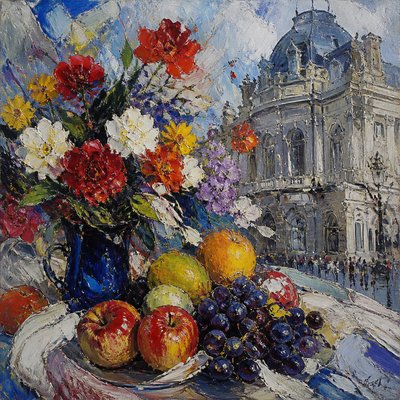
“bouquet of flowers in a glass vase”
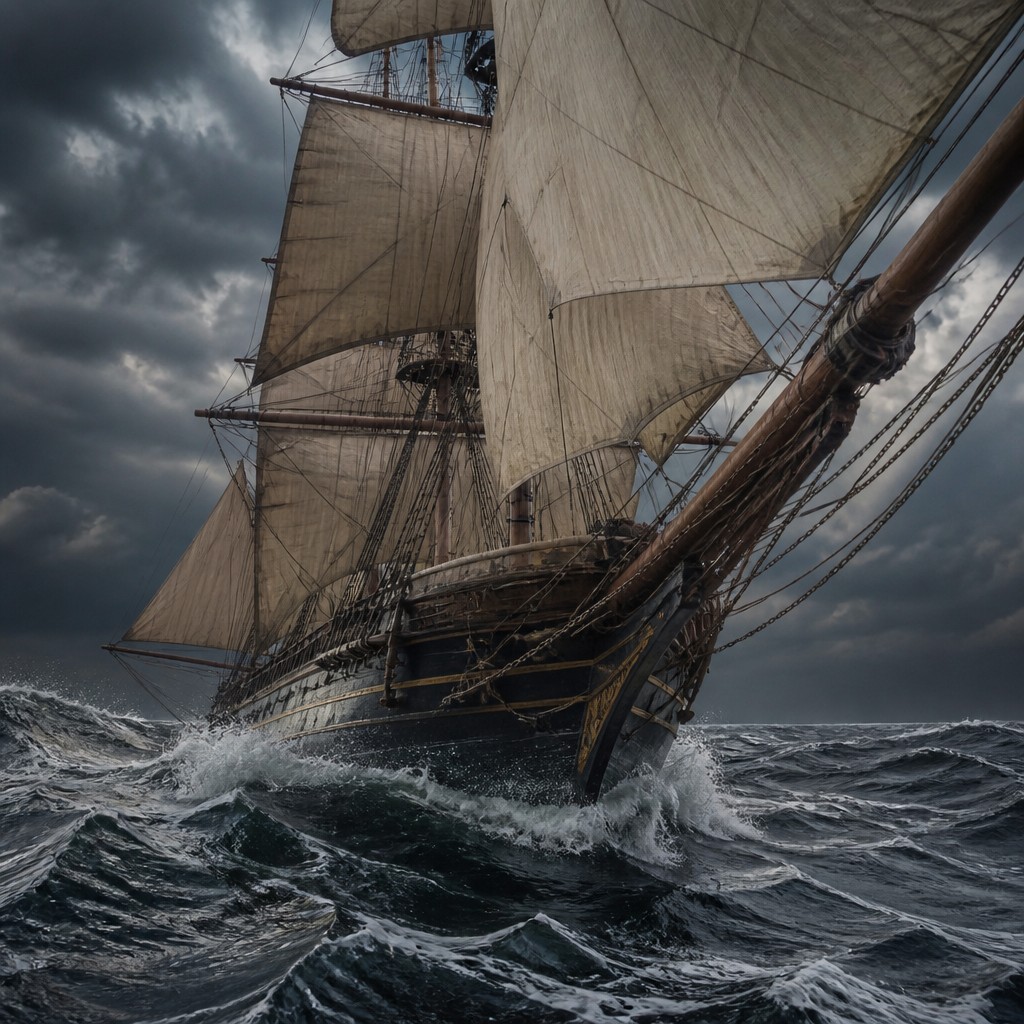
“sailing ship on a stormy sea”
How to Create Hyperrealistic Portrait Art
Master the craft step by step — or skip straight to creating. Read the full guide →
- 1
Use high-resolution reference and strong lighting
Choose reference images with visible skin texture, directional light, and sharp eye detail. For traditional work, a magnifying workflow and multiple drawing passes help preserve fine structure; in digital work, zoom in frequently but keep checking the full portrait for likeness and balance.
- 2
Build the face in layers
Start with accurate proportions and value mapping before adding pores, lashes, and individual hairs. Thin layered paint, glazing, or carefully stacked digital brushes can preserve depth and avoid a flat, overworked surface.
- 3
Prioritize edges and micro-contrast
Reserve the sharpest edges for the eyes, lips, and key focal points, then soften nonessential areas to guide attention. Hyperrealism relies as much on selective clarity as on detail everywhere.
- 4
Render reflective and translucent materials carefully
Observe how light behaves on skin, teeth, eyes, jewelry, and hair rather than inventing generic highlights. Small reflections and subsurface color shifts are essential to convincing realism.
- 5
For prompt-based generation, specify precision and lighting
Describe the subject, pose, wardrobe, and mood, then add cues for microscopic detail, sharp focus, skin texture, and directional light. Include terms for realistic reflections, natural color, and fine facial features to steer the result toward portrait fidelity.

The Story
History & Origins of Hyperrealistic Portrait
Hyperrealistic portraiture developed from a long lineage of realist representation, especially the traditions of trompe-l'œil, academic painting, photorealism, and contemporary realism. In the late 20th century, artists working in photorealism and hyperrealism expanded the technical ambition of portraiture by using photographs as reference while deliberately increasing surface detail, clarity, and sensory precision.
Its aesthetic roots also lie in older portrait traditions that prized likeness, finish, and material description, from Northern Renaissance oil painting to studio portrait photography. In modern practice, the style spans oil, acrylic, graphite, colored pencil, digital painting, and mixed media, with digital tools and high-resolution image workflows making ultra-fine rendering increasingly accessible.
Influences: This style is closely related to photorealism, hyperrealism, and academic portrait painting, and it also borrows from the descriptive precision of Northern Renaissance oil portraiture. Artists commonly associated with these realist lineages include major photorealist and hyperrealist painters and the broader photorealist still-life and cityscape tradition, while the wider tradition of likeness and finish extends back to early Netherlandish portrait painters, German Renaissance portraitists, and leading American portrait painters in different historical contexts.

Frequently Asked Questions
What defines hyperrealistic portrait art?
It is portraiture that renders the human face with extreme detail, sharpness, and material accuracy. The style aims to make skin, hair, eyes, and reflected light appear more fully resolved than in ordinary realism.
How is it different from photorealism?
Photorealism is typically concerned with reproducing a photograph’s appearance, including its optics and limitations. Hyperrealistic portrait art often goes further by intensifying texture, contrast, and clarity so the image can seem more detailed than the source photo.
Is hyperrealistic portrait art usually painted or drawn?
It can be created in oil, acrylic, graphite, colored pencil, charcoal, pastel, or digitally. The defining factor is not the medium itself but the level of detail, control, and convincing rendering.
What makes a portrait look hyperrealistic instead of just realistic?
The difference is usually in the treatment of micro-detail and light. Hyperrealistic portraits emphasize pores, fine hairs, subtle color transitions, and precise reflections with a level of control that exceeds everyday visual expectations.
Where is this style commonly used?
It appears in fine art portraiture, editorial illustration, realism competitions, album and poster imagery, and high-end character studies. It is also popular for commissioned personal portraits because of its strong likeness and emotional presence.
How can I make a better hyperrealistic portrait?
Begin with accurate proportions, then layer values gradually and reserve your finest detail for focal areas like the eyes and mouth. Study reference carefully for skin texture, reflections, and edge quality, because believable realism depends on observation more than on adding detail everywhere.
Create your first Hyperrealistic Portrait artwork
Describe anything — or upload a photo — and see it in Hyperrealistic Portrait Art Style in seconds.
Make Something with Hyperrealistic Portrait
Related Styles
Discover similar art styles