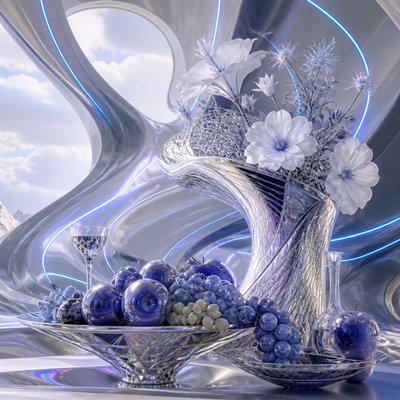
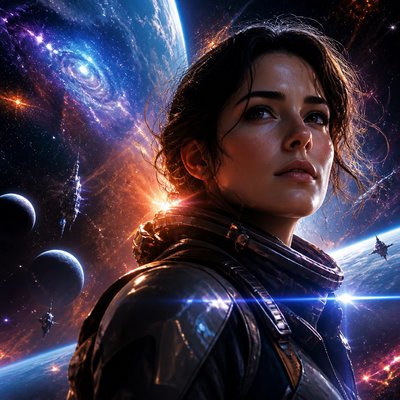
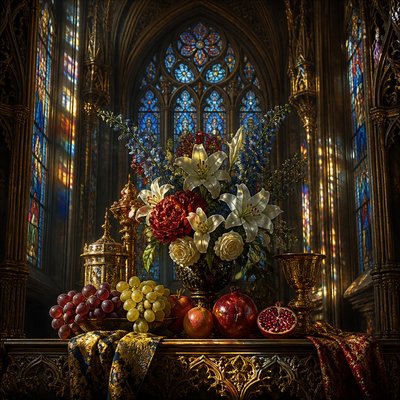
Dystopian Sci-Fi Art
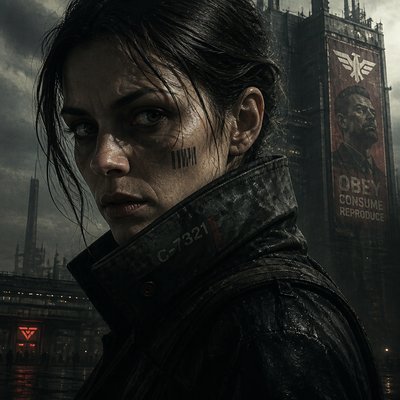
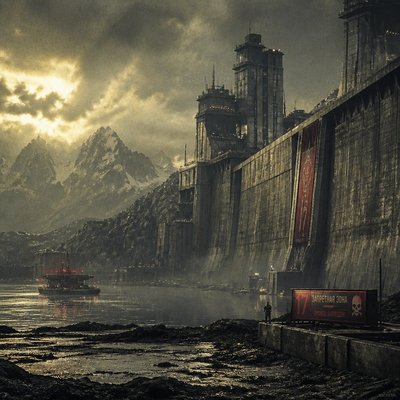
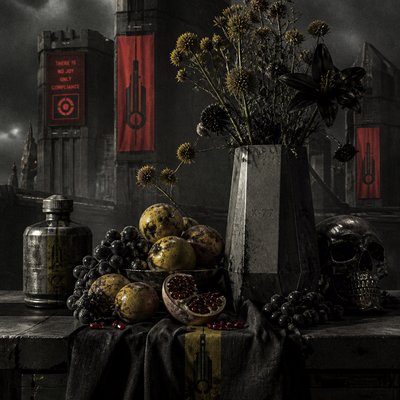
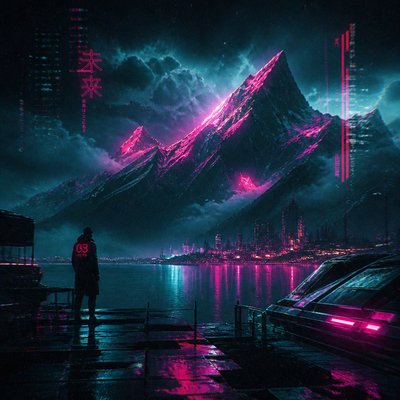
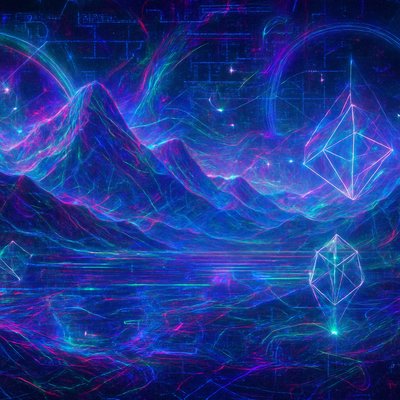
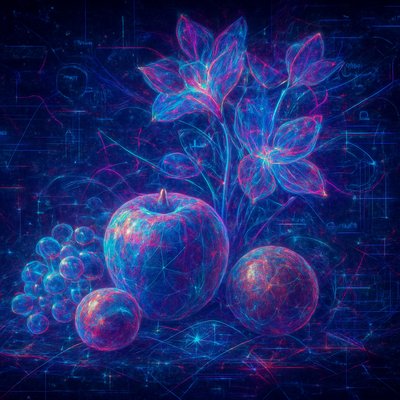
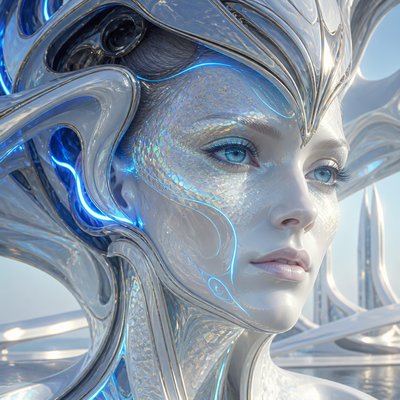
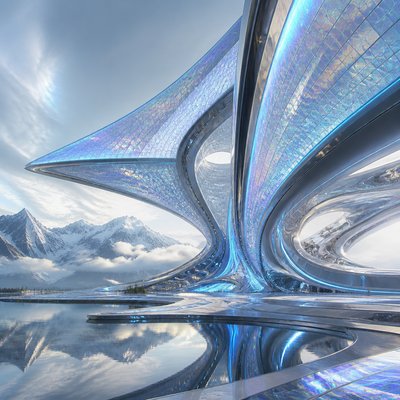
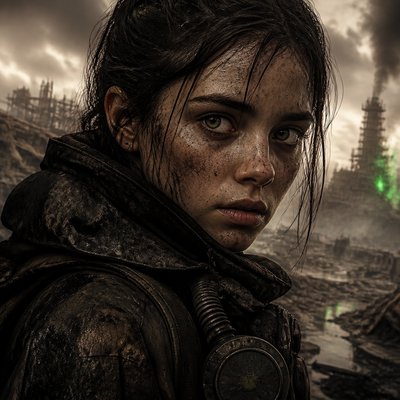
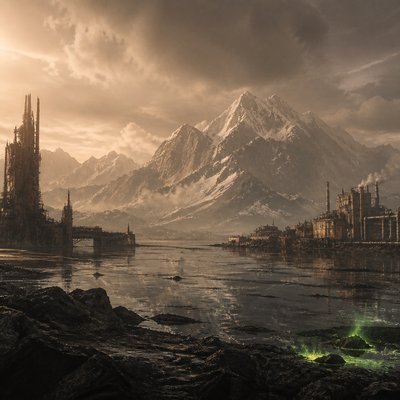
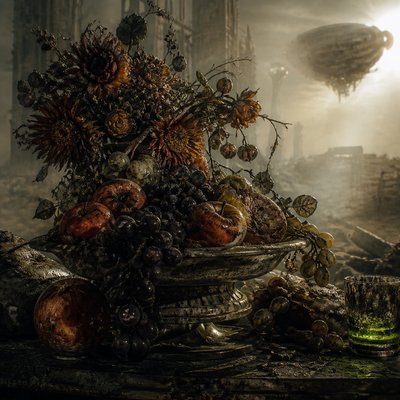
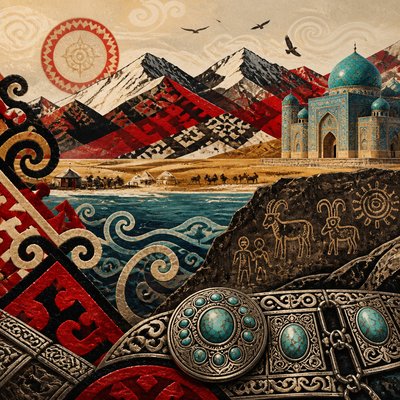
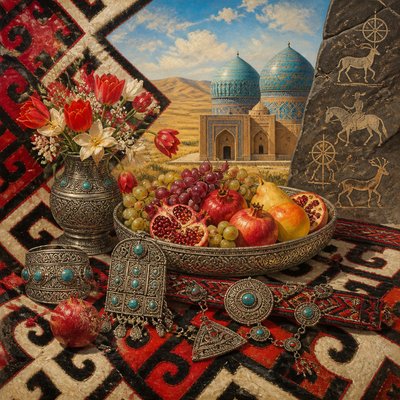
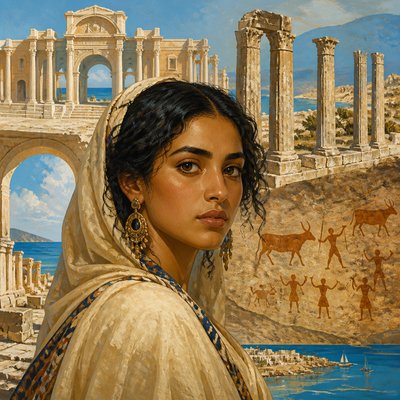
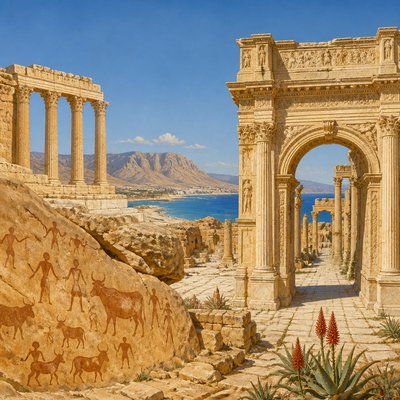
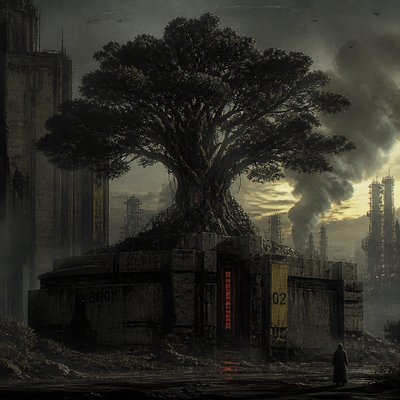
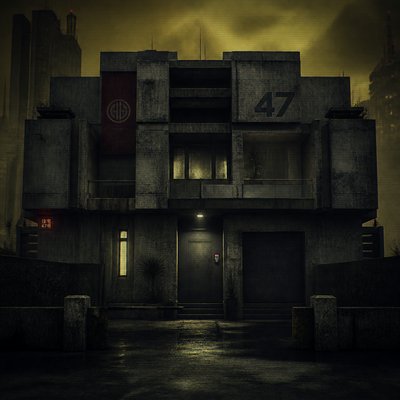
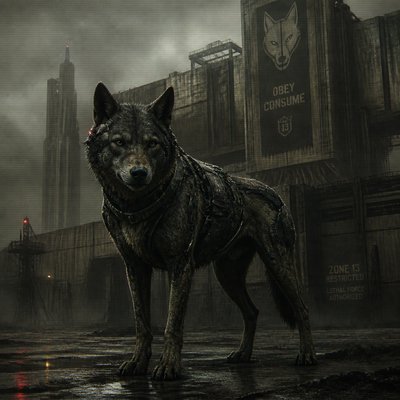
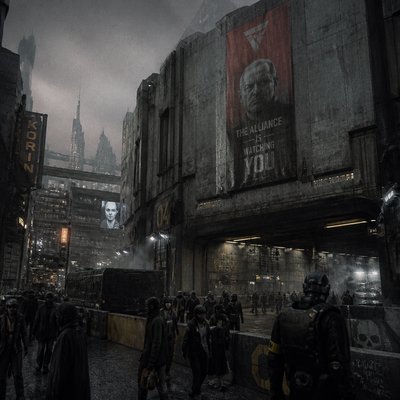
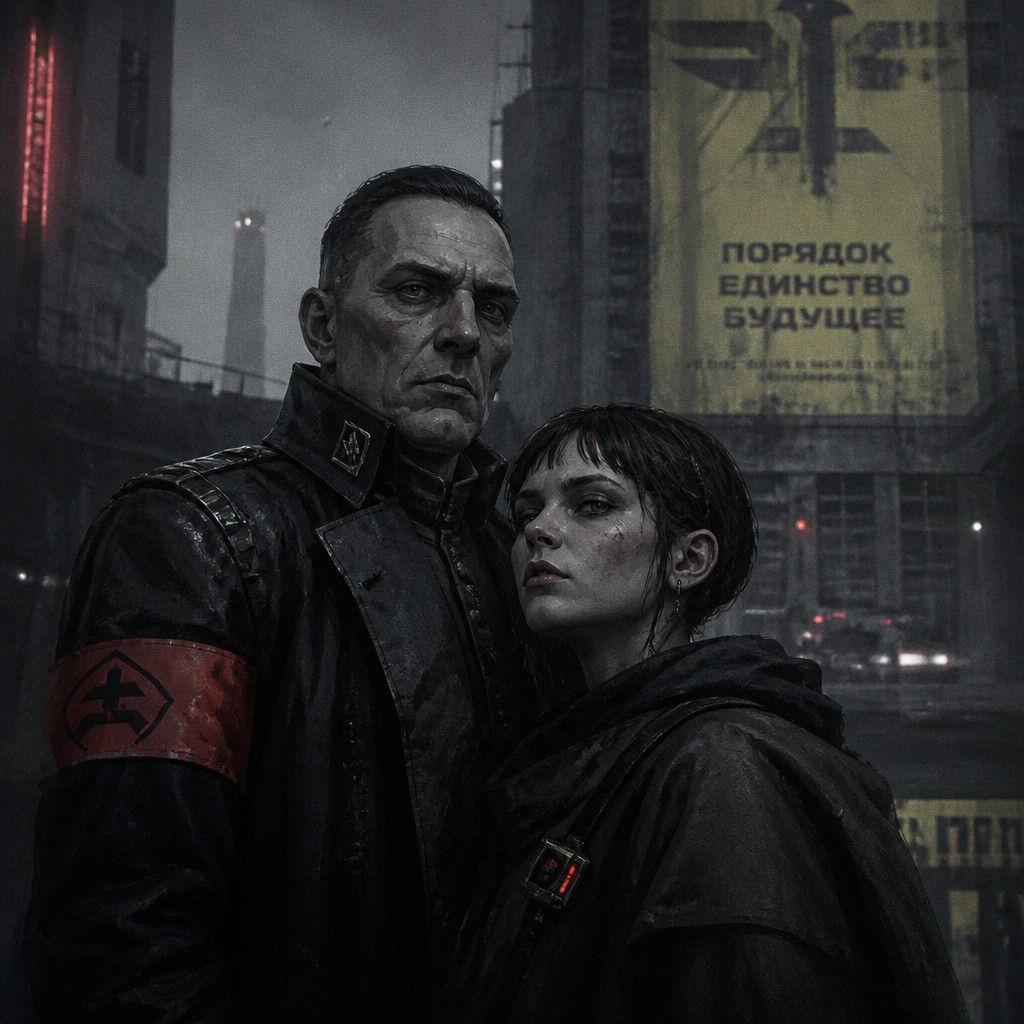
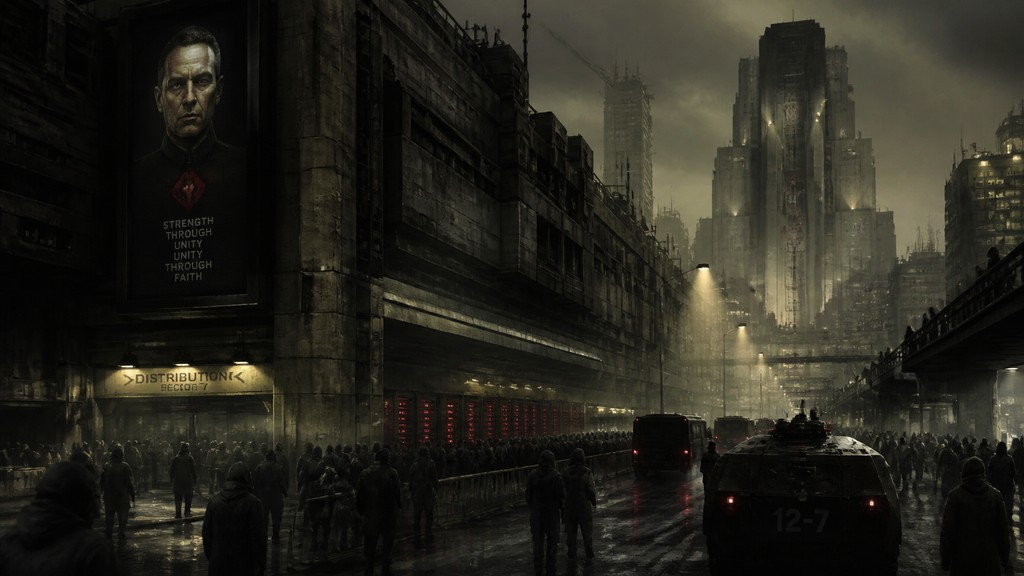
Bleak future worlds of authoritarian control, ruined cities, and harsh industrial design, rendered in desaturated, cinematic detail.
Instantly rendered in Dystopian Sci-Fi — or transform a photo
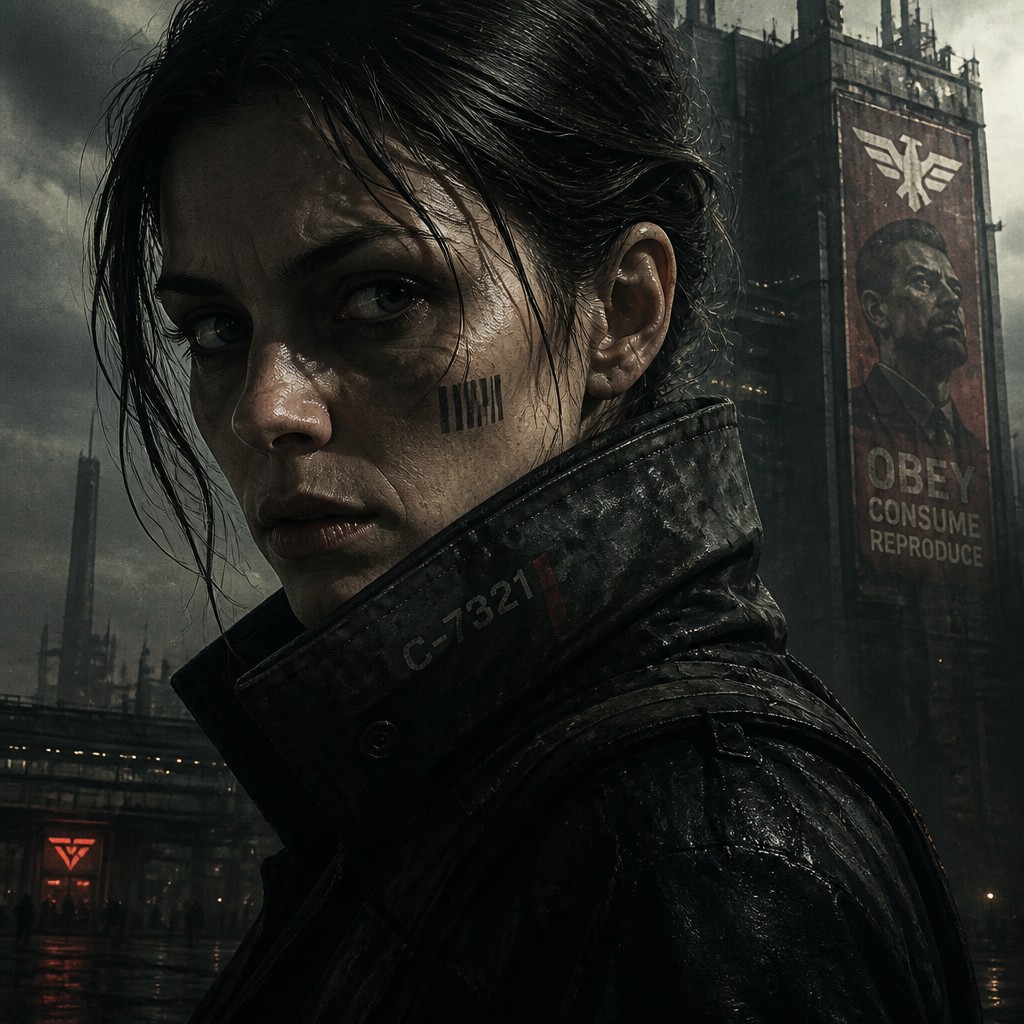
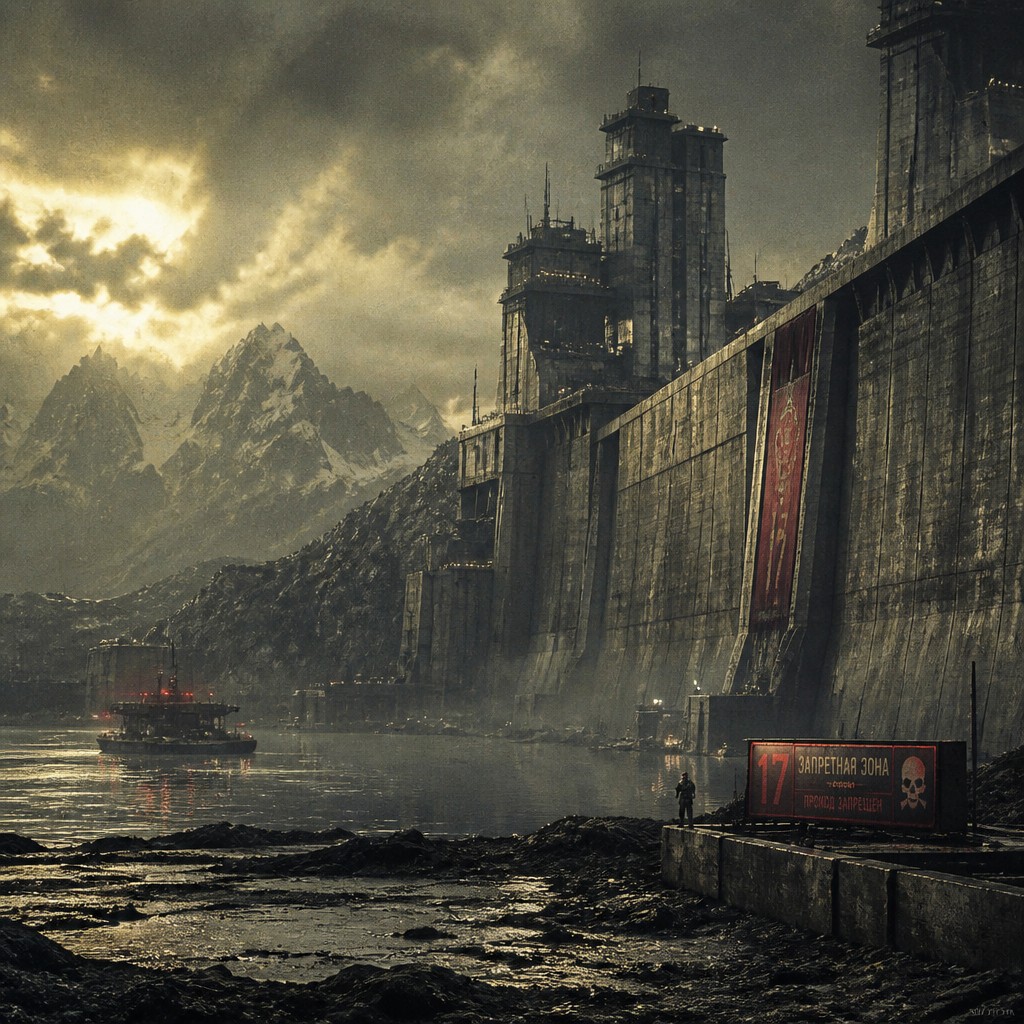
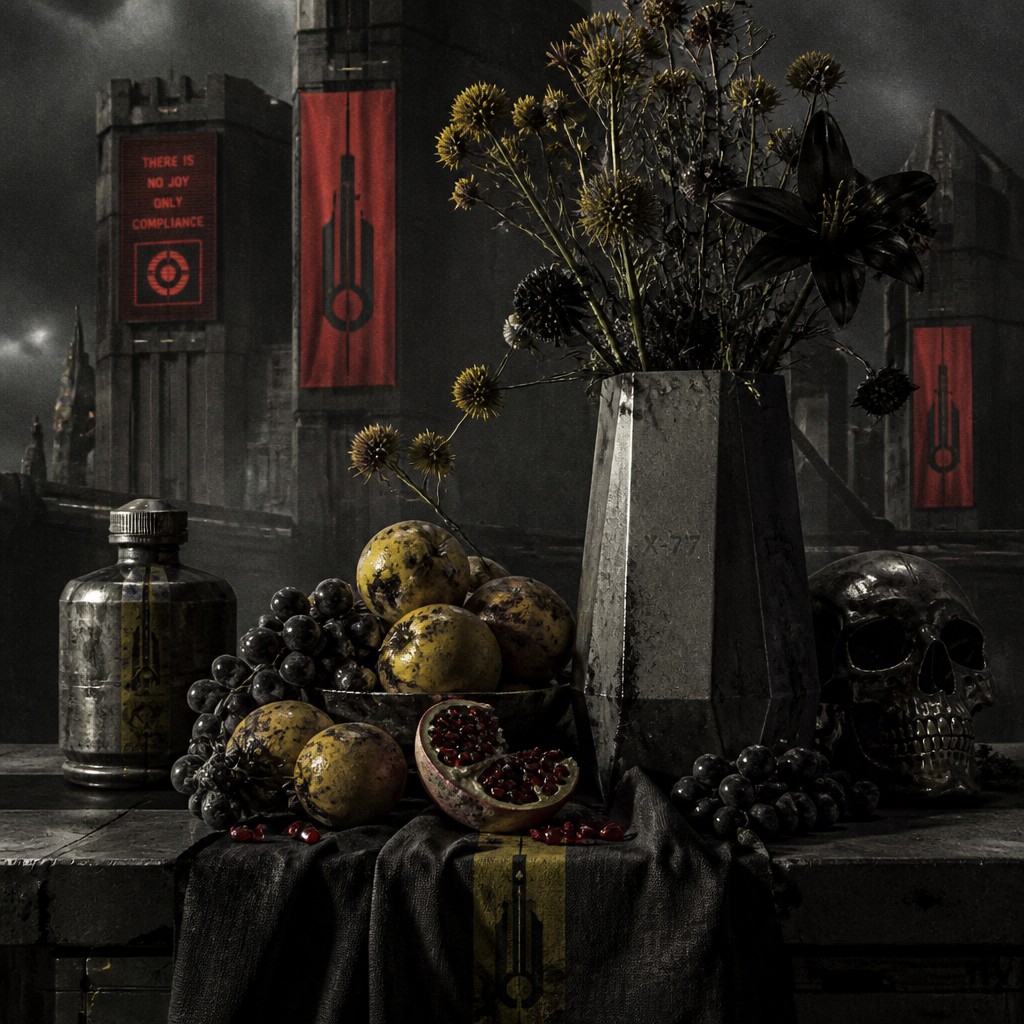
Dystopian Sci-Fi Gallery
Tap any artwork to explore it
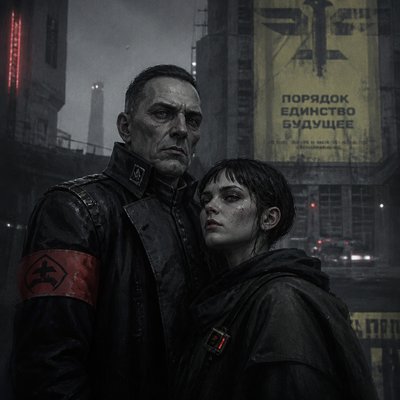
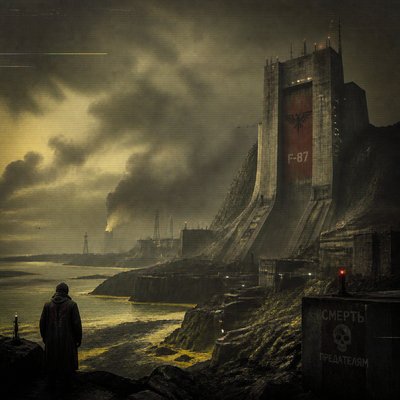
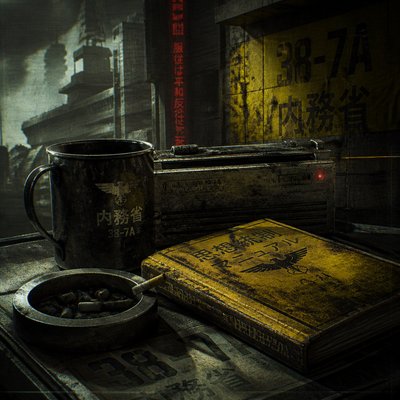
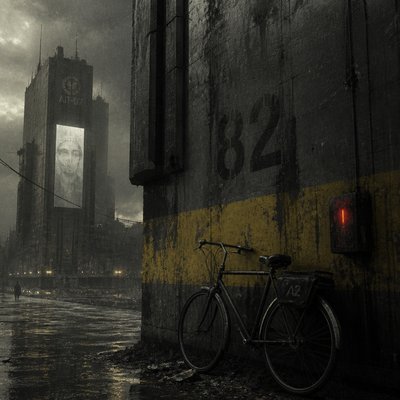
What is Dystopian Sci-Fi Art?
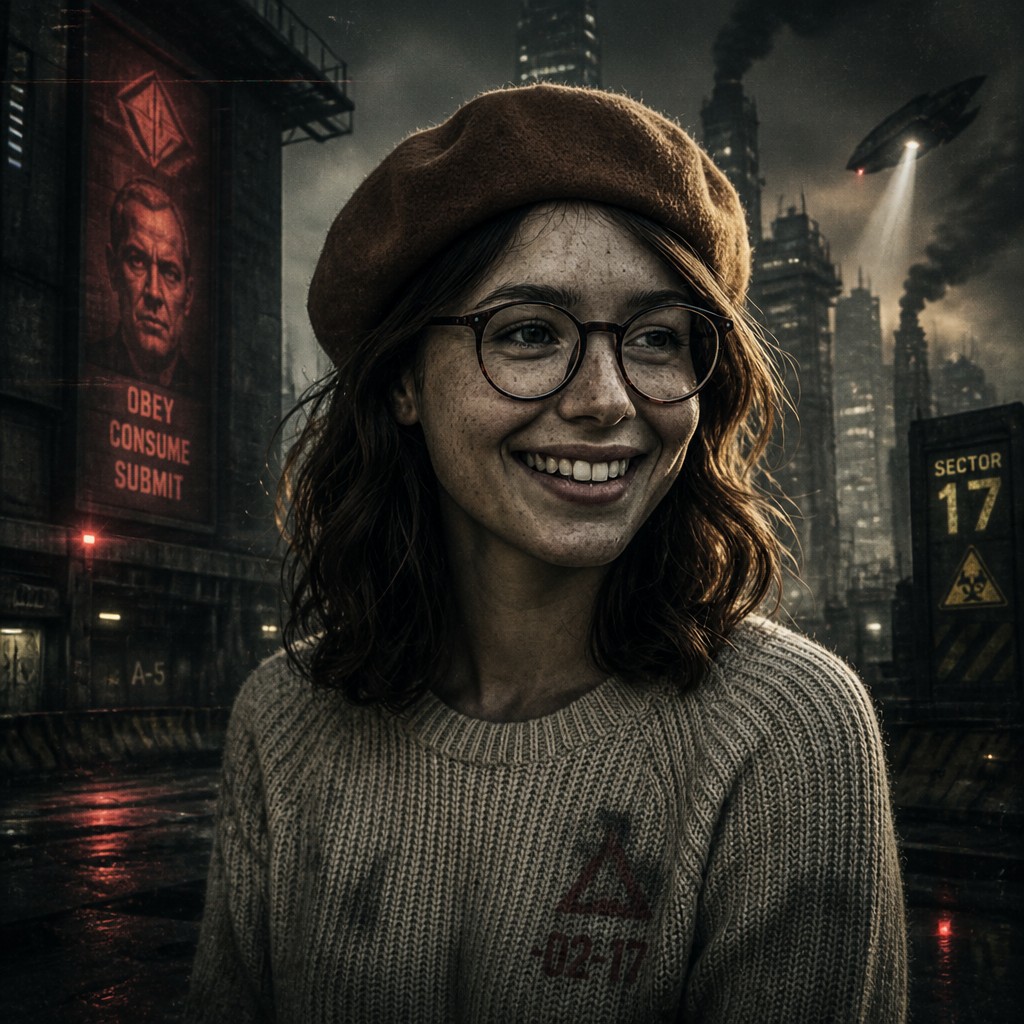
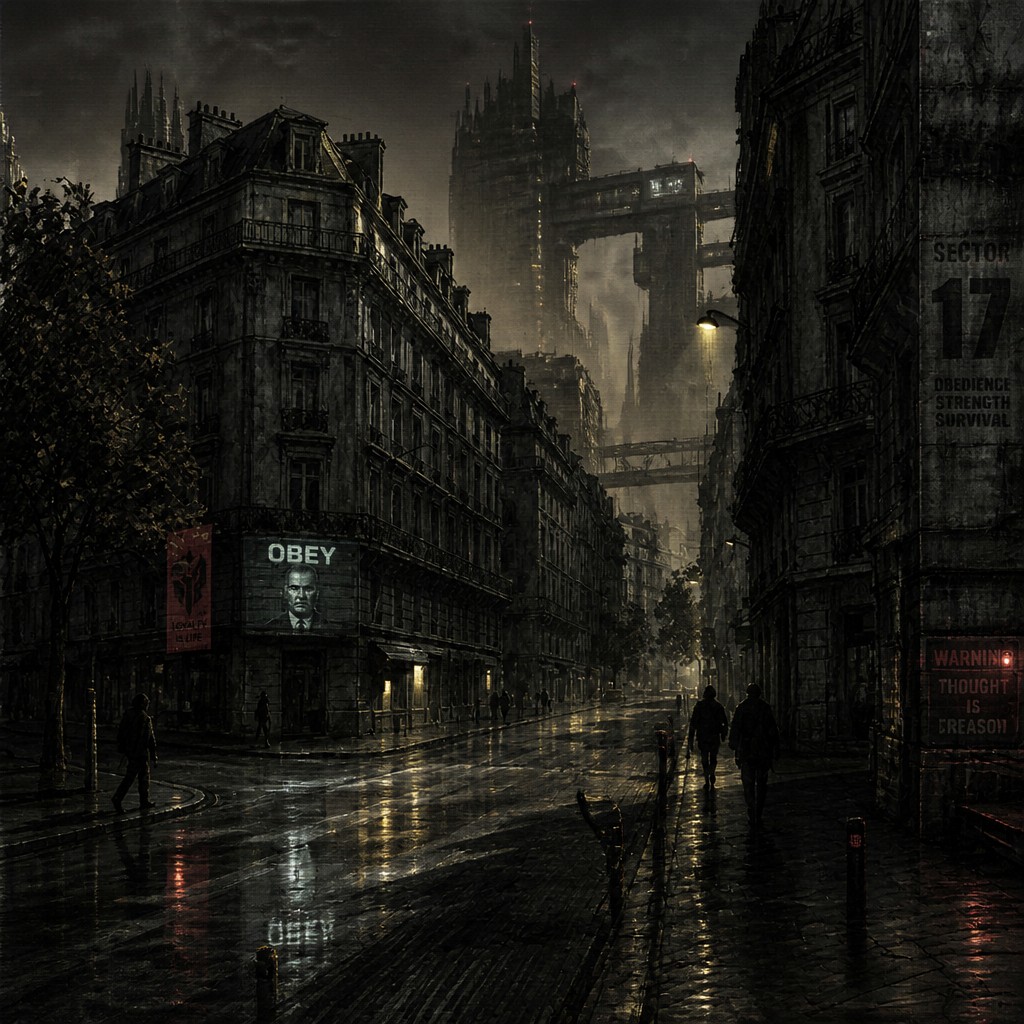
Dystopian Sci-Fi Art is a speculative visual style centered on societies under stress: authoritarian rule, environmental collapse, mass surveillance, industrial decay, and human vulnerability. It usually depicts cities of scale and control—towering infrastructure, regimented architecture, warning signage, armored machinery, and anonymous crowds—so the world itself feels hostile, impersonal, and difficult to escape.
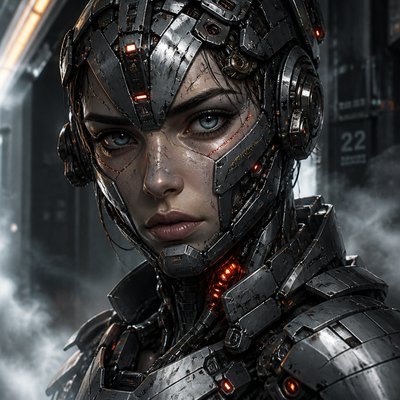
Its visual identity is defined by restraint and pressure rather than spectacle. Colors are typically muted and cold, with gunmetal grays, sickly yellows, ash, rust, and occasional red alerts or neon accents. Surfaces are worn, utilitarian, and heavily textured; lighting is stark and dramatic; and compositions often emphasize oppressive scale, angular shadows, haze, smoke, and visual interference to create a sense of systemic collapse or dehumanization.
Try It On Your Photos
Upload any photo and convert it into Dystopian Sci-Fi Art — drag the sliders to compare before and after.


What Defines Dystopian Sci-Fi Art
The signature details, up close
Desaturated, toxic palette
The color scheme favors grays, soot blacks, cold blues, dirty whites, sulfurous yellows, and occasional warning-red accents. Color is used sparingly to signal danger, power, or failing infrastructure.
Authoritarian architecture
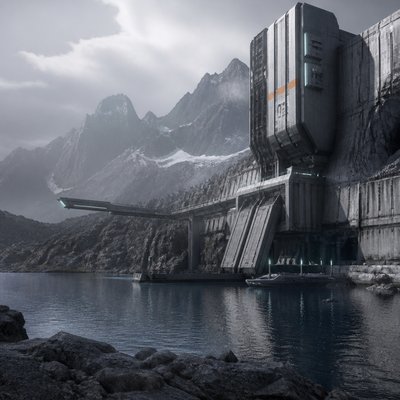
Buildings often feel monumental, repetitive, and coercive, with brutalist masses, fortified walls, surveillance towers, and endless corridors. The architecture communicates control before any characters appear.
Industrial decay and weathering
Metal, concrete, plastic, and glass surfaces are scratched, stained, rusted, chipped, or coated in grime. The environment looks overused and neglected, as if civilization is functioning only barely.
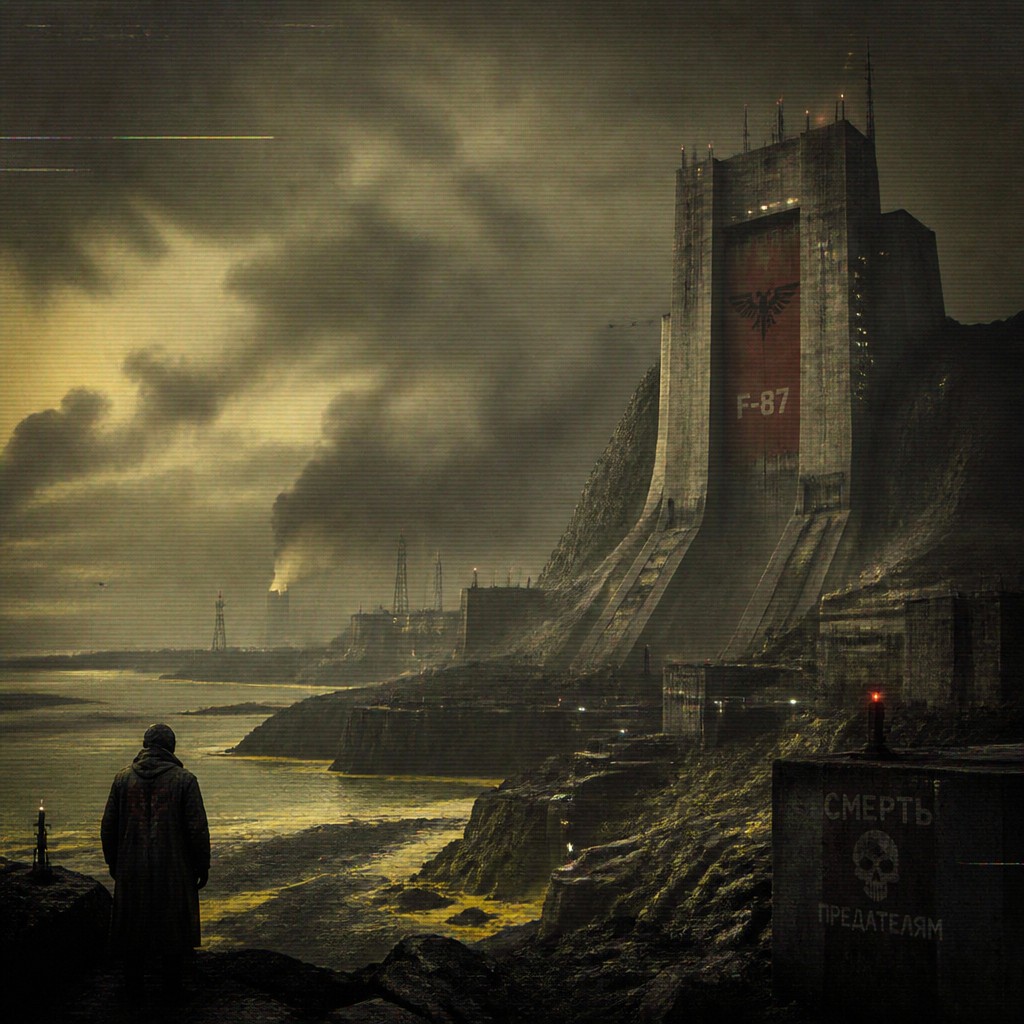
Haze, smoke, and atmospheric pollution
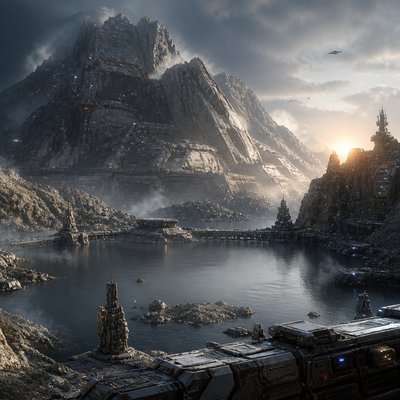
Smog, steam, dust, and chemical fog obscure distance and flatten the horizon. This atmosphere creates depth while also making the world feel suffocating and unstable.
High-contrast cinematic lighting
Sharp beams, backlighting, floodlights, and hard-edged shadows carve the scene into dramatic planes. Light often comes from industrial sources such as screens, sirens, windows, or machinery.
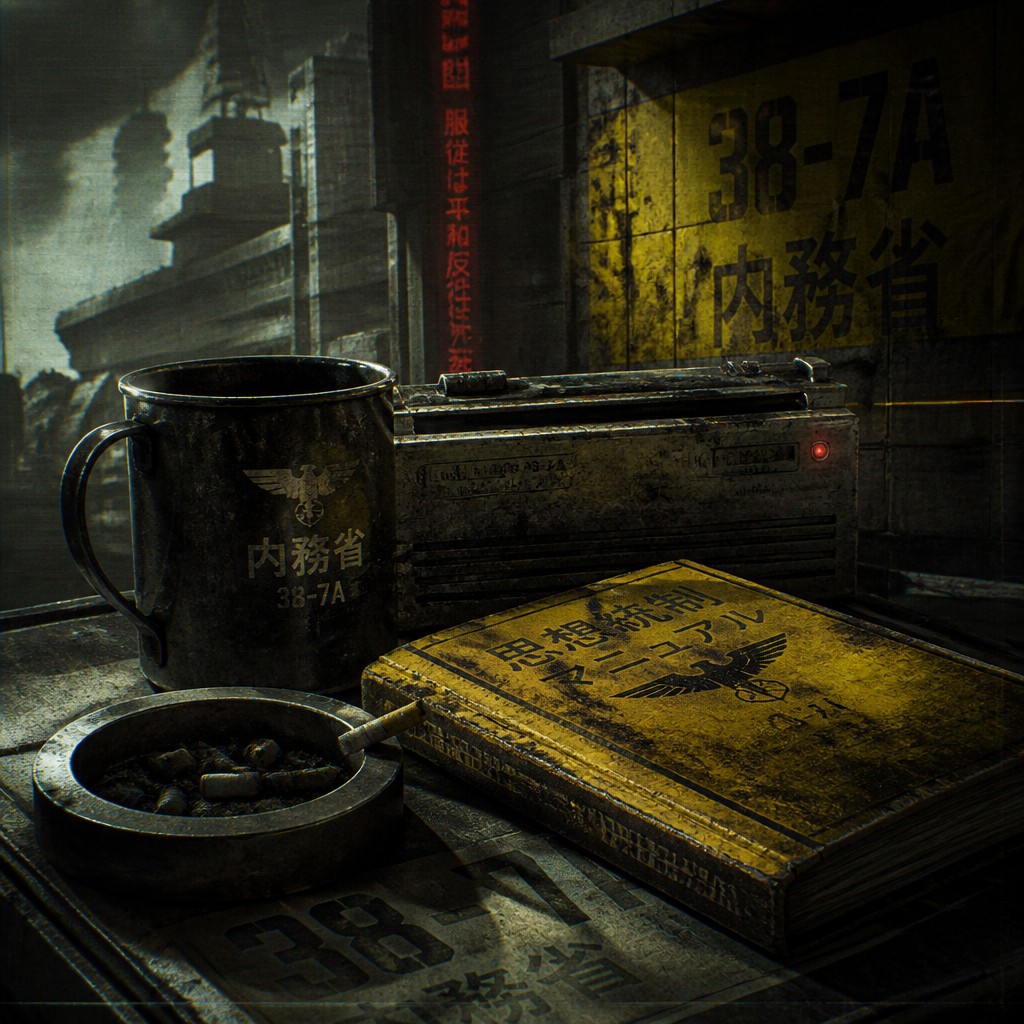
Human figures as small or constrained
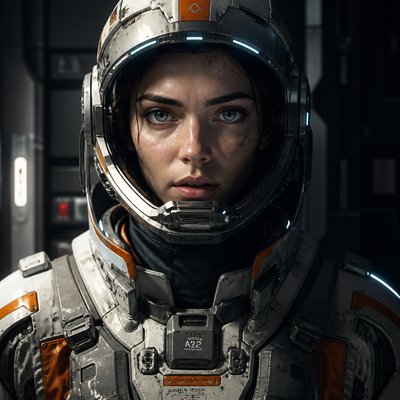
People are often dwarfed by the environment, reduced to silhouettes, uniforms, or crowds. The scale relationship reinforces themes of powerlessness, surveillance, and system dominance.
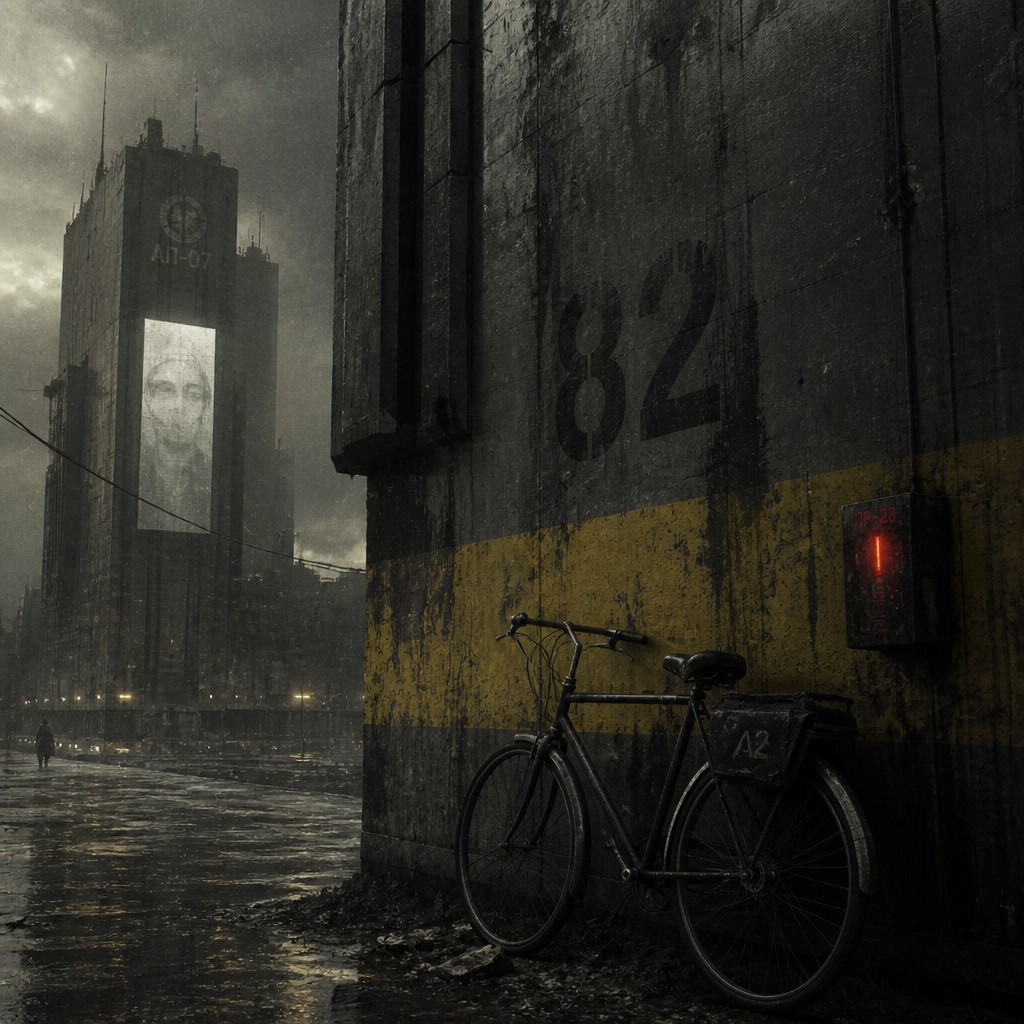
Film grain and interference
Noise, scanline artifacts, distortion, and subtle analog texture can make the image feel documented rather than polished. These imperfections support the sense of a damaged or mediated future.
Try It
Create Videos in Dystopian Sci-Fi Art
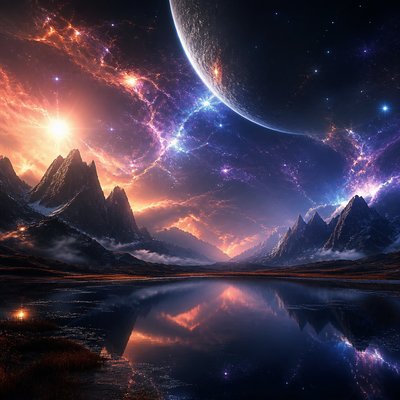
Styles aren't just for stills — describe a scene or animate an image and get a short video rendered in Dystopian Sci-Fi. Press play to see this pond come to life.
Make a VideoDystopian Sci-Fi Prompt Ideas
Start from an idea — each one opens the generator with the style ready to go. See all 40 Dystopian Sci-Fi prompts →
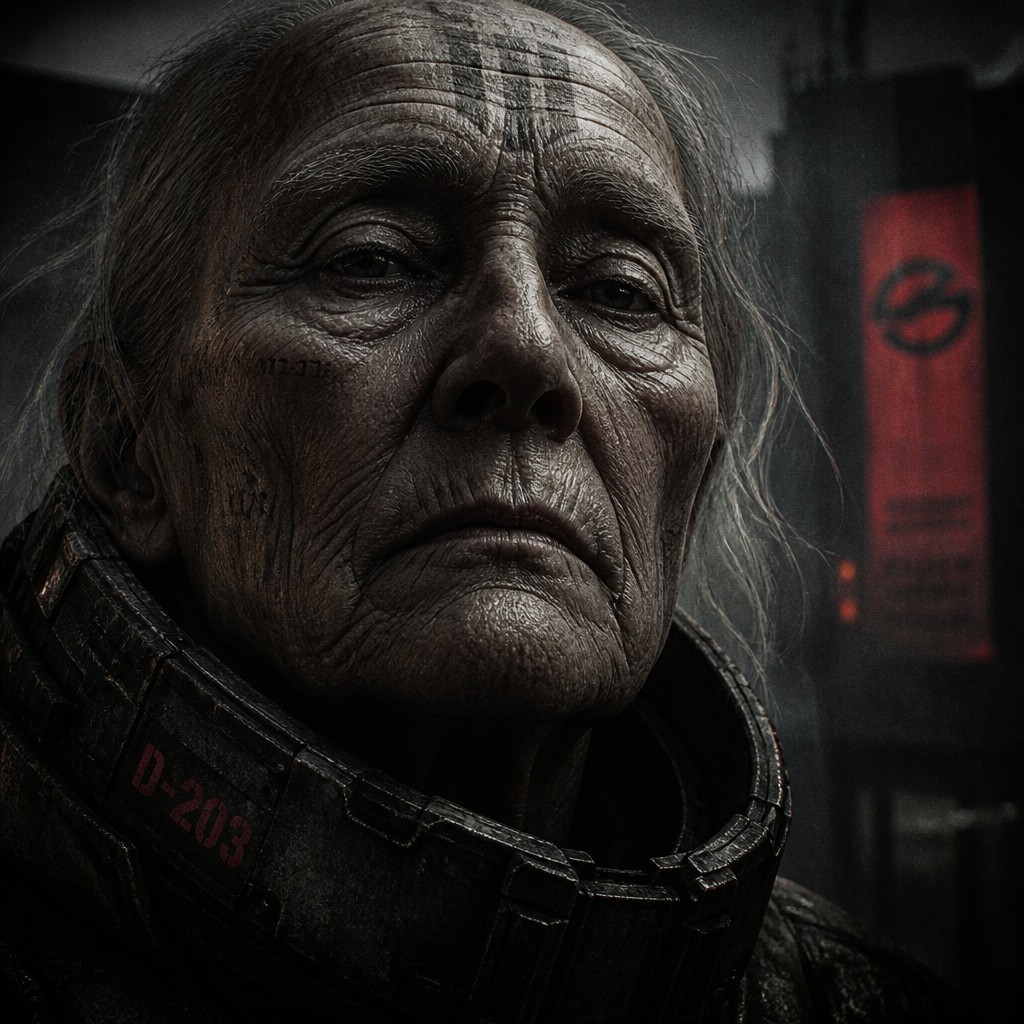
“close-up portrait of an elderly person with expressive weathered features”
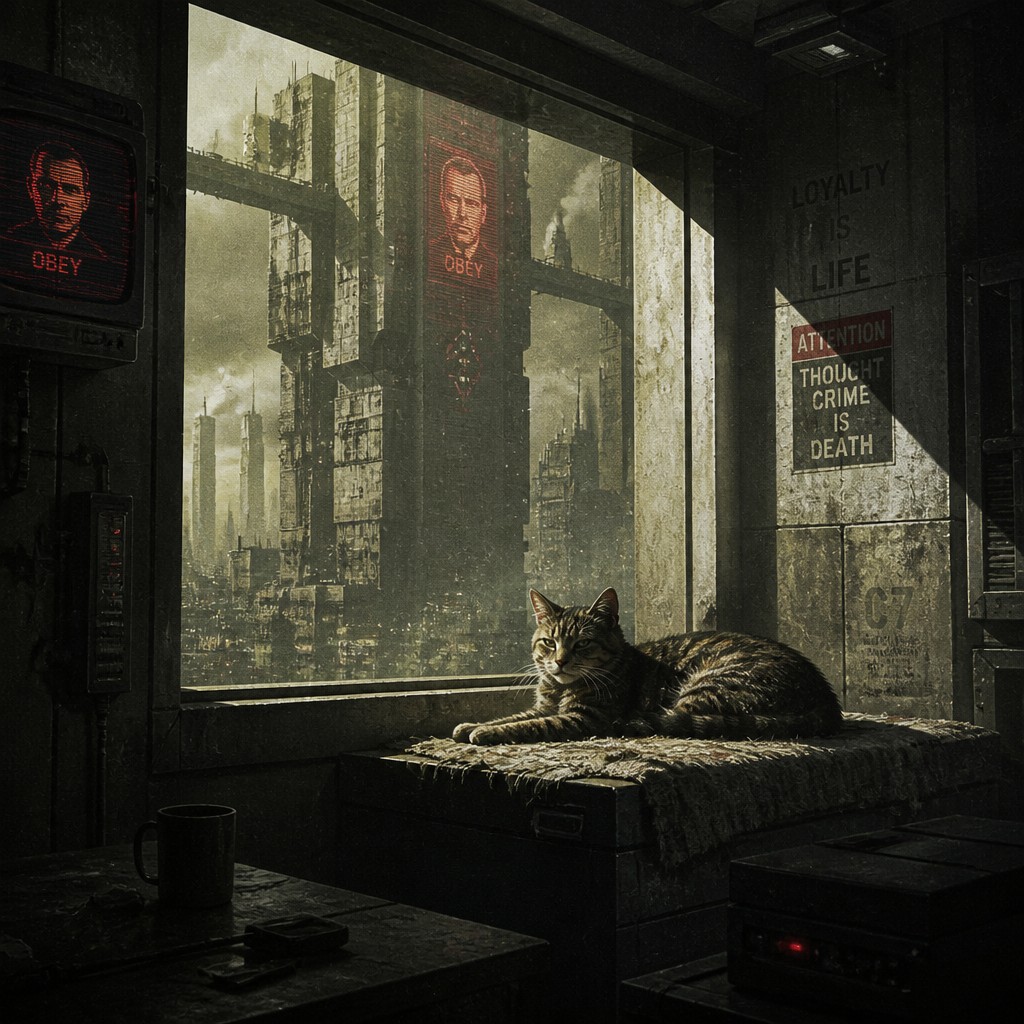
“a cat lounging in a sunlit window”
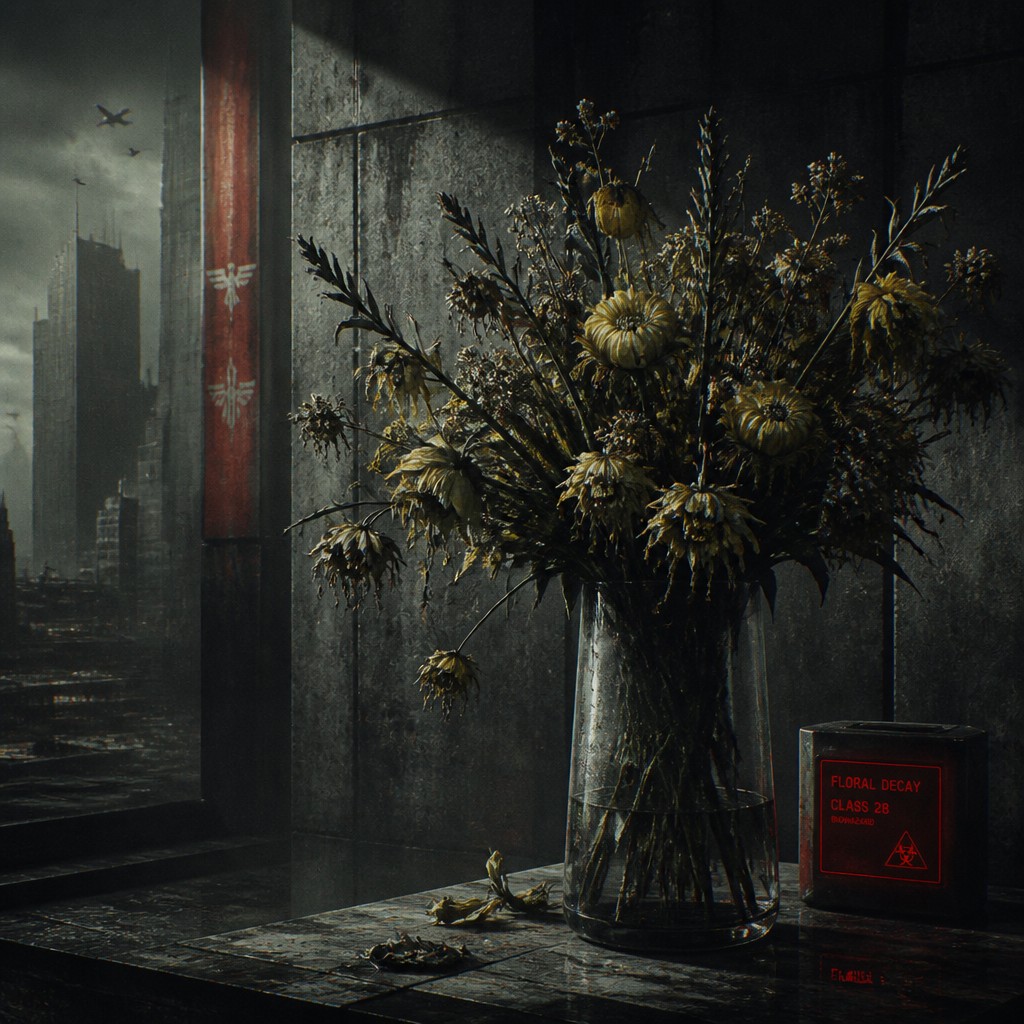
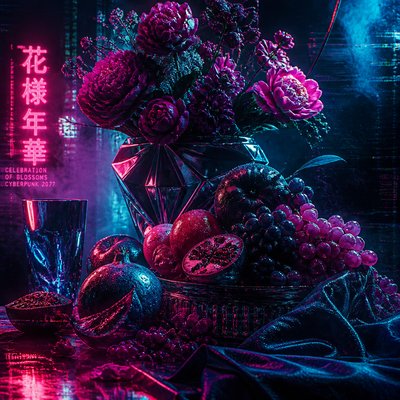
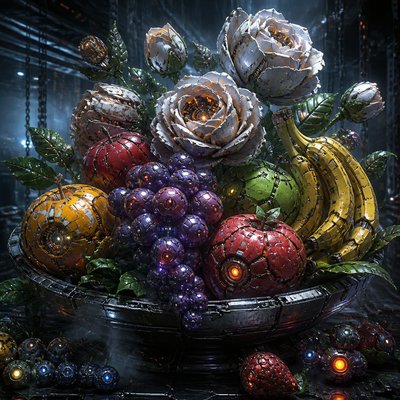
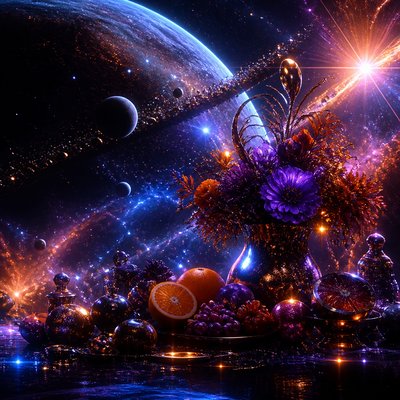
“bouquet of flowers in a glass vase”
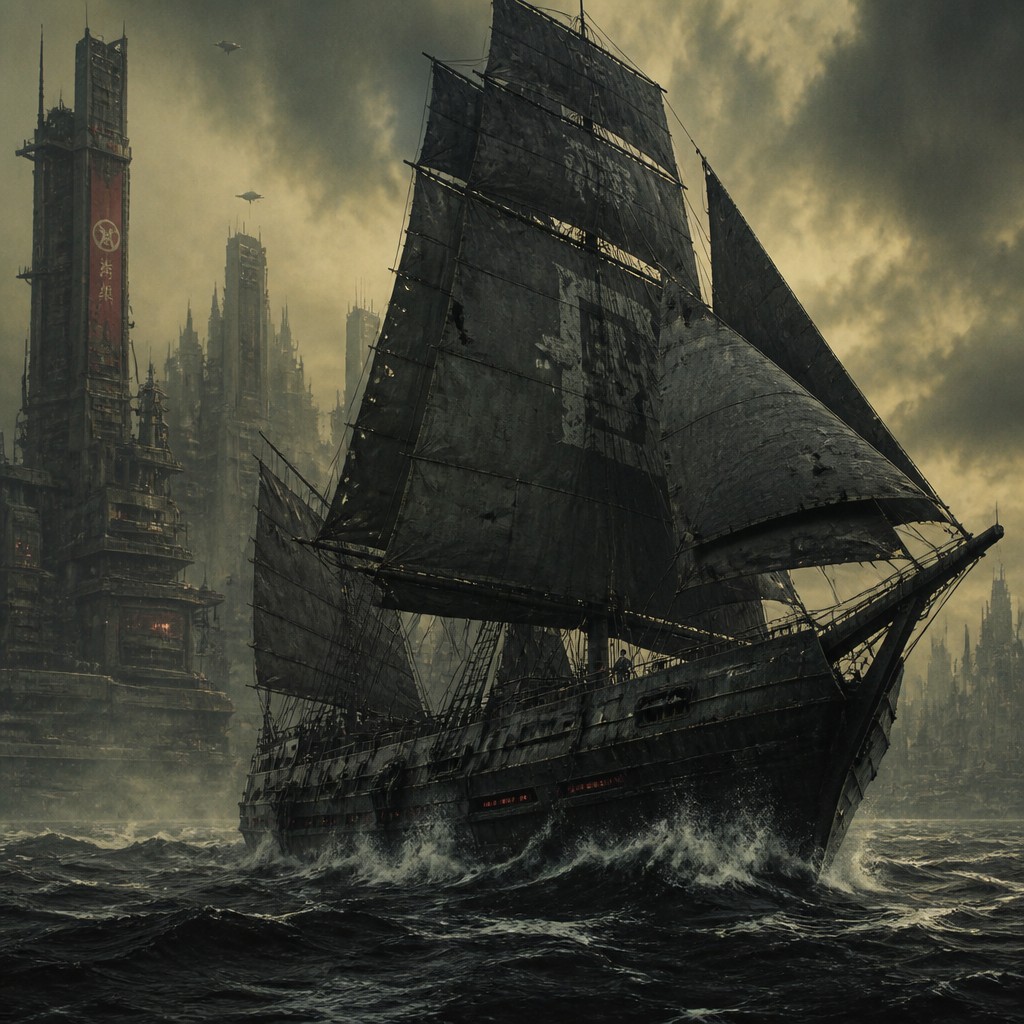
“sailing ship on a stormy sea”
How to Create Dystopian Sci-Fi Art
Master the craft step by step — or skip straight to creating. Read the full guide →
- 1
Build the world first
Design the setting as if it were a functioning system: power grids, transit corridors, checkpoints, towers, and infrastructure should tell the story. In traditional work, use strong perspective and repeated structural forms; in digital work, combine matte painting, 3D blockouts, and atmospheric layering.
- 2
Limit the palette
Choose a narrow range of cold neutrals and add only a few high-meaning accent colors, such as warning red or toxic yellow. This restraint is one of the fastest ways to make the image feel dystopian rather than generic sci-fi.
- 3
Emphasize material age and damage
Add chipped paint, soot, corrosion, scraped edges, and accumulated dirt to every surface. Whether painting by hand or editing digitally, rough texture and wear help the world feel lived-in, strained, and abandoned.
- 4
Use lighting as ideology
Let floodlights, signage, monitors, or hidden industrial sources create hard contrast and deep shadow. The lighting should feel controlling and revealing at once, as if the environment is being watched.
- 5
Keep the composition oppressive
Use tall verticals, tight framing, enclosed spaces, and large masses that press inward on the viewer. If generating with a prompt, include terms like desaturated palette, brutalist weight, polluted atmosphere, and cinematic high contrast.
- 6
Add believable image degradation
Introduce grain, compression artifacts, scanlines, lens haze, or subtle interference to suggest a recorded future or damaged archival image. This is effective in both illustration and image-to-image workflows when the source photo is translated into a harsher, more industrial mood.
The Story
History & Origins of Dystopian Sci-Fi
Dystopian Sci-Fi Art does not come from a single historical school so much as a lineage of related 20th-century and contemporary visual traditions. Its roots can be traced to industrial modernism, wartime imagery, Cold War paranoia, noir cinematography, postwar science fiction illustration, and later cyberpunk and grimdark visual culture. It also draws on Brutalism, Soviet and authoritarian monumental architecture, and the visual language of warning systems, propaganda graphics, and urban ruin.
As a recognizable aesthetic, it developed through film, illustration, concept art, comics, and video game worlds that imagined futures shaped by scarcity and control. The landmark expressionist science-fiction film about a machine-age city helped establish the iconography of machine-driven social hierarchy, while later designers and filmmakers expanded the language into polluted megacities, surveillance states, and exhausted industrial landscapes. In contemporary image-making, the style remains closely tied to cinematic worldbuilding and concept art for speculative futures.
Influences: This aesthetic draws from film and illustration traditions associated with industrial modernity, noir, and speculative design, as well as the visual languages of Brutalism and authoritarian architecture. Canonical references in the broader lineage include the landmark expressionist science-fiction film about a machine-age city for the machine-age city, and the later cyberpunk imagery popularized in visual culture by artists and designers working in comic, film, and concept art fields. It also overlaps with photojournalistic depictions of urban ruin and with propaganda graphics through its use of scale, repetition, and controlled visual hierarchy.
Frequently Asked Questions
What defines Dystopian Sci-Fi Art?
It is defined by futures that feel oppressive, damaged, or unsustainable. Common markers include authoritarian architecture, polluted atmospheres, harsh lighting, industrial textures, and a palette of cold grays and warning colors.
How is it different from cyberpunk?
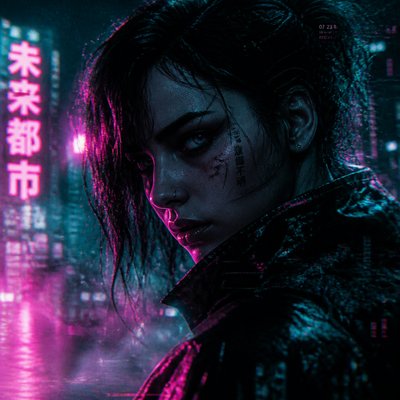
Cyberpunk usually emphasizes high technology, neon nightlife, and the collision between digital networks and street-level rebellion. Dystopian Sci-Fi Art is broader and often bleaker, with less emphasis on glamour or tech style and more focus on collapse, control, and environmental or political decay.
How can I make a picture feel more dystopian?
Reduce saturation, add grime and wear, and make the environment dominate the subject. Strong perspective, heavy shadows, smoke, surveillance elements, and small human figures all help create the right mood.
What subjects work best in this style?
Megacities, checkpoints, factories, underground shelters, riot scenes, refugees, drones, and resistance movements are especially effective. Even ordinary subjects become dystopian if they are placed in a controlled, degraded, or militarized environment.
Is this style only for dark or violent scenes?
No. It can also depict quiet, exhausted, or everyday moments in a damaged future, such as commuting, maintenance, rationing, or waiting in a monitored space. The key is that the world feels constrained and under pressure.
Can I use this style for photo transformation?
Yes. A strong source image with clear subjects and architecture works well, especially if you want to translate a modern city, portrait, or interior into a harsher future setting. The most effective transformations usually darken the palette, add atmospheric haze, and replace clean surfaces with industrial wear.
Create your first Dystopian Sci-Fi artwork
Describe anything — or upload a photo — and see it in Dystopian Sci-Fi Art in seconds.
Make Something with Dystopian Sci-Fi
Compare Dystopian Sci-Fi
Related Styles
Discover similar art styles