Mecha Anime Art Style
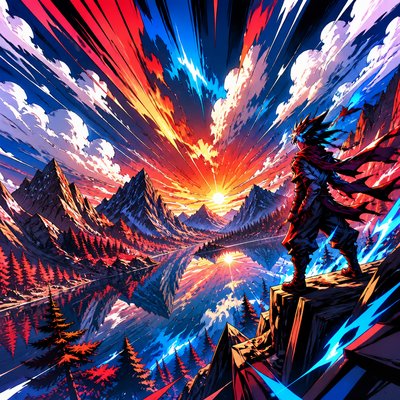
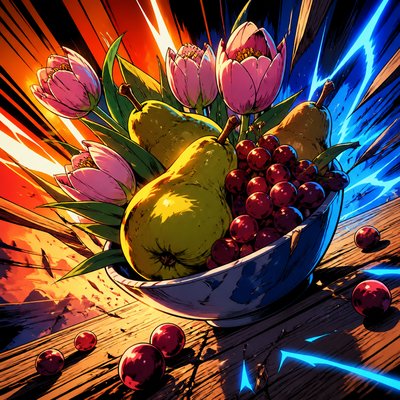
Dynamic sci-fi anime style with giant robots, armored detail, glowing systems, and dramatic scale for pilots, battles, and mechanical designs.
Instantly rendered in Mecha Anime — or transform a photo
Mecha Anime Gallery
Tap any artwork to explore it
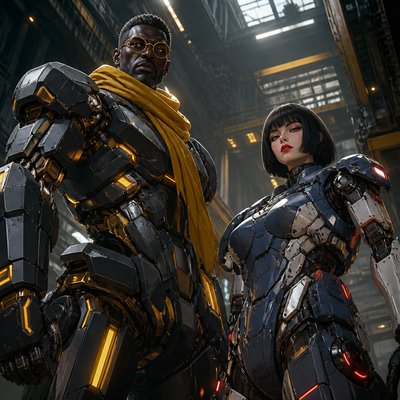
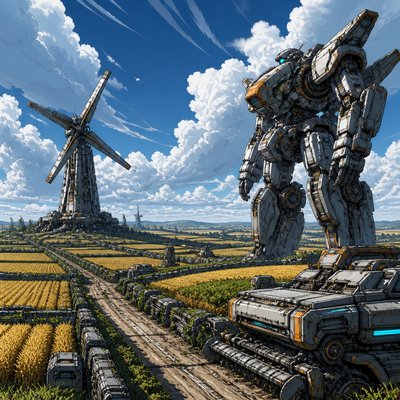
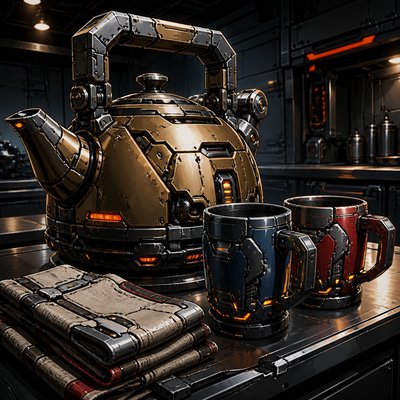
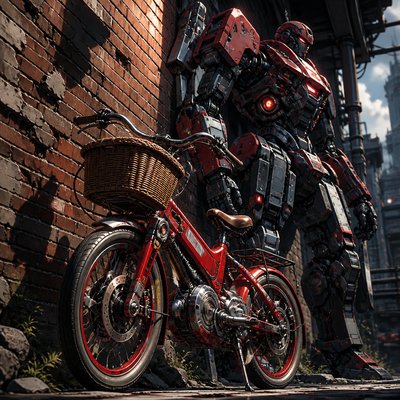
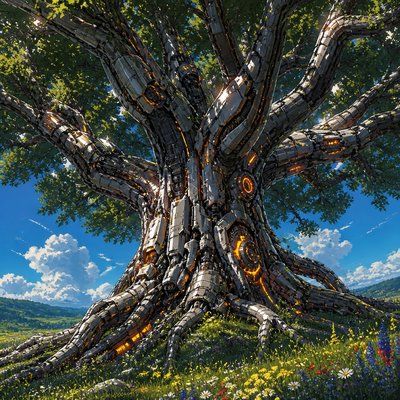
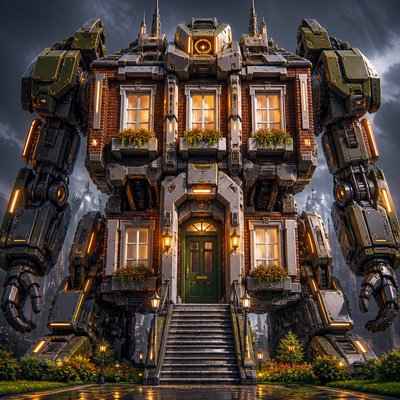
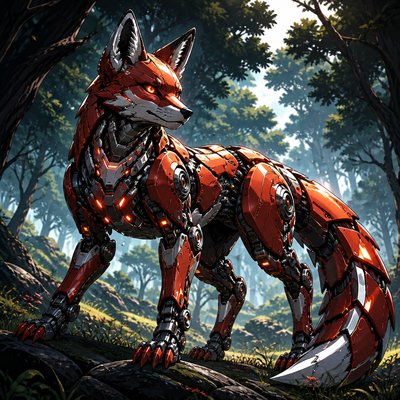
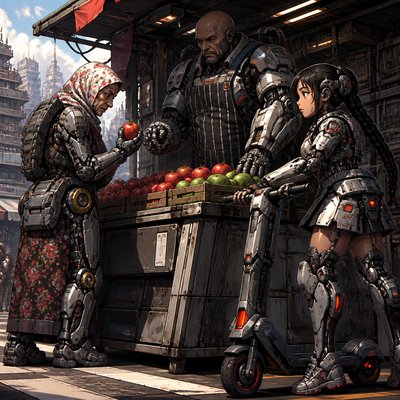
What is Mecha Anime Art Style?
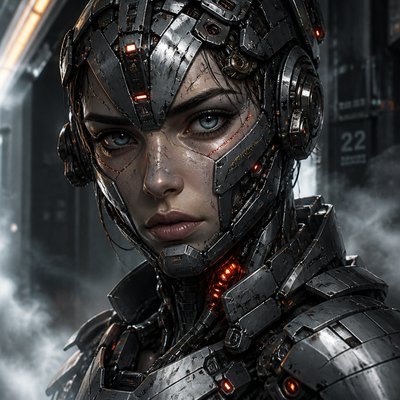
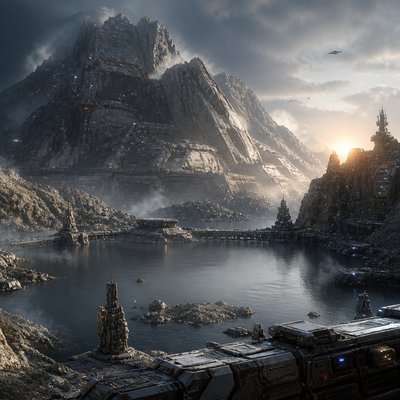
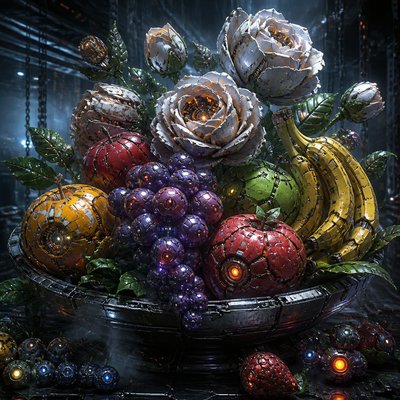
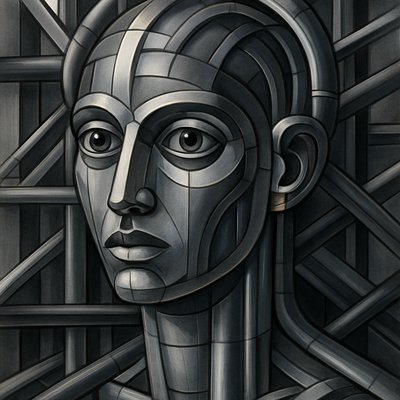
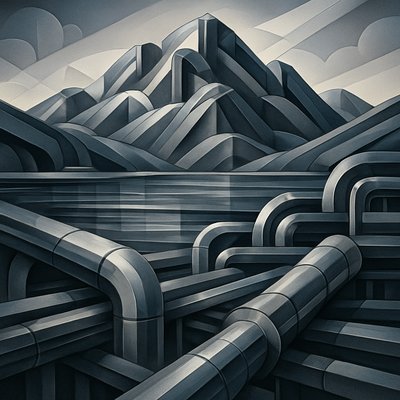
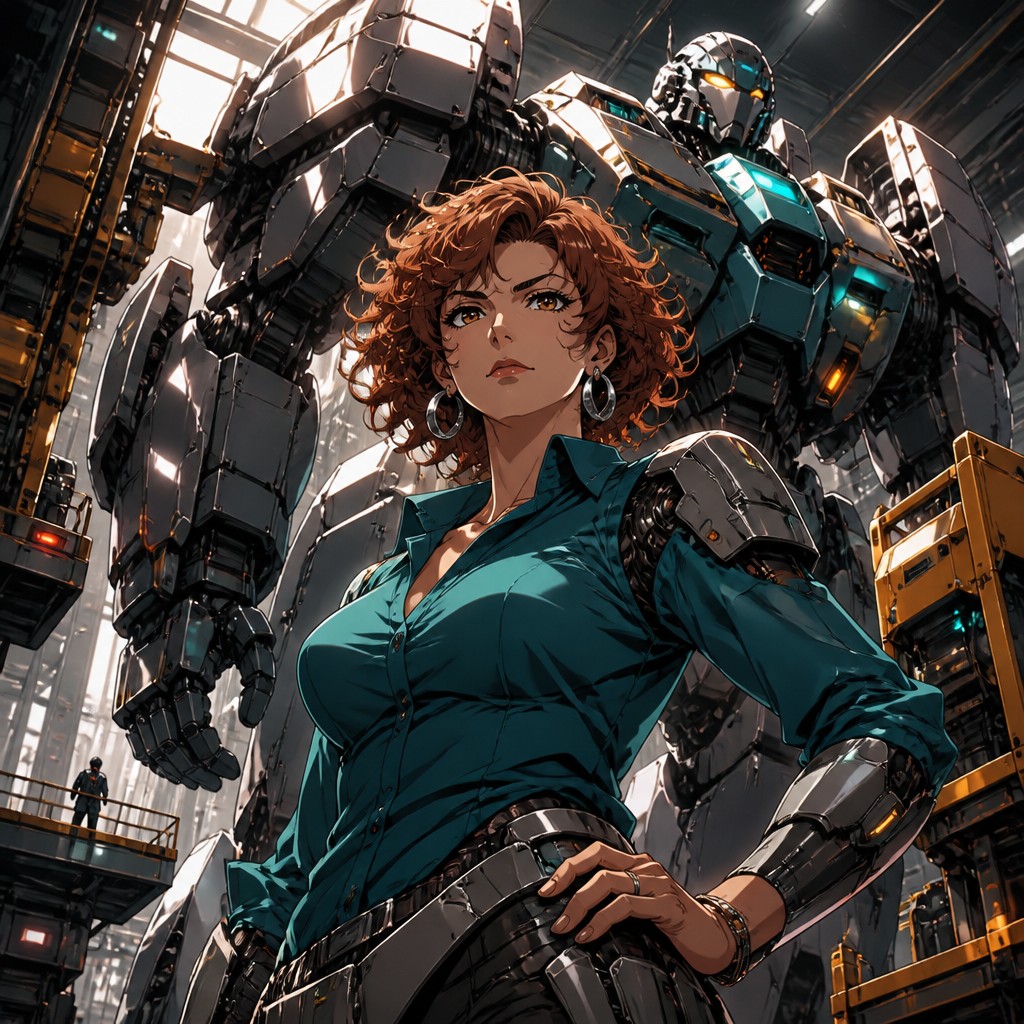
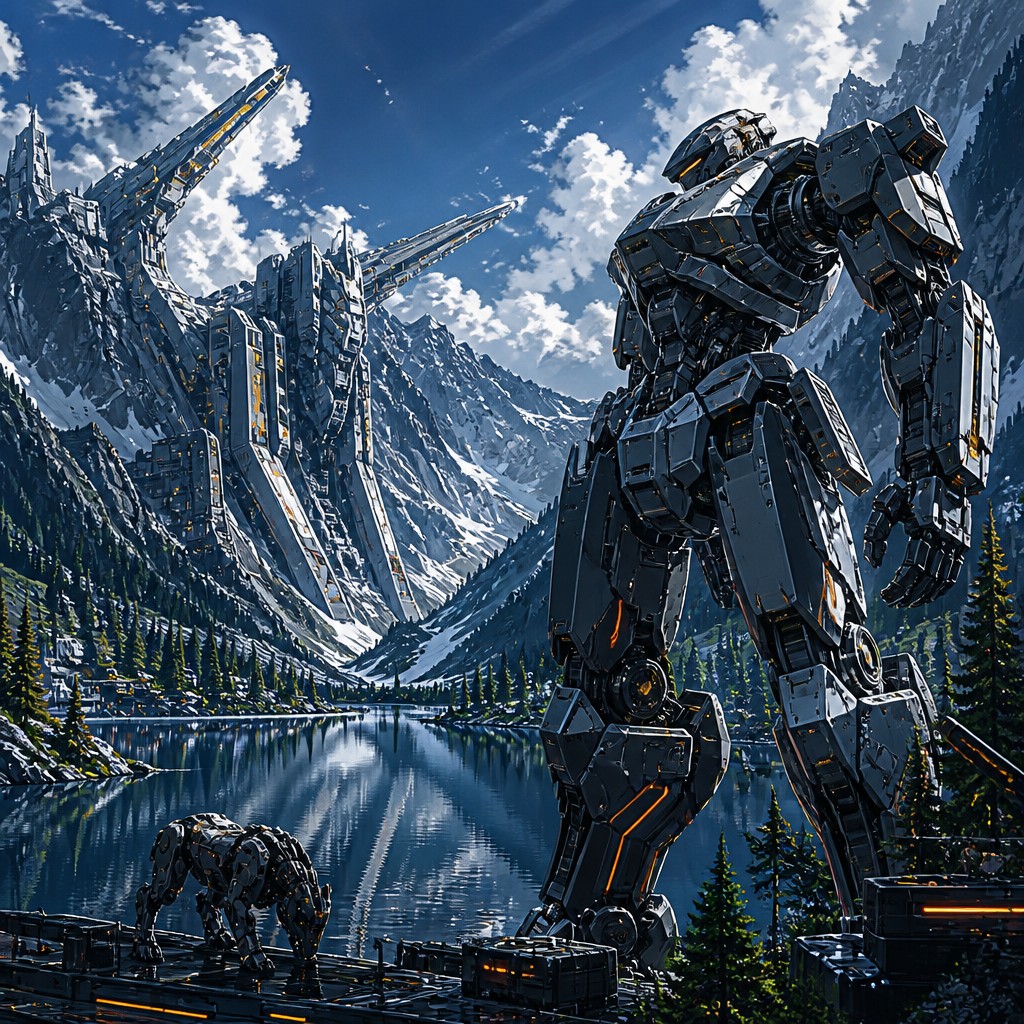
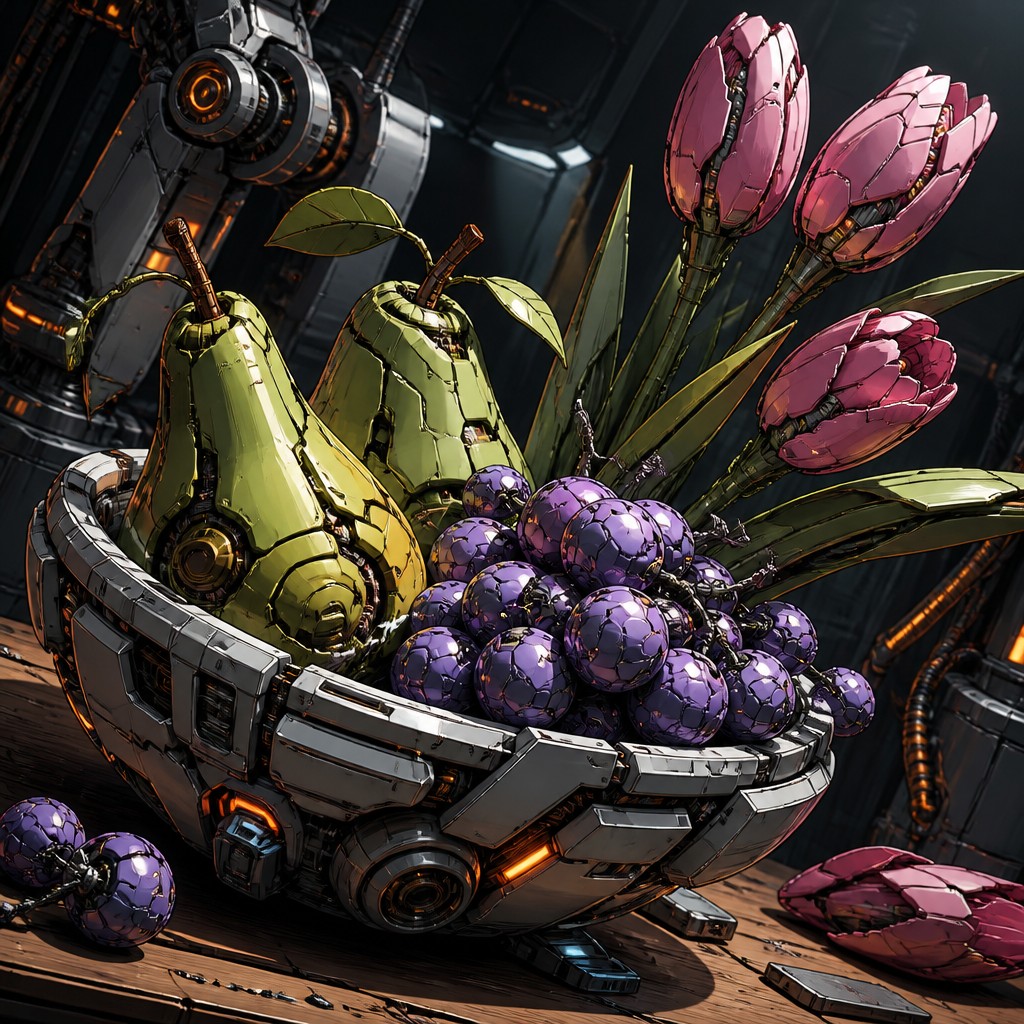
Mecha anime art style is a science-fiction visual language centered on giant robots, armored exteriors, cockpit-driven vehicles, and the human figures who pilot them. It emphasizes engineered forms rather than organic ones: segmented plating, exposed joints, vents, hydraulics, weapon mounts, and luminous power systems are rendered with crisp contour lines and highly structured surfaces.
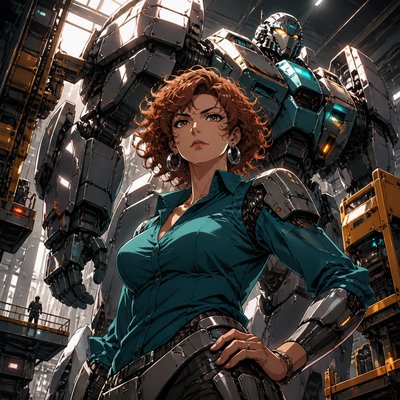
The style is instantly recognizable for its contrast between human scale and machine scale. Pilots are often shown inside towering frames, half-hidden in cockpits or dwarfed by city-sized war machines, creating a sense of tension, technical precision, and dramatic spectacle. The look developed from anime and manga traditions that fused military hardware, tokusatsu, industrial design, and cinematic composition, so it tends to feel both functional and theatrical at once.
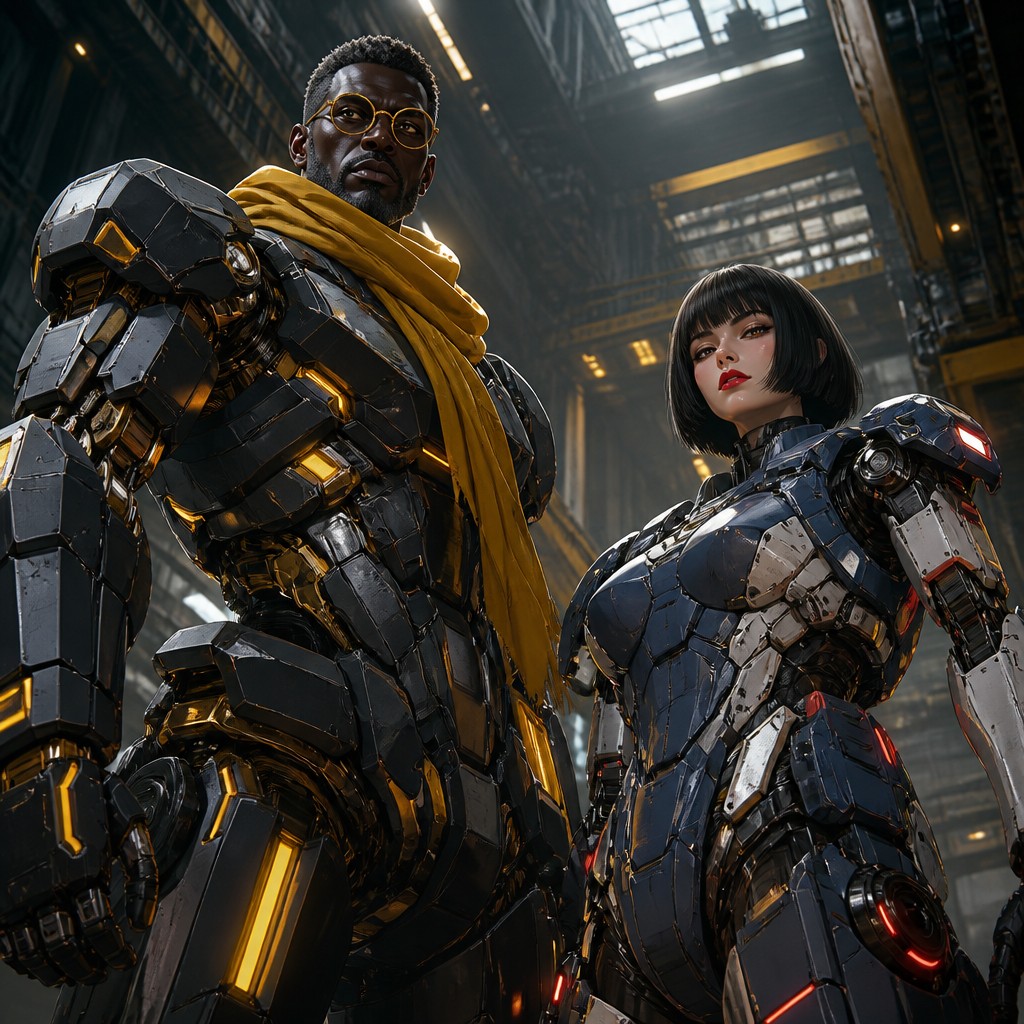
Try It On Your Photos
Upload any photo and convert it into Mecha Anime Art Style — drag the sliders to compare before and after.
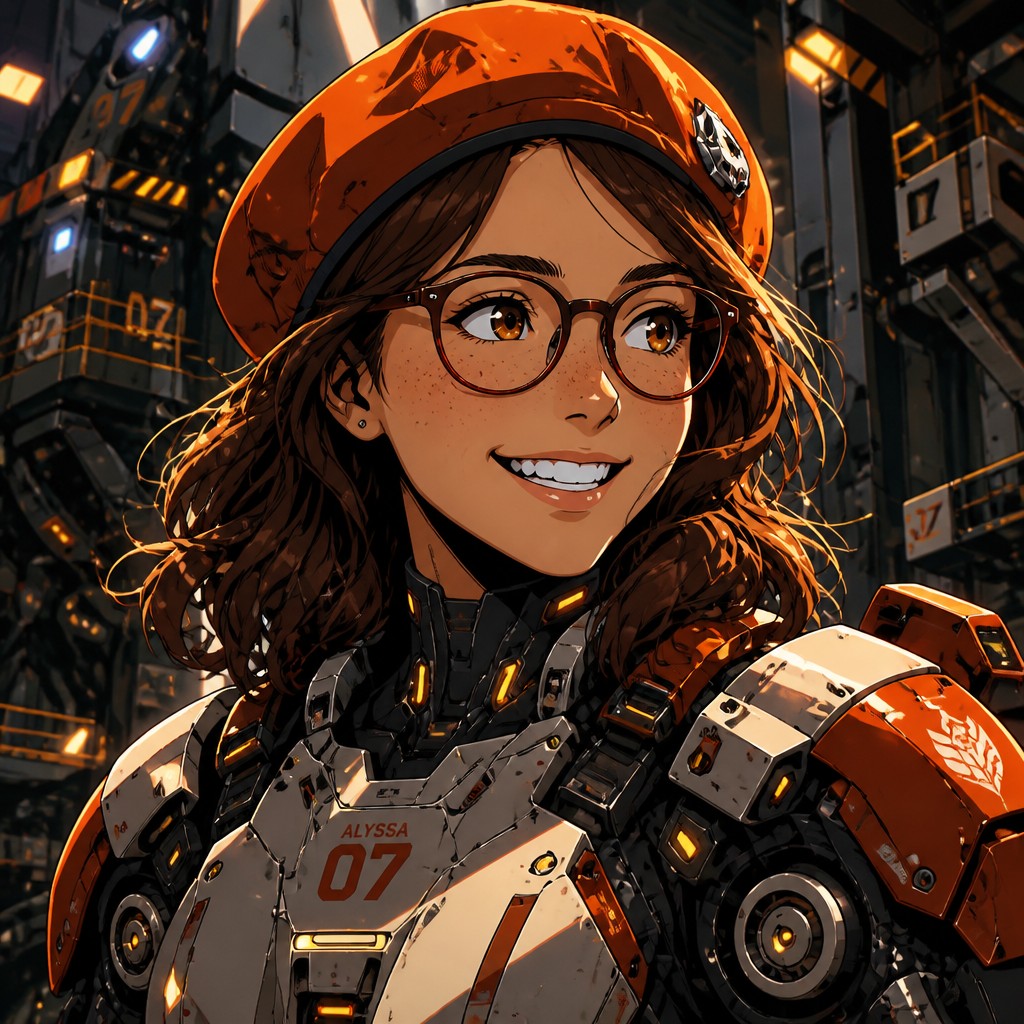

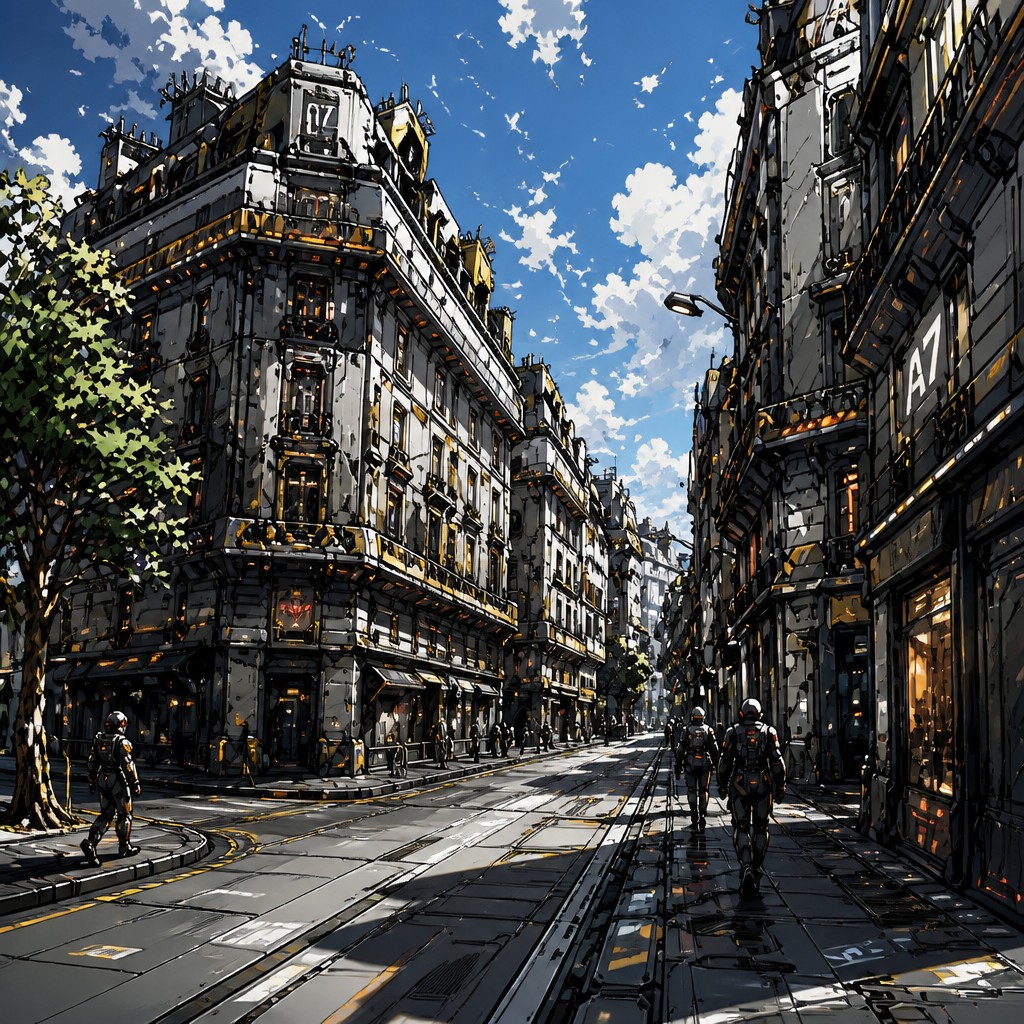

What Defines Mecha Anime Art Style
The signature details, up close
Armored mechanical anatomy
Bodies are built from overlapping plates, joints, pistons, thrusters, and recessed mechanics. The design often suggests real-world engineering logic, even when the machine is fantastical.
Bold linework and clean shapes
Outlines are crisp and readable, with clear separation between plates, seams, and internal components. Forms are simplified enough to scan quickly, but detailed enough to reward close inspection.
Metallic surfaces and panel lines
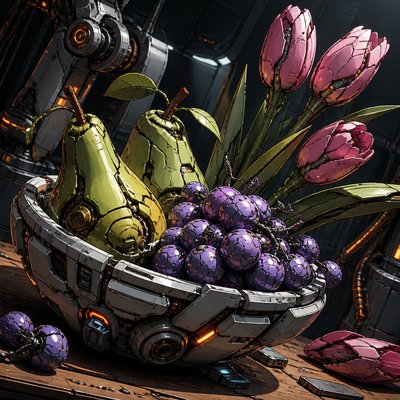
The finish typically includes brushed metal, chrome, painted armor, and technical markings. Panel lines, vents, warning stripes, and decals help sell scale and fabrication.
High-contrast lighting
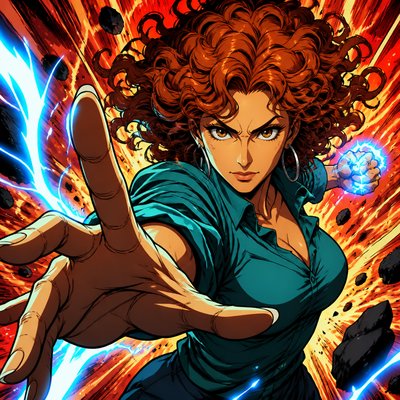
Strong rim light, deep shadows, and glowing energy sources create a dramatic silhouette. Highlights often trace edges and corners to emphasize shape and mass.
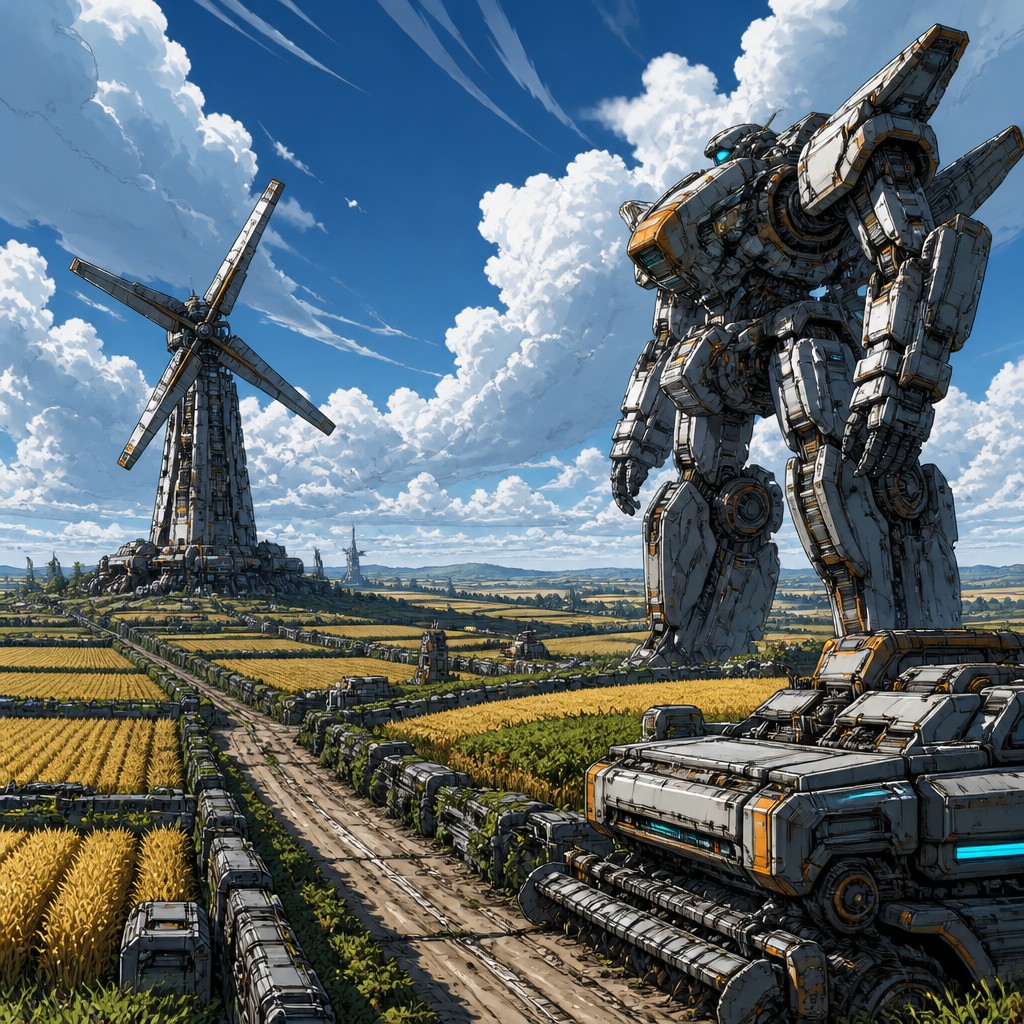
Dramatic scale relationships
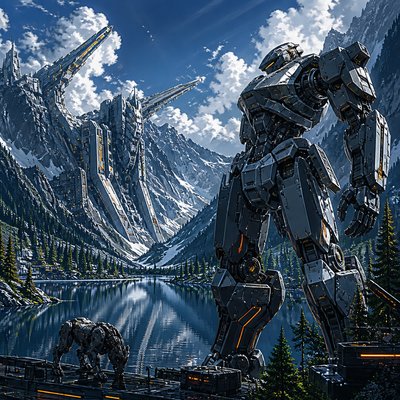
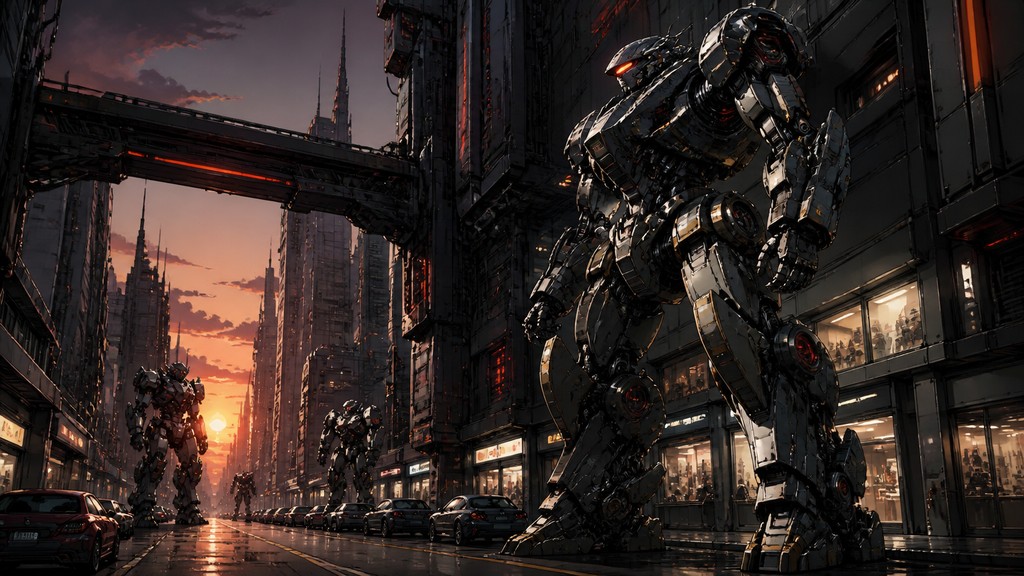
Human pilots, vehicles, city blocks, and spacecraft are often placed together to stress size differences. This makes the mecha feel monumental, powerful, or overwhelming.
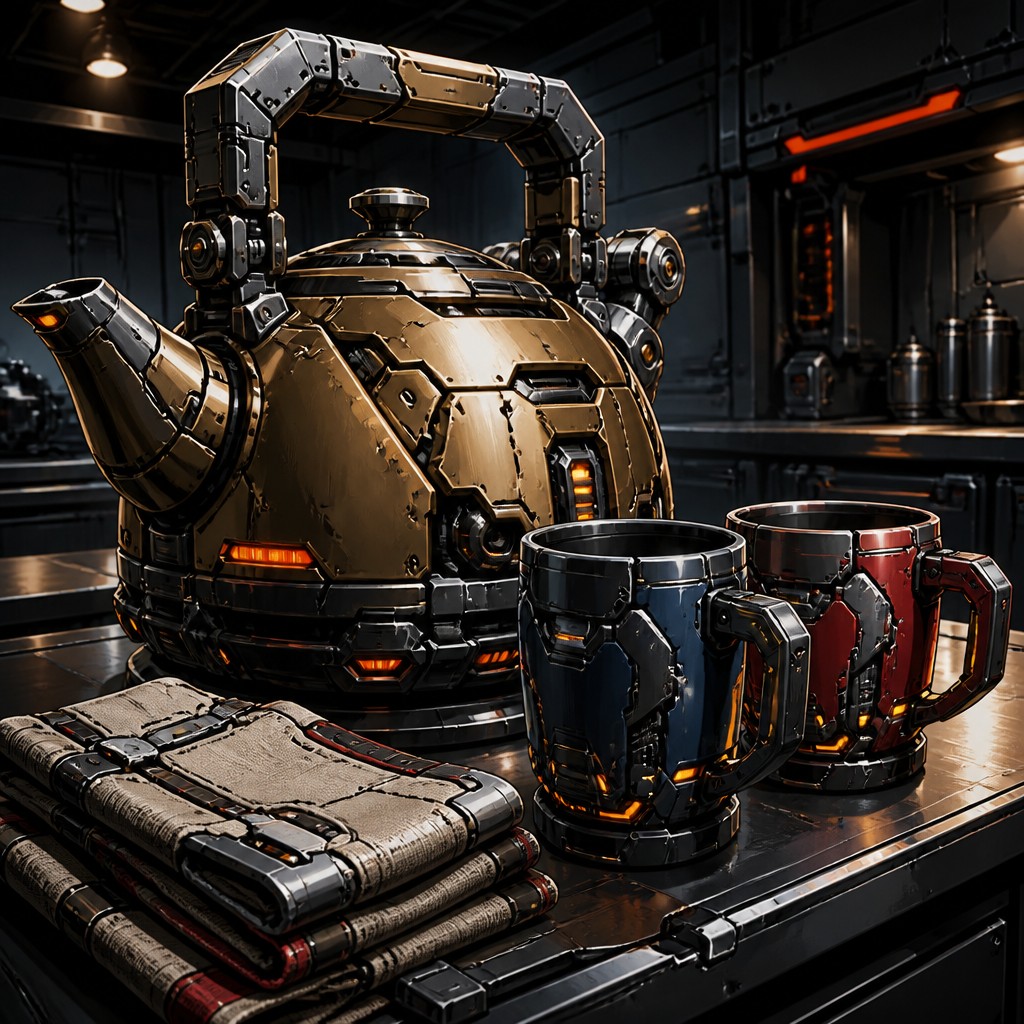
Industrial color palettes
Gunmetal, white armor, dark navy, and black are commonly offset by red, yellow, orange, or neon green accents. These warning colors guide the eye to weapons, sensors, and power systems.
Try It
Create Videos in Mecha Anime Art Style
Styles aren't just for stills — describe a scene or animate an image and get a short video rendered in Mecha Anime. Press play to see this pond come to life.
Make a VideoMecha Anime Prompt Ideas
Start from an idea — each one opens the generator with the style ready to go. See all 40 Mecha Anime prompts →
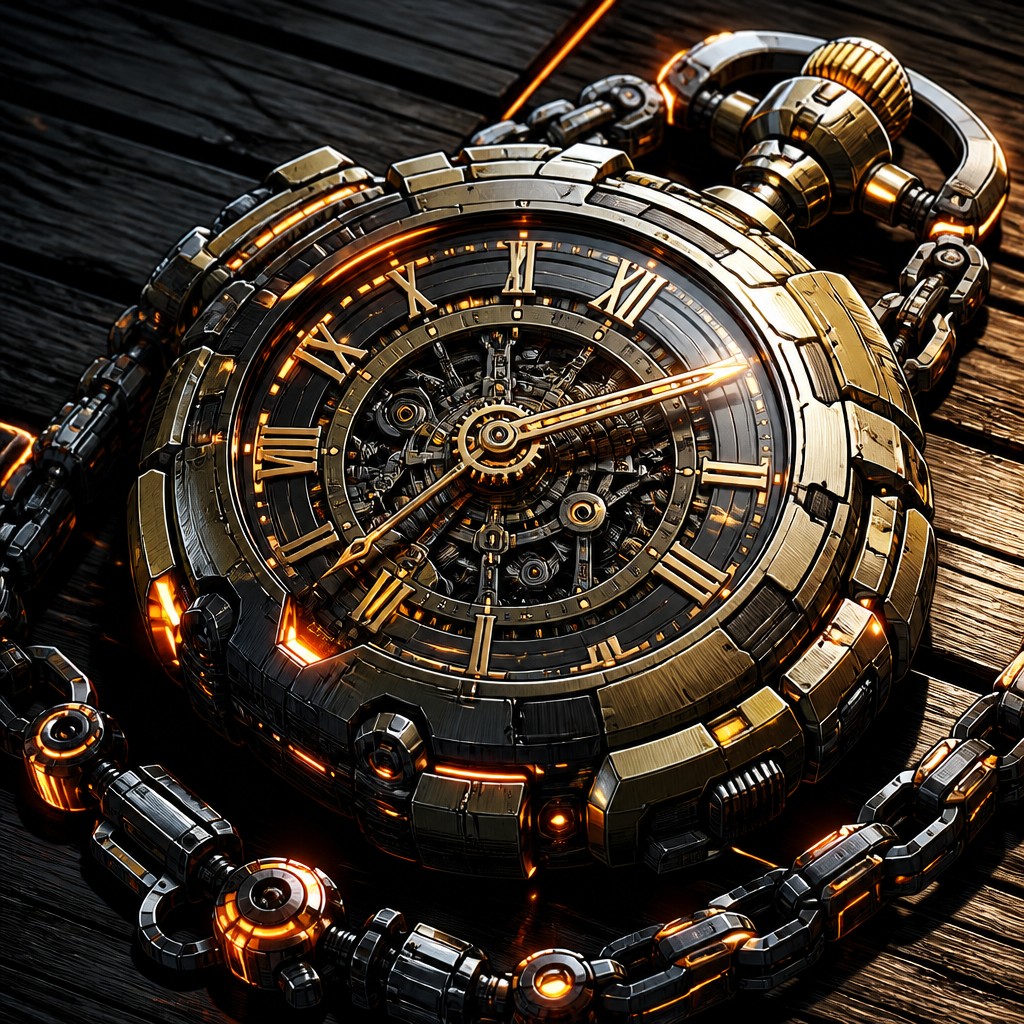
“close-up of an antique brass pocket watch on weathered wood planks, no people”
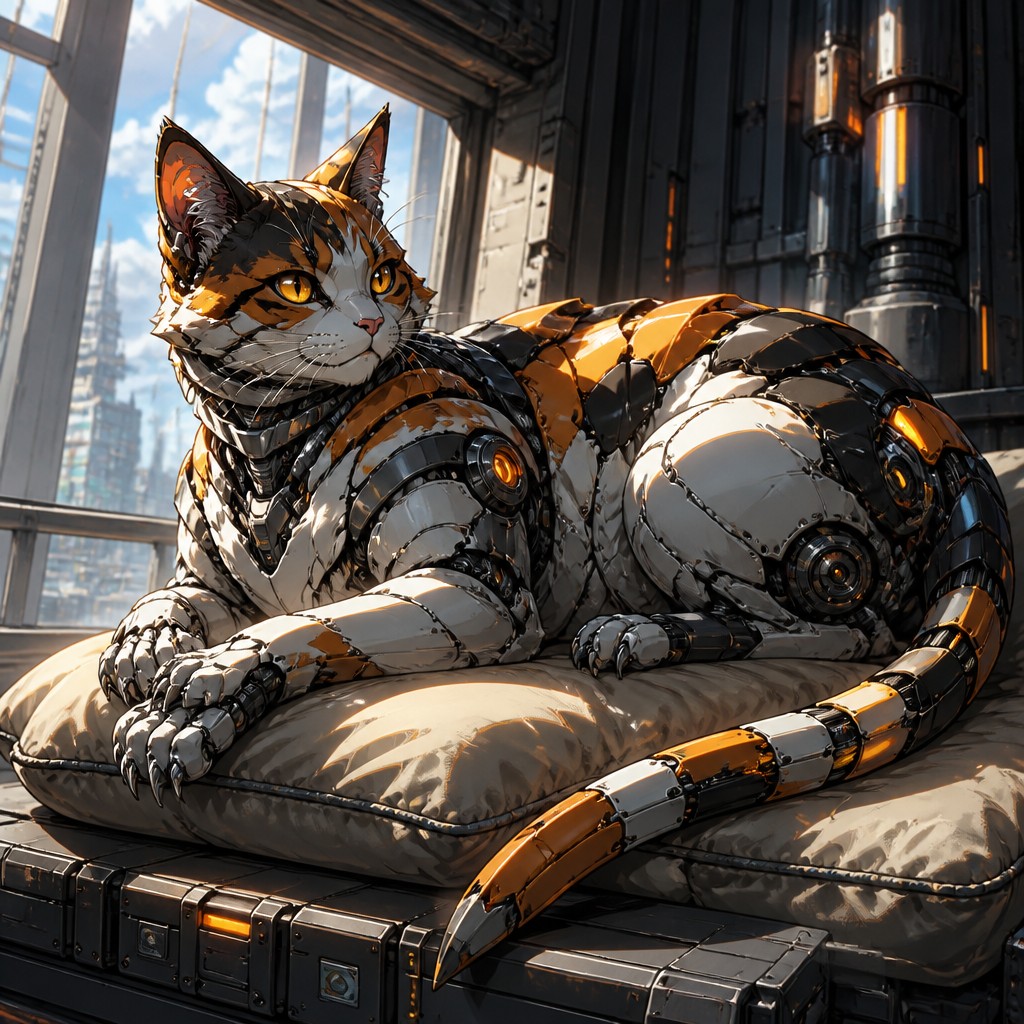
“a fluffy calico cat lounging on a cushion in a sunlit window, no people”
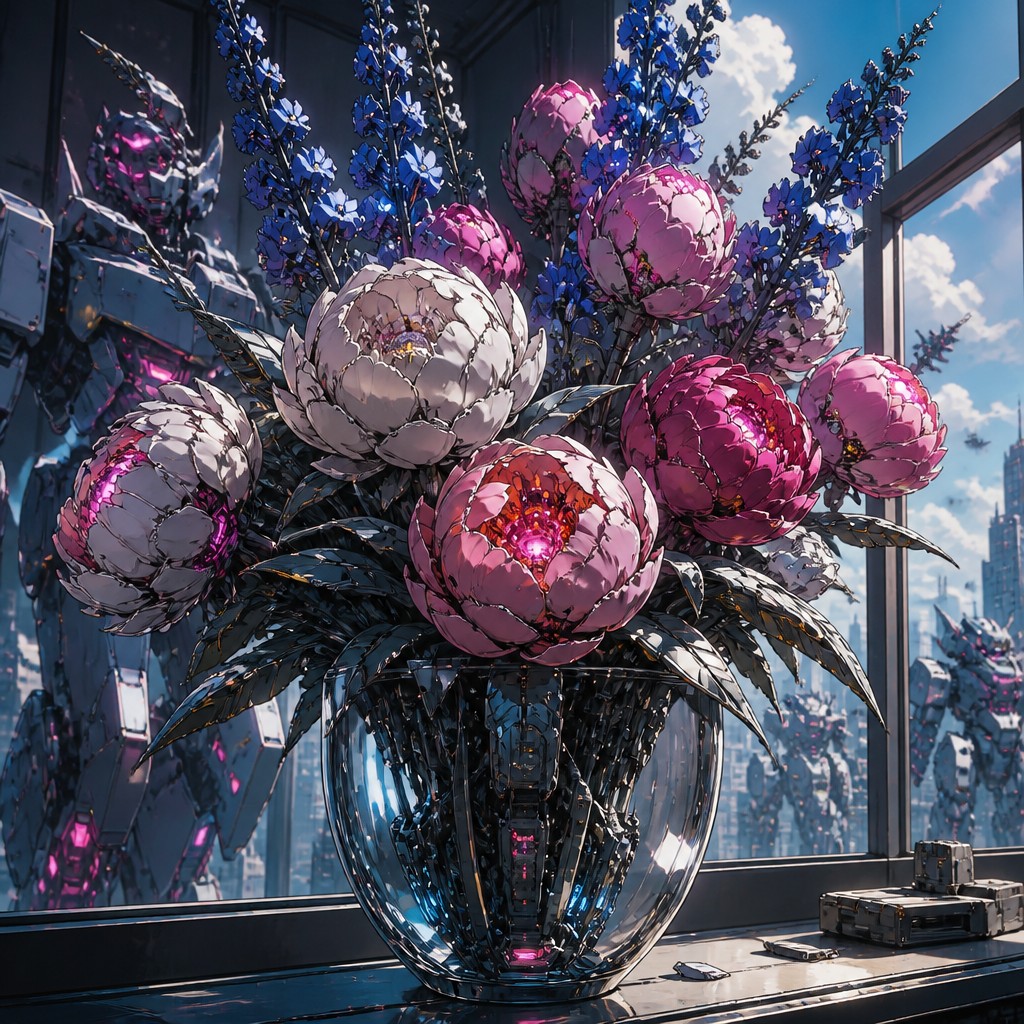
“bouquet of peonies, delphiniums and roses in a clear glass vase on a windowsill, no people”
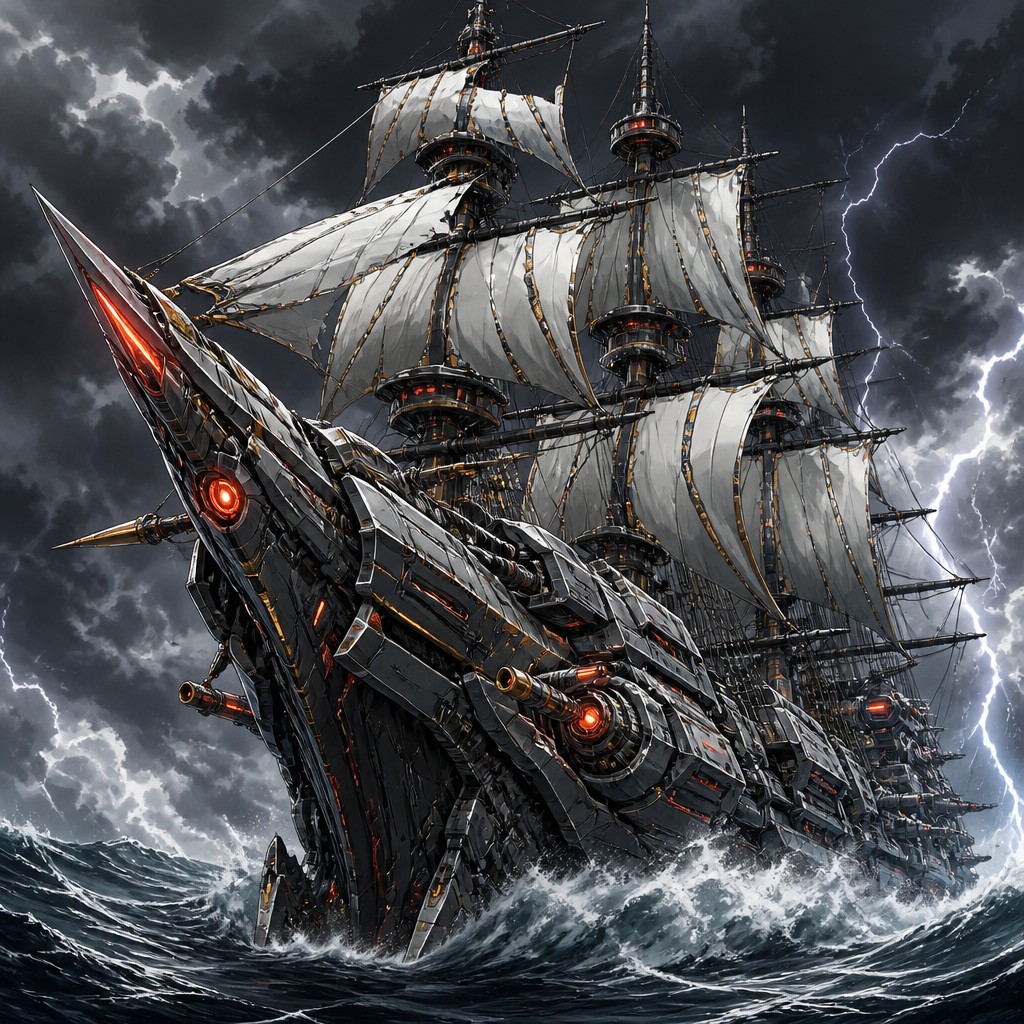
“a three-masted wooden sailing ship with white sails on a stormy sea, no crew visible on deck”
How to Create Mecha Anime Art
Master the craft step by step — or skip straight to creating. Read the full guide →
- 1
Build the design from engineering logic
Start with a clear mechanical silhouette, then add joints, armor segments, vents, thrusters, and access hatches that imply function. Even in stylized work, each component should feel attached to an actual structure.
- 2
Use clean drafting and controlled rendering
In traditional drawing, rely on precise ink lines, ruler-supported construction, and layered cel-style shadows. In digital work, separate line art, flats, shadows, and effects so the machine retains crisp readability.
- 3
Emphasize scale through framing
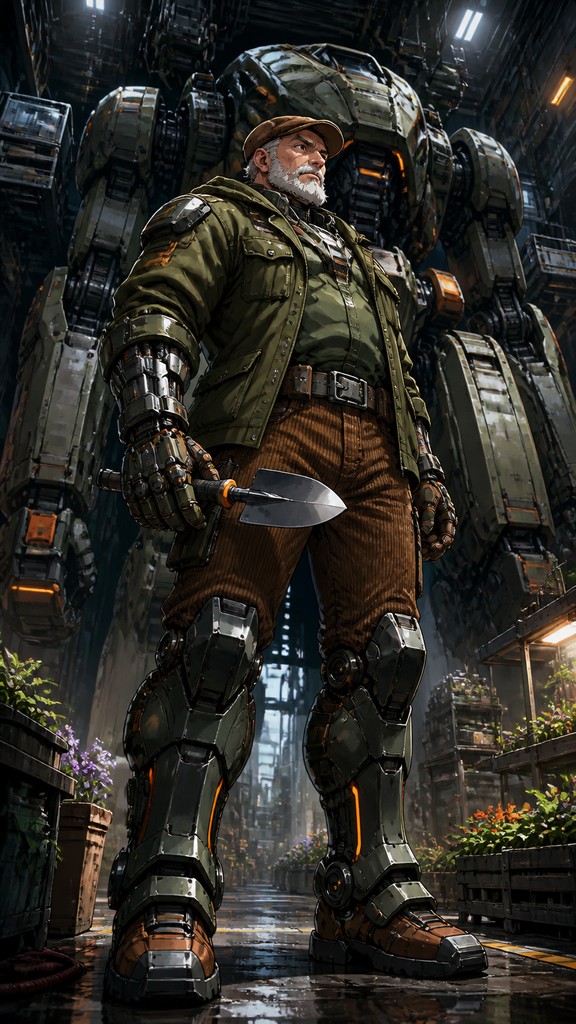
Place a pilot, hangar, city, or battlefield element beside the machine to show its size. Low-angle perspective, foreshortening, and narrow compositions help the mecha feel heavy and imposing.
- 4
Model the surface like industrial hardware
Add seams, decals, caution markings, hydraulic details, and wear selectively rather than everywhere. A few well-placed scratches, exposed mechanisms, and glowing seams can suggest mass-produced complexity.
- 5
Light for impact, not realism alone
Use strong rim lighting, luminous control panels, and energy effects to separate forms from the background. For prompt-based generation, specify armored plating, articulated joints, bold cel shading, metallic texture, and dramatic perspective.
The Story
History & Origins of Mecha Anime
Mecha anime emerged in Japan in the early 1970s as a distinctive branch of science-fiction storytelling. Early robot series established the appeal of giant mechanical protagonists and villains, and later works shifted from simple super-robot fantasies toward more grounded machine design, military realism, and pilot-centered narratives. Over time, the genre absorbed influences from model-kit culture, automotive and aerospace design, and industrial aesthetics, which helped define its panel-lined, mechanically plausible visual identity.
Its visual lineage also extends beyond animation into manga drafting, toy design, and cinematic mecha spectacle. As the genre matured, designers and directors refined the balance between readable silhouettes and intricate surface detail, making the machines feel like engineered objects rather than merely decorative robots. This combination of technical specificity and dramatic staging is now the core of the style across animation, illustration, game art, and concept design.
Influences: This style draws from Japanese anime and manga mecha traditions, especially the visual grammar of giant-robot design, tactical sci-fi, and pilot-centered storytelling. It also reflects industrial design, military hardware aesthetics, automotive and aerospace engineering, and the clean, readable staging found in cel-animated character art. In broader art terms, it shares a concern for machine form and modernity with futurist-inspired design thinking, though its direct lineage is rooted more in Japanese popular media than in fine-art movements.
Frequently Asked Questions
What defines mecha anime art style?
Its defining features are giant robots, visible engineering details, strong linework, and dramatic contrasts between human scale and machine scale. The style usually combines technical precision with cinematic action staging. Glowing power systems, armored panels, and articulated joints are especially common.
How is it different from general sci-fi anime art?
General sci-fi anime can include spaceships, cyberpunk cities, or futuristic people without focusing on machines as central visual subjects. Mecha anime specifically prioritizes robot bodies, cockpit systems, and mechanical structure. The art tends to be more industrial, more diagrammatic, and more concerned with how the machine is built.
Does mecha art have to look realistic?
No. Some mecha designs are highly plausible, while others are intentionally heroic, exaggerated, or symbolic. What matters most is that the forms feel engineered and internally consistent, even when the proportions are stylized.
What should I include in a mecha prompt?
Include the robot’s role, silhouette, surface material, color palette, lighting, and setting. Terms like armored plating, panel lines, articulated joints, cockpit, thrusters, rim lighting, and dramatic perspective help produce the right visual language. If you want a pilot, mention scale and cockpit visibility explicitly.
Where is this style commonly used?
It appears in anime, manga, game key art, concept design, collectible model art, posters, and promotional illustrations. It is especially common in stories about war, piloting, artificial intelligence, and human-machine partnership. Designers also use it for vehicles, exosuits, and industrial sci-fi imagery.
How can I make it in traditional media?
Use careful construction drawing, sharp inking, and flat shadow shapes to preserve the clean mechanical look. Colored markers, acrylic gouache, or digital painting can all work well if the edges stay crisp and the lighting is controlled. Reference industrial objects and machine diagrams to keep details believable.
Create your first Mecha Anime artwork
Describe anything — or upload a photo — and see it in Mecha Anime Art Style in seconds.
Make Something with Mecha Anime
Compare Mecha Anime
Related Styles
Discover similar art styles