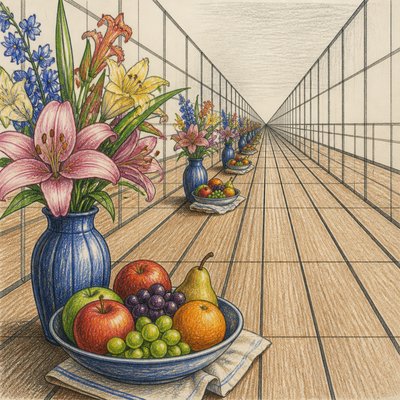
Space Opera Sci-Fi Art
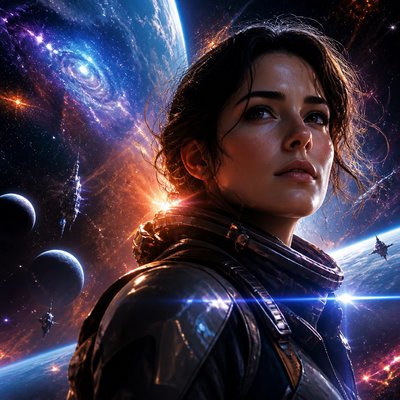
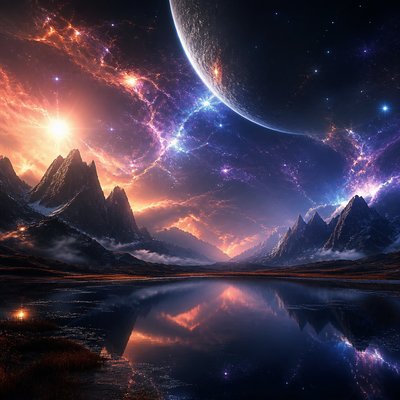
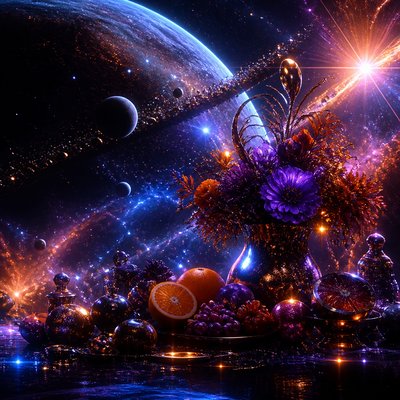
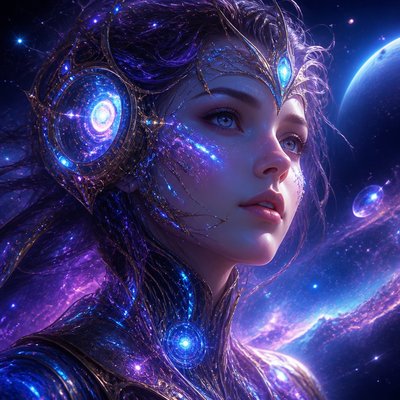
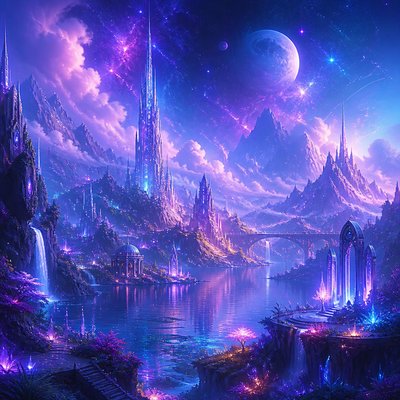
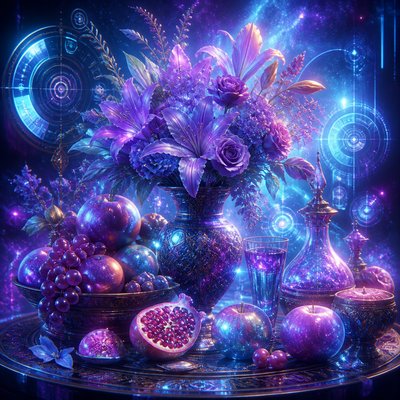
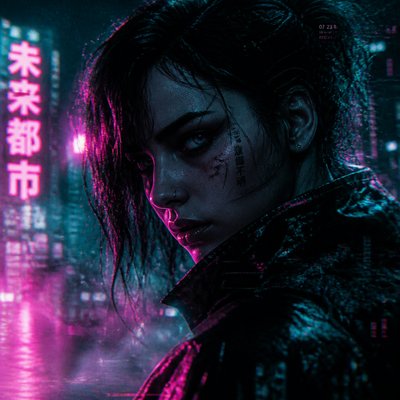
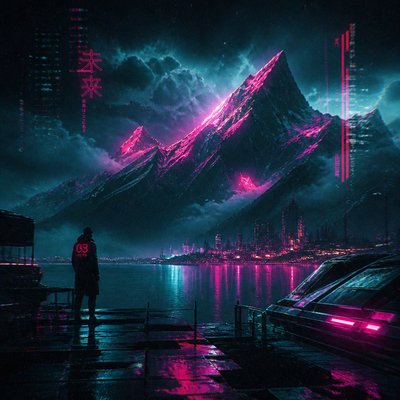
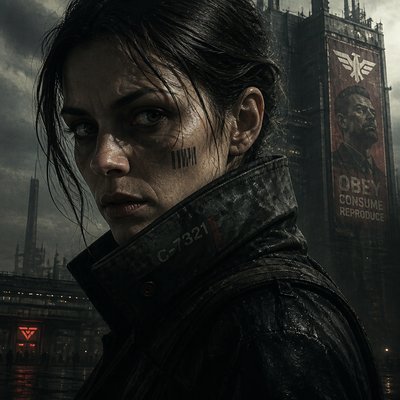
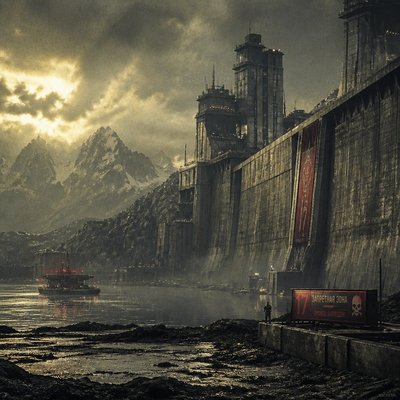
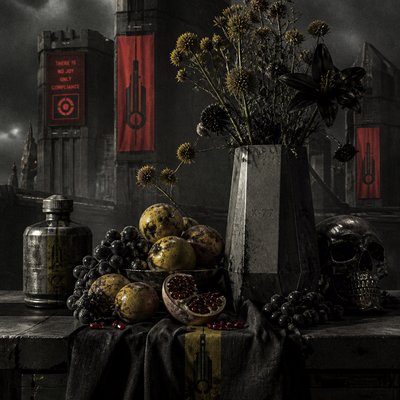
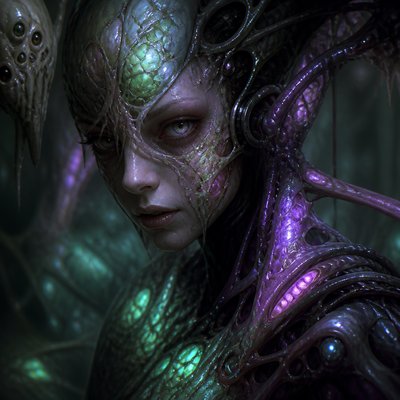
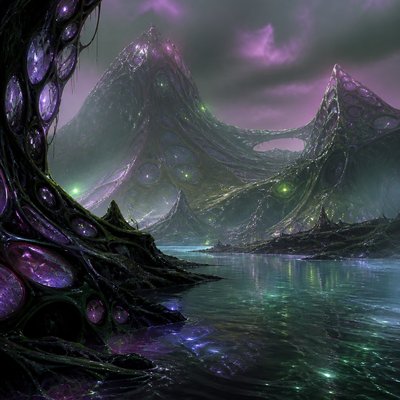
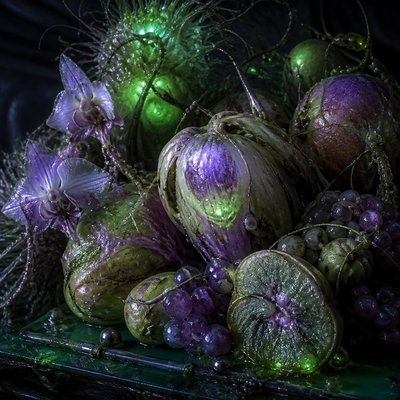
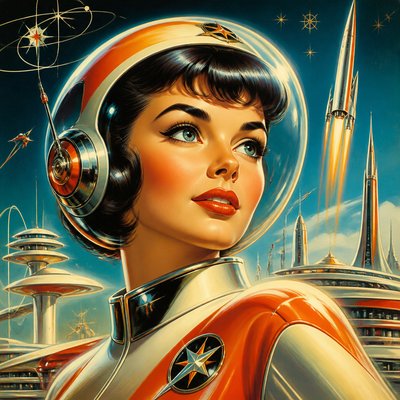
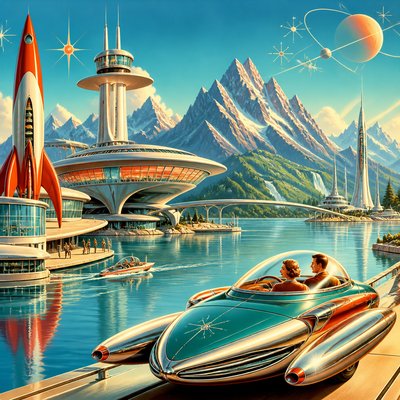
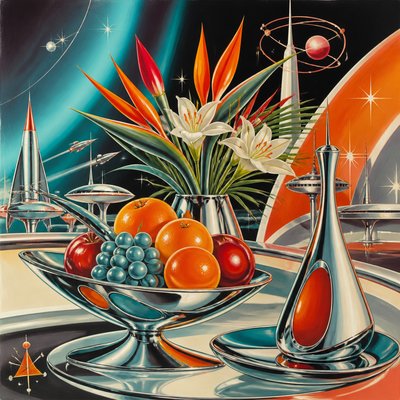
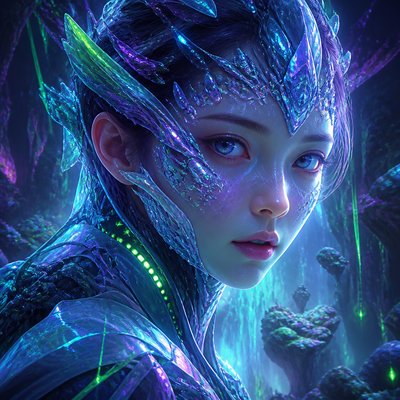
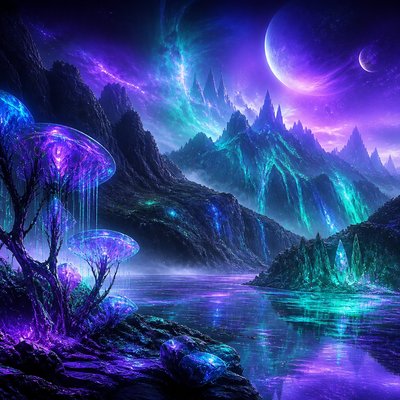
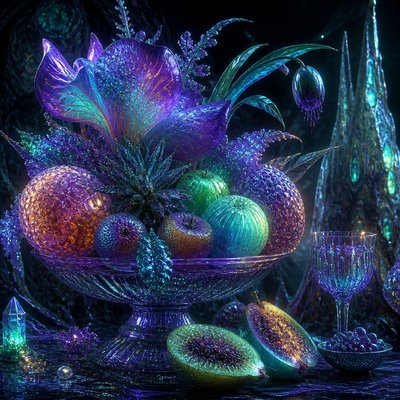
Epic interstellar art with colossal starships, alien worlds, cosmic battles, neon nebulae, and cinematic, high-contrast visuals.
Instantly rendered in Space Opera Sci-Fi — or transform a photo
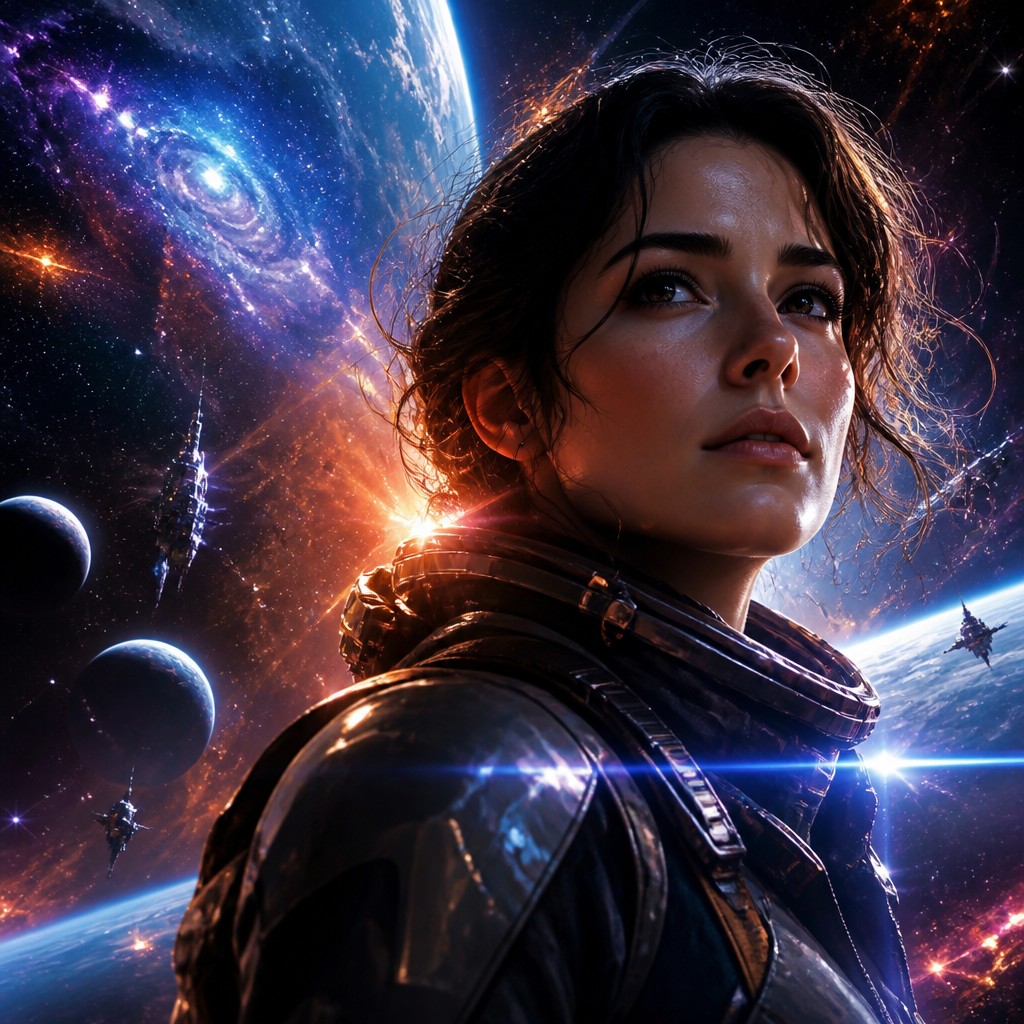
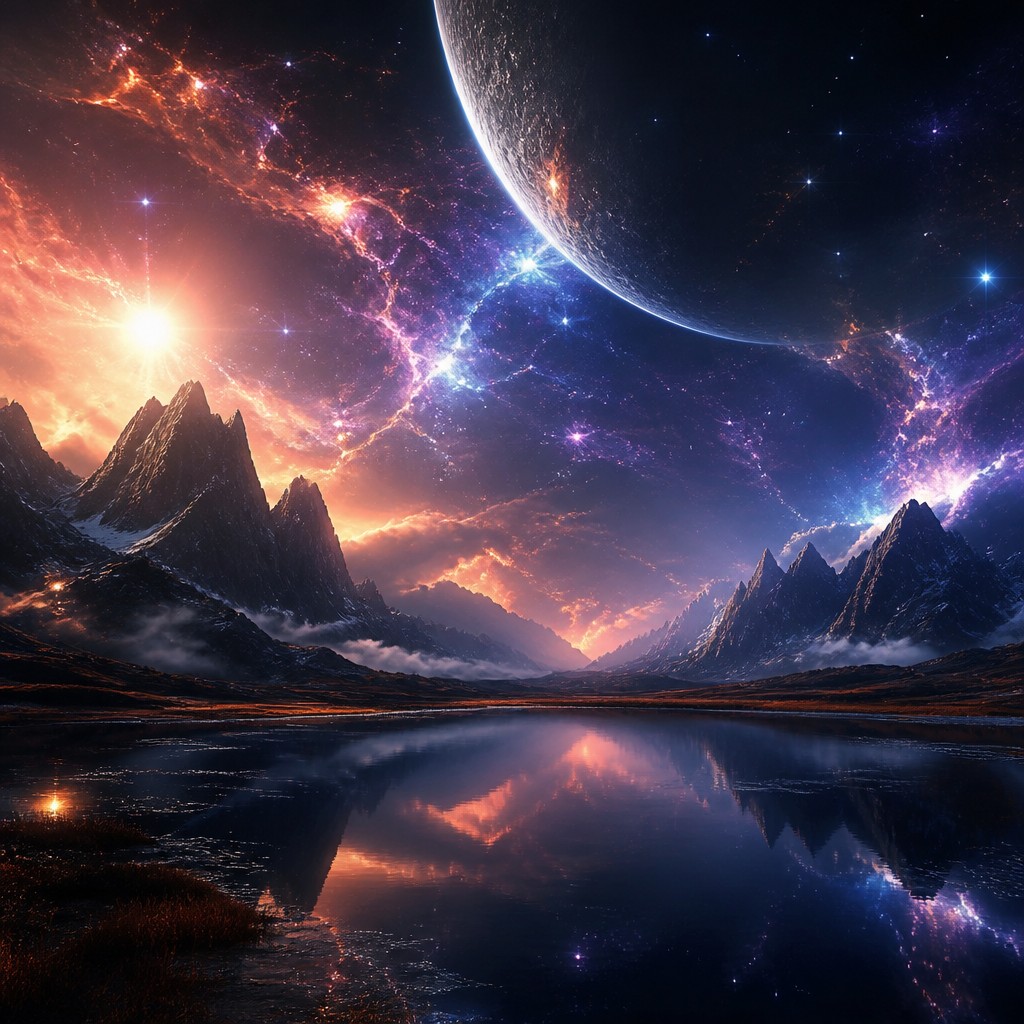
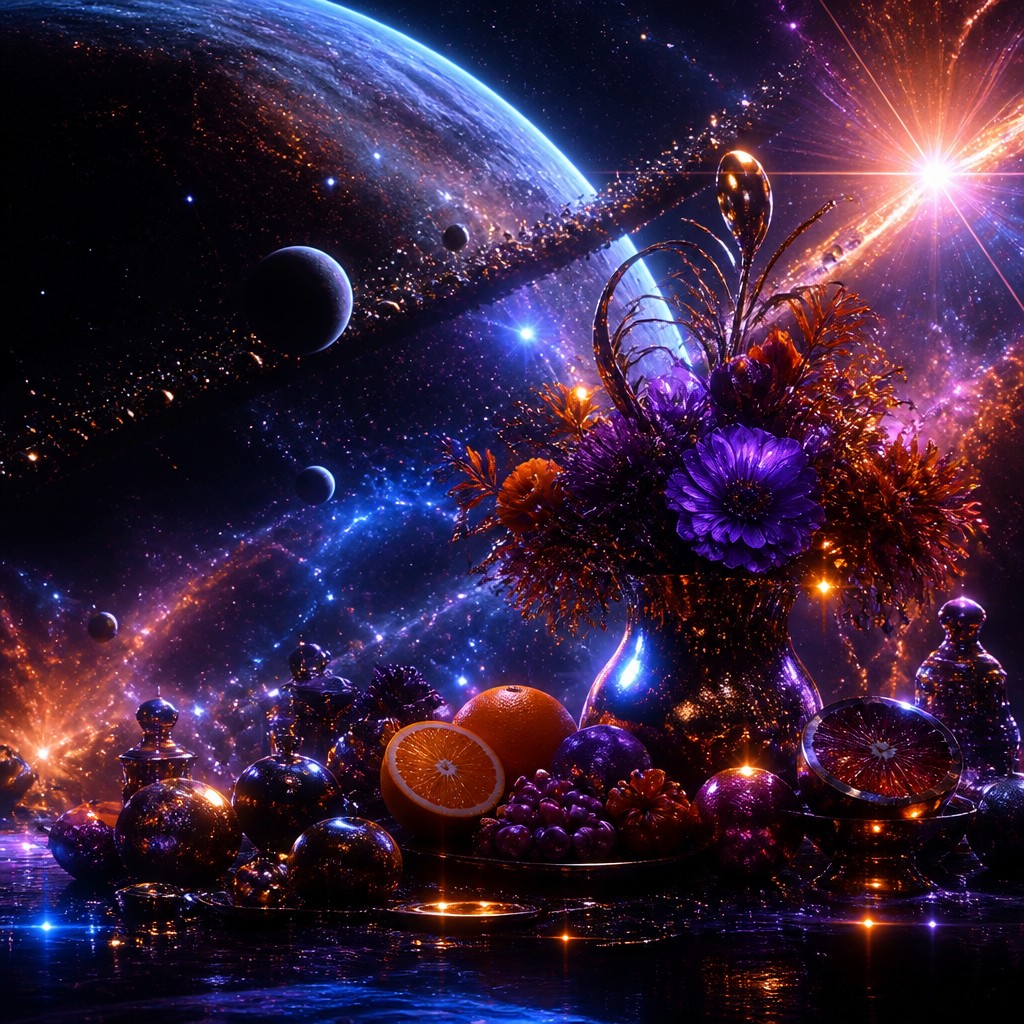
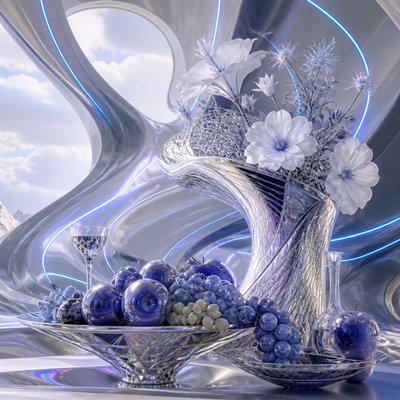
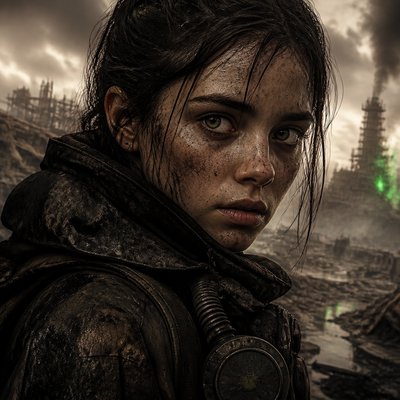
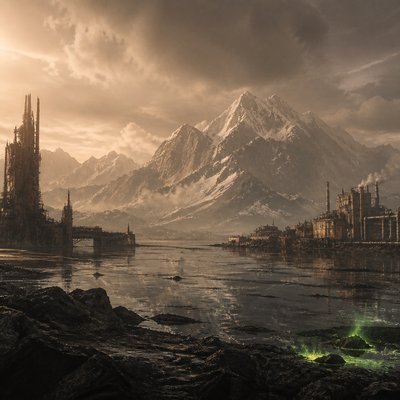
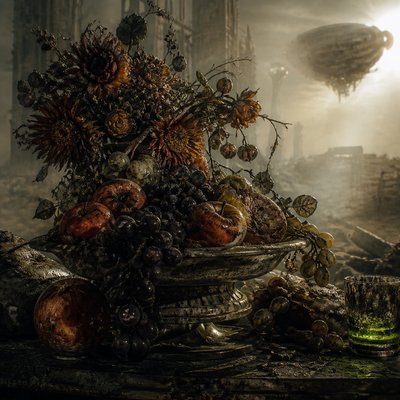
Space Opera Sci-Fi Gallery
Tap any artwork to explore it
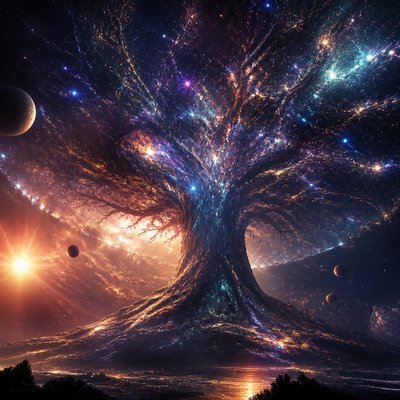
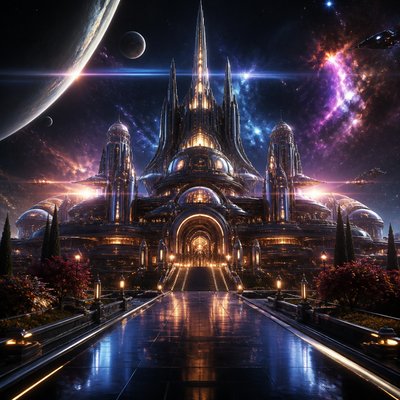
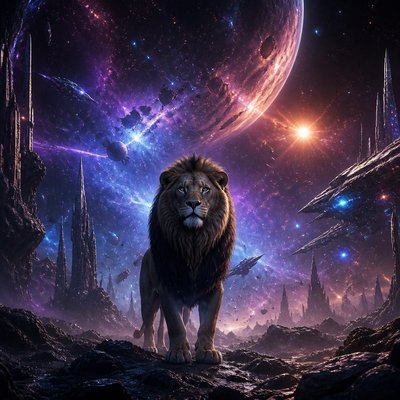
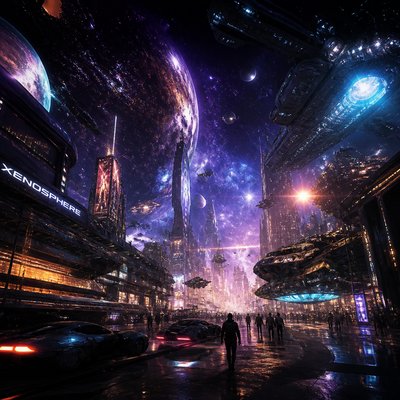
What is Space Opera Sci-Fi Art?
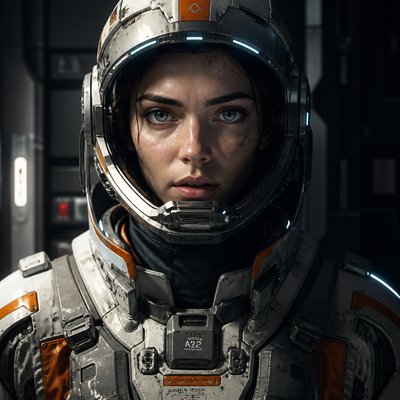
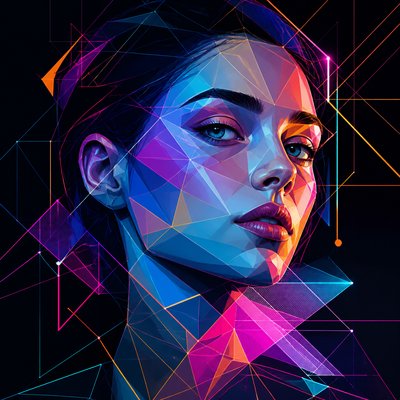
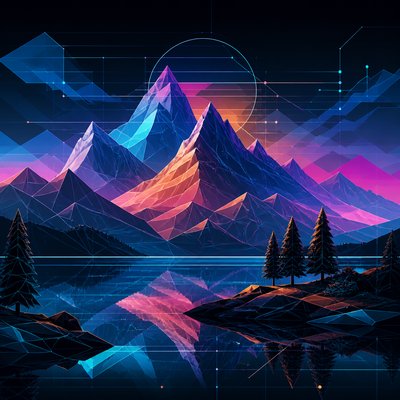
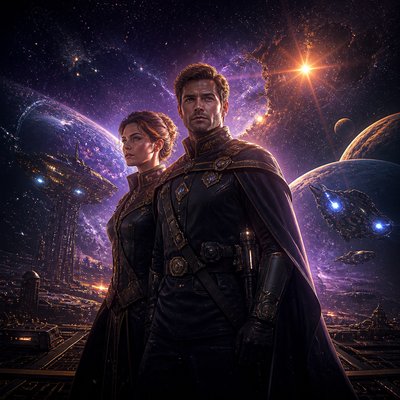
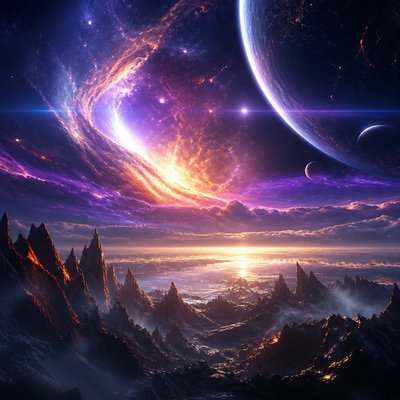
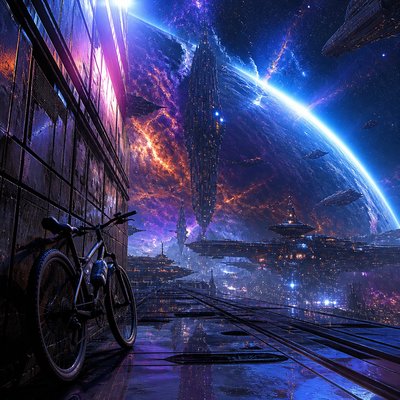
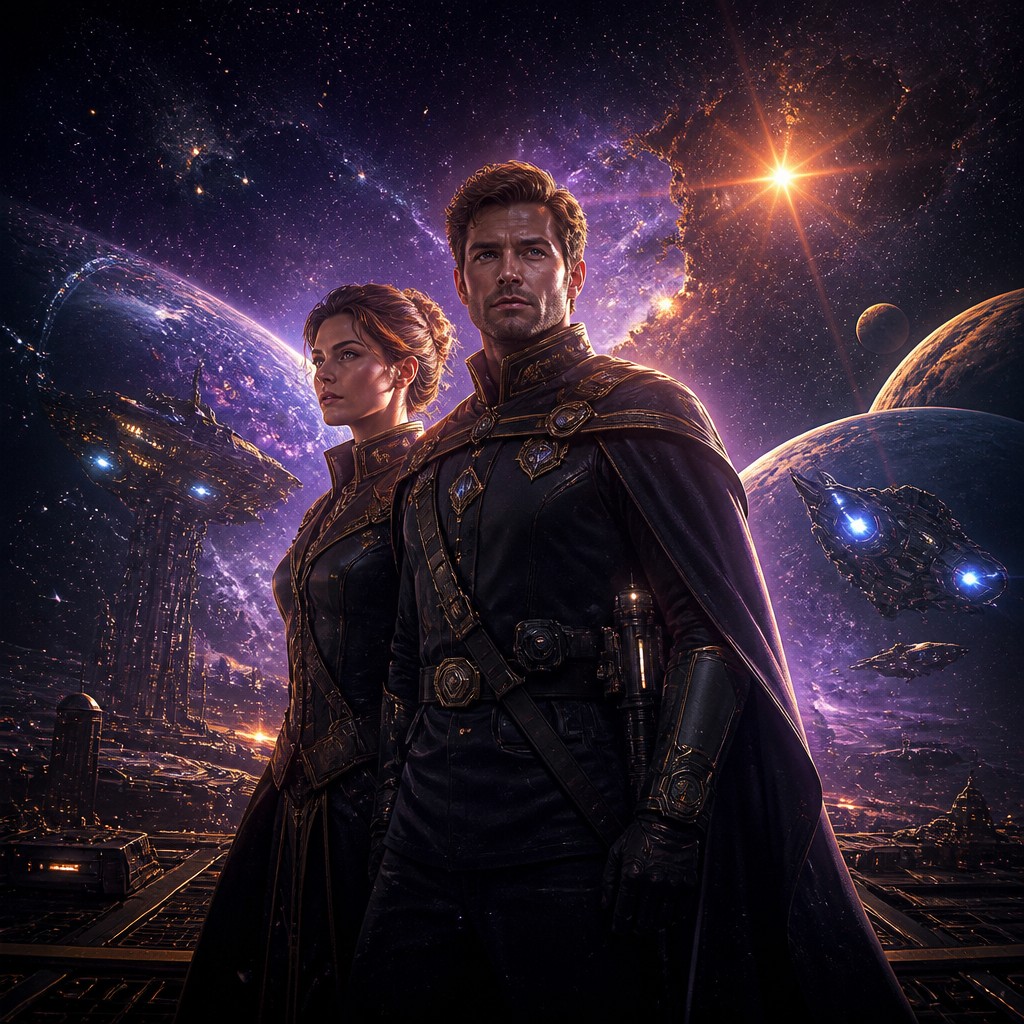
Space opera sci-fi art is a grand-scale visual style built around interstellar adventure: colossal starships, exotic alien civilizations, vast nebulae, planetary horizons, and battles that unfold across entire star systems. It emphasizes spectacle and narrative immediacy, often presenting a single decisive moment as if it were a frame from a larger saga.
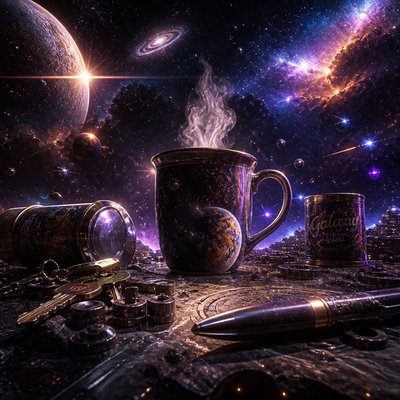
Its visual identity is defined by cinematic composition, extreme scale, luminous cosmic color, and polished surface detail. Artists typically combine realistic lighting with imaginative worldbuilding, so the result feels both physically convincing and mythic. The style looks the way it does because it descends from the visual language of science-fiction illustration, film concept art, and pulp adventure, all of which prioritize wonder, clarity, and heroic drama.
Try It On Your Photos
Upload any photo and convert it into Space Opera Sci-Fi Art — drag the sliders to compare before and after.


What Defines Space Opera Sci-Fi Art
The signature details, up close
Epic sense of scale
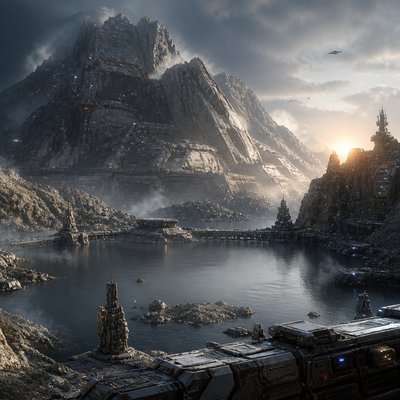
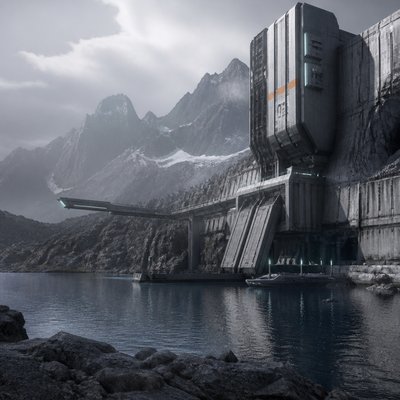
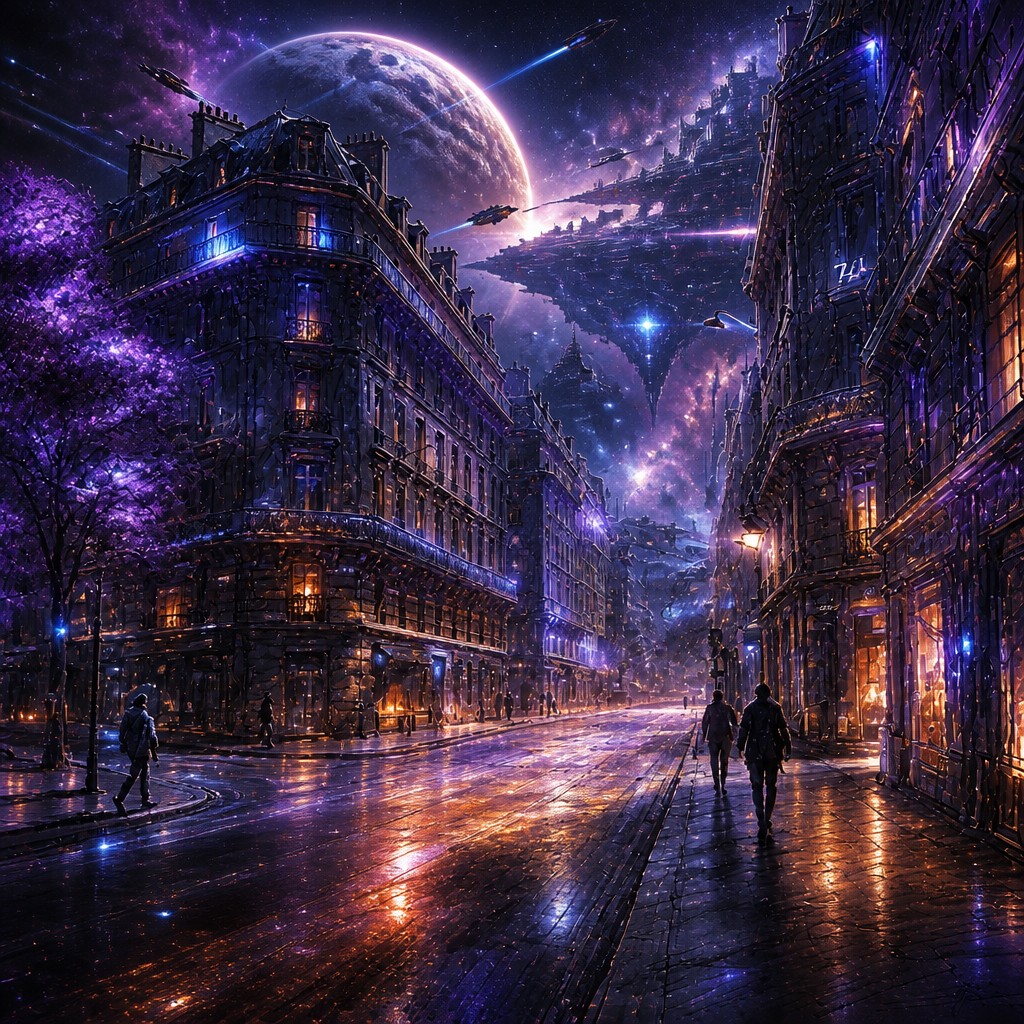
Ships, planets, and architectural structures are often rendered at enormous relative sizes, with tiny figures or smaller vessels used to emphasize magnitude. Wide framing and deep perspective make the scene feel cosmic rather than merely terrestrial.
Cinematic composition
Images usually behave like film stills, using strong diagonals, focal center staging, and dramatic foreground-background layering. The composition often implies motion, conflict, or arrival.
Cosmic color palette
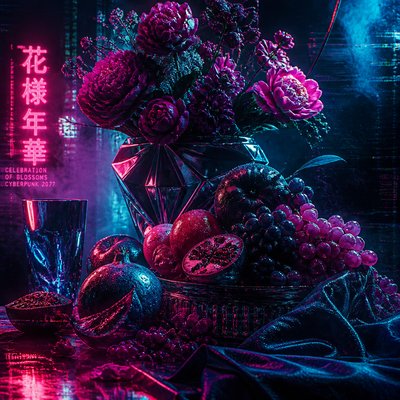
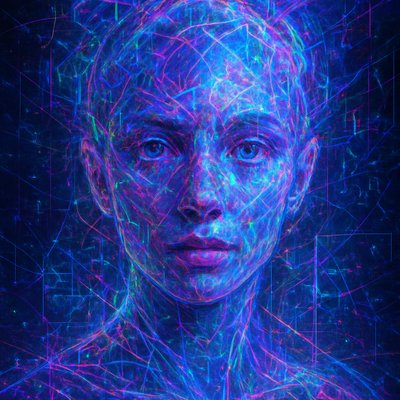
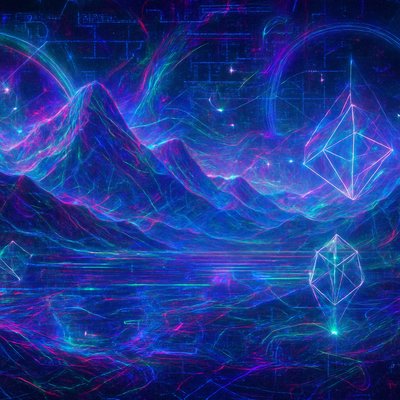
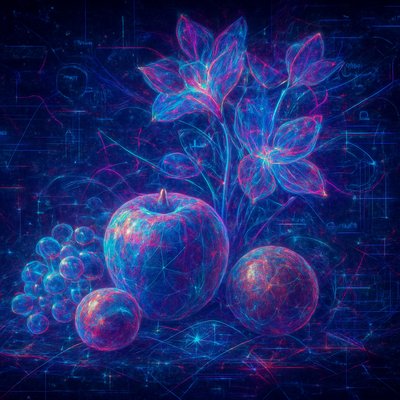
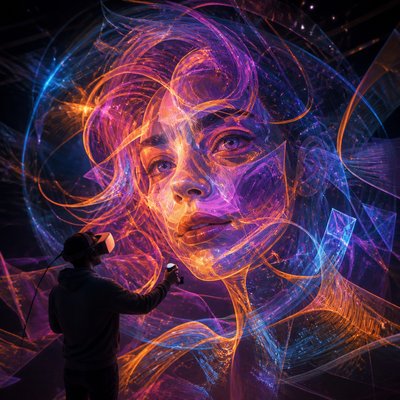
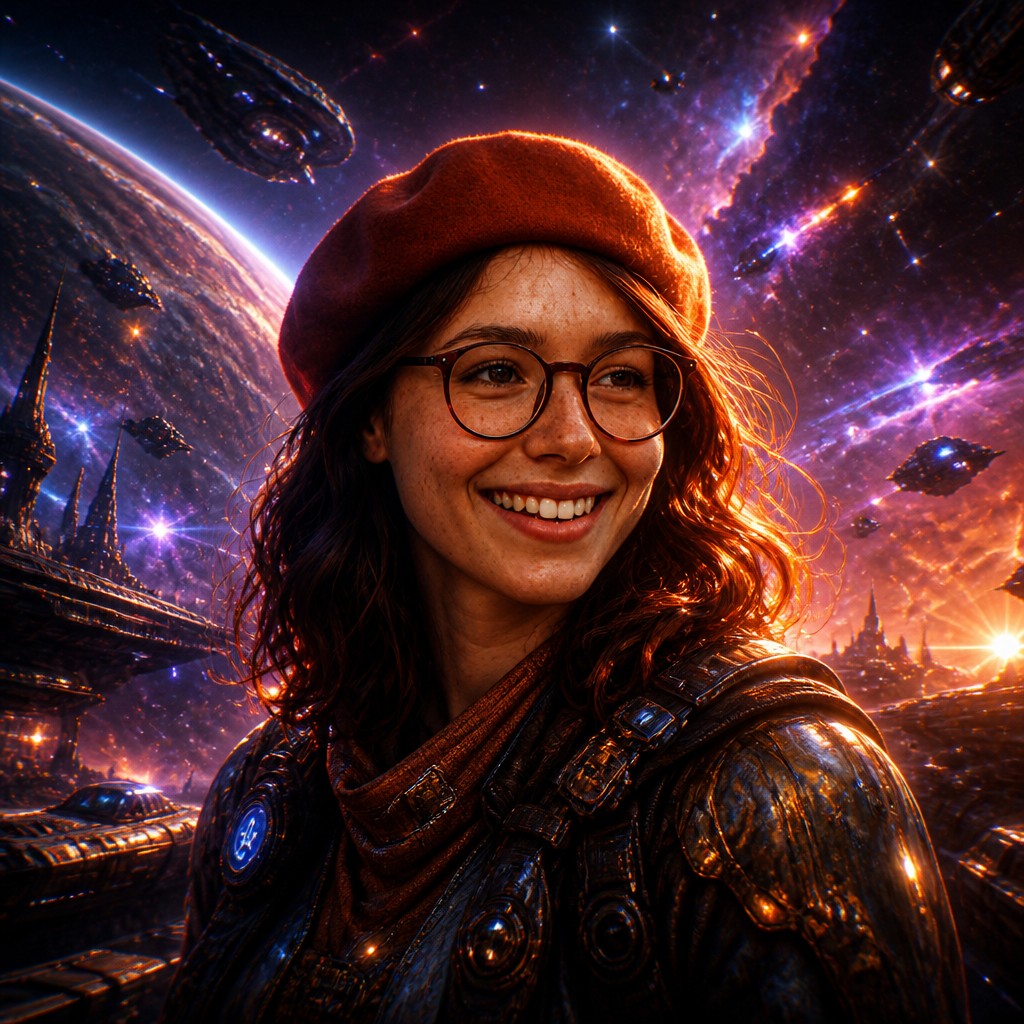
Purples, electric blues, oranges, and stellar whites dominate against near-black space. The palette is used to separate forms clearly while preserving the luminous, otherworldly atmosphere of deep space.
Luminous atmosphere
Nebula-like haze, drifting particles, lens flares, and volumetric light give the scene depth and visual energy. These effects help transform empty space into a dramatic environment.
Metallic and iridescent surfaces
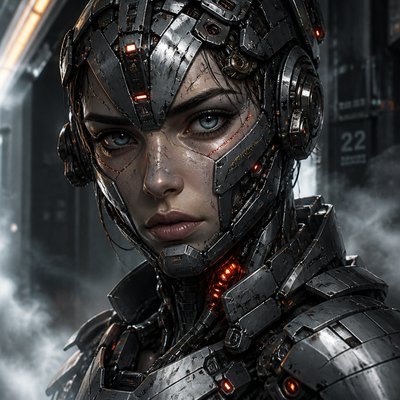
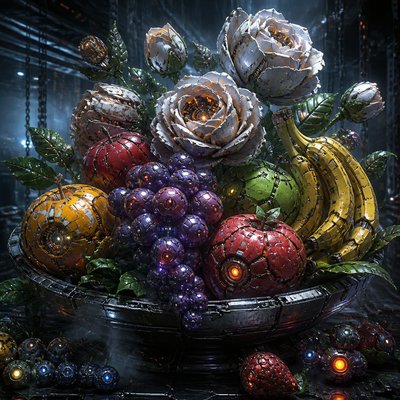
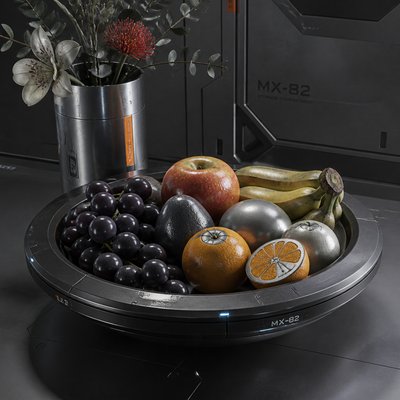
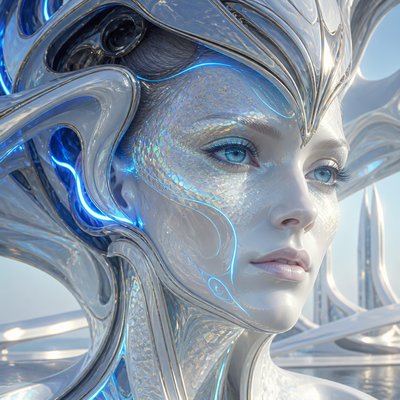
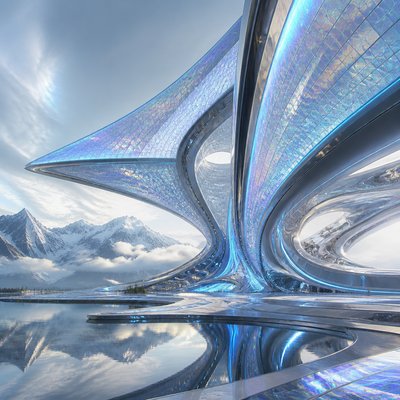
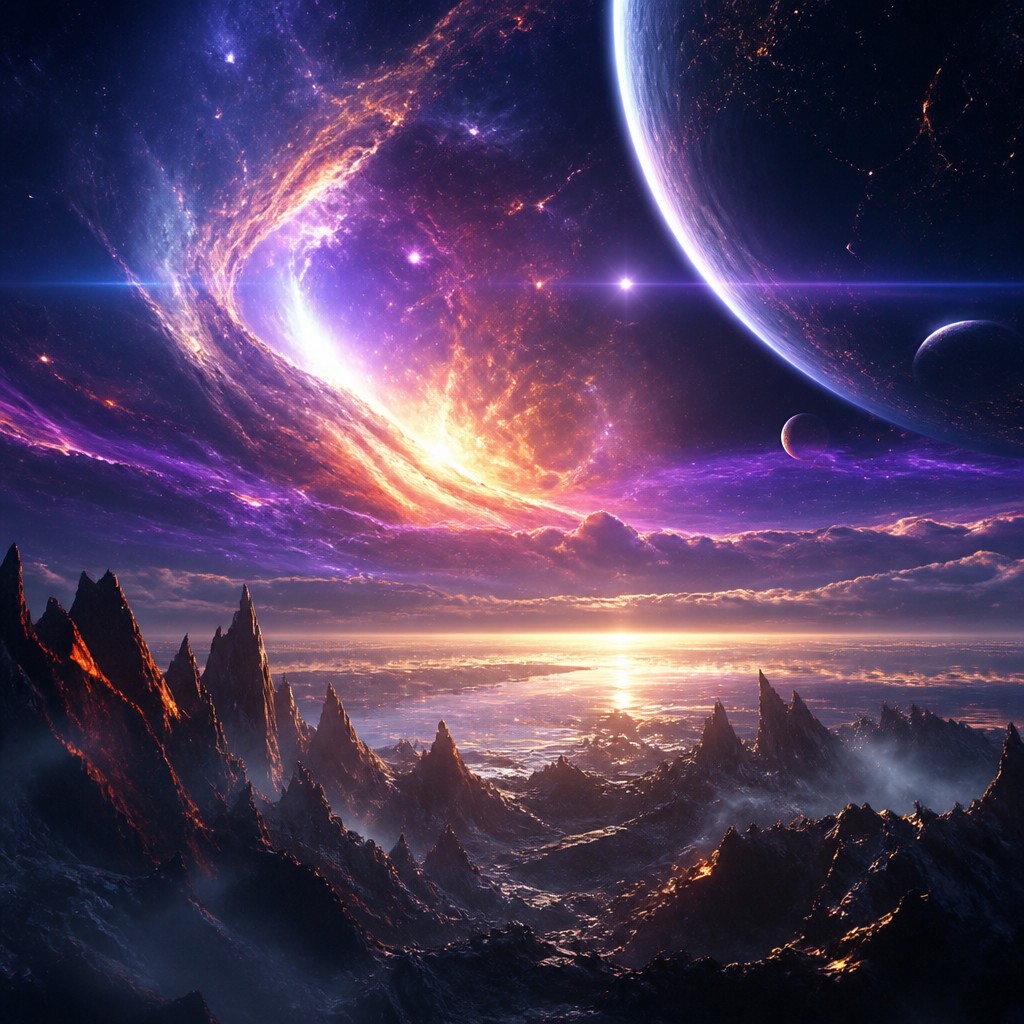
Starships, armor, and alien structures frequently feature glossy, reflective, or pearlescent materials. This creates a sense of advanced technology and makes highlights read vividly against dark backgrounds.
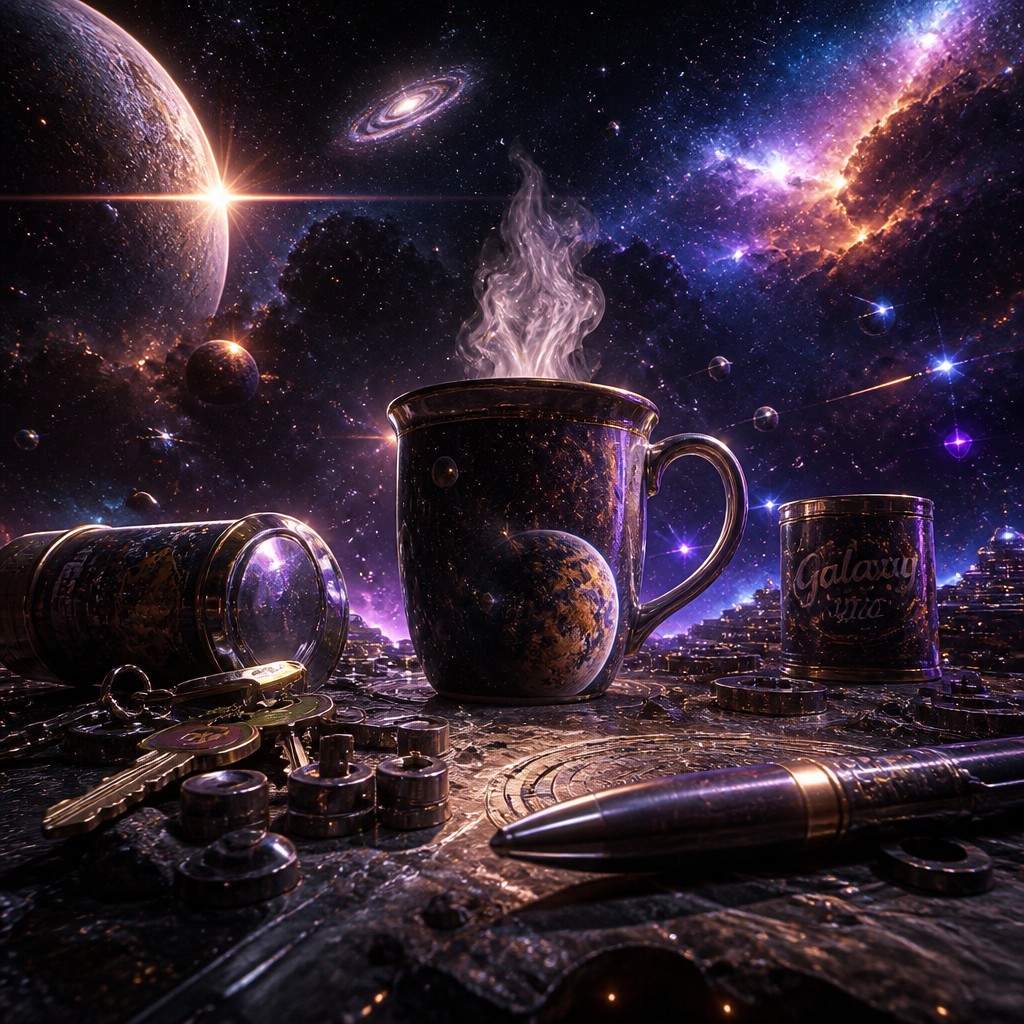
High contrast rendering
The style relies on deep blacks and brilliant highlights to create spectacle. Strong rim lighting and specular edges help separate forms while heightening the sense of drama.
Try It
Create Videos in Space Opera Sci-Fi Art
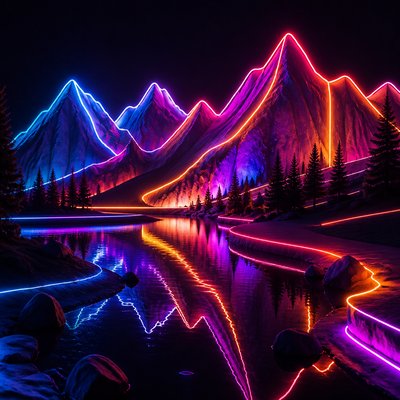
Styles aren't just for stills — describe a scene or animate an image and get a short video rendered in Space Opera Sci-Fi. Press play to see this pond come to life.
Make a VideoSpace Opera Sci-Fi Prompt Ideas
Start from an idea — each one opens the generator with the style ready to go. See all 40 Space Opera Sci-Fi prompts →
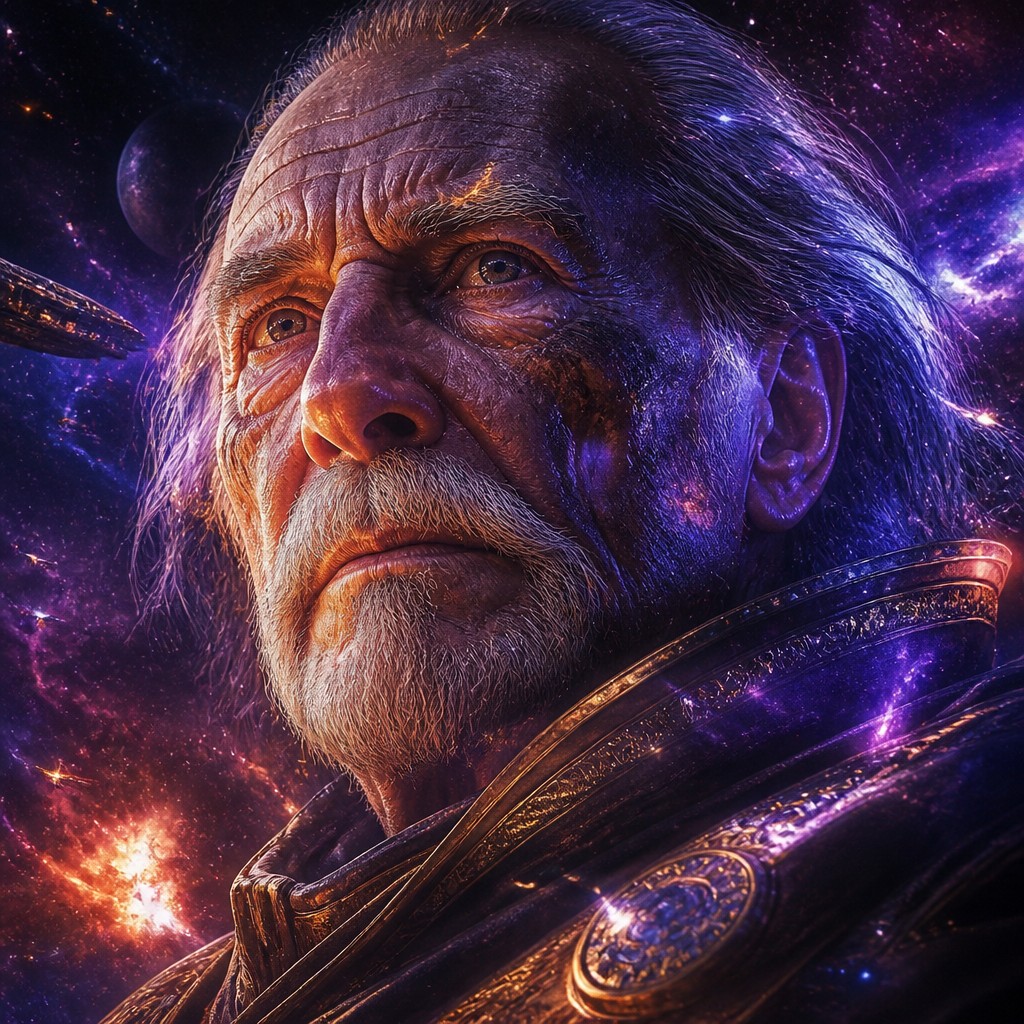
“close-up portrait of an elderly person with expressive weathered features”
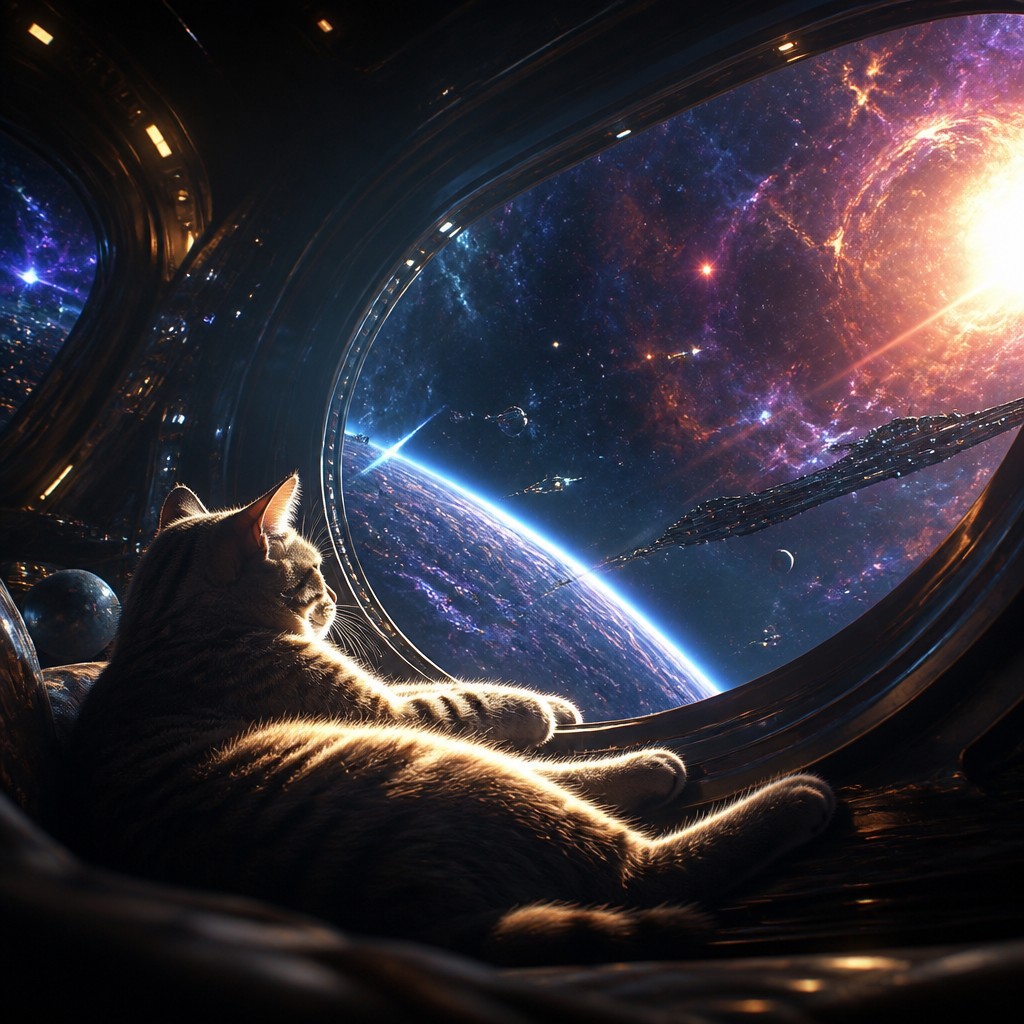
“a cat lounging in a sunlit window”
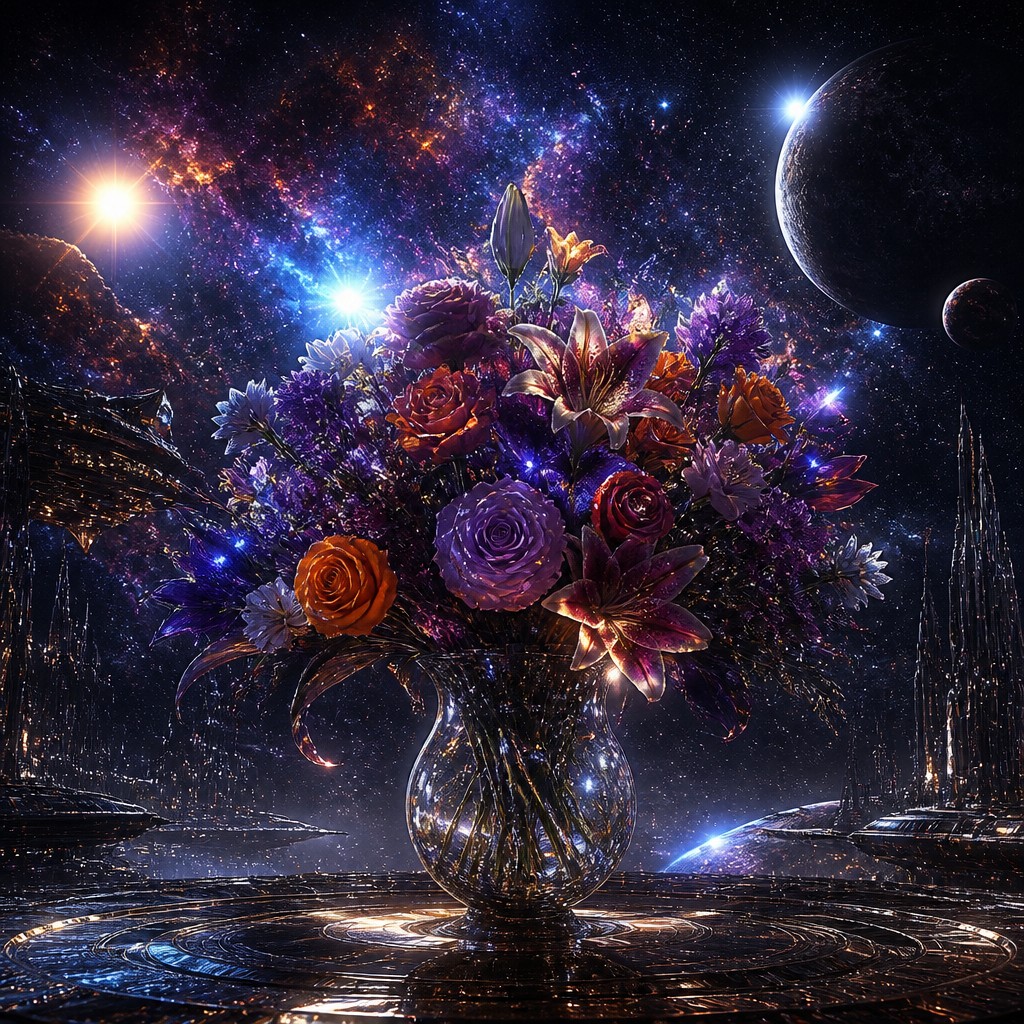
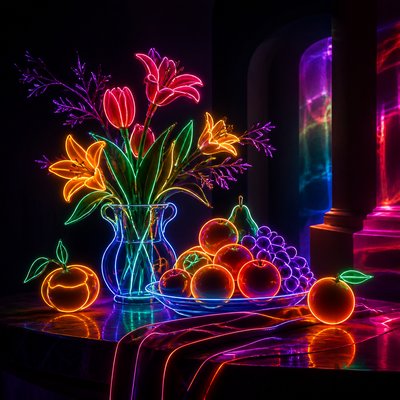
“bouquet of flowers in a glass vase”
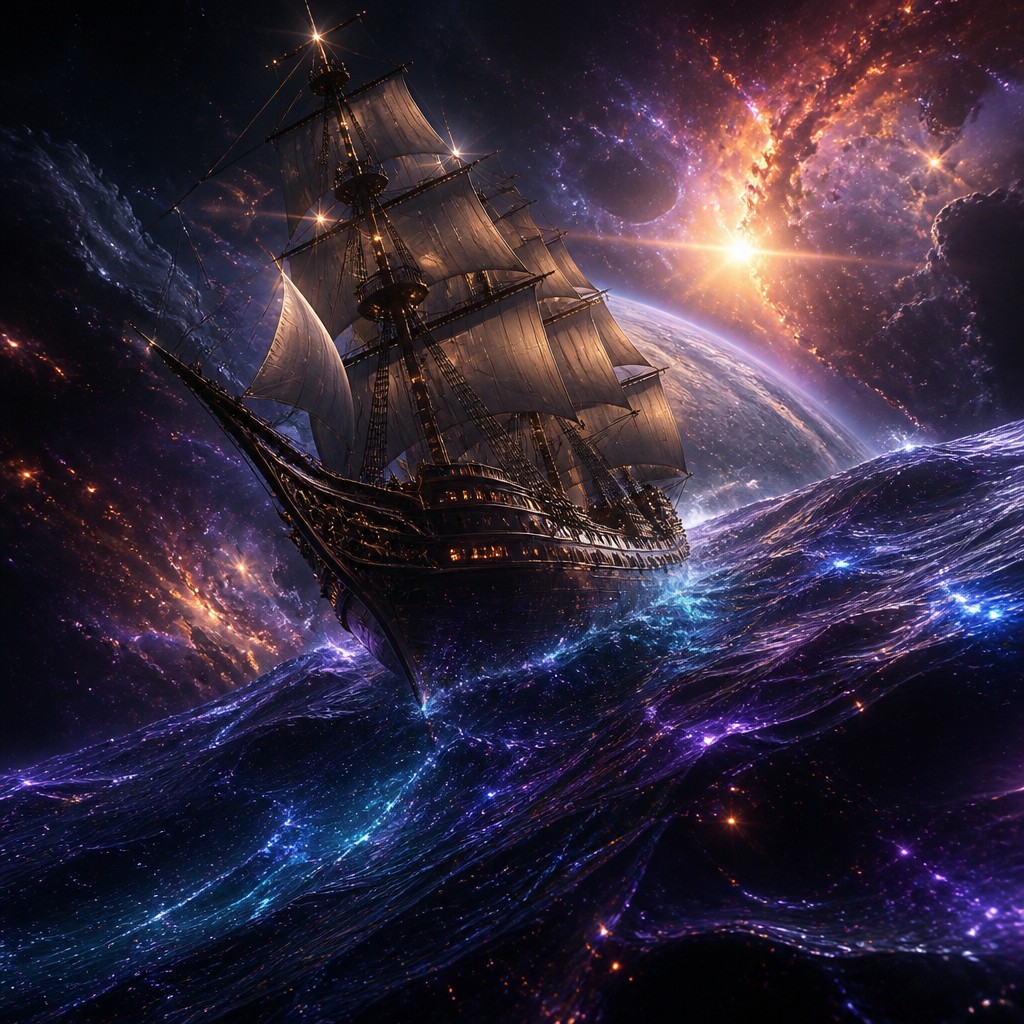
“sailing ship on a stormy sea”
How to Create Space Opera Sci-Fi Art
Master the craft step by step — or skip straight to creating. Read the full guide →
- 1
Build the scene around scale
Start with a subject that can be read immediately at multiple distances, such as a dreadnought beside a planet or a lone pilot facing a carrier fleet. Use foreground silhouettes, midground action, and distant celestial elements to reinforce size relationships.
- 2
Use cinematic lighting logic
Place one or two dominant light sources and let them define the scene with rim light, reflections, and flare. Whether working traditionally or digitally, strong value contrast is essential for making the image feel monumental.
- 3
Design readable futuristic forms
Favor clear silhouettes, layered mechanical detail, and purposeful asymmetry so ships and cities feel engineered rather than decorative. In traditional media, this can be achieved with precise drafting and selective highlights; digitally, with hard-edge shapes and controlled texture passes.
- 4
Push the atmosphere without losing structure
Add nebulae, dust, energy trails, and glow effects around the forms, but keep the main subjects sharply legible. A common mistake is overfilling the frame; the best results preserve pockets of darkness that make the light feel more intense.
- 5
Reference classic sci-fi composition in prompts
When generating images, specify the subject, scale, lighting, and environment clearly, such as 'massive cruiser above a ringed planet' or 'alien throne world during orbital battle.' Include cues like 'wide-angle,' 'volumetric nebula,' and 'ultra-high contrast' to guide the final look.
- 6
Prioritize narrative over decoration
Whether painting by hand, compositing digitally, or using text-to-image tools, choose details that imply a story: damaged hulls, fleet formations, glowing portals, or refugee vessels. The style works best when the image feels like a moment from a larger saga.

The Story
History & Origins of Space Opera Sci-Fi
Space opera sci-fi art has no single origin point; it is an aesthetic lineage formed from mid-20th-century science-fiction illustration, paperback cover art, comic-book futurism, and later cinematic concept design. Its narrative roots lie in space opera as a fiction genre, where interstellar travel, empire-scale conflict, and heroic quests provided artists with subjects too large for ordinary realism.
Visually, the style absorbed the sweeping compositions of classic adventure illustration, the atmospheric grandeur of planetary painting, and the polished spectacle of late-20th-century film and game concept art. As digital tools advanced, artists were able to intensify the look through high-contrast rendering, controlled glow effects, volumetric nebulae, and metallic surface treatments, creating the contemporary version now associated with modern science-fiction spectacle.
Influences: Space opera sci-fi art draws from the broad tradition of science-fiction illustration and concept art, along with cinematic adventure imagery and pulp serialization. Its heroic scale and dramatic staging echo the imaginative breadth of classic illustration, while its sleek machinery and luminous environments align with modern film design; names often associated with influential sci-fi visual worlds include leading retro-futurist spacecraft designers, influential industrial design visionaries, highly influential experimental fantasy-technology illustrators, major biomechanical surrealists, and prominent spacecraft-and-armor concept artists, though the style itself is larger than any single artist.

Frequently Asked Questions
What defines space opera sci-fi art?
It is defined by large-scale interstellar subjects, dramatic storytelling, and cinematic spectacle. The core ingredients are massive ships or structures, cosmic environments, strong lighting contrast, and a sense that the image captures a decisive moment in a larger adventure.
How is it different from hard sci-fi art?
Hard sci-fi art tends to emphasize technical plausibility, restrained design, and scientific realism. Space opera sci-fi art is more mythic and theatrical, prioritizing drama, scale, and emotional impact over strict engineering accuracy.
Is this style more like concept art or illustration?
It can function as both. In practice, it often looks like film or game concept art because of its cinematic framing and design focus, but it also carries the narrative richness and finish of polished illustration.
What subjects work best in this style?
Starships, alien worlds, space battles, colossal stations, ancient extraterrestrial ruins, and heroic pilots are all strong fits. Scenes with a clear sense of scale and motion usually work better than static technical diagrams.
How do I make this style in digital painting?
Use a deep value structure first, then layer in atmosphere, glow, and reflective material detail. Strong silhouettes and controlled rim lighting will make the futuristic forms read clearly against the dark background.
Where is this style commonly used?
It is common in book covers, posters, game art, film concept art, album artwork, and fandom illustration. It is especially effective anywhere a sense of wonder, conflict, or epic exploration needs to be communicated quickly.
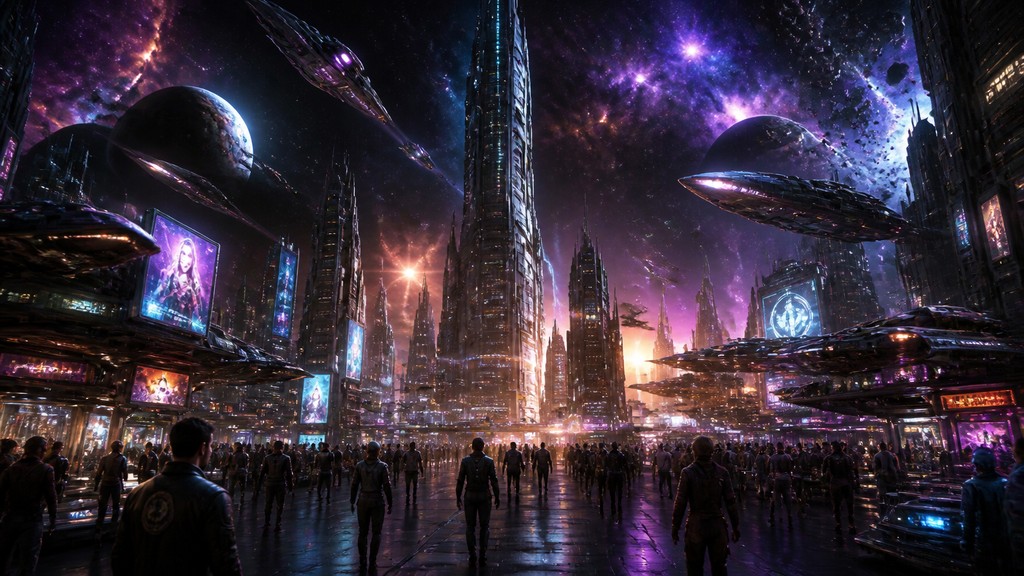
Create your first Space Opera Sci-Fi artwork
Describe anything — or upload a photo — and see it in Space Opera Sci-Fi Art in seconds.
Make Something with Space Opera Sci-Fi
Compare Space Opera Sci-Fi
Related Styles
Discover similar art styles