Edo Period Art Style
Explore Edo-period Japanese art: gold-leaf screens, mineral pigments, bold nature motifs, asymmetry, and floating-world elegance.
Instantly rendered in Edo Period — or transform a photo
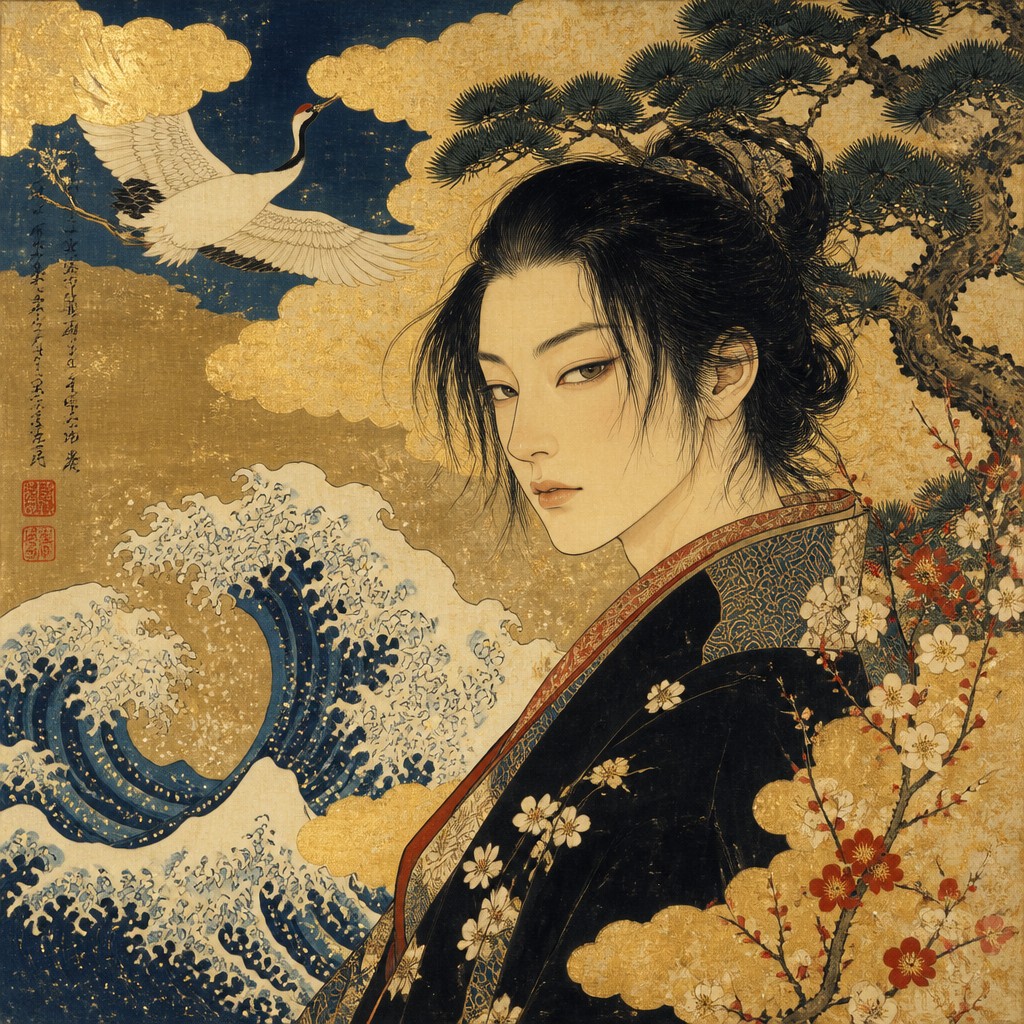
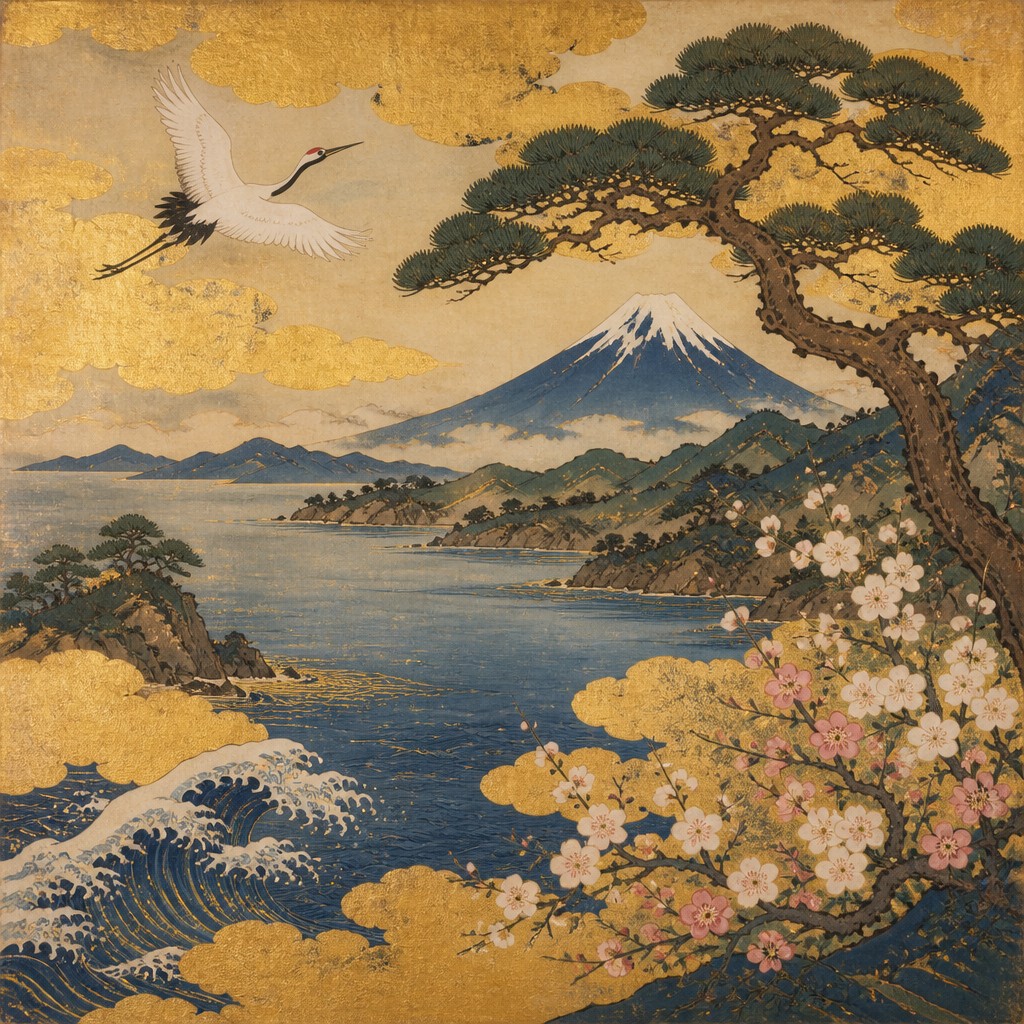
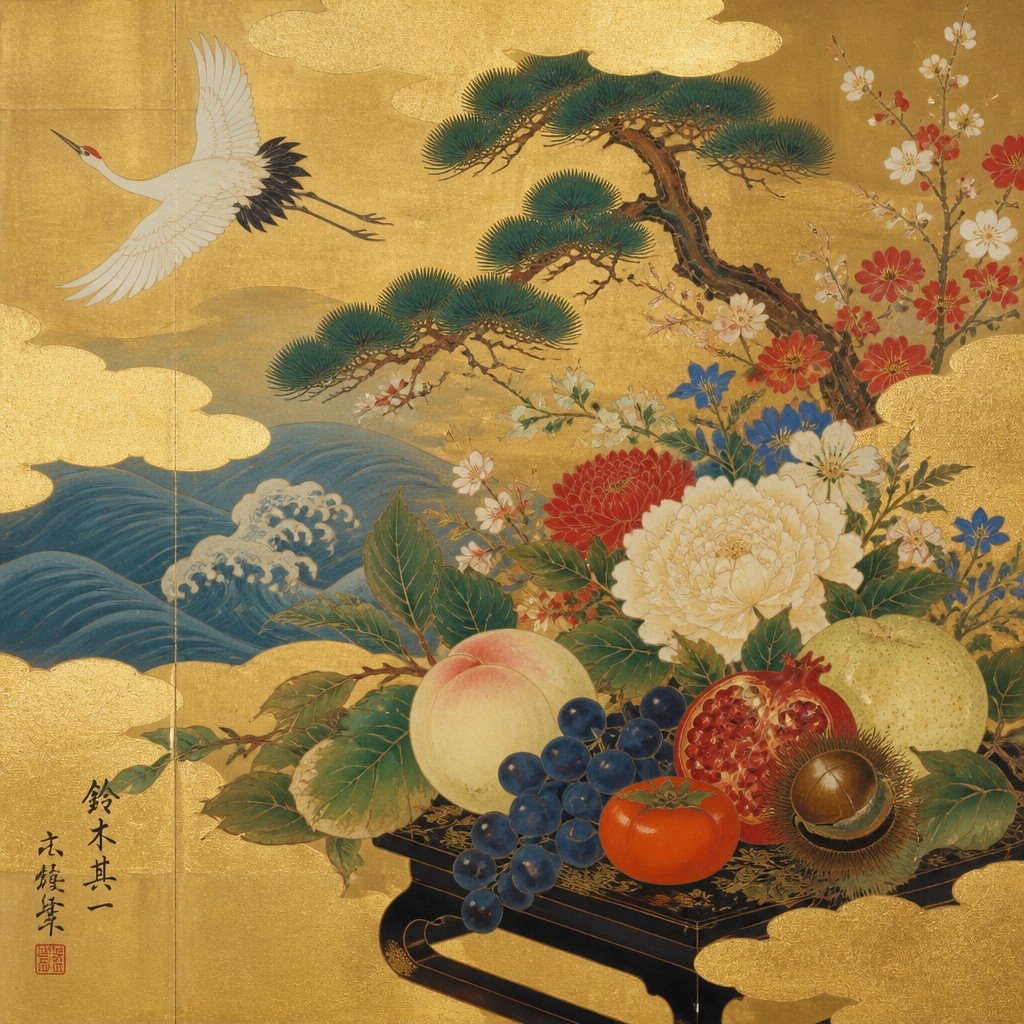
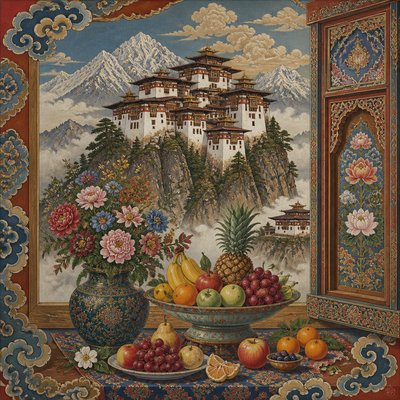
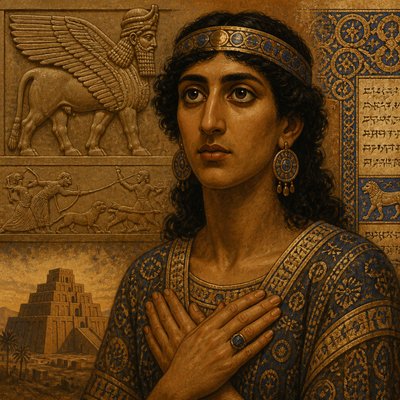
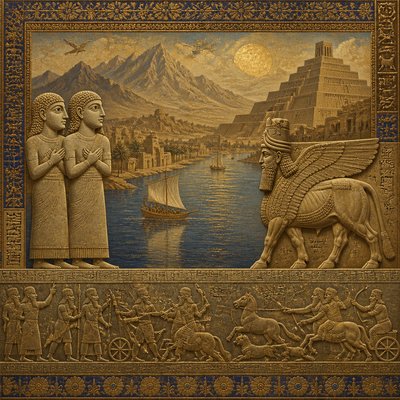
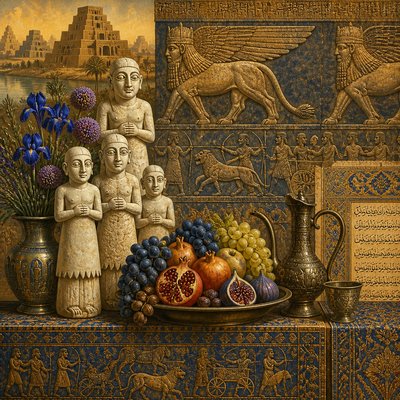
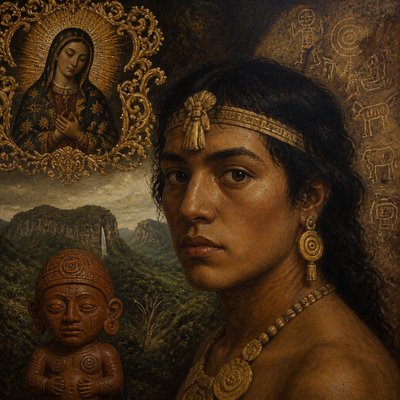
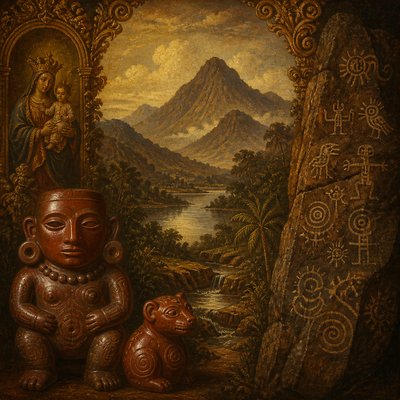
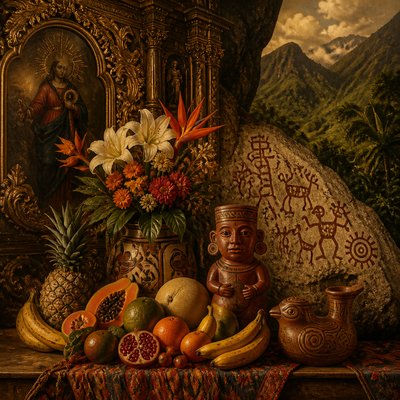
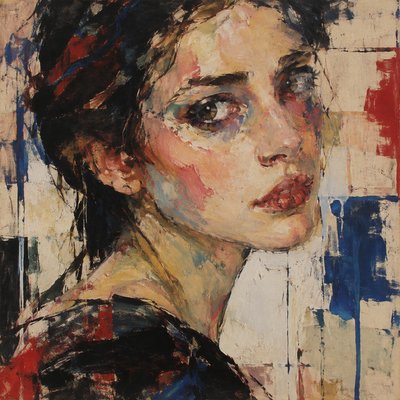
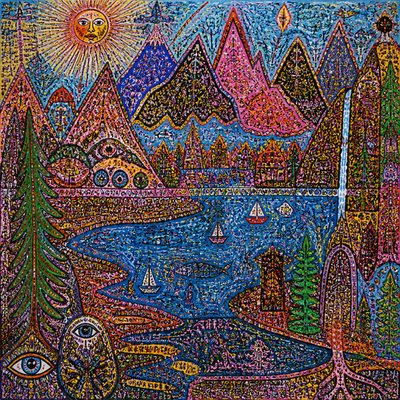
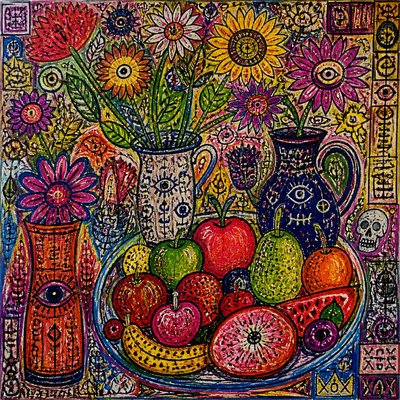
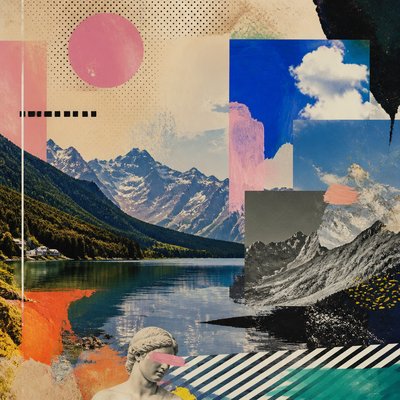
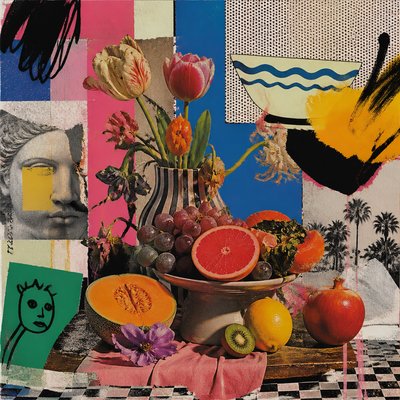
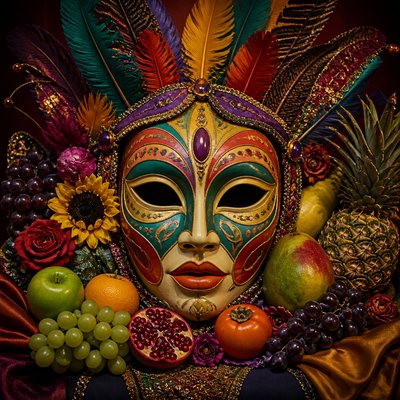
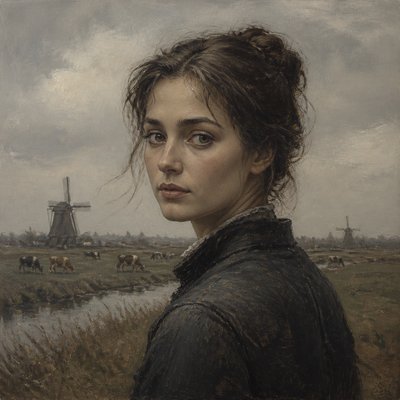
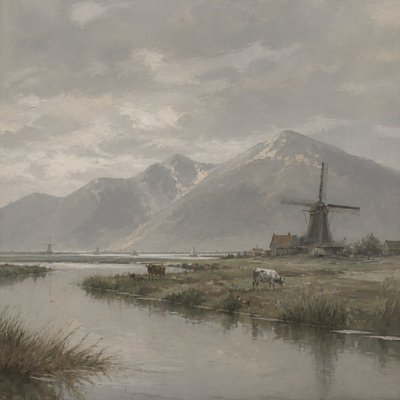
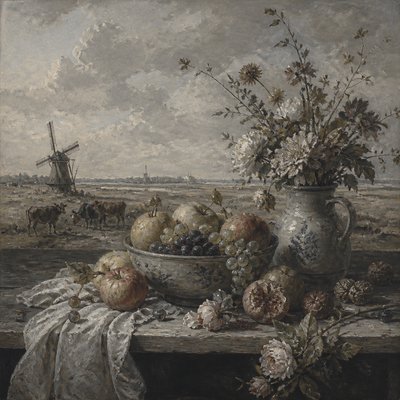
Edo Period Gallery
Tap any artwork to explore it
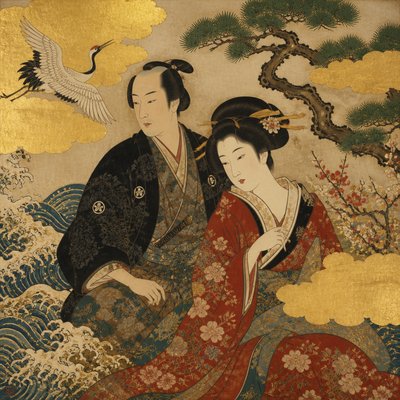
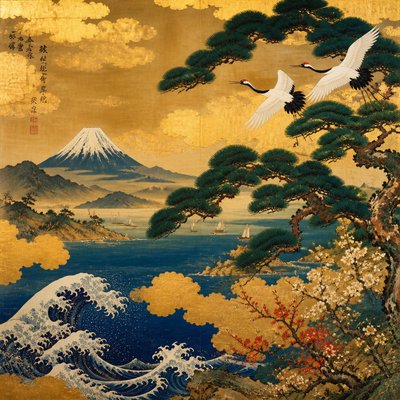
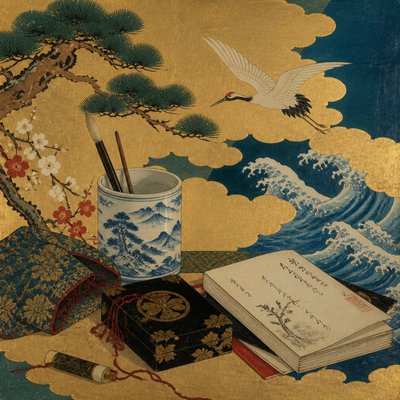
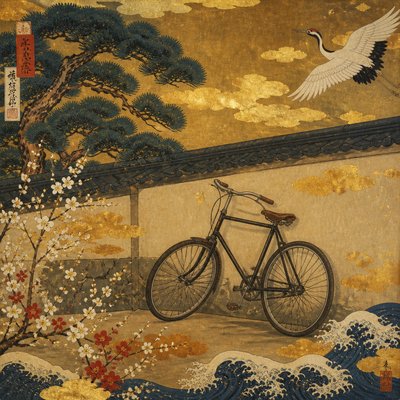
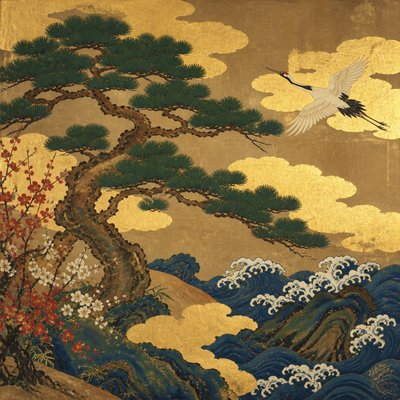
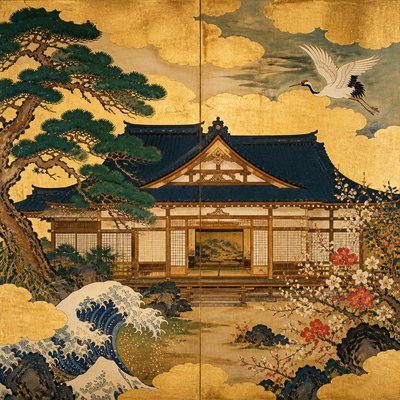
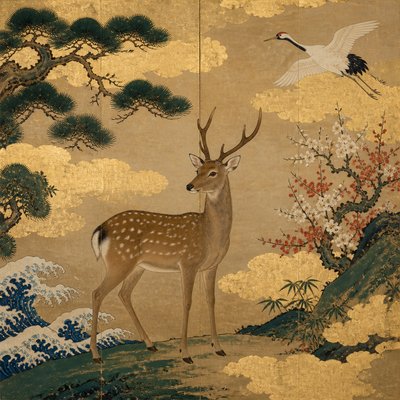
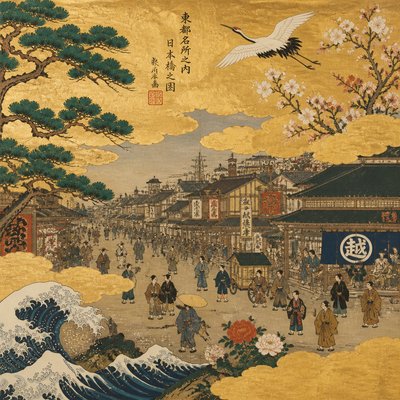
What is Edo Period Art Style?
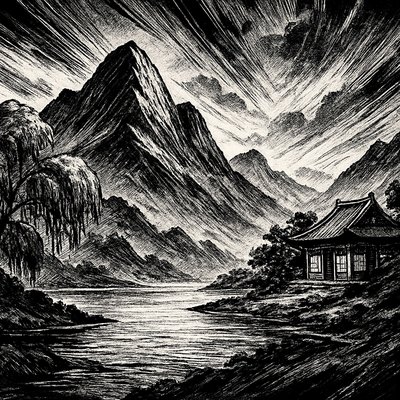
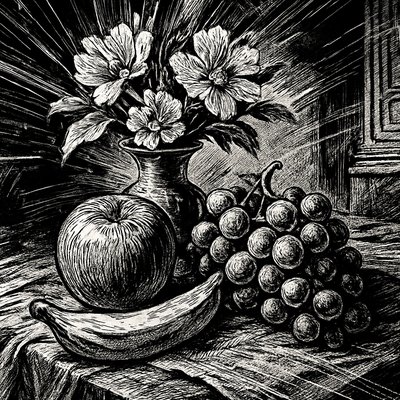
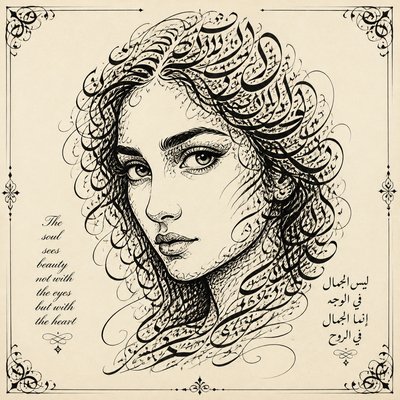
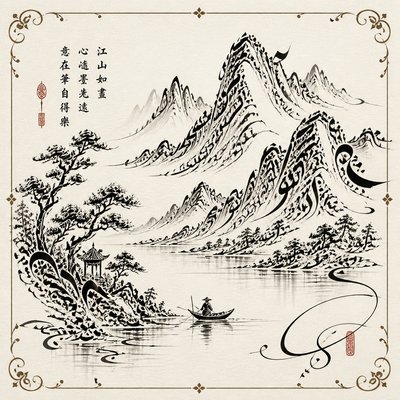
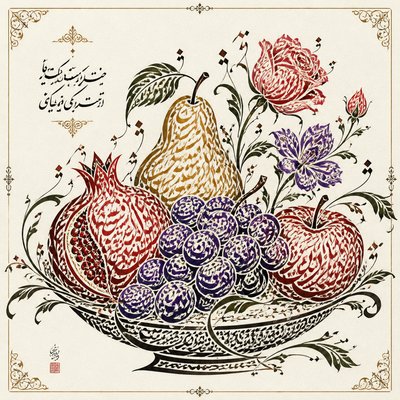
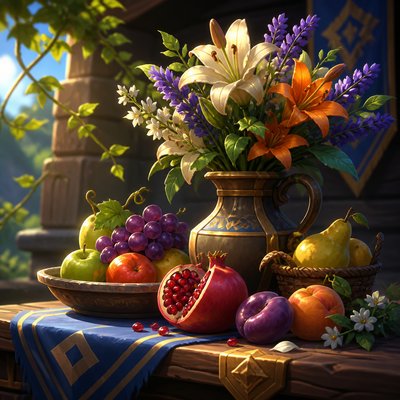
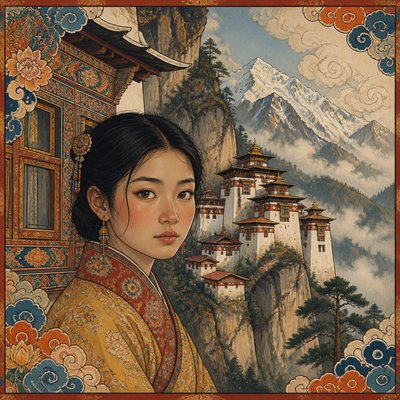
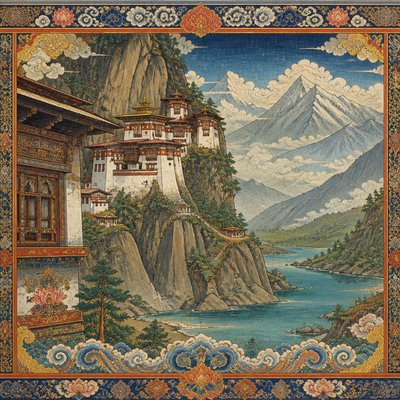
The style looks the way it does because Edo-period artists worked within traditions that valued controlled line, pattern, material richness, and selective abstraction over naturalistic depth. Gold grounds and cloud bands could organize a composition while also reflecting light in changing ways; mineral pigments, ink, lacquer, and printed color supplied a distinct surface character. The resulting visual language can feel simultaneously ceremonial, intimate, decorative, and connected to the pleasures of the floating world.
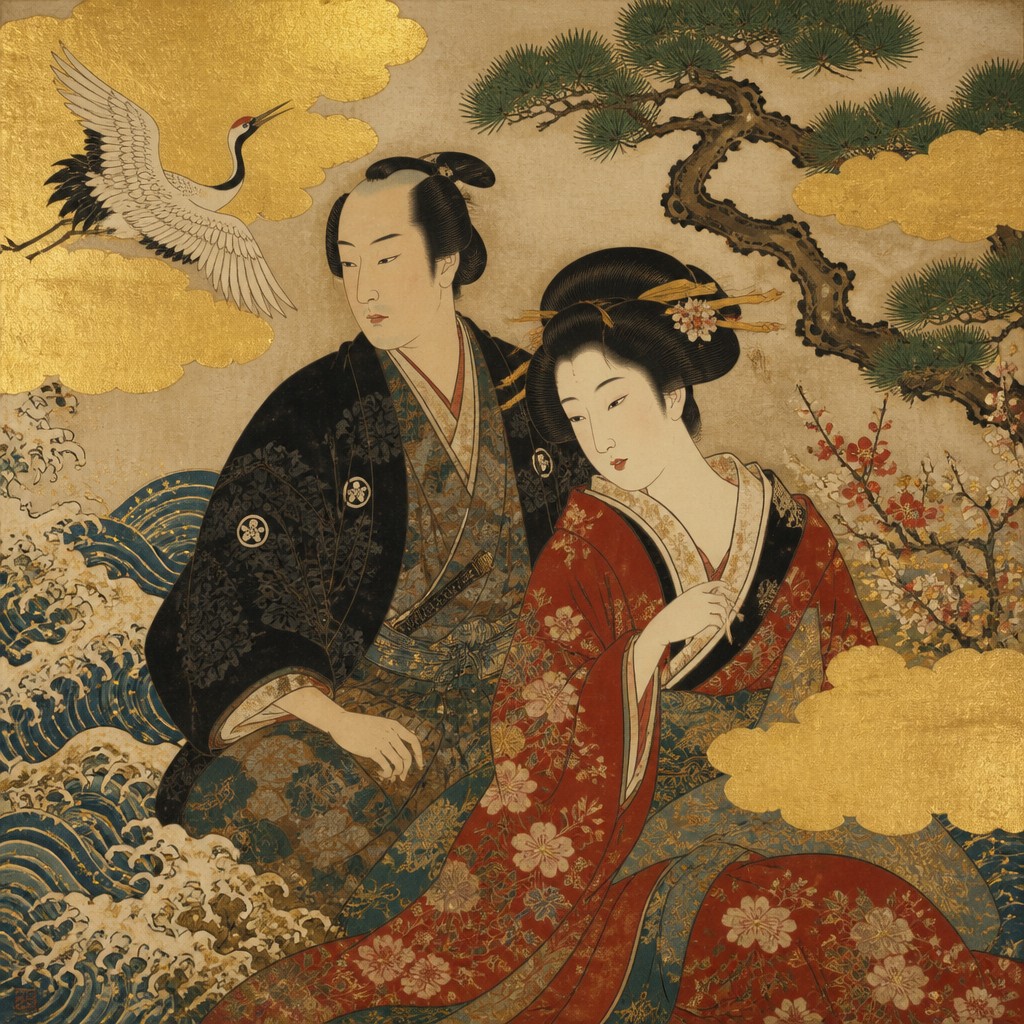
Try It On Your Photos
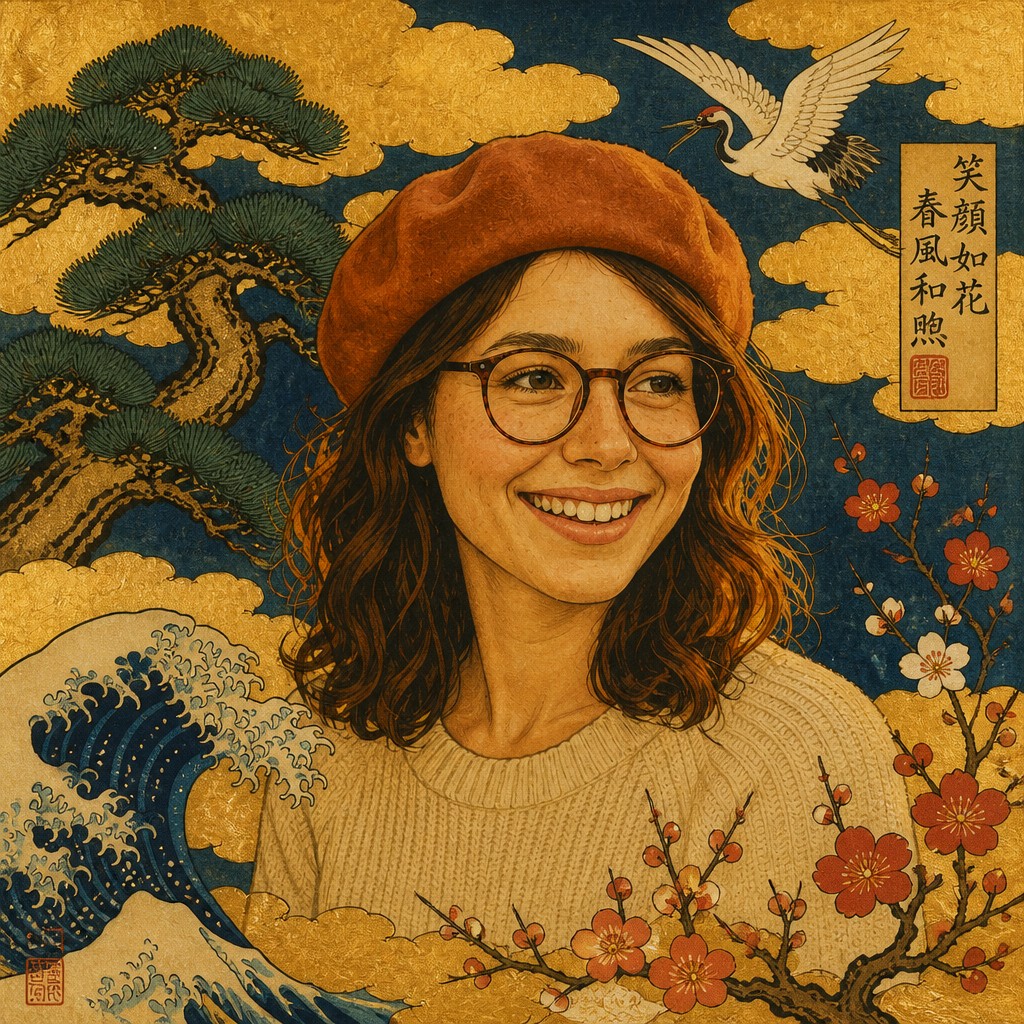
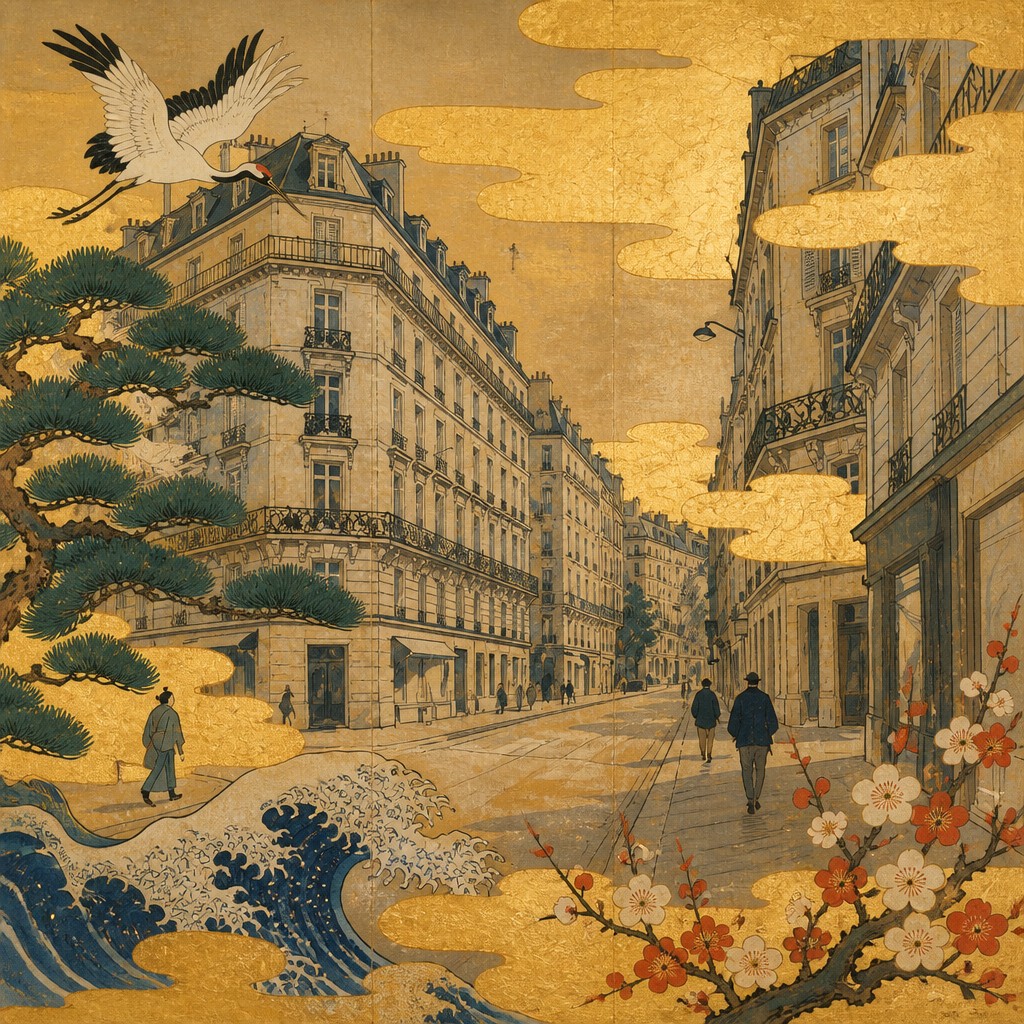
Upload any photo and convert it into Edo Period Art Style — drag the sliders to compare before and after.


What Defines Edo Period Art Style
The signature details, up close
Gold-leaf grounds and cloud bands
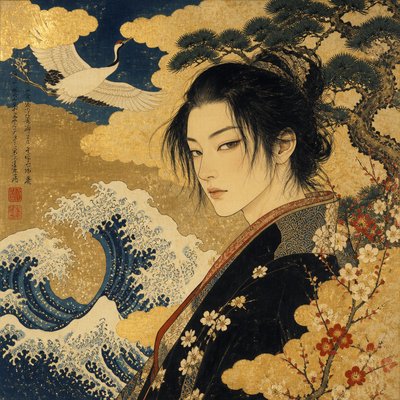
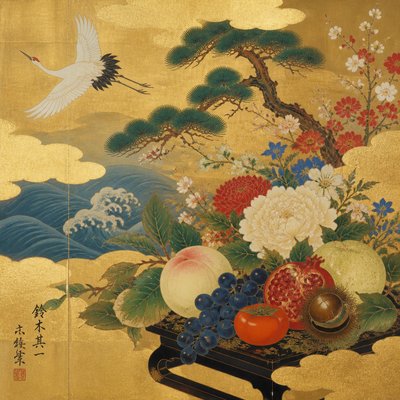
Metallic gold surfaces and irregular cloud forms create luminous fields, separate planes, and deliberate pauses in the composition. Digital work can suggest this effect with warm reflective gradients, granular foil texture, and uneven handmade edges.
Flattened natural motifs
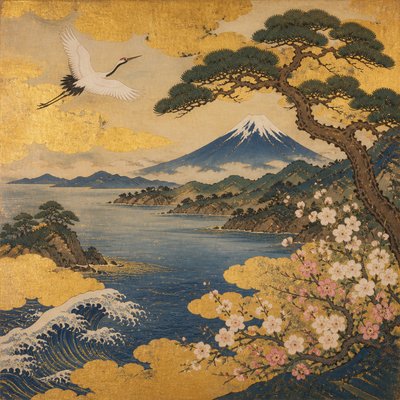
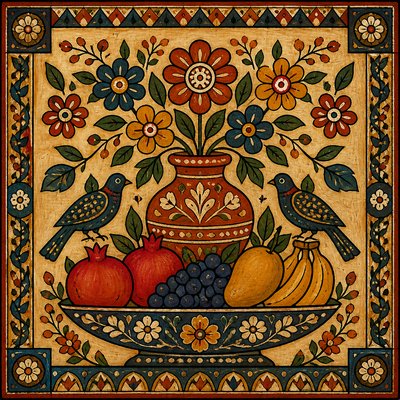
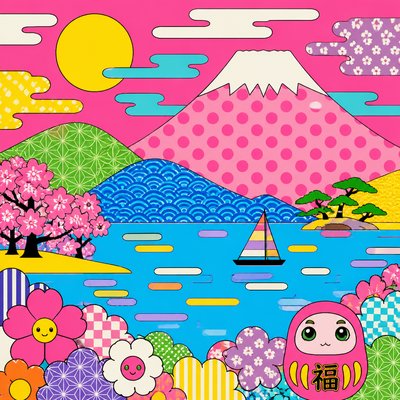
Pines, bamboo, waves, cranes, deer, blossoms, rocks, and grasses are arranged as graphic shapes rather than modeled through strict perspective. Their silhouettes, repeated contours, and symbolic associations are often more important than optical realism.
Mineral-pigment color
Traditional painting used materials such as mineral pigments, carbon ink, organic colors, and occasionally metallic powders on paper, silk, wood, or plastered surfaces. Strong blues, greens, reds, whites, and blacks can be balanced by the warmth of gold and the restraint of unpainted ground.
Asymmetrical balance
Subjects are frequently shifted away from the center, with empty space, cloud masses, or sweeping diagonals balancing dense clusters of detail. The composition may feel spacious even when its motifs are richly patterned.
Decorative pattern and rhythmic line
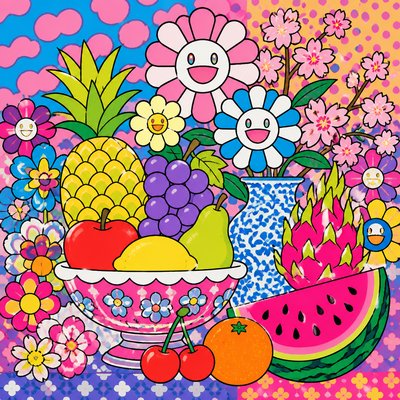
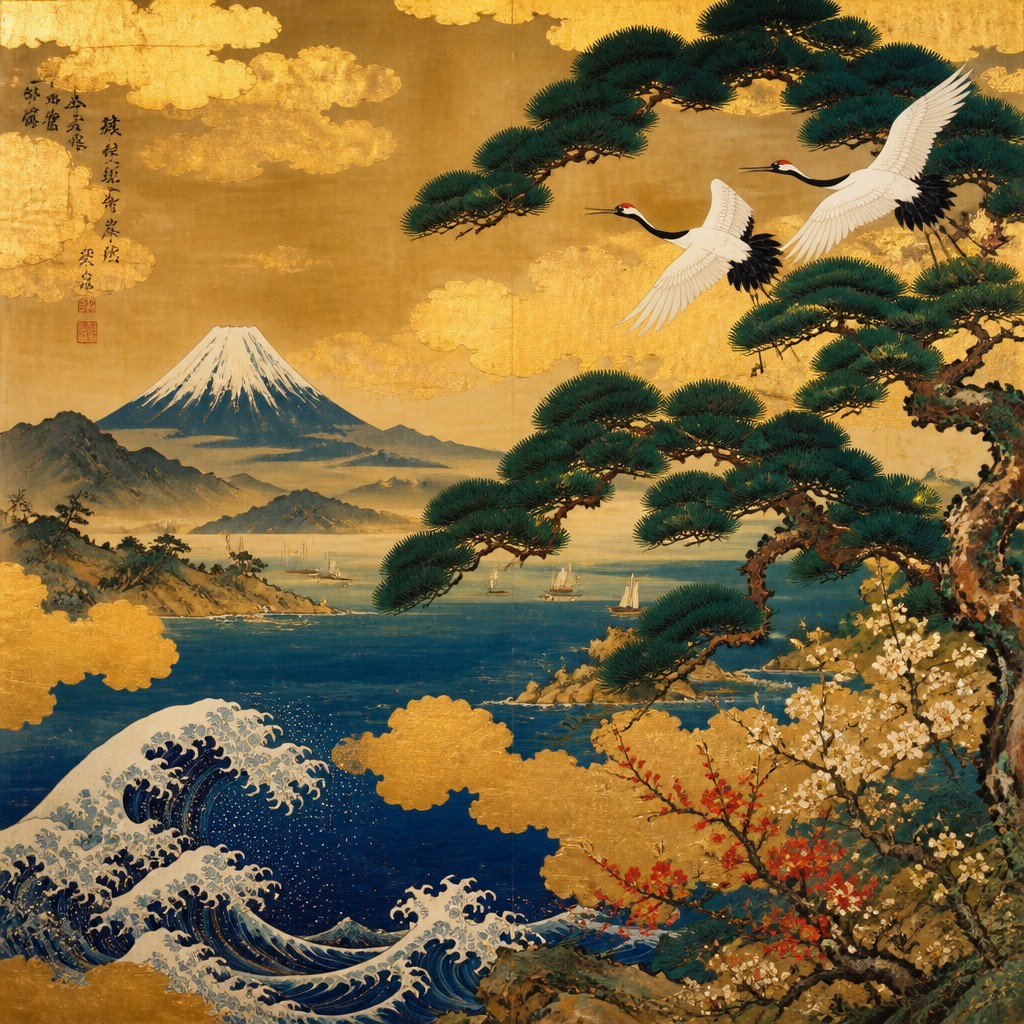
Repeating waves, scales, feathers, leaves, textile-like borders, and curling stems establish visual rhythm. Crisp outlines and selective patterning give the image a deliberate, crafted surface.
Floating-world elegance
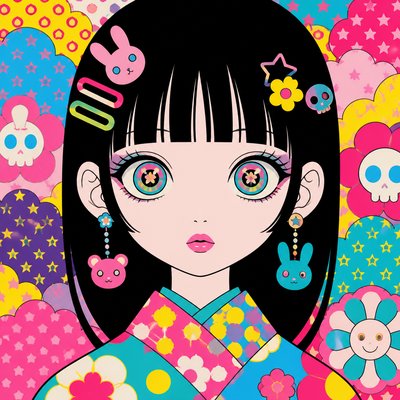
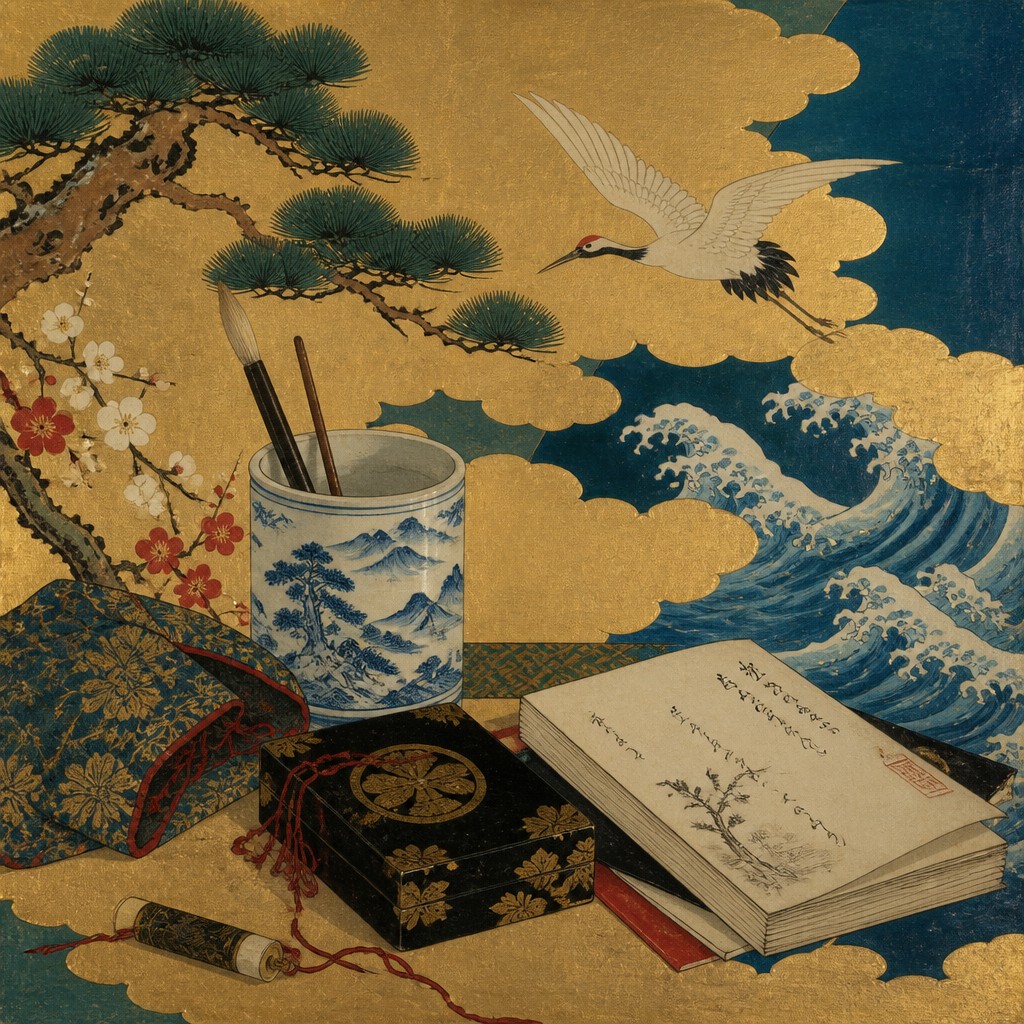
The style can evoke the refined leisure, theater, fashion, seasonal pleasures, and urban culture associated with ukiyo-e and Edo-period entertainment districts. Figures are often posed with poise, while clothing, accessories, architecture, and natural details carry much of the visual information.
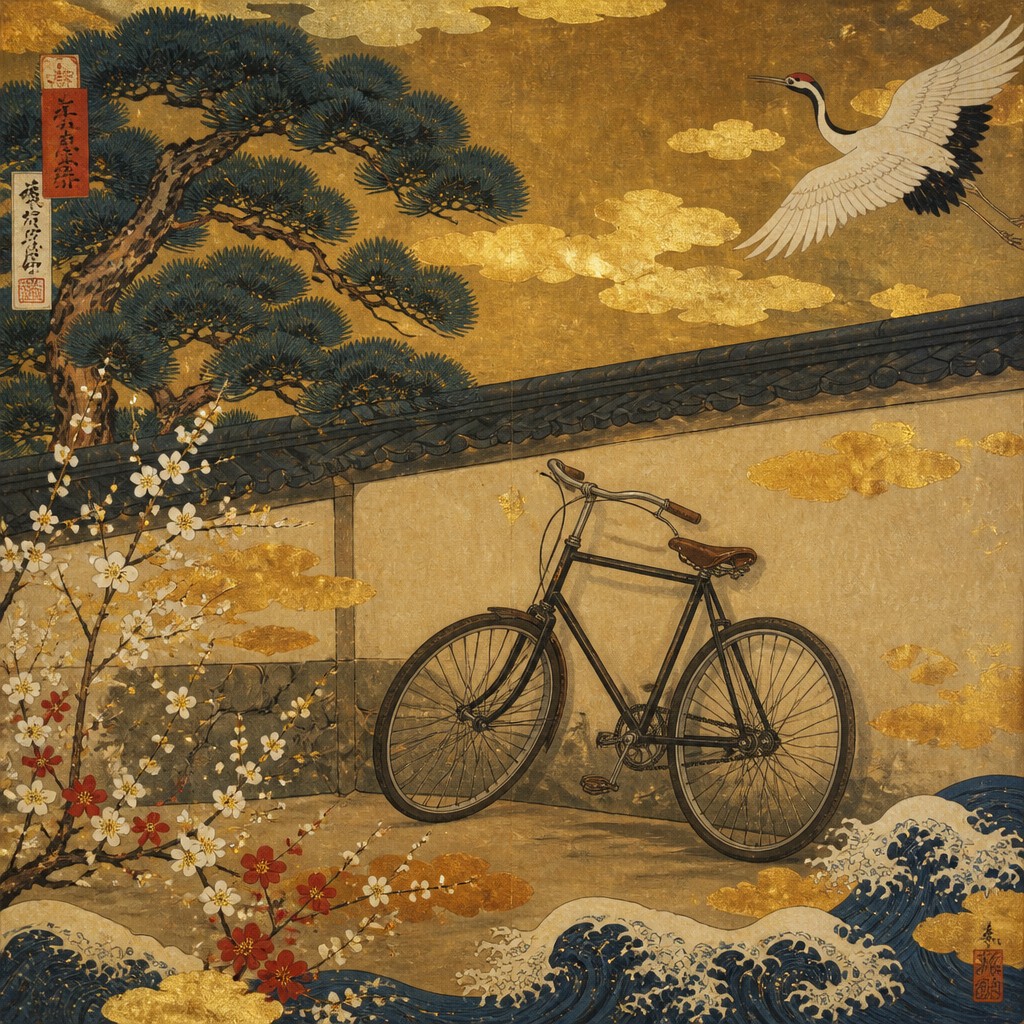
Selective spatial depth
Overlapping motifs, diagonal pathways, and mist or cloud screens imply space without relying on continuous Western-style perspective. Multiple viewpoints and compressed backgrounds allow pattern and narrative detail to coexist.
Try It
Create Videos in Edo Period Art Style
Styles aren't just for stills — describe a scene or animate an image and get a short video rendered in Edo Period. Press play to see this pond come to life.
Make a VideoEdo Period Prompt Ideas
Start from an idea — each one opens the generator with the style ready to go. See all 40 Edo Period prompts →
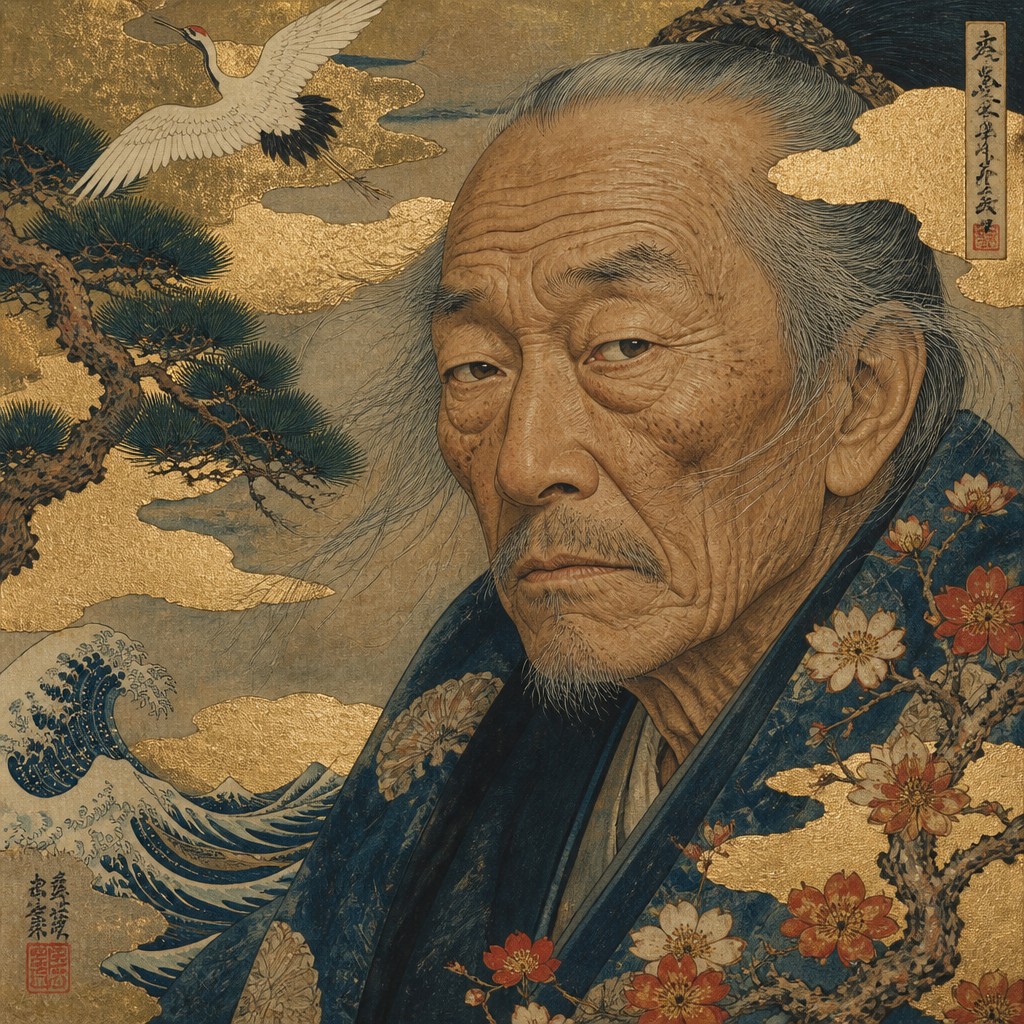
“close-up portrait of an elderly person with expressive weathered features”
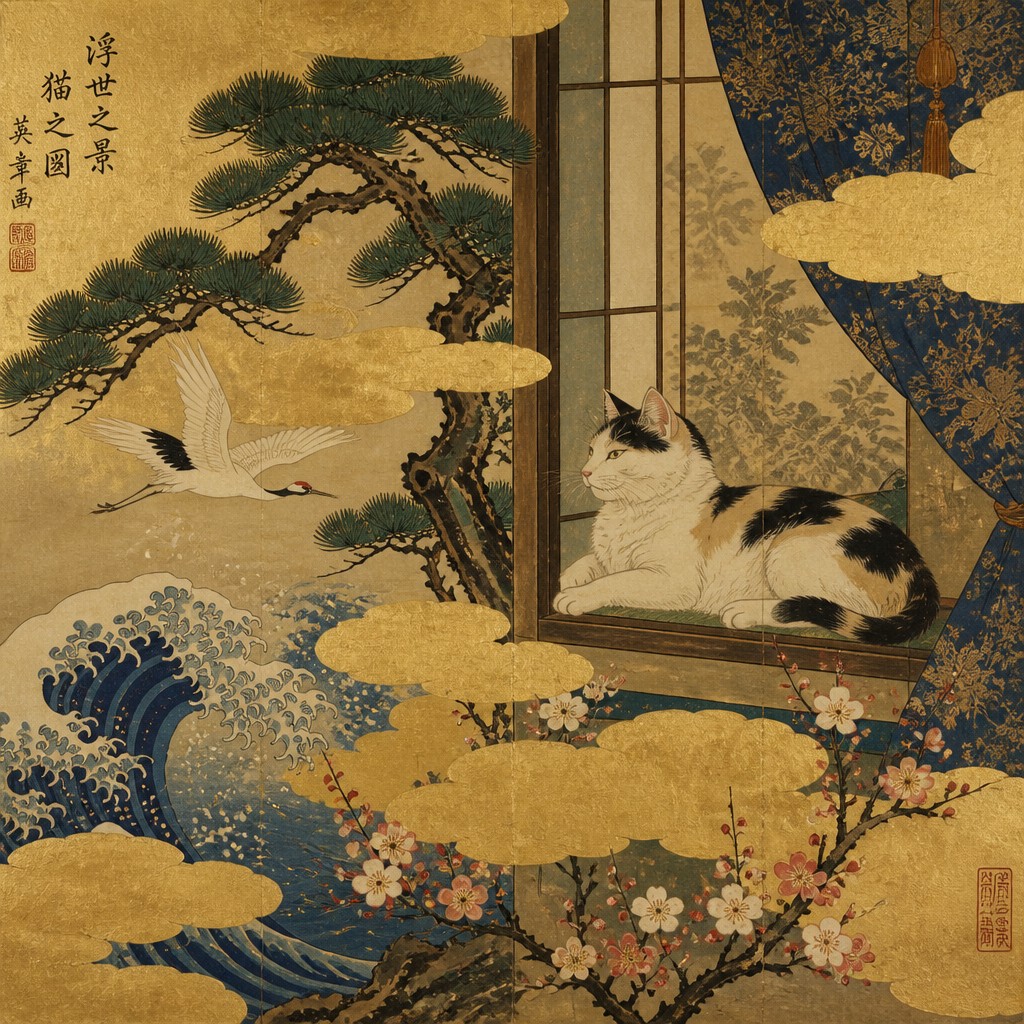
“a cat lounging in a sunlit window”
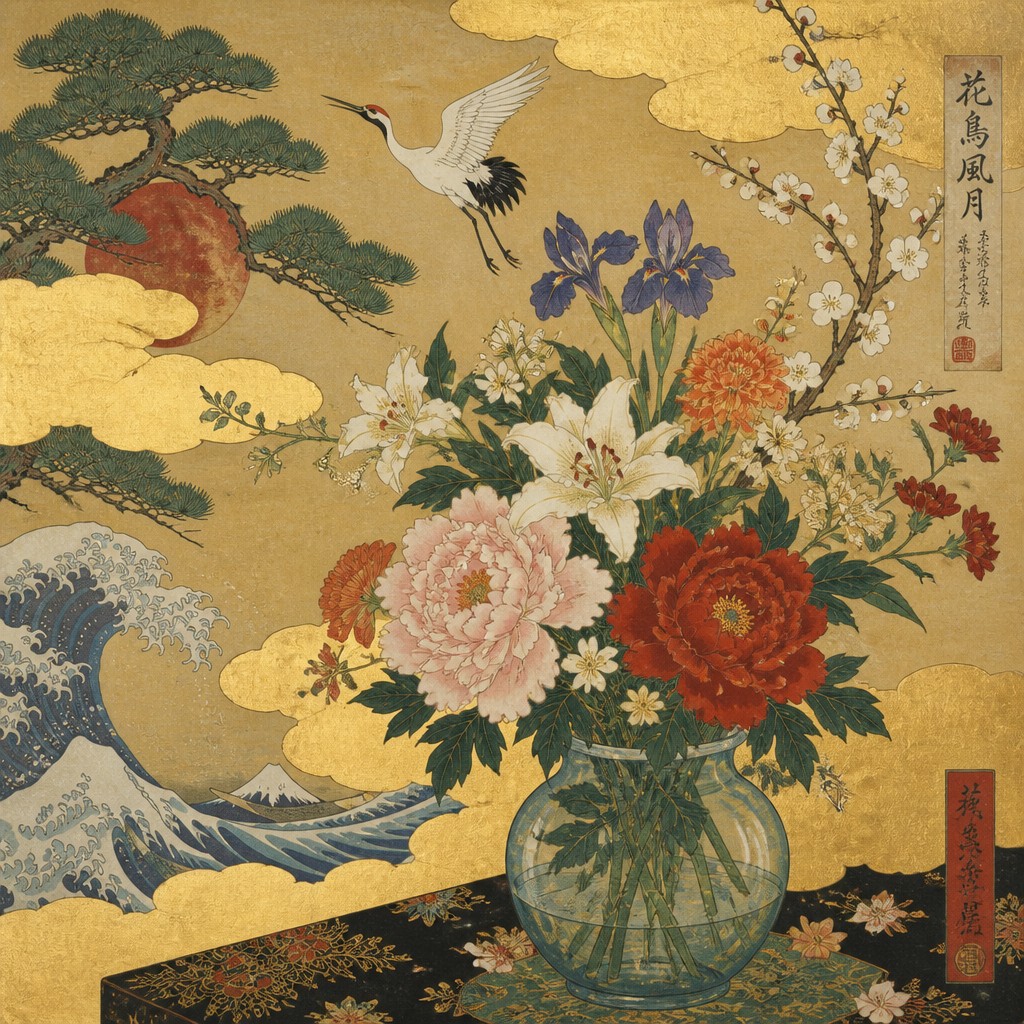
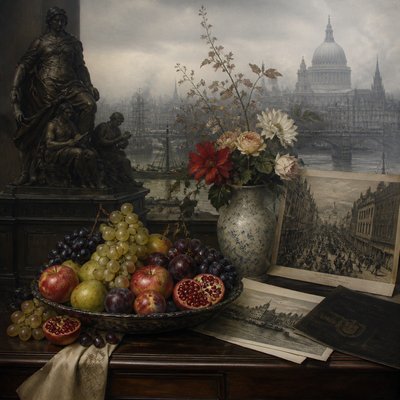
“bouquet of flowers in a glass vase”
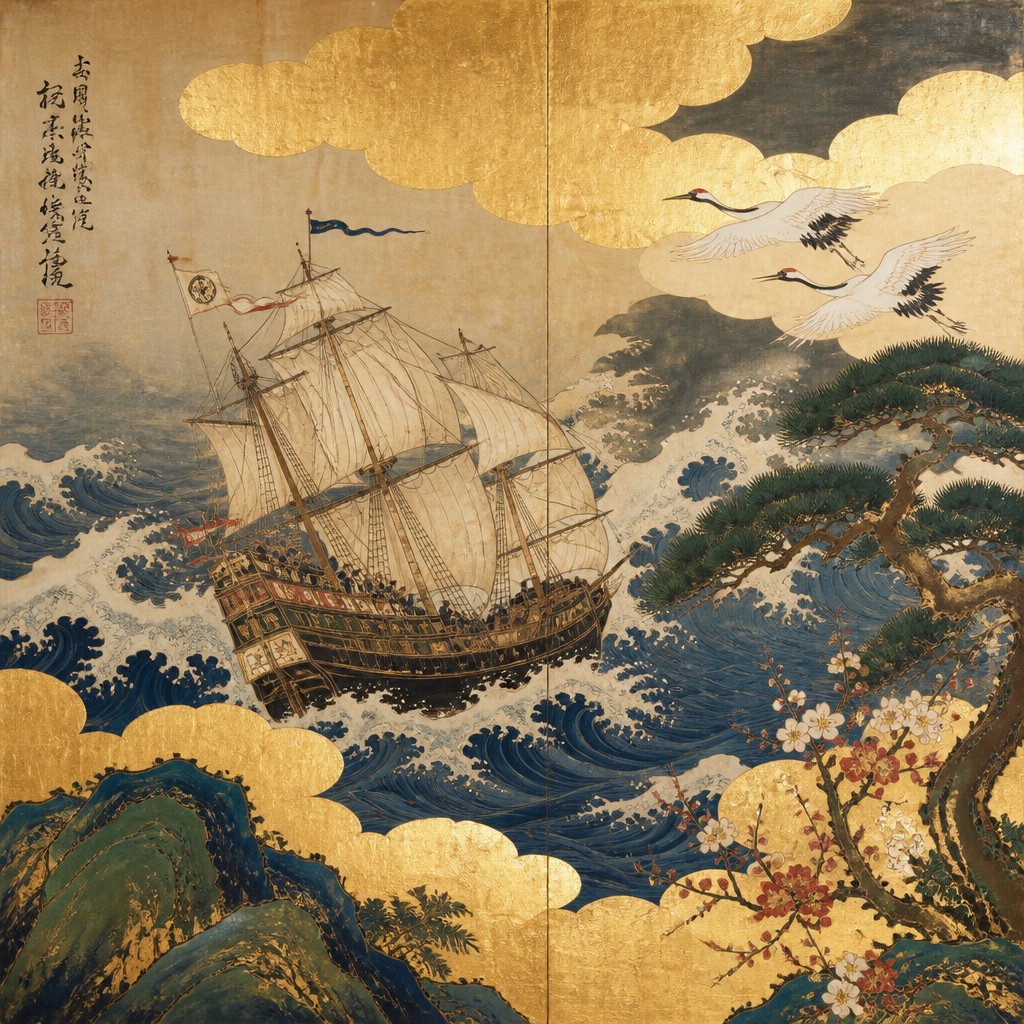
“sailing ship on a stormy sea”
How to Create Edo Period Art
Master the craft step by step — or skip straight to creating. Read the full guide →
- 1
Build the composition in broad planes
Begin with an asymmetrical arrangement of one or two major motif groups, then reserve quiet areas for gold cloud fields or open paper. Avoid filling every part of the image; controlled emptiness is essential to the effect.
- 2
Use a limited mineral palette
Combine deep indigo, malachite-like green, vermilion, ivory, carbon black, and muted ochres with a warm gold ground. In digital work, use subtly varied pigment texture rather than perfectly uniform color.
- 3
Flatten and stylize natural forms
Reduce plants, waves, birds, and rocks to clean silhouettes with expressive contours. Keep enough identifying detail for the subject to remain legible, but avoid photorealistic shading and excessive atmospheric depth.
- 4
Suggest handcrafted materials
For traditional work, consider silk or fibrous paper, ink washes, mineral pigments, metallic leaf, and layered opaque color. Digitally, add restrained grain, irregular foil reflections, dry-brush edges, and slight registration variation without making the surface look distressed.
- 5
Direct a prompt toward structure and materials
Specify the subject first, then describe gold cloud fields, flattened motifs, mineral pigments, silk or paper, asymmetric balance, and selective perspective. For image-to-image work, preserve the source subject while asking for graphic contours, patterned surfaces, and a decorative screen-like composition.
- 6
Control historical blending
If you want a screen-painting result, emphasize monumental composition, gold ground, and sparse symbolic motifs; if you want a popular urban scene, emphasize printed outlines, fashion, architecture, and compressed perspective. Naming the intended medium helps prevent an indistinct mixture of unrelated Edo traditions.
The Story
History & Origins of Edo Period
Rather than a single unified movement, Edo art was a network of regional, courtly, religious, commercial, and popular practices. Contemporary renderings that combine gold clouds, mineral color, flattened natural motifs, and floating-world elegance draw selectively from decorative screen painting, Rinpa-related pattern design, Kano-school formalism, ukiyo-e composition, textile ornament, and Japanese landscape traditions. This synthesis should be understood as an aesthetic interpretation of Edo-period visual culture, not as a claim that every Edo artwork shared the same appearance.
Influences: The style draws on several Edo-period traditions rather than one fixed school: decorative folding-screen and sliding-door painting, Kano-school formal composition, Rinpa-related pattern and nature design, ukiyo-e printmaking, literati ink painting, Buddhist and courtly imagery, textile ornament, lacquer, ceramics, and Japanese garden aesthetics. It also relates to later Japonisme, which adapted Japanese asymmetry, flat pattern, and cropped composition for modern Western art and design.

Frequently Asked Questions
What defines Edo Period Art Style?
It is defined by a combination of Edo-period Japanese visual traditions, including controlled line, flattened natural motifs, decorative pattern, selective perspective, and strong material awareness. Gold grounds, mineral colors, asymmetrical balance, and references to urban or seasonal culture are common, but the historical period contained many different styles.
Is Edo Period Art Style the same as ukiyo-e?
No. Ukiyo-e was one important popular art tradition within the Edo period, especially associated with woodblock prints, illustrated books, theater, actors, courtesans, landscapes, and everyday urban life. Edo-period art also includes screen painting, religious art, courtly painting, literati traditions, ceramics, lacquer, textiles, and other media.
Were all Edo-period paintings made with gold leaf?
No. Gold-leaf screens are among the most recognizable Edo-period objects, but artists also worked in monochrome ink, opaque mineral pigments, transparent color, lacquer, ceramics, and printed media. Gold is best treated as a defining option for a decorative screen-inspired interpretation, not a universal historical feature.
How can I make an image look convincingly screen-inspired?
Use a broad, shallow composition with an intentional asymmetry and a small number of clearly designed motif groups. Add gold cloud fields, flattened plants or animals, mineral-like colors, crisp contours, and a suggestion of folded silk or paper rather than continuous realistic depth.
How does this style differ from Chinese ink painting?
Edo-period Japanese art absorbed and adapted Chinese painting traditions, especially ink-based landscape and literati approaches. Screen painting and decorative arts often place greater emphasis on bold pattern, metallic surfaces, seasonal motifs, compressed space, and the integration of images with architectural interiors, although the comparison depends on the specific school and medium.
Where is this aesthetic used today?
Its visual language appears in contemporary illustration, editorial design, packaging, murals, textiles, games, animation, interiors, and digital image-making. Modern uses often combine historical motifs with invented subjects, so clear labeling is useful when distinguishing a period-informed interpretation from a historically specific Edo artwork.
Create your first Edo Period artwork
Describe anything — or upload a photo — and see it in Edo Period Art Style in seconds.
Related Styles
Discover similar art styles