Post-Impressionism Art Style
Expressive art movement with vivid color, visible brushwork, and symbolic form—learn its history, traits, and how to create it.
Instantly rendered in Post-Impressionism — or transform a photo
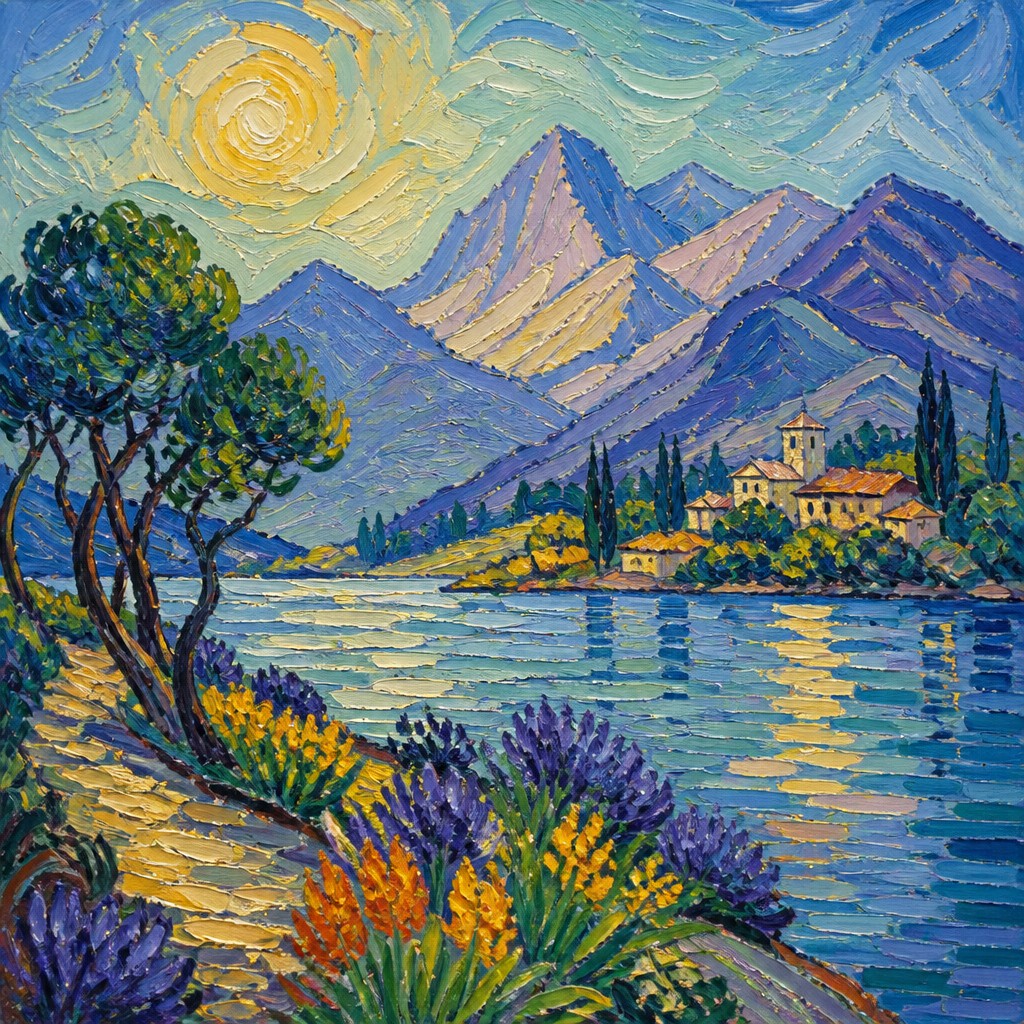
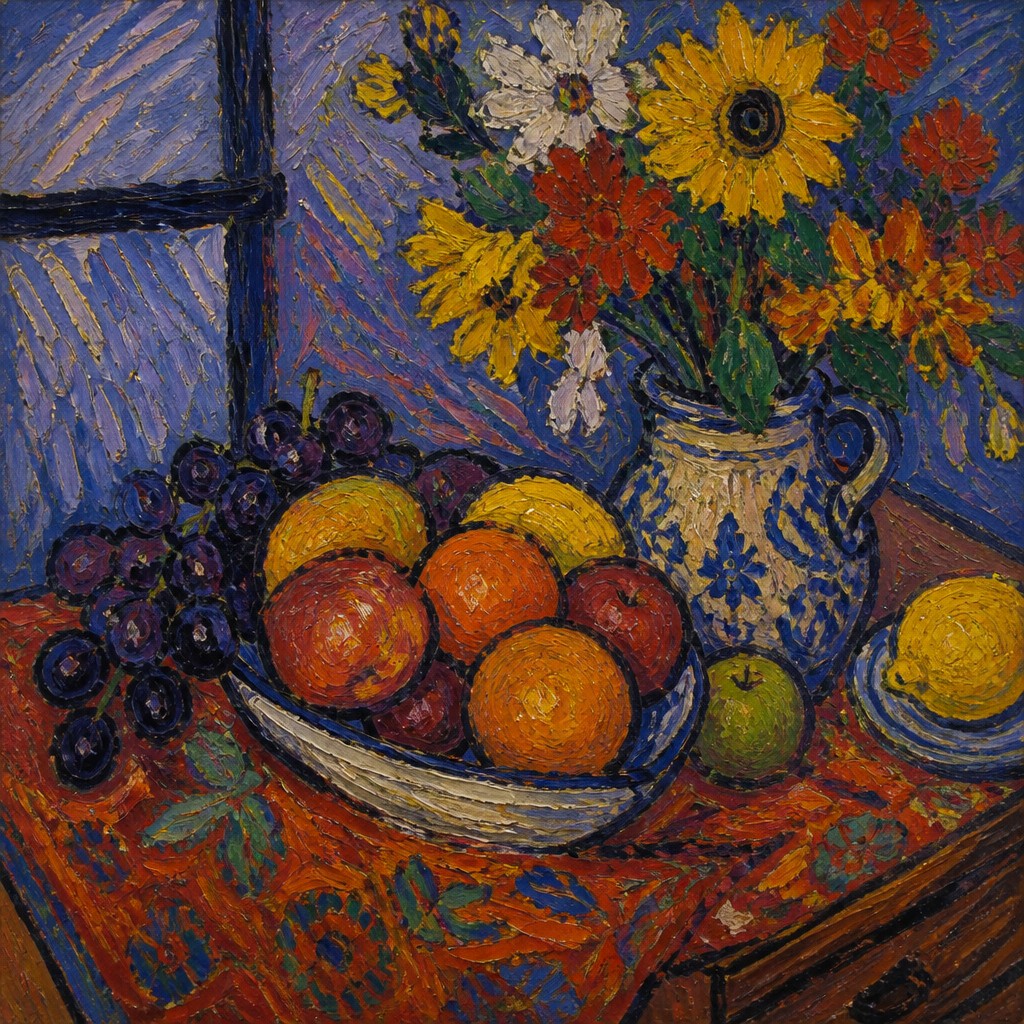
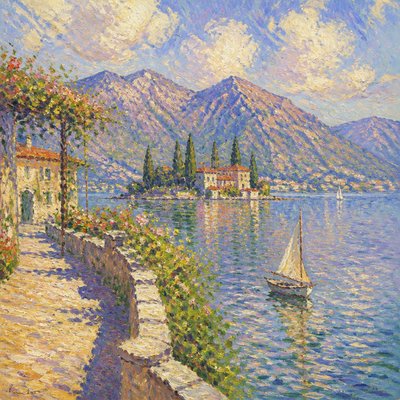
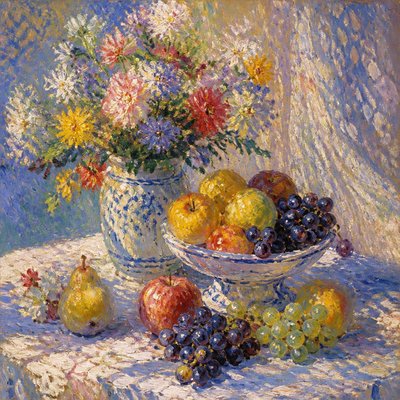
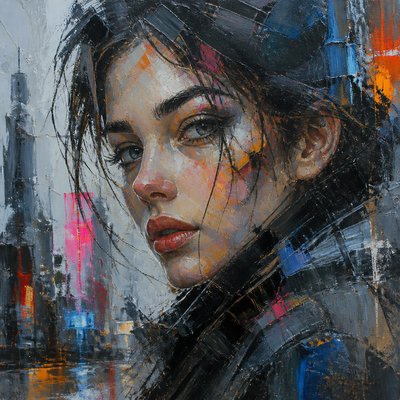
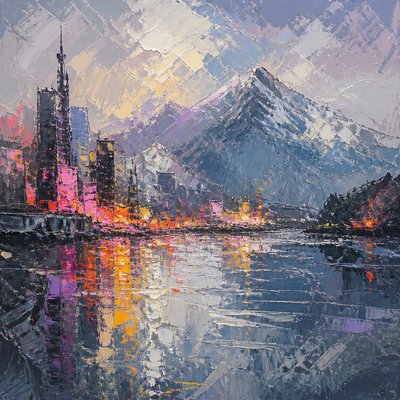
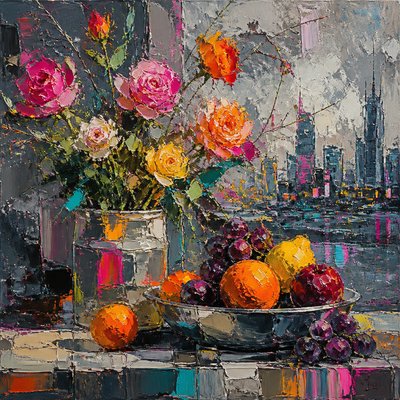
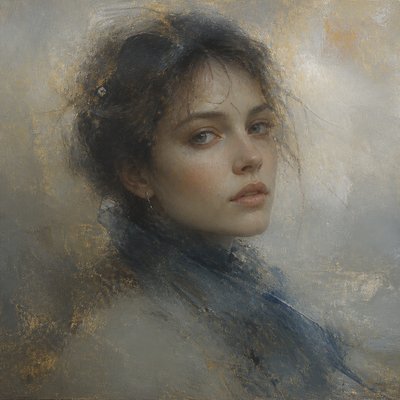
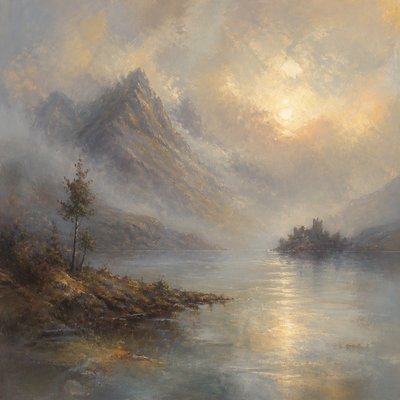
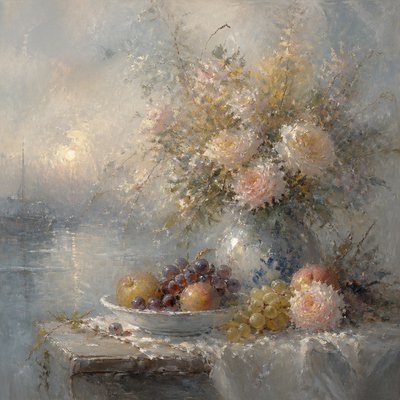
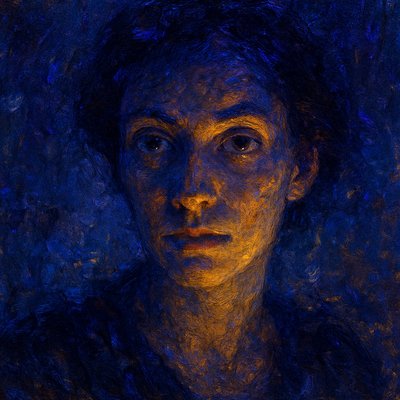
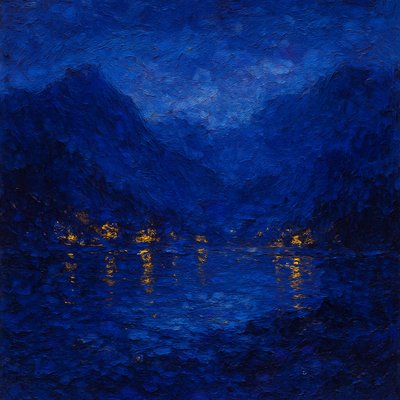
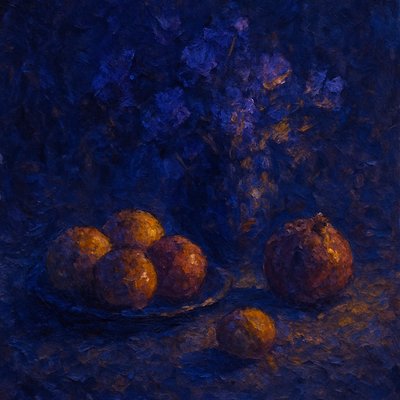
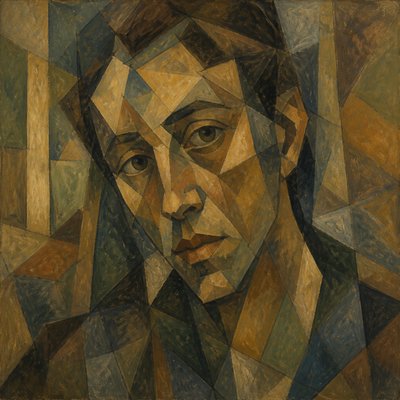
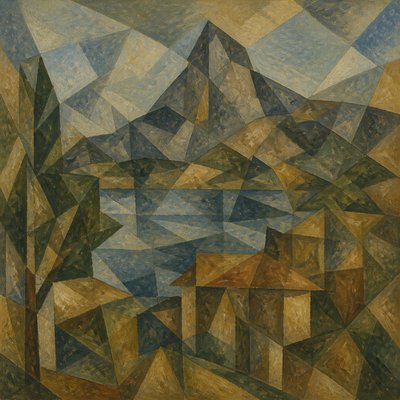
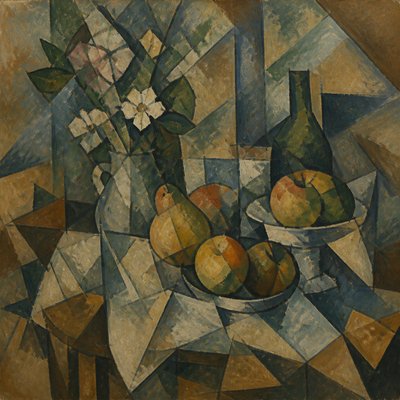
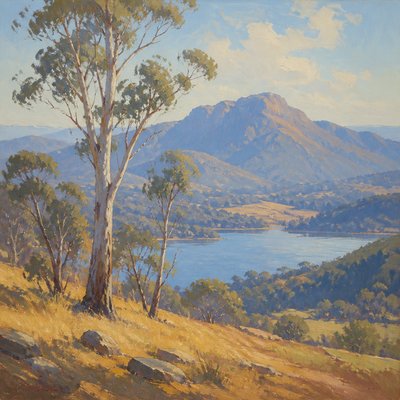
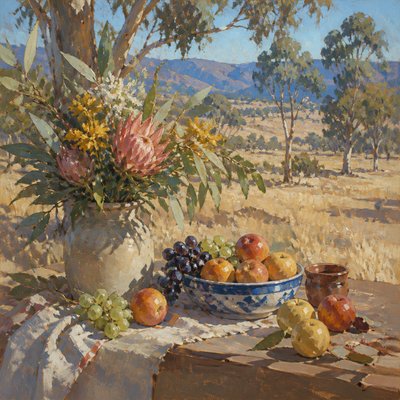
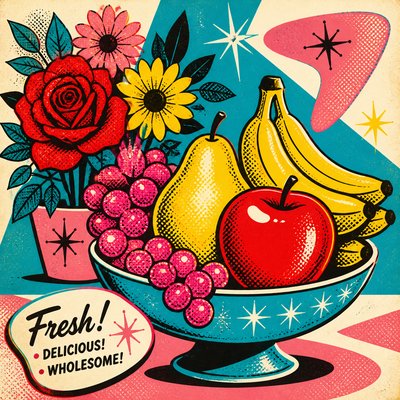
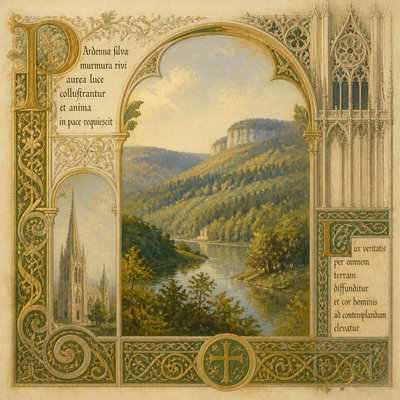
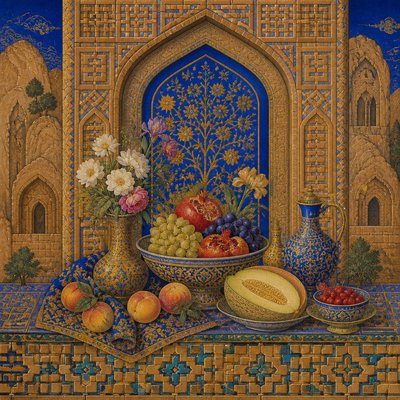
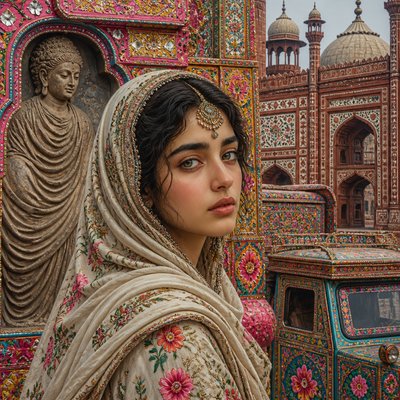
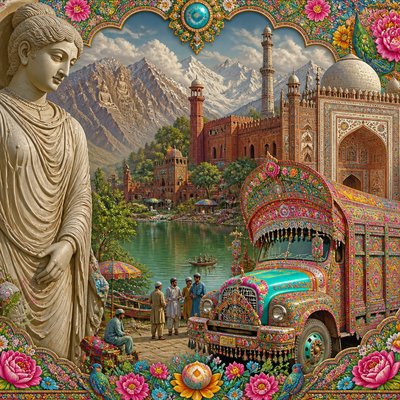
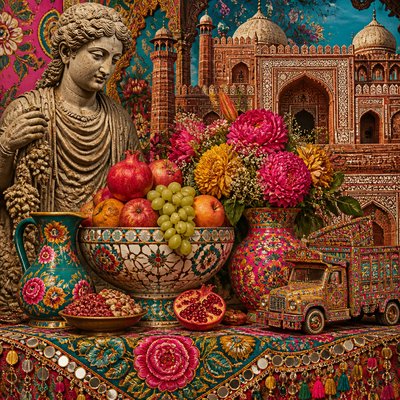
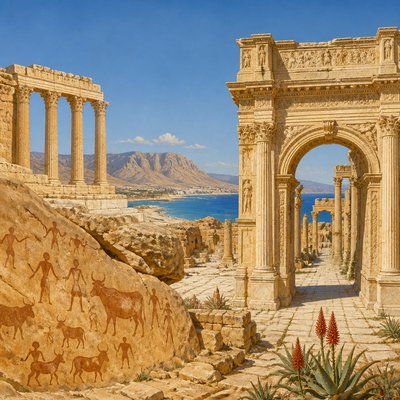
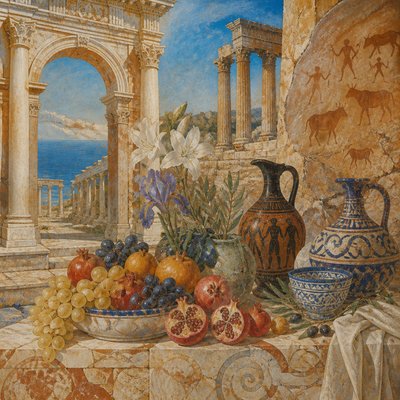
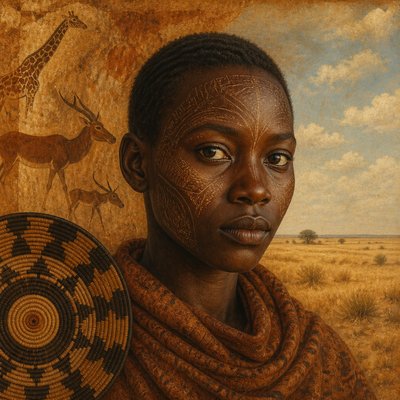
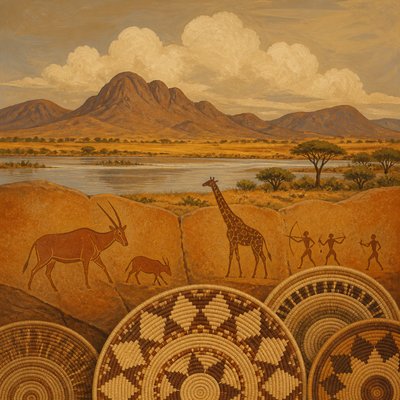
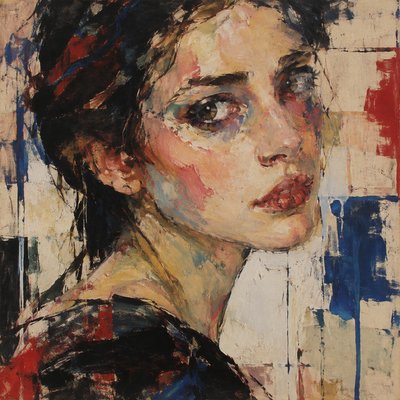
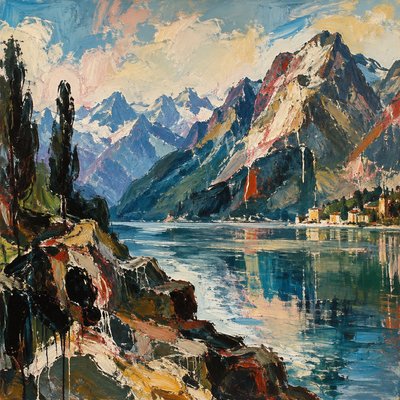
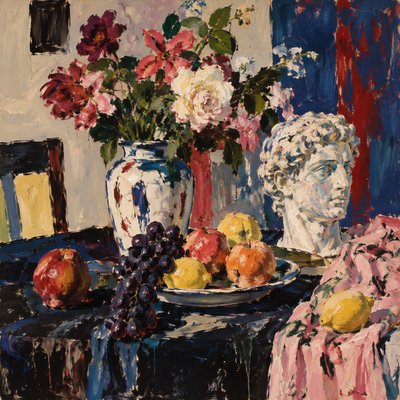
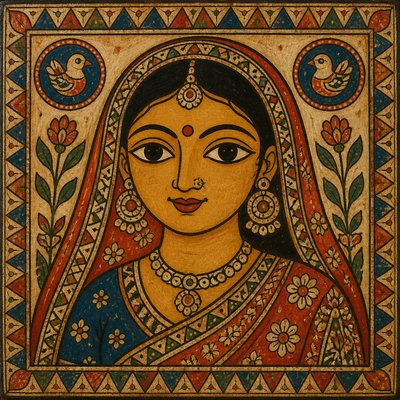
Post-Impressionism Gallery
Tap any artwork to explore it
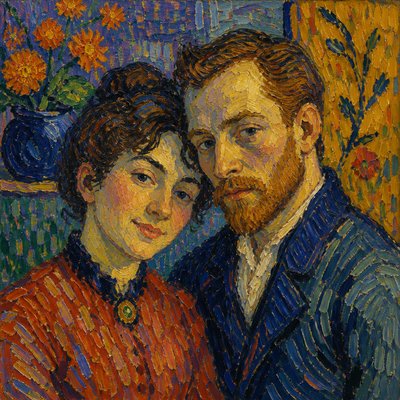
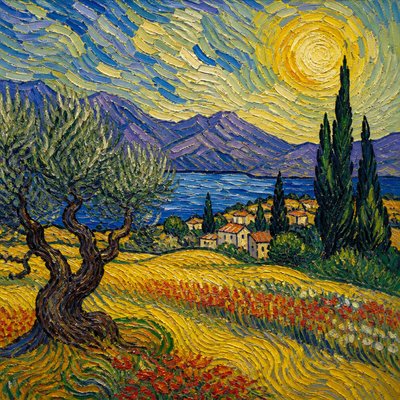
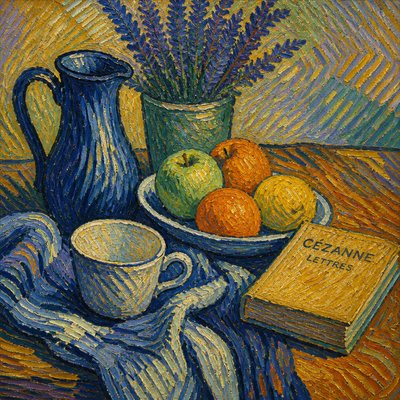
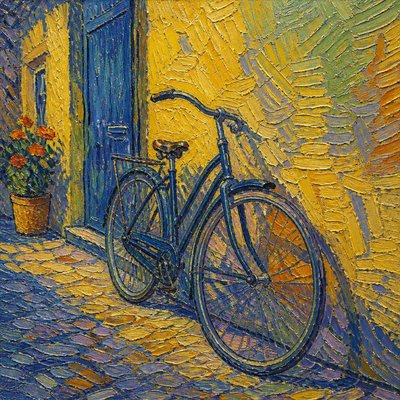
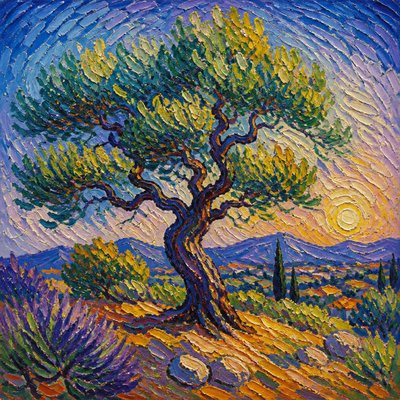
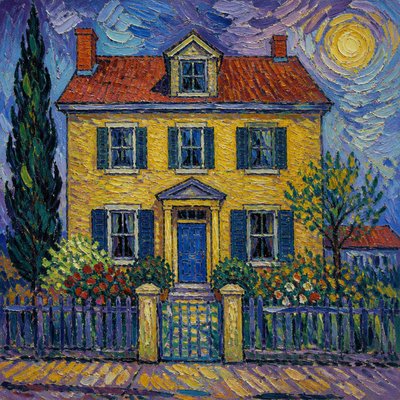
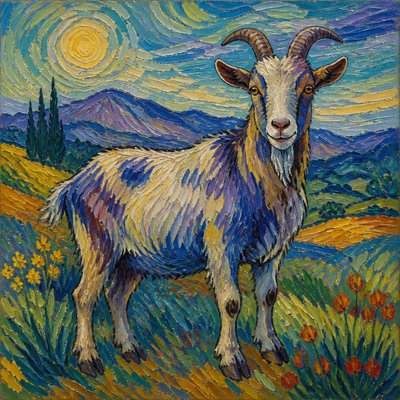
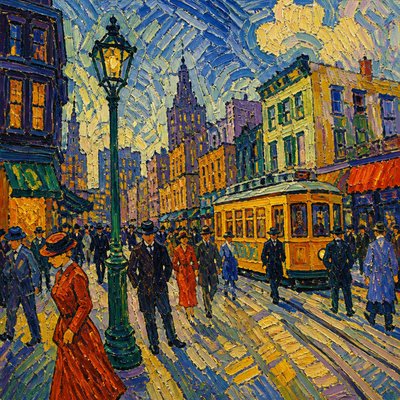
What is Post-Impressionism Art Style?
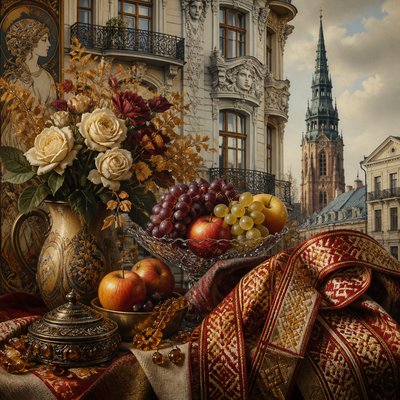
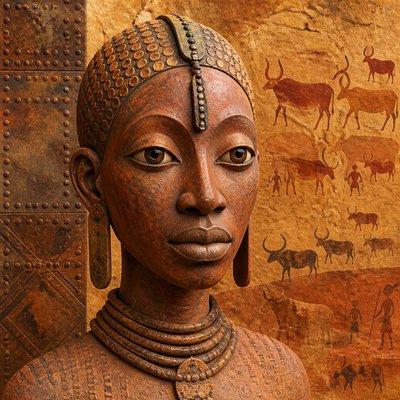
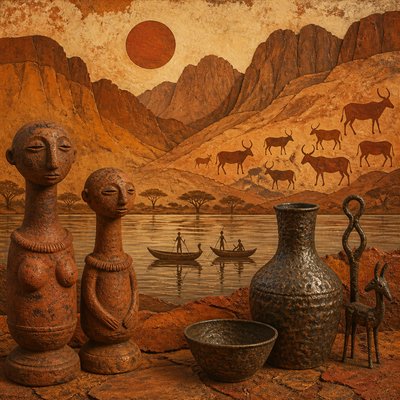
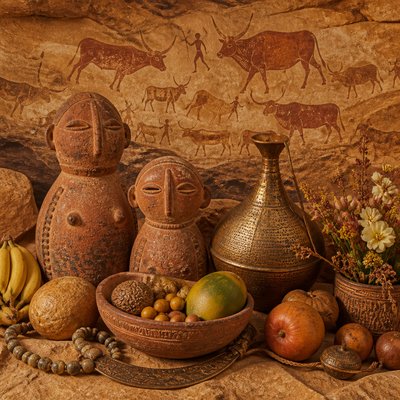
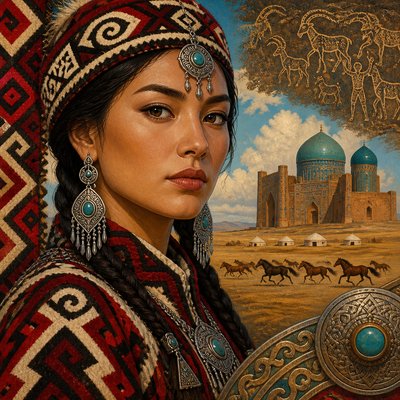
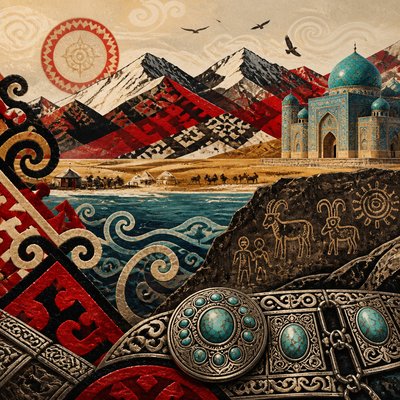
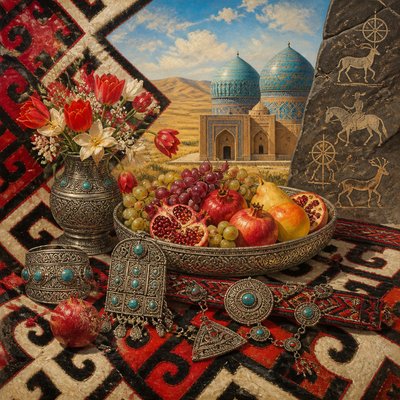
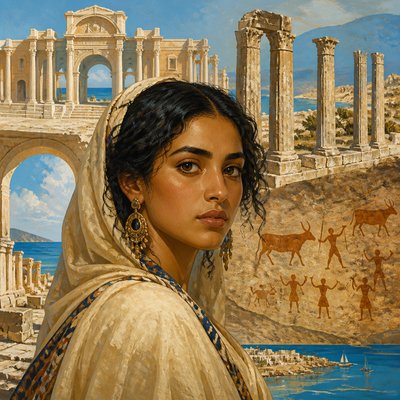
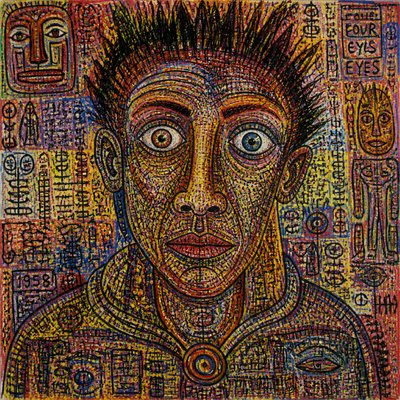
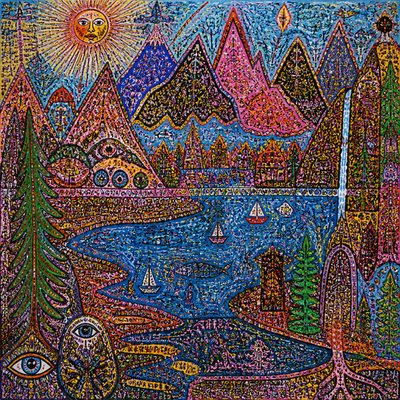
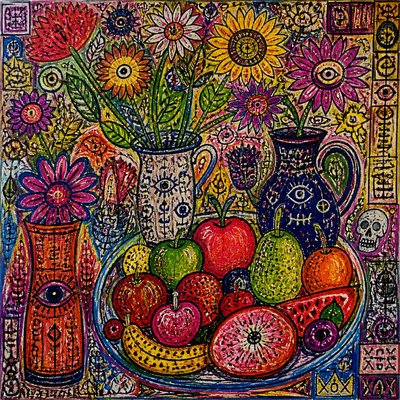
Post-Impressionism is the broad label for a range of late 19th-century approaches that developed after Impressionism and reacted against its emphasis on fleeting optical effects alone. Rather than trying to record only what the eye sees, Post-Impressionist artists used color, brushwork, contour, and composition to express emotion, structure, symbolism, or personal vision.
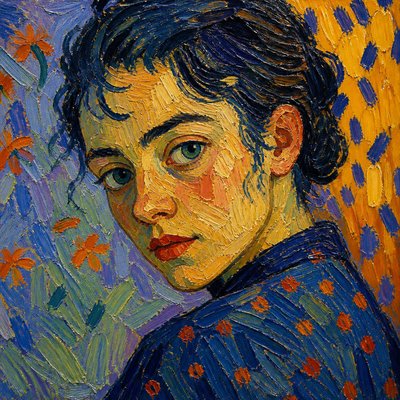
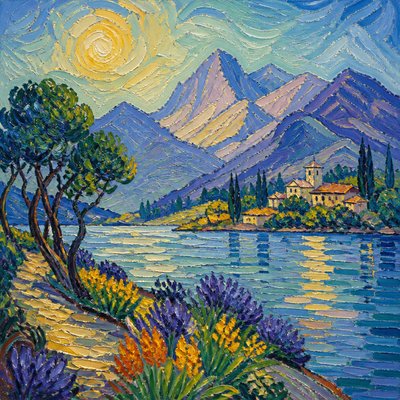
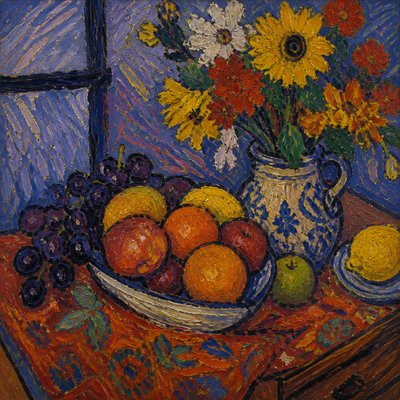
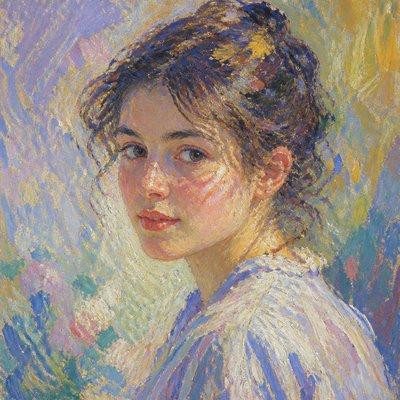
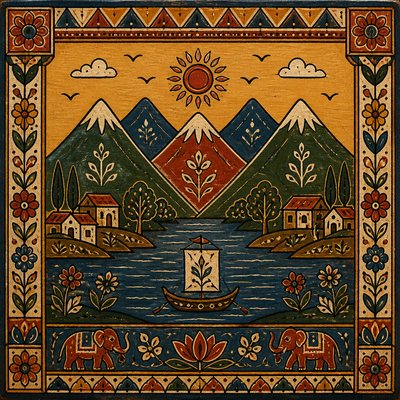
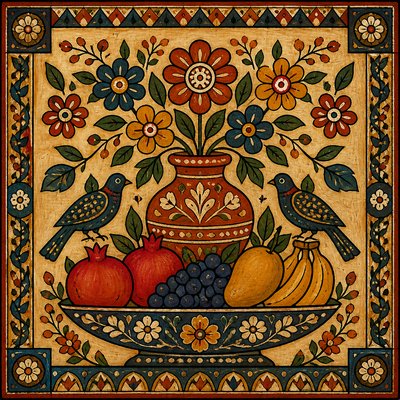
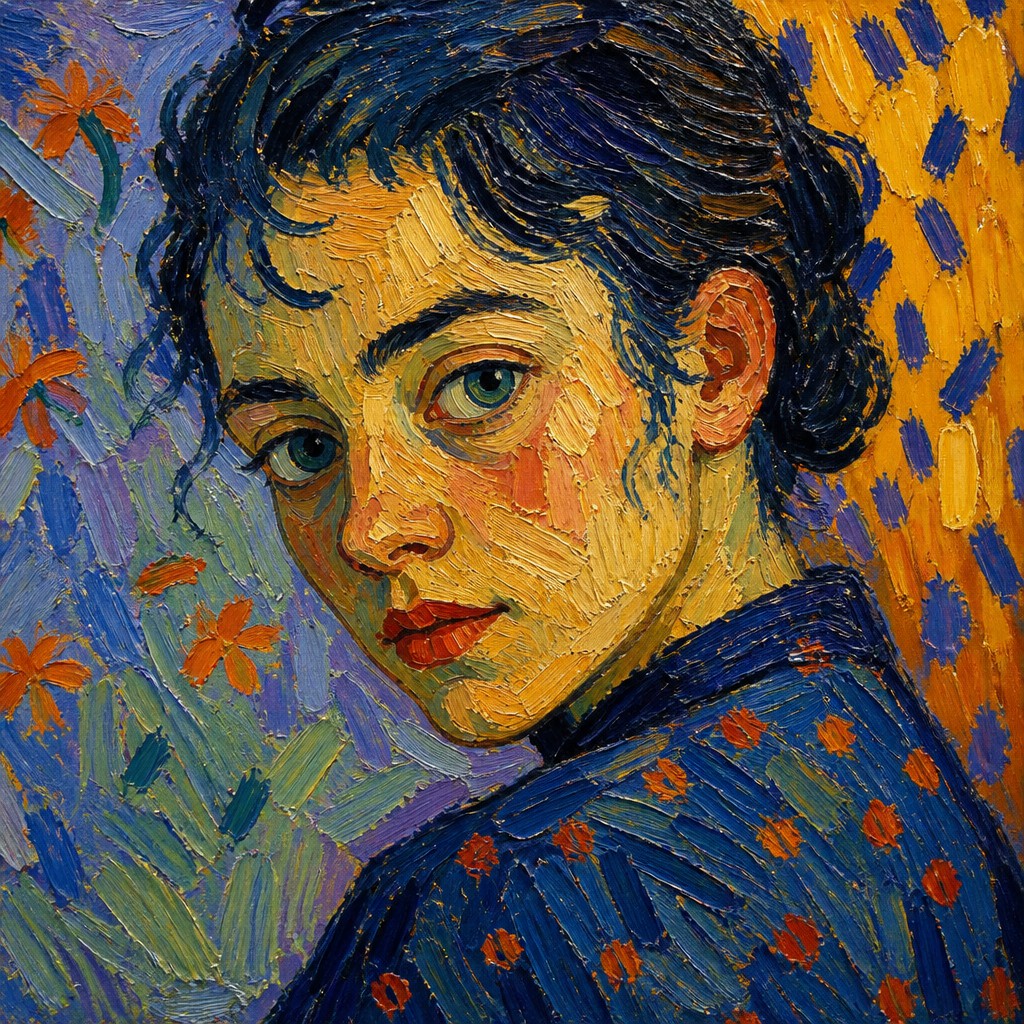
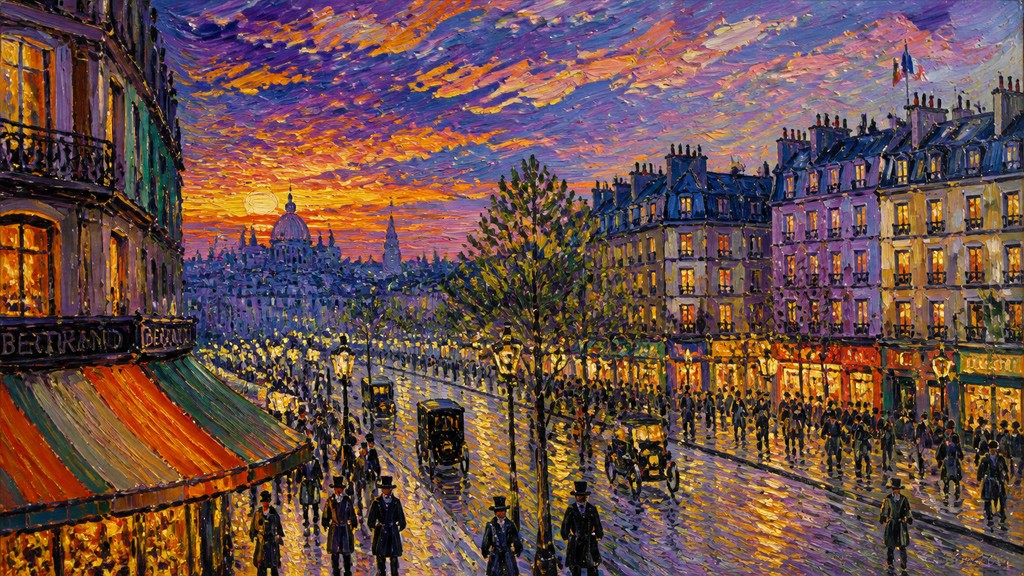
Visually, the style is defined by visible paint handling, simplified forms, and colors that often feel subjective rather than strictly naturalistic. Some works emphasize architectural order and volumetric structure; others push toward decorative pattern, emotional intensity, or symbolic meaning. The result is art that still shows the modern light and color discoveries of Impressionism, but with stronger emphasis on the artist’s inner interpretation of the subject.
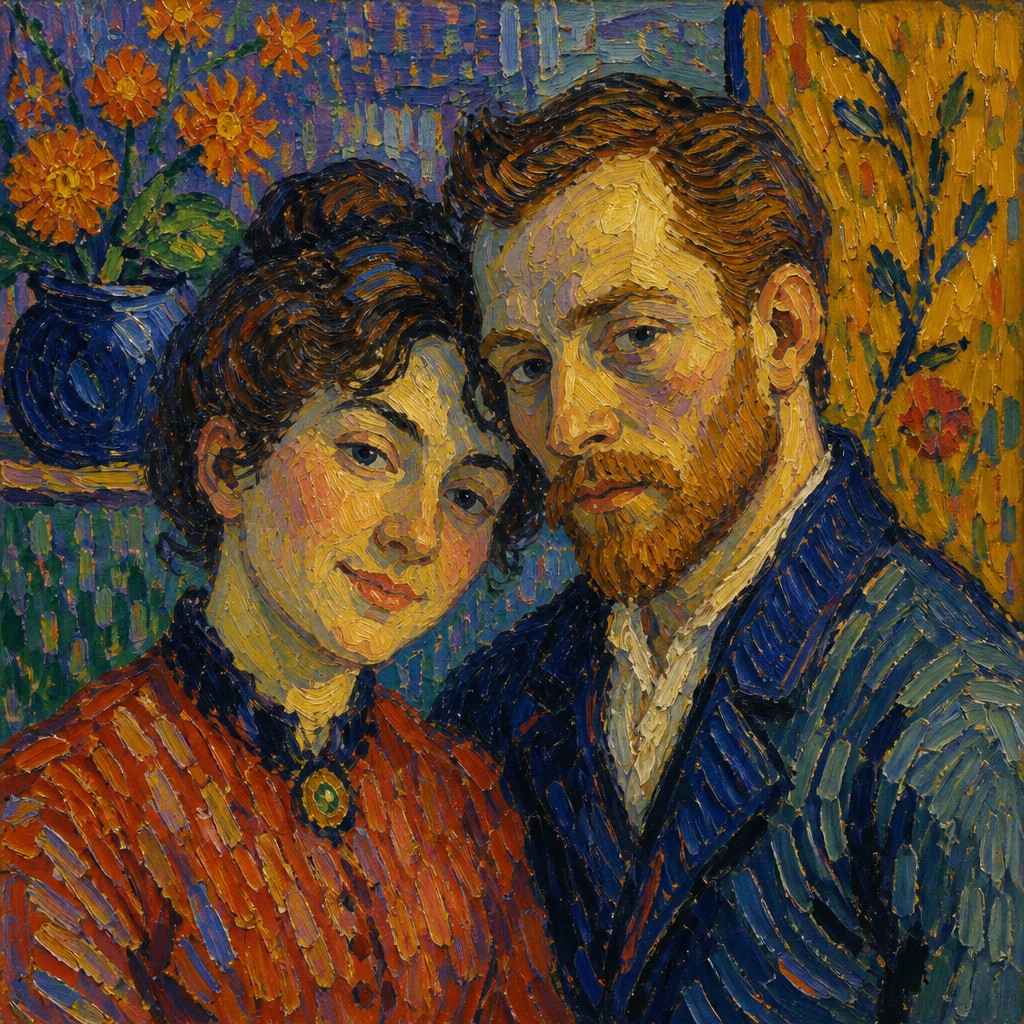
Try It On Your Photos
Upload any photo and convert it into Post-Impressionism Art Style — drag the sliders to compare before and after.
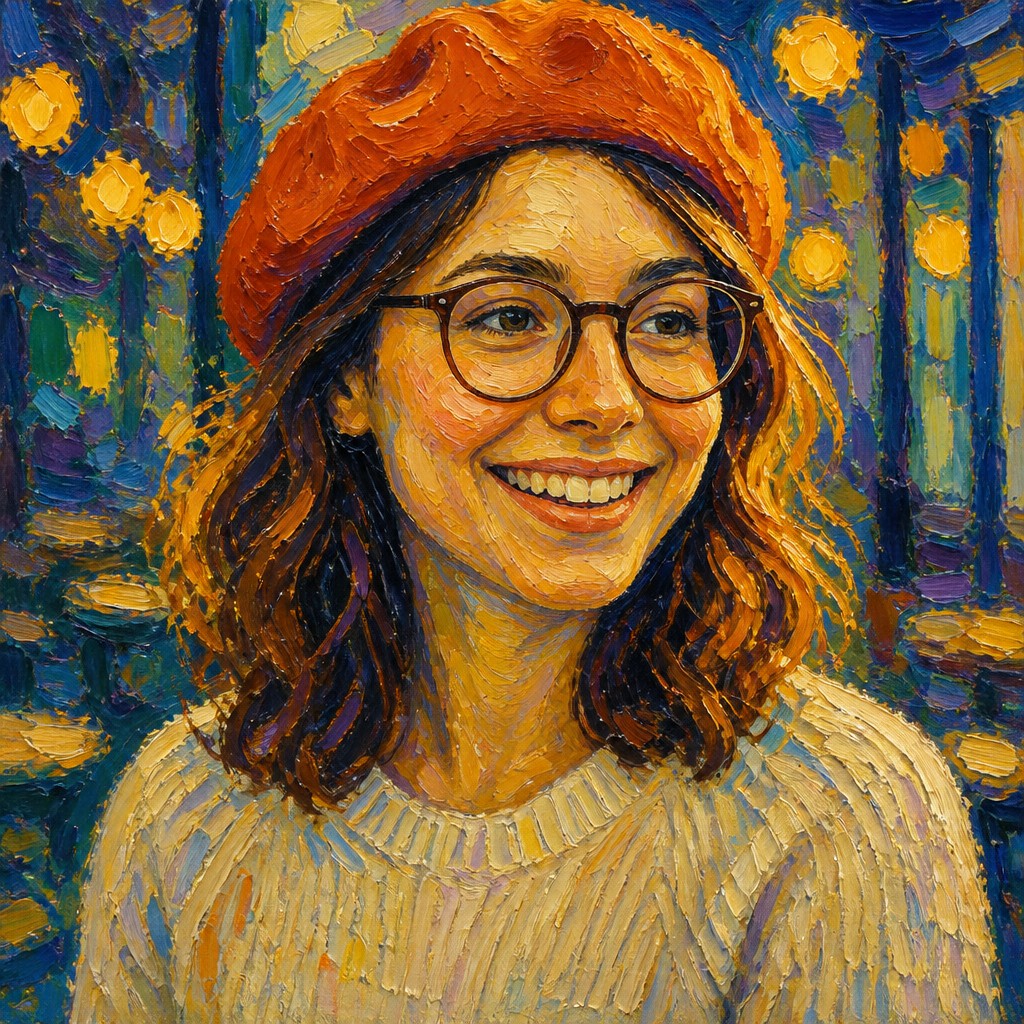

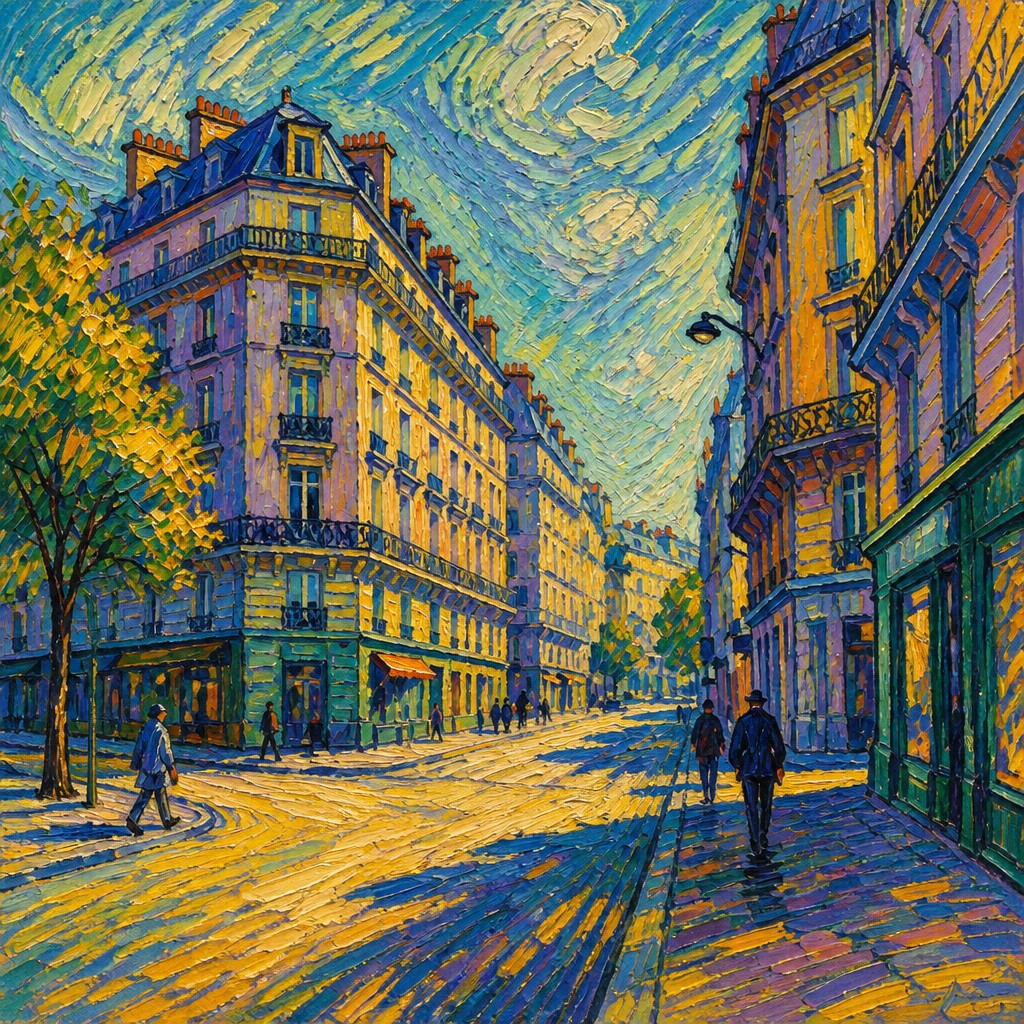

What Defines Post-Impressionism Art Style
The signature details, up close
Expressive brushwork
Paint handling is usually visible, energetic, and often layered. Brushstrokes are not hidden; they help define mood, movement, and surface texture.
Subjective color
Color often departs from local realism and is chosen for emotional or symbolic effect. Strong complements, heightened saturation, and unusual chromatic contrasts are common.
Simplified, structured form
Objects and figures are frequently reduced to essential volumes, contours, and planes. This gives the work a sense of solidity or deliberate design rather than optical immediacy alone.
Decorative pattern and rhythm
Repeated marks, contour lines, and organized patches of color may create a patterned surface. This can make the image feel both painterly and compositionally controlled.
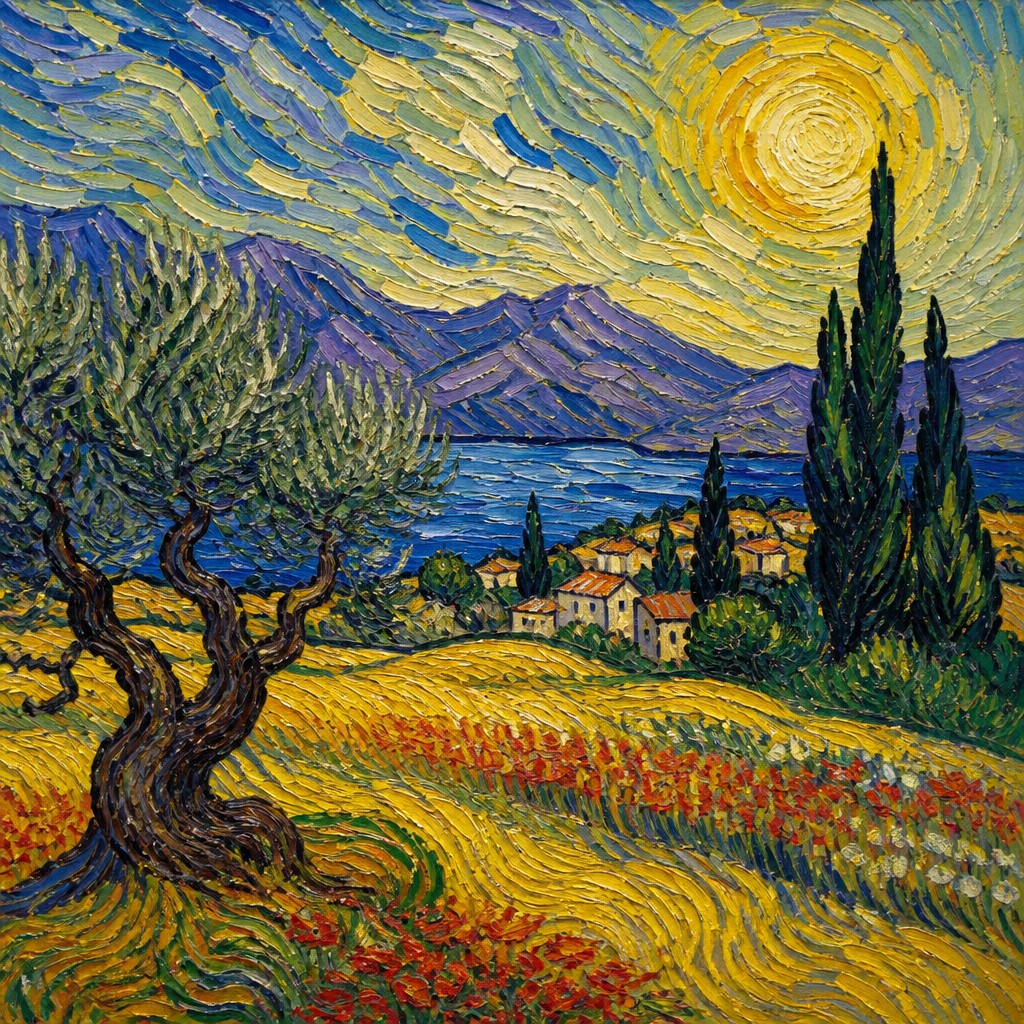
Symbolic or personal content
Many Post-Impressionist works move beyond pure observation to include memory, emotion, allegory, or spiritual meaning. The subject often reflects the artist’s interpretation rather than a neutral snapshot.
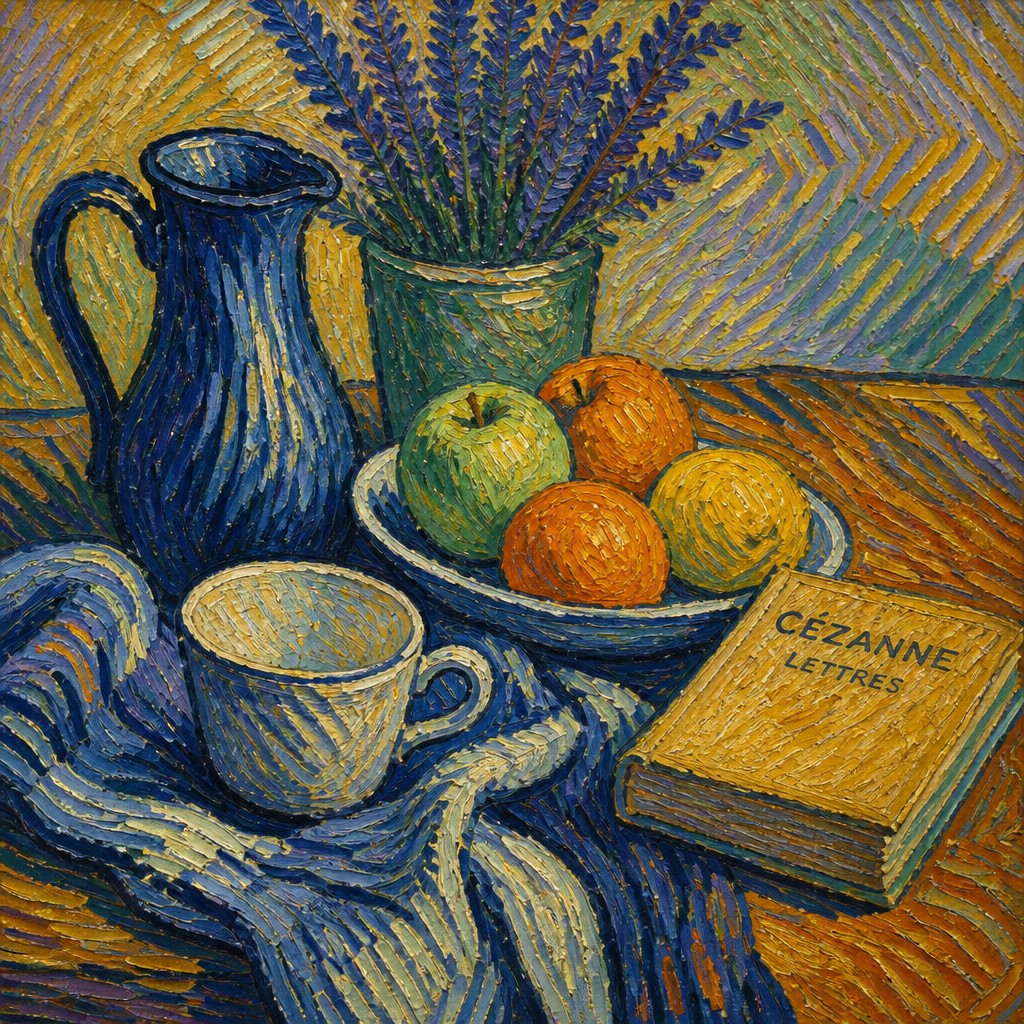
Strong composition
Despite the loose surface, the underlying arrangement is often carefully designed. Balance, directional movement, and spatial structure remain important.
Try It
Create Videos in Post-Impressionism Art Style
Styles aren't just for stills — describe a scene or animate an image and get a short video rendered in Post-Impressionism. Press play to see this pond come to life.
Make a VideoPost-Impressionism Prompt Ideas
Start from an idea — each one opens the generator with the style ready to go. See all 40 Post-Impressionism prompts →
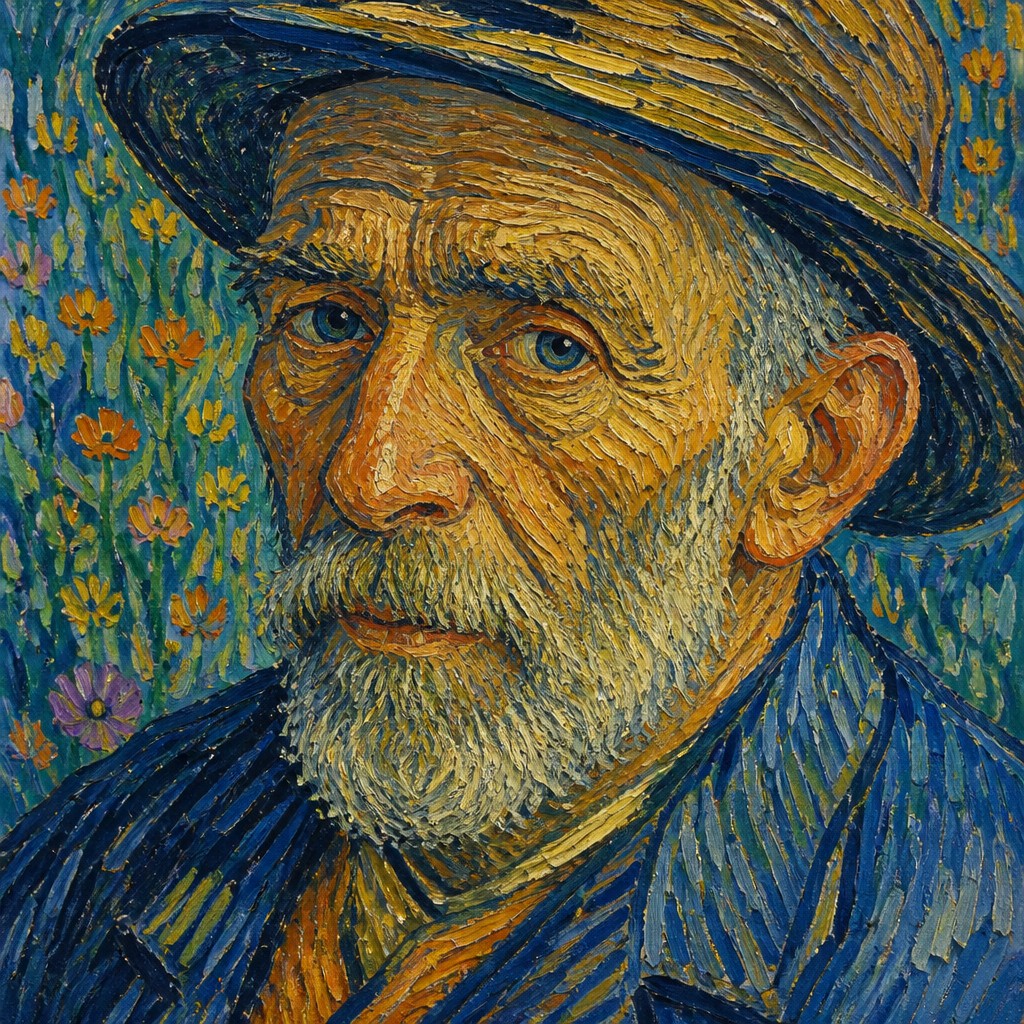
“close-up portrait of an elderly person with expressive weathered features”
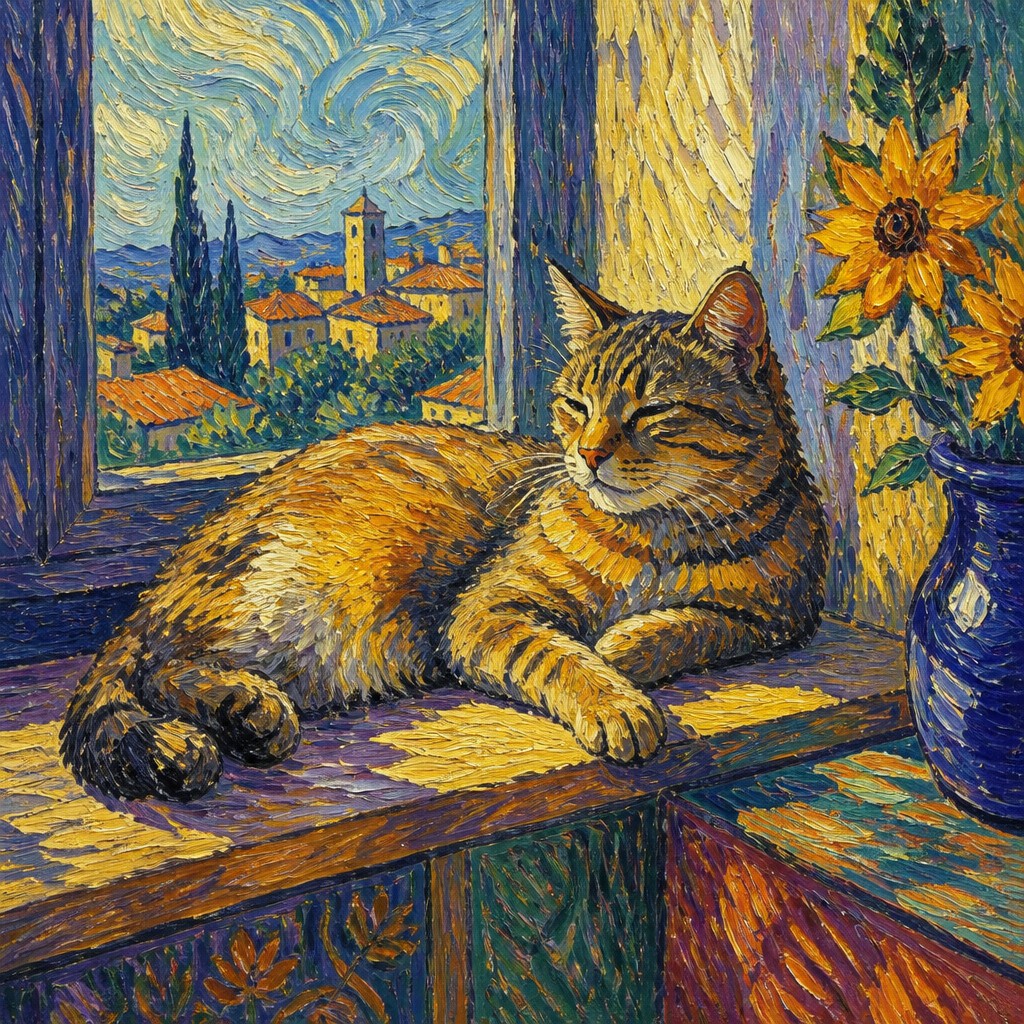
“a cat lounging in a sunlit window”
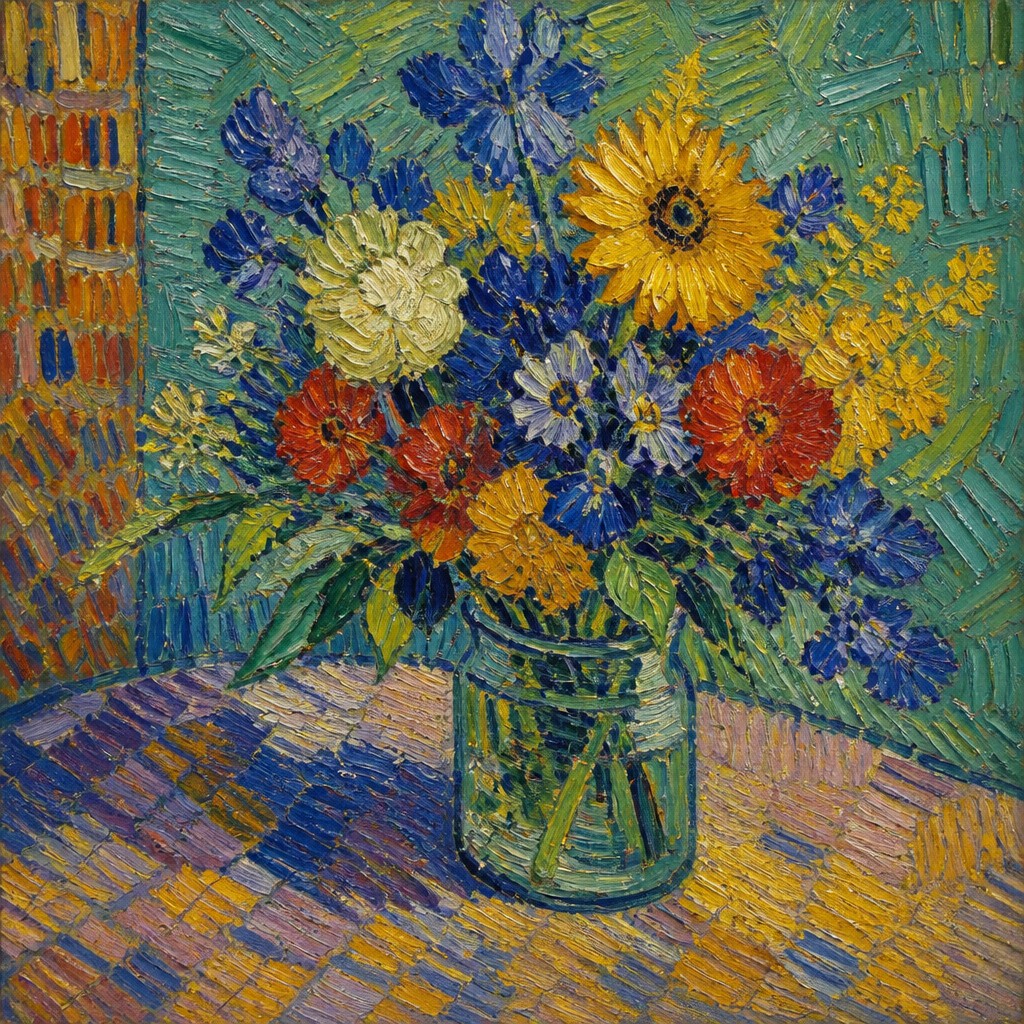
“bouquet of flowers in a glass vase”
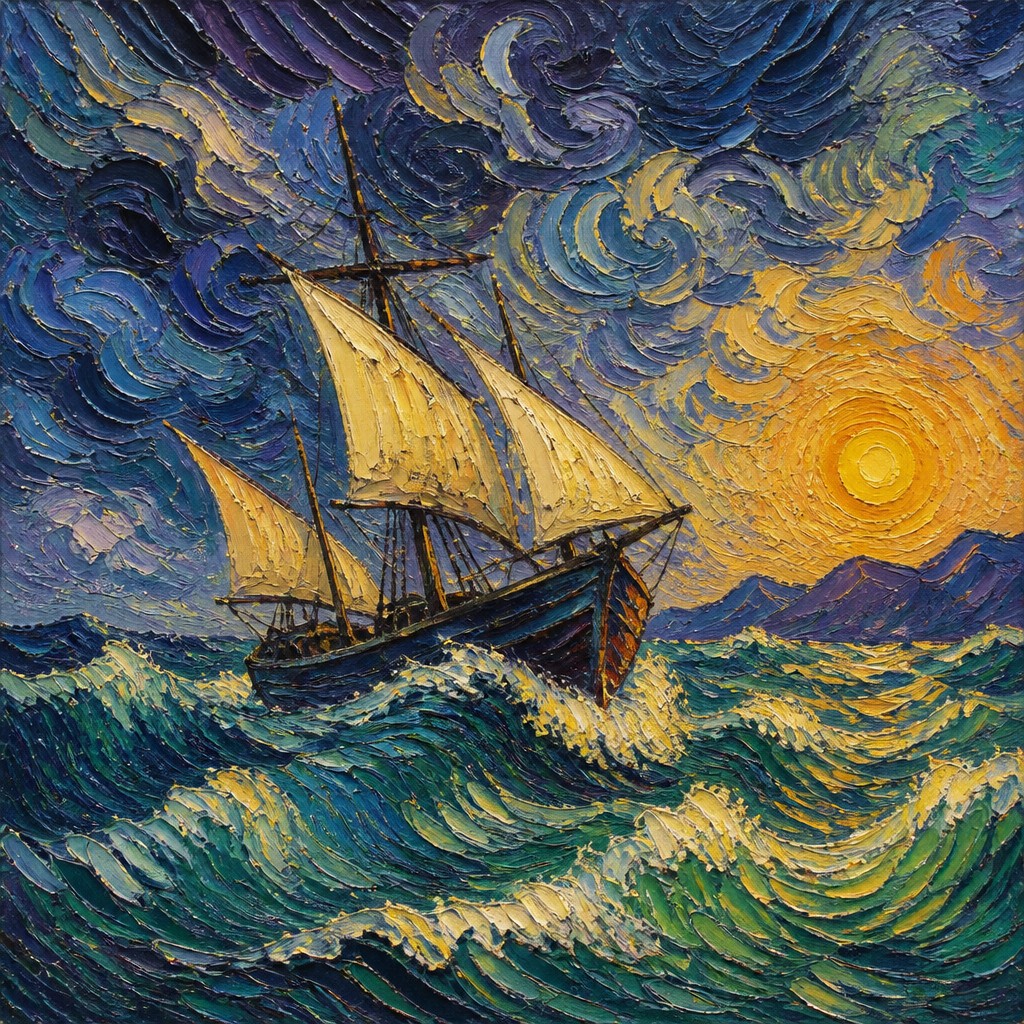
“sailing ship on a stormy sea”
How to Create Post-Impressionism Art
Master the craft step by step — or skip straight to creating. Read the full guide →
- 1
Build the image from large shapes first
Start with the overall structure of the scene or subject, then simplify it into clear masses and contours. Avoid over-detailing early; the style works best when forms are readable and intentionally shaped.
- 2
Use expressive color relationships
Choose color for mood and visual vibration rather than strict realism. Try complementary contrasts such as blue-orange or red-green, and let shadows and highlights carry color variation.
- 3
Keep the brushwork visible
In traditional media, use loaded brushes, layered strokes, and impasto where appropriate. In digital work, mimic this with textured brushes, directional strokes, and paint-like edges instead of smooth blending.
- 4
Design the composition deliberately
Balance the scene with strong diagonals, grouped forms, and rhythmic repetition. The best results feel spontaneous on the surface but organized underneath.
- 5
Emphasize hand-made texture in image generation
When writing prompts, specify thick impasto, bold directional brushstrokes, simplified contours, vivid non-naturalistic color, and structured composition. Mention emotional or symbolic atmosphere if you want the result to feel more interpretive than observational.
The Story
History & Origins of Post-Impressionism
Post-Impressionism is not a single unified school with a formal manifesto. The term was coined in the early 20th century by a British critic for the 1880s–1890s work of artists who moved beyond Impressionism in different directions. Among the most central figures are leading post-Impressionist painters associated with emotive color, structural form, symbolism, pointillist color theory, and bold poster-like design, each of whom developed a distinct response to Impressionist practice.
Its development reflects several overlapping concerns: one major painter sought durable structure and the construction of form; another intensified color and brushwork for expressive effect; another pursued symbolism and simplified shape; another developed Neo-Impressionist pointillism from color theory; and another adapted modern life into bold poster-like designs. These varied paths helped shape later modern art, especially Fauvism, Expressionism, and Cubism.
Influences: Post-Impressionism draws from Impressionism’s interest in modern life, light, and broken color, but it also reaches back to older traditions of structure, symbolism, and expressive draftsmanship. Leading structural post-impressionist painting strongly influenced Cubism, emotive color and motion helped shape Expressionism, flattened symbolism fed Symbolism and later decorative modernism, and color theories contributed to Neo-Impressionism and later optical approaches. Bold poster design also connects the movement to graphic design and modern visual culture.

Frequently Asked Questions
What defines Post-Impressionism?
It is defined less by a single look than by a shared move beyond Impressionism. Artists kept visible brushwork and interest in modern subjects, but used color, form, and composition more subjectively or structurally.
How is Post-Impressionism different from Impressionism?
Impressionism emphasizes fleeting light, atmospheric effects, and momentary perception. Post-Impressionism often keeps the bright palette and visible strokes, but adds stronger structure, symbolism, emotion, or personal interpretation.
Is Post-Impressionism the same as the best-known expressive Post-Impressionist painter’s style?
One of the best-known Post-Impressionist artists is especially associated with intense color and expressive brushwork, but the movement includes several distinct approaches beyond that work. Other central figures developed different visual languages through structure, symbolism, pointillism, and poster design.
What subjects work well in this style?
Landscapes, portraits, still lifes, interiors, and everyday scenes all work well. The style is especially effective when the subject can be transformed through color, pattern, or a more deliberate compositional structure.
How do I make digital art look Post-Impressionist?
Use textured brush tools, layered paint-like marks, and limited but vivid palettes. Avoid overly clean edges and flat gradients; the image should show the movement of the hand, even when made digitally.
Where is Post-Impressionism used today?
It appears in fine art, illustration, editorial imagery, decorative prints, and visual references for emotionally charged landscapes or portraits. Its mix of structure and painterly energy makes it adaptable to both traditional and digital work.
Create your first Post-Impressionism artwork
Describe anything — or upload a photo — and see it in Post-Impressionism Art Style in seconds.
Make Something with Post-Impressionism
Compare Post-Impressionism
Related Styles
Discover similar art styles