Post-Impressionism vs Impressionism: What's the Difference?
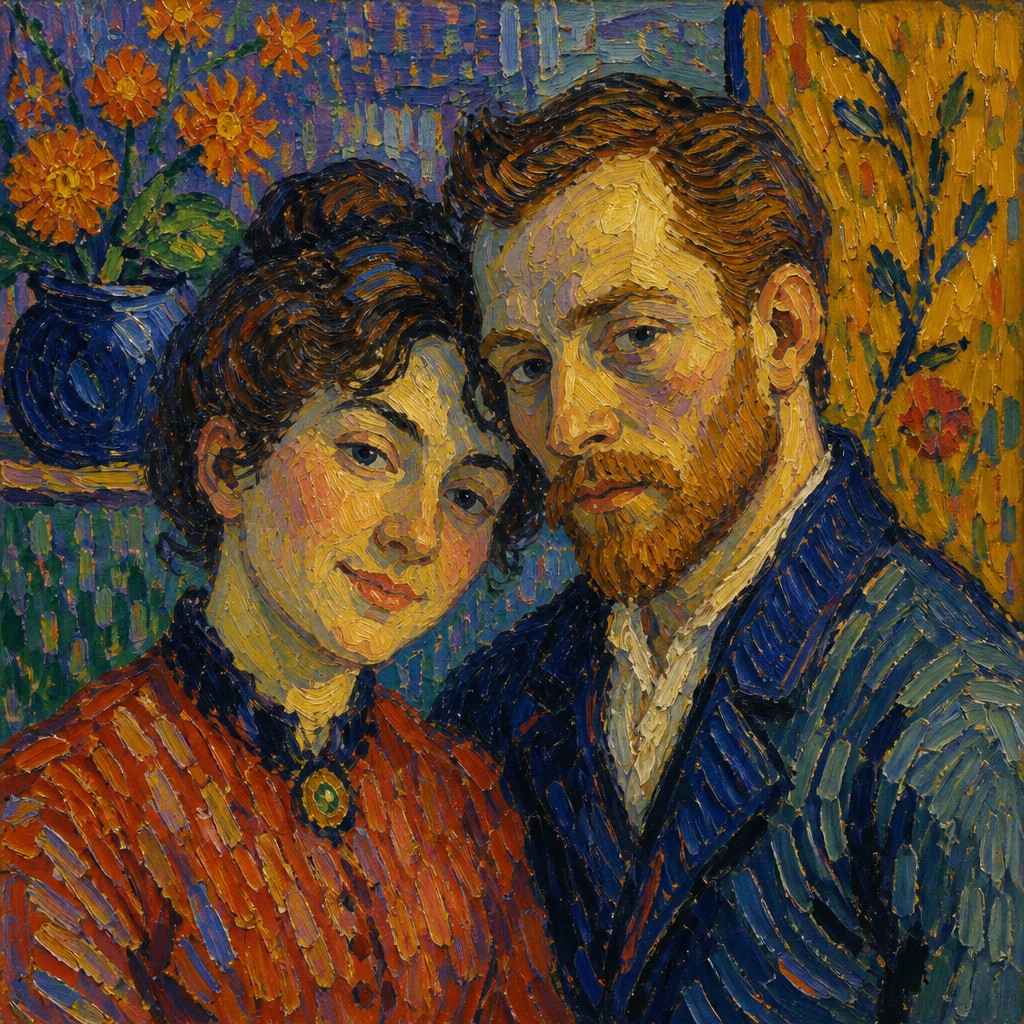
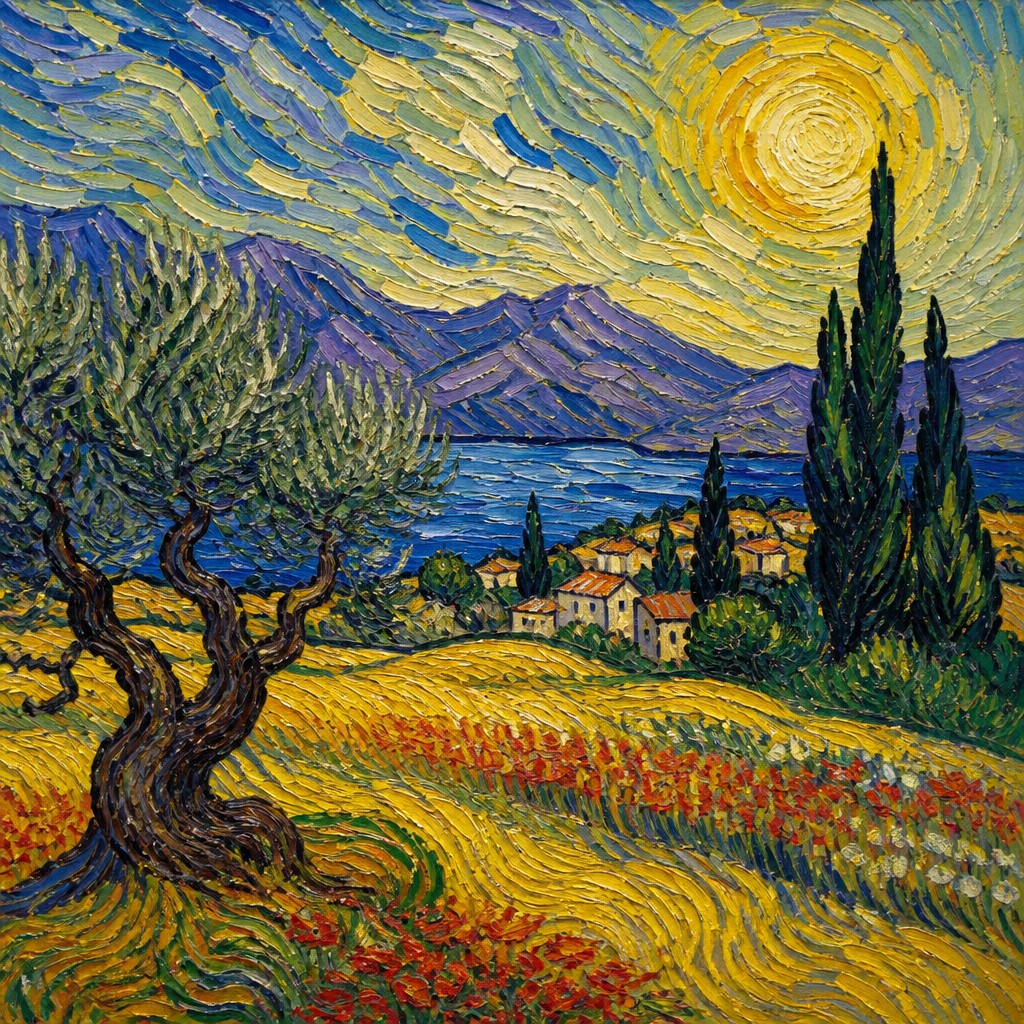
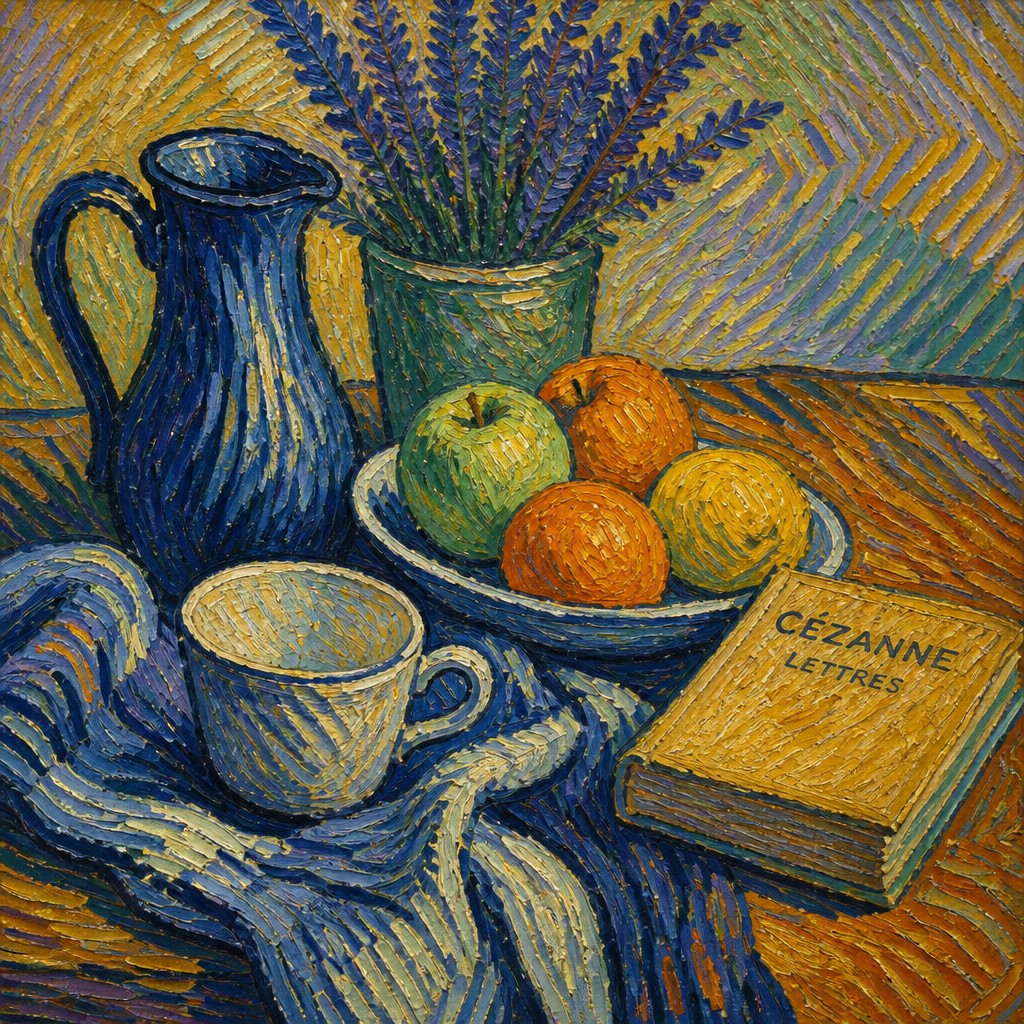
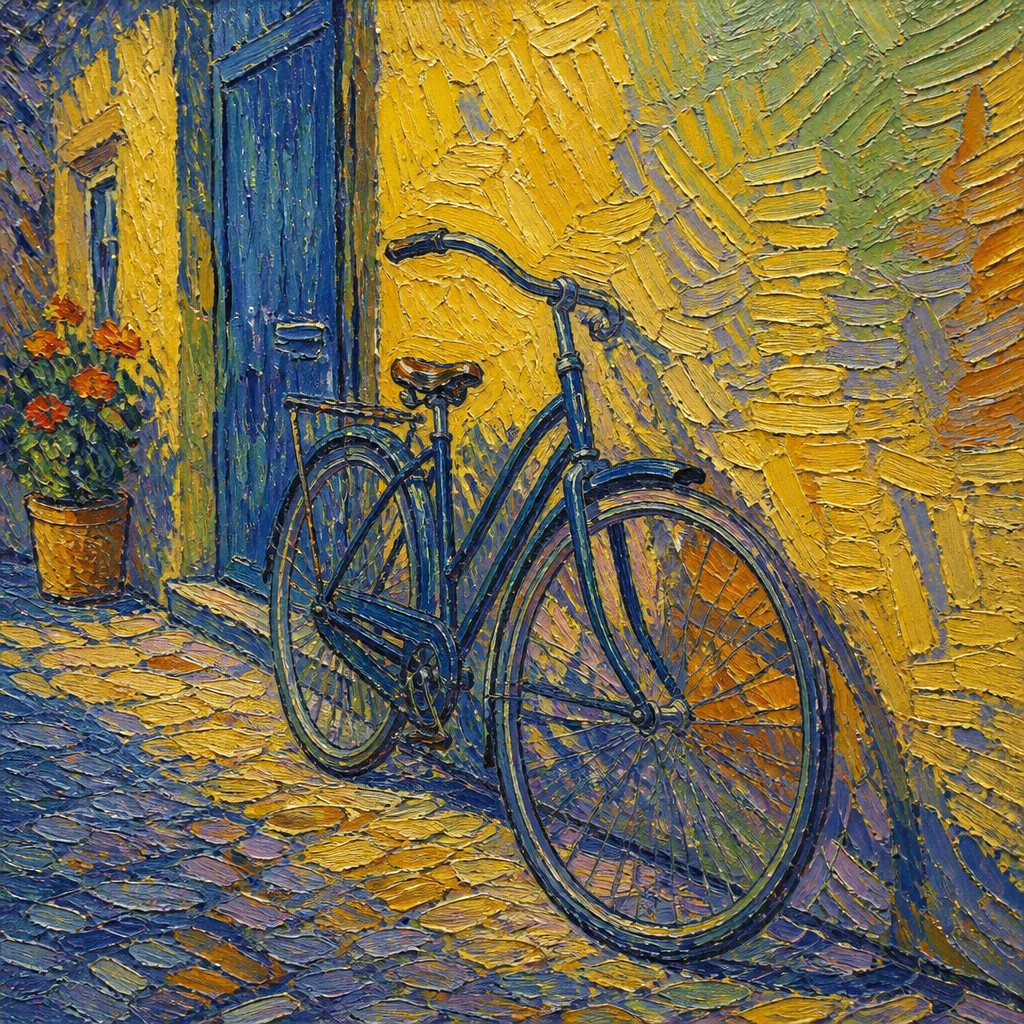
Post-Impressionism is a broad art movement that grew from Impressionism in the late 19th century. It keeps the use of vivid color and visible brushwork but often adds stronger structure, personal expression, and symbolic or decorative form. Artists in this style were less interested in simply recording what the eye sees and more focused on emotion, meaning, and the underlying order of a scene.
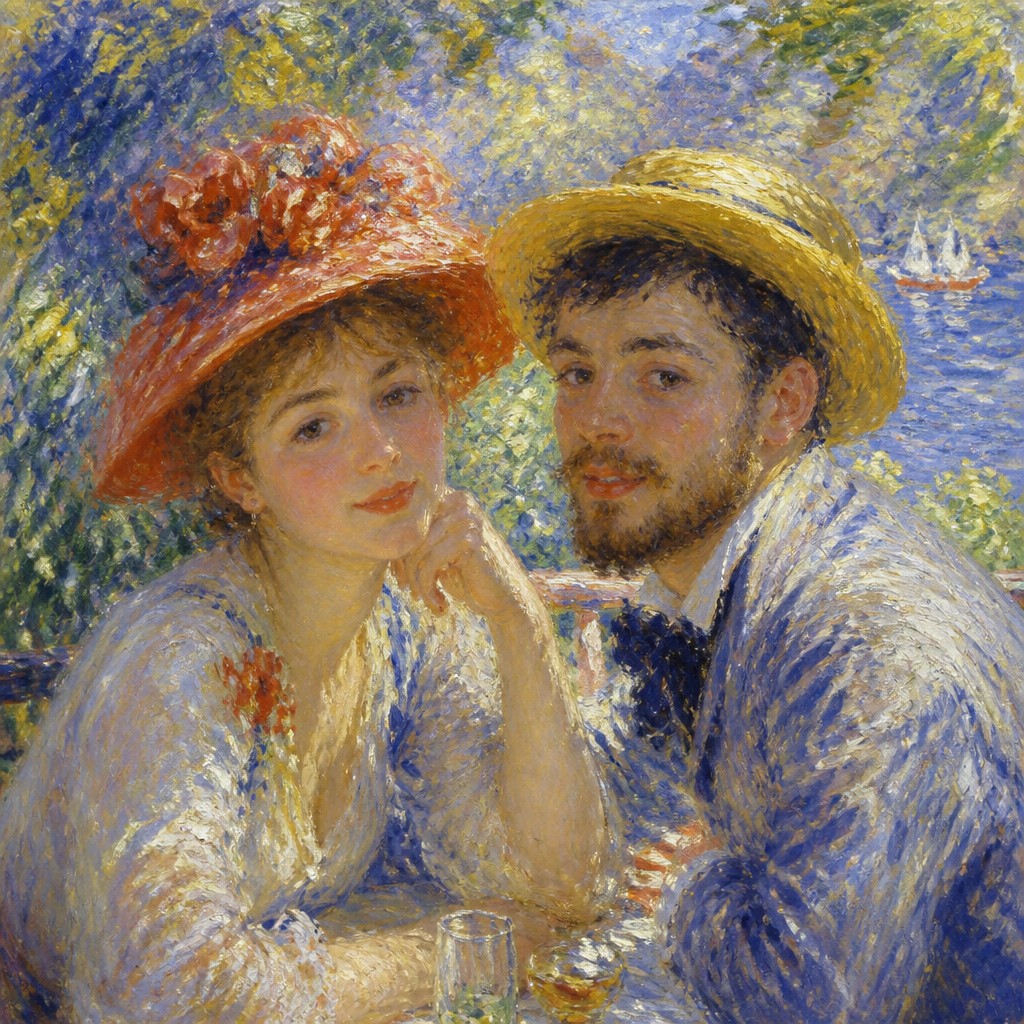
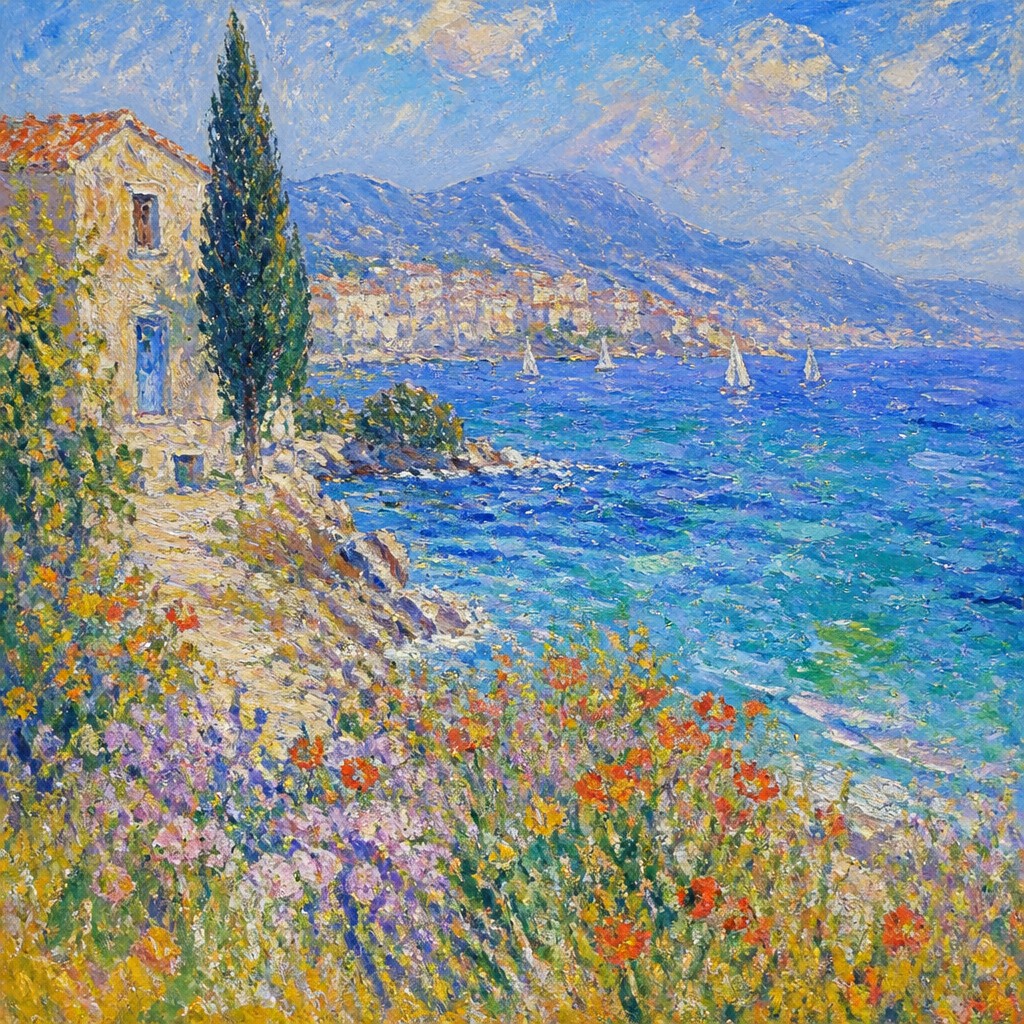
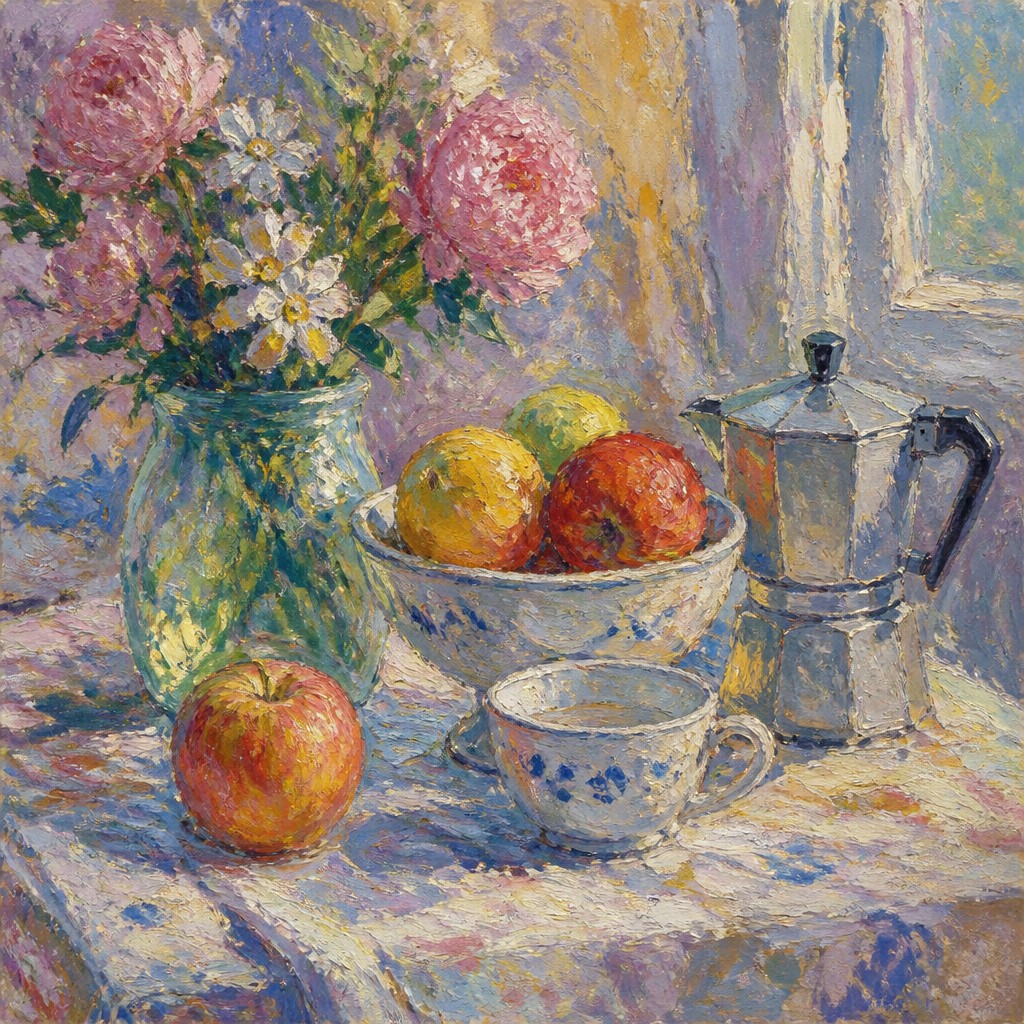
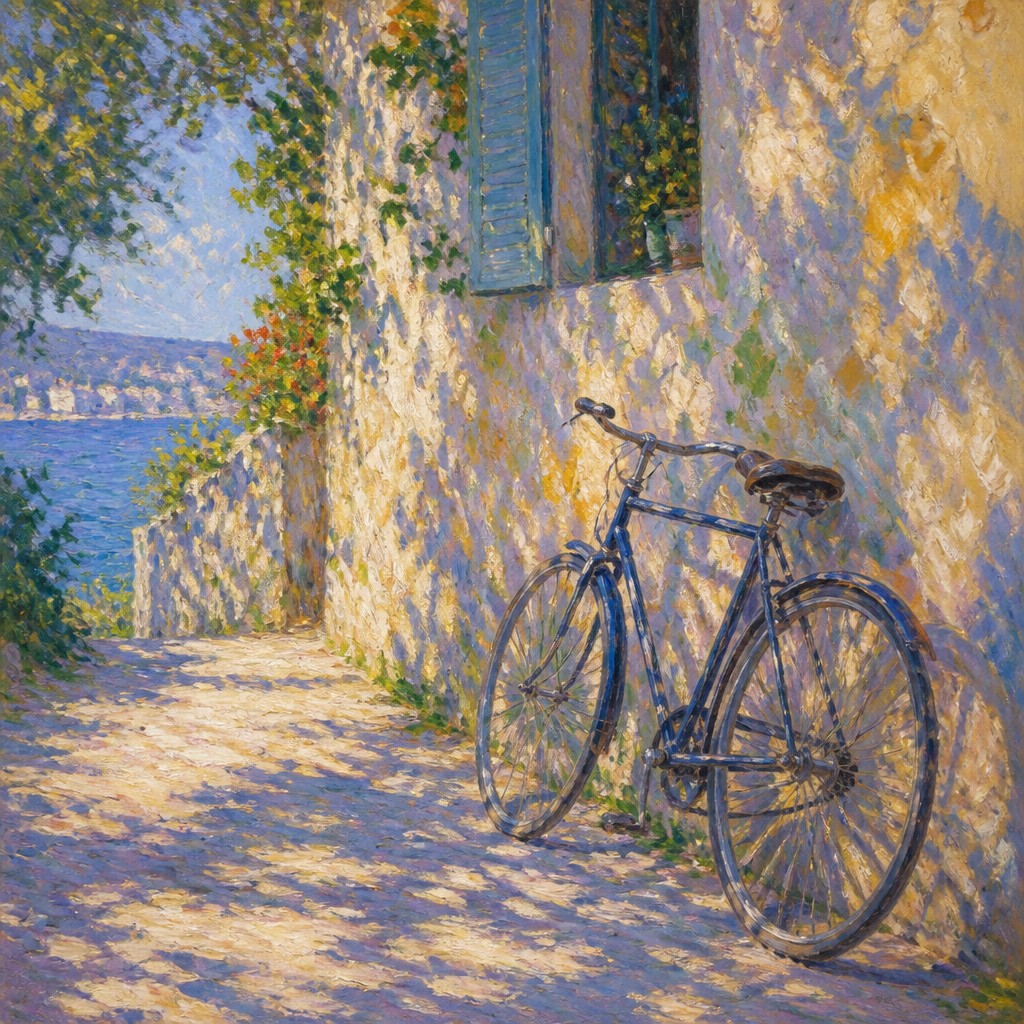
Impressionism is an earlier painting style centered on light, atmosphere, and the look of a moment as it is perceived outdoors. Its loose brushstrokes, broken color, and everyday subjects made it feel fresh and immediate. People compare these styles because both reject strict academic realism, use visible paint handling, and often depict modern life or landscapes—but they differ in how far they go toward emotion, structure, and symbolism.
Same Prompt, Both Styles
Each pair below was generated from the identical prompt — only the style changed.
“portrait of two people together”
“wide landscape with natural scenery”
“still life with everyday objects”
“bicyle resting against a wall”
Key Differences
| Post-Impressionism | Impressionism | |
|---|---|---|
| Goal | Expresses emotion, meaning, and structure beyond direct observation. | Captures a fleeting visual impression of light and atmosphere. |
| Color | Uses vivid, often intensified color for symbolic or emotional effect. | Uses broken color to suggest light and natural outdoor conditions. |
| Brushwork | Visible brushwork may be bold, deliberate, and texture-rich. | Visible brushstrokes stay light, quick, and responsive to changing light. |
| Form | Shapes are often simplified, outlined, or more structurally emphasized. | Forms dissolve slightly in light and atmosphere, with softer edges. |
| Subject matter | Commonly includes still lifes, portraits, landscapes, and symbolic scenes. | Often shows outdoor scenes, gardens, streets, and modern leisure. |
| Mood | Can feel intense, reflective, decorative, or emotionally charged. | Usually feels airy, immediate, and observational. |
| Mood | expressive, reflective, symbolic, vivid | airy, luminous, fleeting, serene, evocative |
| Energy | balanced | lively |
| Detail level | detailed | moderate |
| Color | rich, nonnaturalistic, high-contrast, earthy-bright | bright, pure, light-washed, atmospheric |
| Texture | visible brushstrokes, layered paint, tactile | visible brushstrokes, painterly, soft-edged |
| Origin | late 19th-century France | 19th-century France |
| Best for | fine art prints, posters, album covers, editorial illustration, book covers | landscapes, garden scenes, posters, editorial illustrations, album covers, wall art |
| Difficulty | advanced | moderate |
Which Should You Choose?
Choose Post-Impressionism if you want your image to feel expressive, structured, or symbolic, with color and form supporting a personal message. Choose Impressionism if you want to emphasize light, atmosphere, and the sense of a passing moment, especially in outdoor or everyday scenes. In short, pick A for emotional interpretation and stronger design, or B for visual immediacy and luminous spontaneity.
Frequently Asked Questions
Is Post-Impressionism just a more colorful version of Impressionism?
Not exactly. It often keeps bright color and visible brushwork, but it pushes beyond direct visual impression into stronger structure, emotion, or symbolism. The difference is about purpose, not just color intensity.
Which style is more realistic?
Impressionism is usually closer to what the eye sees in a moment, especially in changing light. Post-Impressionism can be less naturalistic because it may simplify, stylize, or heighten forms to express ideas.
Do both styles use visible brushstrokes?
Yes. Visible brushwork is common in both, but Impressionist strokes often feel quicker and more atmospheric, while Post-Impressionist strokes may be more deliberate or structurally important.
Can a painting contain traits of both styles?
Yes, many works share features of both movements. A painting may have Impressionist light and color but also Post-Impressionist structure, symbolism, or emotional intensity.